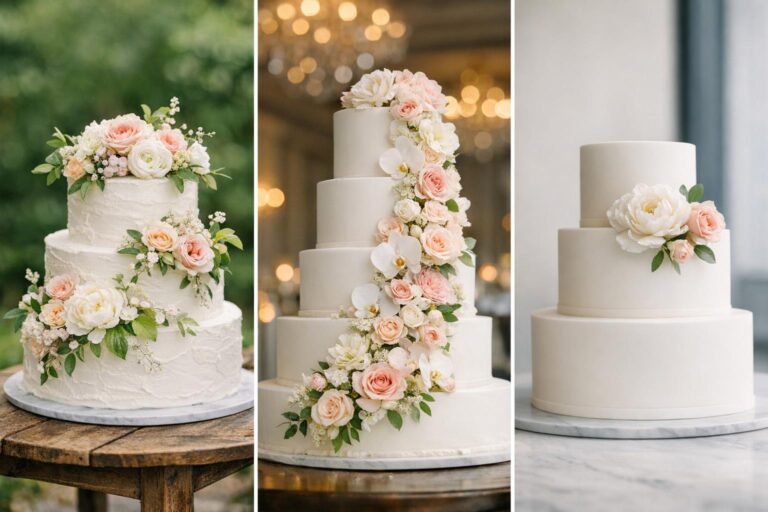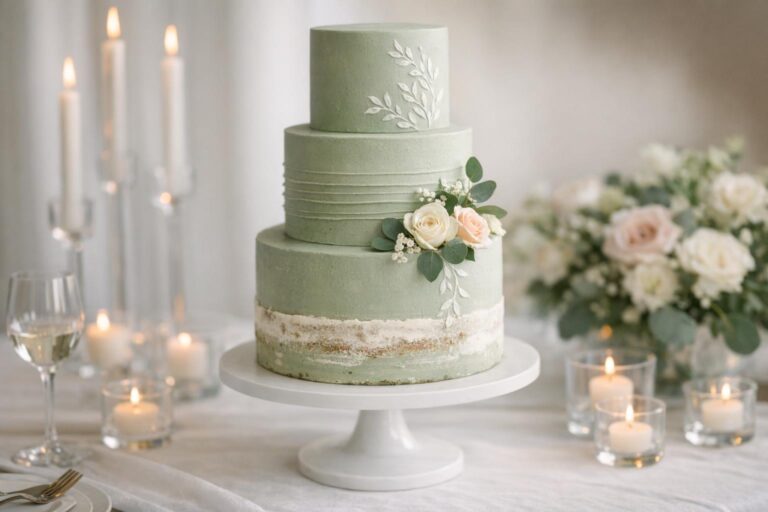
Traditional or Handmade? A Wedding Cake Recipe Mood Guide
The two wedding cake “styles” couples compare most: traditional white vs. homemade
The night before a wedding has a very particular kind of quiet. The venue is set, the timeline is printed, and someone—often a parent, best friend, or the couple themselves—is still thinking about one detail that will be photographed, sliced, and remembered in real time: the cake. Choosing a wedding cake recipe isn’t only about flavor. It’s about how you want the moment to feel when you cut into that first slice in front of everyone you love.
Most couples end up comparing two closely related, easily confused approaches: the traditional white wedding cake recipe (formal, classic, built for clean lines) and the homemade wedding cake recipe (personal, flexible, designed around comfort and meaning). They overlap—both can be elegant, both can be “white,” both can be tiered—but they’re guided by different priorities.
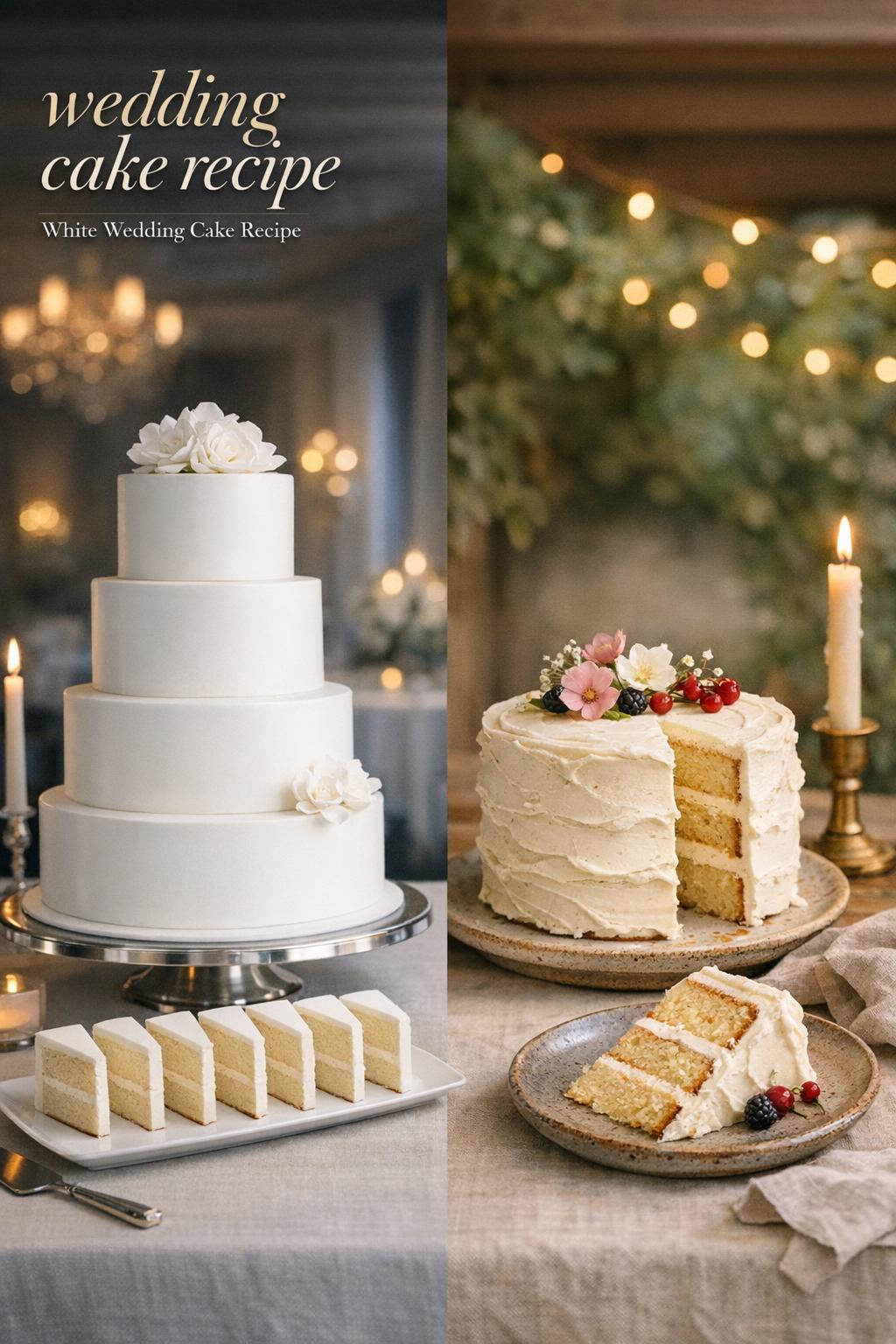
This comparison breaks down what changes when you shift from a traditional wedding cake recipe to wedding cake recipes homemade—how structure, decorating, planning, and even serving logistics evolve—so you can pick the style that fits your venue, schedule, and the emotional tone you want on your wedding day.
Style overview: the traditional white wedding cake recipe aesthetic
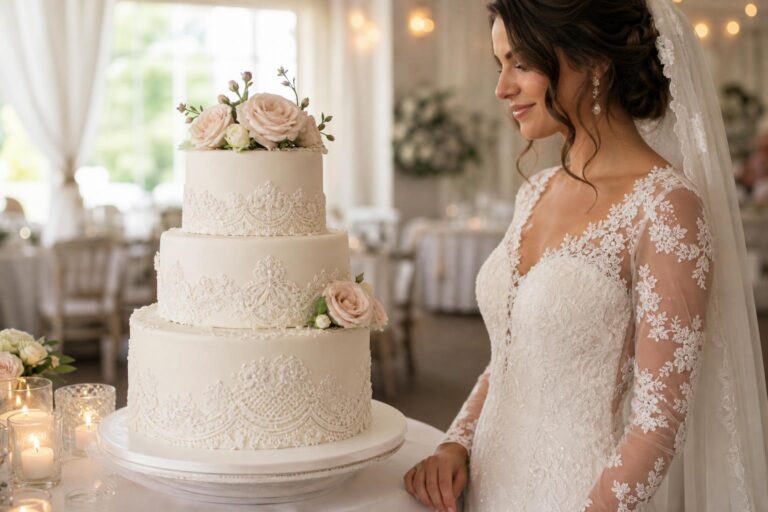
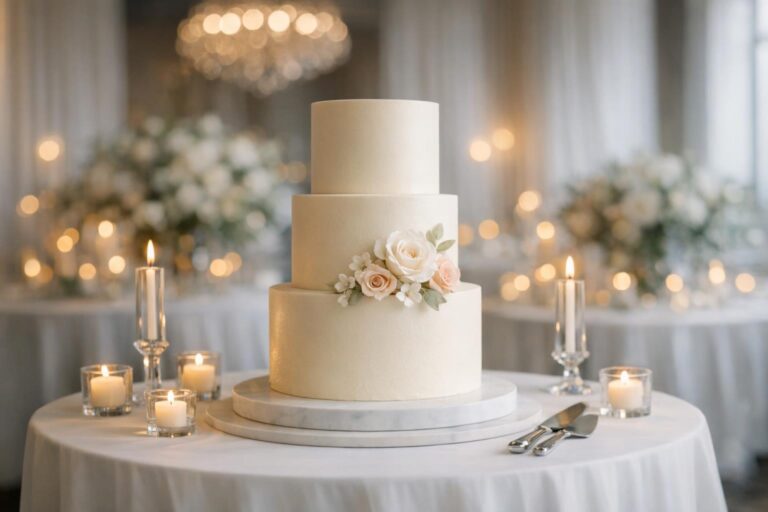
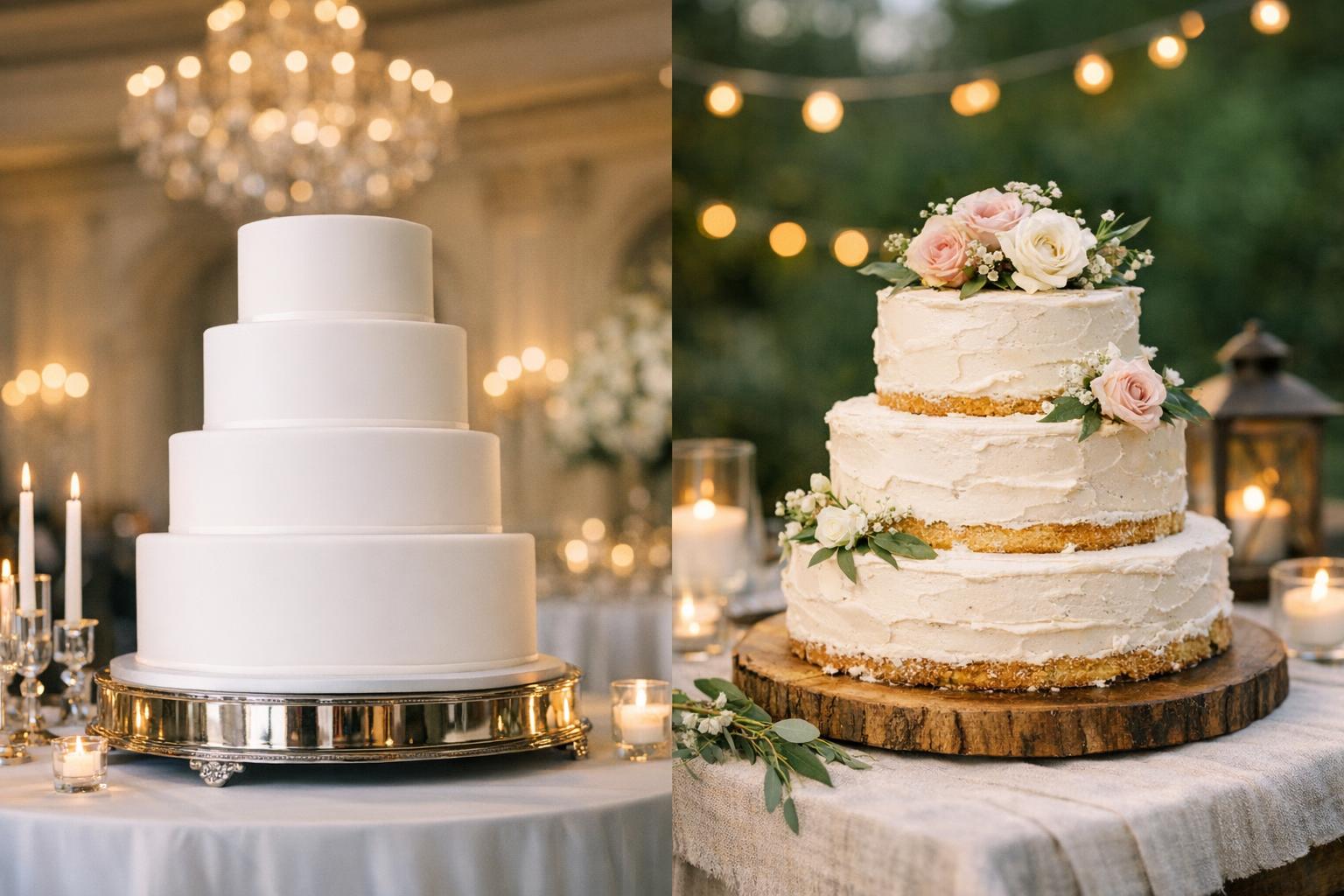
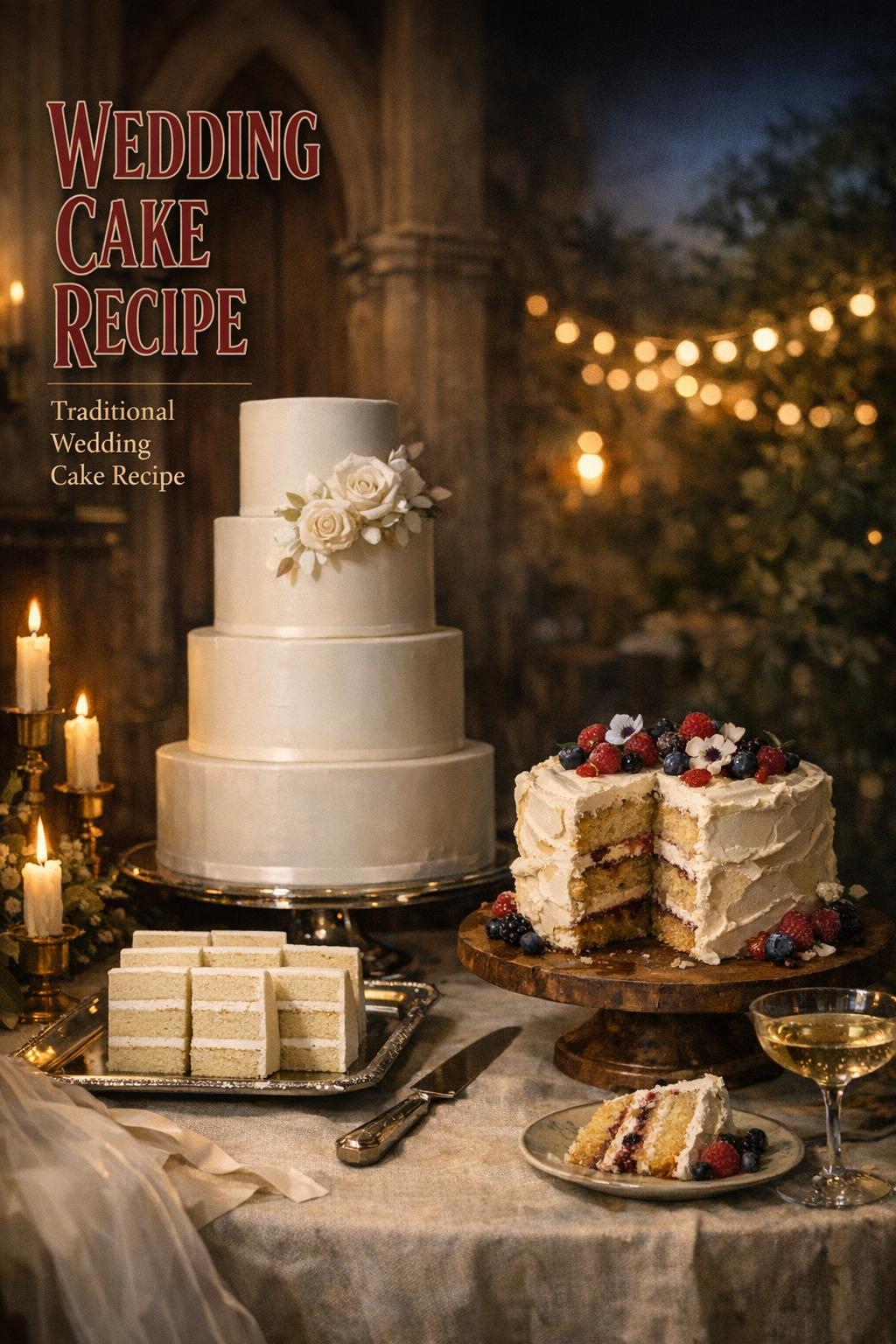
Think of the traditional white wedding cake recipe as “tailored.” Its defining characteristic is structure: crisp tiers, smooth sides, and a finish that looks intentional from every angle, even across a room. It’s the kind of cake that photographs beautifully in a candlelit reception and still looks pristine during the grand entrance.
Turn wedding inspiration into a plan you can actually follow.
Zarellea brings your guest list, budget, vendors, and day-of details into one shared space — so no beautiful idea gets lost in the shuffle.
In style terms, this approach typically leans on clean geometry (stacked tiers), a controlled crumb (slices look uniform), and a design that reads as formal. A white wedding cake recipe in this style is often chosen because it matches classic ceremony settings—ballrooms, churches, and black-tie timelines—where the cake is treated like a centerpiece.
The mood is polished and ceremonial. Even before anyone tastes it, it communicates: “This is a wedding.”
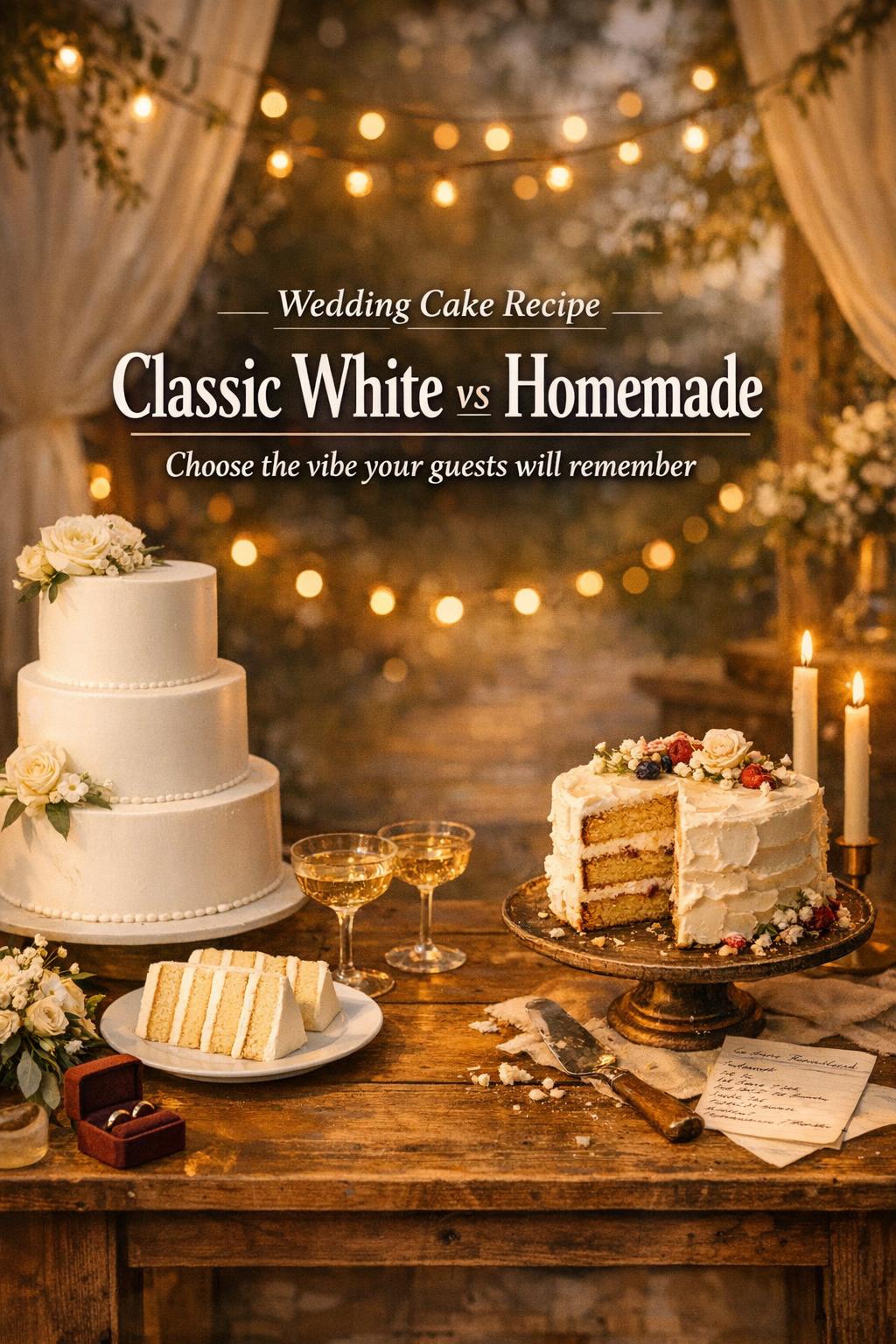
Style overview: the homemade wedding cake recipe aesthetic
A homemade wedding cake recipe is less about perfection and more about presence. It’s the cake equivalent of handwriting your vows: a little more human, often more expressive, and built around the idea that guests will feel cared for. The defining characteristic here is adaptability—recipes and decoration choices are made to fit real kitchens, real schedules, and real hands.
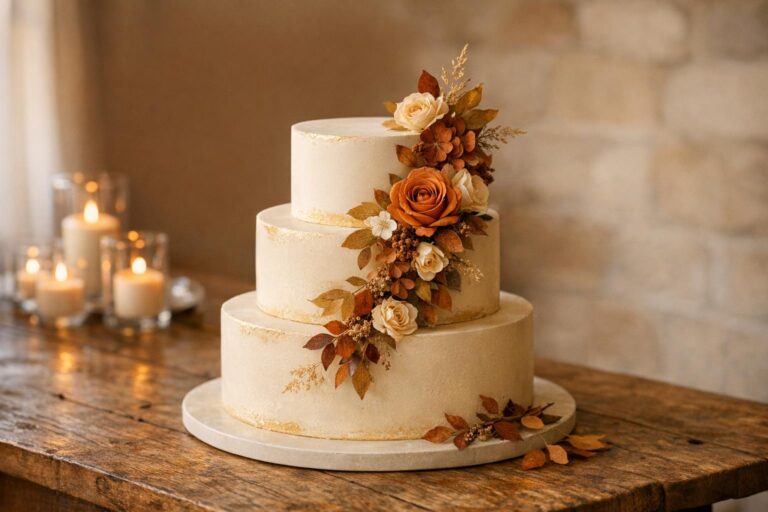
Wedding cake recipes homemade commonly feel softer in silhouette and styling. Even when they’re tiered, they tend to read as approachable: gently textured buttercream, visible layers, or decoration that feels romantic rather than rigid. This style fits backyard weddings, garden ceremonies, small venues, and receptions where warmth matters as much as glamour.
The mood is intimate and personal. The cake looks like it belongs to your story—because it does.
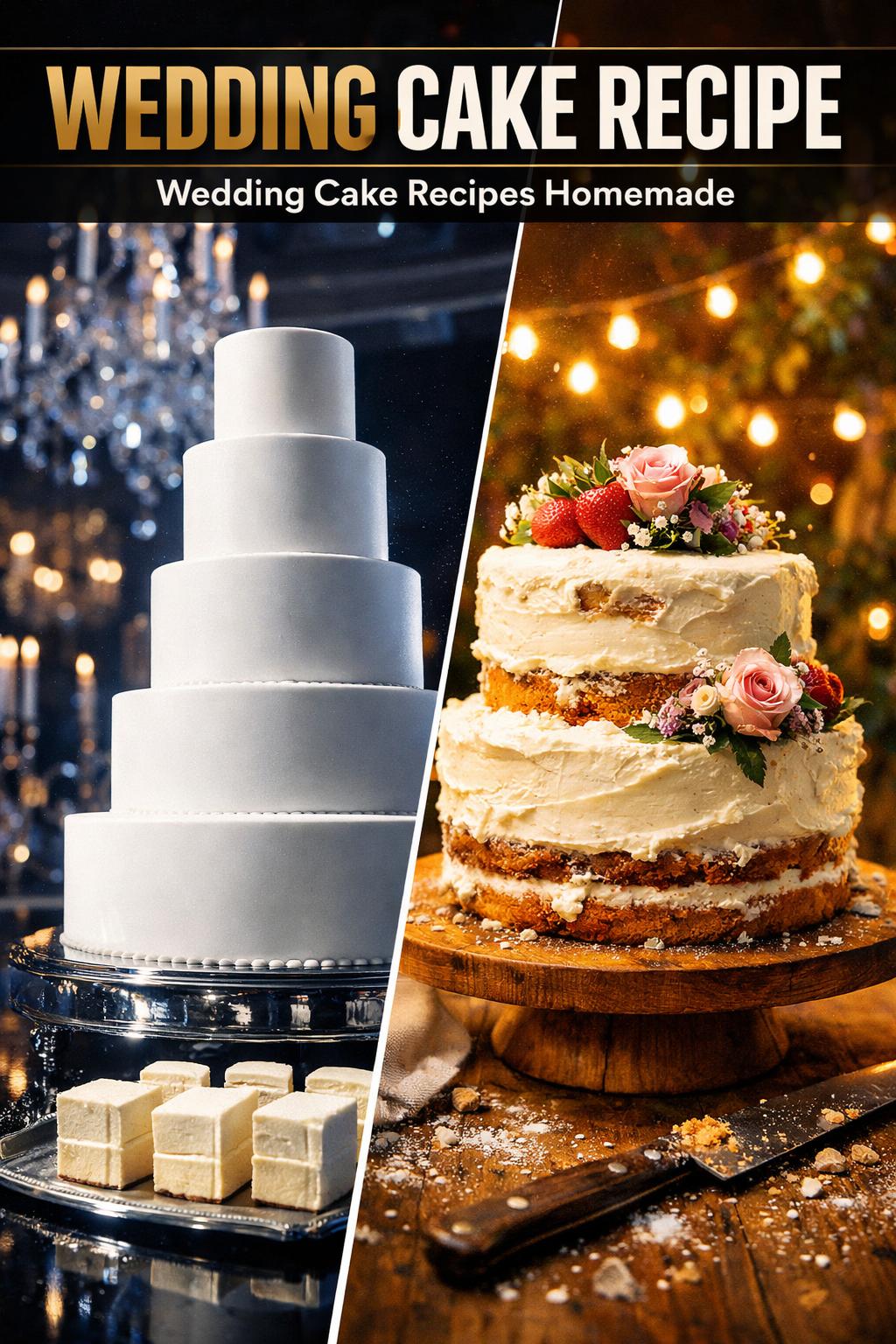
Key differences that matter on a real wedding day
Structure and stability: crisp ceremony vs. flexible celebration
The biggest functional difference between a traditional wedding cake recipe and a homemade wedding cake recipe is how much the cake is expected to “hold its shape” under pressure—time, transport, stacking, slicing, and warm rooms full of guests. Traditional styling prioritizes stability and clean edges; homemade styling prioritizes resilience and forgiveness. If you want sharp lines and tall tiers, you’ll naturally make choices that support that structure. If you want a cake that feels homemade (even if it’s carefully planned), you can choose a style that tolerates slight imperfections without looking “wrong.”
Finish and visual language: smooth minimalism vs. romantic texture
A white wedding cake recipe can look dramatically different depending on the finish. The traditional aesthetic uses smooth sides, symmetry, and a consistent look from tier to tier. The homemade aesthetic welcomes gentle texture—soft swirls, a slightly rustic surface, or a design that feels hand-finished. Neither is inherently “better,” but they communicate different energy in photos: traditional reads formal and timeless; homemade reads warm and lived-in.
Planning approach: precision scheduling vs. modular preparation
Traditional wedding cake recipes often require tighter planning: more controlled assembly, more time set aside for decorating, and fewer last-minute changes. Wedding cake recipes homemade are frequently built around modular steps—components you can prepare in advance, then assemble closer to the event—because the goal is to make the process workable for a home kitchen and a busy wedding week.
Serving experience: uniform slices vs. a “gather and share” feeling
Traditional cakes emphasize uniform servings: slices look consistent and clean, which suits formal service and photography. Homemade styles often feel more communal. Even when neatly sliced, the emotional tone shifts—guests sense that someone made this with intention, and the cake moment can feel like part of the hospitality rather than a presentation.
Visual style breakdown: how these wedding cake styles show up at the reception
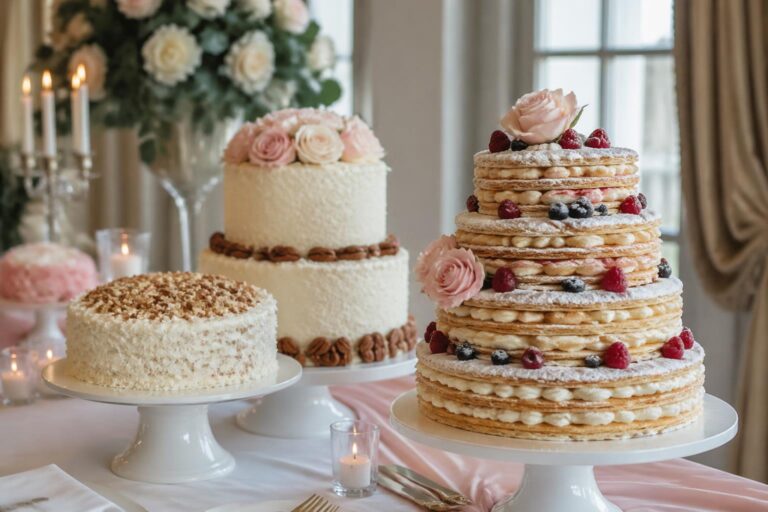
Because cakes are displayed before they’re eaten, “style” is as visual as it is culinary. If you’re deciding between a traditional white wedding cake recipe and wedding cake recipes homemade, it helps to imagine the cake table the way guests will see it: as a backdrop to toasts, photos, and that quick pause when the room turns its attention to you.
Silhouette and proportion on the cake table
A traditional wedding cake recipe typically reads as taller, more architectural, and more symmetrical. The tiers feel deliberately scaled. A homemade wedding cake recipe can still be tiered, but it often looks slightly softer in proportion—less “monument,” more “romance.” That can be a perfect match for an intimate guest count or a venue where you don’t want the cake to dominate the room.
Surface finish: what guests notice without realizing it
Guests may not name the technique, but they feel the difference. A flawlessly smooth exterior signals high formality. A gently textured finish signals something more relaxed and welcoming. If your wedding styling is filled with soft light, florals, and a “come closer” atmosphere, the homemade look often blends seamlessly. If your styling is crisp—clean tablescapes, formal attire, structured timeline—the traditional finish reinforces that clarity.
Decoration philosophy: centerpiece vs. story detail
Traditional cakes are designed as focal points. Homemade cakes are designed as story details—still beautiful, but in a way that feels integrated with the day rather than staged. This is why couples sometimes feel torn: they want the “wedding cake moment” and also the comfort of something homemade. Knowing which role you want the cake to play helps you choose your style without regret.
Outfit-style comparisons, but for cake: the same wedding, two different cake approaches
To make the differences practical, imagine the same wedding settings—only the cake style changes. This is where the decision becomes clearer, because it’s less about ideals and more about how the day actually moves.
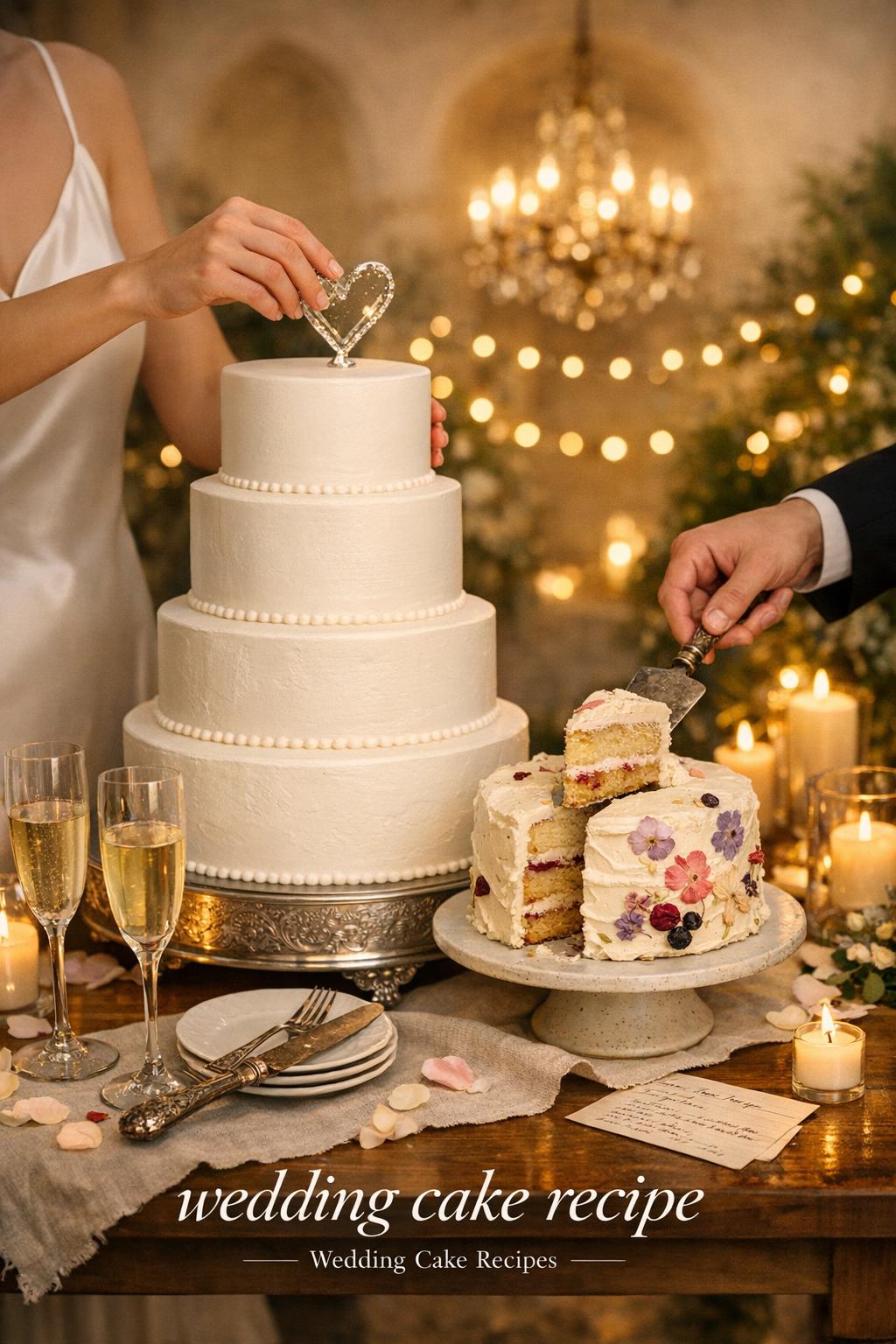
Example comparison: a formal evening reception
In a formal evening reception, a traditional wedding cake recipe behaves like a classic gown: clean lines, ceremony-ready structure, and a refined presence that holds up in low light and professional photography. The homemade wedding cake recipe approach in the same setting feels like adding a softer layer to the formality—still elegant, but more intimate. It can work beautifully if your goal is to make a formal room feel warmer; it can feel out of place if every other detail is intentionally crisp and minimalist.
Example comparison: a garden or backyard celebration
In a garden or backyard celebration, wedding cake recipes homemade often look like they belong there: romantic, relaxed, and naturally photogenic against greenery. A traditional white wedding cake recipe can still be stunning in this setting, but it becomes a deliberate style contrast—like a structured silhouette in a soft landscape. If you love that contrast, it’s a statement. If you’re aiming for effortless harmony, the homemade style tends to blend more organically.
Example comparison: a small ceremony with a short timeline
For a small ceremony, the hidden question is often time. A traditional wedding cake recipe look can demand more precision in stacking and finishing, which may add stress close to the ceremony. A homemade wedding cake recipe is often better suited to a short timeline because it can be prepared in steps and finished with a forgiving design. If you’re trying to protect your calm—especially the day before the wedding—this difference matters.
How to choose the right wedding cake recipe style for your venue and schedule
Couples sometimes choose based on taste alone, then realize the cake doesn’t match the practical realities of their venue. The best decision is the one that respects both: the vision and the logistics.
Choose a traditional wedding cake recipe style when…
- You want a formal, classic presentation with clean lines.
- Your reception setting is structured (grand entrance, speeches, plated service) and the cake will be a visual focal point.
- You’re prioritizing uniform slices and a consistent look across tiers.
- You have the time and support to assemble and decorate with precision.
Choose wedding cake recipes homemade when…
- You want the cake to feel personal, warm, and story-driven.
- Your venue is relaxed (backyard, garden, small space) and you want the cake to blend naturally with the setting.
- You’d rather use a forgiving finish than chase perfectly sharp edges.
- You need a process that can be broken into manageable steps during wedding week.
When you’re torn: the “hybrid” decision many couples actually make
In real weddings, the choice is rarely all-or-nothing. Many couples want a traditional silhouette but a homemade feeling—like a white wedding cake recipe that looks classic from across the room, yet feels intimate up close. If that sounds like you, you’re not indecisive; you’re designing a day that’s both ceremonial and personal. The most useful way to proceed is to decide which matters more: a perfectly uniform exterior, or a process that keeps you calm and present.
Tips from wedding-week reality: what makes a homemade cake feel “wedding,” not “weekday”
The fear with a homemade wedding cake recipe isn’t taste—it’s whether it will look special enough. In practice, “wedding” is less about perfection and more about intentionality: a clear design choice, a consistent finish, and a plan that prevents last-minute scrambling.
Tips: create a single visual rule and follow it
Pick one visual rule—smooth and minimal, softly textured, or gently rustic—and keep it consistent from tier to tier. A homemade cake looks elevated when the design feels deliberate. The most common styling mistake is mixing finishes: for example, aiming for traditional smoothness on one tier and a highly textured look on another. Consistency reads as confidence.
Tips: protect your time the day before
Wedding week is emotionally full, and the day before often disappears into errands, rehearsals, and unexpected phone calls. If you’re committing to wedding cake recipes homemade, plan the steps so the final decorating window is calm. The goal is not to “power through” at midnight—it’s to show up on your wedding day feeling like yourself.
Wedding week is emotionally full, and the day before often disappears into errands, rehearsals, and unexpected phone calls. If you’re committing to wedding cake recipes homemade, plan the steps so the final decorating window is calm. The goal is not to “power through” at midnight—it’s to show up on your wedding day feeling like yourself.
Tips: decide how the cake will travel and be displayed
A cake that looks perfect in your kitchen can look different after transport. Before you commit to a homemade wedding cake recipe or a traditional wedding cake recipe presentation, picture the full journey: where it’s assembled, how it’s moved, and where it sits at the venue. If your venue has tight timelines or warm outdoor spaces, prioritize a style that won’t punish you for small bumps, brief waits, or a room full of body heat.
Tips for choosing a white wedding cake recipe: classic doesn’t have to mean complicated
A white wedding cake recipe is often chosen because it harmonizes with almost any wedding palette, from romantic pastels to minimalist neutrals. But “white” can mean two different style intentions: a traditional wedding cake recipe designed for a pristine finish, or a homemade wedding cake recipe that feels soft and romantic in white.
Tips: match the white to the mood, not an ideal
If your wedding décor is crisp and formal, a cleaner, more uniform white supports that atmosphere. If your wedding is warm and intimate, a softer white with gentle texture can feel more natural. The point is to choose a white wedding cake recipe style that aligns with the emotional tone of your day—because that tone is what guests remember.
Tips: plan for camera moments
Cake photos happen quickly: a wide shot of the cake table, the cutting moment, and a close-up of the slice. Traditional cakes tend to excel in wide shots because of symmetry. Homemade cakes tend to excel in close-ups because of texture and detail. If you know which photos matter most to you, you can choose the style that plays to that strength.
Common “style mistakes” couples make with wedding cake recipes
Most cake regret isn’t about flavor—it’s about choosing a style that doesn’t fit the day’s reality. These are the issues that show up most often when couples plan a wedding cake recipe without thinking through the setting.
- Overcommitting to perfection: A traditional look demands precision. If your schedule is tight, that pressure can steal joy right before the wedding.
- Choosing a finish that doesn’t match the venue: A very formal, crisp exterior can feel visually disconnected in a relaxed outdoor setting, while a very rustic finish can feel underdressed in a formal room.
- Not aligning the cake with the serving style: Uniform slices suit structured service; a more relaxed cake style suits a looser flow.
- Forgetting the “how it gets there” question: Transport and timing matter as much as the recipe itself.
How to combine both aesthetics without losing the plot
If you’re drawn to the look of a traditional wedding cake recipe but want the heart of wedding cake recipes homemade, aim for one strong traditional element and one strong homemade element—then keep everything else quiet. For example, you might choose a classic tiered silhouette (traditional) with a subtly textured finish (homemade), or a very simple white wedding cake recipe exterior (traditional) paired with a more personal, relaxed overall presentation at the cake table (homemade).
This is also where your wedding planning priorities become part of the design. The most beautiful cake is the one that supports your day instead of complicating it. If the cake becomes a source of stress, it will quietly reshape the mood of the hours leading up to your ceremony. A balanced, well-chosen style protects the feeling you’re trying to create.
Where each style shines: a wedding planner’s lens on timing, comfort, and flow
Cakes live inside a timeline. They arrive, they wait, they’re photographed, they’re cut, and they’re served—often while other moments are happening at once. So the best choice is not simply “which wedding cake recipe is prettiest,” but “which style holds up inside our day.”
Everyday calm vs. high-impact formality
If you want a calm morning and a gentle wedding week, a homemade wedding cake recipe approach often supports that goal because it encourages flexible preparation and a forgiving finish. If you want a high-impact formal reveal at the reception, a traditional wedding cake recipe look is designed to deliver that moment, especially in a more structured venue.
Travel, destination logistics, and venue constraints
Venue logistics can quietly dictate your style. A cake that needs pristine edges is less forgiving of travel, stairs, heat, or rushed setup windows. If your wedding involves extra movement—between ceremony and reception locations, or a setup window that’s too short—wedding cake recipes homemade can be the more realistic choice. Not because it’s less beautiful, but because it’s designed to be lived with.
The guest experience: what your cake communicates
A traditional white wedding cake recipe communicates ceremony and tradition. A homemade wedding cake recipe communicates hospitality and intimacy. Both are meaningful. The question is which message you want to lead with when guests gather around your cake table and watch you take that first slice.
Choosing your direction: a gentle decision checklist
If you’re still deciding, bring it back to a few grounding questions. These aren’t technical—they’re about aligning the cake with the wedding you’re actually hosting.
- Do you want the cake to feel like a formal centerpiece or a personal story detail?
- Will you feel supported by a precise decorating process, or stressed by it?
- Is your venue more structured (formal room, formal timeline) or more relaxed (garden, backyard, intimate setting)?
- Do you care more about a flawless exterior or a warm, romantic finish?
- How much time do you realistically have for assembly and decoration during wedding week?
Once you answer those honestly, the “right” wedding cake recipe style tends to reveal itself. And if you land in the middle, that’s not a compromise—it’s a customized aesthetic, built for your day.
A final note on tradition: why “traditional” can still feel like you
Some couples worry that choosing a traditional wedding cake recipe means choosing something generic. But tradition becomes meaningful when it’s chosen intentionally. A white wedding cake recipe can be a timeless nod to ceremony and family, or a minimalist backdrop that lets the rest of your wedding design shine. And wedding cake recipes homemade can be deeply classic too—because “homemade” is, in its own way, a tradition of care.
However you choose to celebrate—formal and polished, intimate and homemade, or thoughtfully blended—your cake can be a quiet, beautiful anchor in the day. It’s one more way to say: we planned this with love, and we’re ready for what comes next.
FAQ
What’s the main difference between a traditional wedding cake recipe and a homemade wedding cake recipe?
A traditional wedding cake recipe style prioritizes a formal, structured look—clean lines, symmetry, and a consistent finish—while a homemade wedding cake recipe prioritizes flexibility, a more forgiving design, and an intimate, personal feeling that fits real wedding-week timing and home-kitchen logistics.
Can a white wedding cake recipe still look homemade in a beautiful way?
Yes—“white” describes the color story, not the level of formality; a white wedding cake recipe can feel homemade when the finish is softly textured and the overall design feels intentionally warm rather than perfectly sharp and architectural.
Are wedding cake recipes homemade always less formal?
Not necessarily; wedding cake recipes homemade can be elegant and wedding-worthy, but the visual language is usually more romantic and approachable than rigidly formal, which makes them especially suited to intimate venues and relaxed reception flow.
How do I decide which wedding cake recipe style will photograph best?
Traditional styles tend to photograph strongly in wide shots because of symmetry and clean edges, while homemade styles often shine in close-ups because texture and hand-finished details read as romantic and personal; deciding which type of image matters most to you makes the choice clearer.
What’s the biggest risk when choosing a traditional wedding cake recipe look?
The biggest risk is underestimating the precision and time required to achieve a crisp, uniform finish—especially during a busy wedding week—since that pressure can add stress right before the ceremony if the schedule or support system is tight.
What’s the biggest risk when choosing a homemade wedding cake recipe?
The biggest risk is a lack of design clarity—mixing finishes or changing the plan midstream—because homemade cakes look most “wedding” when they follow one consistent visual direction that feels intentional from tier to tier.
Can I combine a traditional wedding cake recipe look with a homemade approach?
Yes; many couples choose a hybrid by keeping one strong traditional element (like a classic tiered silhouette) and one strong homemade element (like a softer, more romantic finish), then simplifying everything else so the cake reads as cohesive rather than conflicted.
How do I choose between a traditional wedding cake recipe and wedding cake recipes homemade for an outdoor venue?
For outdoor venues, the more forgiving nature of wedding cake recipes homemade often suits the realities of setup and shifting conditions, while a traditional wedding cake recipe look works best if you can protect the cake’s structure and finish throughout transport, waiting time, and display.