Night-Before Chic: Styling a Diy Wedding Cake That Lasts
A diy wedding cake is a beautiful idea—until you have to “dress” it for the day
The night before a wedding has its own quiet electricity: vows tucked into a jacket pocket, a last look at the seating chart, the soft hum of someone steaming fabric in the next room. And then there’s the diy wedding cake—promised to be heartfelt, personal, and budget-friendly—sitting on your counter like a blank canvas that suddenly feels very, very public.
The styling challenge isn’t just baking. It’s deciding how your cake will look at the exact moment everyone gathers around it. You’re trying to balance romance with realism: a cake that photographs beautifully, travels safely, holds up through the reception, and still feels like “you.” That’s hard because weddings are long, emotions run high, and cake is both delicate and symbolic.
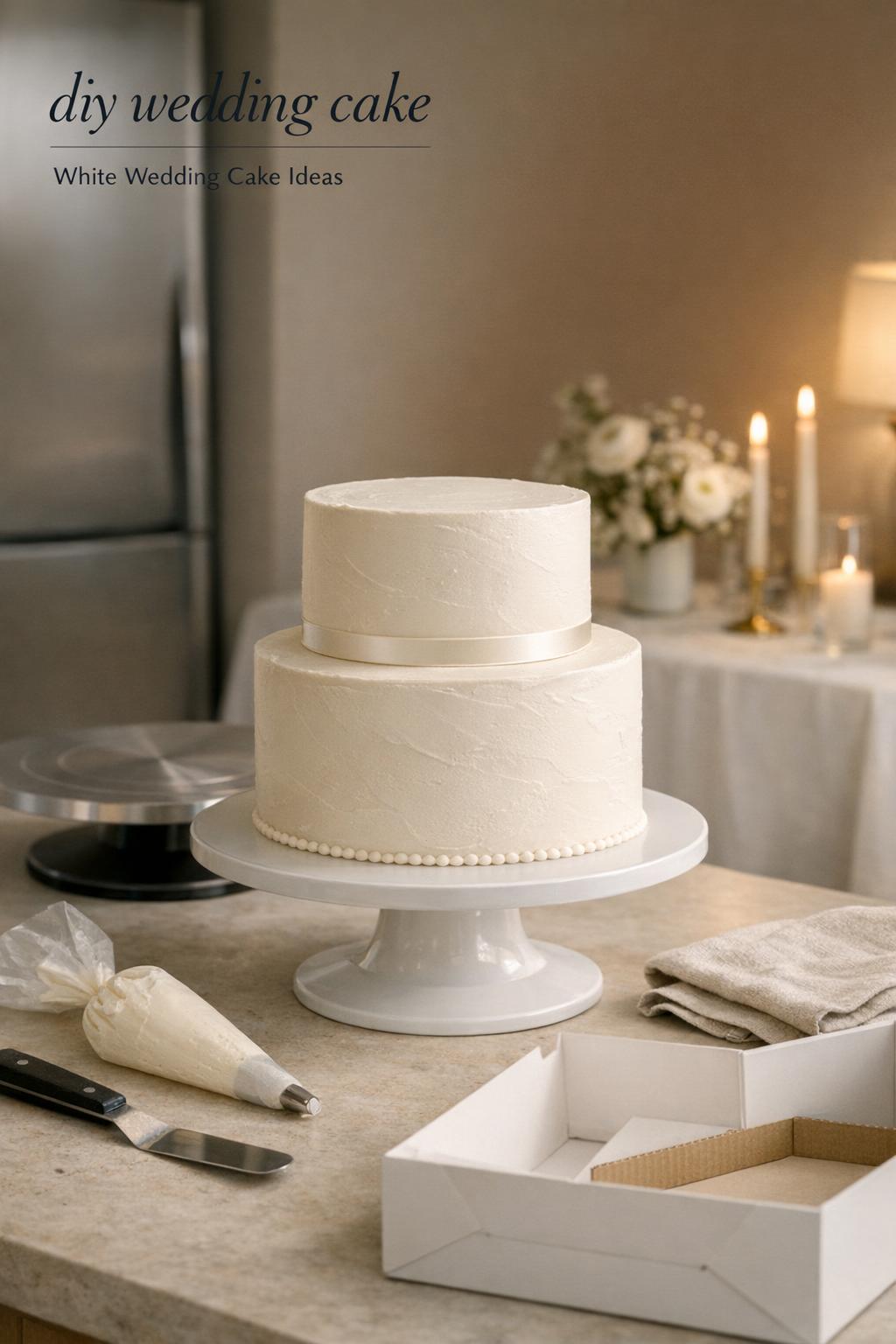
This guide walks you through the styling logic of a diy wedding cake the same way a wedding stylist would build an outfit: start with the silhouette, choose the right “fabric” (frosting), plan for the weather and movement, and finish with details that feel intentional. Along the way, you’ll find white wedding cake ideas, a white almond cake recipe direction to consider, and grounded guidance for a wedding cake frosting recipe—plus frosting recipes easy enough to fit into a real wedding timeline.
Understanding the styling challenge: why diy wedding cakes feel deceptively tricky
A diy wedding cake is a visual centerpiece, but it also behaves like something you have to “wear” all day. The frosting is your outer layer, the tiers are your structure, and the decorations are your accessories. The challenge happens when those layers collide with real-world conditions—time, temperature, transport, and a room full of people waiting for a slice.
Turn wedding inspiration into a plan you can actually follow.
Zarellea brings your guest list, budget, vendors, and day-of details into one shared space — so no beautiful idea gets lost in the shuffle.
It can be difficult to choose a design because you’re making decisions under constraints you don’t face in everyday baking. A pristine, smooth white finish can be the most romantic look in photos, yet it’s also the one that shows every imperfection. A tall tiered silhouette can feel classic, but height increases stress during movement. Even a “simple” wedding cake frosting can become complicated when you have to apply it quickly, keep it stable, and avoid last-minute cracks.
Think of this as a fashion problem: you’re dressing a dessert for an event with unpredictable conditions. Once you approach it like styling—choosing shapes, finishes, and details with a plan—you stop chasing perfection and start building something that looks cohesive, intentional, and wedding-worthy.
Key dressing principles for a cake that looks intentional (and survives the day)
Before you choose flavors or scroll more inspiration, decide on a few “style rules” that will guide every choice. These principles reduce overwhelm, prevent last-minute redesigns, and keep your cake aligned with the wedding atmosphere—whether you’re planning an intimate ceremony or a larger reception where the cake table becomes a photo magnet.
Principle 1: pick a silhouette you can execute calmly
In fashion, a clean silhouette can make even simple fabric look elevated. For cake, the silhouette is your tier count, height, and shape. The more intricate the structure, the more moving parts you’ll need to manage on a day already packed with emotion and logistics. A lower, grounded silhouette often reads confident and modern—especially when paired with a refined white finish.
If you’re drawn to a tall, layered look, commit to practicing the assembly. If you want ease, consider a simpler silhouette that still feels celebratory through styling: clean lines, a polished wedding cake frosting, and a thoughtful finishing detail.
Principle 2: treat frosting like fabric—finish matters as much as flavor
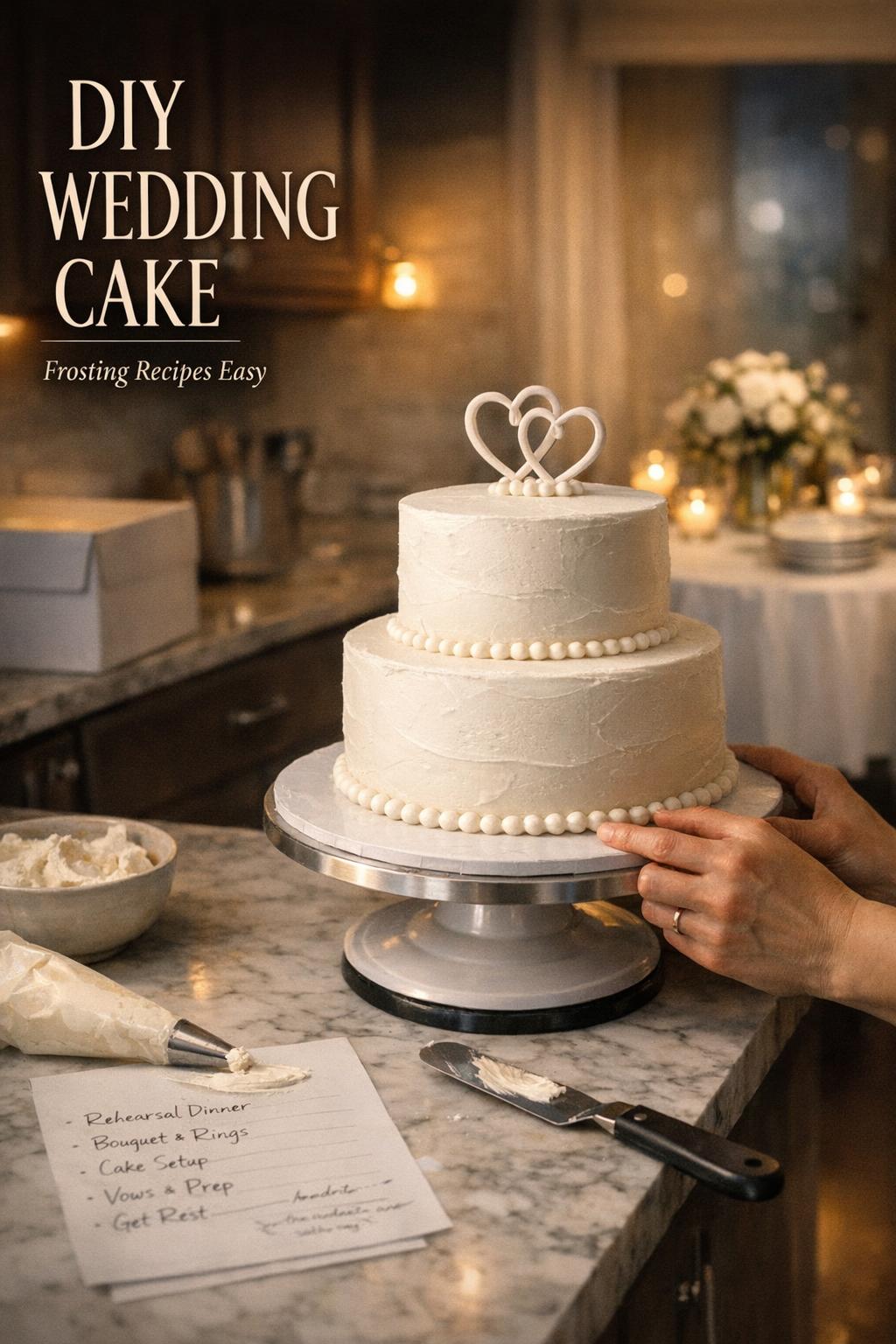
Your wedding cake frosting is the first thing guests “read.” A smooth, matte white looks like a minimalist gown; a softly swirled finish feels romantic like chiffon; a textured look can feel artisanal and warm. Whatever you choose, the finish should match the mood of the day and be realistic for your skill level and time.
This is where a wedding cake frosting recipe becomes less about novelty and more about reliability. You want a frosting that spreads predictably, sets in a stable way, and gives you enough working time to correct edges without panic. When in doubt, choose a finish that makes minor imperfections feel like part of the design—like a soft swirl instead of a flawless, mirror-smooth surface.
Principle 3: build your “getting-ready timeline” around chilling and setting
Just like outfits need time for steaming and tailoring, cakes need time for chilling and settling. A rushed schedule is where smudges, leaning tiers, and patchy frosting happen. Planning your day around set times—cooling layers, chilling between coats, and letting the final finish firm up—creates calm and helps the cake travel better.
If you’re aiming for a crisp white aesthetic, setting time becomes even more important because touch-ups show. A stable, well-chilled cake lets you fix small details without reworking entire sections.
Principle 4: choose decorations like accessories—beautiful, but not fragile
Accessories complete a bridal look, but you wouldn’t pick earrings that snag your veil all day. Apply the same logic to cake décor. The most photogenic details aren’t always the most practical for transport and long reception hours. Choose accents that enhance your style without introducing a new problem—especially if you’re working with a white cake where every extra element draws attention.
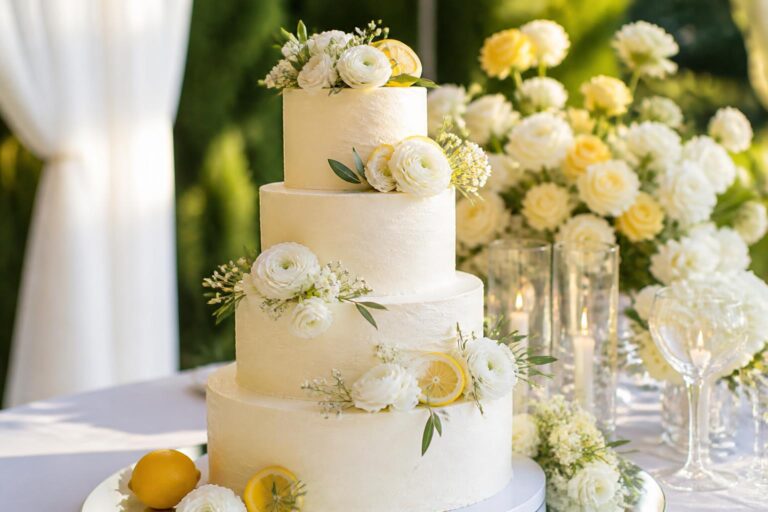
The most timeless white wedding cake ideas often lean on restraint: an elegant border, a gentle texture, a simple topper, or a few thoughtfully placed details that photograph well and don’t melt, slump, or crack under pressure.
Style direction: choosing your “bridal look” in white
White is not a lack of design—it’s a design decision. A white cake can feel classic, modern, minimalist, or romantic depending on how you treat the frosting and the silhouette. This is why so many couples come back to white wedding cake ideas: the palette is timeless, and it harmonizes with nearly any wedding setting.
But white is also honest. It highlights texture, shadows, and edges. If you want that clean bridal effect, choose one clear direction and commit to it instead of blending too many styles. Below are a few “bridal fashion” equivalents to help you decide.
- Minimalist white: smooth or gently textured wedding cake frosting, clean silhouette, minimal decoration for a modern, editorial feel.
- Romantic white: soft swirls, gentle movement in the frosting, and a finish that feels like fabric draping rather than a perfectly flat surface.
- Classic white: structured silhouette and a neat, traditional frosting application that reads formal and ceremony-ready.
- Handcrafted white: intentional texture that signals “made with love,” perfect when you want the diy wedding cake to feel personal and warm.
Once you choose a direction, every next decision becomes easier: which frosting recipes easy enough for your schedule, how polished the finish needs to be, and how to plan assembly so the final look stays intact through the reception.
Outfit solutions (for your cake): practical styles that look wedding-ready
Instead of thinking in rigid “designs,” think in solutions—complete styling approaches you can actually execute. Each one is built around the same goal: a diy wedding cake that looks intentional, photographs beautifully, and stays stable long enough to be enjoyed.
Outfit solution: the clean white “minimalist gown” cake
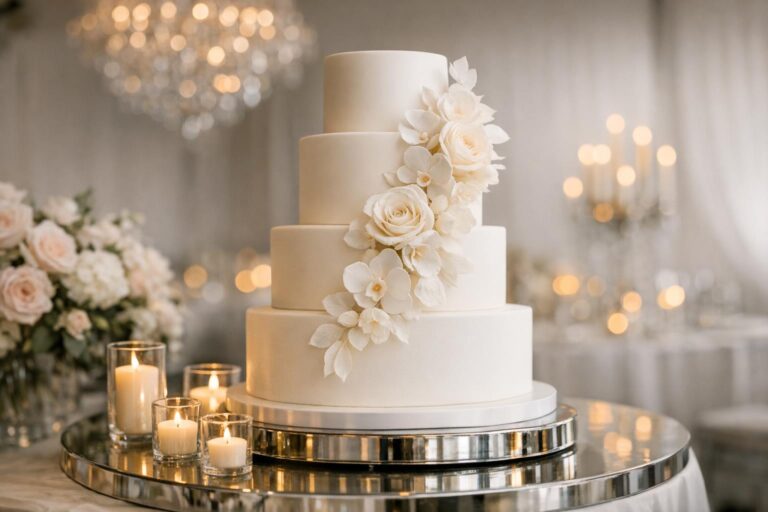
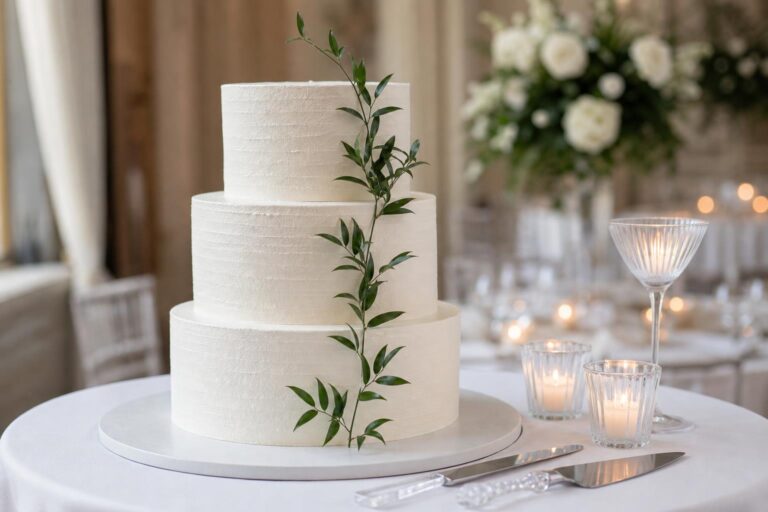
This look is for couples who love crisp linens, modern florals, and an uncluttered reception space. The cake’s beauty comes from shape and finish: a confident silhouette and a smooth, bright wedding cake frosting that reads elegant under reception lighting.
Why it works: minimalism reduces the number of elements that can go wrong. A simple tiered silhouette with a consistent finish lets you focus on even frosting rather than intricate decoration. This is one of the most reliable white wedding cake ideas because it feels upscale even when the design is restrained.
How it solves common problems: it’s easier to touch up small imperfections if the design is uniform. You can also keep decorations minimal, which helps during transport and reduces risk of pieces shifting.
Outfit solution: the soft-swirled romantic cake that forgives imperfections
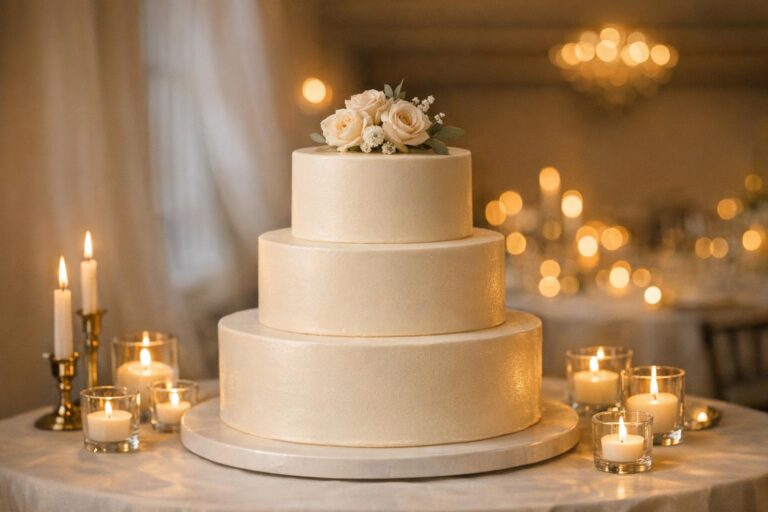
If you want your cake to feel like a candlelit moment—warm, intimate, and tender—choose a frosting finish with visible movement. Soft swirls are the cake equivalent of a flowing sleeve: romantic, flattering, and intentionally not rigid.
Why it works: swirls and texture make small inconsistencies disappear into the design. This is especially helpful if you’re newer to frosting or if your timeline is tight. It also pairs well with frosting recipes easy enough to make in advance and apply without perfection pressure.
How it solves common problems: if you need to patch a spot or smooth an edge, the texture makes the repair blend naturally. It’s also more forgiving under varying lighting, where a perfectly smooth white finish might highlight tiny spatula marks.
Outfit solution: the classic tiered cake with a “ceremony-ready” finish
This direction is for couples leaning traditional—formal ceremony, classic music, and a reception that feels timeless. The styling emphasis is structure: a tiered silhouette and a neat, consistent wedding cake frosting application that looks composed from every angle.
Why it works: classic styling has clear visual rules. The edges are clean, the tiers align, and the design reads immediately as “wedding cake.” If you’re relying on a specific wedding cake frosting recipe, classic application methods reward consistency—steady pressure, repeated movements, and planned chilling.
How it solves common problems: when you have a clear visual target, you make fewer last-minute changes. That steadiness is what keeps a diy wedding cake from becoming stressful at the finish line.
Outfit solution: the intimate “home-baked couture” cake
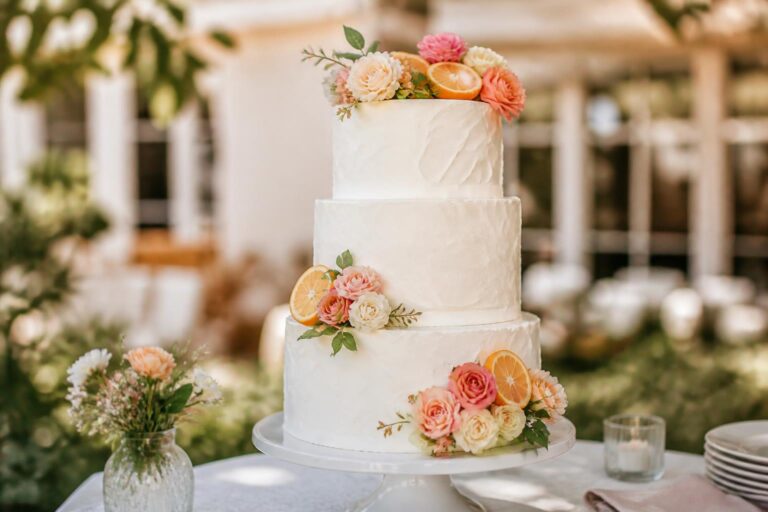
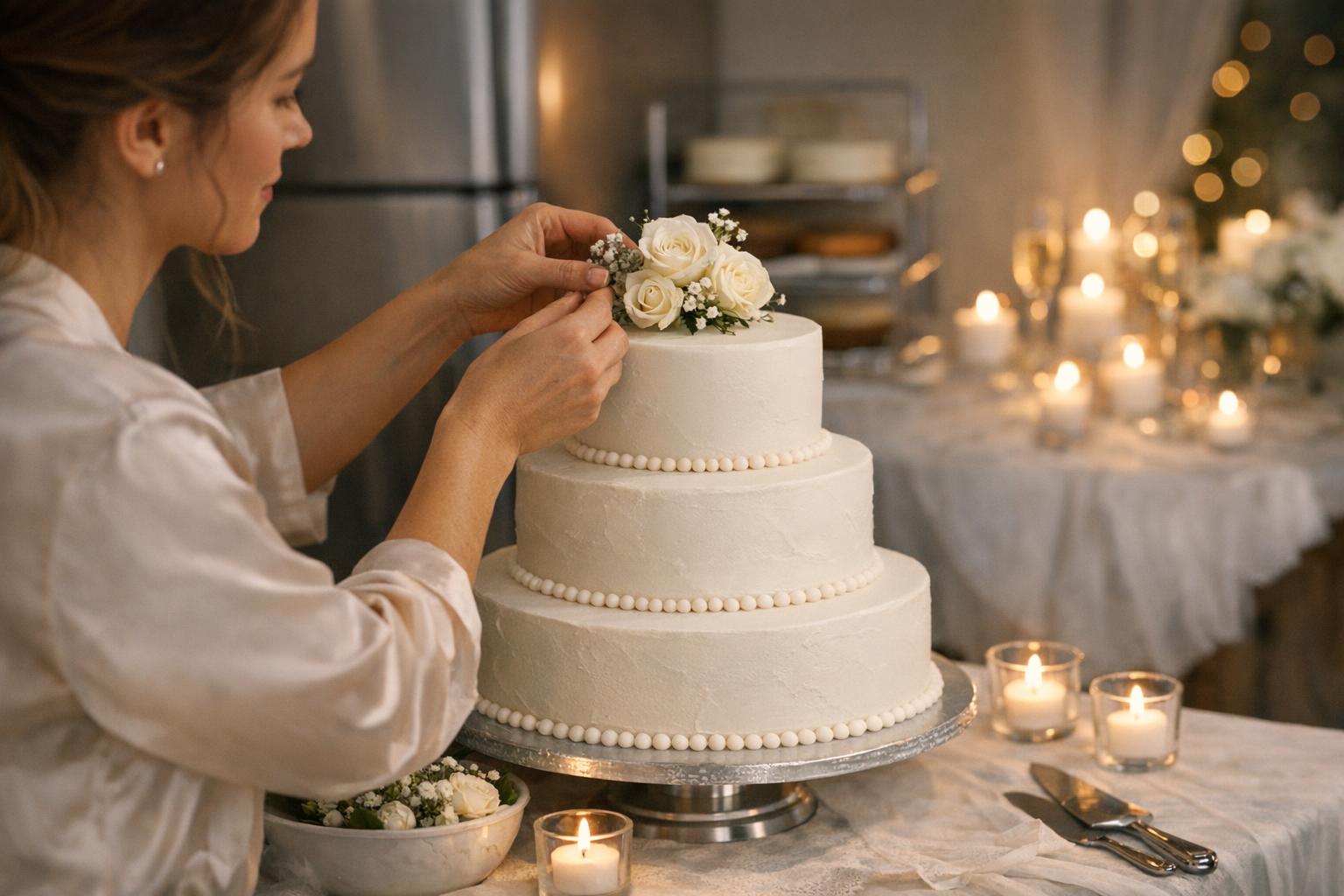
Not every wedding needs a showroom-perfect cake. Some celebrations are best served by warmth: the feeling of a family kitchen, a small guest list, and a cake that looks lovingly made. This style leans into a handcrafted finish—still refined, but not pretending to be factory-perfect.
Why it works: it lets the diy wedding cake be honest. A textured finish, slightly organic edges, and a cohesive white palette can feel more emotionally resonant than a flawless surface. This look is especially meaningful if you’re incorporating a white almond cake recipe that feels personal and familiar.
How it solves common problems: embracing a handcrafted finish reduces the emotional pressure of perfection. It’s still wedding-ready—it’s just wedding-ready in a way that feels human.
Choosing your flavor and crumb with style in mind: where white almond fits
Flavor is part of the aesthetic. Guests remember the first bite as vividly as the first photo. If you’re considering a white almond cake recipe, you’re already aligned with a very “bridal” direction: light in color, elegant in impression, and naturally suited to white frosting finishes.
The practical styling consideration is how the cake behaves under frosting. A cake that crumbles excessively can make a smooth white finish feel harder to achieve because crumbs show through. This is why many home bakers plan a crumb coat and adequate chilling time before the final wedding cake frosting layer—so the exterior looks serene even if the interior is tender.
When you’re choosing your cake base, ask a stylist’s question rather than a baker’s question: “What do I want this to look like when it’s cut, photographed, and served?” A white interior pairs beautifully with white wedding cake ideas because the slice looks cohesive and intentional on a dessert plate.
Wedding cake frosting: how to think about the finish without overcomplicating it
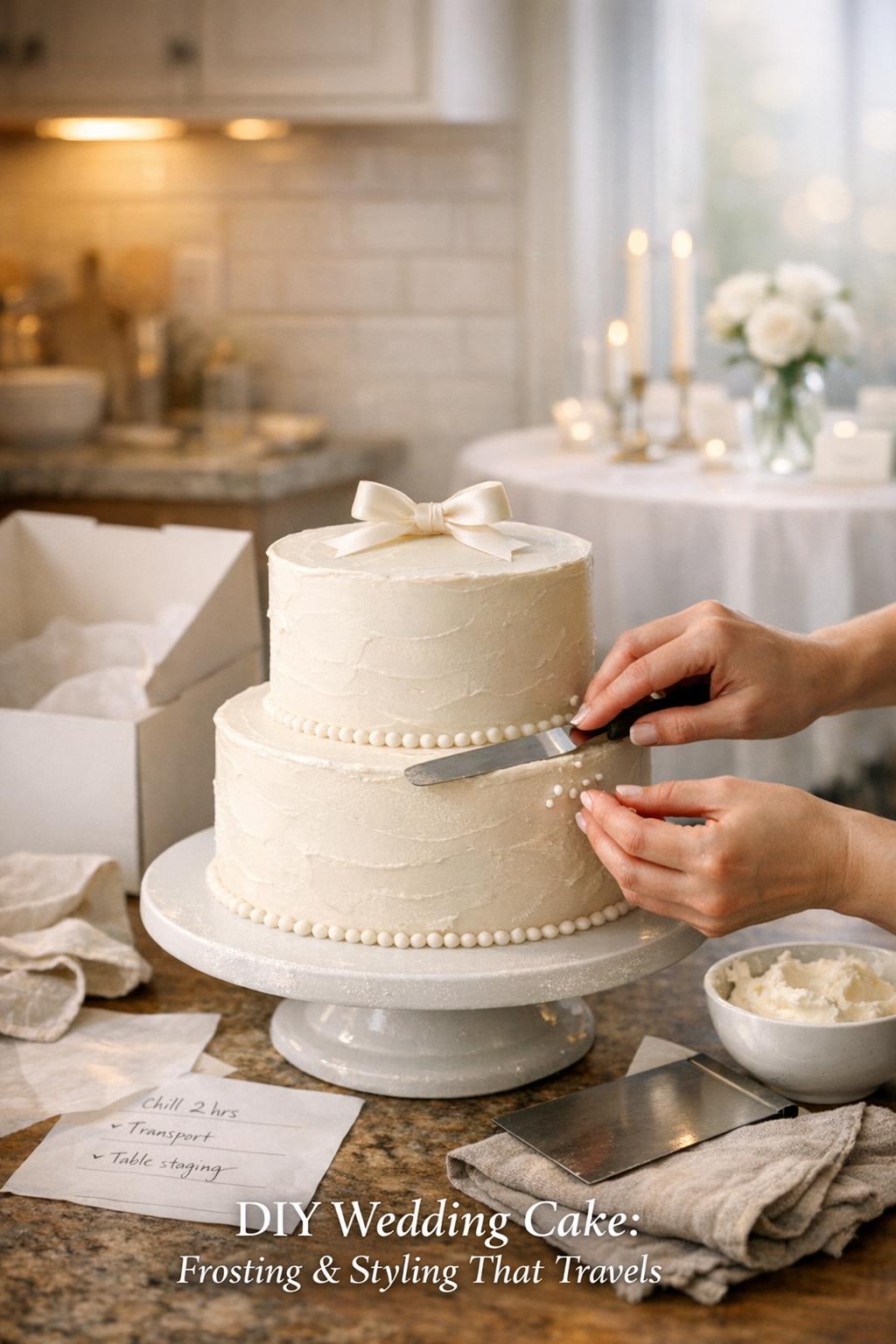
There are countless frosting recipes easy to find, but not every frosting behaves like wedding cake frosting. For a wedding, your frosting needs to do three jobs at once: look refined, hold shape, and give you enough time to work. In other words, it needs the “wearability” of an all-day outfit.
When you’re choosing a wedding cake frosting recipe, prioritize stability and predictability. A frosting that’s delicious but too soft can slump during setup. A frosting that crusts too quickly can make smoothing stressful. The best choice is the one that matches your environment and skill level so your application feels calm.
Also consider what “white” means for your wedding. A truly bright white finish can be a signature look, but it also highlights shadows and texture. If your goal is a dreamy, candlelit mood, a softer white finish with gentle texture can look more romantic and less high-pressure.
Tips: a calmer way to approach frosting on a wedding timeline
Plan your frosting like you’d plan bridal hair and makeup: build in time for settling, photos, and touch-ups. Give yourself a window to step away after the crumb coat, then return for the final layer with fresh eyes and a steadier hand. If your frosting is fighting you, adjust your expectations: a softly textured finish can be more beautiful than a stressful attempt at flawless smoothness.
Keep a small “emergency styling kit” near the cake table so you’re not hunting for tools during the reception. Even a simple diy wedding cake deserves the same kind of thoughtful prep you’d give your ceremony accessories.
Transport and venue reality: styling choices that depend on where the cake will be served
A wedding cake doesn’t live only in your kitchen—it has to arrive. Transport is where many beautiful plans unravel, which is why your styling decisions should be tied to venue reality. Even without changing your core design, you can choose finishes and details that make the cake more travel-friendly and less stressful to assemble on-site.
If your cake will sit out for a while before cutting, prioritize a wedding cake frosting that can hold its shape as the room warms and cools with guests moving in and out. If you’re moving the cake across town, prioritize a silhouette that feels stable and a finish that won’t show every tiny bump.
- For short travel and quick setup: you can lean more polished and structured, since you’ll have less time for temperature changes to impact the frosting.
- For longer travel or more handling: consider textured white wedding cake ideas that hide small marks and make on-site touch-ups easier.
- For warm or crowded rooms: choose a frosting approach that won’t become overly soft during the reception.
- For tight venue timelines: select frosting recipes easy to prepare in advance so day-of work is minimal.
This is also where emotional planning matters: it’s hard to feel present at your own wedding if you’re worried about the cake. Designing for transport is a form of self-kindness.
How to “style” the cake table so your diy cake looks more elevated
In bridal styling, the outfit isn’t the whole story—the setting completes it. The same is true for a diy wedding cake. A simple, well-frosted cake can look remarkably elevated when the cake table feels intentional, while a more complex cake can look less impressive if it’s placed in a cluttered corner with harsh lighting.
Think of the cake table as your cake’s backdrop. You’re creating a small stage for one of the most photographed moments of the reception. This is especially impactful for white wedding cake ideas, where contrast and lighting define the look.
Tips: simple table styling that photographs beautifully
Prioritize a clean surface and a calm background. If possible, position the cake where the light is flattering rather than directly under harsh overhead fixtures. Leave breathing room around the cake so it reads as a centerpiece, not just another item on a crowded table. If your cake is white, a thoughtful backdrop helps the frosting details show up in photos, whether you’ve chosen a smooth finish or a romantic swirl.
Most importantly, make the cake table easy for guests to approach. A beautiful cake moment is also a comfortable moment—no one wants to navigate tight spaces while holding plates.
Common mistakes that make diy wedding cakes harder than they need to be
The most stressful diy wedding cake moments usually come from a mismatch between the vision and the plan. These mistakes are common because inspiration is everywhere, and it’s tempting to choose a design based purely on aesthetics without accounting for time, tools, and conditions.
- Choosing an ultra-smooth white finish without practice: it’s a gorgeous look, but it can be unforgiving. If you want this style, schedule a practice run or choose a texture that feels intentional.
- Underestimating chilling and setting time: rushing frosting leads to smears and sliding. Treat chilling like part of the recipe, not an optional extra.
- Over-decorating a white cake: white wedding cake ideas often shine through restraint. Too many details can look busy and create more points of failure.
- Relying on a new wedding cake frosting recipe for the first time on the wedding week: even frosting recipes easy in theory can behave differently than expected. Familiarity reduces day-of stress.
A useful rule: if a design requires perfection, it requires rehearsal. If you can’t rehearse, choose a style that’s beautiful with variation—like a romantic, textured finish.
A more realistic planning flow: how wedding stylists think about “day-of” decisions
Wedding styling is rarely about doing more—it’s about deciding earlier. The calmest weddings are the ones where the couple’s key choices are made in advance, leaving the final hours for presence, not problem-solving. Your diy wedding cake benefits from the same approach.
Instead of making every decision at once, separate your plan into three categories: what must be decided early, what can be finalized after a practice run, and what you can keep flexible until the day-of. This keeps you from spiraling into endless design tweaks.
- Decide early: overall silhouette, your white direction (minimalist, romantic, classic, handcrafted), and whether you’re leaning toward a white almond cake recipe or another light, wedding-friendly base.
- Decide after practice: which wedding cake frosting and application style feels easiest for you, and whether your frosting finish is smooth or textured.
- Keep flexible: finishing touches that can be simplified if time runs tight—because weddings are living, moving events.
This mindset helps you protect the emotional tone you want on your wedding day. The cake should feel like a celebration—not a test.
Extra styling tips for a wedding cake that feels cohesive with the rest of the day
A diy wedding cake looks most “professional” when it matches the wedding’s overall styling language. If your wedding is minimalist, keep the cake lines clean. If your wedding is romantic, let the frosting move. If your wedding is classic, keep the structure neat and the finish consistent. Cohesion is what makes a cake feel like it belongs in the room.
Tips: make white look intentional, not plain
White reads as luxurious when it has dimension. Even if you stick to a monochrome palette, choose one visual element to emphasize: a crisp silhouette, a gentle frosting texture, or a refined edge detail. If you’re using a wedding cake frosting recipe that yields a very smooth finish, commit to that polished look with careful application. If your frosting is softer or more rustic, lean into a romantic swirl so the final result feels designed rather than improvised.
If you want to keep things simple, choose frosting recipes easy enough to repeat reliably. Consistency is more valuable than complexity in the final hours before a wedding.
Tips: plan for the cut—because that’s the moment everyone remembers
The cake-cutting moment is a mini ceremony. Make sure your cake styling supports that: stable placement, clean edges that look good from a few feet away, and a finish that won’t smear the second a knife touches it. A white interior—often a natural fit with a white almond cake recipe direction—can also make the slice look especially elegant in photos.
Most importantly, choose a cake you’re proud to serve. The sweetest detail is confidence.
FAQ
Is a diy wedding cake realistic if I’m not an experienced baker?
It can be realistic if you choose a silhouette and finish that match your comfort level, build in chilling and setting time, and select a forgiving frosting style (like a soft swirl) rather than committing to a flawless smooth finish without practice.
What are the easiest white wedding cake ideas that still look elegant?
The most dependable options focus on restraint: a clean white finish with minimal decoration, a gently textured all-white frosting look, or a classic tiered shape with consistent edges—styles that photograph beautifully without requiring intricate details.
How do I choose a wedding cake frosting recipe that won’t melt or slump?
Choose a wedding cake frosting recipe based on how it behaves over time: it should spread predictably, set firmly enough to hold shape, and give you workable time for smoothing and touch-ups, especially if the cake will travel or sit out during the reception.
Are frosting recipes easy good enough for a wedding cake?
Yes, as long as the frosting is reliable for your timeline and conditions; “easy” matters on a wedding week, and a simpler frosting you can repeat consistently often produces a more polished result than a complicated recipe you’re attempting under pressure.
Does a white almond cake recipe work well for a wedding cake?
A white almond cake recipe direction can work beautifully for a wedding because it supports the white aesthetic inside and out, and it pairs naturally with white frosting; the key is planning for a neat crumb coat so the final finish looks clean and cohesive.
How can I make my wedding cake frosting look smooth if I’m not great at decorating?
If smoothness feels stressful, switch to an intentional texture like soft swirls; if you still want a cleaner look, chill between coats and plan extra time so you can refine edges calmly rather than rushing and overworking the frosting.
What’s the biggest day-of risk with a diy wedding cake?
The biggest risk is rushing—especially skipping chilling and setting time—because that’s when frosting smears, tiers shift, and touch-ups become harder; a calm timeline and a practical frosting finish reduce most emergencies.
How do I keep a white cake from looking plain on the cake table?
Give white dimension through a deliberate finish (smooth and polished or softly textured), keep the cake table uncluttered, and place it in flattering light; a clean backdrop and breathing room make a white diy wedding cake read as intentional and elevated.
Should I try a new wedding cake frosting for the first time right before the wedding?
It’s safer to avoid first-time experiments during the wedding week; even if a frosting recipe seems easy, familiar results matter more than novelty when your goal is a stable, photo-ready wedding cake frosting finish.