Simple White Wedding Cake Styles: Buttercream to Fondant Sleek
Simple white wedding cake, decoded: why “simple” can look so different
There’s a particular hush that falls over a reception room right before the cake is wheeled in. With a simple white wedding cake, that moment doesn’t rely on bold color or towering decoration—it relies on quiet confidence. Clean lines, a pure palette, and just enough texture to catch the light can feel as romantic as a cathedral veil, especially when the rest of the day is already full of meaning.
But “simple” is a word couples use to mean very different things. For some, it’s a smooth buttercream finish with zero fuss. For others, it’s a slightly textured all-white design with fresh white flowers, or a classic fondant look that reads crisp in photos. These approaches are often grouped together—white is white, minimal is minimal—yet the mood, maintenance, and overall effect can be surprisingly distinct.
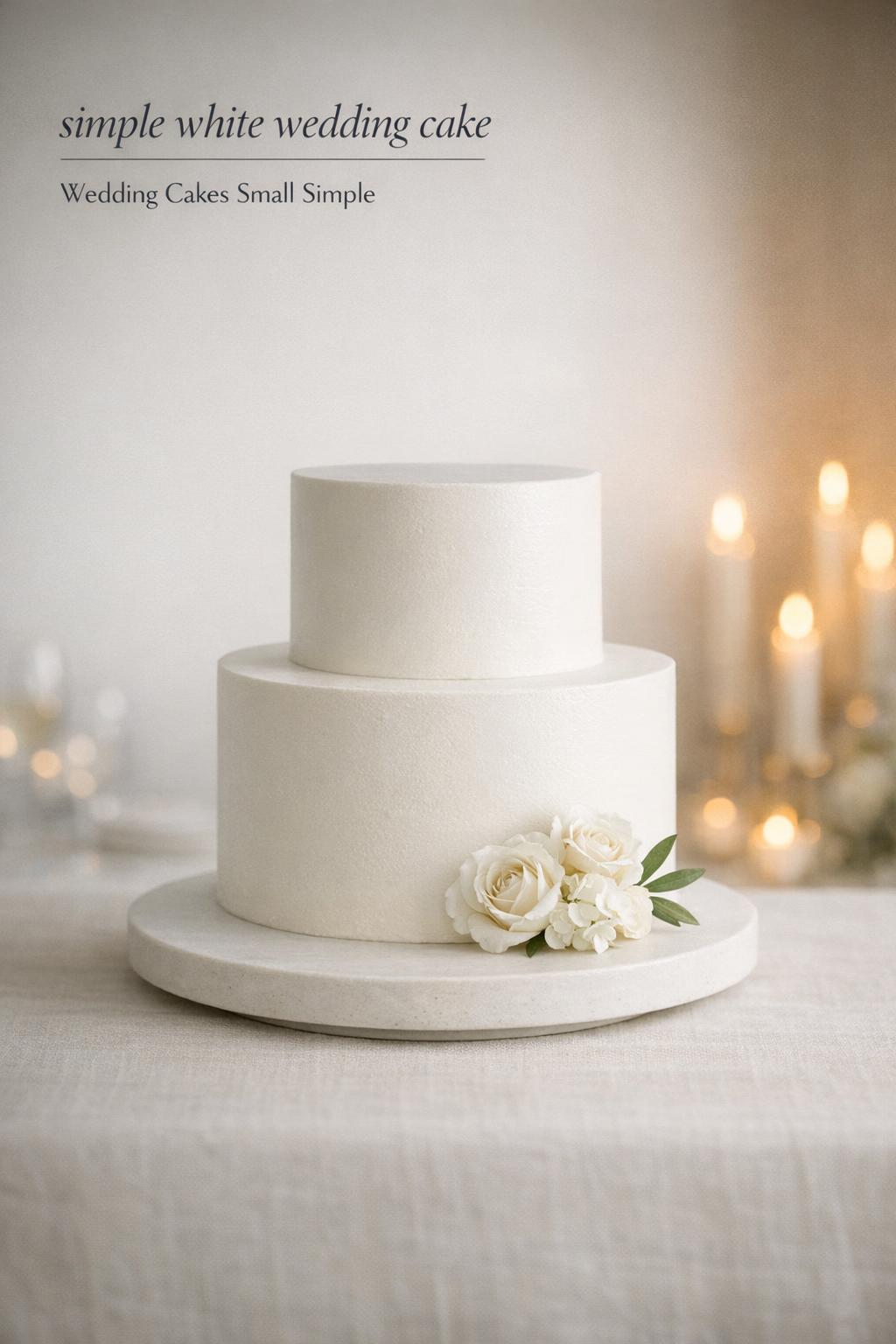
This style breakdown compares the most common simple white wedding cake aesthetics you’ll see in modern weddings: smooth buttercream minimalism, textured all-white finishes, and the clean structure of fondant. Along the way, you’ll also see how “wedding cakes small simple” choices like a wedding cake two tier setup can still feel elevated, when to lean into flowers or greenery (and when not to), and how to decide between DIY and a professional baker without losing the simplicity you’re aiming for.
Style overview: smooth buttercream minimalism (the “quiet luxury” simple wedding cake)
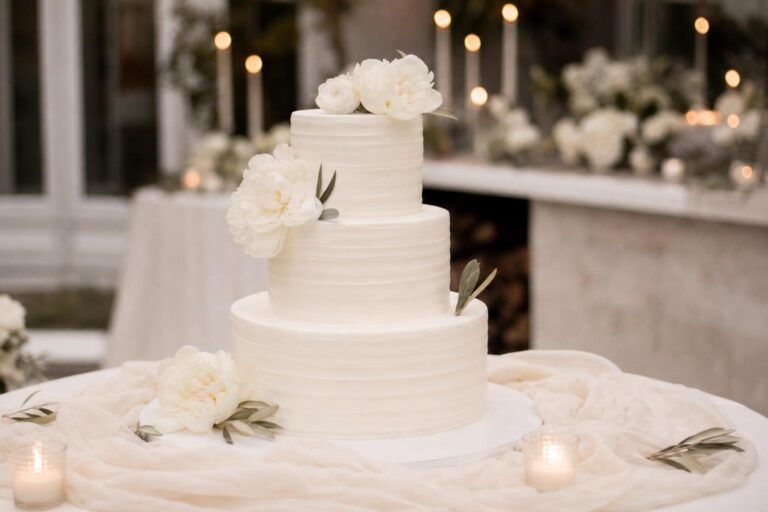
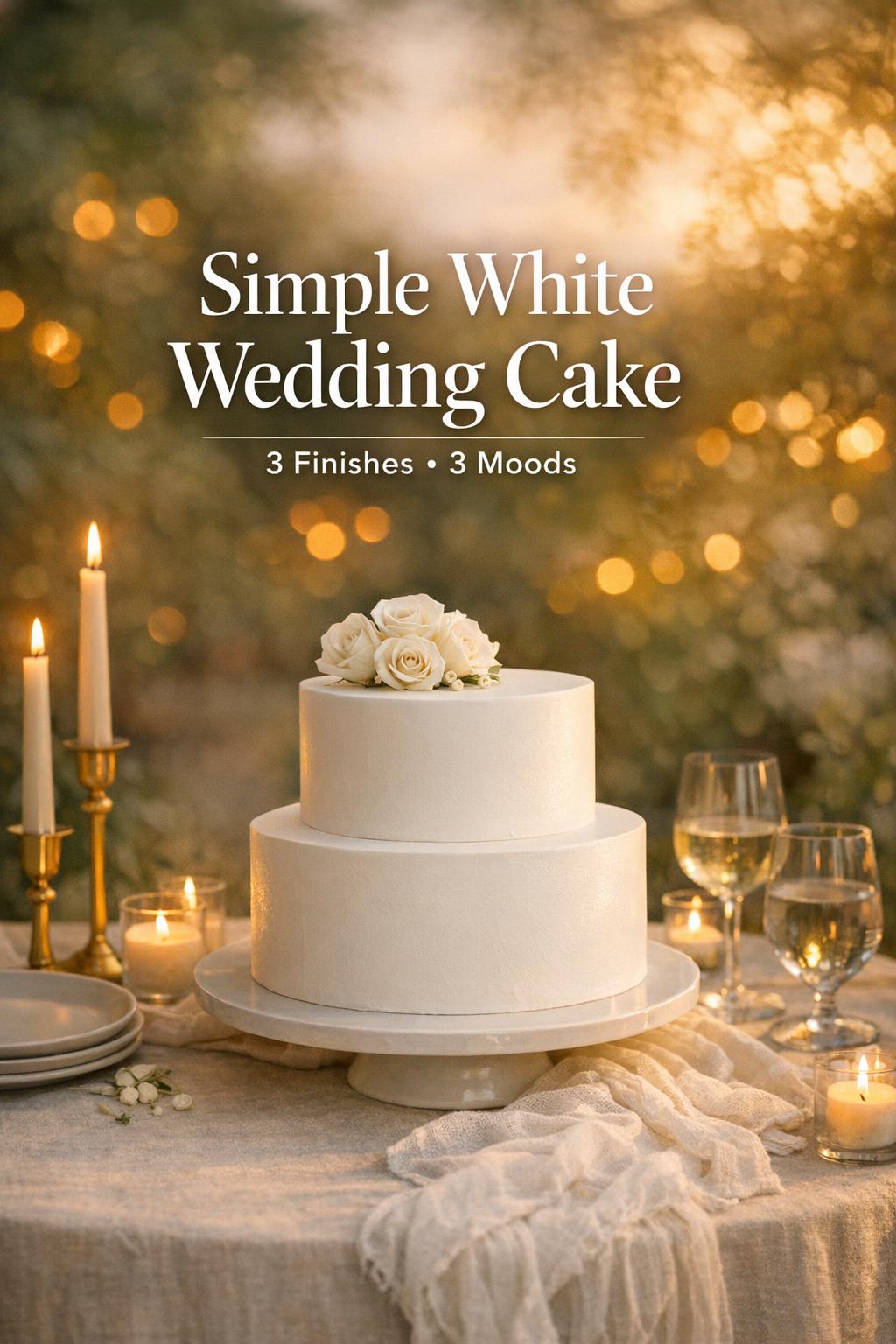
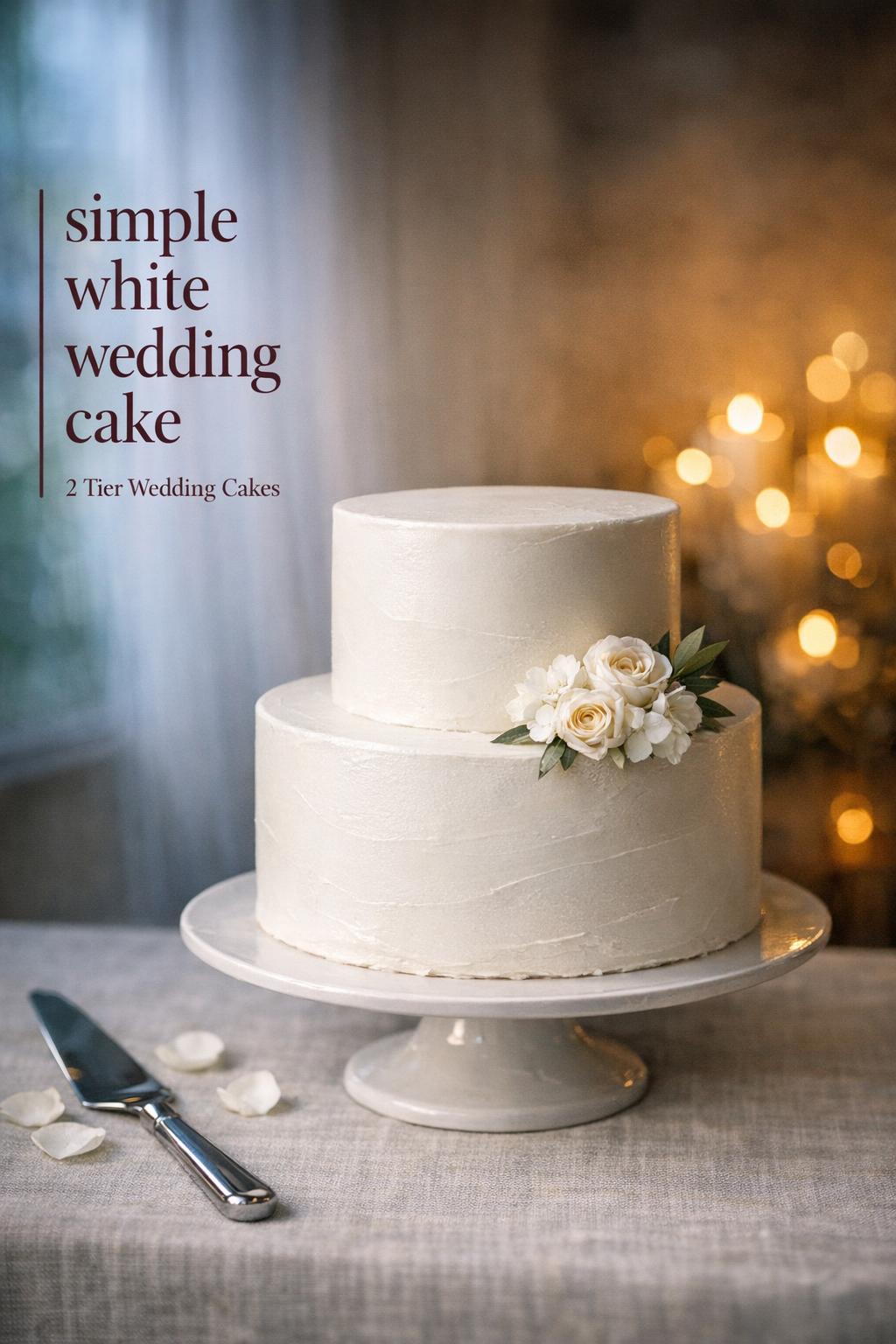
Smooth buttercream minimalism is the style most people picture when they say “simple wedding cake.” The defining characteristic is restraint: a white wedding cake with a clean buttercream frosting finish, minimal piping, and a focus on balanced tiers rather than decoration. It’s the cake equivalent of a sleek silhouette—timeless, flattering, and never trying too hard.
Turn wedding inspiration into a plan you can actually follow.
Zarellea brings your guest list, budget, vendors, and day-of details into one shared space — so no beautiful idea gets lost in the shuffle.
Visually, this look depends on a consistent, even white surface. It can be completely plain, or finished with delicate piping that stays close to the cake’s edges. The overall mood is elegant, calm, and modern—perfect for couples who want wedding cakes elegant simple enough to complement, not compete with, florals and tablescapes.
- Defining characteristics: smooth buttercream, clean edges, minimal piping
- Typical silhouette: round tiers; often a wedding cake two tier or a simple three-tier stack
- Color palette: all-white or soft white
- Texture: polished and even, with subtle sheen from buttercream
Style overview: textured all-white finishes (the romantic, tactile white wedding cake)
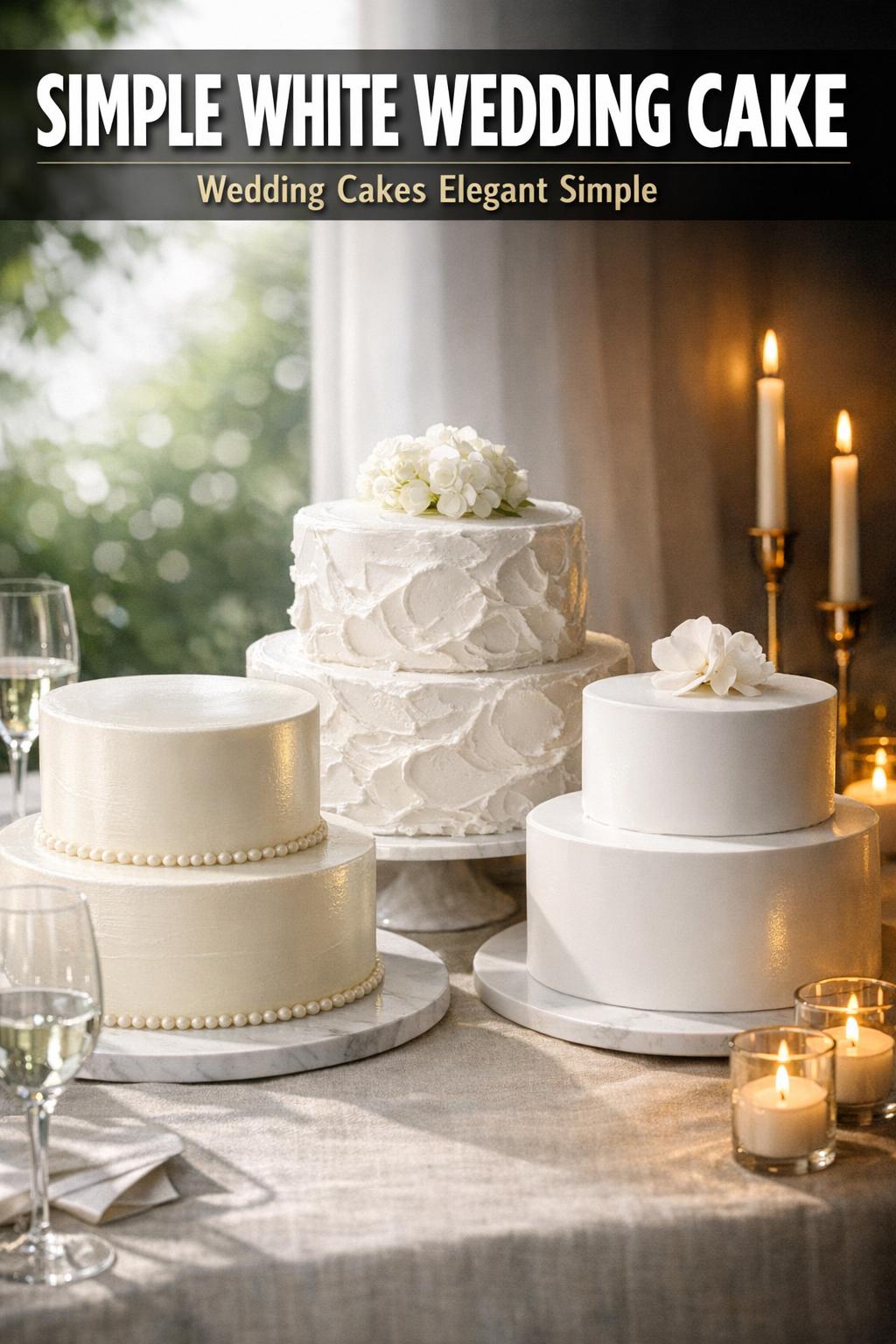
Textured all-white cakes keep the same restrained palette but add dimension. Instead of aiming for a perfectly smooth surface, the design intentionally introduces texture—swirls, soft peaks, or a more organic buttercream finish. In white-on-white styling, texture becomes the decoration, offering movement and shadow without adding color.
This approach is often paired with either very minimal florals (a few roses or hydrangea blooms) or none at all, letting the finish do the talking. It’s especially popular for couples who want a simple white wedding cake that still feels artisan and romantic—like it belongs at a candlelit reception where the cake is admired up close.
- Defining characteristics: buttercream texture as the focal point
- Typical silhouette: round tiers; works beautifully as 2 tier wedding cakes
- Color palette: white and off-white variations within the same finish
- Texture: sculpted, rippled, or softly swirled
Style overview: fondant simplicity (the crisp, structured all-white wedding cake)
Fondant simplicity is about structure. Where buttercream can read soft and romantic, fondant tends to look sleek and architectural—like a tailored suit compared to a silk dress. A white wedding cake with fondant typically appears ultra-smooth, with sharp lines that emphasize tier shape and proportion.
This style often pairs well with minimal accents: a few sugar flowers, a restrained floral placement, or delicate piping used sparingly. Couples who love a “less is more” mindset often gravitate here because the finish itself signals intention—clean, classic, and composed.
- Defining characteristics: satin-smooth finish, crisp edges
- Typical silhouette: round or square tiers; two-tier and three-tier configurations
- Color palette: true white or soft white
- Texture: minimal by default; detail comes from shape and restraint
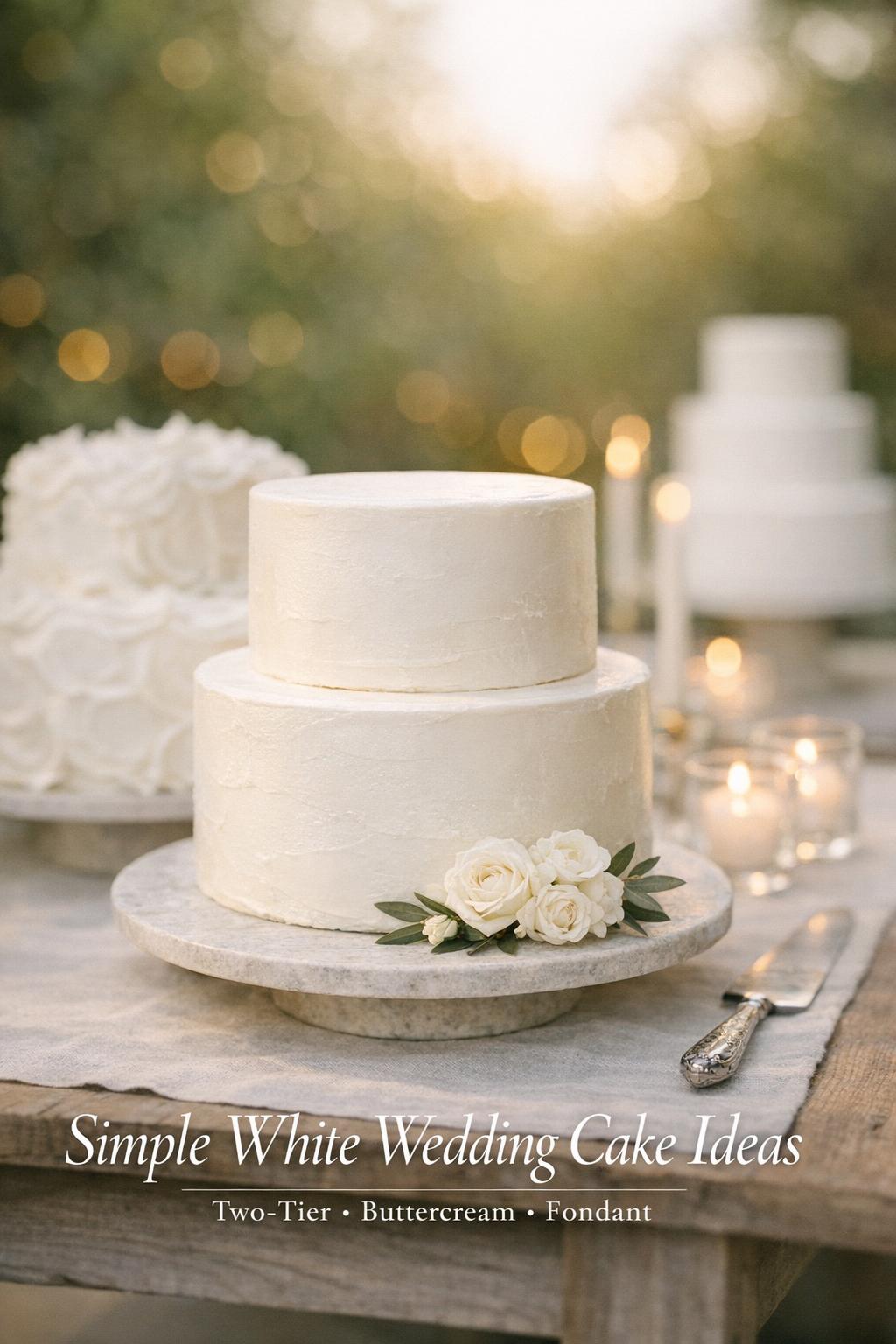
Key differences: buttercream vs fondant vs texture-only minimalism
Silhouette and structure: soft edges vs sharp lines
If you want a cake that looks gently romantic, buttercream (smooth or textured) supports that mood—its finish naturally reads softer. Fondant, by contrast, emphasizes geometry. That matters when you’re deciding between round tiers (classic, calm) and square tiers (more graphic). For wedding cakes small simple enough to feel intimate, a wedding cake two tier design can lean either way: buttercream makes it feel approachable; fondant makes it feel tailored.
Texture as décor: flowers and greenery are optional, not required
In the smooth buttercream and fondant camps, décor usually comes from accents—fresh white flowers, sugar flowers, delicate piping, or a hint of greenery like olive leaf or English ivy. In textured all-white designs, the finish itself becomes the accent. If you love the idea of an all-white wedding cake without floral decor, texture is the most natural way to keep the cake interesting while staying faithful to a minimalist vision.
Styling philosophy: “clean” minimalism vs “romantic” minimalism
All three styles are simple wedding cake styles—but they speak different emotional languages. Smooth buttercream minimalism feels modern and calm. Textured white-on-white feels romantic and intimate, almost hand-finished. Fondant simplicity feels formal and classic. None is better; the best choice is the one that matches your wedding’s atmosphere, from ceremony to last dance.
Trend contrast: the drip look vs a truly simple white wedding cake
You’ll sometimes see couples debating whether to keep things plain or add a drip effect. A drip design can be beautiful, but it changes the message: it becomes a focal “style moment,” not just a refined backdrop. If your goal is wedding cakes elegant simple in a way that feels timeless, staying with smooth buttercream, fondant, or texture-only finishes usually aligns better with that intention.
Visual style breakdown: how each approach reads in a real wedding space
In bright daylight: garden ceremonies, spring and summer receptions
In strong natural light—think spring and summer weddings where the cake table sits near windows—smooth finishes show every detail. Smooth buttercream looks luminous but can reveal minor imperfections, which is why many couples pair it with one quiet accent (a small cluster of fresh white flowers) to draw the eye intentionally. Fondant reads especially crisp in daylight, emphasizing edges and symmetry. Textured buttercream looks forgiving and romantic, because shadows within the texture add depth without needing extra décor.
In candlelight: evening receptions where texture becomes the magic
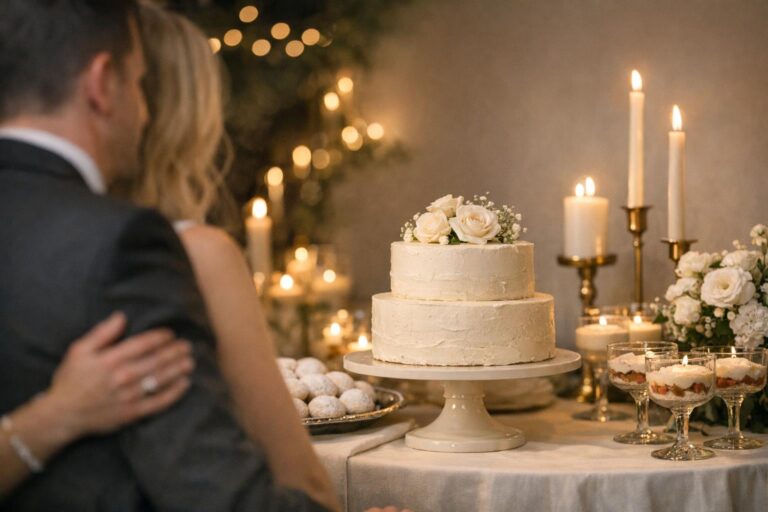
Candlelit receptions are where textured all-white finishes shine. Soft peaks and swirls catch flickers of light and feel almost sculptural. Smooth buttercream still looks classic, but it can read more understated from a distance—perfect if you want the cake to feel integrated into a minimalist room. Fondant maintains its refined presence regardless of lighting, making it a strong choice for formal, black-tie-leaning celebrations that still want a simple white wedding cake aesthetic.
On camera: close-ups, cake cutting, and the “first slice” moment
When photographers move in close, subtle differences become obvious. Smooth buttercream gives a soft, creamy finish that feels edible and inviting. Fondant photographs as a flawless surface—very polished—while textured buttercream adds dimension that reads artisanal. If you’re planning a wedding cake two tier setup, these details matter even more because the cake is physically smaller; the finish has to carry the visual story.
Shapes, tiers, and proportions: making “small simple” feel intentional
A common worry with wedding cakes small simple in scale is that they’ll look like an afterthought. The secret is proportion: a smaller cake feels luxurious when its tiers, shapes, and spacing look deliberate. That’s why 2 tier wedding cakes are so beloved right now—they’re minimal, photogenic, and can still anchor a cake table when styled with care.
Wedding cake two tier vs three-tier: what each communicates
A wedding cake two tier design tends to feel intimate and modern—perfect for smaller guest lists or couples who want the cake moment without a towering centerpiece. Three tiers read more traditional and ceremonial. Both can be a simple white wedding cake, but the mood shifts: two tiers feel curated; three tiers feel classic.
- Two tiers: elegant for smaller weddings, cleaner silhouette, easy to keep minimalist
- Three tiers: more formal visual presence, more surface area for subtle piping or texture
Round vs square: subtle geometry, big impact
Round tiers are the default for many white wedding cake designs because they feel soft and timeless. Square tiers introduce a slightly more modern, graphic look—especially when paired with a crisp fondant finish. If you love a “less is more” aesthetic, shape becomes a styling tool: choosing square tiers can create a fresh look without adding any extra decoration.
A note on proportions: keep the silhouette calm
The simplest cakes are often the most revealing: if tier sizing feels off or the spacing is awkward, it shows. A calm silhouette comes from balanced tier diameters and a consistent design language—smooth with smooth, textured with textured, minimal piping used deliberately rather than everywhere.
Decor choices compared: fresh white flowers, sugar flowers, greenery—or none at all
Decoration is where many couples accidentally drift away from “simple.” The goal isn’t to remove personality—it’s to keep the message coherent. A simple white wedding cake can be styled with fresh white florals, sugar flowers, minimal greenery, or delicate piping. The best choice depends on whether you want the cake to feel like a pure design object or a soft extension of your floral plan.
Fresh white flowers: romantic, seasonal, and softly imperfect
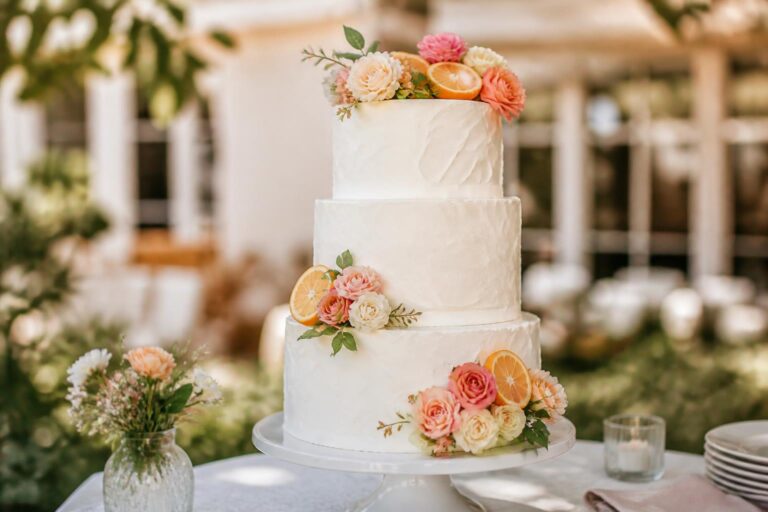
Fresh white flowers are the fastest way to make a white buttercream wedding cake feel wedding-specific. Think roses or hydrangea tucked into one side of a tier, or a light cascade that still leaves plenty of negative space. This works especially well for spring and summer styling, where floral abundance already feels natural in the room.
Tip from real planning life: if you’re using fresh blooms, keep placements minimal. One composed cluster often looks more “wedding cakes elegant simple” than several scattered blooms that start to feel busy.
Sugar flowers: controlled elegance with a designer feel
Sugar flowers offer a more controlled, consistent look than fresh blooms. They pair beautifully with fondant simplicity because both elements read precise and composed. For couples worried about a cake sitting out during a long reception, sugar flowers can also be a calmer choice visually—nothing wilts, nothing shifts, and the white palette stays consistent.
Greenery accents: a small gesture that changes the whole mood
Greenery—like olive leaf or English ivy—brings contrast to an all-white wedding cake while still feeling restrained. The overall vibe becomes slightly more organic, which suits minimalist weddings that still want warmth. The key is scale: a whisper of greenery can look intentional; too much can pull focus away from the white simplicity you started with.
Edible lace and delicate piping: detail without “decor overload”
If flowers aren’t your style, edible lace effects or delicate piping can give a simple wedding cake quiet personality. This works across finishes: piping can frame a smooth buttercream cake; lace-like detail complements fondant; a minimal piped edge can tidy a textured cake without erasing its softness.
Flavor and base: the classic vanilla cake conversation (and why it matters to the design)
Most simple white wedding cake visions are built around a classic vanilla cake base paired with buttercream frosting. The reason is practical as much as traditional: vanilla and buttercream read “wedding” to most guests, and the neutral color supports an all-white aesthetic from crumb to finish. Some couples also explore adjacent flavor directions like almond or white chocolate while keeping the same visual language.
From experience, flavor decisions affect more than taste—they affect confidence. A cake that slices cleanly and holds its shape supports the calm, minimalist look. A soft, delicate cake can still be delicious, but it asks more of the assembly and transport plan. If you’re committed to wedding cakes small simple, that stability becomes even more important because every slice is part of a smaller total; you don’t want to lose servings to breakage or sliding.
Buttercream frosting: the most common finish for a reason
Buttercream is widely used for white wedding cake designs because it can be styled smooth or textured, and it supports everything from minimal piping to floral accents. It’s also central to the DIY conversation: home bakers can achieve a beautiful simple white wedding cake with the right planning, especially for a wedding cake two tier design that doesn’t demand a large-scale bakery setup.
Fondant: a clean look that prioritizes a flawless surface
Fondant is often chosen when couples prioritize an ultra-smooth, consistent finish. If your venue and décor lean modern and structured, fondant can echo that mood. The trade-off is stylistic: it reads more formal, and the visual perfection becomes the point—so any added elements (sugar flowers, piping) should be placed thoughtfully to keep the “less is more” story intact.
DIY vs professional baker: choosing the path that preserves simplicity
DIY has a special romance to it—especially when the wedding feels intimate and personal. Many couples exploring a simple white wedding cake are also exploring a budget-friendly approach: pantry-based ingredients, a classic vanilla cake, and buttercream frosting. At the same time, “simple” doesn’t always mean “easy,” particularly when the cake must travel, stay stable, and look pristine through hours of celebration.
When DIY makes sense (and feels joyful, not stressful)
DIY tends to work best when your design is intentionally minimal and your scale is manageable—think wedding cakes small simple, especially a wedding cake two tier silhouette. A smooth buttercream cake is achievable with practice, and textured finishes are often more forgiving for home bakers because they don’t require perfectly sharp edges to look beautiful.
- You want a buttercream finish (smooth or textured) rather than a highly structured look
- Your guest count and serving needs fit a smaller cake plan
- You can plan ahead with freezing and assembly timing, instead of baking last-minute
- You’re comfortable keeping decoration minimal: a small floral cluster, simple piping, or texture-only
When a professional baker protects your peace
If you’re envisioning a flawless fondant finish, crisp corners, or a highly polished smooth buttercream surface, a professional baker can reduce risk. This is also true if your wedding day schedule is packed; even a simple wedding cake can become stressful if you’re worrying about smudges, shifting tiers, or last-minute touch-ups when you should be present for the day.
Many couples land on a middle path: a professionally made cake with a minimalist design (white, clean, elegant), paired with a simple décor plan—fresh white flowers or greenery added by a florist at the venue to tie it into the day.
Tips from the cake table: how to keep white cakes looking white
White cakes are honest. They show texture beautifully, but they also show handling. The most common “why doesn’t it look as clean as the inspiration photo?” issues are usually small and practical—placement, lighting, and timing—rather than the design itself.
Tips for a clean, minimalist presentation
- Decide on one focal detail: texture, a floral cluster (fresh white flowers or sugar flowers), delicate piping, or a touch of greenery—choose one primary statement and let everything else support it.
- Keep the palette consistent: “white” can vary; aim for a cohesive all-white look across cake finish and decorations so the design feels intentional.
- Place the cake where it can breathe: a simple white wedding cake photographs best when it isn’t crowded by too many props or competing décor items.
- Think in negative space: leaving areas undecorated is part of what makes wedding cakes elegant simple rather than plain.
Tips for buttercream stability and a calm cutting moment
Buttercream is central to so many white wedding cake looks, but it behaves differently depending on environment and handling. If your reception runs long, plan the cake’s “big entrance” closer to cutting time so the finish looks its best when everyone is watching. If you’re doing a textured finish, minor touch-ups are naturally camouflaged; if you’re doing a smooth finish, keep touch-ups minimal and gentle to avoid visible reworking.
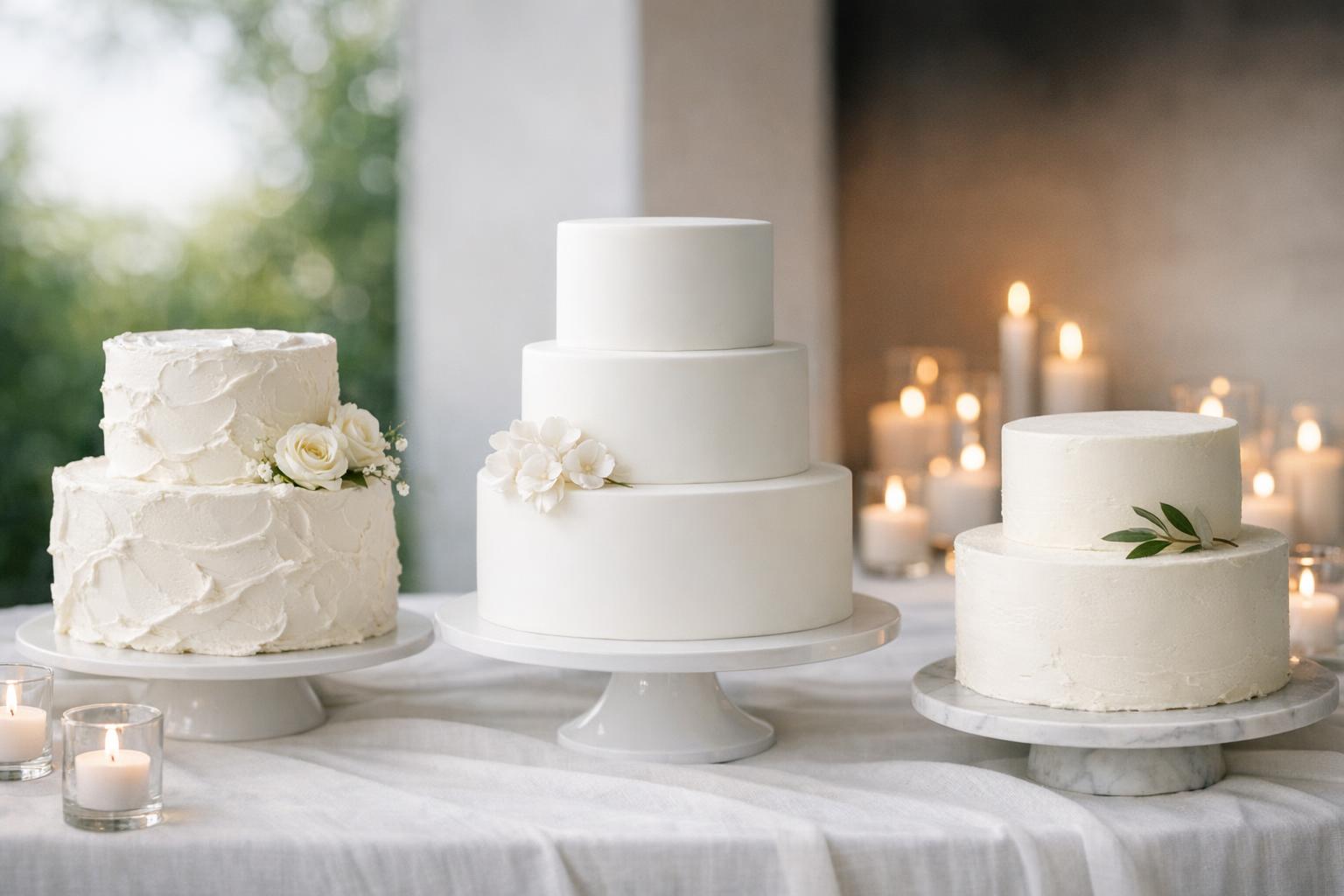
A comparison gallery in words: three ways to style 2 tier wedding cakes
Because 2 tier wedding cakes are so popular for intimate celebrations, it helps to picture how the same silhouette shifts with styling. The goal here isn’t to overwhelm you with options—it’s to help you recognize your preference quickly, then refine it.
Option A: smooth buttercream + minimal piping (clean and modern)
The cake is round, white, and polished—almost like porcelain. Piping is kept delicate, placed as a thin border or subtle detail that frames the tiers. This style pairs naturally with minimalist receptions and modern venues because it doesn’t compete with the room. If you want “simple wedding cake” to mean effortlessly refined, this is often the most straightforward match.
Option B: textured all-white buttercream + no florals (romantic and artful)
This is the all-white wedding cake for couples who want to skip flowers entirely without feeling bare. The texture becomes the romance: swirls or soft sculpting that catches light. It works beautifully for wedding cakes small simple in scale because it creates visual richness without adding items to coordinate.
Option C: fondant finish + sugar flowers (classic, formal, and composed)
The same two tiers feel more formal when finished in fondant. Add a small sugar flower placement—kept minimal—and the result feels classic and ceremonial without becoming ornate. This is a strong choice when you love structured styling, clean photographs, and a “less is more” approach that still feels undeniably wedding.
Outfit-style comparisons, but for cake: how the same wedding mood changes the design
Couples often talk about cake the way they talk about wedding attire: “classic,” “minimal,” “romantic,” “modern.” To make your decision easier, imagine the cake as part of your overall styling—like the finishing accessory that should feel consistent with everything else.
Example comparison: minimalist ceremony + sleek reception
Smooth buttercream minimalism: a simple white wedding cake with clean buttercream frosting and minimal piping mirrors a polished, modern environment—quiet, refined, and unbusy. Fondant simplicity: the same idea, but more architectural; it will look especially crisp if your décor leans structured and monochromatic. Textured all-white: still minimalist, but it adds softness—best if you want the room to feel warm rather than stark.
Example comparison: garden romance with white florals
Textured all-white buttercream: the texture echoes organic movement, then a small cluster of fresh white flowers (roses or hydrangea) ties it into the floral plan without taking over. Smooth buttercream: looks luminous in daylight, but benefits from one deliberate floral placement to keep the eye focused. Fondant: can be stunning here too, especially with sugar flowers, but it reads more formal—choose it if you want “garden” to feel elevated and composed.
Example comparison: intimate celebration and wedding cakes small simple
Wedding cake two tier with smooth buttercream: gives a clean, effortless “just right” feeling for a smaller guest list. Wedding cake two tier with texture-only design: turns the cake into a romantic object without additional décor costs or coordination. Wedding cake two tier with fondant: makes a small cake feel like a formal centerpiece; it’s a good choice if the celebration is small but the tone is traditional.
Common mistakes that make a simple white wedding cake feel less “simple”
Most design regrets don’t come from choosing the “wrong” cake. They come from mixing messages—adding one more element, then another, until the cake no longer feels calm. A simple wedding cake is a discipline as much as a style.
- Too many accent types at once: fresh flowers, sugar flowers, greenery, piping, and texture can each be beautiful—but together they often cancel out the minimalist goal.
- Unclear focal point: if nothing is emphasized, the cake can read unfinished; if everything is emphasized, it can read busy.
- Ignoring proportion: mismatched tier sizes or awkward spacing stand out more on all-white designs.
- Chasing perfection where it isn’t needed: if DIY is the plan, textured buttercream often preserves the “elegant simple” feeling better than attempting ultra-smooth surfaces without support.
Choosing your style: a gentle decision framework for couples
If you’re torn between styles, start with the feeling you want at the cake table. Do you want guests to think “modern and polished,” “romantic and artisanal,” or “classic and formal”? Your answer usually points directly to smooth buttercream, textured all-white finishes, or fondant. From there, keep the rest of the decisions small: tier count, shape, and one accent idea.
Then, match your ambition to your timeline. A DIY white buttercream wedding cake can be deeply meaningful, but only if you give yourself permission to keep it truly simple: pantry-based ingredients, a classic vanilla cake, and a design that suits your skill level. If you’d rather protect your energy for the vows, the toasts, and the quiet moments in between, a professional baker can deliver the simplicity you want—without the late-night frosting stress.
FAQ
What makes a simple white wedding cake look elegant rather than plain?
Elegance usually comes from one clear design decision—like a smooth buttercream finish, intentional texture, delicate piping, or a small placement of fresh white flowers or sugar flowers—paired with balanced tiers and plenty of negative space so the all-white look feels purposeful.
Is buttercream or fondant better for a white wedding cake?
Buttercream frosting is the most common choice for a white wedding cake because it can be styled smooth or textured and feels naturally romantic, while fondant is best when you want an ultra-smooth, crisp, structured look; the better option depends on whether you prefer soft minimalism or tailored simplicity.
Are 2 tier wedding cakes considered “wedding enough” for a formal event?
Yes—2 tier wedding cakes can feel very formal when the proportions are balanced and the finish is polished, especially with a clean smooth buttercream or fondant look and a restrained accent like sugar flowers or delicate piping.
How do I choose between smooth buttercream and textured buttercream for a simple wedding cake?
Choose smooth buttercream if you want a modern, clean, “quiet luxury” look and you’re comfortable keeping decoration minimal; choose textured buttercream if you want an all-white cake that feels romantic and artisanal, or if you prefer a finish that naturally adds dimension without needing flowers or extra décor.
Should I decorate with fresh white flowers or sugar flowers?
Fresh white flowers (like roses or hydrangea) feel seasonal and softly romantic, while sugar flowers feel more controlled and consistent, pairing especially well with a formal fondant look; either can work for a simple white wedding cake as long as the placement stays minimal.
How do I keep a simple white wedding cake from clashing with my florals and greenery?
Pick one supporting accent that matches your overall styling—either fresh white florals, sugar flowers, or a small touch of greenery like olive leaf or English ivy—and avoid layering multiple accent types so the cake stays calm and consistent with the rest of the wedding design.
Is a DIY simple white wedding cake realistic?
DIY is often realistic for wedding cakes small simple in scale—especially a wedding cake two tier design—when you choose a classic vanilla cake with buttercream frosting and keep the decoration intentionally minimal, but very polished smooth finishes or highly structured fondant looks are often less forgiving without professional experience.
How should I think about cake design if I’m considering a drip style?
A drip effect can be beautiful, but it changes the aesthetic from minimalist to more trend-forward and statement-driven; if your goal is wedding cakes elegant simple and timeless, smooth buttercream, fondant simplicity, or an all-white textured finish usually aligns more closely with that vision.