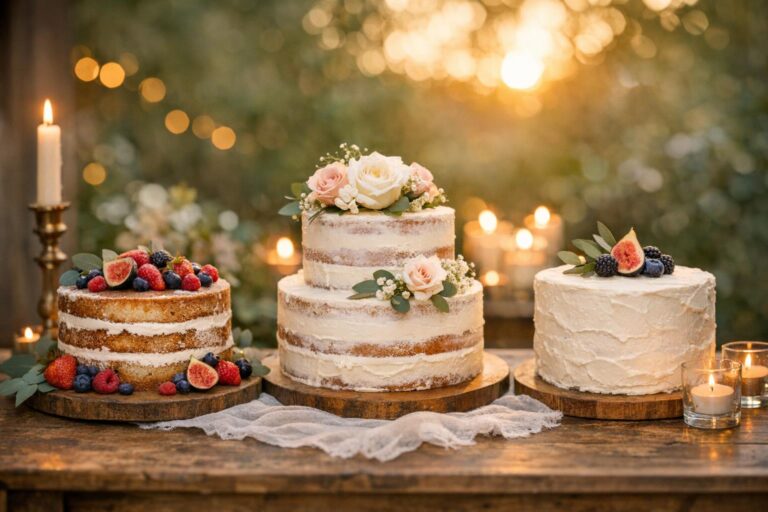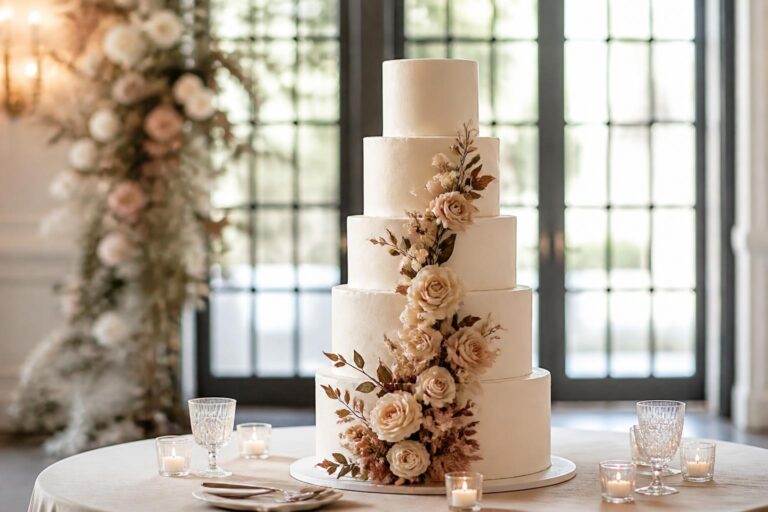
How to Style a Traditional Wedding Cake for Any Venue
The moment you picture cutting into a traditional wedding cake, you can almost hear the hush in the room: the photographer steps closer, the first slice is lifted, and suddenly your reception feels anchored by something timeless. But many couples run into a surprisingly modern problem—how do you choose a cake that looks “properly traditional” without it feeling stiff, dated, or disconnected from the rest of your wedding style?
This is harder than it sounds because “traditional” isn’t one single design. A tiered wedding cake can be classic and elegant in one room, and overly formal in another. The icing choice (fondant vs buttercream), the shade of white, the type of flowers, even the presence of ribbon can shift the whole mood—from cathedral formality to soft garden romance to vintage white wedding cake charm.
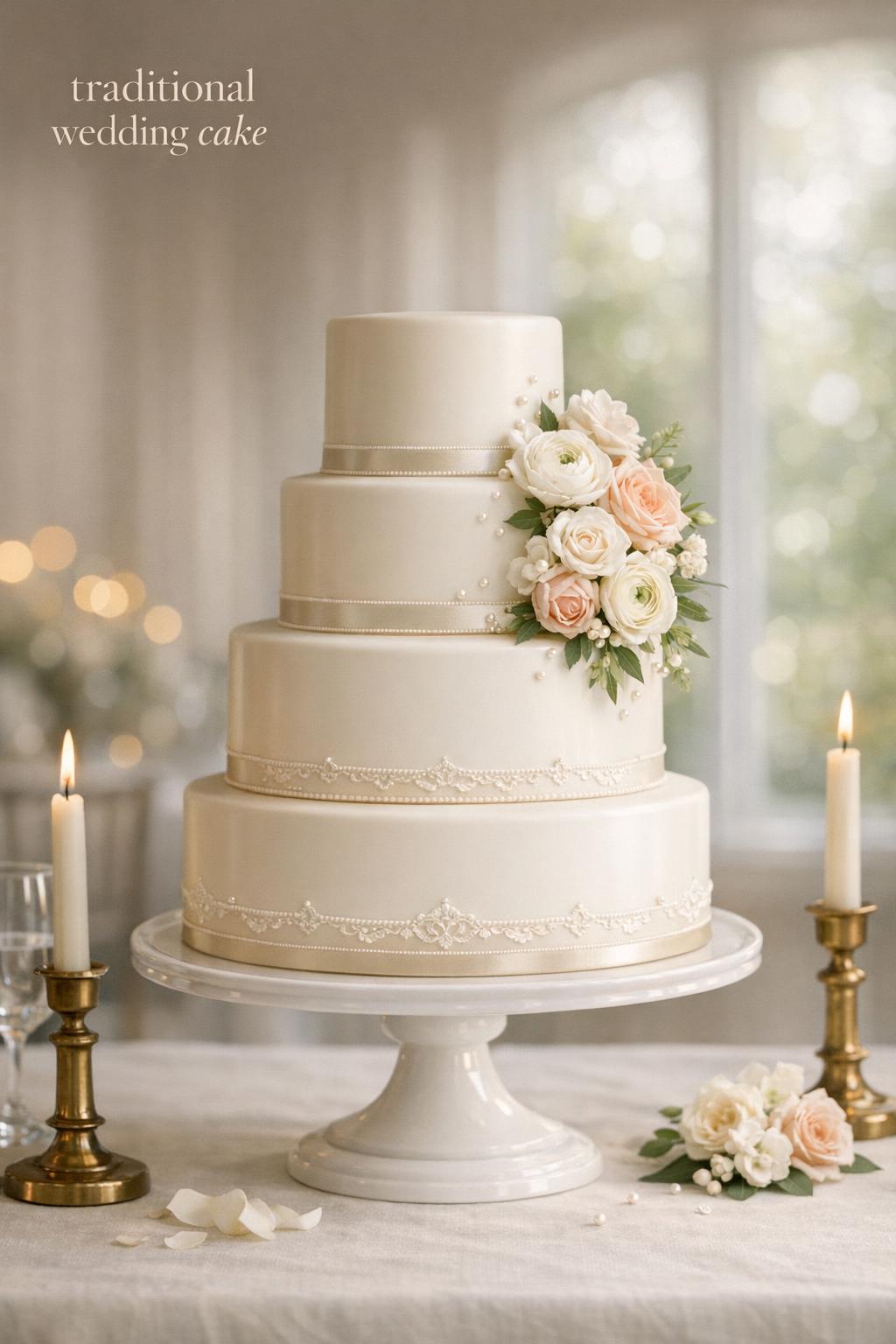
Consider this your problem-solving style guide for building a wedding cake traditional look that feels effortless and emotionally right for your day. We’ll define what makes a cake traditional, translate classic rules into flexible styling logic, walk through flavors and fillings that support a traditional feel, and give you wedding cake inspiration you can actually use when talking with a bakery or reviewing a gallery of designs.
Understanding the styling challenge: “Traditional” can mean many things
Couples usually ask for “classic wedding cakes” because they want a reliable, universally understood centerpiece—something that looks correct in photos, works across generations, and complements formal wedding attire. The challenge is that traditional styling has several moving parts: multi-tier structure, classic proportions, and familiar decoration cues like white icing, florals, ribbons, and lace-like piping.
Turn wedding inspiration into a plan you can actually follow.
Zarellea brings your guest list, budget, vendors, and day-of details into one shared space — so no beautiful idea gets lost in the shuffle.
And then there’s practicality. A traditional cake is often tiered, which means you’re balancing beauty with real-world considerations: serving counts, the cake’s height and presence in the room, how it will be displayed through a long reception, and how design choices (like fondant or buttercream) affect the finish.
Finally, weddings are personal. Even if you love an elegant white wedding cake, you may also want your cake to nod to family heritage or cultural tradition. Real weddings show that “traditional” can include regional touches—like a traditional Ukrainian wedding cake reference—while still honoring the classic silhouette and styling language guests recognize.
Key dressing principles—translated for cake: the rules that make a cake feel traditional
Think of your cake like the most formal outfit at your wedding: the silhouette matters first, then the fabric-like finish, then the accessories. A wedding cake traditional style comes together when structure, icing, and decorations reinforce one another instead of competing.
Principle 1: Start with a clear silhouette (tiers and proportions)
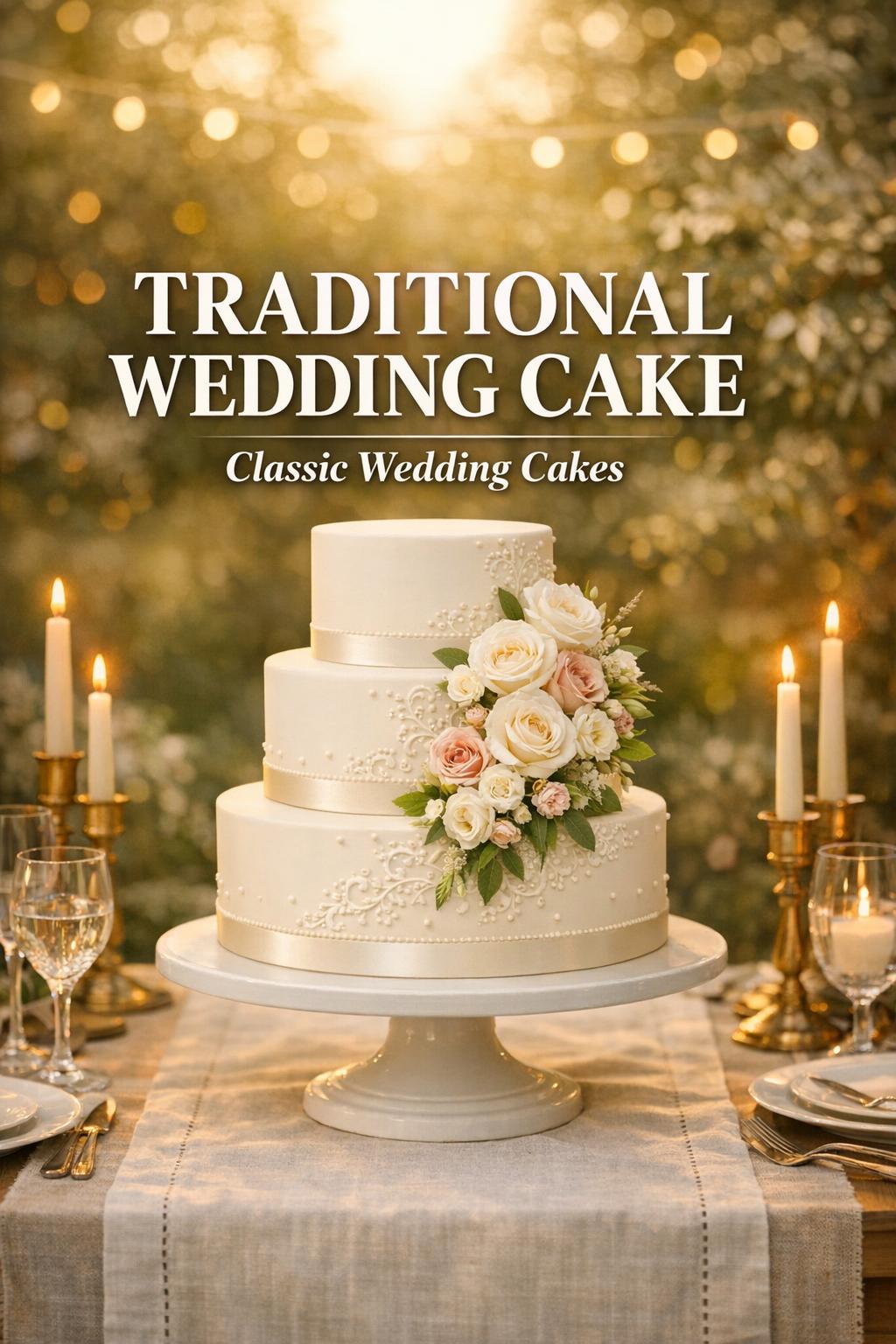
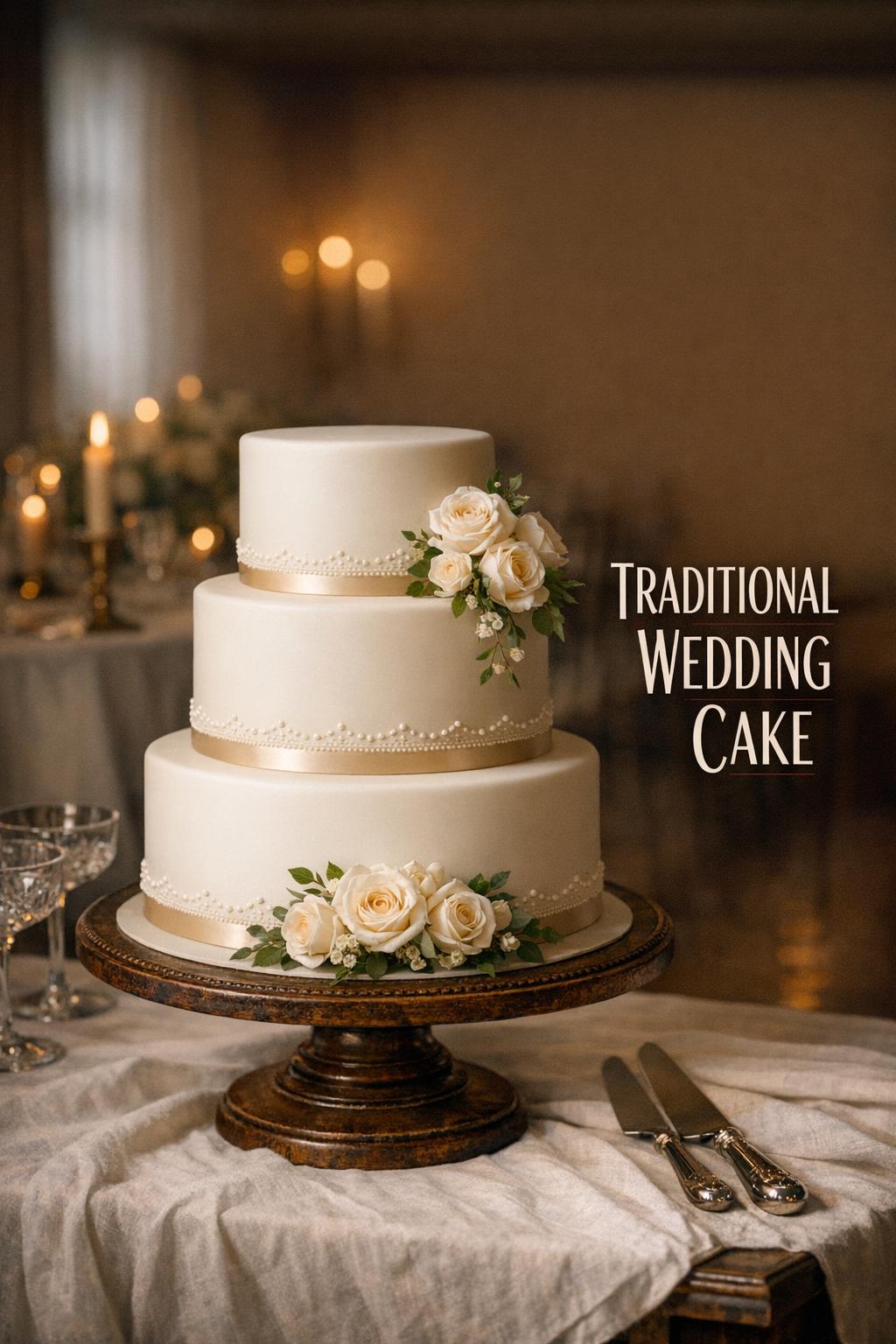
A traditional wedding cake is most often tiered, and that tiering is more than tradition—it’s visual balance. Multi-tier and three-tier designs read as “classic” because they create a strong vertical shape that photographs beautifully behind a cake-cutting moment. If you want a truly traditional look, decide your tier count early, because it influences everything else: icing finish, decorations, and even how “vintage” or “modern” the final result feels.
Principle 2: Choose your finish like you’d choose a fabric (fondant vs buttercream)
Traditional cakes are closely associated with a smooth, polished exterior—often achieved with fondant—yet many classic wedding cakes also lean on buttercream for a softer, romantic effect. The decision is less about what’s “right” and more about what mood you want. Fondant creates a crisp, tailored look (think formal, clean lines), while buttercream reads like softness and movement (think romance and texture). Both can support a classic wedding cake design when paired with traditional decorations like ribbon, flowers, pearls, or piped lace details.
Principle 3: Keep the palette restrained (white, ivory, and gentle accents)
An elegant white wedding cake is classic because it doesn’t distract from the ceremony-to-reception transition—it blends with flowers, linens, and candlelight. Traditional styling usually avoids loud color blocking and instead uses subtle contrasts: ivory-on-ivory piping, a ribbon at the base of each tier, or floral accents that match the bouquet. This is why “simple” can still feel grand in a classic tiered cake—your palette is doing the work quietly.
Principle 4: Add “accessories” with intention (flowers, ribbons, lace-like piping)
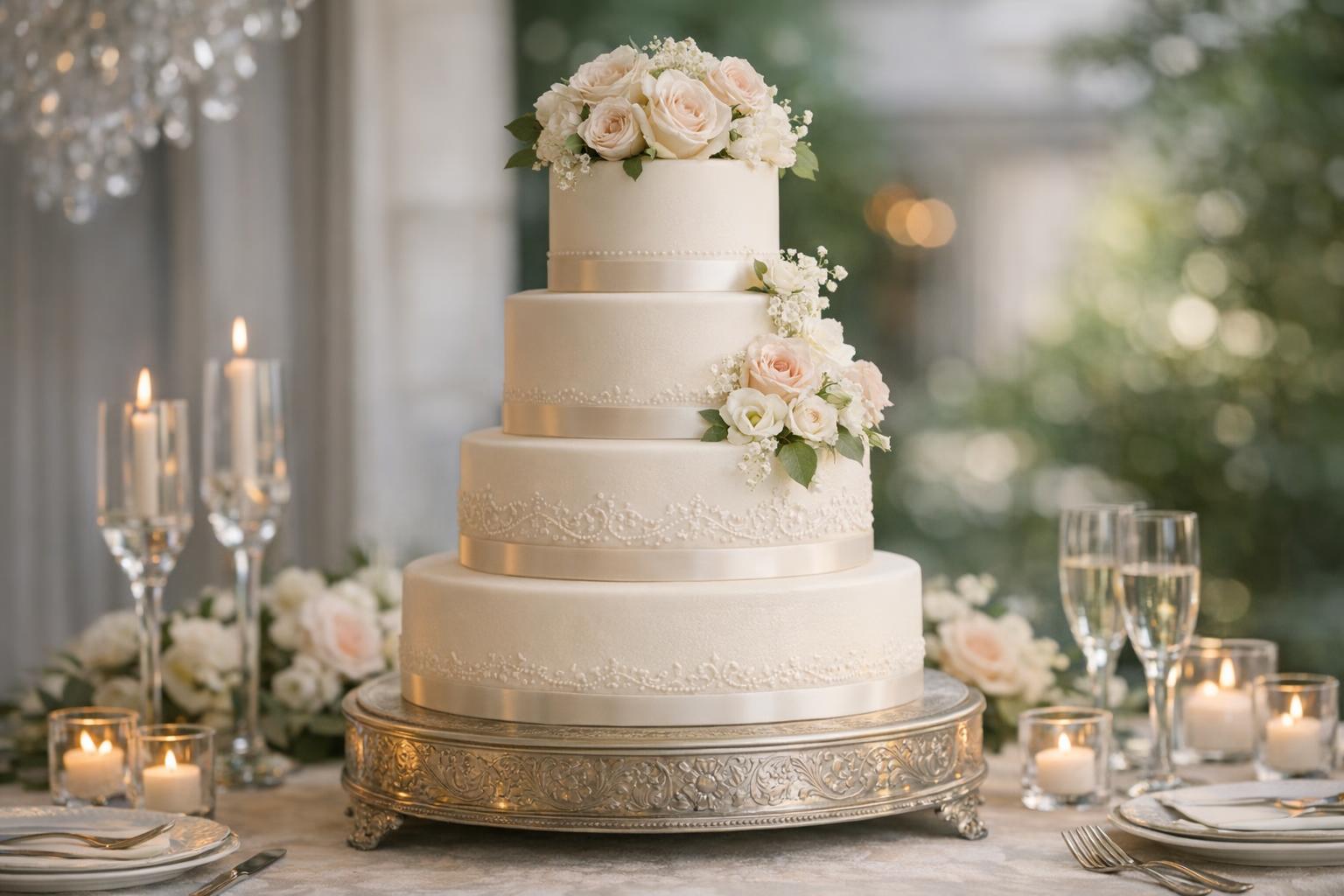
Decorations are where traditional cakes tell their story. Flowers and ribbon instantly signal wedding formality, while lace-style piping and pearl-like details read as heirloom and ceremonial. The traditional look doesn’t require heavy decoration; it requires the right kind of decoration. The goal is a cohesive message: “timeless, celebratory, and designed for a wedding.”
What makes a wedding cake “traditional” (and what makes it drift modern)
If you’re comparing photos and feeling unsure, a quick definition helps. A traditional wedding cake is typically a multi-tier cake with classic proportions, a refined icing finish (fondant or buttercream), and decoration cues that have become wedding standards—white or ivory tones, floral accents, ribbon, and ornamental piping. It’s the kind of cake you’ll see repeatedly in wedding cake inspiration galleries because it’s visually recognizable and widely flattering in different venues.
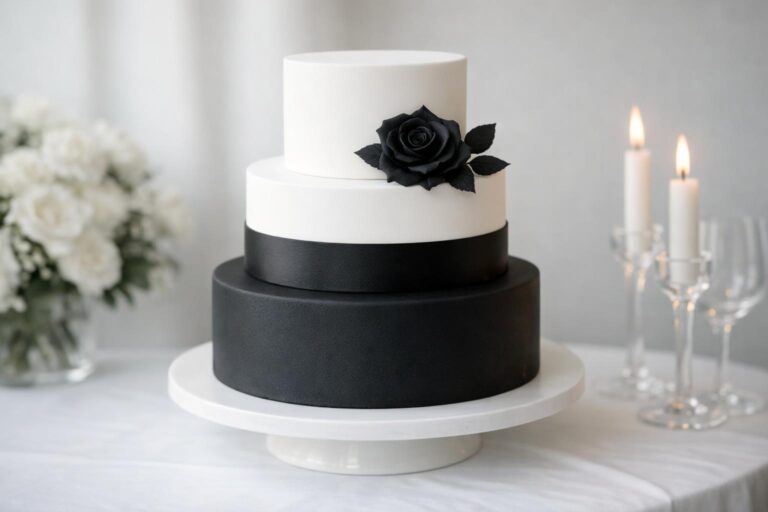
By contrast, a cake starts to feel “less traditional” when it breaks one of those signals: unusual shapes, bold palettes, or styling that intentionally looks casual. There’s nothing wrong with that—many couples love modern twists—but if your goal is wedding cake traditional styling, it helps to keep at least two of the three pillars firmly classic: tiered structure, refined finish, and traditional decorations.
- Most traditional: three-tier (or multi-tier) silhouette + white/ivory finish + flowers/ribbon/piped lace
- Still traditional, softer: tiered buttercream + restrained palette + floral accents
- Traditional with a twist: classic tiers + traditional palette + one intentional modern element (for example, a simplified decoration approach)
History and cultural context: why tiers, tradition, and symbolism still matter
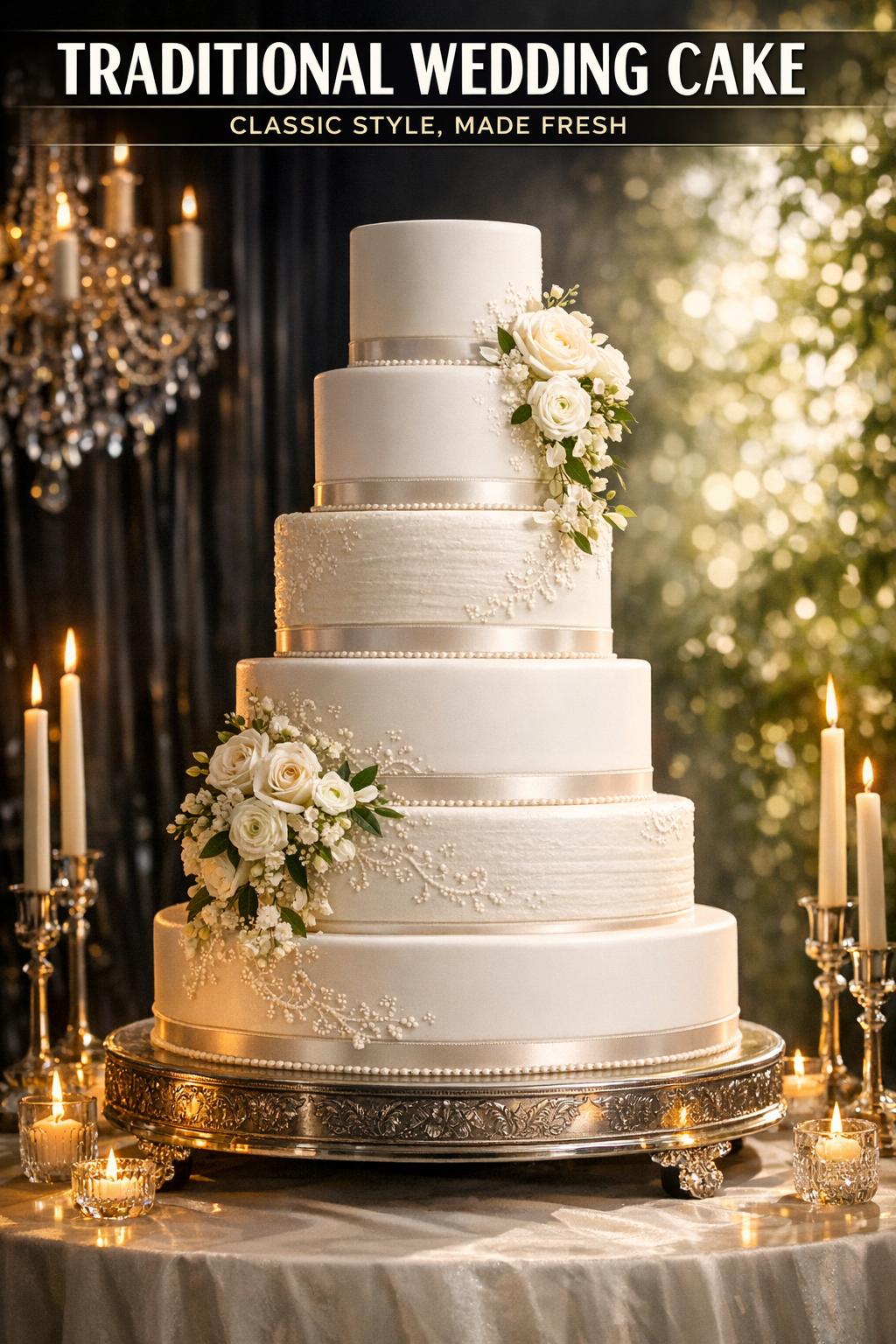
Traditional wedding cakes carry meaning because they’ve long been treated as more than dessert. The classic tiered form is tied to the idea of symbolism—an architectural centerpiece that visually marks the celebration. One enduring reference point in wedding cake history links the three-tier inspiration to Saint Bride’s Church in London, reinforcing how architecture and ceremony have shaped what we now call “classic.”
Practically, this matters because symbolism influences styling decisions. A three-tier cake doesn’t just feed guests; it communicates formality and tradition at a glance. It’s why so many classic wedding cakes—whether seen in a wedding magazine guide or a bakery gallery—return to the same visual vocabulary: stacked tiers, white finish, and refined, intentional decoration.
Cultural context matters too. Traditional doesn’t have to mean one culture’s tradition. Real weddings sometimes spotlight regional heritage—such as a traditional Ukrainian wedding cake moment—while still using classic techniques and a tiered structure. If you’re blending family backgrounds, this is a reassuring principle: you can honor heritage through select design motifs or flavor choices without losing the timeless “wedding cake” identity.
The anatomy of a traditional wedding cake: structure first, then beauty
When you’re talking to a bakery, you’ll get better results if you describe your traditional cake in layers—starting with structure, then moving outward to finish and décor. This approach mirrors how many classic cake collections and wedding cake galleries present their designs: clear tiers, clear finishes, clear decoration families.
Cake tiers and proportions: building a classic presence
Tiers are the backbone of a traditional cake. A tiered wedding cake reads as formal because the silhouette is symmetrical and intentional. If you want the most familiar “wedding cake traditional” effect, keep your proportions consistent from bottom to top, with each tier slightly smaller than the one beneath it. This creates the steady, ceremonial look people associate with classic wedding cakes.
For many couples, three tiers is the sweet spot: tall enough to feel special, traditional enough to please classic tastes, and flexible enough to style in different ways—clean and minimal for a modern venue, or richly detailed for a ballroom feel.
Icing styles: fondant vs buttercream, and how to decide
Most wedding cake inspiration photos that feel “highly traditional” feature a smooth, polished look—often associated with fondant. Fondant tends to deliver a crisp finish that supports sharp edges, smooth sides, and decorative add-ons like ribbon. Buttercream can also be traditional, especially when it’s refined and paired with classic piping details. The choice is about your aesthetic and your comfort with how each finish looks and feels.
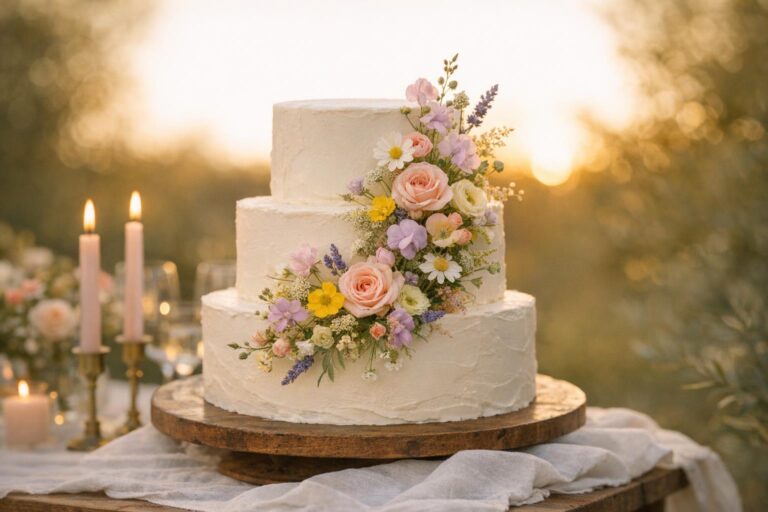
If your dream is an elegant white wedding cake that looks like it belongs in a formal portrait, fondant is a natural match. If you want a romantic mood—soft lighting, garden-inspired florals, a gentle “glow” in the icing—buttercream can feel like the more emotionally fitting option while still staying traditional.
Decorations that signal “classic”: flowers, ribbon, lace details
Traditional decorations are recognizable for a reason: they’re timeless and photograph well. Flowers bring the cake into the wedding’s floral story. Ribbon adds polish and visual boundaries between tiers. Lace-like piping evokes heirloom detail—especially when used in white-on-white or ivory-on-ivory patterns. Even when you choose a simpler cake, these classic elements act like the finishing touches on a bridal look.
- Flowers: a classic way to connect the cake to your bouquet and reception arrangements
- Ribbon: frames each tier and reinforces a neat, traditional outline
- Piped lace or ornamental piping: adds tradition without needing bold color
- Subtle pearl-like accents: creates a formal, ceremonial impression
Traditional flavors and fillings: classic doesn’t have to mean boring
A traditional wedding cake is often remembered for how it looks—but guests remember taste. Traditional flavor profiles commonly circle around familiar, crowd-pleasing choices that feel “wedding appropriate.” Vanilla and almond are frequent anchors in classic wedding cakes, and lemon can bring a clean, celebratory brightness while staying within a traditional range.
Fillings are where many couples personalize the experience without changing the traditional exterior. Buttercream is a classic filling choice, and fruit-based fillings like raspberry jam or fruit preserves can feel both timeless and festive. In some traditions, fruitcake is an explicit “traditional” anchor, offering a deeper nod to heritage and longstanding wedding dessert customs.
Classic flavor profiles that support a wedding cake traditional feel
When you’re choosing flavors for a tiered cake, aim for options that feel familiar across generations and won’t clash with a formal reception. Vanilla and almond are classic because they pair easily with traditional finishes and decorations. Lemon can read as fresh and celebratory. Fruitcake is more specific to certain traditions, but when it’s meaningful to your family, it can be a powerful way to make “traditional” personal rather than generic.
Filling pairings that keep the cake tasting classic
If you want a traditional look with a little extra joy in the bite, consider pairing a classic cake base with a traditional-style filling. Raspberry jam is a common reference point for fruit-forward tradition, and buttercream remains the steady, familiar favorite for texture and richness. When you’re ordering from a bakery catalog or planning a custom design, ask for filling combinations that complement—rather than compete with—the cake’s classic identity.
Tips: If you’re nervous about pleasing a broad guest list, keep at least one tier in a widely loved classic flavor (like vanilla) and use another tier for a more personal choice (like almond or lemon). This approach preserves a classic wedding cake experience while still letting the cake feel like yours.
Outfit solutions—reimagined as cake “looks”: choose a traditional style that fits your wedding setting
Just as you wouldn’t wear the same outfit to every venue, not every traditional wedding cake should be styled the same way. Below are flexible, setting-based “looks” that keep the cake firmly traditional while adapting to mood, formality, and décor. Use them as wedding cake inspiration when browsing galleries from brands and bakeries such as The Vintage Cake, Classic Cake, Tiffany’s Bakery, Freed’s Bakery, Sukar Bakes, and Oakmont Bakery.
Outfit solution: the elegant white wedding cake for a formal reception
If your wedding leans black-tie, classic ballroom, or very formal ceremony-to-reception flow, lean into the most traditional cues: a multi-tier silhouette and a smooth white finish. This is where fondant often shines because it supports crisp edges and a polished, tailored look—like a perfectly fitted gown.
To keep it romantic rather than severe, add controlled softness through décor: floral accents placed thoughtfully (not scattered), ribbon that matches your wedding palette, and delicate piping that reads like lace. The overall effect is timeless—exactly what most couples mean by wedding cake traditional styling.
Outfit solution: a soft buttercream classic for garden romance
A traditional wedding cake can look perfectly at home at a garden wedding when the finish feels gentle. Buttercream supports that mood because it reads softer under natural light and pairs beautifully with florals. Keep the structure traditional (tiers, balanced proportions), then let flowers do the storytelling—echoing your bouquet, ceremony aisle blooms, or reception centerpieces.
This look is ideal for couples who want “classic wedding cakes” without a sharply formal feel. The logic is simple: the silhouette carries the tradition; the finish and florals carry the romance.
Outfit solution: the vintage white wedding cake with heirloom detailing
If your wedding vision includes vintage touches—old-world linens, candlelit tables, a sense of inherited elegance—take a traditional cake and amplify the details that feel like craftsmanship. A vintage white wedding cake often leans on ornamental piping and lace-like patterns, sometimes paired with ribbon to frame each tier. The palette stays restrained, but the texture becomes the focal point.
This is the look that feels especially at home in a curated wedding cake gallery—design-forward but still rooted in tradition. It also photographs beautifully because light catches the piping details, creating dimension without needing bright colors.
Outfit solution: classic tiers with a heritage nod (regional tradition within a traditional framework)
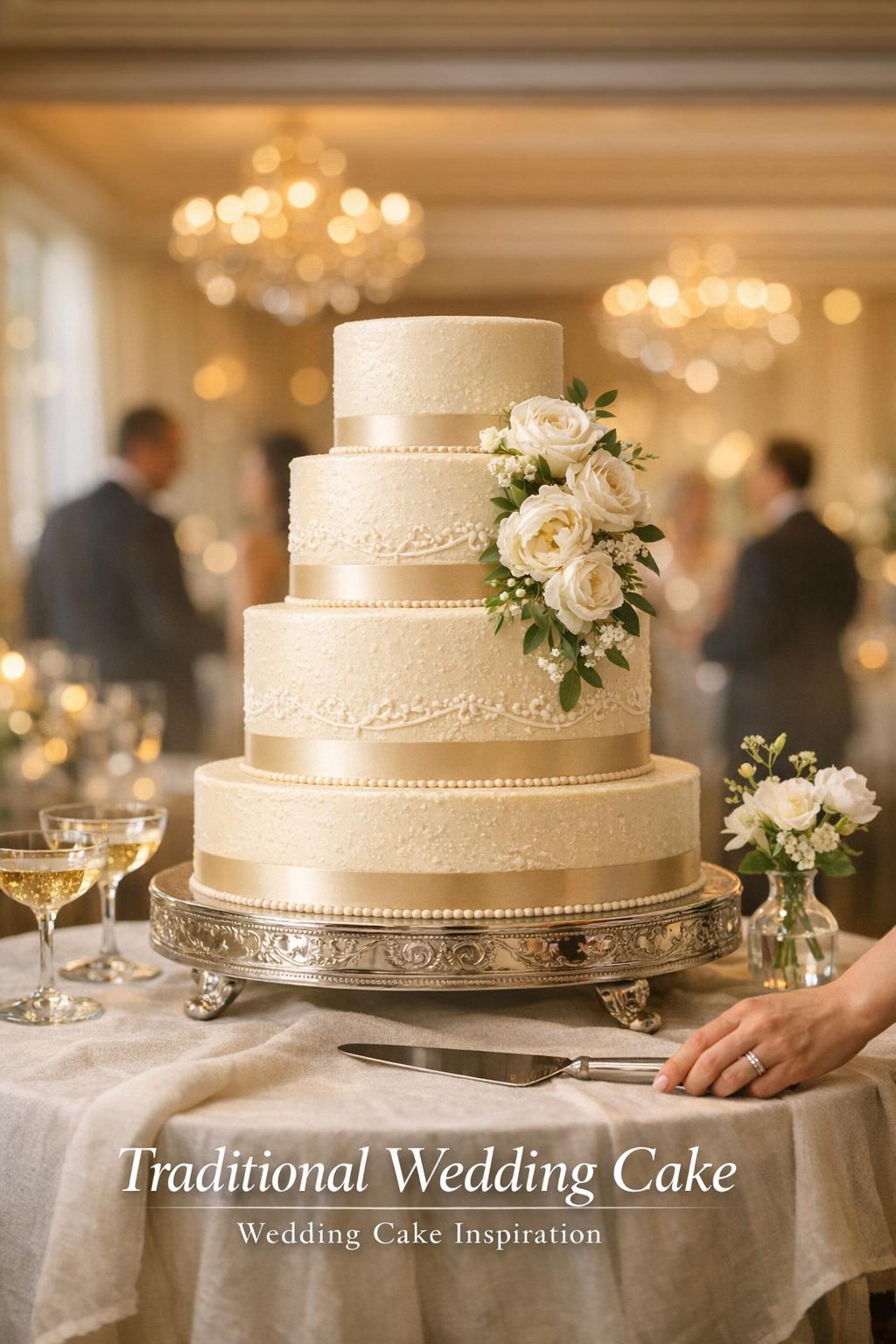
For couples blending family backgrounds, the goal is often to honor tradition without creating a design clash. A practical approach is to keep the exterior language traditional—tiered structure, white or ivory finish, classic decorations—then incorporate heritage in a focused way. This could be through a specific motif choice, a floral styling cue, or a flavor that feels tied to family tradition.
Real-wedding inspiration sometimes highlights regional references, such as a traditional Ukrainian wedding cake moment, reminding couples that “traditional” can be both classic and culturally specific. The secret is restraint: one or two heritage touches feel intentional; too many competing cues can dilute the traditional identity.
Outfit solution: classic wedding cakes that still work for a budget-minded plan
Traditional doesn’t have to mean complicated. If you’re working within a budget, focus on the elements that create maximum traditional impact: a clean tiered shape and a classic palette. Many bakery catalogs and classic wedding collections emphasize timeless designs precisely because they’re reliable and scalable.
To keep costs aligned with your plan, choose a design that relies on a few strong traditional details rather than many small, intricate ones. A ribbon at each tier and a refined finish can look incredibly classic without needing extensive decorative work. If you’re reviewing serving-cost language on product pages (as some bakeries do), let that guide you toward a design that feels both traditional and realistic for your guest count.
Planning tools for a traditional cake: servings, sizing, and the calm side of budgeting
A traditional wedding cake often becomes a centerpiece, which means it needs to be sized to the room and the guest list—not just chosen because it looks pretty online. The most helpful planning mindset is to treat servings and tier count as your foundation. Once you know what the cake must do (serve guests, anchor the cake-cutting moment, match the formality), the design becomes easier.
Servings and tier count: choosing structure with intention
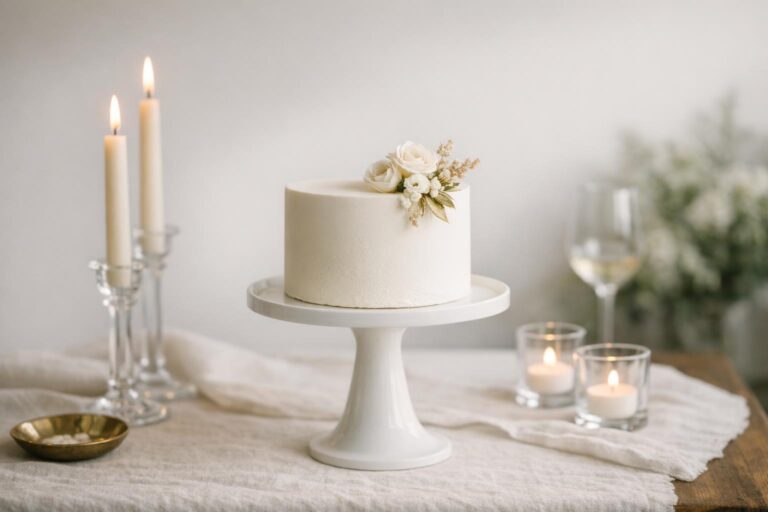
If you’re deciding between two and three tiers, ask yourself what role the cake plays in your reception. If the cake is a key ceremonial moment and a visual focal point, three tiers often delivers that traditional “presence.” If you’re balancing cake with other dessert options, a smaller tiered design can still read as traditional if the silhouette and finish are classic.
Tips: Bring two pieces of information to your bakery conversation: your guest count and whether cake is the primary dessert or part of a broader dessert plan. You’ll get clearer sizing guidance, and it will prevent the common mistake of choosing a cake purely from photos without considering the logistics.
Budget decisions that preserve a classic look
When couples say they want classic wedding cakes, they often mean they want the look to feel elevated without spiraling into endless add-ons. A reliable strategy is to spend on the “big read” elements (tiered structure, refined finish) and simplify smaller details. This keeps the cake traditional and photo-ready while making your choices easier to defend in the budget.
Browsing classic collections from bakeries—like those offered by Tiffany’s Bakery, Freed’s Bakery, Classic Cake, or Sukar Bakes—can help you see what a bakery considers “standard traditional” versus custom. Even without getting into exact numbers, you can often sense which designs are positioned as straightforward classics and which are positioned as more elaborate showpieces.
Decorating traditions that always read timeless (and how to keep them from feeling dated)
The difference between “timeless” and “dated” usually comes down to editing. Traditional wedding cake decorations—florals, ribbon, piped lace—are enduring, but they feel freshest when they’re applied with a clear plan. Instead of layering every classic element at once, choose one main detail and let the others support it quietly.
Florals and toppers: focus on placement, not volume
Florals can be dramatic or whisper-soft, but they feel most traditional when they look intentional: a floral cascade that mirrors the bouquet shape, or a neat cluster that crowns the top tier. If you’re using a topper, keep the overall silhouette clean so the topper doesn’t compete with heavy piping or excessive ribbon. Traditional styling is about clarity—guests should understand the cake at a glance.
Color palettes and finishes: why white-on-white still wins
White and ivory finishes remain the heart of traditional design because they’re versatile across venues and photography styles. A smooth fondant finish emphasizes formality; a refined buttercream finish emphasizes romance. Either way, the restrained palette gives your cake that classic “bridal” feeling—especially when paired with small details like ribbon edges or lace-like piping.
Tips: If you want the cake to feel traditional but not stark, ask for gentle contrast through texture rather than color—subtle piping, soft floral accents, or a ribbon that matches your linens. This keeps the cake in the classic family while making it feel personal.
Regional variations and global perspectives: traditional doesn’t have to be one-size-fits-all
Traditional wedding cake styling in the U.S. often centers on tiered white cakes, but real weddings and style guides remind us that regional traditions can sit comfortably alongside the classic baseline. Whether you’re inspired by a traditional Ukrainian wedding cake reference or drawn to a European-leaning sense of ceremony, the most successful approach is to keep the structure familiar and use regional ideas as accents.
This is also where couples find emotional clarity. A heritage-inspired detail can make the cake feel less like a generic “wedding requirement” and more like a meaningful family moment—without abandoning the classic look that many guests expect from a traditional cake-cutting scene.
How to use wedding cake inspiration galleries without getting overwhelmed
Scrolling a wedding cake gallery can be joyful—until it becomes confusing. One page shows ornate piping; another shows minimalist tiers; a bakery collection labels several designs as “classic,” even though they look different. The best way to use wedding cake inspiration is to sort images by the three decision pillars: silhouette (tiers), finish (fondant or buttercream), and decoration family (flowers, ribbon, lace-like piping).
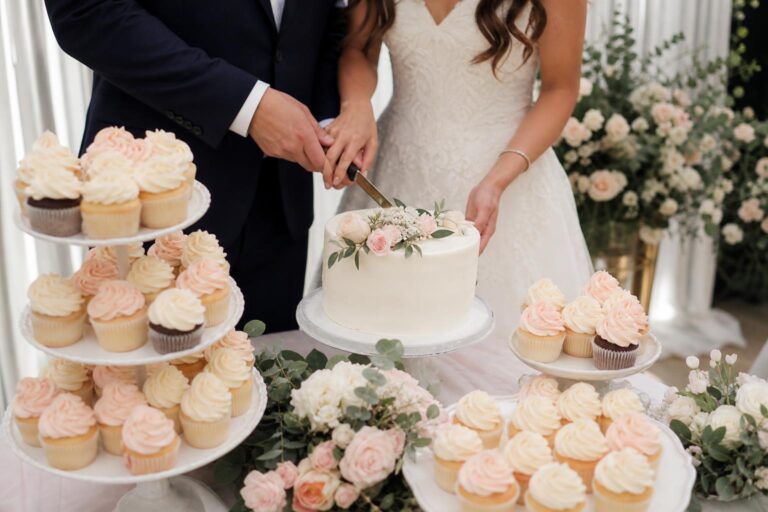
Galleries from wedding planning resources and real weddings—like those curated by The Knot—often help you see how traditional cakes appear in real reception lighting and décor. Bakery galleries and catalogs—like The Vintage Cake, Oakmont Bakery, Classic Cake, Tiffany’s Bakery, Freed’s Bakery, and Sukar Bakes—help you see what styles are repeatable and orderable.
- Save with labels: “three-tier,” “fondant,” “buttercream,” “ribbon,” “floral,” “lace piping,” “vintage white wedding cake”
- Circle one non-negotiable: for example, an elegant white wedding cake finish or a clearly tiered silhouette
- Choose one signature detail: florals OR ribbon OR lace-style piping, then keep the rest simple
- Bring a short shortlist: a bakery conversation goes better with 3–5 focused images than 30 mixed styles
Common mistakes that derail a traditional look (and what to do instead)
Most “traditional wedding cake regrets” aren’t about the cake being unattractive—they’re about the cake not matching the wedding. A classic cake can look strangely out of place if it’s over-decorated for a minimal setting, or too plain for a very formal venue. The fix is usually alignment: make the cake’s level of formality match the room and the rest of your styling choices.
- Mistake: choosing a design only from a close-up photo (you miss how it reads in a full room). Do instead: look for real-wedding context photos and full cake-table shots.
- Mistake: mixing too many classic motifs (ribbon, heavy piping, multiple floral styles) and losing clarity. Do instead: pick one main motif and let the others be subtle.
- Mistake: ignoring the finish trade-off between fondant’s crispness and buttercream’s softness. Do instead: choose your finish based on the mood you want in photos.
- Mistake: not planning servings early, then forcing the design to change late in planning. Do instead: decide guest count and cake’s role as dessert before finalizing tiers.
A calm checklist for ordering classic wedding cakes with confidence
When you’re ready to place an order—whether you’re selecting from a classic wedding collection or commissioning a custom tiered design—use a simple, traditional-first checklist. This keeps your decisions grounded and prevents last-minute changes that can disrupt the look.
- Silhouette: confirm tier count and proportions (two-tier, three-tier, or more)
- Finish: decide fondant vs buttercream based on your desired level of polish
- Palette: choose white or ivory, plus one gentle accent if needed
- Decor family: commit to flowers, ribbon, lace-style piping, or a restrained combination
- Flavor plan: select classic flavors (like vanilla or almond) and a filling approach (buttercream, raspberry jam, fruit preserves)
- Logistics: clarify servings expectations and how the cake fits into the dessert plan
Tips: If you’re working with a bakery catalog, screenshot the exact cake name or product image you love and note what you love about it (tiers, ribbon placement, floral style). If you’re going custom, describe your “traditional anchors” first—“tiered, white, classic decorations”—and then add your personal preferences second. This order of operations keeps the design from drifting away from classic.
FAQ
What makes a traditional wedding cake different from a modern wedding cake?
A traditional wedding cake is typically defined by a tiered silhouette, a classic white or ivory finish, and familiar decorations like flowers, ribbon, and lace-style piping, while modern cakes more often break one of those signals through less conventional shapes, bolder styling choices, or a deliberately non-classic decorative approach.
Is fondant required for a wedding cake traditional look?
No—fondant is common for a very smooth, polished finish, but buttercream can also look traditional when the tiers are cleanly finished and the decorations stay within classic motifs such as florals, ribbon, and refined piping details.
What are classic flavor choices for traditional wedding cakes?
Traditional flavor profiles commonly include vanilla and almond, with lemon also appearing as a classic-leaning option; for fillings, buttercream and fruit-based choices like raspberry jam or fruit preserves are often used to keep the taste familiar while still feeling celebratory.
How do I choose between a two-tier and a three-tier cake?
Start with your guest count and how central the cake is to dessert service, then choose the tier count that creates the right visual presence for your reception; three-tier cakes often deliver the most instantly “traditional” look, while smaller tiered cakes can still feel classic if the finish and decorations are clearly traditional.
What decorations make an elegant white wedding cake feel timeless instead of dated?
Timeless styling usually comes from restraint: keep the palette white or ivory, choose one main decorative motif (such as florals, ribbon, or lace-like piping), and use any additional details as subtle support so the cake reads clean and ceremonial rather than overly busy.
Can I include cultural or regional tradition and still keep the cake classic?
Yes—many couples keep the exterior language traditional (tiered structure, white/ivory finish, classic decorations) and incorporate heritage through a focused detail or a meaningful flavor choice, similar to how real weddings sometimes highlight regional references like a traditional Ukrainian wedding cake while preserving a classic overall silhouette.
How far in advance should I start planning a traditional wedding cake?
Begin as soon as you know your approximate guest count and wedding style so you can align tier count, finish (fondant vs buttercream), and decoration choices early; planning early also makes it easier to use galleries and classic collections thoughtfully rather than making rushed decisions close to the wedding date.
Where can I find reliable wedding cake inspiration for classic wedding cakes?
A helpful mix is to look at real-wedding galleries from wedding planning resources like The Knot for context and styling in actual venues, then review bakery galleries and classic collections from brands such as The Vintage Cake, Oakmont Bakery, Classic Cake, Tiffany’s Bakery, Freed’s Bakery, and Sukar Bakes to understand what designs are routinely created and orderable.