The Camera-Ready Cake for Wedding: Fondant or Buttercream?
The moment the cake arrives: why “cake for wedding” decisions feel so personal
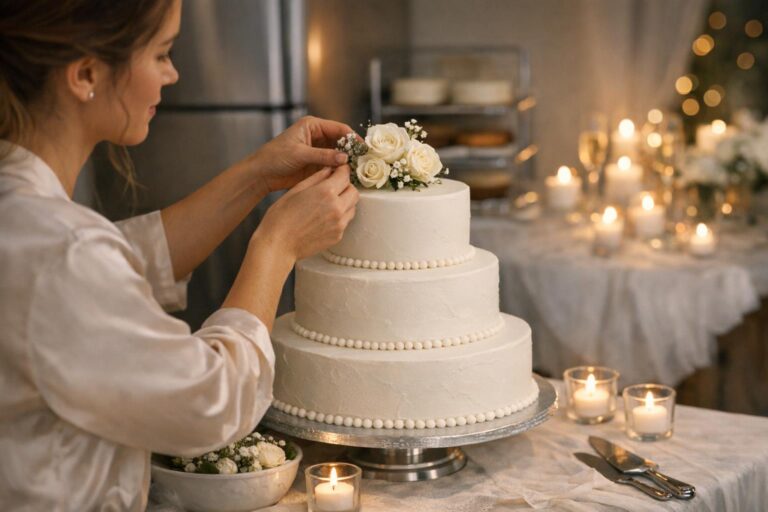
There’s a specific hush that happens at a reception when the cake for wedding is rolled into the room. Conversations soften, phones appear, and for a few minutes the entire celebration becomes a shared pause—one part ceremony, one part dessert, one part storytelling. That’s why choosing between today’s most-requested wedding cake styles can feel surprisingly emotional: you’re not only picking flavors and frosting, you’re choosing how you want your reception to feel.
Two styles are at the center of most modern cake conversations because they photograph beautifully and promise very different moods: the polished fondant-forward look versus the more natural buttercream world, including wedding cakes no fondant and the semi naked wedding cake rustic aesthetic. They’re often discussed together because both can be elegant, both can be tailored to your colors, and both can be designed to match anything from a ballroom to a backyard. But they behave differently in real life—under lights, in summer heat, during transport, and across a long cake for reception timeline.
This style breakdown will help you compare these approaches with clarity and confidence. You’ll learn how each style looks, how it “wears” through a full wedding day, what it communicates visually, and how to choose based on venue, season, formality, and the small logistics couples only discover after talking with a baker. Along the way, we’ll also address a few commonly searched terms that pop up when couples are planning cakes for wedding celebrations—like wedding cane (a phrase often used when people mean cane sugar–style sweetness or a cane-inspired theme)—so you can navigate conversations without confusion.
Style overview: fondant-forward wedding cakes (smooth, sculpted, editorial)
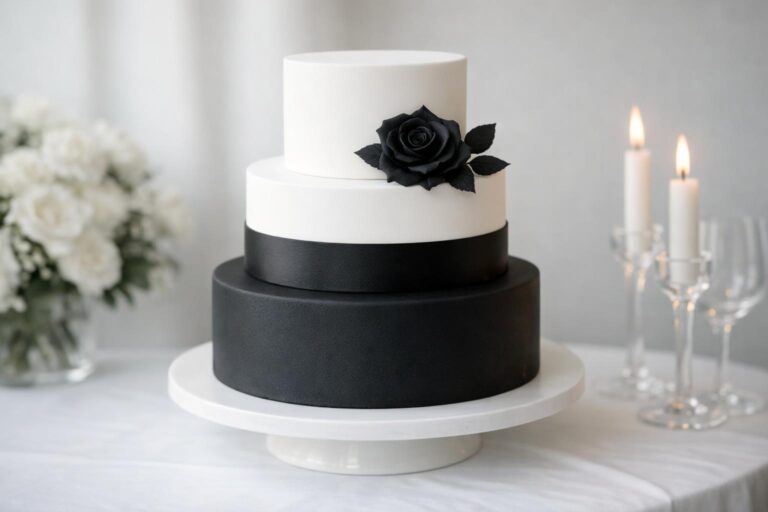
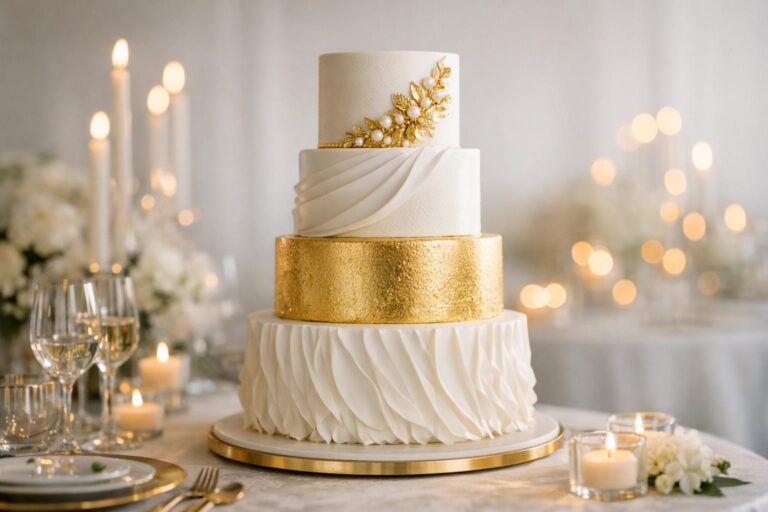
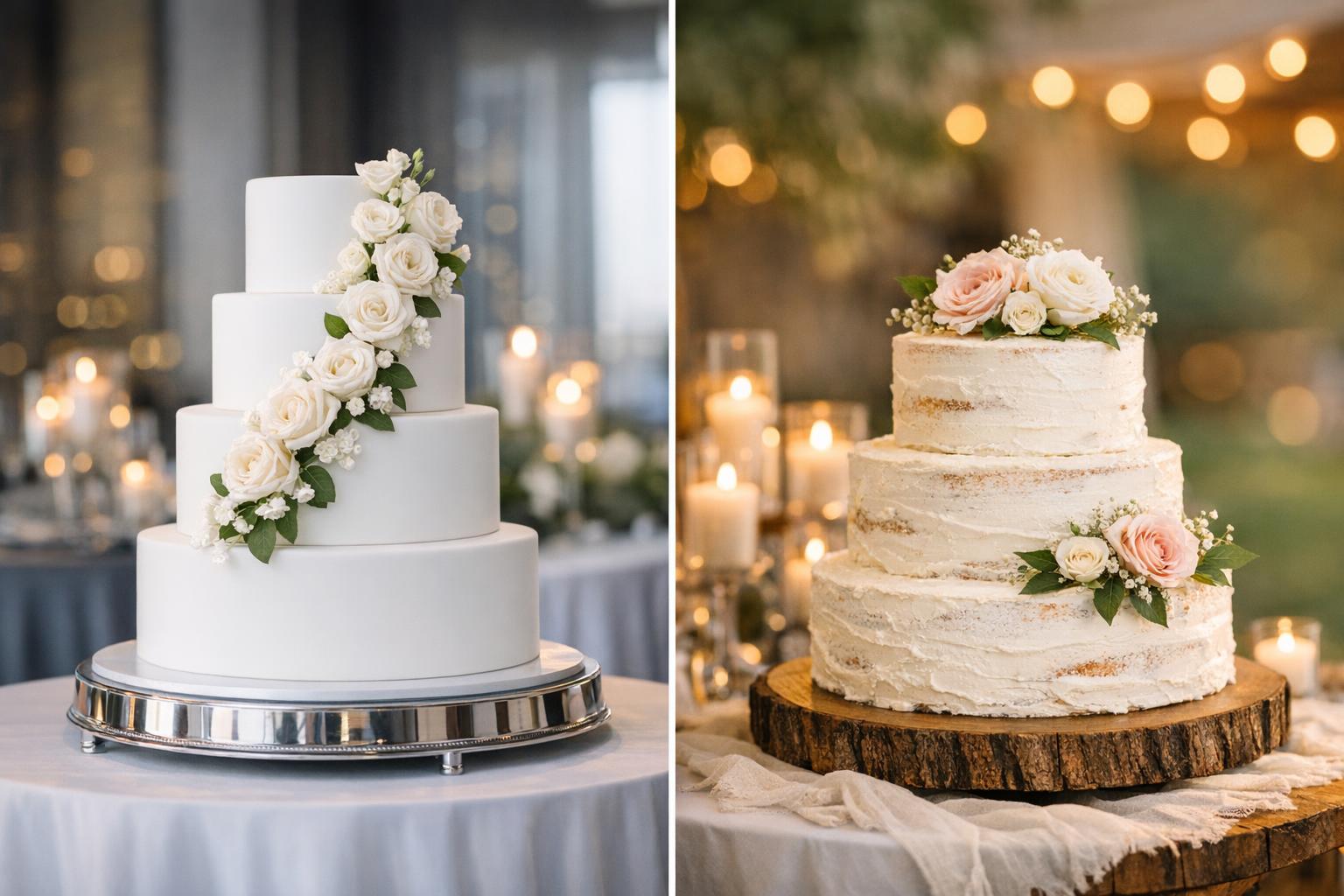
Fondant-forward wedding cakes are defined by a clean, porcelain-smooth outer layer. The silhouette is typically structured: sharp edges, precise tiers, and decorative elements that look almost architectural. This is the cake style that leans naturally into symmetry, crisp lines, and formal detailing—ideal when you want your cake for wedding photos to read as “designed” from across the room.
Turn wedding inspiration into a plan you can actually follow.
Zarellea brings your guest list, budget, vendors, and day-of details into one shared space — so no beautiful idea gets lost in the shuffle.
Visually, fondant supports a wide spectrum: minimalist monochrome, dramatic color blocking, or ornate finishes. The texture is intentionally uniform, which makes embellishments (like delicate piping, sugar florals, or sculpted details) feel especially crisp. When couples imagine a cake that looks like it could sit in a luxury hotel lobby—smooth, tall, and perfectly tailored—this is usually the style they mean.
The overall mood is polished and statement-making. If your wedding aesthetic is black-tie, modern glam, or classic formal, fondant-forward cakes often feel like the most intuitive match because they mirror the structure of tuxedos, sleek gowns, and clean-lined décor.
Style overview: buttercream and “wedding cakes no fondant” (soft, romantic, lived-in)
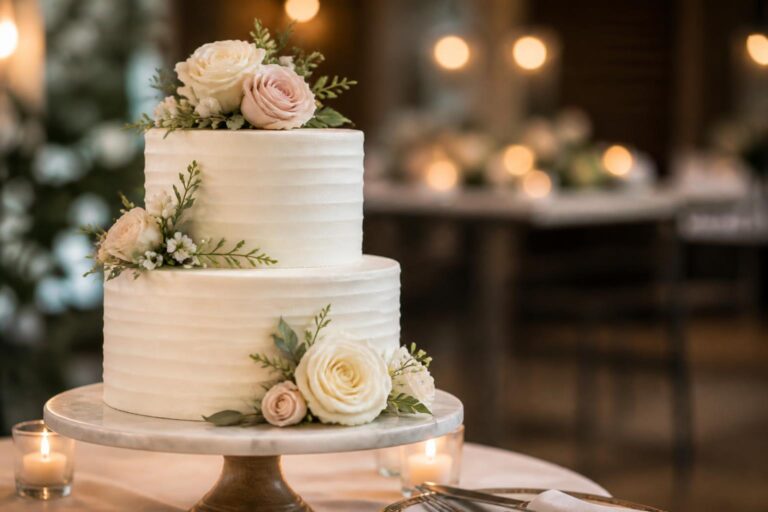
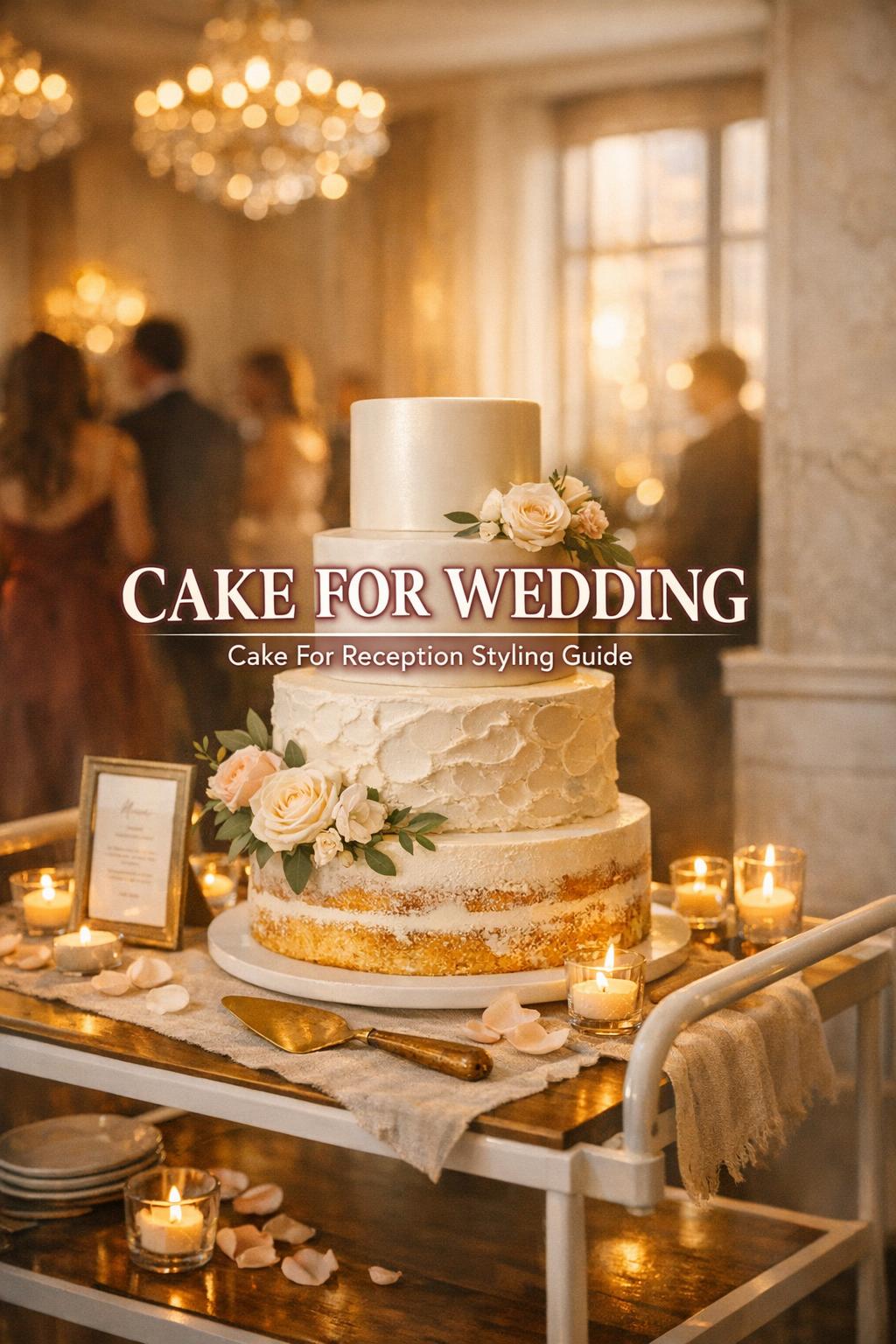
Wedding cakes no fondant typically rely on buttercream for the exterior finish, and they’re defined by softness: gentle swirls, airy textures, and a more organic sense of movement. The silhouette can still be tiered and formal, but it tends to look less rigid—more like a romantic fabric than a sculpted shell.
Because buttercream is expressive, it naturally supports painterly finishes, subtle ombré, delicate palette-knife textures, and a “fresh” aesthetic that pairs beautifully with floral-forward design. Couples drawn to garden celebrations, vineyard evenings, or intimate outdoor ceremonies often gravitate to this family of cakes for wedding events because it looks welcoming and tactile, almost like it belongs at the center of a shared table.
The mood is warm and approachable, with an effortless elegance. It can be refined, but it rarely looks stern. For many couples, this style also feels more aligned with a desire for comfort and authenticity—beauty without too much formality.
Style overview: semi naked wedding cake rustic (minimal frosting, maximum atmosphere)
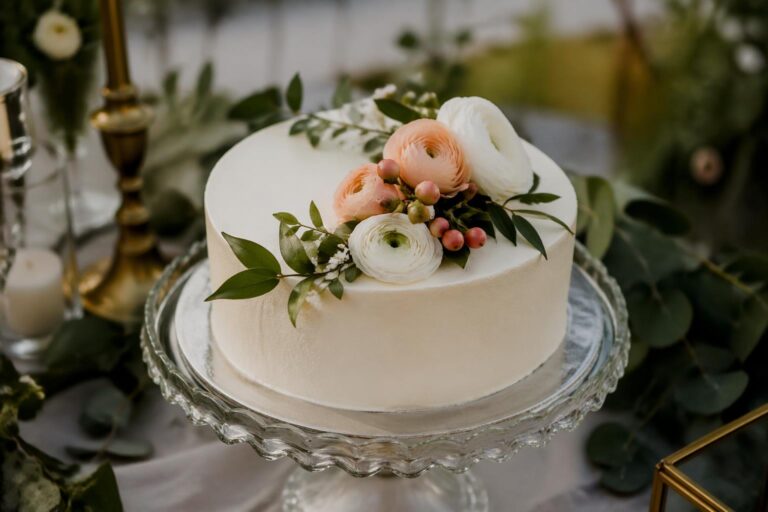
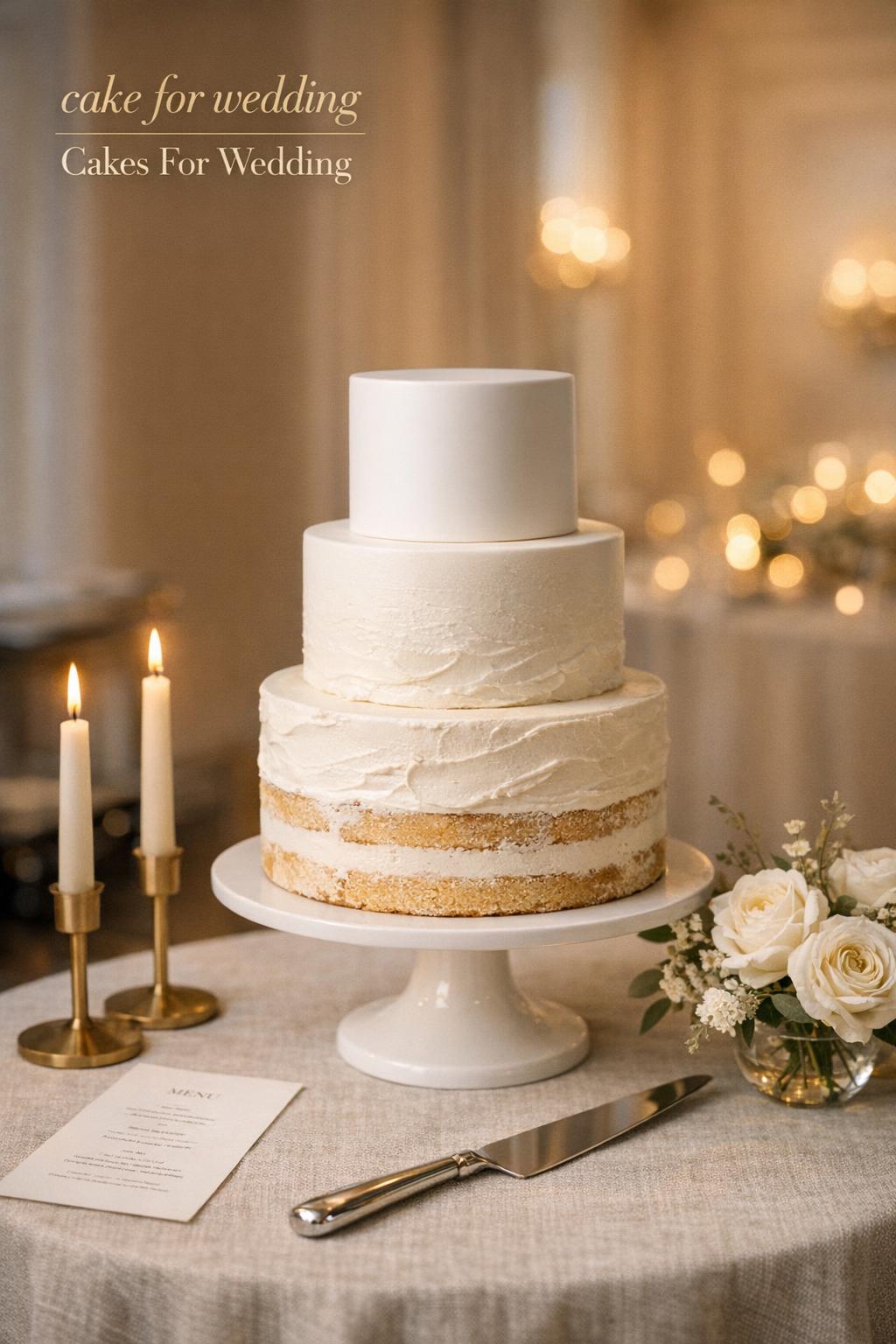
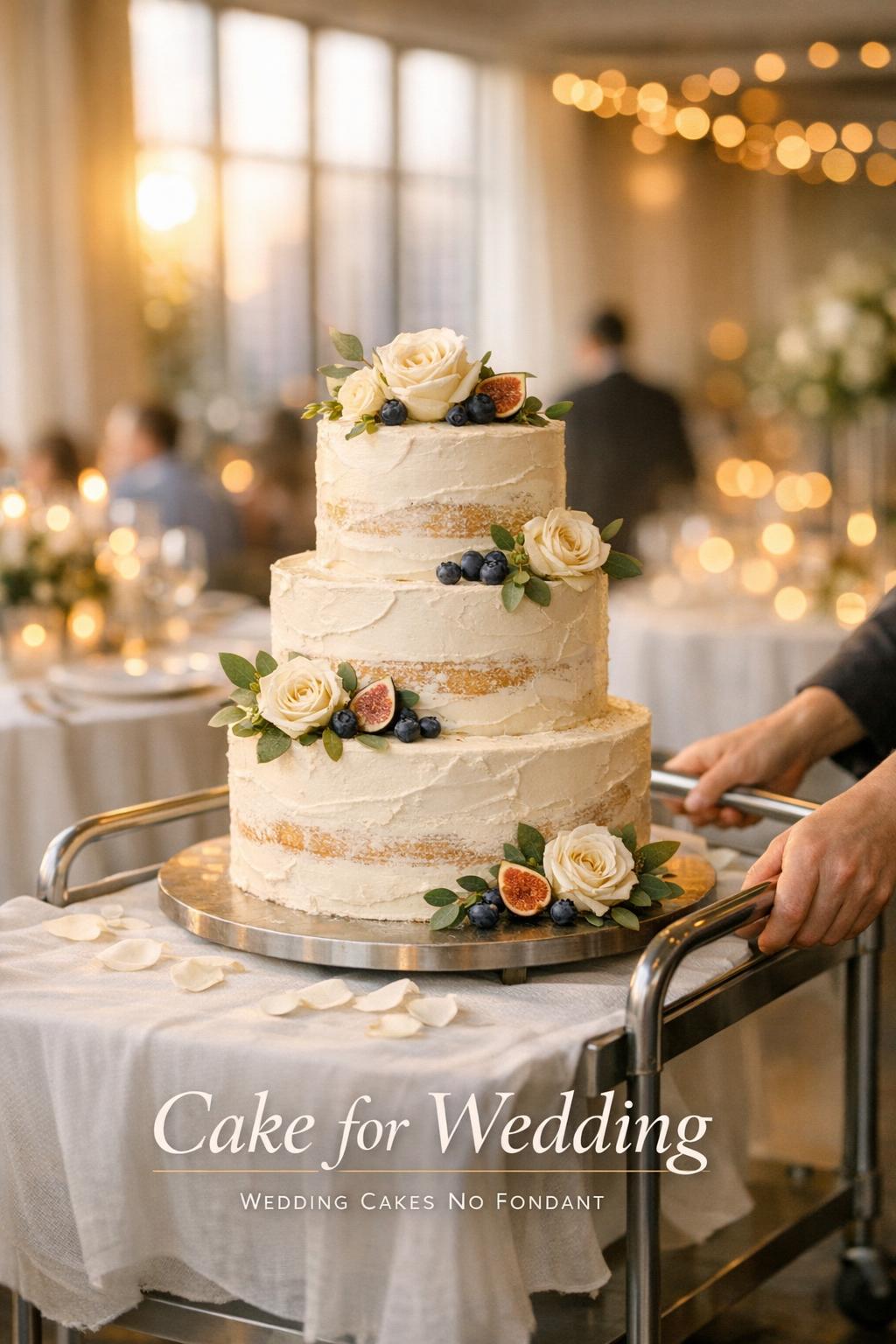
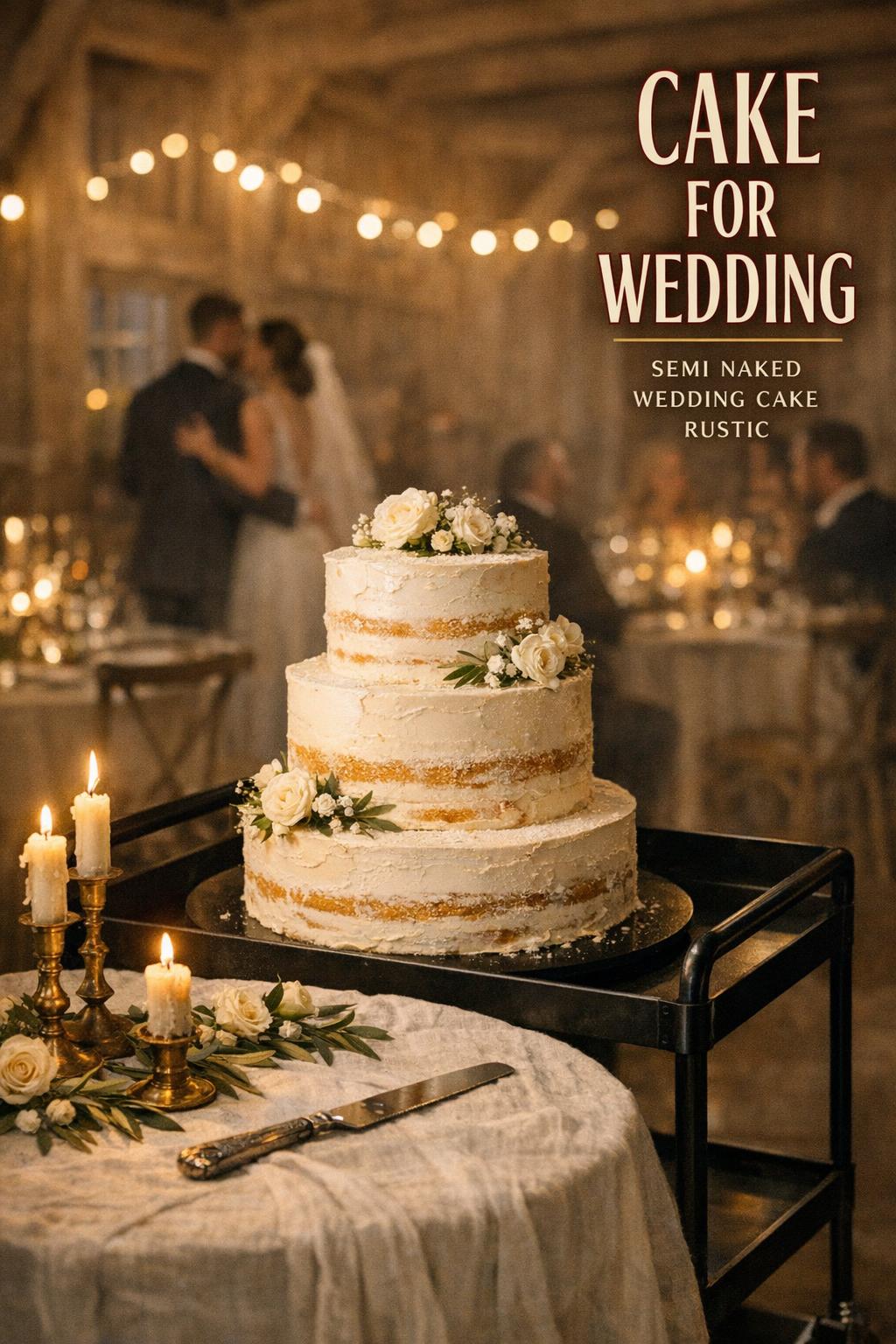
A semi naked wedding cake rustic look is a specific subset of wedding cakes no fondant: the cake layers intentionally show through a thin veil of frosting. Instead of hiding the structure, the design celebrates it. You’ll often see a whisper-thin coating, subtle scraping, and visible cake edges that feel casual in the best way—like a sunset reception where the elegance is in the setting, not the shine.
This style’s defining characteristic is restraint. It’s not trying to look like a sculpture; it’s trying to look like something made with care and served with joy. The palette tends to be natural: creams, soft neutrals, muted florals, and earthy accents that match rustic, boho, or countryside weddings. It’s especially popular for couples who want their cake for reception to feel integrated with wood tables, linen runners, and candlelight rather than standing apart as a glossy centerpiece.
The mood is intimate and editorial in a different way—less “red carpet,” more “private estate weekend.”
Key differences that matter on a real wedding day
Silhouette and structure: sharp tailoring vs soft drape
Fondant-forward cakes tend to hold crisp corners and smooth sides, which makes tier lines look intentional and highly designed. Buttercream-forward cakes soften those lines; even when the tiers are perfectly stacked, the finish reads like texture rather than glass. A semi naked wedding cake rustic takes this even further—its “imperfect” edge is part of the point, and the visible layers create a relaxed vertical rhythm.
Color palette and how it reads in photos
Fondant typically reads as solid color with even saturation, making bold palettes and clean whites look especially consistent under varying lighting. Buttercream can create more dimensional color because texture catches light; this can be dreamy and romantic, but it also means it may photograph with more visible highlights and shadows. Semi-naked cakes tend to photograph as naturally warm and slightly matte—beautiful for rustic receptions, but less “high-gloss editorial.”
Formality level: statement centerpiece vs integrated décor
In many receptions, a fondant-forward cake becomes a deliberate focal point—almost like a fashion moment. Buttercream cakes often feel more integrated into the environment, especially when paired with florals and soft lighting. A semi naked wedding cake rustic usually looks best when it’s styled as part of a tablescape moment rather than presented like a showroom centerpiece.
Styling philosophy: perfection vs presence
Fondant styles often aim for visual perfection: smoothness, symmetry, and clean decorative lines. Wedding cakes no fondant often prioritize presence—the feeling that the cake belongs to the day and the setting. Semi-naked rustic designs are the clearest example: they’re not hiding the handmade nature of the cake; they’re highlighting it.
Guest experience at the cake for reception moment
Your cake for reception isn’t just a photo op—it’s also a service moment. A fondant-forward cake communicates a formal “event” energy when it arrives; buttercream and semi-naked cakes communicate warmth and closeness. Neither is better, but they create different emotional cues. If your reception is designed to feel like an elegant gala, a structured cake supports that. If your reception is designed to feel like a romantic dinner party, softer finishes often match the tone more naturally.
Visual style breakdown: how these cakes “wear” across the reception
Think of cake styles the way you’d think of fabric choices in bridal fashion: what looks perfect in a posed photo may behave differently once the day unfolds. Cakes for wedding celebrations have to survive transport, setup, lighting changes, and hours of anticipation before the first slice is served.
Lighting and texture: spotlight-ready vs candlelit romance
Fondant’s smooth surface reflects light evenly, which can make it look immaculate under strong venue lighting and flash photography. Buttercream’s texture absorbs and scatters light, which can look especially romantic in warm, dim reception lighting. Semi-naked rustic cakes tend to glow in golden-hour settings and look beautifully natural in outdoor receptions, where the environment does some of the styling work.
Detail readability from a distance
If your guest count is large, your cake may be viewed from across the room. Fondant-forward designs maintain clarity at a distance: clean lines, bold shapes, and graphic details stay readable. Buttercream details can be more subtle and may require closer viewing to appreciate. Semi-naked cakes signal their style immediately (visible layers are unmistakable), but intricate details can disappear unless the cake is styled with a thoughtful backdrop.
How décor pairings change the impact
Fondant cakes tend to pair well with formal décor: sleek cake stands, structured floral arrangements, and modern tablescapes. Buttercream cakes shine alongside garden-inspired elements—soft florals, greenery, linen textures, and romantic candle clusters. Semi-naked rustic cakes feel most at home with wood, stone, and simple styling that makes the cake’s understated finish feel intentional rather than unfinished.
A gentle note on “wedding cane”: clearing up a common planning phrase
As you search for cakes for wedding planning, you may stumble across the phrase wedding cane. Couples often use it in casual conversation when they mean a cane-sugar sweetness preference, a cane-inspired décor theme, or simply a mis-typed version of “wedding cake.” If this term appears in vendor emails or notes, it helps to clarify what you actually want: are you talking about sweetness level, a rustic theme detail, or the cake itself?
The practical takeaway is simple: bring photos and clear descriptors to your cake consult. Whether you want wedding cakes no fondant, a semi naked wedding cake rustic design, or a smooth fondant finish, shared visuals and a short written description prevent misunderstandings—especially when your cake for reception is one of the most photographed details of the day.
Comparison in action: the same wedding vision, styled three ways
The easiest way to understand these styles is to picture the same wedding scenario, then see how the cake shifts the mood—like changing the finish of a gown from satin to lace. Below are a few real-life planning scenarios that show how fondant-forward, buttercream (wedding cakes no fondant), and semi naked wedding cake rustic approaches create different visual stories.
Example comparison: modern city evening reception
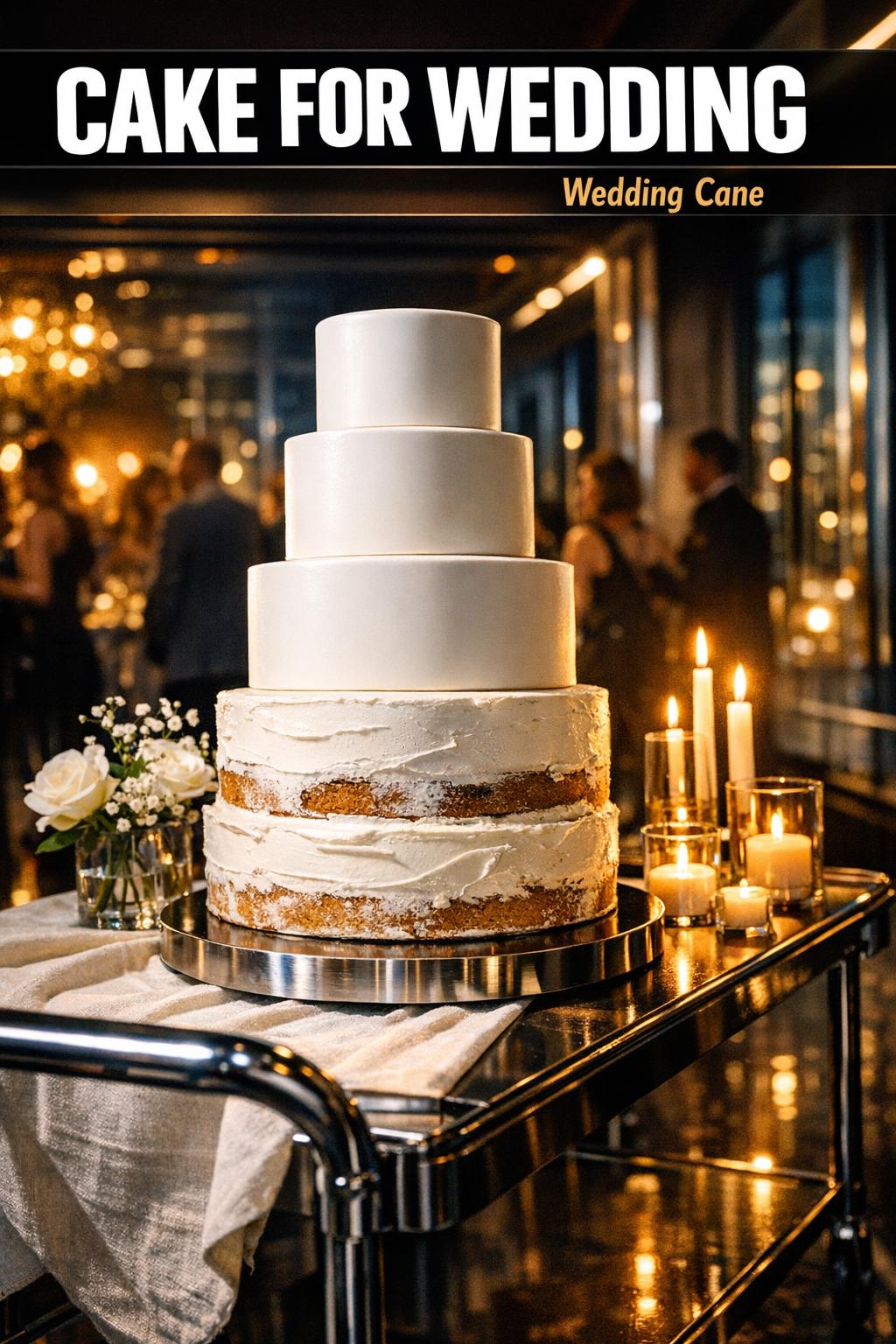
A fondant-forward cake in a city venue often feels like it belongs with mirrored bars, structured centerpieces, and a clean, modern aisle design; the cake reads as a sleek sculpture and holds its own against architectural interiors. A wedding cakes no fondant buttercream finish in the same room softens the space—still elegant, but more romantic, as if you’ve brought a touch of warmth into a crisp setting. A semi naked wedding cake rustic can work here too, but it needs intentional styling—warm lighting, natural textures, and a thoughtful cake table—so it feels like an editorial contrast rather than an accidental mismatch.
Example comparison: garden ceremony flowing into a sunset cake for reception moment
In a garden setting, a buttercream cake often looks like it was designed for the venue: the texture echoes petals and greenery, and the overall effect feels effortless in photos. A semi naked wedding cake rustic becomes especially charming here—quietly beautiful, perfect for linen-draped tables and golden-hour portraits. A fondant-forward cake can still be stunning in a garden, particularly if you want a strong focal point, but it usually looks best when the décor leans refined (formal florals, structured arrangements, and a clear color story) to keep everything cohesive.
Example comparison: rustic barn or countryside weekend wedding
A semi naked wedding cake rustic is often the most natural match for countryside weddings because it harmonizes with wood textures, relaxed seating, and that “weekend away” feeling. A buttercream cake without fondant also fits beautifully, especially if you want a slightly more finished, romantic look without going fully formal. A fondant-forward cake can work in a rustic venue, but it tends to read as intentionally contrasted—best for couples who love mixing high and low, like a sleek bridal look paired with a relaxed outdoor reception.
Flavor and finish: how style choices influence the tasting experience
Even though this is a style breakdown, it’s impossible to separate looks from experience. Your cake for wedding isn’t worn for a few minutes—it’s served and remembered. The outer finish influences how guests perceive sweetness, texture, and richness in the first bite.
Fondant-forward cakes are often chosen for their flawless appearance and design flexibility, but some guests perceive fondant as a more noticeable outer layer compared with buttercream. Buttercream-based wedding cakes no fondant typically feel softer and more immediately “dessert-like,” with a finish that melts into the bite. Semi-naked rustic cakes can feel lighter on the palate because there’s less frosting overall, but that also means the cake layers themselves are more prominent—so the quality of the sponge and fillings matters even more.
If you’ve ever attended a wedding where the cake was gorgeous but guests left frosting behind, you already understand the trade-off: the most photogenic choice isn’t always the one guests rave about. The best approach is to decide what your priority is—visual perfection, a soft romantic look, or a lighter rustic finish—and then align flavors and fillings to support that goal.
Tips from the planning timeline: what to ask before you commit
When couples feel stuck choosing between fondant and wedding cakes no fondant, it’s usually because they haven’t translated inspiration photos into real-world decisions. These questions help you move from “I love it” to “It will work for our day.”
- How will the cake be transported and set up, and who is responsible for any last-minute touch-ups?
- Where will the cake table sit during the reception—near windows, under strong lights, or outdoors?
- How long will the cake be on display before slicing, and does the finish you want handle that timeline comfortably?
- Do you want a formal centerpiece cake for wedding photos, or a cake for reception that blends into the overall tablescape?
- If you’re considering a semi naked wedding cake rustic design, how “naked” do you want it to look—subtle and refined, or clearly rustic and casual?
Tips: Bring two sets of visuals to your consult—one wide shot of a cake in a room (to show scale and vibe), and one close-up (to show texture and finish). This prevents the common mismatch where couples ask for “buttercream” but actually want the crisp look of fondant, or ask for “semi-naked” when they really want a lightly textured, fully frosted cake without fondant.
Tips: If “wedding cane” has shown up in your notes or vendor messages, treat it as a cue to clarify language. A simple sentence like “We’re looking for wedding cakes no fondant with a soft buttercream finish” removes ambiguity and keeps everyone aligned.
Common style mistakes (and how to avoid them gracefully)
Mistake: choosing a finish that fights your venue
A highly sculpted fondant cake can look out of place if everything else is intentionally relaxed and textural, just as an ultra-rustic semi naked wedding cake rustic can feel underdressed in a very formal room. The fix isn’t to abandon your preference—it’s to bridge the gap with styling. If you want fondant in a rustic space, pair it with refined florals or a sleek stand. If you want semi-naked in a formal space, style it with intentional minimalism so it reads as modern, not casual.
Mistake: expecting one inspiration photo to solve scale, tiers, and guest count
Many couples fall in love with a single image without considering how it translates to their reception. A petite cake can look dreamy at an intimate dinner, but it may feel visually lost at a large cake for reception display. Conversely, a towering, dramatic cake might dominate a small room. The fix is to talk about proportion: what you want the cake to do in the space—whisper, glow, or command attention.
Mistake: using trend terms without defining them
Terms like “rustic,” “semi-naked,” and “no fondant” mean different things to different people. Even “wedding cane” can be used inconsistently. The fix is simple: define your terms with visuals and a short description of what you want guests to notice first—texture, smoothness, florals, height, or a minimal look.
When to choose each cake style for wedding celebrations
Choose fondant-forward when…
Choose fondant-forward when your wedding leans formal, your décor is clean-lined, and you want a cake for wedding photos that reads as crisp and intentional from every angle. This approach is especially satisfying for couples who love symmetry, modern design, or classic statement pieces that feel “finished” in a very specific way.
Choose wedding cakes no fondant when…
Choose wedding cakes no fondant when you want your cake to feel romantic, soft, and immediately inviting to eat. Buttercream finishes support a wide range of aesthetics—from refined to whimsical—and they often feel emotionally aligned with weddings designed around warmth, intimacy, and a sense of lived-in beauty.
Choose a semi naked wedding cake rustic when…
Choose a semi naked wedding cake rustic style when your celebration is rooted in natural textures and relaxed elegance—outdoor ceremonies, countryside venues, and receptions where candlelight and conversation are the main event. It’s also a thoughtful choice when you want a lighter frosting presence and a cake that feels like it belongs to the setting rather than stealing the spotlight.
Blending styles: how to get the best of both worlds without visual confusion
Not every decision needs to be “either/or.” Some of the most beautiful cakes for wedding receptions are hybrids that borrow the strengths of each style. The key is to blend with intention, not indecision.
If you love the clean look of fondant but want the warmth of buttercream, ask for a smoother buttercream finish that mimics tailored lines without becoming rigid. If you love the semi-naked mood but want a slightly more polished presentation, choose a semi naked wedding cake rustic look that’s lightly frosted and evenly finished—still natural, but clearly deliberate. And if your heart wants a statement cake for wedding photos while your guests want an easy-to-eat slice, consider balancing a refined exterior with an interior flavor profile that feels familiar and crowd-pleasing.
Tips: Decide what you want to be consistent across your dessert story. Consistency can come from color palette, floral styling, tier shape, or the overall mood. Once you pick your anchor, small variations in texture (fondant vs buttercream) won’t feel chaotic—they’ll feel curated.
Designing the cake table: the underrated styling move that changes everything
Couples often spend months choosing a cake for wedding celebrations and then place it on an under-styled table as an afterthought. The cake table is the frame around your cake—especially important for wedding cakes no fondant and semi naked wedding cake rustic designs, where the beauty is quieter and relies on atmosphere.
A fondant-forward cake can stand alone more easily because the finish is bold and graphic, but it still benefits from thoughtful framing: clean linens, balanced florals, and lighting that doesn’t cast harsh shadows. Buttercream cakes benefit from warm light and gentle texture around them—linen, floral movement, or soft candle clusters. Semi-naked rustic cakes look most intentional when the table styling echoes the same natural story: wood tones, simple linens, and décor that feels like it belongs in the venue.
Tips: If you’re unsure where to place the cake for reception, avoid direct sunlight and high-traffic pinch points. You want guests to admire it without bumping into it, and you want your photo moment to feel calm—not rushed or crowded.
A final way to decide: what you want the cake to say about your wedding
If you’re torn, step back from the details and ask a more romantic question: what do you want this moment to feel like? A fondant-forward cake speaks in a clear, confident voice—formal, composed, and striking. Wedding cakes no fondant speak more softly—romantic, inviting, and warm. A semi naked wedding cake rustic feels like a love letter to the setting itself—natural, intimate, and beautifully unforced.
No matter which style you choose, the most memorable cake for wedding celebrations is the one that belongs to your day. When the cake arrives and the room turns toward it, you’ll feel the difference between a cake that simply looks good and a cake that feels like you.
FAQ
What’s the biggest visual difference between fondant cakes and wedding cakes no fondant?
Fondant cakes look smooth and sharply defined, with crisp edges and a uniform surface, while wedding cakes no fondant typically use buttercream that looks softer and more textured, creating a romantic, organic finish that feels less sculpted.
Is a semi naked wedding cake rustic considered the same as a buttercream cake?
It’s a type of buttercream-style cake, but it’s more specific: semi-naked rustic designs use a very thin frosting layer so the cake shows through, creating an intentionally minimal, natural look rather than a fully frosted buttercream finish.
How do I choose a cake for reception photos that won’t feel out of place with my décor?
Match the cake’s “formality level” to the room: fondant-forward reads most formal and structured, buttercream reads romantic and integrated, and semi-naked rustic reads relaxed and natural; then use the cake table styling (stand, linens, florals, lighting) to bridge any gap between your preferred cake style and the venue mood.
What should I bring to a cake consult to avoid misunderstandings about style terms?
Bring one wide room-style photo for scale and vibe, one close-up photo showing the exact texture you want (smooth fondant, textured buttercream, or semi-naked), and a short description using clear phrases like “wedding cakes no fondant” or “semi naked wedding cake rustic” so the baker understands your finish preferences.
What does “wedding cane” mean when I see it in searches or notes?
Wedding cane is often used loosely or accidentally when people mean wedding cake, a cane-sugar sweetness preference, or a cane-inspired theme detail, so it’s best to clarify the intention in writing and with photos when discussing your cake for wedding plans.
Can I blend fondant and buttercream aesthetics in one cake for wedding celebrations?
Yes—many couples choose a smoother buttercream finish that mimics a tailored look without using fondant, or they choose a semi-naked look that’s slightly more polished; the key is deciding which element should lead (clean lines, soft texture, or rustic minimalism) so the final design feels intentional.
How do I decide if my cakes for wedding plans should prioritize appearance or guest eating experience?
Start by choosing the role you want the cake to play—statement centerpiece or warm, inviting dessert—then align the finish to that goal: fondant prioritizes a flawless sculpted look, buttercream prioritizes softness and romance, and semi-naked rustic prioritizes an understated, lighter frosting presence where the cake layers themselves take center stage.