Fun Wedding Ideas for a Day That Feels Like You
The first guests arrive a little early. Someone checks the place card, recognizes a song playing softly near the entrance, and points it out to a cousin they have not seen in months. A few minutes later, the couple steps into the ceremony together. Nothing has been announced as an activity, yet the room already feels like it belongs to them.
That is the kind of fun many couples are trying to create when they search for fun wedding ideas: not a packed schedule of games, but a day with a few personal, joyful moments guests can enter naturally. A warm welcome, a ceremony detail that makes people smile, a good pause between formalities, and a send-off with a little character can make a wedding feel vivid without asking everyone to perform.
Think of the celebration as a story told in scenes. Each scene has a feeling, a simple cue, and enough breathing room for conversation. The ideas below move from hello to goodbye so you can choose a handful that suit your people, your venue, and the kind of memories you want to keep.
When the best fun is a moment, not another attraction
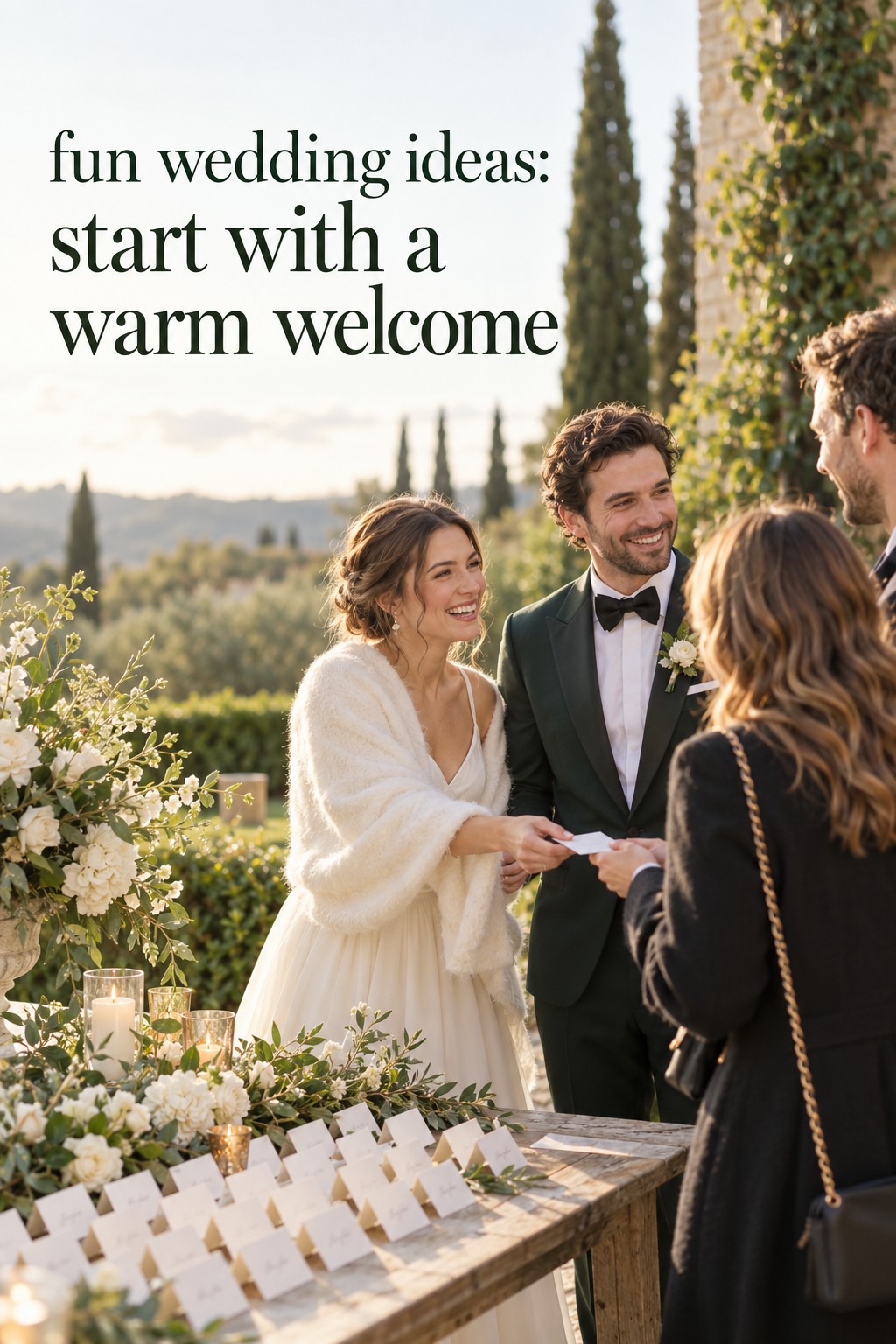
Picture a guest stepping inside after a long drive. They may not know many people yet. A familiar family recipe on the welcome table, a small note explaining a meaningful song, or a seating chart with a detail that starts a conversation can help the room feel personal before the reception formally begins. The moment is small, but it gives guests an easy way into the day.
Turn wedding inspiration into a plan you can actually follow.
Zarellea brings your guest list, budget, vendors, and day-of details into one shared space — so no beautiful idea gets lost in the shuffle.
Many idea roundups focus on attractions: a photo booth, a performer, a game station, a dramatic entrance. Those can be wonderful when they fit. Yet a wedding can feel fun through the way it welcomes people, links one part of the day to another, and lets guests choose how to take part. A detail does not need a queue, a microphone, or a set of rules to make an impression.
Begin with the feeling you want the day to leave behind. Maybe you want guests to feel included, pleasantly surprised, relaxed, nostalgic, or ready to dance. Choose a few moments that support that feeling. A playful ceremony program might lead into a lively cocktail hour. A slow, candlelit dinner might be followed by a late-night snack and a high-energy final song. One consistent emotional thread makes separate ideas feel like parts of the same celebration.
Fun is also more generous when it has more than one volume. Some people want to dance, sing, or make something. Others would rather talk, watch, eat, or step outside for a quiet minute. Offer different ways to join the atmosphere, and let each guest decide what participation looks like. The couple should be able to enjoy the day too, rather than spending it hosting a sequence of attractions.
Give the day a playful arc from hello to goodbye
Before choosing individual ideas, sketch the event as a guest would experience it. Mark the moments when people arrive, wait, move between spaces, sit together, gather their energy, or begin to leave. These natural transitions are useful places for a little personality because guests are already looking around or changing pace.
Choose a feeling before choosing a feature
Write down three words that describe the experience you want. “Warm, curious, lively” suggests something different from “easygoing, playful, intimate.” Use those words to filter each idea. A build-your-own dessert detail could support a relaxed, social mood. A favorite song played by a friend might create a personal surprise. A simple ceremony program with a short story about the location can give guests context without interrupting the vows.
Then connect the idea to a scene. Ask what guests will be doing at that point, where they will be standing or sitting, and whether they have a free hand or need to listen. An activity that works while people mingle may feel awkward during dinner service. A sentimental note can be lovely at the ceremony and easy to miss on a crowded dance floor.
Alternate lively scenes with quieter ones
A wedding does not have to rise in energy every hour. It can pulse. Guests might arrive to a relaxed welcome, gather for the ceremony, drift through cocktail hour, settle for dinner, and then choose between dancing, conversation, and fresh air. A short burst of shared excitement works best when it has a calmer scene before or after it.
For example, if the reception entrance is theatrical, keep the next transition clear and comfortable so people can find their seats. If dinner includes a playful table prompt, let the meal carry the interaction rather than adding another hosted game. If the dance floor is the main event, a late snack can feel like a natural intermission. The day gets its rhythm from contrast, not from constant stimulation.
Make every invitation easy to understand
If guests need to participate, explain the idea in one short sentence. A card might say, “Choose a song that reminds you of us and leave the title here.” A keepsake station could invite guests to write one line of advice, draw a quick picture, or simply browse. If people need a staff member to explain several steps, simplify the activity or choose a different moment.
A good invitation leaves room to decline without feeling noticed. Keep the activity open for more than a few minutes, place it where guests naturally pass, and avoid calling individuals out unexpectedly. People who enjoy joining can do so, while everyone else can keep talking or watching.
Fun wedding ideas for every chapter of the day
Use these as starting scenes rather than a checklist to complete. You might choose one idea for the beginning, one for the middle, and one for the ending. Or you may find that a single well-placed detail gives the day all the personality it needs.
At arrival: give guests a personal first clue
The welcome can set the tone before anyone knows where to sit. Display a short note about the venue, a tiny timeline with a warm voice, or a table of refreshments named after places, songs, or stories that matter to you. If guests are arriving in waves, a self-serve drink or water station gives early arrivals somewhere comfortable to pause.
For a close-knit group, try a “who knows this story?” card with one light detail about the couple. For a larger guest list, use a welcoming guide that helps people recognize a few connections: the college friend who introduced you, the aunt who made the family dessert, or the neighbor who has known you both for years. Keep it warm and optional. The aim is a conversation starter, not a test guests must pass.
At the ceremony: let personality appear in the pauses
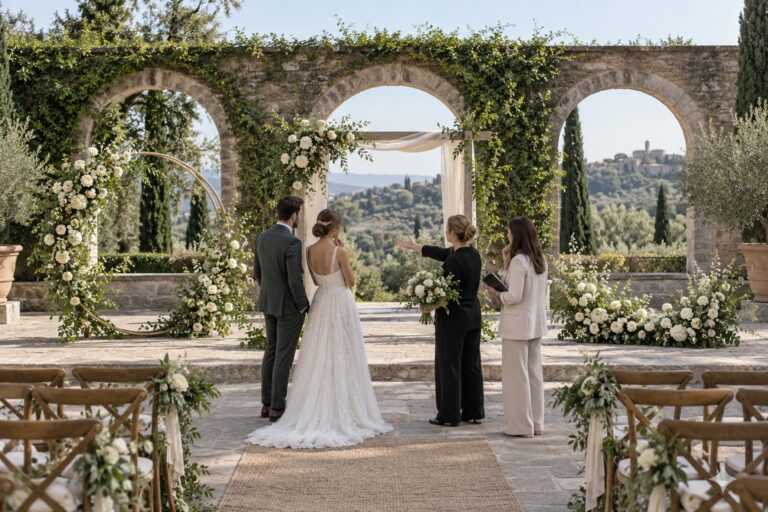
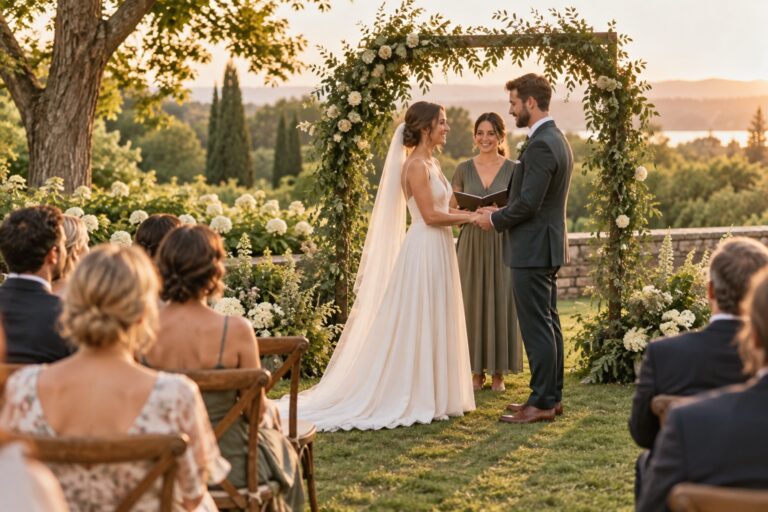
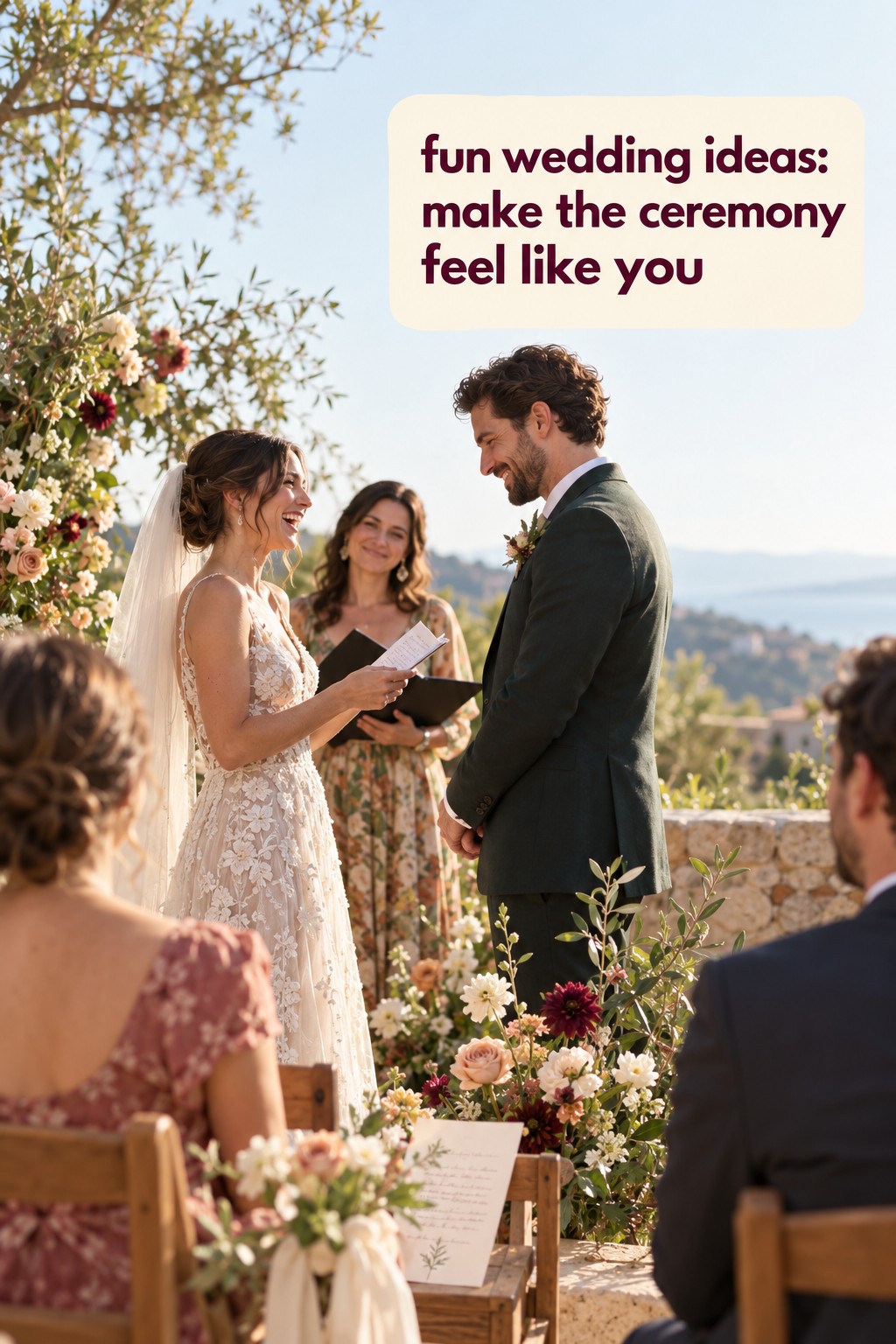
A ceremony can feel playful while still honoring the vows. Choose a processional song with a personal story, invite the officiant to share one concise and affectionate anecdote, or print a short explanation of a family ritual in the program. A recessional can release the room into celebration with music guests recognize or a send-off that suits the venue and its rules.
Consider the view from the last row. A meaningful detail should be easy to notice or hear without taking focus away from the couple. If you are including a cultural, religious, or family tradition, talk with the people who carry that tradition and present it with care. A ceremony can be funny, sincere, and personal at once, but no moment needs to become a surprise test for guests.
Between ceremony and reception: turn the wait into a welcome
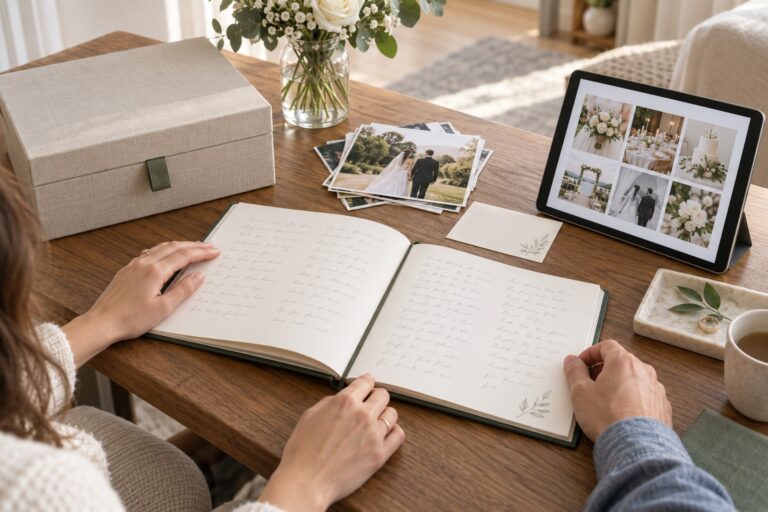
The move from ceremony to cocktail hour is an ideal place for a gentle activity because guests are already shifting locations. Set out a few lawn games if the space and weather allow, invite guests to leave a voice message in a quiet corner, or create a simple display of family wedding photographs. Put the activity where it can be discovered, not where it blocks the route to drinks or seating.
If the couple is away for portraits, a short live music set, a tasting table, or a message book can give guests something to notice while they mingle. Choose one option that matches the scale of the crowd. A small gathering might enjoy a shared memory prompt at each table; a larger party may appreciate an activity that works in the background without needing a host.
At dinner: give conversation a playful nudge
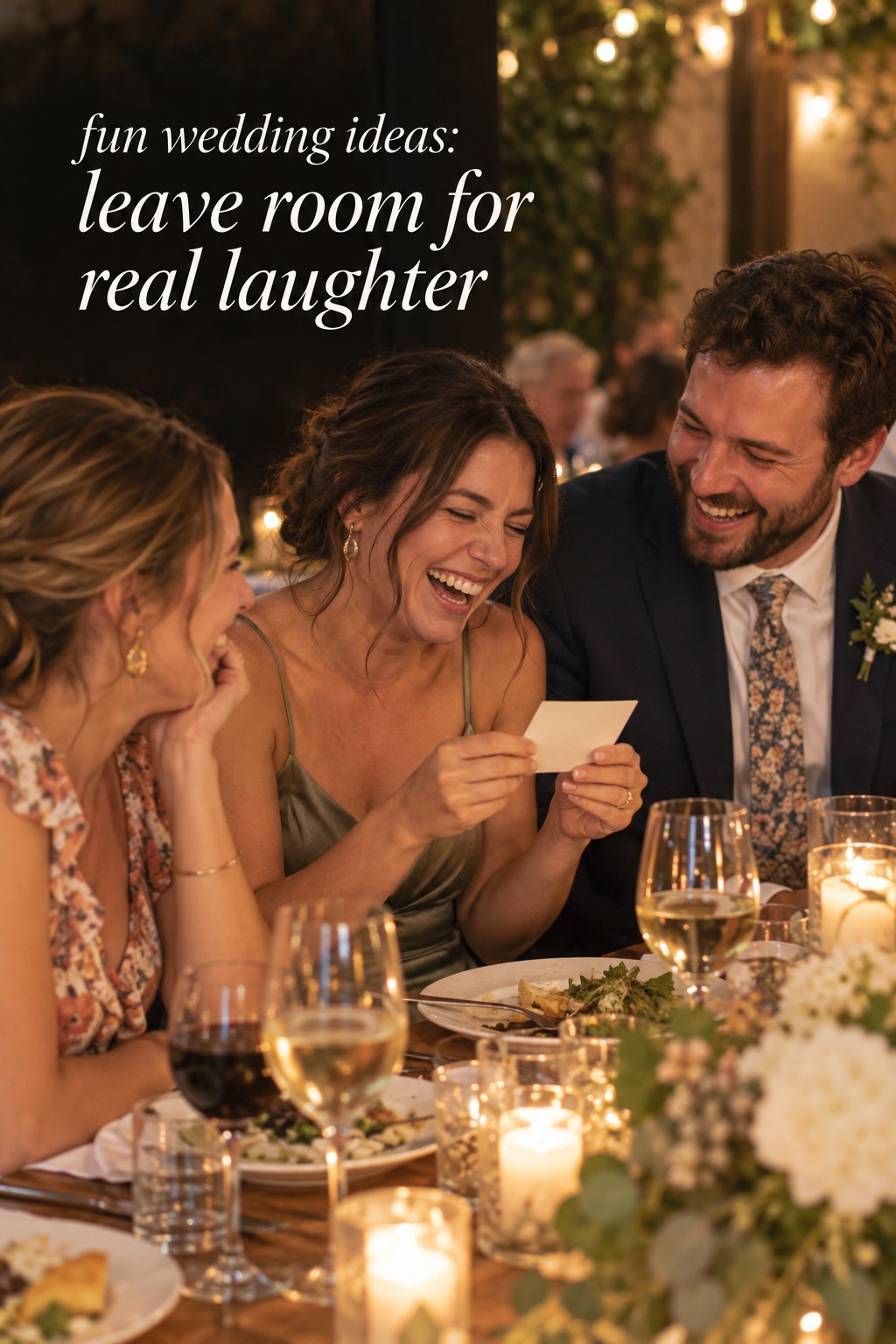
People seated together often need only a small opening to start talking. A set of table cards could ask for a favorite song, a harmless prediction about the couple, or a date-night idea. Instead of a stack of questions on every place setting, choose one prompt that fits your guests and leave it there for anyone who wants to use it.
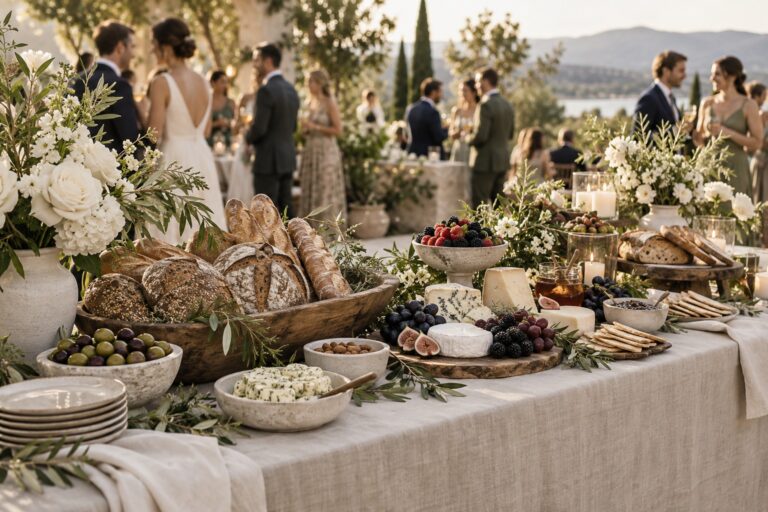
Food can be part of the story too. A family dessert served alongside the wedding cake, a late-night snack from the couple’s favorite takeout order, or a tasting of two meaningful drinks can be more memorable than an elaborate display. Make sure the service fits the meal plan and that guests can tell what is being offered. A personal detail is most successful when it remains easy to enjoy.
After dinner: give the room a shared spark
For many celebrations, this is the natural moment for a shared high point. A favorite song performed by a friend, a short dance lesson, a surprise dessert reveal, or a brief anniversary dance can bring people together. Pick one moment that feels true to you, tell the DJ or emcee exactly when it should happen, and let it end before the room loses its own momentum.
Not everyone will join a dance or group activity, and that is fine. A comfortable place to sit near the action lets guests enjoy the atmosphere without being on display. If you want a lively dance floor, a clear path, good sound and a playlist that reflects the people in the room may do more than a series of announced games.
At the end: make goodbye feel like part of the story
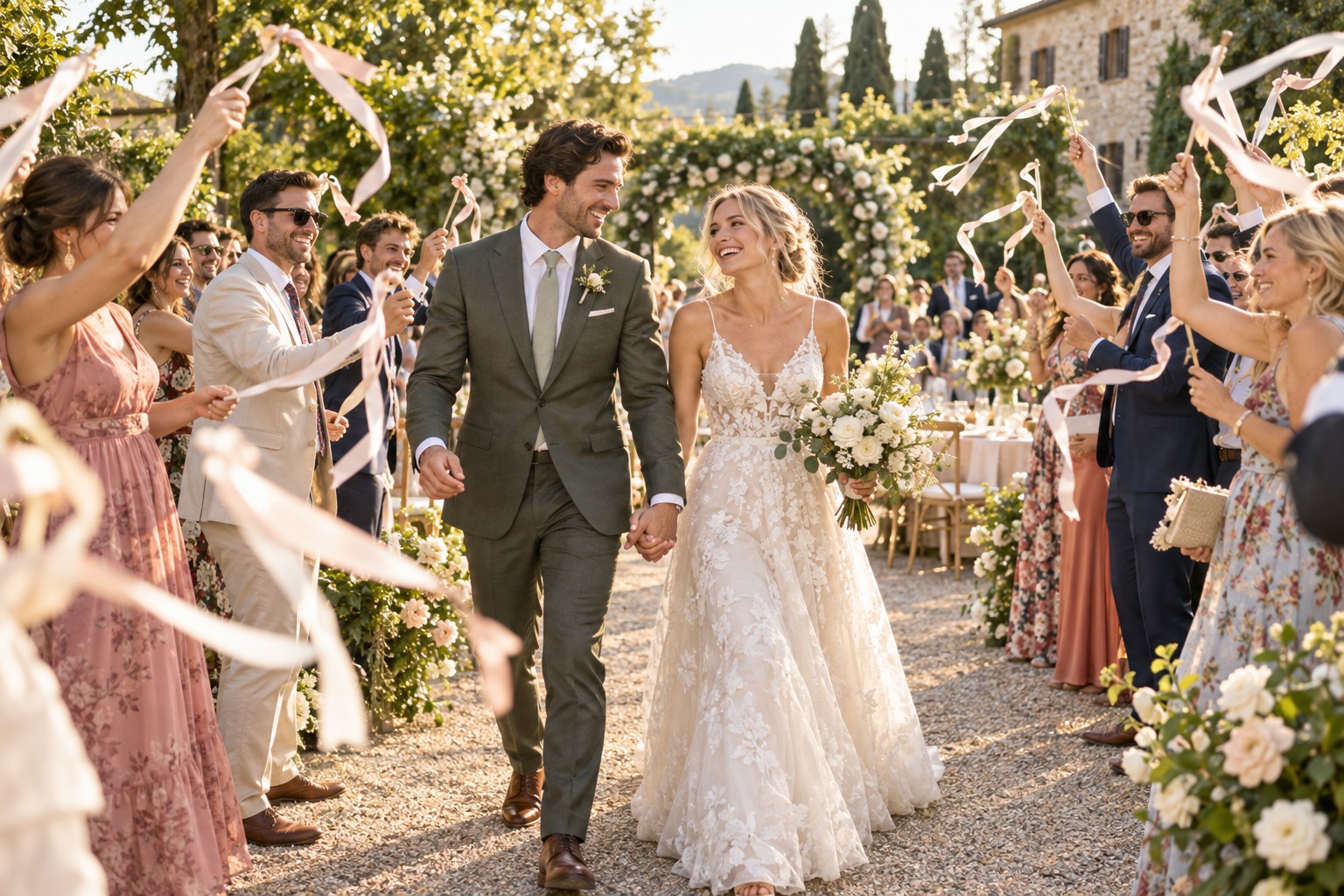
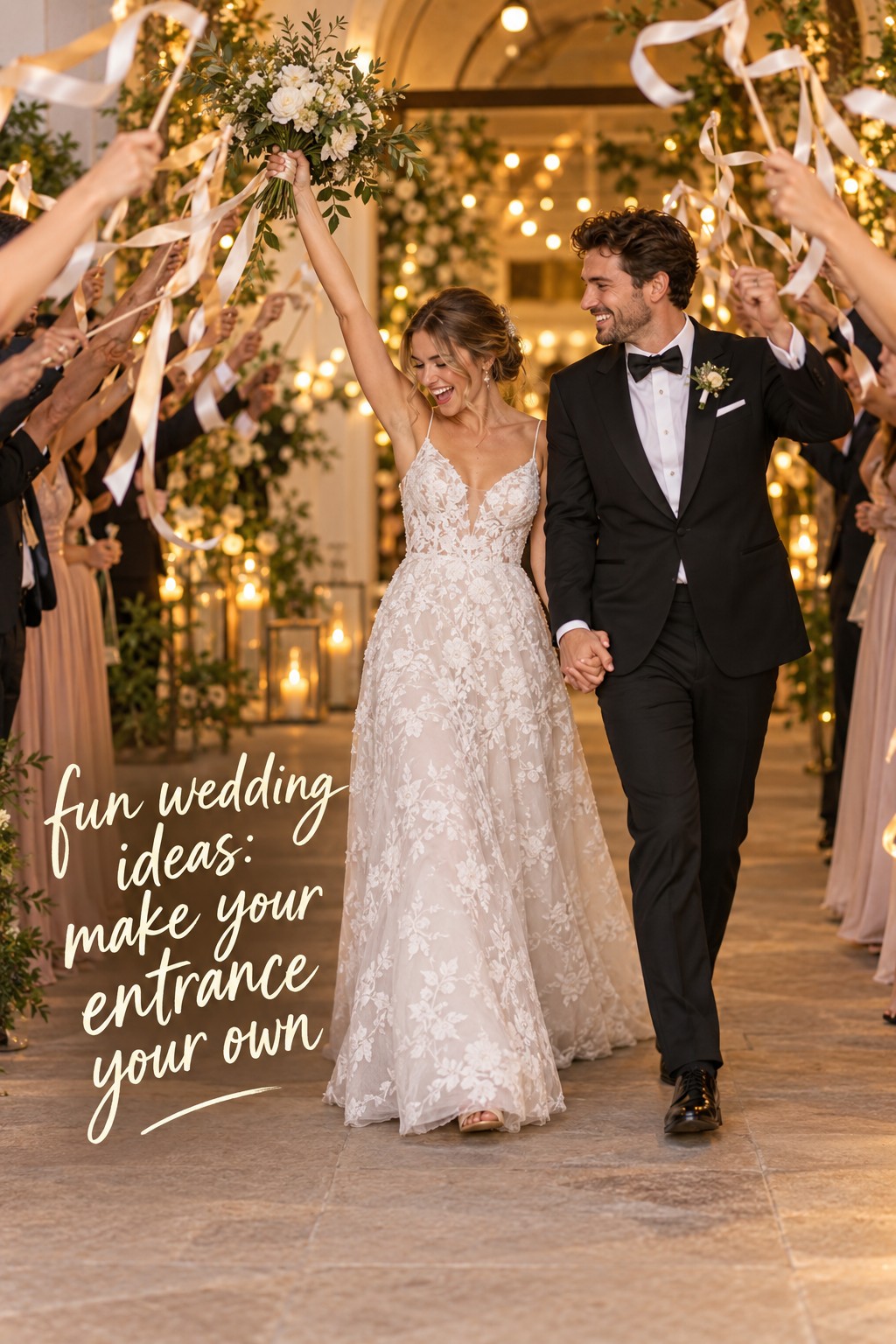
A send-off can be joyful without requiring a complicated production. Hand guests ribbon wands, bubbles, or another venue-approved item as they leave. If the event is ending indoors, make the final song a shared moment and invite everyone who wants to join the floor. For a smaller wedding, personally thanking guests as they depart may feel more memorable than a grand exit.
Think about what happens after the final photograph. Guests need to know where coats, rides, shuttles, or late-night plans are. A playful goodbye works best when practical information is just as clear. The last scene should leave people smiling, not searching for the right door or wondering whether the evening has ended.
Make the ideas feel like your celebration
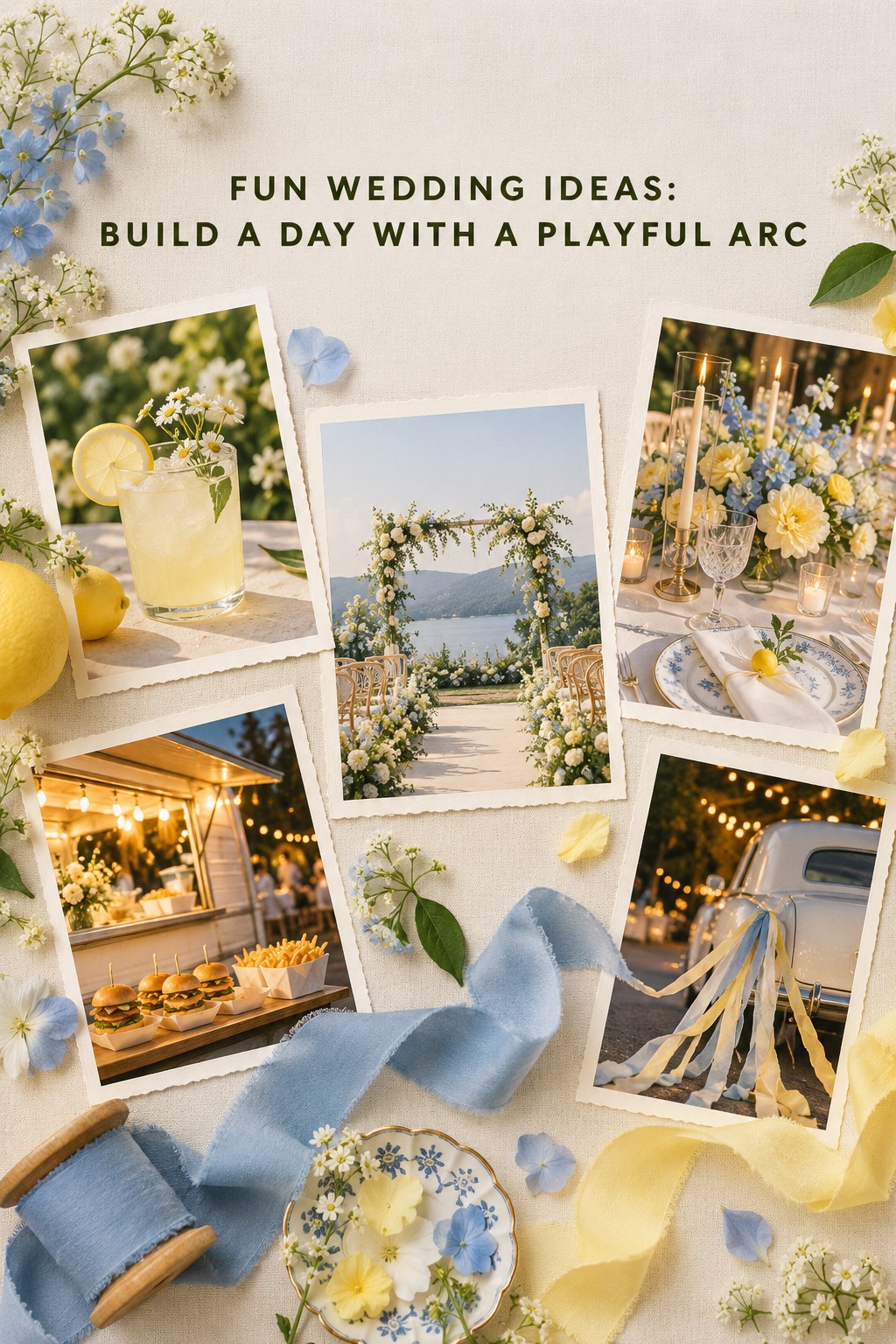
Personal does not have to mean elaborate. It can be a reference that makes sense to your family, a detail that reflects a shared hobby, or a small choice that lets guests feel cared for. Try adapting each idea through four questions: who is it for, what part of the day suits it, what does it ask of people, and what will make it feel like yours?
For a small, conversation-led wedding
Imagine a dinner in a favorite restaurant. The couple wants warmth and a little humor, but not a performance. A handwritten welcome menu can mention a dish connected to the couple’s first trip. One card at each table can invite guests to share a favorite memory, and the couple can pick a few to read privately later. The night might close with a playlist of songs chosen by family, rather than a formal dance-floor program.
Notice how the ideas are modest and linked. Each one creates a moment of recognition or conversation, but none requires a separate vendor or a long explanation. If the guests are already close, the couple can skip the table prompts and simply leave more time to talk.
For a big, high-energy celebration
Now picture a large reception with guests arriving from different parts of the couple’s life. A welcome drink with a personal name gives people an easy opener. At cocktail hour, a roaming performer or a live sketch artist can bring energy to more than one corner. A clear reception entrance can pull the room together, then dinner gives everyone a chance to reset before the dance floor opens.
The difference is not simply budget or guest count. It is where the couple wants shared attention and where they want free movement. One featured moment can anchor a large room; smaller details can help people make their own connections. Choose ideas with different levels of energy so the celebration has both spectacle and space.
For guests with different ages and comfort levels
Offer parallel choices rather than one activity everyone must do. Children may enjoy a drawing card or a small scavenger hunt with simple visual clues. Adults who prefer conversation can use the same table area for a word game or a photo album. Guests who want to dance can stay near the floor, while others have a quiet seating area within easy reach.
Check whether guests can reach each space, understand the invitation, and take part without needing special equipment or a particular ability. If an idea has a physical component, offer a seated or watch-only way to enjoy the same moment. Your goal is not identical participation. It is a room in which people can find a comfortable way to belong.
Keep a joyful plan from feeling overproduced
There is a point where added details stop adding delight. Too many scheduled activities can make guests feel managed, while complicated stations can leave the couple solving small problems all night. Before keeping an idea, imagine it from the guest’s perspective and from the perspective of the person responsible for making it work.
Watch for these planning traps
- Every moment becomes a performance. If guests are repeatedly asked to gather, cheer, compete, or pose, the day may feel like a show they must follow. Keep some unscripted time.
- The activity interrupts hospitality. A game that begins during dinner service or blocks a doorway makes a cheerful idea inconvenient. Check the floor plan and schedule before committing.
- The rules take longer than the fun. If the sign needs a paragraph, simplify the activity or make it a display people can browse without instruction.
- The couple has to supervise everything. Name one trusted helper or vendor contact for any interactive feature. If nobody can own it, choose a lower-maintenance version.
- The idea belongs to a trend, not to the couple. Ask what personal detail gives it meaning. If the answer is only “we saw it online,” keep looking or make it your own.
- The ending is unclear. Guests should know whether an activity is open throughout the event, happens once, or is finished. A simple cue prevents confusion.
A final edit can be simple. Circle the two or three ideas that make you smile when you picture the day. Check that they happen at different moments, suit the venue, and do not all ask guests for the same kind of energy. Keep the ones that add a clear feeling. Let the rest go.
Sources and methodology
This guide draws on a review of Google US results for “fun wedding ideas,” including broad wedding entertainment roundups and more focused ceremony, reception, and after-party pages. The Knot’s interactive reception ideas and ceremony ideas informed the range of guest-facing moments considered. The day-long arc and scene pairings here are editorial suggestions, not a report of tested events or vendor claims.
FAQ
How many fun wedding ideas should we include?
Start with two or three ideas that happen at different points in the day. A welcome detail, one shared moment, and a satisfying ending can create variety without filling every pause. Add another only if it answers a specific need or genuinely reflects the couple.
How can we make a wedding fun without games?
Use music, food, personal storytelling, a thoughtful welcome, or an unexpected but simple transition. Guests can have a good time through conversation and atmosphere, so an activity is optional. Choose a detail that brings people closer to the celebration rather than asking them to compete.
What are some low-pressure ideas for guests?
Try an open photo album, a short memory prompt, a self-serve refreshment area, a quiet message book, or music guests can recognize. Make the activity available for a while and explain it in one sentence. Guests can join when it feels comfortable.
How do we make a wedding feel personal and playful?
Choose details rooted in your shared stories, favorite places, family traditions, or ways of spending time together. One specific reference often feels more personal than several generic decorations. Explain meaningful traditions briefly so guests can understand why they matter.
What can guests do while the couple takes photos?
Offer refreshments and comfortable seating first. If you want an extra touch, add one optional activity such as a guest book, lawn game, photo display, or live music. Place it near the natural gathering area and keep the route clear for people moving between spaces.
How do we keep wedding entertainment from taking over?
Limit announcements, give each activity a clear owner, and protect time for eating, talking, and resting. If an idea requires constant direction or competes with a meaningful moment, simplify it or move it. The best plan leaves room for guests to create their own memories.