Wedding Picture Ideas That Tell Your Story
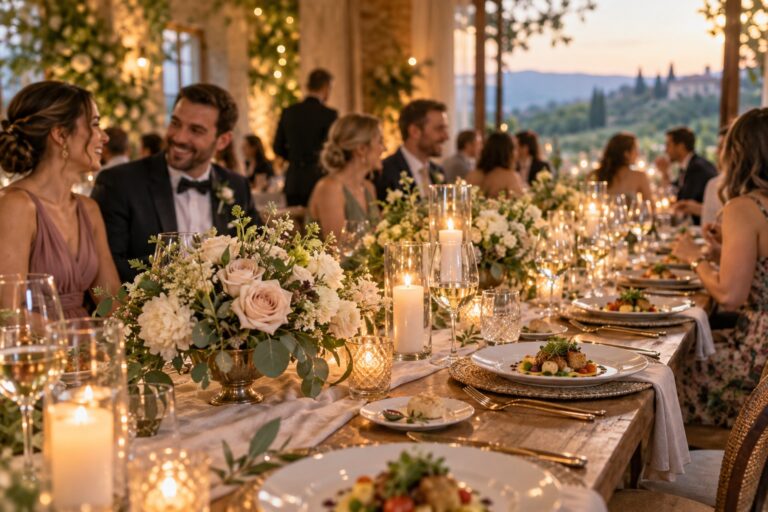
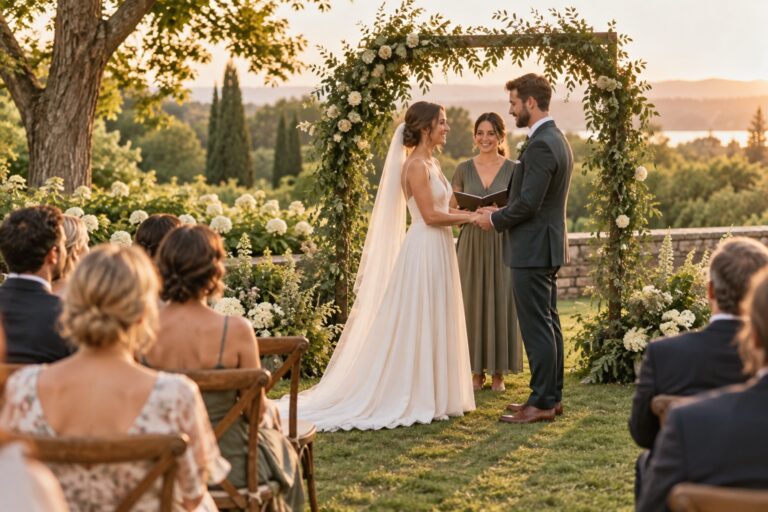
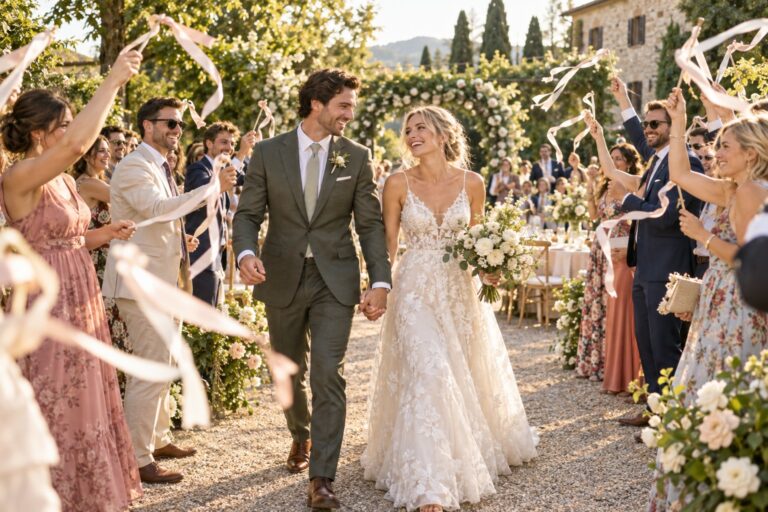
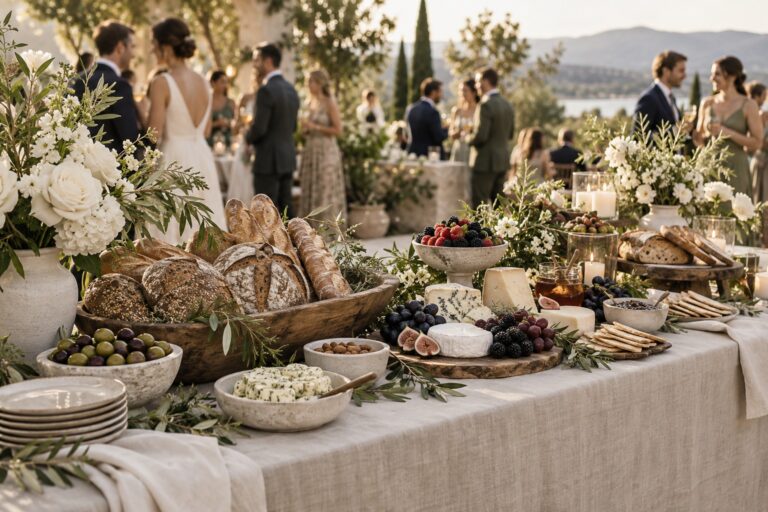
Wedding picture ideas can feel personal without turning your wedding day into a production schedule. Instead of collecting dozens of images to recreate, begin with the people, places, objects, gestures, and rituals that already mean something to you. Those details can become a handful of photo prompts that help the photographer understand what matters, while leaving room for the day to unfold naturally. The goal is a gallery that reflects your relationships and choices, not a duplicate of someone else’s Pinterest board.
A useful plan has a boundary. A photographer already expects to document the ceremony, portraits, and reception, so your brief does not need to repeat every conventional image. Concentrate on details a stranger could not guess: the person who helped raise you, an heirloom with a story, the place you first met, or a small ritual your families share. The Knot’s broad checklist offers a useful reference for common coverage categories; this guide focuses on how to choose the personal layer that belongs to your story.
Before saving an image as inspiration, ask what you like about it. Is it the emotion, the relationship, the light, the movement, or the object in the frame? If the answer is only that the pose looks fashionable, it may not be a priority for your own day. If it reminds you of a real memory, write that memory down in a sentence. A few clear notes will be easier for a photographer to interpret than a folder of images without context.
Use the playbook below to make four decisions: what personal anchors matter, how they might become photographs, which familiar moments you want to adapt, and what the photographer needs to know. You can complete the first pass with your partner in one short conversation, then refine it with the photographer. Keep the final collection intentionally small. A short, meaningful brief gives direction without asking anyone to manufacture emotion or keep checking a list during the celebration.
Turn wedding inspiration into a plan you can actually follow.
Zarellea brings your guest list, budget, vendors, and day-of details into one shared space — so no beautiful idea gets lost in the shuffle.
Start your wedding picture ideas with a story inventory
Set a brief timer and answer five prompts separately before comparing notes. Which people do you most want to remember being there? Which place has a connection to your relationship or family? Is there an object you will carry, wear, exchange, or use? Is there a gesture or ritual you repeat? What part of the day would you rather keep private? These answers are raw material, not a shot list. Do not edit them for elegance yet. Ordinary details often become more useful photo ideas than a grand theme because they are specific to your lives.
People are more than a set of formal family combinations. Think about who has shaped your relationship, who traveled a long way, who may not be comfortable in a large group, and who should be photographed together for a reason that will not be visible to the photographer. Write real names and relationships rather than labels such as both families. If a relative is estranged, grieving, or uncomfortable standing beside another person, note the boundary privately with the photographer or coordinator. Personal pictures should make people feel seen, not expose family dynamics in front of guests.
Places can carry a story even when they are not famous or picturesque. It might be a family porch, the path where you walk your dog, a neighborhood corner, a community hall, a campus, or the room where you got ready. The point is not to turn the wedding into a location shoot. One quiet frame in a meaningful place may be enough. If the place is far from the event route, ask whether including it is worth the travel and schedule tradeoff. A memory location only helps when visiting it does not make the rest of the day harder.
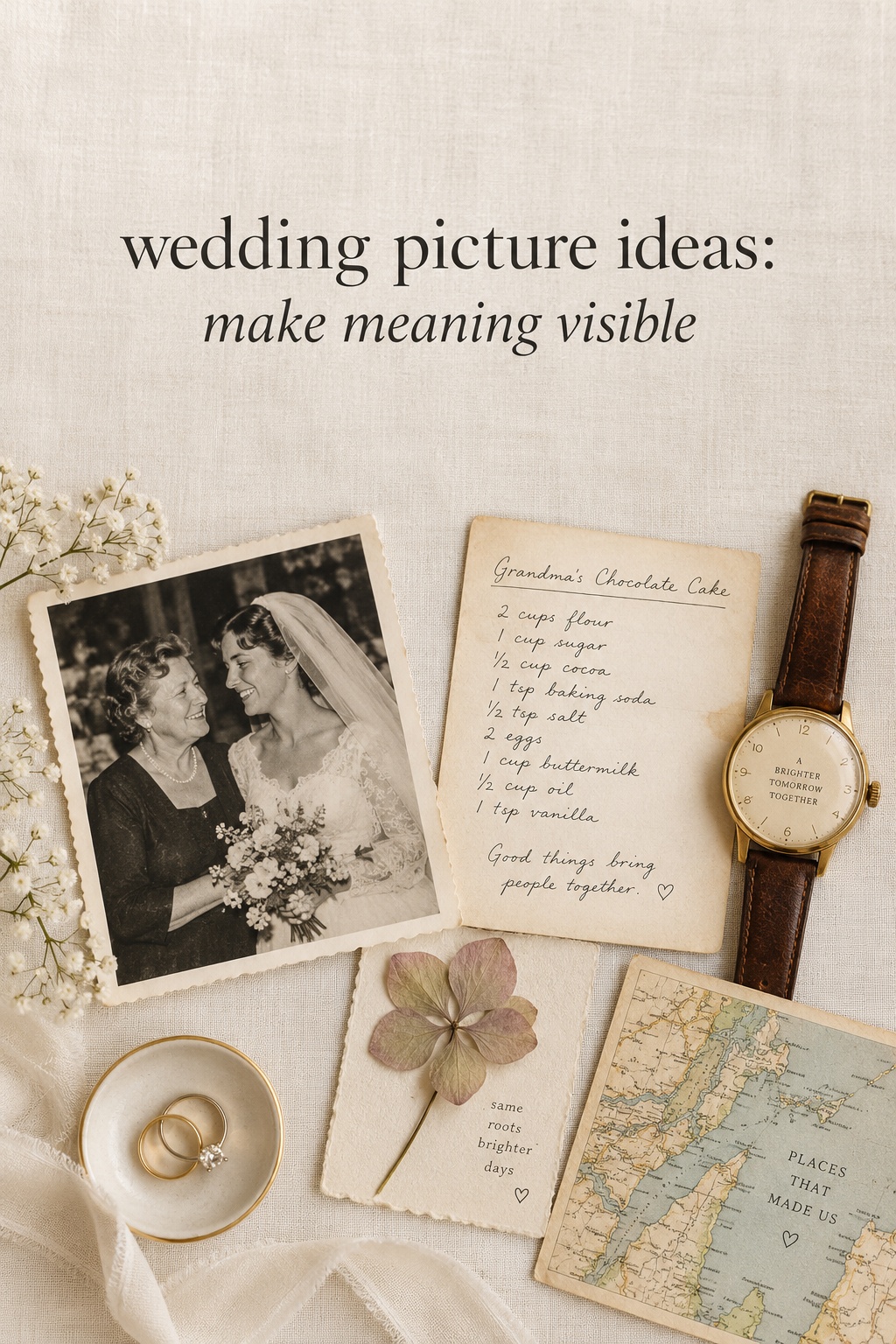
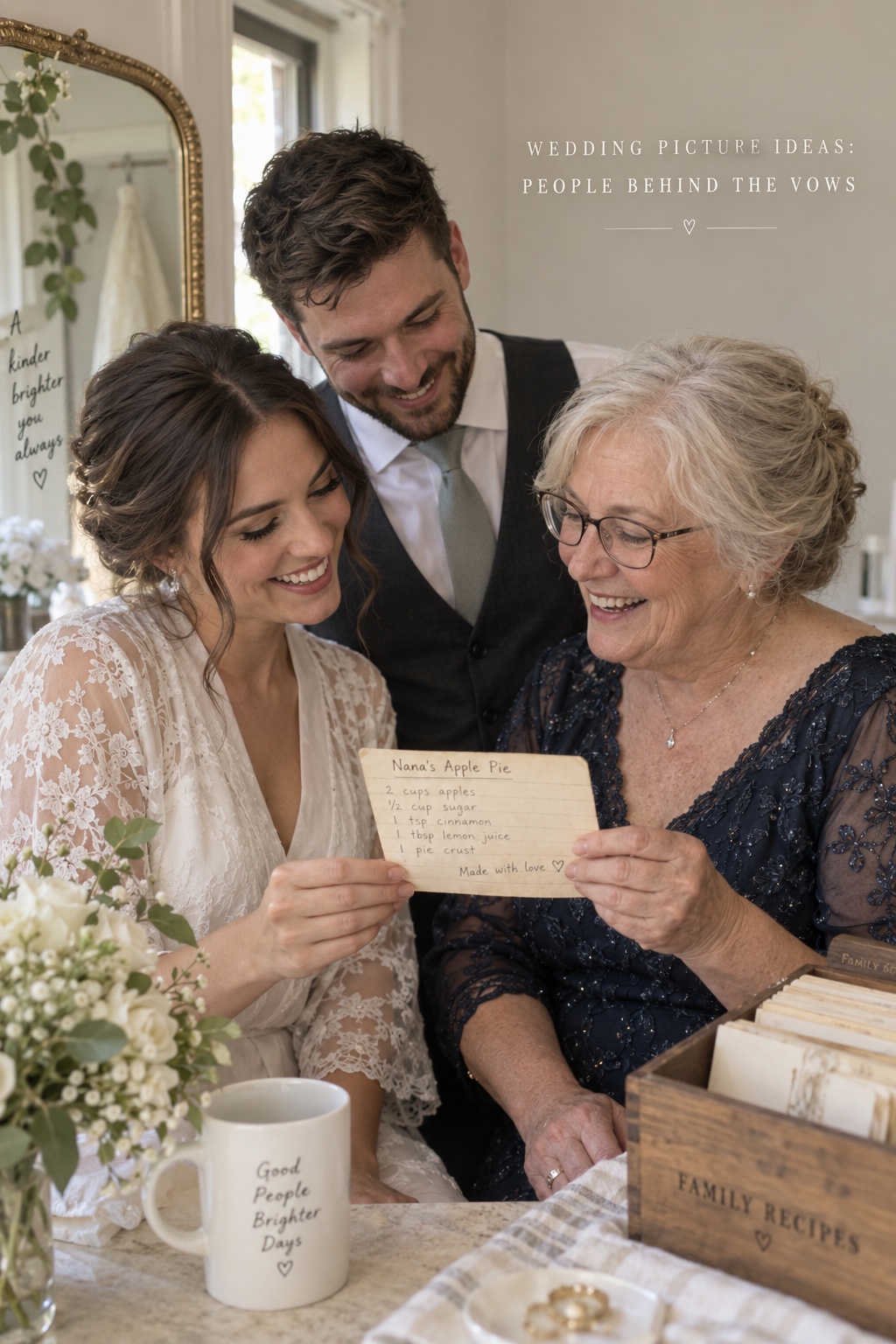
Objects become more meaningful when their history is understood. A ring, recipe card, handkerchief, instrument, book, piece of fabric, or borrowed accessory can represent a person or shared chapter. Note what the item means, who should handle it, and whether you want it photographed alone or in use. Avoid assuming the object needs a decorative arrangement. A detail picture might show a parent fastening a cuff, a grandmother’s ring on someone’s hand, or a handwritten note being read. The human context can tell the story more clearly than a carefully staged still life.
Rituals and gestures can be tiny. You may always squeeze hands before a difficult moment, make coffee for one another, share a particular dance, or greet an older relative in a familiar way. These actions may be more natural than inventing a dramatic pose. Describe what usually happens and let the photographer decide how to observe it. If the gesture needs to be deliberately repeated for a photograph, discuss that beforehand. Some moments can be requested; others are better left alone because repeating them would change how they feel.
Turn personal anchors into wedding picture ideas
Use a simple translation formula: story anchor, visible action, useful context, and boundary. If the anchor is a family recipe, the action might be a parent handing the card to the couple while they prepare or serve a dish. The context is the kitchen or table where it belongs. The boundary could be that the recipe stays private and does not need to be readable in the final image. This formula helps turn an abstract value such as family into a photograph someone can recognize, while avoiding a generic image of a recipe card beside flowers.
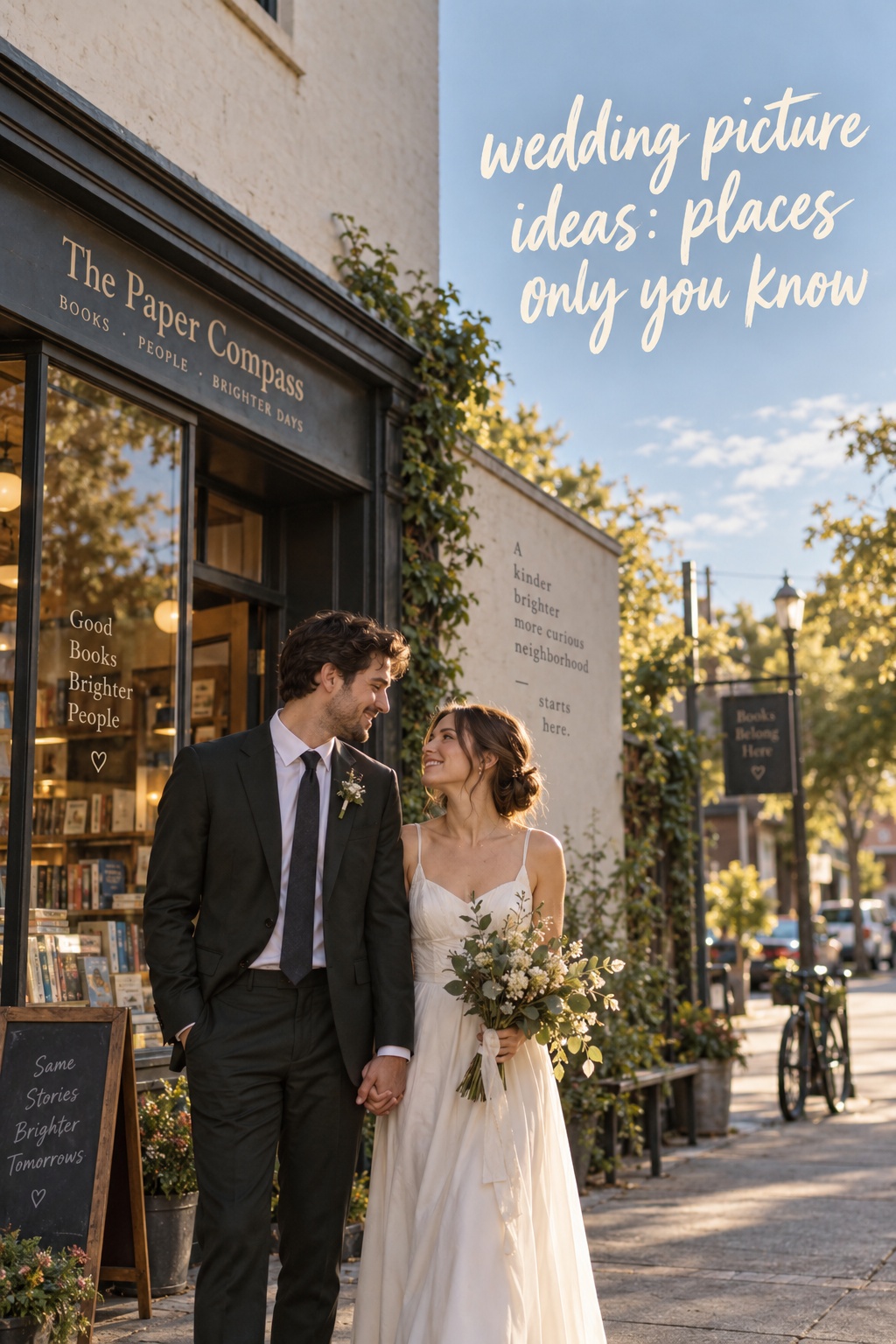
For a place that matters, identify what makes it yours. If you met at a bookstore, the photo does not need to imitate an elaborate editorial scene among shelves. A short walk past the entrance, a hand on a familiar railing, or a quiet pause near the relevant street may communicate the memory with less staging. If the wedding is elsewhere, a detail such as a ticket, map, or book can act as a small reference. Choose one clear cue. Too many props can make the picture look like an illustration of a story instead of a moment within it.
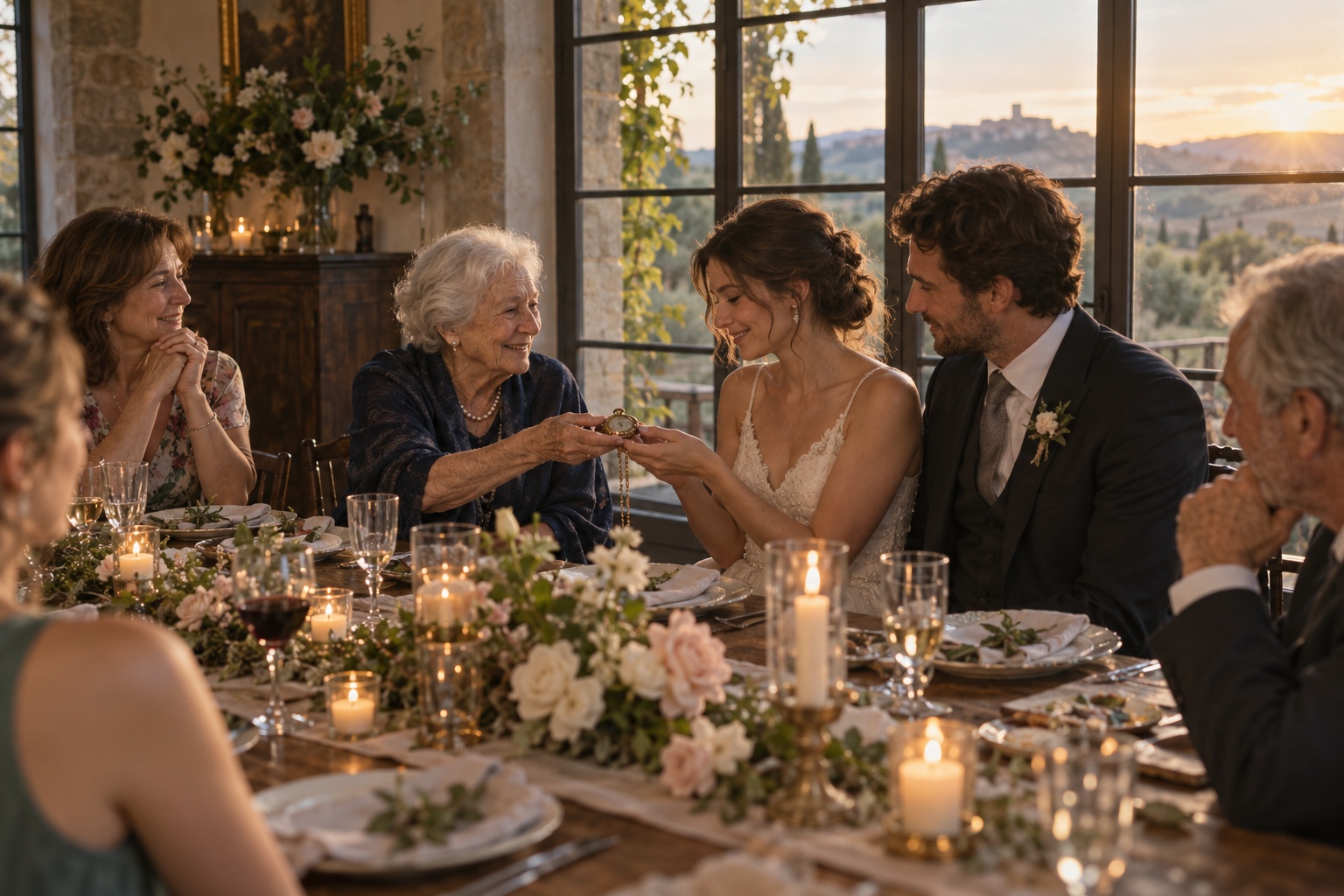
For a relationship, choose the connection before the pose. Perhaps you want a photograph of a parent watching you leave, siblings settling into conversation, a grandparent greeting both partners, or close friends helping with a final detail. Tell the photographer who the people are and why the interaction matters. Do not demand a particular expression. A photographer can look for the exchange, then make a frame when it naturally appears. When a posed picture is important, say so plainly and provide a short list of names so no one has to guess.
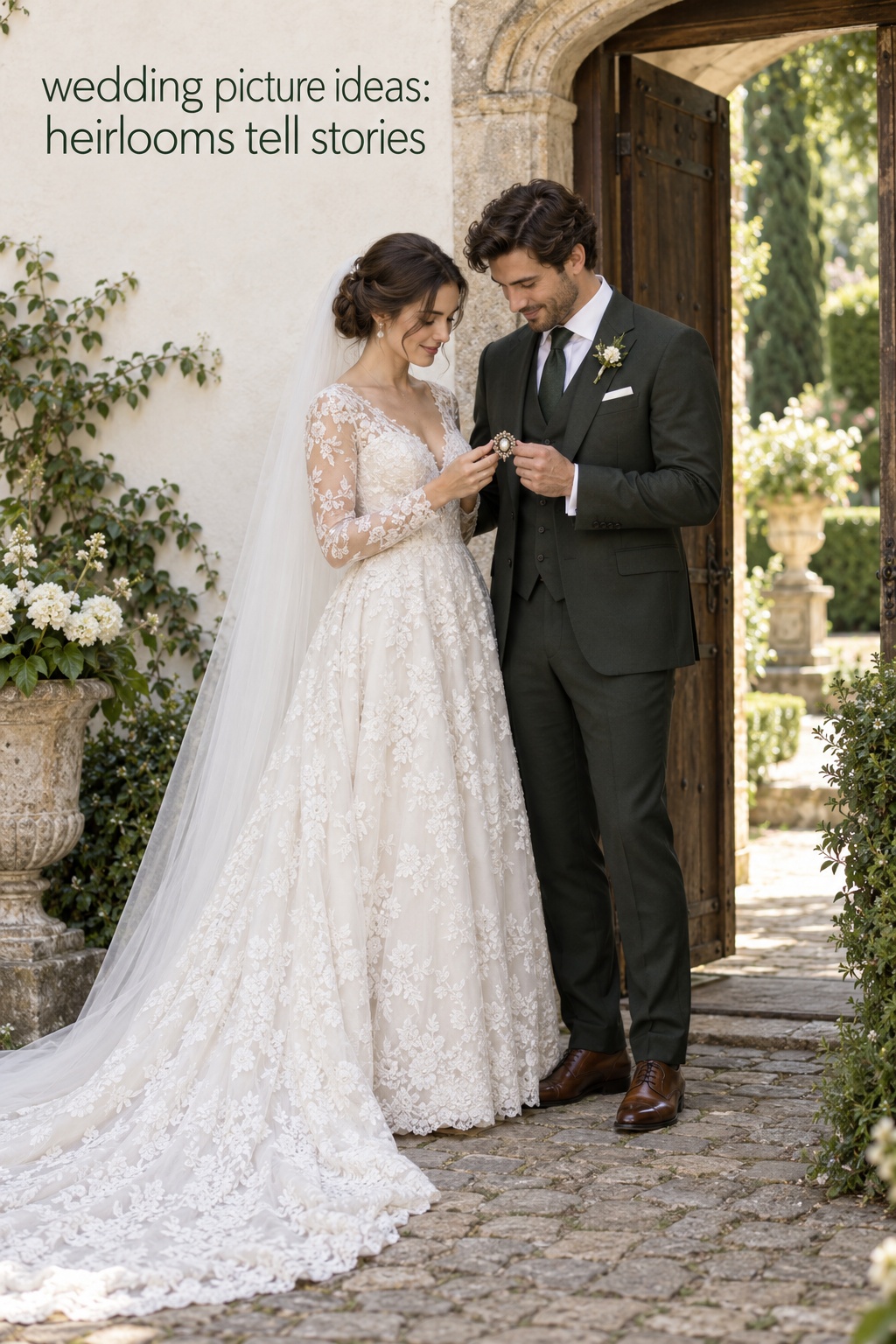
For an heirloom or meaningful object, think about use, touch, and ownership. A borrowed veil could be photographed as someone helps fasten it. A watch passed through a family might appear on the wrist of the person wearing it, not in a separate arrangement. A handwritten letter might be photographed while it is being opened, if the reader is comfortable sharing that moment. Tell the photographer which details can be shown publicly and which should stay close. That instruction can protect private words, family history, or cultural items that are not meant to be treated as props.
For a shared ritual, decide whether you want an observer’s photograph or a planned portrait. A short prayer, a greeting in a home language, a family toast, or a familiar dance step might be meaningful because it belongs to the people doing it. The photo concept should allow the participants to lead. If a ritual requires particular order, permission, attire, or care with objects, tell the photographer what to expect in advance. They can plan where to stand and what not to interrupt. Do not ask someone to repeat a meaningful practice solely because the first frame was missed.
Some story anchors are best represented by absence, quiet, or a private image. A seat reserved in memory, a keepsake on a private table, or a moment between partners before guests arrive may matter deeply. Decide whether this is for the shared gallery, just for the two of you, or not to be photographed at all. Give that choice to the photographer directly. Meaningful does not automatically mean public. The strongest brief includes permission and limits alongside the image ideas, so the team can honor what you want without guessing.
Personalize familiar moments instead of copying poses
Common wedding moments can become personal when you add one real detail. For a first look, tell the photographer whether you want to see a reaction, a shared joke, a private embrace, or a family member nearby. If you are not doing a first look, another quiet moment could happen when you meet at the ceremony or walk together afterward. The important part is not the standard label. It is the relationship or feeling you hope to remember. You can ask for one visual emphasis while leaving the rest of the interaction unscripted.
Couple portraits can start with movement or conversation rather than a fixed pose. Choose an action that feels comfortable: walk a familiar route, read a short private note, make each other laugh with a shared memory, or pause together in a place that connects to your story. If you prefer classic portraits, say that too. You do not need to prove that you are relaxed in front of the camera. A good idea should let both partners feel like themselves, and the photographer should adapt it to your comfort, clothing, venue rules, and available time.
Family portraits are one area where preparation can remove uncertainty. Choose a few combinations that matter most, write down each person’s name, and put them in an order that reduces unnecessary movement. If relationships are complicated, share those details discreetly with one contact person before the wedding. The Associated Press reports wedding professionals recommending a named helper who knows the relatives and can gather them when a group is needed. That small coordination step can make the posed portion clearer without turning the whole day into a photo call.
Detail images do not have to be limited to rings, shoes, and invitation suites. Consider one or two items that explain your choices: a note from a sibling, a repaired garment, a family recipe, a song list, a meaningful book, or a small object connected to a shared hobby. If the item has delicate handling needs, keep it with its owner until the photographer is ready. A detail is more likely to feel personal when the brief names its story and the photograph includes a hand, person, or setting that connects it to the day.
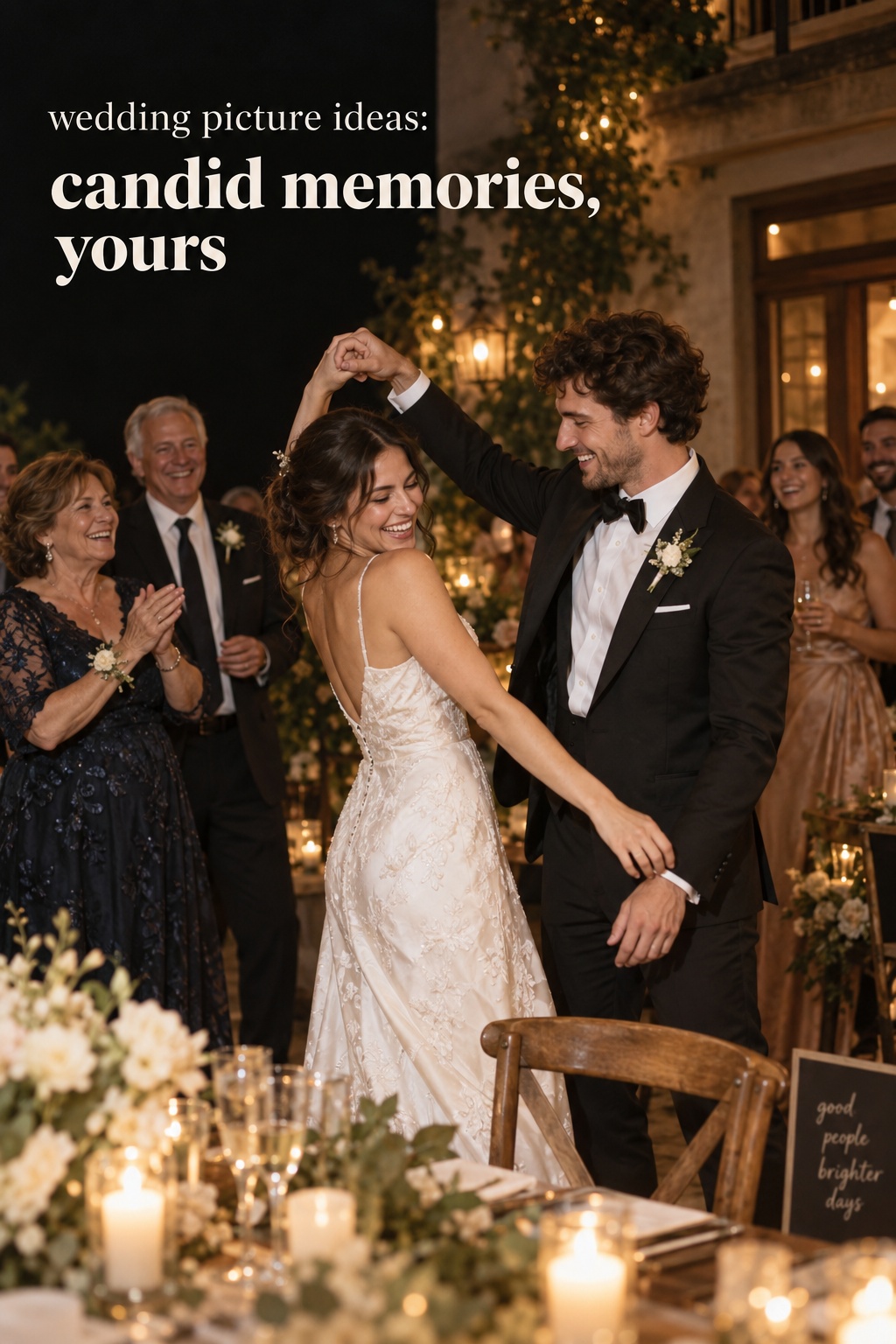
Candid ideas work best as permissions and priorities, not commands. You might want the photographer to notice a certain relative dancing, your friends greeting an older guest, or how people respond to a toast. Those are observations to look for, not scenes to stage. Tell the photographer who or what is important, then allow them to work. The Knot’s guide to candid wedding photos describes the value of images that bring the viewer back to an interaction. Use that as a reminder to name meaningful people and feelings rather than asking for a long list of specific reactions.
Make a brief your photographer can actually use
After brainstorming, label each idea Must Have, If It Happens, or Private. Must Have should be reserved for moments that would genuinely disappoint you to miss, such as a particular family grouping or an heirloom in use. If It Happens is a moment you would love but do not want to stage. Private clarifies what should not be photographed, shared, or shown in a public gallery. Keep the list short enough to discuss comfortably. If everything is a must, the photographer cannot tell which choices matter most.
Turn each priority into one sentence: who or what, why it matters, when or where it may happen, and any boundary. For example, Please photograph my aunt fastening the pin that belonged to my grandmother before the ceremony; the pin can be visible, but the note attached to it is private.��y��y� This is easier to use than a moodboard with no explanation. Add a reference image only when composition or framing is hard to describe. Tell the photographer which part of the image you like, so the reference does not become a request to copy the entire scene.
Share the brief before the final planning conversation, not while everyone is getting ready. Ask the photographer what fits their approach and coverage, and whether any concept needs a change in timing, location, access, or extra help. Their contract and service plan determine what they can cover, so confirm responsibilities in writing. The Associated Press article on wedding photography recommends discussing logistics and group organization in advance. Use that kind of advice as a prompt for a practical conversation, not a guarantee that a particular picture can be produced under any conditions.
Name one family photo helper and one person who can make decisions if a moment has to move. The family helper should know the people on the list and be comfortable asking them to gather. The decision contact should understand which images are priorities and what can be dropped if the schedule changes. These roles can be the same person only if that will not overload them. Do not assign photo management to someone whose main role is to be present for an important emotional moment.
Keep a copy of the final brief on the photographer’s timeline and with the person coordinating the day. Include pronunciation notes if useful, a simple family map if relationships may be unclear, accessibility or mobility needs, and any no-photo or sharing restrictions. Let the photographer know if a meaningful moment is culturally or religiously specific and ask what additional guidance they need. Avoid writing long shot-by-shot instructions for ordinary coverage. Your photographer can use professional judgment; your notes should focus on what only you know.
On the day, let the plan stay flexible. A personal photograph can happen during a natural pause, or it may need to be skipped because of weather, timing, privacy, or how someone is feeling. Your memory is not a failed checklist if one image is missing. The brief’s purpose is to help the photographer notice the people and meanings most likely to matter, not to force the day to perform. If a quiet image is essential, reserve time for it. If a moment is spontaneous, let it remain spontaneous.
Before finalizing the list, read every line aloud and ask whether it sounds like you. Remove images chosen only because they are popular, redundant angles that add no new meaning, and requests that would make a loved one uncomfortable. Keep a few ideas that invite movement, connection, or context, plus the formal groupings you truly want. The result can be a compact guide that supports both planned portraits and documentary coverage, with enough room for the photographer to respond to real moments.
Sources and methodology
This article reviewed ten US English pages about wedding photo checklists, candid pictures, couple portraits, details, family groupings, and photographer coordination. The specific image prompts are original suggestions, not promises about what a photographer will capture. Confirm timing, coverage, permissions, and privacy preferences with your own photographer and planning team.
FAQ
How many wedding picture ideas should we give the photographer?
Start with a small set of personal priorities rather than a comprehensive list of every possible image. Identify the family groupings, meaningful details, and moments that would be hard for the photographer to infer. Let the photographer handle standard coverage and agree on what is realistic for your schedule.
How can we make wedding photos feel more personal?
Choose images from real relationships, places, objects, gestures, or rituals in your life together. Explain the story behind each priority so the photographer understands why it matters. A specific meaning usually gives more direction than asking for a generic romantic or editorial look.
Should we send Pinterest poses to our photographer?
You can share a reference when you explain the quality you like, such as movement, framing, or a candid expression. Avoid asking for a wholesale copy of someone else’s photograph. Talk with your photographer about adapting the idea to your comfort, venue, clothing, and timeline.
What wedding photos should we prioritize with family?
List the combinations that matter to you by the participants’ names and relationships. Include family groupings that are not obvious, note any sensitive relationship boundaries privately, and designate a helper who can gather everyone when needed.
How do we include a family heirloom in wedding pictures?
Tell the photographer what the item represents, who owns or wears it, how it should be handled, and whether its details can be shared publicly. A photograph of the item being worn or passed between people may tell its story better than a separate decorative arrangement.
Can we ask for candid wedding pictures?
Yes. Tell the photographer which people, interactions, or parts of the celebration you especially hope they notice. Candid moments cannot be guaranteed or recreated exactly, so treat them as priorities to observe rather than scenes to stage.
How do we plan wedding photos for complicated family relationships?
Share relevant details privately with the photographer or coordinator before the event. Use clear names for requested groupings, explain who should not be placed together, and choose a trusted person to help organize the portraits discreetly.
What if our wedding timeline changes and a planned picture is missed?
Decide in advance which images are essential and which are optional. If timing changes, keep the essential moment or grouping and release lower-priority ideas. A photograph should not create pressure or interrupt an important part of the celebration.
Do we need a shot list if we hired an experienced photographer?
A photographer will usually have a process for standard wedding coverage, but they cannot know every family relationship, meaningful object, or personal preference without being told. Share only details that are specific to you and ask what they already cover.
Should we include private or sensitive moments in the photo brief?
You may include them if you want the photographer to know about a boundary or a private image. Clearly state whether the moment may be photographed, whether it belongs in the shared gallery, and whether it should stay off public social media.