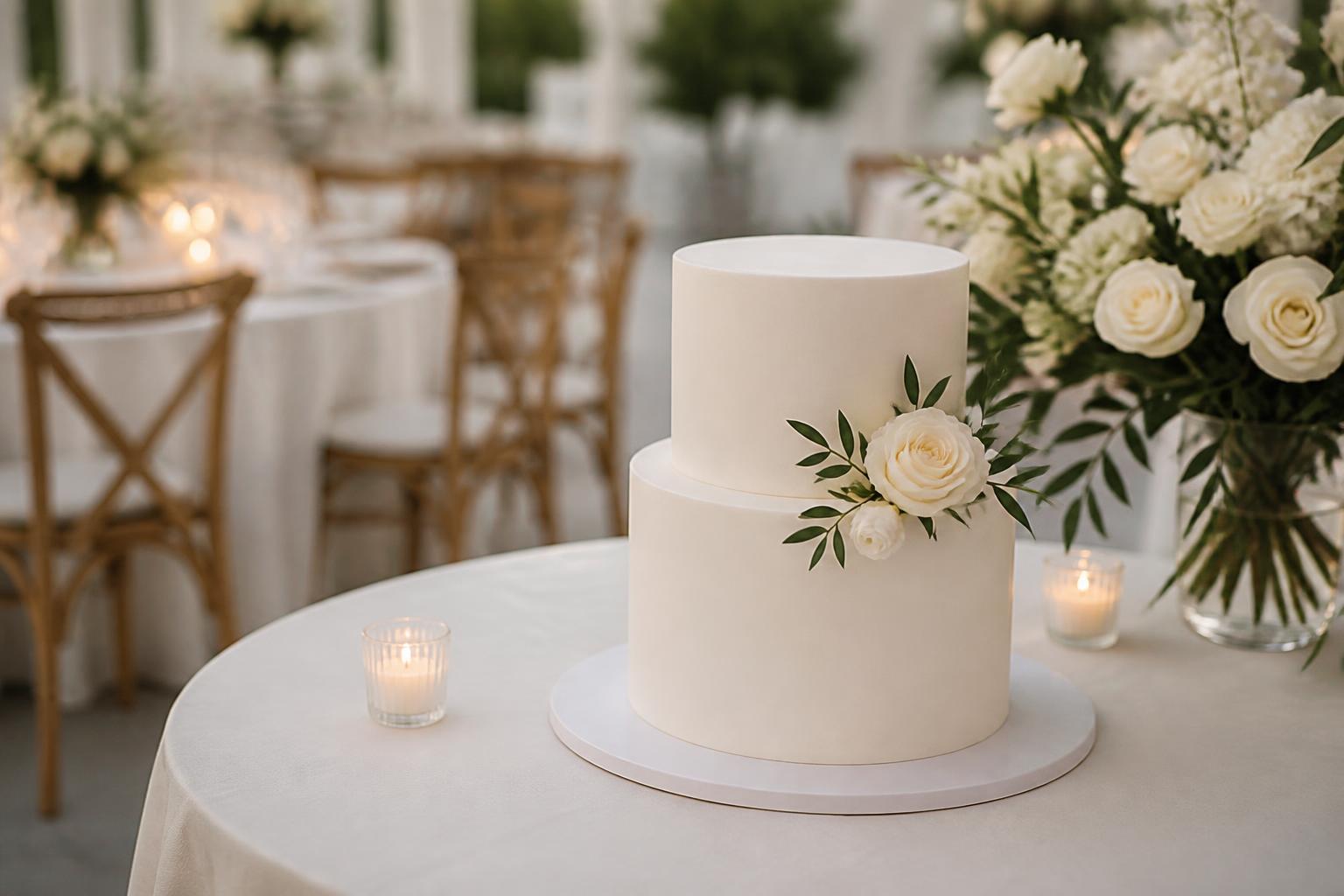
Why the Minimalist Wedding Cake Still Feels So Modern
The appeal of a minimalist wedding cake is easy to understand the moment you picture it in the room: candlelight reflecting off smooth buttercream, a clean silhouette against soft florals, and a design that feels calm, modern, and deeply intentional. In a celebration where every detail carries emotional weight, this style offers something many couples are craving—a wedding cake that feels elegant without excess, romantic without fuss, and memorable because of its restraint. Whether the setting is an intimate ceremony, a modern reception, or a quietly luxurious gathering, minimalist design has a way of making the entire wedding atmosphere feel more refined.
A minimalist wedding cake is not simply a plain cake. It is a deliberate design choice built around simplicity, balance, proportion, and thoughtful finishing. That difference matters. A cake can be understated yet still feel special, sculptural, and celebration-worthy. For couples planning a wedding with a modern, romantic, or pared-back aesthetic, choosing this style often creates a stronger visual impact than a heavily decorated alternative because the focus stays on shape, texture, and quality.
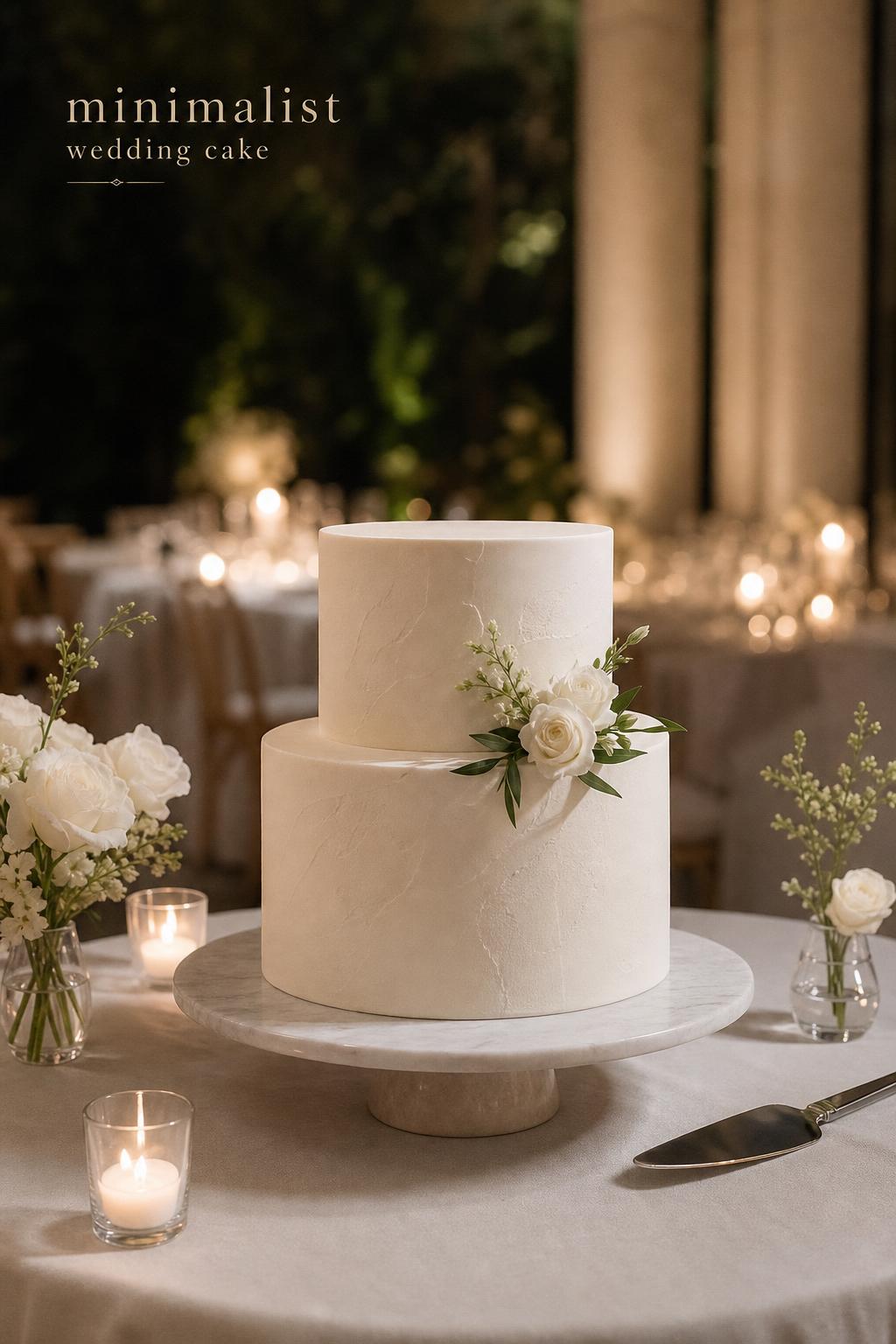
This approach also works beautifully across different wedding formats. It can suit a city venue, a garden celebration, a contemporary event space, or a smaller reception where every design element needs to feel cohesive. The key is understanding how minimalist style translates into cake design, what details make it successful, and how to choose a version that supports your wedding vision rather than disappearing into it.
What makes a minimalist wedding cake feel truly elegant
At its core, minimalist cake design is about editing. Instead of layering on decoration, the design relies on a few carefully considered elements: clean lines, limited color, restrained texture, and a silhouette that feels balanced from every angle. The result is usually modern, but it can also lean soft, romantic, or quietly luxurious depending on the finish.
Turn wedding inspiration into a plan you can actually follow.
Zarellea brings your guest list, budget, vendors, and day-of details into one shared space — so no beautiful idea gets lost in the shuffle.
What makes this style successful is not the absence of detail, but the presence of the right detail. A smooth frosted surface, a single floral accent, subtle ridging, or a softly imperfect finish can all carry the design. In wedding planning terms, this gives couples more control over mood. A minimalist cake can feel crisp and architectural for a modern reception, or gentle and poetic for an intimate ceremony. The design language is simple, but the emotional effect can be rich.
This is also why minimalist wedding cakes often photograph so beautifully. Their uncluttered structure allows the surrounding styling—linen, glassware, candlelight, flowers, and venue architecture—to breathe. Rather than competing with the room, the cake becomes part of a larger visual story.
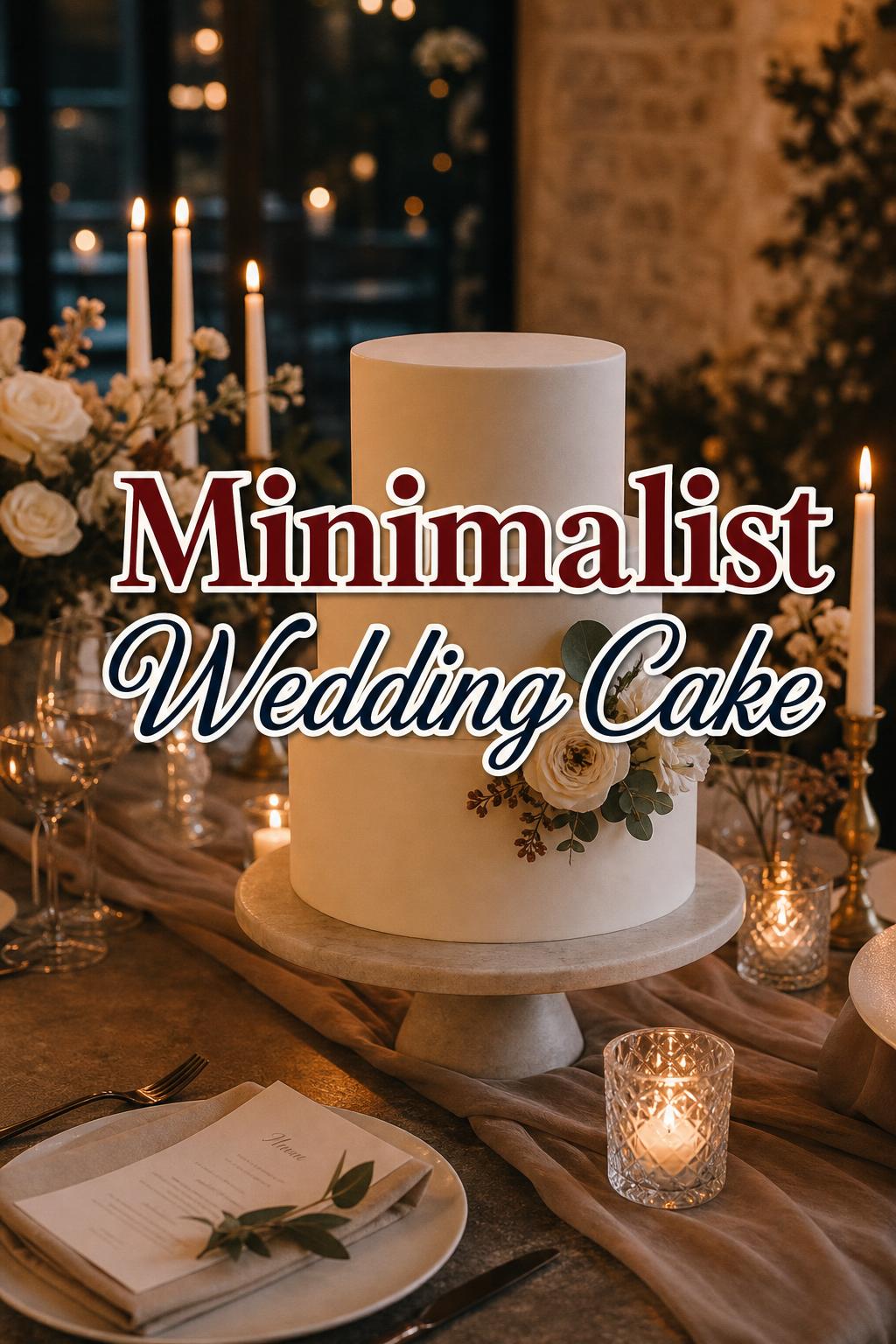
The difference between simple and unfinished
One of the most important distinctions couples should understand is that simple does not mean incomplete. An intentionally minimal cake should still look polished and considered. That means smooth application, even tiers, thoughtful scale, and decoration that feels placed rather than added at the last minute. If the design is too sparse without strong execution, it can read as unfinished instead of elegant.
For that reason, minimalist cakes often depend more on craftsmanship than highly embellished designs do. There is nowhere to hide. Every line, texture, and proportion becomes visible, which makes precision especially important.
The visual language of minimalist cake design
Minimalist wedding cakes usually revolve around a small group of visual ideas that can be mixed in different ways. Understanding them helps couples decide what feels aligned with their celebration.
- Clean silhouettes with one to three tiers
- Neutral tones such as white, ivory, cream, or soft beige
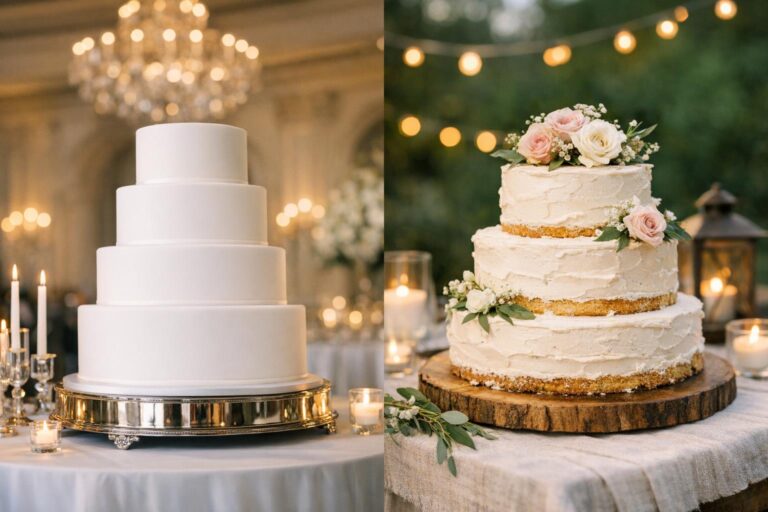
- Smooth buttercream or fondant finishes
- Subtle texture instead of heavy decoration
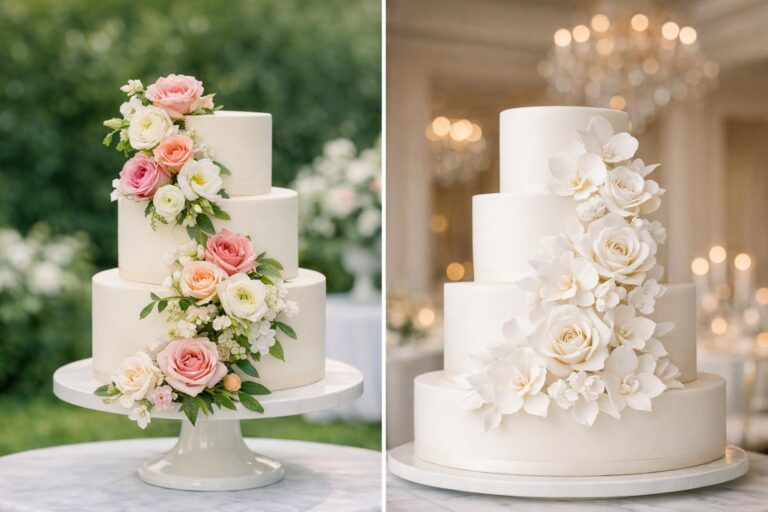
- Limited floral placement or one focal accent
- Negative space that allows the shape to stand out
These details often work together to create a sense of calm. A cake does not need dramatic color contrast or ornate piping to command attention. In fact, the restraint is often what makes it feel elevated. For many couples, that balance is especially attractive because it mirrors the larger wedding aesthetic: modern invitations, clean tablescapes, thoughtful florals, and a venue chosen for atmosphere rather than excess decoration.
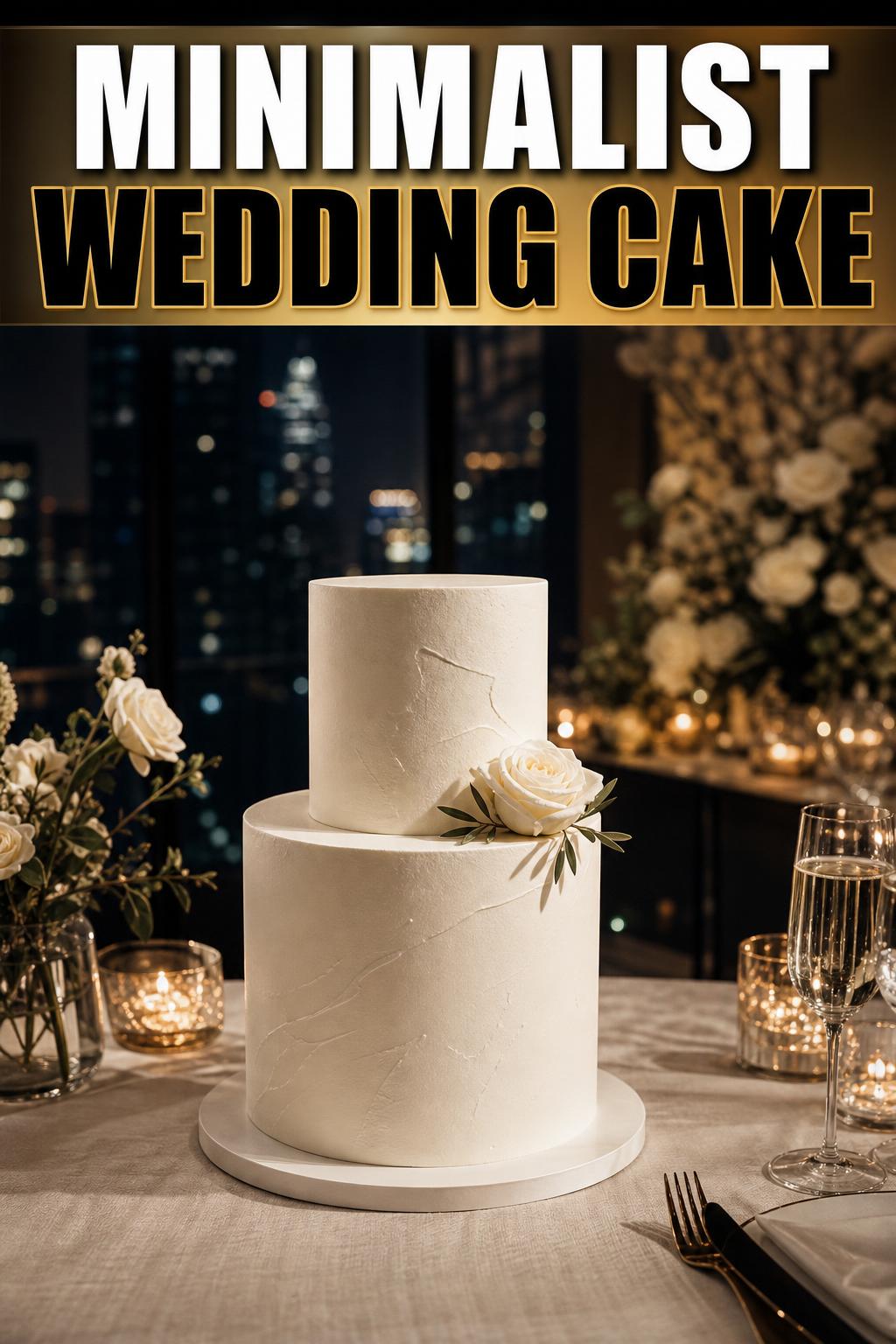
Why proportion matters more than decoration
In minimalist styling, proportion does much of the work that decoration normally would. A slim two-tier cake can feel chic and contemporary in an intimate venue, while a taller design with generous spacing between visual elements can feel striking in a larger reception space. If the cake is too small for the room, it may look lost. If it is too tall or too wide without the guest count to support it, it can feel disconnected from the rest of the celebration.
This is where practical planning and style come together. The most beautiful minimalist wedding cake is one that fits both the visual scale of the reception and the real needs of the event.
Styles that fit naturally within a minimalist wedding cake aesthetic
Minimalism is not one fixed look. It can take on different moods depending on texture, shape, and surrounding décor. That flexibility makes it especially useful for couples trying to build a wedding that feels personal rather than trend-chasing.
Modern and architectural
This version leans into crisp edges, smooth finishes, and a sculptural presence. It works beautifully in contemporary venues, city weddings, and receptions where the décor is already clean and intentional. A cake like this often pairs well with monochrome palettes, sleek florals, and refined table styling. The feeling is confident, composed, and quietly dramatic.
Soft and romantic
For couples who want minimalism without losing warmth, softer finishes can create a gentler interpretation. Think subtle buttercream texture, rounded edges, or a restrained floral detail placed with care. This style suits garden weddings, candlelit receptions, and intimate ceremonies where the mood is tender rather than sharply modern. It allows the cake to feel airy and elegant while still emotionally connected to the romance of the day.
Organic and understated
Some minimalist cakes feel less polished in a formal sense and more natural in their restraint. A lightly textured finish, asymmetrical floral placement, or a design that embraces softness over perfection can work beautifully in relaxed but elevated weddings. This approach tends to suit couples who want simplicity with personality, especially when the venue has natural character on its own.
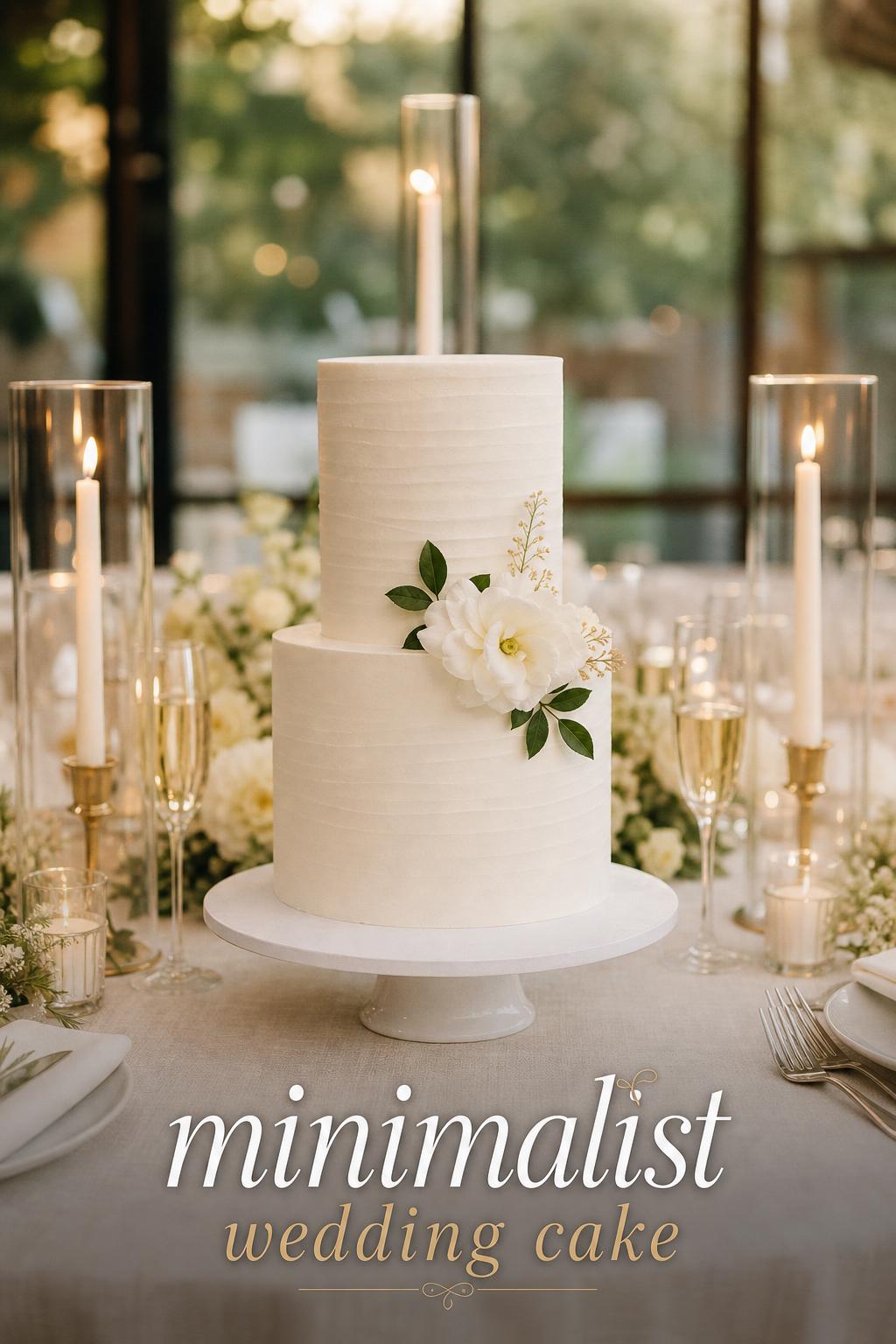
Choosing the right finish: smooth, textured, or barely-there detail
The finish of a cake is one of the most influential design choices because it affects how light hits the surface, how formal the cake feels, and how well it harmonizes with the rest of the décor. Even within a minimalist aesthetic, finish can shift the mood significantly.
Smooth finishes for a polished look
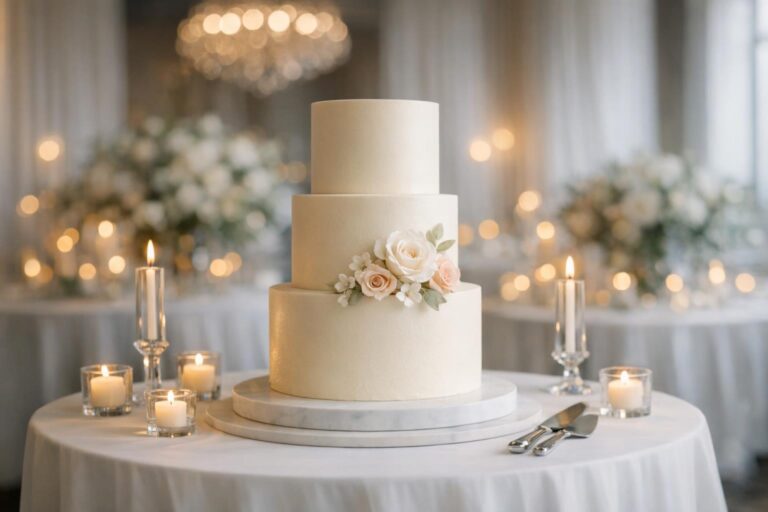
A smooth exterior gives a cake its most classic minimalist expression. It feels refined, crisp, and often slightly more formal. This is a strong choice when your wedding includes modern table design, structured floral arrangements, or a venue with clean architectural lines. The smooth finish also creates a beautiful canvas for one restrained accent, whether that is a subtle floral stem or a tonal detail.
Subtle texture for warmth and softness
If your wedding style is minimalist but not stark, gentle texture can bring in warmth. Delicate frosting movement, soft horizontal lines, or a quietly imperfect finish often makes the cake feel more romantic and lived-in. This can be especially useful when the wedding setting includes natural materials, candlelight, or soft florals and you want the cake to feel integrated rather than sharply distinct.
Minimal detail that still feels special
Many couples worry that a simple cake may not feel celebratory enough. In practice, the answer is often not more decoration, but one meaningful detail. A single flower, a tonal ribbon effect, a slight texture change between tiers, or a carefully chosen cake stand can give the cake presence without compromising the minimalist concept. The most successful details are usually those that echo something else in the wedding, such as the bouquet, stationery tone, or venue style.
How color shapes the mood of a minimalist wedding cake
Color is often restrained in minimalist design, but restrained does not mean unimportant. Small shifts in tone can completely change the atmosphere of the cake. White tends to feel crisp and classic. Ivory softens the look. Cream and beige can add warmth and help the cake sit naturally within romantic or neutral wedding palettes.
This is one area where couples benefit from thinking beyond the cake itself. The cake table, linens, florals, candles, and room lighting all affect how the color will read in person and in photographs. A bright white cake in a warm candlelit room may look more dramatic than intended, while a softer ivory finish may feel more harmonious. For a minimalist wedding cake, those nuances matter because there are fewer visual elements competing for attention.
Working with a limited palette
A limited palette often creates the strongest minimalist result because it keeps the design cohesive. Rather than introducing multiple colors on the cake, many couples find it more elegant to let surrounding floral or table details carry any additional variation. This keeps the cake calm, focused, and easier to style within the reception space.
Florals, accents, and when less really is more
One of the most common ways to personalize a minimalist wedding cake is through florals or a small accent detail. The challenge is knowing when a beautiful addition enhances the design and when it begins to shift the cake away from its original style. In minimalist design, placement matters as much as the accent itself.
A single stem or a modest cluster can create a focal point without overwhelming the cake. The effect is often more modern and romantic than covering multiple tiers in decoration. This is especially useful for couples who want visual continuity with their bouquet or centerpieces while still keeping the cake clean and understated.
Restraint also helps the cake age well visually. Highly embellished wedding details can sometimes feel tied to a specific moment, while a simple cake with carefully chosen accents tends to remain timeless in photographs.
Tips for choosing accents without losing the minimalist look
- Choose one focal area rather than decorating every tier.
- Repeat tones from your wedding palette instead of introducing new ones.
- Keep scale in mind so accents feel balanced with the cake size.
- Let the cake stand or table styling contribute interest instead of adding more to the cake itself.
- Stop before the design feels busy; minimalist styling is often strongest one step earlier than expected.
Matching the cake to the venue and wedding atmosphere
A minimalist wedding cake should never feel chosen in isolation. The most successful designs are those that respond to the setting. A sleek cake in a modern reception space may feel effortless and sophisticated, while the same cake in a rustic or highly ornate room might need a softer finish or more thoughtful table styling to feel connected.
For an intimate ceremony, a smaller-scale cake can feel especially moving because it reflects the personal tone of the gathering. In a larger celebration, the minimalist concept often needs support from presentation. A clean cake can still hold its own in a grand room, but it may need height, strong placement, candlelight, or a carefully styled table to make its presence felt.
Venue-driven guidance
In a garden wedding, softer texture and a restrained floral element often feel natural. In a city venue, sharper lines and a more architectural silhouette may look more at home. At a romantic evening reception, warmer tones and a subtly softened finish can help the cake feel intimate rather than severe. This kind of matching creates visual harmony, which is one of the quiet strengths of minimalism as a design choice.
Practical planning considerations couples often overlook
Because minimalist wedding cakes appear simple, couples sometimes assume they will be easy to plan. In reality, pared-back design asks for more thoughtful decision-making in a few specific areas. Simplicity puts pressure on execution, proportion, and presentation, which means practical choices can make a noticeable difference.
- Guest count should guide cake size, even if you prefer a very minimal silhouette.
- The cake table needs styling that supports the design rather than leaving it visually isolated.
- Lighting affects how white and neutral tones appear in person and in photos.
- Transportation and setup matter because flawless surfaces show marks more easily.
- The venue background influences whether the cake feels striking or disappears.
These considerations are not meant to complicate the process. They simply help ensure the final result matches the elegance couples usually imagine when they choose a minimalist style in the first place.
Tip: plan the cake table as part of the design story
A minimalist cake often looks best when the table around it is equally intentional. A clean linen, a few candles, restrained floral styling, and enough visual space can transform the display. Without that support, even a beautifully designed cake may look smaller or less impactful than expected. Couples who love minimalism usually achieve the best result when they treat the display as part of the overall reception styling, not a separate afterthought.
When a minimalist wedding cake works best—and when it may not
This style works especially well for couples drawn to modern, romantic, understated, or design-led weddings. It suits celebrations where quality and cohesion matter more than abundance. It is also an excellent fit for smaller guest counts and intimate receptions, where every visual choice feels closer and more personal.
At the same time, a minimalist wedding cake may not be the strongest choice for every celebration. If the wedding aesthetic is highly ornate, exuberant, or built around bold decorative statements, an extremely pared-back cake might feel disconnected. That does not mean minimalism is impossible, but it may need adaptation through richer texture, stronger presentation, or a more expressive accent so that it relates to the larger atmosphere.
This is a helpful reminder that the best cake is not the one that follows a trend most strictly. It is the one that supports the emotional and visual experience of your day.
Common mistakes that can make a minimalist cake fall flat
Minimalist design rewards clarity, but it also exposes weak decisions very quickly. Couples often have a beautiful idea in mind, then lose the effect through a few avoidable missteps.
Choosing “plain” instead of intentional
The most common mistake is reducing the cake too far without preserving polish. A simple design still needs shape, finish, and presence. If every detail is removed and nothing replaces that visual interest, the cake can feel generic rather than elevated.
Ignoring the surrounding décor
A minimalist cake depends heavily on context. If the display table is cluttered, the backdrop is distracting, or the styling around the cake conflicts with its mood, the design loses impact. Simplicity works best when the environment supports it.
Using accents that are too large or too many
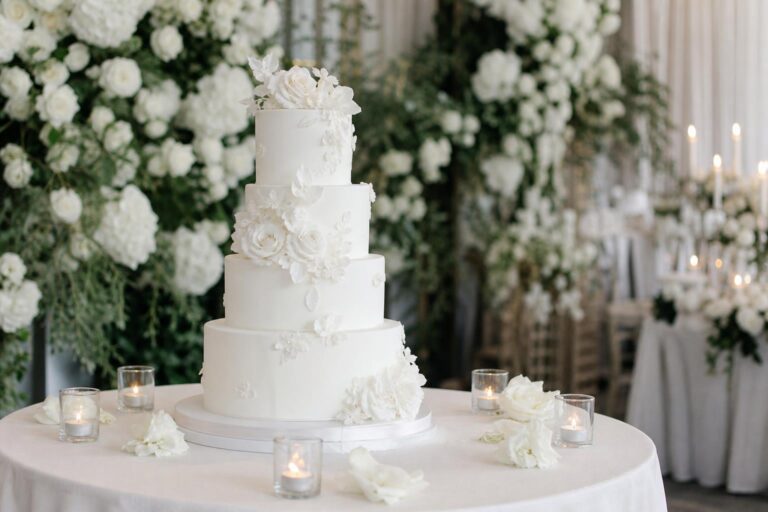
Large floral clusters or multiple decorative styles can quickly overwhelm a minimalist base. This usually happens when couples become worried that the cake is too simple and begin adding more. In many cases, the better solution is to refine the presentation rather than increase decoration.
Missing the emotional tone
A very stark cake can sometimes feel colder than the couple intended, especially at a romantic evening reception. If that is a concern, softer texture, warmer tones, or a gentle accent can preserve the minimalist approach while making the result feel more inviting.
How couples can personalize a minimalist design without losing its calm beauty
Personalization does not have to mean adding more. In fact, minimalist wedding cakes are often most personal when the details are quiet and specific. A cake can reflect the couple through proportion, finish, color tone, floral choice, or the way it is styled in the room. These decisions may seem small, but together they shape the emotional impression the cake leaves.
For example, one couple may choose a smooth ivory cake with a single floral accent to echo a refined modern reception, while another may prefer a softly textured design that feels more at home in an intimate ceremony with candlelight and gentle garden-inspired décor. Both are minimalist, yet each tells a different story.
This is where thoughtful planning becomes more meaningful than copying a visual idea exactly. Minimalism invites couples to choose what matters most and let that become the focus.
Tip: use repetition instead of extra decoration
If you want the cake to feel connected to the day, repeat one or two elements from elsewhere in the wedding instead of introducing something completely different. A matching tone, a floral note, or a similar sense of shape can create cohesion in a way that feels subtle and sophisticated. This is often more effective than adding decorative elements just to make the cake look busier.
The quiet luxury of restraint
There is a reason minimalist wedding cake design continues to resonate. It aligns with a broader desire for weddings that feel deeply considered rather than overloaded. In a celebration full of movement, emotion, and visual detail, a calm focal point can be incredibly powerful. The cake becomes a pause in the room—a detail that invites people to look closer, not because it is loud, but because it is beautifully resolved.
That sense of quiet luxury often comes from confidence. A minimalist cake does not try to prove itself through abundance. It relies on craftsmanship, harmony, and atmosphere. For couples who want their wedding to feel elegant, modern, romantic, or simply true to their own sense of style, that confidence can be exactly what makes the design unforgettable.
Choosing a minimalist wedding cake is ultimately about choosing clarity. It is a way of saying that beauty does not need to be overexplained, and that some of the most memorable wedding details are the ones that feel effortless, balanced, and entirely at peace with the day around them.
FAQ
What is a minimalist wedding cake?
A minimalist wedding cake is a cake designed with restraint and intention, usually featuring clean lines, a limited color palette, subtle texture, and very little decoration. The focus is on shape, finish, proportion, and a refined overall presence rather than ornate embellishment.
Does a minimalist wedding cake have to be completely plain?
No. A minimalist cake can still include texture, florals, or a small decorative accent. The key is that every detail feels deliberate and balanced, so the cake remains elegant and uncluttered rather than heavily decorated.
Are minimalist wedding cakes better for modern weddings only?
Not at all. They are especially popular in modern settings, but they can also work beautifully for romantic, garden, and intimate ceremonies. The finish, color, and styling around the cake help determine whether it feels crisp and contemporary or soft and romantic.
How can I make a minimalist wedding cake feel more personal?
Personalization often works best through subtle choices such as color tone, texture, proportion, or one carefully selected accent that connects to your flowers or overall wedding styling. Small, meaningful details usually preserve the minimalist look better than adding more decoration.
What colors work best for a minimalist wedding cake?
White, ivory, cream, and soft neutral shades are often the most natural fit because they support the calm, refined quality of minimalist design. The best choice depends on your lighting, venue, and surrounding décor, since those elements affect how the color reads in person and in photographs.
Can a minimalist wedding cake still stand out at a large reception?
Yes, but presentation becomes especially important. In a larger space, a minimalist cake often needs a well-styled table, thoughtful placement, and enough surrounding visual support to ensure it feels intentional rather than lost in the room.
Are florals too much for a minimalist wedding cake?
Florals can work beautifully if they are used sparingly. A single stem or a small, well-placed cluster often enhances the cake while keeping the overall design clean. The scale and placement matter more than the floral itself.
What is the biggest mistake couples make with minimalist cake design?
The biggest mistake is confusing minimalist with unfinished. A minimalist wedding cake should still feel polished, balanced, and intentional. Without strong execution and thoughtful styling, a very simple cake can lose the elegance couples are hoping for.