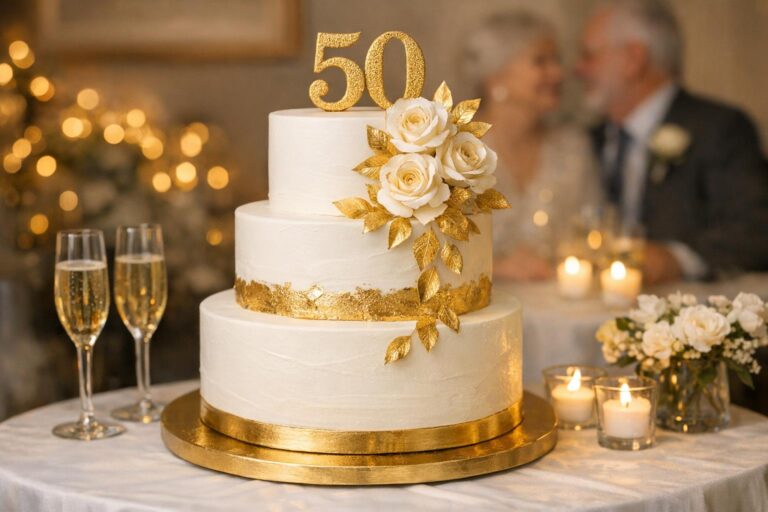

Candlelit Wedding Cake design, from Ballroom to Gallery Cool
A wedding cake design moment: the quiet pause before the reception doors open
There’s a particular hush that happens right before a reception begins—the room set, the tables glowing, the flowers fresh, the music waiting. And somewhere in that scene, the wedding cake stands like a little promise: a centerpiece you’ll cut together, photograph from every angle, and remember long after the last dance. Wedding cake design isn’t only about choosing something “pretty.” It’s a deliberate blend of edible artistry, architecture-like structure, and mood-setting details—whether you’re dreaming of a wedding elegant cake with buttercream swirls or a sculptural showpiece that looks like it belongs in an art gallery.
In the U.S., most couples begin with inspiration—galleries filled with floral motifs, tiered wedding cake ideas, and modern silhouettes—then move into the practical decisions: buttercream vs. fondant, how many tiers make sense, which techniques (edible lace, Lambeth piping, sugar flowers) match the vibe, and how to communicate it clearly to a baker or designer. This guide walks you through couture-level ideas and real-world planning, weaving in the names, studios, venues, and design concepts that define today’s most talked-about cakes for wedding celebrations.

What wedding cake design really means (and why it feels so personal)
Wedding cake design is the intentional shaping of a cake’s silhouette, surface, and decorative language—plus the way flavor and texture support the visual concept. Think of it as a collaboration between you and a cake designer or baker, where the final piece needs to look right in your venue, photograph beautifully, and still taste like something you want to share with your favorite people.
Modern inspiration often treats the cake like an “edible sculpture.” That can mean an architectural form (leaning, geometric, rock-inspired, or avant-garde), a classical romantic finish (edible lace, delicate piping, garden florals), or a showpiece that breaks the traditional tiered format (croquembouche towers, jelly cakes, even long, flat “long cake” concepts). The most satisfying designs don’t just follow a trend—they translate a couple’s mood into a cake wedding elegant enough for the room, yet expressive enough to feel unmistakably yours.
Turn wedding inspiration into a plan you can actually follow.
Zarellea brings your guest list, budget, vendors, and day-of details into one shared space — so no beautiful idea gets lost in the shuffle.

Start with the feeling: matching cake style to your wedding atmosphere
Before you pin a single photo, anchor the decision in the emotional “scene” you’re creating. A cake for reception photos reads differently in a candlelit ballroom than it does at a bright garden dinner. One of the most common planning mistakes is choosing a cake purely from a gallery, without picturing the lighting, table styling, and floral scale it will sit beside.
If your reception is all polish—think venues like Cipriani in New York City, with its iconic sense of ceremony—your cake can echo that formality through clean tiers, refined piping, and lace-like texture. If your night leans downtown and design-forward—Brooklyn energy, Manhattan edge, an art-and-fashion crowd—an avant-garde silhouette or a sculptural, baroque-leaning piece can feel more “you.” And if your setting is destination-inspired (a hotel moment like the TWA Hotel atmosphere that pops up in wedding culture references), consider a cake that photographs like a curated installation: a bold texture, a surprising motif, or a form that feels modern even from across the room.
Couture meets craft: major wedding cake design styles couples are choosing now
Today’s cakes for weddings often fall into a few signature style families. You don’t need to force yourself into one category, but it helps to know the “design language” so your baker can translate it accurately—especially when you’re combining techniques like buttercream texture and edible metallics, or pairing garden florals with a more modern shape.
Edible sculpture and architectural forms (for the couple who wants a statement)
This is the world of leaning baroque sculpture cakes, geometric tiers, rock-inspired forms, and amorphous, avant-garde fantasy shapes—cakes that look intentionally “designed,” not just decorated. Designers and bakers credited for this kind of daring, art-forward approach include Aimee France (often referenced by the name YungKombucha420), Lexie Park of Nünchi, Paris Starn, and studios like ByPensa and New June. These cakes often feel like fashion meets architecture: bold silhouette first, then detail.
Where this style shines: modern city receptions, gallery-like venues, or any wedding where the couple’s aesthetic references art, design, or fashion. If your dress inspiration leans toward minimalist designer energy—like the kind of conversations sparked by a The Row dress reference—an architectural cake can mirror that clean confidence, even if the cake itself is richly textured.
Trade-off to plan for: sculptural cakes can demand more precision in transport, setup, and slicing. If you love the look but worry about service flow, ask your baker how the design will be portioned so the cake for reception service remains smooth and unhurried.
Classical romance: Lambeth piping, edible lace, and garden florals
If you’ve ever seen a cake that feels like it belongs in a candlelit love story—soft tiers, ornate borders, and piping that catches the light—you’ve met the emotional power of classical styling. Lambeth piping (often associated with a retro-vintage romance) and edible lace create a wedding elegant cake look that feels timeless without being plain. It’s the style that pairs naturally with lush florals, refined table settings, and a ceremony-to-reception transition that feels traditional in the best way.
Designers and bakers frequently credited in this aesthetic conversation include Natasha Pickowicz and Lucie Franc de Ferriere (From Lucie), with Mina also referenced in connection with From Lucie. Venues like Cipriani—so often tied to New York wedding imagery—become a natural backdrop for these designs because the room’s formality and the cake’s ornamentation support each other.
Practical note: if your florals are already dramatic, keep the cake’s floral elements more restrained—think a garden-style floral placement rather than covering every tier. If your floral design is minimal, you can let piping and lace carry the romance instead.
Modern showpieces: croquembouche towers, jelly cakes, and playful structure
Not every couple wants a traditional stacked cake—and the modern reception makes room for alternatives that still feel ceremonial. A croquembouche tower offers height, drama, and a distinctly celebratory silhouette. Jelly cakes (including motifs like swans and hearts) bring a glossy, artistic finish that photographs differently than buttercream. And some modern concepts play with unexpected formats—like long, flat presentations—while still reading as a centerpiece.
These choices are often described as “showpieces” because they function like both dessert and décor. If your reception space already has strong architectural lines (a Manhattan-style room, a statement staircase, or a venue with bold interior details), a croquembouche or jelly cake can echo that intentionality without trying to imitate a traditional tiered look.
Tip for service: ask how the piece will be served. Croquembouche is naturally portioned; jelly cakes may require careful plating for clean lines; long-form cakes can be easier to slice but need a display plan so guests recognize it as the cake moment.
Trompe l’oeil and themed storytelling (when the cake becomes part of the narrative)
Some cakes don’t just match the wedding—they tell a story. Trompe l’oeil techniques lean into illusion and surprise. Fashion and art references can become design prompts: a sculptural nod to Louise Bourgeois, a minimalist-meets-couture mood inspired by a The Row dress, or a cultural event reference that gives the cake a specific emotional context, like the kind of name-checking that happens around the Tibet House Benefit Gala in style-focused circles.
This approach works best when you choose one strong reference and build around it. Too many themes at once can make the cake feel like a collage instead of a coherent design.
Design motifs you’ll see everywhere (and how to choose the right one for your cake)
Scroll through real weddings and gallery-style inspiration and you’ll notice repeating motifs—because they photograph well, feel celebratory, and adapt to different budgets and venues. The key is picking a motif that supports your overall aesthetic rather than competing with it.
- Floral designs: from garden-style placements to sugar flowers, they connect naturally to bouquets and tablescapes.
- Edible lace: a romantic texture that reads “bridal” without needing heavy color.
- Lambeth piping: ornate borders and swags that create a vintage-meets-modern romance.
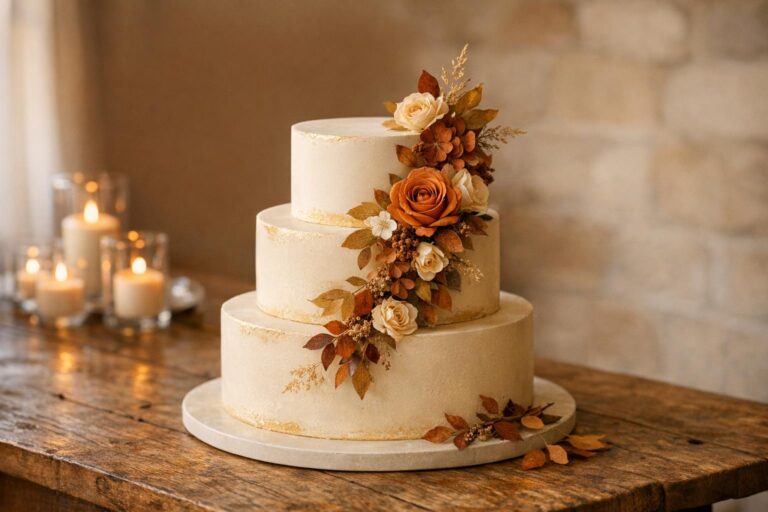
- Edible metallics: for a subtle glow or a statement accent, especially in formal venues.
- Geometric shapes: crisp edges and modern tier arrangements that feel architectural.
- Jelly swans and hearts: playful, glossy motifs that turn the cake into a conversation piece.
- Textural buttercream vs. smooth fondant: the finish sets the tone—soft and painterly versus sleek and sculpted.
A helpful way to decide: pick one “hero” element (lace, piping, florals, geometry, jelly) and one supporting element (a color accent, a metallic detail, or a topper). That keeps the design legible in photos and prevents it from feeling overworked.
Buttercream vs. fondant: the finish that changes everything
Couples often treat buttercream vs. fondant as a simple preference, but in practice it’s a design decision with consequences for texture, detail, and overall mood. Buttercream tends to feel romantic and tactile—perfect for garden florals, painterly finishes, and soft edges. Fondant is associated with a smoother, more uniform surface, which can support sharp geometric lines and some sculptural looks.
If your dream is a cake wedding elegant in a traditional, detailed way—think Lambeth piping, lace motifs, and a soft glow under reception lighting—buttercream-forward styling often communicates that warmth. If your inspiration leans toward modern minimalism or architectural precision, a smoother finish may align better with the silhouette. Either way, ask your baker how the chosen finish interacts with your specific design: edible lace can be applied in ways that complement different textures, and florals can look either airy or formal depending on the surface beneath them.

Where your cake lives matters: venue-based wedding cake design choices
A cake doesn’t exist in a vacuum—it lives in a room. That’s why venue pairing is one of the most underrated steps in wedding cake design. A dramatic cake can feel “too much” in a delicate space, while a subtle design can disappear in a grand one.
New York energy: Brooklyn edge, Manhattan polish, and the Cipriani effect
New York examples show how different neighborhoods suggest different cake moods. A Brooklyn-style reception with a creative crowd often pairs well with sculptural cakes—rock-inspired forms, avant-garde silhouettes, or trompe l’oeil details—especially when designers like Aimee France (YungKombucha420) or Lexie Park (Nünchi) are part of the inspiration conversation. Manhattan formality, by contrast, often calls for a wedding elegant cake that reads refined from across the room: clean tiers, lace-like detail, and controlled florals. Cipriani, specifically, is frequently referenced as a venue context where timeless elegance and opulent finishes feel natural.
Design-forward destinations and statement spaces
If your venue itself is a talking point—an architectural home like Jester House (linked to Frank Lloyd Wright Jr.’s name in wedding design references), or a space with strong design identity—your cake can either echo the venue’s lines or soften them. Echoing means choosing geometric tiers, sculptural forms, and a controlled palette. Softening means bringing in garden florals, textured buttercream, or lace motifs to add romance.
Practical tip: ask your planner or venue coordinator where the cake will be placed and how it will be lit. Even the most beautiful cake for reception can look flat under harsh lighting, while a modest design can look breathtaking with soft illumination and thoughtful styling.

From inspiration to a design brief: how to talk to your baker like a pro
The easiest way to reduce stress is to turn your inspiration into a clear brief. Many couples collect images from galleries—like the broad, idea-rich roundups you see across wedding media and brand hubs—then arrive at a tasting or consult with a dozen conflicting screenshots. A baker can work with that, but you’ll get a better result if you translate your preferences into a few specific decisions.
- Silhouette: traditional tiers, elongated/long presentation, croquembouche tower, or sculptural form.
- Finish: buttercream texture, smoother surface, or mixed textures.
- Hero detail: edible lace, Lambeth piping, florals, jelly motif, geometric lines, or trompe l’oeil illusion.
- Color direction: minimal monochrome, bouquet-matched floral tones, or a strategic accent (including edible metallics).
- Context: venue vibe (Brooklyn creative, Manhattan formal, Cipriani-level classic), and whether the cake will be a focal point or part of a larger dessert moment.
Bring one sentence that describes the emotion you want: “romantic and garden-soft,” “minimalist with a couture edge,” or “playful and surreal.” That line becomes a filter when you’re choosing between edible lace and florals, or between a sculptural rock cake and a classic tiered wedding elegant cake.
Real-world planning for cakes for wedding receptions: what couples forget to consider
Galleries are wonderful for inspiration, but they rarely show the behind-the-scenes realities: timing, transportation, display, and the pace of service. The best wedding cake design choices anticipate those realities, so the cake moment feels effortless rather than fragile.
The “cake table” is part of the design
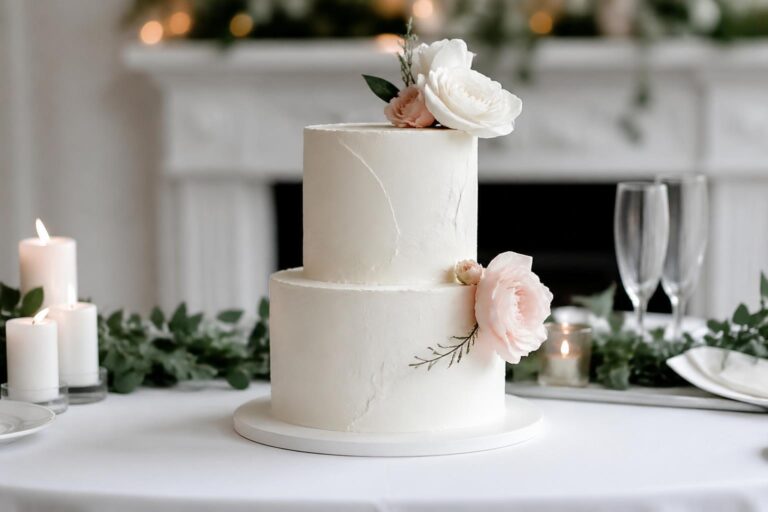
The cake’s base, linens, flowers, and surrounding décor all influence how the cake reads. A minimal cake can look editorial if the table styling is intentional; a maximal cake can look chaotic if the styling is cluttered. This matters especially for sculptural designs and croquembouche towers, where negative space around the piece helps it feel like art.
Photography and scale: why some cakes look better in person than in pictures (and vice versa)
Fine detail—like delicate edible lace or subtle buttercream texture—often reads beautifully in person but can get lost in wide shots. Conversely, bold silhouettes (a leaning baroque sculpture cake, a geometric stack, a croquembouche tower) tend to hold their impact in room photos. If you know your reception will have dramatic wide-angle shots, consider a silhouette-forward design and let the close-up details be the reward.
Serving the cake: protect the guest experience
Even if you’re choosing an avant-garde showpiece, remember the cake’s job at the end of the night: to be served. Talk through slicing and plating early. Some modern formats naturally portion well; others require more staff time. If you’re planning a cake for reception that doubles as a major décor moment, make sure the plan for serving doesn’t interrupt the flow of speeches or dancing.
Design ideas that feel romantic, not repetitive: curated directions to try
You don’t need 65 photos open on your phone to find your direction. Instead, consider these curated “routes” into wedding cake design—each one grounded in recognizable techniques and motifs, and each one flexible enough to adapt to different venues and tastes.
The garden-party cake with couture restraint
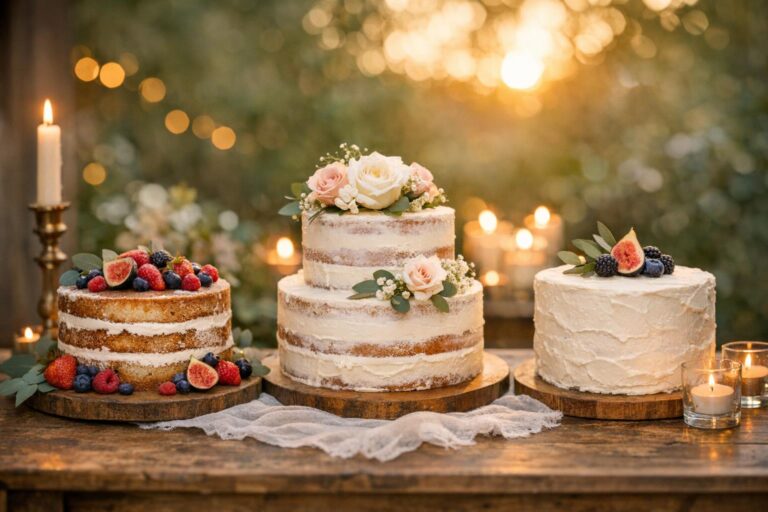
This direction borrows from floral motifs and bouquet coordination, but it keeps the composition intentional. Think one or two tiers with carefully placed flowers, or a multi-tier design where florals appear as if they “grew” across the cake. Pair it with subtle piping or lace motifs rather than piling on multiple statement techniques.
Works beautifully for: outdoor ceremonies that move into a softly lit tent, or indoor receptions where you want romance without formality overload. If you’re choosing cakes for wedding celebrations in spaces with lots of natural texture—wood, stone, greenery—this style harmonizes instead of competing.
The Lambeth revival for a wedding elegant cake moment
Lambeth piping gives you instant ceremony. It’s ornate, romantic, and unmistakably “wedding.” This is the cake wedding elegant direction for couples who want their cake to look like it belongs beside candlelight, string music, and a truly classic reception entrance. If you’re inspired by bakers like Natasha Pickowicz or the romantic refinement associated with From Lucie (Lucie Franc de Ferriere and Mina), Lambeth-inspired work can bridge vintage sensibility and modern taste.
Styling tip: keep the palette calm and let the piping create the drama. If you add florals, choose a controlled placement—like a crescent or a single cascading moment—so the piping remains the star.
The surreal, art-referenced showpiece
This is where your cake becomes a conversation: a leaning baroque sculpture cake, an amorphous avant-garde fantasy form, or a design with a clear art reference—like a Louise Bourgeois-inspired feeling translated into edible structure. Names like Aimee France (YungKombucha420), Paris Starn, and Lexie Park (Nünchi) often appear in the design-forward side of this world, alongside studios like ByPensa and New June.
Best for: couples who want the cake cutting to feel like an event within the event. If your guest list includes design lovers, this kind of cake for reception doesn’t just sit there—it sparks conversation.
The croquembouche tower that feels like a celebration from across the room
A croquembouche tower is both traditional in spirit and modern in effect: a tall, striking centerpiece that reads instantly in photos. It also quietly solves a common reception challenge—portioning—because it’s naturally built for serving. If you love the idea of a non-traditional cake but still want that “centerpiece” feeling, this is often the sweet spot.
The playful jelly cake with swans, hearts, and glossy color
Jelly cakes—especially swan and heart motifs—bring a whimsical tone without needing loud décor everywhere else. The finish is glossy and graphic; it photographs differently than buttercream and can feel like a nod to a more surreal or nostalgic aesthetic. If your wedding style has playful touches (or you’re simply tired of seeing the same tiered looks), this choice can feel fresh and personal.
Tips from a stylist’s perspective: how to make your cake look intentional in photos
Think of your cake as a “mini set.” A cake can be stunning and still photograph awkwardly if it’s placed in a dark corner, crowded by signage, or surrounded by mismatched décor. A few thoughtful styling decisions can elevate almost any cake wedding elegant direction.
- Give it space. Let the cake breathe—especially sculptural pieces, croquembouche towers, and long-form designs.
- Match one material. Tie the cake stand or table linen to something else in the room (metallic accents, floral tones, or the formality level of the venue).
- Control clutter. Keep extra décor minimal so lace, piping, and texture can be seen.
- Plan the “cut.” Ask where you’ll stand and which side is the “front” so you’re not cutting into the least photogenic angle.
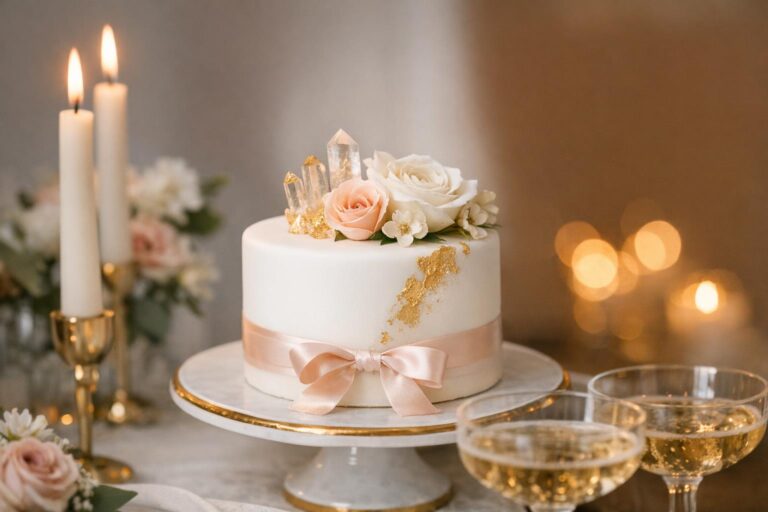
One more practical tip: if you’re choosing edible metallics, ask for a test photo under similar lighting to your reception. What looks subtle in daylight can look much brighter under warm evening lights—and that can be either magical or more intense than you intended.
Common decision traps (and how to avoid them gently)
Most cake stress comes from misalignment—between what you love in a photo and what makes sense for your wedding. These are the most common traps I see couples fall into when selecting cakes for wedding celebrations, especially when inspiration is pulled from wide-ranging galleries and real wedding photos.
Trap: trying to combine too many “hero” techniques
Edible lace, Lambeth piping, heavy florals, geometric tiers, and metallic accents can all be beautiful—but not all at once. If you want a wedding elegant cake that still feels couture, pick one hero technique and let the others support it in quieter ways.
Trap: choosing a design that doesn’t match your venue’s scale
A cake that feels “perfect” in a grand venue context (think Cipriani-level formality) can feel oversized in a smaller room, and a minimalist cake can get visually lost in a dramatic space. Always picture the cake table and the surrounding décor as part of the decision.
Trap: forgetting the guest experience at the cake for reception moment
A cake should be a pleasure to serve and share. If your heart is set on an avant-garde sculptural piece, ask early how it will be sliced, plated, and served. With the right plan, you can have the statement and the smooth service—without a line of confused guests waiting for dessert.
Creating a cohesive wedding “brand”: tying cake design to invitations and décor
One of the most elegant ways to make a cake feel personal is to tie it to the wedding’s broader visual system: invitations, color palette, and décor cues. This is where couples often find inspiration through design-minded wedding resources that emphasize coordination—your cake can echo motifs from paper goods, repeat a color accent from your florals, or mirror the formality level established by the reception setting.
For example, a minimalist invitation suite pairs naturally with an architectural silhouette—clean tiers, restrained florals, a small metallic accent. A more romantic suite can harmonize with lace-like textures and ornate piping. The result feels quietly intentional, like every piece belongs to the same story.
If you’re planning multiple desserts, you can still keep the cake for reception as the anchor. Let the wedding cake design carry the main motif (lace, florals, geometry), and allow the rest of the dessert moment to be simpler so the cake remains the emotional focal point.
When you want a designer name, not just a style: how to approach vendor research
Sometimes your decision starts with a specific aesthetic tied to a person or studio. If you’re drawn to the sculptural, avant-garde side of the cake world, you may find yourself saving work attributed to Aimee France (YungKombucha420), Lexie Park (Nünchi), or Paris Starn, with studios like ByPensa and New June appearing in the same inspiration ecosystem. If your taste leans romantic and refined, you may be bookmarking work connected to Natasha Pickowicz or From Lucie (Lucie Franc de Ferriere and Mina), where lace, piping, and controlled elegance play leading roles.
As you reach out, share your brief, your venue context (New York, Brooklyn, Manhattan, or a specific space like Cipriani), and the techniques you’re drawn to (edible lace, Lambeth piping, croquembouche, jelly cakes). This helps the conversation move quickly from “inspiration” to feasibility: what’s realistic for your date, your reception timeline, and the kind of cake service you envision.
A final word before you choose: let the cake feel like the two of you
It’s easy to get swept up in what’s trending—sculptural silhouettes, croquembouche towers, lace so delicate it looks like fabric, jelly swans that gleam under lights. But the most memorable cakes for weddings aren’t memorable because they’re the most extreme. They’re memorable because they fit: the room, the season, the couple, the emotion. When you choose a wedding cake design that supports your day’s atmosphere—whether you want a cake wedding elegant and timeless or bold and avant-garde—you’re not just picking dessert. You’re creating one more moment that feels unmistakably yours.

FAQ
What is wedding cake design, and what should I decide first?
Wedding cake design is the planned combination of silhouette (tiers, tower, sculptural form), finish (buttercream texture or smoother surfaces), and signature décor (edible lace, Lambeth piping, florals, geometric lines, or jelly motifs), supported by flavor and serving logistics; decide first how you want the cake to feel in your venue—formal and classic, garden-romantic, or design-forward—because that mood guides every other choice.
How do I choose between buttercream vs. fondant for a wedding elegant cake?
Buttercream typically creates a softer, more romantic look that pairs beautifully with garden florals, piping, and tactile texture, while a smoother finish is often used when you want crisp geometry or a more architectural feel; the best choice depends on whether your priority is a painterly, romantic surface or a sleek, controlled silhouette, and your baker can advise how your chosen details (like edible lace) will sit on that finish.
What are popular modern alternatives to traditional tiered cakes for weddings?
Modern alternatives that still feel like a centerpiece include a croquembouche tower for height and drama, and jelly cakes (including swan and heart motifs) for a glossy, artistic effect; these options can be especially appealing if you want a cake for reception photos that feels contemporary while still clearly marking the ceremonial “cake moment.”
How can I make sure my cake design matches my venue and décor?
Start by matching scale and mood: grand, formal rooms—often associated with venues like Cipriani in New York—support refined tiers, lace-like detail, and controlled florals, while creative, city-forward spaces (Brooklyn or Manhattan design energy) can carry sculptural silhouettes, geometric tiers, or trompe l’oeil elements; then coordinate one detail with your décor, such as floral tones, metallic accents, or a motif echoed from your invitations.
What does “edible sculpture” mean in wedding cake design?
Edible sculpture describes cakes designed like art objects—leaning baroque forms, rock-inspired shapes, geometric stacks, or avant-garde silhouettes—where the overall structure is the main visual statement; this style is often associated with design-forward creators and studios such as Aimee France (YungKombucha420), Lexie Park (Nünchi), Paris Starn, ByPensa, and New June.
How do I describe what I want to my baker without overwhelming them with screenshots?
Create a short design brief: pick a silhouette (tiers, croquembouche, sculptural), choose a finish (buttercream texture or smoother), name one hero detail (edible lace, Lambeth piping, florals, jelly motif, geometry), and add your venue context (for example, Manhattan formal or Brooklyn creative); this gives your baker clear direction while still leaving room for professional execution.
What is Lambeth piping, and when does it look best?
Lambeth piping is an ornate piping style that creates layered borders, swags, and a vintage-romantic finish; it looks best when the palette is restrained so the piping can be the focal point, and it’s especially effective for couples who want a cake wedding elegant enough for a formal reception while still feeling richly detailed and celebratory.
How do edible lace and florals work together without looking too busy?
Choose one technique to lead: if edible lace is the hero, keep florals minimal and placed with intention (like a single cluster or a light cascade), and if florals are the hero, use lace as a subtle texture accent rather than covering multiple tiers; this balance keeps the design readable in photos and cohesive with the rest of your décor.
Can I connect my cake to fashion or art inspiration without it feeling gimmicky?
Yes—choose one clear reference and translate it into a design principle rather than multiple literal symbols, such as a sculptural mood inspired by an artist like Louise Bourgeois or a minimalist couture feeling associated with a The Row dress; a single strong idea makes the cake feel intentional, while too many references can make the design feel scattered.