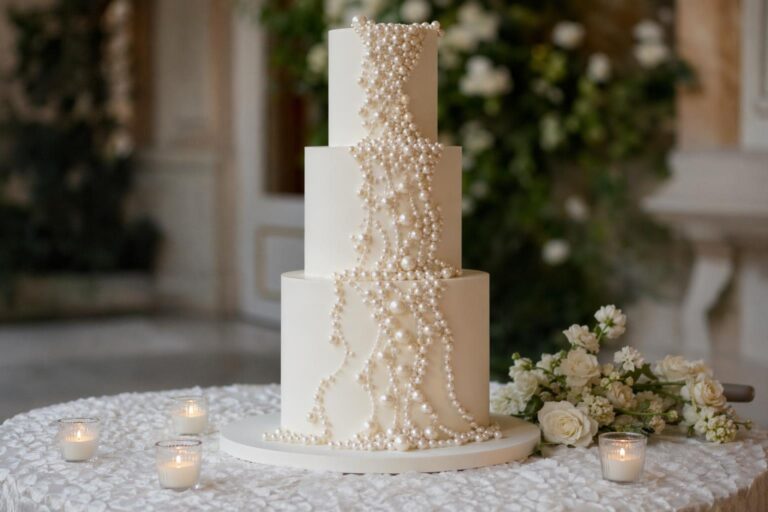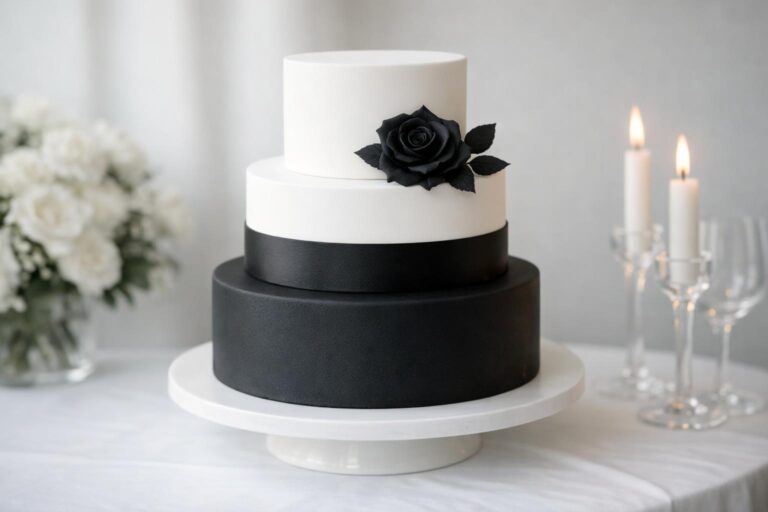
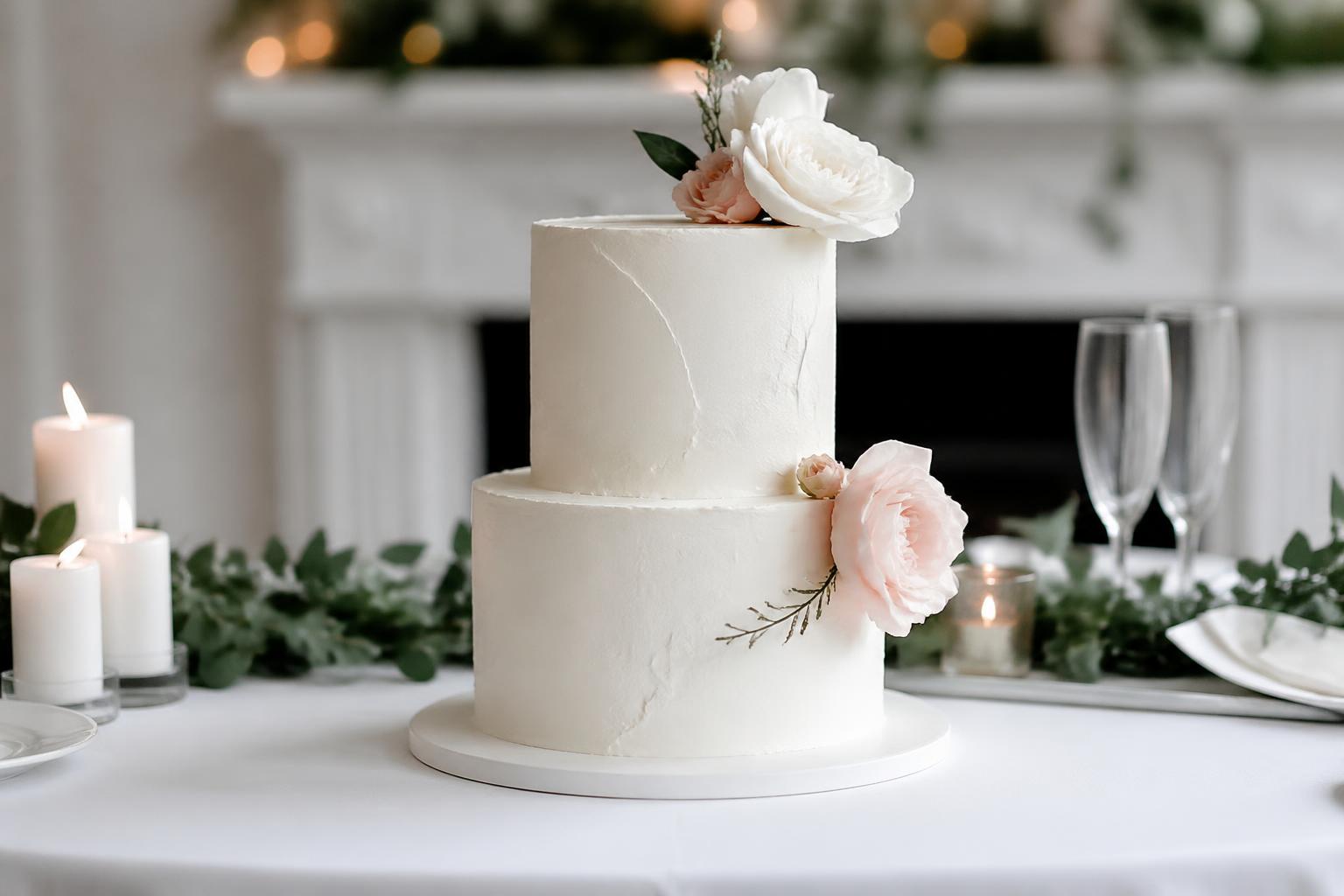
Wedding Cake Simple Ideas for a Quietly Luxurious Day
The most memorable wedding cakes are not always the tallest or the most decorated. Often, the design that lingers in guests’ minds is the one that feels quietly confident: a wedding cake simple in shape, refined in finish, and perfectly in tune with the atmosphere of the day. Whether you are planning a candlelit reception, a laidback outdoor celebration, or an intimate dinner with only your closest people, a simple cake can still feel deeply romantic, elegant, and unmistakably special.
Across modern weddings, couples are gravitating toward clean silhouettes, soft buttercream textures, smooth fondant, and understated details like fresh florals, ribbons, greenery, or subtle metallic accents. The appeal is easy to understand. A simple wedding cake works beautifully with many aesthetics, from minimalist to rustic to classic, and it often gives you more flexibility with guest count, budget, and venue styling. It can also make the cake-cutting moment feel more personal, because the design does not compete with the setting or the couple standing beside it.
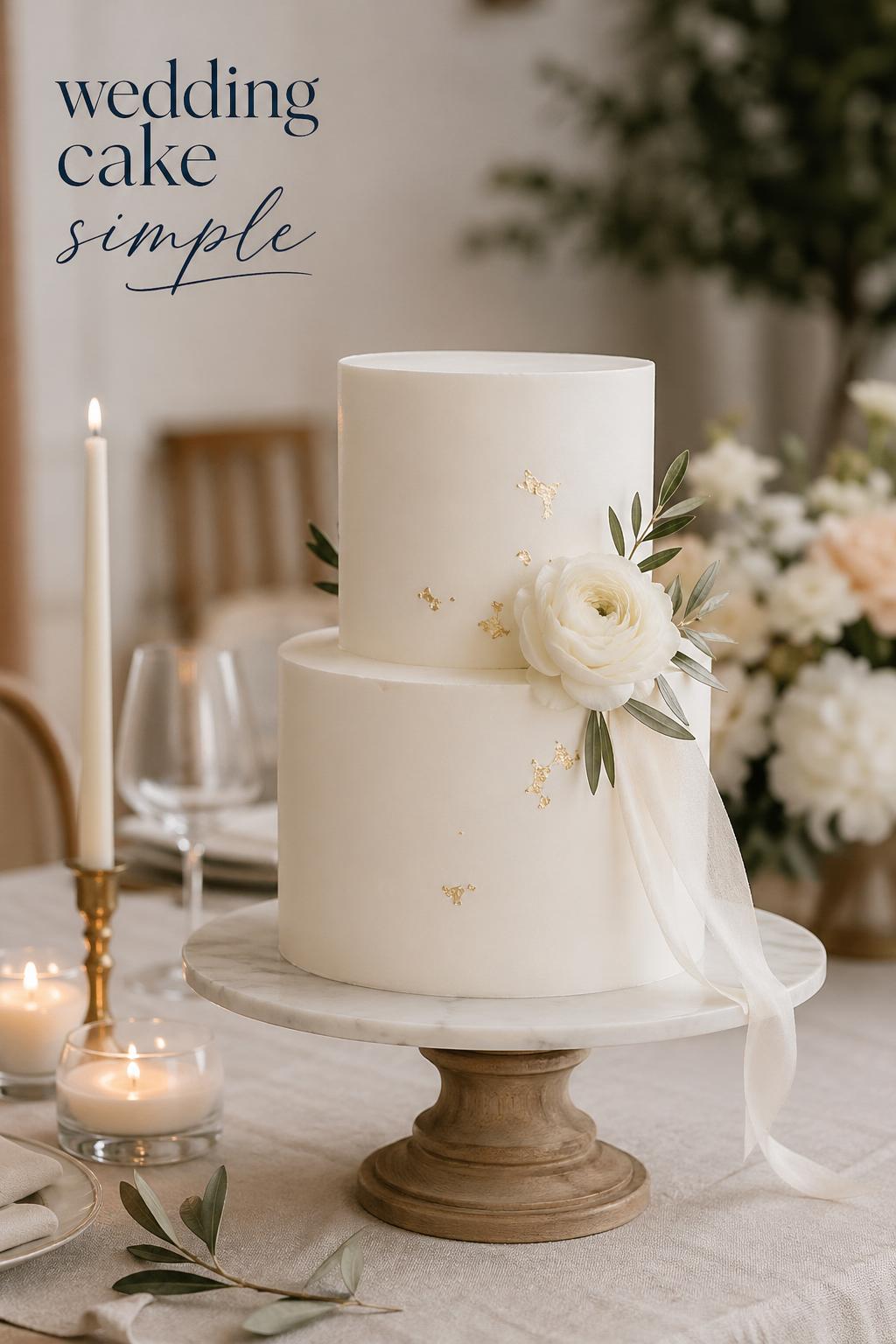
This guide brings together inspiration and planning advice for simple wedding cakes, small wedding cakes, basic wedding cakes, 1 tier wedding cakes, and classy wedding cakes, with a focus on what truly helps couples choose well. Beyond beautiful ideas, the goal is to help you understand why certain styles work, when they work best, and how to make a clean, understated cake feel intentional rather than plain.
Why simple wedding cakes feel so modern and romantic
In today’s wedding world, “simple” does not mean unfinished. It usually means thoughtful restraint. A simple wedding cake is defined by three things working together: silhouette, finish, and ornamentation. The silhouette may be sleek and tiered or compact and single-tier. The finish may be textured buttercream, smooth white icing, or a clean fondant surface. Ornamentation is kept selective, so each detail has room to matter.
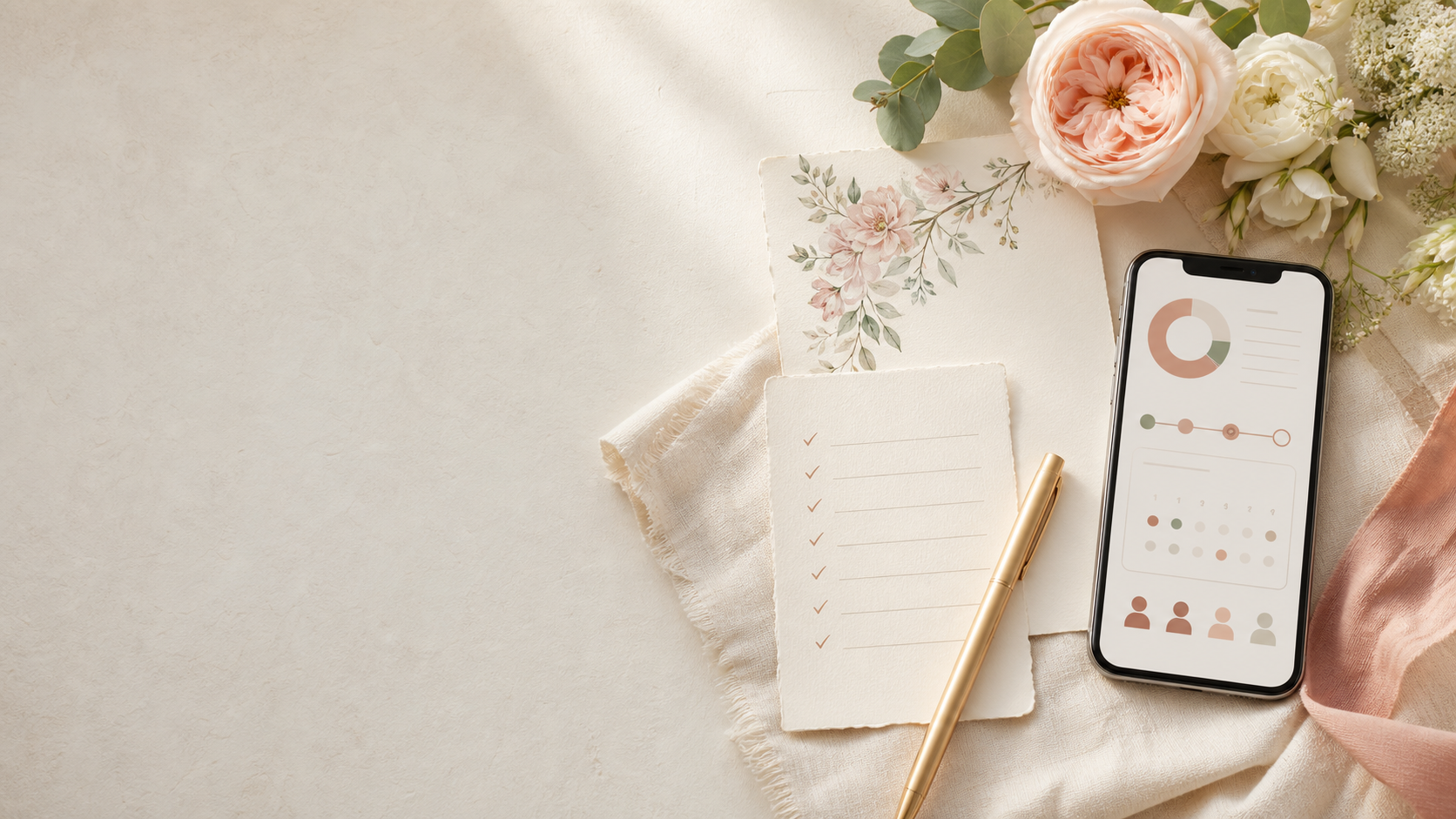
Turn wedding inspiration into a plan you can actually follow.
Zarellea brings your guest list, budget, vendors, and day-of details into one shared space — so no beautiful idea gets lost in the shuffle.
This balance is why a minimalist white cake can feel just as luxurious as a heavily adorned one. The eye notices the smooth line of the tiers, the softness of the icing, the placement of one floral accent, or the glow of a tiny metallic detail. In a wedding reception setting, these quiet choices often photograph beautifully and suit the emotional tone of the event.
For many couples, simplicity also creates calm. If your ceremony backdrop is already dramatic, your florals are lush, or your venue has strong character, a simpler cake prevents the room from feeling visually crowded. It becomes part of the overall atmosphere rather than a separate decorative statement competing for attention.
The difference between simple and plain
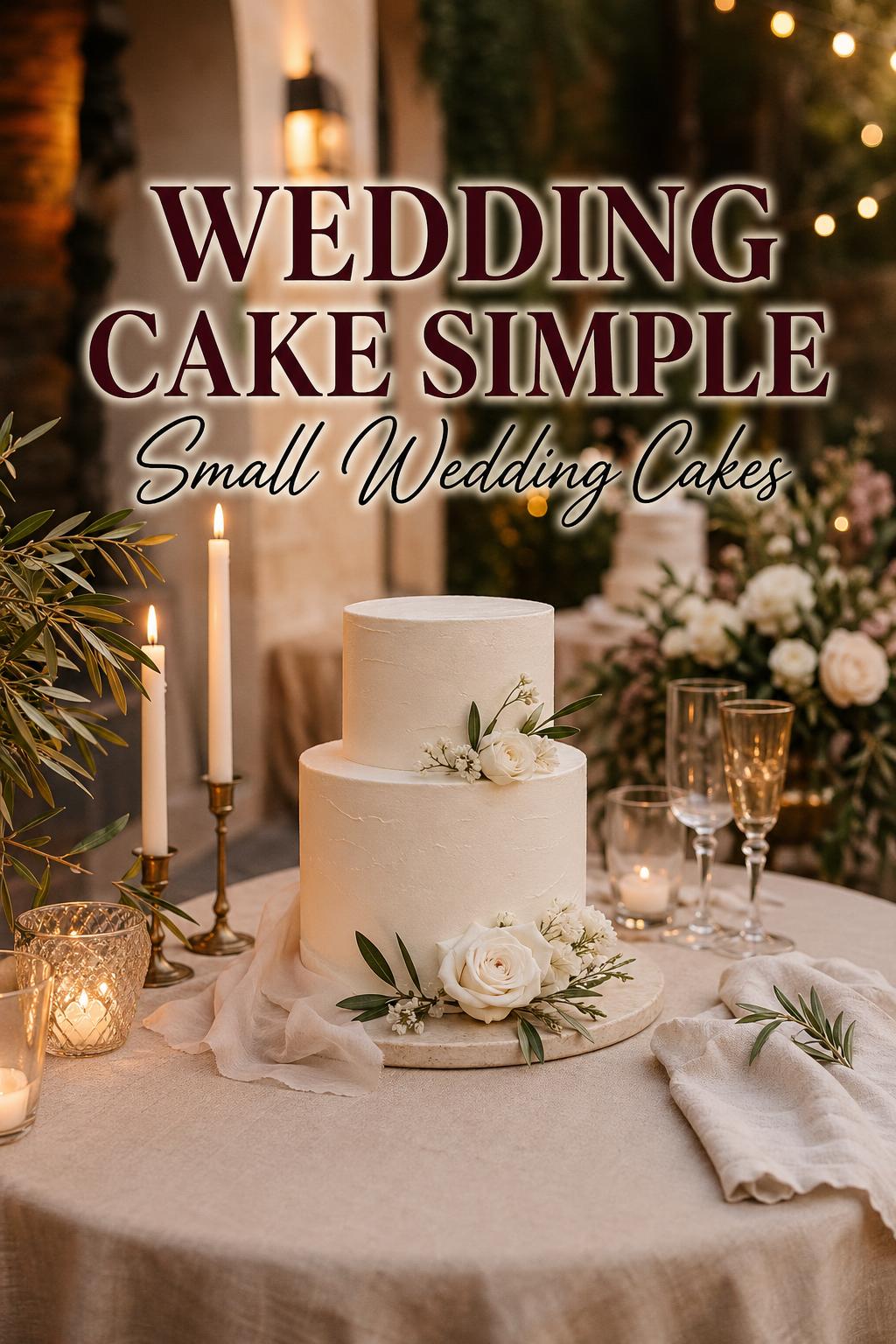
A cake feels plain when there is no design intention behind it. A cake feels simple when every element is edited with care. Smooth fondant with one ribbon can be elegant. Buttercream with visible texture can feel warm and artisanal. A naked cake can look romantic and relaxed when it suits the venue and the couple’s style. The distinction is not about how much decoration you use, but whether the design feels cohesive.
Three style families that define the simple wedding cake
Most top wedding cake inspiration falls into three major style directions: minimalist, rustic, and classic. Understanding these families makes decision-making much easier, especially when your wedding aesthetic already leans in one direction.
Minimalist white buttercream for a clean, sculptural look
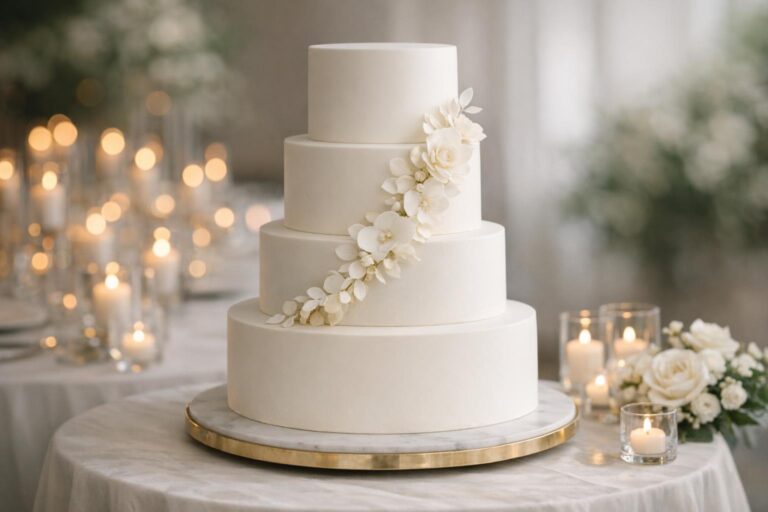
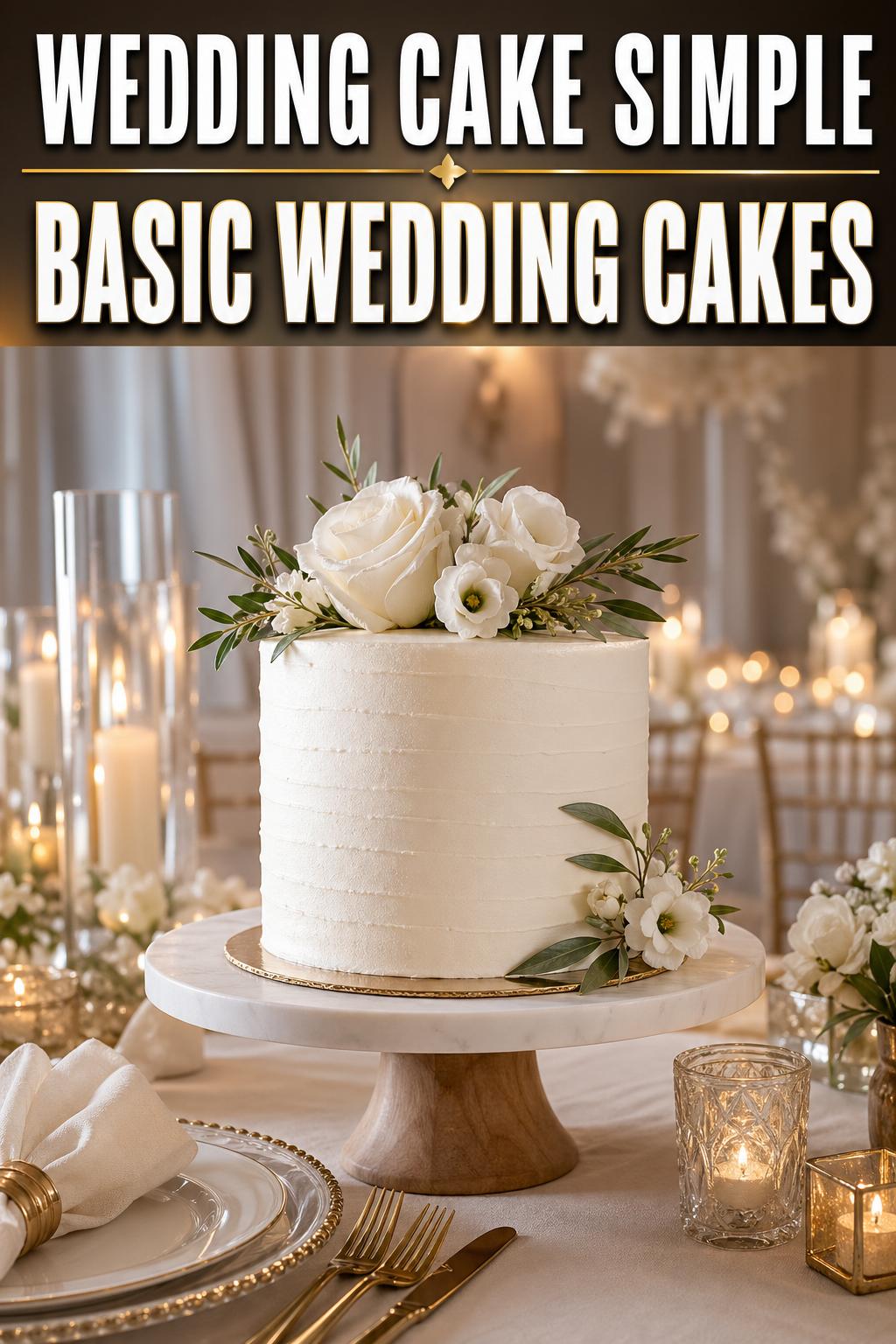
This is one of the most enduring versions of a simple wedding cake. The design relies on a restrained palette, usually white or a similarly soft neutral appearance, and allows the form of the cake to lead. Buttercream textures may be subtle and organic or almost perfectly smooth. In either case, the result feels modern, calm, and quietly luxurious.
Minimalist buttercream cakes work especially well for contemporary weddings, elegant receptions, and venues where architecture or tablescapes already make a strong visual statement. They also suit couples who want classy wedding cakes without anything too ornate.
Naked and semi-naked cakes for texture and softness
Naked and semi-naked cakes remain closely associated with rustic and laidback celebrations. Their charm comes from visible texture and a more relaxed finish. A semi-naked cake offers a little more polish, while a fully naked style feels more casual and organic.
These cakes are often chosen for receptions where natural surroundings, warm lighting, and an easygoing atmosphere are part of the romance. They can look especially fitting in intimate weddings, outdoor gatherings, and settings where the couple wants the dessert table to feel approachable rather than formal.
That said, this style is not ideal for every event. If the rest of your wedding is highly formal or very sleek, a naked cake may feel disconnected from the overall visual language. In those cases, semi-naked finishes or soft buttercream texture often bridge the gap more gracefully.
Smooth fondant with restrained accents for classic elegance
Smooth fondant has a distinct appeal in the simple cake world because it creates especially clean lines. For couples drawn to classic wedding style, this approach can feel timeless. The decoration is usually limited to one or two details, such as a ribbon, a few florals, or a refined metallic accent.
Among basic wedding cakes, this is often the version that reads most formal. It is not busy, but it is polished. If your reception includes a traditional cake-cutting moment and you want the dessert to look crisp in photographs, smooth fondant is one of the clearest ways to achieve that effect.
Design ideas that make a simple cake feel special
The beauty of a simple cake is that tiny choices create real impact. Instead of adding many layers of decoration, focus on one design idea and let it carry the mood.
- A minimalist white cake with almost no adornments for a serene, contemporary reception
- A buttercream texture cake that adds movement without overwhelming the design
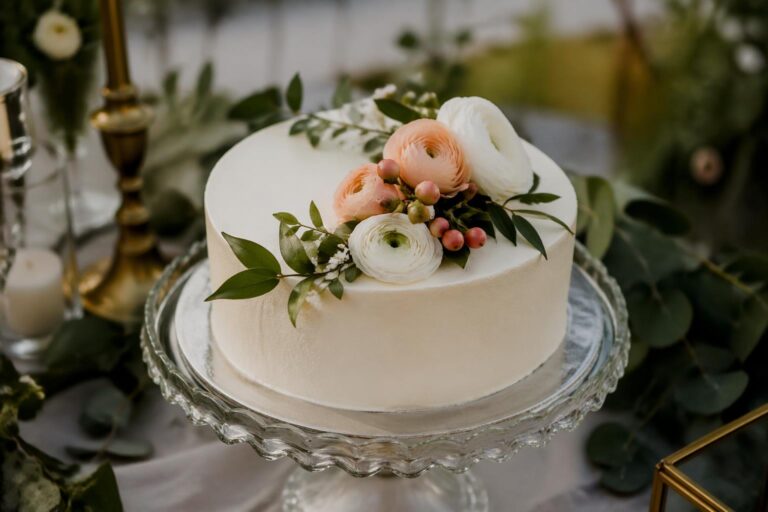
- A semi-naked cake paired with soft florals for a romantic, laidback wedding
- A smooth fondant cake finished with a ribbon for classic simplicity
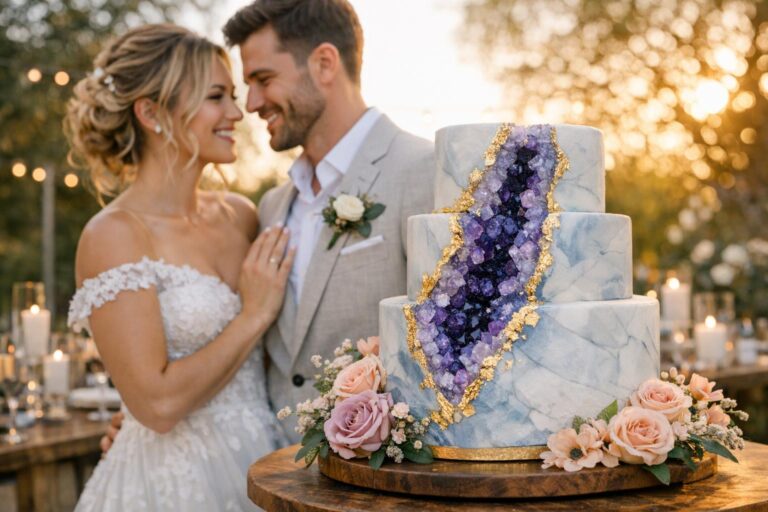
- A single metallic accent used sparingly to elevate an otherwise understated design
- A one-tier cake styled beautifully on a small display table for an intimate celebration
- A compact tiered cake with fresh greenery to connect it to the surrounding decor
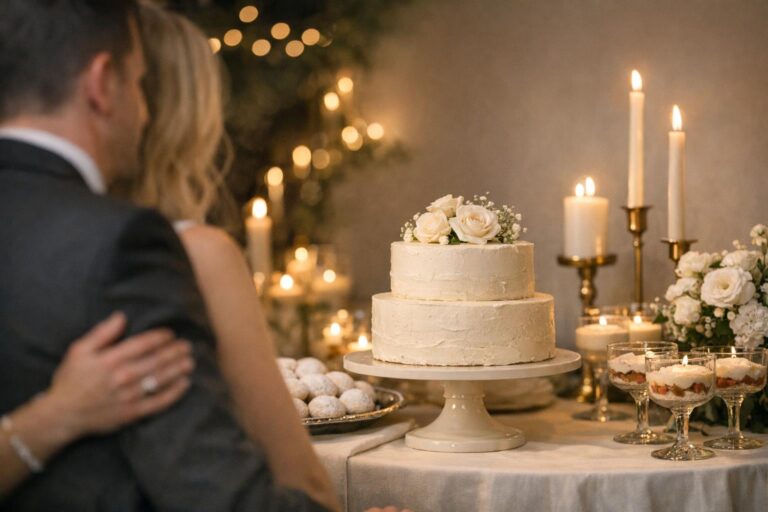
- A white cake with subtle textural variation that catches candlelight during the reception
What these ideas share is restraint. Each one uses texture, finish, or one small embellishment to create character. If you are choosing between several options, ask which version feels most aligned with your venue, floral style, and overall level of formality. That answer usually leads you to the right design faster than chasing trends alone.
Small wedding cakes and 1 tier wedding cakes for intimate celebrations
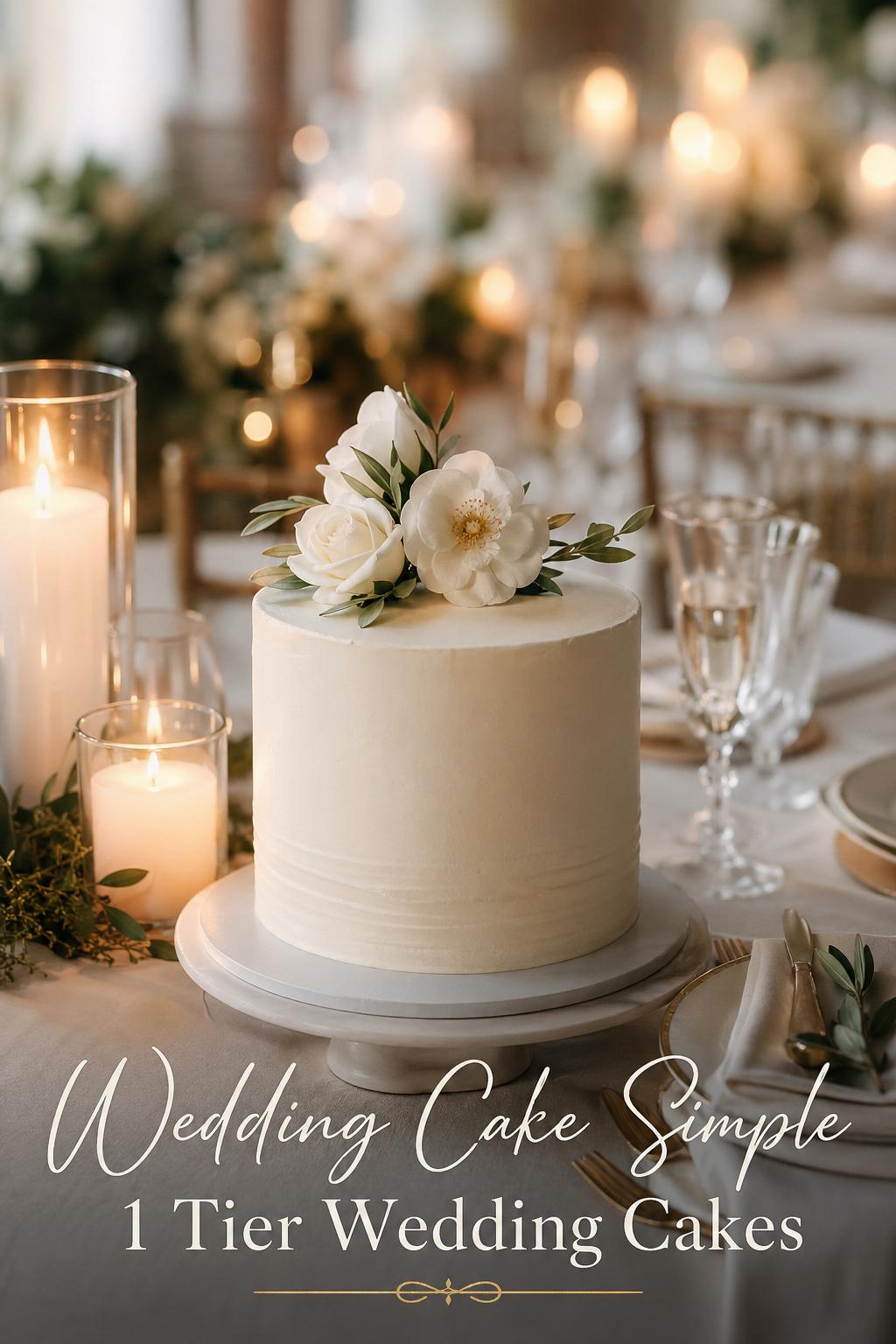
There is something especially charming about small wedding cakes. They feel personal, intimate, and often more style-forward because every detail is visible. For cocktail-style celebrations, elopement-like receptions, and smaller guest counts, 1 tier wedding cakes are not a compromise. They are often the most natural fit.
A one-tier design allows you to focus on finish and decoration rather than structure. Ribbon accents, florals, delicate texture, or a beautifully smooth buttercream surface can all stand out more on a smaller scale. These cakes are ideal when the cake is a meaningful ritual piece but not necessarily the primary dessert for a large crowd.
When a single tier works best
Single-tier cakes are most successful when the wedding itself feels intimate or edited. They suit dinner-party receptions, smaller ceremonies, and celebrations where the overall styling is clean and intentional. They also work well when couples want a beautiful cake for the cutting moment but prefer a more streamlined dessert approach.
The research around top cake inspiration repeatedly connects one-tier cakes with aesthetic impact and practical serving awareness. In other words, they are not only cute. They are useful. For a small guest list, a compact cake often feels proportionate to the event in a way that a larger tiered structure does not.
Designing for 6 to 8 servings without losing elegance
A cake sized for 6 to 8 servings can still feel ceremonial. The key is presentation. Place it on a well-styled table, coordinate the cake finish with your linens or florals, and treat it as part of the reception decor. A small cake with beautiful texture and thoughtful placement can carry as much visual romance as a larger one.
This is also where classy wedding cakes and small wedding cakes overlap so well. Elegance is not created by size alone. It comes from balance, scale, and confidence in the design choices.
Buttercream, fondant, and texture: choosing the finish that suits your day
Many couples begin with shape or decoration, but finish is often the more important decision. The finish controls the cake’s mood. It also influences how formal, relaxed, or modern the cake appears from a distance and in photographs.
Buttercream for softness and movement
Buttercream is one of the most versatile finishes for a simple wedding cake. It can be smoothed for a refined look, or lightly textured for a more relaxed, artisanal feeling. In minimalist and rustic styles alike, buttercream textures are repeatedly favored because they add interest without needing extra decoration.
For couples torn between polished and approachable, buttercream is often the easiest middle ground. It can feel elegant enough for a formal reception while still retaining a softness that suits a romantic setting.
Fondant for clean lines and restraint
Fondant is especially effective when your goal is a crisp, minimalist profile. Smooth fondant can make even basic wedding cakes look refined because the surface is so controlled. It pairs beautifully with restrained accents and works well when the wedding aesthetic is classic, tailored, or highly edited.
If you are envisioning a simple white cake with one ribbon, a subtle metallic touch, or a few carefully placed florals, fondant often enhances that level of precision.
Texture as decoration
One of the smartest design lessons in the world of simple cakes is that texture can replace decoration. Gentle ridges in buttercream, a softly imperfect semi-naked finish, or a subtle patterned surface can do the work of more elaborate embellishment. This keeps the cake feeling quiet but not empty.
For couples who want understated wedding style, texture is often where the romance lives. It adds depth without noise.
Fresh florals, ribbons, greenery, and metallics without overdoing it
The supporting details in a simple wedding cake should feel like punctuation, not paragraphs. That is why florals, greenery, ribbons, and metallic accents work best in small, considered amounts.
- Fresh florals bring softness and connect the cake to bouquets or reception arrangements.
- Greenery can make a white cake feel organic and visually tied to the venue.
- Ribbons introduce structure and can reinforce a classic, timeless mood.
- Metallic accents add a hint of formality and are often most effective when used sparingly.
If your decor is already floral-heavy, a ribbon or soft buttercream texture may be enough. If your wedding style is minimalist, a single floral placement can create just the right amount of movement. If your reception leans classic, a smooth fondant finish with restrained metallic detail can feel especially elevated.
Tip: match the embellishment to the atmosphere, not just the cake
A common planning mistake is choosing cake decoration in isolation. The better approach is to consider the room. In a modern venue, clean lines and minimal accents often feel right. In a rustic setting, a semi-naked finish and soft florals may feel more natural. In an elegant ballroom-style reception, smooth fondant and refined detailing can create stronger harmony.
Choosing between minimalist, rustic, and classic for your venue
Venue alignment is one of the most practical yet overlooked parts of choosing a simple wedding cake. The cake will live inside a larger visual story, so it should reflect the same tone as the ceremony and reception spaces.
For modern venues
Minimalist white buttercream or smooth fondant cakes usually feel strongest in clean, contemporary settings. These designs echo structured interiors, neutral palettes, and uncluttered tablescapes. They also tend to look especially striking in photographs because their silhouettes remain clear against modern backdrops.
For rustic or laidback celebrations
Naked and semi-naked cakes naturally belong here. Their texture-forward finish feels relaxed and inviting, which complements weddings centered on warmth rather than formality. Florals and greenery often make more sense than metallic accents in these settings.
For timeless, traditional receptions
Classic simple cakes often rely on smooth surfaces, balanced proportions, and one refined decorative element. This style works beautifully when the wedding includes a traditional cake-cutting moment and a reception that leans polished rather than casual.
For couples deciding between styles, imagine the cake in the actual room rather than on its own. A beautiful design can still feel slightly wrong if it speaks a different visual language from the venue.
Flavor, ingredients, and dietary-friendly choices within a simple design
Simple design does not mean limited flavor. In fact, one reason these cakes remain so appealing is that the exterior can stay restrained while the inside feels personal. The research around top-performing content also points to flavor profiles and ingredient decisions as an important part of the planning conversation, especially when couples want beauty and practicality together.
Vanilla, almond, and fruit fillings are all aligned with the clean, elegant feeling many couples want from a simple cake. These flavors tend to support the aesthetic rather than distract from it. They feel familiar, celebratory, and easy to pair with many wedding styles.
Dietary considerations also deserve a place in the decision. Gluten-free, dairy-free, or nut-free needs can absolutely be incorporated into simple wedding cakes. Because the design language is already focused on restraint, dietary-friendly versions often adapt naturally within minimalist, buttercream, or smooth-finish styles. The key is to discuss these needs early so the cake’s look and structure remain consistent with your vision.
Tip: keep the outside simple, personalize the inside
If you are torn between visual simplicity and wanting the cake to feel distinctive, let the interior carry some of that personality. A clean exterior paired with a favorite filling or meaningful flavor profile can give you both elegance and emotional connection without complicating the design.
Budget, servings, and why simple does not always mean inexpensive
One of the most useful planning realities to understand is that a simple wedding cake may look effortless, but that does not automatically make it cheap. Clean lines, balanced proportions, and polished finishes often depend on precision. Simplicity can reduce certain decorative costs, yet a beautifully executed cake still reflects skill.
That said, couples often gain more control with simple designs. Decorative choices are clearer, serving strategy is easier to plan, and one-tier or small-format options can offer a practical route for intimate celebrations. The strongest approach is to think in terms of value rather than assuming less decoration always means a low price.
- Smaller guest counts often pair well with one-tier or small wedding cakes.
- A simple finish can shift the budget away from heavy embellishment and toward quality execution.
- Servings should guide size decisions before you commit to a silhouette.
- A compact ceremonial cake can still be visually meaningful for the cake-cutting moment.
Practical serving notes matter because scale changes the visual feeling of the cake. A design that feels elegantly minimal at one size can feel too sparse at another. This is why discussing guest count and servings early is so important in the planning process.
A few location and vendor cues couples often consider
While many cake inspiration galleries are not strongly location-driven, there are hints throughout wedding coverage that regional style can shape preferences. Cities such as Los Angeles, New York, and Chicago are often associated with distinct tastes and bakery ecosystems, and minimalist wedding cake designers or regional bakeries may interpret “simple” in slightly different ways.
For example, one couple may be drawn to a laidback, texture-forward style that feels at home in a relaxed setting, while another may prefer a sharper, more polished finish that suits a city reception. The useful takeaway is not that one location dictates one look, but that local bakery style and wedding culture can influence what “simple” means in practice.
If you are exploring inspiration from publications like The Knot, PureWow, or Junebug Weddings, pay attention to how often the cake design reflects the broader setting and mood. That is often more informative than the cake alone.
How to make a basic wedding cake feel editorial, not ordinary
Basic wedding cakes become beautiful when they are styled with intention. The cake itself may be modest, but the presentation can transform it into one of the reception’s most memorable details. Think about table linens, florals, cake stand height, lighting, and the space around the display.
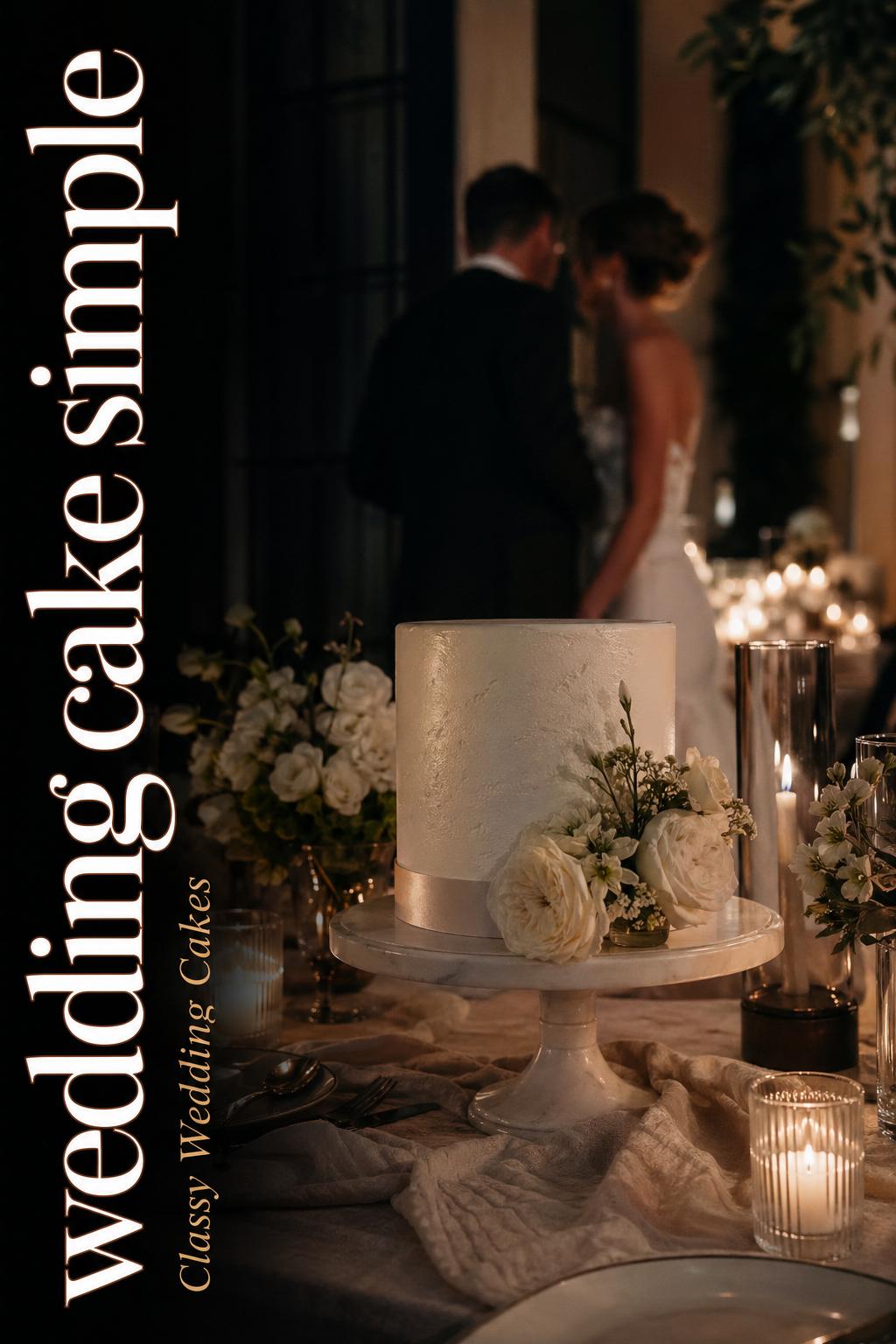
A simple white cake under soft reception lighting often looks more luxurious than a more decorated cake placed in a cluttered corner. Likewise, a small one-tier cake framed by candles or coordinated florals can feel deeply romantic. The lesson is simple: the display environment matters almost as much as the cake design.
A styling mindset worth borrowing
Instead of asking how to add more to the cake, ask how to remove distractions around it. This is a very effective approach for classy wedding cakes because it keeps the visual focus on shape, finish, and emotion. In many real wedding settings, that quiet confidence is exactly what makes the cake feel elevated.
Common mistakes couples make with simple wedding cakes
Simple cakes require editing, and editing can be harder than adding more. A few thoughtful checks can prevent disappointment later.
- Choosing a style that does not suit the venue or reception mood
- Assuming “simple” will always cost less without discussing finish and servings
- Adding too many embellishments out of fear that the cake looks plain
- Ignoring scale, so the cake feels too small or visually lost in the room
- Forgetting logistics such as delivery, refrigeration, display height, or transport conditions
One of the most frequent mistakes is losing confidence midway through the design process. A cake that begins as minimalist sometimes becomes cluttered because the couple worries it will not feel special enough. In practice, the opposite often happens. The cleanest version usually has the strongest point of view.
Planning details that matter on the wedding day
Even the most beautiful cake has to function well in real life. Delivery, setup, refrigeration, and venue conditions all affect how smoothly the experience unfolds. This is especially important for outdoor events, warm-weather celebrations, and receptions where the cake will be displayed for a while before cutting.
A simple cake can be easier to manage visually, but logistics still matter. Display height should allow the design to be seen clearly. Transport should protect the finish. If the reception is outdoors, keeping the cake chilled and timing the setup carefully can help preserve the look of buttercream or other delicate finishes.
Tip: think about the cake-cutting photo before finalizing the display
The cake-cutting moment is one of the most photographed parts of the reception. Make sure the display table, surrounding decor, and backdrop support the style of the cake. A simple cake benefits from a little visual breathing room, so the details that do exist can actually be seen.
Real-life ways couples use simple cakes today
Picture a small evening reception where a one-tier cake with soft buttercream texture sits beside candlelight and greenery. The guest count is modest, the room is intimate, and the cake feels exactly right. Now imagine a larger modern wedding with a smooth white tiered cake and almost no decoration, allowing the architecture of the venue and the styling of the room to shine. In both cases, the cake is simple, but the effect is very different.
This is why “simple wedding cake” is less a single look than a design philosophy. It is about knowing where to place emphasis. Sometimes that means texture. Sometimes it means scale. Sometimes it means a single floral accent or a compact silhouette. The most successful cakes are the ones that understand their role in the overall celebration.
Finding the right simple wedding cake for your celebration
If your wedding style is still coming into focus, start with the broad questions first. Is the day leaning minimalist, rustic, or classic? Is your guest count intimate or large? Will the cake be a centerpiece, a symbolic detail, or one part of a broader dessert plan? These answers naturally guide you toward the right size, finish, and level of decoration.
For many couples, the ideal choice is not the most dramatic one. It is the one that feels in harmony with the ceremony, the reception, and the emotional tone of the day. A simple wedding cake can be elegant with no topper, romantic with almost no color, and striking with only one carefully chosen detail. That quiet beauty is exactly why it continues to resonate.
In the end, the best cake is the one that feels like a natural extension of your wedding rather than an isolated trend. Whether you choose a minimalist buttercream design, a semi-naked texture-forward cake, smooth fondant with restrained accents, or a beautifully styled one-tier centerpiece, simplicity offers something many couples are truly looking for: ease, grace, and a sense that nothing extra is needed to make the moment feel unforgettable.
FAQ
What makes a wedding cake simple?
A simple wedding cake is usually defined by a clean silhouette, a restrained finish, and minimal ornamentation. Rather than relying on many decorative elements, it uses texture, proportion, and one or two thoughtful details to create an elegant look.
Can a simple wedding cake still look elegant without a topper?
Yes, a simple cake can look very elegant without a topper, especially when the finish is beautiful and the proportions are balanced. Smooth fondant, refined buttercream texture, or a single floral or ribbon detail can provide enough visual interest on their own.
Are 1 tier wedding cakes suitable for weddings?
Yes, 1 tier wedding cakes are an excellent choice for intimate weddings, cocktail-style receptions, and smaller guest counts. They also work well when couples want a stylish cake for the cutting moment without committing to a larger tiered design.
Do small wedding cakes feel less special than large cakes?
No, small wedding cakes can feel just as meaningful when they are well designed and thoughtfully displayed. Presentation, finish, and how well the cake fits the scale of the celebration often matter more than size alone.
Is buttercream or fondant better for a simple wedding cake?
Both can work beautifully, but they create different moods. Buttercream often feels softer and more romantic, especially with light texture, while fondant creates cleaner lines and a more polished, classic appearance.
How do I keep a simple cake chilled for an outdoor wedding?
For outdoor events, it helps to keep the cake chilled until closer to display time and to coordinate setup carefully with the venue or baker. This is especially important for delicate finishes like buttercream, which can be affected by warm conditions and long display periods.
Do basic wedding cakes usually cost less?
Not always. A basic wedding cake may have fewer decorations, but clean finishes and balanced design still require skill. Cost often depends on size, servings, finish, and execution rather than decoration alone.
What styles are most common for simple wedding cakes?
The most common styles are minimalist white buttercream cakes, naked or semi-naked cakes, and smooth fondant cakes with restrained accents. These styles appear repeatedly because they suit many wedding aesthetics and photograph beautifully.
Can a simple wedding cake include dietary-friendly options?
Yes, dietary-friendly options such as gluten-free, dairy-free, or nut-free choices can be incorporated into a simple cake design. Because simple cakes often rely on clean finishes and minimal decoration, they can adapt well to these needs when planned early.