Why Plain Wedding Cake Is the Chicest Choice Now
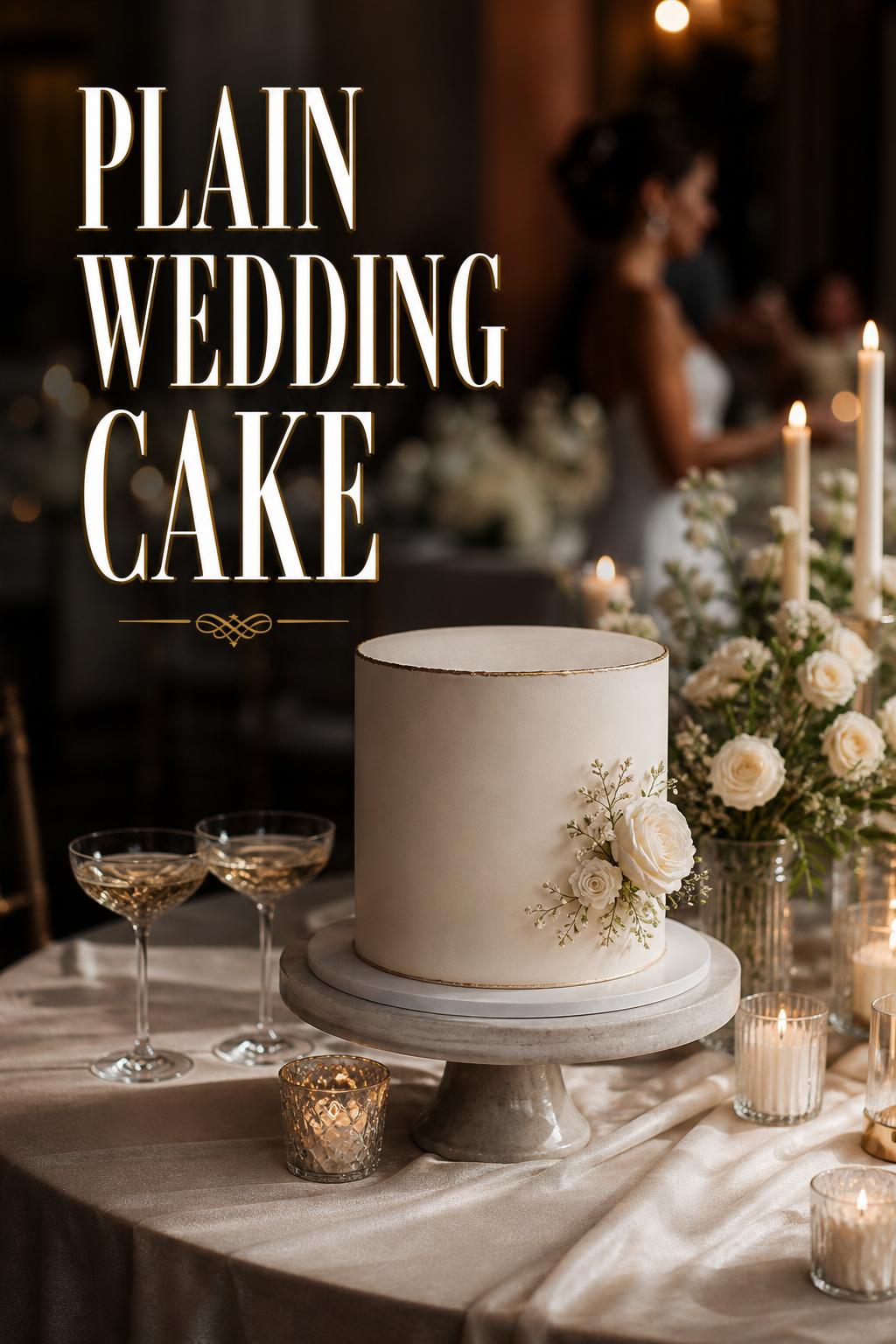
The most memorable wedding details are often the quietest ones. A plain wedding cake, finished in soft white buttercream or smooth fondant, can feel more romantic than an elaborate design because it leaves room for mood, setting, and meaning. In a candlelit ballroom, at a coastal reception, or during an intimate garden dinner, a simple white cake becomes part of the atmosphere rather than competing with it. That is exactly why minimalist wedding cake styles continue to feel timeless: they are elegant, adaptable, and deeply personal.
For many couples, choosing a plain wedding cake is not about doing less. It is about choosing restraint with intention. The right finish, flavor, filling, and subtle decoration can turn a plain vanilla wedding cake into a refined centerpiece that feels fully considered. Whether you are drawn to white buttercream wedding cake ideas, a smooth fondant silhouette, or a semi-naked cake with a softer texture, the beauty is in the balance between simplicity and celebration.
What a plain wedding cake really means
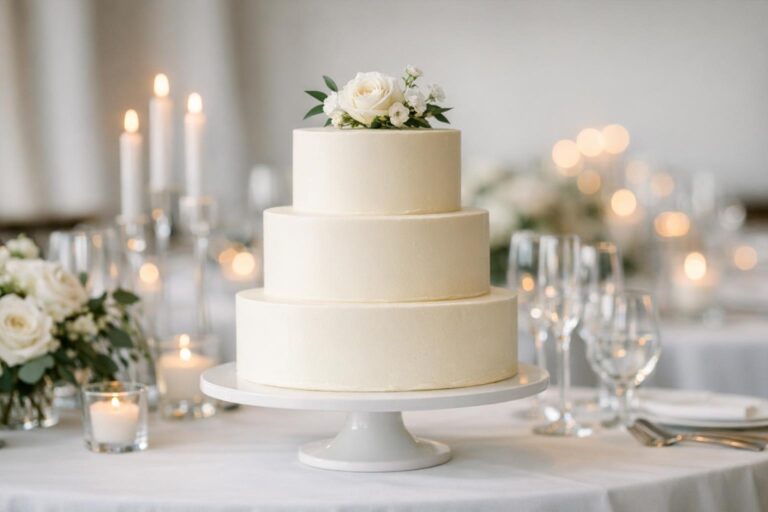
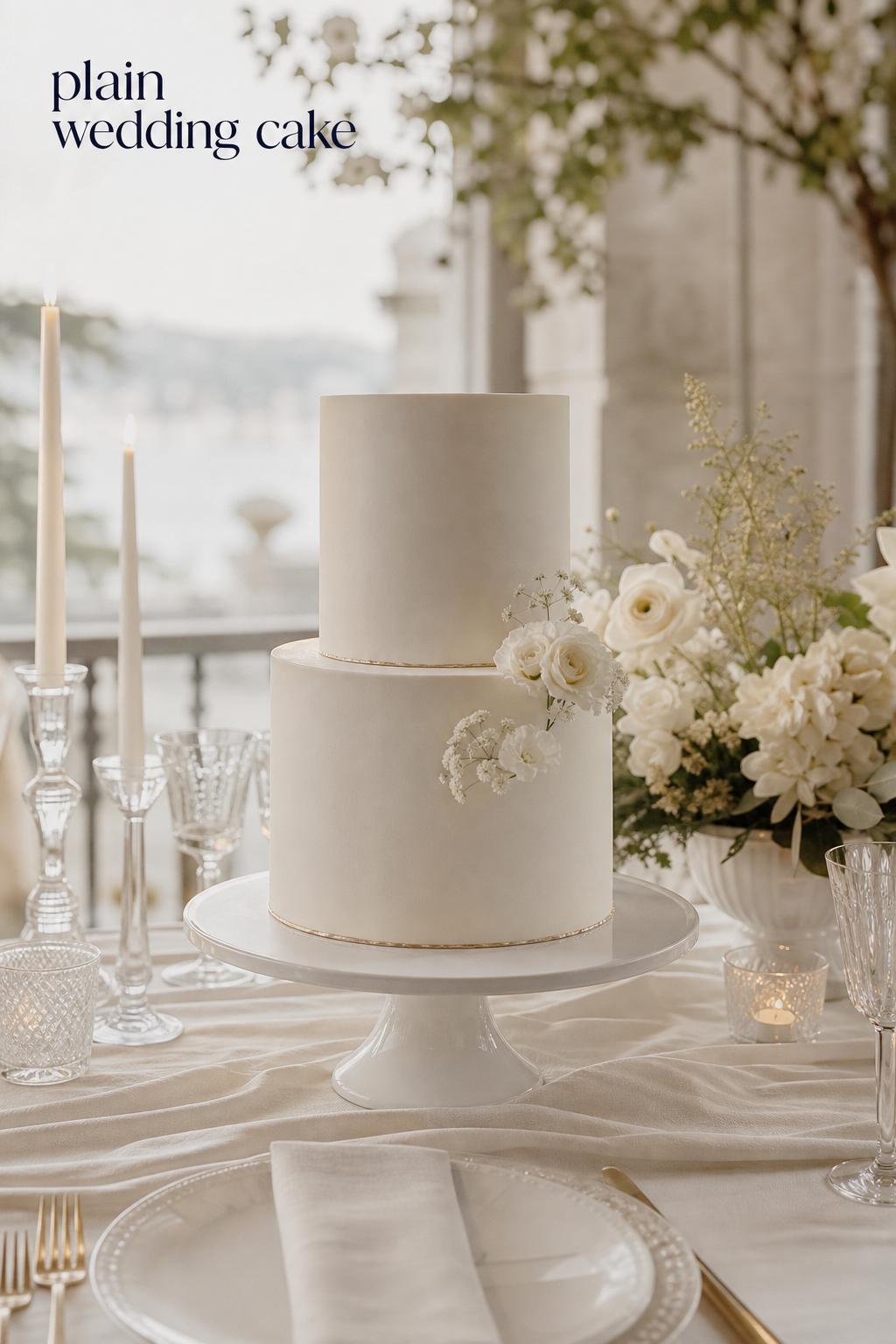
In wedding planning, “plain” rarely means plain in the ordinary sense. It usually refers to a cake with minimal ornamentation, a restrained color palette, and a clean finish. Most often, that means an all-white or ivory cake with buttercream frosting, fondant, or a lightly textured exterior. A plain wedding cake may be two-tier, three-tier, or even a single-tier design for a smaller event, but its defining quality is simplicity of presentation.
This style is closely connected to the white wedding cake tradition, yet it also overlaps with modern minimalism. A cake can be plain because it has no heavy floral cascade, no dramatic sugar work, and no bold color blocking. It can also be plain because its design lets craftsmanship speak quietly through sharp edges, smooth surfaces, delicate piping, or subtle texture.
Turn wedding inspiration into a plan you can actually follow.
Zarellea brings your guest list, budget, vendors, and day-of details into one shared space — so no beautiful idea gets lost in the shuffle.
Wedding media such as The Knot and WeddingWire have helped shape how couples understand this look: not as a compromise, but as a canvas. In the same spirit, bakeries known for polished celebration cakes, including brands like The Hummingbird Bakery, often show how a simple white finish can be elevated through proportion, flavor, and detail rather than visual excess.
The emotional appeal of a simple white cake
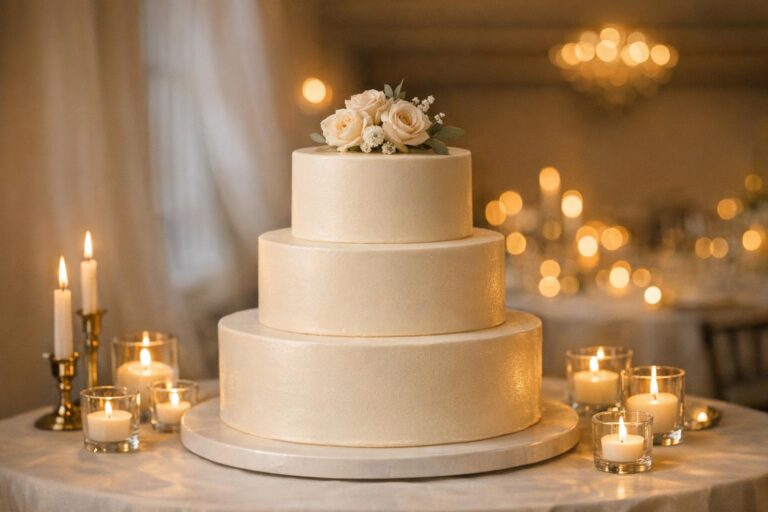
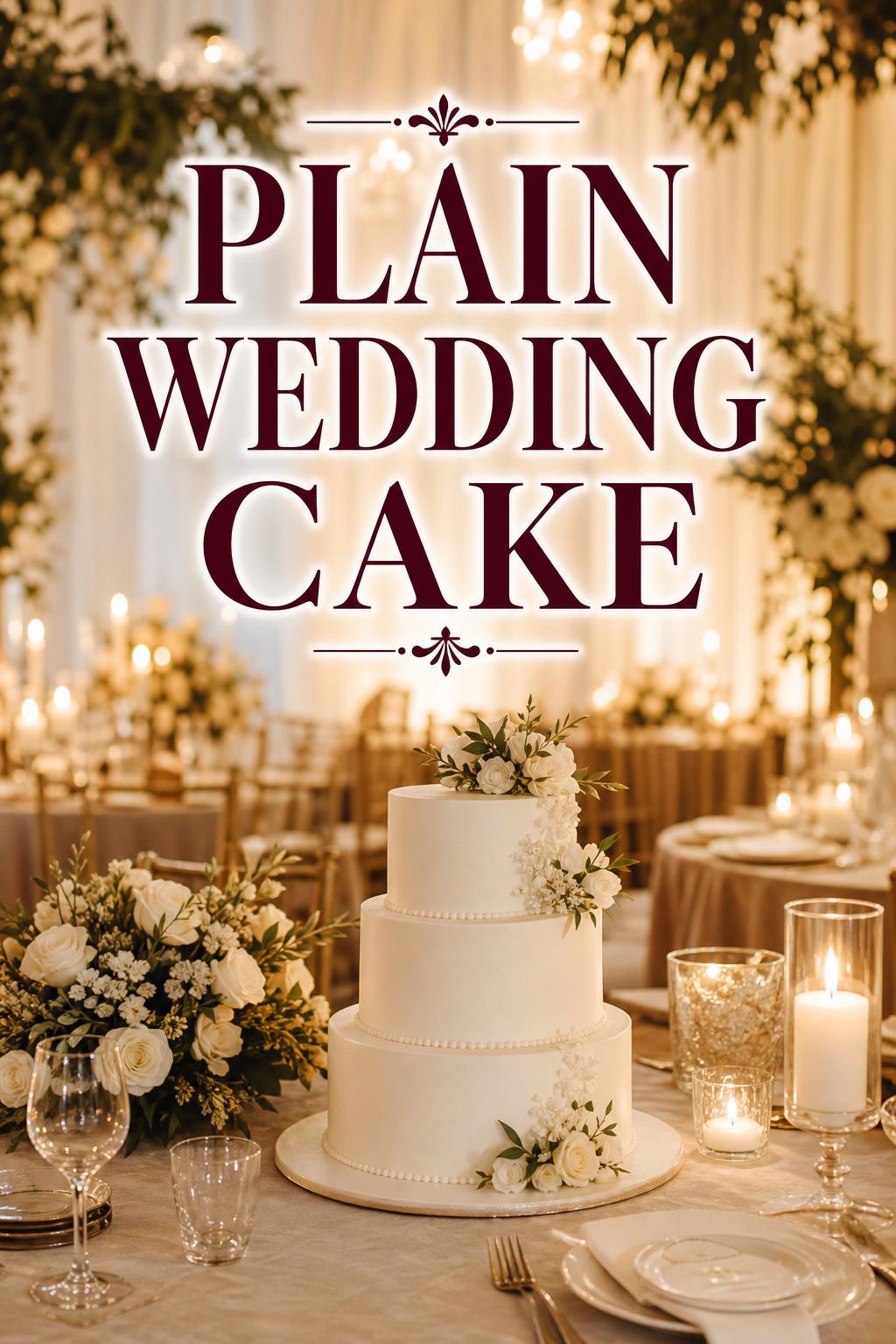
There is something quietly cinematic about a plain wedding cake arriving at the reception. Against flowers, candlelight, linen, and glassware, the softness of white becomes striking. A minimalist wedding cake design works especially well because weddings are already layered with visual moments: the dress, the tablescape, the ceremony flowers, the room itself. A simpler cake can steady the whole aesthetic.
This is also why plain cakes work across so many wedding themes. In a luxury setting, they feel tailored and architectural. At a garden wedding, they feel airy and romantic. For a modern celebration in California, New York, or Texas, they can read as current and fashion-aware. For a more traditional reception, they still honor the familiar elegance many couples want from a wedding cake moment.
Emotionally, a plain cake often suits couples who want their wedding to feel calm, intimate, and considered. It does not ask for attention in a loud way. It invites guests to come closer, to notice the smooth buttercream, the vanilla bean flecks, the quiet piping around each tier, or the way fresh florals echo the bouquet. That subtlety is often what makes it memorable.
Choosing the finish that defines the look
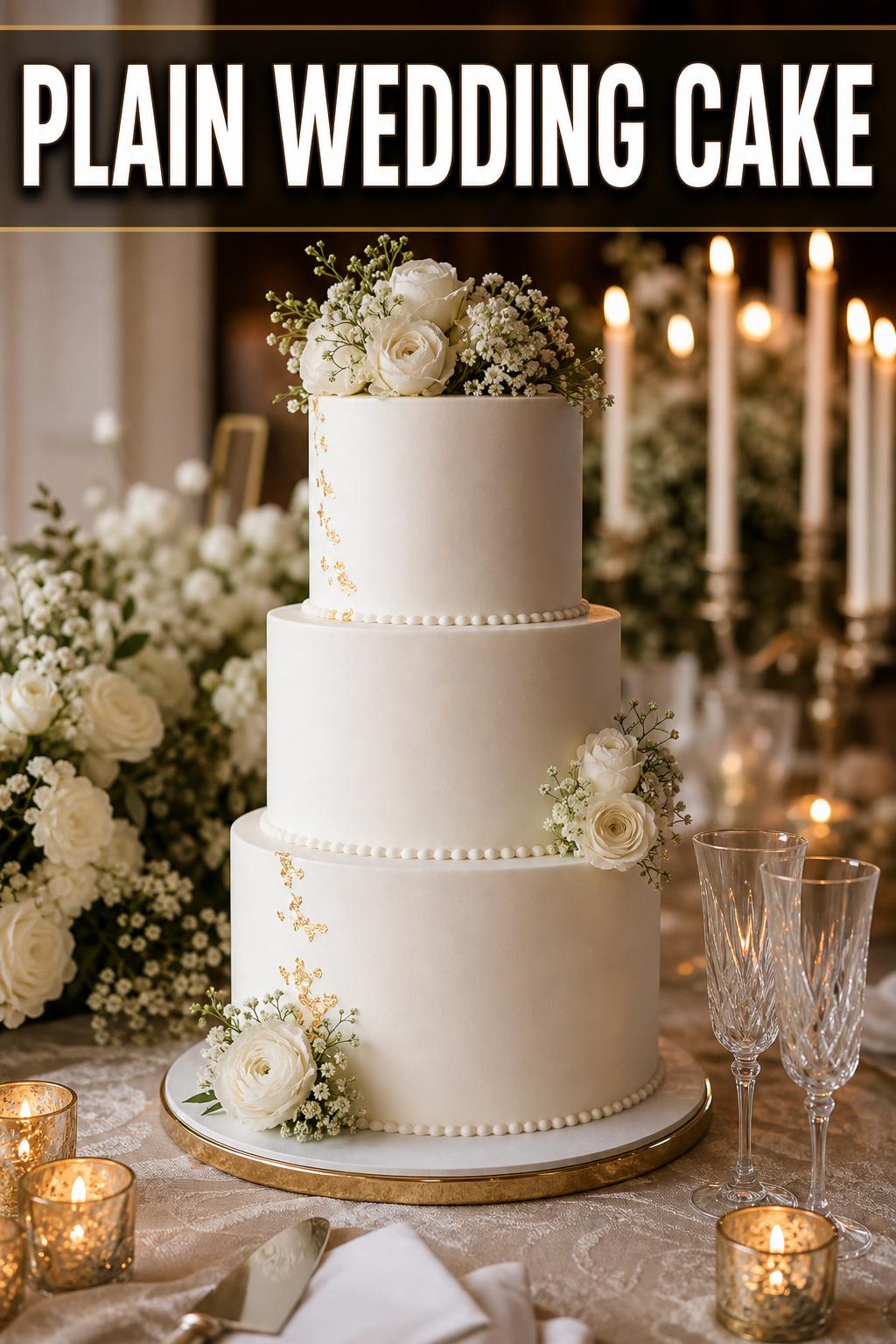
The exterior finish is the single biggest design decision for a plain wedding cake because it shapes how formal, soft, or modern the cake feels. Couples sometimes focus first on decoration, but the finish creates the foundation. Before discussing flowers, toppers, or metallic accents, it helps to decide whether the cake should feel polished, textured, airy, or organic.
Smooth fondant for a crisp, formal silhouette
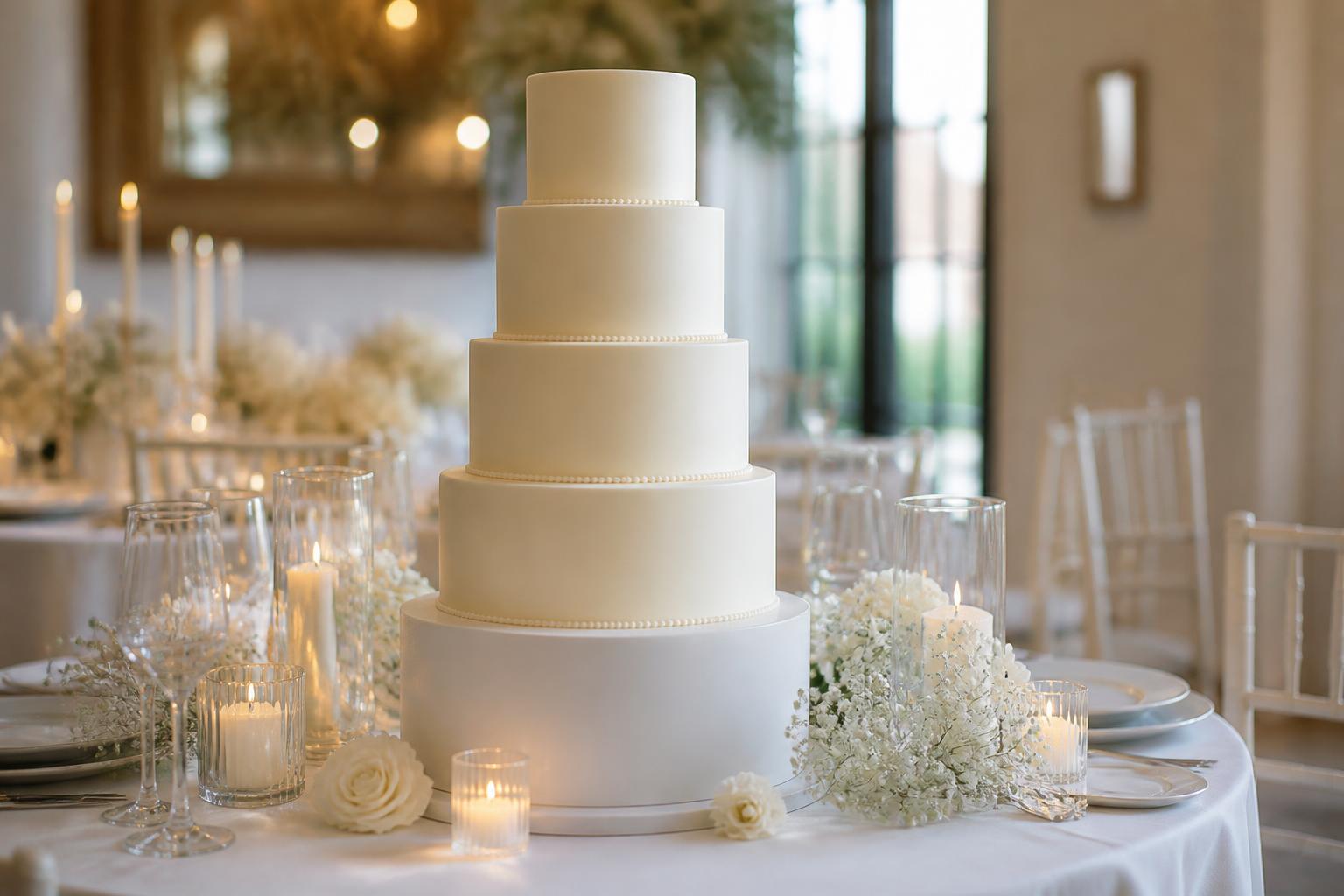
A smooth fondant cake is often the clearest expression of a minimalist wedding cake. It creates clean lines and a refined surface that photographs beautifully, especially in structured venues or formal receptions. If your wedding style leans toward modern elegance, black-tie dressing, or architectural décor, a plain fondant finish can feel especially cohesive.
The trade-off is that fondant gives a more polished appearance than an organic one. Couples who want softness or visible hand-finished texture may prefer buttercream instead. Still, for sharp edges, understated luxury, and a pure all-white wedding cake look, fondant remains a strong choice.
Buttercream for warmth and softness
A plain buttercream cake has a more romantic presence. Even when it is smoothed to a neat finish, buttercream tends to feel less strict than fondant and more inviting on the dessert table. It pairs beautifully with candlelit receptions, floral-heavy designs, and celebrations that blend elegance with warmth.
Buttercream also gives bakers room to create subtle visual interest without disrupting the plain look. A lightly textured finish, a whisper of horizontal lines, or a soft palette that stays within white and ivory can make the cake feel artisanal rather than stark.
Naked and semi-naked styles for a softer, less formal mood
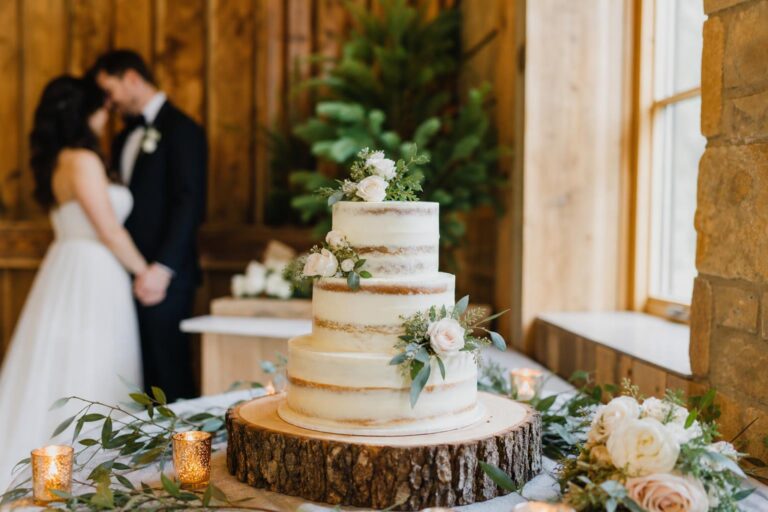
Naked cake and semi-naked cake styles sit slightly outside the classic all-white category, but they often appear in the same conversation because they share a minimalist sensibility. A semi-naked finish shows a little of the cake beneath a thin layer of frosting, while a naked cake reveals the layers more fully. Both styles can feel relaxed, contemporary, and especially fitting for outdoor weddings.
These styles are not always the best match for every setting. In a highly formal ballroom, they may feel too casual. In warm weather or during long receptions, they also require careful planning because the exposed finish changes the look and structure over time. But for couples drawn to an understated, natural aesthetic, they can be beautiful alternatives to a fully frosted cake.
Delicate piping and subtle texture for understated detail
One of the smartest ways to keep a cake plain without making it feel blank is to add restrained texture. Delicate piping, soft ridges, or a lightly patterned buttercream finish can create movement while preserving the white-on-white look. This is a useful middle ground for couples who want simplicity but do not want a completely flat surface.
Texture also helps a cake feel more integrated with romantic wedding styling. It connects especially well with lace-inspired décor, tailored table linens, or floral arrangements that have natural shape and softness.
Popular plain wedding cake styles that always feel relevant
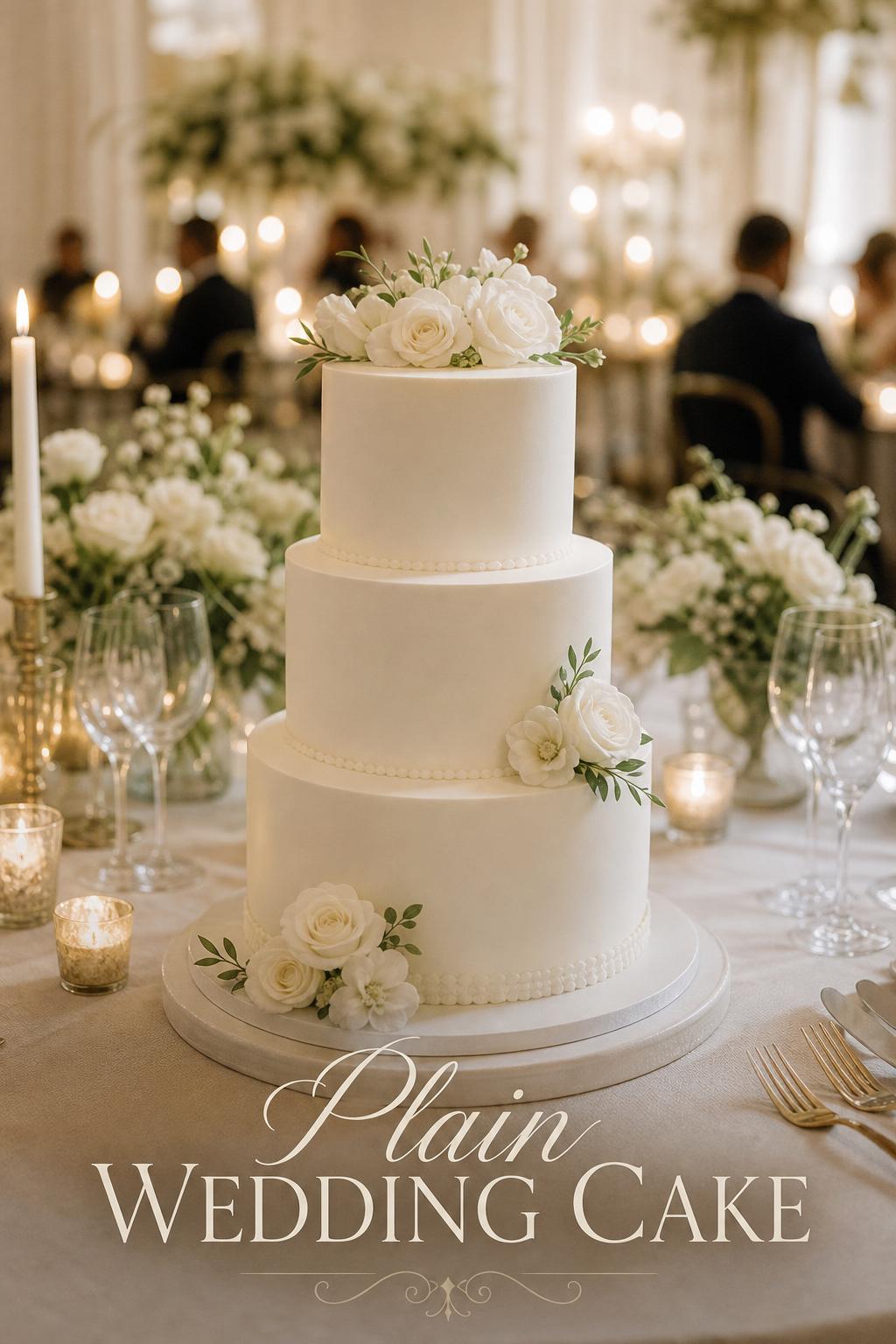
Although the category sounds narrow, there are several distinct ways to interpret a plain wedding cake. The most successful designs match the wedding’s atmosphere rather than following one rigid formula.
- A fully white buttercream cake with smooth sides for timeless elegance
- A smooth fondant cake with sharp edges for a clean, modern statement
- A white buttercream cake with delicate piping for a softly traditional look
- A textured white cake with subtle horizontal or hand-finished movement
- A semi-naked cake for a more relaxed, contemporary celebration
What makes these styles enduring is their flexibility. A couple hosting a city reception in New York may favor a sleek fondant profile. A garden wedding in California may lean toward textured buttercream and flowers. A larger celebration in Texas may call for a multi-tier white cake that looks simple from afar but reveals thoughtful detail up close.
Flavor matters more than the exterior suggests
A common mistake is assuming a white exterior should limit the flavor inside. In reality, one of the strengths of a plain wedding cake is that it allows flavor to surprise guests. The outside remains elegant and restrained, while the interior can carry personality through vanilla bean, almond, citrus, or berry notes.
This is especially useful for couples who want the cake to feel classic without being forgettable. A plain white wedding cake can still have nuance, and guests often remember that moment of contrast: a simple white slice that reveals fragrant vanilla bean, almond pastry cream, or lemon curd layered between delicate sponge.
Classic vanilla bean as the timeless anchor
Vanilla bean is often the natural starting point for a plain wedding cake because it aligns so beautifully with the visual language of white and ivory. It feels familiar, elegant, and widely loved. But a good vanilla bean cake is not generic. The depth of flavor, the quality of the buttercream frosting, and the balance of sweetness all matter.
For weddings with diverse guest lists, vanilla bean can also be the easiest choice to serve confidently. It suits both traditional expectations and minimalist styling, which is why it remains central to many plain vanilla wedding cake ideas.
Almond for a refined, bakery-style finish
Almond cake or almond buttercream filling adds a slightly more distinctive note while still feeling restrained. It pairs well with white exteriors because the flavor is subtle rather than overpowering. If you want the cake to feel classic but not predictable, almond is often a graceful direction.
This option can be especially lovely in a formal reception where the cake is meant to feel elegant from first look to final slice. It has the same polished mood as a white wedding cake, but with a touch more identity.
Lemon curd for brightness beneath a quiet design
Lemon curd gives a plain cake a brighter, fresher profile. It works beautifully in spring and summer weddings, and it can make a white cake feel lighter on the palate. For couples planning a garden ceremony or an outdoor reception, this filling often mirrors the atmosphere: bright, romantic, and airy.
Because the exterior remains simple, lemon curd does not feel visually disconnected from the design. It simply adds a gentle lift when the cake is served.
Berry buttercream for a soft contrast
Raspberry buttercream or another light berry filling can bring a delicate contrast to a plain white cake. This is often enough color and flavor drama for couples who want a classic look without a one-note taste experience. The key is proportion. A berry filling should support the cake, not overpower the clean elegance of the exterior.
When paired with subtle florals or a lightly textured buttercream finish, berry notes can feel especially romantic. They add dimension while keeping the overall aesthetic calm and refined.
How to elevate a plain wedding cake without losing its simplicity
The beauty of a plain cake is that every addition matters. A single design choice can make it feel polished, romantic, modern, or overly busy. The goal is not to decorate more, but to decorate with discipline.
Let texture do the work
Soft texture is often the most elegant way to add personality to a plain wedding cake. Light buttercream ridges, refined piping, or a subtle hand-finished surface give dimension without breaking the minimalist mood. This approach works particularly well if your reception décor already includes layered details like linen, candles, or florals.
Choose florals with restraint
Fresh flowers can transform a simple white wedding cake, but restraint is essential. A single floral cluster or a few carefully placed stems usually feels more sophisticated than a heavy cascade. Flowers should echo the wedding palette and bouquet, not compete with them. If the wedding style is romantic and organic, florals can bring softness. If the style is modern and tailored, even one stem may be enough.
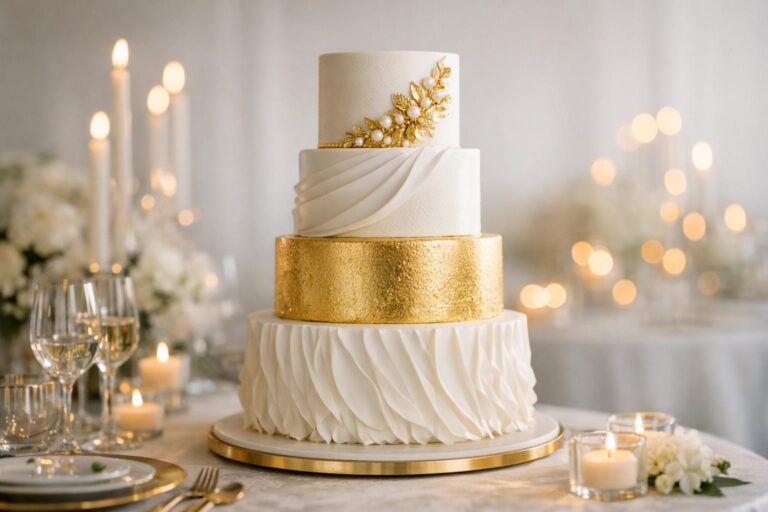
Edible decorations offer another path. Couples who prefer a cleaner look may choose edible pearls, subtle detailing, or other restrained embellishments that keep the cake cohesive from every angle.
Use metallic accents sparingly
Edible gold accents or edible silver details can lift a plain wedding cake into a more formal or luxury space. The keyword is subtle. A thin metallic line, a barely-there touch on piping, or one highlighted edge can be enough. Too much metallic work shifts the cake away from the plain aesthetic and into something more ornate.
Add personalization through a topper or monogram
Personalized toppers, monograms, and minimalist cake toppers work best when the cake itself is quiet. Because the surface is restrained, one custom element has room to feel meaningful. This is also a practical choice for couples who want the cake to reflect their identity without relying on heavy decoration.
Minimalist topper brands and custom monogram makers fit naturally into this style direction, especially for modern weddings that value clean lines and a little personality.
Where a plain cake fits beautifully into different wedding settings
A plain wedding cake is unusually versatile, but it still helps to think about venue and atmosphere. The same white cake can feel completely different depending on where it is placed, how it is lit, and what surrounds it.
In a ballroom reception, a smooth fondant finish or crisp buttercream edges usually feel strongest because they hold their own against formal décor. In a garden or outdoor celebration, textured buttercream, semi-naked layers, or flowers can create a softer transition between cake and surroundings. At a coastal wedding, all-white designs often feel especially serene, reflecting the clean openness of the setting.
For smaller weddings, a single-tier or two-tier cake can still feel complete. Minimalist design often benefits from proportion, and a smaller cake with thoughtful finish work can look more intentional than a larger cake scaled beyond the event. For bigger guest counts, some couples also use a display cake supported by additional servings elsewhere, keeping the visible design simple while meeting practical needs.
Choosing a baker who understands simplicity
Not every baker approaches plain cakes in the same way. Simplicity is revealing. When decoration is limited, finish quality, proportion, flavor balance, and structural confidence become much more visible. That is why choosing the right bakery or cake designer is one of the most important parts of the process.
Review the portfolio with a critical eye
When a baker’s portfolio includes plain buttercream cake styles, smooth fondant cakes, and white wedding cake designs, pay attention to the details rather than the overall impression alone. Look at the edges, the consistency of the finish, the scale of the tiers, and how flowers or toppers are placed. Minimalist cakes need precision. If the portfolio feels polished in simple designs, that is usually a strong sign.
Use the tasting to assess subtlety, not just flavor variety
A wedding cake tasting should not only identify your favorite flavor. It should tell you whether the baker handles restraint well. For a plain wedding cake, subtle flavors like vanilla bean, almond, lemon curd, and berry buttercream need balance. The fillings should support the sponge, the sweetness should feel controlled, and the buttercream should complement the finish you want.
During a consultation, it is useful to discuss whether you prefer the softness of buttercream frosting or the cleaner formality of fondant. The baker’s confidence in explaining those trade-offs often reveals experience.
Ask practical questions early
- How far in advance should the cake be booked?
- Which finishes hold best for your venue type and season?
- How are delivery and setup handled?
- Can the bakery accommodate minimalist toppers, florals, or metallic accents?
- What changes pricing most: servings, tiers, fillings, or finish?
These questions are especially important in larger wedding markets such as California, New York, and Texas, where lead times, style demand, and pricing can vary significantly by region and bakery reputation.
Budgeting for a plain wedding cake with realistic expectations
One of the biggest misconceptions around plain wedding cake pricing is that simple appearance always means low cost. In practice, that is not always true. A plain cake can sometimes cost less than a heavily decorated design, but it may still require considerable skill. Clean finishes, balanced tiers, smooth fondant application, and polished buttercream work demand precision.
Several factors shape the final price: the number of servings, the number of tiers, the chosen finish, the filling, the quality of ingredients, and delivery or setup logistics. Buttercream versus fondant may also affect cost depending on the bakery’s process and the level of finish required.
Regional pricing matters too. Couples planning in major metro areas may find that a plain white wedding cake carries a different baseline than the same design in a smaller market. That is why comparing style alone is rarely enough. Ask for quotes based on your actual serving count, flavor choices, and finish preferences.
Ways to stay within budget without sacrificing the look
Budget-conscious couples often do best by preserving the visible simplicity of the cake while adjusting scale, tier count, or filling complexity. Because the plain aesthetic already values restraint, this strategy can feel seamless rather than compromising.
- Choose a smaller display cake if the guest count allows flexibility
- Focus spending on finish quality rather than excessive decoration
- Select one signature filling instead of multiple custom combinations
- Use subtle texture instead of labor-heavy embellishment
- Discuss whether delivery and venue setup can be streamlined
Regional and lifestyle considerations couples often overlook
Plain cakes may look universally effortless, but the best version for your wedding depends on real-life conditions. Climate, venue access, timing, and guest expectations all affect the final decision. This is where couples benefit from moving beyond inspiration photos and thinking like planners.
In warmer settings, a buttercream cake may need more careful handling, especially during outdoor receptions. In urban venues with strict delivery windows, a baker with strong setup logistics matters just as much as design talent. In destination-style celebrations or eco-conscious events, some couples may prioritize local ingredient sourcing, sustainable packaging, or minimalist toppers that align with the rest of the wedding.
There is also room here for dietary and lifestyle considerations. Gluten-free or dairy-free adaptations may still fit beautifully into a plain cake concept if the baker is experienced with that type of structure and finish. The visual language of a simple white cake is flexible enough to support different guest needs without altering the overall atmosphere.
Thoughtful alternatives for couples who love the look of plain dessert styling
Some couples love the aesthetic of a plain wedding cake but need a broader dessert plan. In that case, the same minimalist approach can extend to sheet cakes, traybakes, or a mixed dessert table with a simple white display cake at the center. This keeps the visual identity of the wedding consistent while giving more flexibility for serving and budget.
These alternatives work especially well for larger guest counts or more relaxed receptions. The key is to keep the dessert styling coherent. If the main cake is white, soft, and understated, additional desserts should support that atmosphere rather than pulling attention in a completely different direction.
Common mistakes that can make a plain cake feel underwhelming
Minimalist design is beautiful, but it is less forgiving than many couples expect. Because there is so little visual distraction, small decisions become more noticeable. A plain cake should feel intentional, not unfinished.
- Choosing a finish that clashes with the venue style
- Assuming simple means automatically less expensive
- Adding too many accents after committing to a minimalist direction
- Ignoring how florals, toppers, or metallic details scale on the cake
- Focusing on exterior appearance without giving enough thought to flavor
Another common issue is forgetting the relationship between cake and setting. A plain white cake can feel extraordinary in the right environment, but if the stand, table styling, or placement are neglected, the result can feel visually flat. Even the simplest cake benefits from thoughtful presentation.
Tips for making a plain wedding cake feel luxurious
Luxury in wedding design often comes from confidence and restraint. A plain wedding cake can feel more elevated than a highly detailed one when every choice is intentional and cohesive.
Tip: prioritize proportion. A well-scaled cake with balanced tiers and a beautiful stand often looks more refined than a larger cake that overwhelms the table.
Tip: let one detail lead. That may be perfect buttercream texture, a crisp fondant finish, a monogram topper, or a small cluster of fresh flowers. One strong note is usually more elegant than several competing ideas.
Tip: keep the flavor just as polished as the exterior. Vanilla bean, almond, lemon curd, and light berry fillings all support the understated mood while giving the cake personality.
Tip: think about photography. White cakes can look luminous in reception images when placed with flattering light, soft linens, and a clean backdrop. Presentation is part of the design.
A realistic planning rhythm for simple cake decisions
Plain cake decisions often feel deceptively quick because the final design appears restrained. In reality, thoughtful simplicity still requires planning. Couples usually benefit from deciding early on the broad style direction: buttercream, fondant, naked, or semi-naked. From there, flavor selection, baker consultation, and practical details become much easier.
A helpful rhythm is to begin with the wedding’s atmosphere first. Is the day romantic, modern, garden-inspired, luxury, or quietly traditional? Then choose the finish that reflects that mood. After that, flavor and filling can add character, and the final decorative touch can be kept very small. This sequence often prevents overdesign because it keeps the cake anchored to the larger wedding vision.
It also helps to coordinate cake decisions with florals and venue logistics rather than treating the cake as a separate late-stage detail. A plain wedding cake succeeds best when it feels woven into the celebration, not added at the end.
The lasting charm of the plain wedding cake
Long after elaborate trends fade, a plain wedding cake continues to feel right because it respects the mood of the day. It can be formal without severity, romantic without excess, and modern without losing warmth. In many ways, it mirrors what couples want their wedding to feel like: beautiful, personal, and clear in its intention.
Whether you imagine a white buttercream cake with delicate piping, a crisp fondant design in a city venue, or a semi-naked cake at an intimate outdoor reception, the most successful choice is the one that reflects your atmosphere honestly. Simplicity is not absence. In wedding design, it is often the clearest expression of taste, confidence, and celebration.
FAQ
Is a plain wedding cake always cheaper?
Not always. A plain wedding cake may cost less than a heavily decorated cake, but a clean buttercream or fondant finish still requires precision, and pricing is also shaped by servings, tiers, fillings, ingredients, and delivery.
Does a white wedding cake have to be vanilla?
No. A white exterior does not limit the flavor inside. Vanilla bean is a classic choice, but almond, lemon curd, and light berry fillings also work beautifully within a plain wedding cake style.
What is the difference between buttercream and fondant for a plain cake?
Buttercream usually feels softer and more romantic, while fondant creates a smoother, more formal silhouette. The best choice depends on your wedding style, venue, and whether you want a polished or more organic finish.
Can a plain wedding cake still feel special?
Yes. A plain cake often feels special because of its restraint. Subtle texture, excellent flavor, balanced proportions, fresh flowers, or a minimal topper can make a simple white cake feel deeply elegant and memorable.
Are naked and semi-naked cakes considered plain wedding cakes?
They can be, especially when the overall design is minimalist and lightly decorated. These styles share the same simple spirit, though they usually feel less formal than a fully frosted white buttercream or fondant cake.
How far in advance should we book a baker for a plain wedding cake?
Lead time varies by bakery and region, so it is best to ask early during your planning process. This is especially important in high-demand wedding markets where popular cake designers may book well ahead of the event date.
What decorations work best on a plain white cake?
Subtle piping, fresh flowers, edible pearls, minimal metallic accents, and personalized toppers tend to work best. The goal is to add one or two refined details without overwhelming the clean design.
How do we make sure a plain cake matches our wedding style?
Start with the mood of the day. A modern wedding may suit smooth fondant, a romantic reception may suit soft buttercream texture, and an outdoor celebration may suit a semi-naked finish. Matching the cake finish to the venue and décor usually creates the strongest result.