The Quiet Drama of a Single Tier Wedding Cake Moment
Single tier wedding cake style: why this “simple” choice feels so personal
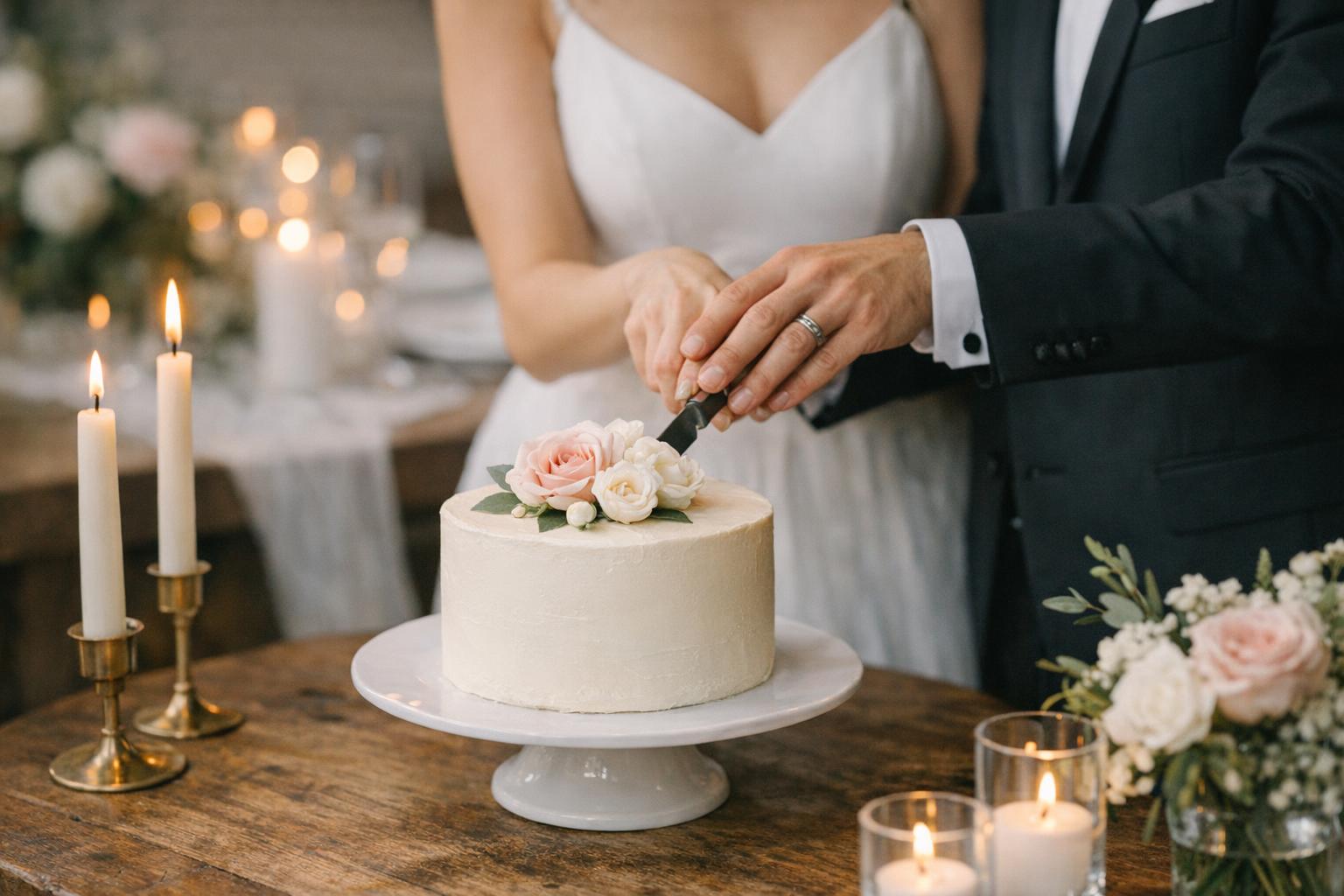
There’s a moment at many weddings—whether it’s a city ceremony or a quiet country reception—when the room softens around one small focal point: the cake cutting. A single tier wedding cake doesn’t try to dominate that moment with height. Instead, it frames it. And that’s exactly why couples planning smaller celebrations, intimate head tables, or minimalist receptions keep returning to one-tier designs.
Single-tier and “single layer” wedding cakes are often discussed together, and they can sound interchangeable. But in practice, couples and bakeries use these terms to signal different styling priorities: a “single tiered wedding cake” often emphasizes a complete, finished centerpiece (even when it’s petite), while “single layer wedding cake ideas” often lean into a chic, pared-back look where simplicity is the statement.
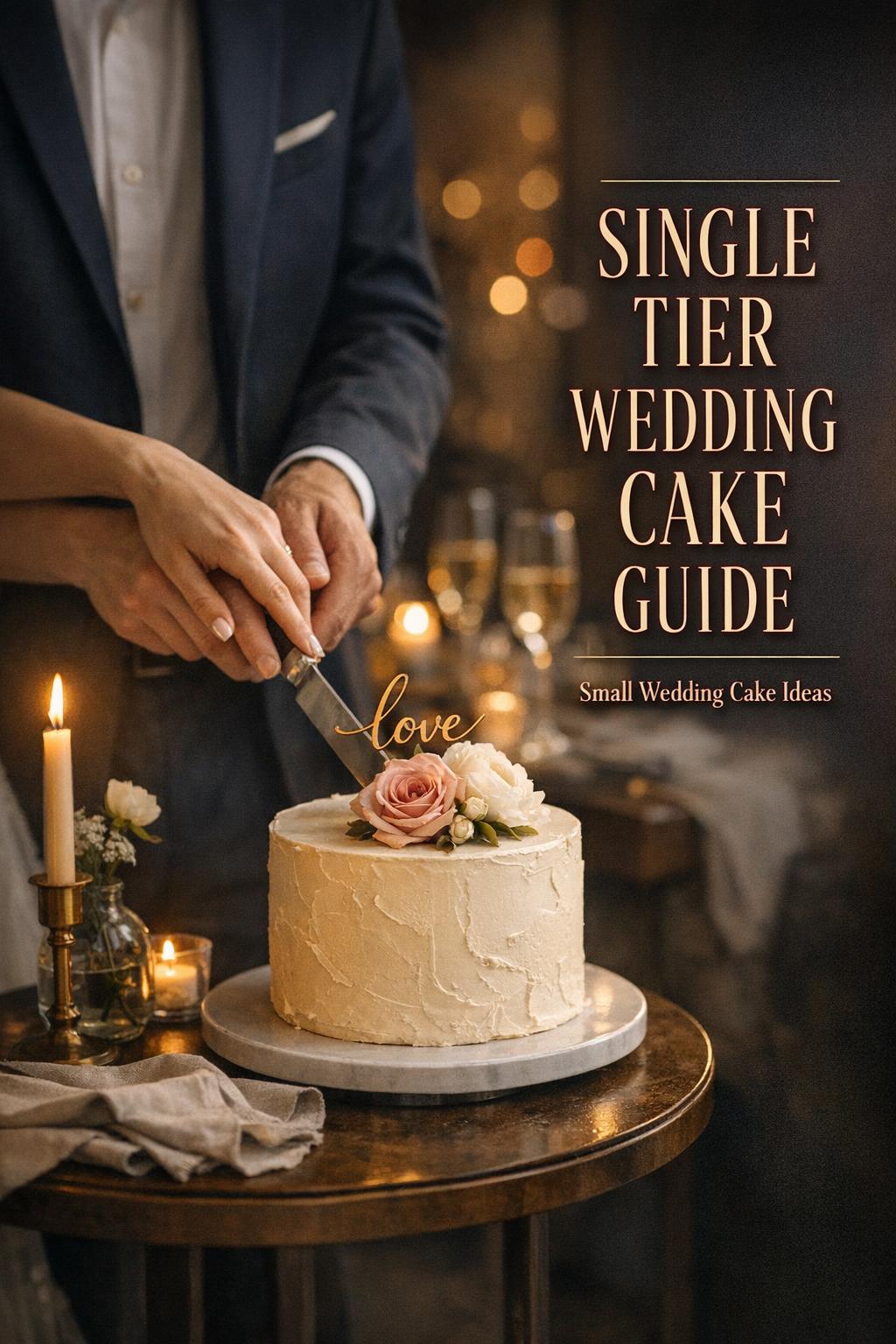
This comparison-style breakdown will help you recognize the differences between classic and minimalist approaches, understand practical sizing (including the commonly referenced 6-inch and 9-inch options), and translate inspiration into a clear ordering plan. Along the way, you’ll see how real wedding styling cues—like a “love” cake topper—change the entire mood of a simple one tier wedding cake without making it feel overdone.
Style overview: classic & simple single-tier (the “finished centerpiece” look)
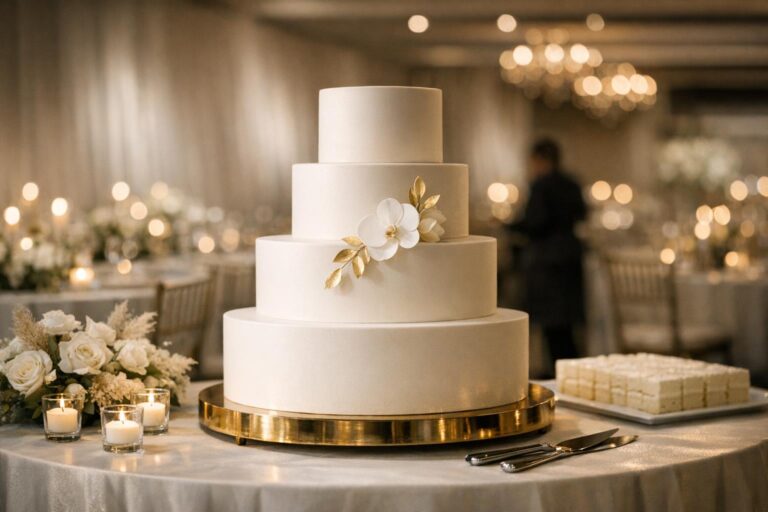
A classic single tier wedding cake reads like a traditional wedding cake—just edited down. It’s often described in bakery collections as “classic & simple,” where the goal is timelessness: clean edges, intentional decoration, and a sense that the cake could sit comfortably in a formal venue or a romantic garden setting without feeling out of place.
Turn wedding inspiration into a plan you can actually follow.
Zarellea brings your guest list, budget, vendors, and day-of details into one shared space — so no beautiful idea gets lost in the shuffle.
Defining characteristics tend to include a polished finish, thoughtful decorative placement, and a balanced silhouette. The cake may still be built with multiple layers (for example, a 6-inch, 3-layer format is commonly sold as a single-tier option), but visually it reads as one complete tier rather than a stacked statement.
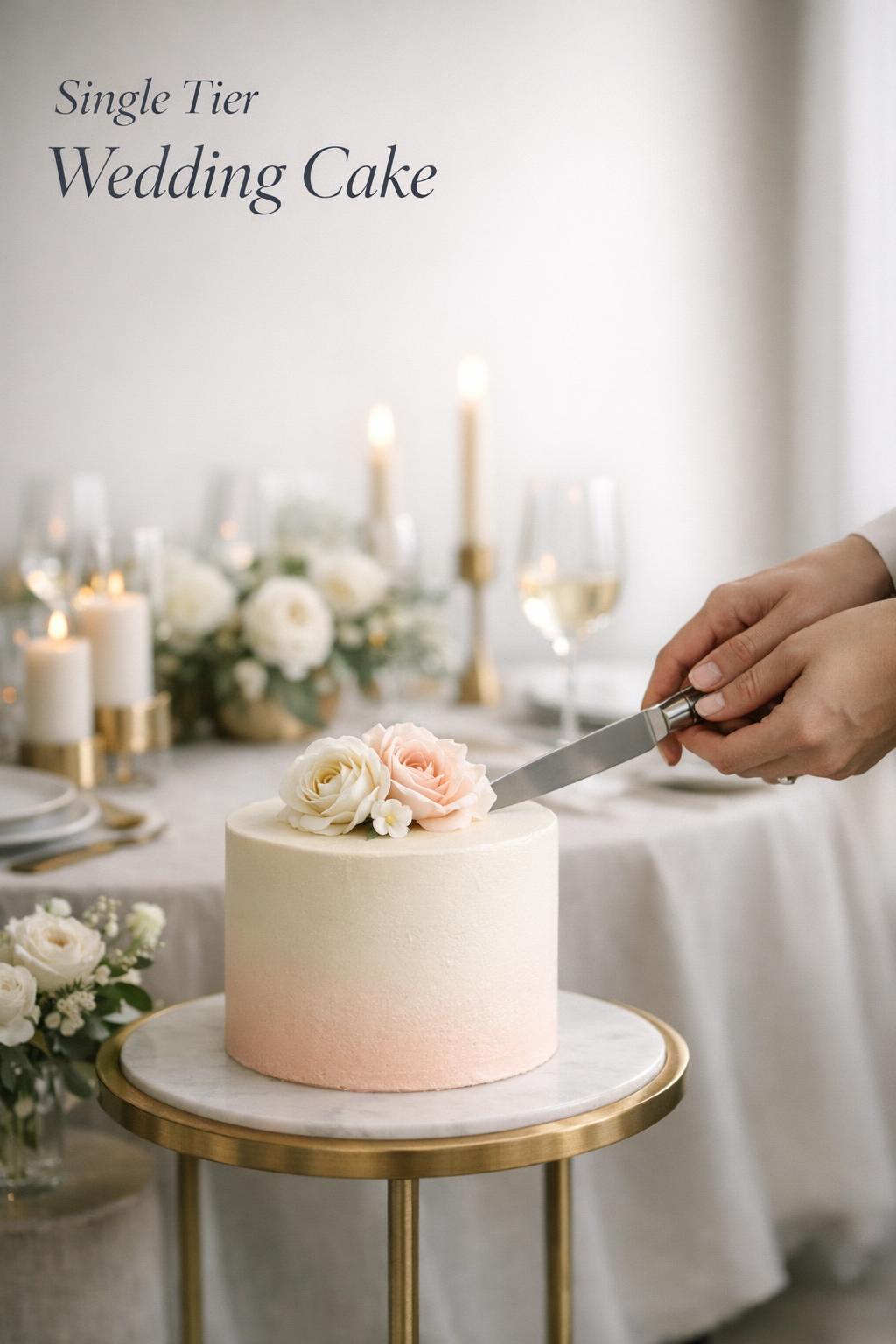
Typical style cues within this classic lane include buttercream finishes, sugar flower details, and subtle color work like ombre or gradients. The mood is romantic and confident: this cake belongs at the center of the reception, even if the guest count is small.
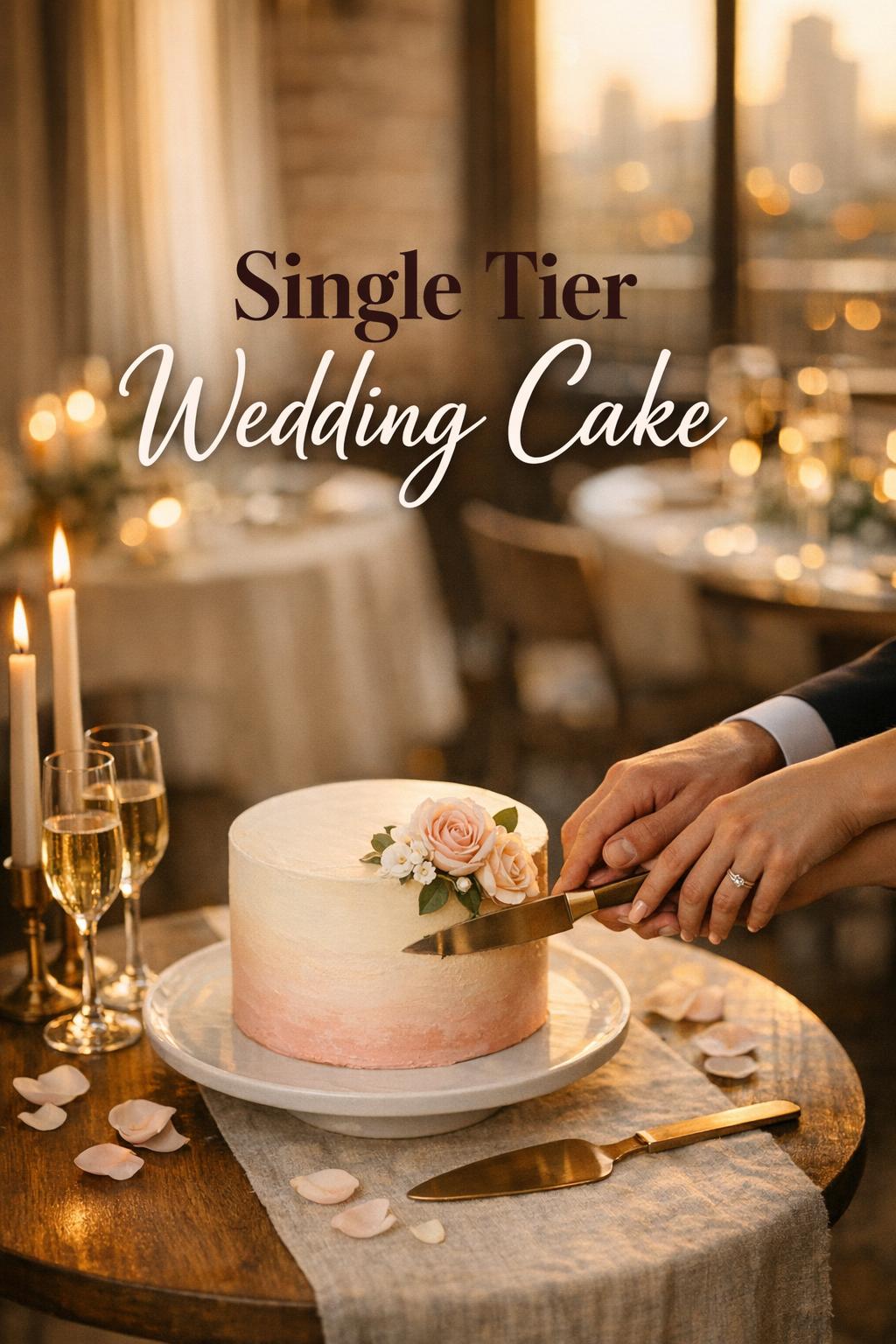
Style overview: minimalist single layer wedding cake (the “effortless chic” look)
Minimalist single layer wedding cake ideas lean into restraint. The cake is still designed for a wedding, but it’s meant to feel airy, modern, and intentionally uncomplicated—something that matches a chic city dinner reception just as naturally as a quiet countryside celebration. Many bakeries describe this vibe as simple, clean, and stylish, where the finish and proportion do most of the work.
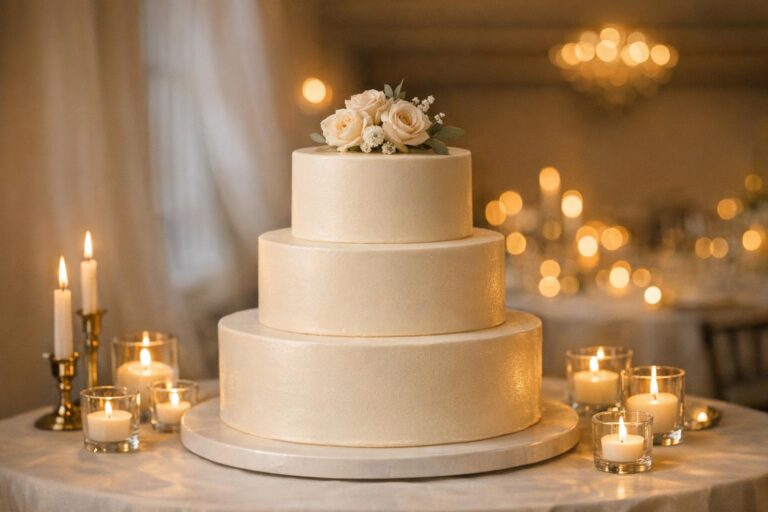
Visually, minimalist styles often rely on a streamlined silhouette and very selective decoration—perhaps a small topper, a single floral moment, or a simple monochrome look. The palette typically stays calm and cohesive: whites, soft pastels, or a single color story rather than multiple competing tones.
The overall mood is “less, but better.” A minimalist one-tier cake is often chosen because it photographs beautifully and doesn’t compete with other reception elements like a dessert table, floral installations, or a carefully styled head table.
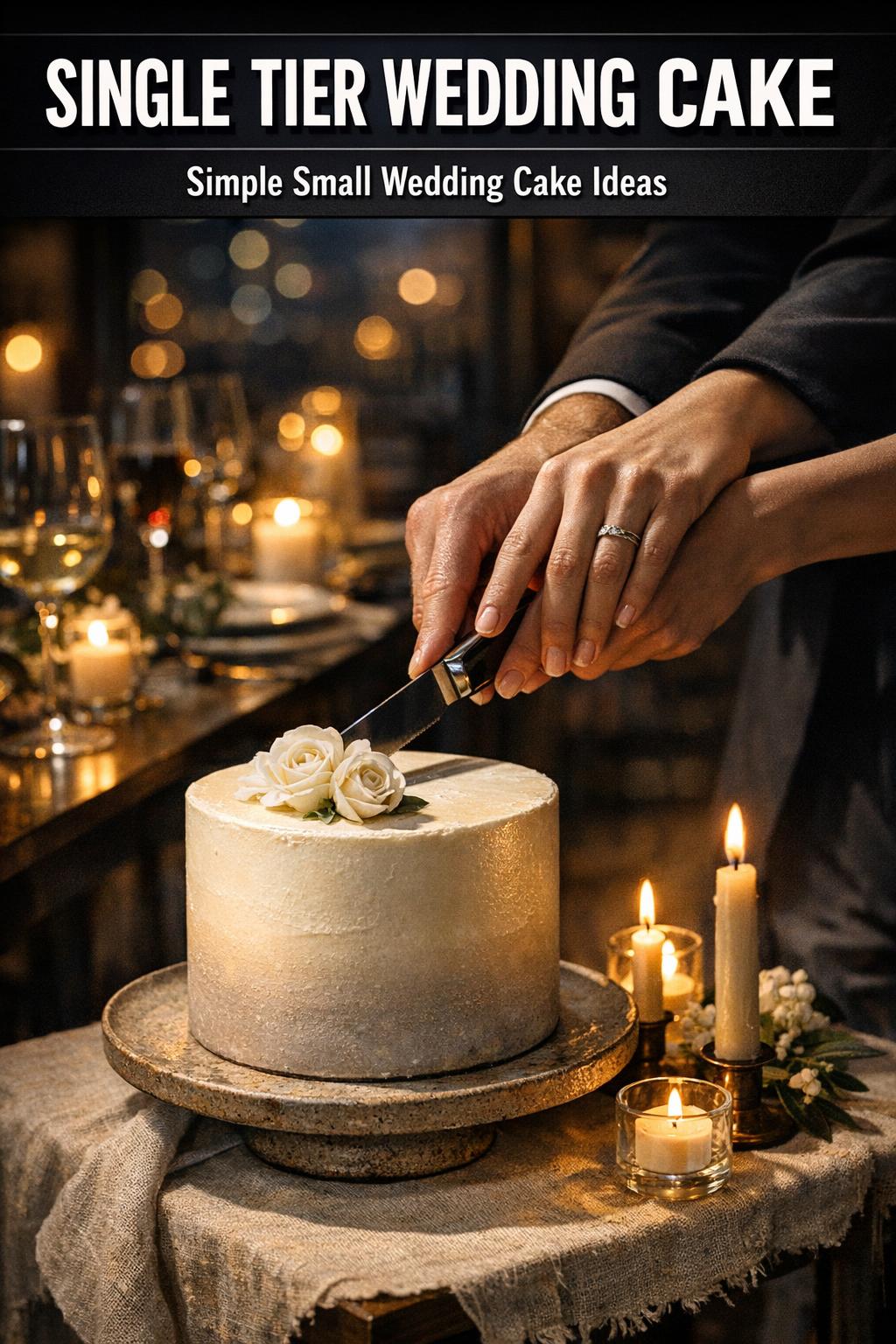
Why these two styles get confused (and how to tell them apart quickly)
Both styles are frequently described with the same words—simple, classic, clean—because they share the same base format: one tier. Add in overlapping terminology like one-tier, 1-tier, and single layer, and it’s easy to see why couples searching for small wedding cake ideas feel like they’re looking at the same cake in different lighting.
The quickest way to separate the two is to focus on the intent behind the decoration. Classic-and-simple designs treat decoration as the finishing touch that signals “wedding cake.” Minimalist single layer wedding cake ideas treat decoration as a whisper—an accent that supports a broader aesthetic (modern, chic, or quietly romantic) without announcing itself.
Key differences: structure, styling philosophy, and the “wedding centerpiece” effect
Silhouette and perceived height
In a classic single tier wedding cake, height is often used to create presence. Even with one tier, the cake can feel substantial through taller builds and layered construction (a single tier might still be made of multiple internal layers). Minimalist single-layer styling tends to feel visually lighter—less emphasis on looking tall, more emphasis on refined proportion and negative space around the cake on the table.
Decoration: “feature details” vs “intentional restraint”
Classic & simple designs commonly showcase a few signature elements: buttercream finishes, sugar flowers, roses or peonies (often as focal florals), and techniques like ombre or gradient color. Minimalist approaches may use the same elements but in smaller scale—one floral accent, a single-color finish, or a topper that becomes the only “statement.”
Formality and setting: city chic vs universally traditional
Minimalist single layer wedding cake ideas are often associated with “chic” city celebrations and modern country weddings—settings where clean design feels at home. Classic single-tier styling is more universally traditional: it works whether your reception is formal or relaxed because the visual language reads immediately as wedding cake.
How the cake shares the spotlight
A single tiered wedding cake can be the hero of the dessert moment, but classic styling is more likely to stand alone as the primary centerpiece. Minimalist styling is often chosen when the cake is part of a larger plan—paired with a dessert table, displayed near a styled escort-card moment, or positioned close to the head table without overpowering it.
Sizing and servings: the practical backbone of every simple small wedding cake idea
Design decisions get easier when you start with reality: how many people you’re serving and how you’ll serve them. In the single-tier world, sizing is often discussed by diameter, and the most frequently highlighted options are 6-inch and 9-inch cakes—because those sizes align naturally with micro-weddings, intimate receptions, and the “cake-cutting + desserts” approach.
A 6-inch single tier is often presented as a small wedding-friendly option with an approximate serving count around a dozen servings. A 9-inch single tier is commonly positioned as a more generous one-tier choice, with approximate servings around 30. Those two reference points show up repeatedly in bakery sizing guidance because they represent the two most common planning scenarios: a very small guest list, or a modest crowd where cake is still a key dessert.
Common sizes you’ll see when ordering
When you browse single-tier offerings from established bakeries, you’ll often see size options presented clearly as part of the ordering flow. Some shops highlight 6-inch and 9-inch tiers explicitly; others sell a 6-inch, 3-layer cake as a single-tiered format; and some emphasize the internal build (such as a multi-layer construction) to reassure couples that “small” can still feel celebratory.
- 6-inch single tier: frequently framed as an intimate option (often cited around 12 servings)
- 9-inch single tier: commonly framed as a larger single-tier option (often cited around 30 servings)
- 6-inch, 3-layer single tier: a popular format when you want presence without going wider
Height and structure: why “single tier” doesn’t always mean “thin”
Many couples picture a single tier as a short, single-sponge cake. In practice, a single tier wedding cake can be built with multiple layers, which affects how it photographs and how it serves. Some bakeries also highlight display mechanics, such as a foam-core drum, because a single tier needs to look stable and elevated on a table—especially if it’s being moved, displayed for photos, or placed near the dance floor where guests circulate.
For planning purposes, think of “single tier” as the exterior form and “layers” as the interior structure. This mental model makes it easier to compare options across shops like Angel Food MN, Oakmont Bakery, Cake Bloom, and Circo’s Pastry Shop—each of which may describe size, layers, and presentation in slightly different ways while still offering the same essential product: one beautifully finished tier for a wedding moment.
Visual style breakdown: how classic vs minimalist looks change on the cake table
Finish and texture: buttercream, fondant, and semi-naked effects
Texture is where the single-tier story becomes visible from across the room. Buttercream is often associated with classic designs because it can look soft, romantic, and traditional while still being clean. Fondant tends to read more formally and can create a very crisp silhouette. Semi-naked styling (where you see a hint of cake beneath the finish) leans modern and relaxed, and it’s often used in minimalist single layer wedding cake ideas to create that “effortless” look.
Toppers: the smallest detail with the biggest emotional impact
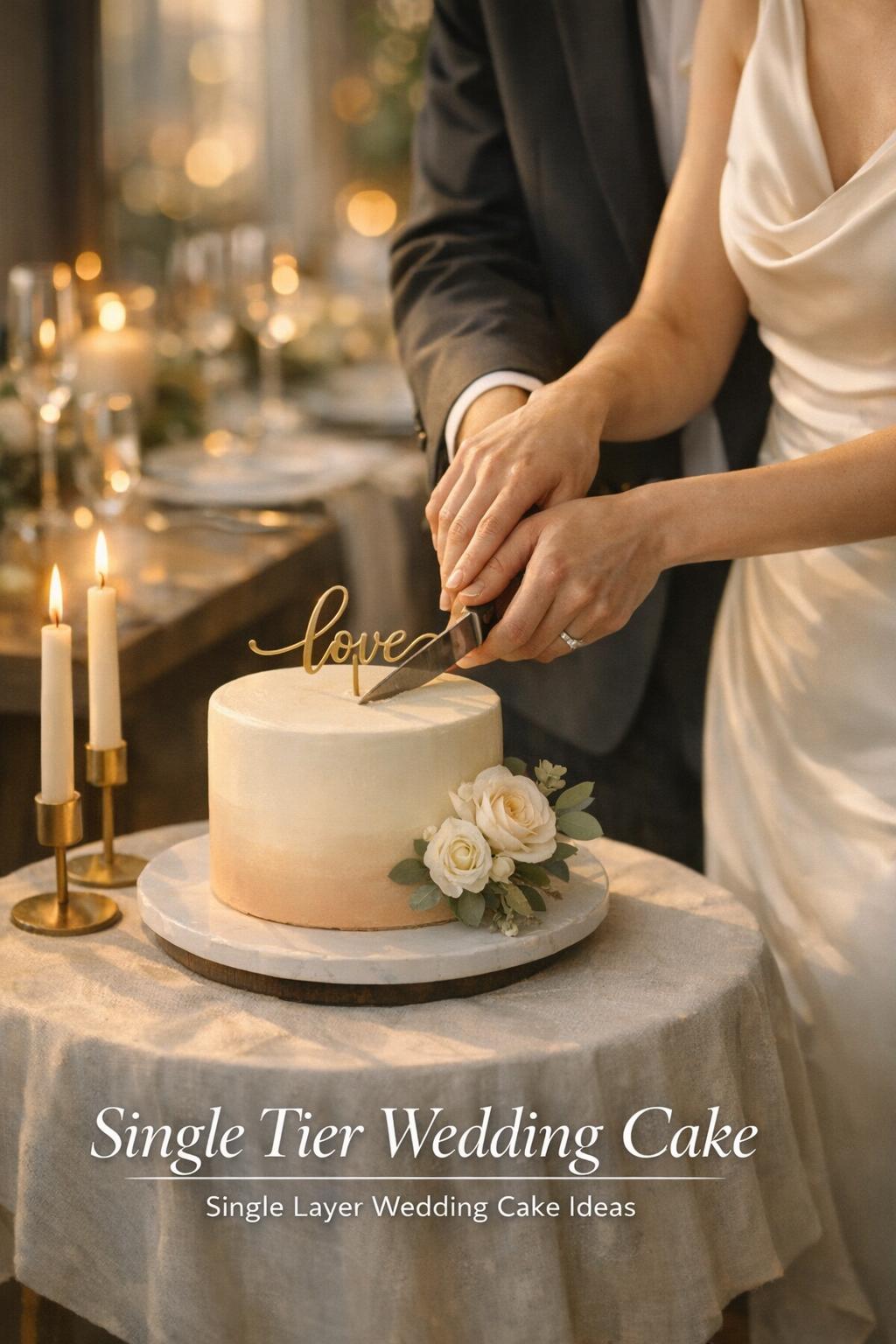
One reason single-tier cakes are so beloved is that they give one or two details room to matter. A topper can instantly tell your guests what kind of celebration they’re in. A “love” cake topper, for example, creates a warm, romantic cue that feels personal without needing a complex design. Initials, tiny figurines, or a simple word mark can do the same—especially when the rest of the cake stays intentionally minimal.
Florals and sugar work: roses, peonies, and the “single focal cluster” rule
Floral decoration on a single tier is most successful when it feels deliberate. In classic styling, you might see fuller arrangements or cascading placements. In minimalist styling, one compact floral cluster—roses, peonies, or sugar flowers—often feels more elevated than a scattered approach. This is one of those subtle design decisions that separates “simple” from “unfinished.”
Color stories: monochrome calm vs romantic gradients
Minimalist cakes often look best with a controlled palette: one shade, one finish, one focal detail. Classic & simple cakes are more likely to incorporate gentle color techniques like ombre or a gradient effect, where the cake still feels refined but carries a little more visual romance. If you’re building a cohesive wedding aesthetic, your cake can echo the tone of your day—quiet and modern, or softly traditional—without needing multiple tiers to say it.
Outfit-style comparisons for your wedding aesthetic (translated into cake design)
Couples often find it easier to choose a cake style when they think in “styling logic” rather than product categories. Below, imagine the cake as part of an overall look—like the finishing piece that ties together your ceremony, your tablescape, and the way the day will be photographed.
Example comparison: the intimate city dinner reception
Classic & simple approach: A polished single tier wedding cake with a smooth buttercream finish and a small, refined floral accent feels like a traditional centerpiece—perfect if your reception space already has formal cues (place cards, candlelight, crisp linens) and you want the cake to match that tone.
Minimalist single layer approach: A clean, monochrome finish with a single “love” topper reads modern and chic, especially when the cake is placed intentionally near the head table for photographs. The cake becomes a design object—quietly romantic, never busy.
Example comparison: the country ceremony with a simple dessert table
Classic & simple approach: A single tiered wedding cake with sugar flowers (or a fuller floral cluster) signals “wedding tradition,” even when you’re keeping the guest count small. It can stand alone as the ceremonial dessert while still feeling proportional to a relaxed setting.
Minimalist single layer approach: A semi-naked finish paired with one controlled floral moment lets the cake blend into a broader dessert table plan. This is often the sweet spot when the cake is part of a larger spread—your single tier becomes the cake-cutting centerpiece while other treats carry the volume.
Example comparison: the ultra-small ceremony (head table focus)
Classic & simple approach: A taller-feeling 6-inch, multi-layer single tier (like a 6-inch, 3-layer format) ensures the cake doesn’t disappear in photos. A restrained gradient or clean buttercream texture adds romance without needing additional tiers.
Minimalist single layer approach: A small, smooth cake with a single topper detail is beautiful if your plan is to capture close-up photographs rather than wide room shots. The design depends more on styling the table around it—stand height, placement, and lighting matter.
Budget and pricing: what changes cost on a one-tier wedding cake
Single-tier doesn’t automatically mean “budget,” and it’s helpful to go into pricing conversations with the right expectations. Several bakeries make a clear distinction between a base price for a size and additional cost for decoration. In other words: you’re not only paying for cake; you’re paying for design time, finishing, and the details that make a simple one tier wedding cake look intentional rather than plain.
Some studios also mention minimums—especially when comparing single-tier to multi-tier offerings—because custom work has a baseline cost even at a smaller scale. If you’re shopping across regions, you may see different norms depending on local markets. The research landscape includes U.S. bakery contexts tied to Minnesota (Angel Food MN), Pennsylvania (Oakmont Bakery), and Virginia’s Charlottesville area (Cake Bloom), illustrating that availability and delivery expectations can vary by location even when the product concept is the same.
What typically increases price (even on a small cake)
- Decoration complexity: sugar flowers, detailed finishes, and added styling elements tend to raise the cost beyond the base cake
- Customization: selecting specific design details rather than choosing a standard “classic” option typically changes pricing
- Minimums: some cake studios set minimum spends that apply to single-tier orders as well
- Presentation support: display-ready construction and supports (such as a drum base) can factor into a quote
Tip: when you ask for pricing, describe your desired look first (classic with sugar flowers, minimalist with a topper, ombre finish, etc.) and then ask how the bakery prices decoration. This keeps the conversation aligned with how most shops structure their offerings: base size + design upgrades.
Ordering with confidence: turning inspiration into a clear design brief
The easiest single-tier ordering experiences happen when couples treat the cake like any other wedding design decision: you choose a mood, confirm the practical constraints (servings, venue setup), and then commit to a few signature details. Many bakeries make the process straightforward—choose a size, pick flavors, and then decide how customized you want the finish to be.
A simple small wedding cake ideas checklist (that bakers can actually quote)
- Size: 6-inch vs 9-inch, based on your guest count and whether you’ll have other desserts
- Style direction: classic & simple, minimalist single layer, vintage-inspired, or chic modern
- Finish: buttercream, fondant, or semi-naked
- One focal detail: topper (like “love”), sugar flowers, roses/peonies, or a soft gradient
- Display plan: where it sits (cake table vs head table), and whether you need a display-ready base
Tip: decide in advance whether your cake is meant to be the dessert for everyone or simply the ceremonial cake-cutting moment. This one choice affects everything—size, servings, and whether you’ll lean into a more decorated classic look or a minimalist look that shares attention with a dessert table.
Choosing a bakery: what different shops signal through their single-tier offerings
Not every bakery frames single-tier cakes the same way. Some present them as a direct wedding product with defined sizes and servings—like Angel Food MN listing 6-inch and 9-inch options with approximate serving counts. Others position a single tier as a “classic cake” in a broader portfolio, like Honey Crumb Cake Studio’s classic and simple gallery approach. Some shops emphasize celebratory versatility and presentation, like Cake Bloom’s single-tier celebration cake and its display-ready build notes. Oakmont Bakery’s 6-inch, 3-layer format shows how a single tier can still feel substantial through internal structure. Circo’s Pastry Shop leans into the “classy” one-tier look through styling cues, while Sprinkle & Crumb Bakery and Bella e Dolce Cakes present single-tier options within wedding pricing or shop flows.
Each approach is valid. The key is to choose the bakery whose “default language” matches your priorities: clear serving guidance, a classic design portfolio, a modern minimalist look, or a celebration cake that’s built to display beautifully.
Where a single-tier cake shines: venue moments and real-world wedding styling cues
Single-tier cakes are often chosen for weddings where intimacy is part of the story: micro-weddings, smaller receptions, or events where the couple wants a calm, curated aesthetic rather than a towering centerpiece. Editorial wedding features also highlight how a single-tier cake can be styled for photos—like a real wedding moment built around a single-tier cake topped with “love,” where one detail communicates the entire mood.
From experience, the biggest styling win comes from treating the cake table like a scene. You don’t need more tiers—you need good placement. A single tier wedding cake looks most intentional when it’s given space (even a small table), a considered backdrop (florals, candles, or clean negative space), and a planned camera angle (close-up detail shots and one wider scene shot). This is where minimalist and classic styles both succeed: they were designed to be seen.
Tips for making a one-tier cake look “wedding-level” in photos
Tip: if you’re choosing a 6-inch cake for an intimate guest count, consider how it will read from across the room. A taller multi-layer build or a slightly elevated stand can help the cake hold its own visually. If your cake is a 9-inch tier, it often has enough width to read clearly without extra height—so your styling can stay more minimal, with one floral cluster or a topper.
Tip: keep your detail count low and your detail quality high. A single sugar flower moment or a clean buttercream finish tends to look more refined than multiple small decorations competing for attention.
Common mistakes couples make with single-tier wedding cakes (and how to avoid them)
Mistake: treating “simple” as “no plan”
A simple one tier wedding cake still needs a design decision. Without one focal point—topper, floral cluster, or finish technique—the cake can look undecided. Minimalism works best when it’s intentional, not when it’s the absence of choices.
Mistake: choosing size without considering the dessert strategy
Couples sometimes select a 6-inch tier because it feels appropriately “small,” then realize they need more servings—or they wanted guests to have cake as the primary dessert. Conversely, some choose a larger tier when their plan already includes a dessert table, and the cake becomes more leftover than memory. Use the common reference points (6-inch around 12 servings; 9-inch around 30) as an early planning anchor, then decide how cake fits into your overall reception flow.
Mistake: underestimating decoration pricing
Several bakeries explicitly separate base cake cost from decoration. That means a cake that looks “simple” may still include time-intensive details—sugar work, florals, or a precise finish. If budget is a concern, ask what changes the quote most: size, finish choice, topper, or sugar flowers.
How to blend both styles: a modern “classic-minimal” single tiered wedding cake
Many couples don’t want to choose between classic romance and modern restraint—they want a wedding that feels like both. Fortunately, single-tier cakes are naturally suited to hybrid styling because they have just enough surface area to carry a signature detail without needing multiple design “chapters.”
A classic-minimal approach might look like a smooth buttercream finish (classic), a single controlled floral accent (romantic), and one topper detail (modern and personal). Or it might be an ombre or gradient finish (classic artistry) with no florals at all (minimalist calm). This is where your baker’s portfolio matters: studios that showcase classic and simple work, like Honey Crumb Cake Studio, often provide a useful visual vocabulary for mixing refined details with restraint.
Tips for creating a hybrid look without visual clutter
Tip: pick one “texture story” and one “accent story.” For texture, choose buttercream, fondant, or semi-naked. For accents, choose either a topper or florals/sugar flowers—then keep everything else quiet. This keeps your cake readable from across the room and elegant up close.
Internal planning map: turning cake decisions into a cohesive wedding design
Even a small wedding cake idea feels more luxurious when it’s connected to the rest of the day. Couples often find peace of mind when they map their single-tier decisions across a few related wedding elements: the dessert table plan, the head table styling, and the photo moments they care about most. This is also where your cake choice can guide related decisions—like whether you want to explore two-tier or multi-tier options later, or stay committed to a single-tier centerpiece supported by other desserts.
- If the cake is the main dessert: lean classic, ensure servings, and choose a finish that looks complete on its own
- If the cake is ceremonial + photos: lean minimalist, add a topper (like “love”) or one floral moment, and plan the display table
- If you want a styled dessert ecosystem: treat the cake as the anchor and let other desserts carry volume and variety
This kind of planning doesn’t take away romance—it protects it. When the day arrives, your single tier wedding cake won’t be a last-minute detail. It will be a calm, intentional centerpiece that fits the exact scale of your celebration.
FAQ
What is a single tier wedding cake?
A single tier wedding cake is a wedding cake with one finished tier (one exterior “level”), designed to be served at a wedding reception or used for the cake-cutting moment; it may still be built with multiple internal layers, but it presents as a single, complete tier.
How many servings are in a 6-inch single tier wedding cake?
Many bakeries describe a 6-inch single tier as yielding about 12 servings, making it a common choice for micro-weddings, intimate receptions, or couples pairing cake with a dessert table.
How many servings are in a 9-inch single tier wedding cake?
A 9-inch single tier is often described as serving about 30 guests, which can work well for smaller weddings where you still want cake to be a central dessert rather than only a ceremonial slice.
Is a “single layer wedding cake” the same as a one-tier cake?
The terms are often used similarly in conversation, but “single layer wedding cake ideas” commonly signal a more minimalist, pared-back aesthetic, while “one-tier” or “single tiered wedding cake” often refers to the overall finished format regardless of whether the cake has multiple internal layers.
What makes the price of a single-tier cake go up?
Pricing is often affected by decoration and customization—such as sugar flowers, specific finishes, or design complexity—because many bakeries separate a base price for size from additional costs for decorative work and customized styling.
Can a single tier wedding cake work if I also want a dessert table?
Yes—single-tier cakes are frequently used as the ceremonial centerpiece while other desserts provide additional servings, and this strategy often pairs especially well with minimalist single-layer styling that shares the spotlight gracefully.
What are the easiest ways to style a simple one tier wedding cake?
The most reliable styling choices are a clean finish (often buttercream), one focal accent (like a small cluster of roses or peonies or a sugar-flower detail), and/or a topper such as a “love” topper, keeping the overall design restrained so the cake looks intentional rather than busy.
How do bakeries typically ask you to order a single-tier wedding cake?
Ordering is often structured around choosing a size, selecting flavors, and then deciding on design and decoration details, with many shops explaining that decoration and customization can change the final price beyond the base cake.
Which is better: a classic single-tier cake or a minimalist single layer look?
Classic styling tends to feel more traditionally “wedding centerpiece,” while minimalist styling feels chic and modern and often works best when the cake is part of a broader design plan (like a dessert table or head-table moment); the best choice is the one that matches your venue mood, serving needs, and preferred level of decorative detail.