Wedding Reception Ideas: Three Ways to Build Your Party
A dance floor, a portrait artist, a trivia round and a lounge can all sound appealing while you are collecting wedding reception ideas. Before booking them, decide how those experiences fit together. If several need the same guests’ attention, the reception can become a program you spend the evening managing. I would choose one main experience, one activity people can join freely and a place where conversation can continue.
You can combine that small set in several ways and change a component when the plan needs it. The main experience could be dinner, dancing or a short performance. The optional activity and conversation space support the kind of gathering you want. Start with the combination you would enjoy hosting, then confirm that its space, sound and staffing needs fit your actual venue.
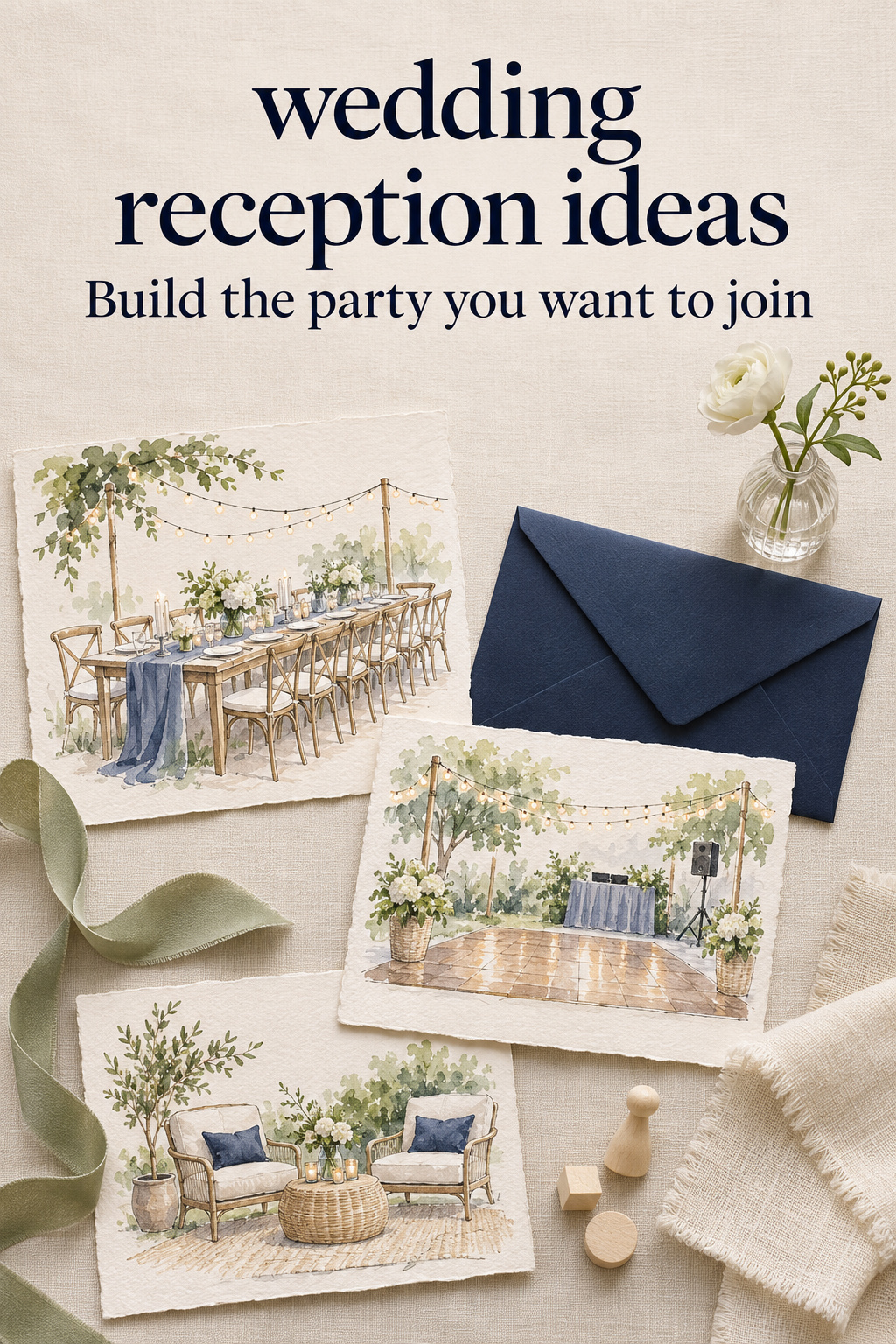
Build a reception from three kinds of participation
An anchor that deserves everyone’s attention
The anchor is the part of the reception you are most interested in sharing. You might want a dance party with your friends, an unhurried dinner or a small live-music set. Choose it because you want to take part yourself. Leave an idea off the shortlist if neither of you wants to join it.
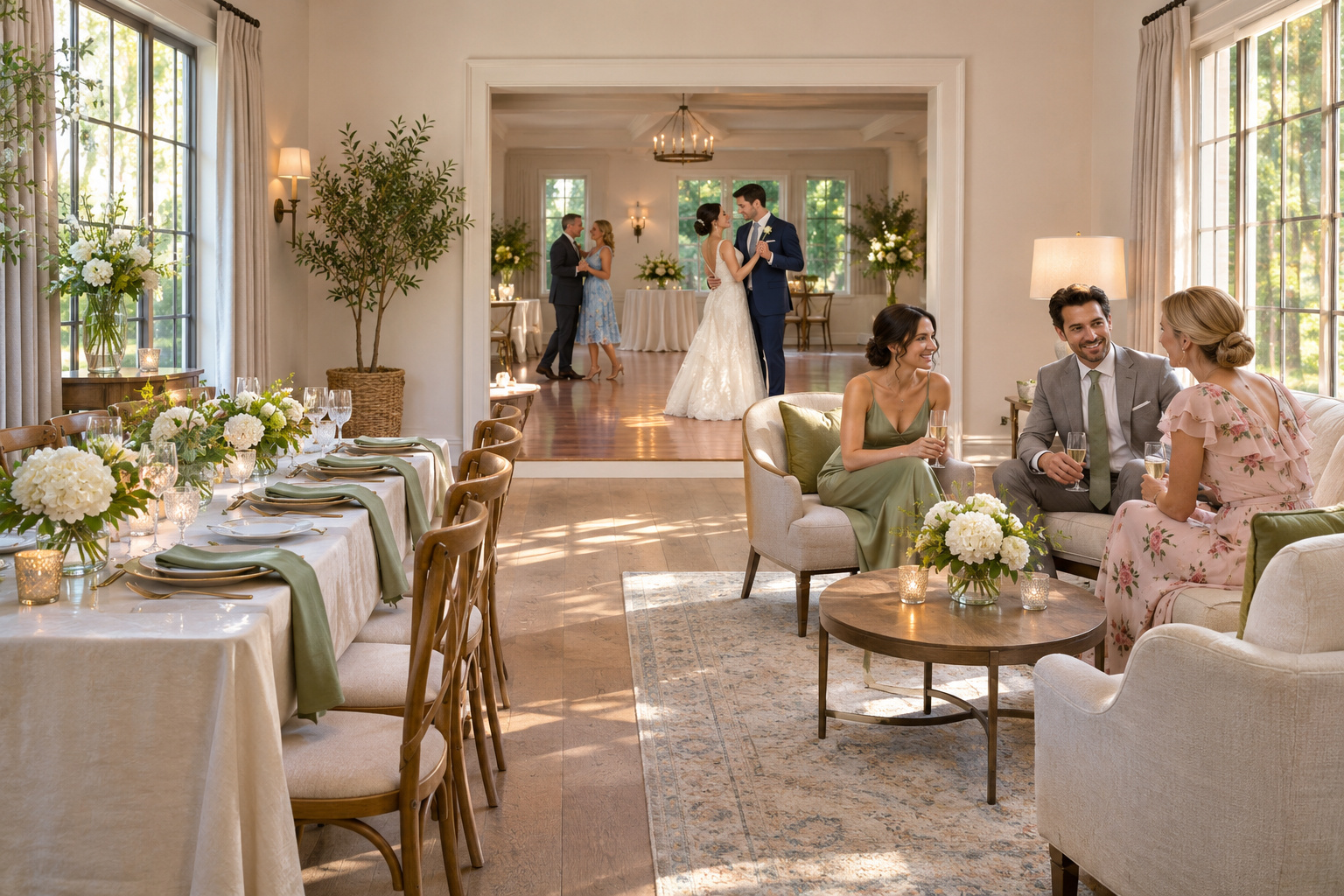
The three components can share a space. In a small room, dinner and conversation may use the same tables. A short performance can happen in that room before people return to talking. Define the experience first and ask the venue team what arrangement can support it.
Turn wedding inspiration into a plan you can actually follow.
Zarellea brings your guest list, budget, vendors, and day-of details into one shared space — so no beautiful idea gets lost in the shuffle.
Write down what the anchor needs from the rest of the plan. A seated dinner needs an agreed service arrangement. A music set needs the musicians’ proposed setup and a clear point when people are invited to listen. If dancing is the priority, ask the DJ or band how the formal moments and breaks will fit around it.
I would settle that conversation before adding a second staffed attraction. It tells you which space and program time remain available. You can then choose an optional activity that works alongside the anchor, rather than trying to make two competing bookings behave as one.
An optional activity with an obvious way to join
Choose something guests can understand without a long announcement. That could be a small collection of familiar tabletop games or a portrait station with a host explaining how to participate. The right option depends on what your people actually enjoy and what the supplier can offer within the event.
For games, decide whether you want a short casual round or a longer session. Ask someone familiar with the proposed game to explain its demands before placing it on the table. A box with an appealing illustration may still need more explanation or time than you want to devote to it.
A professional artist or photo activity needs a different discussion. Ask about participation capacity during the booked period, how people join, what they receive and what happens if demand exceeds that capacity. Keep those answers with the proposal. The idea should still make sense when you account for guests who will choose to watch or skip it.
Venue at the Stables’ non-dance reception guide includes game lounges and other alternatives to dancing. Use that variety to identify a possible activity, then assess the particular version you can arrange. A venue’s example does not confirm that the same setup fits another property.
A place to stay involved through conversation
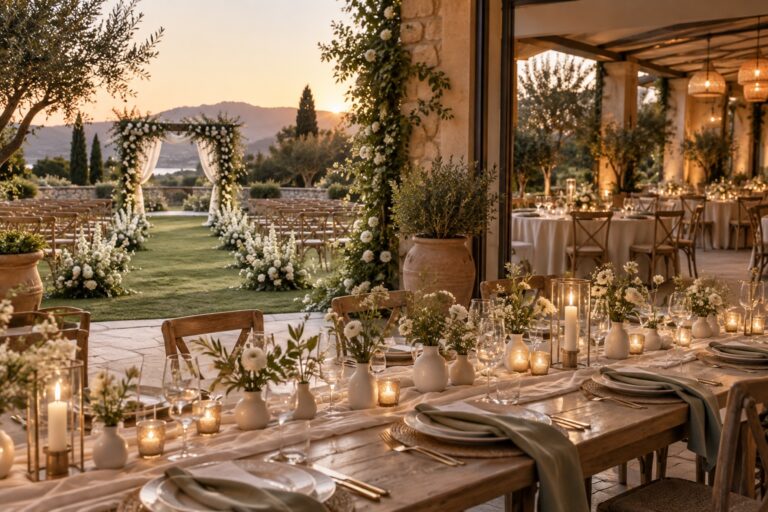
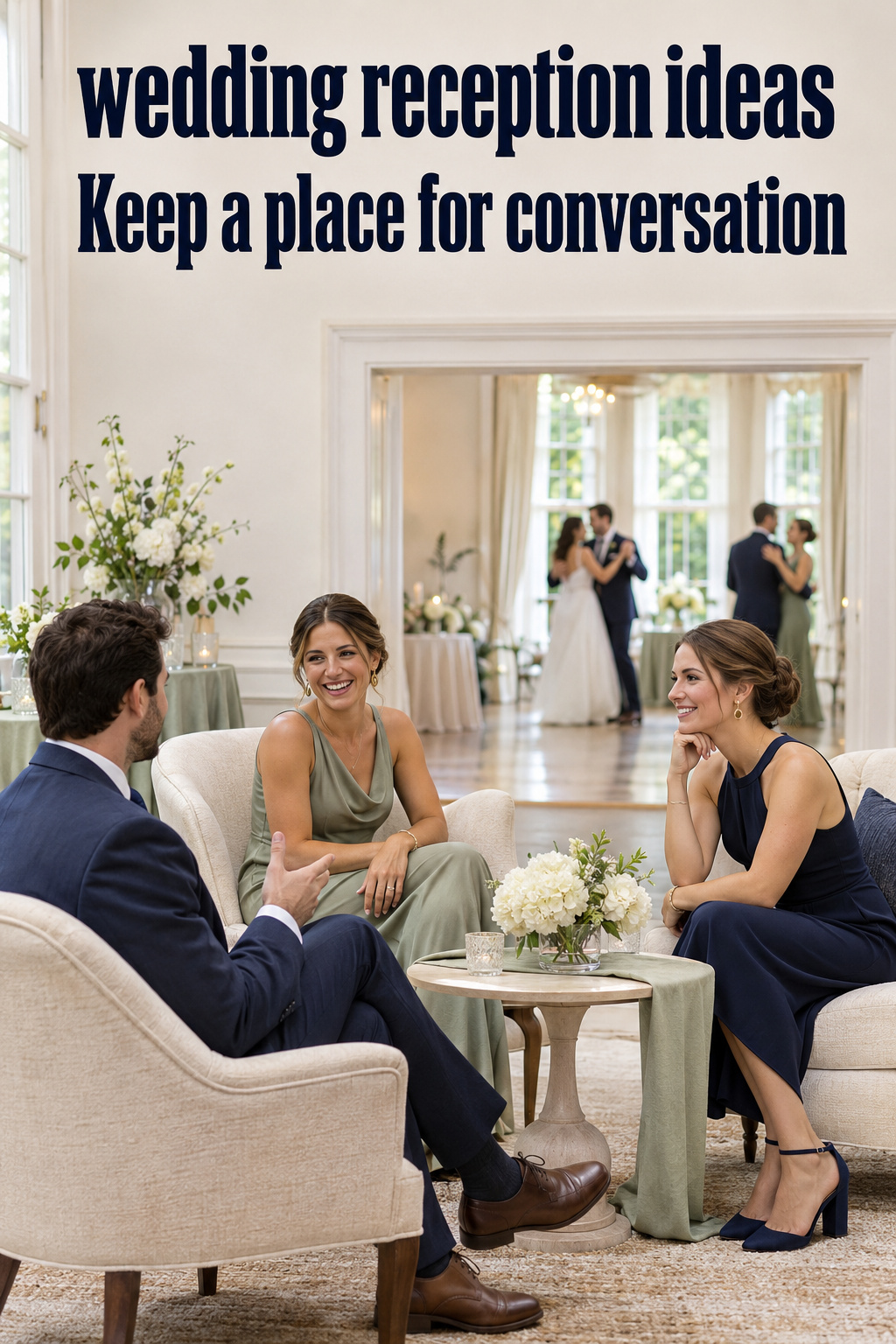
Give guests somewhere to sit and talk without requiring them to join a game or performance. This could be existing dining tables after service, an agreed seating group within the reception room or a nearby area that remains part of the event. A separate rented lounge is one option, not a necessary purchase.
Look at the proposed seating with the venue and sound team. Explain that you want conversation to remain possible while the main activity happens. Ask how the room and equipment arrangement can serve that intention. A sofa placed close to the speakers may look right in a photograph without answering the question you are trying to solve.
Mountain Event Services also proposes lounge seating in its reception ideas guide. I would prioritize the location and usable seats before decorative extras. The conversation option should be available because guests may want it, without being described as a place for people who are not participating properly.
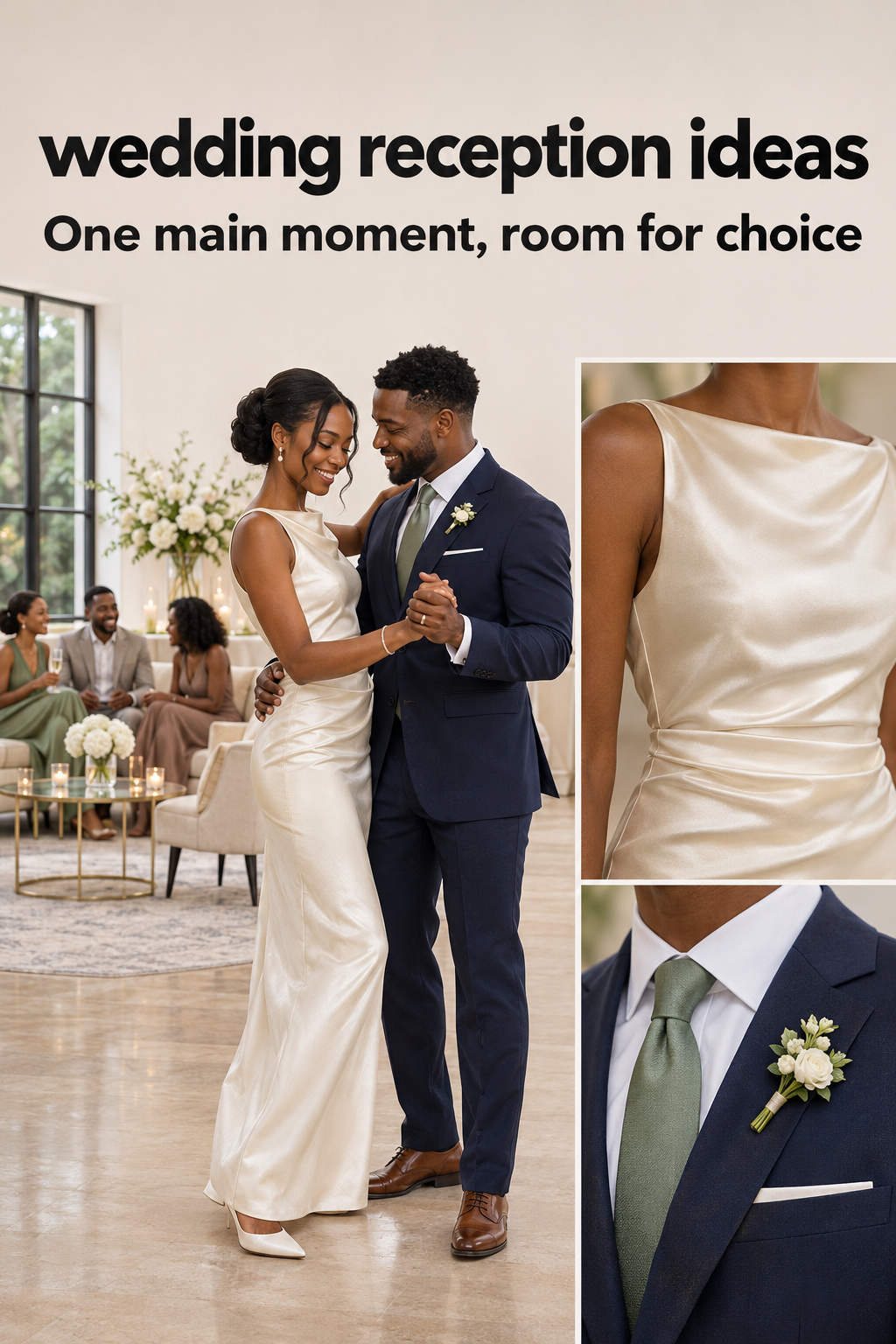
Three combinations from the same small set
The dinner club: conversation is the main event
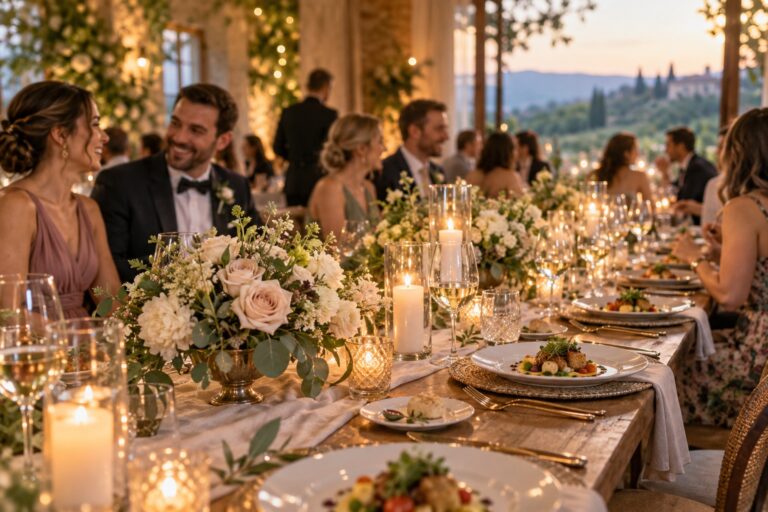
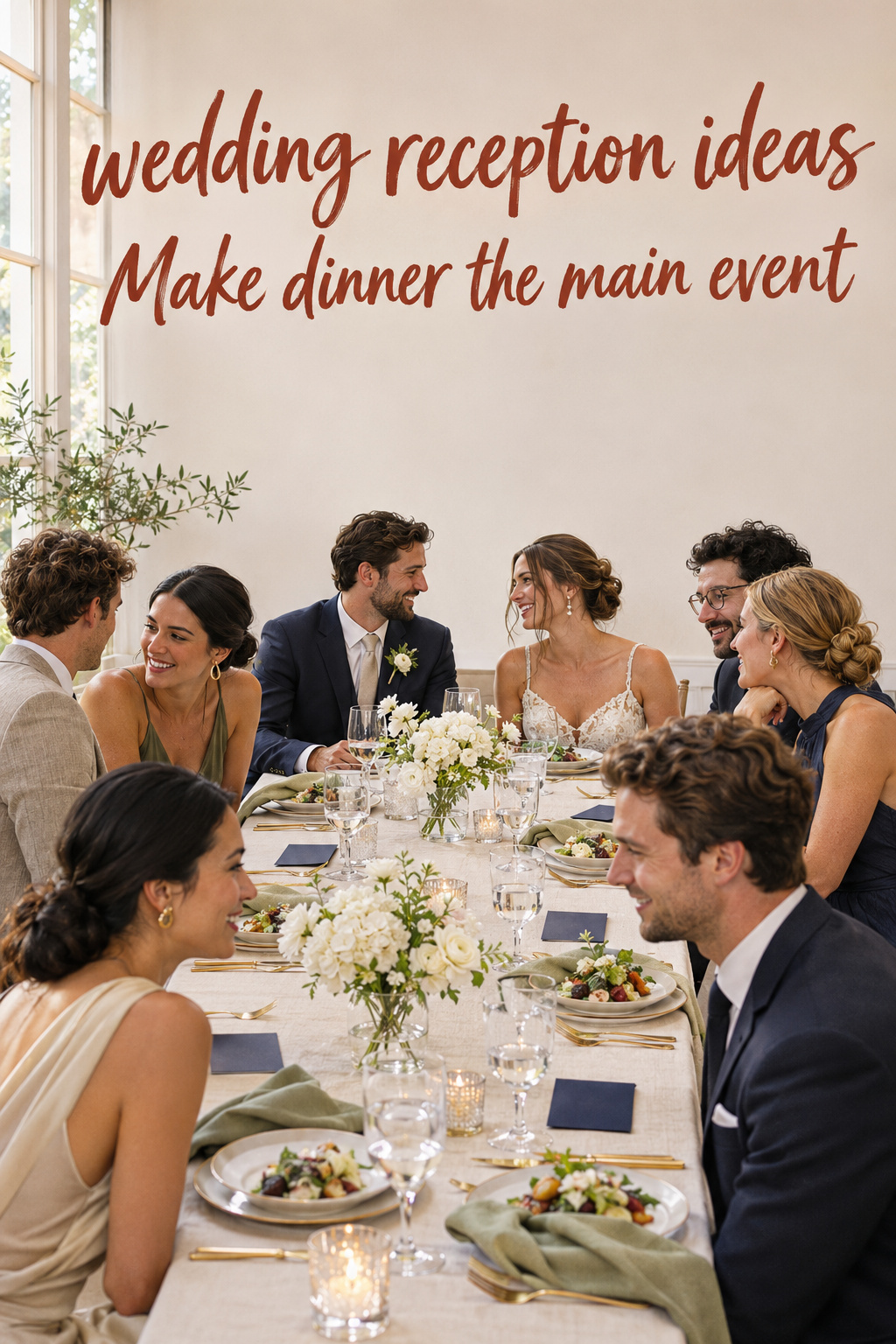
Make a shared meal the anchor and keep the program around it modest. In this original example, guests sit at arranged tables, the couple gives a brief welcome and one agreed toast takes place at a point coordinated with the caterer. The attraction is having time together over the meal.
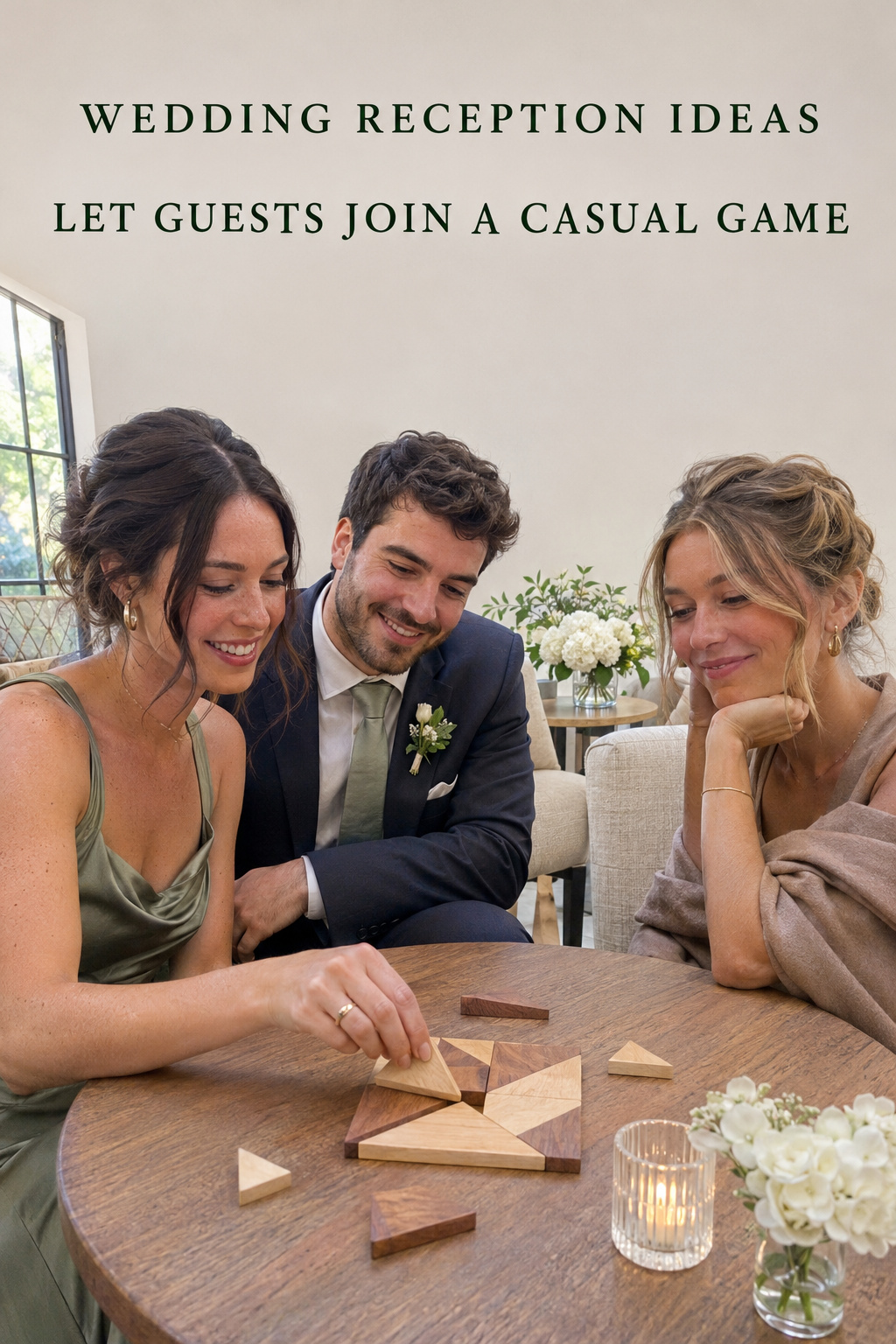
For the optional activity, offer a small tabletop puzzle that can be picked up after the food service allows it. Choose a format guests can put down without losing their place. It should not need a microphone or a score announcement across the room. Anyone who prefers to continue talking can do that at the same table.
The conversation component may therefore use the dinner seating. If the room allows an additional seating group, treat it as a choice for changing company after the meal. Ask the venue which chairs and tables remain available and whether any rearrangement would need staff.
I would choose this combination when you want to spend most of the reception talking with guests. Its reservation is that the program needs to match that promise. If you also want a substantial performance and a long list of speeches, decide which of those becomes the anchor rather than squeezing them around dinner.
The music room: a clear invitation to dance
Here, dancing is the anchor. Agree with the DJ or band on how the first invitation to the floor will happen and which formal moments require a pause. You can keep traditions you care about while giving the music a clear place in the plan.
For the optional activity, consider an artist making small guest portraits in a location approved with the venue. The artist’s proposed process matters: guests might sit briefly, join an organized queue or receive work through another agreed arrangement. Ask for that process before assuming it can run quietly in a corner.
Keep conversation seating available as the third component. Review the sound arrangement with the supplier and venue, then decide whether the proposed location meets your intention. If the only available seating is in the main room, ask what that means during the music. Avoid promising guests a quiet lounge that the layout cannot provide.
I would keep this combination when the couple wants dancing but also values an alternative guests can choose independently. If the artist station competes with the floor for the same space or needs repeated announcements, look for a different location or activity. The anchor should remain the experience you planned to share.
The playful salon: a short shared game, then free choice
Make one hosted game the anchor for part of the reception. In this example, a willing host leads a brief round of picture-based team questions with material the couple has approved. Decide what guests need to see and hear, and ask the venue and host whether the planned setup supports that.
Keep the questions understandable without insider knowledge. A round based entirely on private jokes may suit a particular group, but decide that consciously. Review the proposed content and participation format with the host. Guests should be able to observe without being called on unexpectedly.
After the shared round, open a few casual game tables as the optional activity. Use existing tables only once the caterer and venue agree they are available. The conversation option can remain nearby, with enough distinction that someone can talk without being treated as an extra player.
I would choose this version for a couple who wants to play with guests and is comfortable giving a host that role. It needs a clear finish to the hosted segment. Agree on the cue that releases everyone into the looser part of the reception so a friendly game does not become an unplanned competition for the entire evening.
Spend on the anchor before adding more options
Compare the complete version you intend to book
An appealing starting price cannot tell you how a reception activity will work. Ask for the scope of the actual proposal: the booked period, personnel, equipment and the supplier’s process for running it. Keep any separate delivery, setup or other quoted items in the same comparison.
For a band or DJ, describe the anchor you want to create and ask what their proposed service includes. For an artist, ask how participation and finished work are handled. Keep the answers together in one document, using the questions relevant to each service.
I would resolve a missing part of the anchor before purchasing decorations for the optional activity. For example, if the hosted game depends on a display that has not been arranged, investigate that need first. You may discover that a different presentation format works better within the available room and supplier scope.
Use what is already confirmed
Ask the venue which furniture and event spaces are included in your agreement. Then identify what can serve the chosen combination. Existing chairs might support conversation without an additional lounge order. A spare table might suit a casual game, provided it is actually available at the intended point in the event.
Do not count the same furniture twice. If a table supports dinner service and then a game, record the transition and ask who will prepare it. If the plan requires guests to leave the area during a change, decide where they will go with the venue team.
Ask suppliers to price the version you intend to use before drawing conclusions about the bill. Dropping an activity does not necessarily change other agreed fees, and a simpler-looking arrangement can still require professional work.
Adapt the set when the plan changes
When the reception moves indoors
If an optional outdoor activity cannot be used, return to the participation role it was meant to fill. Suppose you had planned a casual lawn game alongside dancing. You could ask about an indoor tabletop alternative, or decide that conversation seating is enough. You do not have to reproduce the outdoor attraction at a smaller scale.
Keep the anchor intact where possible and confirm any changes to its setup with the relevant team. Moving an activity can affect a room that already has assigned uses. Ask for an updated layout showing the actual equipment and furniture before treating a new location as settled.
I would keep an activity out of the revised plan if the only way to include it blocks another agreed use. Preserving the reason for the activity, such as giving guests a free-choice option, may be possible with something much simpler. For example, ask whether a familiar tabletop game would serve the same purpose in the revised room.
When the available space gets smaller
Combine compatible uses instead of insisting on three physical zones. The dinner-club version may need no extra furniture if conversation continues at the tables. An optional puzzle can be offered after service rather than on a separate station. Confirm the timing and clearing responsibilities with the caterer and venue.
For the music-room version, compare the proposed artist station with the remaining footprint. Ask the artist and venue to assess whether it can operate there. If it cannot, another activity may fit, or you may prefer to keep just the dance anchor and conversation seating.
Leave out the optional activity if the meal and conversation already make the gathering you want. The three roles help you consider participation without committing you to three purchases.
When a shorter reception leaves less program time
Choose fewer changes of attention. Keep the anchor and ask whether the optional activity can operate independently during an agreed period. If the idea needs repeated group announcements or a lengthy introduction, consider leaving it out or making it the main shared experience.
Ask the person coordinating the event to show where the proposed activity fits beside service and formal moments. Avoid assigning exact minutes based on a generic example. Your suppliers can assess the plan they will actually run, including the time they need for their own work.
In a shorter gathering, I would protect time for the couple to join the chosen anchor. If every attraction depends on your introductions and supervision, decide which responsibilities you can assign to someone else. Assign those responsibilities before adding another idea.
Keep the handoffs simple enough to run
Give each component an owner and a cue
Write a sentence explaining how the anchor begins, who starts it and what must be ready first. For the dinner club, the welcome may follow a cue from the caterer. For the music room, the DJ may invite guests to the floor after the agreed formal moment. Confirm the sequence with the people involved.
The optional activity needs its own smaller handoff. Who tells the artist that the space is ready? Who puts out the game and explains it if asked? Name a willing person or a booked supplier, then check that the task is within their agreement. Ask the named person to confirm that they can take responsibility for it.
Keep the conversation area in the same plan. Record which seats remain available and whether anything needs to move. If no action is required, say so. That can prevent a well-meaning helper from clearing chairs that were meant to stay in use.
Decide what pauses when people need to listen
A shared toast, performance or hosted game asks for a different kind of attention from a drop-in activity. Tell the relevant suppliers when you want the room to listen together and ask how the other elements should respond. Agree whether an activity continues quietly, pauses or closes for that segment.
Guests also need a clear invitation. A short explanation from the host may be enough: the game is open for anyone who wants a round, while the nearby seats remain available for conversation. Present both options without describing either group as less involved.
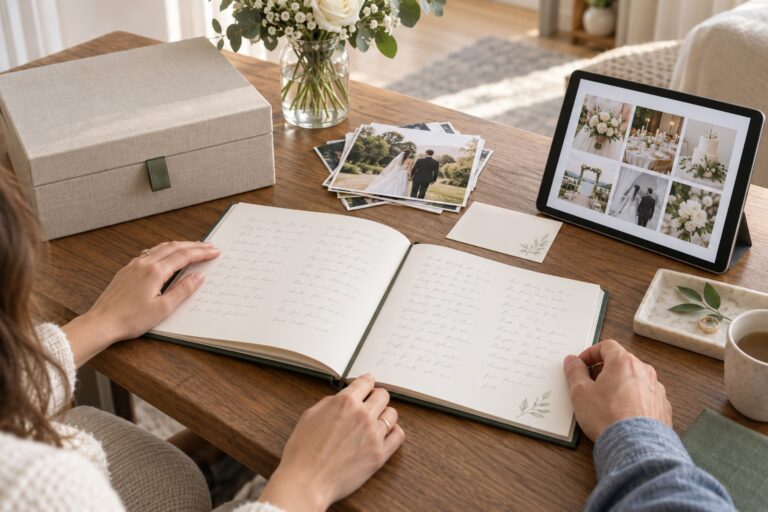
Before finalizing the plan, ask one person to read it without your explanations. Can they identify the main shared experience and understand how the optional activity works? Resolve the questions they raise with the team. Keep that confirmed version with the supplier details so later changes refer to the same plan.
Editor’s take: book the gathering you want to join
I would choose the anchor by asking how you want to spend your own reception, then use the remaining choices to give guests some freedom. Dinner, dancing and a hosted game each create a different gathering; none needs every possible extra. The condition is that the combination must work in the space and within the services you have confirmed. If the optional activity competes with the anchor or needs supervision you have not arranged, change it or leave it out. These recommendations are research-based editorial judgments, without first-hand reception production or vendor testing. Start with a sentence naming the main experience you want to share, then add only the participation options you can explain and run clearly.
Sources and methodology
Research included ten organic Google US results covering venue guidance, photographer and event-provider articles, inspiration boards and community discussions. The linked venue and event-provider pages identify non-dance activities and lounge options. The three combinations and planning model here are original editorial proposals. They do not describe a real couple’s reception or guarantee guest responses. Illustrations are generated artwork. Confirm the service scope, layout and operating arrangements with your own suppliers and venue.
FAQ
How many wedding reception ideas should I include?
Start with the main experience you want to share, then consider one optional activity and a conversation option. This is a decision tool, not a required count. If dinner and conversation already describe your ideal gathering, you may not need another activity. Add something only when you know its purpose and who will run it.
Can a reception work without dancing?
You can build the reception around a shared meal, a music performance or a hosted game instead. Explain the chosen format to the venue and suppliers so their proposals match it. Offer seating and a clear way to participate. Decide whether the plan you have chosen is the gathering you want, without adding a dance floor merely to complete a standard package.
How do I choose activities for guests with different preferences?
Provide a clear shared experience while allowing guests to choose another way to spend part of the reception. A casual activity and available conversation seating can offer that choice. Ask about the physical and participation demands of the particular activity. Avoid assuming everyone wants to compete, dance or appear in front of the room.
Should the optional activity run during speeches?
Discuss that with the person coordinating the event and the relevant supplier. If you want everyone to listen, decide whether the activity should pause and how that pause will be communicated. An independent artist station and a hosted game may need different arrangements. Record the agreed version rather than relying on someone to improvise it.
What if there is no room for a separate lounge?
Ask whether existing dinner seating can remain available for conversation. Review its location with the venue and sound team in relation to the main activity. You may be able to combine uses, or you may need a different program arrangement. A separate rented sofa group is one possible solution, not the definition of a conversation option.
How can I keep the reception from feeling overscheduled?
Choose one anchor and check every additional idea for the attention it requires. Prefer an optional activity guests can join without repeated announcements if that suits your plan. Coordinate the necessary transitions with service and formal moments. Remove an extra when it needs more time or supervision than you want to assign to it.