Wedding Gift Ideas: Solve the Hard Part of Choosing
The registry has a few towels left, the couple already owns a coffee maker, and every personalized present seems to require a decision about names. Finding wedding gift ideas is easy until you have to choose one for people whose home you do not know particularly well. Then even a beautiful object can feel like a guess.
I would give the couple’s stated preferences more weight than the surprise of the reveal. A requested serving bowl can carry a thoughtful message; an elaborate keepsake still needs somewhere to live. Choose something you have good reason to believe they want, at an amount you are comfortable spending.
A nearly completed registry calls for a different response from an uncertain surname or a couple who has asked for no more belongings. Find the situation closest to yours, then check the detail that is holding up the purchase.
Work out what you actually know about the couple
A wedding website or registry gives you a starting point. Read the couple’s own wording before browsing another gift collection. They may have named a fund, explained that they are combining households or asked guests to skip gifts. Follow a clear request rather than treating it as an invitation to find a clever exception.
Turn wedding inspiration into a plan you can actually follow.
Zarellea brings your guest list, budget, vendors, and day-of details into one shared space — so no beautiful idea gets lost in the shuffle.
Separate what they have said from what you have inferred. A specific set of white bowls on their list is a request. Knowing they enjoy cooking together is useful background. Assuming that they want a large countertop appliance because they once served you dinner is a much larger leap. Use the requested item as your strongest evidence; treat the appliance idea as something to ask about.
For a gift outside the registry, finish this sentence: they could use this when they do something I know they enjoy together. A certificate for a restaurant they regularly choose has a clear connection. A niche kitchen tool requires more knowledge about how they cook and what they already own. If the sentence depends on a new hobby you hope they will adopt, reconsider the gift.
Your closeness to one partner can also skew the choice. You might know a friend’s favorite fragrance or clothing size, yet those details do not necessarily help you select a wedding present for both people. Look for a shared interest, an expressed household need or a contribution they have welcomed. Save the fragrance or clothing idea for an individual occasion unless the couple has requested it.
When an important detail is missing, ask one focused question. You could say, “Would you prefer something from the remaining registry items, or a contribution toward the trip?” A specific question is easier to answer than asking the couple to invent a gift for you. If they have already answered it on their website, use that information and spare them the extra message.
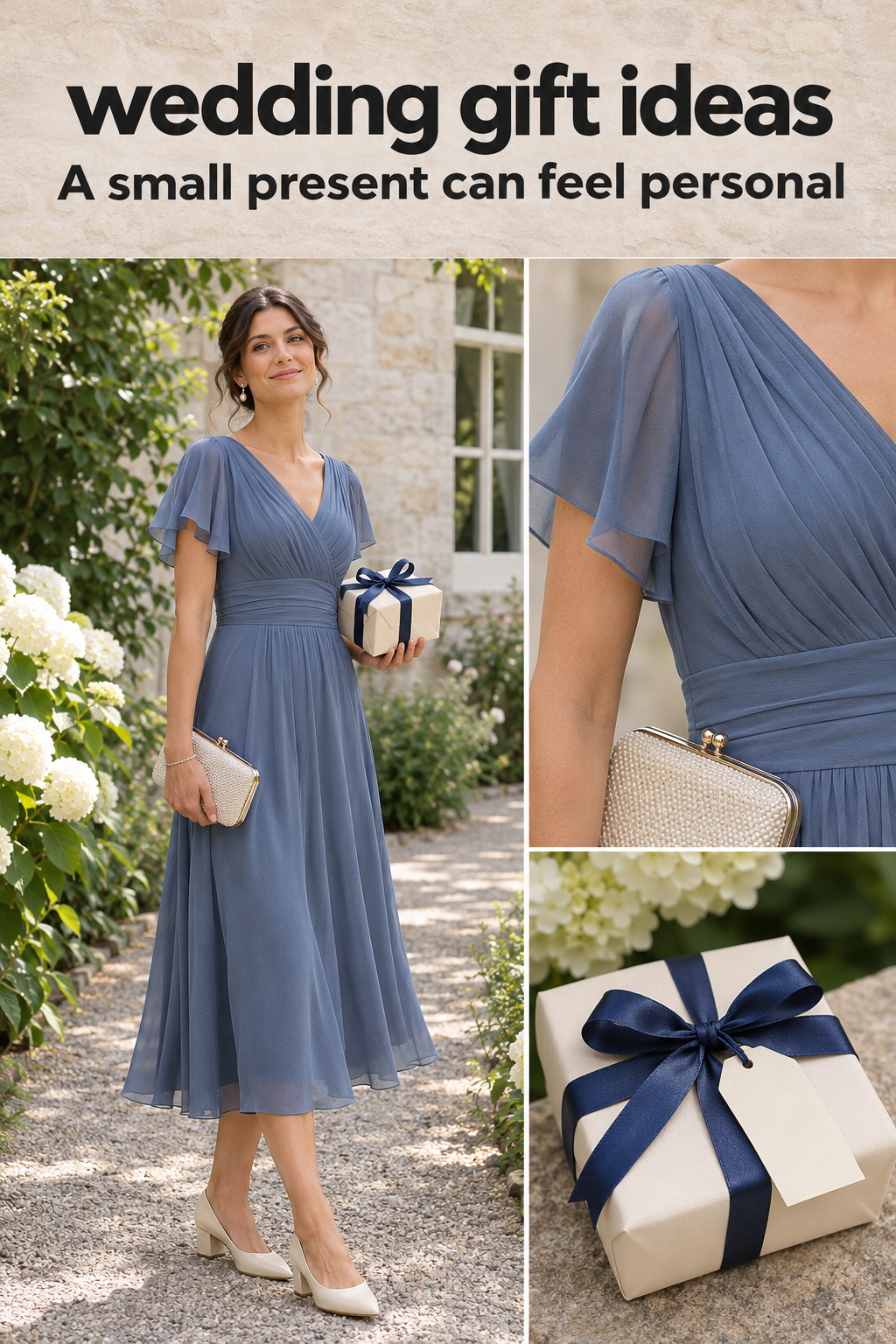
When the registry is almost empty
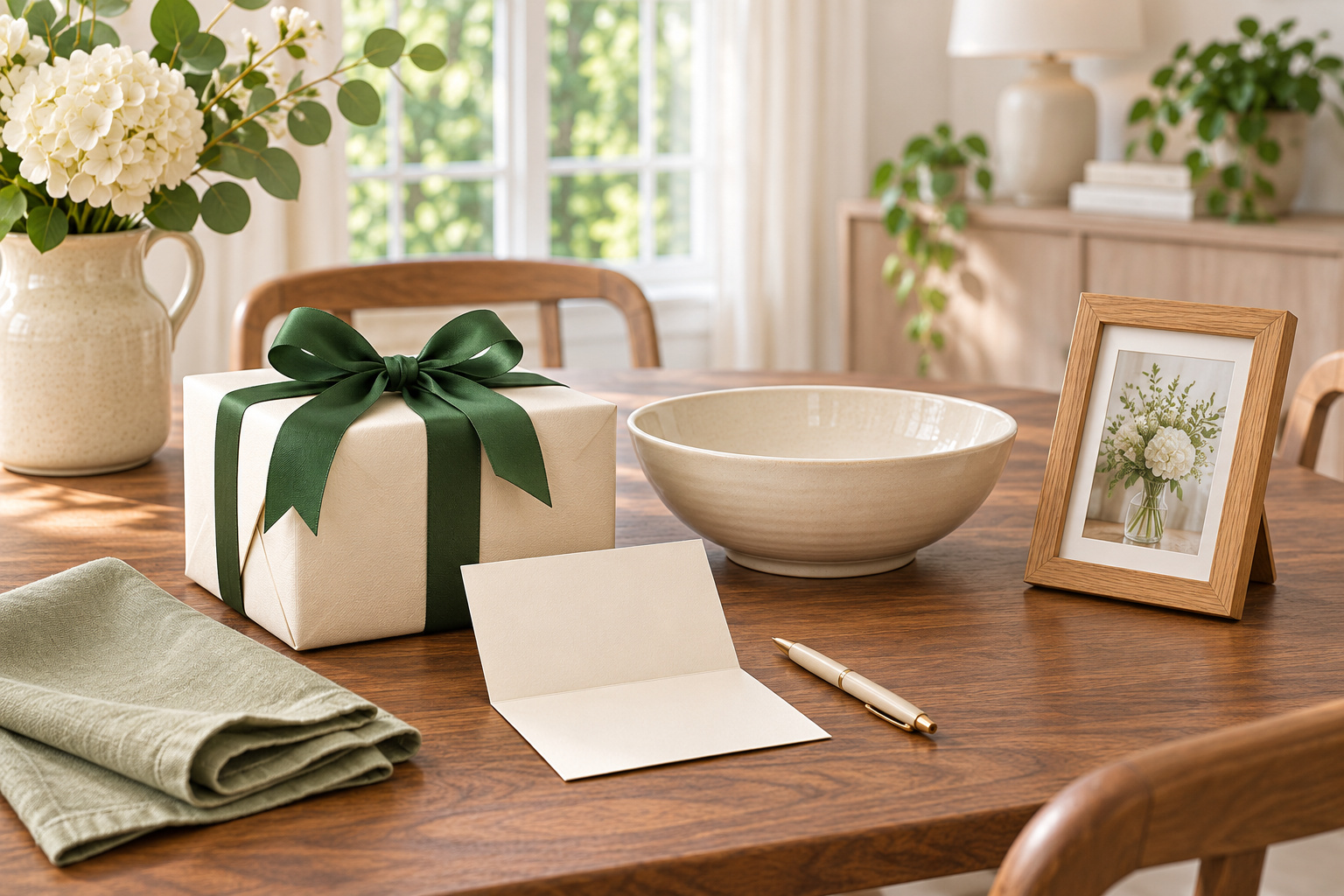
The few remaining items can look too ordinary to mark a wedding. Resist the urge to replace them with a larger surprise purely for presentation. The couple chose those measuring cups, that pitcher or those bath towels for their list. You can give one available item with a message about the home or routines you hope they enjoy together.
Check the actual listing closely before buying. Match the model, dimensions, color, quantity and any set configuration the couple selected. Two dinnerware collections can look alike in a photograph and still be different choices. If you buy a registry item elsewhere, follow the registry’s process for marking it purchased so another guest is not working from outdated information.
When the exact item is unavailable, I would pause before substituting. A different coffee machine may require different supplies, occupy more space or have controls the recipients did not choose. Send a concise question about an alternative, consider another requested item, or use a contribution option they have provided. A higher price does not resolve those differences.
For a larger requested present, a group gift can be worth discussing with willing friends or relatives. Agree on the item, individual contributions and who will place the order before anyone commits. If the registry offers a contribution feature, check its actual terms. Otherwise, nominate one purchaser and make sure every giver is named in the accompanying note. Keep participation voluntary and avoid announcing a total before the group has agreed.
If only small things remain, combining a few related requested items can give the package coherence. The listed mixing bowl and spatula make sense together when both are still wanted. Adding a novelty apron, ingredients and extra utensils creates more assumptions. Stop once the requested items fit your budget. You can wrap the bowl and spatula together and leave it there.
Keep your order confirmation and the gift receipt where you can find them. Check that the correct items and quantities are shown, particularly if a collection photograph includes pieces sold separately. Choose the shipping destination provided by the couple or confirm it when unclear. Check the contents and delivery details before arranging the wrapping.
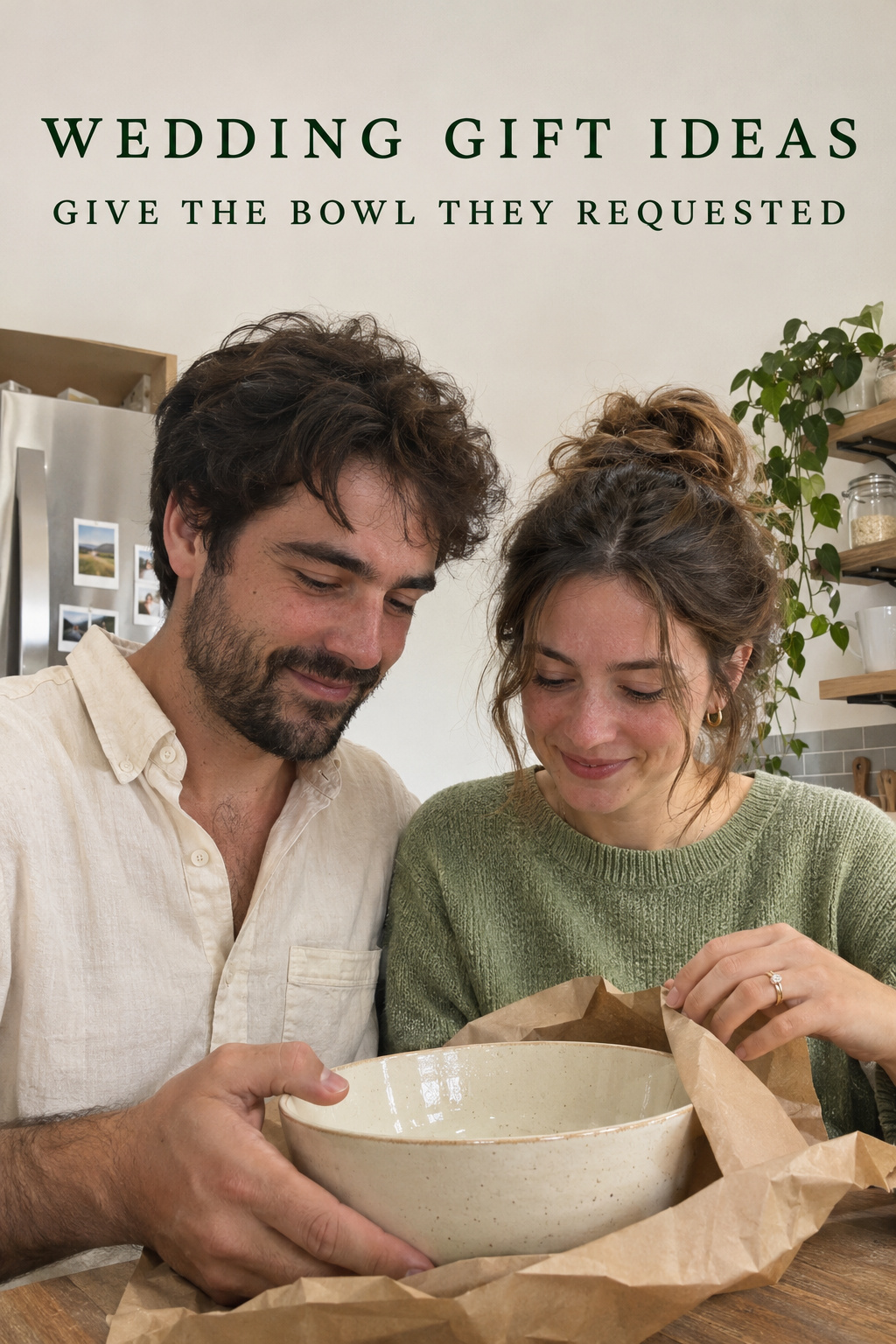
When they already have a furnished home
A couple with a furnished home might still want replacements, experiences or contributions. They may also have asked for no gifts. Begin with their request and the shared habits you actually know. If their kitchen is crowded, ask before adding an appliance. Check their interest in an experience just as carefully.
For a couple who enjoys a particular restaurant, a gift certificate can offer a familiar evening out. Before buying, read where it can be redeemed, how reservations work and any restrictions stated by the provider. Consider whether using it would require a journey or spending they would not otherwise choose. Avoid presenting a partly funded, expensive outing as though everything has been covered.
A class needs closer attention. Cooking, pottery or dance sessions may sound appealing, but participation involves scheduling and a shared willingness to attend. Choose this route when both partners have expressed interest. Prefer an option whose actual booking arrangements suit them, and check the terms for changes. Do not reserve a specific date as a surprise unless you know they want that commitment.
A museum or garden membership can suit people who already visit that institution. Check the membership description rather than assuming that one purchase covers two adults, every exhibition or every event. Travel plans and their home location matter. If they have recently moved, ask which place they would use instead of buying membership near their old address.
Food and drink are other possibilities when you know the relevant preferences and restrictions. A modest selection of a favorite coffee or tea may fit an existing routine. A subscription requires more consideration: delivery frequency, cancellation arrangements and whether the recipients must create an account. I would choose a one-time gift when the ongoing arrangement is uncertain.
Money is also an option. Emily Post’s wedding gift guidance accepts cash or a check and leaves the spending amount to the giver’s circumstances. If the couple has provided a preferred contribution method, follow their instructions. Add a personal note without telling them how they must spend the gift, unless you are contributing to a fund they specifically named.
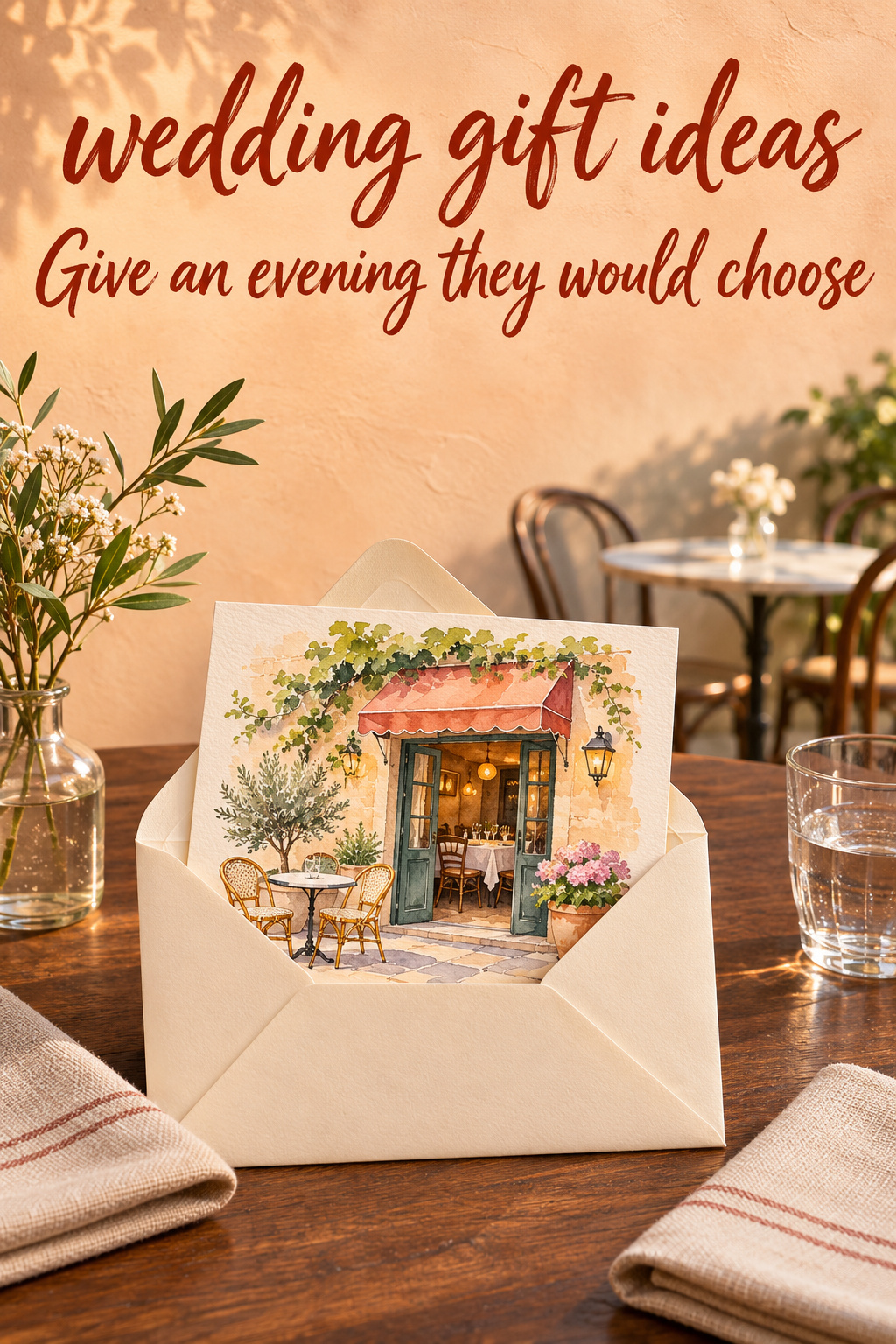
When a personal keepsake could go wrong
Before ordering a personalized wedding gift, resolve any uncertainty about the inscription. Confirm the wording the couple actually wants before ordering names, initials, titles or a date. Do not infer a shared surname from the invitation or assume either partner is changing their name. A preferred everyday name may also differ from a formal one.
Ask for the exact text in writing when it matters. Then compare the seller’s preview against that text, including spelling, punctuation, capitalization and date format. Read the listing’s proofing and correction process before paying. If you cannot get confirmation without burdening the couple, choose an unpersonalized version or wait until they have time to answer.
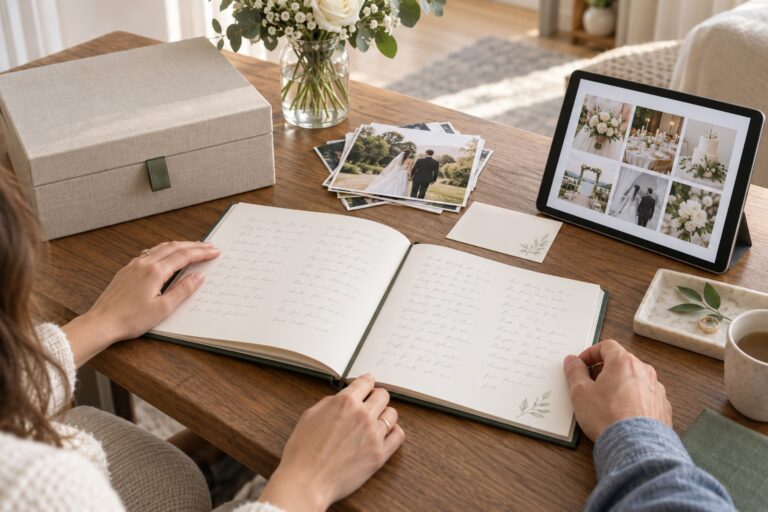
A frame, small keepsake box or album can offer sentiment with fewer permanent decisions. Even so, the design should suit what you know about their home. Choose a manageable size and avoid assuming that a large portrait or statement piece will be displayed. For an album, consider whether you are giving a finished object or handing over a project that requires them to upload and arrange photographs.
Illustrations of a meaningful place can work when you know which place matters to both people. Check that you have the correct building and reference image before commissioning anything. If you want to use a professional wedding photograph, ask about permission and access to the appropriate file. Do not promise a finished photo gift before the couple has received the images they intend to share.
Think carefully about anything designed to appear during the wedding itself. A surprise welcome sign, cake accessory or ceremony item introduces decisions about placement, styling and responsibility. It may also duplicate something already ordered. Ask before offering an event-day object. A keepsake sent for their home can avoid making the gift part of the production schedule.
Use the card to explain why you chose the gift. Mention a shared interest or a genuine memory involving the couple, and explain your good wishes in your own words. Keep the wrapping simple if the note already says what you want to express. For people whose tastes you know only slightly, I would keep the object simple and make the card specific.
When budget or timing limits the choice
Set an amount you are comfortable spending before comparing products. Include shipping, personalization and any other charges that apply to the order. Avoid choosing an item at the edge of your budget and discovering at checkout that the finished present costs more than you intended. The couple’s wedding style is not a reliable basis for deciding your spending.
There is no need to work backward from the imagined price of your meal. The Emily Post guidance linked above rejects that approach and sets no fixed gift amount. Keep the decision within your circumstances. A requested smaller item, a contribution or a gift chosen with others can each be considered without attaching a public ranking to the amount spent.
Do not add a second present because the first one looks small or has already been delivered. You can bring a card acknowledging the gift you sent and expressing your wishes for the marriage. If you are also attending another celebration, decide what you can comfortably give across the events instead of treating every suggestion you encounter as another compulsory purchase.
For a late decision, compare real delivery information with the time available. A personalized item with a production period may be unsuitable even when its shipping service sounds quick. Check both production and transit estimates, plus where the package can be received. Do not send it to a temporary address unless the recipients have confirmed that arrangement.
If the present will arrive after the wedding, tell the couple briefly in the card or a message. You can say that you have chosen something for them and it is on its way without promising a date you cannot control. Keep tracking information and follow up with the seller if a delivery problem appears. Buying another physical gift to fill the gap can leave you managing two uncertain orders.
For a bulky or fragile item, use the couple’s stated delivery preference rather than assuming a reception gift table is the easiest destination. Consider who would carry it home, particularly when the couple is traveling. A card is easier to manage on the day. Confirm the address discreetly if the registry does not supply a clear destination.
Resolve three common gift dilemmas
Suppose the registry has a serving bowl within your budget, but you worry that it feels impersonal. Buy the exact bowl and add a note connected to something you know about the couple: perhaps they enjoy inviting friends for dinner. Explain that connection in your message, and leave matching linens and serving tools for another occasion unless they are requested.
Now suppose they have asked for no more household objects, and you know a restaurant they both like. Compare a certificate there with any contribution option they named. Check the certificate’s terms and whether they still visit the area. If those details are uncertain, a welcomed contribution gives them more room to choose. Do not book dinner for a particular night simply to make the gift feel complete.
Finally, imagine you have found a personalized frame, but the surname on the sample does not tell you how this couple will use their names. Ask for their preferred wording. If a response is unlikely before the order deadline, choose a frame without an inscription or send a card while you arrange a later present. Do not let a production deadline push you into ordering an unconfirmed name.
Across these situations, solve the missing detail before expanding the purchase. If you know the request but doubt its visual impact, improve the note or presentation. If you know the interest but not the practical arrangements, verify those arrangements. If you do not know either, return to the couple’s instructions or ask a focused question. Ask the recipients when the missing information is something only they can supply.
Editor’s take: Choose the gift you can explain
I would choose a gift when I can explain its fit in one ordinary sentence: they requested this bowl, they visit this museum together, or they welcomed a contribution toward their plans. That reason is more useful than how impressive the package might look on a table. I would be cautious about permanent personalization and experiences with fixed dates because both turn small assumptions into commitments for the recipients. A close relationship may give you enough information to make either work; an unfamiliar couple may call for a simpler choice. Start by reopening their gift information and identifying the one preference they have made clear. If you can honor it within your budget, you have a sound place to stop shopping.
Sources and methodology
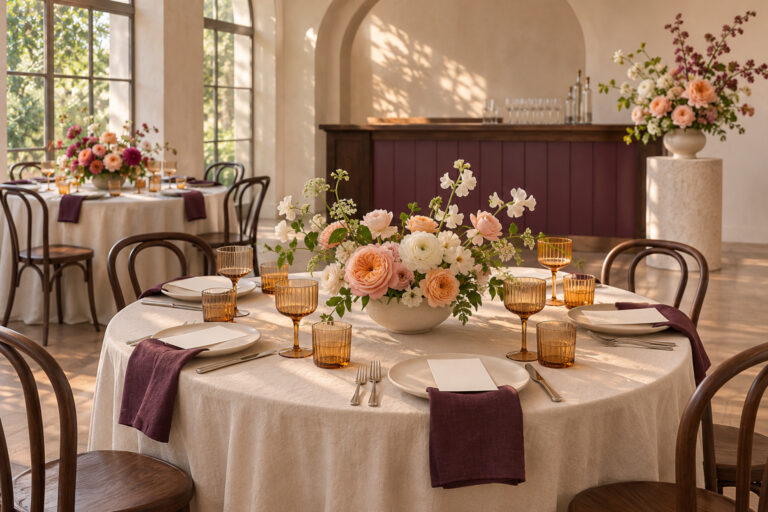
This guide draws on ten Google US organic destinations covering gift collections, wedding editorial advice and public discussions, with supplementary etiquette guidance from Emily Post. Retailer pages, including the Crate & Barrel registry collection, informed the distinction between specific requested home items and broad gift categories. Community discussions helped identify questions; their anecdotes do not establish how every couple feels. The recommendations are research-based editorial judgments without firsthand product testing or wedding-planning experience. The artwork is original generated illustration of fictional situations, rather than documentation of gifts or actual recipients.
FAQ
What are good wedding gift ideas when I barely know the couple?
Begin with their wedding website or registry and choose within your budget. A specific requested item reduces the need to guess about decor, hobbies or household needs. Follow any stated preference for contributions or no gifts. If instructions are missing, ask one focused question rather than commissioning a personal object based on assumptions.
Is it okay to give cash instead of a physical wedding present?
Yes, cash or a check is an accepted option in the Emily Post guidance referenced above. Consider the couple’s own instructions and the customs familiar to them. A short, personal message can accompany the gift. You do not need to invent a spending purpose if they have not named one.
What if every gift on the registry is outside my budget?
Keep your spending limit. Look for a smaller requested item, a contribution option or willing people who would like to share a gift. Confirm group arrangements before committing to the purchase. If none suits you, ask whether the couple has another preference instead of taking on an amount you are uncomfortable spending.
How can I make a practical gift feel personal?
Keep the useful item and write a note that explains your connection to the couple or your wishes for their life together. You can mention their enjoyment of cooking, hosting or another habit you genuinely know. Personalization does not require engraving, extra accessories or an item that becomes a display obligation.
Should I surprise the couple with an experience?
Choose an experience when you know both partners want it and can use it. Read the actual booking terms, location and restrictions, and consider any additional spending required. Avoid fixing a date without checking. When their schedule or interests are unclear, a requested contribution may leave them more choice.
What should I do if my wedding gift will arrive late?
Let the couple know briefly that a gift is on its way, and keep the order and delivery information. Check with the seller about problems rather than leaving the recipients to investigate. A card can carry your congratulations on the day. You can finish arranging the chosen present without buying a second gift to fill the delay.