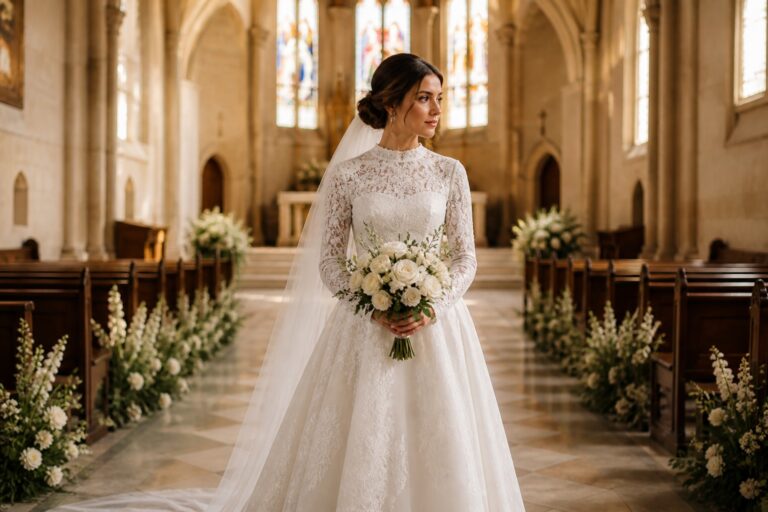
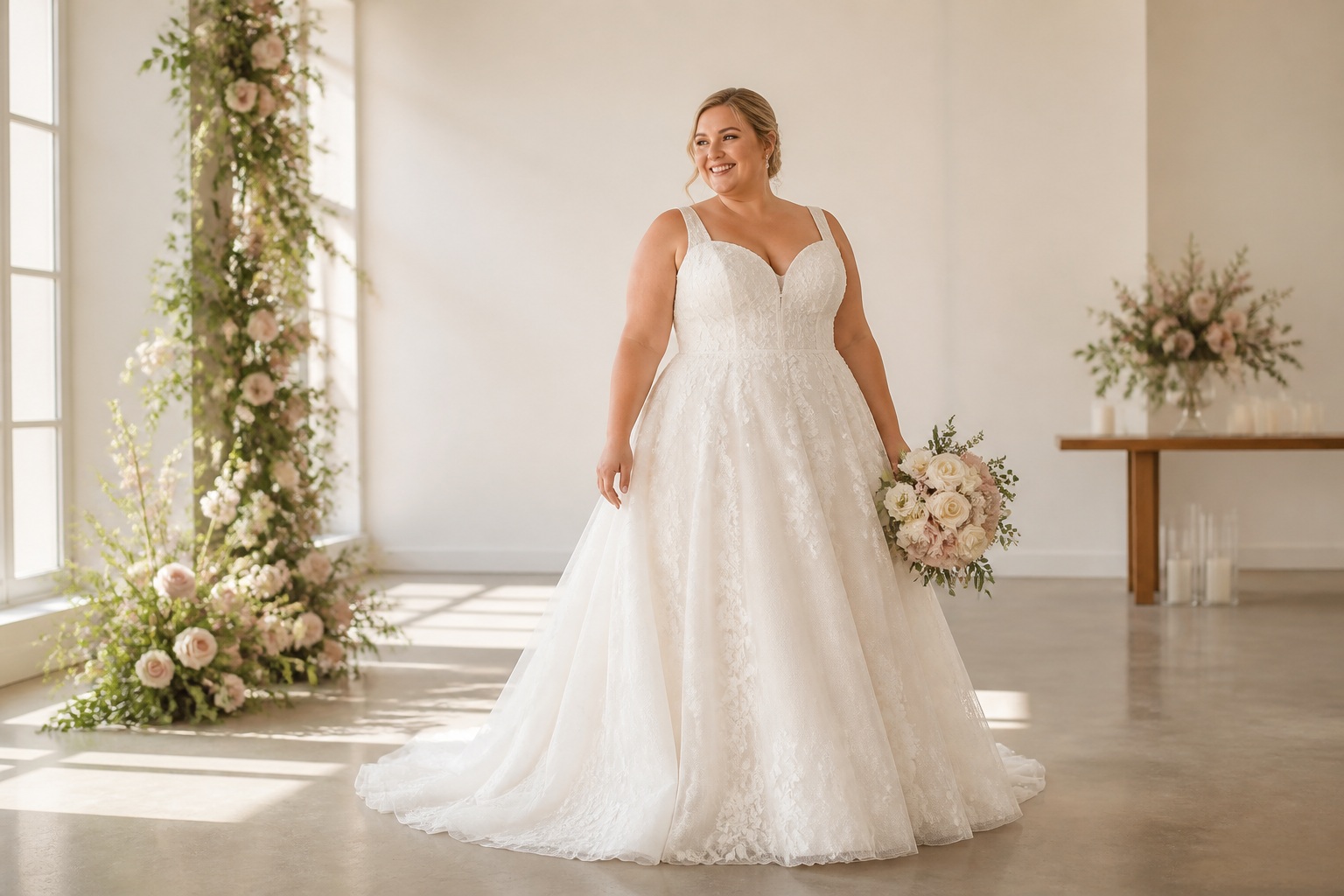
Plus Size Bridal Dresses: A Better Way to Choose Yours
Shopping for plus size bridal dresses should feel like choosing the outfit for one of the most important days of your life, not like trying to solve a problem created by a size chart. The right gown is the one that supports your body, suits the setting, lets you move, and reflects how you want to feel when you see yourself in the mirror. That may mean an A-line, a ball gown, a sheath, a fit-and-flare shape, or a completely unexpected option.
This guide uses a practical approach. Instead of starting with rules about which silhouettes are supposedly flattering, start with your wedding conditions: the venue, the weather, the ceremony length, the dance floor, the level of support you want, and the details that make you feel like yourself. Then use those answers to build a focused shortlist. You will have more productive appointments, clearer online searches, and better conversations about alterations.
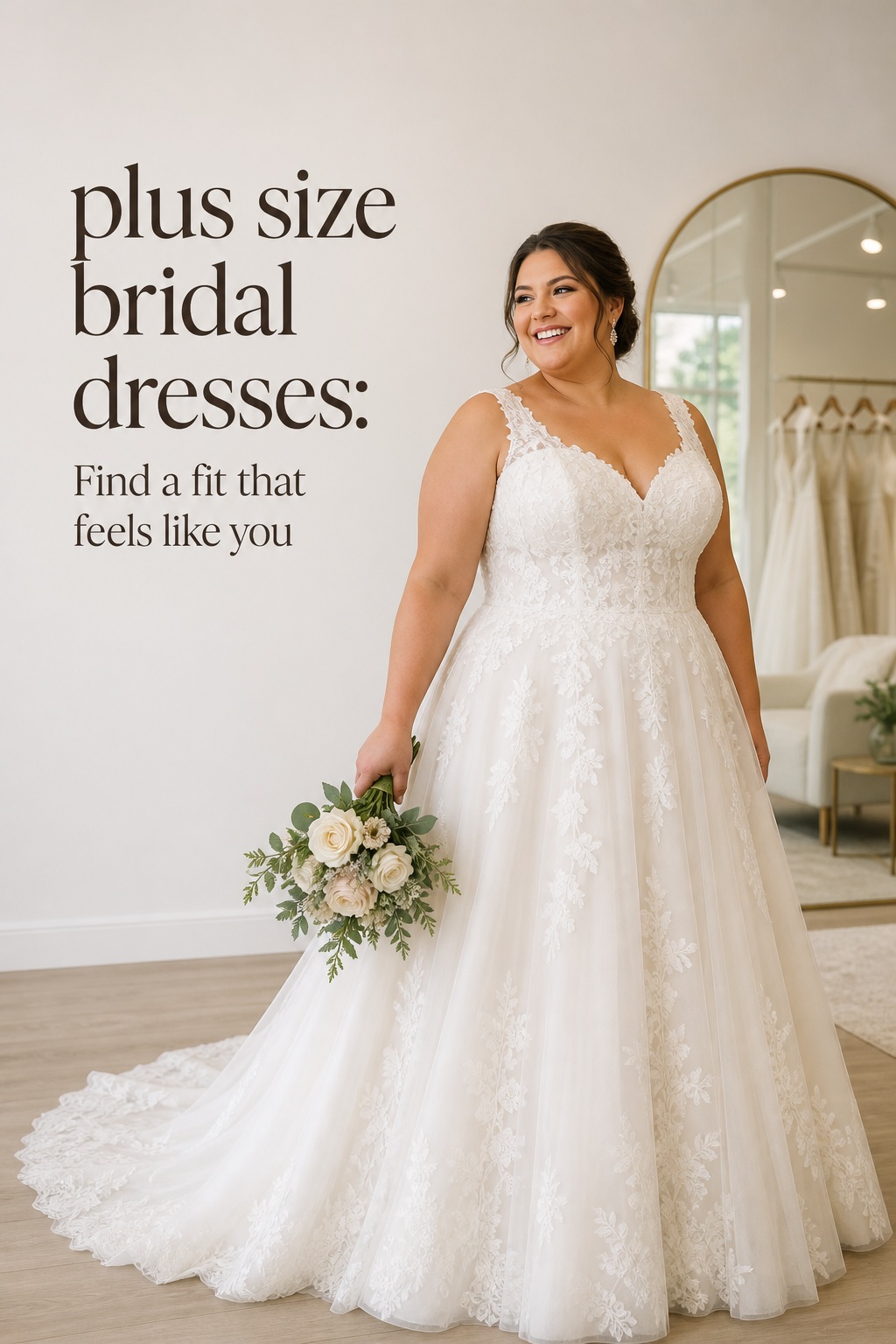
Why fit and construction matter more than a universal rule
Bridal sizing is not the same as everyday clothing sizing, and it is not perfectly consistent from one designer to another. A label is a starting point for ordering a sample or dress, not a judgment about your body. Measurements, proportions, fabric behavior and the gown’s internal construction tell you much more than the number printed inside it.
Turn wedding inspiration into a plan you can actually follow.
Zarellea brings your guest list, budget, vendors, and day-of details into one shared space — so no beautiful idea gets lost in the shuffle.
Construction is especially important in plus size bridal dresses because the gown has to remain comfortable and stable through a long sequence of activities. You may stand for portraits, sit during the ceremony, hug dozens of people, walk across grass or sand, eat, dance, use the restroom, and wear the dress for eight or more hours. A beautiful gown that needs constant pulling, pinning or adjusting will make the day harder than it needs to be.
Look for support that is built into the dress
Ask what is inside the bodice before you decide how a gown feels. A lined bodice, quality cups, flexible boning, a secure closure and well-placed seams can provide support without making the dress feel rigid. Some brides prefer a structured corset or lace-up back because it allows small fit adjustments. Others prefer wide straps, a supportive halter, sleeves, or a higher back. There is no single correct level of structure. The useful question is whether the support feels reliable when you breathe, sit and raise your arms.
Separate the sample fit from the final fit
A bridal salon may have only one sample size, and that sample may not close or may be clipped to approximate your shape. That does not automatically tell you the dress will or will not work. Ask the stylist to explain where the sample is tight, where it is loose, and which alterations are realistic. A gown can look very different after the waist, straps, neckline or hem are adjusted. It is also reasonable to ask whether a salon carries sample sizes that let you evaluate the bodice and skirt more accurately.
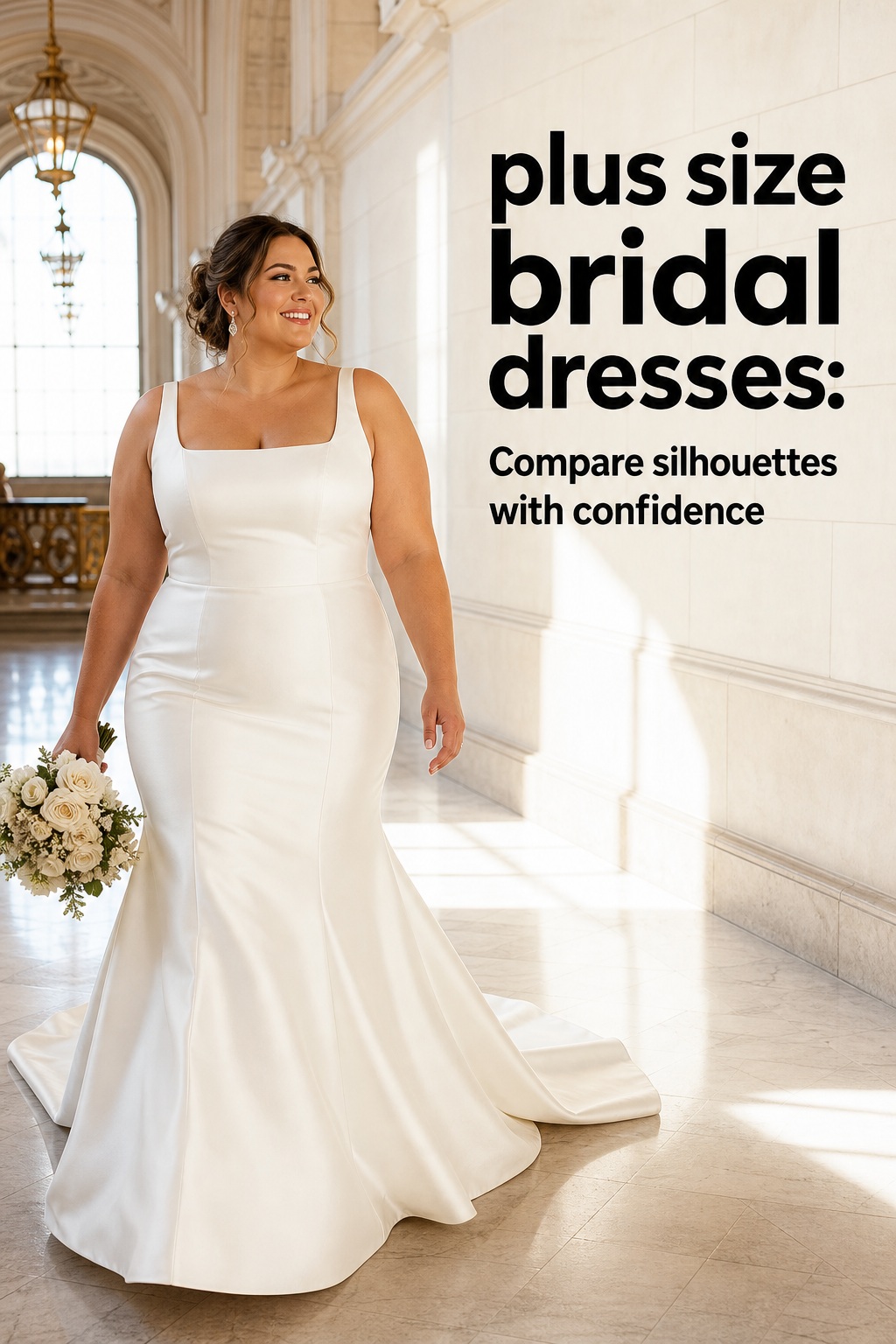
Core principles for choosing plus size bridal dresses
Once you know how the gown needs to function, compare dresses using a few clear principles. These are more useful than sorting yourself into a body-shape category. They also help when the dresses you love online are not available in your size locally.
Choose a silhouette by movement and mood
An A-line gown gradually widens from the waist and is often a versatile choice for an indoor ceremony, garden venue or formal reception. It gives room through the skirt without requiring the volume of a full ball gown. A ball gown creates a dramatic entrance and a defined waist, but its layers and width need to be tested against stairs, narrow aisles and the dance floor.
A sheath or column dress follows a straighter line and can feel modern, light and easy to style. Look for stretch, a careful lining and enough room for sitting and walking. A fit-and-flare, trumpet or mermaid silhouette can create a striking shape while still feeling comfortable if the flare begins where you can move freely. Try walking several steps, sitting down and taking a full stride before deciding that a close-fitting skirt is impractical.
Evaluate the neckline and straps as a support system
The neckline changes both the visual character and the physical experience of a gown. A sweetheart neckline can feel romantic, while a square neckline can look clean and architectural. A V-neck can create an open line, and an illusion panel can add coverage without closing the design. Focus less on what is considered flattering and more on whether the neckline stays in place, gives you the coverage you want, and works with the bra or cups you plan to wear.
Straps deserve the same attention as the neckline. Narrow straps may look delicate but can feel less secure for a fuller bust. Wide straps, cap sleeves, off-the-shoulder sleeves with proper internal support, or a halter can all work beautifully when the garment is engineered well. During an appointment, move your shoulders and arms. If the straps dig in, slide down or pull the neckline out of position, ask whether the design can be altered before you fall in love with the idea of it.
Use fabric and lining to predict comfort
Lace, satin, chiffon, tulle and crepe each behave differently. Satin can create a polished, sculpted effect but may show tension lines or feel warm without a breathable lining. Chiffon moves softly and can be comfortable for a destination celebration. Tulle adds volume with relatively little weight, although multiple layers can become warm. Crepe can skim the body and look contemporary, but stretch and seam placement are important.
Ask whether the dress is lined, where the lining ends, and whether the seams have a smooth finish. Try the gown under the lighting you will actually encounter if possible. A dress that feels comfortable for five minutes may feel different after an hour. If you are planning an outdoor summer wedding, consider breathability. If the celebration is in a cool venue, sleeves, a removable topper or a lined bodice may be useful.
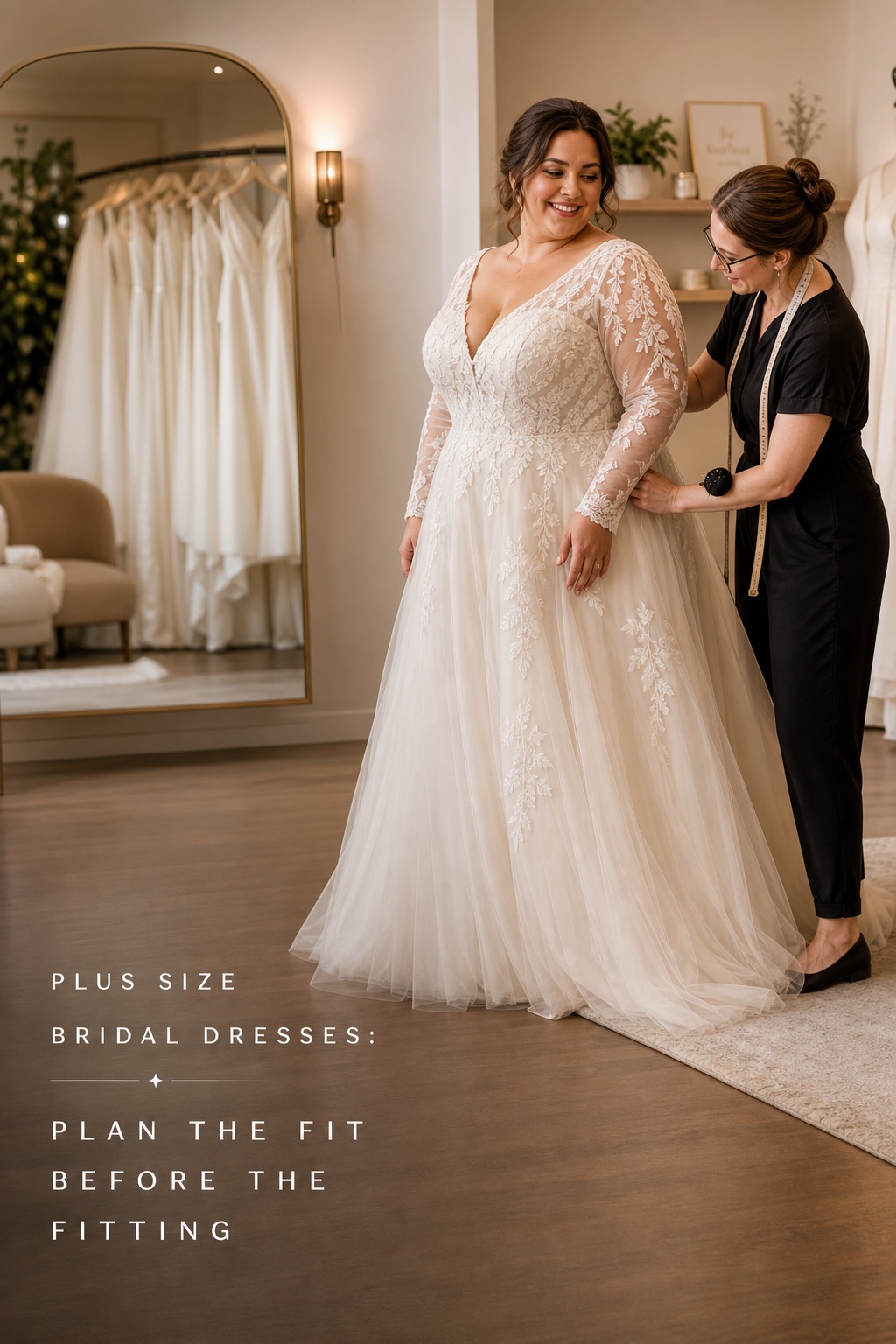
Step-by-step ideas for building your shortlist
A focused process makes shopping more enjoyable. You do not need to identify one perfect dress before your first appointment. You need enough information to compare real options and notice what your body is telling you.
1. Start with the wedding, not the catalog
Write down the practical conditions first. Is the ceremony in a ballroom, a barn, a beach setting, a courthouse, a garden or a place of worship? Will you walk on pavement, grass, gravel or sand? Do you want to dance freely, keep the train minimal, or make a dramatic entrance? How warm or cold might it be? These answers narrow the search without narrowing your personal style.
For example, a lightweight A-line with a detachable train may suit a garden ceremony followed by an active reception. A satin ball gown may be perfect for a formal ballroom where you want a high-impact silhouette. A simple crepe sheath could be ideal for a city hall ceremony, especially with a dramatic veil or tailored jacket. Let the setting guide the function, then let your taste guide the details.
2. Build a three-part inspiration board
Save images in three groups: silhouettes, details and overall feeling. In the silhouette group, include shapes you would genuinely try. In the details group, collect necklines, sleeves, backs, fabrics, buttons, pockets, lace and trains. In the feeling group, save images that express the atmosphere you want, even if the gown itself is not a practical match. This prevents one photograph from controlling the entire appointment.
When you review the board, look for repeated preferences. You may notice that you keep saving square necklines, matte fabrics and sleeves, or that every image has a soft skirt and an open back. Those patterns are more useful than a list of labels such as romantic or classic. Bring the board to your stylist and explain what you like about each image.
3. Prepare measurements and fit questions
Take your measurements according to the designer’s instructions, ideally with help from another person. Record bust, waist and hip measurements, and note any proportion that affects fit, such as a longer torso or fuller upper arm. Do not use measurements to criticize your body. Use them to order intelligently and to give a seamstress useful information.
Ask every retailer how the gown runs, which measurement controls the order size, whether the style can be made with a different length, and what alterations are commonly needed. Ask whether there is a rush option, a return policy for ready-to-wear pieces, and a local or recommended alterations partner. These questions are especially important when shopping online.
4. Test the dress like you will wear it
Do not evaluate a gown only while standing in front of a mirror. Walk, sit, bend slightly, raise your arms, turn, hug someone and take a few dance steps. Check whether the bust stays contained, whether the waist rolls or pinches, whether the straps stay in place, and whether you can reach the back closure. If there is a train, practice holding it and ask how the bustle works.
Wear undergarments with a similar shape to the ones you expect to use, but do not assume you must buy special shapewear to make a dress acceptable. A good gown should be assessed on comfort and support, not on how much you can tolerate for a photograph. If the dress works only when you cannot breathe or sit, it is not the right fit for your day.
5. Plan alterations as part of the purchase
Alterations can refine length, straps, neckline, waist, bust fit and bustle placement. They are not a failure of the dress. They are part of making a garment fit one specific person. Still, not every change is equally easy or affordable. Before placing an order, ask whether the seam can be let out, whether lace must be repositioned, whether the cups can be moved, and whether the train can be shortened without disturbing the design.
Schedule the first fitting early enough to allow for more than one appointment. Bring the shoes and undergarments you will wear, and tell the seamstress about any concerns you had during shopping. If you want pockets, sleeves, a bustle or a modesty panel, discuss those additions before the final fitting. The earlier the plan is clear, the more options you have.
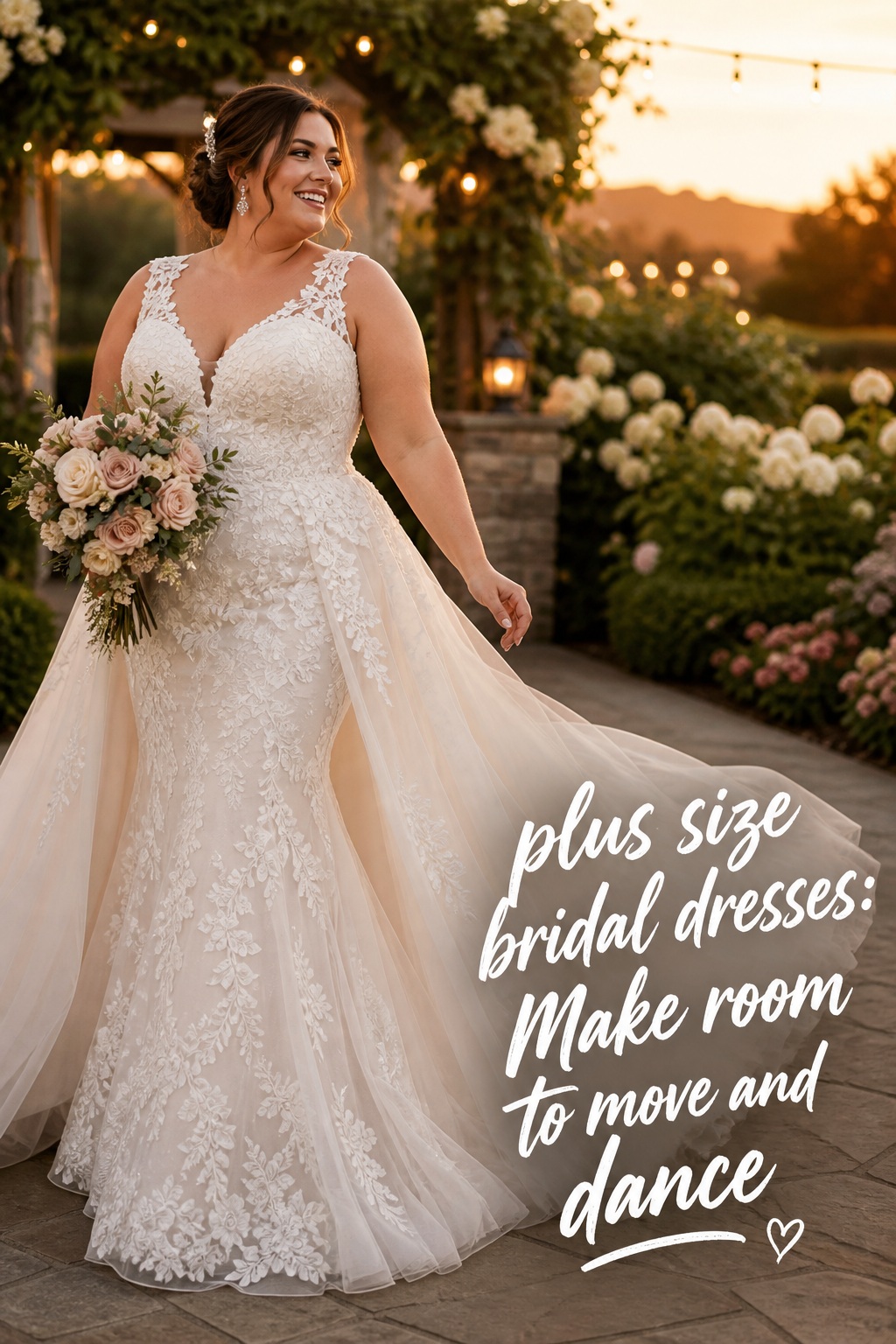
Mistakes to avoid when shopping for your gown
Many stressful dress-shopping experiences come from process problems rather than from a lack of beautiful options. A few simple adjustments can protect your time, budget and confidence.
Do not shop by size label alone
Bridal size labels can run differently from everyday clothing, and two gowns in the same labeled size may fit very differently. Use the designer’s measurement chart and ask the retailer to explain the ordering decision. If you need a larger size for one measurement, that is normal. The dress can often be shaped in other areas during alterations.
Do not assume a sample that does not close is a final answer
A clipped sample can hide the way the finished bodice will sit, but it can also make it difficult to judge comfort. Ask for a bridal clip, panel or another sample when available. Have the stylist describe the intended fit and show you the construction. If the appointment feels dismissive, you are allowed to leave and find a salon that treats fit as a normal part of the service.
Do not let online photographs replace garment information
Online photographs are useful for finding details, but they may not show the lining, closure, stretch, interior cups or actual color. Read the size chart, fabric description and alteration notes. Look for images from more than one angle. If the product page does not answer a practical question, contact customer service before ordering.
Do not leave the support plan until the final week
Decide early whether you need sewn-in cups, a supportive bra, fashion tape, a modesty panel, sleeves, straps or a different closure. Test the complete combination at a fitting. A gown may feel perfect without the accessories and too tight with them, or the reverse. Give yourself time to make a calm adjustment rather than improvising on the wedding morning.
Do not confuse a trend with a requirement
Basque waists, corset bodices, overskirts, bows, sleeves and square necklines may be popular, but you do not need any of them to look current. Choose a trend when it adds something you genuinely enjoy. Otherwise, prioritize fit, movement and the details that will still feel like you when you look at your wedding photographs years from now.
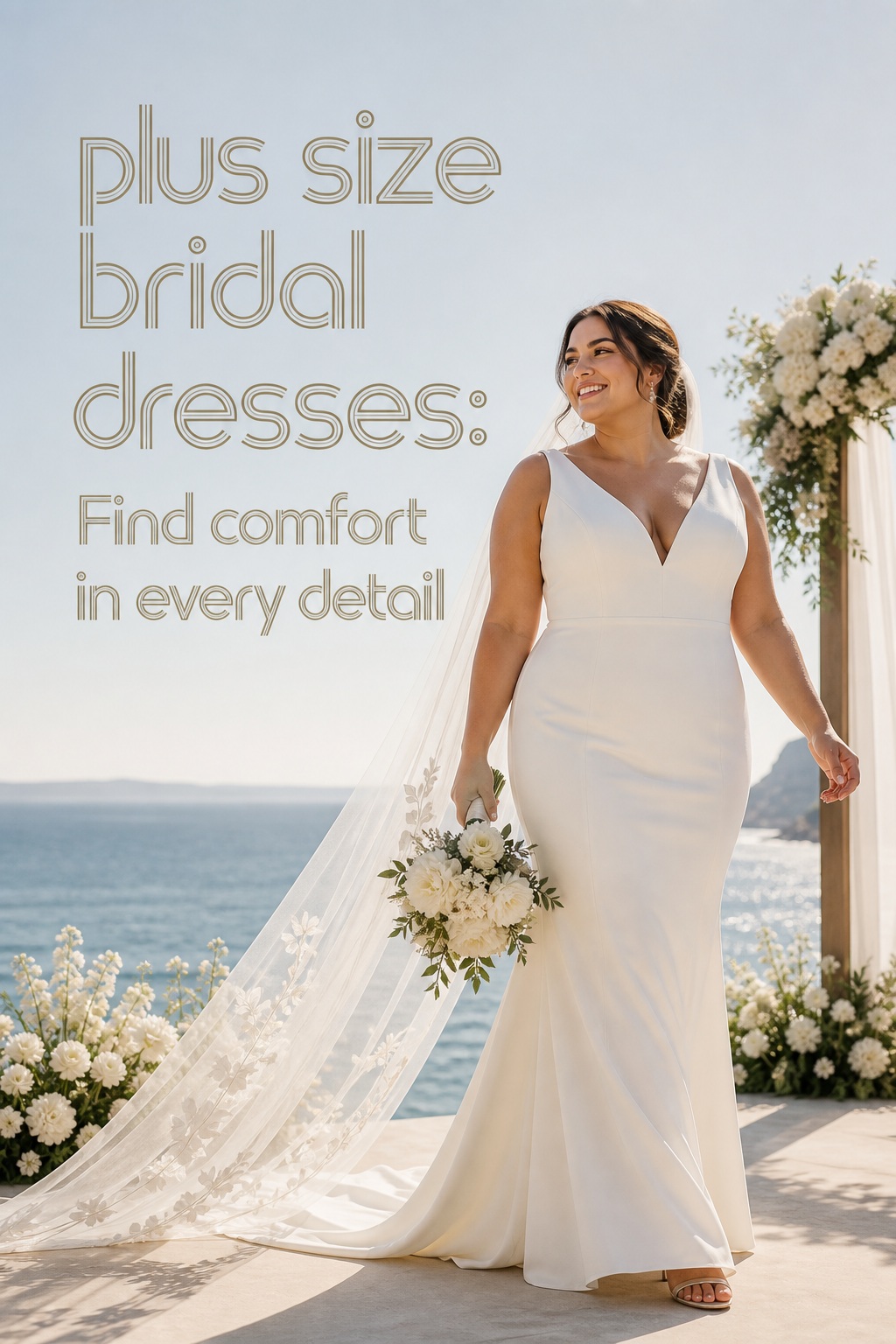
FAQ
What are the best plus size bridal dresses for support?
The best dress for support is one with a stable, well-lined bodice, secure cups or room for your preferred bra, comfortable straps or sleeves, and a closure that stays in place. Structured A-line, ball gown, fit-and-flare and column designs can all be supportive. Test the actual construction rather than relying on the silhouette name.
Which silhouette is most comfortable for a full wedding day?
Comfort depends on fabric, lining, support and mobility, but A-line, lightweight sheath and thoughtfully constructed fit-and-flare gowns are often easy to move in. A ball gown can also be comfortable if the layers are not overly heavy and the train has a practical bustle. Walk, sit and dance in every finalist.
How should I choose my bridal dress size?
Use the designer’s current measurement chart and have a bridal professional compare your bust, waist and hip measurements. Bridal sizing may be different from ready-to-wear sizing. If one measurement requires a larger size, the garment can often be tailored elsewhere. Ask about the retailer’s ordering and alteration policy before purchasing.
What should I bring to a plus-size bridal appointment?
Bring inspiration images, a strapless or supportive bra if you own one, comfortable undergarments, shoes with a similar heel height, and a short list of practical questions. You can also bring a trusted person who helps you notice comfort and construction, not only appearance. Call ahead to ask about sample sizes and accessibility.
Can plus size bridal dresses be altered for better support?
Many gowns can be improved with strap adjustments, cups, a modesty panel, reshaping at the waist, closure changes or carefully placed boning. The options depend on the original construction and fabric. Consult an experienced bridal seamstress before ordering if you already know you want significant changes.
Are online bridal dresses a good option?
Online shopping can offer more size and style variety, but it requires careful measurement, realistic delivery timing and a clear return or alteration plan. Read the fabric and construction details, request measurements when possible, and budget for professional alterations. Order early enough to solve fit issues without rushing.
How can I feel confident during dress shopping?
Choose appointments with inclusive sample options, bring people who respect your preferences, and judge each gown by support, comfort and the feeling it gives you. You do not need to make your body smaller to deserve a beautiful bridal experience. The right dress should make room for your whole day and your whole personality.