Wedding Guest Shoes: How to Choose the Right Pair
Wedding guest shoes have one job that beautiful shoes do not always manage: they need to look right for the celebration and still feel good hours later. You may walk from a parking area to an outdoor ceremony, stand through photographs, cross a cocktail hour, sit through dinner and dance before the night ends. The best pair fits that whole itinerary.
Start with the invitation, not the shopping page. Dress code sets the level of polish, while the venue tells you what kind of sole and heel will actually work. Then consider your outfit’s hem, color and mood. A low heel can be just as elegant as a stiletto when the material is satin, metallic leather or a refined embellishment. A fabulous flat can be the smartest choice when the ground is uneven or you know you will stay on the dance floor.
The decision order: dress code, venue, season and hem
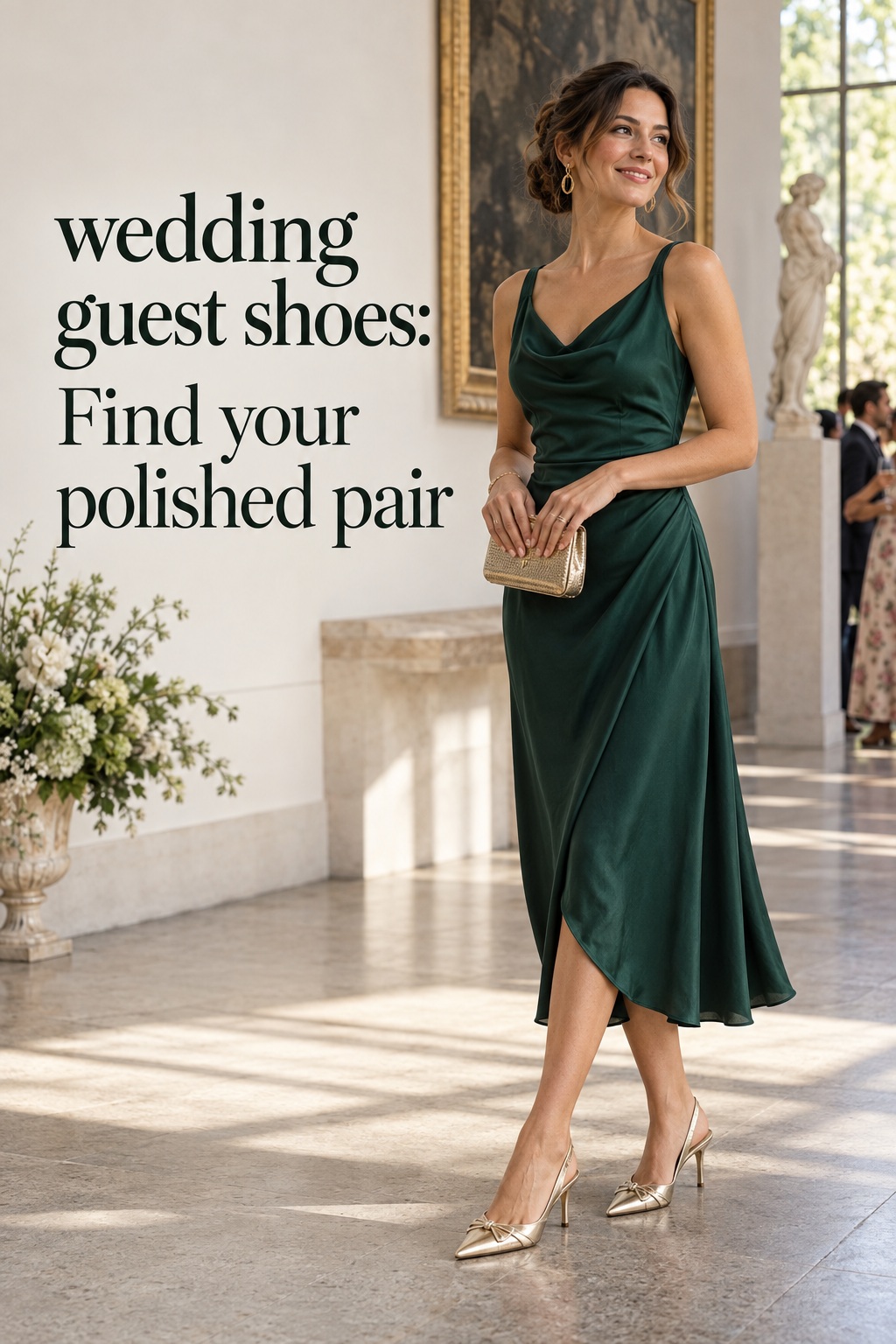
Before comparing silhouettes, answer four questions. What does the dress code require? Where will you walk? What will the weather probably do? What part of your outfit should the shoe support? This order prevents the most common mistake: buying a pair that looks lovely in isolation but feels wrong for the actual wedding.
Let the dress code set the finish
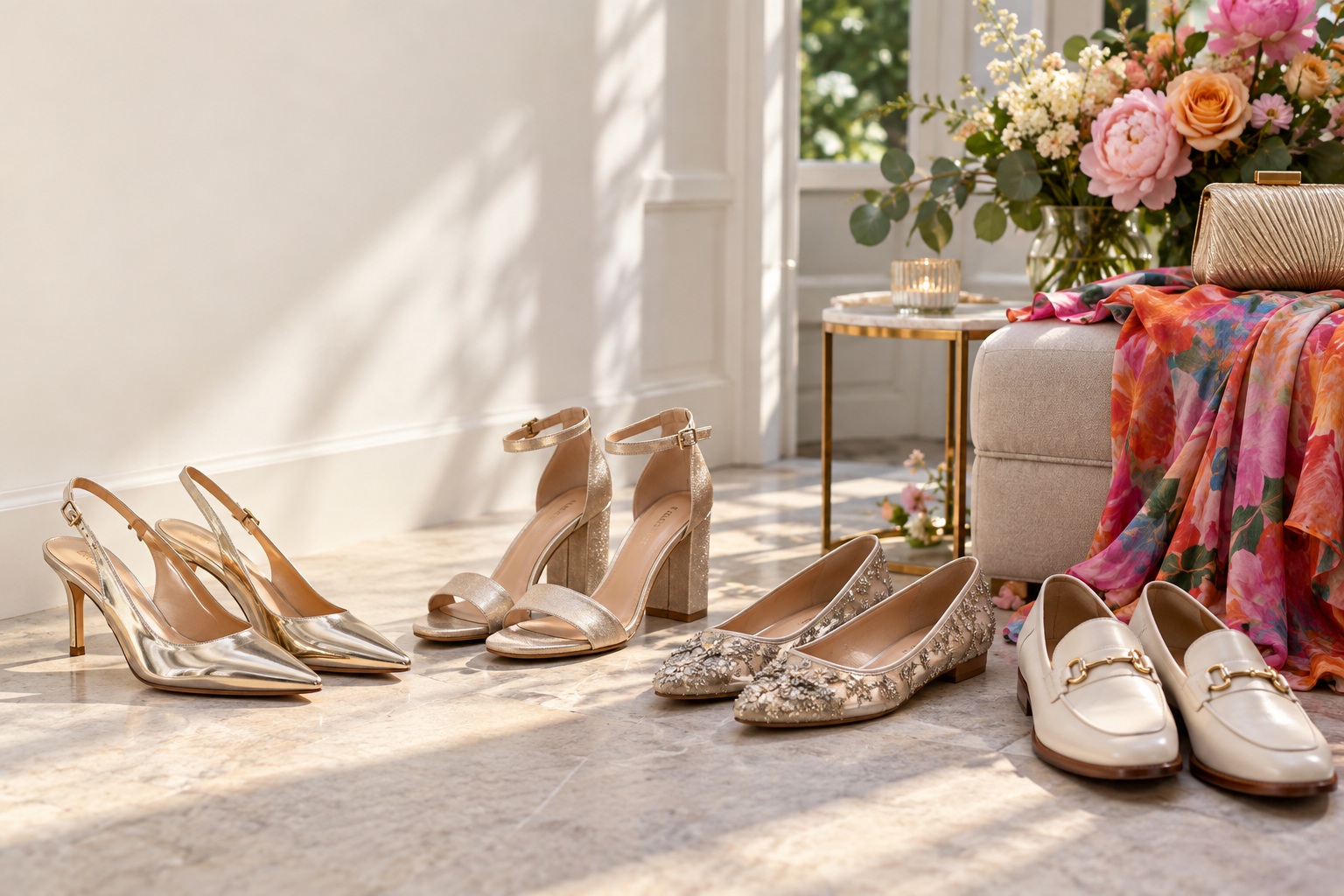
For black tie or a very formal evening, choose a sleek pump, refined sandal, pointed slingback or elegant low heel. The shoe should have a dressy finish and a clean shape. Patent leather, satin, velvet, metallic leather and restrained crystal details can all work. Avoid anything that reads like a daytime walking shoe unless the invitation specifically makes the celebration relaxed.
Turn wedding inspiration into a plan you can actually follow.
Zarellea brings your guest list, budget, vendors, and day-of details into one shared space — so no beautiful idea gets lost in the shuffle.
Formal and cocktail weddings allow more personality. This is where a jewel-toned sandal, sculptural heel, embellished flat or polished mule can become the most interesting part of the look. Semi-formal events are flexible, but they still call for intention. A simple shoe can work if the outfit is detailed; a statement shoe can lift a plain midi or tailored suit.
For dressy casual or daytime celebrations, polished flats, loafers, low sandals, espadrilles and kitten heels are natural choices. The key is condition and finish. Clean leather, woven texture, a neat buckle or a thoughtful color makes a low shoe feel considered. Casual does not mean worn-out sneakers, beach flip-flops or visibly distressed footwear unless the couple has clearly invited that mood.
Read the venue as a footwear instruction
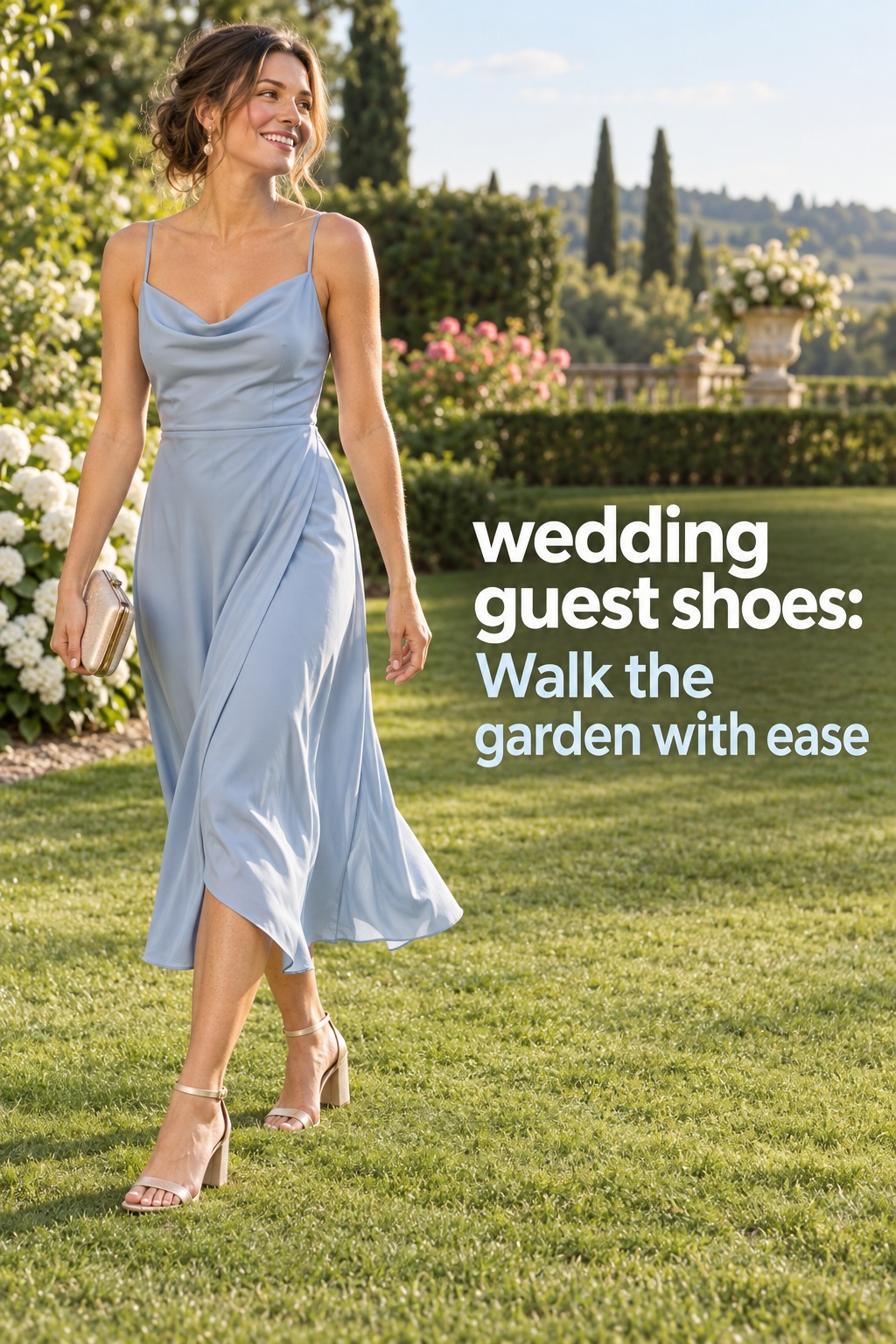
A ballroom gives you the most freedom. Almost any heel height can work if you can walk and stand in it confidently. A garden, lawn or farm venue changes the calculation. A narrow stiletto can sink into grass, catch between paving stones or make every step feel precarious. Choose a block heel, wedge, platform espadrille, flat or a shoe with a wider sole.
Beach weddings favor shoes that stay stable in sand. Flat sandals, low wedges, dressy slides and secure fisherman-style sandals can look intentional while making the walk easier. If the ceremony is directly on the beach but the reception is indoors, a two-shoe plan may be better than forcing one pair to do everything. Leave a delicate heel for the reception and use a polished flat or wedge for the sand.
For a city wedding, think about pavement, stairs and distance between locations. Slingbacks, block heels and supportive flats are useful when the day includes a short walk or a venue with cobblestones. For a destination wedding, choose one versatile pair that packs easily and one backup that can handle the less glamorous parts of travel.
- Ballroom: pointed pumps, satin sandals, slim slingbacks or elegant low heels.
- Garden or lawn: block heels, wedges, espadrilles, flats or platforms with a stable base.
- Beach: flat sandals, low wedges, dressy slides or secure embellished flats.
- Barn or gravel: block heels, ankle-strap sandals, loafers or polished boots for cooler weather.
- City or destination: comfortable shoes with secure fastening and a realistic walking plan.
Use the hem as a practical styling test
Long dresses and wide-leg trousers need enough clearance that the hem does not drag, but they do not require an extreme heel. A modest block heel or wedge can provide lift without making the outfit difficult to move in. With a midi, the shoe is more visible, so its toe shape, straps and color become part of the outfit’s main design. A tailored suit works with loafers, sleek pumps, pointed flats or a dressy sandal depending on the formality.
Heels compared: stilettos, kitten heels, block heels and wedges
Heels are not one category. Their height, width and fastening change how long you can wear them and where they belong. Instead of asking whether heels are comfortable in general, compare the specific heel to the wedding’s route through the day.
Stilettos: the highest visual impact
A slim stiletto creates a sharp, elongated line and suits formal evening outfits. It is also the least forgiving option for long standing, outdoor ground and enthusiastic dancing. If you choose one, test it on the actual type of surface you expect, keep the height realistic and consider carrying a flat alternative. A lower pointed heel can deliver much of the same visual effect with less pressure on the forefoot.
Kitten heels: polished with a lighter commitment
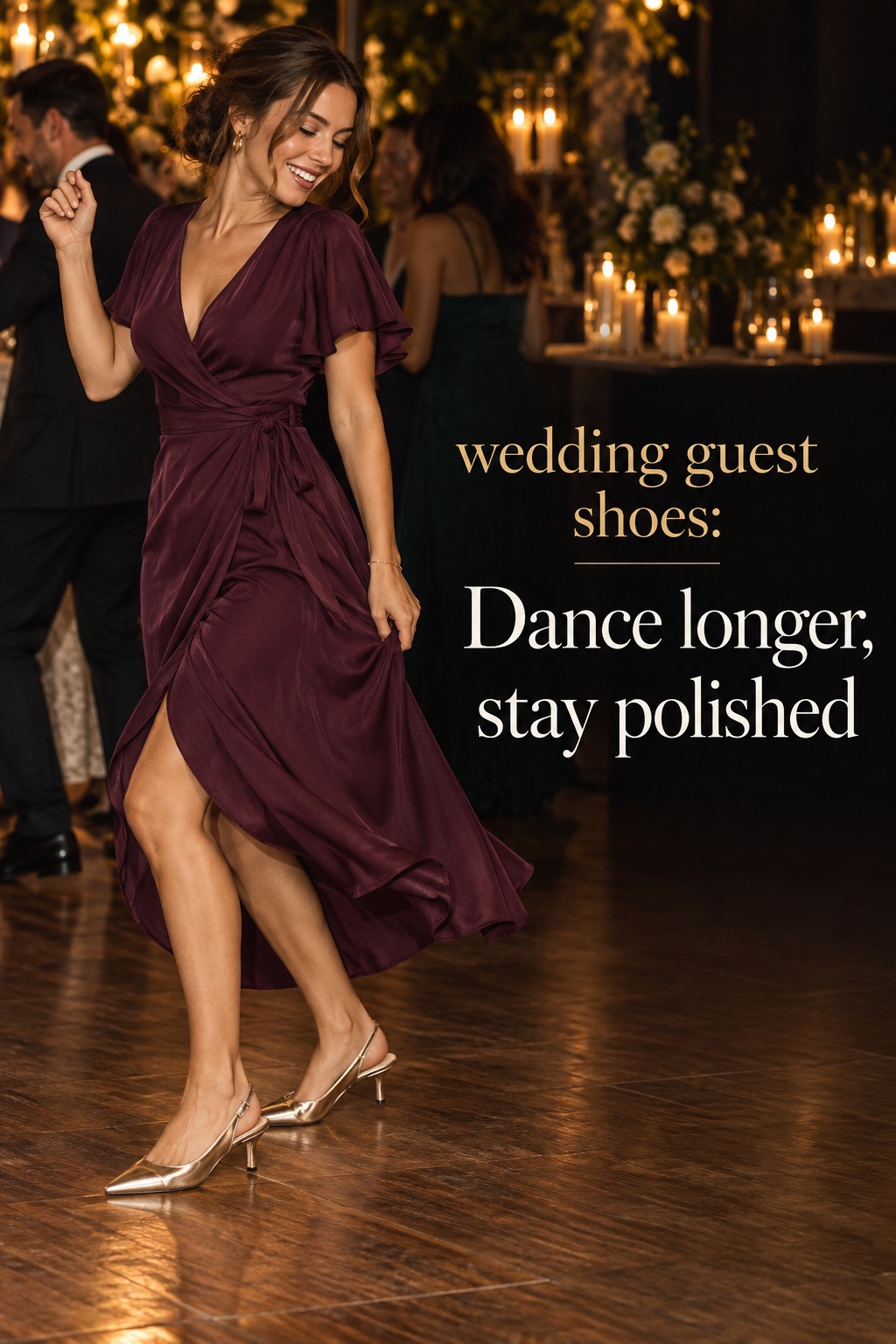
Kitten heels are useful when you want a dressy, feminine line but do not want to spend the reception balancing on a tall heel. Slingbacks and sandals with a small heel can look especially elegant with a midi dress, column skirt or tailored trousers. They also make a smart choice for guests who want height in photographs and ease during dinner.
Block heels: the dependable middle ground
Block heels distribute weight over a wider base and are often the best compromise between lift and stability. A mid-height block heel works with dresses, jumpsuits and suits, while a lower version can handle garden paths and city sidewalks. Look for a secure ankle strap or a vamp that holds the foot, especially if you expect to dance.
Wedges and espadrilles: height for outdoor celebrations
A wedge keeps the sole more stable than a narrow heel, making it useful for grass and warm-weather venues. Raffia, woven textures and leather can feel festive without looking like everyday beachwear. A sleek wedge is more versatile than an oversized platform, especially with a refined dress. Check that the pitch feels natural and that the ankle strap does not rub.
Flats and low-profile alternatives that still look special
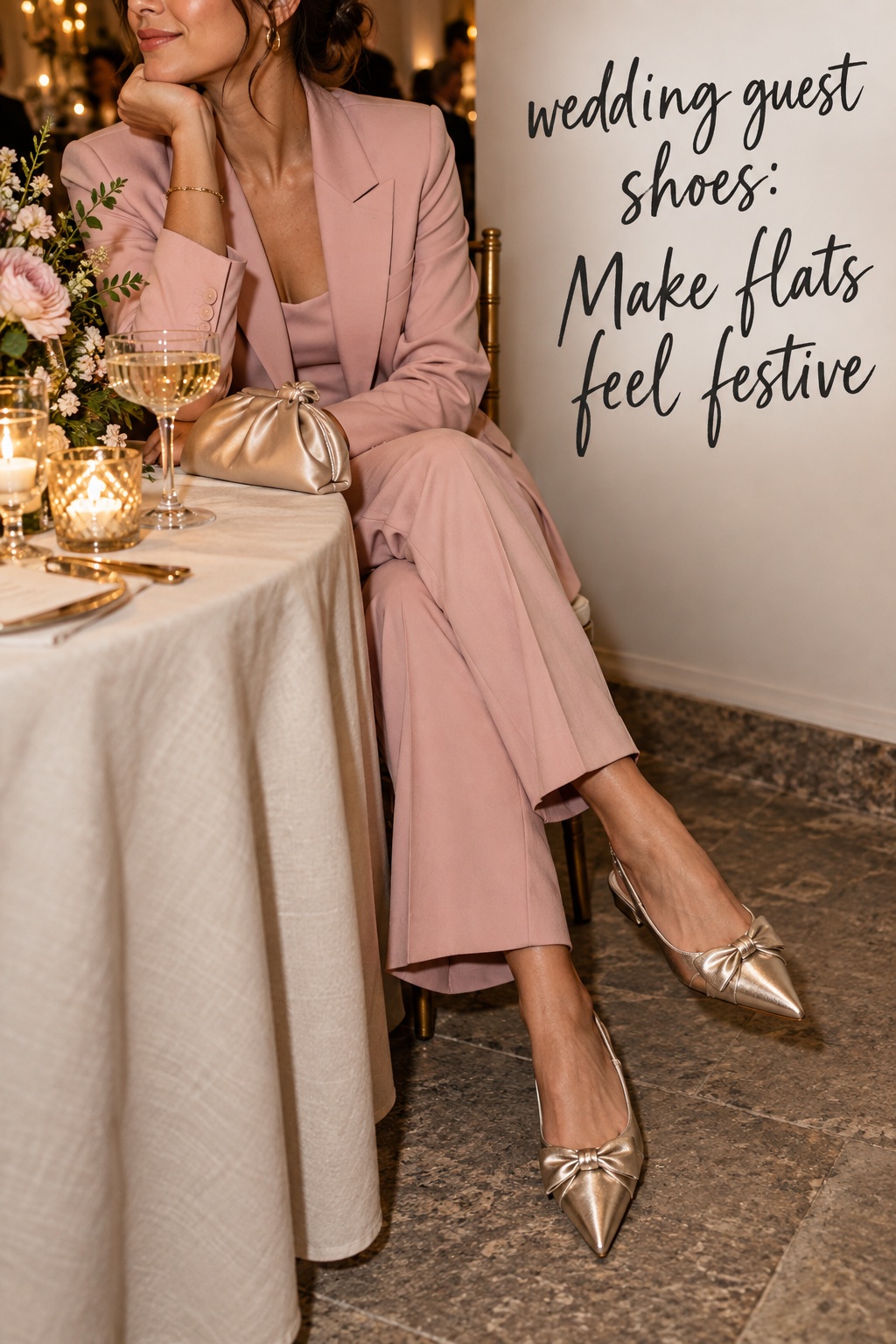
Flats are not a fallback. They are a deliberate choice when the outfit, venue or body says that comfort matters. The trick is choosing a pair with enough structure and occasion detail to look like part of the styling. A soft everyday ballet flat can seem too casual, while a pointed toe, crystal detail, metallic finish, satin texture or sculptural strap immediately changes the message.
Ballet flats and pointed flats
Ballet flats are particularly good with tea-length dresses, printed midis and cropped tailoring. Pointed flats create a longer line and can feel more formal than a round toe. For outdoor weddings, choose a sole with enough grip and a fastening that keeps the shoe on your foot. A flat that slips at the heel will become tiring even if it has no heel.
Slingbacks and mules
Slingbacks are an excellent middle option because they expose part of the foot while offering a defined toe and a dressy profile. Mules can be beautiful with a flowing dress or tailored trousers, but they should not slide while you walk. A wide vamp, shaped footbed or low heel helps. Save a very loose slide for a reception where you will not be crossing uneven ground.
Loafers and dressy sneakers
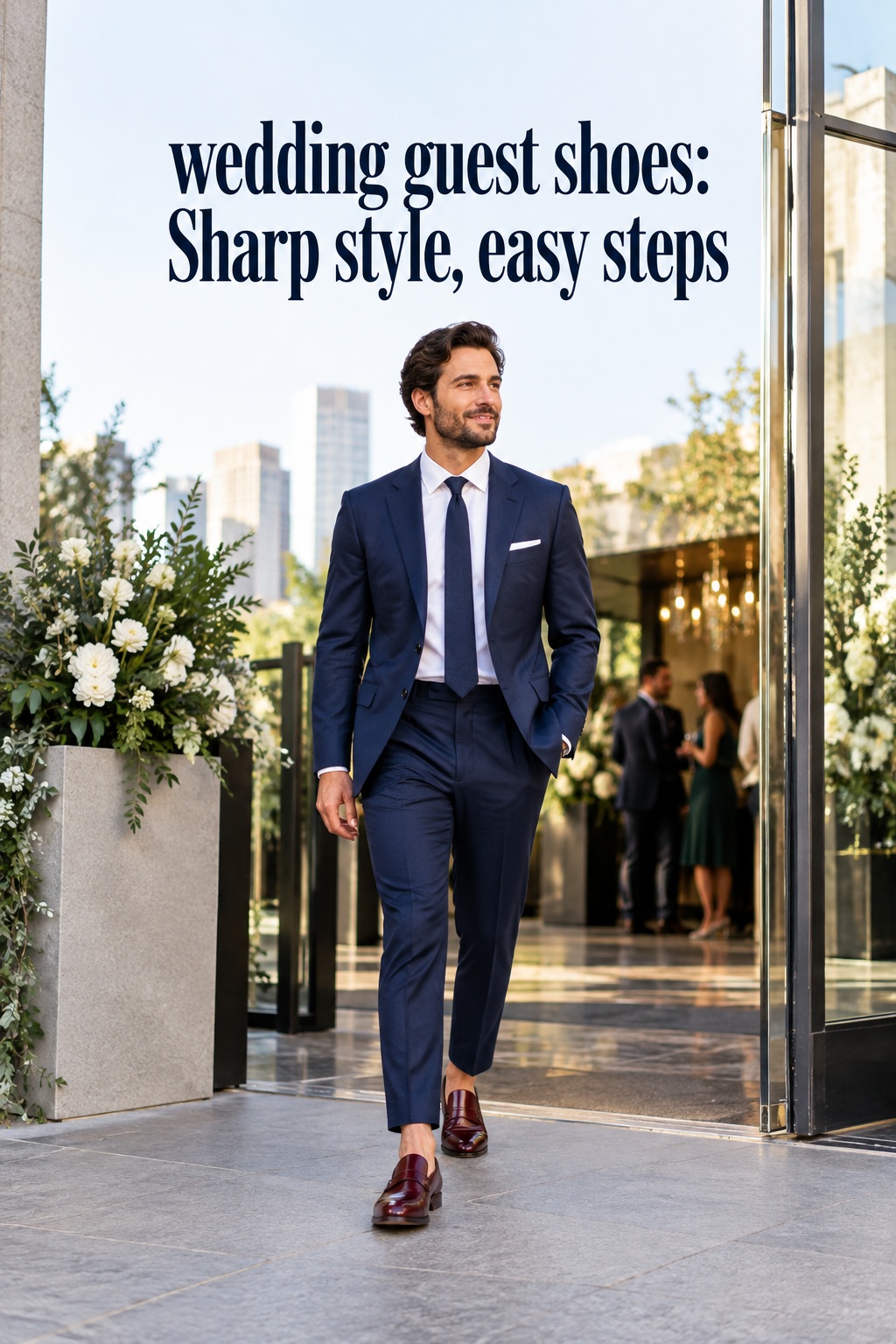
A polished loafer can work for a relaxed daytime wedding, a city celebration or a guest who prefers tailoring. Choose smooth leather, satin, a delicate buckle or a refined metallic finish rather than a heavy workwear shape. Dressy sneakers require the clearest invitation and the most careful styling. Clean white leather, subtle crystal details or a streamlined silhouette can work with a shorter dress or modern suit, but worn athletic sneakers usually undercut a formal outfit.
How to make a flat feel festive
- Choose satin, velvet, metallic leather, mesh or a special woven texture.
- Look for a pointed or softly squared toe instead of a basic round shape.
- Use a jewel, bow, sculptural buckle or fine ankle tie as the detail that echoes your jewelry.
- Keep the rest of the outfit clean if the shoe is embellished.
- Repeat one color from the shoe in a bag, earring or hair detail for cohesion.
Choose color, material and comfort for the whole event
Once the shape is right, finish the decision with color and fit. Neutral shoes are useful because they can work with many outfits, but neutral does not have to mean boring. Beige, bronze, champagne, soft silver, chocolate and snakeskin-inspired tones can act as wardrobe neutrals while adding texture. Black remains a reliable choice for formal looks, jewel tones and evening events.
Match the shoe to the outfit without making everything identical
For a printed dress, pull one quiet color from the print or choose metallic to keep the look balanced. A solid dress gives you permission to add a brighter shoe. With a pastel outfit, silver, champagne, blush, soft gold or a tonal color can look polished. With a black or navy look, a saturated red, cobalt, green or metallic finish can supply the point of interest.
White shoes are not automatically inappropriate for a guest, but context matters. A white shoe paired with a colored outfit is generally different from building an all-white bridal-looking outfit. If the couple has requested a specific palette, a white-tie mood or a monochrome dress code, follow that instruction. When uncertain, choose a color that clearly reads as an accessory rather than a bridal statement.
Check comfort before the wedding day
The first try-on should feel comfortable while standing and walking. Do not assume a shoe will become wearable after weeks of suffering. A little room can be useful because feet often swell after hours of standing, but the shoe still needs to fasten securely. Narrow straps that already feel tight in the store are a warning sign. So is a heel that makes you grip with your toes.
Wear new shoes around the house two or three times for a few hours. Try them with the tights, socks or footless shapewear you plan to wear. Walk up stairs, turn quickly, sit down and stand up. If the shoes fail one of those tests, they are not ready for a wedding. Add discreet cushioning only after you know the shoe fits; padding cannot rescue a fundamentally wrong size or shape.
Build a simple ceremony-to-dance-floor plan
A second pair is practical, not excessive. You can wear the more polished heel for arrival and photographs, then change into a supportive flat, low sandal or embellished sneaker when dancing begins. Pick a backup that works with the outfit rather than an emergency pair that looks unrelated. A small shoe bag, blister patches and a few bandages take almost no space and can save the night.
Common mistakes and quick fixes
- Buying for the photo only: Walk, stand and dance in the pair before committing.
- Ignoring the ground: Replace a stiletto with a block heel, wedge or flat for grass and sand.
- Choosing a shoe that is too plain: Add occasion through satin, metallic color, texture or a refined embellishment.
- Wearing an unsecured mule outdoors: Choose a strap or wider vamp for uneven surfaces.
- Waiting until the event to test the shoe: Break it in at home and pack a realistic backup.
- Matching every accessory exactly: Repeat a color or finish once or twice instead of creating a full set.
The strongest wedding guest shoes decision is usually the one that respects both the invitation and your actual day. A comfortable shoe does not make the outfit less elevated. It lets you stand naturally, move confidently and stay present for the parts of the celebration that matter.
FAQ
What shoes should I wear to a wedding as a guest?
Choose shoes that match the dress code and venue, then prioritize a secure fit. Block heels, polished flats, refined sandals, slingbacks and dressy loafers can all work when their finish suits the outfit.
Are flats appropriate wedding guest shoes?
Yes. Choose a special material, pointed toe, embellishment or polished structure so the flat reads as occasionwear. Flats are especially practical for grass, sand, long standing and guests who do not usually wear heels.
What are the most comfortable wedding guest heels?
Lower heels, block heels and wedges are often easier to wear for a full event than tall, narrow stilettos. Comfort still depends on the individual fit, so try the exact shoe on and walk in it before the wedding.
Can I wear white shoes to a wedding?
White shoes can be acceptable with a clearly non-bridal outfit, but follow the couple’s dress code and wedding palette. If you are unsure, choose metallic, nude, champagne or a color that creates clear separation from bridal styling.
What shoes work best for an outdoor wedding?
For grass, choose flats, wedges, espadrilles or block heels. For sand, choose flat sandals, secure slides or low wedges. For gravel and uneven paths, select a shoe with a stable sole and a fastening that holds your foot.
Should I bring a second pair of shoes?
Bring one if you expect a long day, plan to dance or are wearing a higher heel. A supportive flat, low sandal or polished sneaker can make the change feel intentional and keep you comfortable through the reception.
How do I break in wedding guest shoes?
Wear them at home two or three times for a few hours, using the socks or hosiery you will wear to the wedding. Walk, use stairs and practice turning. Stop if the shoe pinches, slips or causes pain instead of hoping it will improve at the event.