Golden-Hour Romance: The Wildflower Wedding Cake Edit
Introduction
There’s a certain kind of wedding beauty that doesn’t feel “designed” so much as discovered—like you stumbled into a meadow at golden hour and decided, right then, that this is what romance should look like. A wildflower wedding cake carries that same feeling: soft, spontaneous, and artful without trying too hard. It reads like nature’s handwriting—delicate, imperfect, and completely personal.
The visual identity is airy and botanical, with movement built into the details—flowers that look freshly gathered, colors that feel sun-warmed, and finishes that lean organic over glossy. The mood is grounded and joyful, the kind of aesthetic that fits an outdoor ceremony, a garden reception, or any celebration where you want your décor to feel alive rather than staged.
Couples love this look because it balances artistry with ease. It can feel bohemian, romantic, minimal, or quietly luxurious depending on how you style it—and that flexibility makes it ideal for modern weddings where the goal is less “perfect picture” and more “perfect feeling.”
Defining the wildflower wedding cake aesthetic (and why it photographs like a dream)
A wildflower wedding cake is a floral-forward design that mimics the natural variety of a meadow arrangement rather than a uniform, symmetrical bouquet. Instead of identical blooms repeated in a pattern, you’ll see a mix—different sizes, petal shapes, and placements that feel lightly scattered or thoughtfully “grown” across the tiers.
Turn wedding inspiration into a plan you can actually follow.
Zarellea brings your guest list, budget, vendors, and day-of details into one shared space — so no beautiful idea gets lost in the shuffle.
What makes it so compelling on camera is the contrast: soft buttercream against petal edges, matte finishes against gentle color, and negative space that lets each flower read clearly. It’s the same principle a wedding stylist uses when dressing a bride—one signature detail looks more intentional when everything else is calm and cohesive.
And because wildflower designs can be scaled up or down, the aesthetic works for micro-weddings, backyard gatherings, and larger formal receptions alike. The secret is choosing a consistent “visual language”—a mood—so your cake feels like part of the wedding story rather than a separate centerpiece.
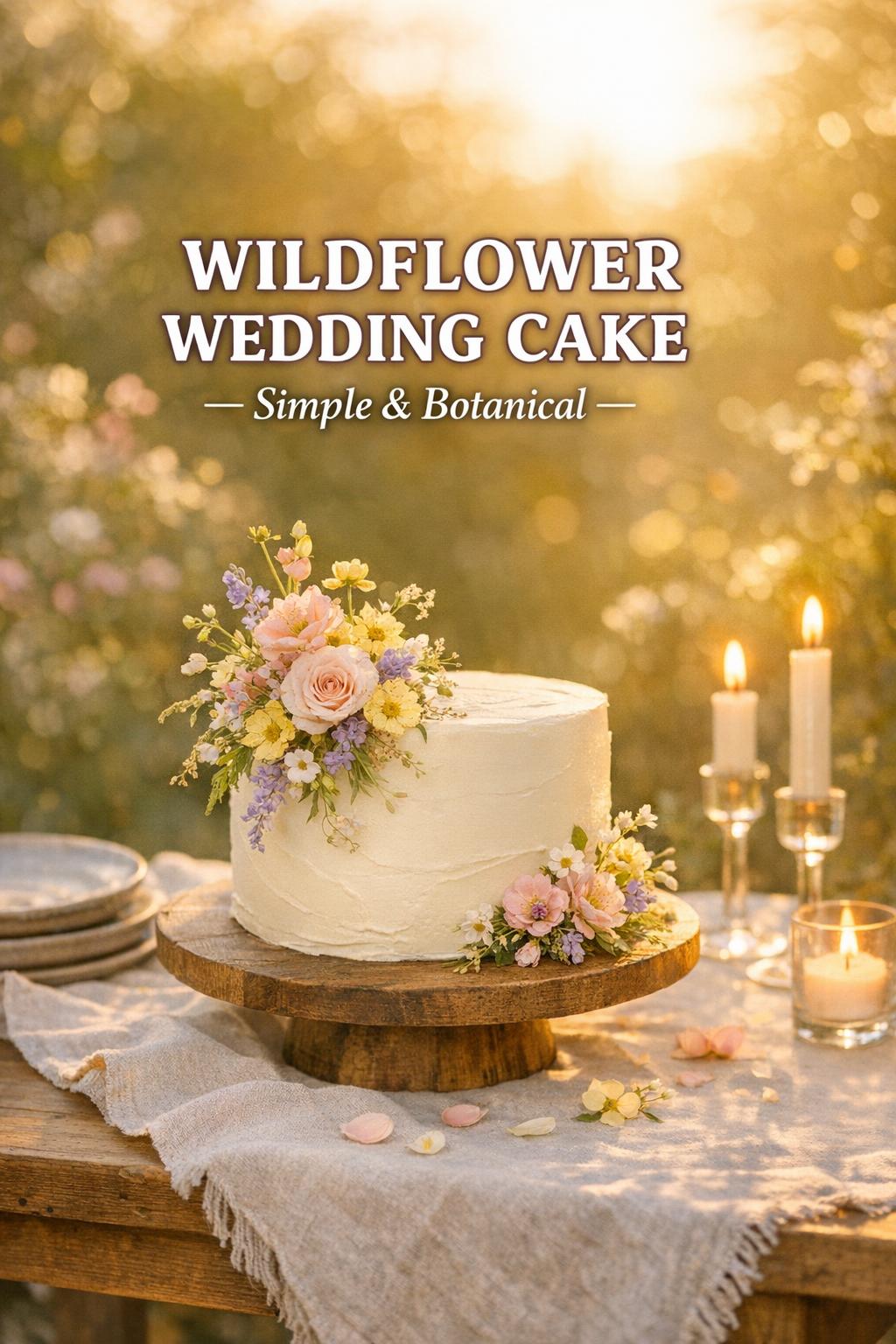
Look: meadow-soft romance with wedding cake colorful flowers
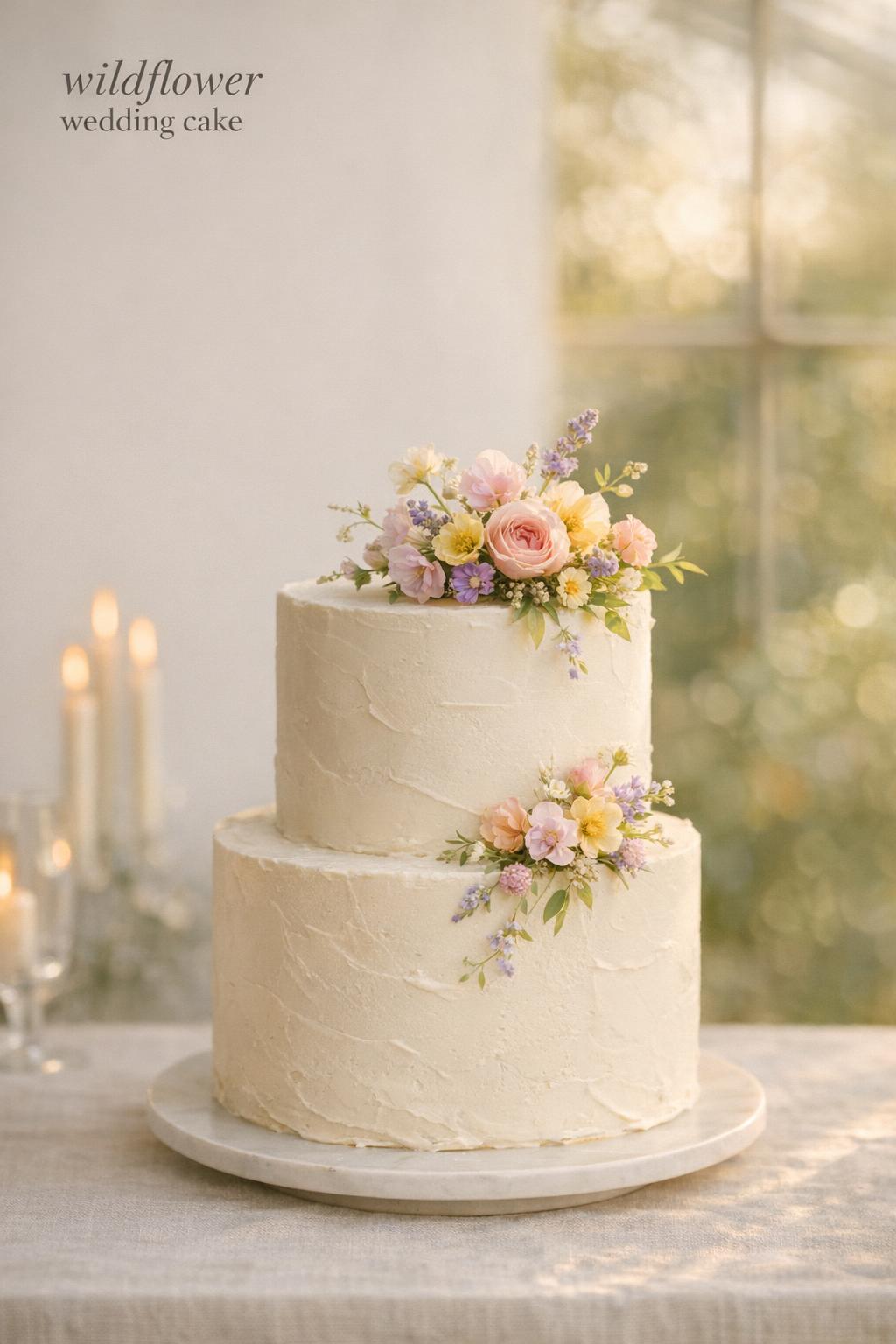
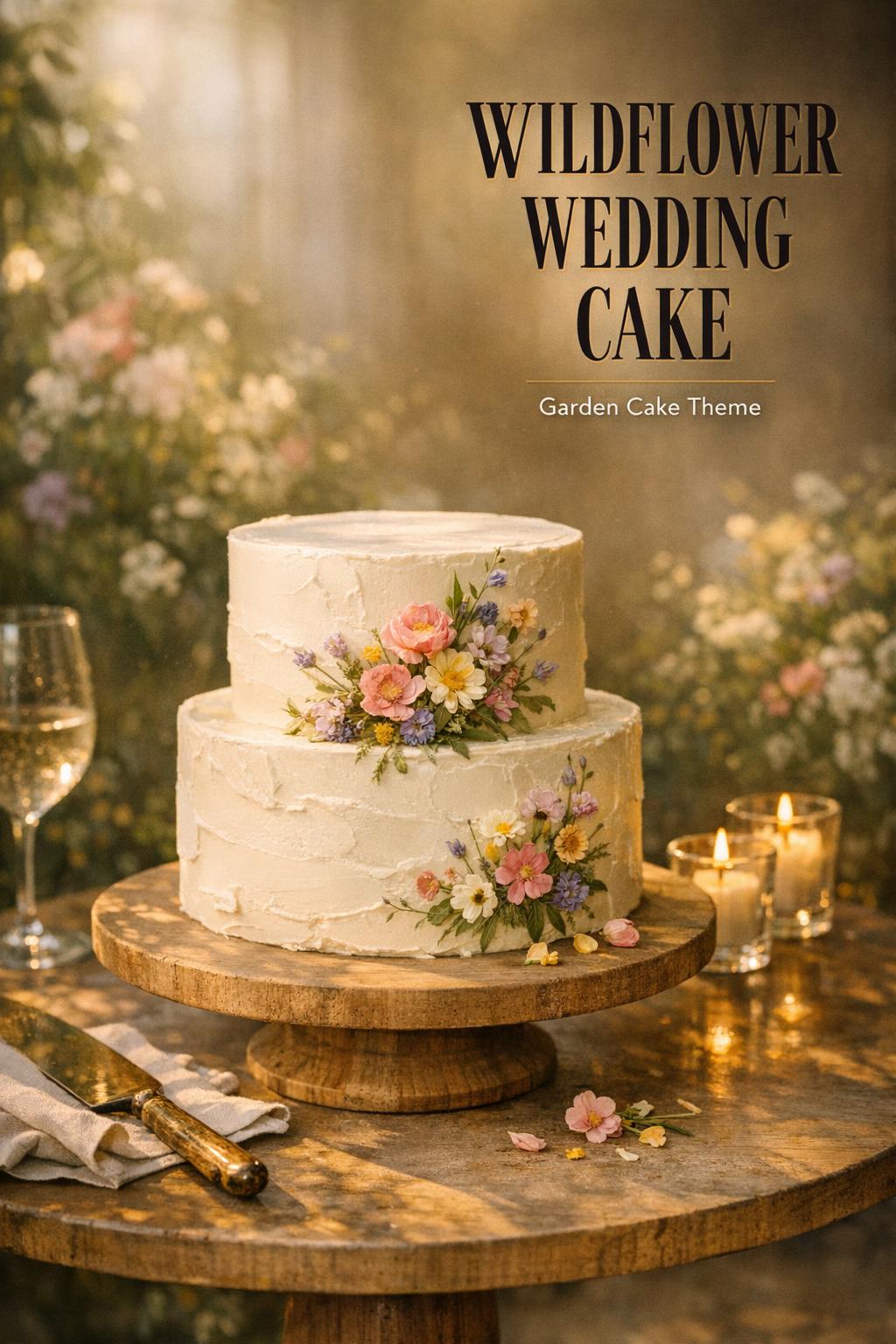
This look is the classic romantic interpretation: a light, dreamy silhouette where the cake feels like it belongs on a table draped in linen, surrounded by candlelight and loose garden arrangements. The flowers are colorful, but the overall impression stays gentle—more watercolor than neon—so the cake feels inviting rather than loud.
Think smooth or softly textured buttercream in a pale base (ivory, blush, or a warm white), topped with clusters of wedding cake colorful flowers placed in an “asymmetrical cascade.” The palette can move through warm pinks, creamy yellows, soft lilacs, and light greens. The flowers should look varied and slightly untamed, like they were gathered in different moments and brought together lovingly.
- Key visual: airy clusters with breathing room between blooms
- Finish: soft buttercream with subtle texture (not overly polished)
- Floral placement: one main focal cluster, plus smaller “echoes” around the tiers
Styling insight: this romantic approach works best when your reception flowers also feel loose and garden-like. When the cake echoes your wedding theme flowers—rather than introducing a new style—it instantly feels more expensive and more intentional, even if the design is actually quite simple.
Look: wildflower wedding cake simple, with minimal garden restraint
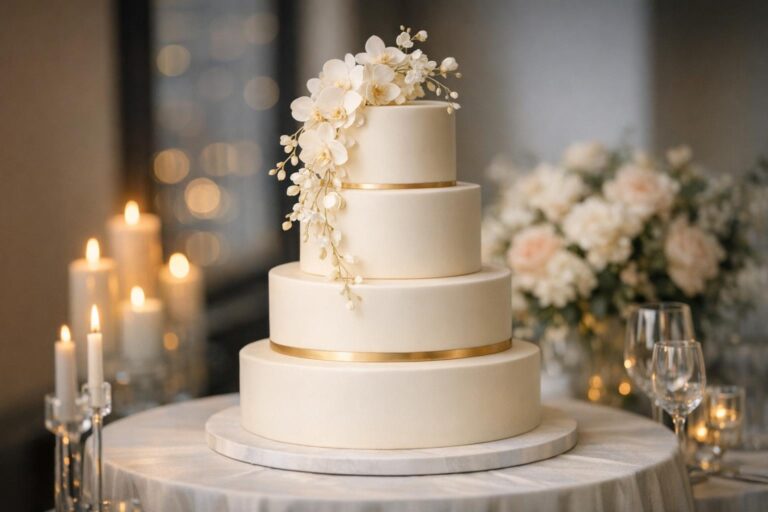
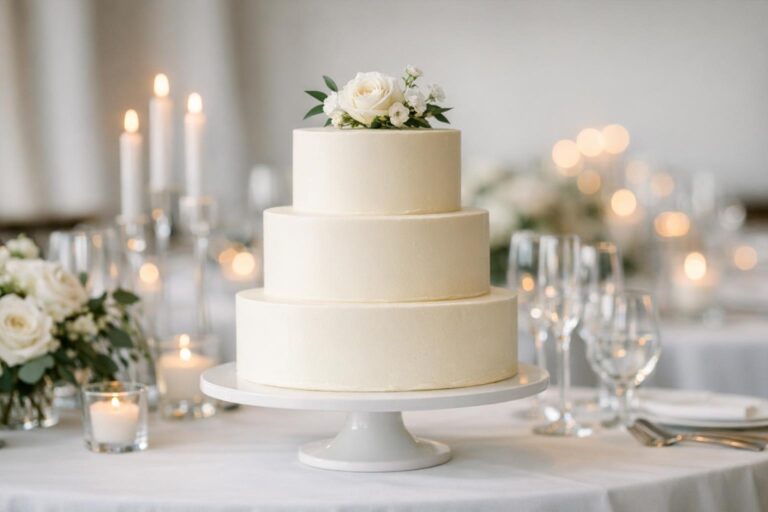
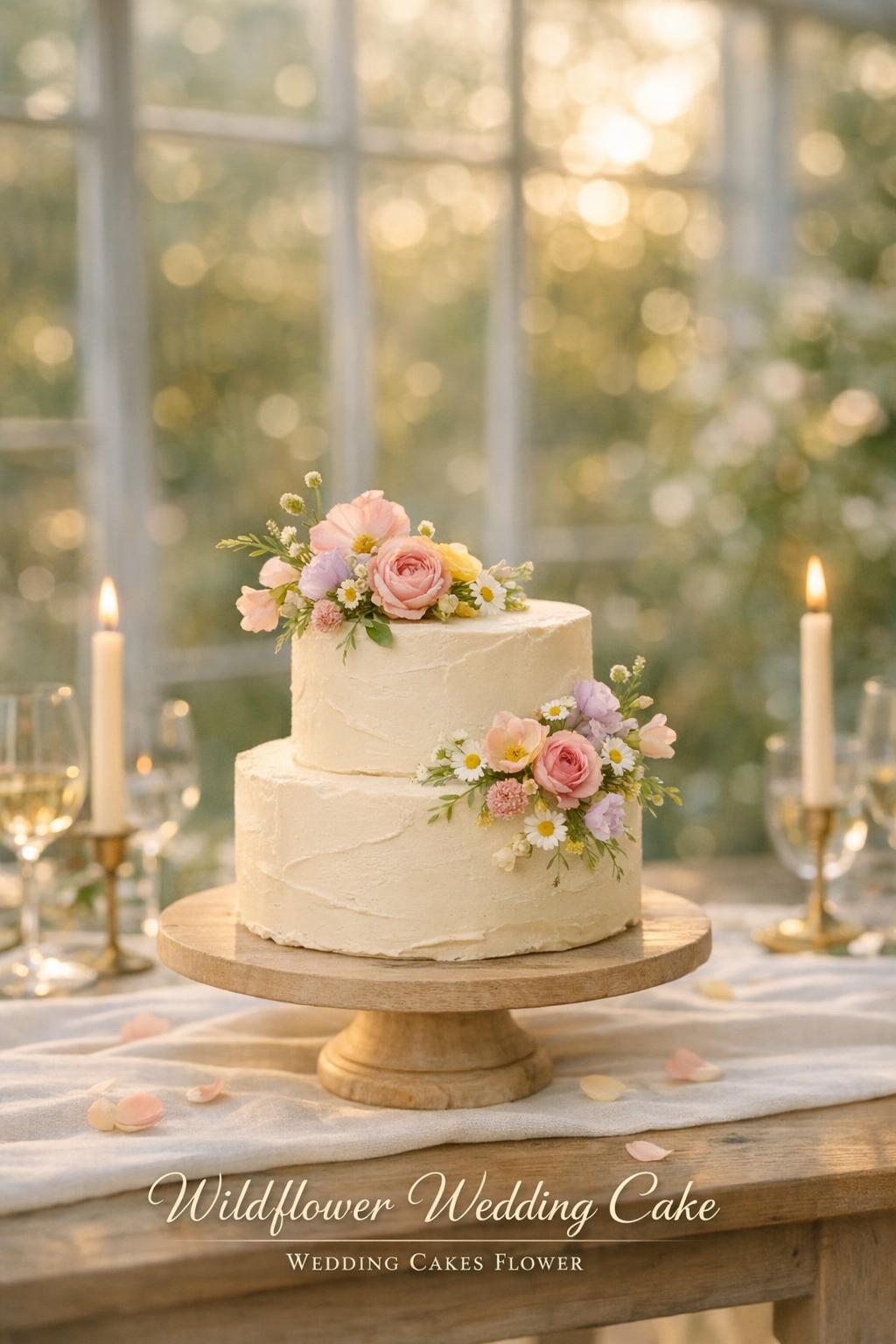
If your wedding leans modern, intimate, or quietly elegant, a wildflower wedding cake simple design can be breathtaking. The silhouette stays clean and calm, and the florals act like punctuation—small, precise moments of beauty rather than a full floral statement.
Choose a smooth buttercream finish in a true white, soft cream, or barely-there blush. Then add a restrained selection of wedding cakes flower accents: a few petite blooms, light greenery, or a minimal spray that feels like it drifted onto the cake naturally. This is where negative space becomes your best friend—the empty surface makes every petal look intentional.
Styling insight: minimal cakes require careful flower placement to avoid looking accidental. A good rule is to create one clear focal point (front and center, or a gentle diagonal), then repeat a small detail elsewhere so the design feels balanced from multiple angles—especially important for photos during cake cutting and reception speeches.
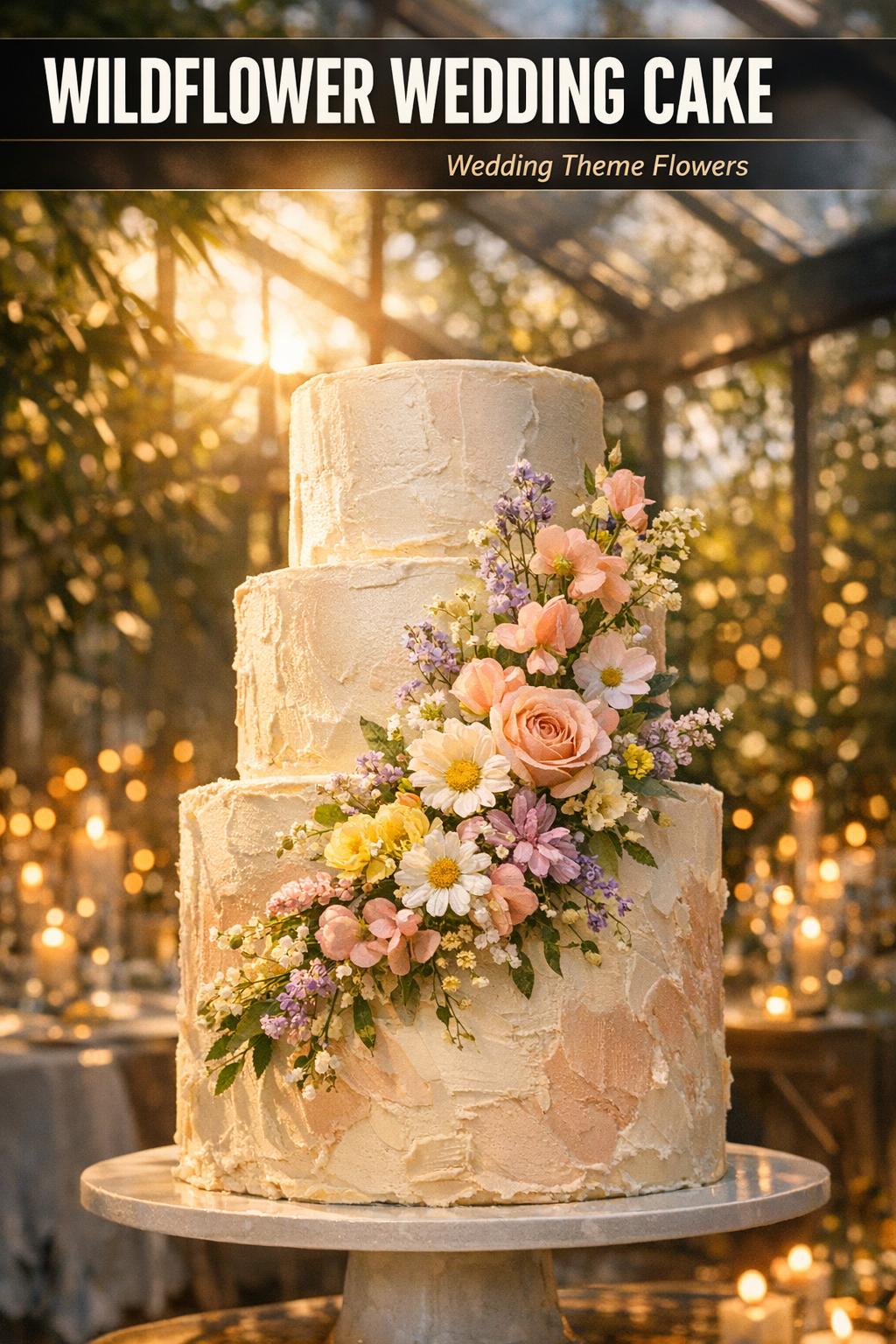
Look: garden cake theme with lush, layered abundance
This is the version for couples who want their cake to feel like it’s part of a full garden scene—lush, immersive, and celebratory. The silhouette is generous: larger tiers, deeper textures, and florals that look like they’re climbing, blooming, and spilling over the edges.
A garden cake theme often pairs beautifully with textured buttercream—gentle palette-knife swipes, soft waves, or a slightly rustic finish that feels handmade. Then come the flowers: fuller clusters, more variety, and a sense of layered “growth” across the cake. The color palette can stay romantic (blush, cream, soft lavender) or move brighter if your wedding theme flowers include bolder blooms.
- Key visual: floral abundance that still feels natural, not crowded
- Finish: textured buttercream that supports a garden narrative
- Best for: outdoor receptions, greenhouse venues, and garden-inspired tablescapes
Styling insight: abundance works when it has structure. Ask your cake designer to create a few “anchor” clusters and then build smaller moments outward, so the design reads like a bouquet placed on a cake—not like flowers scattered without a plan.
Look: pressed-flower poetry for a flatter, more graphic wildflower moment
Not every wildflower wedding cake has to be three-dimensional. A pressed-flower interpretation is for couples who want something romantic and botanical, but also clean, artistic, and a little unexpected—like a flower book turned into a wedding detail.
The silhouette stays sleek, while the flowers appear flatter against the surface—delicate petals arranged in a thoughtful composition. This reads especially well in close-up photography because it creates fine detail without heavy texture. The color palette can be soft and muted or slightly more colorful, but the overall effect is refined, like an illustration.
Styling insight: this look pairs beautifully with minimalist place settings and simple linens. If your décor already has movement—draping fabric, abundant centerpieces—pressed florals help the cake feel calm and editorial rather than busy.
How to align your cake with your wedding theme flowers (so it feels curated, not copied)
One of the most common planning challenges is deciding whether the cake flowers should match the bouquet. The most beautiful weddings rarely “match” exactly; they coordinate. Your cake should feel like it belongs in the same world as your florals, but it doesn’t need to replicate your bouquet flower-for-flower.
Start by choosing what you want the cake to echo: color, shape, or mood. If your wedding theme flowers are airy and meadow-like, your cake can mirror that looseness. If your florals are structured and elegant, a simpler wildflower placement can nod to the theme without clashing.
- Echo the palette: pull two to four key colors from your floral plan and keep the rest neutral
- Echo the scale: if your centerpieces are delicate, use petite cake blooms; if they’re lush, allow fuller clusters
- Echo the texture: soft buttercream complements romantic garden florals; smoother finishes suit modern arrangements
Tip: when you’re uncertain, ask for a “bridge element.” This could be one flower type or one color repeated in both the wedding flowers and the cake design—just enough to connect the story without making the cake feel like an identical copy of the bouquet.
Choosing fresh vs. sugar florals on wedding cakes flower designs
Wildflower cakes often feature real blooms because they look effortless and organic. But sugar flowers—crafted to look like wild blooms—offer control, longevity, and precision that can be worth it depending on your venue, schedule, and styling needs.
Fresh flowers bring unmistakable life: soft movement, natural variation, and that “just-picked” energy. Sugar flowers, on the other hand, can be designed to match a specific palette perfectly, stay stable for longer, and be arranged in ways that would be delicate or impractical with fresh stems.
Practical guidance: if your wedding day involves heat, long photography windows, or a cake that will be displayed for hours before cutting, consider sugar flowers (or a blend) for the most fragile blooms. If your vision is all about freshness and spontaneity, fresh flowers can be stunning—but plan timing carefully so the arrangement looks crisp for your reception.
Look: sunset meadow tones for an outdoor reception
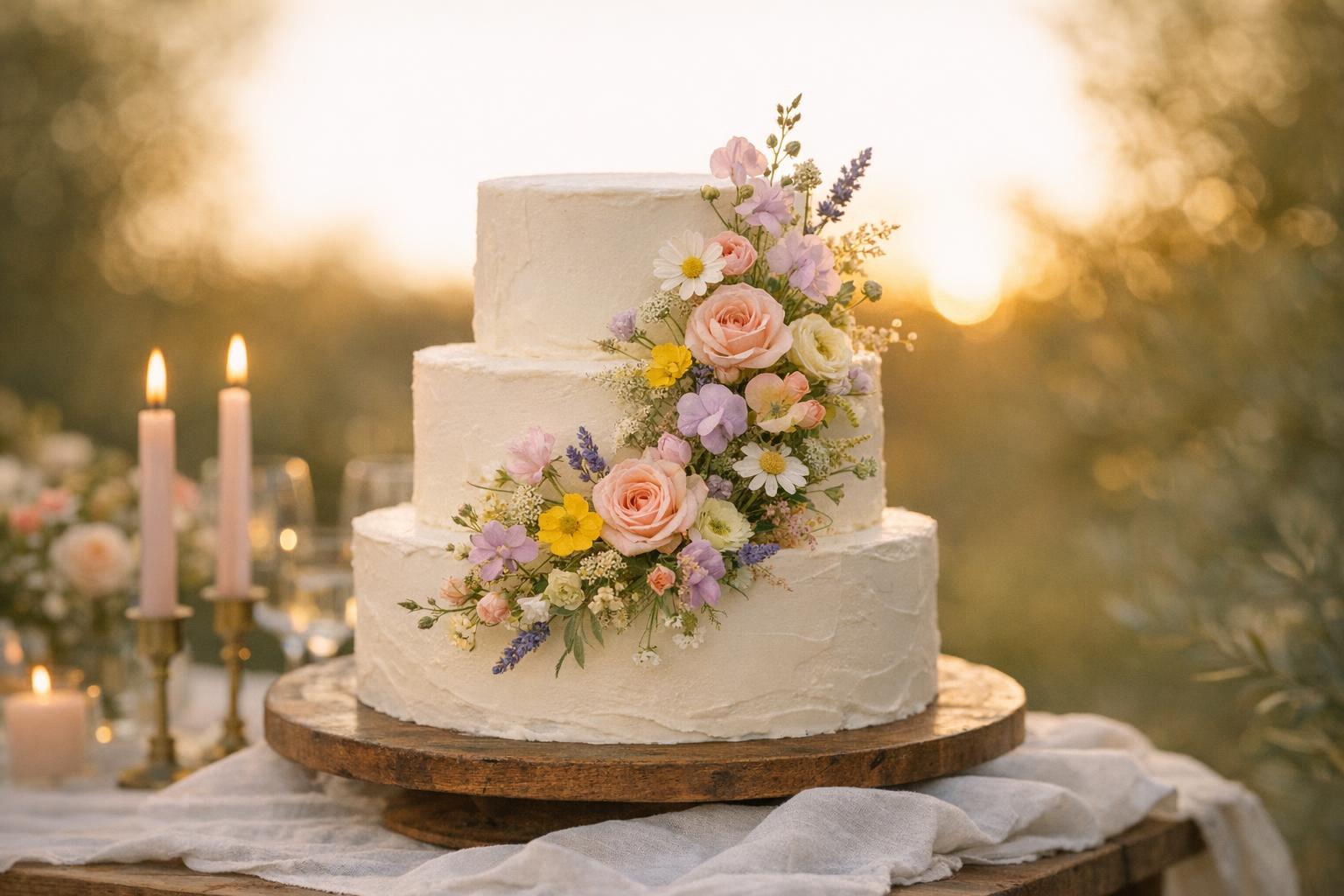
This look is made for golden hour cake cutting—when the light turns warm and your wedding feels like a scene from a romantic film. The silhouette stays soft and classic, but the palette leans into sunlit tones that feel cheerful and nostalgic.
Choose a warm base—cream rather than stark white—and layer in flowers that read like late-afternoon color: buttery yellows, warm blushes, soft coral accents, and gentle greens. This is where wedding cake colorful flowers can feel radiant without becoming overly bright. A lightly textured buttercream finish adds to the natural mood, as if the cake belongs outdoors.
Styling insight: this palette is especially forgiving in photos. Warm bases and garden tones tend to look flattering in both daylight and evening reception lighting, making it a confident choice if you’re worried about your cake looking too cool or too stark on camera.
A stylist’s checklist: making the wildflower cake feel “part of the scene”
Even the most beautiful cake can feel disconnected if the styling around it is an afterthought. The goal is to treat the cake table like a tiny stage—one that supports the cake’s mood while still letting it be the star.
- Backdrop matters: place the cake against greenery, soft draping, or a calm wall so the flowers stand out
- Table height: use a stand that lifts the cake slightly for better sightlines and photos
- Linens: choose textures that match the vibe—light linen for meadow romance, smoother fabric for a modern wildflower look
- Accent florals: add a few coordinating stems on the table, but avoid copying the cake exactly
- Lighting: if cutting happens after dark, ensure warm, flattering light so the floral colors don’t flatten
Tip: photograph the cake table setup before guests arrive. The details—petals, texture, the shape of the clusters—read most clearly before the reception energy starts moving everything around.
Common design mistakes (and how to avoid them without losing the wildflower charm)
Wildflower styling is meant to feel free, but it still needs intention. The most frequent missteps happen when couples chase “natural” so hard that the design loses structure—or when too many colors compete with the rest of the wedding aesthetic.
One common issue is overcrowding: adding too many blooms can make the cake look heavy and obscure the silhouette. Another is randomness without a focal point, where flowers seem scattered rather than composed. And sometimes the palette gets too broad—every color is included, and none of them feel like they belong to the wedding theme flowers you’ve already chosen.
Practical fix: decide in advance whether your cake’s main story is “color,” “texture,” or “shape.” If the story is color, keep the buttercream calmer. If the story is texture, keep the flowers more restrained. If the story is shape (like a cascading floral line), keep both the color palette and the buttercream finish supportive and simple.
How to recreate the wildflower cake mood across the whole wedding
A wildflower wedding cake feels most magical when it’s part of a larger visual rhythm—like the cake is echoing moments you’ve already woven into the day. This doesn’t require a huge budget; it requires consistency in mood.
Carry the meadow feeling into your ceremony aisle with airy arrangements, into your stationery with botanical touches, or into your reception with a few unstructured floral moments that feel gathered rather than engineered. If your cake leans wildflower wedding cake simple, let the rest of the décor hold quiet elegance too—soft linens, restrained centerpieces, and a focus on light.
- Use the same general color family across bouquet, centerpieces, and cake accents
- Repeat one recognizable bloom shape (even if not identical flowers) to create visual continuity
- Keep materials natural-feeling: linen textures, soft candlelight, and garden-inspired styling
Styling insight: think of your cake as an accessory to the wedding—like earrings that complete the dress. It shouldn’t compete with everything else; it should finish the look.
Look: airy boho-meets-garden, built around a garden cake theme
This version leans bohemian but still polished—perfect for couples who want relaxed romance without drifting into messy or overly rustic. The silhouette feels light and flowing, with floral placements that look like they’re gently climbing rather than dramatically cascading.
A garden cake theme in this mood often plays with soft, earthy undertones: creamy bases, gentle greenery, and flowers that feel “field-picked.” The buttercream can be slightly textured, and the flowers arranged in airy sweeps that leave plenty of calm space. The overall effect is effortless, like a bouquet tied with ribbon and placed with care.
Styling insight: this look shines at outdoor venues where the surrounding landscape becomes part of the styling. If your reception includes natural wood, woven textures, or casual lounge seating, this cake will feel like it belongs—romantic, inviting, and real.
Timing and handling: what matters on the wedding day
The most practical part of wildflower cakes isn’t the design—it’s the day-of plan. Flowers (especially fresh) are sensitive to heat, wind, and time. Buttercream is sensitive to temperature changes. And the cake table is often in a high-traffic area where styling can get bumped.
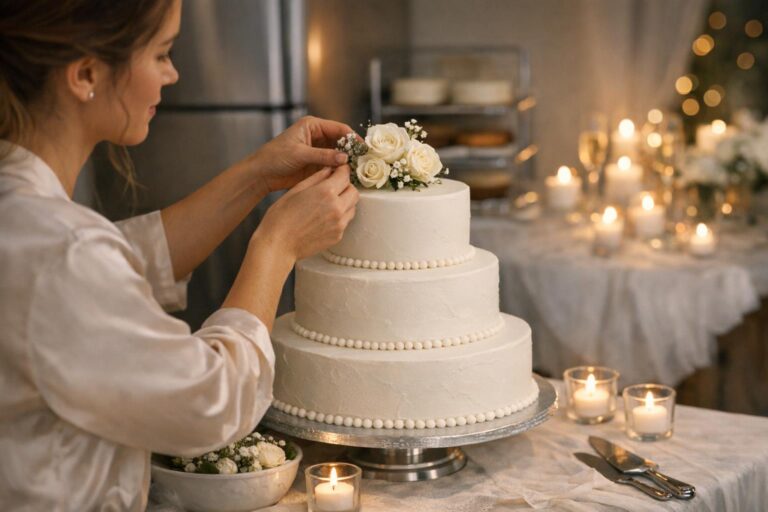
Work backward from your cake-cutting time. If the cake will be displayed early, consider a design that holds up: smoother buttercream, fewer fragile petals, and a thoughtful placement that won’t droop. If you want a highly delicate wildflower effect, aim for later placement of the most fragile blooms so they look fresh for photos.
Tip: if your venue is outdoors or warm, ask whether the cake can be kept in a cooler space until close to the reception moment. This single planning choice often makes the difference between a cake that looks pristine and one that looks tired by the time you cut it.
Key pieces for this aesthetic (the cake edition)
When couples say they want a “wildflower wedding cake,” they’re often mixing a few different visual goals: natural flowers, soft romance, and a not-too-formal vibe. Clarifying the key pieces of the look helps you communicate clearly with your baker or cake designer and makes decisions faster when you’re choosing between options.
- A calm base: a buttercream tone that supports flowers (cream, warm white, blush)
- Intentional placement: clustered blooms with a focal point, not evenly spaced repeats
- Controlled variety: multiple flower shapes, but within a consistent palette
- Texture that matches mood: smooth for modern romance; gentle texture for garden softness
- A styled setting: linen, a stand, and light floral accents that tie into wedding theme flowers
Styling insight: the “wild” in wildflower is about natural variation—not chaos. Once you set a palette and a placement style, the design stays cohesive even when the flowers feel delightfully different.
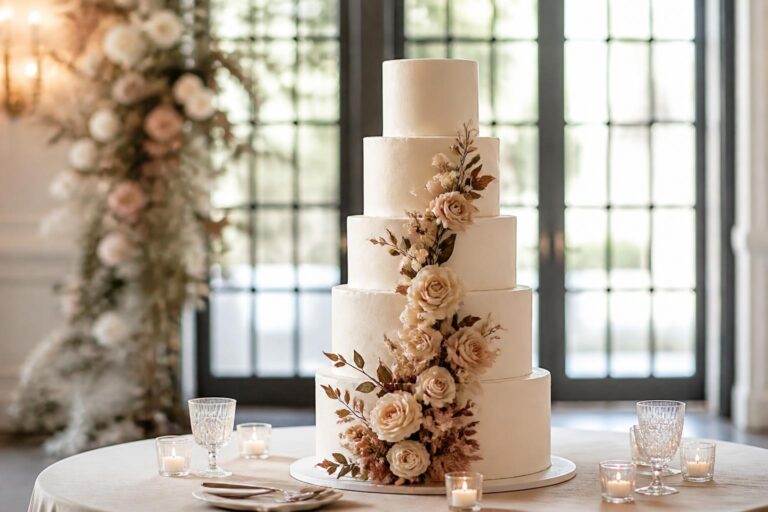
Look: classic tiered elegance with wedding cakes flower accents
For couples who want tradition with a fresh twist, this look keeps the timeless tiered silhouette but replaces formal piping and uniform décor with a soft meadow accent. It’s refined, familiar, and still unmistakably botanical.
The base stays classic—clean tiers, balanced proportions, and a smooth finish. Then add wedding cakes flower details in structured clusters, placed to complement the tiers rather than cover them. The palette can be restrained or softly colorful, but the intent is always elegance: flowers as an embellishment, not an explosion.
Styling insight: this is an excellent choice for venues that feel more formal—where you want a wildflower nod without going fully rustic or boho. It also pairs beautifully with more structured attire and polished tablescapes, proving that a meadow mood can still feel elevated.
FAQ
What makes a wildflower wedding cake different from a traditional floral cake?
A wildflower wedding cake is defined by natural variety and an organic placement style—mixed blooms, differing sizes, and airy clusters that feel gathered rather than uniform. Traditional floral cakes often use repeated flower types, symmetrical placement, and a more formal, structured pattern.
How can I keep a wildflower wedding cake simple without it looking plain?
Focus on one intentional focal cluster of flowers and let the buttercream finish stay clean and calm, using negative space as part of the design. A wildflower wedding cake simple approach looks elevated when the palette is cohesive and the placement feels deliberate from the front and sides.
Should the cake flowers match my wedding theme flowers exactly?
It’s usually more flattering to coordinate rather than match exactly: repeat a few key colors or one recognizable bloom style so the cake feels connected to your wedding theme flowers without copying your bouquet. This keeps the overall wedding design curated and avoids a “too matched” look.
Do wedding cakes flower decorations look better with smooth or textured buttercream?
Both can be beautiful, and the best choice depends on your overall mood: smooth buttercream reads modern and minimal, while gentle texture supports a garden cake theme and feels more organic. Choose the finish that mirrors your venue and décor style so the cake looks like it belongs in the scene.
How do I choose a color palette for wedding cake colorful flowers?
Pick two to four main colors that relate to your florals or tablescape and keep the base neutral so the blooms feel like the star. Wedding cake colorful flowers look most romantic when the shades feel harmonious—varied, but still within one cohesive family rather than every color competing at once.
What’s the best way to style a cake table for a garden cake theme?
Use a calm backdrop, a stand that lifts the cake for visibility, and linens that feel natural—like soft, light textures that support the botanical mood. Add a few coordinating stems on the table to connect to your garden cake theme, but keep the accents minimal so the cake remains the focal point.
How can I prevent a wildflower design from looking messy or random?
Create structure through one clear focal point and a repeated detail elsewhere on the cake, then leave breathing room so the silhouette stays readable. Wildflower styling works best when it has a composed placement plan that still feels natural rather than evenly spaced or overcrowded.
What should I consider if my cake will be displayed for hours before cutting?
Choose a design that holds up visually over time—fewer fragile blooms, a stable buttercream finish, and a plan for when the flowers are placed if they’re delicate. If possible, coordinate with your venue so the cake is kept in a cooler space until closer to the reception moment for the freshest look.