How to Choose an Italian Wedding Cake with Style
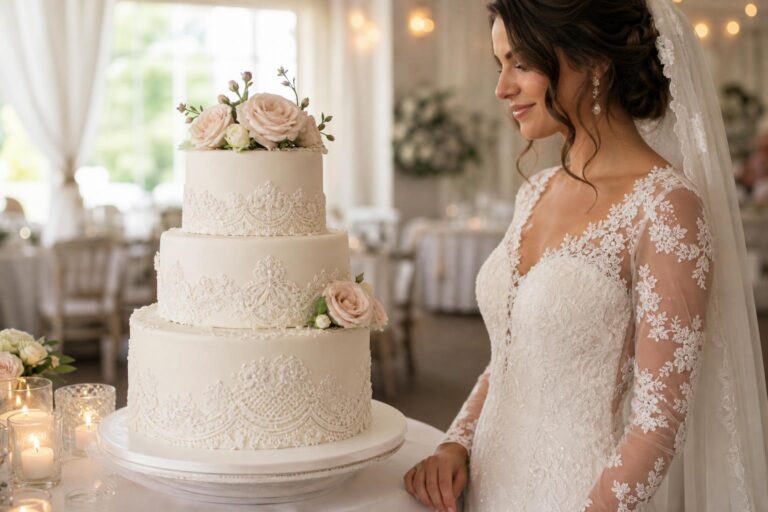
Some wedding details are chosen in a moment of certainty. Others ask for more thought, especially when a couple wants a dessert that feels unmistakably Italian, visually romantic, and practical enough for a real reception. An italian wedding cake often sits at the center of that decision. For many couples in the U.S., the challenge is not simply finding a beautiful cake. It is understanding whether they want the classic millefoglie tradition, an italian cream cake interpretation, or a modern custom design that captures both heritage and celebration.
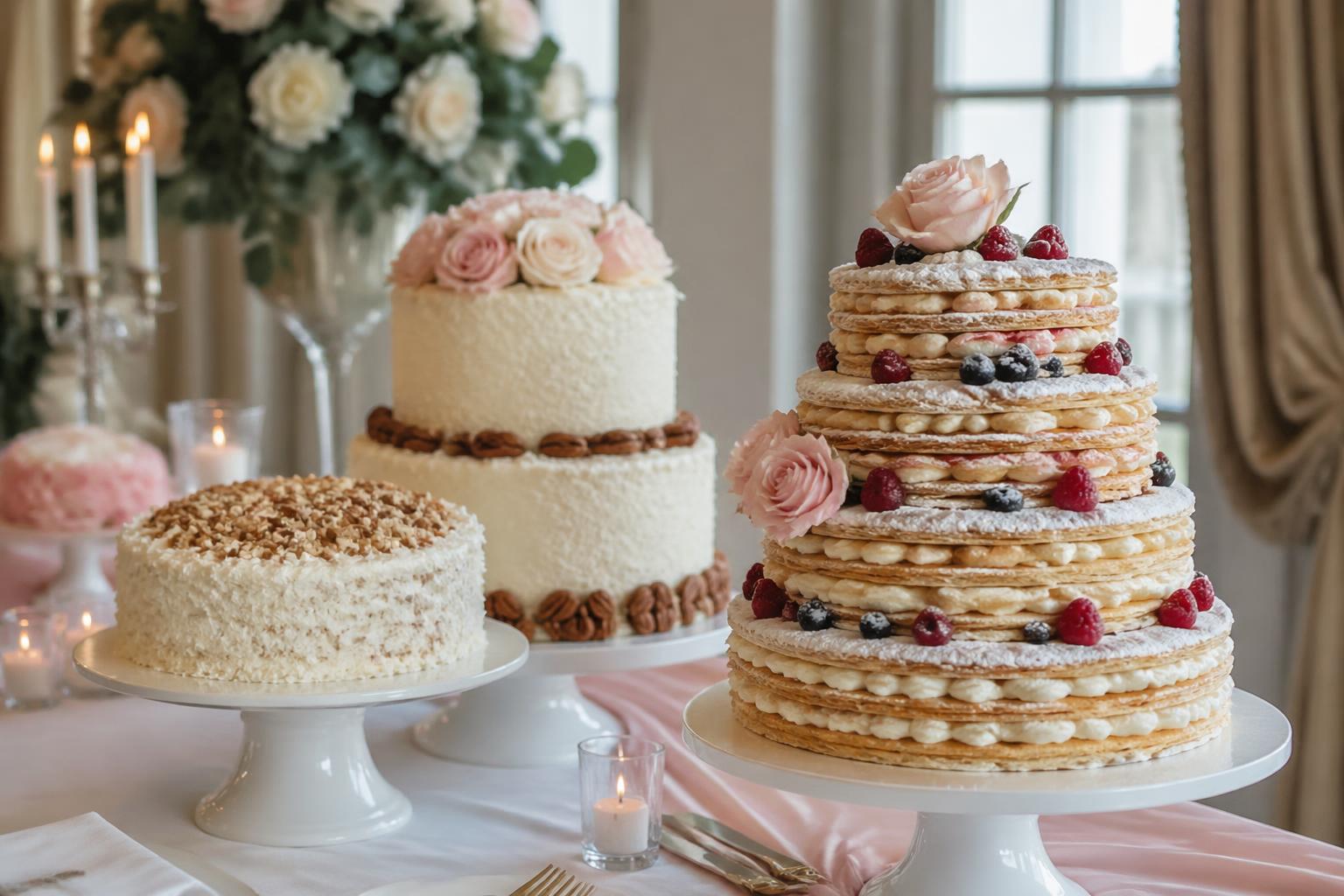
This choice can feel complicated because the phrase “italian wedding cake” is used in more than one way. In one setting, it points to millefoglie, the layered pastry cake widely described as a traditional Italian wedding favorite. In another, it refers to an italian cream cake style, often associated with cream cheese icing and flavor notes like coconut or pecans in U.S. recipe culture. Add questions about servings, transport, fillings, design, and sourcing, and couples quickly realize they need more than inspiration photos.
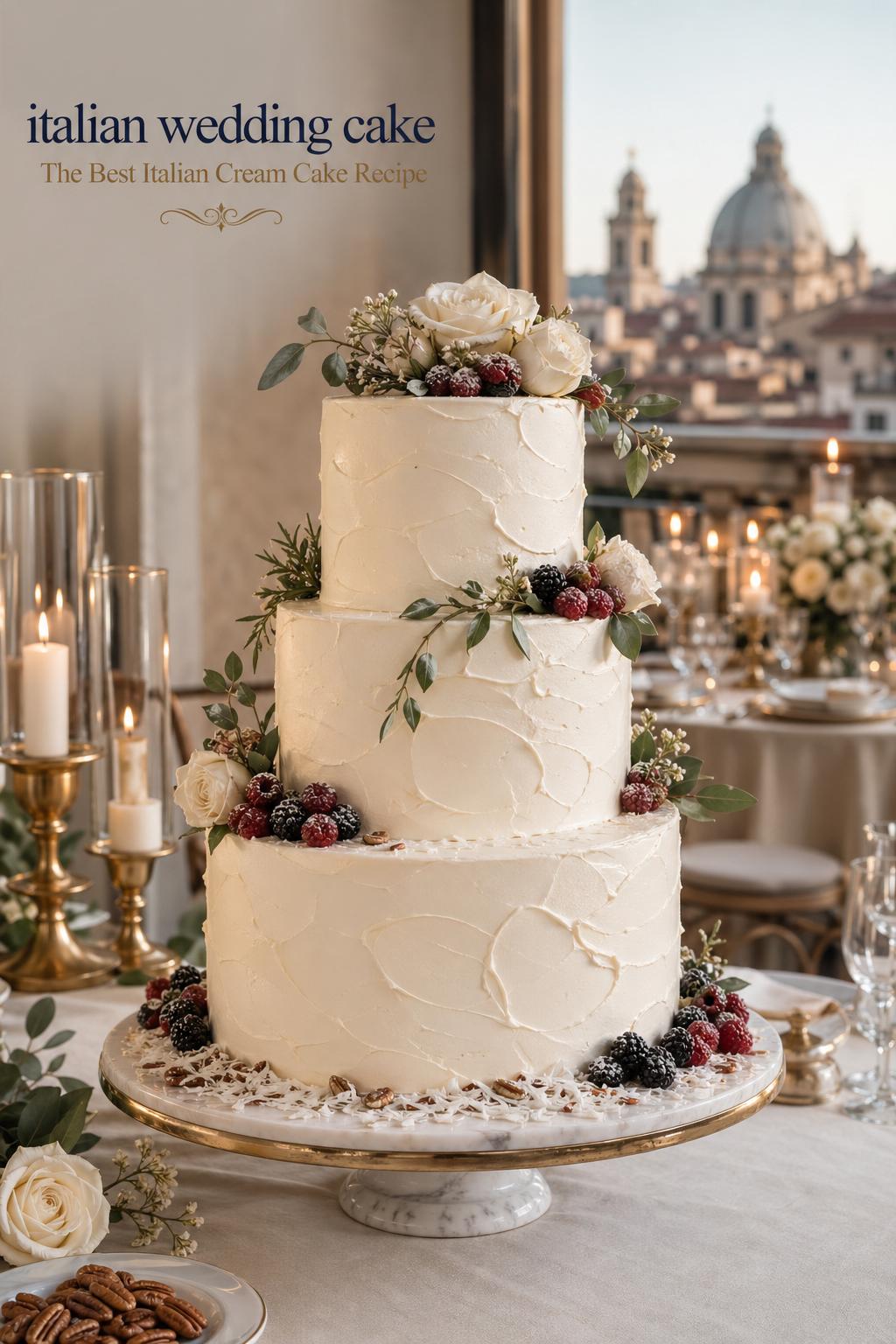
This guide is designed to solve that planning problem with clarity. You will find a practical, wedding-focused look at what millefoglie is, how italian cakes traditional to weddings are being interpreted today, what flavor paths make sense, and how to choose a cake that feels authentic to your event, your guests, and your reception style.
Why choosing an italian wedding cake feels more complex than it seems
At first glance, cake seems like one of the more joyful wedding decisions. Then the real questions appear. Do you want a dessert that feels rooted in Italy itself, or one that reflects Italian American celebration traditions in the U.S.? Do you need a formal tiered statement for photographs, or a cake that is assembled and served with a more pastry-forward feel? Do you want something guests instantly recognize, or a dessert that introduces them to a classic like millefoglie?

Turn wedding inspiration into a plan you can actually follow.
Zarellea brings your guest list, budget, vendors, and day-of details into one shared space — so no beautiful idea gets lost in the shuffle.
That tension between tradition and practicality is why this category deserves careful thought. A classic millefoglie is beloved for its layers, cream, and elegant presentation, but it is different from a heavily frosted American wedding cake. It asks couples to think about service timing, texture, and bakery skill. By contrast, an italian cream cake approach may feel more familiar to some U.S. bakeries and guests, especially if your vision leans toward a moist italian cream cake with cream cheese icing.
There is also a location factor. A couple planning in New York may feel drawn to the heritage and product authority of Ferrara Bakery & Cafe in Little Italy, while someone planning a destination celebration may look to Weddings in Italy or Vera Weddings for a more Italy-based perspective. A couple browsing The Knot may fall in love with a real-wedding millefoglie moment and then need help translating that beauty into a workable reception plan in the U.S.
The core principle: know which italian wedding cake tradition you want to express
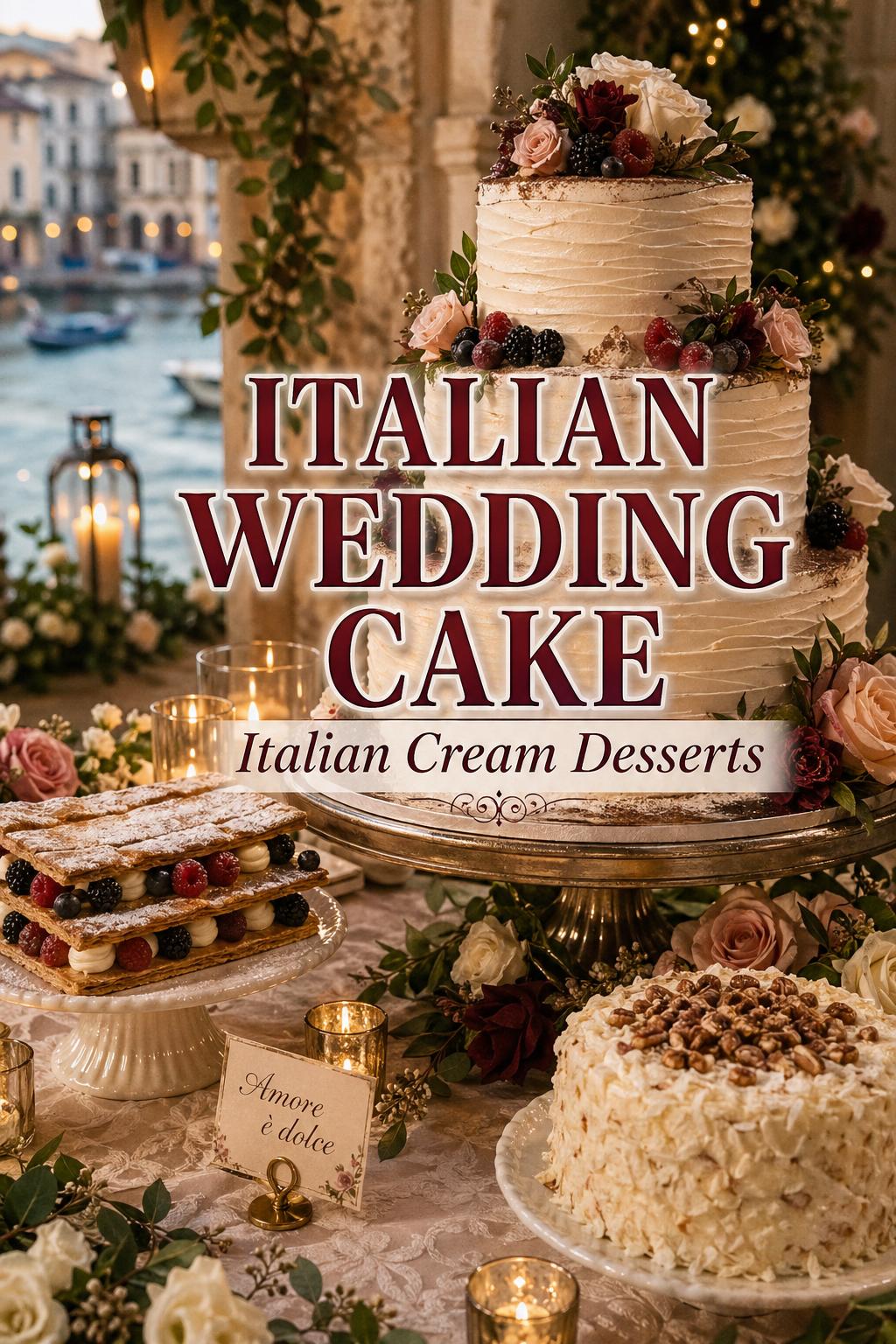
The most helpful planning principle is simple: decide what “italian wedding cake” means for your wedding before you discuss flavors and décor. This sounds obvious, but it changes everything. Once you identify whether your vision is built around millefoglie, an italian cream cake variation, or a custom fusion design, the rest of the choices become easier and more coherent.
Millefoglie is the central reference point in most discussions of the traditional Italian wedding cake. It is tied to Italian pastry tradition, wedding rituals, and a visual language that feels refined rather than heavy. An italian cream cake, on the other hand, appears as an alternate naming path in U.S. wedding and recipe discussions. That version may bring in cream cheese icing, coconut, pecans, and a softer layer cake profile more familiar to guests expecting American-style slices.
Neither route is automatically better. The right choice depends on the atmosphere you want to create. If your wedding vision is rooted in Italian pastry heritage, romantic elegance, and a reception moment that feels a little different from the expected, millefoglie often makes the strongest statement. If your guest experience depends on a softer, frosted, more recognizable layer cake style, then an italian cream cake direction may be the more practical fit.
A useful way to frame the decision
- Choose millefoglie if your priority is Italian pastry tradition, layered texture, and a wedding cake with cultural identity.
- Choose an italian cream cake style if your priority is familiar slice-and-serve comfort, cream cheese icing, and rich U.S.-leaning flavor notes.
- Choose a custom fusion if you want an Italian visual story with modern design flexibility and bakery practicality.
What is millefoglie, and why is it considered the quintessential italian wedding cake?
Millefoglie is widely treated as the core Italian wedding cake concept. In wedding media, cultural explainers, and destination wedding resources, it appears again and again as the cake most closely associated with Italian wedding tradition. That repeated association matters because it gives couples a clear anchor: if you are searching for the traditional Italian wedding cake, millefoglie is usually the answer you will encounter first.
Its appeal comes from both flavor and atmosphere. A millefoglie wedding cake is not just about sweetness. It brings together pastry layers, cream-based fillings, and a presentation style that feels celebratory without looking overly dense or ornamental. In wedding contexts, it often reads as sophisticated, airy, and unmistakably tied to Italian dessert culture.
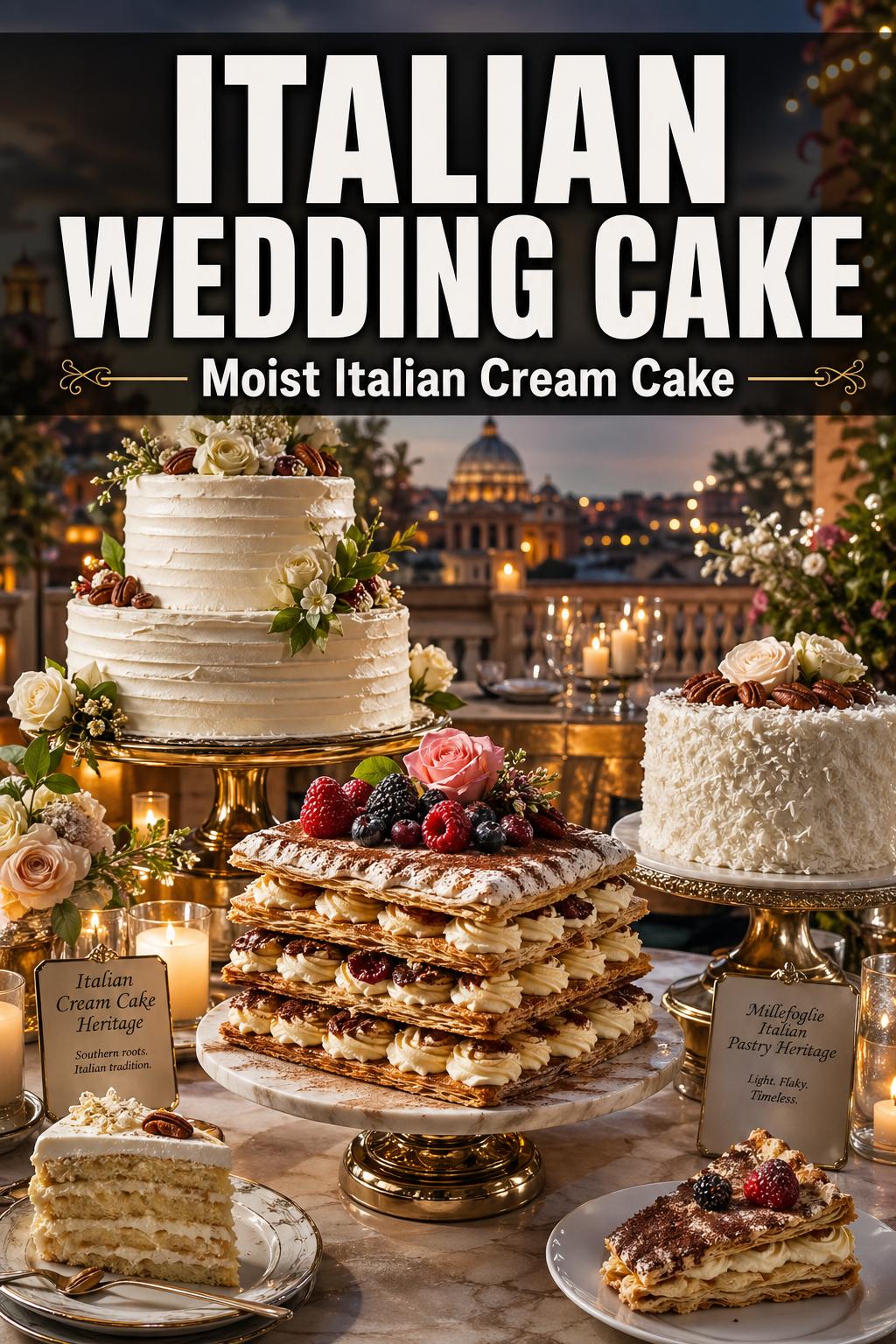
Layering, pastry, and cream: how millefoglie is built
The defining idea behind millefoglie is layering. The cake is built from sheets of pastry and cream, creating a contrast between delicate structure and soft filling. This construction is part of what makes the dessert feel elegant at a reception. It is also why bakery skill matters so much. The layers need enough structure to hold shape and enough tenderness to create a graceful eating experience once served.
Common filling references in the broader italian wedding cake conversation include mascarpone, ricotta, berries, and cacao. These flavors support the cake’s identity without overwhelming its layered nature. They also allow couples to shape the mood of the dessert: richer and more decadent, lighter and fruit-forward, or somewhere in between.
Another useful planning note is terminology. Some couples may also encounter comparisons between millefoglie and millefeuille. That terminology variation can affect bakery conversations, especially in the U.S., where naming conventions differ. If authenticity matters to you, ask the bakery how they define the cake and how they build it, rather than relying only on the name.
Regional feeling and Italian wedding context
Italian wedding cake discussions often point back to Italy as the cultural anchor, with regional cues adding depth to the story. Resources centered on destination weddings and Italian culture emphasize that wedding cake traditions are not always uniform across the country. Instead, millefoglie acts as the most recognizable thread, while regional pastry habits and flavor preferences shape interpretation.
This is important for couples because it frees you from trying to find one rigidly “correct” version. If your bakery references Italy, regional style, or a family-inspired approach, that can still sit comfortably within the millefoglie tradition. What matters most is that the dessert keeps its layered identity and its connection to Italian pastry heritage.
Italian cream cake or millefoglie? Solving the most common planning confusion
One of the biggest practical challenges is that many U.S. searches for an italian wedding cake overlap with searches for italian cream cake. Wedding Forward specifically reflects this overlap by treating italian cream cake as an alternate naming path within the broader topic. That does not mean the two are always identical in practice, but it does explain why couples often feel unsure about what to order.
An italian cream cake direction generally leans into layer cake comfort, softer crumb, and icing-led flavor. Research references connected to recipe culture include coconut, pecans, and cream cheese icing. This style may appeal to couples searching phrases such as the best italian cream cake recipe, moist italian cream cake, or italian cream desserts because they are imagining a cake that feels plush, rich, and immediately familiar.
Millefoglie solves a different problem. It is ideal for couples who want the wedding cake to look and feel less conventional and more rooted in Italian pastry technique. It often creates a more refined dessert impression and can become a memorable talking point at the reception, especially for guests who have never encountered it in a wedding setting.
When an italian cream cake style makes sense
- Your venue or baker is stronger with classic layer cakes than pastry-based assembly.
- You want cream cheese icing as part of the flavor identity.
- Your guests are expecting a more familiar cake texture.
- You are inspired by recipe-style searches such as italian cream cake recipe taste of home and want that comfort translated into a wedding version.
When millefoglie is the stronger fit
- You want a wedding dessert strongly associated with Italian wedding traditions.
- You are planning a reception where presentation and pastry texture matter as much as frosting.
- You want a dessert that aligns with italian cakes traditional to celebratory occasions.
- You are drawn to real-wedding inspiration such as the millefoglie features seen on The Knot.
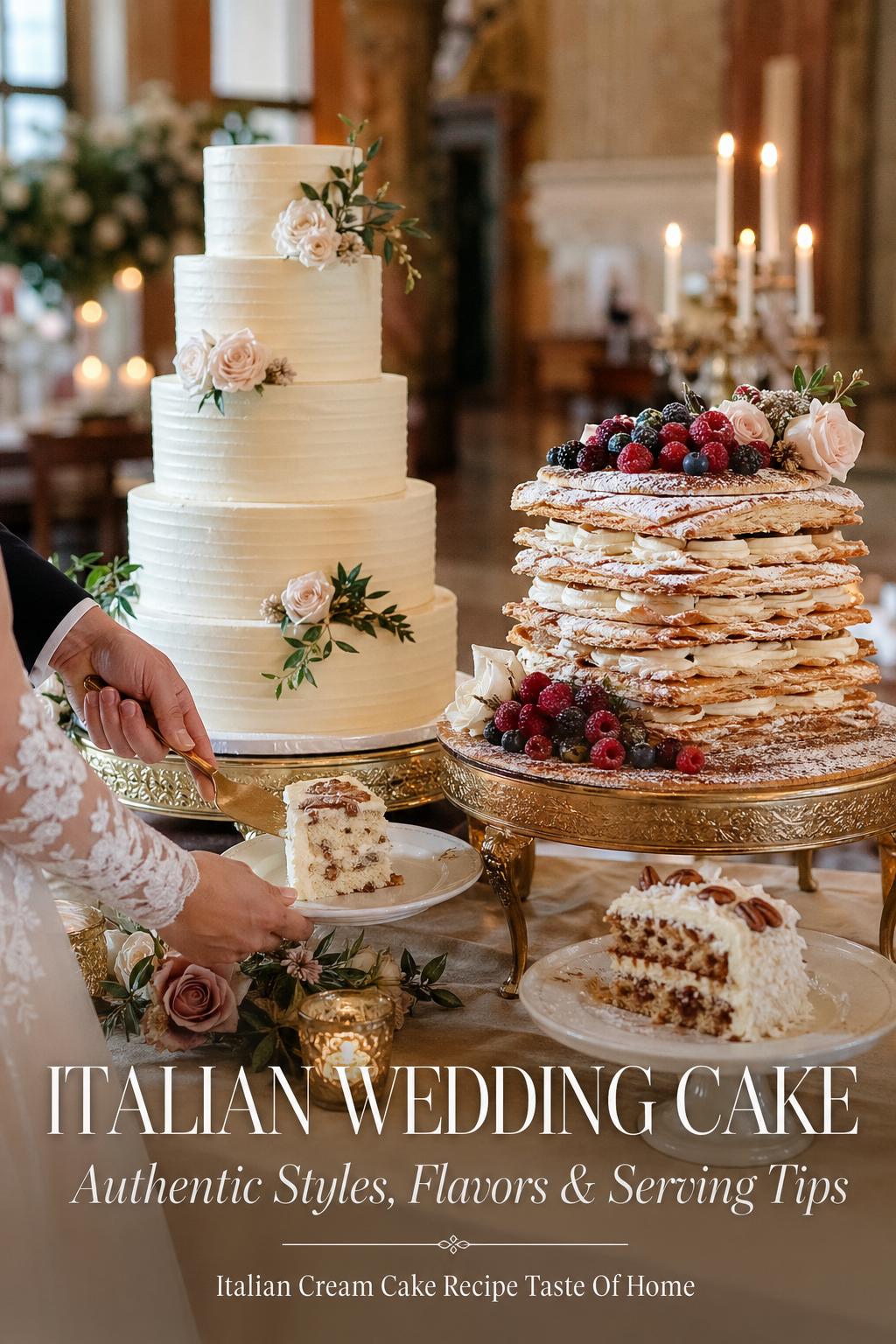
Flavors that actually work for an italian wedding cake
Flavor should support the cake’s style, not fight it. Couples sometimes make the mistake of choosing fillings and icings based only on what sounds indulgent in a tasting. The better approach is to ask which flavors suit the construction and the guest experience. A wedding cake has to taste good, photograph well, hold up through service, and feel appropriate for the tone of the event.
Classic millefoglie fillings
Within millefoglie, the most consistent flavor language revolves around cream and pastry, often supported by mascarpone, ricotta, berries, or cacao. These ingredients fit the layered format and preserve the dessert’s elegant character. Berries can brighten the profile and add color for reception photographs, while cacao can deepen the flavor without changing the cake’s identity.
If your wedding style is romantic, refined, and not overly formal, a berry-accented millefoglie often feels especially balanced. For a more classic, pastry-centered impression, cream-focused fillings keep the experience understated and timeless.
Italian cream cake flavor notes for U.S. weddings
Recipe-driven references for italian wedding cake in the U.S. often point to coconut, pecans, almond notes, and cream cheese icing. These flavors are useful for couples who want a celebratory cake with a comforting, familiar sweetness. If your guests are likely to prefer a soft layer cake over a pastry-based dessert, these ingredients can be a very practical choice.
This is where phrases like moist italian cream cake and the best italian cream cake recipe become relevant in planning, even if you are not baking the cake yourself. They reveal what people expect from this style: richness, softness, and generous icing. If that expectation matches your reception vision, you can use it as a clear design brief for your baker.
Modern twists and dietary-minded thinking
Some of the most under-discussed wedding decisions involve adaptation. Couples may want a modern twist, a lighter finish, or options that consider gluten-free or dairy-free preferences. While not every bakery will execute these equally well, it is worth discussing early. Practical planning matters more with millefoglie because structural changes can affect texture and service. With italian cream cake variations, icing and moisture balance become the key concerns.
The most helpful mindset is to prioritize one thing: preserve the spirit of the cake, even if you adapt the details. A wedding dessert should feel intentional, not like a compromise that lost its identity along the way.
Designing the cake to fit the mood of the wedding
A beautiful italian wedding cake should not feel detached from the rest of the celebration. It should make sense with the venue, the flowers, the table styling, and the emotional rhythm of the evening. This is where couples often move from simply choosing a cake to designing a wedding moment.
Ferrara Bakery & Cafe offers a useful example of how custom Italian wedding cakes are positioned in the U.S. Their approach highlights multi-tier options, decorative choices, servings, and custom design decisions. That reflects what many couples need: not only a cake style, but a tailored statement piece that fits guest count and wedding atmosphere.
Size, servings, and tier configurations
Practical design begins with guest count. Even the most romantic cake needs to serve the room. For couples choosing millefoglie, this matters because the cake’s structure may not behave like a conventional stacked buttercream cake. Talk with the baker about how the cake will be arranged, displayed, and portioned. For custom cakes, ask whether the visual tiers reflect actual servings, decorative structure, or a mix of both.
If your reception is formal and highly photographed, a taller presentation may support the visual drama you want. If your celebration is intimate, a lower, more pastry-driven display can feel more authentic and inviting. The right scale is the one that matches both the room and the service plan.
Visual motifs: traditional or modern?
Some couples want their cake to lean fully into Italian heritage. Others want a cleaner, more contemporary interpretation. Both can work. Traditional styling may emphasize a classic pastry look, understated decoration, and an emphasis on texture. Modern interpretations may bring in refined décor motifs, more stylized presentation, or a custom approach that feels aligned with current U.S. wedding aesthetics.
The key is consistency. If your wedding is romantic and candlelit, a highly minimal cake can still work, but it should be framed with intention. If your event has a modern editorial feeling, a heavily ornate design may feel disconnected. The cake does not need to match every detail, but it should belong in the same visual story.
Outfit solution for your reception style: matching the cake to the wedding atmosphere
Although cake is not clothing, couples face a styling problem very similar to fashion planning: balancing beauty, function, and setting. The same logic applies here. A dessert that looks perfect in one reception context can feel out of place in another. Thinking in “style solutions” helps create a cake choice that feels naturally integrated into the day.
Outfit solution: classic city wedding with Italian heritage
For an urban reception, especially one with family ties to Italian American traditions, a custom cake from a bakery with recognizable heritage can be the strongest fit. Ferrara Bakery & Cafe in New York’s Little Italy represents this mood well. The combination works because it brings location, legacy, and custom wedding practicality together. A formal city venue benefits from a cake that feels polished and historic rather than purely trendy.
Outfit solution: romantic reception inspired by real weddings
If your planning style begins with imagery and emotional atmosphere, look at how The Knot presents a traditional italian millefoglie wedding cake in real celebration settings. A couple such as Jenna and Anthony gives this style emotional context rather than just product description. This solution works for couples who want the cake to feel woven into the reception story, not staged apart from it.
Outfit solution: destination-inspired celebration with Italian elegance
For couples bringing Italy into a U.S. wedding vision, resources such as Weddings in Italy and Vera Weddings suggest a more destination-aware approach. This solution works best when the cake is part of a broader Mediterranean or Italian-inspired atmosphere. In that setting, millefoglie becomes more than dessert. It acts as a cultural detail that supports the place-inspired feeling of the entire reception.
Outfit solution: guest-friendly celebration with familiar flavors
If your reception is relaxed, family-centered, and built around comfort, an italian cream cake interpretation may be the better answer. A cake with coconut, pecans, almond notes, and cream cheese icing creates a soft landing for guests who may be less adventurous with pastry desserts. This works especially well when you want warmth and generosity in the dessert experience, rather than a highly formal pastry statement.
Buying an italian wedding cake in the U.S. without guesswork
Once you know the style you want, the next challenge is sourcing. This is where many couples feel uncertain, because not every bakery that uses the words “italian wedding cake” is offering the same thing. Some are speaking about millefoglie. Others are talking about custom Italian-inspired tiered cakes. Others are really offering an italian cream cake style under a wedding label.
The solution is to ask highly specific questions early. Do not begin with décor. Begin with identity, construction, and service. This protects you from ordering a beautiful cake that does not match your original vision.
Questions to ask a baker
- When you say “italian wedding cake,” do you mean millefoglie, italian cream cake, or a custom Italian-inspired design?
- How is the cake constructed and served?
- What filling options do you recommend for this specific style?
- Can the cake be customized for size and decorative details?
- How far in advance should we book a tasting and final order?
- What are the transport and on-site service considerations?
Lead time, cost expectations, and tasting priorities
Wedding guides in this category commonly include planning notes around costs and timing, which tells you something important: couples are not just shopping for flavor, they are making a logistical purchase. Build extra time into the process if you want millefoglie, a custom design, or a bakery with strong Italian heritage. Cakes with specialized construction or a tailored wedding presentation may require more coordination than a standard layer cake.
During the tasting, focus on texture and handling as much as flavor. If you are considering millefoglie, ask how the bakery keeps the pastry appealing through service. If you are considering an italian cream cake route, ask how they maintain a moist italian cream cake structure without making the slices too soft for a wedding setting. This kind of conversation is what turns a tasting into real decision support.
Serving etiquette and the cake-cutting moment
The most memorable wedding cakes are not only beautiful on display. They are served in a way that feels natural, gracious, and in tune with the reception. An italian wedding cake deserves that same care. Because millefoglie differs from standard frosted cakes, couples should think through the cutting and serving moment in advance rather than leaving it to improvisation.
Traditional and modern service can coexist. Some couples want a ceremonial cake-cutting moment for photographs, then efficient plated service for guests. Others want the dessert to feel more pastry-like and intimate. Neither is wrong. What matters is aligning the service style with the cake’s structure and the pace of the evening.
If guest experience is your priority, speak with the bakery and venue together. A beautiful millefoglie loses some of its magic if it is held too long or served without enough planning. A cream cake style can be more straightforward, but it still benefits from advance coordination so slices look composed and consistent.
How italian wedding cake fits into the wider dessert table
Another elegant way to solve the cake decision is to stop treating it as a stand-alone element. In many weddings, the dessert course works better when the cake is supported by a larger sweets story. This matters especially for couples who want to honor Italian pastry culture while also making the dessert experience feel generous and varied.
Related sweet references that strengthen the Italian dessert atmosphere include cassata, pasticcini, cantucci, and other Italian pastry wedding desserts. These names appear as connected dessert entities in the broader conversation and can help the cake feel part of a curated table rather than an isolated statement. For some couples, this also solves a practical problem: guests who prefer a small pastry can enjoy that while still participating in the wedding cake moment.
This is also where searches for italian cream desserts fit naturally. If your main cake is millefoglie but you know some guests prefer richer or softer sweets, adding a few complementary desserts can make the whole offering feel more welcoming.
Real-world inspiration from brands, media, and wedding planning sources
Some of the clearest wedding decisions are made when couples compare how different trusted sources frame the same cake. Ferrara Bakery & Cafe emphasizes custom creations, servings, and visual tailoring in a New York setting rooted in Little Italy. The Knot shows how a traditional italian millefoglie wedding cake becomes emotionally resonant in a real reception. Wedding Forward offers the broadest planning bridge, connecting style ideas, cost thinking, and the overlap between millefoglie and italian cream cake naming.
Meanwhile, Weddings in Italy and Vera Weddings bring in destination and cultural context, reinforcing the connection between Italian wedding cake traditions and the lived experience of celebrations in Italy. Explore Italian Culture and Flavor365 contribute the educational layer, helping couples understand not just what to order, but what the cake means within Italian culinary tradition.
Taken together, these examples suggest a clear planning lesson: choose your cake by balancing three things at once. First, cultural meaning. Second, bakery capability. Third, the kind of guest experience you want at the reception.
Tips for making your final cake choice with confidence
By the time couples reach the final decision, they often already know more than they realize. The remaining task is to translate instinct into a practical choice that fits the wedding day.
- Bring photos that show structure, not just decoration. This is especially important for millefoglie.
- Use clear language about whether you want a traditional Italian reference or a U.S.-style italian cream cake interpretation.
- Ask for recommendations based on your venue, guest count, and service style, not just on flavor trends.
- Think about how the cake will look in the room and how it will actually be eaten.
- If authenticity matters to you, prioritize bakeries that can explain their approach with confidence and detail.
A simple but valuable tip: if two options sound equally beautiful, choose the one your bakery can execute consistently. Wedding planning is full of romantic ideas, but cake is one place where technical reliability protects the experience.
Common mistakes couples make with italian wedding cake planning
The most common mistake is assuming every bakery defines “italian wedding cake” the same way. That misunderstanding can lead to a cake that technically fits the label but not the vision. Couples should instead confirm whether they are discussing millefoglie, italian cream cake, or a custom Italian-style design.
Another mistake is choosing flavor before structure. A filling or icing may sound appealing in a tasting, but not every flavor suits every cake style. Millefoglie works best when fillings support layering and texture. An italian cream cake benefits from moisture and icing balance. Start with the format, then refine the flavor.
A third mistake is overlooking service. Some cakes are easier to cut, move, and plate than others. Couples often focus so much on the display moment that they forget the guest experience. The better approach is to plan the display and the serving as one continuous part of the celebration.
Creating a wedding cake moment that feels authentically yours
An italian wedding cake works best when it does more than reference Italy in name. It should express a real point of view about your wedding. For some couples, that means a millefoglie that honors pastry tradition and brings a sense of Italian elegance to the reception. For others, it means a custom cake from Ferrara Bakery & Cafe or another specialist that merges heritage with modern wedding design. For still others, it means embracing the warmth of an italian cream cake style because that is the dessert their family and guests will love most.
The most meaningful choice is usually the one that balances beauty, tradition, and practicality without forcing your wedding into someone else’s definition. If the cake feels aligned with your celebration, your setting, and your guests, it will not just look right in photographs. It will feel right in the room.
FAQ
What is the traditional italian wedding cake?
The traditional italian wedding cake is most commonly described as millefoglie, a layered pastry cake associated with Italian wedding traditions and often presented with cream-based fillings and an elegant pastry structure.
Is millefoglie the same as italian cream cake?
Not exactly. Millefoglie is the pastry-layered cake most closely tied to traditional Italian wedding culture, while italian cream cake is often used in the U.S. as an alternate wedding cake reference and usually points to a softer layer cake style with flavors such as coconut, pecans, and cream cheese icing.
What flavors are common in an italian wedding cake?
For millefoglie, common flavor directions include cream-based fillings with mascarpone, ricotta, berries, or cacao. For an italian cream cake version, common flavor notes include coconut, pecans, almond, and cream cheese icing.
Where can I buy an authentic italian wedding cake in the U.S.?
Couples often look for bakeries with clear Italian heritage or experience with custom wedding cakes, such as Ferrara Bakery & Cafe in New York’s Little Italy. The most important step is confirming whether the bakery offers true millefoglie, an italian cream cake style, or a custom Italian-inspired design.
How far in advance should I order a millefoglie wedding cake?
Because millefoglie and custom Italian wedding cakes can involve specialized construction and coordination, it is wise to begin the conversation early, especially if you want a tasting, custom decorative details, or a bakery with strong demand.
Can an italian wedding cake be customized for modern weddings?
Yes. Many wedding sources and bakery pages show that Italian wedding cakes can be customized for size, servings, decorative styling, and modern presentation while still keeping their connection to Italian pastry tradition or Italian-inspired flavor profiles.
What should I ask during an italian wedding cake tasting?
You should ask how the bakery defines the cake style, how it is built, what fillings work best, how it will be served, and whether the design can be tailored to your guest count and wedding atmosphere.
Are there other Italian desserts that pair well with an italian wedding cake?
Yes. Couples often build a fuller dessert experience by pairing the cake with related sweets such as cassata, pasticcini, cantucci, or other Italian pastry wedding desserts, especially when they want the dessert table to feel more distinctly Italian.