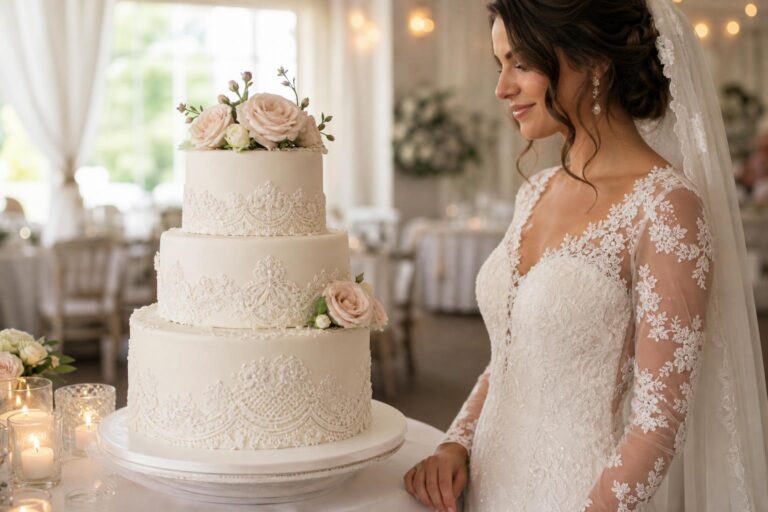
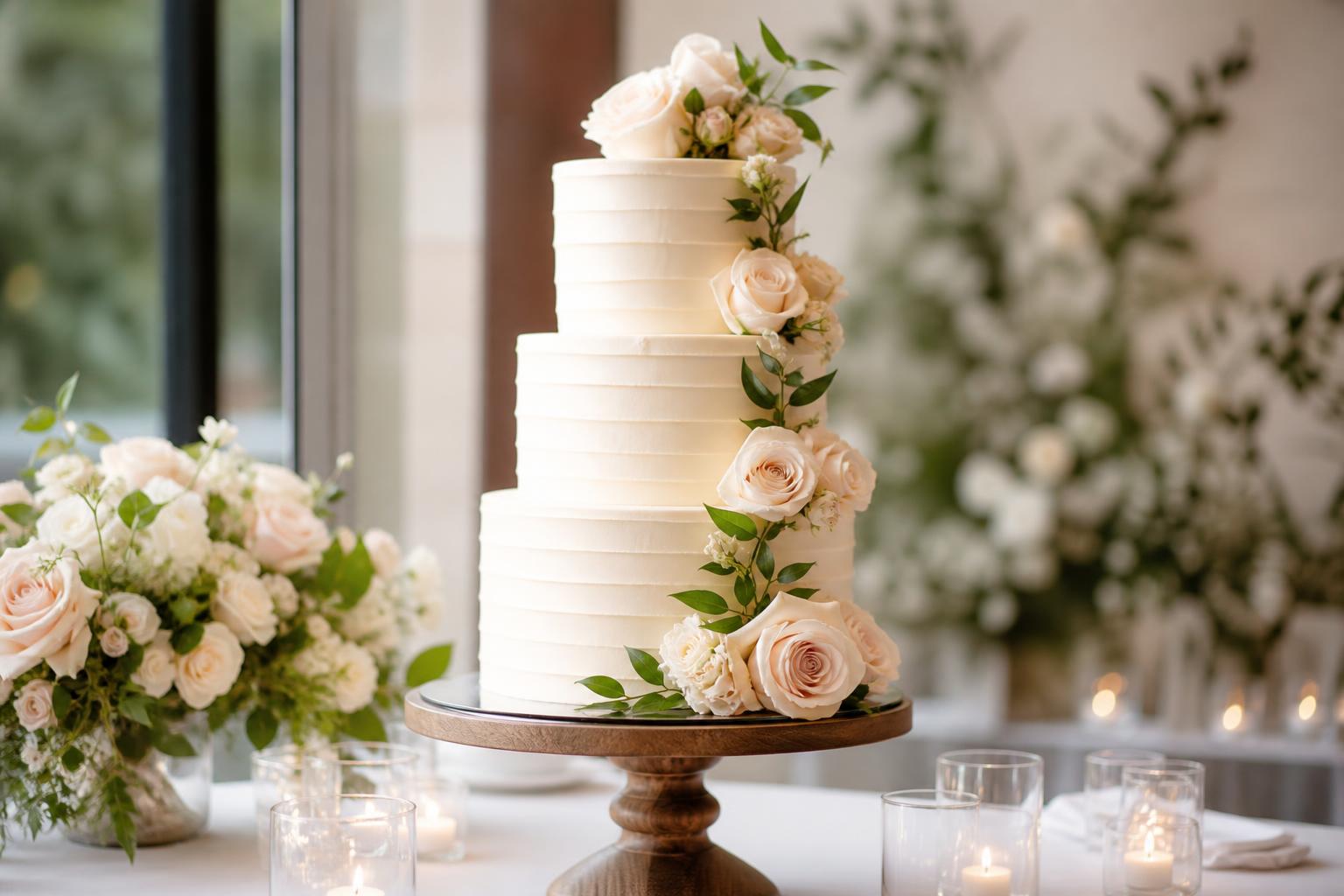
Cake Wedding Styles That Feel Romantic and Refined
The wedding cake often appears late in the celebration, but emotionally it is one of the first visual decisions couples imagine. In a cake wedding vision, the cake is not just dessert. It becomes part of the room, part of the photographs, and part of the story the couple tells about their style. That is why so many couples find themselves comparing not just flavors, but aesthetics: classic versus modern, naked versus buttercream, floral versus sculptural, romantic versus couture.
These styles are frequently discussed together because they can overlap in surprising ways. A floral cake can feel timeless or contemporary depending on color and structure. A modern wedding cake design can still include delicate sugar flowers. A naked cake may look effortless in a rustic setting, while a textured buttercream cake can deliver the same softness in a more formal ballroom. The differences are subtle, but they matter when the cake is meant to echo the mood of the day.
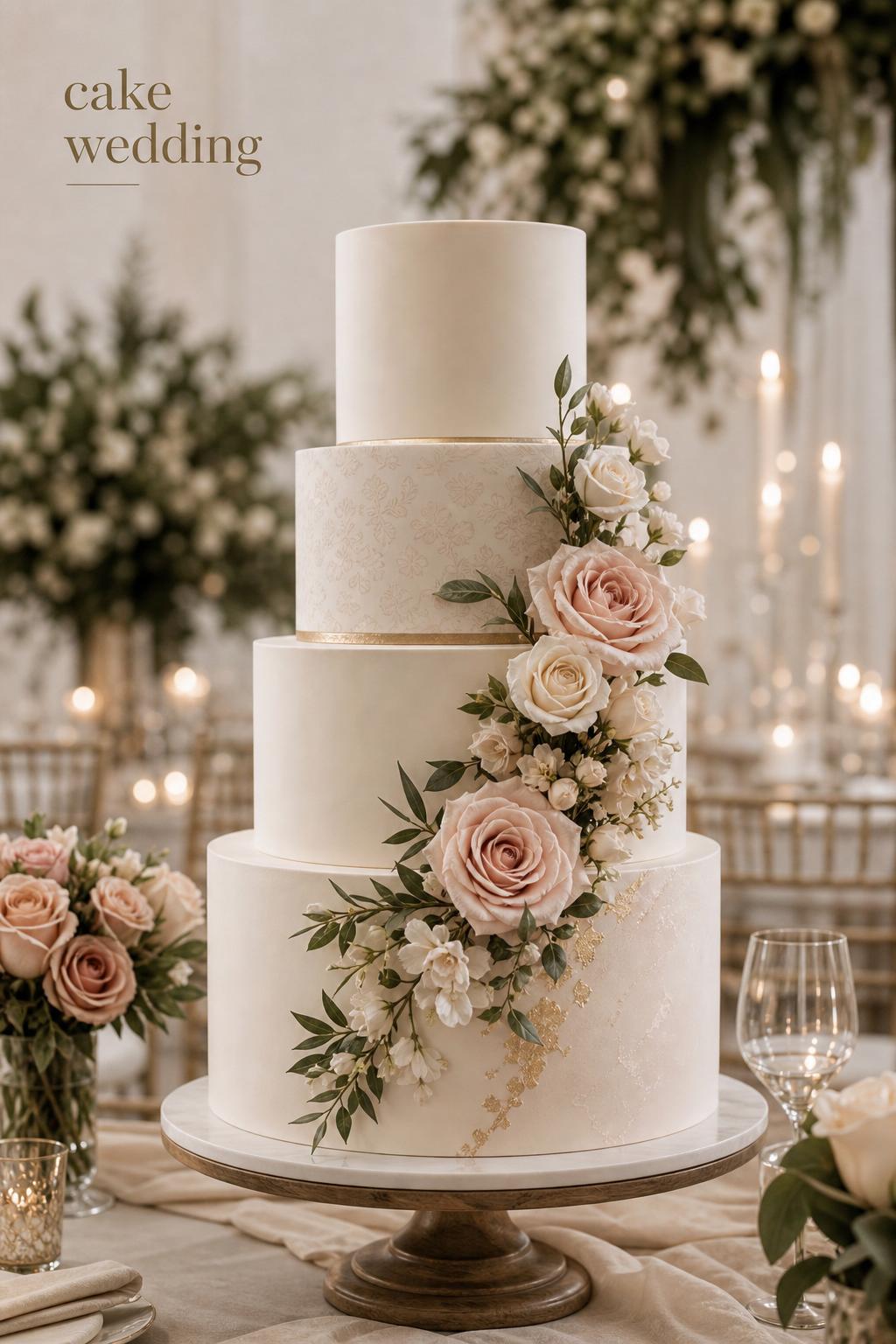
This guide breaks down the main wedding cake ideas couples compare most often, explains how each style looks and functions in real wedding settings, and offers practical guidance on flavor pairings, tiers, budgeting, display, and dietary choices. The goal is not simply to admire beautiful wedding cakes, but to help you recognize what truly fits your celebration.
What a cake wedding really means in modern celebration design
A cake wedding is best understood as a wedding where the cake plays a visible role in the overall design language of the event. That may sound obvious, yet it changes how couples make decisions. Instead of treating the cake as a separate bakery order, they begin to see it as an extension of the flowers, table styling, fashion choices, and even the season.
Turn wedding inspiration into a plan you can actually follow.
Zarellea brings your guest list, budget, vendors, and day-of details into one shared space — so no beautiful idea gets lost in the shuffle.
In traditional wedding planning, the wedding cake carried symbolism and ceremony. In modern planning, it still does, but it also carries aesthetic responsibility. Publishers such as The Knot, Zola, HGTV, Green Wedding Shoes, Bridebook, Wedding Spot, Classpop, BBC Good Food, The Bridal Box, and Vogue all spotlight this same truth in different ways: couples want cake inspiration that helps them connect design style with flavor, atmosphere, and personal taste.
That is why the most useful comparison is not simply “what cake is pretty,” but “what style logic does this cake follow, and what wedding setting will make it feel natural rather than forced?”
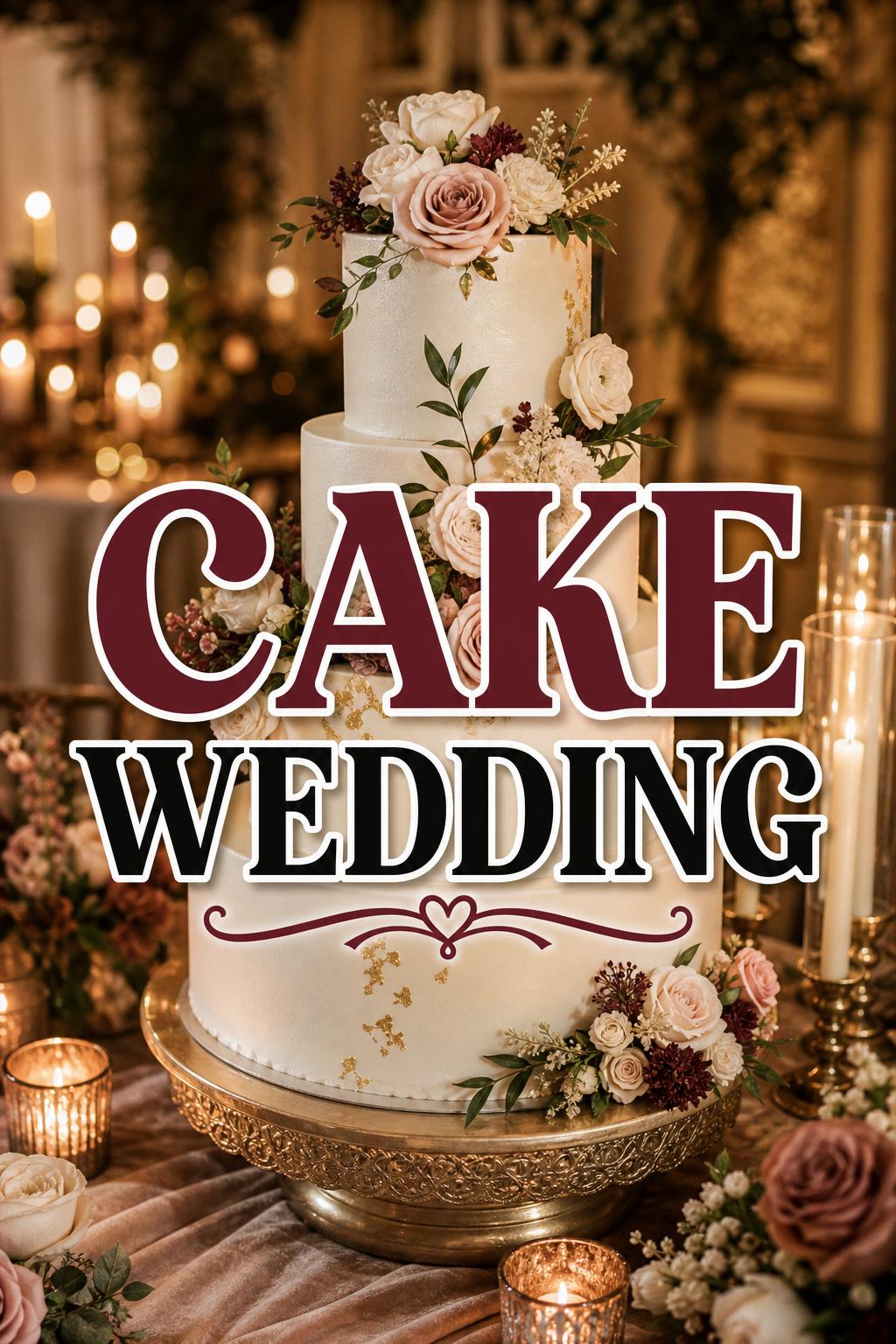
Style overview: classic wedding cakes
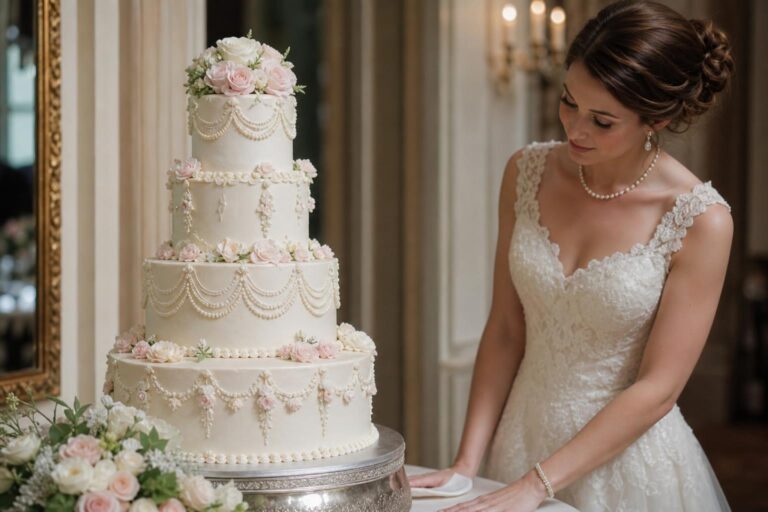
Classic wedding cakes are usually the easiest to recognize and the hardest to define with one detail alone. Their identity comes from balance. They tend to favor symmetrical tiers, refined finishes, soft decorative rhythm, and a sense of ceremony that feels appropriate across many venues.
Visually, classic wedding cake designs often rely on smooth buttercream or fondant, restrained piping, delicate floral placement, and proportions that feel formal rather than experimental. The color palette is usually soft and elegant: ivory, white, blush, muted neutrals, or subtle metallic accents. The silhouette is clean and tiered, with each layer clearly supporting the next.
The overall mood is polished, romantic, and dependable. This is the style many couples choose when they want the cake to feel timeless in photos and harmonious with traditional wedding rituals.
Style overview: modern and sculptural wedding cakes
Modern wedding cake designs are shaped by intention rather than convention. They often move away from purely symmetrical presentation and instead highlight silhouette, negative space, texture, or architectural form. This is the category most closely linked with couture-inspired cake work and the image-led style seen in fashion-oriented showcases such as Vogue.
Typical features include sculptural tiers, sharp edges or intentionally irregular forms, monochromatic palettes, abstract texture, metallic details, or sugar work that feels more like art than ornament. While classic cakes ask for quiet elegance, modern cakes are more comfortable making a visual statement.
The mood is confident, directional, and often editorial. In the right setting, especially a contemporary venue or city wedding, a sculptural cake can feel as relevant as the bride’s fashion and the room’s design details.
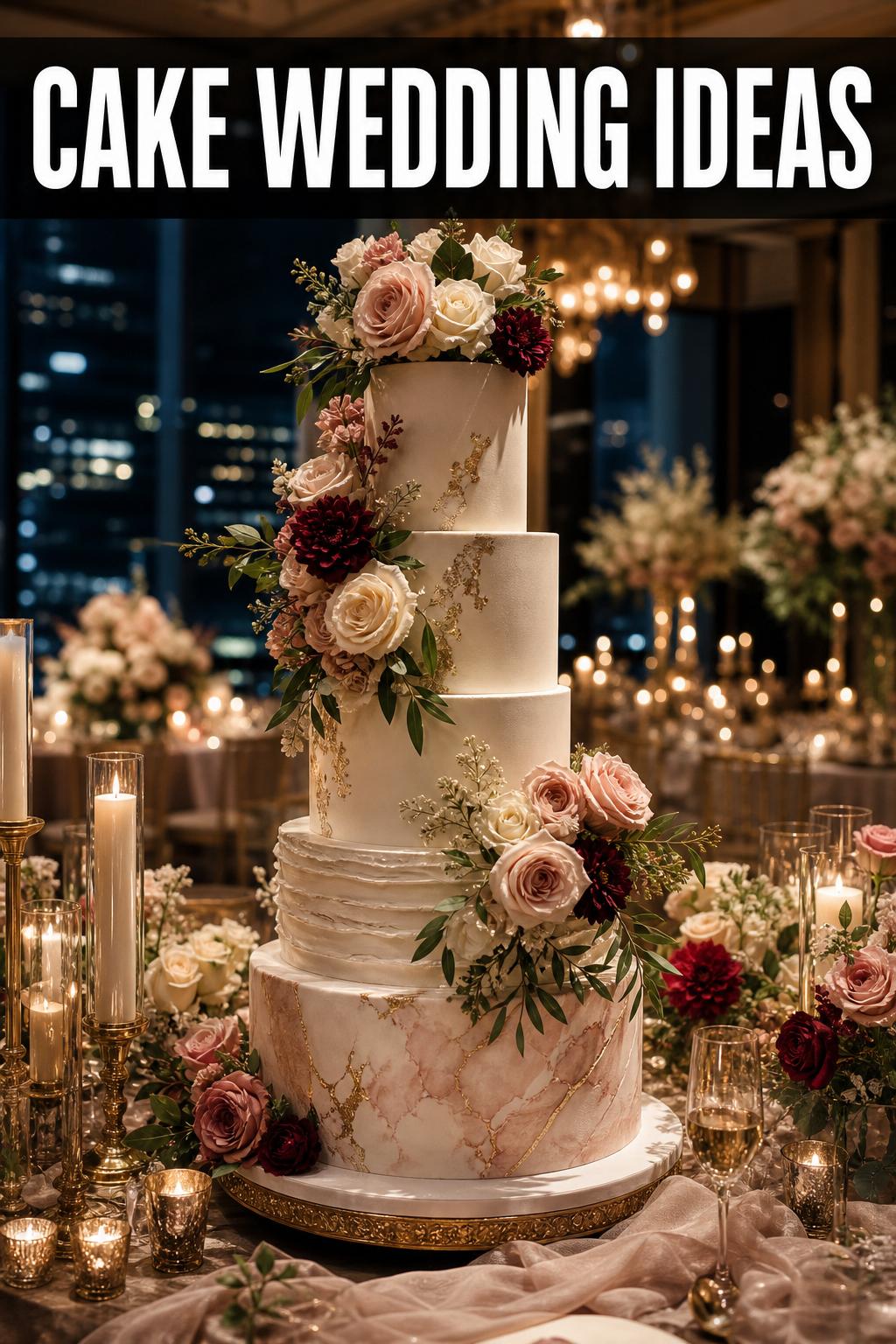
Style overview: naked and semi-naked cakes
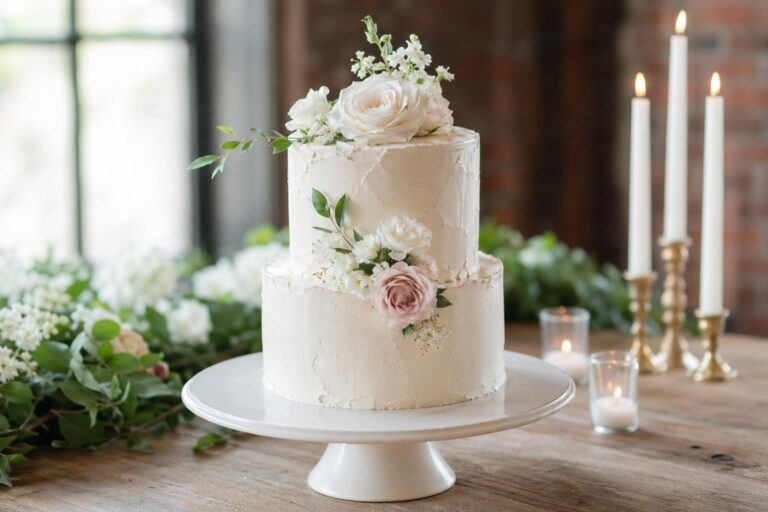
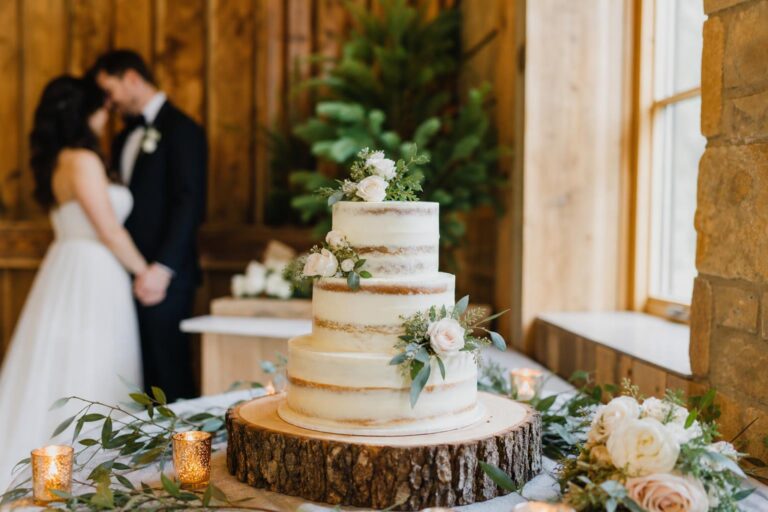
Naked and semi-naked cakes are often grouped together, but they create slightly different impressions. A naked cake leaves the layers more exposed, allowing sponge and filling to become part of the visual design. A semi-naked cake softens that effect with a thin veil of frosting, creating a more finished but still relaxed look.
BBC Good Food and other inspiration-led sources regularly connect these styles with rustic elegance, seasonal fruit, and natural floral decoration. Their textures are softer, less formal, and more tactile than fondant-covered cakes. The color palette often comes from the ingredients themselves: cream frosting, golden sponge, berries, fruit purees, or subtle greenery.
The mood is intimate, organic, and approachable. These cakes work especially well when a wedding feels garden-led, countryside-inspired, or intentionally less rigid in tone.
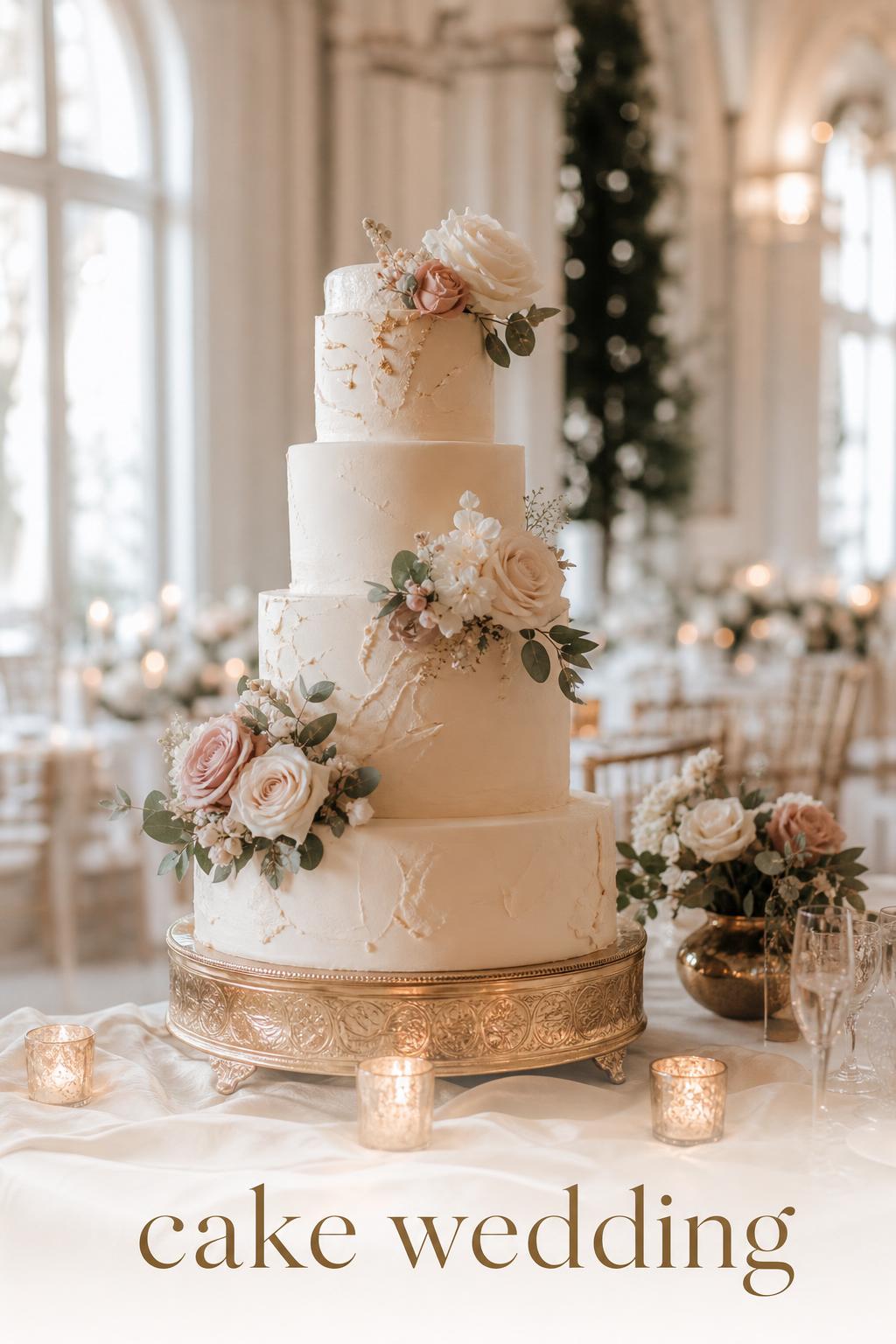
Style overview: floral and sugar flower cakes
Floral wedding cake designs sit across both classic and modern categories, which is one reason they are so often confused with other styles. The floral element can be fresh flowers, sugar flowers, or a hybrid decorative approach. What defines the style is that floral detailing becomes the visual focal point rather than a secondary accent.
These cakes may be soft and romantic, especially in classic formats, or highly stylized when sugar flowers are arranged with couture precision. They are among the most versatile wedding cake ideas because they can adapt to almost any venue type. A floral cake can look natural in a garden ceremony, dramatic in a ballroom, or refined in a minimalist setting depending on how color and placement are handled.
The mood ranges from romantic to editorial. If a couple wants beauty with emotional warmth, floral cakes often become the bridge between expressive décor and practical familiarity.
Where the styles separate most clearly
Silhouette and structure
Classic styles typically prefer even tiers and orderly height. Modern styles may exaggerate verticality, vary shapes, or use sculptural layering for dramatic effect. Naked and semi-naked cakes usually keep a softer profile, where the structure is visible but less rigidly formal. Floral cakes can follow any silhouette, but their composition is guided by how the flowers move around the tiers.
Texture and surface finish
If you compare wedding cakes side by side, texture is often the fastest clue. Classic cakes lean smooth and controlled. Modern cakes may feature intentional texture, geometric detailing, metallic accents, or artistic irregularity. Naked cakes celebrate exposed layers and natural surfaces. Floral cakes can be smooth or textured, but the decorative finish is there to support the bloom work rather than compete with it.
Formality level
Classic cakes usually read as the most formally adaptable. They belong easily in black-tie spaces, religious ceremonies, hotel ballrooms, and elegant tented receptions. Naked cakes often reduce the perceived formality of a display, even when carefully made. Modern sculptural cakes can feel very formal, but in a fashion-forward rather than traditional way. Floral cakes shift depending on flower choice, arrangement style, and color restraint.
Styling philosophy
Classic style values continuity and tradition. Modern style values visual identity and creative expression. Naked style values natural beauty and ease. Floral style values romance and decorative storytelling. Understanding this difference helps couples decide more clearly than simply saving dozens of similar images.
How these wedding cake designs look in real wedding settings
A cake never exists in isolation. It appears under lighting, against linens, near flowers, beside candles, and within a room that already has a mood. That is why visual style breakdown matters so much when comparing cake ideas.
Layering approach
In a classic setting, visual layering comes from repetition and symmetry. The cake may echo rounded centerpieces, soft draping, or a formal ceremony aisle. In a modern setting, the cake often acts as a contrast piece, bringing sharper lines or sculptural presence into a simpler room. With naked cakes, layering is literal as well as visual, because sponge, frosting, and filling become part of the design. Floral cakes layer decorative detail through bloom placement rather than structural complexity alone.
Proportions and balance
Classic cakes usually favor proportion that feels ceremonial and centered. Modern cakes may deliberately stretch or compress tiers for effect. A tall, slim cake can feel contemporary, while a wider, balanced stack often feels traditional. Semi-naked cakes often benefit from slightly less height if the couple wants a softer, more grounded appearance. If the floral decoration is heavy, the cake structure underneath should remain disciplined so the overall display still feels intentional.
Accessories and display pieces
Cake toppers, risers, and stands influence the final read. A classic cake often suits understated display pieces. A modern cake can tolerate stronger staging, especially if the couple wants a gallery-like presentation. Floral cakes often look best when the surrounding display is restrained, allowing the sugar flowers or florals to carry the emotion. This is also where display logistics matter: a cake with delicate finish or significant height needs a stable surface and thoughtful placement.
Overall outfit balance for the wedding itself
Although the cake is décor, it should still feel in conversation with the rest of the wedding styling. A minimalist modern wedding often feels more complete with a sculptural cake than with a heavily traditional one. A romantic floral wedding may call for sugar flower detailing that mirrors bouquets. A relaxed outdoor ceremony often pairs naturally with a naked or semi-naked cake, where the less polished finish supports the atmosphere rather than fighting it.
Comparing flavors and fillings across style choices
One of the easiest planning mistakes is assuming appearance and flavor should be chosen separately. In reality, the most satisfying wedding cakes connect the exterior style to the interior experience. Zola, Wedding Spot, and Classpop all point toward the same practical question: what does the cake taste like once the visual excitement has passed?
Classic cakes and traditional flavor comfort
Classic cakes often suit familiar, crowd-pleasing flavor structures because the design itself already brings reassurance. Buttercream fillings, fruit notes, and mousse-style layers all sit comfortably within this category when handled with balance. The goal is often a clean, celebratory flavor profile that feels widely appealing.
Modern cakes and sharper flavor identity
A modern exterior gives couples more permission to make bolder flavor choices or contrast-driven pairings. That does not mean the flavors need to be unusual for the sake of novelty. It means the interior can reflect the same point of view as the design: deliberate, memorable, and less tied to expectation. Seasonal flavor pairings work especially well here because they reinforce a strong overall concept.
Naked cakes and ingredient visibility
Naked wedding cake ideas are visually honest, and that honesty carries into flavor. Fruit purees, berry layers, and soft buttercream or mousse fillings often feel natural because the cake already looks ingredient-forward. If the sponge and filling are visible, guests begin tasting with their eyes first. That can be a real strength, but it also means quality and freshness need to be evident.
Floral cakes and delicate flavor mapping
Floral wedding cake designs often invite gentle flavor families that feel cohesive with the decoration. Seasonal citrus in spring, berry notes in summer, or spice-led warmth in autumn can all align beautifully when the floral styling supports the same emotional register. The cake feels more complete when the visual softness is matched by flavor clarity rather than heaviness.
A helpful rule is simple: the more visually delicate the cake, the more jarring an overly heavy interior can feel. Conversely, a dramatic show-stopping cake can support richer flavor contrast because the visual style has already prepared guests for a stronger statement.
Seasonal wedding cake ideas: the same style seen through different months
Season is one of the most practical ways to refine a style decision. Many couples begin with broad inspiration and then discover that the month of the wedding quietly determines which version of a style feels convincing.
- Spring often suits floral and semi-naked cakes with lighter visual texture and citrus-led flavor chemistry.
- Summer favors berry notes, exposed freshness, and designs that look airy rather than heavy.
- Autumn supports richer tones, more texture, and spice-forward flavor direction.
- A formal winter wedding can carry classic smooth tiers, metallic accents, or couture-inspired sculptural presentation.
This does not mean any style is limited to one season. It means the styling details should shift. A floral cake in summer may feel loose and abundant, while the same idea in winter may need more restraint and contrast. A naked cake in warm weather can feel fresh and effortless, but display and timing become more important. A modern cake in autumn may lean textured and architectural, where spring might call for cleaner surfaces and lighter tones.
Notable makers, media influence, and what they represent
Couples often discover their taste through media brands before they ever speak with a baker. The Knot and Zola tend to present broad wedding cake ideas with practical planning relevance. Green Wedding Shoes, HGTV, Wedding Spot, Bridebook, Classpop, and The Bridal Box often help readers compare aesthetics, personalization, toppers, texture, tiers, and flavor. Vogue represents the couture end of the conversation, where cake is framed as fashion-adjacent design.
Among named maker references logically associated with prestige wedding cake conversation, Fiona Cairns stands out through royal-level association. That kind of connection matters because it illustrates how strongly style and maker identity can become linked. Some bakers are remembered for sugar flowers, some for sculptural tiers, some for refined tradition. For couples, the planning lesson is not that every cake needs a famous name. It is that baker style matters as much as baker skill.
If a couple is choosing between classic and modern approaches, reviewing a baker’s past work by style category can be more revealing than reading a general description. A baker may be excellent overall but especially strong in one visual language.
Regional and cultural mood shifts across the U.S.
Wedding cake choices also change with place. The research around regional trends highlights why a couple in New York City may be drawn to a different cake approach than a couple planning in the South or on the West Coast. Even when the base categories remain the same, the interpretation shifts.
Northeast and city-led polish
In urban settings such as NYC, classic and modern wedding cake designs often appear more tailored. Couples may prefer cleaner lines, couture influence, or refined floral restraint that suits hotel receptions and contemporary venues. A sculptural cake can feel especially natural in a city celebration where the broader design language is already sleek.
The South and familiar flavor identity
The research points to Southern red velvet culture as a meaningful regional flavor cue. In the South, a cake can still be highly elegant while leaning more strongly into flavor nostalgia and hospitality. This is where classic style and regional flavor identity often meet beautifully. A polished exterior can coexist with an interior that feels rooted in local preference.
West Coast and ingredient-led styling
West Coast weddings often align naturally with farm-to-table ingredients, lighter visual palettes, and designs that feel fresh rather than dense. Naked, semi-naked, floral, and minimalist modern cakes can all work here, especially when ingredient provenance and natural texture are part of the broader wedding mood.
Regional thinking does not limit creativity. It simply helps the cake feel as though it belongs to the place and not just to a saved image folder.
A practical comparison of tiers, scale, and visual impact
Tiers are not only about serving count. They also determine how style reads from across a room. Multi-tier wedding cakes create presence, but different aesthetics use tiers differently. Wedding Spot and similar planning-focused sources connect tiers with both form and function, which is exactly the right lens.
- Classic cakes use tiers to communicate ceremony, balance, and formality.
- Modern cakes use tiers to create drama, negative space, or unusual proportions.
- Naked and semi-naked cakes often benefit from tiering that feels generous but not overly towering.
- Floral cakes use tiers as a stage for bloom placement and visual movement.
A very tall cake can be breathtaking, but it also raises practical concerns around support, transport, and display. This is where style and logistics meet. A mousse filling in a tall structure may require more careful planning than a more stable interior. The visual ambition of a design should always be matched by structural realism.
Budget, price-per-slice thinking, and style trade-offs
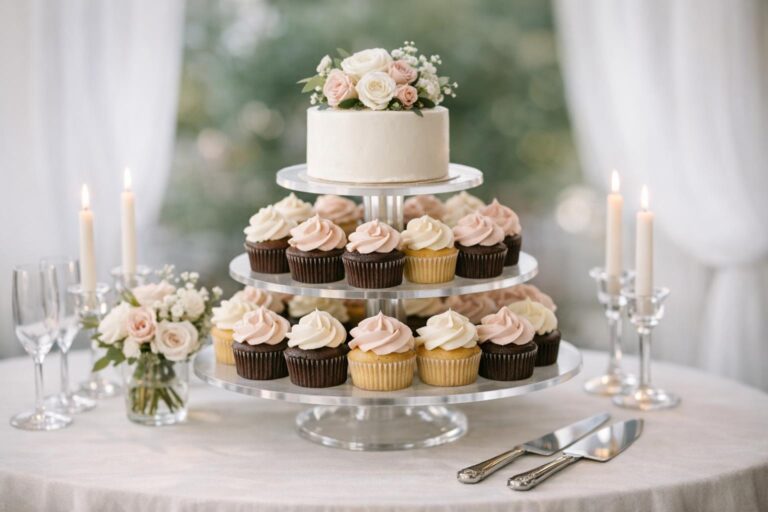
Couples often assume cost tracks only with size, but style choice can be just as influential. Decorative complexity, sugar flower work, metallic detailing, and elaborate finishes can become cost drivers even before serving count is considered. A cake wedding budget becomes more manageable when couples understand what they are paying for.
Classic cakes are not always the least expensive, but their costs are often easier to predict because the design logic is more standardized. Modern sculptural cakes can involve higher design labor. Floral cakes vary widely depending on whether decoration relies on restrained accents or extensive sugar flower artistry. Naked and semi-naked cakes may appear simpler, but ingredient visibility can increase pressure on quality and finish, especially if fruit and fresh elements are central to the look.
Tips for keeping style and cost aligned
- Choose one high-impact detail, such as sugar flowers or texture, instead of layering many decorative effects.
- Let the venue and floral design carry part of the visual mood so the cake does not have to do everything alone.
- Match the cake style to the reception tone; an overbuilt cake can feel expensive without feeling more meaningful.
- Ask how fillings, specialty ingredients, and complex finishes affect overall pricing.
The most balanced decisions usually come from knowing which element matters most: scale, flavor, decoration, or statement value.
Transport, display, and the hidden difference between pretty and practical
Some of the most beautiful wedding cake ideas become stressful only because couples plan the appearance and forget the journey. Transport and display are not glamorous topics, yet they can shape which styles are truly suitable.
Naked and semi-naked cakes can be sensitive to environment because their surfaces are less protective. Tall sculptural cakes may require especially careful transport and on-site assembly planning. Floral cakes with delicate sugar work need secure display conditions. Even a classic smooth cake can suffer if the table is unstable or the room placement is too warm.
Display infrastructure matters more than many couples expect. Risers, refrigeration needs, table strength, and traffic flow all affect how the cake is experienced. A cake should be visible enough to feel important, yet protected enough to remain intact until the cutting moment.
A wedding stylist’s practical tip
If a couple is choosing between two visually similar designs, the better choice is often the one that suits the venue conditions more comfortably. A slightly simpler cake that arrives beautifully and photographs well all evening will almost always feel more luxurious than a more ambitious cake that struggles in the space.
Dietary-friendly wedding cakes and inclusive planning
One of the clearest opportunities in modern wedding cake planning is inclusive design. Gluten-free, vegan, dairy-free, and nut-aware options are not always covered deeply in visual inspiration galleries, yet they are increasingly relevant in real celebrations. Couples often want a cake that reflects everyone they love, not just an ideal image.
Dietary accommodation does not belong to one specific style. A vegan wedding cake can be classic, floral, modern, or semi-naked. An allergen-conscious design may require ingredient substitutions or stricter bakery practices, but aesthetically it can still align beautifully with the rest of the wedding. The key is early communication and realistic expectations around texture, handling, and cross-contact safety.
Tips for allergen-aware decisions
- Discuss dietary needs before finalizing style details, not after.
- Ask how alternative ingredients affect finish, filling texture, and tier stability.
- Clarify whether the baker follows allergen-safe practices or simply offers modified recipes.
- Make sure the cake design still feels integrated with the wedding rather than treated as an afterthought.
Inclusive planning is often most elegant when it feels seamless. Guests may remember the beauty of the cake first, but they will also remember being considered.
Sustainability, sourcing, and why some styles support this better
Sustainability is still underrepresented in many wedding cake galleries, but it matters increasingly to couples who want their celebration choices to feel thoughtful. Ingredient provenance, local sourcing, and packaging decisions can all shape the cake conversation, especially in regions where farm-to-table values already influence wedding planning.
Natural-texture cakes, floral-led cakes, and ingredient-visible styles often lend themselves especially well to a locally informed approach because they already celebrate seasonality and freshness. That said, a classic or modern cake can also support sustainability goals if the couple prioritizes sourcing and restrained excess.
The most meaningful sustainable choice is not a trend detail. It is a cake style that suits the season, travels sensibly, and uses ingredients in a way that supports the broader values of the day.
An often-overlooked companion: the groom’s cake and how it changes the comparison
The groom’s cake is not always part of the plan, but when it is, it changes how the main wedding cake can function. A couple may choose a more classic or floral main cake for the ceremonial display and use the groom’s cake to introduce personality, stronger flavor contrast, or a more playful design direction.
This pairing can solve a common tension. If one partner wants timeless elegance and the other wants something more expressive, the main cake and groom’s cake can divide those roles gracefully. Instead of forcing one cake to carry every taste preference, each cake can do one job well.
That approach works especially well for couples torn between classic and modern styling. The principal cake can remain cohesive with the wedding atmosphere, while the secondary cake introduces a more personal statement.
Example comparisons couples can actually use
Garden wedding at sunset: floral cake versus semi-naked cake
A floral cake would approach this setting by leaning into romance, bloom placement, and a polished finish that echoes bouquets and tablescapes. A semi-naked cake would approach the same moment with more softness and natural texture, allowing the setting itself to provide much of the visual richness. The floral cake feels more styled; the semi-naked cake feels more organic.
City reception in a contemporary venue: classic cake versus sculptural modern cake
A classic cake in this setting brings formality and continuity, especially if the wedding includes traditional ceremonial elements. A sculptural cake brings sharper identity and can help the event feel more current. If the room is already minimalist, the modern cake may complete the space more convincingly. If the wedding includes more traditional styling, the classic cake may anchor the celebration better.
Large family celebration: tiered classic cake versus dramatic show-stopping design
A tiered classic cake prioritizes broad guest appeal, dependable serving logic, and timeless photographs. A dramatic show-stopping cake emphasizes visual memory and conversation. The first is often stronger for a traditional guest experience; the second is stronger when the couple wants the cake to function as a defining design moment.
Season-led wedding menu: naked berry cake versus buttercream floral cake
The naked berry cake centers freshness and ingredient visibility. It feels aligned with a menu built around seasonality and ease. The buttercream floral cake keeps the romance but adds more finish and flexibility in formal presentation. The difference is not whether one is prettier. It is whether the couple wants the cake to feel naturally abundant or carefully refined.
Common style mistakes couples make when choosing a wedding cake
Most cake regret is not about taste alone. It comes from misalignment between the cake and the wedding environment. A few patterns appear again and again in real planning.
- Choosing a cake only from a close-up image without imagining how it will look in the actual venue.
- Falling in love with a delicate style that does not suit the season or transport conditions.
- Combining too many decorative ideas at once, which can blur the cake’s identity.
- Ignoring flavor until late in the process and ending up with a beautiful but forgettable interior.
- Treating dietary needs as a separate issue rather than part of the initial cake plan.
The strongest wedding cakes usually feel edited. They know what they are trying to be, and every decision supports that direction.
How to choose between styles without second-guessing yourself
If you are torn between two or three cake designs, stop comparing them as isolated objects. Compare them by role. Ask which cake best matches the atmosphere of the ceremony, the venue’s visual language, the level of formality, the season, and the kind of memory you want the cutting moment to create.
A useful decision framework is to choose your priority first:
- If your priority is timelessness, start with classic or softly floral styles.
- If your priority is visual impact, explore sculptural or couture-influenced designs.
- If your priority is natural warmth, compare naked and semi-naked approaches.
- If your priority is romance, floral wedding cake designs usually offer the widest range.
- If your priority is guest inclusivity, build the design around flavor and dietary practicality from the beginning.
This is also where trusted inspiration sources can help. The Knot, Zola, HGTV, Green Wedding Shoes, Wedding Spot, Bridebook, Classpop, BBC Good Food, The Bridal Box, and Vogue each frame wedding cakes through a slightly different lens. Looking across those perspectives can help couples identify not only what they like, but why they like it.
Bringing styles together in one cake
The final and perhaps most reassuring truth is that couples do not always need to choose one strict category. Some of the most memorable wedding cakes combine styles thoughtfully. A classic tiered structure can be updated with modern textural detail. A sculptural silhouette can be softened with sugar flowers. A semi-naked cake can be elevated with formal floral placement. A traditional buttercream cake can gain freshness through seasonal flavor mapping.
The key is hierarchy. One style should lead, and the others should support. When every idea competes equally, the cake can feel confused. When one style provides the structure and the others offer nuance, the result feels personal and composed.
A beautiful cake wedding is rarely about choosing the trendiest design in the room. It is about choosing the cake that belongs in your room, in your season, with your people, and in the story your wedding is trying to tell.
FAQ
What is the most popular wedding cake style right now?
The most popular styles tend to be classic tiered cakes, floral wedding cake designs, modern textured cakes, and naked or semi-naked cakes. Rather than one style replacing the others, couples are choosing the version that best fits their venue, season, and overall wedding mood.
How do I choose between a classic cake and a modern wedding cake design?
Choose a classic cake if you want timeless symmetry, formal flexibility, and a look that blends easily with traditional wedding styling. Choose a modern design if you want the cake to feel more expressive, sculptural, or fashion-forward, especially in a contemporary venue.
Are naked wedding cake ideas less formal than buttercream or fondant cakes?
Usually, yes. Naked and semi-naked cakes often read as more relaxed because the layers and fillings are visible. They can still feel elegant, but they generally suit garden, rustic, or ingredient-led celebrations more naturally than very formal ballroom settings.
Do floral wedding cake designs work for both classic and modern weddings?
Yes. Floral cakes are highly adaptable. Soft, symmetrical blooms usually feel more classic, while dramatic placement, restrained palettes, or highly crafted sugar flowers can push the same general idea into a more modern or couture direction.
How important are flavors and fillings when choosing wedding cakes?
They are essential because the best wedding cakes connect appearance with taste. Buttercream, mousse, fruit purees, and seasonal flavor pairings all affect not only guest experience but also texture, structure, and how well the interior matches the exterior style.
Can a vegan or gluten-free wedding cake still look elegant?
Yes. Dietary-friendly cakes can be classic, floral, modern, or semi-naked in appearance. The main consideration is discussing ingredients and bakery practices early, since substitutions and allergen concerns may affect finish, filling texture, and handling.
How do tiers affect the final look of a wedding cake?
Tiers shape both presence and style. Classic cakes use tiers for balance and ceremony, modern cakes use them for drama and proportion play, and floral cakes use them as a backdrop for decorative movement. More tiers create impact, but they also add structural and transport considerations.
What should couples ask about delivery and display?
They should ask how the cake will be transported, whether any assembly happens on site, what kind of table or stand is needed, and whether refrigeration or protected placement is important. These details matter especially for tall cakes, delicate sugar work, and naked or semi-naked finishes.
Is a groom’s cake necessary if we already have a main wedding cake?
No, but it can be useful when a couple wants the main cake to stay visually cohesive while still making room for a second personality, stronger flavor contrast, or a more playful design idea. It works well as a complement rather than a replacement.
How can I make sure my cake fits the wedding instead of just looking good online?
Compare each cake idea against your venue, season, formality level, floral design, and guest experience rather than judging it only as an image. The right cake should feel natural in the room, practical for the setting, and consistent with the story of the day.