Bridesmaid Hair Inspo: Build a Look That Feels Like You
Bridesmaid hair inspo is easy to save and surprisingly hard to use. One screenshot has the right soft waves, another has the perfect pearl pin, and a third feels just like the wedding. Together, though, they may describe three different hairstyles. The fix is not to choose one picture and ask everyone to copy it. It is to decide what you actually like in each reference, then turn those details into a flexible direction that works for the people wearing it.
This approach gives the wedding party a cohesive finish without requiring identical hair. It also helps a stylist understand the mood, the outfit, and the practical limits before the appointment begins. Use the steps below to edit your saved images, adapt the idea to different lengths and textures, and share a brief that leaves room for each bridesmaid to feel like herself.
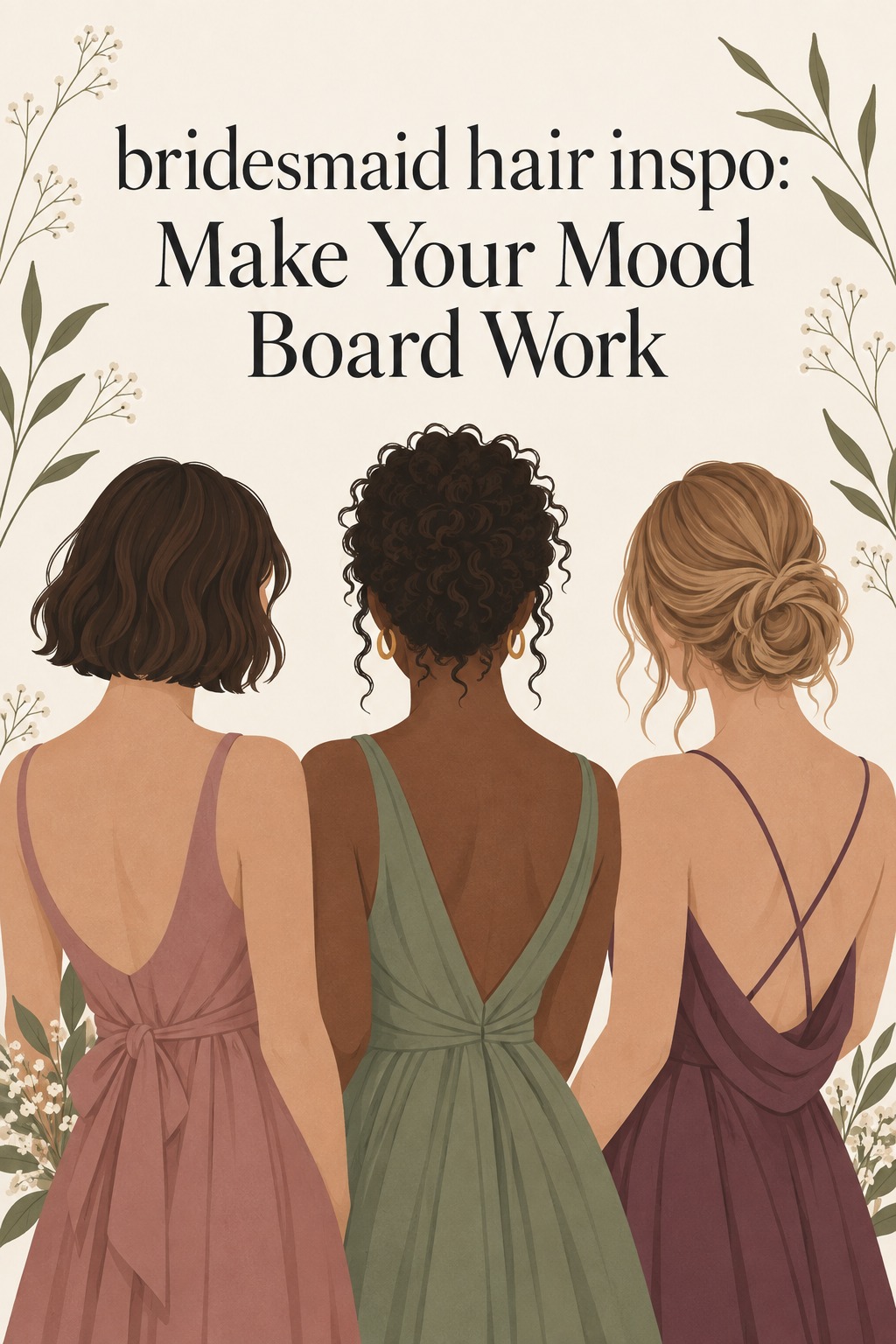
Why Bridesmaid Hair Inspo Gets Hard to Use
Most inspiration boards are built by collecting individual moments that catch your eye. The images may come from different weddings, lighting conditions, hair textures, dress necklines, and levels of formality. A sleek bun photographed in a studio can sit beside loose outdoor waves and a highly embellished braid. Each image can be beautiful on its own, but a stylist still has to work out what the group is meant to share.
That uncertainty often creates one of two extremes. The first is a rigid request that asks every person to wear the same style, even when the reference depends on length or texture they do not have. The second is no shared direction at all, which can leave the final group looking unrelated in photographs. A useful middle ground is a common visual mood with a few agreed details, while the exact shape is adjusted for each person.
Turn wedding inspiration into a plan you can actually follow.
Zarellea brings your guest list, budget, vendors, and day-of details into one shared space — so no beautiful idea gets lost in the shuffle.
Start by asking what the images are supposed to help you decide. Is the goal to keep hair away from faces during the ceremony? To complement a formal dress? To echo a relaxed garden setting? Or simply to make everyone feel polished? A clear answer narrows the search more effectively than saving every hairstyle that looks pretty. The Knot’s bridesmaid hair guide also recommends considering the wedding’s overall vibe and discussing the bride’s vision before choosing a look: The Knot’s hairstyle advice.
Think of the saved photos as evidence of preferences, not instructions. A picture can show the direction you like without being a template to reproduce. If the hair in the image is much longer, thicker, curlier, or more heavily styled than yours, identify the feature you want to borrow and let the stylist translate it. That small change in mindset makes inspiration useful for more than one hair type.
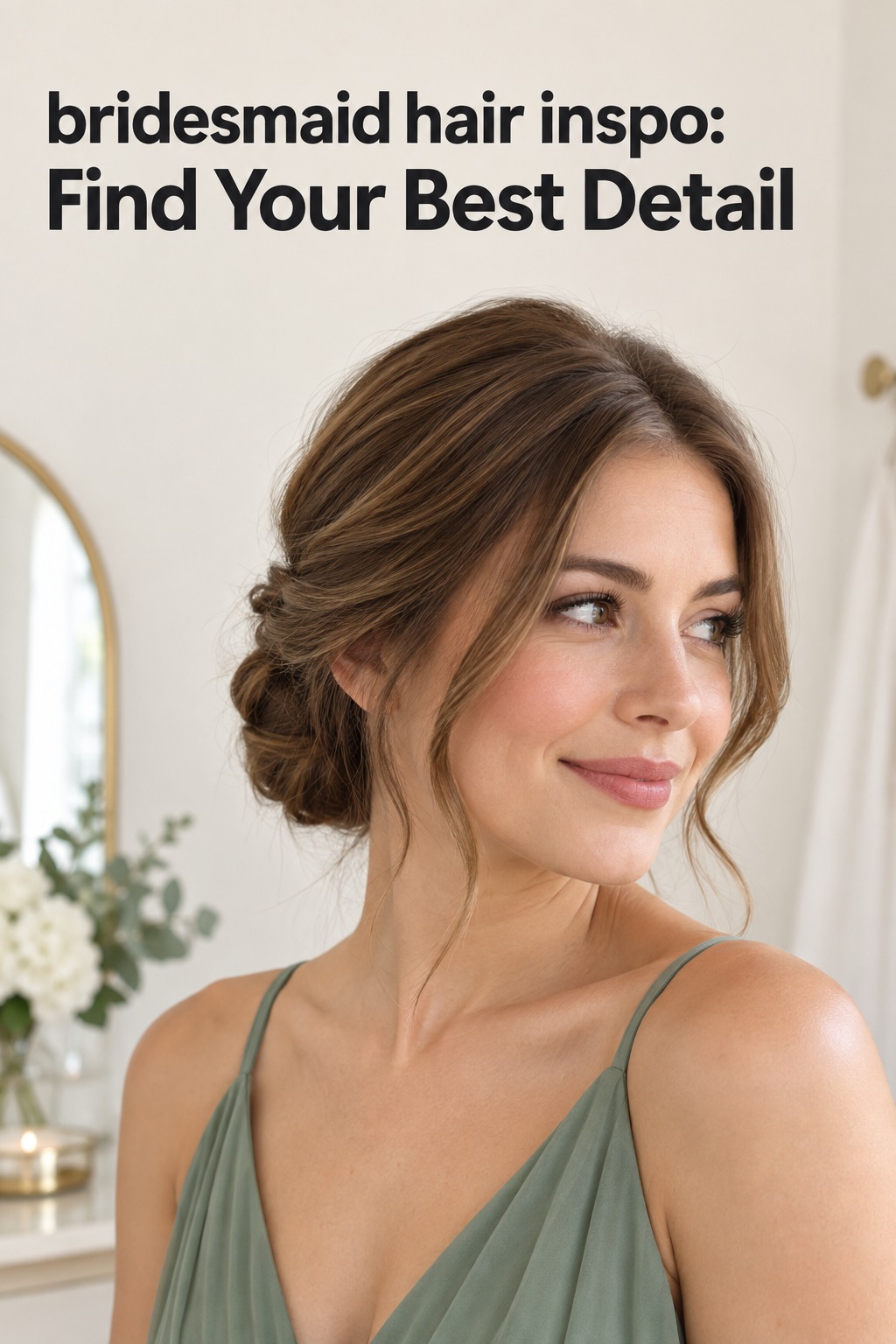
Find the One Thing You Love in Each Reference
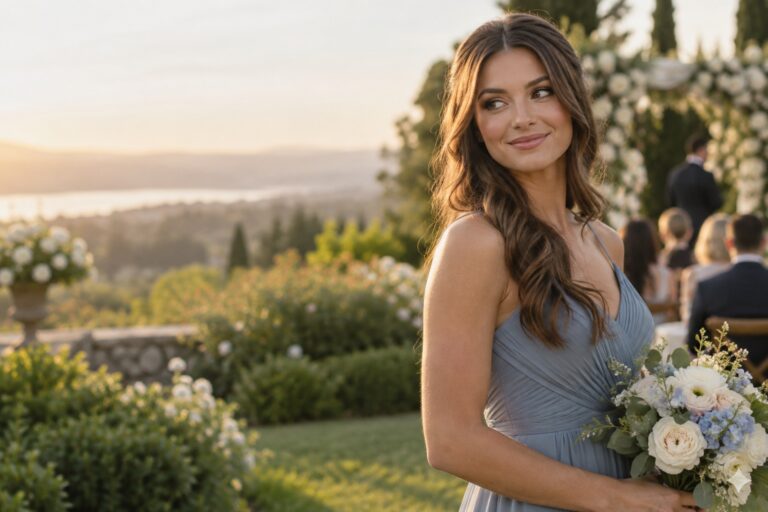
Review your screenshots one at a time and label the strongest detail in each. Keep the labels simple: silhouette, texture, finish, face framing, or accessory. Silhouette describes the overall shape, such as hair up, hair down, a ponytail, or a half-up style. Texture describes whether the hair looks smooth, softly waved, defined, braided, or naturally textured. Finish is the degree of polish, from airy and undone to sleek and precise.
Face framing includes bangs, tendrils, a side part, or the way the front sections are pinned. Accessories include pins, combs, ribbons, flowers, and other visible accents. A screenshot may have several attractive features, but choose the one that matters most. If you ask for the braid, the volume, the loose pieces, the exact accessory, and the same length all at once, the request becomes difficult to interpret and may not suit your hair.
Next, sort each detail into three groups: essential, flexible, and optional. An essential might be that hair stays off the face, or that the style works with a high neckline. Flexible details could include the exact part or how much texture appears through the ends. Optional details might be a specific pearl clip or a tiny flower. This lets a stylist protect the reason you saved the image while changing the parts that are not practical.
Look for repetition across your chosen references. If three different pictures all have softly gathered hair at the back, that may be your actual preference, even if the examples are called a twist, a low bun, and a half-up style. If several images have a clean finish and no visible accessory, that is a stronger signal than one elaborate clip you saved on impulse. The shared feature is often more valuable than the hairstyle label.
Then remove images that contradict your essentials. A reference that exposes the whole face does not belong in a board for someone who specifically wants soft pieces around it. A dramatic high bun may not help if the outfit has a delicate, low-back silhouette and the wearer wants a quieter look. Editing the board is not about being strict; it gives the stylist fewer competing messages and gives you a more recognizable result.
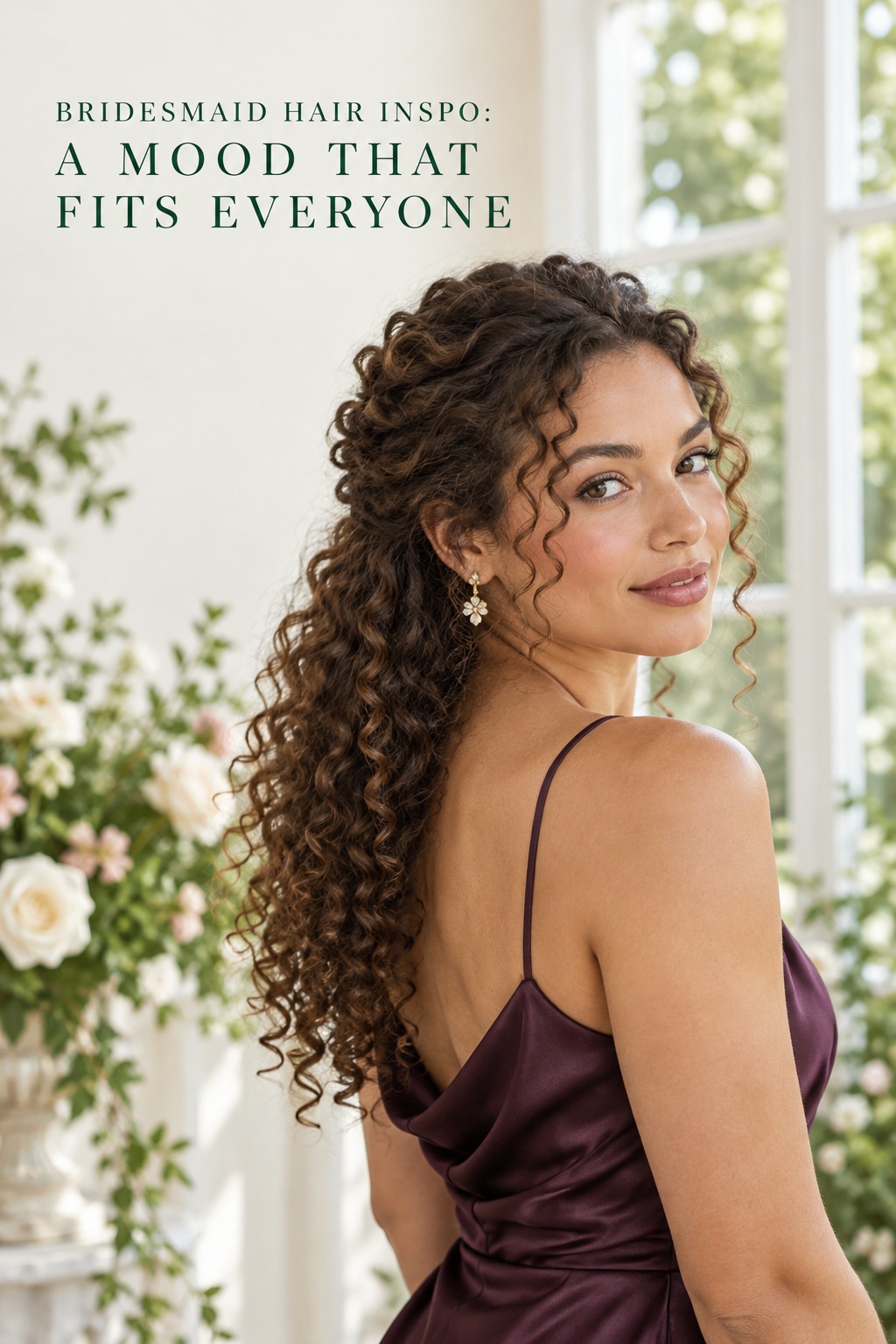
Build a Shared Mood With Room for Individual Hair
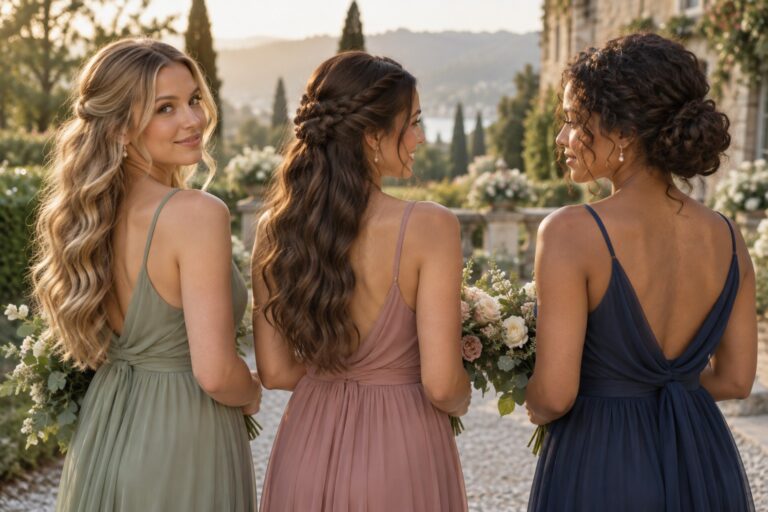
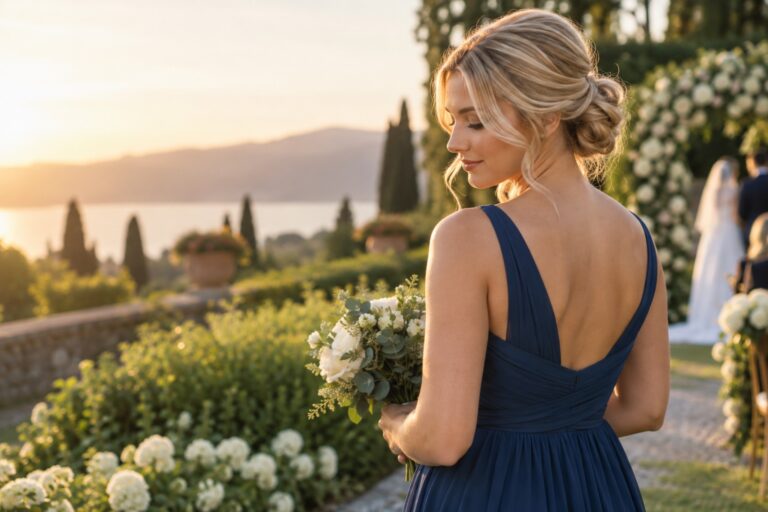
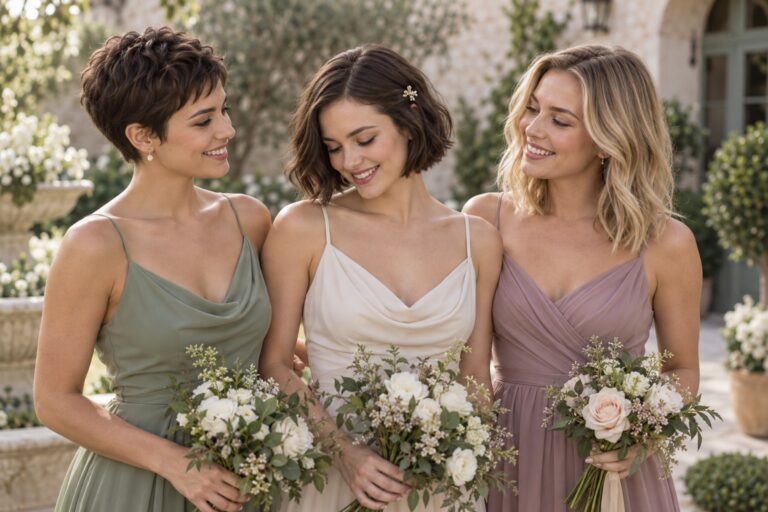
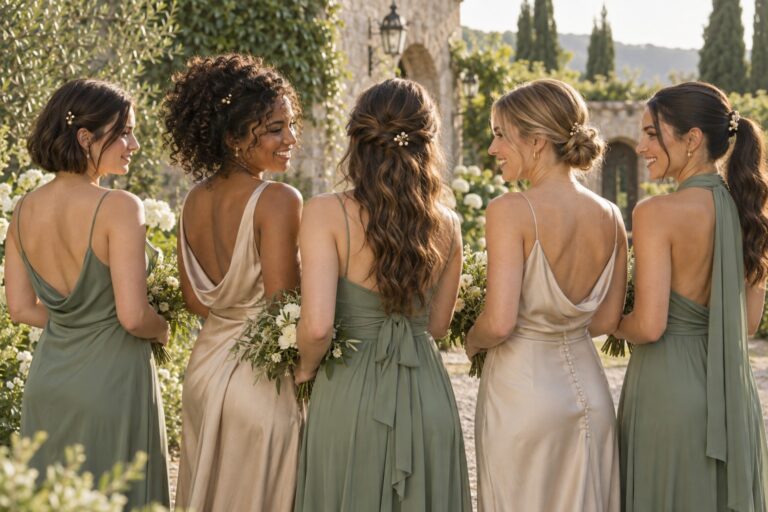
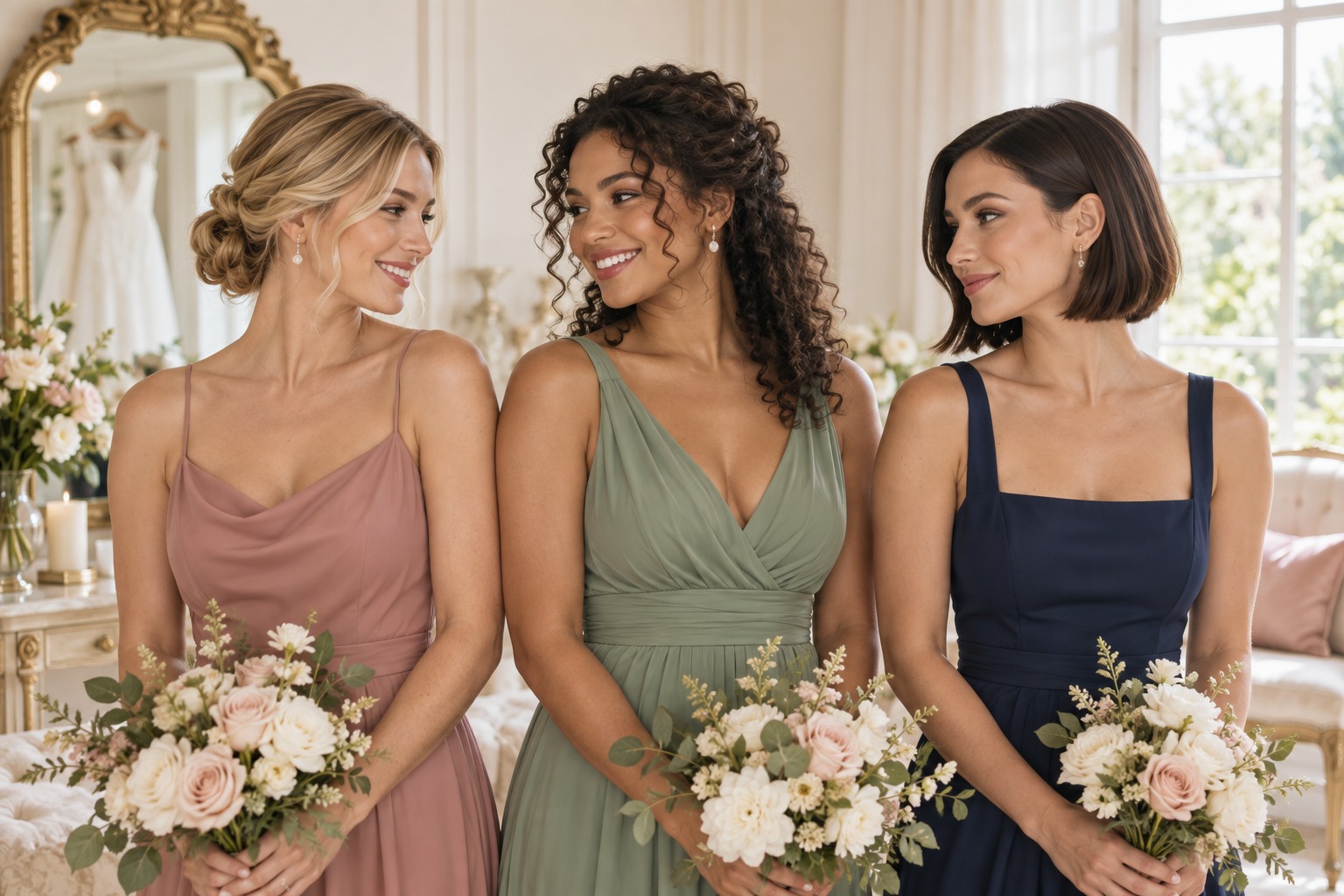
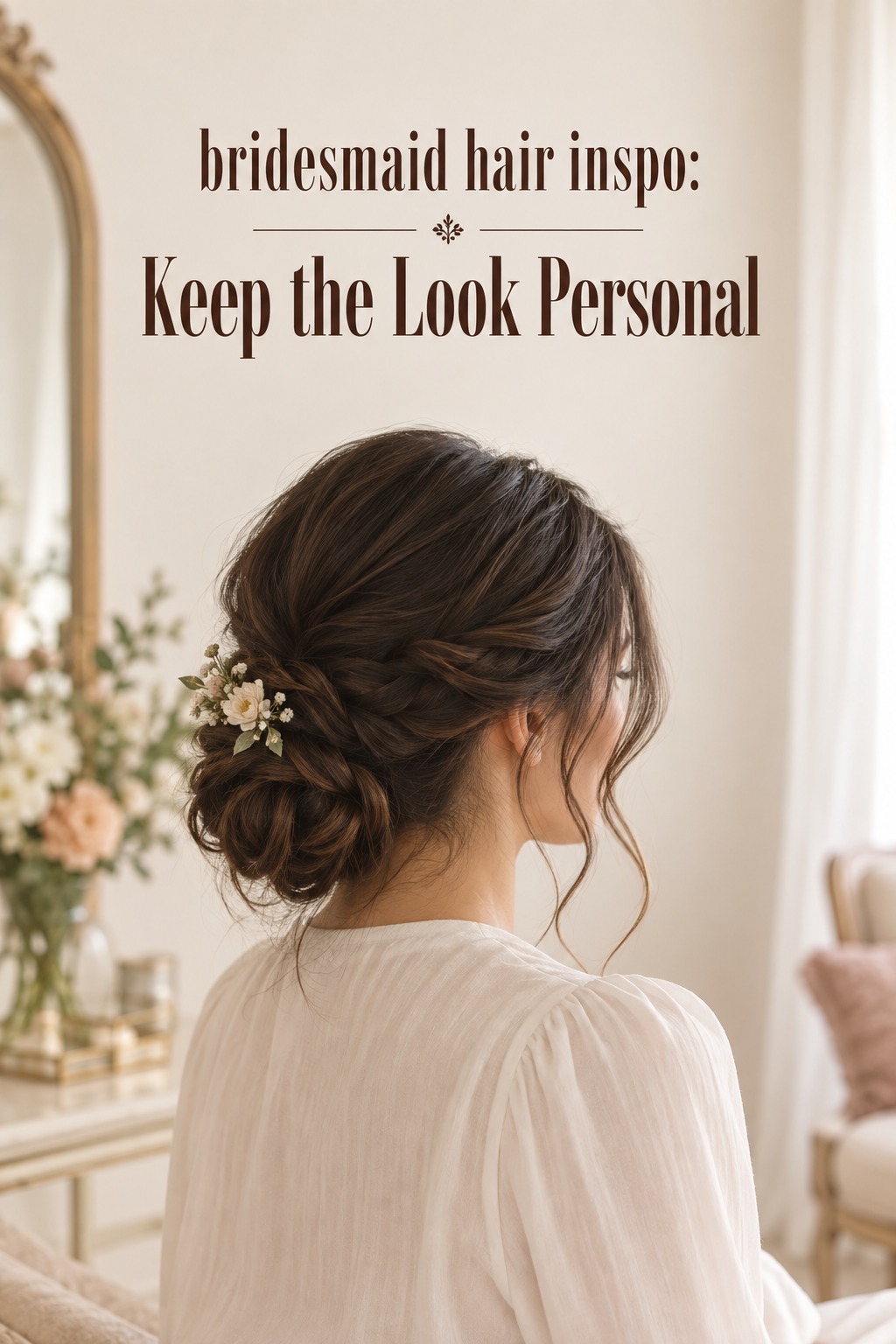
A cohesive bridal party does not need one identical hairstyle. Choose one or two shared cues, then let the structure vary. The shared cue might be a soft finish, a clean part, a low placement, or a small accessory in the same metal or color family. One bridesmaid could wear a low twist, another a half-up look, and a third a polished bob, while the finish and overall mood still feel related.
Make the cue specific enough to guide a stylist. “Romantic” can mean almost anything, so pair it with a visible description: a relaxed shape, a soft finish, and minimal accessories. “Classic” might mean a clean silhouette and controlled texture. “Modern” could mean deliberate simplicity, a sleek finish, or one sculptural detail. These are starting points, not fixed definitions. The most helpful wording describes what someone can see in a photograph.
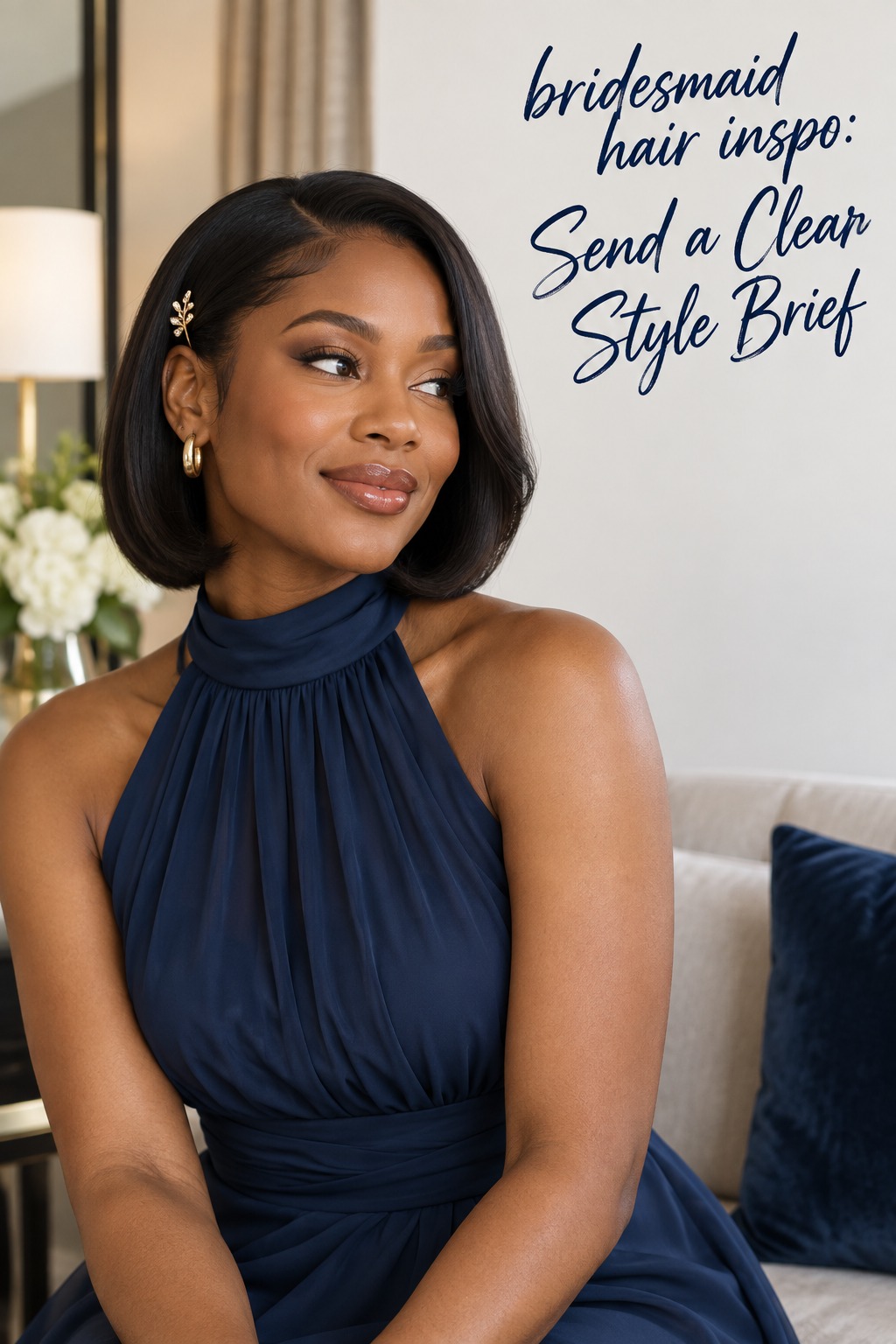
Adapt the silhouette to the hair that is actually present. A short bob can use a tucked-back front, a smooth curve, or a barrette to echo the polished feel of a longer updo. Medium-length hair may support a half-up shape or a compact low knot. Long hair can be gathered, braided, or left down depending on comfort and the wedding plan. These are options to discuss, not guarantees: density, layers, curl pattern, and the stylist’s assessment all affect what is workable.
Texture deserves the same flexibility. Natural curls and coils do not need to be flattened to match a reference with loose waves. Ask what part of the image you want to carry across: the shape around the face, the placement, the overall finish, or an accessory. The same principle applies to straight, fine, thick, or wavy hair. The reference can guide the mood while the technique respects the wearer’s own texture.
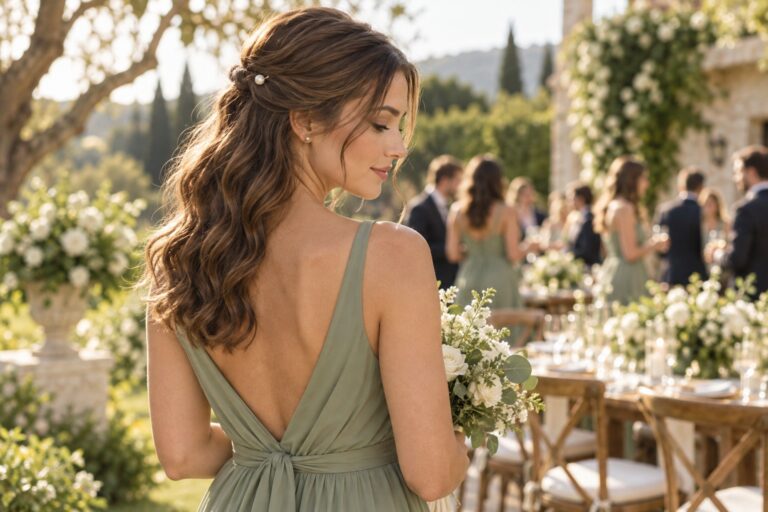
Check how the direction relates to dresses and accessories. A high neckline, a statement back, shoulder details, or earrings may change which parts of the hair you want visible. Bring a photo of the outfit or describe its neckline and key details. If everyone is wearing different dress shapes, choose a broad hair mood instead of forcing one silhouette. Who What Wear similarly recommends a shared direction tailored to each person’s texture, thickness, and length: Who What Wear’s bridesmaid hair guidance.
Most importantly, ask each bridesmaid what feels comfortable. Someone who never wears her hair up may feel unlike herself in a tight bun, while another may not want loose hair near her face all day. A wedding-party look is successful when it supports the group aesthetic and the person wearing it. Share the direction early, invite practical preferences, and treat comfort as part of the brief rather than a last-minute exception.
Make a Small Reference Board a Stylist Can Use
Choose three images for the final board: one that shows the overall shape, one that shows the finish or texture, and one that shows an accessory or face-framing detail if that detail matters. Three clear references are easier to discuss than a long scroll of near-duplicates. If one photo already communicates two of those points, you may need only two. The goal is not to hit a number. It is to make each image earn its place.
Add a short note under each picture that says exactly what you are borrowing. For example: “I like the low placement, not the tight finish,” or “Please keep the soft pieces near the face; the length can be different.” This prevents a stylist from interpreting every visual detail as a requirement. It also makes it easier for a bridesmaid to explain what she likes without needing the technical vocabulary for a particular style.
Include the practical context that could change the result. Tell the stylist the event time, venue type, dress neckline, accessory plan, hair length, and whether the wearer has layers, bangs, or a texture she wants to keep. Mention any relevant comfort preference, such as avoiding a tight pull or keeping hair off the neck. You do not need a long biography; the useful details are the ones that affect the shape, hold, or finish.
A concise message might read: “We are aiming for a polished but relaxed group look. I love the low shape in image one and the soft face framing in image two. Please adapt the structure to my shoulder-length waves, keep the front comfortable, and skip the pearl comb because my dress has a detailed neckline. I am open to a trial suggestion.” Each line gives the stylist a decision to work with and leaves space for professional input.
If several people are booking with one stylist, send the shared direction once and then give each person a short individual note. This can reduce repetition while making differences visible before the appointment. Do not assume the stylist has seen every image in a chat thread or can infer what matters from a board. Point to the exact feature. If the schedule is tight, ask the stylist which looks fit the time available and whether a trial or simpler alternative would help.
Before the appointment, confirm what each person should arrive with. Ask whether hair should be clean and dry, whether accessories need to be brought, and whether the stylist wants a particular product or tool avoided. These instructions vary by stylist and hair needs, so follow the professional’s directions rather than a universal rule from a social post. Save the final board somewhere everyone can open it, and bring the outfit photo on the day.
Quick Fixes When the Inspiration Does Not Translate
If your favorite image shows hair much longer than yours, do not discard it immediately. Identify whether you like the low placement, the soft texture, or the way the front is arranged. Ask the stylist to preserve that feature in a shorter shape. A compact twist, a pinned-back section, or a well-placed accessory may communicate the same mood without copying the length-dependent technique.
If the board contains too many styles, stop adding pictures and write down the three words that describe the result you want. Then pick only the images that support those words. If the words cannot be agreed on, separate the ideas into options and ask the stylist which direction is realistic for each person. A useful consultation can resolve uncertainty more efficiently than adding another dozen examples.
If one person wants hair down and another prefers an updo, return to the shared cues. The party could use the same finish, a similar part, or a coordinated accessory rather than the same silhouette. If the bride has requested a particular look, clarify which details are important and which are suggestions. A quick, respectful conversation before appointments prevents assumptions from turning into day-of stress.
If an accessory competes with a neckline, decide which element should lead. A statement collar or detailed strap may call for a smaller pin or no accessory. An open neckline may leave room for a visible comb or ribbon. This is a styling judgment, so view the hair and outfit together when possible. A product photo by itself cannot show how the accessory will sit against the real dress.
If the hairstyle looks beautiful in a photo but does not feel like you, keep the mood and change the execution. You can ask for a softer hold, less volume, fewer face-framing pieces, or a simpler accessory. You are not failing the inspiration by adjusting it. The best reference is one that helps the stylist understand your taste, not one that asks you to become someone else for the day.
Finally, if there is no time for a trial, focus the brief on a few decisions that can be checked quickly: where the hair sits, how it feels around the face, what accessory is used, and how formal the finish should look. Take a front and side photo after styling if the wearer wants to review the result. Small, clear adjustments are easier to make than trying to redesign the entire look at the last minute.
FAQ
Should bridesmaids have matching hairstyles?
They can, but they do not have to. A shared finish, placement, or accessory can create cohesion while allowing each person a shape that suits her hair and comfort. Discuss the bride’s preferences early and agree on which details matter most.
How many inspiration photos should I bring?
Bring a small, edited set, often two or three images with a note about the feature you like in each. A few distinct references are easier to interpret than many similar pictures. Add a photo of the dress or neckline if it affects your choice.
What should I tell the hairstylist besides showing a photo?
Describe your hair length and texture, the event setting, your outfit details, the finish you prefer, any comfort limits, and what part of the reference matters most. Say which details are flexible. This gives the stylist room to adapt the idea accurately.
Can short hair work with bridesmaid hair inspo meant for long hair?
Often, the mood can be adapted even when the exact shape cannot. A stylist may echo the finish, part, face framing, or accessory in a shorter cut. Ask which feature is realistic for your length rather than requesting a direct copy of a long-hair technique.
When should we share hairstyle ideas with the stylist?
Share them as soon as the wedding-party beauty plan and appointments are being organized, especially if several people need the same stylist. Earlier communication gives the team time to flag conflicting references, discuss trials, and confirm what each person should bring.
What if I do not want the hairstyle the bride picked?
Raise the concern privately and early. Explain what feels uncomfortable and suggest a detail you can share instead, such as the finish or accessory. A respectful conversation can preserve the wedding’s visual direction while finding a style you feel good wearing.