Bridal Photo Styles for a Timeless or Editorial Look
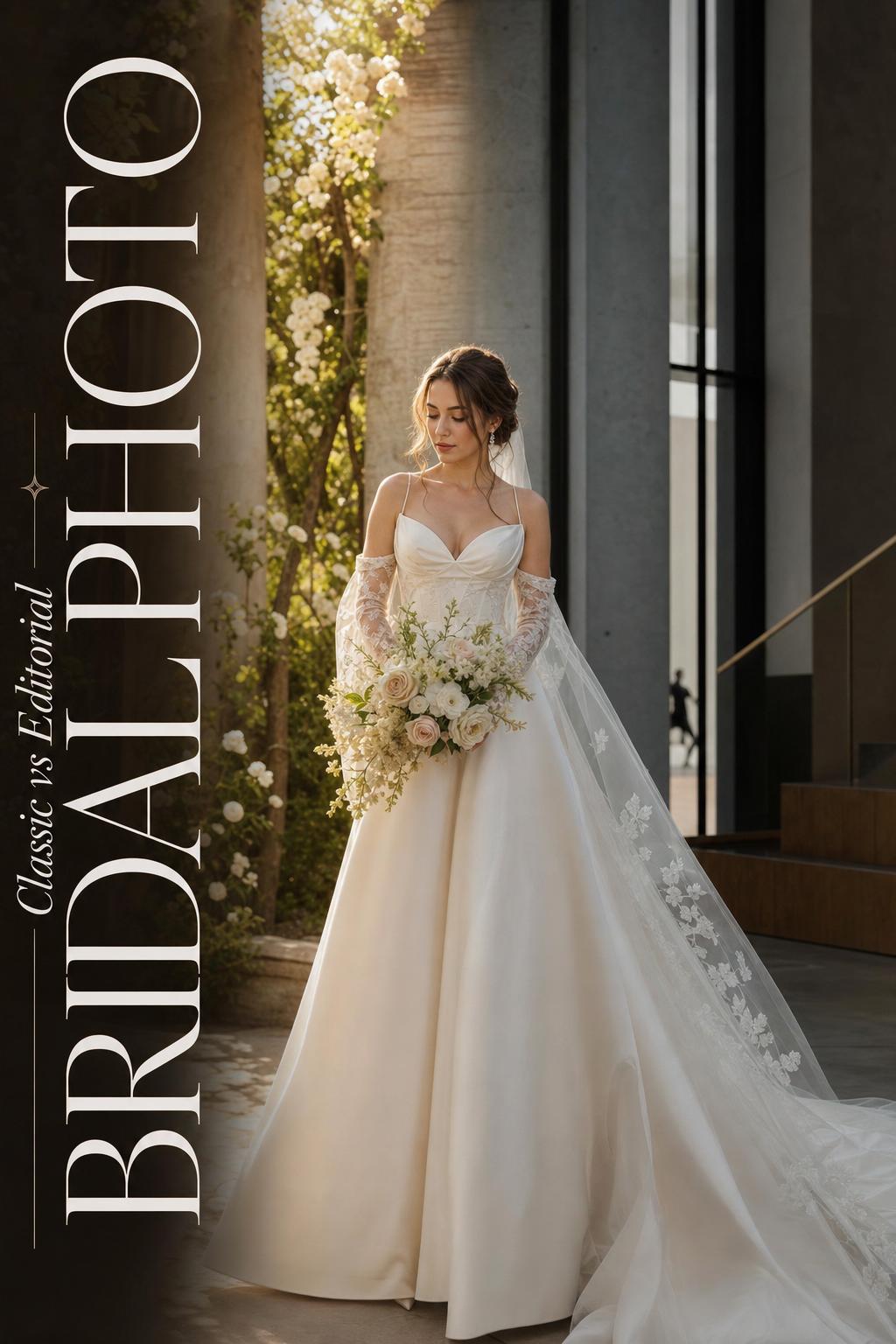
A bridal photo carries more than a beautiful dress and a carefully chosen bouquet. It captures the atmosphere of a wedding day, the emotional tone of a couple’s celebration, and the visual story the bride wants to remember years later. Yet one of the most common planning questions is surprisingly simple: should bridal photos feel classic and timeless, or modern and editorial?
These two approaches are often discussed together because both can be elegant, romantic, and flattering. They may even share similar settings, from an intimate garden ceremony to a refined indoor venue. What changes is the visual language. One style leans into softness, tradition, and enduring beauty, while the other emphasizes mood, direction, and a more fashion-forward sense of presence.
This comparison breaks down how each bridal photo style works, where they overlap, and how to choose the one that best supports your wedding vision. From silhouette and posing to accessories, setting, and practical planning, the goal is to help you create images that feel not only beautiful, but unmistakably personal.
Why classic and editorial bridal photo styles are so often confused
On the surface, both styles can include a polished gown, thoughtful lighting, and romantic composition. A bride may wear a veil in either, stand in a formal venue in either, and still end up with dramatically different photographs. That is why these styles are often mistaken for one another: the pieces may be similar, but the intention behind them is not.
Turn wedding inspiration into a plan you can actually follow.
Zarellea brings your guest list, budget, vendors, and day-of details into one shared space — so no beautiful idea gets lost in the shuffle.
Classic bridal imagery usually prioritizes emotional clarity and graceful simplicity. The expression is natural, the posture is elegant, and the frame tends to celebrate the wedding day itself. Editorial bridal imagery, by contrast, often places more emphasis on visual drama, composition, attitude, and stylized storytelling. It can still be deeply romantic, but the romance is interpreted through art direction rather than tradition alone.
For brides choosing between the two, the difference matters because it affects everything else: the gown silhouette that photographs best, the kind of bouquet that feels balanced, the type of venue backdrop that supports the mood, and even how comfortable the bride feels during the session. A helpful bridal photo plan starts with that distinction.
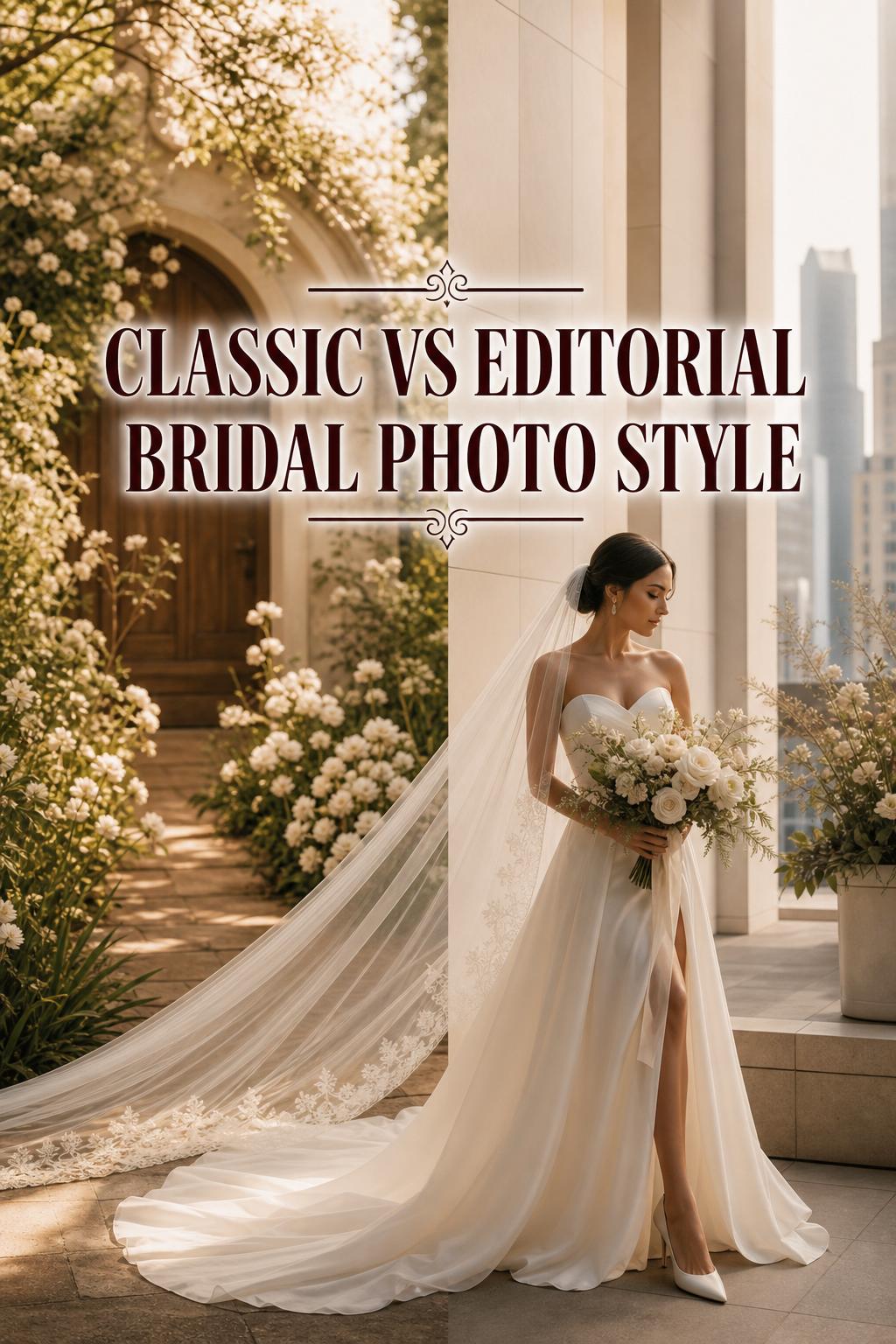
Style overview: the classic bridal photo
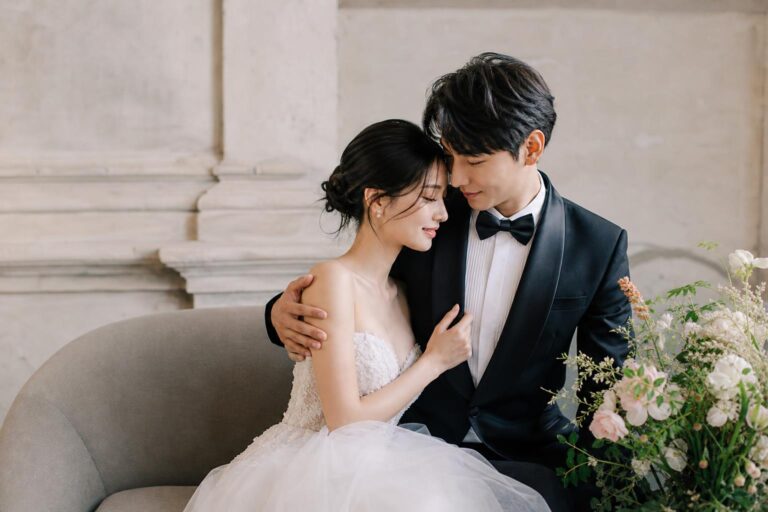
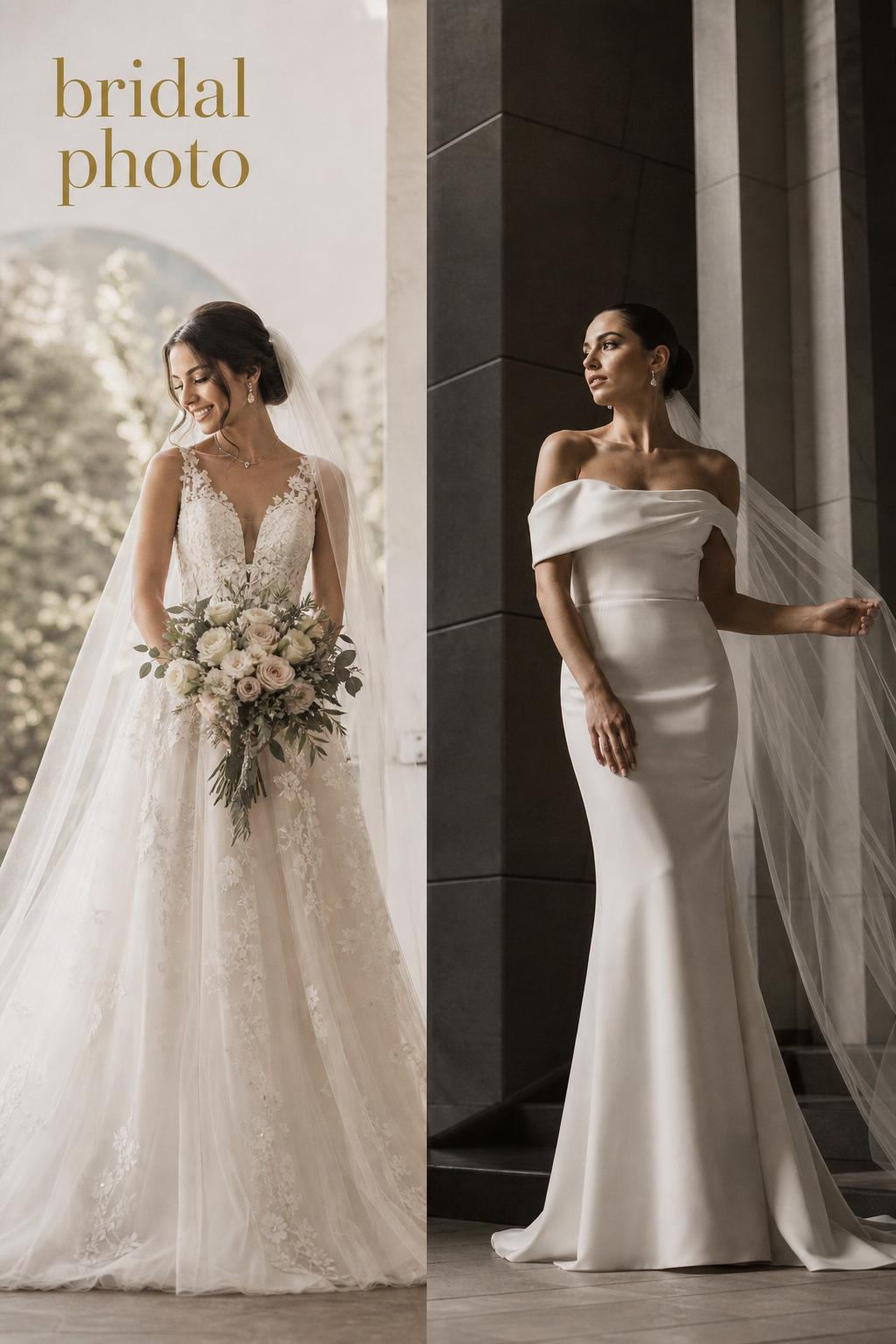
The classic bridal photo is rooted in timelessness. Its defining quality is not that it looks old-fashioned, but that it resists dating itself. The bride is usually presented in a way that feels composed, luminous, and emotionally direct. Expressions are soft, posture is poised, and the focus remains on beauty that will still feel relevant decades later.
In this style, silhouettes often read clearly in the frame. A-line gowns, structured bodices, clean trains, and balanced proportions tend to photograph especially well because they create an instantly legible bridal outline. Fabrics that hold shape or drape gracefully contribute to that sense of calm refinement. The overall mood is romantic, polished, and reassuring.
The color palette in a classic approach usually feels gentle and harmonious. Neutrals, soft whites, and subtle floral tones support the bride without distracting from her. Textures are important, but they are not usually the star of the image. Lace, satin, tulle, and delicate embellishment often work best when they enhance rather than dominate the composition.
Style overview: the editorial bridal photo
The editorial bridal photo borrows from fashion imagery while still honoring the emotional significance of a wedding. Its defining characteristics are intention, mood, and visual edge. The bride may hold a stronger pose, use more angular body language, or interact with architecture, shadows, or movement in a more stylized way.
Silhouettes in editorial images often feel more directional. A sleek column dress, dramatic sleeves, sculptural neckline, or striking veil placement can become part of the image concept itself. The dress is not only worn; it is interpreted. Fabric behavior becomes more prominent too, whether that means the shine of satin, the movement of tulle, or the structural quality of crepe.
The aesthetic mood tends to be modern, artistic, and visually controlled. Where a classic image might invite immediate emotional warmth, an editorial image may first draw the eye through composition, contrast, and shape. It can be intimate, but it often feels a little more cinematic than sentimental.
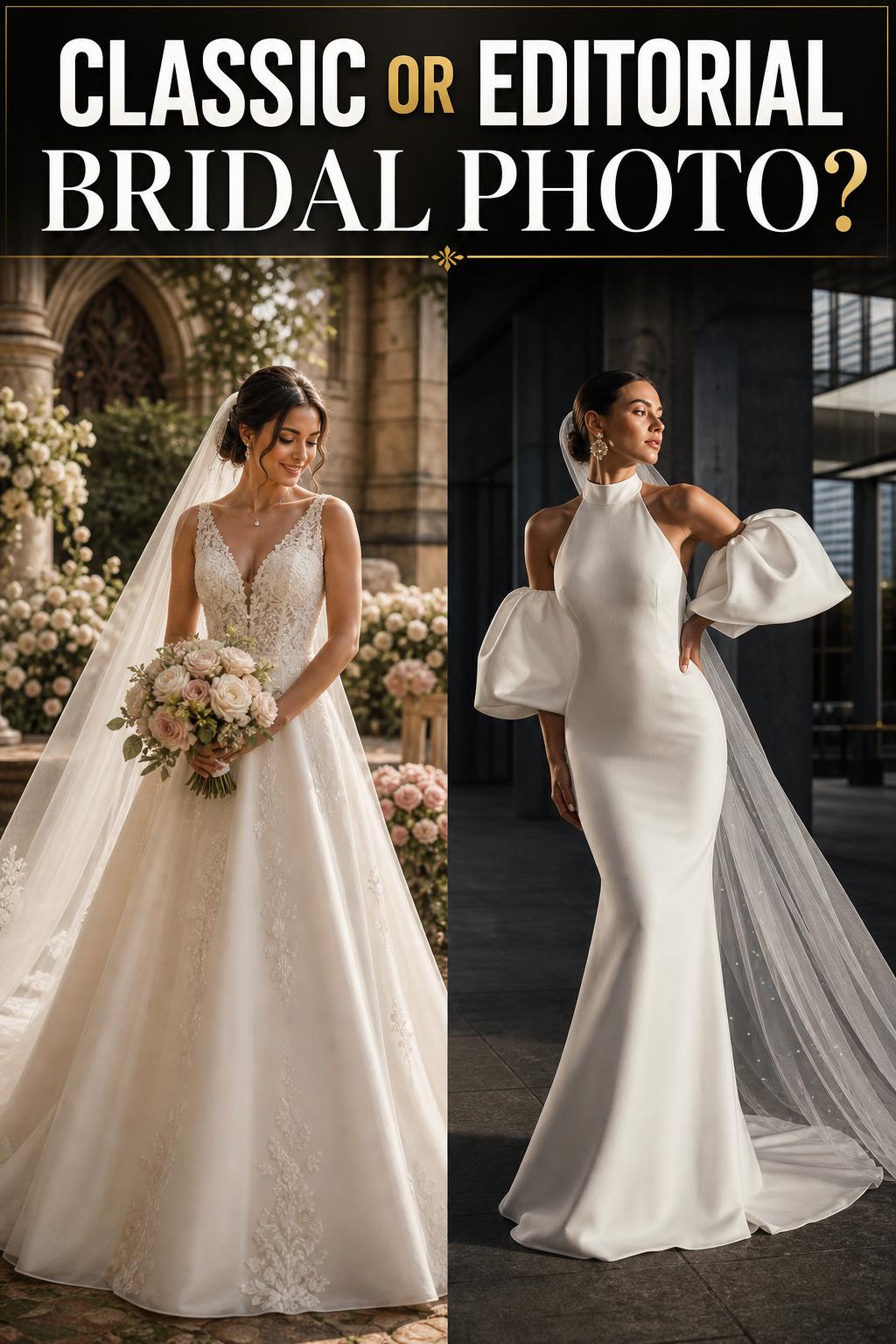
The core distinction: memory-driven romance versus image-driven mood
The easiest way to understand the difference is this: a classic bridal photo is usually built around the bride’s wedding memory, while an editorial bridal photo is often built around the image’s visual impact. Neither is better. They simply answer different emotional needs.
If a bride wants photographs that feel immediately connected to the ceremony, family keepsakes, and the emotional tenderness of the day, the classic direction often makes more sense. If she wants images that feel elevated, distinctive, and intentionally styled in a way that resembles a fashion story, the editorial direction may feel more authentic.
Many weddings actually benefit from both. A softer portrait before the ceremony may preserve the emotional sincerity of the moment, while a more editorial frame later in the day can add dimension to the final gallery. The real decision is not always choosing one over the other, but deciding which should lead the visual story.
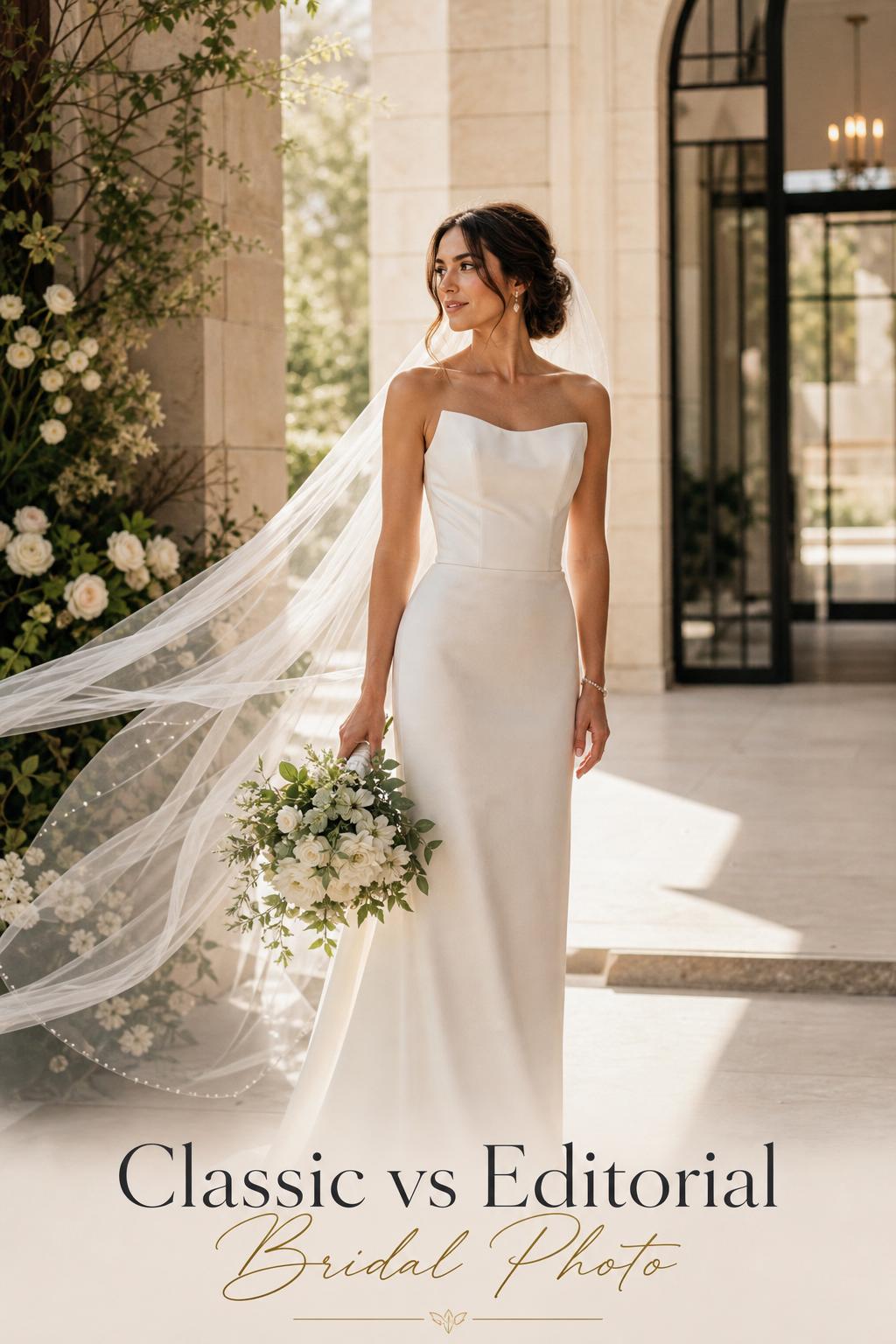
How silhouette changes the entire bridal photo mood
Silhouette is one of the strongest visual signals in bridal photography because it shapes how the body reads from a distance and how the dress behaves in motion. In classic imagery, silhouettes that create balance tend to feel especially natural. A full skirt, defined waist, or clean train contributes to a harmonious frame that feels graceful without needing heavy direction.
Editorial imagery, however, often thrives on silhouette tension. A narrow gown against a dramatic architectural space, exaggerated sleeves against a minimal background, or a sharp neckline paired with a long veil can create the kind of contrast that gives an image stronger visual identity. The goal is often not simply prettiness, but memorable shape.
This matters practically as well. A bride planning portraits across a lawn, beach path, or historic venue should think about how easily the gown moves and whether the silhouette reads best in stillness or motion. Some dresses feel most beautiful when the bride is calmly posed. Others come alive only when she turns, walks, or lifts the bouquet slightly away from the body.
Tips for choosing a silhouette that photographs well
- Choose a gown shape that feels comfortable for longer portrait sessions, not only for a short fitting-room moment.
- Consider how the skirt, train, or sleeves will behave outdoors if wind, uneven ground, or stairs are part of the setting.
- Think about distance shots as much as close-ups; some details disappear, while silhouette remains visible.
- If your style leans classic, prioritize balanced proportions. If it leans editorial, a more directional shape can be a strength.
Color, texture, and the emotional temperature of the image
Even within bridal white, there is a meaningful difference between soft tonal harmony and sharper visual contrast. Classic bridal photos usually feel warmer and more blended. The dress, flowers, skin tones, and setting tend to work together gently, creating an overall impression of ease and romance. Texture appears, but it rarely competes with the bride’s expression.
Editorial bridal photos often rely more consciously on contrast. This might come through a smooth satin dress against stone, a crisp veil against darker surroundings, or a bouquet that introduces shape rather than sweetness. Texture becomes part of the composition, not merely decoration. That can make the image feel sophisticated, but it also requires more visual discipline so that nothing feels accidental.
For a wedding day, the choice influences more than the portraits. It affects which floral designs feel in harmony, whether makeup should lean softly natural or more defined, and how the venue’s surfaces contribute to the final result. In a romantic garden wedding, a softer textural mix may support a classic direction. In a modern city setting or minimalist indoor space, stronger contrast may feel more convincing.
Posing philosophy: gentle presence versus directed drama
One of the clearest differences between these styles appears in the body language. A classic bridal photo usually asks the bride to look relaxed, open, and emotionally present. Shoulders stay soft, hands are placed with restraint, and the image often feels like a polished version of a real moment. The bride looks like herself, just slightly heightened by the significance of the day.
Editorial posing tends to be more deliberate. Angles become more noticeable. The chin, shoulders, bouquet placement, veil movement, and interaction with the surroundings may be directed with greater precision. This can produce breathtaking images, especially when the bride enjoys being guided, but it can also feel unnatural if the styling and personality are not aligned.
That is why confidence matters. A bride who wants editorial portraits but dislikes strong posing may prefer a softer hybrid approach. Likewise, a bride who initially imagines timeless portraits may discover that she lights up when given a more fashion-led concept. The most successful bridal photo sessions respect both the look and the person inside it.
Visual style breakdown in real wedding settings
Seeing the difference in abstract terms is helpful, but bridal style becomes clearer when placed in real wedding environments. Setting has a powerful effect on how each approach reads, because the same dress can feel very different in a ballroom, a beach ceremony, or a garden at sunset.
In a garden wedding
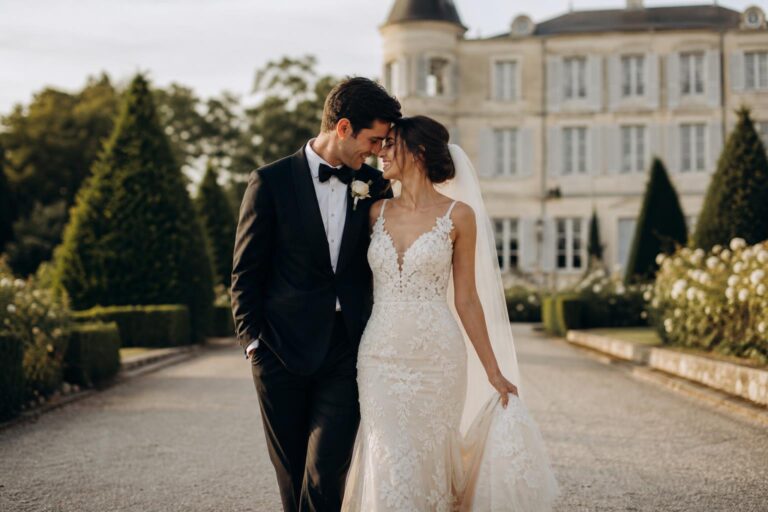
A classic bridal photo in a garden usually emphasizes softness: a flowing veil, natural posture, and floral surroundings that feel integrated with the bride’s look. The image tends to celebrate romance and atmosphere. An editorial version in the same garden may focus more on framing, line, and contrast, perhaps using pathways, hedges, or dramatic composition to create a more stylized scene.
In a city or modern venue
Classic imagery in a city setting often uses architecture as a polished backdrop while keeping the bride emotionally central. Editorial imagery in that same setting may let the architecture become an active partner in the composition, creating stronger shape, mood, and spatial drama. Minimal surroundings often support this especially well because they allow silhouette and attitude to carry the image.
At sunset or during golden light
Classic bridal photos at sunset usually feel naturally romantic, with light wrapping the bride in a soft glow. Editorial sunset portraits can be equally beautiful, but they often use the light more intentionally, perhaps as shadow, backlight, or contrast rather than pure softness. The result is moodier and more image-conscious, even when the emotional tone remains intimate.
Accessories tell the viewer what kind of bride they are seeing
Accessories may seem secondary, but in bridal photography they often clarify the style instantly. In classic imagery, accessories typically support the gown rather than compete with it. A veil, delicate jewelry, refined shoes, and a bouquet with romantic proportion all contribute to continuity. Nothing feels overworked.
In editorial imagery, accessories can take on a stronger role. A dramatic veil shape, sculptural earring, statement shoe, or sharply designed bouquet may become part of the composition’s identity. This does not require excess. In fact, editorial styling often works best when one or two details are highly intentional and everything else remains restrained.
For wedding planning, this is useful because it prevents over-styling. A bride trying to create an editorial bridal photo does not necessarily need more accessories. She needs more visual purpose. Likewise, a bride seeking timeless images should not feel pressured to simplify everything to the point of losing personality. The question is whether each detail supports the overall mood.
Example comparisons: how the same wedding moment can be styled two ways
Before the ceremony
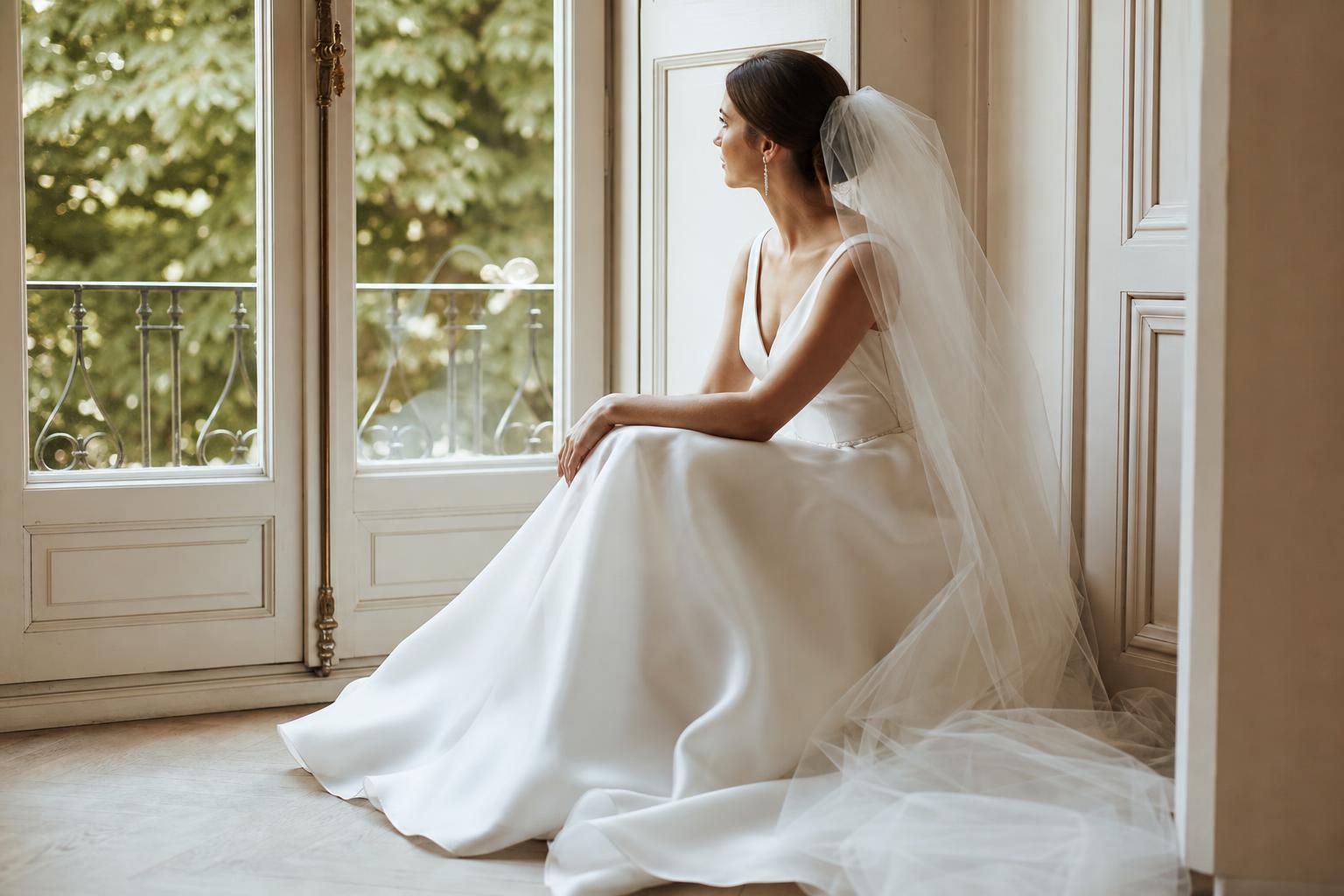
A classic approach to pre-ceremony portraits may focus on the bride standing near a window, adjusting her veil, or holding her bouquet with a calm, anticipatory expression. The mood is tender and reflective. The image preserves the emotional stillness before the day unfolds.
An editorial interpretation of that same moment might use the window light more dramatically, emphasize the line of the gown, or frame the bride through a doorway or architectural detail. The feeling becomes less about quiet anticipation alone and more about presence, shape, and visual storytelling.
Walking through the venue grounds
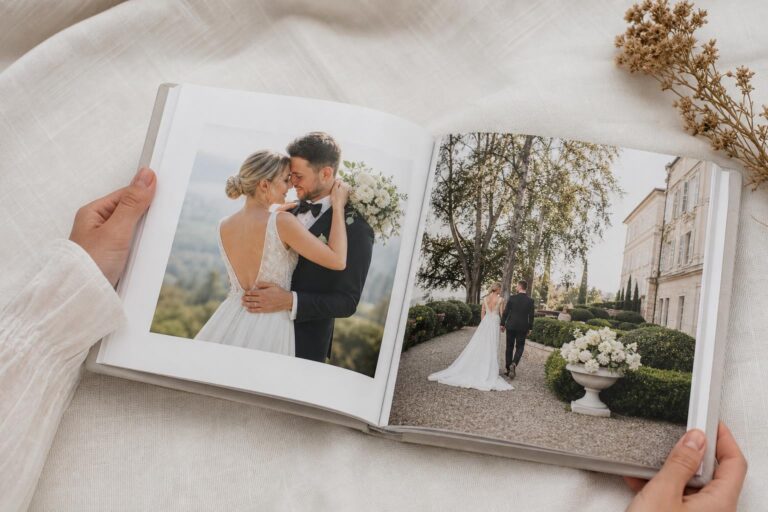
In a classic bridal photo, the bride walking through the grounds may be captured with natural movement, a soft smile, and enough distance to show the dress and setting together. The purpose is often to preserve the atmosphere of the place and the elegance of the day.
In an editorial version, the same walk may become more directed. The pace may slow, the posture may sharpen, and the frame may focus on the relationship between the gown and the environment. It is less a documentary glimpse and more a composed scene.
Portraits with the veil
Classic veil portraits often use the veil to soften the bride, adding romance and delicacy around the face or shoulders. Editorial veil portraits are more likely to use the veil as shape, movement, or abstraction. It may frame the body, create a dramatic line, or introduce a stronger sense of motion.
When classic bridal photos make the most sense
Classic imagery often suits brides who want their wedding gallery to feel emotionally immediate and enduring. It works particularly well when family portraits, ceremony memories, and heirloom value matter deeply. If the wedding vision includes traditional elements, romantic florals, formal elegance, or a timeless dress, this approach usually feels beautifully coherent.
It is also often the more comfortable choice for brides who are not used to being photographed in a highly directed way. Because the posing is gentler and the emotional tone is more natural, the experience can feel less performative. That ease frequently shows in the final photographs.
Classic bridal photos are especially effective for:
- church or formal ceremony settings
- garden and romantic outdoor weddings
- family-centered wedding albums
- heirloom portraits intended to age gracefully
- brides who prefer subtle elegance over overt fashion drama
When editorial bridal photos feel most right
Editorial imagery is often the best fit when the wedding aesthetic has a strong design point of view. A modern venue, minimalist celebration, city backdrop, or fashion-led gown can all support this direction naturally. Brides who enjoy art direction, strong styling, and a more intentional camera presence often respond especially well to it.
This style also works beautifully when the couple wants certain portraits to feel distinct from standard wedding coverage. It can create those unforgettable images that feel almost cinematic without losing bridal intimacy. The key is to make sure the mood still reflects the couple rather than becoming a separate performance.
Editorial bridal photos are often well suited to:
- modern and minimalist weddings
- architectural venues and urban locations
- statement dresses with strong lines or unusual structure
- brides comfortable with more directed posing
- couples wanting a fashion-influenced wedding story
A romantic middle ground: mixing timeless and modern elements
For many couples, the most satisfying choice is not a strict divide but a thoughtful blend. A wedding gallery can begin with classic bridal portraits that preserve softness and emotional sincerity, then move into a more editorial mode once the formal moments are complete. This gives the final collection range without feeling disjointed.
A hybrid approach often works best when the bride’s overall styling remains coherent. A gown with timeless lines can still support one or two editorial frames. A modern bridal look can still benefit from a few portraits that feel quiet and traditional. The transition feels natural when the underlying mood of the wedding stays consistent.
This is especially useful for weddings that move across different spaces during the day. A soft indoor getting-ready portrait, a romantic ceremony image, and a dramatic evening portrait outside the venue can all belong in the same story if each image honors the couple’s actual aesthetic rather than chasing unrelated trends.
Practical planning factors brides often overlook
Style decisions are not only visual. They are deeply practical on a wedding day, especially when time is limited and energy shifts quickly. A more editorial bridal photo session often requires greater intentionality in timing, dress handling, posture, and setting. If the schedule is rushed or the bride feels overstimulated, highly directed portraits may become harder to enjoy.
Classic portraits are often more flexible because they can adapt well to changing light, minor schedule delays, and a wider range of emotional states. That does not make them less refined. It simply means they are often easier to integrate into the pace of a real wedding day.
Tips for making either style work beautifully
- Plan enough portrait time that you are not choosing style under pressure.
- Match the photo direction to the venue rather than forcing an unrelated mood.
- Wear accessories you can move in comfortably for more than a few minutes.
- Think about weather, terrain, and how your dress handles walking, standing, and turning.
- Keep bouquet scale proportional to your gown and frame so it supports rather than overwhelms the image.
Common bridal photo mistakes when choosing a style
One common mistake is confusing “timeless” with “plain.” A classic bridal photo should still feel intentional, polished, and emotionally rich. Simplicity only works when it is supported by thoughtful styling, flattering posture, and a setting that enhances the bride rather than flattening the image.
Another frequent mistake is treating “editorial” as a license for excess. Strong bridal images rarely come from adding more of everything. They usually come from a clear concept: one striking silhouette, one dramatic accessory, one meaningful location, or one controlled moment of movement. Without that clarity, the result can feel busy rather than refined.
A third mistake is ignoring personal comfort. A bride who feels stiff, over-directed, or unlike herself will often look that way in the final images. The most beautiful bridal photo is not only about aesthetics. It is about congruence between the bride’s personality, the wedding atmosphere, and the visual choices made around her.
How to identify your natural bridal photo preference
Sometimes the easiest way to choose is to pay attention to what you respond to first in an image. If you notice expression, tenderness, and the feeling of the day, you may be drawn to classic bridal photography. If you notice composition, shape, and dramatic visual mood, you may lean editorial.
It also helps to think beyond the wedding day itself. Imagine looking at the images in five, ten, or twenty years. Do you want the first feeling to be emotional familiarity or visual impact? Many brides want both, but one usually matters more. That preference should guide the planning.
Finally, consider your wedding as a whole. A bridal photo should not feel detached from the celebration around it. The gown, venue, flowers, lighting, and emotional tone of the day all shape what feels believable. The strongest style choice is the one that lets the images feel like an honest extension of your wedding vision.
Choosing the style that fits your wedding story
The heart of this comparison is simple: classic bridal photos preserve romance through softness, balance, and emotional clarity, while editorial bridal photos create romance through mood, direction, and visual composition. One emphasizes timeless memory. The other emphasizes artistic identity.
Both can be beautiful, elegant, and deeply bridal. The most important choice is not following a category for its own sake, but recognizing which visual language feels true to your day. Whether you imagine a gentle portrait in garden light or a striking image framed by architecture and movement, the goal is the same: to create photographs that feel unmistakably like your wedding, your atmosphere, and your moment.
When those elements align, a bridal photo becomes more than an image. It becomes a lasting reflection of how the wedding felt, how the bride carried herself, and how love looked in that exact season of life.
FAQ
What is the difference between a classic bridal photo and an editorial bridal photo?
A classic bridal photo usually focuses on timeless beauty, soft emotion, and graceful posing, while an editorial bridal photo emphasizes mood, composition, stronger direction, and a more fashion-influenced visual style.
Can I include both classic and editorial bridal photos in the same wedding gallery?
Yes, many brides choose a combination of both, using classic portraits for emotional and family-centered moments and editorial portraits for a few more dramatic, visually stylized images later in the day.
Which bridal photo style is better for a romantic garden wedding?
A romantic garden wedding often pairs naturally with classic bridal photography because the softness of florals, outdoor light, and a gentle atmosphere support that timeless look, though editorial images can still work beautifully if the styling is intentional.
Do editorial bridal photos always require dramatic posing?
No, but they usually involve more intentional direction than classic portraits, with greater attention to angles, posture, silhouette, and how the bride interacts with the setting.
What type of wedding dress works best for classic bridal photos?
Dresses with balanced proportions, elegant structure, and timeless details often photograph especially well in a classic style because they create a clear, graceful silhouette that does not depend on trend-driven styling.
Are editorial bridal photos only suited to modern weddings?
No, editorial bridal photos can work in many settings, but they tend to feel most natural when the wedding has a strong design point of view, such as a striking venue, refined styling, or a gown with distinctive shape.
How do I know which bridal photo style feels most like me?
Pay attention to the images you respond to most strongly: if you love emotional softness and timeless elegance, you may prefer classic portraits, while a preference for dramatic composition and stylized mood often points toward an editorial direction.
Should accessories be different for classic and editorial bridal photos?
Usually yes, because classic styling often favors delicate, supportive accessories, while editorial styling may use one or two more intentional statement details, such as a dramatic veil or sculptural jewelry, to strengthen the image concept.
Is classic bridal photography less stylish than editorial photography?
Not at all; classic bridal photography can be just as polished and beautiful, but its style shows through restraint, harmony, and emotional clarity rather than through stronger visual drama.