
Wedding Day Photo Ideas for a Timeless, Editorial Look
Some wedding images feel softly observed, as though the day unfolded without interruption. Others feel artfully composed, polished, and intentionally shaped. Most couples are drawn to both, which is why wedding day photo ideas so often sit at the intersection of two approaches: candid, photojournalistic storytelling and posed, editorial portraiture.
These styles are frequently discussed together because a complete wedding gallery rarely belongs to only one. Getting ready emotions, a parent’s reaction, and dance floor energy usually ask for a candid eye. Couple portraits, family formals, and carefully framed detail shots often benefit from more direction. Understanding the difference helps couples create a photography plan that feels beautiful, personal, and realistic from first look to final exit.

This comparison breaks down how each style looks, where each one shines, and how to use them across the wedding timeline. You will also find practical guidance for choosing between candid and posed coverage for getting ready, ceremony moments, couple portraits, family photos, reception scenes, and venue-based backdrops, along with tips drawn from the way leading wedding publishers and photography-focused brands structure must-have photo guidance.
The two photography styles most couples compare
Style overview: candid and photojournalistic wedding photography
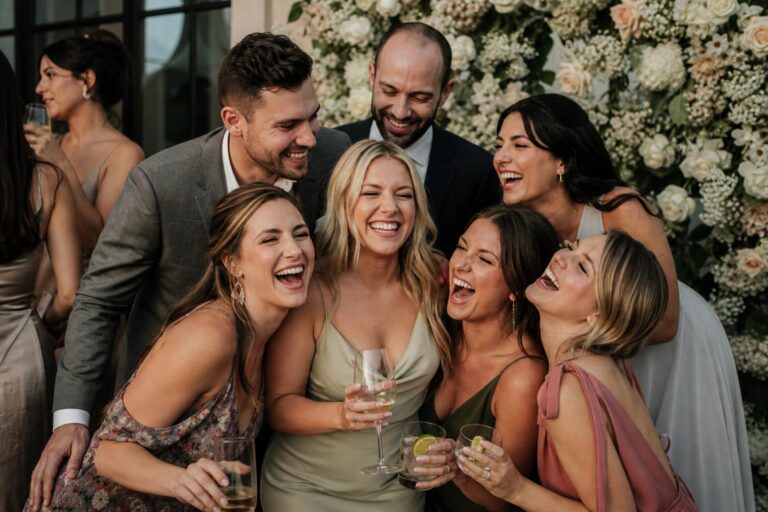
Candid wedding photography is centered on genuine interaction, movement, and emotion. Its defining characteristic is that the image feels discovered rather than arranged. The visual mood is often natural, intimate, and story-led, with attention to reactions, guest moments, ambient details, and the small transitions between larger events. Typical compositions follow the flow of the wedding day: a hand fastening jewelry, laughter during getting ready, tears during vows, or spontaneous movement at the reception.
Turn wedding inspiration into a plan you can actually follow.
Zarellea brings your guest list, budget, vendors, and day-of details into one shared space — so no beautiful idea gets lost in the shuffle.
This style often leans on natural light, documentary timing, and a photographer’s ability to anticipate emotion. It works especially well when couples want their gallery to feel honest and immersive. Publishers such as The Knot frequently frame this approach around authentic moments, unposed interactions, and documentary-style coverage across the ceremony and reception.
Style overview: posed and editorial wedding photography
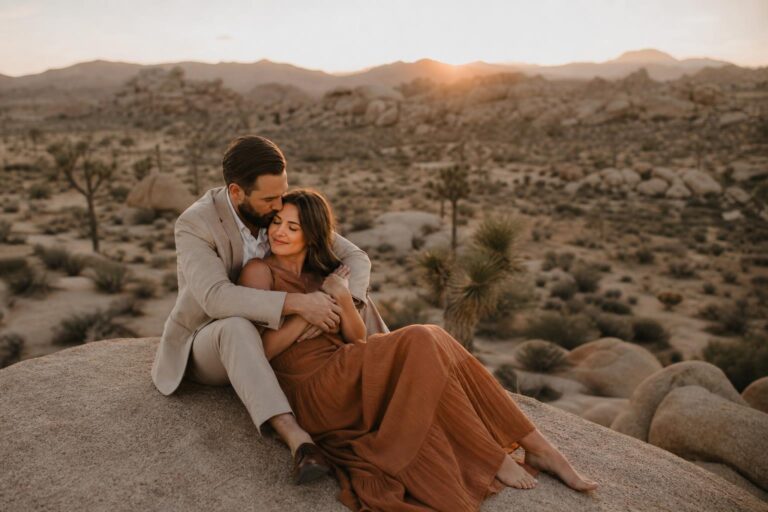
Posed wedding photography is more structured and guided. Its defining characteristic is intentional placement: where the couple stands, how the dress falls, where hands rest, and how the background supports the image. The mood can still be romantic and emotional, but it appears more composed. Typical images include couple portraits, bridal portraits, family formals, and fashion-inspired shots that feel timeless rather than spontaneous.
This style often emphasizes silhouette, symmetry, venue architecture, and clean visual balance. It can range from classic formal portraits to more editorial poses with movement and shape. The Knot, Zola, and photographer-led galleries like Simon John Photographer all support this side of wedding photography through pose ideas, portrait structures, and guidance for creating polished images throughout the day.

Why these styles belong together in a wedding gallery
The most satisfying wedding albums usually combine both approaches because a wedding itself combines both realities. The day contains planned moments and unscripted ones. There is a timeline, but there is also emotion that cannot be scheduled exactly. A first look may be gently guided by the photographer for lighting and backdrop, yet the reaction itself is genuinely candid. Family formals are clearly posed, while the hugs immediately afterward are often the images couples treasure most.
Brands such as Shutterfly, Zola, Fash, and The Knot consistently organize wedding photography around day segments rather than one rigid visual style. That structure matters. It suggests that the better question is not whether candid or posed photography is best, but which style serves each part of the day more effectively.
For couples planning with a photographer, planner, venue coordinator, and family members all in motion, this distinction also reduces stress. It helps everyone know when they should move naturally, when they should pause for formal groupings, and how much time should be built into the timeline for portraits, details, and spontaneous moments.
How candid and posed styles differ at a glance
The easiest way to understand the comparison is to look at the visual logic behind each style. Both can be romantic, elegant, and meaningful, but they create that feeling in different ways.
- Structure: candid images follow real movement; posed images guide movement or stillness.
- Emotion: candid images capture emotion as it happens; posed images shape a flattering frame around emotion.
- Formality: candid coverage feels relaxed and observational; posed coverage feels more polished and intentional.
- Timing: candid photography depends on anticipation; posed photography depends on direction and set time.
- Best use: candid works beautifully for guest reactions, dancing, and in-between moments; posed works best for portraits, family formals, and detail-led hero images.
Neither style is inherently more meaningful. A quiet, directed portrait after the ceremony can feel just as emotional as a spontaneous laugh during cocktail hour. The difference is less about value and more about visual language.

Through the wedding timeline: which style works best where?
Getting ready: soft documentary moments versus styled details
Getting ready is one of the clearest examples of how the two styles can complement each other. Candid coverage works beautifully for emotion: bridesmaids reacting, the couple reading a note, a parent seeing the nearly finished look, or quiet anticipation before the ceremony. These are the moments that often feel most alive when they are not over-directed.
Posed coverage, however, is ideal for accessories, hands adjusting attire, invitation suites, jewelry, shoes, bouquet placement, and a fully dressed portrait near a clean window or elegant interior. Shutterfly and Fash both support this moment-by-moment approach, connecting practical shot lists to the beginning of the day.
A useful balance is to allow the photographer to style detail shots first, then shift into a lighter documentary rhythm as people move through hair, makeup, dressing, and conversation.
First look and couple portraits: direction with room for real reaction
First look photography sits directly between candid and posed styles. The setting, placement, and timing are almost always arranged with intention. Lighting, privacy, and background matter. But once the couple sees each other, the strongest images are usually the unrehearsed expressions and gestures that follow.
For couple portraits immediately afterward, posed and editorial guidance becomes more important. This is where wedding photography poses, romantic positioning, and venue-based compositions can create timeless images. The Knot and Simon John Photographer both place strong emphasis on this section of the day, offering pose ideas that range from relaxed interaction to more structured portraiture.
If a couple is camera-shy, starting with movement-based prompts can help the portraits feel less stiff. If a couple loves a refined, fashion-inspired look, this is usually the best place in the timeline to devote extra time to composed portraiture.
Ceremony coverage: candid storytelling with a few essential anchors
The ceremony is where candid, photojournalistic coverage is often at its strongest. Processional reactions, vows, tears, exchanged glances, and the recessional carry emotional weight because they are happening only once. During this part of the day, over-direction can interrupt both meaning and flow.
Even so, the best ceremony galleries still include a few posed or composed anchors: a wide view of the venue, a framed image of the altar or ceremony setup, and perhaps a balanced post-ceremony portrait if time allows. This is especially important in distinctive settings such as a ballroom, garden, beach, or urban rooftop, where the venue is part of the story.
Family formals: the case for clear structure
Family portraits are one area where posed photography is usually the more dependable choice. These images serve a practical purpose as much as an emotional one. They need recognizable faces, flattering arrangement, and efficient order. Zola’s shot-list style guidance is especially relevant here because family formals benefit from planning: who is included, in what sequence, and where the photos happen.
Candid family moments still matter, of course. A grandparent laughing after the formal shot or siblings fixing each other’s attire can add warmth around the more structured set. But for the formal portrait itself, direction creates clarity and saves time.
Reception scenes: candid energy, punctuated by planned moments
Reception photography is often where couples most appreciate documentary coverage. Toast reactions, first dance movement, cake cutting, guest interaction, and dance floor energy are naturally dynamic. The Knot’s gallery-led inspiration frequently highlights these expressive, character-filled moments because they communicate atmosphere so well.
Still, a reception also contains a few moments that benefit from planning: a clean image of the room before guests enter, table and décor details, a composed cake shot, and perhaps a final exit image. The Houston wedding guide’s first-look-to-exit structure reflects how valuable these timeline anchors are, especially when the evening moves quickly.

Visual style breakdown: how the two approaches actually look
In real wedding galleries, the difference between candid and posed photography is visible not only in body position, but in the way each image handles space, light, and movement.
Movement and body language
Candid photos often show imperfect but meaningful movement: a turning shoulder, hands mid-gesture, a laugh that changes the face naturally. Posed photos refine body language. The shoulders may be squared or angled intentionally, hands adjusted, and posture gently corrected to flatter both people and clothing. This matters especially in bridal portraits, where silhouette and fabric shape are part of the image.
Use of the background
Documentary images tend to accept the environment as it is, using the venue as context. Editorial portraits use the background more selectively. A ballroom staircase, beach horizon, rooftop line, or garden path becomes a visual frame rather than simply a location. Photographer-led resources and venue-based guidance repeatedly connect portrait success to location choice and timing.
Lighting feel
Candid images often prioritize available or ambient light so the moment can unfold naturally. Posed portraits more often pause for better light, including soft natural window light, golden hour warmth, or off-camera flash when needed. In practical terms, this means candid galleries may feel more varied and immediate, while posed galleries may feel more visually consistent.
Overall balance
Candid photography embraces life as it happens. Posed photography chases elegance through arrangement. When couples understand that distinction, they can look at inspiration galleries more clearly and decide whether they are responding to the emotion of the scene, the refinement of the portrait, or both.
Style comparison by setting: where each aesthetic feels strongest
Venue and setting influence the success of wedding day photo ideas more than many couples expect. A style that feels effortless in one setting can feel less natural in another.
Garden and outdoor venues
Garden settings tend to support both styles well. Candid images benefit from movement through paths, interactions among guests, and natural changes in light. Posed portraits gain softness from greenery and open space. If the venue has especially pretty landscaping, setting aside a few directed portraits can make the most of it.
Ballroom weddings
Ballrooms often favor a stronger posed component because architecture, symmetry, and formality pair naturally with structured portraiture. At the same time, receptions in these spaces can produce excellent candid images once the dance floor fills and the room atmosphere changes. A ballroom wedding often benefits from a deliberate shift: composed portraits early, looser documentary coverage later.
Beach weddings
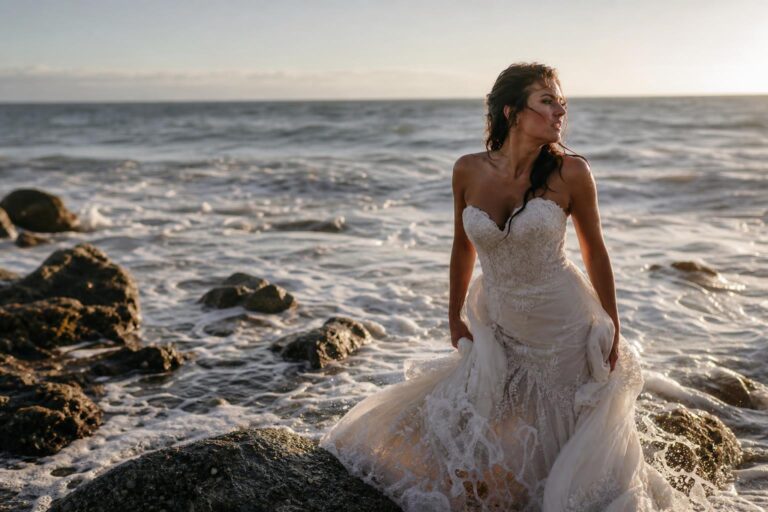
Beach settings can make candid photography feel beautifully relaxed, but they also require realism. Wind, movement, and changing light can make highly polished posing harder to sustain. Couples often do well with lightly directed portraits and a stronger emphasis on natural interaction. The backdrop itself already provides visual drama, so the posing does not need to be overcomplicated.
Urban rooftops and city settings
Urban locations often suit editorial wedding photography especially well because lines, textures, and skyline backdrops create strong structure. That said, candid walking shots, reactions, and movement through the space can soften the formality. This is one of the best examples of how an editorial and documentary approach can live side by side in the same portrait session.
Outfit-style examples for the wedding timeline
Although wedding photography is not fashion styling in the usual sense, it still has a visual language similar to comparing aesthetics. The same moment can be interpreted in two different ways depending on the style chosen.
Example comparison: getting ready in a bridal suite
A candid approach would focus on interaction: the room buzzing softly, a mother helping with the final fastening, a bridesmaid laughing near the mirror, hands holding accessories in motion. A posed approach would pause the room to create calm detail shots, guide the arrangement of shoes or jewelry, and frame a composed portrait near a window with balanced light. Both are beautiful, but one emphasizes feeling in motion while the other emphasizes refinement.
Example comparison: the first look
In a documentary style, the photographer keeps distance and captures the sequence naturally: approach, turn, reaction, embrace. In an editorial style, the photographer may still preserve those moments but will also shape where the couple stands afterward, using the backdrop and lighting for more polished couple portraits. This is why first look photo ideas often work best as a blend rather than a strict choice.
Example comparison: family portraits after the ceremony
A candid interpretation of this time would focus on reunion and relief after the formal ceremony: hugs, laughter, and movement between groupings. A posed interpretation would prioritize efficiency and clarity, grouping parents, siblings, and bridal party members in an order that keeps everyone visible and the timeline manageable. If the family wants one dependable frame for albums and prints, the posed version is usually the essential one.
Example comparison: dance floor energy
Candid reception photography chases expression and momentum: raised hands, spontaneous spins, toasts, and emotional reactions. A more posed interpretation may carve out one or two dramatic dance floor portraits or direct the couple briefly for a cleaner late-night image. Here, the candid style usually carries the narrative, while the posed style adds a few memorable punctuation marks.
Decision guidance: when to choose one style over the other
Most couples do not need to choose only one style. The better decision is where to place emphasis. Your personality, timeline, and wedding vision all influence that balance.
- Choose a more candid emphasis if you care most about natural emotion, guest interaction, and a documentary feeling from ceremony to reception.
- Choose a stronger posed emphasis if you love polished portraits, venue-driven compositions, and a timeless gallery with formal structure.
- Use a blended approach if you want emotional storytelling plus reliable portraits for family, albums, and prints.
- Lean into posed portraits when your venue architecture is a major visual feature.
- Lean into candid coverage when the celebration itself is the heart of the story, especially during toasts, dancing, and guest moments.
For many couples, the most practical solution is simple: documentary coverage for events that unfold once, and guided portraiture for moments that can be scheduled without pressure.
A note on inclusive and cultural wedding moments
One of the most meaningful ways to shape wedding day photo ideas is to consider rituals and traditions that carry personal or cultural significance. Broader wedding coverage often underrepresents these moments, yet they are exactly the kind of images that deserve intention. A cultural ritual may need documentary sensitivity while also benefiting from clear planning so the photographer knows where to stand, when the moment happens, and who should be visible.
This is also where communication with the photographer becomes especially important. If there are wedding traditions, family customs, or regional expectations that matter deeply, they should be on the shot list and timeline, not left to chance. The same principle applies whether the moment is a Western ceremony ritual, a family blessing, or a specific cultural sequence during the wedding day.
Where practical planning changes the final gallery
Even the most beautiful aesthetic ideas depend on logistics. Couples often focus first on inspiration, but planning determines whether those images are realistically captured. The strongest galleries are supported by a clear timeline, a thoughtful shot list, and coordination between the photographer, planner, venue coordinator, and family.
Timeline matters more than couples expect
A short portrait window creates different results than a relaxed one. If couple portraits are important, they need dedicated time around the first look, after the ceremony, or near sunset. If family formals must include many groupings, they should be organized in advance. Shutterfly and Zola both reflect this planning-first mindset, and for good reason: missing time is harder to fix than missing inspiration.
Weather and backup plans influence style choices
Weather contingencies are not only logistical; they are aesthetic. A covered space, alternate indoor portrait area, or flexible venue plan can preserve both candid moments and posed portraits if conditions change. Fash’s broader planning approach highlights this well. Without a backup location, couples may lose the polished portrait portion of the gallery even if the candid coverage remains strong.
Gear affects the look, even when couples never see it
Gear is rarely the most romantic topic, but it shapes results. Research across gear-leaning and photographer-led sources connects key moments with practical tools such as lenses, flash, tripods, stabilization, and other accessories. MEFOTO, for example, appears in this conversation through gear-aware wedding ideas. For couples, the important takeaway is not technical detail for its own sake, but understanding that low-light receptions, wide venue shots, and composed portraits may depend on equipment and setup time.
Tips for balancing candid and posed coverage without slowing the day
A wedding should feel lived, not paused every ten minutes for pictures. The balance between candid and posed photography works best when it is planned gently rather than forced all day long.
- Create a short must-have shot list instead of an endless one, focusing on family formals, key portraits, and any meaningful rituals.
- Schedule portraits around natural transitions, such as after the first look or just after the ceremony, so they do not interrupt guest time more than necessary.
- Tell your photographer whether you prefer more direction or less, especially if one partner is more camera-comfortable than the other.
- Assign a family helper who knows names and relationships to speed up group portraits.
- Leave space in the timeline for unscripted moments, particularly during cocktail hour and the reception.
One of the most common mistakes is expecting a heavily posed gallery without giving portraits enough time, or expecting pure documentary coverage while also wanting many carefully arranged images. The gallery improves when expectations and timing match.
Editorial insight: what couples often misread in inspiration galleries
Inspiration galleries can make some images feel effortless when they are actually carefully timed, lit, and directed. A portrait that looks spontaneous may still be posed. A candid image that feels accidental may be the result of a photographer anticipating the exact second emotion peaks. This does not make the image less honest, but it does mean couples should look beyond the mood of a photo and ask what kind of process created it.
This is especially true in editorial galleries from The Knot, Zola, Wedio, and photographer portfolios. Some galleries are meant to inspire feeling; others are built to help with planning. The most useful way to browse them is to identify whether the image belongs to a shot-list category, a posing category, or a documentary moment. Once that becomes clear, couples can communicate their preferences much more effectively.
Choosing the right style for real wedding situations
For intimate ceremonies and smaller gatherings
Smaller weddings often benefit from a stronger documentary emphasis because the day feels personal and relational. Guest interactions, quiet glances, and emotional exchanges become a larger part of the story. Posed portraits still matter, but they may not need as much time if the emotional atmosphere is the central priority.
For formal weddings with a polished atmosphere
More formal celebrations usually carry a stronger editorial layer. Ballroom settings, elaborate attire, and carefully designed décor deserve composed detail shots and well-planned portraits. In these weddings, documentary coverage still gives the gallery warmth, but the posed images often become the visual anchors.
For couples who feel awkward in front of the camera
Camera-shy couples often assume they should avoid posed portraits entirely. In practice, light direction can help a great deal. Simple guidance on where to stand, how to walk, or where to place hands can create comfort without making the images stiff. The most successful approach for these couples is often relaxed portraiture that begins with movement and leaves room for natural reactions.
For couples who love polished imagery
If the dream is a refined album with architectural frames, romantic couple portraits, and balanced compositions, posed and editorial photography should be given real space in the timeline. That does not mean sacrificing emotion. It simply means treating portrait time as a featured part of the day rather than something squeezed in at the end.
How to talk to your photographer about style
A helpful conversation with a photographer usually goes beyond saying “we want candid photos” or “we love editorial portraits.” Those phrases are a starting point, not a full plan. It is more useful to explain which moments matter most, how much time you want to spend on portraits, whether guest coverage is a priority, and how formal you want family photos to feel.
Couples can also organize their ideas by category: getting ready details, first look reactions, ceremony essentials, family formals, couple portraits, reception candids, and exit shots. This mirrors the structure used by leading wedding planning and photography resources and tends to produce clearer communication than a loose inspiration folder alone.
If you are working in a local market such as Houston, where regional blogs and photographer credits often highlight venue context and trusted vendors, it can also help to ask how your specific location affects timing, portrait spots, and indoor backup options. Venue familiarity can shape both the candid flow of the day and the quality of the posed portrait window.
Bringing both styles into one cohesive wedding story
The loveliest wedding galleries rarely feel split between two competing aesthetics. Instead, they move naturally from one mode to another. A styled detail image introduces the day. Candid getting-ready moments add tenderness. The first look blends preparation and surprise. Couple portraits become more composed. The ceremony opens into documentary emotion. Family formals create structure. The reception loosens into movement and celebration.
That rhythm is what makes a wedding gallery feel complete. It honors the fact that weddings are both designed and deeply felt. There is beauty in the arranged bouquet and in the unplanned tear, in the framed portrait and in the dance floor blur. The real art lies in knowing which approach serves which moment.

FAQ
What are the must-have wedding photos for the day?
Most couples include getting ready details, first look or pre-ceremony portraits, ceremony moments such as vows and reactions, family formals, couple portraits, reception highlights like toasts and first dance, and an exit shot if planned. A complete list should match your timeline and priorities rather than follow a generic template alone.
Should wedding photos be mostly candid or mostly posed?
The strongest wedding galleries are usually a blend. Candid coverage is ideal for emotions, guest interaction, and reception energy, while posed photography works best for couple portraits, family formals, and styled details. The right balance depends on your personality, venue, and how polished or documentary you want the final gallery to feel.
When should we schedule couple portraits on the wedding day?
Couple portraits are often easiest during or just after a first look, immediately after the ceremony, or during a dedicated portrait window later in the day. What matters most is giving the photographer enough time and choosing a moment when lighting and schedule pressure will not make the experience feel rushed.
How can we make family formals go faster?
Prepare a clear list of groupings in advance, keep the order simple, and ask one family member to help gather people quickly. Family portraits are usually more efficient when they are posed and organized rather than handled spontaneously after the ceremony.
What if we feel awkward in front of the camera?
Many couples feel that way, and it does not mean you should skip portraits. Gentle direction often helps more than complete freedom, especially at the beginning. A photographer can start with easy movement and interaction so the images still feel natural while giving you enough guidance to look comfortable and connected.
Do we need a wedding photo shot list?
Yes, but it should be focused. A shot list is most useful for family formals, meaningful traditions, and specific must-have moments. It helps the photographer cover essential people and events without turning the entire day into a rigid checklist.
How does the venue affect wedding photo ideas?
The venue shapes light, movement, portrait locations, and the balance between candid and posed coverage. A ballroom may support more formal portraits, while a garden or beach often encourages softer, more natural interaction. Venue layout also affects how easily the timeline can include private portrait time and weather backups.
What reception moments are most important to capture?
Reception priorities usually include room details before guests enter, grand entrance if planned, toasts, first dance, parent dances, cake cutting, guest candids, and dance floor energy. If you are planning a formal exit, that should also be discussed in advance because timing and lighting can affect how it is photographed.
Should we include cultural or family traditions in the photo plan?
Absolutely. Any ritual, blessing, or tradition that matters to your family should be shared with the photographer before the wedding day. These moments often need both timeline space and intentional positioning so they are documented with the same care as the ceremony and portraits.
What is the biggest mistake couples make with wedding photography planning?
A common mistake is wanting many polished portraits and many spontaneous moments without giving either style enough time or clarity. The better approach is to decide which parts of the day need structure, which parts should unfold naturally, and how your timeline can support both without making the wedding feel overly interrupted.