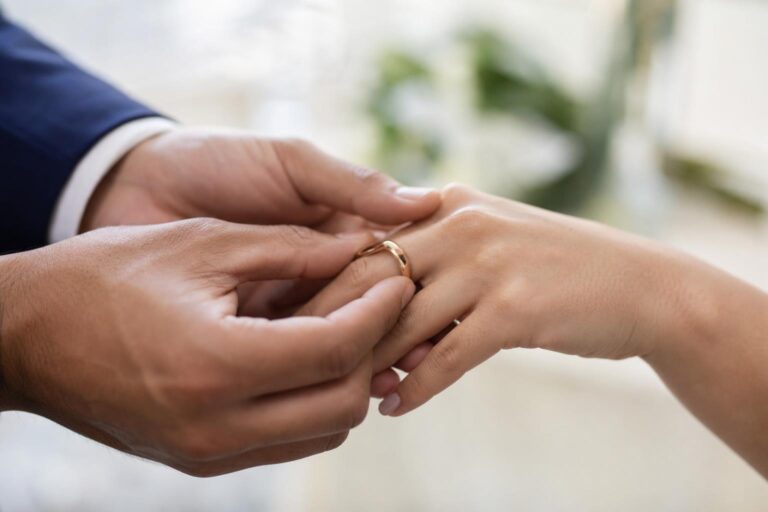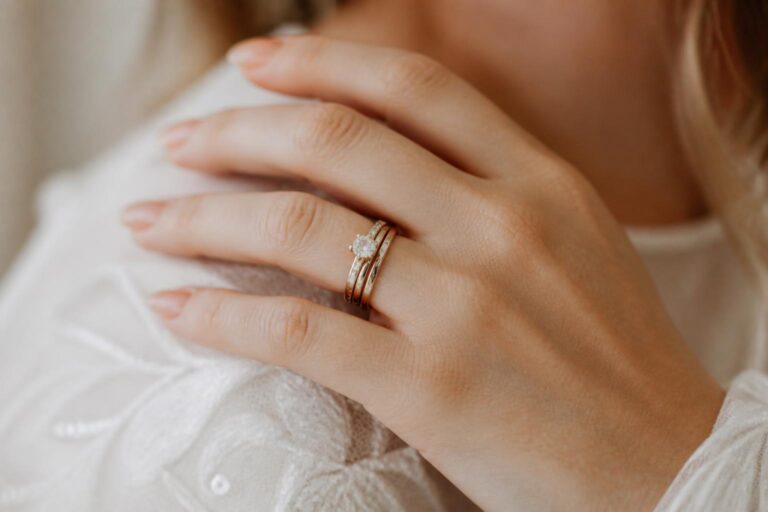
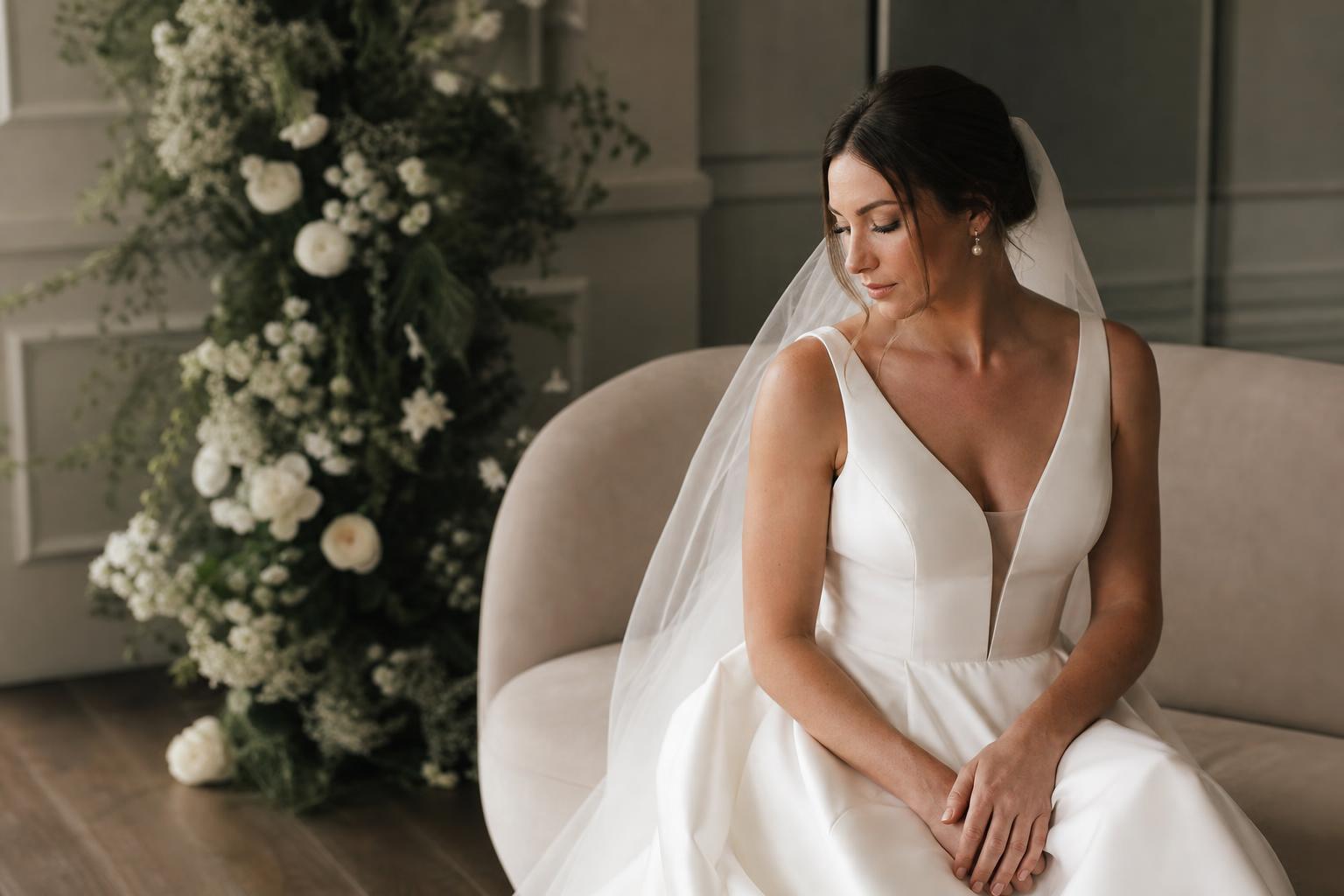
Bridal Style That Feels Timeless, Calm, and Considered
Bridal style often becomes far more complicated the moment inspiration images meet a real venue, a real timeline, and a real body in motion. What feels obvious in theory can suddenly feel conflicting in practice: you want the look to feel romantic and elevated, but you also need it to function through walking, hugging, changing light, weather shifts, and a long wedding day that asks more of your outfit, beauty choices, and visual plan than a single photo ever does.
This is where many couples and brides feel stuck. The challenge is not simply choosing what is beautiful. It is choosing a bridal style that still feels cohesive once every element begins interacting with the others: dress and venue, movement and silhouette, lighting and fabric, guest experience and photography, budget and atmosphere. When those decisions are made in isolation, the overall result can feel visually scattered or unnecessarily stressful.
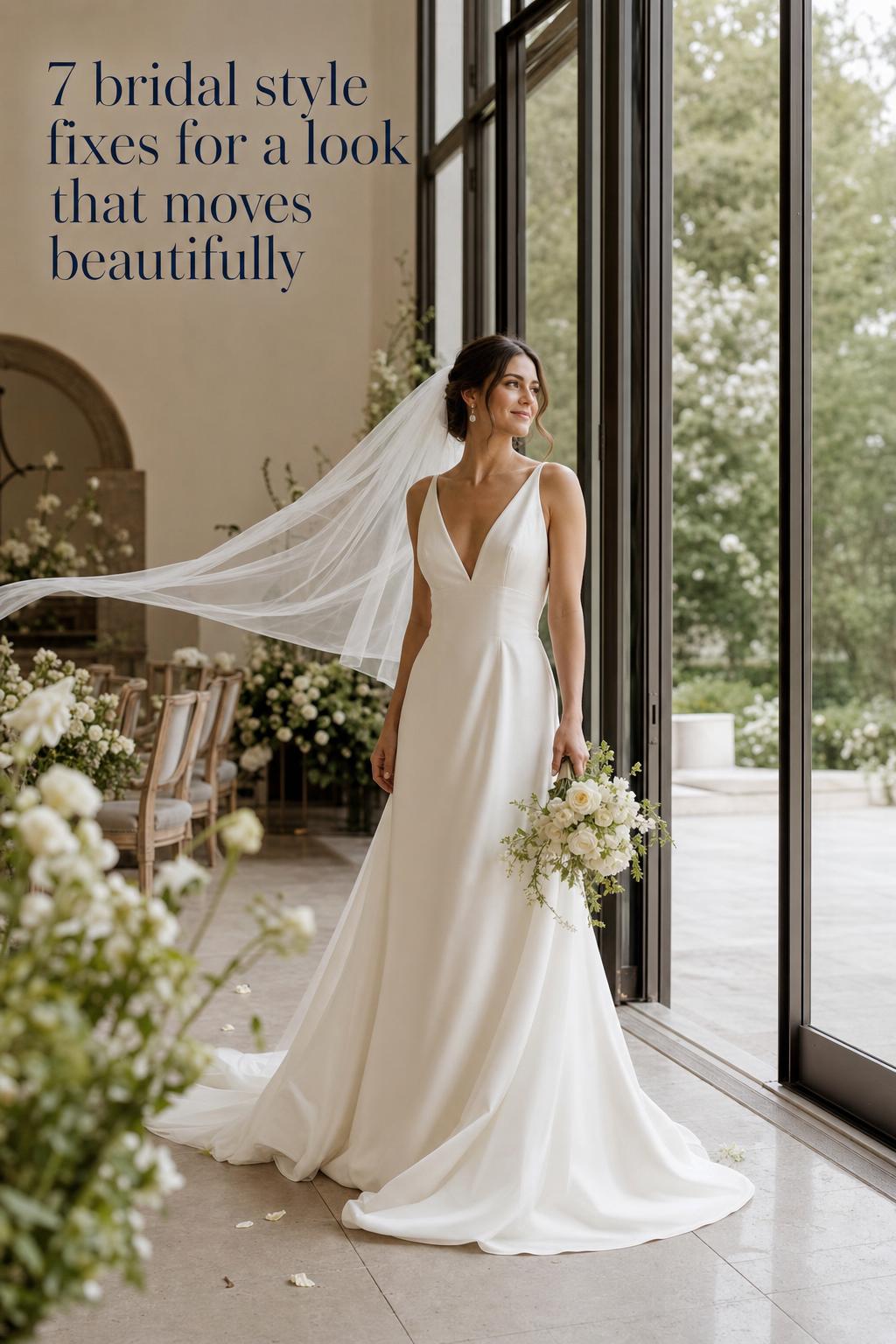
A thoughtful bridal style works because it connects concepts, products, and setting into one clear direction. This guide is designed to help you make those decisions with calm, using practical styling logic, realistic wedding-day considerations, and elegant solutions that make the celebration feel both beautiful and livable.
Why this wedding challenge happens
Bridal style is rarely just about the bride alone, even though it often starts there. It expands quickly into a larger visual and emotional system that includes the ceremony setting, reception atmosphere, bridal fashion, beauty choices, guest flow, and how the day will be photographed from morning to night. That is why a decision that looks right on its own can feel wrong once it is placed inside the full event.
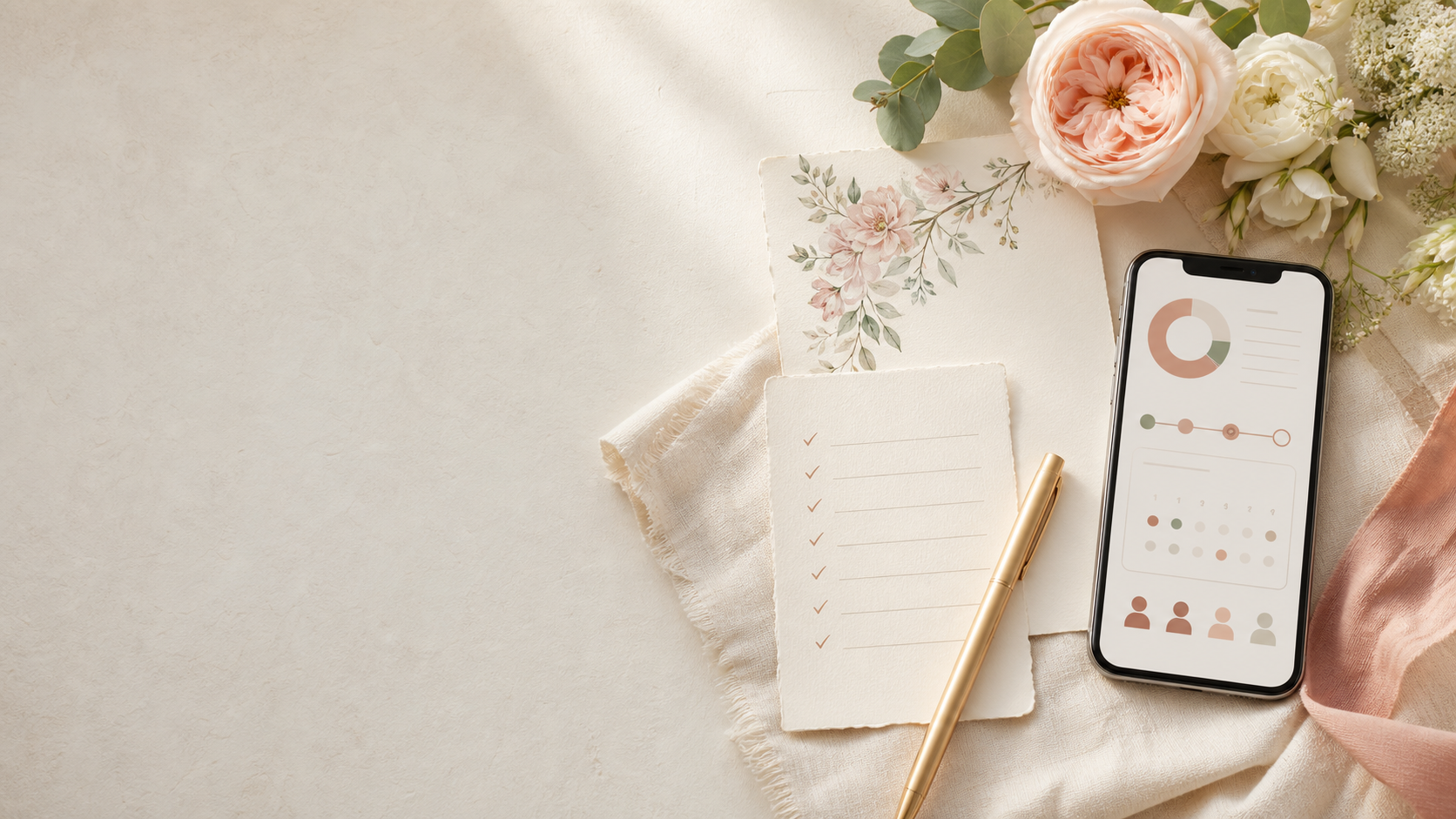
Turn wedding inspiration into a plan you can actually follow.
Zarellea brings your guest list, budget, vendors, and day-of details into one shared space — so no beautiful idea gets lost in the shuffle.
Venue limitations are one of the biggest reasons this becomes difficult. Architecture, ceiling height, outdoor exposure, flooring, natural light, and the distance between spaces all influence what will actually work. A sleek look may feel lost in a highly ornate room. A soft romantic concept may need more texture and structure to avoid fading into a large open setting. Bridal style becomes stressful when the vision ignores the language of the venue instead of working with it.
Time pressure adds another layer. Weddings are not static. Hair changes with humidity, gowns shift with movement, makeup appears different at midday than it does in candlelight, and details that feel luxurious during a quiet fitting may become difficult during transportation, portraits, greeting guests, dinner, and dancing. The conflict between aesthetics and practicality often comes from planning for the first reveal rather than the full duration of the celebration.
There is also the pressure to combine multiple moods at once. Many brides are drawn to romantic, modern, minimalist, luxury, garden, coastal, vintage, boho, or formal influences all at the same time. None of those concepts are wrong, but too many equal-weight references can weaken the final impression. Bridal style feels strongest when one core concept leads and the supporting details reinforce it instead of competing with it.
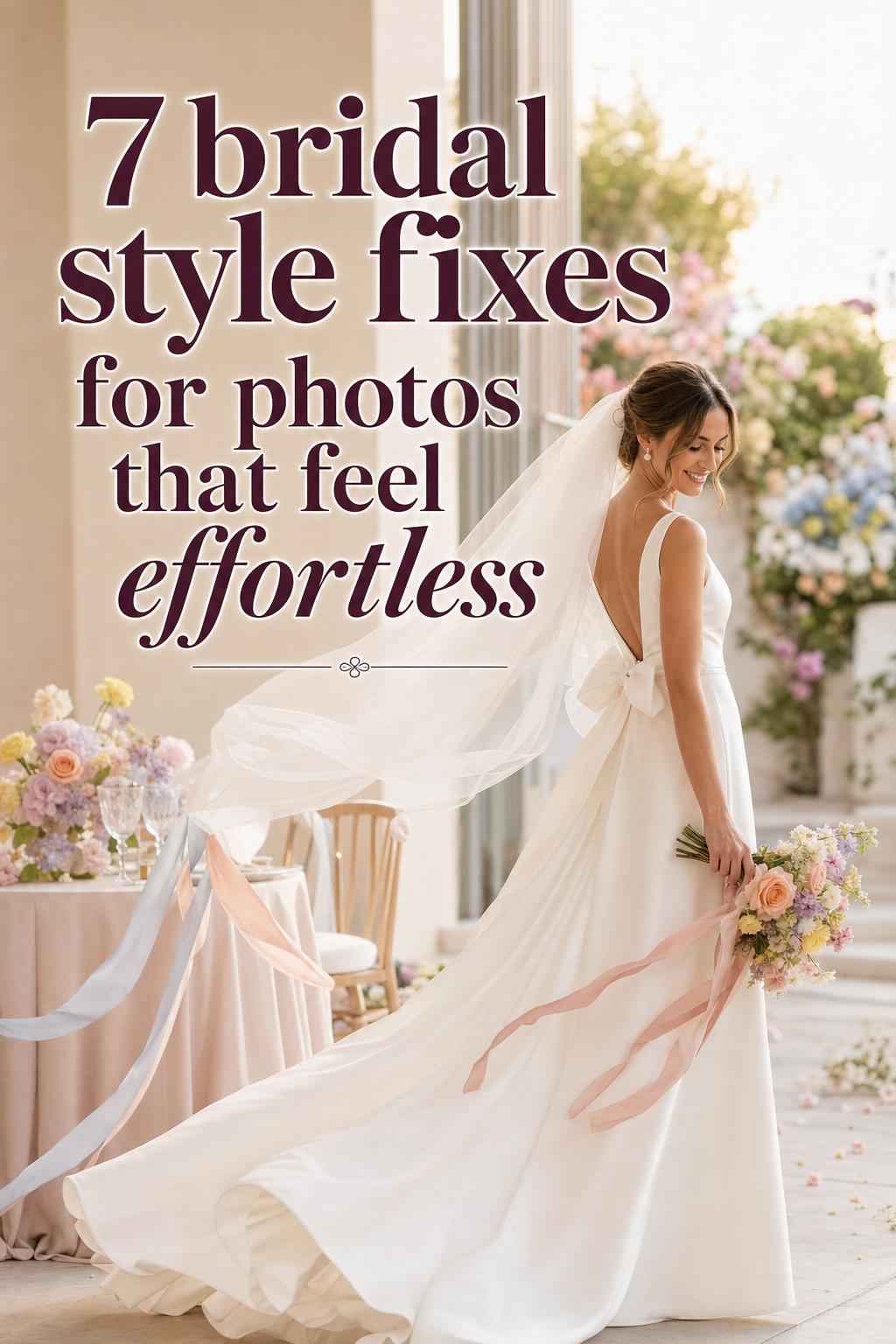
The styling principles that make bridal style feel coherent
Start with one leading concept
A cohesive bridal style begins with a single dominant idea, not a collection of unrelated preferences. That leading concept could be romantic softness, modern structure, garden ease, or understated luxury. Once that is clear, every other decision becomes easier to evaluate. Instead of asking whether a dress, hairstyle, bouquet, or lighting detail is beautiful on its own, you ask whether it strengthens the central feeling of the wedding.
Design for movement, not just for standing still
One of the most useful bridal style tests is simple: can the look hold up while moving through the full event? Fabrics behave differently when walking, sitting, dancing, and hugging. Beauty choices can soften, shift, or fade. Accessories may become distracting if they are heavy or unstable. A style that works in motion feels graceful in real life and usually photographs more naturally because it was designed to be lived in.
Use texture and light to create atmosphere
Many weddings try to create impact through quantity, but bridal style often feels more refined when atmosphere is built through texture and lighting instead. Texture brings depth to dresses, veils, florals, tablescapes, and stationery without needing visual excess. Lighting supports every styling decision by shaping mood, skin tone, fabric appearance, and the emotional warmth of the space. Together, they create richness without clutter.
Let practicality support the aesthetic
Practical choices do not make a wedding less beautiful. In fact, they often protect the beauty you have already chosen. A timeline that allows for touch-ups, a reception plan that considers guest comfort, and styling details that suit the venue all help the wedding feel more intentional. The most elegant bridal style is rarely the most complicated. It is the one that remains composed under real conditions.
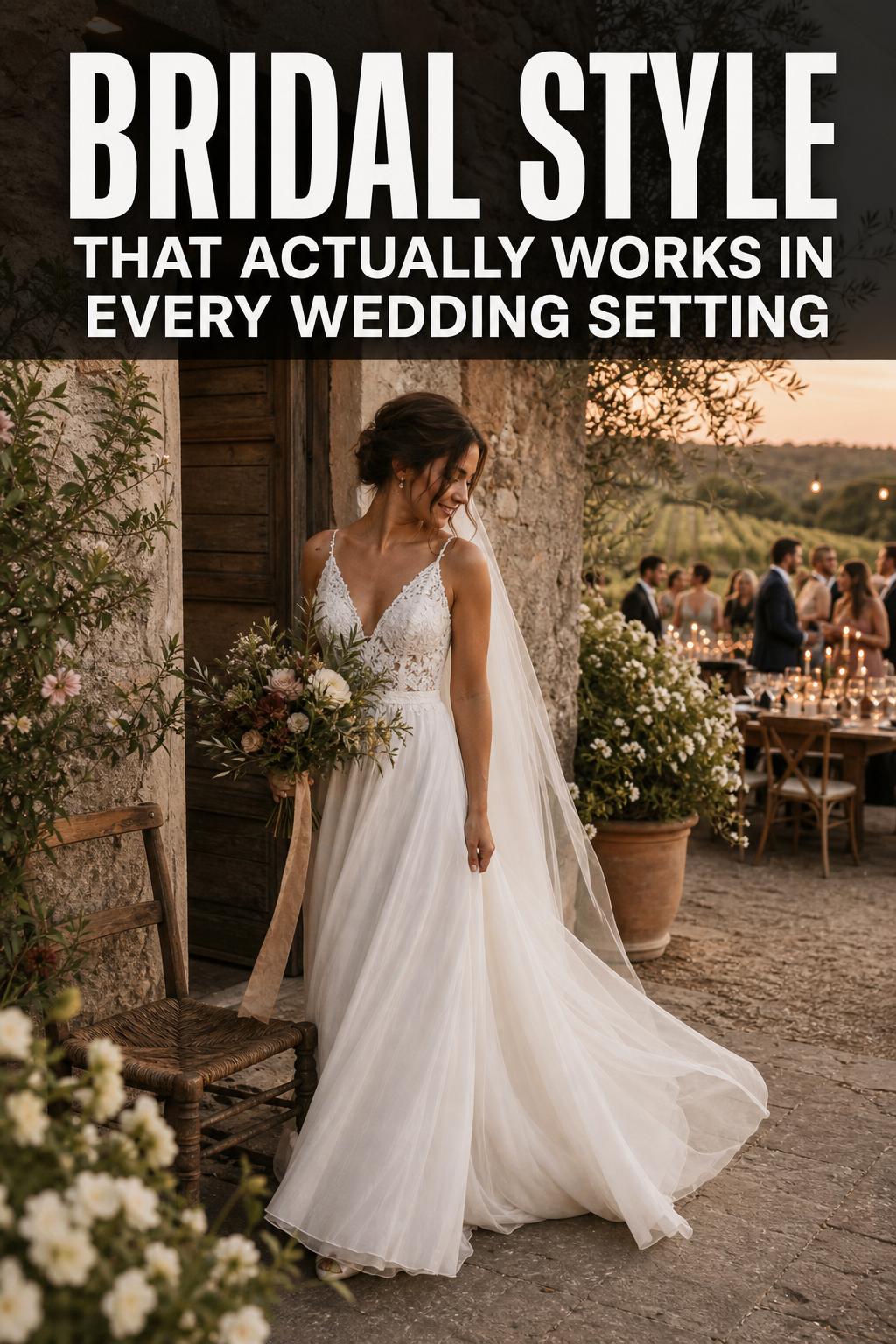
What couples usually overlook first
The most commonly overlooked part of bridal style is the relationship between the bride and the full setting. Couples often focus on the gown, beauty look, or a few signature decor elements, but they do not always step back to ask whether those choices connect visually. A polished bridal look can feel disconnected if the venue lighting is harsh, the reception design tells a different story, or the supporting fashion around the bride creates a conflicting mood.
Another detail many people underestimate is transition. Ceremony style, portrait style, and reception style do not need to match exactly, but they should feel related. When transitions are too abrupt, the wedding can feel like separate events rather than one seamless experience. A consistent palette of textures, shapes, and formality levels helps everything read as one considered design rather than a series of disconnected ideas.
Wedding solution: build the bridal look around venue compatibility
A common problem with bridal style is choosing details in isolation and only later realizing they do not belong naturally in the venue. A minimalist gown may feel visually underpowered in a dramatic formal space unless it is supported by stronger accessories, structured florals, or refined lighting. On the other hand, heavily embellished styling can feel crowded in a softer garden setting where movement, air, and natural light are part of the beauty.
The practical solution is to treat the venue as part of the bridal wardrobe. Look at scale, texture, color temperature, and architectural mood before finalizing style choices. If the venue is clean and modern, sharper lines and controlled details will usually feel more intentional. If the setting is romantic or outdoor-driven, softer fabrics, layered texture, and a more fluid beauty direction often integrate more naturally. This approach works because it creates harmony between the bride and the environment rather than forcing contrast without purpose.
When bridal style fits the venue, the wedding feels easier on the eye and calmer emotionally. Guests may not describe the styling in technical terms, but they will feel the coherence. The bride appears grounded in the setting, the photographs feel more balanced, and the overall mood becomes more immersive. That sense of visual ease is often what makes a wedding feel quietly luxurious.
Venue compatibility notes
- Use venue architecture to guide silhouette strength and decor density.
- Match formality level across dress, beauty, florals, and reception details.
- Consider how natural and artificial light will affect fabric appearance.
- Keep supporting elements consistent so the bride remains the focal point.
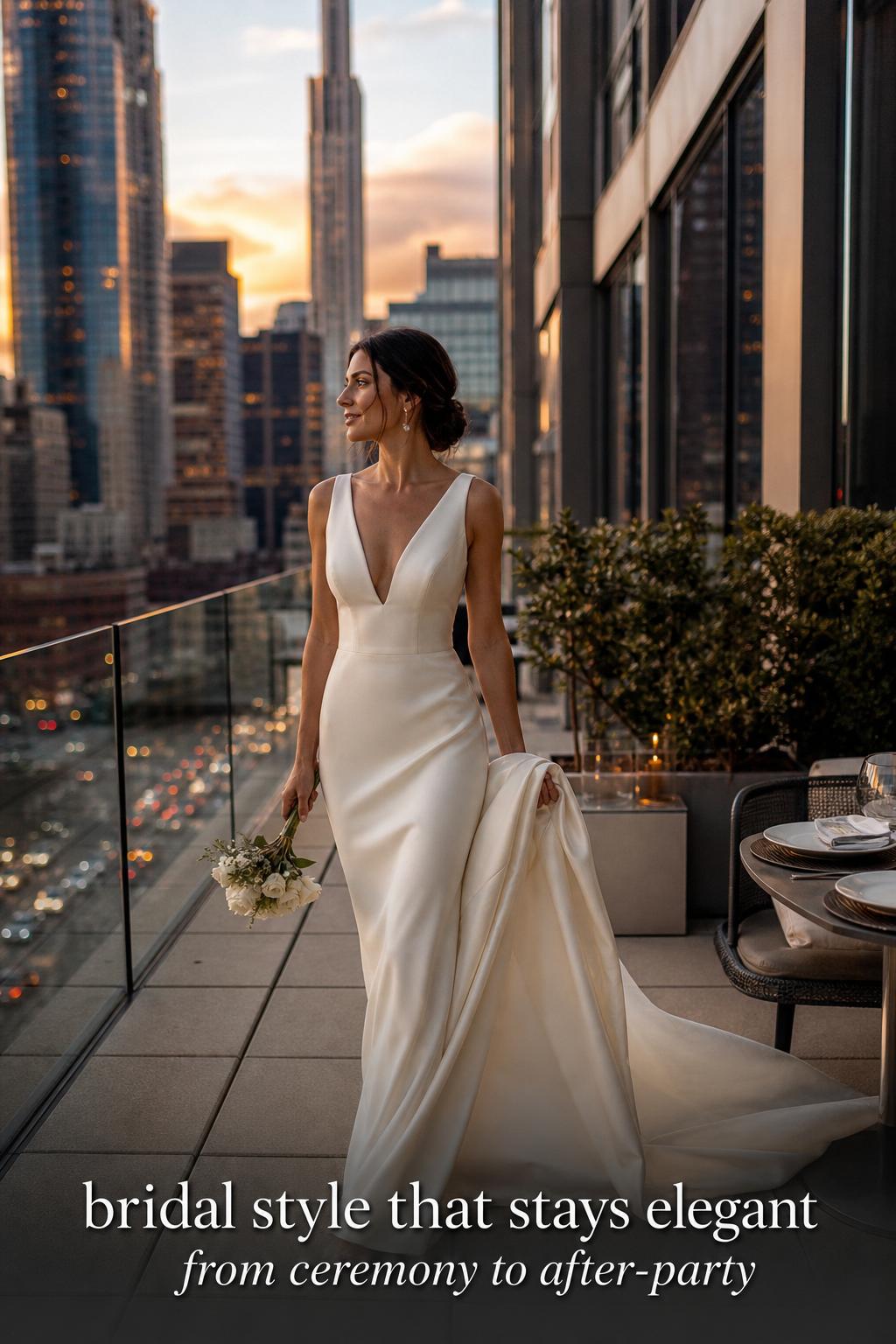
Wedding solution: choose bridal fashion that survives the full timeline
Many bridal style frustrations happen because the dress is chosen for the fitting-room moment rather than the wedding-day sequence. A gown can be visually stunning yet difficult during transportation, stairs, portraits, greeting guests, dinner, and dancing. The bride then spends the day managing the outfit instead of feeling held by it. That tension shows not only in comfort, but also in posture, facial expression, and the overall ease of the celebration.
The stronger approach is to evaluate bridal fashion through duration and movement. Consider how the silhouette works when seated, how the train behaves outdoors or on mixed flooring, and whether the fabric maintains its beauty after several hours. Even small adjustments can transform the experience: simplifying accessories, choosing manageable volume, or prioritizing a silhouette that allows graceful movement. The goal is not to reduce impact, but to protect it from collapsing under logistics.
This creates a bridal style that feels composed from first look to final dance. The bride can move naturally, the timeline feels less fragile, and photography benefits because the look remains relaxed rather than over-managed. Practical bridal fashion still reads as romantic and editorial when the proportions, textures, and finishing details are chosen with intention.
Best fabrics and materials to think about
Fabric choice matters because it affects structure, drape, heat, movement, and how light lands on the gown. Softer materials tend to create motion and tenderness, while more structured materials create definition and formality. Neither is universally better. The right choice depends on venue mood, season, and how much ease the bride wants throughout the day. Texture can also replace unnecessary embellishment by giving the look depth without visual heaviness.
Wedding solution: make beauty choices that stay aligned with the style story
One of the easiest ways for bridal style to lose cohesion is through beauty choices that belong to a different aesthetic than the dress and venue. A highly polished look can feel disconnected from a softer, intimate setting, while an overly undone approach may feel too casual against a formal gown and structured celebration. This mismatch often happens because beauty decisions are made from standalone inspiration rather than from the wedding’s overall visual direction.
The practical fix is to treat hair and makeup as finishing architecture, not as separate trends. Look at line, softness, shine, and longevity. Ask whether the beauty plan supports the silhouette of the gown, the tone of the ceremony, and the expected weather and lighting conditions. A style that remains balanced in daylight, portraits, and evening reception settings will almost always feel more polished than a look chosen only for a close-up view.
When beauty aligns with bridal fashion and setting, the result feels effortless even when it was carefully planned. The bride looks like herself at her most refined, the wedding imagery feels consistent, and the emotional experience improves because fewer elements need constant correction. This kind of alignment is subtle, but it is often what makes a wedding feel truly complete.
Lighting tips for beauty decisions
- Test beauty choices in more than one kind of light whenever possible.
- Remember that daytime, indoor evening, and candlelit conditions can change how makeup reads.
- Choose a finish that still feels balanced after hours of wear, not just at the start.
- Keep touch-up planning simple so maintenance does not interrupt the event.
Wedding solution: create a bridal party look that supports, not competes
Bridal style can become visually confusing when the bridal party introduces too many additional ideas. This often happens with mixed palettes, unrelated silhouettes, or styling choices that pull focus from the bride rather than framing her. The issue is not individuality itself. It is the absence of a shared visual language that connects everyone to the same celebration.
The solution is to give the bridal party a clear structure while still allowing flexibility. That structure can come through color family, fabric character, level of formality, or an overall mood such as soft romantic, modern clean-lined, or understated garden elegance. Supporting fashion should feel intentionally adjacent to the bride, not identical and not disconnected. This works because it keeps the visual hierarchy clear while still allowing the group to look natural and comfortable.
The result is a wedding that feels composed in person and in photographs. Group portraits become cleaner, the aisle view looks more curated, and the bride remains the center without the surrounding style feeling flat. Guests experience the design as calm and elegant because every person appears to belong to the same story.
Photography perspective: what photographs best in bridal style
Bridal style is experienced through memory, but it is also preserved through photographs, which means some choices matter more than they initially seem. What photographs best is usually not what is loudest. It is what has shape, contrast, texture, and enough clarity to read across different distances. Tiny details can be beautiful in person, but if the overall silhouette lacks definition, the impact may disappear in full-scene imagery.
Texture is especially valuable because it gives dimension in both close-ups and wider frames. Lighting matters just as much. Soft, layered light creates atmosphere while still allowing faces, fabrics, and decor to remain visible. Overly dark spaces can flatten details, while harsh lighting can make even refined styling feel less romantic. Good bridal style planning considers how the day will look at the altar, during portraits, and after sunset.
This does not mean planning only for the camera. It means understanding that the most memorable weddings often balance lived experience with visual clarity. When styling works in both dimensions, the celebration feels more immersive in the moment and more emotionally coherent when remembered later.
What guests actually notice
Guests may not identify every style reference, but they notice atmosphere immediately. They feel when a ceremony setting is comfortable, when the reception lighting is flattering, when the bride looks at ease, and when the design feels intentional rather than crowded. In many cases, those emotional impressions matter more than any single trend-driven detail.
Wedding solution: use reception lighting to protect the bridal atmosphere
A wedding can begin beautifully and then lose some of its magic at the reception if lighting is treated as an afterthought. This is especially common when couples rely on one source alone. Soft candlelight may feel romantic, but it can leave important areas too dim. Functional venue lighting may keep the room visible, but if it is too harsh, it can flatten the atmosphere and make carefully chosen bridal style details feel less refined.
The practical solution is layered lighting. Use warm ambient light to create comfort, then support it with enough coverage for dining, movement, and photography. The reception should feel intimate without becoming visually unclear. This works because bridal style does not end at the ceremony. The gown, tablescape, beauty look, and emotional tone of the evening all depend on light to remain flattering and cohesive.
When lighting is handled well, the wedding feels richer and more relaxed. Guests settle into the room more comfortably, details remain visible without feeling exposed, and the transition from ceremony to reception feels seamless. Light becomes one of the quiet tools that makes everything else look more expensive, more thoughtful, and more emotionally resonant.
Wedding solution: simplify the palette so the style feels more expensive
Bridal style often starts to feel disjointed when too many colors, textures, or decorative ideas compete for attention. This usually happens with good intentions. Couples want the celebration to feel layered and personal, but without restraint the result can feel busy rather than refined. When every element asks to be noticed first, the eye has nowhere to rest.
A simpler palette creates stronger cohesion. That does not mean making everything plain. It means choosing a focused visual family and repeating it with intention across attire, florals, stationery, table details, and lighting. Texture can carry richness where excess color or decoration is unnecessary. This strategy works because repetition creates harmony, and harmony often reads as luxury more effectively than abundance does.
The emotional result is a wedding that feels calm, elegant, and easier to absorb. Guests are not overwhelmed by mixed signals, the bridal look remains central, and every detail feels more considered. Simplicity, when done well, can be deeply romantic because it allows the atmosphere and the people to carry the feeling of the day.
The simplest way to elevate the look
If you are torn between many ideas, choose fewer and execute them more fully. One consistent mood with well-chosen materials, thoughtful light, and a clear silhouette direction will usually feel more elevated than a larger number of disconnected details.
Wedding solution: plan for weather and comfort without losing the romance
Weather can undo bridal style quickly when there is no backup plan. Outdoor ceremonies, open-air portraits, and long transitions between spaces all introduce variables that affect fabrics, beauty, guest comfort, and timing. The problem is not simply inconvenience. It is that discomfort changes the emotional tone of the event and can make even beautiful styling feel strained.
The practical solution is to build graceful flexibility into the design from the beginning. Choose styling elements that still feel intentional if conditions shift, and think through how the look translates across temperature changes, wind, moisture, or different lighting conditions. Guest comfort should be considered part of bridal style, not separate from it, because a relaxed room supports the mood you are trying to create. A weather plan works best when it protects atmosphere rather than replacing it with something purely functional.
This kind of preparation reduces panic and preserves beauty. The wedding still feels like itself, even if the conditions change. Guests remain more present, the couple feels more secure, and the style story holds together because it was designed with reality in mind. That is often what separates a fragile vision from a resilient one.
Weather backup ideas
- Choose a backup space or adjustment that still fits the overall mood.
- Think about flooring, walkways, and guest movement in advance.
- Make sure the beauty and fashion plan can tolerate changes in humidity or temperature.
- Protect comfort so the atmosphere stays warm rather than tense.
Common mistakes that make bridal style harder
One common mistake is prioritizing isolated inspiration over full-event cohesion. A beautiful dress, a striking hairstyle, or a dramatic reception detail can all work individually, but if they do not relate to one another, the wedding may feel visually fragmented. This usually happens because decisions are made one at a time without returning to the larger concept.
Another mistake is underestimating functionality. Brides sometimes choose silhouettes, accessories, or beauty directions that look wonderful for a short reveal but become difficult over many hours. This can lead to discomfort, maintenance stress, and a visible loss of ease. Practicality does not dilute bridal style. It protects it.
A third issue is trying to express too many aesthetics equally. Romantic, modern, vintage, boho, minimalist, luxury, coastal, and garden influences can coexist, but they need hierarchy. Without one leading concept, the final result may feel undecided. Choosing one dominant direction makes the wedding easier to style, easier to shop for, and easier to enjoy.
Budget-conscious bridal style still feels beautiful when the logic is strong
A limited budget does not prevent a wedding from feeling refined. What usually matters more is where the budget is concentrated and whether the decisions create a clear atmosphere. Bridal style can suffer when spending is scattered across too many small ideas instead of focused on the elements guests and photographs will experience most directly.
A stronger approach is to identify the high-impact pieces of the style story: the bridal silhouette, lighting, a consistent palette, and a few textures or focal details that define the mood. Reducing visual clutter often saves money while improving cohesion. This works because atmosphere rarely depends on quantity alone. It depends on whether the choices feel connected and intentional.
This can be reassuring for couples who feel pressure to match every elaborate inspiration image they have seen. Thoughtful bridal style is not about proving effort through excess. It is about creating an environment where the bride, the ceremony, and the emotional tone of the day feel fully supported.
Budget-conscious alternatives
- Prioritize one or two strong focal points instead of decorating every surface.
- Use texture and lighting to create depth when large amounts of decor are not practical.
- Keep the palette disciplined so fewer elements still feel complete.
- Invest in the pieces that shape the full experience rather than isolated details.
How to keep bridal style timeless without feeling flat
Timeless bridal style is often misunderstood as something plain or overly cautious. In reality, timelessness usually comes from proportion, restraint, and consistency rather than from avoiding personality. A wedding can feel deeply personal and still avoid looking tied too strongly to one moment if the overall direction is grounded in clear styling principles.
The key is to let trend-level details remain supportive rather than dominant. If the silhouette, venue relationship, lighting, and palette feel balanced, smaller fashionable choices can still be included without taking over the entire event. This approach allows the wedding to feel current and personal while protecting it from visual confusion or quick dating.
Timeless does not mean emotionless. It often feels more emotional because the focus stays on atmosphere, presence, and connection. Years later, that clarity tends to hold up beautifully because the wedding still reads as intentional rather than overworked.
A calm framework for making bridal style decisions
If bridal style currently feels overwhelming, simplify the process by evaluating every choice through the same few questions. Does it fit the venue? Does it support the leading mood? Can it last through the timeline? Will it feel good to wear or experience for hours? Does it improve the atmosphere for both guests and photography? These questions reduce decision fatigue because they move the focus away from endless options and back toward coherence.
This framework is especially helpful when comparing ideas that are all beautiful but not equally useful. It lets you see the trade-offs clearly. A dramatic option may have stronger immediate impact but weaker comfort. A simpler choice may create better movement and longer-lasting elegance. Bridal style becomes easier when decisions are made through context rather than pressure.
You do not need a wedding that does everything at once. You need one that feels emotionally true, visually consistent, and realistic to carry through the full day. That is where confidence usually begins.
Conclusion
The most successful bridal style is not the most elaborate or the most trend-driven. It is the one that connects fashion, beauty, venue, lighting, comfort, and atmosphere into a single clear experience. When those pieces support one another, the wedding feels more elegant, the day functions more smoothly, and the bride can stay present instead of managing avoidable stress.
Thoughtful choices nearly always matter more than perfect ones. A cohesive silhouette, a venue-aware plan, layered lighting, and a calm approach to practicality can create a wedding that feels romantic, elevated, and deeply personal. When beauty and function work together, the result is not only better styled. It is better lived.
FAQ
What does bridal style really mean?
Bridal style is the overall visual and emotional direction of the bride’s look as it connects with the wedding setting, beauty choices, fashion details, and atmosphere of the day. It is not just the dress. It is how the entire presentation feels together.
How do I choose a bridal style that feels cohesive?
Start with one leading concept such as romantic softness, modern structure, or understated luxury, then use that idea to guide every decision. A bridal style feels cohesive when the dress, hair, makeup, venue, lighting, and supporting details all reinforce the same mood.
How can I make sure my bridal style works with my venue?
Look at the venue’s architecture, scale, light, and formality before finalizing your styling choices. The most balanced weddings usually treat the venue as part of the visual story, so the bridal look feels naturally placed rather than visually separate from the setting.
Why does bridal style sometimes look different in photos than in person?
Lighting, texture, and silhouette all affect how a bridal look translates in photographs. Details that seem obvious in person may disappear in wide shots, while poor lighting can flatten carefully chosen fabrics and beauty work. That is why atmosphere and visual clarity matter as much as the individual pieces.
How do I balance bridal style with comfort?
Think about the entire wedding timeline instead of only the first impression. A bridal style is easier to enjoy when the gown allows movement, the beauty look can last through changing conditions, and the full design supports ease rather than constant adjustment.
Can a simple bridal style still feel luxurious?
Yes, simple bridal style often feels more luxurious when the palette is controlled, the materials have depth, and the lighting is flattering. Luxury usually comes from cohesion, quality of atmosphere, and thoughtful restraint rather than from visual excess.
How should bridal party styling relate to the bride?
The bridal party should support the bride through a shared visual language such as color family, formality level, or overall mood. The goal is not perfect matching, but a clear relationship that keeps the bride as the focal point while making the group feel intentionally styled.
What is the biggest mistake people make with bridal style?
The biggest mistake is making beautiful decisions individually without checking whether they connect to the larger wedding story. Even strong choices can feel wrong together if they do not share the same mood, level of formality, or relationship to the venue and timeline.
How do I keep bridal style timeless but still personal?
Build the foundation around consistent silhouettes, balanced styling, and a clear atmosphere, then add personality through selected details rather than through too many competing ideas. This keeps the wedding expressive while helping it remain visually grounded over time.