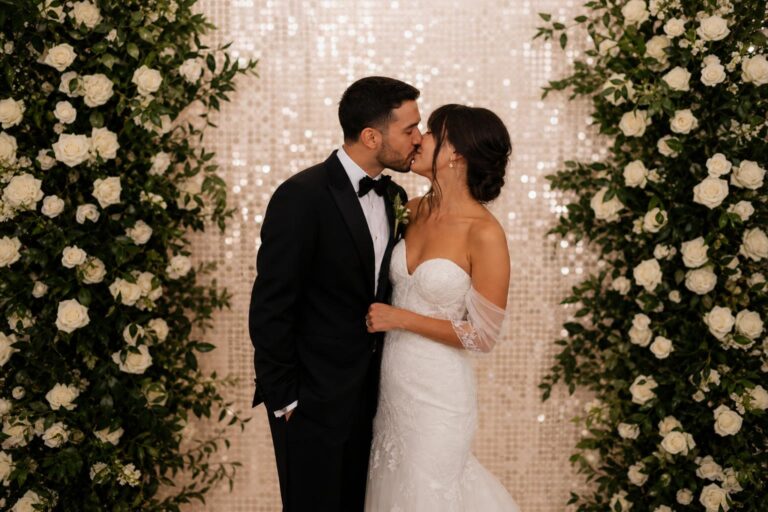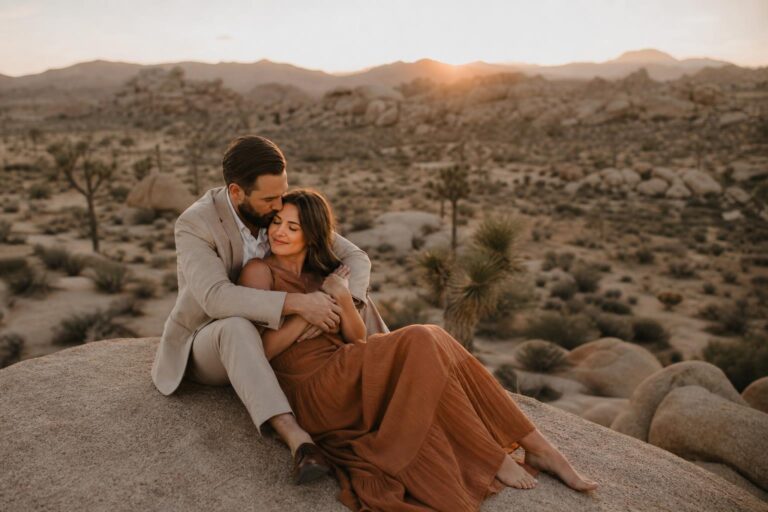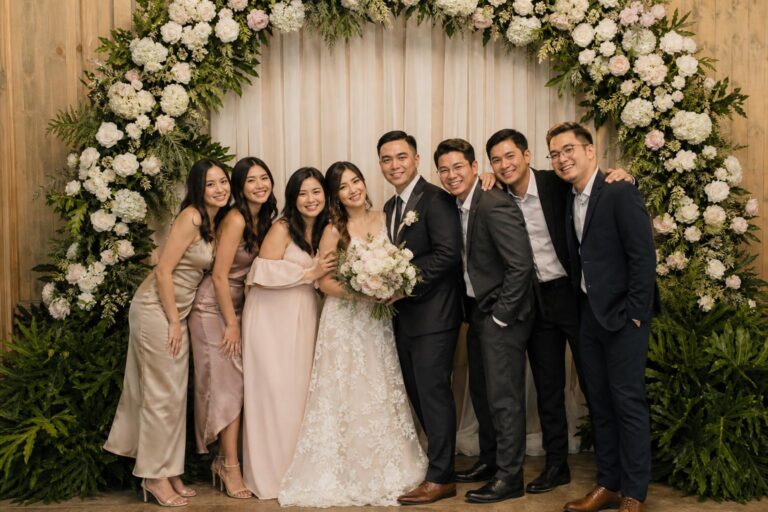

A Wedding Photo Book With Modern Romantic Style
The moment the wedding day is over, hundreds of beautiful images often end up scattered across phones, cloud galleries, and folders with names like “favorites final final.” That is why choosing a wedding photo book becomes less about printing pictures and more about solving a very real problem: how to turn a once-in-a-lifetime event into a story you can hold, share, and revisit for years.
This decision can feel surprisingly difficult. Couples must balance style, budget, paper quality, page count, cover materials, binding, and design tools, all while trying to honor the mood of the day itself. A romantic ballroom celebration may deserve a different wedding album approach than a minimalist city ceremony or a modern outdoor reception. The right book should feel personal, practical, and lasting.

This guide walks through the choices that matter most, from layflat wedding photo book formats and templates to premium materials, design workflow, and major brand differences. The goal is simple: help you choose a book that fits your wedding vision and avoids the common frustrations that make album planning feel harder than it should.
Why this choice feels harder than couples expect
A wedding photo book sits at the intersection of emotion and logistics. On one side, it is a keepsake, often treated like an heirloom. On the other, it is a product with real specifications: sizes, layouts, page limits, paper finishes, covers, and turnaround times. That mix of sentiment and detail is exactly why so many couples hesitate.
Turn wedding inspiration into a plan you can actually follow.
Zarellea brings your guest list, budget, vendors, and day-of details into one shared space — so no beautiful idea gets lost in the shuffle.
There is also a style challenge hidden inside the process. Wedding photography is rarely visually uniform. A gallery may include quiet getting-ready portraits, bright ceremony images, darker reception scenes, detail shots of florals and stationery, and candid guest moments. Putting all of that into one custom wedding book requires structure. Without a plan, the final result can feel crowded, repetitive, or disconnected from the atmosphere of the day.
Practicality matters too. Some couples want a premium wedding album with thick pages and luxury presentation. Others want an affordable but elegant photo book they can design quickly with templates or auto-layout tools. Some need a guest book with photos, while others care most about full-bleed panoramic spreads and layflat binding. The challenge is not simply finding a good option; it is finding the right fit.

The principles that make a wedding photo book work beautifully
Before comparing brands or themes, it helps to understand the logic behind a successful wedding album. The best books are not always the most expensive or the most elaborate. They are the ones where format, design, and material quality support the story being told.
Start with the wedding mood, not the software
A modern wedding often suits clean layouts, restrained typography, and a minimal cover. A romantic celebration can carry softer page design, elegant spacing, and room for captions. A vintage-inspired day may benefit from a more classic visual rhythm. Whether you use Mixbook Studio, a Shutterfly style page, Google Photos, or another editor, the design tool should serve the mood rather than dictate it.
Choose binding based on image style
Binding changes how photos are experienced. A layflat wedding photo book is especially useful for wide spreads and uninterrupted images because it reduces the visual break in the center. If your favorite photographs include scenic ceremony views, reception room reveals, or portraits designed to stretch across two pages, layflat is often the most satisfying format. Standard binding can still work well for books built around smaller groupings of images and caption-led storytelling.
Let materials support longevity
Paper and cover choices are not only aesthetic. They influence durability, color presentation, and the tactile experience of the album. Glossy, satin, and other paper finishes create different visual effects, while archival and acid-free positioning points to a stronger focus on long-term preservation. Cover style matters too, especially when deciding between a classic keepsake feeling and a more contemporary photo-forward look.
Match page count to the scale of the day
One of the most common frustrations in album design is forcing too many images into too few pages or padding a short story with unnecessary repeats. A smaller wedding, abbreviated timeline, or focused curation may need a more concise book. A full-day event with multiple locations, large guest counts, and many portrait combinations may justify a more expansive layout. The number of photos should shape the structure, not the other way around.

Formats, sizes, and construction: the practical decisions that shape the final book
Once the emotional side of the project is clear, the next step is technical. These choices affect how the wedding photo book feels in your hands, how easily it displays key images, and how polished it looks on a coffee table or bookshelf.
Layflat vs standard binding
Shutterfly and Printique both highlight layflat wedding photo books because the format supports full-bleed spreads and minimizes interruption through the center of a page. That makes it a strong choice for dramatic photography and a more premium presentation. Mpix also emphasizes professional-quality printing and layflat-oriented options in its wedding books. Standard bindings may suit couples who prefer a simpler photo book structure or a lower entry price.
Popular wedding album sizes
Common size options across the category include square formats such as 8×8, 10×10, and 12×12, along with landscape and portrait orientations. The best choice depends on image composition and how you plan to use the book. Square books tend to feel classic and balanced for mixed galleries. Landscape styles work especially well for venue scenes and wide compositions. Portrait-oriented books can feel editorial and elegant when the wedding gallery includes many vertical images.
Paper finishes and page feel
Many wedding book services frame paper as part of the experience, not just a spec line. Satin and glossy variations can shift how colors and details are perceived, and thicker pages often create a more substantial presentation. Printique leans into premium materials and page options, while Mpix focuses on professional printing and finishes. If your priority is luxury, paper should be part of the decision from the beginning rather than an afterthought.
Cover style and first impression
Cover choice sets the tone before the first page is opened. Some couples want a full-photo cover that immediately celebrates the day. Others prefer a more restrained and timeless presentation. Research around the category also points to growing interest in materials such as leather, linen, and fabric, especially for couples looking for a premium wedding book feel. Even when exact material offerings vary by brand, the core principle remains the same: the cover should reflect the wedding’s aesthetic language.

Design pathways for different couples and different planning styles
Not every couple wants to design a book the same way. Some enjoy fine-tuning every layout. Others want a clear template, a quick editor, and a result that still feels personal. Choosing the right pathway can save hours and reduce second-guessing.
For the couple who wants creative control
Mixbook stands out for this type of user because its wedding photo books emphasize customization, themes, and the use of Mixbook Studio. That makes it appealing for couples who want to shape the album page by page. A modern wedding theme, for example, can be built around minimal layouts, generous white space, and clean typography. A romantic or classic approach may include softer page sequencing and more decorative visual cues.
For the couple who wants elegance with structure
Shutterfly’s wedding-specific styles, including Simple Elegant Wedding Photo Book and layflat options, are well suited to couples who want a strong built-in aesthetic with personalization layered on top. Captions, colors, fonts, cover choices, and page layouts still matter, but the framework is already helping shape the visual tone.
For the couple focused on print quality
Mpix and Printique both appeal to buyers who are thinking carefully about professional printing, paper, finishes, and premium construction. This pathway often works best for couples who already know they care deeply about photographic presentation and want the book itself to feel substantial. When the wedding gallery includes standout portraits, carefully lit details, or dramatic venue imagery, quality of print and page construction can have a visible impact.
For the couple already organizing everything digitally
Google Photos and Snapfish represent a more process-driven route. Google Photos focuses on the digital-to-print workflow, allowing users to create a photo book from existing stored images with options like captions, layouts, and collages. Snapfish support content leans toward step-by-step creation, including autofill and page count guidance. This route may be less about luxury presentation and more about ease, speed, and practical organization.
Outfit logic for albums: how wedding style themes should guide book design
Choosing a wedding photo book has more in common with styling than many couples realize. Just as bridal fashion balances silhouette, texture, and mood, a wedding album balances layout, paper, cover, and rhythm. The strongest books feel coordinated rather than random.
Modern wedding styling translated into album form
A modern wedding usually calls for restraint. The Mixbook Modern Wedding theme reflects this well: clean lines, minimal presentation, and design simplicity. In album terms, that means fewer photos per page, strong image scale, and careful use of white space. This approach solves the common problem of overdesign. Rather than competing with elegant photography, the page design frames it.
Romantic and elegant celebrations need softness, not clutter
Shutterfly’s Simple Elegant Wedding Photo Book points toward a softer visual language. Couples planning a candlelit reception, floral-heavy ceremony, or timeless romantic atmosphere often benefit from layouts that breathe. Captions can be included, but sparingly. The emotional pull comes from pacing: one meaningful portrait, one wide ceremony image, one reception detail, then a turn into candid human moments.
Classic wedding storytelling works best with visual sequencing
Classic albums often succeed because they feel chronological without becoming rigid. Start with anticipation, move into vows, then portraits, then celebration. This sequencing gives the photo album narrative coherence. It also helps avoid a common design mistake: placing every “best” image at the front, leaving the rest of the book feeling uneven.
Outfit solution: the minimalist wedding photo book
This solution works well for modern weddings, city venues, black-tie aesthetics with clean styling, and couples who prefer a design-forward look over a scrapbook feeling. The key pieces are a restrained template, a simple cover, larger image blocks, and minimal text.
Why it works: minimal design solves visual overload. Wedding galleries are already emotionally rich. By limiting decorative elements, the album feels sophisticated and easy to revisit. A Mixbook theme such as Modern Wedding naturally supports this path, especially for couples who want customization inside a clean framework.
Best use case: a wedding with strong architectural photography, tailored bridal fashion, or a neutral color palette. This style also works beautifully when the goal is a coffee-table-ready keepsake that feels aligned with a contemporary home.
Outfit solution: the romantic heirloom album
For couples drawn to softness, elegance, and emotional storytelling, the romantic heirloom approach centers on tactile quality and graceful pacing. The core elements are a premium presentation, thoughtful captions, room for detail shots, and a paper and binding combination that feels substantial.
Why it works: this style supports emotional depth. It makes space for vows, florals, candlelight, guest embraces, and quiet portrait moments. A layflat wedding photo book can elevate this effect because uninterrupted spreads allow ceremony scenes and reception ambiance to unfold more naturally. Shutterfly’s elegant styles and layflat options, along with premium-focused books from Printique, fit especially well here.
Best use case: ballroom weddings, garden ceremonies, formal receptions, and celebrations where atmosphere matters as much as portraits. This is often the right answer for couples who want the finished album to feel gift-worthy and deeply sentimental.
Outfit solution: the practical custom wedding book for busy couples
Some couples do not want to spend weeks adjusting every spread. They want a polished, personalized result with fewer decisions. In that case, the practical custom wedding book relies on templates, autofill support, and a straightforward digital workflow.
Why it works: it removes friction. Google Photos simplifies the transition from digital storage to printed book. Snapfish focuses on step-by-step building, while Shutterfly and Mixbook also provide template-based starting points. This approach is particularly helpful after a busy wedding season, honeymoon travel, or long planning period when decision fatigue is real.
Best use case: couples who value convenience, are comfortable making a few key choices rather than endless refinements, or want a beautiful first album without treating the process like a separate design project.
Outfit solution: the guest-centered keepsake
Not every wedding photo book is designed only as a couple’s album. Some books are built around the shared memory of the day, which is where the guest book with photos concept becomes especially meaningful. Inkifi’s wedding guest book with photos points directly to this use.
Why it works: this format blends visual memory with participation. It turns the wedding from a sequence of images into a keepsake that includes presence, personality, and guest connection. This can be especially moving for intimate ceremonies or weddings where community is central to the atmosphere.
Best use case: smaller weddings, family-centered celebrations, or couples who want their album experience to include more than polished portraits. It can also complement a main wedding album rather than replace it.
Where the major brands fit best
The best provider depends on what problem you are trying to solve. No single brand is the answer for every couple, and understanding the differences makes the decision easier.
- Mixbook: strong for customization, themes, and users who want to build a more personalized layout experience in Mixbook Studio.
- Shutterfly: useful for wedding-specific styles, personalization, and layflat wedding photo books that emphasize elegance and spread presentation.
- Mpix: appealing for couples focused on professional-quality printing, finishes, and a more polished photographic result.
- Printique: suited to premium wedding books, thicker pages, luxury feel, and a materials-first mindset.
- Blurb: a flexible photo book option with varied formats and design orientation that can suit couples who want broader creative freedom.
- Google Photos: practical for digital-to-print convenience, especially when the gallery is already organized in the platform.
- Snapfish: helpful for users who want a guided creation process with autofill and clear setup steps.
- Inkifi: especially relevant for the guest book with photos concept and keepsake-focused presentation.
For U.S. shoppers, these brands all speak to slightly different buying priorities: speed, customization, elegance, professional print quality, or guest-focused memory keeping. The smartest choice usually comes from identifying your top two priorities before comparing designs.
How to build the story from gallery to finished wedding album
The most successful wedding albums are edited with intention. A beautiful gallery does not automatically become a beautiful book. The transformation happens through curation, pacing, and a clear sense of what the final object is supposed to feel like.
Step one: define the purpose of the book
Ask whether the book is meant to be a premium heirloom, an easy family keepsake, a guest book, or a stylish summary of the day. That answer should guide every later decision, including size, page count, and binding.
Step two: curate before you design
Do not upload every strong image and try to solve the book inside the editor. Choose your core story first. Include key milestones, but also choose the emotional transitions between them. That is where many wedding photo books become memorable.
Step three: let layouts breathe
Not every page needs a collage. Some of the best wedding album designs alternate between panoramic impact and quieter supporting pages. Full spreads, especially in layflat formats, work well when the image truly deserves scale. Smaller grouped pages work well for candid moments, details, and guest interactions.
Step four: preview like a reader, not like a designer
Before printing, flip through the project as if you were seeing the day unfold for the first time. Watch for repetition, abrupt transitions, and pages that feel crowded. This final review often reveals issues that are easy to miss when focusing too closely on fonts or image alignment.
Tips that make the finished book feel more expensive and more personal
Small decisions often separate a good photo book from one that feels polished and lasting. These are the refinements that matter in real projects.
- Use captions selectively rather than on every page so the book keeps an elegant rhythm.
- Reserve full-bleed spreads for standout images instead of using them too often.
- Group similar lighting conditions together when possible for a smoother visual flow.
- Choose a cover that matches the wedding mood rather than simply the single most popular photo.
- Consider layflat binding if panoramic venue scenes or wide portraits are central to your gallery.
- Leave enough margin around detail photos so florals, stationery, and tablescapes do not feel cramped.
- If using templates, personalize them enough that the album still feels tied to your event rather than generic.
A useful planning mindset is to think of the album as the final styling layer of the wedding. The celebration has already happened, but this is where all the visual elements—fashion, venue, florals, guests, and atmosphere—are edited into one lasting piece.
Material quality, preservation, and the long view
Couples often focus on the look of the book and only later think about how well it may age. But longevity is part of the value, especially for a wedding album meant to be revisited over time. Research across the space points to interest in archival quality, acid-free papers, print permanence, and binding durability as areas where buyers want more clarity.
This matters because a wedding photo book is handled differently from many other printed products. It may be opened often, shown to family, stored on display, or packed and unpacked through moves. Strong page construction, reliable binding, and a finish that supports color fidelity all contribute to a better long-term experience.
For couples leaning premium, brands such as Printique and Mpix naturally enter the conversation because of their emphasis on quality, materials, and professional print standards. For couples choosing a more accessible route, the key is not to chase “luxury” language but to identify the construction details that matter most for actual use.
Where couples still get stuck: common mistakes and smarter alternatives
Even beautiful wedding galleries can lead to disappointing books when the process is rushed or the design logic is weak. A few mistakes appear again and again.
Trying to include everything
This usually happens because every image feels emotionally important. The result is crowded pages and reduced impact. A stronger approach is to create one primary wedding album and, if needed, a separate guest-focused or family-focused book.
Choosing style before defining purpose
Couples often start with templates or covers before deciding what the book needs to do. That can lead to mismatched choices, such as a minimal layout for a heavily narrative album or a decorative theme for a modern wedding. Purpose should come first.
Ignoring binding when selecting photos
If your favorite images are panoramic or meant to carry across two pages, standard binding may feel disappointing. If the gallery is built mostly around smaller portraits and grouped moments, layflat may be nice but not essential. Matching the book structure to the photography is one of the smartest decisions you can make.
Overusing design features
Fonts, collages, decorative elements, and captions can all add personality, but too many at once can date the album quickly. Most elegant wedding photo books use design with restraint, allowing the wedding itself to remain the focus.
A note on emerging priorities couples increasingly care about
Several decision areas are becoming more important when people shop for a wedding photo book, even if not every brand explains them fully. Buyers increasingly want stronger guidance on sustainable options, eco-friendly materials, regional production and shipping considerations in the United States, digital proofing workflows, and AI-assisted design support such as auto-layout or smart caption suggestions.
These priorities reflect how couples actually shop today. Some want a more responsible product choice. Some care about turnaround time or where printing happens. Others want technology to simplify the design process without making the result feel impersonal. As these features become more visible, they will likely play a bigger role in how couples choose between a simple photo book and a more premium wedding album.
Making the final decision with confidence
If the options still feel overwhelming, narrow the choice by ranking these factors in order: visual style, binding type, material quality, design ease, and budget tier. Once those priorities are clear, the field becomes much easier to navigate. A couple choosing between Mixbook and Shutterfly may really be deciding between deeper customization and a more guided wedding-specific style. A couple comparing Mpix and Printique may be evaluating two versions of premium print emphasis rather than two entirely different categories.
The most satisfying wedding photo book is rarely the one with the longest feature list. It is the one that matches the way you want to remember the day. Some books should feel polished and modern. Some should feel soft and romantic. Some should be simple enough to finish quickly and enjoy now. The right answer is the one that turns your images into a story that still feels like your wedding when you open it years from today.

FAQ
What is the difference between a wedding photo book and a wedding album?
The terms are often used closely together, but a wedding album usually suggests a more premium, heirloom-style product, while a wedding photo book can range from simple and affordable to highly customized and luxurious. In practice, the difference often comes down to binding, materials, paper quality, and presentation.
Is a layflat wedding photo book worth it?
If your favorite images include panoramic scenes, wide venue shots, or portraits you want to spread across two pages, a layflat wedding photo book is often worth the upgrade. It creates a more seamless viewing experience and usually feels more premium than standard binding.
Which brands are most relevant for wedding photo books in the U.S.?
Major names in this space include Mixbook, Shutterfly, Mpix, Printique, Blurb, Google Photos, Snapfish, and Inkifi. Each one emphasizes something slightly different, such as customization, wedding-specific themes, professional print quality, premium materials, digital workflow convenience, or guest book formats.
How many pages should a wedding photo book have?
The right page count depends on the size of the wedding, the number of strong images in the gallery, and how detailed you want the story to be. A smaller event or tighter edit may work well in a shorter book, while a full-day wedding with many locations and moments may need a more expansive layout.
Can I add captions to a wedding album?
Yes, many services support captions, fonts, and layout personalization, including platforms such as Shutterfly and Google Photos. The most elegant result usually comes from using captions selectively so they add meaning without making the pages feel busy.
What paper is best for a wedding photo book?
The best paper depends on the look and feel you want. Glossy and satin-style finishes create different visual effects, while thicker or more premium pages can make the book feel more substantial. If longevity matters, archival and acid-free positioning can be important considerations.
What is the easiest way to create a wedding photo book from digital images?
If your photos are already organized online, Google Photos offers a straightforward digital-to-print workflow, while Snapfish focuses on guided steps and autofill. Template-based tools from Mixbook and Shutterfly can also make the process easier while still allowing personalization.
Should I choose a template or design the book from scratch?
Templates are a smart choice if you want a polished result with less effort and fewer design decisions. Designing from scratch makes more sense if you have a strong visual point of view and want deeper control over page sequencing, image scale, and overall theme.
Can a wedding guest book with photos replace a traditional wedding album?
A wedding guest book with photos can be deeply meaningful, but it serves a slightly different purpose. It captures community and participation, while a traditional wedding album usually offers a more complete visual narrative of the day. Many couples find that the two formats work best as complements rather than substitutes.
How do I choose between an affordable photo book and a premium wedding album?
Start by deciding whether your highest priority is convenience, budget, customization, or lasting presentation. If you want a practical keepsake and easy design process, a simpler photo book may be enough. If you care most about materials, print quality, and an heirloom feel, a premium wedding album is usually the better fit.