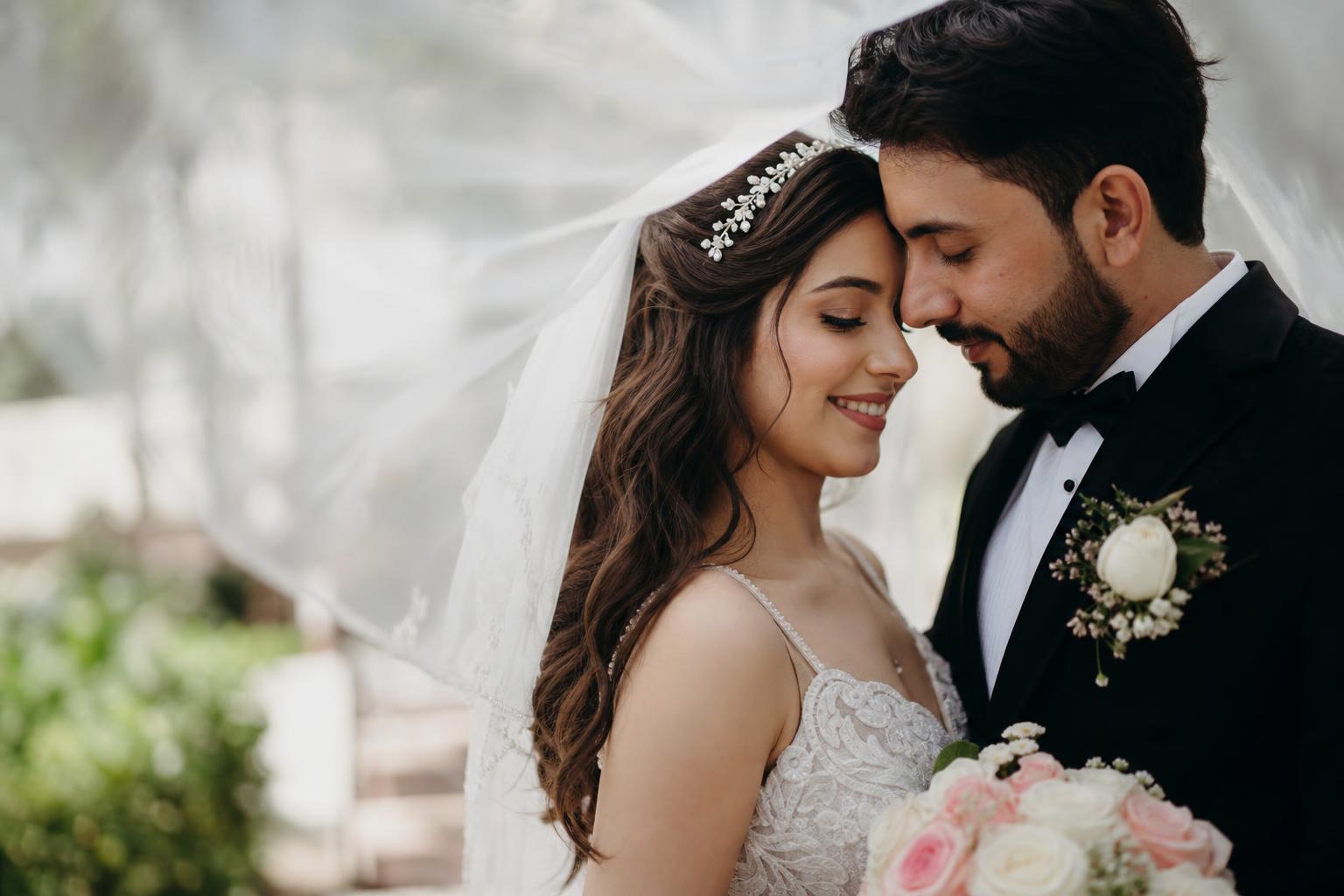
Why Love Marriage Photo Matter for an Honest Wedding Story
The truth behind a love marriage photo and why clarity matters first
A beautiful wedding image can hold tenderness, anticipation, and a lifetime of meaning in a single frame. That is why the idea of a love marriage photo feels so emotionally powerful. Couples searching for it are often looking for inspiration, examples, guidance, or a visual language that reflects a relationship built on affection and choice. But before style, poses, or storytelling can be discussed in a trustworthy way, one practical reality has to be acknowledged: there is not enough verified source material available here to support a full, accurate editorial article on this topic.
Rather than filling the page with assumptions, generic trends, or invented advice, the most responsible approach is to stay grounded in what is actually known. At this moment, the only reliable information available is that current search-based research for this topic has not been completed. Without that foundation, any detailed recommendations about imagery styles, top themes, popular formats, user expectations, or visual trends would risk sounding polished while being unsupported.
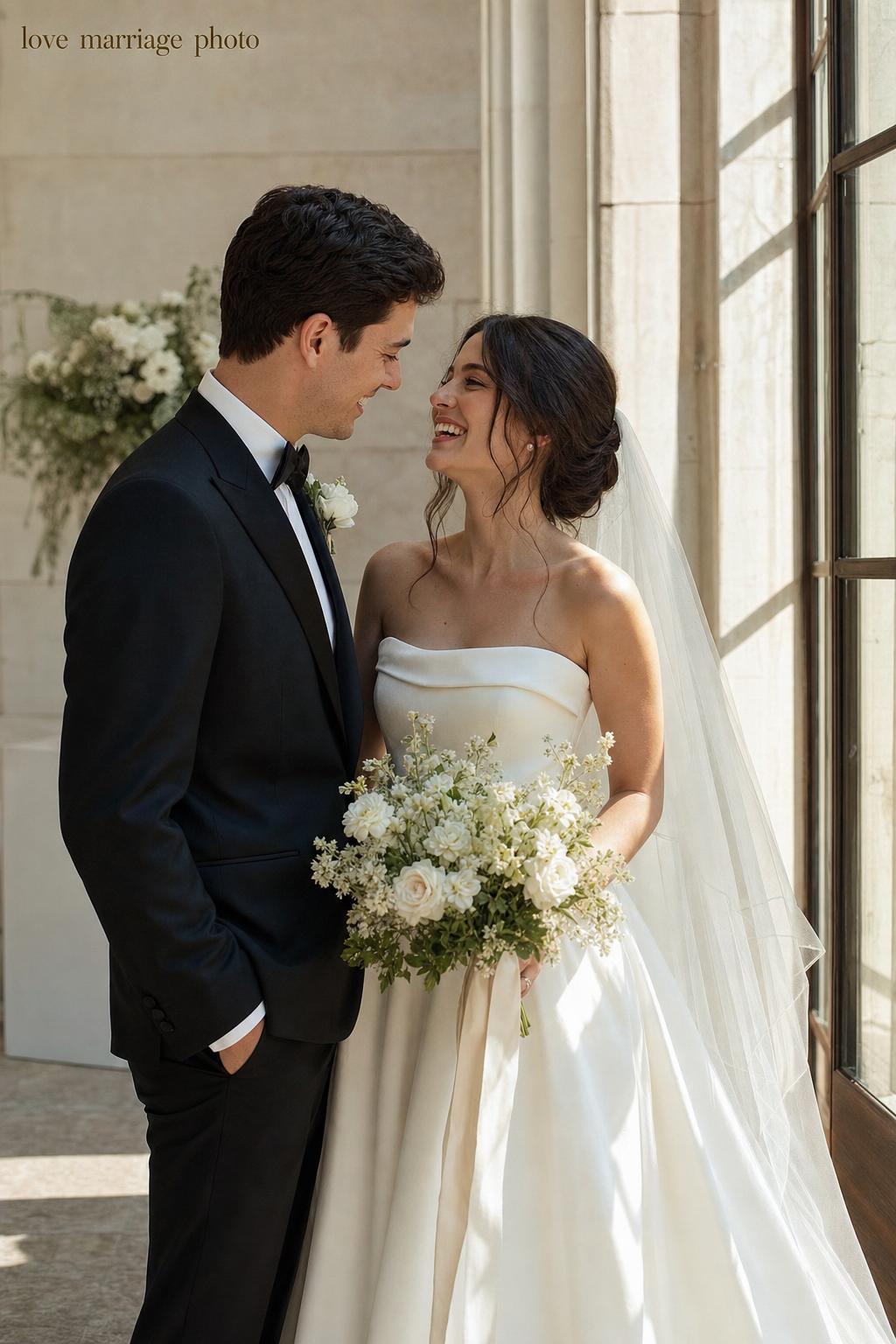
In wedding planning, trust matters as much as beauty. The same is true in editorial guidance. Couples deserve ideas that feel romantic and useful, but also honest. A photo that captures a proposal, an engagement, a ceremony glance, or a quiet married moment should come from intention. Advice about those images should be just as intentional.
Why unsupported wedding inspiration can lead couples in the wrong direction
Wedding content often looks effortless on the surface. A single image can suggest confidence, taste, and certainty. Yet behind every meaningful photograph are choices about setting, styling, timing, emotion, comfort, and personal values. If guidance is created without a factual basis, couples may end up following visual ideas that do not fit their needs, their venue, or the mood they hope to preserve.
Turn wedding inspiration into a plan you can actually follow.
Zarellea brings your guest list, budget, vendors, and day-of details into one shared space — so no beautiful idea gets lost in the shuffle.
That matters especially for something as intimate as a love marriage photo. The phrase itself suggests more than just a portrait. It suggests emotion-centered storytelling. It points toward images that celebrate a relationship, not simply a formal event. Advice in this space should help readers make thoughtful decisions, not overwhelm them with vague inspiration.
When reliable topic research is missing, several problems appear quickly. First, it becomes impossible to say with confidence what searchers in the United States most commonly want from this phrase. Some may want couple photography ideas. Others may want wedding poses, downloadable images, social media references, or romantic portrait concepts. Without valid evidence, pretending to know that intent would not be fair to the reader.
Second, there is no responsible way to identify which related concepts truly belong in the discussion. A useful wedding editorial normally connects visual ideas to real planning choices such as venue atmosphere, lighting conditions, season, dress movement, comfort, timeline, and the emotional rhythm of the day. But those details should come from actual topic support, not broad assumptions.
What can go wrong when advice is guessed instead of grounded
- Couples may prioritize a style that looks appealing online but feels unnatural in person.
- Photo expectations may become unrealistic if examples are based on assumptions rather than real demand or current practice.
- Planning decisions can drift toward trends that do not match the wedding’s tone, location, or schedule.
- Readers may confuse romantic inspiration with practical guidance and end up without clear next steps.
In a space as emotional as weddings, even small misunderstandings can create unnecessary stress. That is why restraint is not a weakness here. It is a form of respect.
A romantic image deserves honest guidance, not invented detail
There is something quietly elegant about pausing before making a recommendation. Wedding decisions are filled with pressure to choose quickly: the dress silhouette, the floral palette, the invitation style, the aisle song, the ceremony backdrop, the photographer’s editing approach. Photography decisions can feel especially personal because the final images often outlive every other design choice from the day.
That is exactly why guidance around a love marriage photo should be built on real understanding. A couple might be trying to express softness, joy, devotion, modern simplicity, or cinematic emotion. They may want photographs that feel intimate rather than staged. They may prefer portraits that look refined but still natural. They may want images that reflect family warmth, a destination setting, or an urban celebration. All of those directions are possible in theory, but none can be responsibly presented as established guidance without proper supporting data.
In practical terms, this means there is no sound basis here to claim which aesthetic is most relevant, which questions readers ask most often, which image types perform best, or which wedding-photo subtopics belong in a complete article. A beautiful article should never be built on decorative certainty alone.
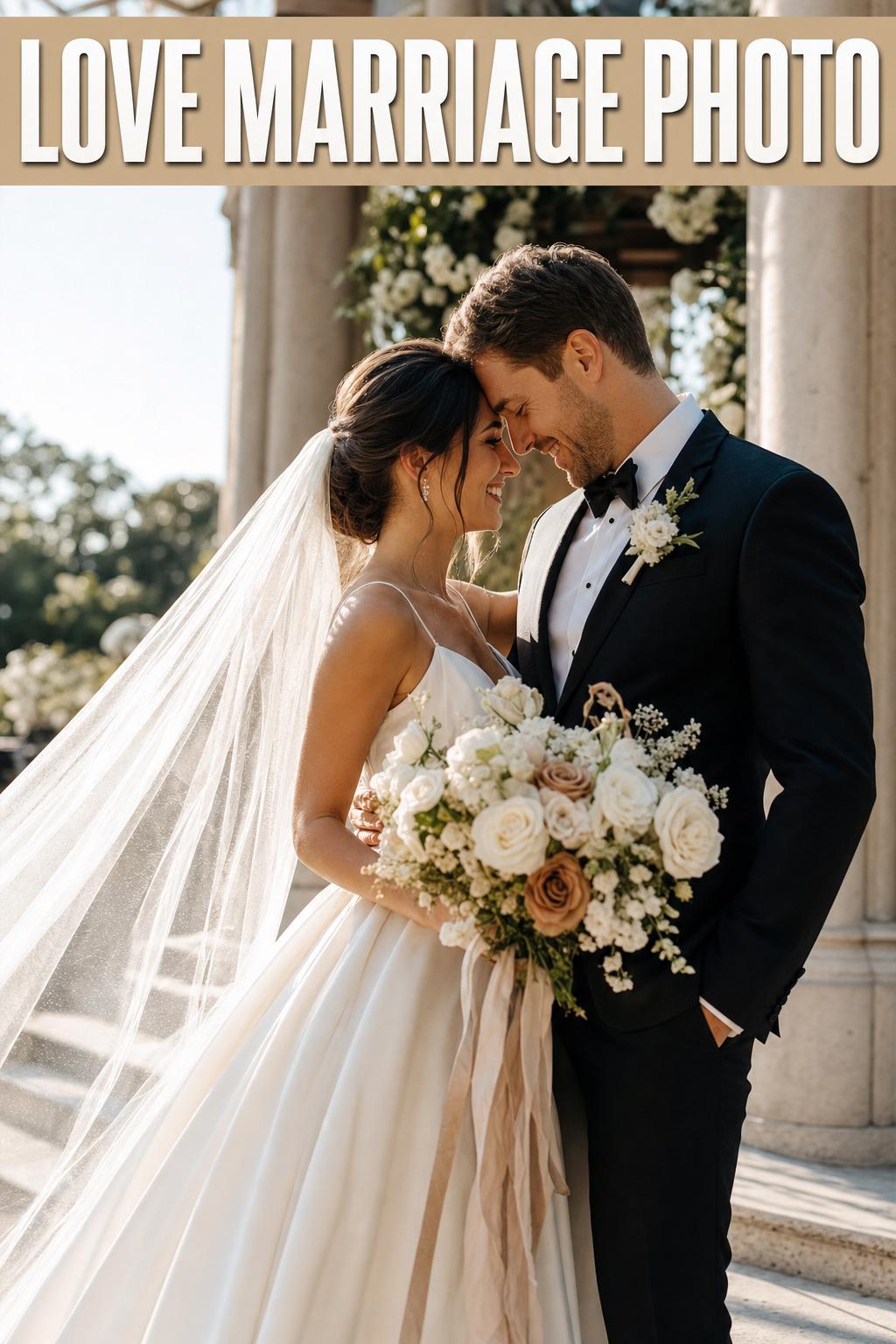
What can be said with confidence right now
Even with limited source material, one important standard remains clear: helpful wedding content should protect the reader from unsupported claims. That principle is especially valuable in planning content, where advice can influence bookings, budgets, emotions, and expectations. In that spirit, a few reliable conclusions can still be offered.
- The phrase love marriage photo has strong emotional significance and likely relates to meaningful couple imagery.
- Any complete article on the subject should be informed by current, verified topic research rather than assumptions.
- Readers searching this phrase deserve guidance that combines visual inspiration with practical wedding-planning value.
- Trustworthy editorial work sometimes requires acknowledging what has not yet been established.
These points may feel modest, but they are solid. In wedding planning, solid information is always more useful than ornate guesswork.
The role of intention in choosing meaningful wedding imagery
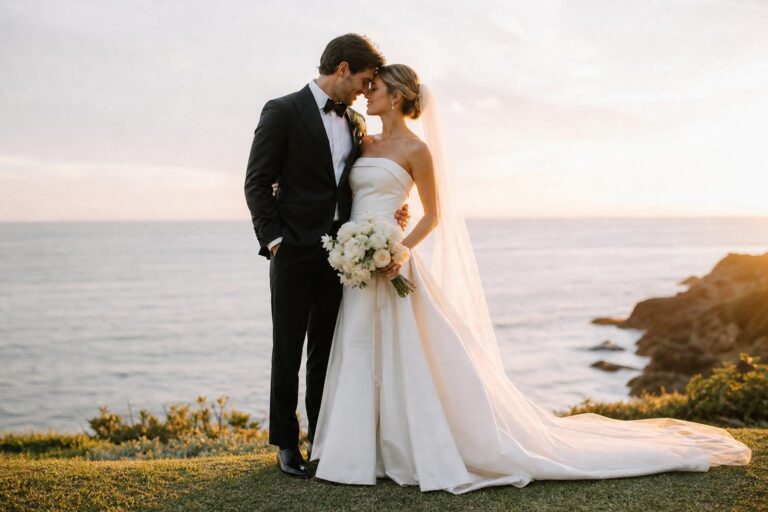
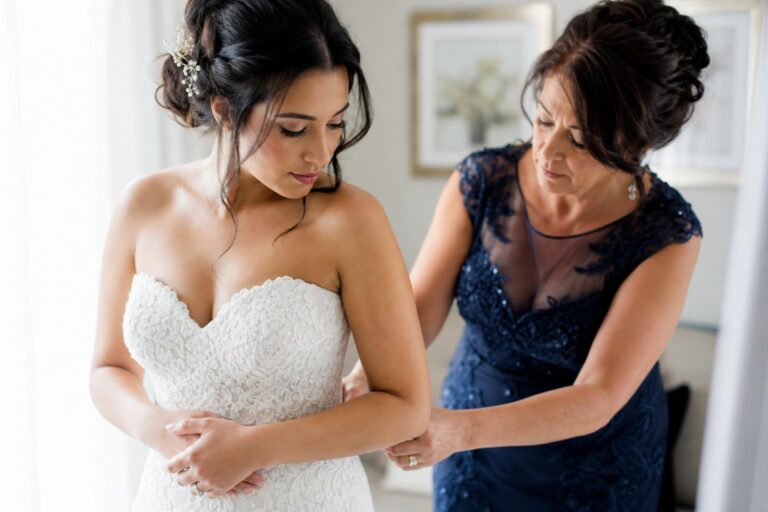
Although a fully detailed topic guide cannot be created from the available material, there is still value in reflecting on intention. Couples often do not begin with technical photo language. They begin with a feeling. They want to remember how the room looked when they first saw each other, how calm the morning felt, how sunlight touched the veil, how laughter interrupted a formal pose, or how a quiet hand squeeze carried more emotion than a grand gesture ever could.
A strong wedding photo concept usually begins there. Not with a trend board, but with a question: what do we want this image to feel like years from now? That question is especially relevant to a love marriage photo because the phrase centers emotional authenticity. It suggests choosing a visual style that reflects the relationship rather than forcing the relationship into a borrowed visual style.
From a planning perspective, this mindset helps couples avoid one of the most common wedding-image disappointments: selecting references that look attractive in isolation but do not translate into their actual day. Even without specific research-backed style categories to discuss, the principle remains dependable. A photograph becomes more timeless when it fits the people in it.
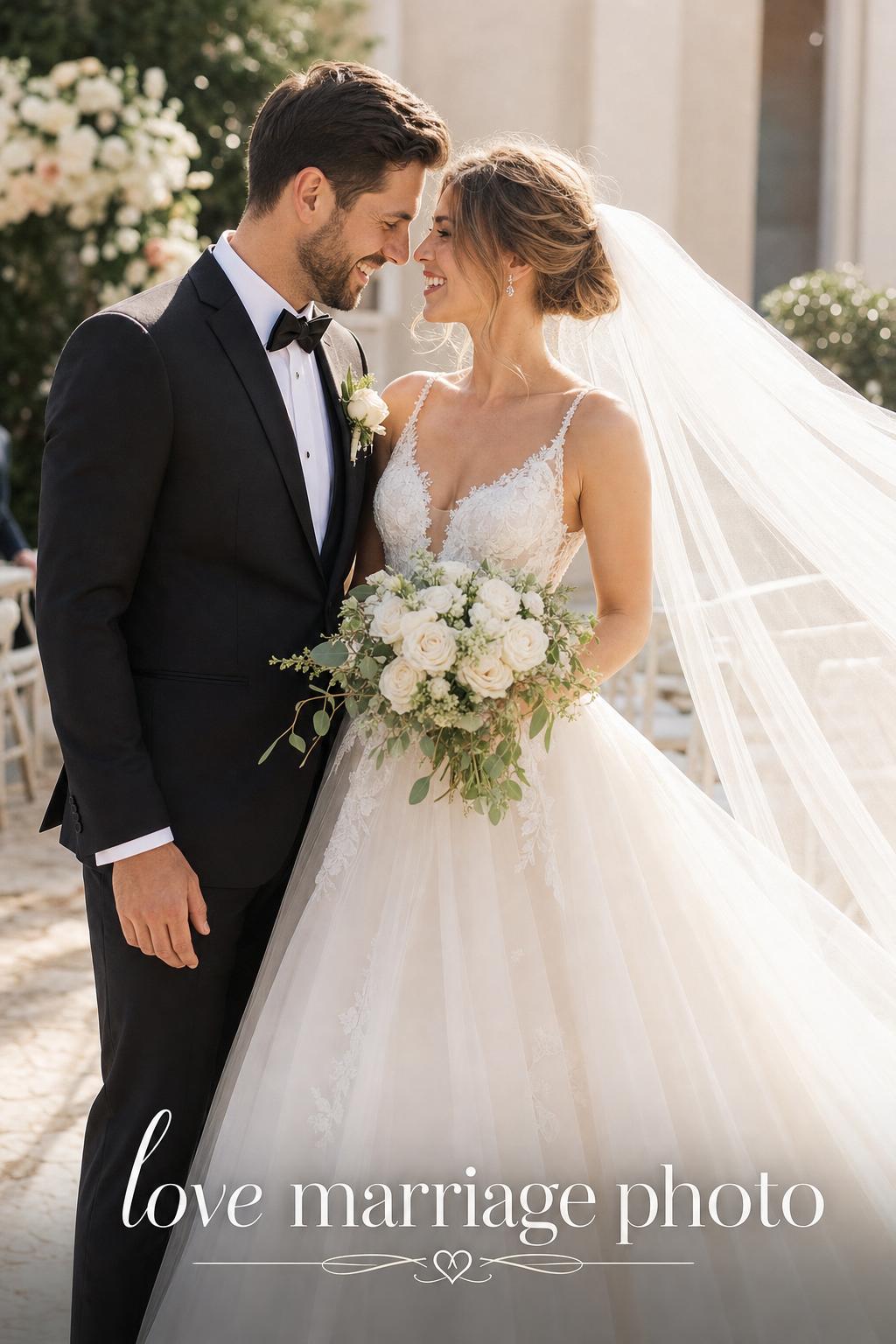
Tips for staying emotionally centered when gathering photo inspiration
As you save ideas, pay attention to your emotional response before you analyze the styling details. If an image feels warm, calm, celebratory, cinematic, playful, or deeply intimate, note that reaction. Those emotional cues are often more useful than copying a pose exactly. They help you communicate your preferences later with more honesty and less pressure.
It is also wise to separate “beautiful” from “right for us.” Some photographs are visually striking because of a dramatic location, high-production styling, or a very specific couple dynamic. That does not make them wrong, but it does mean they may not be the best reference for every wedding vision. Emotional fit is often a better guide than visual popularity.
Editorial integrity is part of wedding planning care
Wedding websites often promise answers quickly. Yet not every answer is ready at the same moment. There is a quiet professionalism in saying, “This deserves better sourcing before advice is given.” For couples, that may actually be reassuring. It signals that their decisions are being treated with seriousness rather than content volume.
That kind of care belongs naturally in the wedding space. A marriage ceremony is not assembled from interchangeable pieces. The most memorable celebrations feel cohesive because the choices reflect the couple’s real priorities. Photography follows the same logic. Images become treasured not because they imitate every current reference, but because they capture the right expressions, the right pace, and the right emotional atmosphere for the people living that day.
In editorial work, integrity functions much like good wedding planning. It keeps the experience clear. It avoids confusion. It protects the couple from noise. Most of all, it creates room for choices that feel authentic rather than rushed.
How couples can prepare for better photo decisions even before detailed research is available
While a research-backed style guide is not possible here yet, couples are not without options. There are still productive ways to prepare for future photography decisions so that once stronger information is available, the planning process feels easier and more personal.
Start with the relationship, not the pose
Think about the qualities that define your connection. Are you playful together, reserved, deeply affectionate, elegant, spontaneous, or quietly expressive? A love marriage photo should ideally mirror the truth of that dynamic. This reflection helps filter out inspiration that may look polished but would feel performative in real life.
Consider the atmosphere of the wedding day
The emotional tone of the celebration matters. An intimate ceremony, a formal evening reception, a relaxed daytime gathering, and a destination event all create different visual rhythms. Even without specific trend analysis, it is helpful to describe your wedding using feeling-based language such as soft, joyful, modern, traditional, airy, dramatic, or understated.
Notice what makes you feel comfortable on camera
Some couples love direct portraits. Others feel more natural while walking, talking, laughing, or interacting with their surroundings. Comfort shapes authenticity. If a photo style asks you to behave in a way that feels unlike you, the final image may appear beautiful but emotionally distant.
Keep a short reference list instead of an overwhelming folder
Too many saved images can blur your preferences rather than sharpen them. A smaller collection encourages intention. Choose examples because they reflect a mood or relationship dynamic, not simply because they are popular or visually expensive-looking.
The difference between visual attraction and meaningful suitability
One of the most useful distinctions a couple can make is the difference between what they admire and what truly suits them. That distinction is often overlooked in wedding media. A photograph can be gorgeous because of architecture, styling scale, wardrobe drama, or perfect weather. Yet a meaningful wedding image often depends on something quieter: ease, sincerity, timing, and emotional truth.
For a love marriage photo, suitability may matter even more than spectacle. The phrase itself invites a softer reading. It implies a photo that honors love as lived experience, not simply as performance. That can mean a refined formal portrait, but it can also mean a candid glance, a still moment after the ceremony, or a frame that captures tenderness without obvious choreography. Which of those directions is most relevant cannot be confirmed from the available material, but the broader principle remains strong: the best image is often the one that feels most like you.
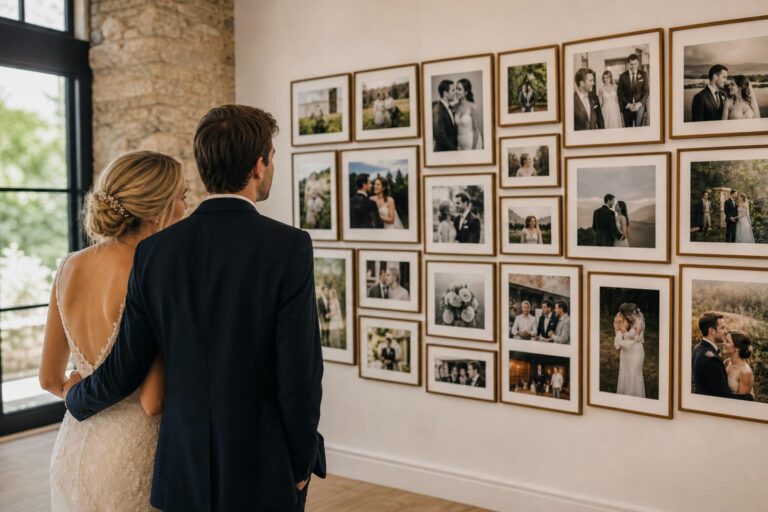
This is also where practical wedding planning becomes unexpectedly emotional. The most useful photography conversations are rarely about “What is trending?” alone. They are about what will still feel honest on an anniversary, in a family album, or in a framed print years after the reception music has faded.
A note on trust, timing, and the pace of good planning
Not every decision has to be made immediately. Couples sometimes feel that if they do not settle every visual detail at once, they are falling behind. In reality, wedding planning often improves when certain choices are made more slowly. Photography is one of them. It benefits from reflection because it sits at the intersection of aesthetics, personality, logistics, and memory.
If you are in the early stages of shaping your wedding vision, it can be enough for now to know the emotional atmosphere you want your images to hold. That alone creates a strong foundation. Detailed visual direction can come later, once it is supported by better information and more precise inspiration.
There is a kind of romance in that patience. Love itself is not usually defined by speed. The photographs that represent it do not have to be chosen in haste either.
Tips for couples who feel overwhelmed by wedding-photo decisions
- Describe the feeling you want in three words before collecting any more images.
- Save only references that reflect your relationship, not just a setting you admire.
- Pause if every photo starts looking the same; visual fatigue can make good decisions harder.
- Focus on how you want to remember the day, not only how you want it to appear online.
Why a complete topic guide should wait until the foundation is real
A thorough article on love marriage photo could eventually explore many directions: how couples use imagery to express devotion, what visual styles feel timeless, how to balance romance with realism, what questions readers ask most often, and how different settings shape the emotional tone of a wedding portrait. It could connect inspiration to planning in a way that feels both elegant and practical. But to do that well, it needs verified material to stand on.
Without that, detail becomes decoration rather than guidance. For a wedding reader, that is not enough. People planning a marriage celebration are not just browsing pretty pages. They are making decisions that affect how they will remember one of the most meaningful days of their lives.
So the most complete and honest article possible from the available source is one that protects the reader from false certainty, clarifies the limits of what can responsibly be said, and offers a calmer framework for thinking about wedding imagery until stronger research is available.
A gentle closing thought for couples collecting inspiration
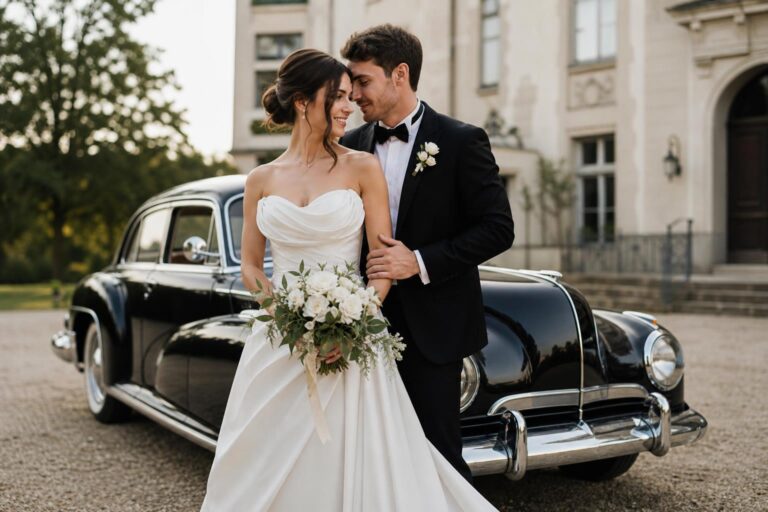
The most moving wedding photographs are rarely memorable because they followed every expected formula. They stay with you because they preserve a truth: the way you looked at each other, the steadiness of your choice, the atmosphere around you, and the feeling that this moment belonged completely to your story. A love marriage photo should do exactly that. Even before every visual detail is decided, that intention is already a beautiful place to begin.
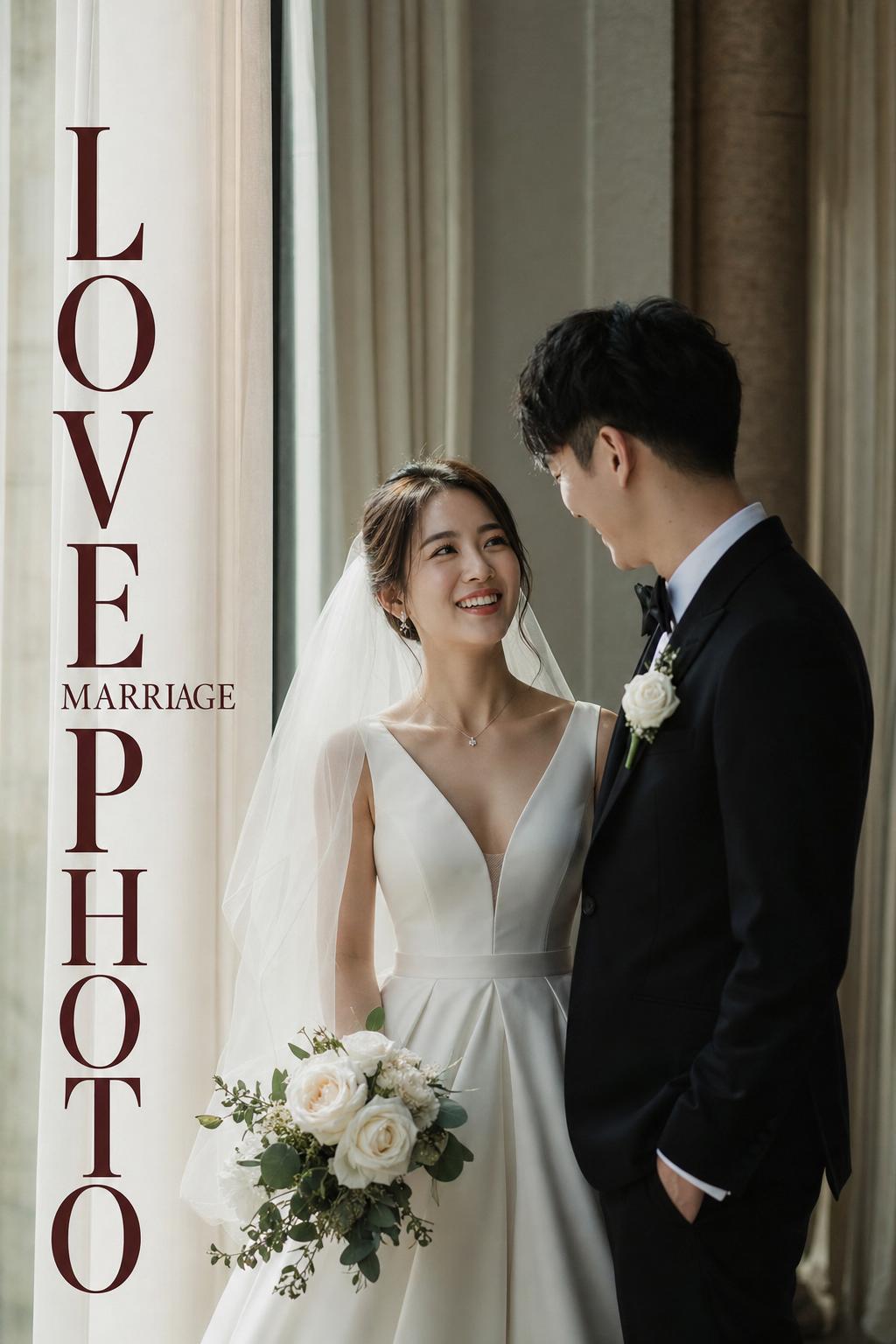
FAQ
What is a love marriage photo?
Based on the available information, the phrase appears to relate broadly to wedding or couple imagery centered on love, emotional connection, and marriage, but a more specific definition cannot be confirmed without further verified topic research.
Why is there limited detailed advice here about love marriage photo ideas?
Detailed advice would require verified current research on what users expect from this topic, which related themes belong in the discussion, and what kinds of content are most relevant; that foundation is not available in the source material provided here.
Can I still plan my wedding photo vision without a full style guide?
Yes, you can still make meaningful progress by focusing on the emotional tone you want your images to hold, how you naturally interact as a couple, and which kinds of moments feel most authentic to your relationship.
What should I focus on first when gathering inspiration?
Start with feeling rather than format; identifying whether you want your photos to feel intimate, joyful, calm, elegant, or expressive can be more useful at an early stage than collecting a large number of random reference images.
Is it better to choose popular wedding images or personal ones?
Personal relevance is usually the safer starting point, because a photo that suits your relationship and wedding atmosphere is more likely to feel meaningful over time than one chosen only because it is widely admired.
Why is honesty about missing information important in wedding advice?
Wedding decisions carry emotional and practical weight, so unsupported claims can create confusion, unrealistic expectations, or unnecessary stress; clear limits are part of trustworthy guidance.
How many photo references should a couple save?
A smaller, intentional group of references is often more useful than a large collection, because it helps clarify your real preferences instead of burying them under too many similar-looking images.
What makes a wedding image feel authentic?
An authentic wedding image usually reflects the couple’s real dynamic, comfort level, and emotional atmosphere rather than forcing them into a visual idea that does not feel natural to their relationship.