
Spring Couple Pre Wedding Photo Poses With Editorial Ease
There is a particular kind of romance that belongs only to pre-wedding photography: not the formal grandeur of the wedding day itself, but the softer, more personal space just before it. The best couple pre wedding photo poses feel like an extension of a shared style story. They are part mood, part movement, part trust. In one frame, that may look classic and composed; in another, candid and wind-touched; in another, almost editorial, with wardrobe, light, and posture working together as one visual language.
That is why these sessions are so loved by couples planning an engagement shoot or pre-wedding photoshoot. They create room for intimacy without the pressure of a full wedding timeline, and they help couples discover how they naturally stand, walk, laugh, and connect in front of the camera. Whether the backdrop is a city street in New York, a beach at sunset, a garden path, or a studio with controlled lighting, the appeal is the same: the images feel personal, polished, and full of anticipation.

Across wedding photography, the most memorable poses are rarely just poses. They are carefully guided moments shaped by location, wardrobe, hand placement, facial expression, and a photographer’s ability to balance direction with spontaneity. For couples building a visual story before the wedding day, that blend of naturalness and intention is exactly what makes these images enduring.
The quiet purpose behind a pre-wedding shoot
A pre-wedding shoot matters for more than a gallery of beautiful images. It gives a couple and photographer a chance to build rhythm together before the wedding day. That rhythm becomes especially valuable if one partner feels camera-shy, if both are unsure about posing, or if they want their wedding photography to feel less stiff and more reflective of their actual relationship.
Turn wedding inspiration into a plan you can actually follow.
Zarellea brings your guest list, budget, vendors, and day-of details into one shared space — so no beautiful idea gets lost in the shuffle.
In practical terms, a pre-wedding or engagement session lets couples test the visual identity they want. Some discover they prefer romantic poses with close eye contact and soft embraces. Others feel more comfortable with movement-based direction such as walking, turning, laughing, or reacting naturally to prompts. Some love a fashion-forward editorial look, where clean lines, wardrobe silhouettes, and architecture shape the frame. This early experience often brings clarity that carries into wedding day portraits.
It also becomes a kind of portfolio of the relationship itself. Not a generic sequence of pretty photos, but a visual study of how the couple’s story looks in different moods: relaxed, playful, elegant, affectionate, and quietly confident. That is why many of the strongest pose ideas are best understood not as isolated tricks, but as part of a larger pre-wedding photo story.

Look: romantic stillness with soft connection
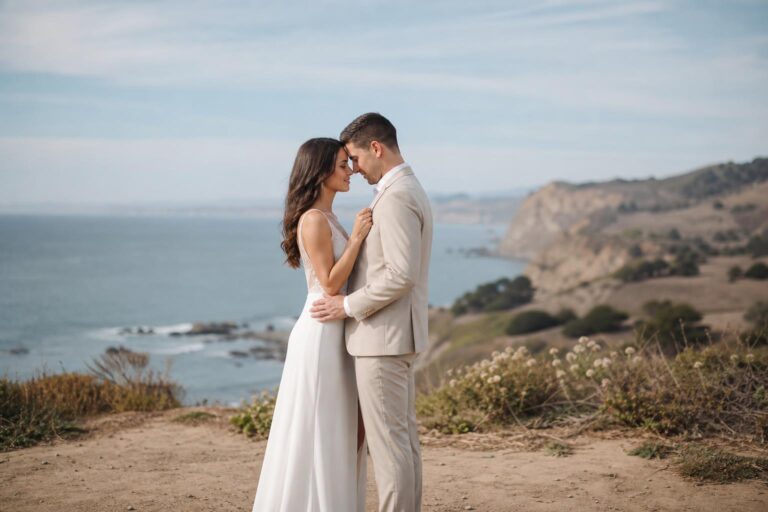
This is the timeless heart of pre-wedding photography: a pose style built around closeness, calm energy, and meaningful gaze. The silhouette is usually simple and intimate. Bodies angle toward each other, shoulders soften, and the frame invites stillness rather than performance. These are the romantic poses couples return to again and again because they feel sincere without needing much spectacle.
Wardrobe plays a quiet but powerful role here. Flowing dresses, softly structured outfits, and coordinated color palettes photograph beautifully because they do not compete with expression. Neutral tones, muted romantic shades, and subtle texture help the image stay centered on connection. An engagement ring close-up can be woven naturally into this look through hand placement around the face, shoulder, waist, or chest.
This style works especially well in a garden, a park, or any location with gentle visual softness. It also suits couples who are nervous at the beginning of a session. A photographer can guide this mood with simple prompts: stand close, breathe, look at each other, rest your forehead together, or let one partner lean slightly into the other. The result feels less like “holding a pose” and more like pausing inside a private moment.
Tips for making romantic poses feel natural
Naturalness usually comes from small adjustments rather than dramatic direction. Relaxed jaws, softened hands, and a slight bend in the elbows tend to photograph better than rigid straight lines. If eye contact feels intense, couples can look at each other’s cheek, lips, or hands instead. That often creates the same emotional effect with less self-consciousness.
- Keep your weight slightly shifted instead of standing flat and square.
- Let hands rest with intention rather than hanging without purpose.
- Use tiny movements between frames so the image feels alive.
- Ask for a few close-up shots that emphasize the engagement ring and facial expressions together.
Look: candid movement that feels like real life
Candid couple poses are often the most flattering for people who do not naturally enjoy being directed. The mood is lighter, more fluid, and less posed in appearance even when the photographer is shaping it carefully behind the scenes. Walking side by side, turning toward each other mid-step, sharing a private joke, or reacting to a prompt can create images that feel effortless and modern.
The visual silhouette here is looser. Fabrics with movement, easy layering, and clothing that allows comfortable walking or turning are especially helpful. This is where a pre-wedding style can lean slightly more relaxed without losing polish. The color palette still benefits from coordination, but it does not need to feel too matched. Soft contrast between outfits often photographs better than identical tones.
For engagement photos, candid direction also gives the session a narrative flow. It lets the couple warm up gradually, moving from simple walking shots into more intimate frames once they feel settled. This is one reason candid photography appears so often in pose guides: it solves a real problem. It gives couples something to do, and that action keeps the emotion visible.

A photographer prompt changes everything
Many couples think candid photos mean no posing at all. In practice, the strongest candid images come from thoughtful prompts. A photographer may ask one partner to whisper something, guide the other by the hand, pause before turning back, or close the distance slowly rather than all at once. These cues create micro-moments that feel genuine because they are rooted in interaction, not stiffness.
Look: editorial city romance with strong lines
For couples drawn to a more polished, fashion-aware aesthetic, editorial poses bring structure and sophistication. The mood is intentional, clean, and visually composed. Instead of relying only on affection, this look uses posture, negative space, and background design to create impact. Architecture, walls, staircases, and urban lines shape the body language in a way that feels elevated and modern.
This style is especially compelling in cities such as New York, Los Angeles, San Francisco, or Chicago, where cityscapes and designed environments naturally support a more directional portrait approach. Fitted silhouettes, tailored suits, dresses with graphic lines, and carefully chosen accessories all contribute to the effect. Even a slight turn of the shoulder or the placement of a hand in a pocket can change the frame from ordinary to editorial.
Editorial posing is not the same as being overly serious. It simply asks for more awareness of line and camera angle. A couple may stand with space between them rather than touching constantly. They may look into the distance instead of at each other. They may use stillness and symmetry rather than movement. For some couples, this creates a welcome balance in the gallery, especially when mixed with softer romantic and candid images.

Why this look works so well for urban engagement shoots
Urban backdrops already contain shape, rhythm, and contrast. Strong posing helps the couple belong in that environment rather than get visually lost inside it. When wardrobe and posture echo the clean lines of the setting, the final image feels cohesive. This is also a useful style for couples who want their pre-wedding photos to feel contemporary rather than traditionally sentimental.
Look: playful and whimsical frames with personality
Not every pre-wedding pose needs to feel cinematic or deeply serious. Playful poses introduce warmth and personality, which can be especially valuable if the couple’s relationship is naturally lighthearted. The mood here is charming, animated, and full of easy energy. It may include laughter, movement, props, or small spontaneous reactions that make the gallery feel more personal.
Props can support this style when used with restraint. Balloons, bags, or simple accessories can add texture and visual interest without overwhelming the couple. The setting matters as well. A park path, a bench, an open wall, or a breezy outdoor space can all support this type of storytelling. Some pose guides describe these as fairy tale frames, where the composition feels a little more whimsical and intentionally romantic.
What makes this look successful is balance. Too much exaggerated posing can feel forced, but a few playful sequences can bring movement into a session that otherwise leans classic. It is often best used after the couple has settled into the shoot and feels comfortable enough to be more expressive.
- Try movement before comedy; it usually looks more elegant on camera.
- Keep props secondary to connection.
- Use playful frames as accents within the full shot list, not the entire session.
- Choose outfits that allow freedom of movement and do not wrinkle too easily.
Where the pose changes: location as part of the visual story
Location does more than provide a backdrop. It actively changes which pre-wedding poses feel believable, flattering, and visually complete. A pose that feels romantic in a garden may feel underwhelming against an architectural city wall. A strong editorial stance may feel too rigid on a beach at sunset. The most polished sessions adapt body language to setting rather than applying the same poses everywhere.
Urban and designed environments
In urban settings, straight lines and built structures invite more intentional framing. Leaning against a wall, walking along a symmetrical path, standing beneath architectural features, or using steps for height variation can all create stronger composition. Cities like New York, Los Angeles, and San Francisco naturally support this mood because they offer cityscapes, textured walls, and visually distinct design elements. Here, hand placement and posture matter more because the frame itself is sharper and more graphic.
Beach and water
Beach poses benefit from softness and movement. Wind, waves, and the horizon line create a more fluid visual atmosphere, so rigid posture often feels out of place. Walking barefoot, turning into the breeze, resting foreheads together, or letting fabric move naturally can be more effective than trying to hold a highly structured stance. Sunset light also flatters romantic and candid expressions particularly well.
Garden and nature
Garden and park settings are ideal for couples who want gentle romance without too much formality. Trees, floral surroundings, and soft natural light support close poses, seated moments, and slow movement. In these environments, subtle emotion tends to read beautifully on camera. It is also easier to create a sequence that feels organic rather than staged.
Studio setups
A studio offers control. With backdrops, softbox lighting, strobes, and deliberate setup choices, couples can explore a more polished or experimental look without worrying about weather or crowded public spaces. Studio sessions often favor editorial portraits, close-up ring emphasis, and facial-expression-driven images because the visual field is simplified. They can also be a smart option in winter or for couples who prefer privacy.
Look: coastal softness and sunset ease
This aesthetic sits between romance and candor. The silhouette is fluid, the mood is open, and the photographs often feel touched by weather in the best possible way. A beach setting encourages movement through fabric, hair, and body position, so the resulting pre-wedding images can feel cinematic without being overly directed.
Flowing dresses, lightweight materials, and colors that harmonize with the coast create an elegant frame without trying too hard. Soft neutrals, muted tones, and relaxed tailoring photograph well here because the environment is already expressive. One partner’s outfit can carry more movement while the other remains slightly more structured, which helps the couple feel visually balanced.
This look is ideal for couples who want their engagement photos to feel natural and emotionally open. The best poses are often half-actions rather than fixed positions: walking near the water, pausing shoulder to shoulder, turning into an embrace, or standing close while looking toward the horizon. The setting does much of the romantic work, so the posing can stay relatively simple.
Wardrobe as a pose partner, not an afterthought
Wardrobe decisions shape how a pose reads. In pre-wedding photography, the same body position can feel soft, dramatic, playful, or formal depending on silhouette, texture, and color palette. That is why the most cohesive galleries usually come from couples who choose clothing in conversation with the location and the style of poses they want.
Color palettes that photograph with ease
Coordination usually works better than exact matching. Outfits in related tones create harmony without flattening the frame. Soft neutrals, muted romantic shades, and gentle contrast tend to support most pre-wedding locations, from parks to city streets to studio backdrops. Highly competing colors can distract from facial expression, especially in close portraits.
Silhouette matters in every pose
Clothing that moves well can elevate candid and beach poses, while tailored shapes often strengthen editorial portraits. Dresses with fluid fabric photograph beautifully during walking or turning shots. Structured jackets and suits can sharpen posture in urban environments. The important point is not to follow one fashion rule, but to choose shapes that support the intended mood of the session.
Jewelry and ring emphasis
Ring emphasis appears across many pre-wedding pose ideas because it ties the visual story back to the engagement itself. Close-ups work best when hands are relaxed and integrated naturally into the pose: resting near the face, on the shoulder, across the chest, or within an embrace. If the ring is a meaningful detail for the couple, it deserves a dedicated moment rather than an afterthought at the very end of the shoot.
Look: garden romance with a soft-focus mood
There is a reason garden sessions remain a favorite within wedding planning imagery. They feel intimate, timeless, and gently celebratory. The pose language here can remain close and understated because the surroundings already provide atmosphere. This look feels especially right for couples who want emotional warmth without the pressure of a highly styled urban or studio concept.
Soft fabrics, delicate movement, and color palettes that echo the natural setting help the couple blend into the frame rather than compete with it. A dress with airy motion, a suit or coordinated outfit with understated structure, and accessories kept minimal often create the cleanest result. Garden and park settings are also forgiving for couples who want variety, since seated poses, walking poses, and standing close portraits can all happen naturally in one location.
This aesthetic suits romantic poses, candid reactions, and quiet close-ups equally well. It is one of the easiest ways to build a gallery that feels cohesive, graceful, and emotionally sincere.
The small cues that make poses look polished
Most pose problems are not dramatic. They usually come down to hands, shoulders, facial tension, or uncertainty about where to look. These small details can change a beautiful concept into a frame that feels awkward. Fortunately, they are also easy to refine once couples know what to watch for.
Hand placement cheat sheet
Hands should look connected to the emotion of the image. Resting a hand at the waist, lightly holding an arm, touching the lapel of a jacket, framing the face, or linking fingers all tend to read well. What usually looks less natural is letting hands hang without purpose or gripping too tightly. If you feel unsure, ask the photographer to demonstrate a few options physically rather than describing them only in words.
Facial expressions and micro-moments
Authentic smiles rarely come from being told simply to smile. Better cues are conversational: look at each other, remember something funny, take a breath, lean in slowly, or react instead of performing. A relaxed jaw, softened eyes, and tiny changes in expression often create the most flattering photographs. This matters particularly in close-up portraits and ring-emphasis shots, where tension becomes more noticeable.
Body lines and angles
Standing straight toward the camera can flatten the frame. Small angles usually create a more elegant silhouette. Turning the torso slightly, shifting weight to one leg, bending an elbow, or staggering foot placement makes the pose feel more dimensional. These details are especially useful for editorial and classic couple poses.
Look: studio minimalism with controlled elegance
Studio pre-wedding photography offers a very different kind of beauty. Instead of borrowing romance from scenery, it builds visual interest through light, texture, color, and expression. The mood can range from polished and formal to quiet and contemporary, but the unifying quality is control. Every element inside the frame is deliberate.
Backdrops, softboxes, and strobes create a clean environment where poses can be refined with precision. This often encourages a more editorial or classic portrait style. A monochrome or carefully coordinated wardrobe feels especially striking here, since there are fewer background distractions. Jewelry close-ups, profile shots, and tightly framed embraces often become stronger in a studio than outdoors.
This look is particularly helpful for couples who want privacy, consistency, or a weather-proof session. It also suits those who want their engagement shoot to feel modern and design-forward rather than scenic. The main consideration is that studio photos rely heavily on confident direction, so working through a sample shot flow before the session can make the experience feel smoother.
How photographers direct without making couples stiff
The strongest pre-wedding sessions often feel effortless from the outside, but they are usually built on thoughtful direction. Good photographers know when to offer a pose, when to switch to a prompt, and when to step back. The goal is not to leave couples unsupported. It is to guide them in a way that keeps them looking natural.
A helpful session flow often starts with simple standing or walking frames before moving into closer and more emotional images. This progression matters. It allows the couple to warm up, understand the camera rhythm, and release some of the tension that often appears in the first fifteen minutes. By the time the photographer asks for forehead-to-forehead poses, ring close-ups, or editorial stillness, the couple is usually more relaxed.
- Begin with movement-based prompts to reduce stiffness.
- Shift into classic romantic poses once comfort builds.
- Add editorial portraits when posture and confidence feel stronger.
- End with detail-focused frames such as close-ups and ring emphasis.
That order is not mandatory, but it works because it respects how people settle into being photographed. A couple who starts with intense close-up posing may appear more self-conscious than one who first had time to walk, laugh, and interact naturally.
US city mood boards: how location changes the pose language
A U.S.-focused approach to pre-wedding poses becomes especially useful when couples want the location to feel specific rather than generic. The pose language should echo the place. City portraits in New York can lean more structured and directional because architecture and density support it. Los Angeles often invites a balance of urban polish and softer outdoor light. San Francisco can support a moody, scenic, or design-led approach depending on the setting. Chicago fits strong lines, modern romance, and composed frames beautifully.
This does not mean every couple in a city should choose editorial poses. It means the surroundings can help determine which frames feel most convincing. A wall, bench, tree-lined park path, beach edge, or studio backdrop each asks the body to behave a little differently. Couples who think about this in advance often end up with galleries that feel far more intentional.
Seaside, park, and urban wall backdrops
These three categories appear often because they are versatile and easy to adapt. A seaside backdrop favors movement and romance. A park backdrop supports softness and candid warmth. An urban wall backdrop sharpens composition and suits minimalist or fashion-aware posing. If a couple wants variety without booking multiple sessions, choosing one location that includes at least two of these visual qualities can be especially effective.
Common mistakes that can make beautiful poses fall flat
Even a thoughtfully planned pre-wedding photoshoot can lose some magic if the details are ignored. Most issues are easy to fix once they are recognized. The important thing is to see posing as a blend of comfort, styling, and communication rather than a list of isolated positions.
- Choosing outfits that look beautiful standing still but restrict walking, turning, or sitting.
- Trying too many complicated pose ideas before warming up.
- Overmatching outfits so the image loses depth.
- Ignoring hands and letting them appear tense or disconnected.
- Using every pose with every location instead of adapting to the setting.
- Forgetting to request a mix of candid, classic, editorial, and close-up frames.
One subtle mistake deserves extra attention: overposing. Couples sometimes assume more dramatic body language will produce more striking images. In reality, a slight adjustment in angle, gaze, or hand placement often looks far more elegant. Especially in wedding photography, restraint tends to age better than performance.
A gentle planning framework for a more cohesive session
A memorable pre-wedding gallery usually comes from a clear but flexible plan. Couples do not need dozens of disconnected ideas. They need a few strong mood directions, wardrobe that supports them, and a photographer who can move naturally between prompts and composed portraits.
Key pieces of the plan
- Choose the emotional tone first: romantic, candid, editorial, playful, or a blend.
- Select a location that naturally supports that tone.
- Build wardrobe around silhouette, comfort, and color harmony.
- Prepare a simple shot list that includes full-length, close-up, movement, and ring-focused images.
- Discuss prompts and posing comfort in advance with the photographer.
This kind of preparation keeps the session from feeling random. It also allows room for real moments to happen without losing visual cohesion. In many cases, that balance is what separates a pretty gallery from one that truly feels like the couple.
Look: mixed-style storytelling for couples who want variety
Some of the most satisfying engagement sessions do not stay inside one mood. They begin with candid movement, settle into romantic closeness, shift briefly into editorial portraiture, and finish with a few playful or ring-focused images. This creates a visual arc that feels complete, especially for couples who want a gallery suitable for announcements, wedding planning details, albums, and keepsakes.
The styling approach here should be intentionally versatile. Outfits with a refined silhouette but comfortable movement work best, and locations that offer more than one visual texture can help the gallery feel layered. A city park near architectural elements, a beach with nearby structured walkways, or a studio session with multiple backdrop moods can all support this range.
This mixed approach often suits modern couples best because it reflects the way relationships actually feel: affectionate, playful, elegant, and imperfectly real all at once. Instead of choosing one identity for the session, they build a sequence that honors several sides of their story.
Final styling thoughts for a pre-wedding gallery that feels personal
The most beautiful pre-wedding poses are rarely the most elaborate. They are the ones that fit the couple, the wardrobe, the setting, and the emotional tone of the session. A close embrace in a garden, a confident editorial stance against a city wall, a candid walk at the beach, or a quiet studio close-up can all feel equally powerful when they are chosen with intention.
That is the enduring appeal of pre-wedding photography. It gives couples a chance to shape not just images, but atmosphere. With thoughtful posing, coordinated style, and a little room for honest interaction, the session becomes more than preparation for the wedding day. It becomes part of the story itself.

FAQ
What are the best couple pre wedding photo poses for beginners?
The best poses for beginners are usually simple and connection-focused: walking together, standing close with a slight body angle, resting foreheads together, or holding each other naturally while looking at one another instead of directly at the camera. These options feel less intimidating and help couples relax into the session.
How can we look natural in pre-wedding photos?
Natural photos usually come from small movements and good prompts rather than trying to “act natural” on command. Walking, turning, laughing at a real comment, adjusting hand placement, and focusing on your partner instead of the camera all help create more candid and believable expressions.
Which locations work best for romantic pre-wedding poses?
Garden settings, parks, beaches, and softly lit outdoor areas tend to work especially well for romantic poses because they support close body language and gentle expressions. Urban settings can also feel romantic, but they often pair best with a more editorial or structured posing style.
Should we choose candid or posed engagement photos?
Most couples benefit from a mix of both. Candid images bring movement and personality, while posed portraits create timeless keepsakes and stronger composition. A balanced session often starts with candid prompts and gradually adds classic and editorial poses as confidence grows.
How do we highlight the engagement ring in our photos?
Ring emphasis works best when it is integrated naturally into the pose. Resting a hand on the shoulder, chest, or face, linking fingers, or capturing a close-up during an embrace often looks more elegant than forcing a separate ring shot without any emotional context.
What should we wear for a pre-wedding photoshoot?
Choose outfits that match the mood of the session and the location. Flowing fabrics suit candid and beach poses, while tailored silhouettes often work beautifully for urban or editorial portraits. Coordinated colors usually photograph better than exact matching, and comfort matters because movement is a big part of natural-looking images.
Are studio pre-wedding photos a good idea?
Yes, especially if you want privacy, controlled lighting, weather consistency, or a more polished portrait style. Studio sessions are ideal for close-ups, editorial poses, and clean compositions, though they often depend more heavily on thoughtful direction from the photographer.
How long should a pre-wedding photo session be?
A session should be long enough for couples to settle in, move through different pose styles, and capture a mix of wide, close, candid, and detailed images. The exact timing can vary, but what matters most is having enough space to begin with simple prompts and build toward more refined portraits without rushing.
What if one of us feels awkward in front of the camera?
That is very common, and it is one of the main reasons pre-wedding sessions are so valuable. Starting with movement-based prompts, choosing a comfortable location, and working with simple, flattering hand placement usually helps camera-shy couples relax. Confidence often builds naturally once the session is underway.
How do we plan a shot list without making the session feel stiff?
A good shot list should guide the session rather than control every frame. Focus on broad categories such as romantic poses, candid movement, editorial portraits, ring close-ups, and a few location-specific ideas. This gives structure while still leaving room for spontaneous moments and natural interaction.