Wedding Cake Aesthetic: How to Nail a Cinematic Reception Look
The wedding cake aesthetic: the moment your reception becomes a memory
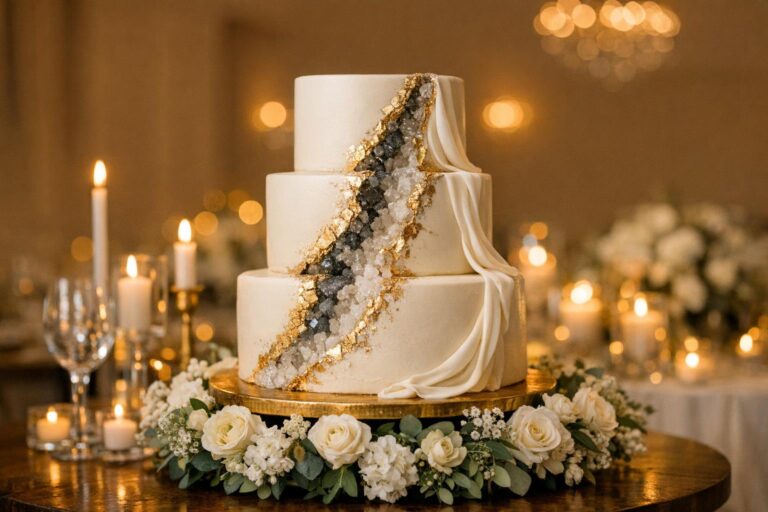
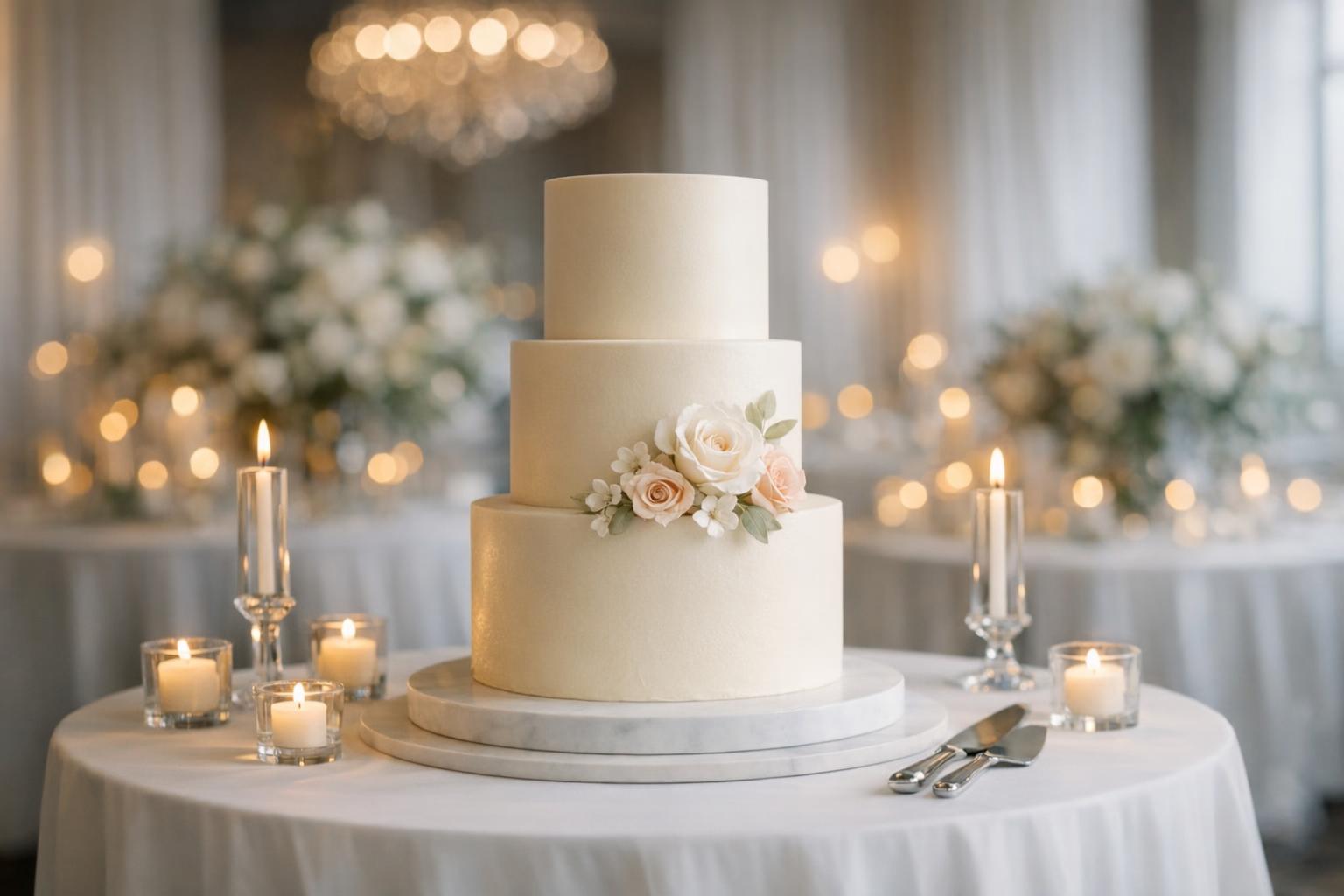
There’s a quiet, cinematic moment that happens at so many receptions: the music softens, your guests lean in, and suddenly the room has one shared focal point. Not the dance floor. Not the dress. The cake. The wedding cake aesthetic isn’t just “what the dessert looks like”—it’s how your celebration feels in a single, frosted snapshot. It can whisper vintage romance, signal modern minimalism, or glow with garden softness. And when it’s chosen with intention, your cake doesn’t compete with your décor; it completes it.
As a styling decision, cake is surprisingly powerful because it sits at the crossroads of color, texture, lighting, and proportion. A classic cake wedding look can instantly formalize a casual room. Small wedding cakes vintage in spirit can make a grand venue feel intimate. A medium wedding cake can be the most elegant choice of all—balanced, photogenic, and perfectly “enough” without feeling like a statement made for the sake of it. This guide focuses on practical, real-life decision support: how to choose a pretty wedding cake that aligns with your venue, your season, your guest experience, and your overall mood—plus cake wedding ideas that translate beautifully from inspiration to execution.
Start with mood, not tiers: defining your wedding cake aesthetic
The easiest way to get lost is to begin with tiers, flavors, or a single photo saved late at night. Begin with mood—because mood is the thread that ties your invitations, ceremony flowers, tablescape, and cake into one story. Your wedding cake aesthetic is the visual “accent” of your day: it should echo your palette, repeat a texture you already love (linen, lace, stone, glass), and suit the level of formality your guests will feel.
A helpful definition: your cake aesthetic is the combination of silhouette (shape and height), finish (smooth, textured, or intentionally imperfect), and detailing (florals, piping, fruit, ruffles, or restrained minimal lines). Once you can name those three parts, ordering becomes less emotional guesswork and more confident direction.
Turn wedding inspiration into a plan you can actually follow.
Zarellea brings your guest list, budget, vendors, and day-of details into one shared space — so no beautiful idea gets lost in the shuffle.
- Silhouette: tall and architectural, low and romantic, single-tier and intimate, or a medium wedding cake with balanced height
- Finish: sharp and smooth, softly textured, or intentionally rustic
- Detailing: classic piping, delicate florals, vintage-inspired borders, or minimal accents
If you’re stuck between styles, imagine your cake in the exact place it will sit—under warm reception lighting, framed by the people you love, and photographed from across the room. The “right” choice is the one that looks like it belongs there.
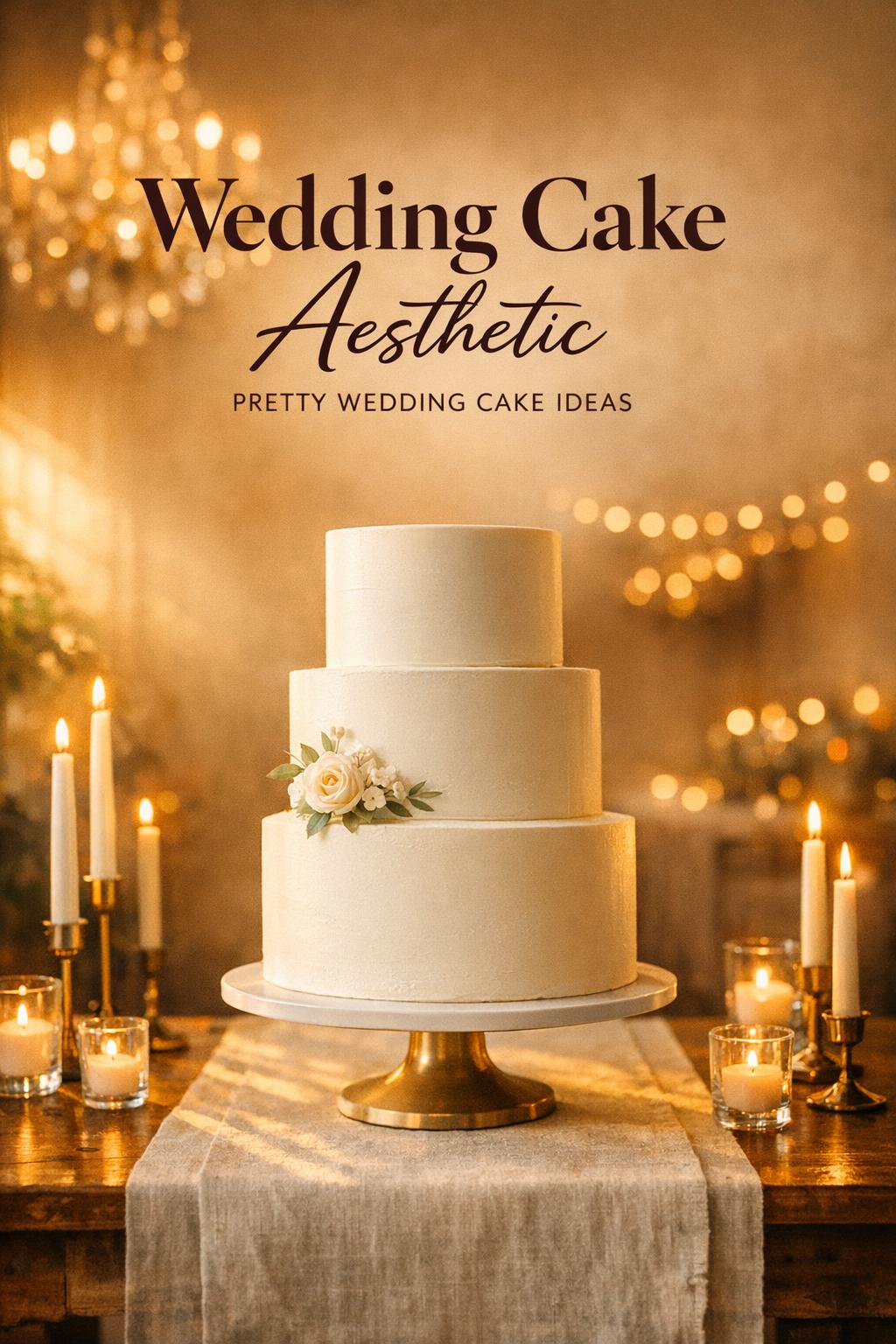
Classic cake wedding style: why timeless still feels fresh
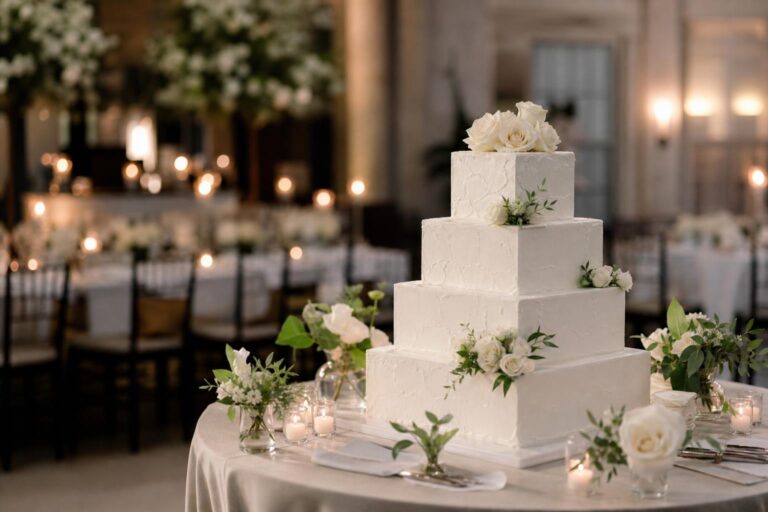
There’s a reason a classic cake wedding aesthetic never looks dated in your album. It’s built on proportion, symmetry, and restrained detail—elements that read as “elevated” even in simple spaces. Classic doesn’t have to mean plain; it means intentional. Think clean lines, traditional tiering, and detailing that feels like it was placed by hand, not printed from a trend.
This style is especially forgiving if you’re blending décor influences—maybe your ceremony is romantic and floral, while your reception leans sleek. A classic silhouette acts like a bridge between the two, and your cake becomes a stabilizing visual anchor rather than a competing centerpiece.
When classic works best (and when it can feel too formal)
A classic cake wedding look shines in ballrooms, formal dining rooms, and evening receptions where the lighting is lower and everything feels a little more candlelit. It can also elevate a neutral palette beautifully. The one caution: if you’re planning a very casual outdoor celebration, a highly formal cake can look like it was dropped into the wrong scene. If your venue is rustic or beachy, you can keep the classic silhouette but soften the finish—gentle texture, less rigid symmetry, or a lower profile.
Small wedding cakes vintage: intimacy with heirloom energy
Small wedding cakes vintage in tone are having a quiet renaissance because they match how many couples want to celebrate: more personal, less performative, and filled with meaning. A smaller cake changes the emotional temperature of the room. It encourages guests to gather closer, and it makes your cake-cutting feel like part of the conversation rather than a staged production.
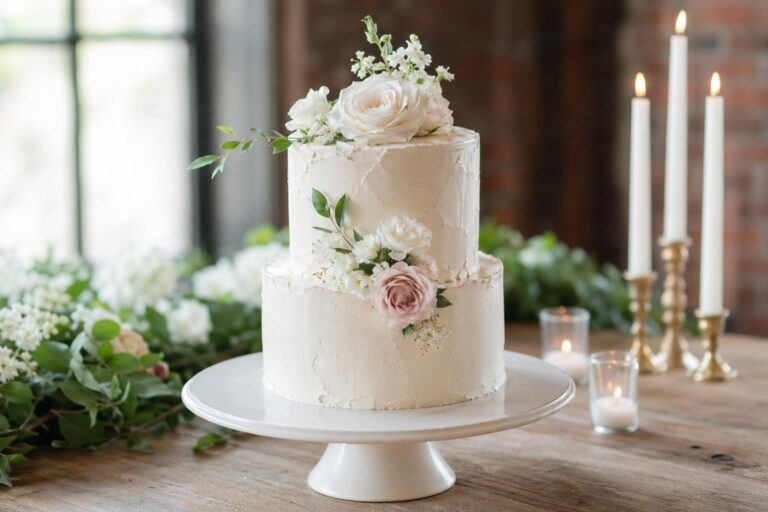
Vintage doesn’t require an exact replica of any decade. It’s more about cues: soft edges, delicate piping, scalloped borders, gentle ruffles, and a palette that feels like it’s been warmed by time. Even if your overall wedding is modern, a small vintage-inspired cake can add a romantic counterpoint—like wearing a family veil with a contemporary dress.
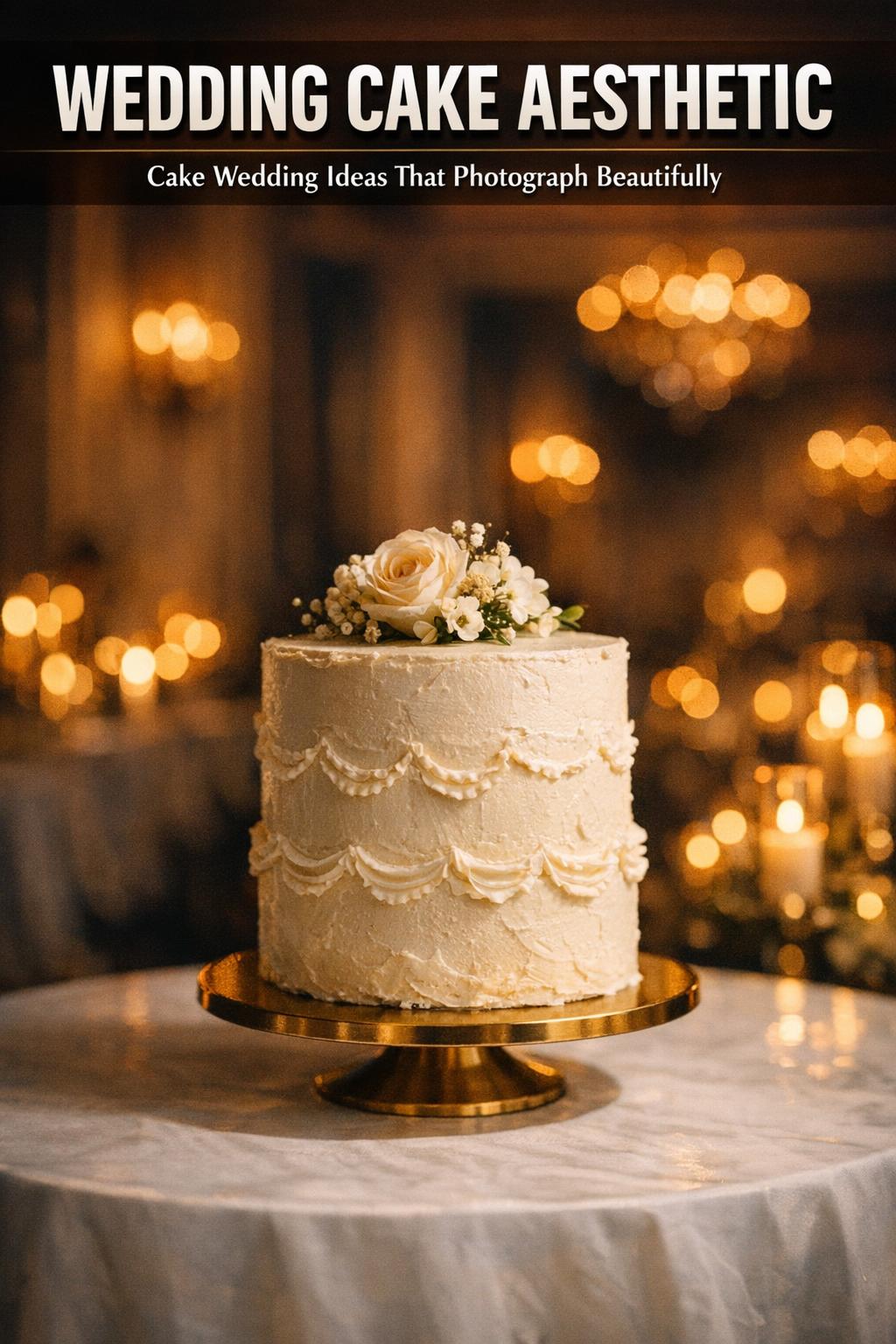
How to keep vintage from looking “theme-y”
The most common misstep with vintage cake styling is pushing every element at once—heavy piping, bold colors, lots of embellishment, and ornate stands all together. For a pretty wedding cake that feels vintage but not costume-like, choose one hero detail (for example, piping) and let everything else stay clean. Vintage is most believable when it looks effortless.
- Pair vintage piping with a simple silhouette
- Keep the color story quiet and cohesive with your linens
- Use a small cake as the “real” cake and add matching sheet cake behind the scenes if needed
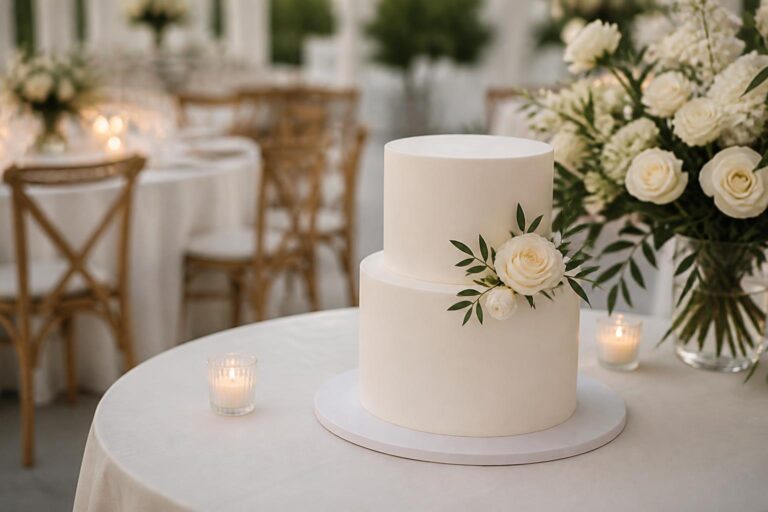
Medium wedding cake decisions: the sweet spot for scale, photos, and practicality
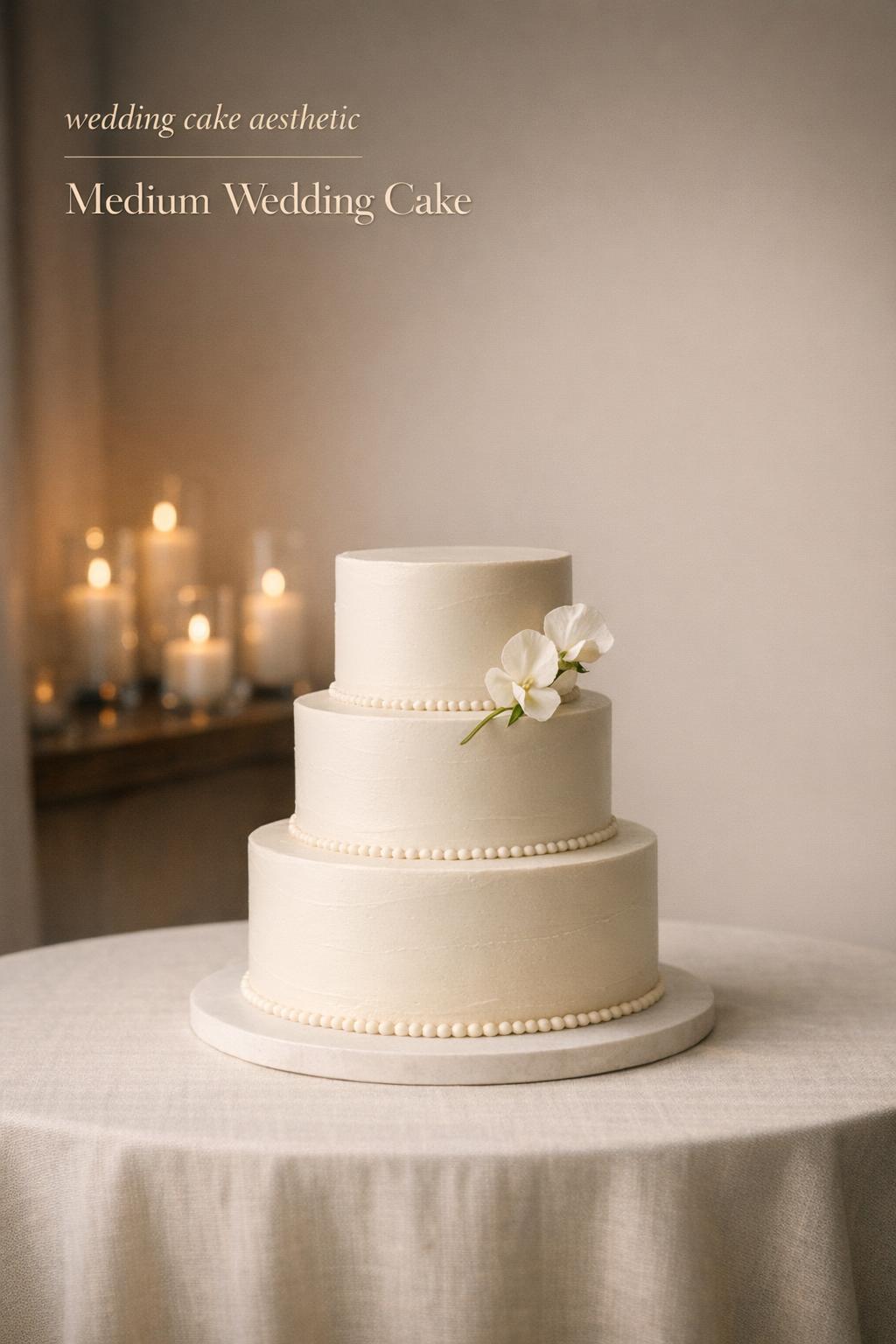
A medium wedding cake is often the most realistic choice for modern receptions—large enough to photograph beautifully, small enough to feel intentional, and easier to place into your layout without reworking the entire room around it. It’s also the size category where you can prioritize design without being forced into extra tiers just to serve everyone.
From experience, the medium cake is also a confidence-builder. Couples who feel anxious about “getting it wrong” tend to feel calmer with a moderate silhouette: it looks special on a styled table, but it doesn’t demand a dramatic reveal. When your goal is warmth and connection, moderate scale can read as more luxurious than maximum height—because it looks curated, not obligatory.
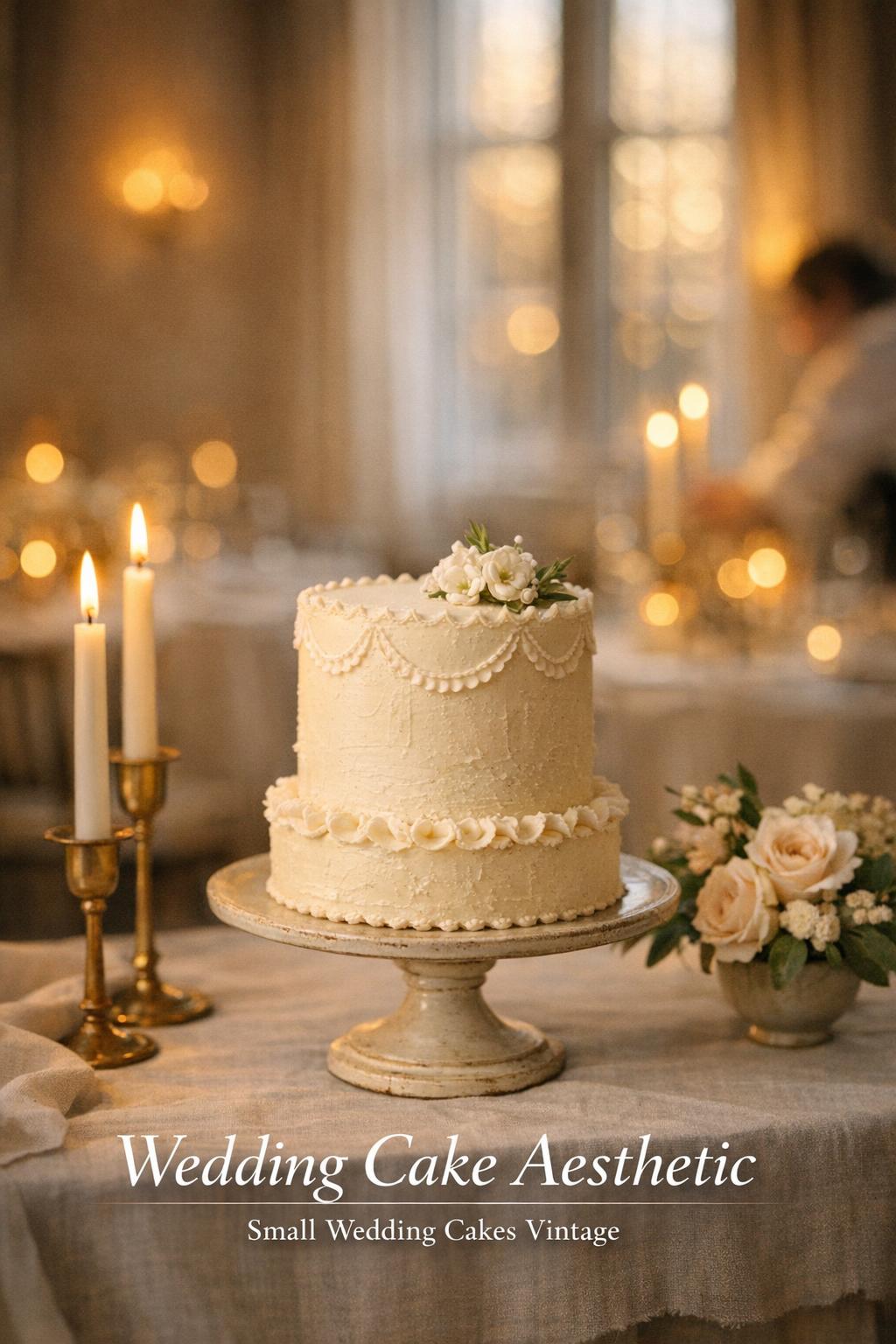
Tips: making a medium cake look intentionally styled (not like an afterthought)
Medium cakes can disappear if the table and background aren’t considered. Give your cake a “frame” the same way you’d frame a ceremony arch. Choose one supportive styling element—an elevated stand, a textured linen, or a simple floral accent—and keep the rest clean so the cake remains the focus.
- Use a dedicated cake table instead of placing it on a crowded gift or escort-card table
- Position it where guests naturally pass, but not in a traffic pinch-point
- Consider the background: blank wall, drapery, or soft lighting makes details read in photos
Pretty wedding cake details that photograph like a dream
“Pretty” is personal, but in wedding styling, pretty usually means three things: balanced proportions, gentle contrast, and detail that can be seen from a distance. What reads delicate up close can vanish in wide reception photos. That’s why the best pretty wedding cake designs often include at least one bolder element—an outline, a border, a tonal texture—so the cake has presence without becoming loud.
Think in layers of visibility. Your guests see the silhouette first, then the finish, then the details. Your photographer will capture it similarly: wide shot, mid shot, close-up. A cake that looks stunning only in close-up may not deliver the “wow” you want when it’s across the room.
Tips: design choices that show up in real reception lighting
Reception lighting is often warmer and dimmer than the bakery studio photos you might be saving. Subtle textures and pale-on-pale details can fade in amber light. If you love soft neutrals, build contrast through shadow and shape—slightly deeper borders, a defined edge, or layered texture—rather than switching to darker colors that may feel off from your palette.
- Choose detailing that creates shadow (borders, ruffles, gentle ridges)
- Keep embellishments consistent with your overall décor texture (linen, lace, or sleek satin-like finishes)
- Ask yourself what will be visible from ten feet away, not just in a macro photo
Cake wedding ideas that match your venue and season
The most harmonious wedding cake aesthetic is the one that feels inevitable in your space—like it was designed for that room, that season, and that exact kind of gathering. Below are cake wedding ideas framed by context, because context is what turns inspiration into a plan you can communicate clearly.
Garden and outdoor ceremonies: romantic softness with practical structure
Outdoor celebrations often lean romantic and natural, but they also introduce realities—breeze, warmth, and shifting light. A cake with a softer finish can feel right in a garden setting, but it still needs clean structure so it doesn’t look visually “melted” in photos. If you’re choosing delicate detailing, make sure the overall silhouette is stable and the styling around it (table linen, stand, backdrop) looks intentional rather than improvised.
Modern venues: minimalist cakes with one meaningful detail
In modern spaces—clean lines, open rooms, and sleek surfaces—your cake can follow that simplicity. This is where restraint looks expensive. Instead of multiple competing elements, choose one detail that connects emotionally to your day: a border that echoes your invitation linework, a texture that mirrors your dress, or a subtle finish that complements your tablescape. In a modern room, less visual noise makes your cake feel more significant.
Historic or traditional spaces: leaning into classic without feeling heavy
Traditional venues can handle a more formal silhouette, which is why a classic cake wedding design often looks perfect there. The key is scale and airiness—details that feel hand-finished rather than dense. If your venue already has ornate features, consider keeping the cake detailing elegant and controlled so it doesn’t compete with the room.
How to choose between a statement cake and a quietly refined one
Some couples want the cake to be an event. Others want it to feel like part of the atmosphere—beautiful, but not loud. Neither is “better.” The decision comes down to what your day needs emotionally.
If your wedding already has a strong focal point—an elaborate ceremony installation, a dramatic sweetheart table, or a venue with breathtaking architecture—a quietly refined cake can create balance. If your décor is intentionally minimal, a more expressive cake can provide the romance and detail your guests will remember.
A practical test: what else is competing for attention?
Walk through your reception plan and list your visual “moments.” If you have several (entrance, bar, stage, floral ceiling, statement linens), your cake can be simpler and still feel special. If you have only one or two, a pretty wedding cake with more texture and defined detailing can become a signature element without overwhelming the design.
- If you want a calm, intimate energy: choose a medium wedding cake with refined detailing
- If you want a dramatic focal point: use a larger silhouette with controlled, cohesive embellishment
- If you want vintage romance: small wedding cakes vintage in style can create a heartfelt moment without spectacle
What experienced stylists watch for: proportion, placement, and the “photo angle”
Cakes are often chosen from straight-on photos, but they’re experienced on a busy day: guests circle them, the table gets cluttered, lighting changes, and the cake is photographed from angles you didn’t anticipate. The most reliable wedding cake aesthetic decisions account for three things: proportion, placement, and what I call the “photo angle.”
Proportion means the cake’s height and width should suit the table and the room. Placement means it needs breathing room—space around it so the cake feels intentional. The photo angle is about how it looks when photographed from slightly below or from a side angle while you’re cutting it. That’s where overly delicate details can disappear, and where a well-chosen border or texture suddenly becomes everything.
Tips: setting up the cake table like a styled vignette
A cake table works best when it’s treated like a miniature scene. You don’t need a lot—just a clear plan. The biggest improvement you can make is removing visual clutter: no extra signage, no stacks of plates in the frame, no unrelated décor items. Let the cake be the main character for that moment.
- Keep the tabletop mostly clear so the cake silhouette reads instantly
- Choose one background element: drape, greenery, or a clean wall
- Plan where you and your partner will stand so the photographer has a clean shot
Common mistakes that can throw off your wedding cake aesthetic
Even a beautiful design can feel “off” if it doesn’t align with the rest of your day. The goal here isn’t perfection; it’s cohesion. Most wedding cake disappointments come from mismatch—choosing a cake in isolation and then realizing it doesn’t speak the same language as your venue or styling.
- Choosing a cake photo without considering your lighting: warm reception light can flatten pale details
- Over-decorating the cake table: too many props make the cake feel smaller and less special
- Mismatch in formality: an ultra-formal classic cake wedding look can feel stiff at a casual gathering
- Detail overload: especially with small wedding cakes vintage—too many vintage cues can turn into “theme”
- Scale confusion: a medium wedding cake can look tiny on an oversized table without a stand or backdrop
The fix is usually simple: refine rather than add. Remove competing décor. Strengthen one design element so it reads from a distance. Adjust the table styling to support the silhouette.
Bringing it to life: how to communicate cake wedding ideas clearly
One of the most underrated parts of creating a pretty wedding cake is communication. “I want something romantic” is a feeling, not a plan. A bakery (or any creative partner) needs a short, clear brief that defines the aesthetic without trapping the design into an impossible copy of a single image.
Think of your cake brief as a miniature style guide: silhouette, finish, and one to two detailing priorities. That’s how you protect your wedding cake aesthetic while still giving the artist space to make it work for your venue and timeline.
Tips: a simple cake brief you can actually use
When you’re ready to finalize decisions, write your brief in three sentences. Start with overall vibe, then silhouette, then the single most important detail. This keeps you from over-explaining and helps avoid misunderstandings when your day is busy and your vendor team is moving fast.
- “The overall wedding mood is romantic and refined.”
- “We want a medium wedding cake with a balanced, classic silhouette.”
- “The key detail is vintage-inspired piping for a soft, heirloom finish.”
If you’re torn between a classic cake wedding look and small wedding cakes vintage styling, ask for a hybrid: classic structure with a single vintage cue. That’s often the most timeless—and the most personal.
Making the cake moment feel natural, not staged
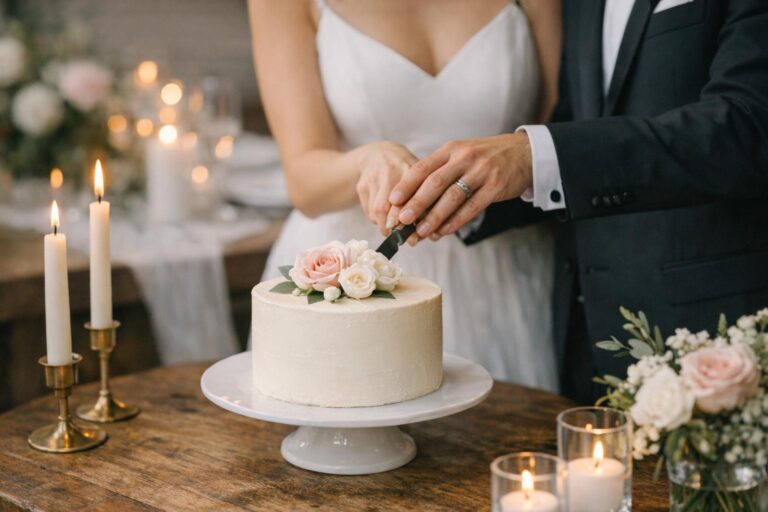
The cake-cutting can feel awkward if it’s treated like a performance rather than a shared pause in the night. Your cake aesthetic supports the feeling, but your planning supports the comfort. Place the cake where you can reach it easily, schedule the moment when your guests are nearby, and keep the setup simple so you’re not navigating clutter in front of the camera.
A cake that feels emotionally “right” often has nothing to do with trends. It’s the one that matches your pace as a couple—quiet and intimate, or celebratory and bold. Let your wedding cake aesthetic be a reflection of that truth.
FAQ
What does “wedding cake aesthetic” actually mean?
Wedding cake aesthetic refers to the overall visual style of your cake—its silhouette (shape and scale), finish (smooth, textured, or rustic), and detailing (like borders, piping, or minimal accents)—and how those choices align with your venue, season, and wedding mood.
Is a medium wedding cake enough for a wedding reception?
A medium wedding cake is often a smart, balanced choice because it photographs well and feels intentional without dominating the room; if you need more servings, many couples keep the display cake medium and supplement with additional cake served behind the scenes.
How do I make a pretty wedding cake show up in low reception lighting?
Choose at least one design element that creates visible contrast through shadow—such as a defined border, gentle ridges, or textured detailing—because pale, subtle elements can fade under warm, dim lighting and in wide-angle photos.
What’s the difference between a classic cake wedding style and a vintage one?
A classic cake wedding style focuses on symmetry, clean structure, and restrained elegance, while small wedding cakes vintage in style emphasize softer, heirloom cues like delicate piping, scalloped edges, and a more intimate, romantic feel.
How can small wedding cakes vintage in style look elevated, not themed?
Keep vintage believable by choosing one hero vintage detail (like piping or scalloped edging) and letting the silhouette and color story stay simple; too many ornate elements at once can make the cake feel costume-like rather than refined.
Where should I place the cake table for the best photos?
Place the cake on a dedicated table with breathing room, away from clutter and heavy foot traffic, and consider the background—simple draping, a clean wall, or soft lighting helps the silhouette and details read clearly in both wide and close-up shots.
How do I choose between a statement cake and a more minimal cake?
Look at what else in your wedding design already draws attention: if you have multiple focal points, a quieter cake often feels more cohesive, while a more expressive cake can become a signature moment when the rest of the décor is intentionally minimal.
What are the most common mistakes that disrupt a wedding cake aesthetic?
The most common issues are mismatching the cake’s formality to the venue, over-decorating the cake table, choosing details that disappear in warm lighting, and getting the scale wrong so the cake looks too small or visually lost in the space.