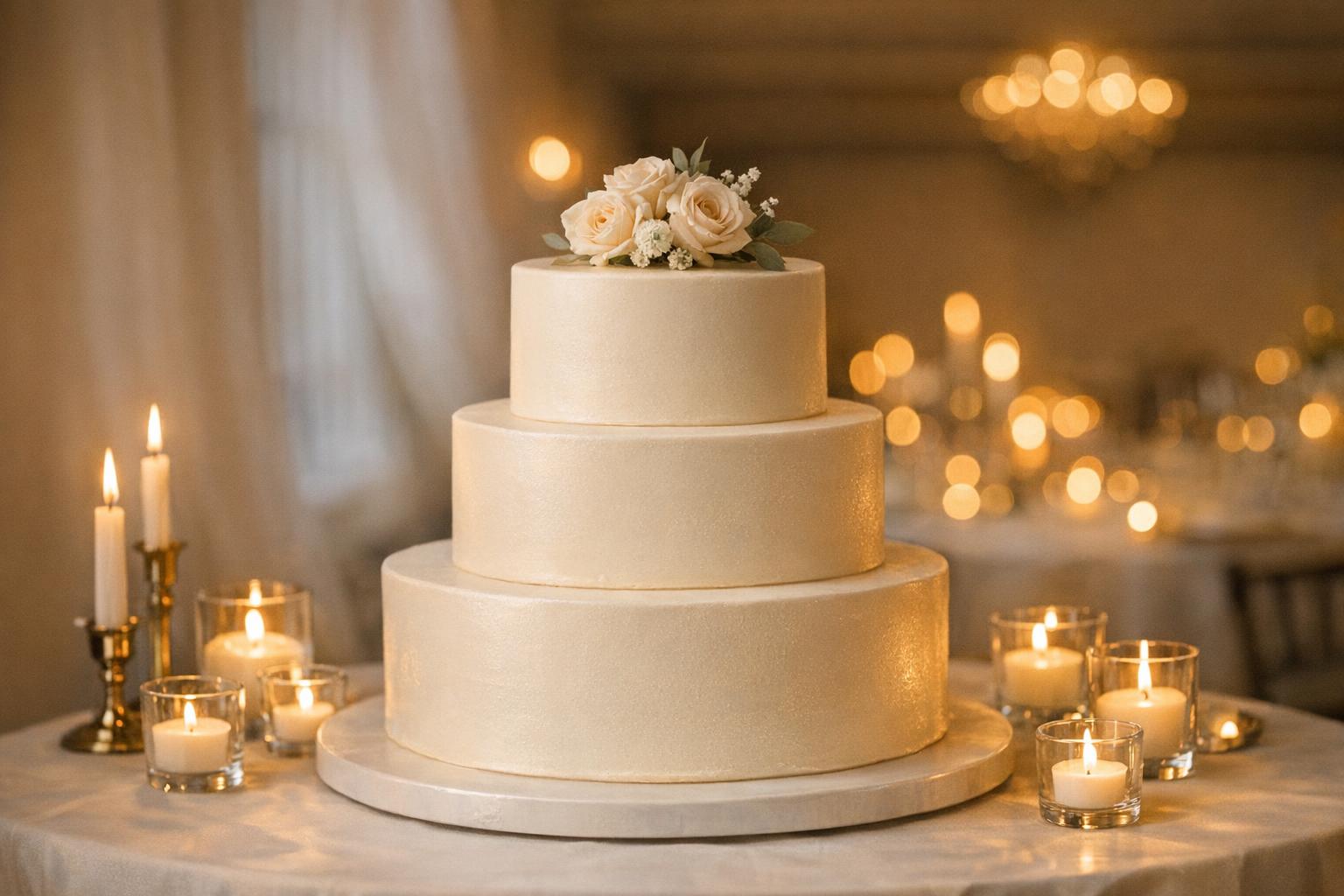
The Quiet Romance of a Timeless Wedding Cake in Candlelight
The quiet magic of a timeless wedding cake
There’s a moment at nearly every reception when the room softens. The music lowers, guests lean in, and the couple stands close—hands brushing, shoulders relaxing—because for the first time all day, they’re simply together. A timeless wedding cake belongs to that moment. It isn’t designed to steal the show from your vows or your first dance; it’s designed to hold the memory steadily, year after year, in photos you’ll actually want to frame.
“Timeless” isn’t one specific look. It’s a feeling created through restraint, balance, and intentional choices: a wedding cake style that doesn’t chase novelty for novelty’s sake. Whether you’re collecting wedding cake inspiration elegant enough for a ballroom or you’re drawn to wedding cakes classic enough for a family church ceremony, the goal is the same—something that looks right now, and still looks right when you’re celebrating your tenth anniversary.
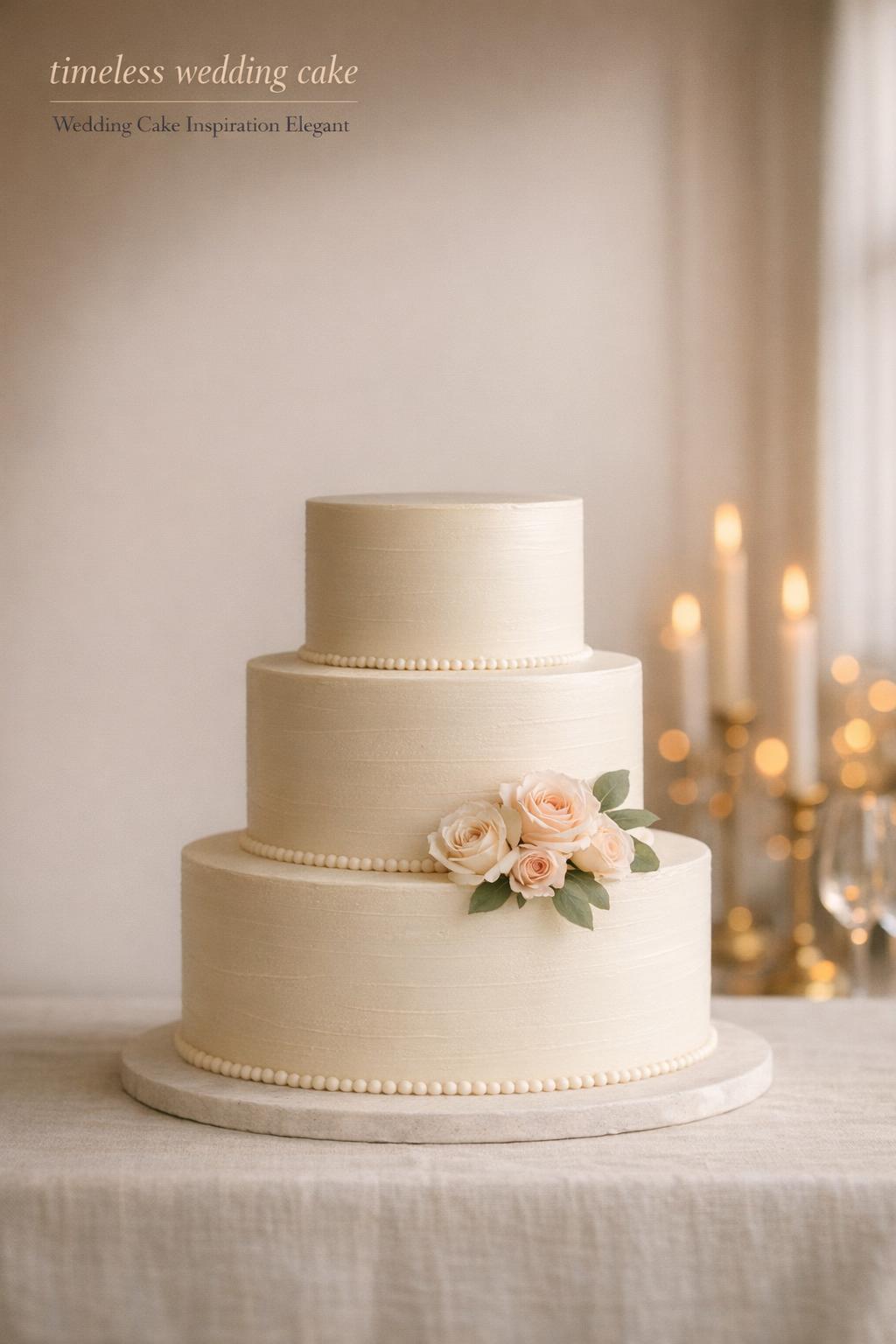
This guide walks through the decisions that shape a traditional wedding cake design without turning it into something stiff or expected. You’ll find idea-driven inspiration, practical planning guidance, and the kind of nuance couples only learn after talking with bakers, venues, and planners—so you can choose with confidence and enjoy the process, not just the final slice.
What “timeless” really means in wedding cake style
A timeless wedding cake is defined less by a single detail and more by how the parts work together. It’s cohesive with the day, flattering in photos, and flexible enough to suit different venues and levels of formality. Timeless doesn’t mean plain; it means the design holds up because it’s grounded in classic proportion and a clear point of view.
Turn wedding inspiration into a plan you can actually follow.
Zarellea brings your guest list, budget, vendors, and day-of details into one shared space — so no beautiful idea gets lost in the shuffle.
In practice, “timeless” often overlaps with wedding cakes classic and traditional wedding cake ideas, but it doesn’t require you to copy a template. You might love traditional structure—clean tiers, balanced spacing, and an elegant finish—yet still want a small personal signature: a subtle texture, a meaningful color accent, or a single floral moment placed with intention.
When you’re evaluating any cake inspiration, ask yourself one guiding question: does this choice support the story of our wedding day? If the answer is yes—because it echoes your venue, your attire, your ceremony mood, or your family traditions—then you’re likely on the path to a timeless decision.
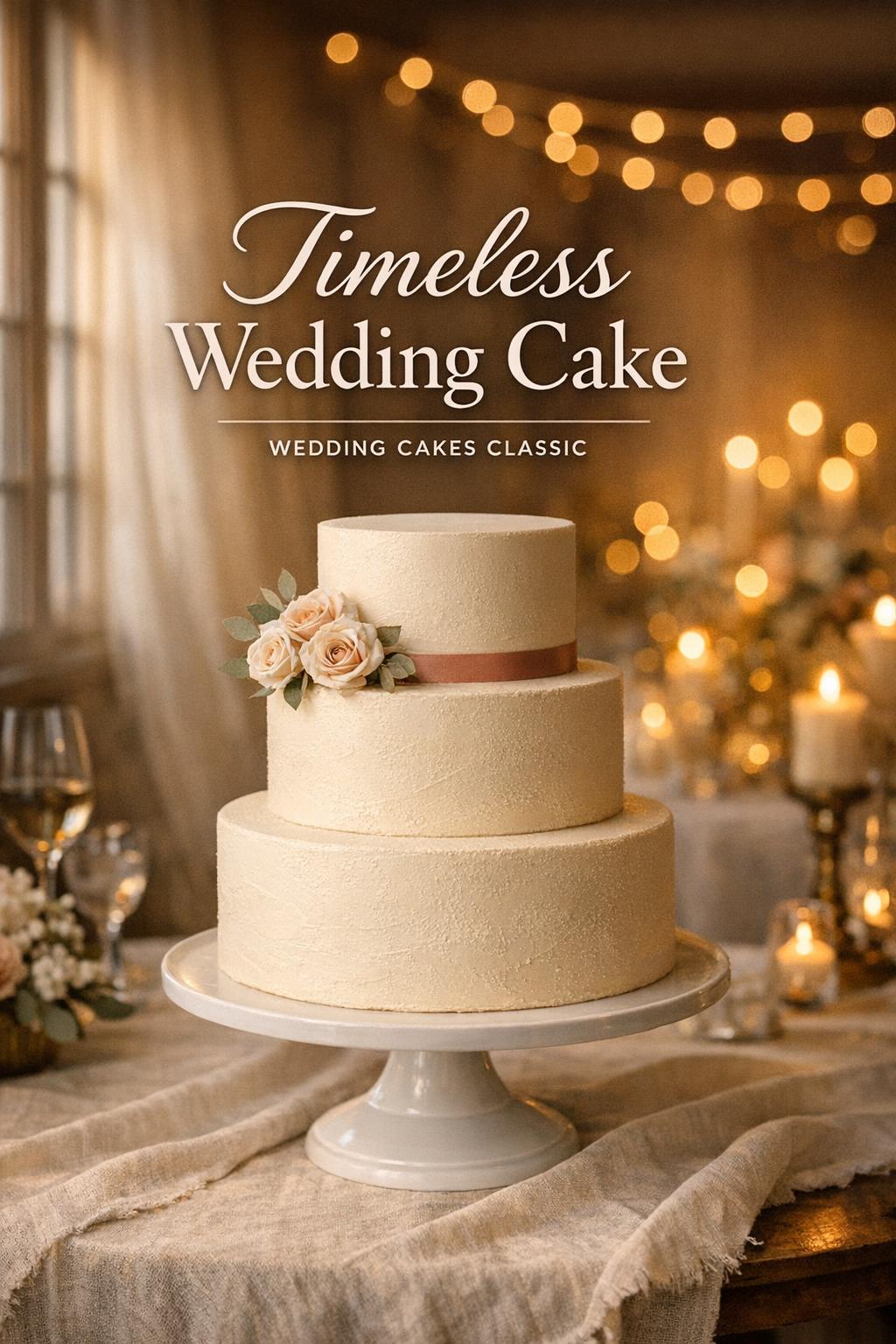
Start with the mood: matching the cake to the wedding moment
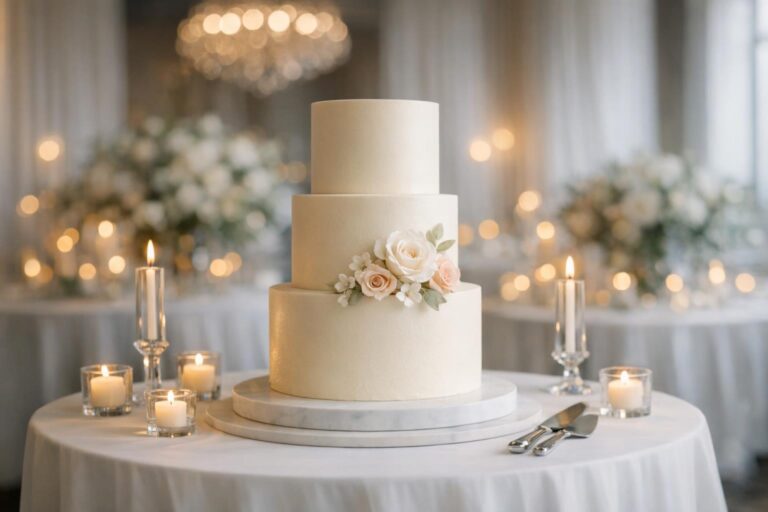
Before you discuss tiers or finishes, picture the environment where the cake will live. Is it being wheeled into a candlelit reception room? Is it displayed near a window with late-afternoon light? Is the cake cutting happening outdoors where the air feels casual and guests are moving around? A timeless wedding cake doesn’t exist in isolation—it’s part of a scene.
This is where wedding cake inspiration elegant becomes more than a search phrase; it becomes your planning compass. “Elegant” can mean formal and dramatic, but it can also mean calm and minimal. If your day is centered on romance and softness, the cake should echo that with gentle lines and refined details. If your day is structured and traditional, a traditional wedding cake design with clear tiering and classic balance will feel effortless rather than forced.
- For a formal, traditional ceremony: lean into wedding cakes classic with symmetrical tiers and restrained decoration.
- For a romantic, intimate reception: choose a classic base and add a single focal detail that feels personal.
- For a modern venue with clean architecture: keep the silhouette classic, but let the finish feel crisp and intentional.
Once the mood is clear, every decision gets easier: you’re no longer choosing from “everything possible,” you’re choosing from what fits your wedding.
Classic silhouettes that photograph beautifully for decades
The silhouette is the first thing guests register, even from across the room. It’s also the first thing you’ll notice in wide reception photos—meaning it carries a lot of long-term visual weight. Timeless silhouettes tend to be the ones that feel balanced: neither overly tall for the table nor too squat for the room.
The tiered cake as the heart of wedding cakes classic
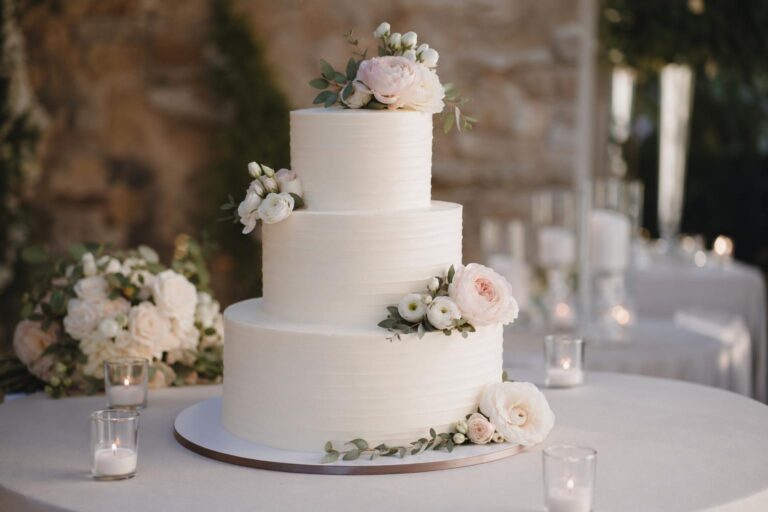
A tiered cake is the most familiar shape for a reason: it reads instantly as “wedding,” and it anchors your reception styling. If you want a timeless wedding cake, tiers offer a simple framework that can be dressed up or down without losing structure. The more traditional your setting, the more naturally tiers will blend in—and the less you’ll have to “explain” the design with extra decoration.
Balanced proportions: the detail no one names, but everyone feels
Proportion is one of the most underrated elements in traditional wedding cake ideas. A cake can have beautiful finishing and still feel “off” if the tiers look crowded or oddly spaced. Ask your baker to show you a sketch or reference photo with a similar tier count and height so you can see how the silhouette will read from a distance. Timeless wedding cake style is often about making sure nothing looks accidental.
When simplicity is the most luxurious choice
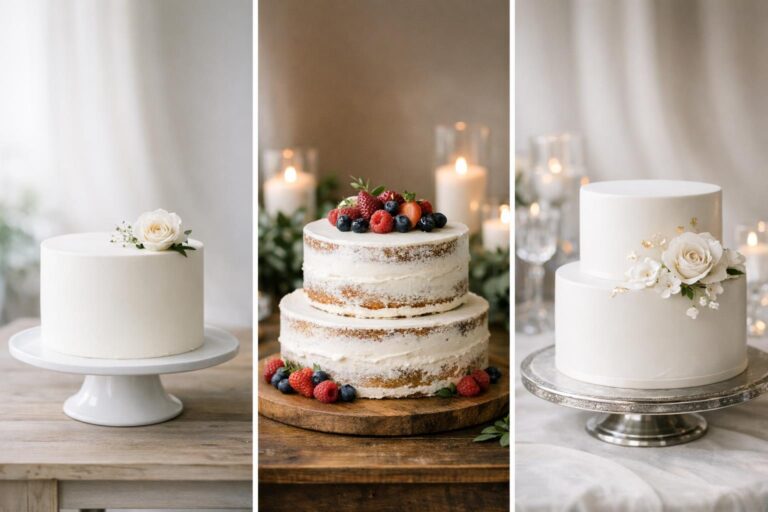
Many couples assume they need dramatic decoration to create impact. In reality, a clean silhouette can feel more elevated because it invites attention to craftsmanship and intent. If your reception already has abundant décor—florals, candles, layered linens—your cake can be quieter and still feel like a centerpiece. That’s one reason wedding cake inspiration elegant frequently points back to simplicity: it doesn’t compete; it complements.
Traditional wedding cake design, updated with subtle artistry
“Traditional” doesn’t have to mean predictable. The most beautiful traditional wedding cake design choices are often the ones that respect the classic foundation while adding a whisper of current taste. The goal is to make the cake feel like it belongs to this specific wedding, not just to weddings in general.
Think of this as the sweet spot between honoring expectation and expressing personality. If your family imagines a formal cake-cutting moment, a classic tiered cake will satisfy that emotional tradition. Then, you can layer in modern refinement through finish, texture, or a single accent—keeping the result firmly in timeless wedding cake territory.
- Textural restraint: one consistent texture across tiers can feel intentional and calm.
- One focal moment: a single statement detail placed with care reads elegant rather than busy.
- Consistency over variety: repeating the same design logic tier to tier strengthens the classic look.
If you’re torn between traditional wedding cake ideas and something more personal, the best approach is to keep the structure traditional and let the personalization live in the details. This preserves the timeless impression while still making the cake feel like yours.
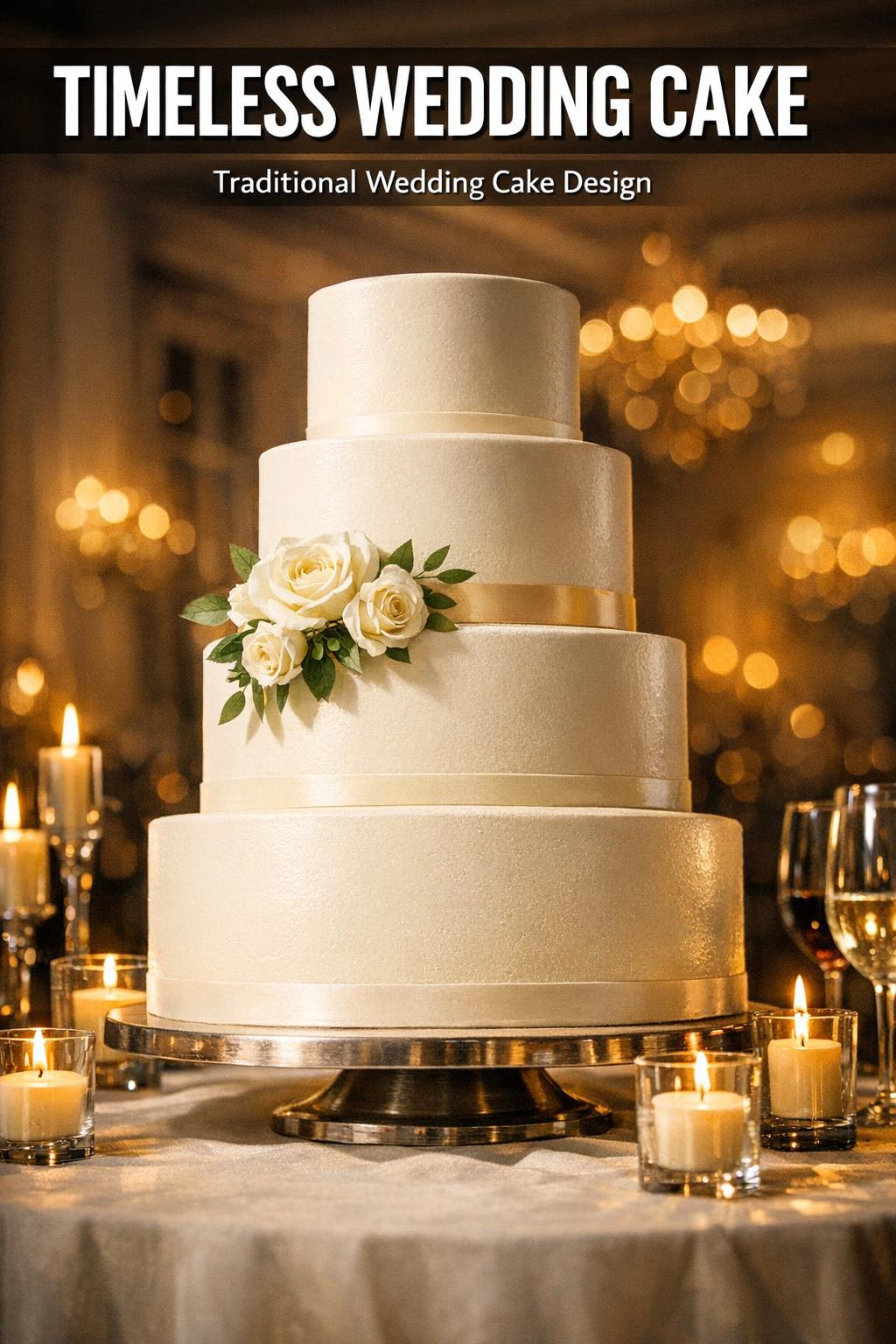
Color decisions that keep wedding cake inspiration elegant
Color is emotional. It changes how “classic” or “modern” the same design feels, and it also affects how the cake photographs under different lighting. A timeless wedding cake typically uses a calm palette that won’t date quickly, especially in images that include gowns, suits, florals, and décor.
The most reliable approach for wedding cakes classic is to keep the primary color neutral and let any accent color be subtle. This is one of the simplest ways to protect the “timeless” quality of your cake without giving up personality. It also helps your cake coordinate with whatever your day brings—warm indoor lighting, outdoor sunset tones, or the cooler cast of evening photography.
Tips: choosing cake color with your venue lighting in mind
If your cake will sit under warm, golden lighting, highly bright or stark tones can shift unexpectedly in photos. If your cake will be near a window or outdoors, shadows and highlights can become more obvious on very smooth finishes. The most helpful planning step is to ask for photos of similar cakes in similar lighting conditions, so you’re choosing based on real reception environments rather than studio-perfect images.
How to choose a timeless wedding cake style that matches your dress and décor
Your cake doesn’t need to “match” your dress in a literal way, but it should harmonize with your overall styling. A timeless wedding cake style feels like part of the same world as your bridal look and reception design. When the visual language is aligned, your photos look cohesive without trying too hard.
Here’s a practical way to decide: identify one key style word for your day—classic, romantic, minimalist, vintage, or modern—and use it as your filter. Wedding cake inspiration elegant becomes much easier when you have a single anchor. If your day is truly classic, then wedding cakes classic are your natural home base, and your cake can support everything else by staying refined.
Mini style mapping exercise (simple, but surprisingly effective)
- Choose one “non-negotiable” element: your venue, your dress, or your floral style.
- Describe it in three words (example: “soft, formal, romantic”).
- Select cake details that express those same three words.
This avoids the common trap of choosing a cake from a trend board that doesn’t reflect your actual wedding setting. A timeless wedding cake is rarely the most complicated one—it’s the one that feels inevitable once you see it in your room.
Traditional wedding cake ideas for different types of celebrations
Even within “classic,” weddings can feel wildly different: a grand guest list and a formal ballroom schedule call for one kind of presence, while a smaller, emotionally intimate celebration calls for another. The most confident choices come from respecting your real event flow.
The formal reception: letting tradition do the heavy lifting
In a formal reception setting, guests expect a clear cake moment. A traditional wedding cake design with structured tiers works because it echoes the formality of the timeline: entrances, toasts, dinner, and then the cake cutting. When everything else is choreographed, classic structure feels comforting and luxurious rather than old-fashioned.
The intimate celebration: classic, but not intimidating
For a smaller wedding, timeless wedding cake style often looks best when it’s scaled thoughtfully. The cake should still feel special, but it shouldn’t dominate the room. If your celebration is intimate, consider how close guests will be to the cake; details will be seen up close, so neat finishing and careful proportion matter even more than bold décor.
The outdoor or destination-feeling day: timeless doesn’t mean fragile
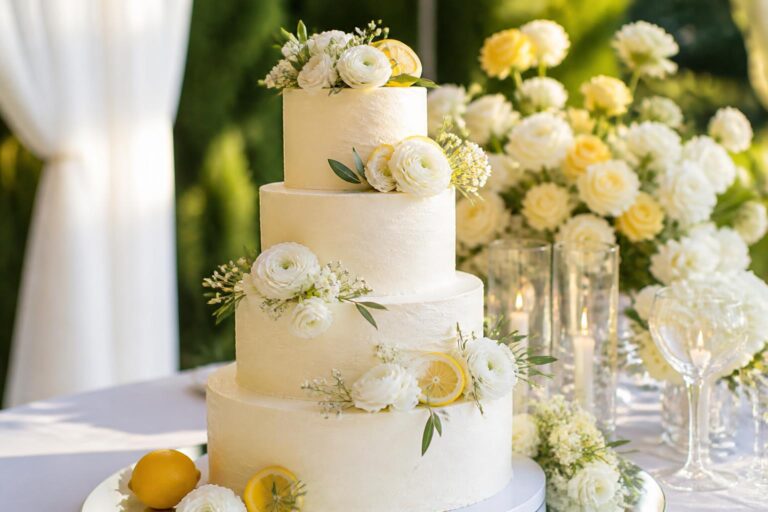
If your cake will be outside for any length of time, timeless choices often overlap with practical ones. The finish and structure should be selected with the environment in mind so the cake looks composed from the first photo to the last slice. A classic silhouette with a controlled, refined design is usually easier to manage in real conditions than highly intricate styling that depends on perfect temperature and timing.
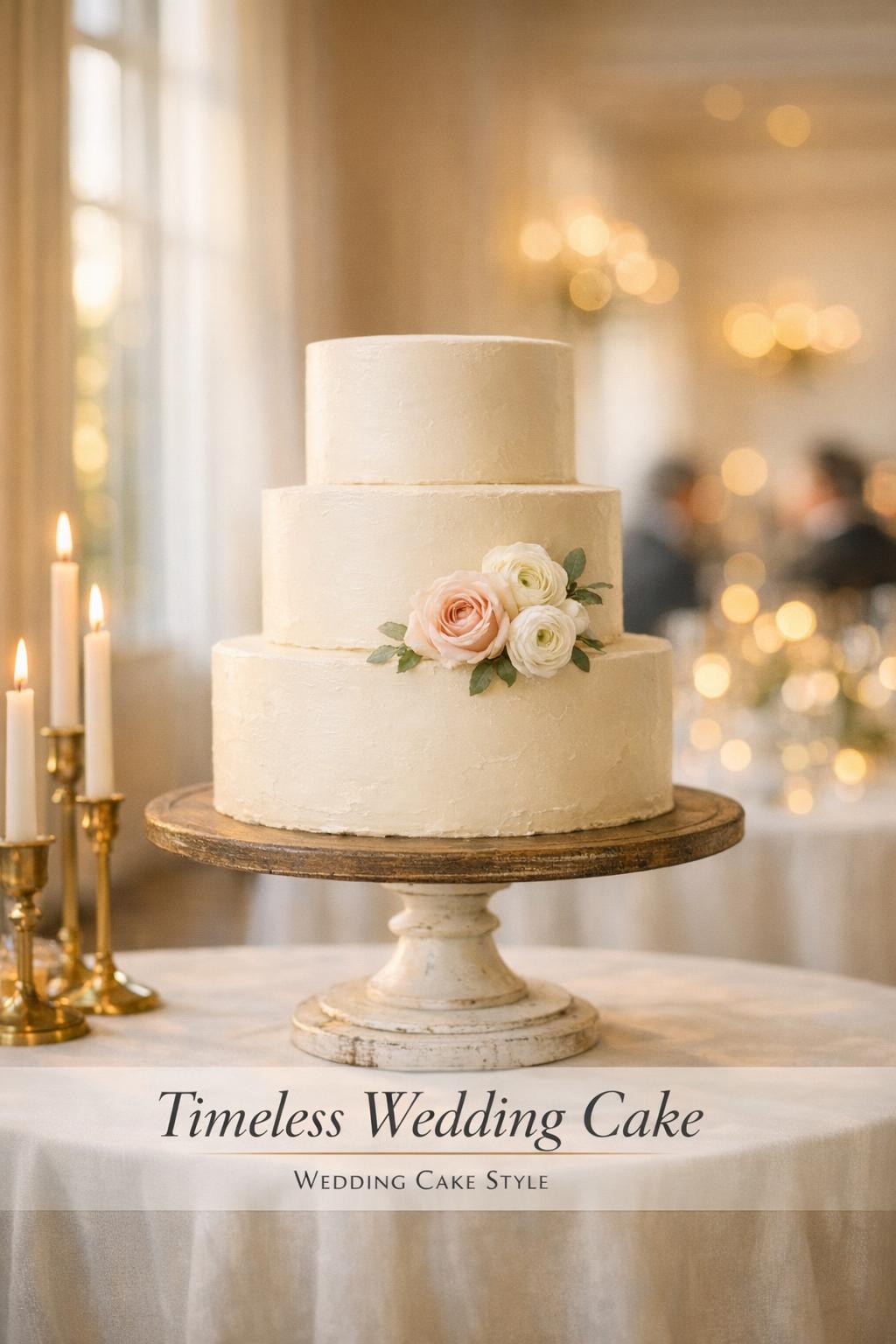
The baker conversation: what to bring, what to ask, and what to decide early
A timeless wedding cake is the result of collaboration. Your baker translates your inspiration into a design that holds its shape, looks balanced on display, and fits the logistics of your day. The best cake appointments feel like a planning meeting, not just a tasting.
Bring a small, curated set of references rather than a large, conflicting gallery. Too many ideas can lead to a design that feels busy or inconsistent—one of the fastest ways to drift away from wedding cakes classic and into “everything at once.” A few images that clearly communicate your preferred wedding cake style will get you further than a chaotic mood board.
Tips: questions that protect a timeless result
- “Can you sketch the proportions so we can confirm the silhouette?”
- “Which design detail will be the focal point, and what will stay simple?”
- “How will this look in the lighting and space where it will be displayed?”
- “What timeline do you need on the wedding day so the cake looks its best during photos?”
These questions aren’t about being difficult; they’re about making sure your cake’s elegance survives real conditions. Timeless wedding cake style is as much about planning as it is about aesthetics.
Common mistakes that make a cake feel dated (and how to avoid them gracefully)
Most couples don’t set out to choose something that won’t age well. It usually happens when the cake is designed in isolation, or when too many competing ideas are layered into one piece. A timeless wedding cake tends to be edited—chosen with a calm hand.
One of the most common pitfalls is mixing multiple “statement” elements: a complex silhouette, heavy decoration, and multiple competing textures all at once. Another is letting short-term novelty override the wedding’s core mood. If your day is soft and classic, but the cake is loud and visually busy, your photos can feel disjointed.
- Too many focal points: choose one hero detail and keep the rest refined.
- Ignoring scale: a cake should suit the table, the room, and the guest count.
- Forgetting the full scene: the cake must harmonize with décor, attire, and lighting.
- Overcorrecting into “plain”: timeless can still feel romantic—add a thoughtful detail rather than stripping everything away.
If you’re unsure, return to first principles: a classic silhouette, a coherent finish, and one detail that feels like your signature. That’s the heart of traditional wedding cake ideas that never feel stale.
Making elegant choices without losing personal meaning
Some couples worry that a traditional wedding cake design will feel impersonal, especially if they’re planning a modern wedding in a contemporary space. In reality, timeless wedding cake choices can be deeply personal because they focus attention on meaning rather than spectacle. The cake becomes a symbol—shared, photographed, remembered—without needing to perform.
Personal meaning can live in the smallest, most dignified places: a detail that nods to your ceremony tone, a subtle accent that echoes your invitation style, or a design decision that honors family tradition while still fitting your taste. Wedding cakes classic have endured because they leave room for the couple’s story to shine.
Tips: a “one personal touch” rule that keeps it timeless
If you’re tempted to add multiple custom elements, try choosing just one personal touch and letting it be deliberate. The discipline of selecting a single signature detail often results in a more elegant outcome—and it makes that detail feel more meaningful because it isn’t competing with anything else.
Planning the cake moment: display, timing, and photo-friendly details
Even the most beautiful timeless wedding cake can lose its impact if it’s placed in a visually cluttered corner or cut in poor lighting. Couples often spend months choosing a cake, then forget to plan the scene around it. A little forethought turns the cake from “there it is” into a moment guests feel.
Think about your cake display the way you think about your ceremony aisle: it’s a small stage. Keep the background calm, consider the height of the table, and coordinate with your planner or venue so the cake is positioned where guests can admire it without crowding it. If you’re building wedding cake inspiration elegant into your day, this is where it pays off most—when the cake looks composed in wide shots and intimate photos alike.
- Choose a display area with clean sightlines and minimal visual noise behind it.
- Confirm the cake cutting time in the timeline so the lighting suits photos.
- Make sure the cake is accessible for the couple without feeling like a performance under harsh lighting.
Timeless wedding cake style isn’t only about what the cake looks like on a sketch. It’s also about how it lives in your wedding day—how it’s revealed, photographed, and remembered.
When classic is the boldest choice: trusting wedding cakes classic
There’s a quiet confidence in choosing wedding cakes classic in a world that constantly pushes novelty. A timeless wedding cake doesn’t need to prove it’s “different enough.” Instead, it communicates taste, intention, and emotional clarity. It tells your guests: we chose what will still feel beautiful when the trends have moved on.
And that matters, because weddings are not content—they’re memory. Your cake sits at the intersection of tradition and celebration. When your design is calm and coherent, it supports the most important thing: the feeling of the day, and the people gathered to witness it.
If you’re still deciding, hold your inspiration up against this final test: will you be proud to see it in your wedding album years from now? If the answer is yes, you’ve found your timeless wedding cake—whether it leans more traditional wedding cake design or more modern elegance, as long as it remains grounded in classic proportion and a clear, romantic point of view.
FAQ
What makes a timeless wedding cake different from a trendy cake?
A timeless wedding cake is designed around balance, restraint, and cohesion with the overall wedding mood, while a trendy cake often centers on a specific novelty detail that may feel tied to a particular moment in time; timeless choices prioritize proportion, a coherent finish, and an elegant focal point that will still look natural in photos years later.
Are wedding cakes classic always considered timeless?
Wedding cakes classic are often timeless because they rely on familiar structure and refined simplicity, but “classic” only stays timeless when the design is edited and intentional; too many competing statement details can make even a classic foundation feel busy rather than enduring.
How do I choose a traditional wedding cake design that still feels personal?
The most reliable approach is to keep the structure traditional—clean tiers and balanced proportions—then add one personal touch as a signature detail, which preserves the timeless look while making the cake feel connected to your specific wedding story.
What’s the easiest way to pick the right wedding cake style for my venue?
Start by defining the venue mood in three words (for example, formal, romantic, minimalist) and choose cake elements that express those same words; this keeps your wedding cake style consistent with the room’s lighting, architecture, and overall atmosphere so the cake looks like it belongs there.
How can I make wedding cake inspiration elegant without making the cake feel plain?
Elegance comes from a clear focal point and thoughtful restraint, so instead of adding multiple decorative ideas, choose one refined feature—such as a consistent texture or a single statement detail—and keep everything else clean, which reads elevated rather than empty.
What should I ask my baker to ensure the cake looks timeless in photos?
Ask to see a sketch that confirms proportions, clarify which detail is the main focal point, and discuss how the cake will look in the actual display lighting and space; these practical checks prevent a design that looks good in theory but feels unbalanced or overly busy in real reception photos.
What are common planning mistakes that can ruin a timeless wedding cake look?
The most common issues are choosing too many statement elements at once, ignoring scale relative to the room and table, and placing the cake in an area with poor lighting or a cluttered background; a timeless effect depends on both the design and the way it’s displayed and photographed.
How do I decide between traditional wedding cake ideas and a more modern feel?
A practical compromise is to keep the silhouette traditional so it reads as classic and celebratory, then introduce modern refinement through a clean, intentional finish or a minimal, well-placed detail, which creates a timeless wedding cake style that feels current without relying on novelty.