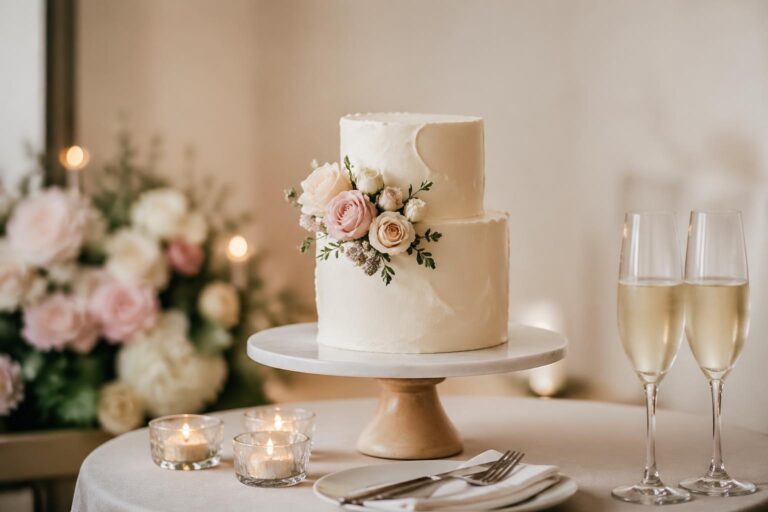
The Single Layer Wedding Cake as a Quiet Statement Piece
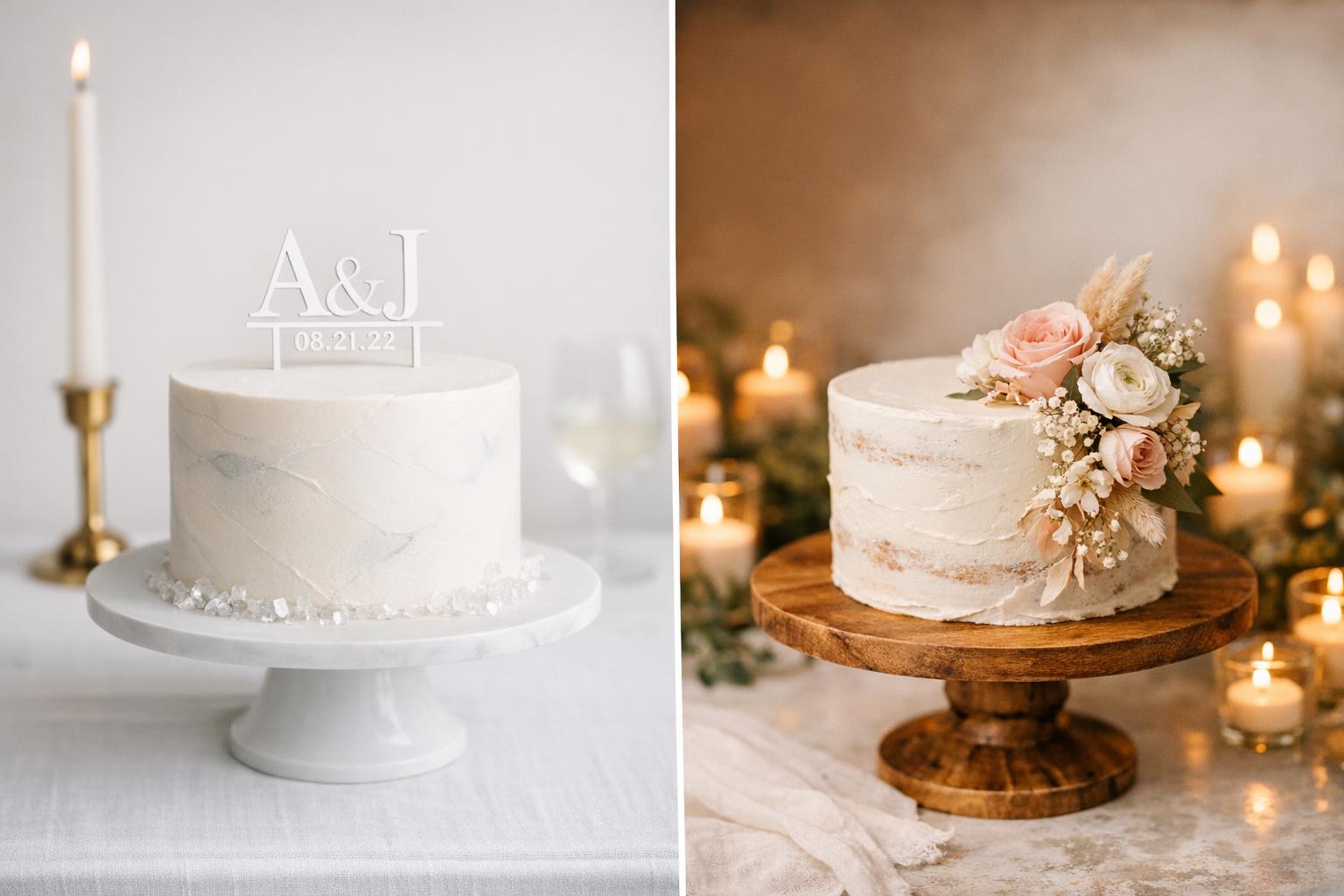
Single layer wedding cake style showdown: minimalist chic vs romantic floral
The moment a single layer wedding cake arrives at the reception, it does something quietly powerful: it tells your guests that the day was designed with intention. One tier can feel editorial and modern, or soft and romantic, or warmly rustic—depending on the finish, the florals, and the little details that frame it in photos.
That’s why couples often find themselves torn between two popular directions for small wedding cakes: the clean, minimalist look (think smooth buttercream, modern marble, geometric accents) and the romantic, floral look (fresh florals, sugar flowers, and painterly details). They’re discussed together because they share the same canvas—wedding cake designs single tier—but the mood they create is entirely different.
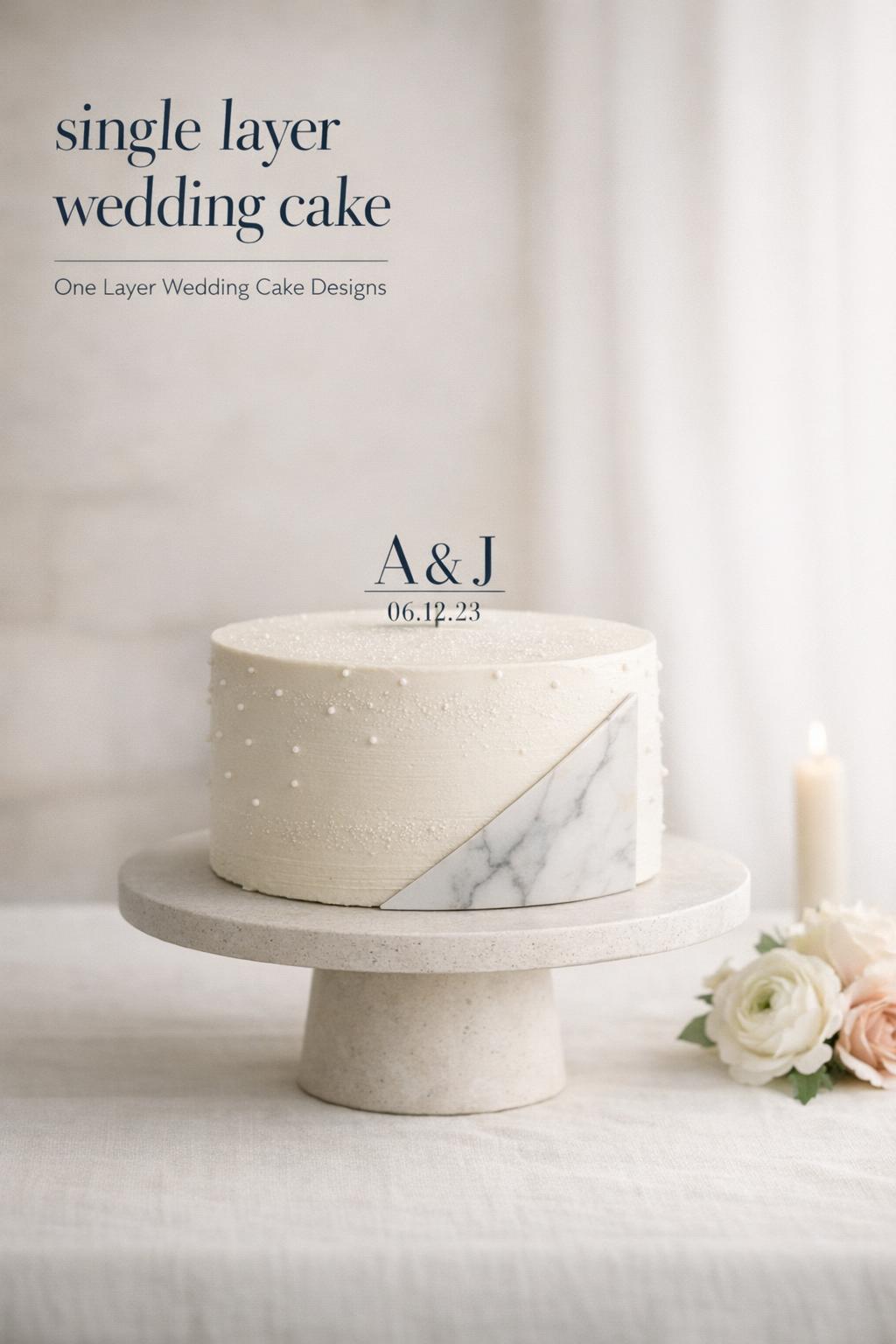
This comparison breaks down how each style works, where it shines, and what to consider beyond the pretty picture—servings, delivery, timeline, and personalization. You’ll also find practical guidance for wedding cake ideas one tier that feel “you,” plus simple small wedding cake ideas that translate beautifully from inspiration to the cake table.
Style overview: minimalist single-layer cake (modern, clean, intentional)
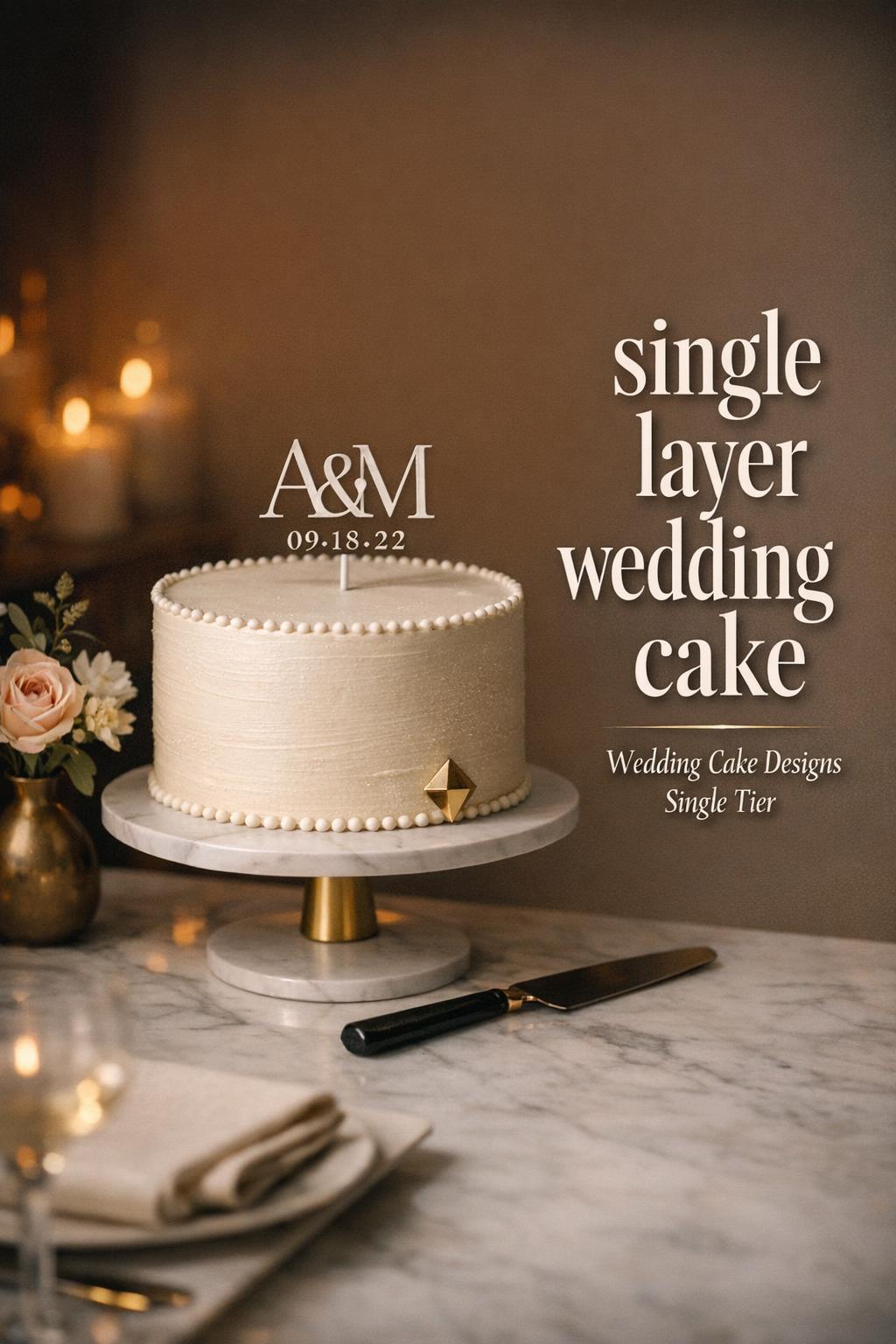
A minimalist single-layer cake is all about restraint and clarity. Instead of relying on abundant décor, it uses a strong finish and a focused design motif—texture, pattern, or a sharp topper choice—to feel complete. This is where you’ll see one layer wedding cake designs that look modern in photos and timeless in real life.
Turn wedding inspiration into a plan you can actually follow.
Zarellea brings your guest list, budget, vendors, and day-of details into one shared space — so no beautiful idea gets lost in the shuffle.
Defining characteristics tend to come from the surface: a smooth buttercream finish, a combed texture (a popular semi-custom look), Swiss dot-style piping, sugar crystal accents, or a modern marble effect. The palette typically stays controlled—often white or a soft neutral—so the silhouette reads crisp and elevated even on a small scale.
Minimalist doesn’t mean plain; it means every detail is deliberate. A banner topper, monogram, initials, or date can become the focal point, and geometric accents help the cake feel like part of a modern reception design. In many weddings, this style pairs naturally with clean-lined tablescapes and a “less but better” approach to décor.
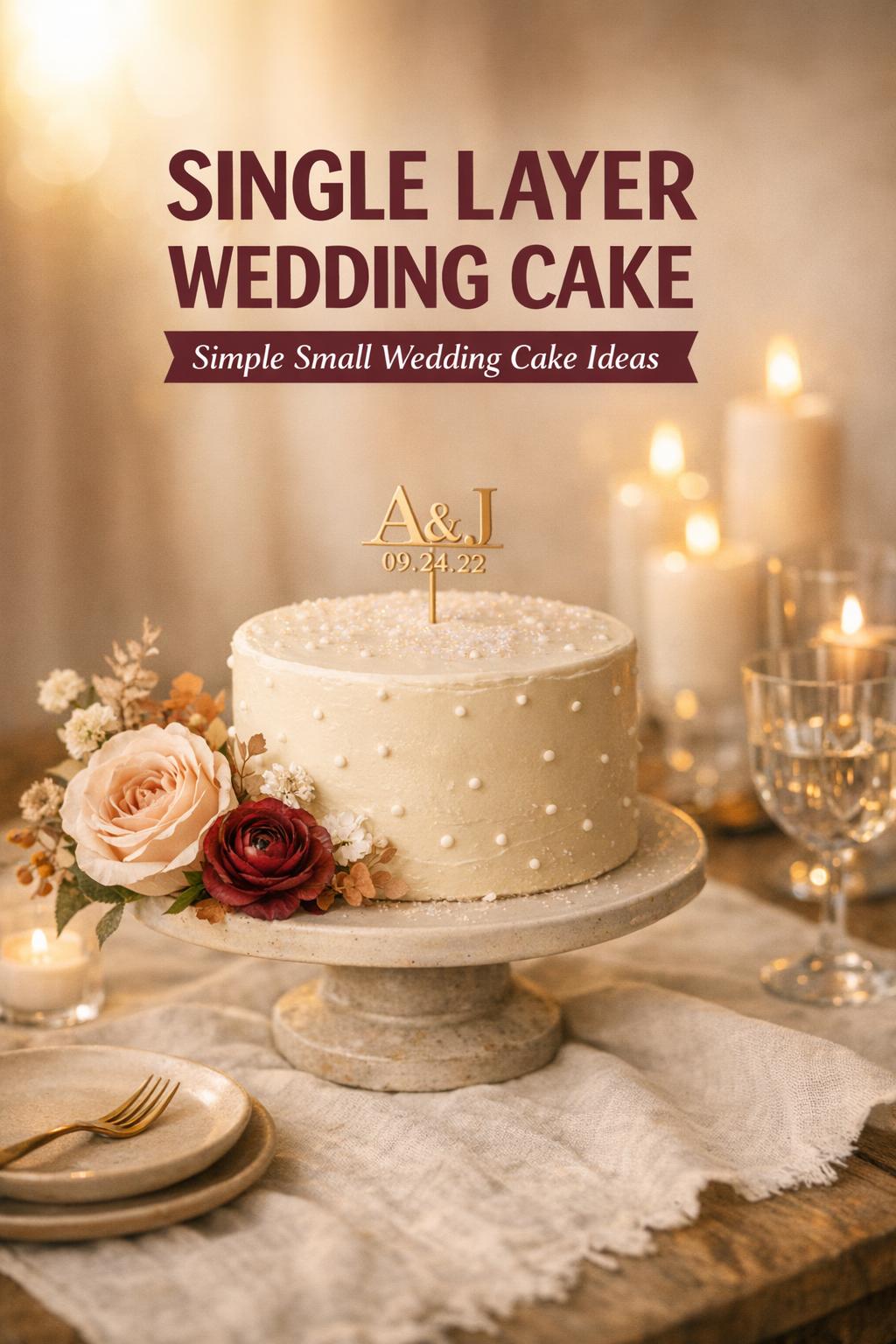
Style overview: romantic floral single-layer cake (soft, textured, story-driven)
A romantic floral single-layer cake treats the cake as a little ceremony of its own—an edible centerpiece that echoes bouquets, aisle florals, and the emotion of the day. Whether you love a minimal base with one graceful floral spray, or a more decorative look with piped details and blooms, this style makes small wedding cakes feel deeply personal.
Defining characteristics are rooted in organic shapes and gentle movement: fresh florals or sugar flowers placed asymmetrically, soft buttercream edges, and intentional texture—sometimes a semi-naked finish that feels relaxed and intimate. The color palette often leans romantic: whites and creams with floral color pulled in as accents rather than covering the whole cake.
Where minimalist is about structure, romantic floral is about atmosphere. This is the cake that looks perfect at a garden-inspired ceremony, a candlelit reception, or an intimate gathering where guests can stand close enough to notice the artistry.
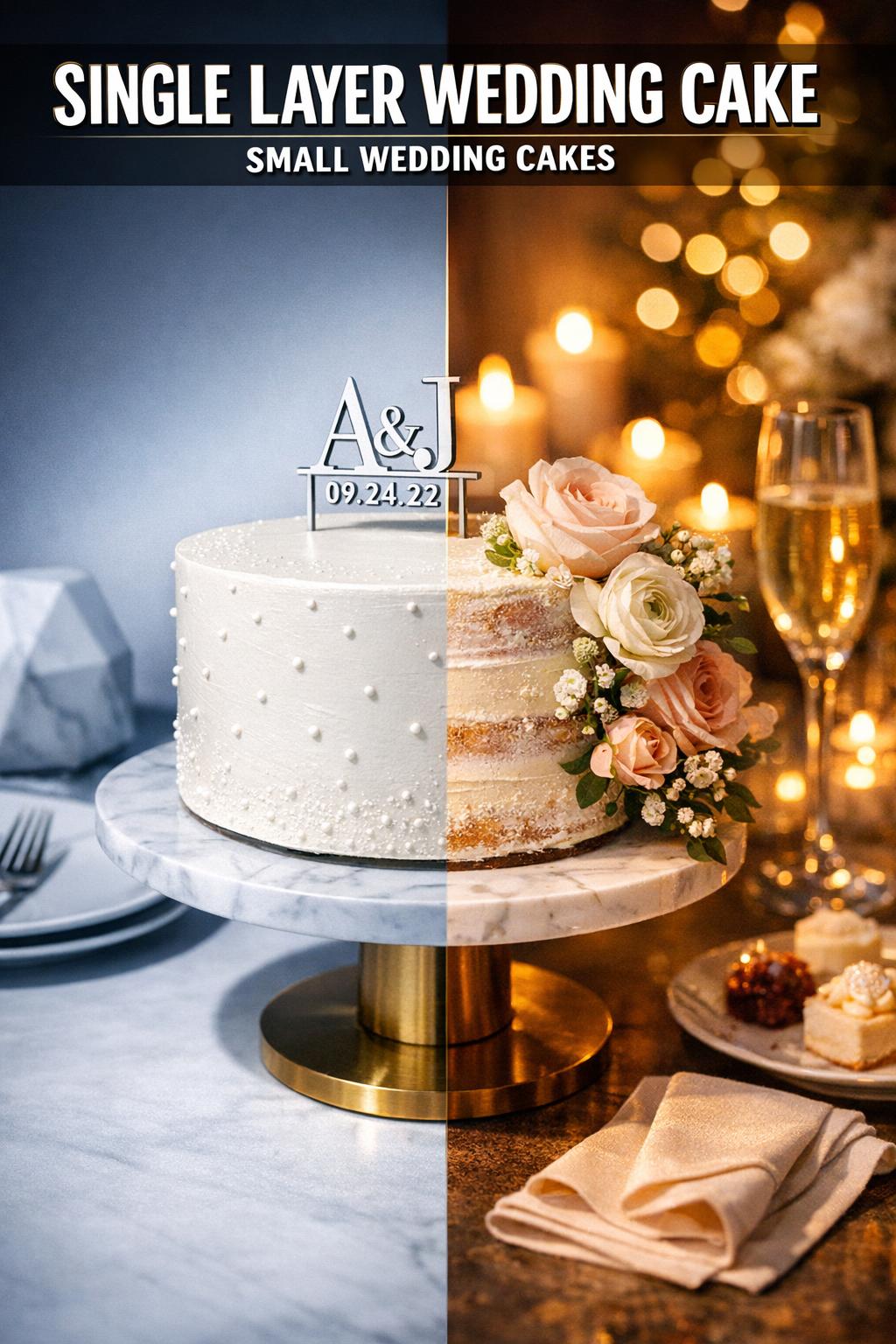
Key differences that change the whole mood (even when the cake is the same size)
Finish and texture: crisp polish vs soft dimension
Minimalist single-tier cakes often prioritize a controlled finish: smooth buttercream, combed patterns, Swiss dot piping, or a clean marble design. Romantic floral designs lean into softness—semi-naked edges, gentle buttercream texture, or painterly elements that look hand-touched. The finish matters because a one-tier cake is viewed up close; texture becomes the “detail work” guests remember.
Color philosophy: restrained palette vs accent color from nature
Minimalist wedding cake designs single tier usually keep color minimal and intentional. Romantic floral cakes may still be mostly white, but they invite color through florals and small accents, creating a more organic focal point. If your reception styling already has bold color, minimalist cake styling can feel calming; if your décor is quiet, florals can add a romantic lift.
Personalization: graphic statement vs sentimental storytelling
Minimalist cakes often personalize with typography and structure—monograms, initials, date toppers, banners, or geometric toppers. Romantic floral cakes personalize through meaning: blooms that echo a bouquet, a gentle cascade that frames the cutting moment, or hand-piped details that feel like heirloom lace. Both are personal, but they speak different emotional languages.
Formality signals: modern simplicity vs romantic ceremony
Both styles can work for formal weddings and casual celebrations, but they signal formality differently. Minimalist cakes feel formal through precision and clean design choices; romantic floral cakes feel formal through abundance of feeling—soft textures, intentional florals, and a “centerpiece” presence. If you’re worried a single layer will look “less impressive,” the best solution isn’t adding tiers—it’s choosing a style with a clear focal point.
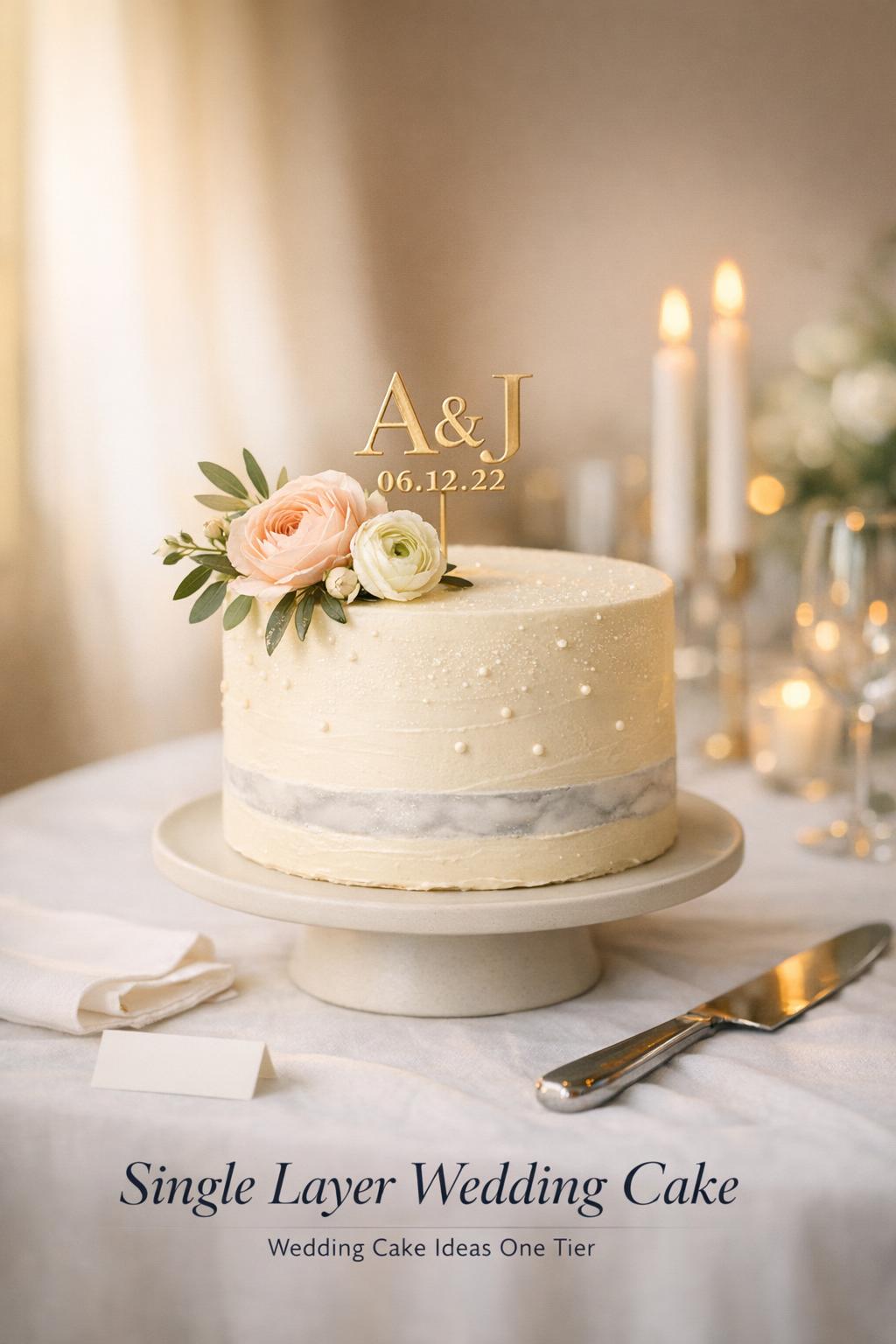
Visual style breakdown: how each approach photographs at the cake table
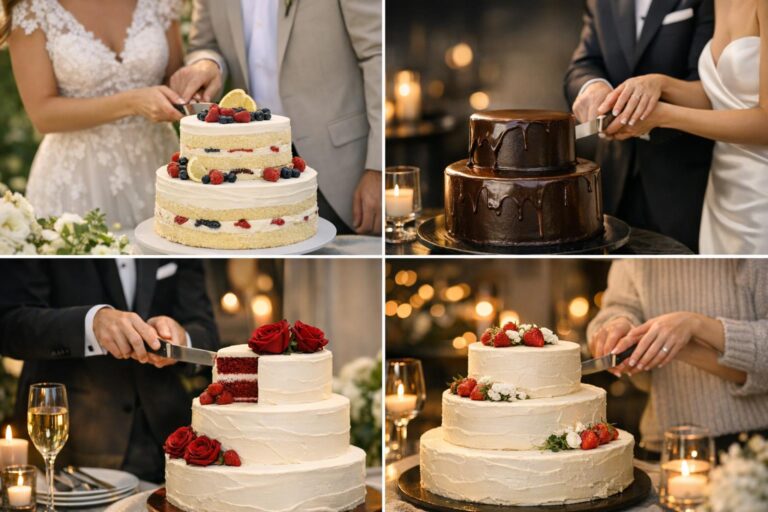
A single-layer cake is photographed differently than a tall cake. The lens comes closer; the background matters more; your hands are more present in the cutting moment. That’s why the style decision should be made with visuals in mind, not just the cake itself.
Minimalist chic in photos
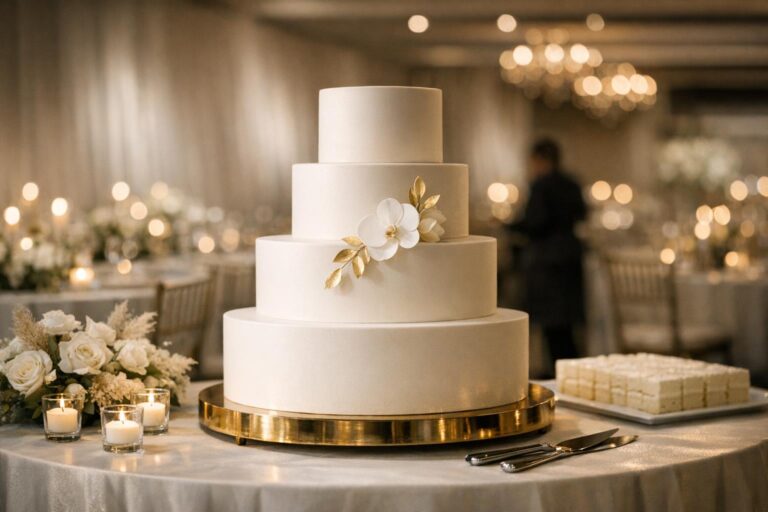
Minimalist one-tier cakes read best when the environment is uncluttered—clean linens, a simple stand, and enough breathing room for the finish to shine. A marble motif or Swiss dot pattern becomes the “texture story” in close-ups, and a banner topper or monogram can act like a headline in the frame. In real wedding galleries and credited imagery, photographers often capture these cakes like small sculptures: centered, crisp, and editorial.
Romantic floral in photos
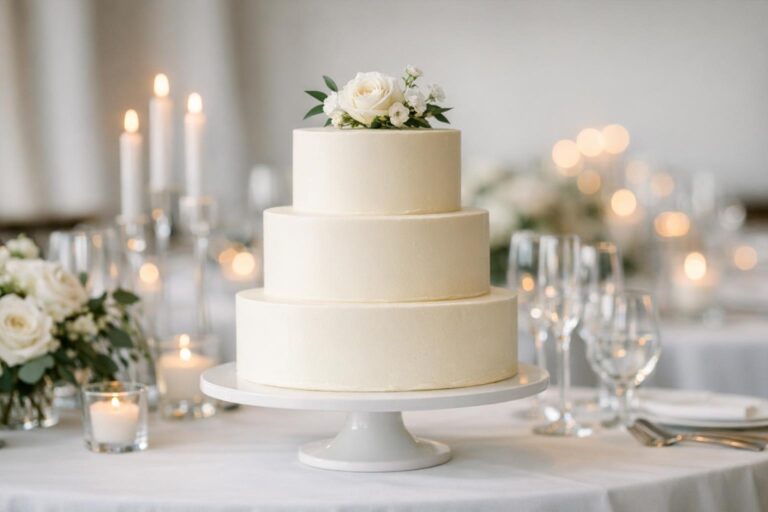
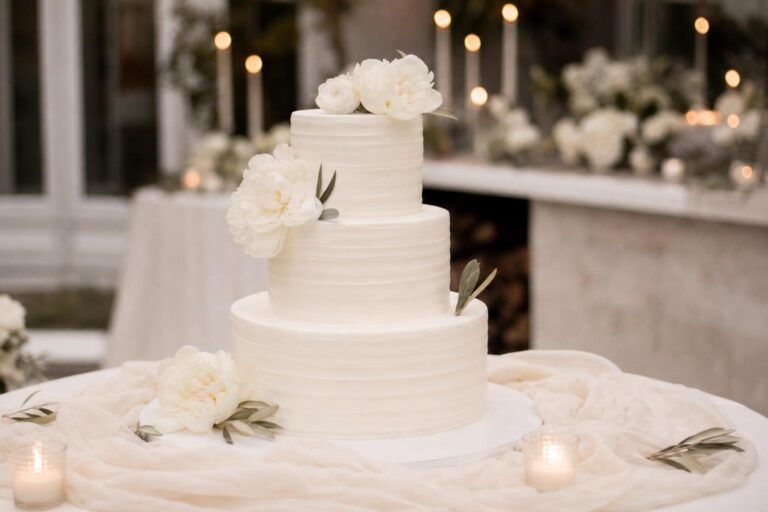
Romantic floral cakes photograph like a moment—especially when blooms tie into the bouquet or reception florals. A semi-naked or buttercream-textured finish can look luminous in soft light, and florals add movement that makes the cake feel alive in the frame. This is especially effective for intimate weddings where guests gather close, and for sunset receptions where the mood is gentle and warm.
A note on scale: making small wedding cakes feel “complete”
With small wedding cakes, the styling around the cake matters as much as the cake design. Minimalist styling benefits from a purposeful stand and a clean background; romantic floral styling benefits from continuity—floral echoes nearby, or a small arrangement that feels intentional rather than “extra.” Either way, a single tier looks most elevated when it has a designed setting, not a leftover corner of the room.
Wedding cake ideas one tier: side-by-side comparisons you can actually picture
Sometimes it’s easiest to choose a style when you imagine the same wedding moment—cutting the cake, the first photo, the reception table—and then swap the design philosophy. Below are practical comparisons that translate inspiration into decisions.
Example comparison: courthouse ceremony dinner
A minimalist approach might choose smooth buttercream with a small geometric topper or a date detail—simple, modern, and quiet. A romantic floral approach might keep the base clean but add a small floral accent that echoes a bouquet, making the cake feel like a keepsake from the ceremony. Both are simple small wedding cake ideas, but one leans modern and graphic while the other leans sentimental and atmospheric.
Example comparison: rustic reception with warm textures
Minimalist doesn’t have to fight rustic; it can complement it. A combed buttercream texture or a clean, semi-custom finish can look intentional against wood and linen. Romantic floral styling leans naturally rustic when paired with a semi-naked finish and soft floral placement. If your venue already has a lot of visual texture, minimalist cake styling can feel calm and elevated; if your décor is simple, florals can bring in warmth.
Example comparison: modern reception with a clean palette
Minimalist styling shines here: marble details, crisp buttercream, Swiss dot textures, or sugar crystal accents can feel like intentional design rather than decoration. Romantic floral still works, but it often looks best when florals are restrained and architectural—one focused placement rather than a full cascade—so the cake matches the room’s modern energy.
Example comparison: boho vs glam personalization
For a boho mood, romantic floral styling often feels natural: a semi-naked finish with relaxed florals and soft edges. For modern glam, minimalist styling can feel more aligned: clean buttercream with a bold topper choice or a refined pattern. The key is coherence—your cake should feel like it belongs to your styling story, not like a separate trend dropped onto the table.
Design foundations: finishes and motifs that define one layer wedding cake designs
Whether you’re building minimalist chic or romantic floral, the “bones” of the design come down to finish, texture, and one strong motif. Many top single-tier inspirations use the same vocabulary—naked and semi-naked finishes, buttercream texture, marble effects, Swiss dots, hand-piped details—then shift the mood through color and styling.
Naked vs semi-naked vs full buttercream
Naked and semi-naked cakes feel intimate and relaxed, often associated with rustic or minimalist wedding styling. Full buttercream (whether smooth or textured) tends to read more formal and polished. If you love the romance of a softer finish but want a dressier feel, a semi-naked approach with intentional texture can bridge the two styles.
Swiss dot, combed texture, and hand-piped details
Swiss dot-style piping creates a delicate, textile-like effect—subtle, romantic, and quietly detailed. Combed texture offers a modern, structured pattern that looks excellent on a single tier because it adds dimension without needing extra décor. Hand-piped details can lean either minimalist (fine, restrained piping) or romantic (lace-like patterns), depending on how dense and ornamental the design becomes.
Marble, geometric accents, and painterly touches
Modern marble designs and geometric accents naturally reinforce minimalist style. Painterly touches can lean romantic when they feel soft and expressive, especially when paired with florals. If you’re choosing between the two styles, ask yourself which you want to notice first in photos: the design motif (marble/geometry/pattern) or the natural accent (florals and softness).
Toppers and personalization: the smallest detail that changes everything
With a single layer wedding cake, toppers aren’t an afterthought. They often serve as the “height” the cake doesn’t have—drawing the eye upward and anchoring the design in your story. In galleries and real weddings, a banner topper or a simple monogram can turn a small cake into a signature moment.
Minimalist personalization: monograms, initials, date details
If you love minimalist design, consider a topper that feels graphic and intentional: initials, a monogram, or a date. The cleaner the cake finish, the more a topper reads like design. This is especially effective on smooth buttercream or modern marble, where the topper becomes the focal point rather than competing with surface decoration.
Romantic personalization: florals as a narrative thread
For romantic floral styling, personalization often comes from continuity. A small floral placement that echoes the bouquet can make the cake feel like part of the ceremony rather than a separate dessert. Even a single cluster of blooms can carry emotion—softening the moment you cut the cake and giving photographers a detail that connects the day’s design together.
Tips: choosing toppers and accents that won’t overwhelm a single tier
The most common misstep with wedding cake designs single tier is scale: a topper that’s too large, or décor that crowds the top edge. Choose one focal point (a topper or florals), then support it with one subtle secondary detail (texture, piping, or a small accent like sugar crystals). If you want both toppers and florals, keep each element restrained so the cake still feels breathable and elegant.
Flavor, fillings, and menu planning: where the “small cake” decision becomes a hosting decision
Design gets the attention, but flavor and menu strategy are what make the single-tier choice feel generous. Many couples choose a one-tier cake for the cutting moment and photos, then expand dessert options in other ways. When you approach it as a hosting plan—not just a cake order—you can keep the look minimal and still serve guests beautifully.
Classic flavor profiles that suit a single tier
Single-tier cakes often shine with familiar flavors that feel celebratory and crowd-pleasing, like vanilla, chocolate, or lemon, especially when paired with fruit-forward fillings. Because the cake is smaller, guests tend to remember the quality and balance of flavor more than the novelty of a complex combination.
Dietary accommodations as a planning conversation
Dietary needs come up often in modern weddings, but they’re rarely addressed clearly in single-tier inspiration content. If you’re considering gluten-free, dairy-free, nut-free, or vegan options, bring it into the conversation early so your baker can confirm what’s realistic for your chosen finish and design. The goal is alignment: some finishes and decorations are easier to execute than others when ingredient constraints are involved.
Tips: how to keep the cake special even if you add other desserts
If your cake is the centerpiece, protect its moment. Let the single layer wedding cake be the star on a dedicated stand with breathing room, then place additional desserts as a separate experience (for example, a nearby dessert table). That way, your cake photos stay clean and focused, and your guests still feel the abundance of a well-planned celebration.
Budget, servings, and timeline: the practical side of simple small wedding cake ideas
A one-tier cake can be a budget-conscious choice, but the final cost still depends on design detail, finish, and service. Couples sometimes assume “one tier equals inexpensive,” then feel surprised when intricate piping, handcrafted décor, or delivery and setup shift the total. Understanding the practical trade-offs helps you choose a style that’s both beautiful and realistic.
Serving strategy: the classic 6-inch question
Many couples planning small wedding cakes ask about servings for a 6-inch cake. The most helpful approach is to discuss your guest count and serving plan directly with your baker, because slice size and service style vary. What matters is clarity: decide whether the cake is only for a ceremonial cut, for immediate family, or for every guest—then design the rest of dessert service around that choice.
Lead times and coordination with venues and caterers
Even a single-tier cake benefits from a thoughtful timeline. Baker lead times, customization approvals, and coordination with your venue or catering team matter—especially for delivery, setup, and any onsite styling. A small cake is still a wedding cake, and the logistics deserve the same care you’d give a multi-tier design.
Tips: a simple planning checklist for one-tier cakes
- Confirm whether the cake is for cutting only or for serving a portion of guests.
- Decide your dominant style: minimalist motif (marble, Swiss dot, texture) or romantic floral accent.
- Ask about delivery and setup expectations with your venue and baker.
- Finalize topper and personalization details early so proportions feel right on a single tier.
- Discuss dietary accommodations up front if they’re part of your guest experience.
Choosing a baker: comparing product-style offerings vs custom design support
When you search for single-layer options, you’ll find two different experiences. Some couples prefer an easy, product-style order (a semi-custom single layer with a known finish and size). Others want a design consult where the cake is tailored to the wedding’s aesthetic. Both can be wonderful—what matters is choosing the path that matches your planning style.
Brand and shop examples couples recognize
Some well-known names appear frequently in the single-layer conversation because they clearly present single-layer products or inspiration: The Hummingbird Bakery highlights a single-layer wedding cake offering, while shops like Patty’s Cakes and Just Cake It present single-layer cake products and semi-custom styles. These product-style pages can be helpful if you want a straightforward ordering process and a clear sense of what you’re getting.
On the inspiration side, wedding planning resources and galleries—like The Knot, along with planning blogs such as Bells of Joy, Adoro Events, and WeddingUnite—show a wide range of wedding cake ideas one tier, often with photography credits and cake designer attributions that help you trace a look back to the people who made it.
Questions to ask that actually protect your day
Whether you’re ordering from an established bakery shop page or working with a designer, the best questions are practical: What level of customization is included? Who handles delivery and setup? How are toppers and florals placed and secured? Can dietary accommodations be met without compromising the planned finish? A clear conversation here reduces last-minute stress and keeps your cake moment calm and joyful.
Tips: how to share inspiration without losing your own vision
Bring two to four images that show the same style direction, not ten unrelated pictures. If you love Swiss dot texture, show examples that all feature delicate piping; if you love modern marble, show versions with similar contrast and movement. For romantic floral, show the scale you prefer—one small accent vs a fuller floral moment—so your baker can translate your taste into a design that fits a single tier.
Where each style works best: matching cake aesthetics to venue mood
One of the most comforting truths about a single layer wedding cake is that it can adapt almost anywhere—because the style can do the heavy lifting. The venue sets the stage, and your cake either harmonizes or competes. Choosing thoughtfully makes the whole wedding feel more cohesive.
Minimalist single-tier cakes: best settings
Minimalist cakes feel naturally at home in modern venues and clean reception spaces where negative space is part of the design. They also work beautifully when your tablescape is already detailed—because a smooth buttercream finish or a structured texture acts like a visual pause. If your wedding look leans “minimal chic,” minimalist wedding cake designs single tier reinforce that clarity.
Romantic floral single-tier cakes: best settings
Romantic floral cakes thrive in spaces where guests feel the intimacy of the day—garden-inspired ceremonies, softly lit receptions, and gatherings where the cake table becomes a small moment of beauty. Even in a more modern room, florals can soften the scene if they echo the rest of your design. This is often why couples who want simple small wedding cake ideas still choose florals: they add emotion without requiring extra tiers.
A practical note on venue rules and coordination
Some venues or catering teams have specific expectations about delivery timing, setup location, or who is allowed to place finishing details. These details can influence which style is simpler to execute: minimalist designs often rely on a controlled finish that’s completed at the bakery, while romantic floral designs may involve final placements at setup. Asking about coordination early keeps the day running smoothly.
Common style mistakes with small wedding cakes (and how to avoid them)
The most beautiful one-tier cakes look effortless, but they’re rarely accidental. A few predictable mistakes can make a single layer feel smaller than it is—or visually disconnected from the wedding design.
- No focal point: If the cake has no topper, no pattern, and no florals, it can look unfinished. Choose one clear motif—Swiss dots, marble, combed texture, or a floral accent.
- Oversized décor: Large toppers and heavy accents can overwhelm the proportions of a single tier. Scale matters more when there’s no second tier to balance it.
- Competing textures: A highly textured cake placed in an already busy setting can read chaotic in photos. If your décor is detailed, choose a calmer cake finish.
- Last-minute personalization: Adding a topper late can lead to awkward scale or placement. Plan personalization early so the design feels intentional.
- Unclear serving plan: If you assume the cake serves everyone, you may feel stressed on the day. Confirm servings and decide whether additional desserts are part of the plan.
Blending the styles: a middle path that feels modern and romantic
Some of the most memorable wedding cake ideas one tier live between categories. If you love the clean confidence of minimalist design but still want softness, you can blend the aesthetics with a simple formula: keep the base minimalist, then add one romantic gesture.
For example, choose a smooth or lightly textured buttercream finish (minimal), then add a small, intentional floral placement (romantic). Or choose Swiss dot piping (romantic texture) but keep the palette clean and the topper modern (minimal structure). The key is balance: one hero element, one supporting detail, and enough open space for the cake to breathe.
Tips: the “one hero detail” rule for single-tier success
If you’re unsure, decide what you want guests to say when they see the cake: “That marble is stunning,” or “Those florals are so you,” or “That topper is perfect.” Once you choose the hero, everything else should support it quietly. This single decision is the fastest way to make small wedding cakes feel confident and complete.
Resources for inspiration: where couples tend to find real designs
If you’re collecting one layer wedding cake designs, it helps to look in two places: galleries that show variety across real weddings, and bakery pages that show what’s consistently achievable. The Knot is widely used for single-tier idea galleries and real wedding examples, often crediting photographers and cake designers in captions. Planning sites like Bells of Joy, Adoro Events, and WeddingUnite also present curated roundups of one-tier designs with trend-forward styling.
On the ordering side, bakery pages can clarify what a “single-layer wedding cake” means in practice. The Hummingbird Bakery presents a single-layer wedding cake offering, while shops such as Patty’s Cakes and Just Cake It show product-style single-layer options. Browsing both inspiration galleries and product pages helps you bridge the gap between dream and logistics.
FAQ
What is a single layer wedding cake, and how is it different from a one-tier cake?
In wedding planning conversations, “single layer” and “one-tier” are commonly used to describe the same idea: a wedding cake with just one tier (one main cake) rather than a stacked multi-tier design. The styling can still be formal and highly designed through finishes like buttercream texture, Swiss dots, or modern marble.
Can a single layer wedding cake look formal enough for a traditional reception?
Yes—formality comes from design choices, not height. Smooth buttercream, refined texture, Swiss dot piping, sugar crystal accents, a well-scaled topper, and a cohesive cake table setup can make a single-tier cake feel polished and reception-ready.
How many servings are in a 6-inch single-tier wedding cake?
Serving counts vary by slice size and service style, so the most reliable approach is to share your guest count and serving plan with your baker and ask for their serving estimate for the size you’re considering. This also helps you decide whether the cake is for cutting only or whether you’ll add other dessert options.
What are the most popular design directions for wedding cake designs single tier right now?
Common directions include minimalist and simple designs with smooth buttercream, combed texture, Swiss dot details, modern marble effects, semi-naked or naked finishes, floral accents, and personalized toppers like initials, monograms, dates, or banner toppers.
Should I choose a minimalist single-tier cake or a romantic floral one?
Choose minimalist if you want crisp, modern structure and a controlled palette, especially if your venue or décor is already visually detailed. Choose romantic floral if you want softness and storytelling, especially when your wedding design features florals as a key emotional element; both styles work well for small wedding cakes when they have one clear focal point.
How far in advance should I book a baker for a one-tier wedding cake?
Even a one-tier cake benefits from advance planning because design approvals, customization, and coordination with your venue or caterer can take time. Ask the baker about their lead time, delivery and setup process, and when final design details like toppers or florals need to be confirmed.
Are dietary accommodations possible for a single-layer wedding cake?
Dietary accommodations such as gluten-free, dairy-free, nut-free, or vegan options may be possible, but they should be discussed early because ingredient constraints can affect finishes and decorations. Share your needs upfront so your baker can confirm what’s realistic for your chosen design style.
What should I ask a baker before ordering a single-layer cake from a product page?
Confirm what customization is included, how delivery and setup are handled, what the cake will look like in its finished form (including texture and topper options), and how any final styling elements are placed. These questions help ensure the cake you order matches your wedding vision and day-of logistics.
How do I keep a single-tier cake from looking “too small” in photos?
Give the cake a purposeful setting: a dedicated stand, a clean or coordinated background, and a design with a clear focal point such as a topper, a floral accent, or a strong finish like marble, Swiss dots, or combed texture. A single-tier cake photographs best when it looks intentionally styled, not tucked into a crowded corner.