Soft Bodiour Photoshoot Photo Ideas with an Editorial Mood
There is a particular kind of confidence that grows in the quiet moments before a portrait session: the robe hanging nearby, soft window light falling across a bed, a favorite song setting the mood, and the feeling that this shoot is not only about images, but about how you want to remember yourself. That is why so many readers searching for bodiour photoshoot photo ideas are really looking for more than poses. They want inspiration that feels tasteful, empowering, artistic, and practical enough to turn into a session they can actually enjoy.
Boudoir photography sits at the meeting point of intimacy and artistry. The strongest sessions are built with care: clear boundaries, comfort-first direction, flattering wardrobe, thoughtful lighting, and privacy practices that respect the personal nature of the images. Whether the vision is romantic and classic, edgy and cinematic, playful and candid, or minimalist and softly cropped, the most memorable results come from matching the mood to the person in front of the camera.
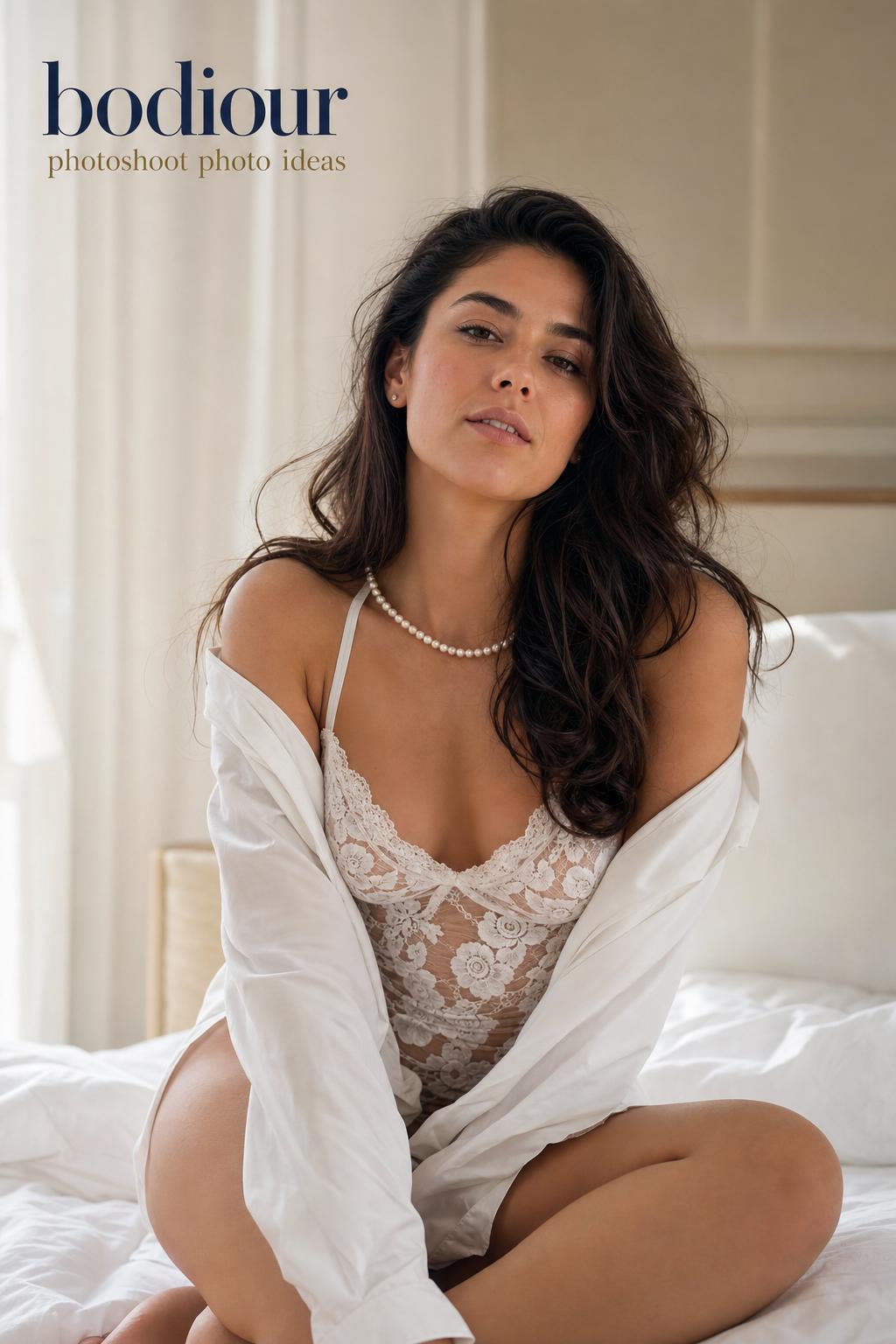
This guide brings together boudoir photo ideas, pose inspiration, wardrobe direction, lighting approaches, location concepts, and planning advice for a polished, confidence-building shoot. It also covers the details that make a real difference in practice, from consent and accessibility to secure delivery and thoughtful retouching in Lightroom or Photoshop. If you are planning a bridal gift, celebrating a milestone, or simply creating portraits that feel deeply personal, these ideas can help shape a session that feels beautiful and unmistakably your own.
The heart of boudoir photography
Boudoir photography is best understood as intimate portraiture guided by mood, styling, and trust. It is not defined by one wardrobe choice, one body type, or one location. Instead, it is shaped by how the subject is seen: with softness, intention, and respect for boundaries. Some sessions lean toward lingerie and lace, while others use robes, oversized shirts, sheets, satin fabrics, or non-lingerie styling that feels more natural to the client. The artistic range is wide, but the foundation should always remain the same: privacy, consent, and comfort.
Turn wedding inspiration into a plan you can actually follow.
Zarellea brings your guest list, budget, vendors, and day-of details into one shared space — so no beautiful idea gets lost in the shuffle.
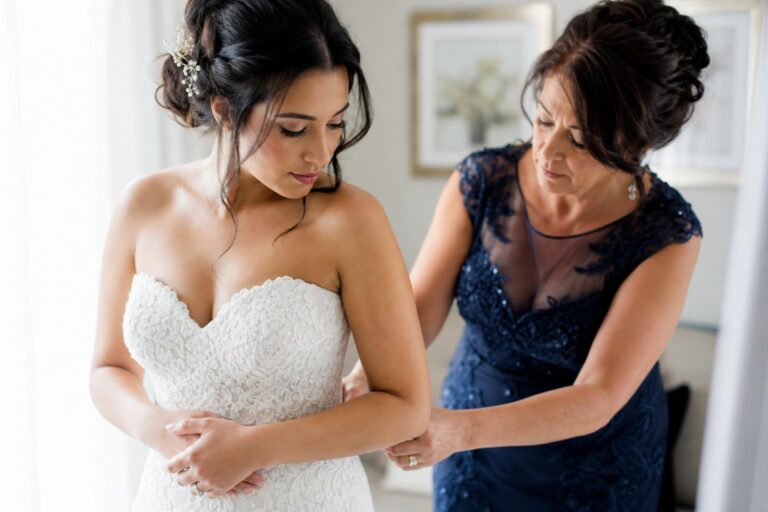
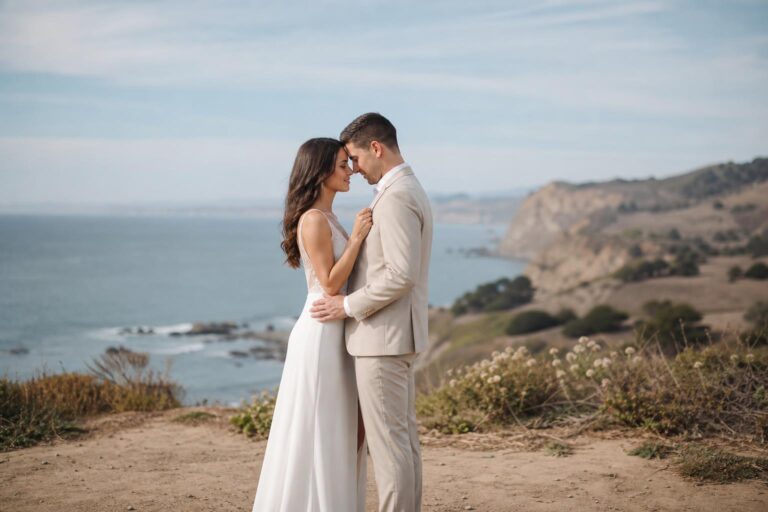
For many people, the appeal is tied to confidence and celebration. A boudoir session can mark an engagement, wedding season, anniversary, personal transformation, or simply a desire to create elegant portraits. In that sense, it connects beautifully with wedding planning as well. Just as couples choose florals, music, and lighting to shape the atmosphere of a ceremony, boudoir works best when the visual details support an emotional goal. The session becomes not just a collection of images, but a curated experience.
Before choosing any pose or prop, it helps to decide on the overall feeling. Romantic sessions often rely on cream tones, soft fabrics, and natural light. Edgier concepts use black wardrobe, stronger contrast, rim light, or urban backdrops. A playful session may include candid movement, laughter, and relaxed styling. Minimalist shoots strip things back and let cropping, texture, and body lines carry the image. Knowing the mood first makes every later decision easier.
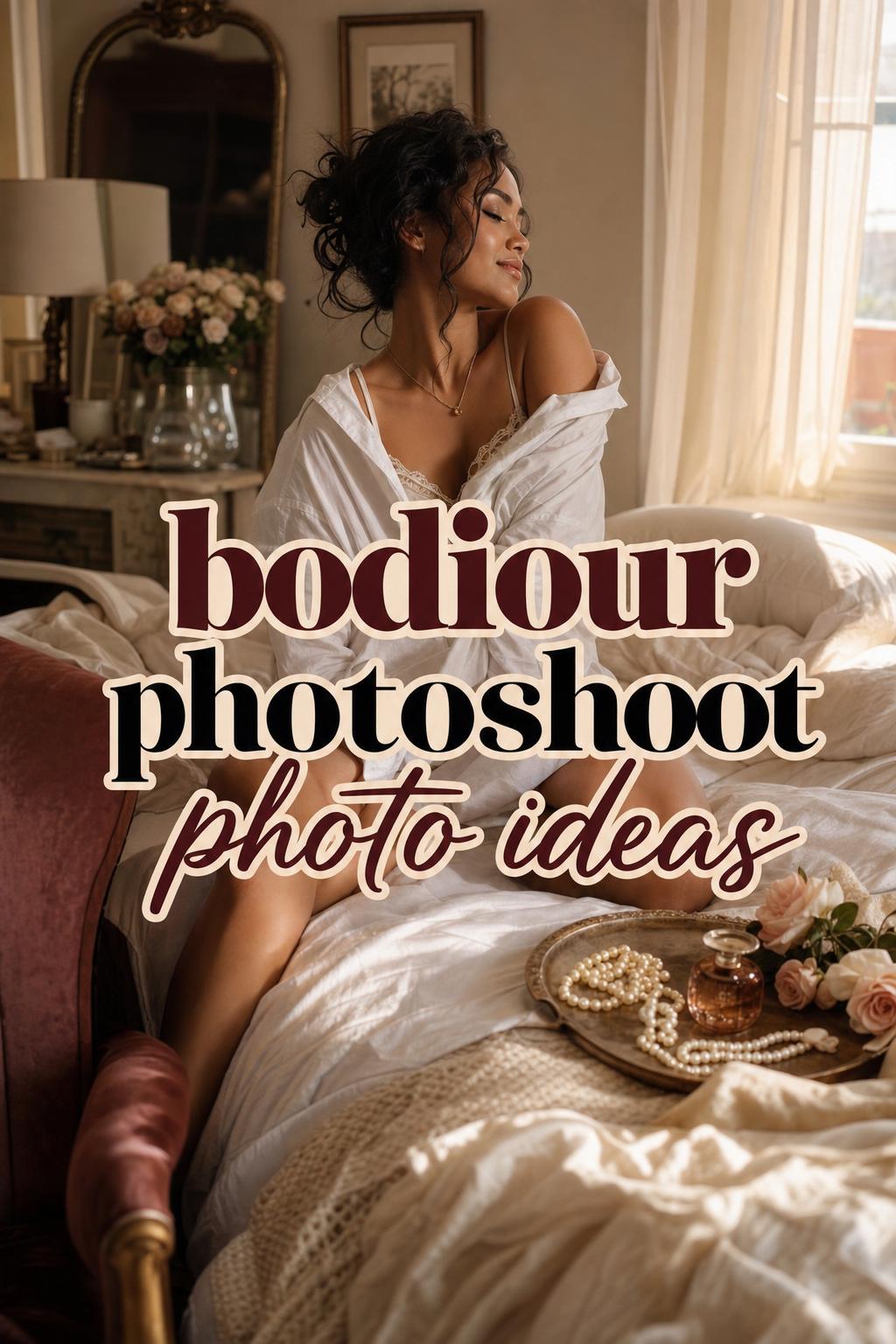
Choosing a boudoir style that matches your story
The most compelling boudoir photoshoot ideas do not start with copying a pose board. They begin with a style direction that feels believable on the person being photographed. A high-glam concept can be gorgeous, but if someone feels most at ease in a soft robe with understated makeup, a more natural approach will usually photograph with more authenticity. The camera often rewards what feels true rather than what feels forced.
Romantic, soft, and classic
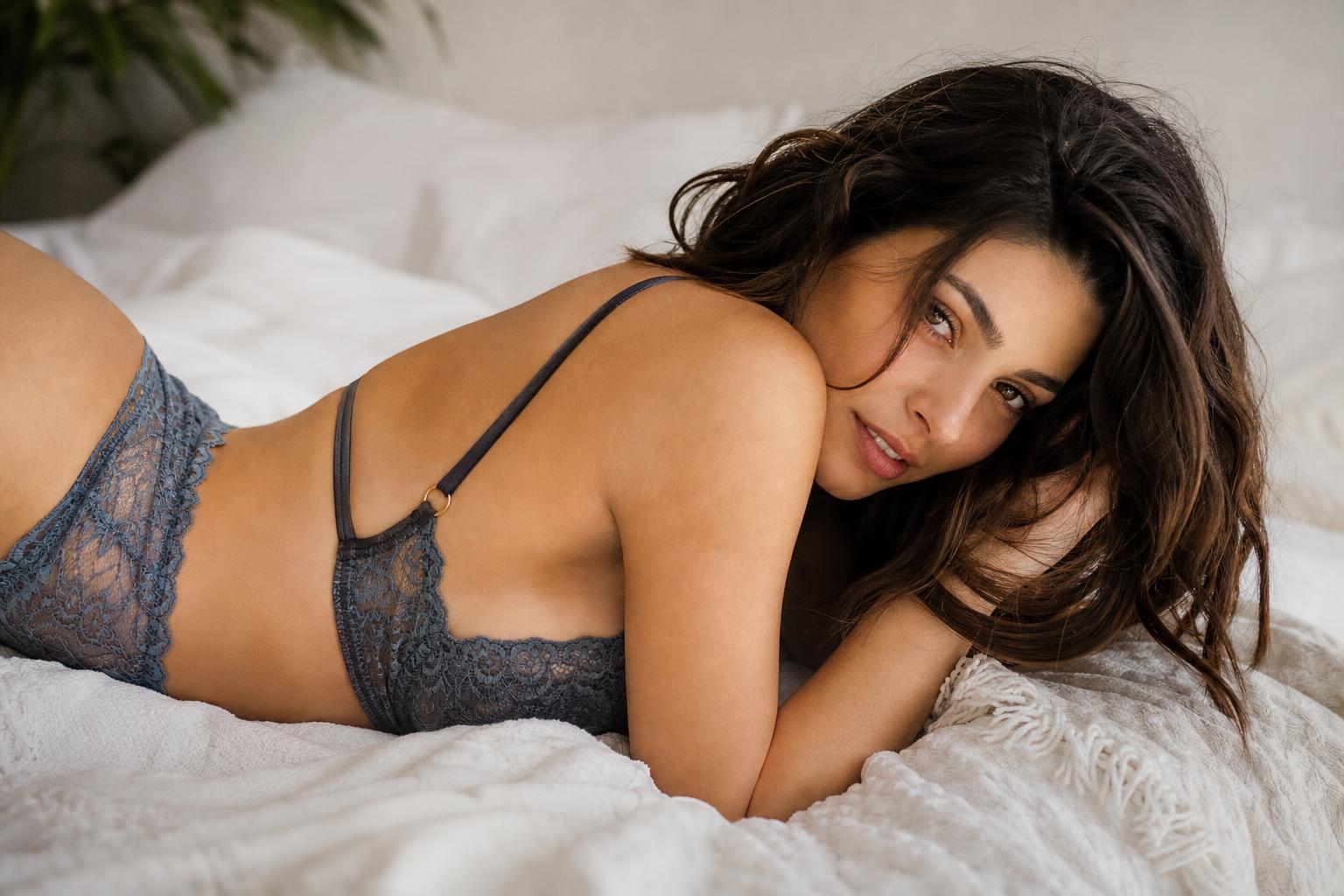
This mood suits readers who want elegance over intensity. Think cream palettes, lace, satin, sheer textures, gentle posing on a bed or chaise, and window light that wraps softly across the face and shoulders. A classic romantic session often feels timeless because it relies on subtle expression, delicate hand placement, and body lines rather than dramatic styling tricks.
Edgy and cinematic
An editorial boudoir concept can feel striking without becoming harsh. Black wardrobe, stronger contouring, mixed lighting, or selective rim light create shape and mood. This style works especially well in lofts, studios with textured walls, or hotel rooms with architectural details. Cinematic color grading can deepen the atmosphere, though it should still support skin tones and not overpower the subject.
Playful and candid
Not every image needs a heavy, serious expression. Some of the most memorable frames happen when a client shifts positions naturally, laughs between poses, pulls on a robe, or looks away from the camera. Playful boudoir is especially effective for beginners because it reduces the pressure to hold a perfect pose and creates a more relaxed rhythm during the session.
Minimalist and cropped
This approach focuses on shape, shadow, and texture. Cropped images of hands in silk sheets, a shoulder turning toward window light, jewelry at the collarbone, or a profile reflected in a mirror can feel intimate and elevated. Minimalist concepts are useful for clients who want tasteful boudoir styling without showing too much, and they often pair beautifully with neutral backdrops and simple wardrobe.
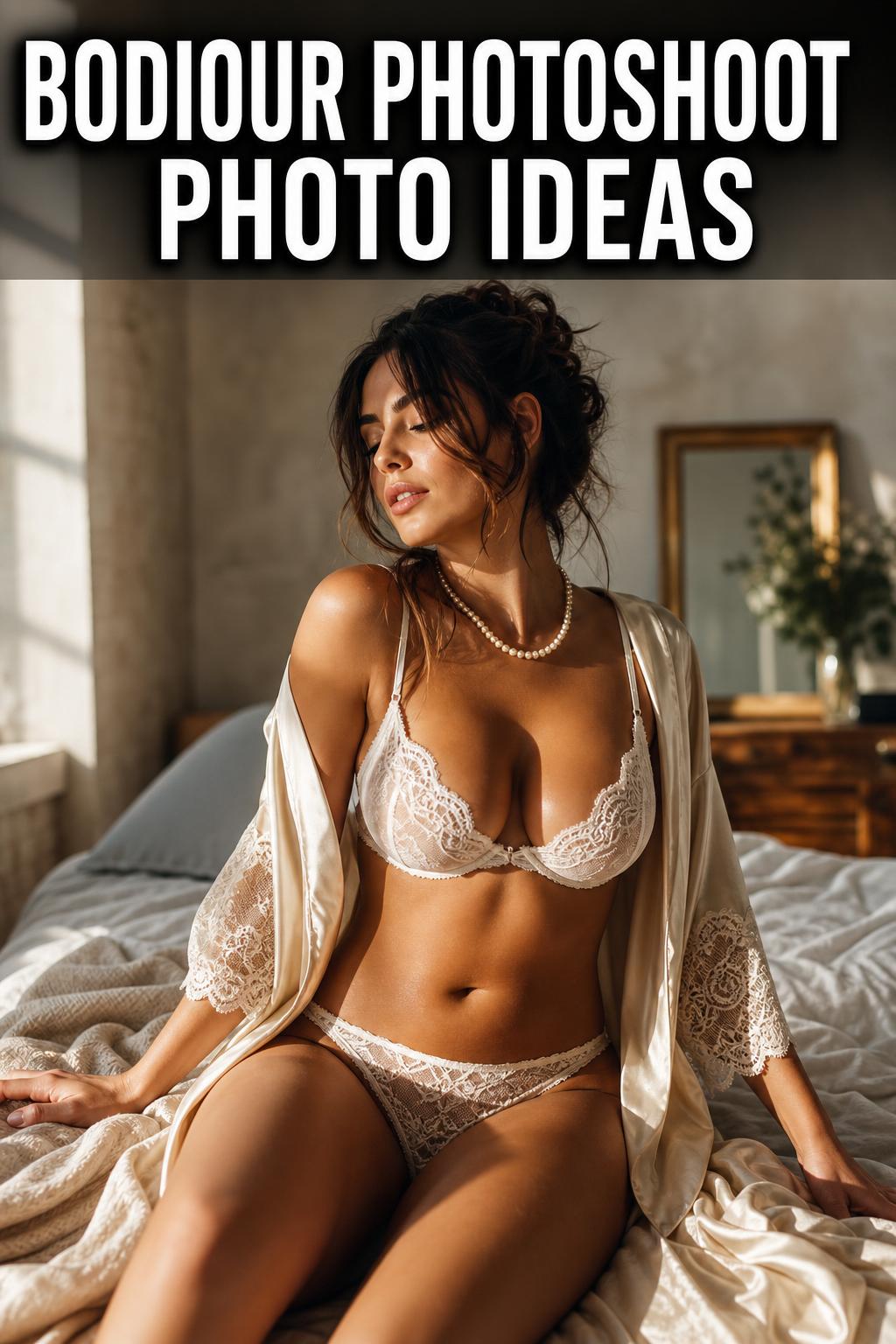
Pose ideas by mood, not by formula
Good boudoir poses should feel directed but never rigid. The goal is to create flattering lines while allowing natural expression. Small shifts matter more than complicated angles. A slight chin lift can change the mood. A bend in the knee can soften the frame. A hand placed lightly instead of tensely can make the portrait feel effortless. The best posing guidance is gentle, specific, and responsive to the client’s comfort level.
- Recline on a bed with knees softly bent and one arm above the head for a classic, romantic composition.
- Sit at the edge of a bed or sofa and lean forward slightly to create shape through the torso and neckline.
- Stand beside a window in profile, letting natural light define the face, shoulders, and hip line.
- Use a robe slipping off one shoulder for a soft, transitional pose that feels elegant rather than over-staged.
- Try mirror compositions where the subject looks at her reflection instead of directly into the lens for a more private, candid feeling.
- Capture movement by turning away, adjusting a strap, walking barefoot across the room, or gathering sheets around the body.
- Create minimalist detail shots of hands, lips, jewelry, lace, satin, or a silhouette against soft light.
For edgy boudoir poses, use stronger lines. Standing against a wall, one knee bent, shoulders angled, and the gaze directed away from the camera can create a cinematic frame. On a stool or chair, a long spine and intentional hand placement feel more editorial. In playful sessions, movement matters more than stillness. Let the subject toss back her hair, laugh into a robe collar, or curl up naturally on a bed.
Adaptive posing deserves special attention. Accessibility-focused boudoir is not a niche afterthought; it is part of inclusive, thoughtful portrait design. Chair-based poses, bed-based concepts, reclined compositions, and supportive positioning can all produce beautiful images while respecting mobility, energy levels, or physical limitations. The styling and direction should fit the person, not the other way around.
A practical tip on posing comfort
During real sessions, clients often relax when they are given actions rather than static instructions. “Turn toward the light,” “soften your hand,” “look down at your shoulder,” or “pull the sheet in closer” tends to work better than trying to hold a complicated pose for too long. This keeps the body engaged, helps expressions feel genuine, and reduces awkwardness, especially for beginners.
Wardrobe ideas that flatter every body and every comfort level
Wardrobe is not just decoration in boudoir photography. It shapes confidence, movement, texture, and visual storytelling. The right piece can make posing easier, soften transitions between shots, and help the client feel secure. That is why the strongest boudoir wardrobe ideas usually include a mix of fitted items, draped layers, and at least one option that feels emotionally comfortable rather than only visually bold.
Color palettes that set the mood
Neutral tones like cream and soft beige create a gentle, bridal, or romantic effect. Black remains a favorite for dramatic, sculpted portraits and works especially well with studio lighting or urban interiors. Red can feel classic and confident, while jewel tones bring richness without the intensity of very bright color. A simple palette also helps the final gallery feel cohesive, especially if the shoot includes album design or printed artwork.
Textures that photograph beautifully
Silk, lace, satin, and sheer fabrics are repeatedly appealing because they catch light in different ways. Satin reflects softness, lace adds detail, and sheer layers introduce dimension while preserving a tasteful look. Robes, oversized shirts, and draped fabrics can also be used as styling tools rather than just cover-ups. They create opportunities for movement, reveal, and shape without requiring constant outfit changes.
Accessories and props with a purpose
Jewelry, flowers, robes, sheets, mirrors, and carefully chosen fabrics can all add atmosphere. The key is restraint. A prop should support the portrait, not distract from it. A mirror can create layered compositions. Roses can reinforce a romantic mood. A robe can soften transitions between poses. A strand of jewelry at the collarbone can become the focal point in a cropped, minimalist frame.
Readers planning a wedding-season session may want to tie wardrobe to the broader bridal vision. Cream satin, pearl-toned jewelry, a veil-inspired sheer layer, or a soft robe can echo the elegance of the wedding day without duplicating it. That approach often feels more meaningful than choosing pieces only because they seem trendy.
Wardrobe tip for beginners
Bring variety, but not so much that the session loses focus. Three carefully chosen looks usually create more polished results than a crowded suitcase of options. A balanced combination might include one romantic set, one darker or moodier look, and one soft layer such as a robe, oversized shirt, or sheet styling concept.
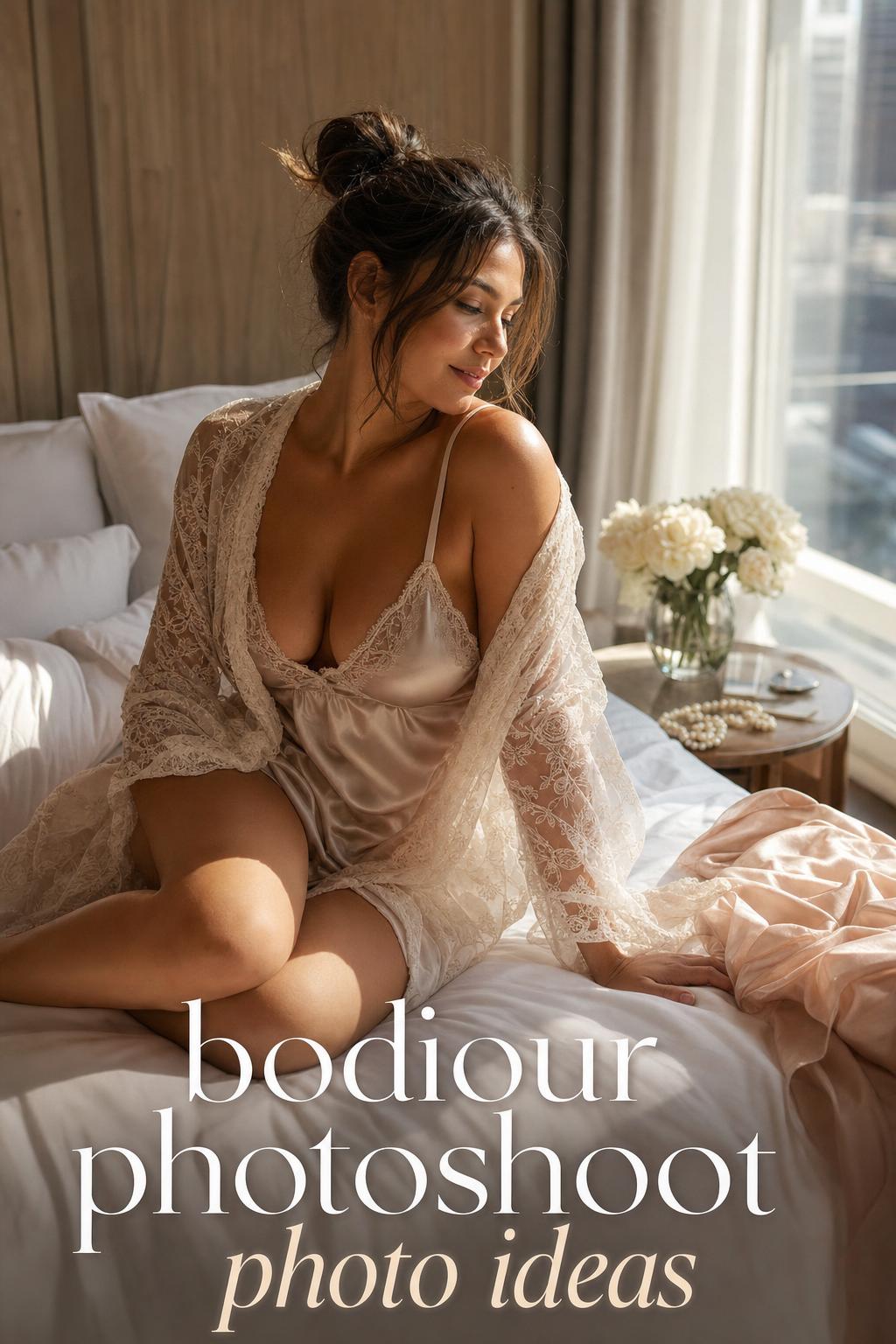
Lighting that shapes mood, softness, and confidence
Lighting is one of the clearest differences between average boudoir portraits and images that feel refined. It defines skin texture, body shape, atmosphere, and emotional tone. Many beginners assume they need highly technical setups, but the essential choice is simpler: do you want the scene to feel soft, dramatic, natural, or editorial? Once that is clear, the gear and setup become easier to choose.
Window light and natural softness
Natural light boudoir remains popular for good reason. Window light is flattering, intuitive, and often more relaxing for first-time clients than a room filled with modifiers. Positioning the subject near a large window and turning the body slightly can create luminous, romantic images with gentle contrast. Golden hour can add warmth, though it may not be ideal if the room becomes too contrast-heavy or direct sunlight creates harsh patches.
Studio lighting with controlled polish
Softboxes, umbrellas, and a beauty dish offer control and consistency, especially in a studio setting. Soft light is often the most forgiving and suits classic boudoir well. A beauty dish can create a more defined, glamorous look. Rim light helps separate the subject from a darker background and adds shape to cinematic portraits. These tools are especially useful when the shoot requires a precise mood or when natural light is limited.
Mixed lighting and color-driven atmosphere
For more editorial sessions, mixed lighting or subtle color gels can create visual depth. This style should be used thoughtfully. It can look stunning in lofts, hotel rooms, or textured studio spaces, but it may not suit every client or every gallery. Stronger color choices usually work best when there is a clear creative direction behind them rather than using them only for effect.
Canon, Nikon, and Sony systems are all associated with boudoir workflows in the broader photography world, but the memorable quality of the image comes less from the camera body and more from lens choice, light quality, and thoughtful direction. Prime lenses are often favored because they support intimate framing and shallow depth of field, which can reinforce the softness or cinematic feeling many clients want.
Lighting tip for flattering results
Feathering the light and keeping it soft tends to be more forgiving than pointing a hard source directly at the subject. This matters especially in boudoir, where clients may already feel vulnerable. Softer light generally supports a more elegant finish and reduces the need for heavy retouching later.
Where the session happens changes everything
Location is not just a backdrop. It influences wardrobe choices, lighting control, posing options, privacy, and the overall emotional tone of the session. A studio offers consistency. A home setting can feel deeply personal. A hotel adds polish and escape. A loft or urban environment can shift the entire session toward editorial boudoir. The right choice depends on the desired mood and the client’s comfort with the space.
In-studio sessions
Studios are ideal for clients who want controlled lighting, privacy, and a polished workflow. They also allow room for backdrop materials, light modifiers, and multiple styled zones. A photographer can move efficiently between a bed setup, a plain backdrop, and a chair or stool concept without changing venues. In cities with active boudoir communities such as Los Angeles, New York, Boston, and Chicago, studio districts often offer a wide variety of visual looks within the same area.
At-home boudoir
Home sessions can feel more relaxed and emotionally honest. They work particularly well when the client wants a private portrait session that feels natural rather than highly produced. A bedroom with soft bedding, a bright window, a mirror, plants, or simple neutral walls may be all that is needed. The trade-off is less control over light and space, so wardrobe and shot planning become more important.
Hotels, lofts, and non-traditional interiors
Hotels often bring a refined atmosphere with tidy linens, elegant furniture, and architectural details. Lofts and industrial interiors support moodier concepts, especially when paired with black wardrobe, cinematic color grading, or stronger directional lighting. These spaces can elevate a session, but they require attention to privacy and permission. A beautiful location is never worth compromising comfort or security.
Outdoor or urban boudoir
Outdoor boudoir photography ideas can feel fresh and unconventional, especially in nature-forward spaces or quiet rural settings. Urban concepts can create a fashion-forward edge. These approaches stand out because they move beyond the expected bedroom setting, but they also require careful planning. Privacy, timing, weather, and the client’s confidence in the environment all become central concerns. Outdoor boudoir is usually strongest when it feels editorial and intentional rather than exposed or improvised.
Hair, makeup, and styling workflow that supports the camera
Beauty styling affects more than the face. It influences confidence, cohesion, and how the subject settles into the session. Some clients feel transformed by full glam; others look most like themselves with natural skin, softly defined eyes, and loose hair. Neither approach is inherently better. The right choice depends on the shoot concept, wardrobe textures, and whether the goal is bridal softness, dramatic editorial mood, or casual intimacy.
Collaboration with makeup artists and hair stylists can make the session feel smoother from the beginning. It creates time to settle in, align the beauty direction with the wardrobe palette, and set the overall tone before the camera comes out. In practical terms, professional styling also helps reduce last-minute changes and contributes to a more cohesive final gallery.
- Choose natural hair and makeup for soft, romantic, or home-based sessions.
- Choose more sculpted glam for studio portraits, black wardrobe, or cinematic concepts.
- Match lip and eye intensity to the lighting style so the face does not feel overpowered or underdefined.
- Consider how hair moves in poses that involve lying down, turning, or looking over the shoulder.
- Coordinate the beauty look with jewelry, robes, and fabrics so the final images feel intentionally styled.
A useful planning question is whether the beauty look should blend into the portrait or become one of its focal points. For a minimalist shoot, understated styling usually works best. For a high-fashion editorial concept, stronger hair and makeup may be part of the visual story. The decision should be made early so every part of the session supports the same direction.
Ideas that feel inclusive, modern, and genuinely personal
One of the clearest ways to create a more meaningful boudoir session is to move beyond narrow assumptions about who it is for. Boudoir can celebrate all body types, ages, gender identities, and expressions of sensuality. It can be bridal, solo, romantic, fashion-driven, subtle, or bold. It can involve lingerie, but it does not have to. Inclusivity is not a trend layer added at the end; it changes the planning, posing, language, and overall atmosphere from the start.
Plus-size boudoir, aging-in-boudoir perspectives, gender-inclusive portrait direction, and disability-aware setups all deserve direct attention because each may involve different comfort needs or styling priorities. For some clients, the most empowering image may be a confident standing portrait in black satin. For another, it may be a softly lit close-up while seated on a bed, wrapped in fabric and looking out a window. There is no single visual formula for confidence.
Couples boudoir can also fit within this broader, modern understanding of intimate portraiture. In these sessions, non-explicit intimacy direction becomes especially important. The most successful images often focus on connection through touch, posture, and expression rather than trying to stage something overly performative. A hand at the waist, faces turned toward each other in soft light, or intertwined silhouettes can communicate closeness beautifully.
An insight stylists and photographers return to often
The most flattering idea is rarely the one that asks the subject to imitate someone else’s body language. It is the one that honors how that person naturally occupies space. Styling, lighting, and posing should be built around that truth. This is often where confidence becomes visible in the photograph.
From shot list to session flow: how to plan without overcomplicating
Great boudoir sessions feel relaxed, but they are usually guided by a clear plan. A simple shot list helps the photographer and client move through the day with confidence. It also keeps the session balanced so the final gallery includes a range of expressions, crops, outfits, and moods rather than repeating the same setup too many times.
- Start with an easier look, such as a robe or oversized shirt, to help the client settle in.
- Move into the strongest natural-light area first if the session depends on window light.
- Capture a mix of wide shots, medium portraits, and detail crops.
- Plan at least one seated or reclined setup for variety and comfort.
- Include one mood shift, such as changing from cream tones to black wardrobe or from soft light to a studio setup.
- Leave time for candid frames between poses rather than filling every minute with direction.
A session timeline matters more than many first-time clients expect. Hair and makeup, wardrobe changes, lighting adjustments, and breaks all affect how the subject feels by the end. If the schedule is rushed, confidence often drops. A slower, more thoughtful flow tends to produce stronger images and a more positive experience overall.
Post-production, retouching, and privacy deserve real attention
Because boudoir images are personal, the editing and delivery process should feel as considered as the shoot itself. Retouching philosophy matters. Most clients want to look polished, but they do not want to look unlike themselves. That is why a balanced approach is usually best: refining distractions, preserving skin texture where possible, and aligning edits with the agreed style of the session rather than chasing an unrealistic finish.
Lightroom and Photoshop are commonly associated with boudoir editing workflows, from color correction to detailed retouching. Cinematic color grading can add depth in moodier sessions, while softer tones often support romantic galleries. AI-assisted retouching may be part of some workflows, but transparency and human review are important. Intimate portraiture deserves careful judgment, not automated assumptions.
Privacy-first delivery is not optional in boudoir. Secure galleries, clear client rights, explicit consent for sharing, watermark policies where appropriate, and a defined data retention approach all help build trust. Clients should know exactly who can view their images, how long files are stored, and whether any images may appear in a portfolio or on social platforms. No one should feel surprised after the session.
Why this part matters so much
A beautiful image loses its meaning quickly if the client does not feel protected. Privacy, consent, and delivery practices are part of the artistic experience, not administrative details. When handled well, they allow the subject to relax and engage more fully from the very beginning of the shoot.
Common mistakes that can make a boudoir session feel less polished
Even visually strong ideas can fall flat when practical details are overlooked. Many of the most common problems are not about creativity at all. They are about planning, pacing, and comfort. Avoiding them can make the difference between a gallery that feels disconnected and one that feels cohesive and intentional.
- Choosing wardrobe that photographs beautifully but feels physically uncomfortable to wear for more than a few minutes.
- Trying too many concepts in one session instead of refining one or two clear moods.
- Ignoring privacy details when booking a hotel, outdoor location, or shared studio space.
- Using lighting that is too harsh for the desired romantic or tasteful look.
- Relying only on highly posed images and forgetting candid transitions.
- Skipping consultation about boundaries, retouching expectations, or image-sharing consent.
Another subtle mistake is forcing the session into a style that does not fit the client. A person who loves softness may not enjoy an edgy industrial concept, no matter how fashionable it looks in a portfolio. A strong session should feel aligned with the subject’s personality, not disconnected from it.
Finding the right photographer, studio, and creative team
Choosing a boudoir photographer is as much about trust as it is about style. Portfolios matter, but so do communication, privacy practices, and the ability to direct with empathy. A polished gallery means little if the client does not feel safe, informed, and respected throughout the process. When evaluating photographers or studios in places like Los Angeles, New York, Boston, or Chicago, look for consistency in mood, posing quality, lighting control, and the treatment of different body types and identities.
Ask practical questions early. How is consent handled? Is there a contract covering image use? Are hair and makeup artists available? Can the photographer work in a studio, home, hotel, or loft depending on the concept? What does secure gallery delivery look like? These details often reveal more about the experience than a highlight reel of favorite images.
Workshops, studio open houses, and portfolio-building shoots can also shape a photographer’s approach, especially if they work across intimate portraiture and fashion/editorial spaces. For clients, the priority is not whether a creative team appears trendy. It is whether they can guide the session with professionalism, inclusivity, and a clear artistic point of view.
Bringing the vision together for a session that feels memorable
The most successful boudoir images rarely come from one standout idea alone. They come from a series of choices working together: a location that feels private and inspiring, wardrobe that supports movement and confidence, lighting that flatters rather than fights the subject, direction that feels respectful, and editing that honors the person in the frame. That is what turns simple boudoir photoshoot ideas into portraits with lasting emotional weight.
If you are planning your session around a bridal season, a personal milestone, or a quiet act of self-celebration, let the shoot reflect your real style instead of what you think boudoir has to look like. Romantic can be powerful. Minimal can be sensual. Editorial can still be deeply personal. The strongest images are the ones that feel honest when you look back at them.
Approached with care, boudoir photography can be elegant, artistic, and confidence-building from the first consultation to the final gallery. And that is ultimately why these portraits matter: they preserve not only how you looked in a moment, but how fully you chose to be seen.
FAQ
What should I wear to a boudoir photoshoot?
Choose pieces that support both the visual mood and your comfort level, such as lingerie, robes, oversized shirts, satin, lace, sheer fabrics, or even non-lingerie styling if that feels more natural. A small wardrobe with variety usually works best, often combining one soft romantic look, one darker or more dramatic option, and one layered piece for transitions.
How should I prepare in the days before the session?
Preparation is most effective when it focuses on clarity rather than stress. Finalize your wardrobe, confirm the mood of the shoot, discuss boundaries and privacy expectations, and make sure the location setup matches the lighting plan. Giving yourself enough time for hair, makeup, and travel also helps the session start calmly.
How many outfits are ideal for boudoir photos?
Three looks are often enough for a balanced session. That gives room for variety without making the day feel rushed or overly fragmented. A focused wardrobe usually creates a stronger gallery than bringing too many choices that compete with each other.
Can boudoir be done at home instead of in a studio?
Yes, at-home boudoir can feel intimate, relaxed, and very personal, especially if the space has good window light, neutral bedding, mirrors, or simple styling elements like plants and fabrics. The main trade-off is reduced control over lighting and space, so planning becomes more important than it might be in a fully equipped studio.
Are outdoor or hotel boudoir shoots a good idea?
They can be beautiful when they fit the concept and privacy is handled carefully. Hotels often provide a polished setting with elegant interiors, while outdoor or urban boudoir can feel editorial and unexpected. The decision should depend on comfort, permission, timing, and whether the environment supports the mood you want.
What lighting works best for beginners?
Soft natural light from a window is often the easiest and most flattering place to begin. It feels less technical, helps clients relax, and supports romantic, tasteful images. If using artificial light, softboxes or other soft modifiers are usually more forgiving than hard, direct lighting.
Do I need professional hair and makeup for boudoir photography?
Not always, but it can make the experience feel smoother and more cohesive, especially if the shoot has a clear style direction. Professional hair and makeup can help align the final look with the wardrobe, lighting, and mood of the session, whether that means soft bridal polish or stronger editorial glam.
How much retouching is normal for boudoir photos?
A balanced approach is usually best. Most clients want refined, polished images, but still want to look like themselves. Thoughtful editing can improve consistency and remove distractions, while preserving natural texture and the overall honesty of the portrait.
How do I make sure my boudoir images stay private?
Ask direct questions before booking about consent, secure gallery delivery, sharing permissions, portfolio use, and file retention. A privacy-first workflow should be clear and specific, especially because boudoir photography involves intimate imagery that deserves careful handling from capture to final delivery.
Is boudoir photography only for certain body types or ages?
No. Boudoir can be shaped for different body types, ages, gender identities, comfort levels, and mobility needs. Inclusive planning, adaptive posing, and thoughtful styling allow the session to reflect the person rather than forcing them into one narrow version of what intimate portraiture should look like.