
Photo Corner Wedding Ideas With an Editorial Feel
The romantic appeal of a wedding photo corner
There is something irresistibly charming about a beautifully styled photo corner wedding moment. It feels softer than a traditional booth, more woven into the atmosphere of the celebration, and often more personal to the couple. Instead of looking like a separate attraction, a photo corner becomes part of the visual language of the day: a backdrop of florals, fabric, frames, lighting, and thoughtful props that invites guests to step in and become part of the story.
The mood is part celebration, part styling statement. A well-designed photo corner can feel playful with sunglasses and mustaches, romantic with a flower wall, modern with clean lines and minimalist decor, or thematic with nautical details, rustic textures, or garden-inspired elements. That flexibility is exactly why it has become such a popular wedding feature across the United States, from city receptions to barn venues and outdoor gardens.

What makes it especially appealing is the balance between beauty and practicality. Couples love the idea because it gives guests a natural place to gather, pose, and create memories without always requiring a full photobooth rental. Whether you are planning a DIY wedding detail or comparing a photo corner vs photobooth setup, this approach offers style, flexibility, and guest engagement in one visually memorable space.
What a photo corner really is, and why it feels so current
A photo corner is a dedicated area at a wedding designed for casual, styled photographs. It usually includes a backdrop, a small collection of props, intentional lighting, and enough space for individuals, couples, and group shots. Unlike a fully enclosed or equipment-heavy photobooth, a photo corner often feels more open and integrated into the reception design.
Turn wedding inspiration into a plan you can actually follow.
Zarellea brings your guest list, budget, vendors, and day-of details into one shared space — so no beautiful idea gets lost in the shuffle.
That distinction matters. A photobooth can be ideal when you want a structured experience, a vendor-led workflow, or a more defined station. A photo corner, by contrast, works beautifully when the goal is atmosphere. It lets guests drift in naturally, take photos between conversations, and enjoy a setting that reflects the wedding theme rather than interrupting it.
This is also why the idea appears in so many modern wedding inspiration features. It serves the same emotional purpose as a booth, but with more styling freedom. Couples can tailor it to a modern minimalist reception, a rustic barn celebration, a nautical theme, or a romantic garden setup. In many cases, it is the more flexible answer for those searching for DIY wedding photo corner ideas or an affordable photo corner for weddings.

Look: modern minimalist elegance
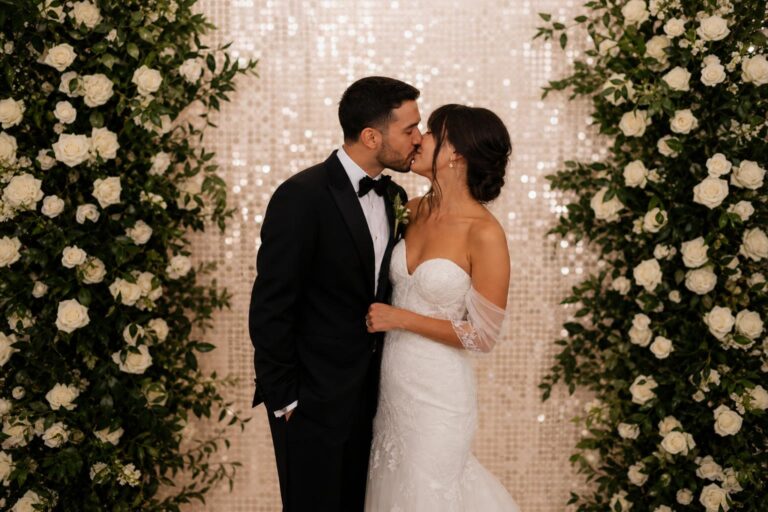
This interpretation of a photo corner wedding setup feels polished, airy, and intentionally restrained. The silhouette is clean rather than crowded, with the focus placed on proportion, negative space, and a refined backdrop that allows the couple and guests to remain the visual center. It suits modern receptions especially well, where the decor already leans toward sleek lines and understated romance.
Think fabric backdrops in soft neutrals, a tidy arrangement of props rather than a large prop pile, and lighting that flatters without feeling theatrical. A modern wedding photo corner backdrop idea often works best when there are only a few strong visual elements: a sculptural frame, a softly draped panel, or a pared-back design that complements the rest of the room. The color palette stays calm and cohesive, which makes photographs feel timeless instead of overly themed.
This look fits the aesthetic because it respects the wedding’s overall design. It does not ask guests to step into a completely separate world. Instead, it extends the atmosphere already present in the ceremony or reception and turns that style into a place guests can interact with.
Style tip: when less creates stronger photographs
In minimalist settings, too many props can quickly disrupt the intended mood. A smaller collection of playful items, signboards, or personal decorative elements usually photographs better than a crowded table, especially when the backdrop itself is one of the main features.
Look: playful party energy with classic props
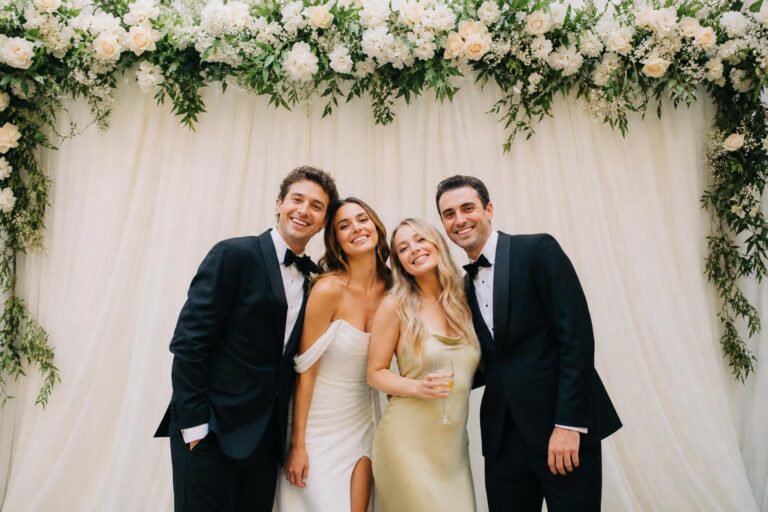
Not every wedding photo corner needs to be quiet and refined. Some of the most memorable setups lean into joy. This version is full of movement, laughter, and that spontaneous reception energy that appears once guests loosen up and the evening begins to glow. It is the kind of corner where groups gather quickly, where goofy props encourage interaction, and where the photos often become part of the wedding’s funniest memories.
Classic props still work for a reason: glasses, mustaches, boas, and playful accessories immediately lower the pressure guests sometimes feel in front of a camera. Paired with a strong backdrop and practical lighting, these familiar details create easy entry points for participation. This look is especially useful for large guest counts or mixed-age groups, because it gives everyone something intuitive to do.
The charm here is not perfection but personality. If your celebration is lively and social, a prop-forward setup may feel more authentic than an ultra-styled installation. It turns the photo corner into an experience rather than just decor, which is often exactly what couples want from a reception feature.
- Best suited to receptions with an upbeat, social atmosphere
- Works well when the corner is easy to spot and easy to enter
- Benefits from simple prop organization so guests are not overwhelmed
- Pairs naturally with a casual DIY approach

Look: rustic romance for barn and farm settings
A rustic photo zone has a different kind of softness. It feels grounded, textured, and naturally welcoming, making it especially fitting for barns, farm venues, and receptions that already use warm materials and layered decor. In this setting, a photo corner should feel like an extension of the venue rather than a competing element.
Portable backdrops, frames, and themed decorative details are especially effective here because they can be styled to echo the venue’s character. The silhouette can be a little looser than a modern setup, with more visible texture and a more relaxed visual rhythm. Guests tend to respond well to these spaces because they feel approachable and warm, not overly staged.
This interpretation works best when the design acknowledges real venue conditions. Rustic spaces can have uneven light, wide-open layouts, and heavy foot traffic around dancing and dining areas. A beautiful idea becomes much more successful when it also respects where guests will walk, where the backdrop will sit, and how lighting will support the final photos.
Tips for barn and rustic venue flow
- Choose a corner with enough room for group photos without blocking movement
- Keep the backdrop stable and visible from across the room
- Use lighting thoughtfully, since rustic venues often shift from bright to dim throughout the event
- Match props to the theme so the corner feels curated rather than random
Look: garden-inspired softness with a floral backdrop
For couples drawn to a more romantic visual mood, a garden-inspired photo corner feels effortlessly beautiful. This is where a flower wall, fabric draping, or a softer nature-led setup can create a dreamlike atmosphere for portraits and guest snapshots alike. The mood is gentle, luminous, and especially flattering for daytime or early evening weddings.
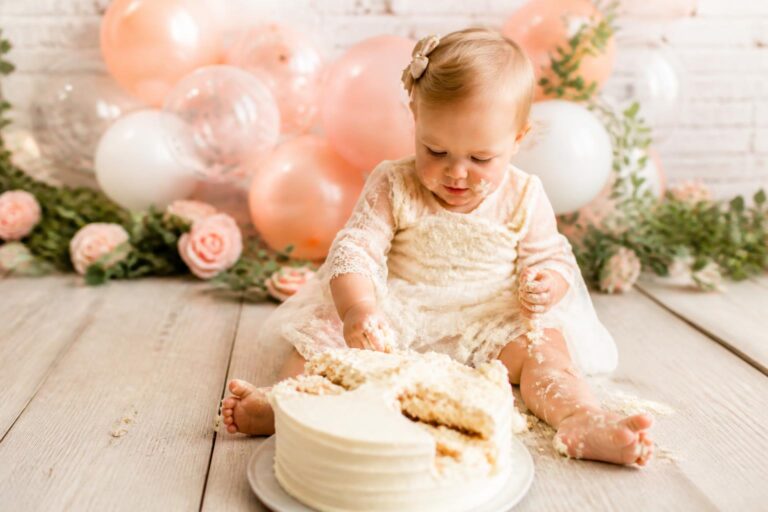
Backdrops that photograph well in this style usually have visual depth without becoming too busy. Florals, balloon arches, and layered materials can all work, provided they support the people in the frame instead of overpowering them. In a garden setting, natural light can be a major advantage, but placement still matters. If the corner sits in harsh light or mixed shadow, even the prettiest styling can lose impact.
The appeal of this look lies in its romance. It creates the feeling that every guest is stepping into a composed little scene, one that reflects the emotional softness of the wedding day. For couples who want their photo corner to feel elegant rather than novelty-based, this is often one of the strongest directions.

Planning the space like a stylist and a host
The most successful photo corners are not just pretty; they are well placed. Space planning is one of the clearest differences between a setup that remains active all evening and one that guests admire but rarely use. A corner needs enough room for people to gather, enough visual separation to feel intentional, and enough flow that it does not create congestion.
Venue layout matters more than many couples expect. A ballroom may offer a clean wall and predictable traffic paths, while an outdoor garden may require more thought around shifting light and guest movement. In Los Angeles-style event planning contexts, practical setup guides often emphasize space requirements and workflow for a reason: if the layout is awkward, the guest experience suffers, no matter how lovely the backdrop looks.
When deciding how to set up a photo corner at a wedding, start with three questions. Can guests find it easily? Can small groups step in and out without blocking the reception? And will the backdrop remain attractive in photos from different angles throughout the event? These are simple questions, but they shape nearly every practical decision that follows.
A simple venue checklist before you commit to a location
- Check how much wall or floor space is actually available
- Observe traffic flow from dining, dancing, and bar areas
- Consider whether the backdrop will be visible enough to attract guests
- Review light changes from day to evening
- Leave room for props, guest movement, and photos of different group sizes
Choosing between a photo corner and a photobooth
For some couples, the decision is not whether to include a photo feature, but whether that feature should be a photo corner or a photobooth. Both have value, and the right answer depends on your priorities. If you want a more decorative, open, and style-led installation, a photo corner usually makes more sense. If you want a fully structured station with more formal equipment and a distinct workflow, a booth may be the better match.
A DIY photobooth for a modern style wedding often overlaps with the photo corner concept, which is why the terms sometimes blend in wedding planning conversations. In practice, the distinction comes down to visual integration and event logistics. A booth tends to feel like a station. A corner tends to feel like part of the room.
Budget also shapes the choice. A DIY photo corner can often be more affordable because couples can focus spending on backdrops, props, and lighting instead of a full rental package. On the other hand, a rental option can remove setup pressure and simplify the event-day workflow. Neither route is automatically better; the best fit depends on the couple’s style, budget, and comfort with hands-on planning.
Look: themed storytelling with nautical or destination details
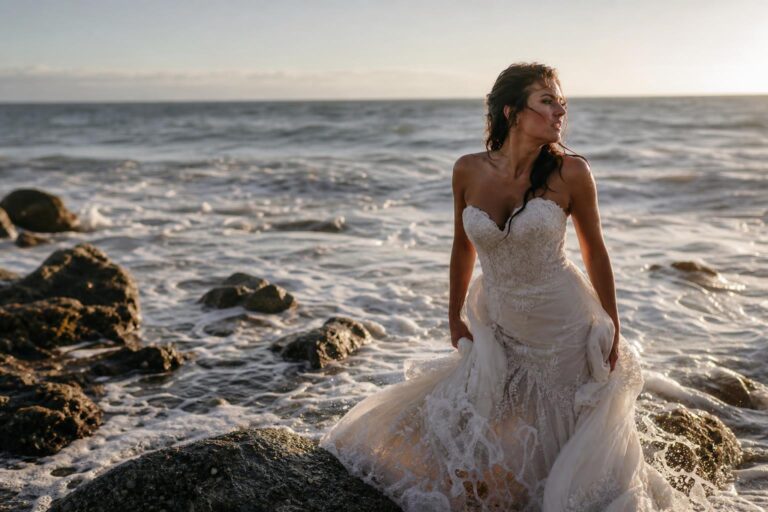
Some weddings invite a more narrative approach to styling, and a themed photo zone can bring that story to life in a memorable way. A nautical wedding, for example, can inspire a corner that feels breezy and directional, while still staying elegant. The key is not to overload the scene, but to select a few thematic details that immediately communicate the mood.
This kind of setup works particularly well for couples who want guests to feel the wedding concept in every part of the reception. The backdrop may lead the design, or props and framed details may create the theme. Either way, the most successful thematic corners still honor the basics: clear composition, enough room for posing, and lighting that supports flattering photos.
What keeps this aesthetic from feeling costume-like is restraint. A theme should guide the corner’s identity, not overwhelm the people standing in it. That balance is what makes the space feel wedding-worthy rather than novelty-driven.
How to recreate a themed corner without losing elegance
Start with one dominant visual idea, such as a nautical backdrop or a coastal-inspired display, then add only a few supporting props. If every element tries to announce the theme at once, the final photos can feel cluttered. One strong backdrop and a small set of coordinated accents usually create a more beautiful result.
Backdrops, props, and lighting: the visual language of the corner
Every memorable photo corner relies on three working parts: the backdrop that establishes the scene, the props that encourage interaction, and the lighting that makes the entire setup photograph well. If one of these elements is missing or poorly planned, the final experience can feel flat even when the concept itself is lovely.
Backdrops carry the most visual weight. They define whether the corner feels modern, rustic, playful, garden-inspired, or theme-led. Flower walls, balloon arches, fabric backdrops, gallery-style displays, and portable structures all create different moods. The best choice depends not only on style, but also on venue conditions and how much room you actually have.
Props create ease. They give guests something to hold, laugh with, and respond to, especially if they feel awkward stepping into photos. Yet props work best when they feel edited. A few good options that align with the theme generally produce a more cohesive look than a large assortment with no visual direction.
Lighting is often treated as a finishing detail when it should be considered from the beginning. Ring lights, softboxes, or carefully used natural light can transform the final images. Several wedding photo corner ideas mention lighting, but in practice the most important principle is consistency. A beautiful backdrop loses impact quickly in low light or harsh contrast.
- Backdrop creates mood and style identity
- Props help guests engage naturally
- Lighting protects the quality of the final photos
- All three elements should support the wedding theme rather than compete with it
Look: the budget-friendly DIY corner that still feels polished
A smaller budget does not mean a less beautiful photo corner. In fact, some of the most effective setups succeed because they stay focused. Instead of trying to imitate a full-scale rental booth, a budget-conscious couple can create a corner that feels intentional by prioritizing one strong backdrop, a selective group of props, and basic but effective lighting.
Budget ranges for wedding photo booths and corners can vary widely, from very low-cost DIY ideas to much higher rental investments. That range is useful because it allows couples to define what matters most. If visual styling is your priority, put more of the budget into the backdrop. If guest interaction is the goal, spend more thought on prop selection and ease of use. If your venue is dim, lighting deserves extra attention even in a modest plan.
This look fits the overall aesthetic because it proves that a photo corner does not need to feel expensive to feel special. Thoughtful editing, good placement, and a consistent style direction can create something guests genuinely enjoy without unnecessary extras.
Key pieces for this aesthetic
- A simple but attractive backdrop
- A small curated set of photo props
- Lighting appropriate to the venue conditions
- Enough open space for couples and group shots
- A clear visual cue so guests know the corner is there to use
Guest experience is what turns decor into a wedding memory
A photo corner can be beautifully designed and still underperform if guests do not understand how to use it or feel invited into it. That is why workflow matters. The best setups feel intuitive: guests notice them, approach without hesitation, find props easily, and can take a quick photo without disrupting the rhythm of the reception.
Interactive features can help here. QR-based photo sharing, guestbook integration, and social-friendly design choices all extend the corner beyond a simple backdrop. These details are still underused in many wedding photo corner ideas, which makes them especially helpful for couples who want the space to feel current and participatory.
There is also a strong emotional value in giving the corner a secondary purpose. A guestbook wall nearby, for example, can encourage people to take a photo and leave a message in the same area. That creates a fuller moment and often increases how often the space is used. The corner stops being just a styling feature and becomes part of the guest journey through the reception.
Tips for stronger guest engagement
Place the corner where guests naturally pass it, not in a hidden edge of the venue. Keep props visible and easy to understand. If you are using sharing tools or a guestbook element, make them simple enough that people can participate in seconds, not minutes. The more effortless the experience feels, the more active the corner usually becomes.
Venue-based styling: how the same idea changes from ballroom to garden
One of the biggest missed opportunities in wedding planning is treating every venue like it needs the same photo setup. A photo corner should respond to its surroundings. In a ballroom, the advantage is usually predictability: strong walls, stable flooring, and more controlled traffic patterns. In that environment, cleaner and more formal designs often work beautifully.
In a rustic barn, the corner may need to account for texture-heavy surroundings, lower light, and a looser event flow. The backdrop should be visible enough to define the photo area clearly without looking disconnected from the room. In an outdoor garden, natural beauty does part of the styling work, but light changes faster, so placement becomes a much more sensitive decision.
This is especially relevant for U.S. weddings where venue styles can vary dramatically by region and market. A modern reception in Los Angeles may lean toward sleek minimal styling, while other venues may favor garden softness or rustic warmth. The strongest photo corners are never copied blindly. They are adapted to the actual space, the actual light, and the actual guest experience.
What often goes wrong with photo corners
Even thoughtful couples can make a few predictable mistakes when creating a DIY wedding photo corner. The most common problem is underestimating how much space people need. A corner may look adequate when empty, but once guests gather with dresses, jackets, props, and drinks, it can feel cramped very quickly.
The second issue is lighting. A corner placed in a dark edge of the reception room may seem practical because it is out of the way, but photos taken there often look disappointing. Harsh mixed light can be just as tricky. When lighting is inconsistent, even a strong backdrop and beautiful styling cannot fully rescue the results.
Another mistake is using a backdrop that is too small or too low. This becomes especially noticeable in group photos. People end up partially outside the intended frame, and the corner loses its finished look. Accessibility can also be overlooked. If the setup is difficult to approach, crowded with obstacles, or not comfortable for all guests to use, participation naturally drops.
Common pitfalls to avoid
- Choosing style over usable space
- Ignoring low-light venue conditions
- Using too many props without organization
- Selecting a backdrop that is undersized for group photos
- Forgetting step-free, easy access for guests
An inclusive corner feels better for everyone
Accessibility and inclusivity are not just technical considerations; they shape how welcoming the corner feels. A well-designed photo area should be easy to approach, easy to enjoy, and comfortable for a wide range of guests. This includes thinking about reachability, step-free access, and the practical height of decor and props.
These details are often overlooked in wedding inspiration, but they matter. If guests have to navigate awkward barriers, squeeze into a cramped space, or work around decor that sits at an inconvenient height, some will simply skip the experience. A photo corner should feel inviting, not exclusive.
In aesthetic terms, inclusivity also improves the visual result. When more guests can participate comfortably, the corner becomes livelier and more meaningful throughout the night. The best wedding styling always balances beauty with hospitality, and this is one of the clearest places to put that principle into practice.
Look: the hybrid corner for modern sharing and short-form moments
A newer interpretation of the photo corner brings together still images, casual video, and easy digital sharing. The visual mood remains wedding-focused and beautiful, but the guest experience becomes slightly more interactive. This approach feels especially aligned with modern celebrations where guests naturally think in both photos and short clips.
Video and photo hybrid corners, including GIF-like or short-form content moments, can add energy without replacing the elegance of the setup. The key is to keep the corner visually grounded in the wedding theme so the technology feels like a tool, not the entire concept. QR sharing can support this beautifully by making it easy for guests to access and enjoy what they captured.
This style works because it reflects how people actually document celebrations now. Guests still want flattering still images, but they also enjoy movement, immediacy, and easy sharing. For couples who want their corner to feel current without becoming overly technical, this can be a very natural evolution of the classic idea.
Putting the setup together before guests arrive
The final hour before a reception begins is not the time to discover that the backdrop is too narrow, the props are scattered, or the light is failing. A smooth setup process is one of the most practical ways to protect the beauty of the corner and the guest experience. Even a simple DIY corner benefits from a deliberate pre-event check.
Set the backdrop first, then step back and view it from a guest’s perspective rather than from directly in front of it. Add props only after the main photo composition feels right. Then test the lighting in the same conditions guests will experience, not just in daylight if the event will continue into the evening. This sequence keeps styling decisions grounded in how the space will actually function.
A quick setup checklist
- Confirm the backdrop is centered and visually stable
- Check that there is enough room for group photos
- Arrange props so guests can reach them easily
- Test lighting with a few sample shots
- Remove distracting items from the background area
- Make sure the corner is visible and intuitive to use
Real wedding mood boards: five ways to shape the atmosphere
A photo corner becomes more compelling when it feels attached to an overall wedding vision. Rather than thinking only in terms of equipment and decor items, it helps to imagine the emotional atmosphere you want guests to experience when they step into the frame. That is where styling decisions become more cohesive.
A rustic farm wedding corner can feel textured and warm, with visible decorative character and an easy, social mood. A modern minimalist corner leans cleaner and more composed, with the focus on sleek lines and elegant restraint. A garden-inspired corner offers softness and romance, while a nautical or themed corner brings storytelling into the reception. A DIY budget corner, when well edited, delivers charm through simplicity and intention.
These are not just decor categories. They are emotional directions. Once a couple decides which mood best matches the wedding, choices about backdrops, props, lighting, and layout become much easier to make.
Trusted inspiration from wedding and event voices
Across wedding magazines, inspiration blogs, and event companies, the same themes appear repeatedly: a strong backdrop, practical lighting, guest-friendly props, and thoughtful venue placement. Glamour has highlighted the stylish charm of a DIY photo corner, especially when it balances visuals with approachable setup ideas. Paperlust brings a modern wedding decor perspective, showing how a DIY photobooth can feel contemporary and polished rather than improvised.
Niche wedding inspiration sources such as Pix.wedding add another valuable lens by comparing ideas across different budgets, while Captured Celebrations in Los Angeles underscores the importance of space planning and workflow from a vendor’s point of view. Wedding content hubs that discuss a photo zone for a wedding also show how themed corners, portable backdrops, and gallery-style layouts can offer an appealing alternative to a traditional booth.
Taken together, these perspectives point toward a clear truth: the most successful photo corners combine styling and logistics. They look beautiful because they have been planned carefully, not because they rely on excess.

FAQ
What is the difference between a photo corner and a photo booth?
A photo corner is usually an open, styled area with a backdrop, props, and lighting that blends into the wedding decor, while a photo booth often feels like a more structured station with a defined setup and workflow. The corner is typically more decorative and flexible, and the booth is often more formalized.
How much does a photo corner wedding setup usually cost?
The cost can vary widely depending on whether you choose a DIY approach or a rental option, with sample budget ranges in wedding inspiration content stretching from very low-cost setups to around $1,500. The biggest factors are usually the backdrop, props, lighting, and whether you want a fully serviced experience or a simpler self-managed corner.
What kind of backdrop works best for a wedding photo corner?
The best backdrop is one that fits the wedding theme and photographs clearly in the venue’s lighting conditions. Flower walls, balloon arches, fabric backdrops, portable backdrops, and gallery-style displays can all work well, as long as the size is appropriate for both couple portraits and group photos.
How do I set up a photo corner at a wedding venue?
Start by choosing a location with enough space and natural guest traffic, then build the setup around a strong backdrop, visible props, and reliable lighting. Test the corner from a guest’s point of view, make sure people can step in and out comfortably, and check that the space still works once the reception becomes busier.
Are DIY wedding photo corner ideas actually worth it?
They can be very worthwhile when the couple wants a personalized feature that feels integrated into the wedding design and when the venue allows for thoughtful setup. A DIY corner is especially appealing for couples who value styling flexibility and want an affordable alternative to a full photobooth rental.
What props should I include without making the corner feel cluttered?
Choose a smaller, curated selection of props that match the mood of the wedding rather than offering too many unrelated items. Classic playful pieces like glasses and mustaches can work well, but they are most effective when paired with a backdrop and styling direction that keeps the overall look cohesive.
How important is lighting for a wedding photo corner?
Lighting is essential because it affects every photo taken in the space, no matter how beautiful the decor is. Ring lights, softboxes, or carefully planned natural light can make a major difference, especially in low-light venues or spaces where light changes significantly from day to evening.
Can a photo corner work in a small venue?
Yes, but it needs careful planning. In a smaller venue, a compact backdrop, edited props, and smart placement matter even more because the corner must remain attractive without interrupting guest flow or crowding nearby areas.
How can I make the corner more interactive for guests?
Adding QR-based photo sharing, a guestbook wall, or a simple social-sharing element can make the corner feel more active and memorable. These features work best when they are easy to understand and quick to use, so guests can participate naturally without slowing down the celebration.
What makes a photo corner feel elegant instead of gimmicky?
Elegance usually comes from restraint, cohesion, and thoughtful placement. When the backdrop, props, lighting, and theme all support one another without competing for attention, the corner feels like part of the wedding atmosphere rather than a disconnected novelty.