Save the Date Ideas for Weddings Guests Can Plan Around
Of all the save the date ideas for weddings, I’d start with one that tells guests which day to keep free. A cousin who lives twenty minutes away may need one Saturday on the calendar. A friend flying in may need to know whether a Friday arrival matters before choosing a flight. Give both people the same confirmed facts about the wedding, then add travel information where it helps. If a friend has to choose a flight this week, send a note now. The printed card can come later.
Before you pick a design, decide exactly which day you are asking each guest to hold. Write that date at the top of your draft. If you need a second date for a welcome gathering or a separate dinner, work out who needs to see it.
Write down what is settled
Put the date and location in one place
Open a shared note and copy the date and location from your venue confirmation or other booking record. Write the weekday, month, day and year out in full. Add the city and the state, territory, or country guests need to identify the destination. If a venue uses the name of a nearby city in its marketing but sits in a different town, look at the address guests would actually use. A move between two spaces in the same town may make little difference to an early announcement. An hour’s drive from the named city would affect where someone looks for lodging.
Pick a date that belongs to the wedding your guests are invited to attend. If you are having a private legal ceremony and a larger reception weeks later, the reception date is the one those reception guests need. If you are getting married on Saturday and considering brunch on Sunday, keep Saturday as the date at the top of the announcement. You can name Sunday once the brunch is confirmed and you know who is invited.
Turn wedding inspiration into a plan you can actually follow.
Zarellea brings your guest list, budget, vendors, and day-of details into one shared space — so no beautiful idea gets lost in the shuffle.
Give every recipient a place on the invitation list
Start with the names on your invitation list. Decide whether the notice is for one person, partners, or a household before writing names on an envelope or sending anything to a shared address. Two roommates at one address may have different invitations. A parent may be expecting to bring a child who lives elsewhere. Address a notice to each intended guest so they know who to plan for.
Make one column per confirmed event if people will be invited to different portions of the day. Put the ceremony and reception on the same list when the audience is identical. If the courthouse allows only immediate family, take the time to check each name against the separate dinner list. A shared design can work for both notices if you change the event name and the date where needed. Keep a few blank A7 envelopes for mailed versions if you will address each household by hand. Check that they fit the finished cards, any insert and the way you intend to mail them.

Use this checklist to decide what goes out
Decide how much time you want each guest to hold
Read your draft as though you have a work shift Friday and a wedding on Saturday. Would you know whether to request Friday off? If the answer is unclear, change the wording to name the wedding day and specify whether the other event is optional. A bare range like "October 9 to 11" looks like an instruction to reserve all three days. Use the range only when the guests receiving that version are truly being asked to hold it. If they just need the Saturday wedding, give Saturday its own line and tell Friday attendees about their event on a separate line or in a separate note.
Consider what an out-of-town guest has to do next. A date and city may be enough for someone to check their calendar. If guests can already reserve an agreed room block or need to arrive before a scheduled departure, the announcement should point them to accurate information they can use. If there are no rooms to book yet, one short line saying lodging details are coming is good enough. I would wait to give a hotel name until guests know what it means for them. A hotel can be a recommendation, the place where the reception happens, or a place with a reserved block. A guest may read a bare hotel name as a request to book there.
Choose a format that fits that amount of information
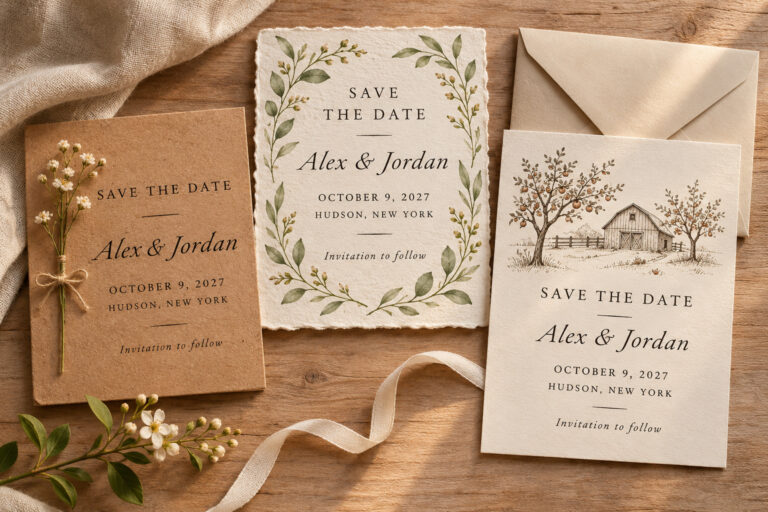
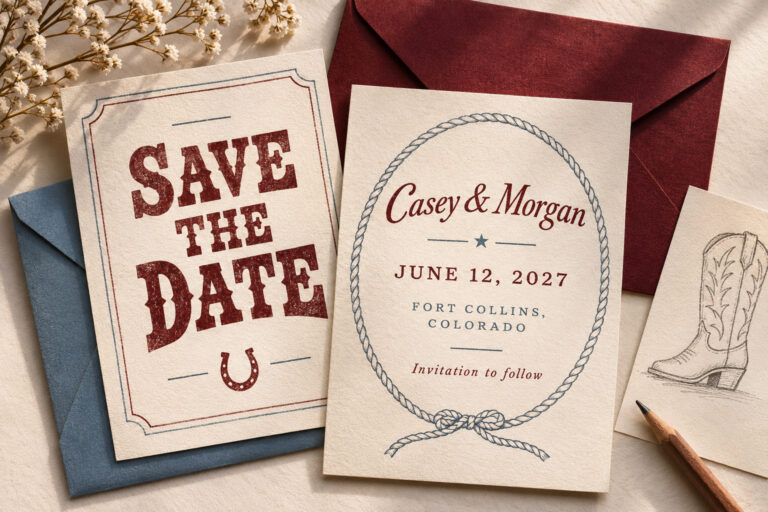
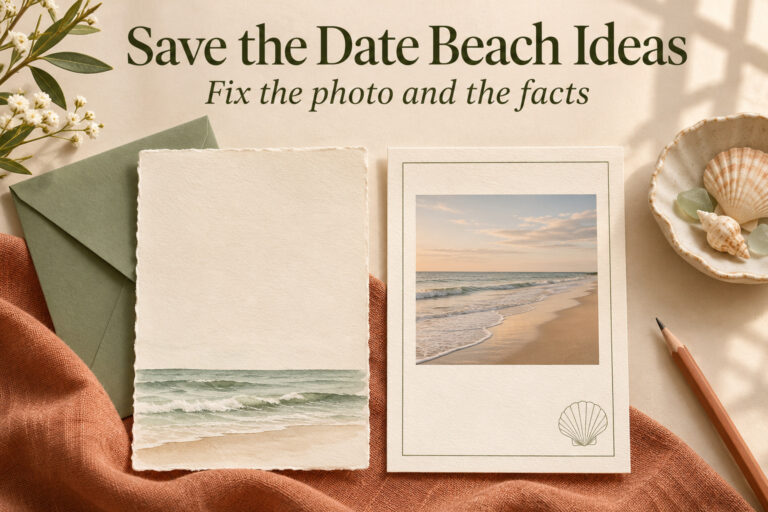
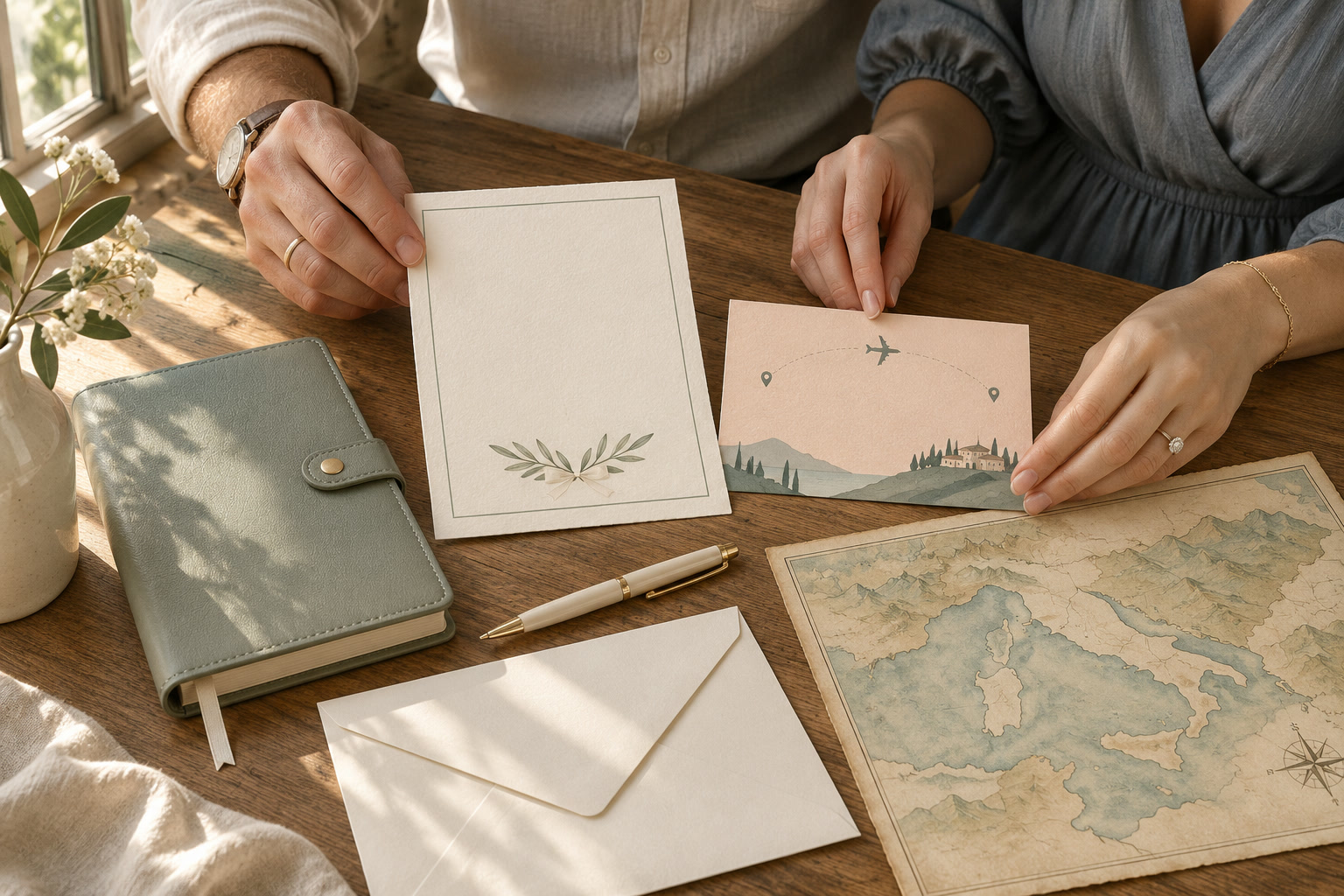
Use a single card if your message fits at a readable size and there is no second decision to explain. A text-first note is a good fit for a household that needs the information before the printed cards are ready. A folded card gives extra room when the couple has a confirmed second event and wants each day to stand on its own. If you are choosing between two similar designs, set a sample down and see which date you can find from arm’s length. A map outline, a small floral illustration or a photograph can make the announcement feel like yours after the date has a clear place.
For a wedding with overnight travel, an enclosure can carry directions to the lodging page and leave the wedding date easy to find on the main card. Narrow blank enclosure cards work for a short travel note if there is enough room to write the link clearly. If the link is too long to type from paper, shorten the path on the wedding website itself if you control it, or include a short site address and name the tab to open. A QR code can be an extra route, with a readable address next to it for guests who would rather type.
Keep later decisions out of the first notice
You can tell guests a formal invitation will follow and stop there. A preliminary guess about ceremony time can become the time someone uses to book a train. A planned shuttle route can sound like confirmed transportation. Share those details once the people running the event have approved them. Ask about meals and transport when guests have the details they need to answer. Keep your working schedule private until you are comfortable with someone acting on it.
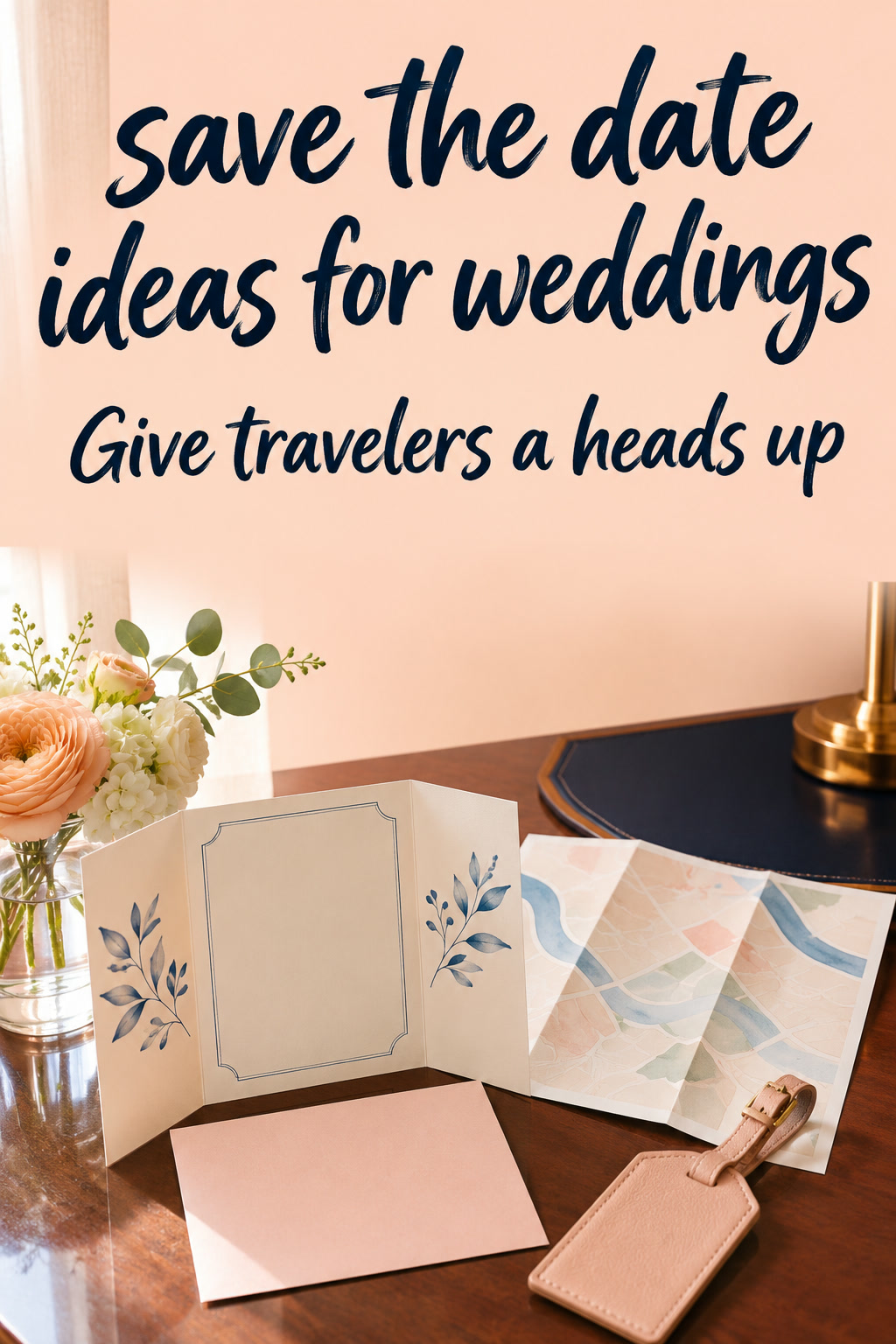
Four announcements for four wedding plans
A local wedding with one date to hold
A single-date card works for a ceremony and reception in the same area on the same day. Try "Save the date for Maya and Jordan’s wedding. Saturday, June 12, 2027. Richmond, Virginia. Invitation to follow." A small illustration of your neighborhood or a thin border can make the example your own. If you are making a short run at home, printable flat cardstock with envelopes is a straightforward choice. Print one sample before buying more stock and check whether your printer can feed the material cleanly.
If most guests are nearby and you have the final invitation nearly ready, think about how far apart the two pieces would arrive. Receiving a save the date on Tuesday and the invitation on Friday can leave readers wondering which message to respond to. You may be ready to send the invitation itself once the schedule, address and reply details are finished. If some people need an earlier heads-up, tell those guests directly with the same date the invitation will use.
A Saturday wedding with a Friday welcome
Keep the Saturday line the same for everyone. For the group invited to welcome drinks, add something like "Optional welcome drinks on Friday evening. Details to come with your invitation." Put it on the back or send it as a note to the people you are asking to join. Someone booking a flight can now decide whether to arrive a day earlier. If attendance at the Friday event matters to you, state that more clearly once you can say where and when guests should be there.
If the welcome gathering is still under discussion, use the Saturday copy without the Friday line. You can send a later message when you know whether the room and guest count work. People deciding how long to stay may still ask about Sunday. Telling them when the main event ends is helpful once you know. If you don’t have that information yet, give a date for the next update if you can keep it.
A destination wedding with a travel page
Try "Save the date for Alex and Dani’s wedding. Saturday, May 15, 2027. San Juan, Puerto Rico. Travel and lodging details on our wedding website. Invitation to follow." Put the short website address after the travel line. On the page, say which days guests are invited to join you, then separate lodging recommendations from any room block that is ready to book. If people are free to choose where they stay, one sentence to that effect may help someone who found a better option elsewhere.
Check that the event name and date match on the card and the website. If the resort has more than one property, use the exact property name in your travel guidance. If the ceremony venue is confirmed but access instructions could change, publish the city and keep a line on the page for the next update. I would leave tour suggestions and meal plans for a separate part of the site. A guest who arrives from the early announcement should be able to answer the travel question without scrolling through sightseeing ideas.
A private ceremony with a dinner on another day
If you’re asking most guests to attend dinner, "Save the date for our wedding celebration dinner" tells them what they’re holding the date for. Print or send the dinner date and city as prominently as your names. For the few people invited to the ceremony, send a personal message with the ceremony date, attendance limits if relevant, and a note that dinner details will follow separately. A forwarded message should still make sense to someone seeing it out of context.
Use a different title for each message, even if the art is identical. If you are sending both in the same week, make a small pile for each mailing and use address labels after matching every name to the right event. Print or write the recipient names from the dinner list and set the ceremony messages aside until the larger pile is done. In this situation a couple of minutes checking envelopes will make more difference than a new design.
Supplies for a small save the date mailing
Print a flat announcement
Give the second day room
Mail a separately printed card
Label the batches separately
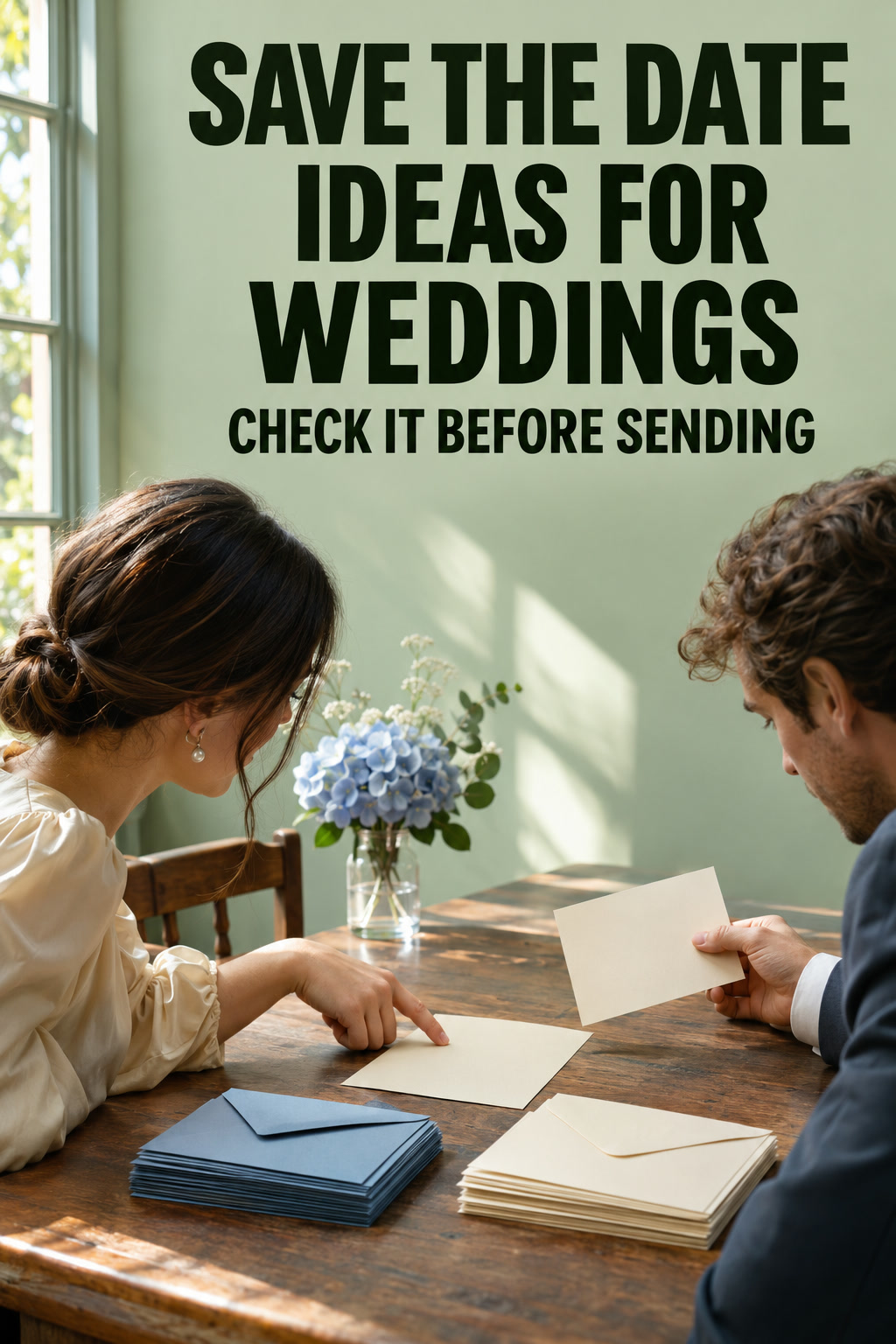
Check the names and details before you send
Ask someone to tell you what they would do
Give a draft to somebody who has heard very little about the wedding. Ask them to say the date, what they are invited to, and where they would go for lodging details. Let them answer before explaining anything. If a Saturday date and a Friday line make them say Friday is the wedding, move the Friday line and label the event. If they try to reply with a firm yes because a template reads "RSVP now," replace that copy before sending. If booking is open, name the next step. Otherwise, the date is enough.
Read the year aloud, even if it feels silly. Open any linked page from a separate device or browser session and check what a guest sees. A link that opens correctly for the person signed into the wedding site may send everyone else to a password screen. If you use a password, consider how the invited reader will receive it. Keep a copy of the finished announcement for whoever gets the questions.
Confirm where the next update will live
Before you send, decide who will update the website or answer calls when lodging information changes. If both of you can edit the site, pick one person to change the date or event copy and have the other check it once. A correction to an important fact should say what the guest should put in the calendar now. If a date moves, contact the people who received the first message directly, particularly anyone who told you they were going to book travel. An old screenshot or the original card can stay in use after the page changes.
Keep the precise version you sent with your guest list so you know who heard about each event. If you add a welcome event later, you can see which people already know the wedding day and send them the extra line without making them wonder whether the main date moved. Use the same spelling of names and place throughout, especially when someone will search for the page instead of typing its address.
Editor’s take
I would give the wedding date its own line and write the rest of the announcement for the guest who has the most planning to do. That person may need a city today and a hotel link next month. If the official venue or date is still in flux, a private conversation with the handful of people who need warning makes more sense than an announcement that will spread by forwarding. My advice comes from comparing stationery examples with published wedding communication guidance. Before you buy anything, read your draft to each other and ask which day you would put in the calendar. If you come up with different answers, put the wedding date on a line by itself and move any optional event below it.
Sources and methodology
The Minted save-the-date catalog and FAQ describes common announcement details, optional website links and the difference between a notice and an RSVP. In ELLE’s interview with event producer Matthew Shaw, Shaw discusses telling guests which portions of the wedding they are invited to. The sample notices and review steps above are editorial examples built around those decisions.
FAQ
Can we send a save the date before the venue is booked?
Wait if the booking could change the day or city. You can warn a few people privately if they have an immediate planning conflict, using wording that makes it clear the information is tentative. For a general announcement, make sure the date and place are settled enough for people to rely on.
When should we send a destination save the date?
Work backward from when your guests would need to request time off, reserve rooms or make travel plans. Send the confirmed date and destination with enough time for those decisions. If bookings open before the schedule is complete, share what guests can reserve now and the date you expect to have more information.
Should we include a hotel block on the card itself?
Put the booking information where you can correct it if something changes. If the block is confirmed, you can point to it from the announcement or an insert. If the hotel is still working out the contract, say lodging details will follow and leave the hotel name off the card.
What if two invited guests share one address but attend different events?
Address the messages to the intended recipients by name. Give each person the date of the event you are asking them to attend, with the event named clearly in the body. For households where invitations differ, two directly addressed notes help avoid the assumption that everyone is invited to everything.
Can we send a second save the date to guests we add later?
Yes, if you know you will invite them and there is still enough time for an advance notice to help. If invitations are ready to go out, send the invitation with full details. Use the same confirmed information you shared with the earlier group.
Should we ask for an RSVP with the save the date?
Save the formal reply request for the invitation. If a resort or similar venue needs an early estimate, contact the affected guests separately and tell them it is a preliminary head count. A response about interest in a room block answers a different question from attendance at the wedding.