4 Unique Save the Date Ideas for Weddings
Imagine a guest opening your save-the-date on a Tuesday and looking for it again the following weekend. Would they dig through a stack of mail, check the fridge, or search a message thread? That second moment is where I’d start. A folded map, a magnet, and an animated message can carry exactly the same date. Each gives the guest a different way to get back to it.
Write down the names, the full date, and the location you’re ready to share. Then plan one detail people can enjoy. An extra fold might reveal the two spots you always take visitors. A magnet can hold the date where somebody will see it while making coffee. On a phone, an illustrated message can feel like it came from you even if there’s nothing to play.
What should a guest do with it?
Pick one household on your guest list and picture how they make weekend plans. One person might forward the date to a partner. Another might stick it up next to the school calendar. If you’re sending both paper and digital versions, use an illustration both households will recognize and give each an easy way to keep the day.
Give the details a home where the guest first sees them and somewhere they can check later. For a foldout, the date can sit on the cover and the wedding website can lead to more details as you confirm them. A text message gives the guest something to copy into a calendar. On an object, the date belongs on the side they’re likely to see in use.
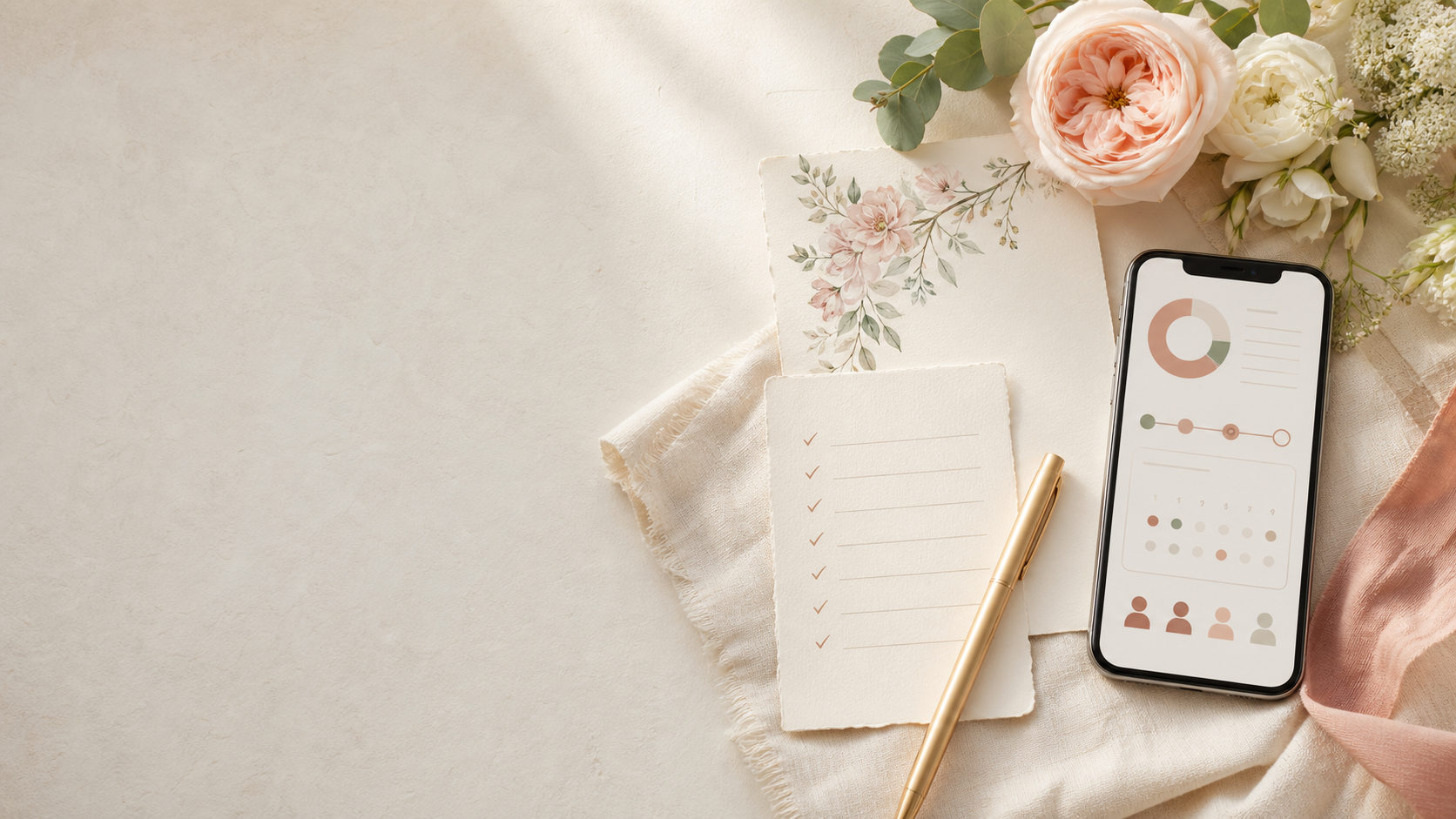
Turn wedding inspiration into a plan you can actually follow.
Zarellea brings your guest list, budget, vendors, and day-of details into one shared space — so no beautiful idea gets lost in the shuffle.
Put the date in regular type before you add a scratch-off or fold. You can hide an illustration under a scratch panel, or reveal the name of a place that matters to you. The guest can save the weekend as soon as they open the envelope. They’ll have something extra to discover when they get a minute.
Paper, keepsake, or digital
Paper for a deliberate opening
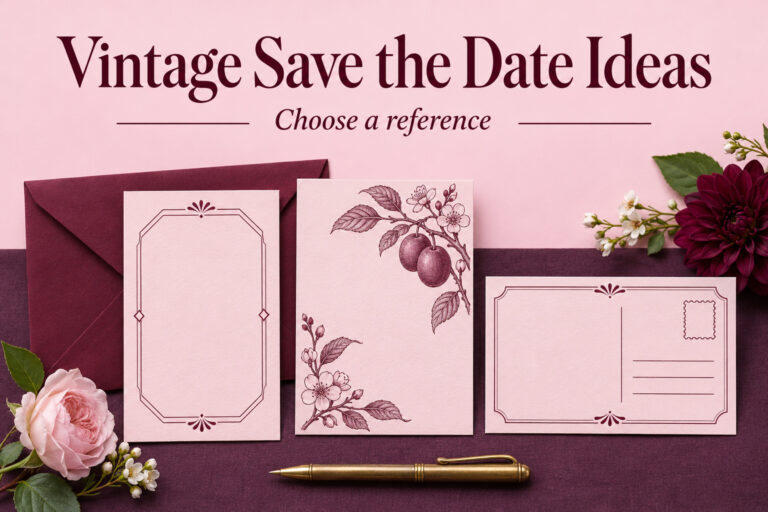
A flat card works well when one image can carry the idea. Think of a pen drawing of the bowling alley where you met. An accordion gives you room for a second scene and lets you decide when the reader sees it. If you’d tell the whole story with one panel, keep that image large enough for people to see the detail.
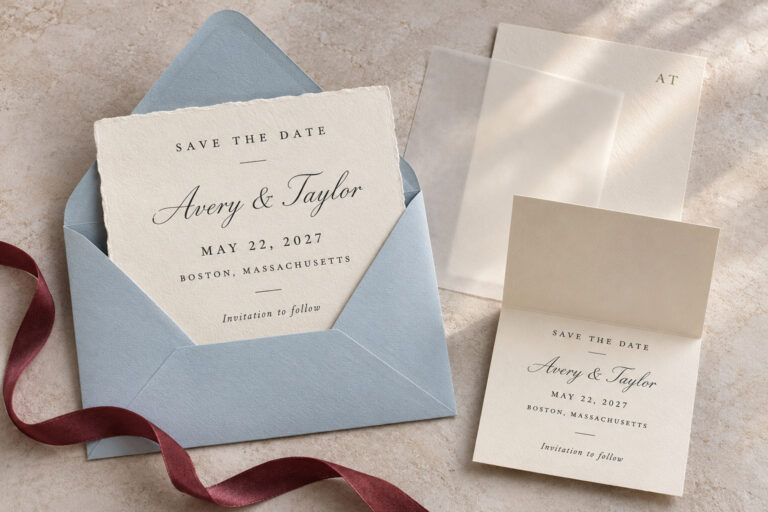
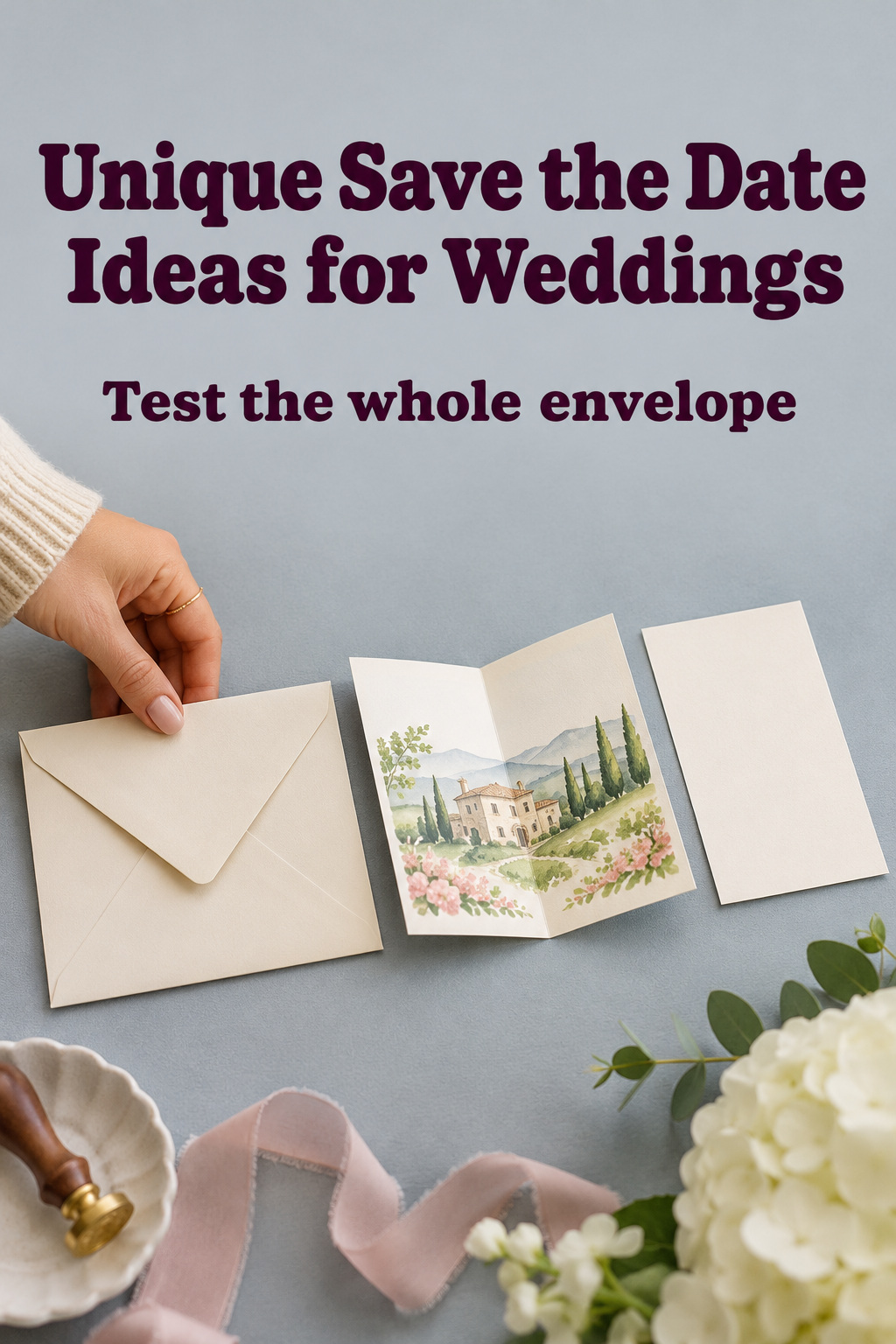
Before you order for the whole list, make a few mockups with the paper you expect to use. Slide one into the envelope. If the corners catch, give the fold more room or take a panel out. Once you have a combination that fits, leave a completed envelope on the table as a reference for anyone helping you assemble them.
A keepsake when its ordinary use exposes the date
Where will the object end up? A fridge magnet has a visible surface for the day you want people to remember. A bookmark might tuck into a favorite book, so see how much of the top you can leave showing. A mug can cover the middle of a coaster while somebody’s using it. Draw the date where a guest could see it in those positions.
Compare one marked sample with a blank object of the same size. If the announcement needs so much copy that a bookmark becomes awkwardly wide, try putting just the names and date on the bookmark and using a small backing card for the city and site. Check the finished package before buying the whole batch. With a thicker enclosure, it’s sensible to show the assembled sample to your mailing provider and ask how it should be sent. Base the decision on that whole package, including how you will address and assemble it.
Digital when forwarding matters
If most people on your list share plans by text or email, send something they can pass along. An animation might open like an envelope or draw a route. Include the wedding details as selectable text in the message, where a guest can copy the date or forward it to somebody who’s at work and can only glance at their phone. Make the wedding site link tappable if the site’s ready.
Open the message in the same app you plan to use. Look at the first screen with the sound off and check whether the date makes sense there. Send a trial to one person whose phone works differently from yours and ask what they see before tapping anything. If an attachment is awkward to open, you can send a still image with the same art and wording. Save that still from the same design so it feels like the announcement you meant to make.
Which idea fits your wedding?
The small map with two familiar stops
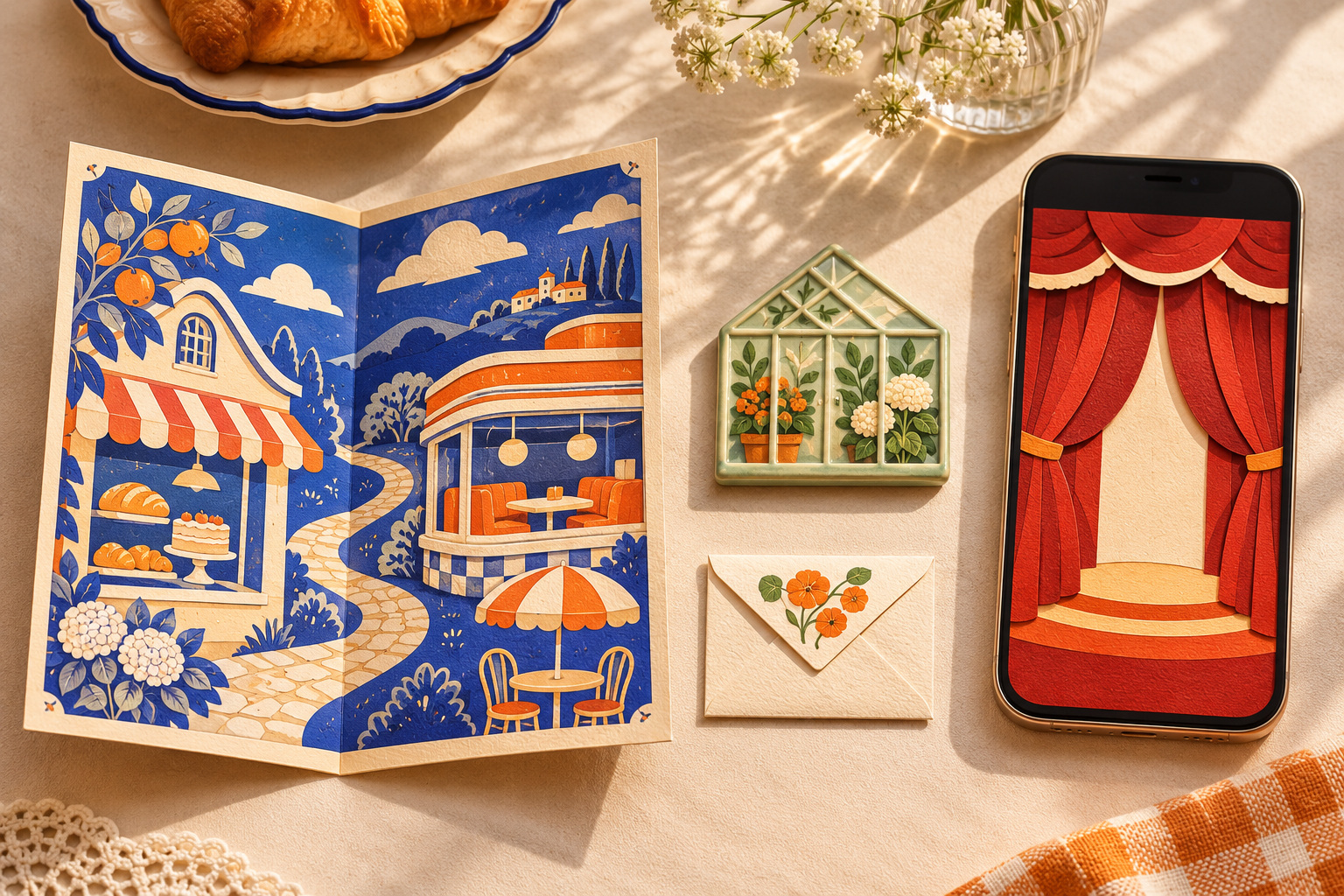
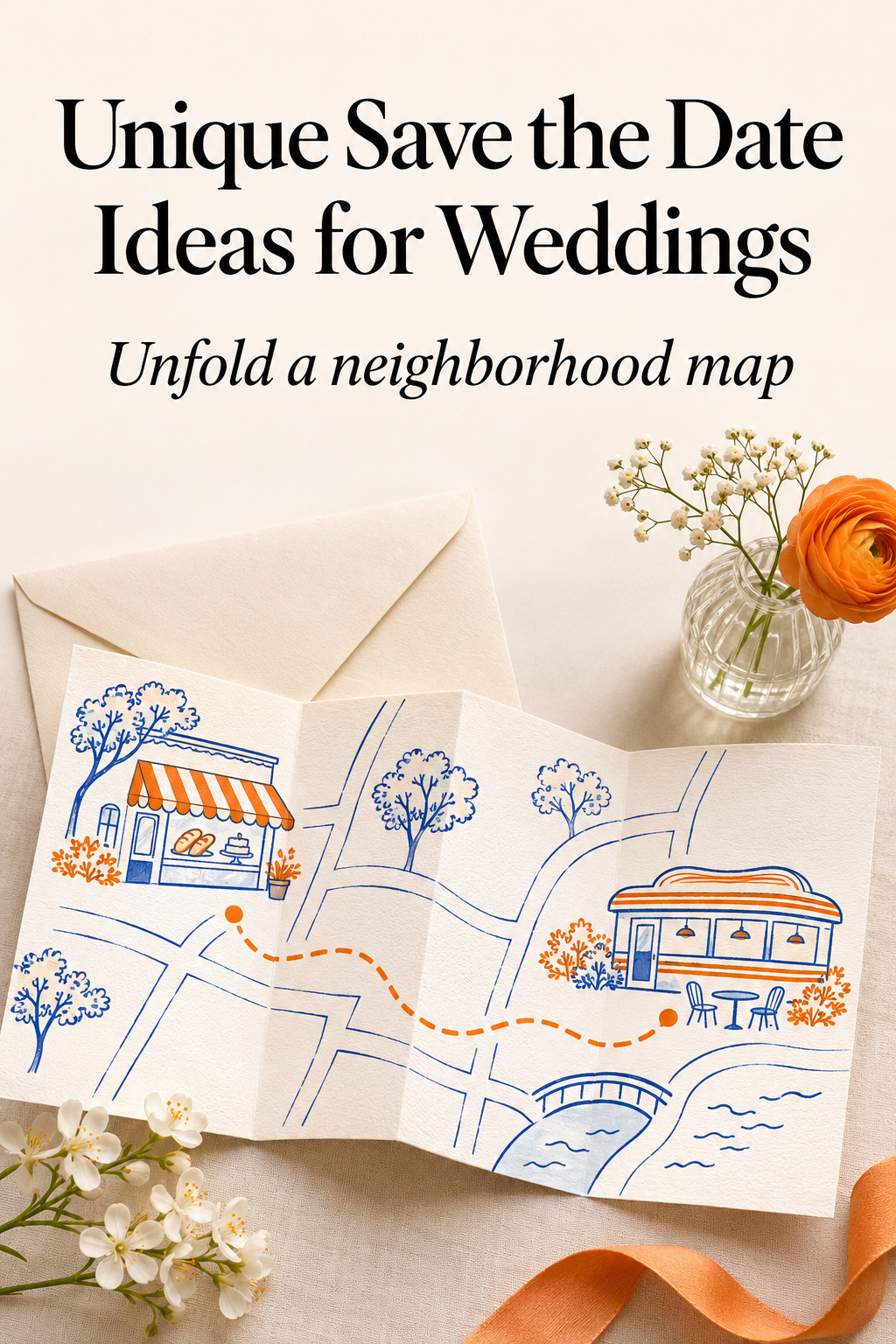
If the wedding is in a town you know together, use two drawings to show why it matters to you. Maybe one catches the corner bakery just as it puts the morning trays out, and the other shows the diner where you always order pie. Put the two names, full date, and city on the cover. If the project is small enough to do by hand, leave a little space inside for a note to the guest.
Put a legend or tiny note near the drawing if a guest might mistake it for directions. You can draw landmarks in the order you visited them without promising a walkable itinerary. If it takes a folded map to make a guest understand where the wedding is, promote the city to a larger line on the cover. For a wedding somewhere you’re still getting to know, a single illustration of one confirmed landmark can be just as specific and easier to finish.
A library sleeve with a bookmark that works on its own
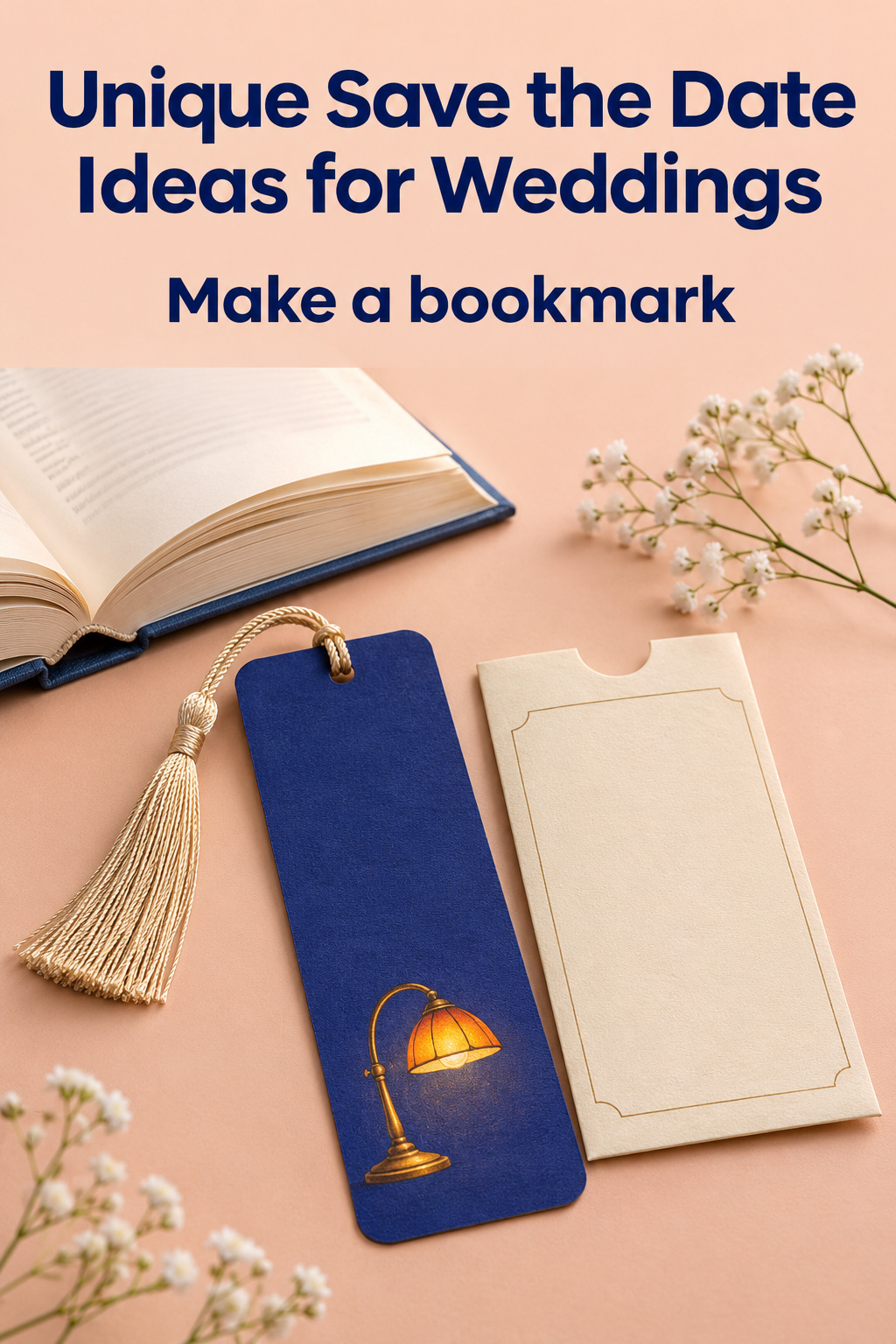
Make a paper sleeve with the two names and a line that invites the recipient to slide the bookmark out. Give the date a permanent spot on the bookmark, and put the location on both pieces if the type looks comfortable at that size. Use a drawing with meaning to you, such as the reading lamp that sits between your chairs. Flat stock with clean edges keeps the bookmark thin enough to try in a real book before you approve it.
Take the bookmark out and set the sleeve aside. Is the date easy to find? Check that the ribbon or a fold of paper leaves the names visible. If the only part you really want to keep is the drawing of the lamp, put it on a regular card. The extra piece makes more sense when the bookmark would be welcome on its own.
A place-shaped magnet with a plain date line
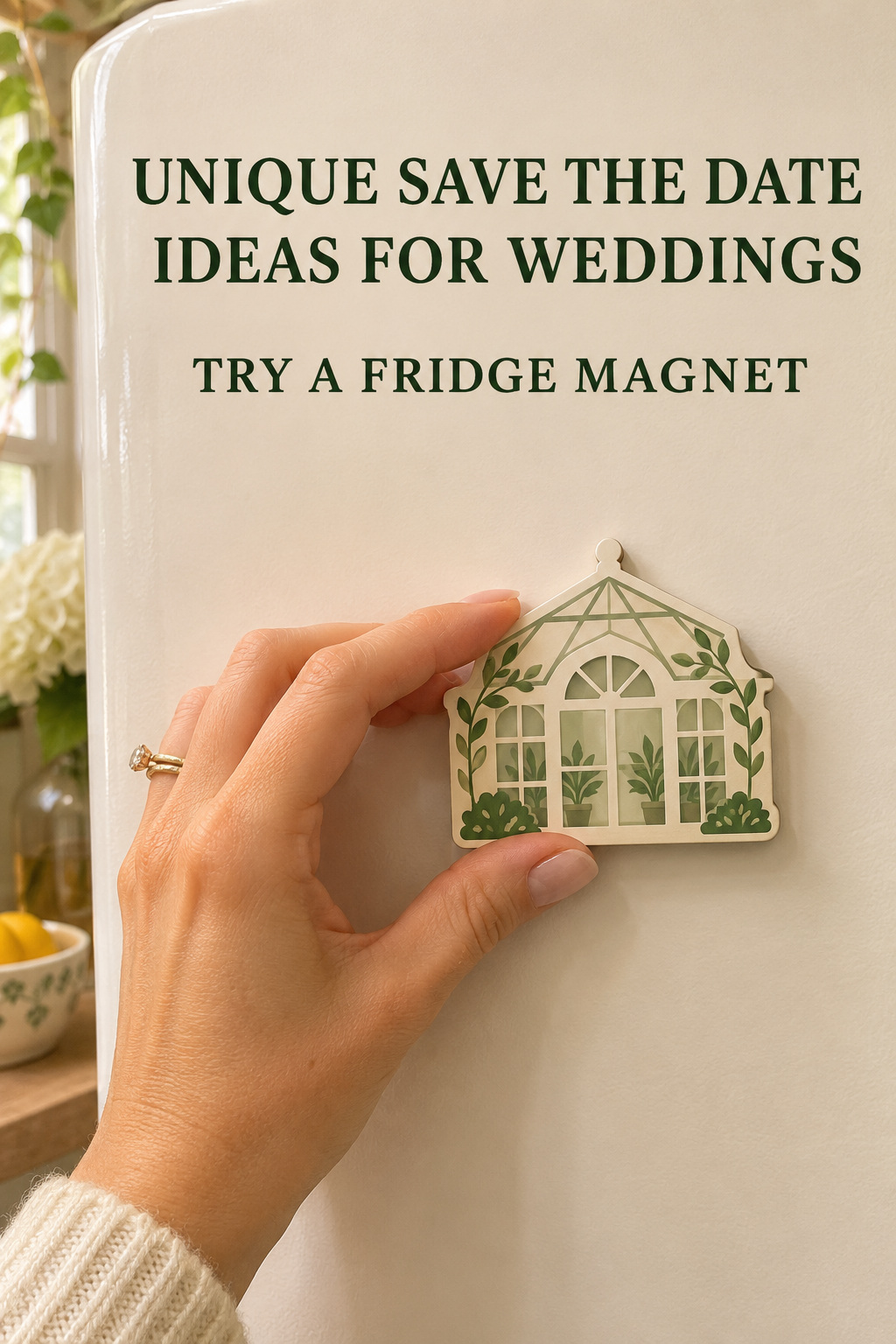
Choose a simple silhouette that a guest might recognize, such as the scalloped roof of a greenhouse, and put a date line across a broad part of its shape. Keep the wedding location in clear words on the magnet or the backing card. When you place the prototype on the refrigerator, step back to a spot where you normally stand and make sure the date catches your eye before you have to walk up to the door.
Put one magnet together with its envelope so you can see how the pieces sit. If the cutout is too narrow for a comfortable date line, set the silhouette inside a rectangular magnet. You get space for the lettering and still keep the drawing you chose. A printable version of the same artwork can work for a household where you know there’s nowhere to display a magnet. Send the version that makes sense for that address.
A short digital reveal with an ending guests can keep
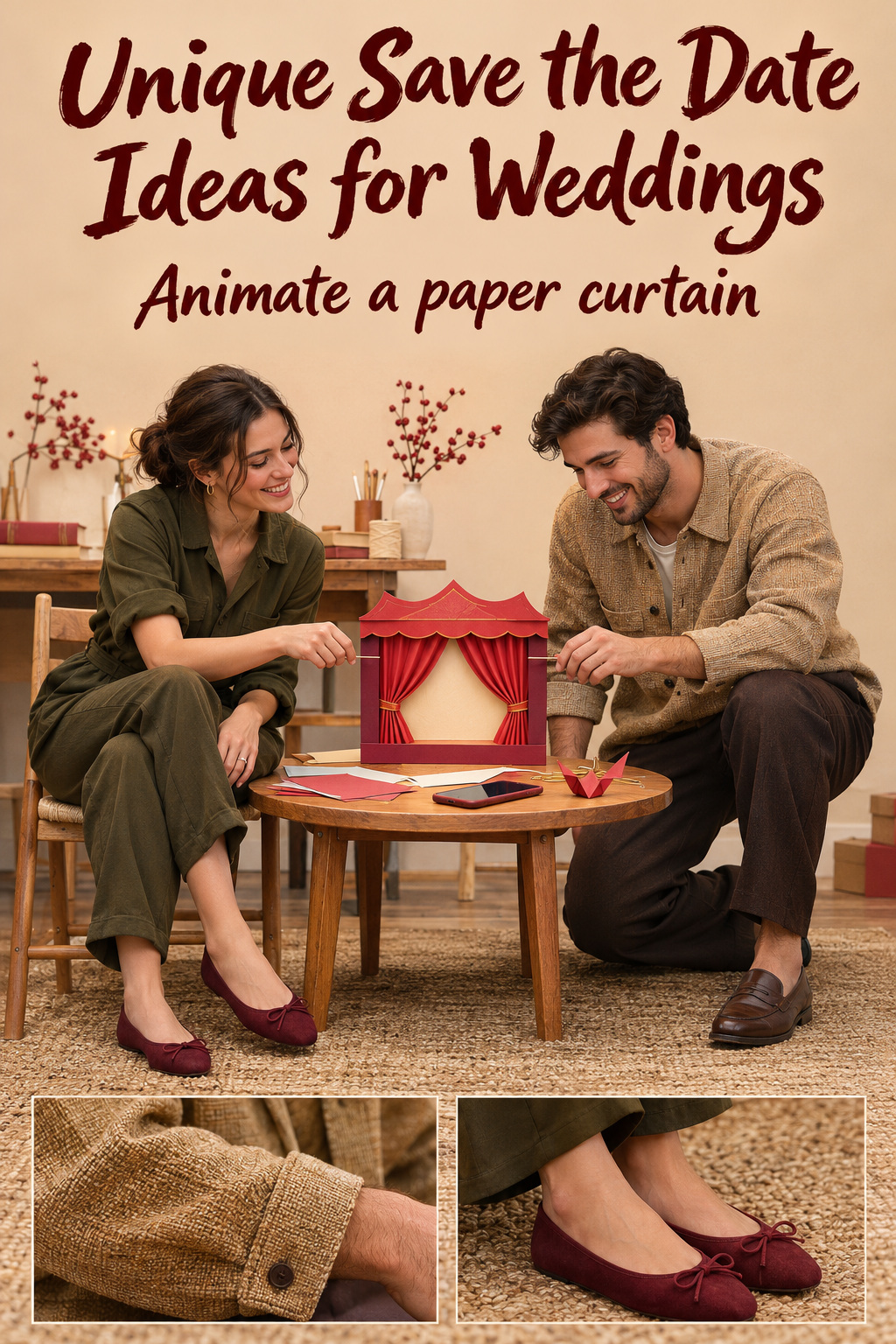
For a couple who likes making things together, there’s room for a few pieces of cut paper and a simple theater scene. Open the curtain, bring in your names, and leave the date on the screen long enough to read. Save a copy of that last frame. Include the date in the message and use the still for a matching card if somebody asks for one in print.
Send the trial clip to yourself and see what happens before you press play. A preview can be any frame you choose if the service lets you set a poster image. If you can’t control the preview, pair the clip with the still. Make sure the complete date is visible while a guest decides whether to watch. The theater can be a playful reference even if you never animate it. If preparing the moving version is holding up the announcement, send the finished still.
Where the clever formats go wrong
The date gets split between pieces
Lay every component on the table in the order someone will open it. Pick up the one they’re most likely to save and read that piece alone. Make sure the copied date includes the year and that anyone looking at it a month later can tell whose wedding it is. If the city is on a separate backing card, give the object a readable way to find the details again. A short wedding site address can serve that purpose if the page is ready to share.
When a detail changes, pull up every place you’ve written it. It’s easy to fix the date in a message and forget the version embedded in the artwork. Keep one line with the approved spelling and complete date, and check the card, image, and calendar against it. If the ceremony time is still in motion, leave it for the invitation.
The combination creates double work
You can vary delivery by household without creating two creative projects. Start with one illustration, one type treatment, and one set of wording. An envelope gets a printed card or object, and a message gets a matching picture and a plain text date. Keep a single record of which version goes to which household. If somebody asks for a copy in another format, mark it in that record so you know they already received the announcement.
Hand someone the sealed prototype or send them your actual draft message. Ask when the wedding is, then ask where they’d go to check the date next month. If they have to hunt for a missing piece or ask what a drawing means, you have something specific to fix. Once the date is easy to find in both versions, try making ten more paper copies before you decide how much assembly you want to take on.
Editor’s take
I’d choose a small foldout if the places inside tell a story worth opening and you have time to assemble the envelopes. For a guest list scattered across group chats and email threads, I’d send an illustrated still with the date in the message and print a copy for households that keep those details on paper. Published stationery examples and guidance inform these recommendations. Give one person a prototype this week. See if they can tell you the date, then ask what they’d do with the announcement once they’ve saved it. Their answer will tell you whether the extra piece has a reason to be there.
Sources and methodology
Zola’s save-the-date catalog documents different printable formats, including postcard and magnet options. Minted’s save-the-date design guide illustrates variations in shape and finish. The mockups and guest scenarios in this article apply editorial comparisons to those design choices.
FAQ
Is it okay to send paper to some guests and digital to others?
Yes. Choose based on how you can reach each household and how they prefer to keep information. Use the same names, event date, and location wording in both versions. If a guest forwards the digital version to another person in the household, they should see the same details as someone who opened the paper version.
Should I put a QR code on a printed save-the-date?
Use a code if the destination is ready and you have room for a short address beside it. Try it on a proof at final size with the camera you expect people to use. Leave the essential wedding information in readable print so the code is an extra route to details. In the digital version, offer a clickable link.
Can we ask for RSVPs on a creative save-the-date?
Keep the announcement focused on holding the date. People may still be waiting to see ceremony details or decide on travel. If you need early information from a few households, ask them directly and record those answers separately. Send the formal RSVP request with the invitation once you know what choices guests need to make.
What goes in an optional calendar entry?
Use a recognizable event name with both names and the wedding date. Add the confirmed city or the wedding site if that helps people find details later. If the start time is still unsettled, choose an all-day placeholder and tell guests that exact times will follow. Open the link or file yourself to confirm it creates an event for the intended day.
How do we know if a keepsake is worth it?
Picture where someone will put it and check whether they can still read the date from that position. Then make one complete package and see how it handles. If the strongest part is the illustration and the object makes the package harder to assemble or the date harder to see, print the same drawing on a card.