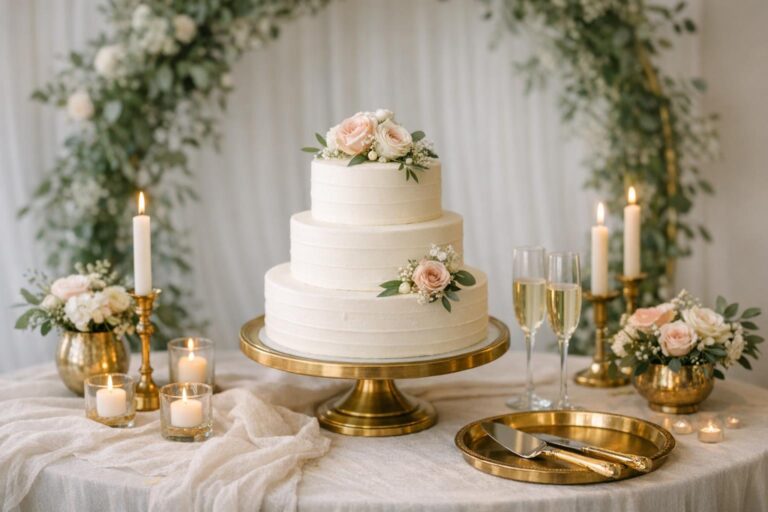
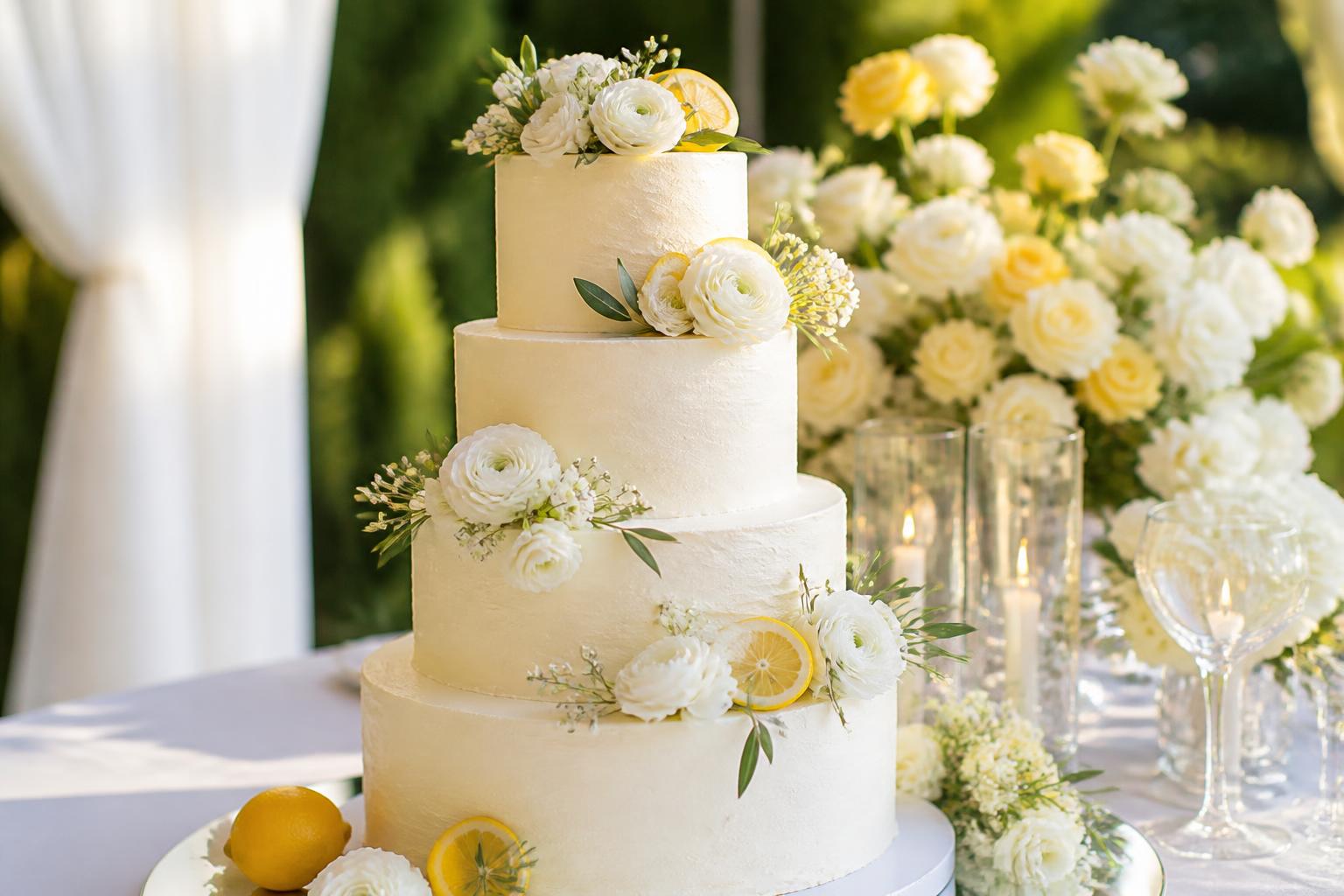
Lemon Wedding Cake Styles for a Fresh, Polished Reception
There is something especially luminous about a lemon wedding cake. It feels bright without being casual, romantic without becoming overly sweet, and elegant enough to suit everything from a relaxed garden celebration to a polished reception with gold accents and formal florals. That balance is exactly why couples so often compare different lemon cake styles before choosing one: minimalist lemon motifs versus floral buttercream designs, classic berry pairings versus lemon elderflower, or a clean white finish versus a more decorative cake inspired by real weddings and even royal wedding details.
These styles are often discussed together because they share the same citrus heart while creating very different wedding moods. A dotted lemon cake can feel modern and restrained. A sugar lemon-accented design can feel soft, organic, and gently rustic. A lemon-raspberry wedding cake leans fruit-forward and celebratory, while a lemon elderflower cake carries a more refined, story-rich quality tied in many minds to Meghan Markle and Prince Harry’s wedding at Windsor Castle. Understanding those differences helps couples choose a cake that does more than taste beautiful; it should also look right in the room, hold up through service, and reflect the feeling of the day.
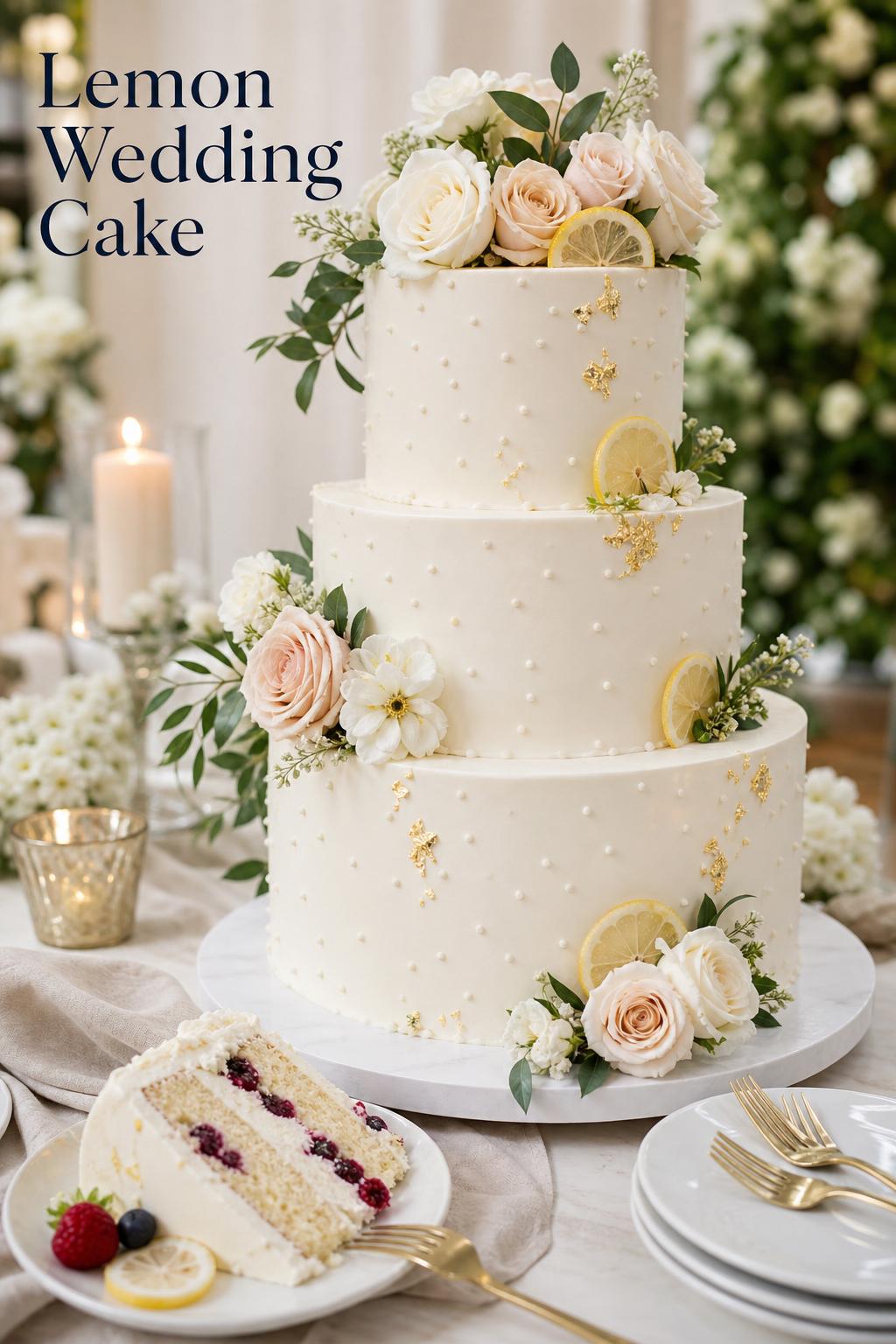
This comparison-style guide breaks down the main lemon wedding cake aesthetics, flavors, and planning considerations so you can see how they differ in design, texture, formality, and practical wedding use. Whether you are drawn to buttercream, lemon curd, fresh florals, gold leaf, raspberry filling, or the lemon elderflower direction popularized by Violet Cakes, the goal is to help you make a confident, visually cohesive decision.
The main lemon wedding cake styles couples compare most often
Most lemon wedding cake decisions fall into two broad comparisons. The first is visual: modern minimal lemon styling versus romantic decorative lemon styling. The second is flavor-based: classic fruit-paired lemon cakes versus the more delicate lemon elderflower profile. These approaches overlap, but they do not create the same impression at a wedding.

Turn wedding inspiration into a plan you can actually follow.
Zarellea brings your guest list, budget, vendors, and day-of details into one shared space — so no beautiful idea gets lost in the shuffle.
Looking at them side by side makes the choice easier because the differences are not just decorative. They affect the atmosphere of the dessert table, the cake’s relationship with the flowers and color palette, and even how guests describe the flavor after the first bite.
Style overview: modern minimal lemon cake
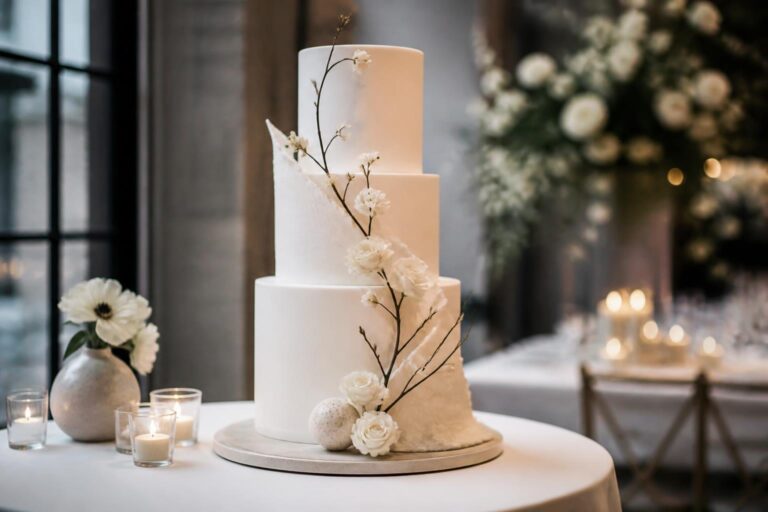
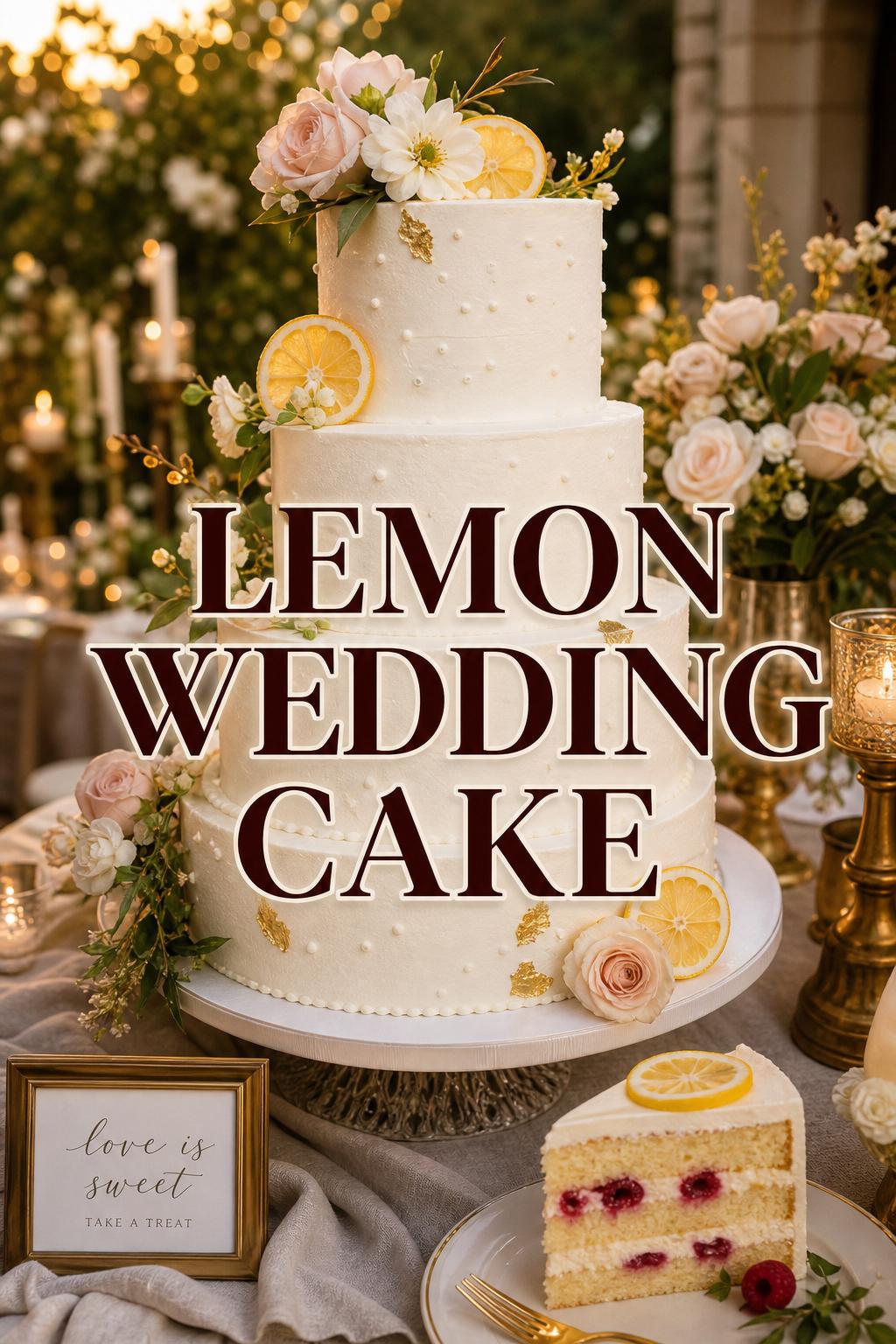
This style is defined by restraint. The visual language is clean, often centered on smooth or lightly textured buttercream, quiet detailing, and simple design elements such as dot patterns or subtle lemon references. The dotted lemon cake approach fits here especially well, because it turns lemon into a design cue rather than a fully literal decoration.
The mood is modern, polished, and intentionally edited. Color palettes usually stay light and controlled, with white buttercream carrying most of the visual weight. Any lemon expression tends to be small-scale and precise rather than abundant or lush.
Style overview: romantic lemon-accented cake
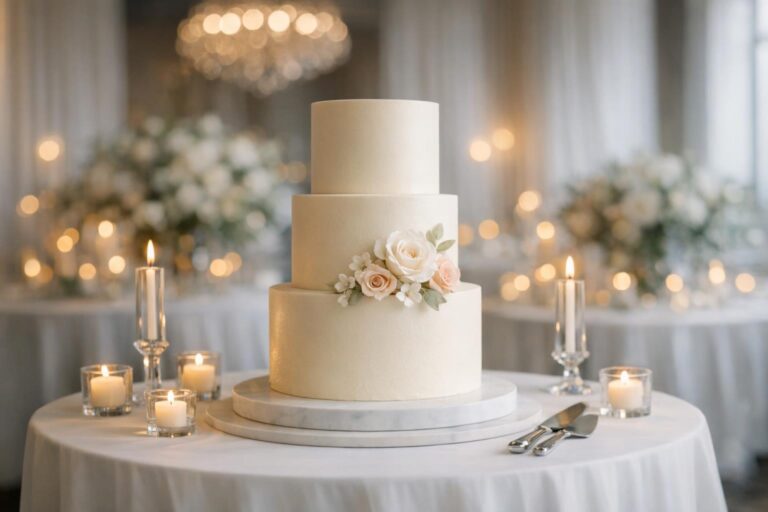
A romantic lemon-accented cake takes the same citrus theme in a softer direction. Instead of relying on minimal pattern, it uses florals, buttercream texture, and visible lemon details to create movement and warmth. The sugar lemon-accented wedding cake aesthetic is a strong example of this style, where lemon acts as both flavor inspiration and visual storytelling.
This look often suits couples who want the cake to feel integrated with the wider wedding design. It works naturally with floral arrangements, romantic table settings, and wedding palettes that lean elegant, rustic, or garden-inspired rather than sharply modern.
Style overview: lemon with berry pairings
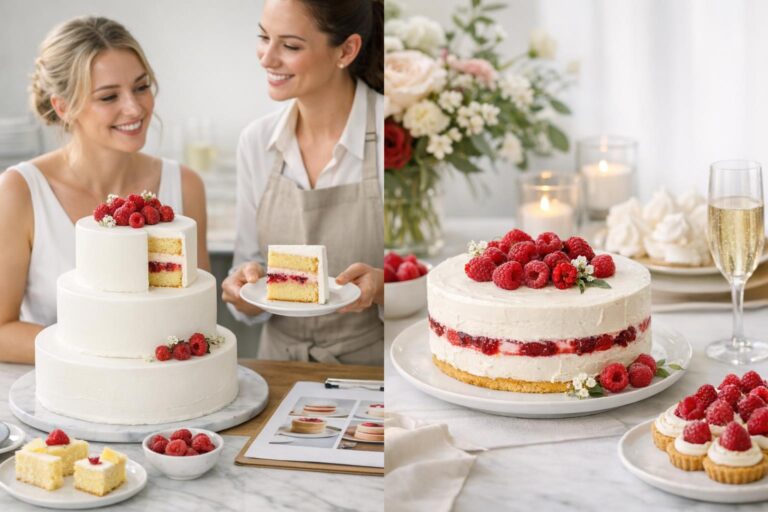
On the flavor side, lemon paired with raspberry or mixed berries creates a more vivid, fruit-forward cake profile. Bon Appétit’s lemon-raspberry wedding cake with vanilla buttercream and Epicurious’s lemon-berry wedding cake both point toward a style of cake that feels lively, layered, and guest-friendly. The citrus brightness of lemon is supported by berry sweetness and color.
Visually, these cakes can stay simple on the outside, but the interior often becomes part of the appeal. Couples who want a lemon cake that feels celebratory and immediately recognizable in flavor often lean this way.
Style overview: lemon elderflower wedding cake
Lemon elderflower occupies a more delicate and narrative-rich space. It is closely associated with the royal wedding of Meghan Markle and Prince Harry, with coverage emphasizing Claire Ptak of Violet Cakes, Windsor Castle, and the floral, refined character of the cake. This style is still lemon-forward, but elderflower shifts the mood.
Instead of feeling juicy and bold like lemon with berries, lemon elderflower tends to read as airy, elegant, and softly floral. It is often chosen by couples who want a cake that feels graceful and contemporary while still carrying a sense of occasion.
Where these lemon cake styles differ most clearly
At first glance, many lemon cakes appear interchangeable because they share white buttercream, citrus flavor, and wedding styling. In practice, the distinctions are meaningful. They shape the tone of the reception and determine whether the cake feels like a minimal design object, a romantic decorative centerpiece, or a flavor statement.
Silhouette and structure
Modern minimal lemon cakes tend to favor cleaner lines and a more controlled silhouette. The visual emphasis is on neatness, proportion, and surface finish. Romantic lemon-accented cakes allow more softness through textured buttercream, floral movement, and decorative layering. Even when both are tiered, the first reads architectural and the second feels expressive.
This distinction matters in wedding settings. A sleek venue or minimalist reception usually benefits from a cake that does not compete with the room. A garden or floral-forward wedding can handle a cake with more visible embellishment because it echoes the environment rather than interrupting it.
Flavor philosophy
Lemon with raspberry or berries is built around contrast. The lemon brings brightness, while the berry filling adds roundness, color, and a familiar fruit pairing. Lemon elderflower is less about contrast and more about refinement. The floral note changes the emotional tone of the cake, making it feel more nuanced and less overtly fruity.
Neither is better in a universal sense. Berry pairings often feel more immediately approachable for a broad guest list. Elderflower can feel more distinctive and memorable, especially when the wedding aesthetic is already romantic, floral, or softly formal.
Level of formality
A dotted lemon cake or pared-back buttercream finish usually reads more contemporary than traditional. It can work beautifully in a formal wedding, but it does so through simplicity rather than ornament. A lemon elderflower cake, especially one inspired by royal wedding coverage, naturally carries a heightened sense of occasion. Cakes with florals, gold leaf, or carefully arranged lemon accents can also move toward a more dressed-up look.
That said, formality depends on execution. White buttercream with gold leaf immediately feels more luxurious than the same buttercream left plain. Fresh floral styling can read either organic or elevated depending on how controlled the arrangement appears.
Decorative language
Minimal lemon cakes communicate through small details: dots, clean frosting, subtle pattern, limited color shifts. Romantic lemon cakes communicate through visible motifs such as florals, candied lemon, sugar lemon accents, and textured buttercream. Gold-leaf-painted white buttercream introduces another branch of the decorative spectrum, one that feels more luxurious and intentionally ornate.
For couples deciding between these directions, the question is less “Which one is prettier?” and more “How much visual speaking should the cake do?” A restrained cake supports the room quietly. A decorative cake becomes part of the visual storytelling.
How each style looks in a real wedding setting
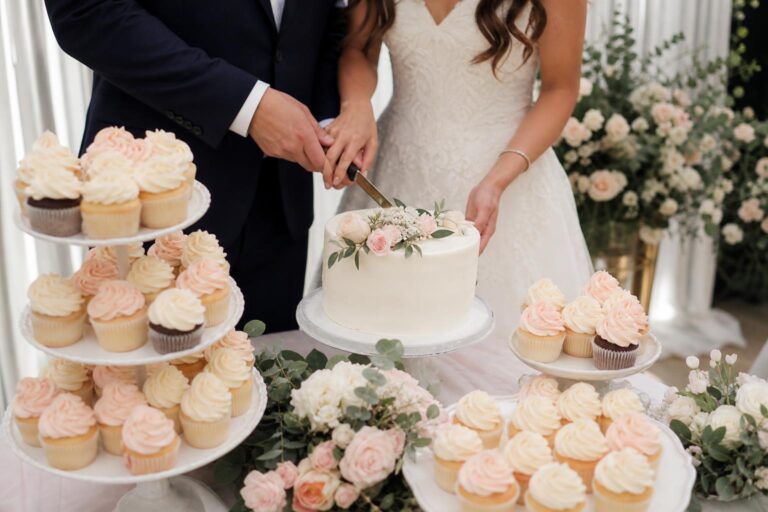
The easiest way to understand these cake styles is to imagine them inside an actual wedding scene. A lemon wedding cake does not exist in isolation. It sits near flowers, linens, candles, signage, and often under very specific lighting conditions. The same flavor can feel entirely different depending on how it is presented.
In a minimalist reception
A modern lemon cake with a dotted pattern or clean buttercream finish looks especially at home in a reception that values negative space and controlled detail. Here, the cake is not trying to mimic a floral installation. Instead, it offers a crisp focal point, often allowing the whiteness of the buttercream and the precision of the finish to stand on their own.
In this context, heavy decoration can look out of place. A cake with too many florals or visible citrus accents may pull attention away from the intentional simplicity of the room. The visual balance works best when the cake mirrors the calm, edited feel of the event.
In a garden or floral-forward wedding
A sugar lemon-accented wedding cake or a floral buttercream design tends to feel more natural in a wedding that already celebrates softness and abundance. Florals around the tiers, gentle buttercream texture, and visible lemon details help the cake join the atmosphere rather than appear as a separate modern object.
This is where lemon becomes especially romantic. The citrus note suggests freshness and light, while the floral styling carries that brightness into the visual language of the day. Couples often respond to this style because it feels emotionally expressive without losing elegance.
In a luxury or statement setting
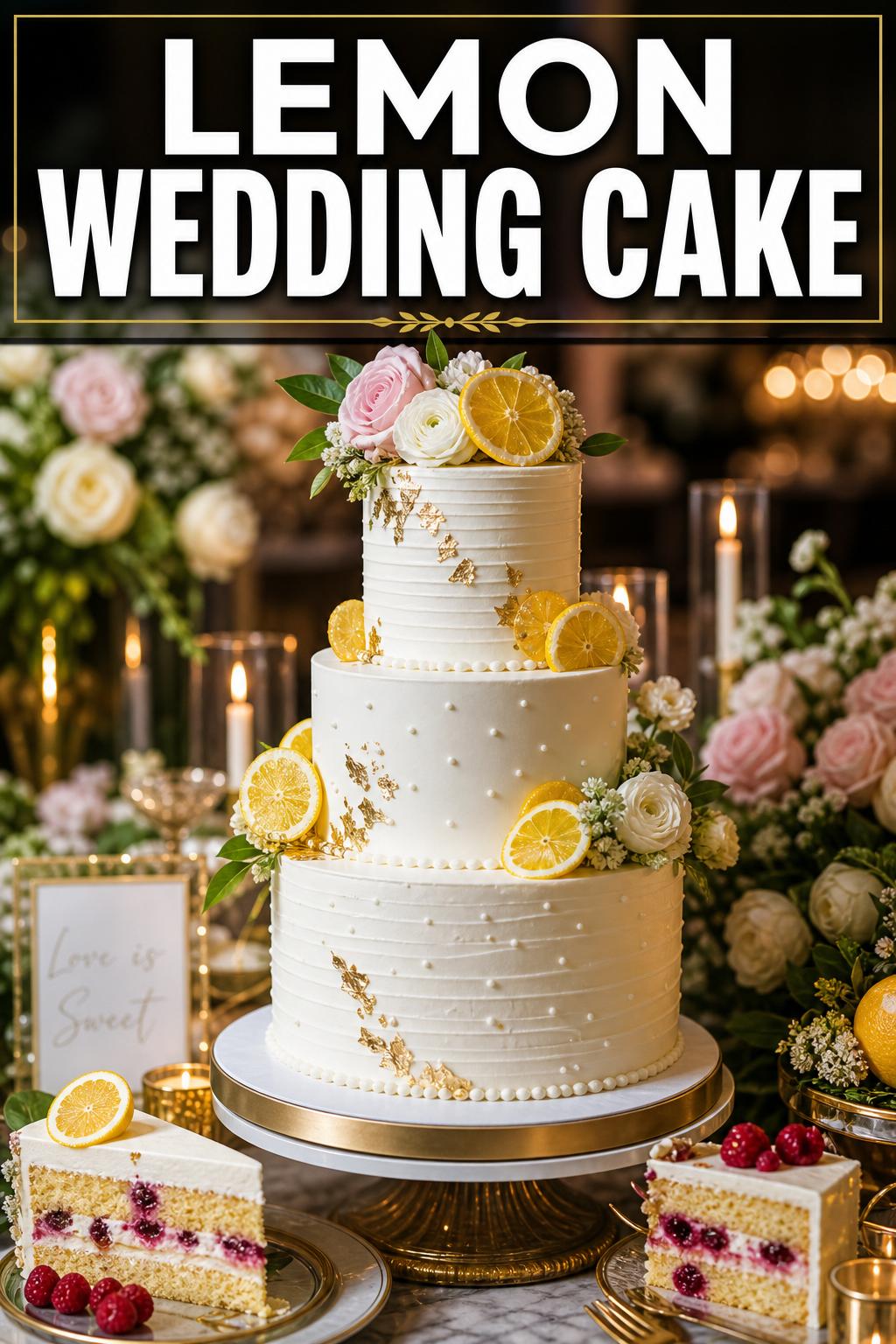
Gold leaf on white buttercream shifts lemon cake into a more formal register. Even if the flavor remains light and citrusy, the surface treatment adds gravity and richness. This contrast can be beautiful: a bright interior with a polished exterior. The result is especially effective when the wedding design includes metallic accents or a more ornate reception style.
The key is moderation. Lemon is naturally associated with freshness and clarity. If the design becomes too visually heavy, the flavor story and decorative story can drift apart. Gold leaf works best when it elevates rather than overwhelms.
Flavor comparison: lemon raspberry, lemon berry, and lemon elderflower
Flavor is where many couples discover that two beautiful cakes may lead to very different guest experiences. All three of these directions begin with lemon cake, but the fillings and frostings change the tone significantly.
Lemon raspberry: bright and celebratory
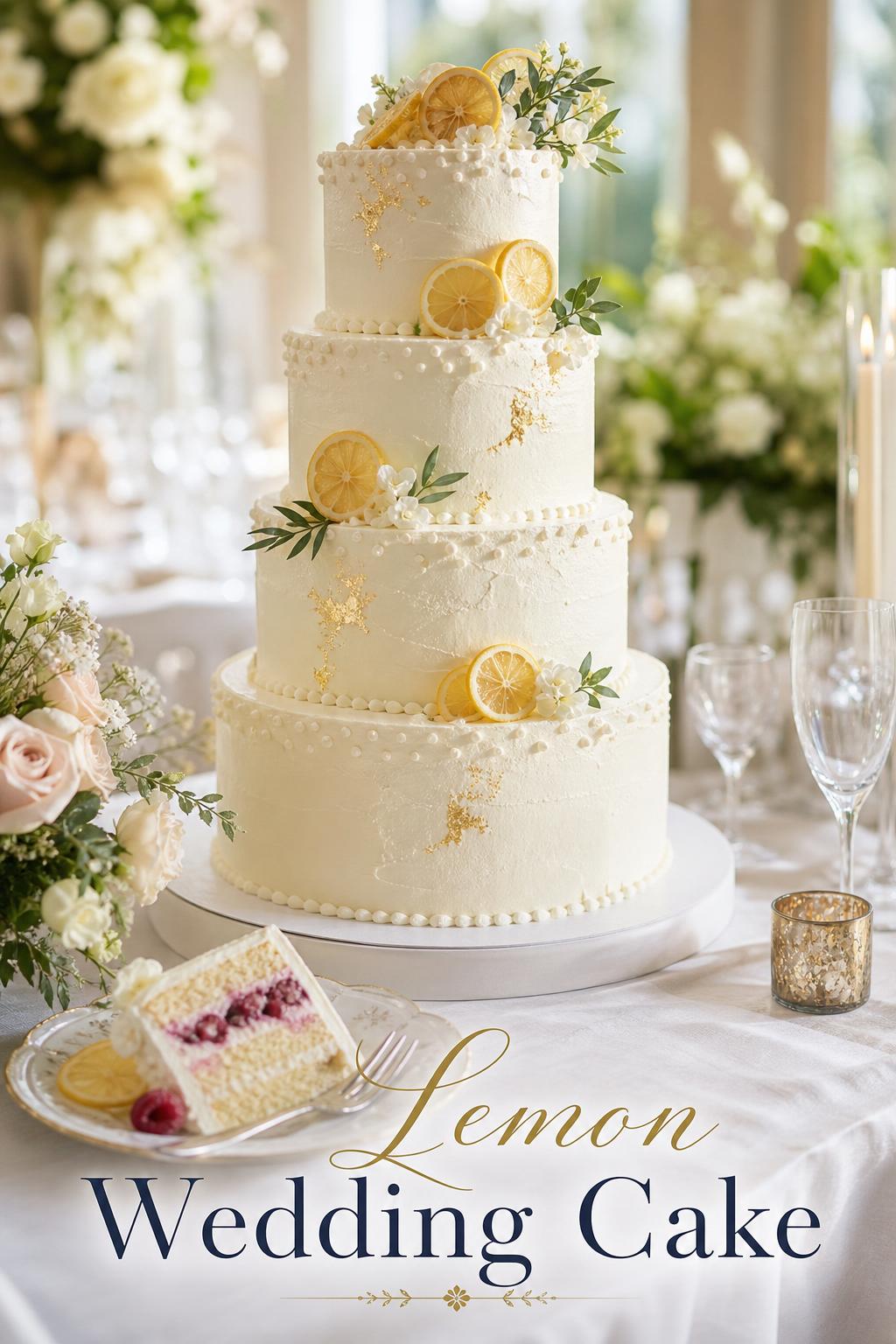
A lemon-raspberry wedding cake with vanilla buttercream has a cheerful, accessible quality. Raspberry brings sweetness and color while vanilla buttercream softens the sharper edges of citrus. This pairing often feels lively and familiar, which can be an advantage when serving a wide mix of guests.
It also has a distinct visual identity if slices are visible. The berry layer gives the cake an unmistakable fruit-forward personality, which can make the dessert feel abundant and festive rather than subtle.
Lemon berry: flexible and broadly appealing
A lemon-berry wedding cake offers a little more flexibility than a single berry pairing. It still delivers the same general freshness and contrast, but the overall impression may be slightly softer or more blended depending on the berry profile used. For couples who know they want lemon with fruit but do not want the cake identity to hinge on one secondary note, this can be an appealing middle ground.
From a style perspective, it can support either a minimalist exterior or a more decorative one, because the flavor itself does not demand a particular visual treatment.
Lemon elderflower: airy and refined
Lemon elderflower cake has a quieter elegance. Coverage of the royal wedding cake connected it with elderflower cordial, Amalfi lemons, buttercream, and floral decoration, creating a strong association with modern romance. The lemon is still central, but elderflower makes the cake feel softer and more layered in spirit.
This flavor is often best for couples who want the cake to feel special in a way guests may remember as “beautifully delicate” rather than “boldly fruity.” It suits weddings where the emotional tone is intimate, graceful, and visually light.
Tips for choosing between these flavors
- Choose lemon raspberry if you want a clear fruit pairing that feels festive and easy for guests to recognize.
- Choose lemon berry if you want citrus freshness with a broader, flexible fruit character.
- Choose lemon elderflower if your wedding leans floral, refined, or inspired by royal wedding elegance.
- Keep buttercream in the discussion early, because the frosting style affects not only the taste but also the formality of the final cake.
Buttercream, lemon curd, and the question of wedding-day practicality
One reason lemon wedding cake remains so popular is that it pairs naturally with buttercream and lemon curd, two elements that support both flavor and wedding presentation. Buttercream gives the cake a soft, polished exterior, while lemon curd can intensify the citrus profile inside. But beautiful flavor is only part of the equation. Wedding cakes must also be assembled, stabilized, displayed, and served successfully.
That is where style decisions become practical decisions. A cake designed primarily for delicate flavor still needs structure. A cake built for visual drama still needs balance. Tiered lemon cakes especially need thoughtful filling choices and careful assembly, because wedding desserts are not served under the same calm conditions as a home cake on a kitchen counter.
Why buttercream stays central
Buttercream appears repeatedly across lemon wedding cake styles because it bridges flavor and design so effectively. It supports clean modern finishes, romantic texture, floral decoration, and more ornate details like gold leaf. Vanilla buttercream, in particular, softens tart citrus notes and helps make lemon-based cakes feel rounded and celebratory rather than sharp.
For couples, this means buttercream is not just a frosting preference. It is part of the overall styling philosophy of the cake.
How lemon curd changes the cake experience
Lemon curd intensifies the lemon identity of the cake. Without it, a lemon cake may read as gently citrus. With it, the flavor becomes more direct and more obviously lemon-led. That can be wonderful for couples who want the cake to feel unmistakably bright, but it also requires balance. Too much intensity can make the cake feel less soft and less universally crowd-pleasing.
In comparison terms, lemon curd often pushes a cake toward a more flavor-focused identity, while buttercream helps keep the experience smooth, wedding-appropriate, and visually elegant.
Tips for tiered cake stability and service
When couples compare lemon cake options, it helps to think beyond the tasting. A wedding cake has to remain attractive through transport, display, cutting, and service. Fruit-forward fillings, buttercream finishes, and tiered assembly all need to work together. The most successful lemon wedding cakes usually reflect a balanced approach: enough citrus character to feel distinctive, enough buttercream support to stay elegant, and enough structural planning to serve well.
- Ask early whether the filling and frosting combination is intended for a tiered wedding cake rather than a small celebration cake.
- If you want a stronger lemon identity, discuss how lemon curd is balanced with buttercream so the texture stays wedding-friendly.
- Remember that a highly decorative exterior and a highly soft interior may require more careful handling.
- If transport or venue setup is complex, a simpler finish may be the more reliable choice.
Decoration styles compared: dots, florals, candied lemon, and gold leaf
Decoration is often where couples feel the strongest pull, because it is the part guests notice before tasting a single slice. Yet the best decorative style is not simply the prettiest one. It is the one that translates your wedding mood clearly and consistently.
Dot pattern design
The dotted lemon cake aesthetic is one of the most modern ways to express the theme. Dots can feel graphic, playful, or quietly architectural depending on scale and spacing. This style does not rely on literal citrus decoration, which makes it especially useful for couples who want a lemon cake without a visibly themed dessert.
It works best when the overall wedding design also values clarity and restraint. In a more ornate room, the effect may be too subtle unless supported by other streamlined details.
Floral accents and sugar lemon details
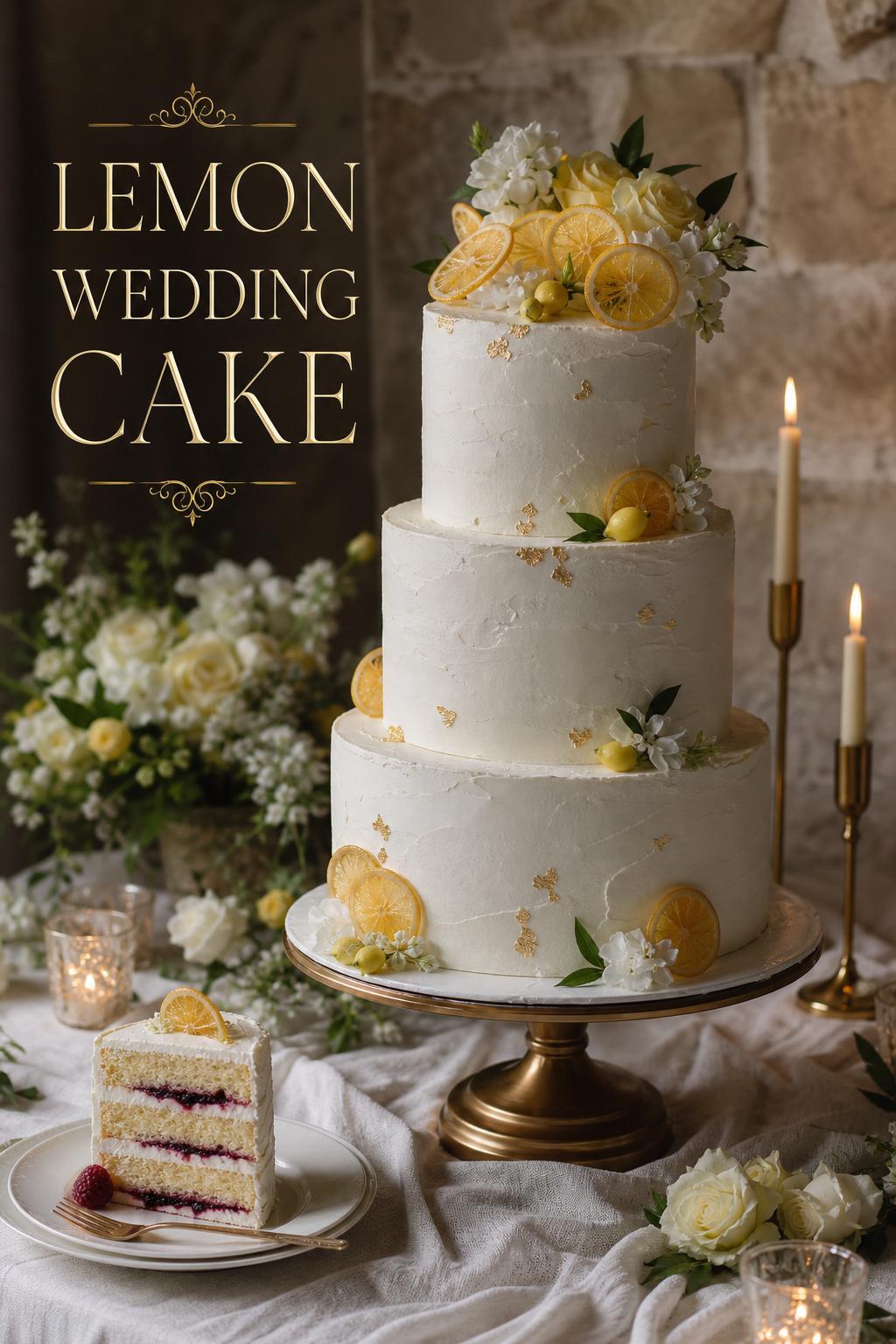
Florals and sugar lemon accents create a softer visual story. Instead of referencing lemon abstractly, they make the cake feel garden-linked and gently expressive. This style can also bridge rustic and elegant influences, which is one reason it appears so naturally in wedding inspiration galleries.
The advantage is emotional warmth. The possible limitation is that the cake becomes more stylistically specific, so it should relate clearly to the flowers, palette, and reception mood around it.
Candied lemon and visible citrus motifs
Candied lemon and similar lemon-forward details create a more explicit citrus identity. This can be charming and memorable, especially when the couple wants guests to immediately understand the flavor direction. It is less understated than a dotted pattern and less floral than a blossom-led cake, which places it in a useful middle category.
For many weddings, the success of this look depends on moderation. A few intentional citrus accents feel elegant; too many can tip the cake toward novelty rather than romance.
Gold leaf on white buttercream
Gold leaf transforms a lemon cake from fresh and pretty to fresh and formal. On white buttercream, it introduces a note of luxury that works especially well when the wedding already includes metallic details. It also helps lemon fit into a more elevated reception scheme, where a purely floral or rustic approach might feel too soft.
The visual trick is balance. Lemon brings brightness; gold brings richness. When both are used thoughtfully, the result feels sophisticated rather than conflicted.
A royal point of reference: what lemon elderflower suggests today
The royal wedding cake remains one of the clearest cultural reference points for modern lemon wedding cake styling. Coverage centered on Meghan Markle, Prince Harry, Claire Ptak, Violet Cakes, Windsor Castle, and the lemon elderflower profile created a powerful association between lemon cake and contemporary wedding elegance. Even couples who are not consciously selecting a “royal” cake often respond to elements of that story: floral softness, bright citrus, buttercream, and a cake that feels refined rather than dense or heavily traditional.
What matters most is not imitation but interpretation. A royal reference point can help clarify the difference between a cake that feels fruit-forward and one that feels floral-forward. It can also help couples understand why elderflower is often discussed separately from berry pairings. It changes the emotional register of the cake, making it feel more atmospheric, more delicate, and more tied to the wider wedding mood.
When this inspiration works best
This direction tends to suit weddings with soft florals, light palettes, elegant venues, and a desire for understated formality. It is less suited to couples who want bold fruit contrast, visible berry color in the slice, or a dessert that reads as playful rather than refined. In other words, lemon elderflower is not simply another lemon flavor. It is a styling choice as much as a taste choice.
Regional and seasonal decisions that shape the final cake
Lemon cakes may sound seasonless in theory, but in wedding planning they often feel especially aligned with brighter, lighter celebrations. Seasonal timing affects not only the atmosphere around the cake but also how the flavor is experienced. A lemon wedding cake in a summer-style reception often feels cooling and radiant. The same flavor in a more formal event can feel crisp and elegant instead.
There is also a sourcing conversation embedded in some of the most memorable lemon cake references. Amalfi lemons, mentioned in coverage around the royal wedding cake, show how lemon variety and origin can become part of the story couples tell about the dessert. Not every wedding needs that level of specificity, but it does illustrate an important point: not all lemon cakes communicate the same kind of luxury or intention.
Tips for timing and sourcing conversations
- If your wedding design emphasizes freshness, floral lightness, or seasonal brightness, lemon often supports that mood naturally.
- If ingredient origin matters to you, ask whether the baker treats lemon sourcing as part of the cake story.
- Use regional or specialty lemon references only if they genuinely support your vision; they are most meaningful when tied to taste and atmosphere, not just prestige.
- Keep the wedding setting in mind, because flavor, frosting, and decorative finish need to make sense together.
Visual style breakdown through wedding-day scenarios
Comparison becomes easier when two styles are placed in the same situation. These examples show how the same wedding moment can lead to very different lemon cake decisions.
Example comparison: a candlelit formal reception
A minimalist approach would likely favor white buttercream with a clean silhouette, perhaps with subtle dot pattern detail or controlled gold leaf. The effect would be polished and quiet, allowing the cake to sit elegantly within the reception design. A romantic approach to the same setting might use floral accents and gentle buttercream texture, creating a softer focal point that feels more intertwined with the tablescape.
The styling logic is simple: the first version values refinement through restraint, while the second values refinement through layered visual warmth.
Example comparison: a garden-inspired wedding
In a garden setting, a modern lemon cake could still work beautifully if the overall wedding design is edited and contemporary. But a floral lemon-accented cake often feels more intuitive here, especially if the day already includes abundant blooms and organic movement. Lemon elderflower also tends to feel especially at home in this environment because its flavor and visual associations align with the atmosphere.
By contrast, lemon raspberry would bring a stronger fruit personality to the same scene, making the cake feel brighter and more celebratory rather than ethereal.
Example comparison: a couple deciding between flavor memory and visual simplicity
Some couples want the cake to taste vivid but look understated. In that case, a simple buttercream exterior with a lemon-berry or lemon-raspberry interior can be a thoughtful compromise. Other couples want the outside to signal the feeling of the wedding just as clearly as the inside. For them, a floral lemon elderflower design or a sugar lemon-accented cake may feel more emotionally complete.
This is often the real decision beneath the surface: do you want the cake’s strongest statement to happen at first sight or first bite?
When to choose each lemon wedding cake style
The right cake style is usually the one that aligns flavor, setting, and emotional tone. A lemon wedding cake can adapt to many wedding aesthetics, but each version performs best in particular circumstances.
Choose a modern minimal lemon cake when
- Your wedding style is clean, contemporary, or visually restrained.
- You want the cake to look polished without becoming highly decorative.
- You prefer abstract references to lemon, such as dot patterns or subtle motif work.
- Your venue or reception design already has strong visual elements and the cake should complement rather than compete.
Choose a romantic lemon-accented cake when
- Your wedding includes florals, softness, and a more expressive visual mood.
- You want lemon to be visible in the cake’s decorative language, not just in the flavor.
- You are drawn to buttercream texture, sugar lemon accents, or fresh floral styling.
- You want the cake to feel woven into the atmosphere of the reception.
Choose lemon raspberry or lemon berry when
- You want a fruit-forward flavor that feels cheerful and broadly appealing.
- You like the contrast between bright citrus and sweeter berry notes.
- You want the slice itself to offer visual excitement.
- You are prioritizing flavor recognition and guest appeal.
Choose lemon elderflower when
- You want a refined, floral-leaning cake with a special-occasion quality.
- You are inspired by the royal wedding cake narrative connected to Meghan Markle, Prince Harry, and Violet Cakes.
- Your wedding design is elegant, light, and romantic rather than bold or playful.
- You want the cake to feel graceful and modern at the same time.
Common decision mistakes couples make with lemon cakes
Because lemon feels versatile, couples sometimes assume any lemon cake can be adapted to any wedding style with only minor changes. In reality, flavor and design choices can pull in different directions if they are not discussed together.
Mistaking a flavor decision for a full design decision
Saying “we want lemon” is only the starting point. Lemon with raspberry, lemon with elderflower, lemon with buttercream, and lemon with visible citrus motifs all create different wedding impressions. Couples often feel uncertain later in the process because they chose the base flavor before deciding how the cake should behave visually in the room.
Overdecorating a naturally fresh flavor
Lemon carries brightness and clarity. When too many decorative elements are added without a clear design reason, the cake can lose that sense of freshness. This is especially true when combining multiple statement details such as heavy florals, strong metallics, and overt citrus decoration all at once.
Undervaluing structure in a tiered cake
Fruit fillings, lemon curd, and soft buttercream all sound beautiful at a tasting, but weddings require more than great flavor. Cakes must be stable, transportable, and serviceable. A design that looks perfect in concept may need simplification to work well for a large event.
Tips for making the final choice with confidence
Bring the cake conversation back to three questions: what should it feel like in the room, what should guests taste first, and how formal should it read? Those answers usually clarify the right direction quickly. If the room is clean and modern, keep the cake similarly disciplined. If the wedding is floral and story-driven, let the cake participate. If the priority is flavor memory, focus on the filling pairing. If the priority is atmosphere, let decoration lead.
Bringing both styles together without losing clarity
Not every couple wants a strict either-or choice. Some of the most successful lemon wedding cakes combine elements from multiple styles while keeping one dominant point of view. A cake can have a clean buttercream silhouette but still include delicate floral accents. It can use the elegance of lemon elderflower while remaining visually simple. It can even carry a luxurious detail like gold leaf without abandoning the freshness that makes lemon so appealing.
The secret is hierarchy. Decide what the cake should say first. If the first message is modern, keep decorative additions light. If the first message is romantic, let the florals or lemon accents lead. If the first message is flavor, choose pairings that remain clear and intentional. A cake rarely needs to express every possible idea at once to feel memorable.
In the end, the core distinction is simple. Some lemon wedding cakes are about visual restraint and clean styling, while others are about floral romance, expressive decoration, or a more layered flavor story. Once you can identify that difference, it becomes much easier to choose a cake that feels right for your wedding rather than simply attractive in a photograph. And if you love elements from both worlds, they can absolutely meet in the middle, as long as the final design still feels cohesive, personal, and beautifully considered.
FAQ
What is the difference between a lemon wedding cake and a lemon elderflower wedding cake?
A lemon wedding cake is a broad category that can include many fillings and finishes, while a lemon elderflower wedding cake adds a floral note that makes the flavor feel softer and more refined. Lemon with berries usually tastes brighter and more fruit-forward, while lemon elderflower tends to feel more delicate and atmospheric.
Is lemon raspberry or lemon elderflower better for a wedding?
It depends on the mood you want. Lemon raspberry usually feels more festive, vivid, and immediately recognizable to guests, especially with vanilla buttercream. Lemon elderflower suits weddings that are elegant, floral, and softly formal, particularly when the cake is meant to feel graceful rather than boldly fruity.
Does a lemon wedding cake work with buttercream?
Yes, buttercream is one of the most natural partners for lemon wedding cake because it balances citrus brightness and supports many visual styles. It works well for clean modern finishes, textured romantic designs, floral decoration, and even more elevated details such as gold leaf.
Can a lemon wedding cake be tiered successfully?
Yes, but the filling, frosting, and assembly need to be planned with the wedding format in mind. Lemon cakes with buttercream and carefully balanced fillings can work beautifully in tiers, though highly soft interiors or very decorative exteriors may require more thoughtful handling during transport and service.
What decorations look best on a lemon wedding cake?
The best decoration depends on the wedding style. Dot patterns and smooth buttercream suit modern minimal weddings, while florals, sugar lemon accents, and candied lemon feel more romantic and expressive. Gold leaf on white buttercream is a strong choice for couples who want a more formal or luxurious finish.
Why is lemon elderflower associated with royal wedding style?
The association comes largely from the wedding of Meghan Markle and Prince Harry, where coverage highlighted a lemon elderflower cake by Claire Ptak of Violet Cakes at Windsor Castle. That story linked lemon, elderflower, buttercream, florals, and modern elegance in a way that continues to influence wedding cake inspiration.
Should lemon flavor be visible in the cake design?
Not necessarily. Some couples prefer subtle visual references, such as a dotted pattern or a restrained buttercream finish, while others want obvious lemon cues through sugar lemon accents or candied citrus. Both approaches work well, as long as the style matches the rest of the wedding design.
What filling pairs well with lemon in a wedding cake?
Raspberry, mixed berries, lemon curd, and elderflower are all strong pairings within wedding cake design. Raspberry and berries create a brighter fruit contrast, lemon curd intensifies the citrus identity, and elderflower gives the cake a more delicate floral character.
How do I choose between a minimalist and romantic lemon cake design?
Start with your wedding atmosphere. If the reception is clean, contemporary, and visually restrained, a minimalist lemon cake usually feels more cohesive. If the wedding includes florals, softness, and decorative warmth, a romantic lemon-accented design will likely feel more at home.