Royal Wedding Cake Style: From Garden Fresh to Formal Glam
Royal wedding cake: the moment the room turns and everyone leans in
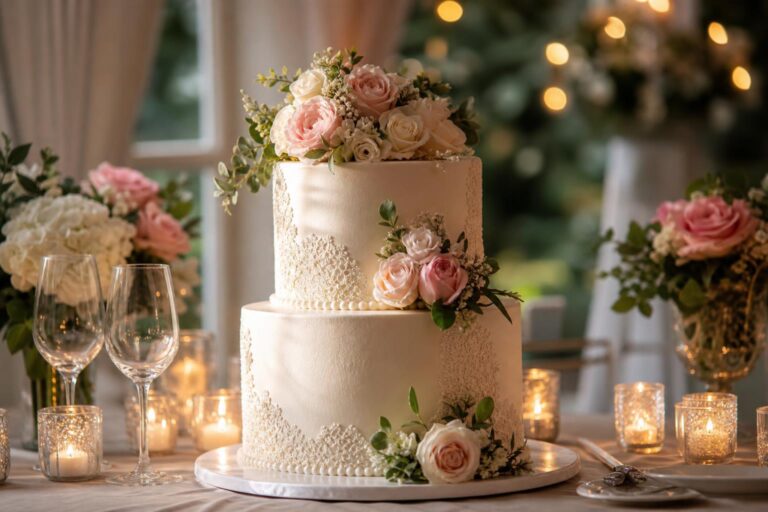
A royal wedding cake isn’t just dessert—it’s a pause in the celebration where the entire reception seems to soften for a second. Cameras lift. Guests drift closer. The couple’s choices suddenly feel visible in a new way: tradition or modernity, formal or relaxed, grand or quietly personal. That’s why royal wedding cakes hold such magnetic appeal for U.S. couples planning their own day. They’re not only beautiful; they’re a masterclass in how a single design decision can set a mood for the whole event.
Across modern royal ceremonies, a few names and places anchor the conversation: Windsor Castle, the 2018 royal wedding of Prince Harry and Meghan Markle, and the lemon elderflower cake created by Claire Ptak of Violet Cakes (also known as Violet Bakery) in London. For contrast—and for couples who love classic formality—there’s the Princess Kate wedding cake story from the 2011 wedding of Prince William and Kate Middleton, designed by Fiona Cairns in the long-standing fruitcake tradition. Together, these cakes tell a surprisingly useful story for real weddings: how to choose flavor, structure, decoration, and presentation so your cake feels like you.
Below, you’ll find inspiration you can actually apply—royal wedding cake ideas, royal wedding cake designs, and practical planning guidance—without losing the romance of that first slice, the first photo, and the feeling that the day is unfolding exactly as you imagined.
Why royal cakes matter to modern couples: tradition, symbolism, and a little rule-breaking
Royal wedding cakes carry an unspoken job description: they’re expected to honor history while also reflecting a specific couple’s identity. That tension—tradition versus modern reinterpretation—shows up again and again in coverage of royal celebrations, especially around the shift away from fruitcake as the default “royal” answer. Historically, fruitcake (often associated with formal royal icing and ornate decoration) has been positioned as the traditional baseline. It’s sturdy, ceremonial, and tied to a sense of heritage.
Turn wedding inspiration into a plan you can actually follow.
Zarellea brings your guest list, budget, vendors, and day-of details into one shared space — so no beautiful idea gets lost in the shuffle.
But modern royal choices made the conversation feel relevant again for everyday weddings. When Meghan Markle and Prince Harry chose a lemon elderflower cake for Windsor, it didn’t just read as a flavor preference—it became a symbol of a modern ceremony. Media framing consistently treated the decision as a departure from the traditional fruitcake narrative, turning a cake into a headline about personality, taste, and a new kind of elegance.
If you’re deciding between a “classic” cake and something more contemporary, royal examples offer a calm takeaway: you don’t have to reject tradition to feel current, and you don’t have to choose novelty to feel personal. The most memorable royal wedding cakes are coherent. They match the venue, the styling, and the energy of the day.
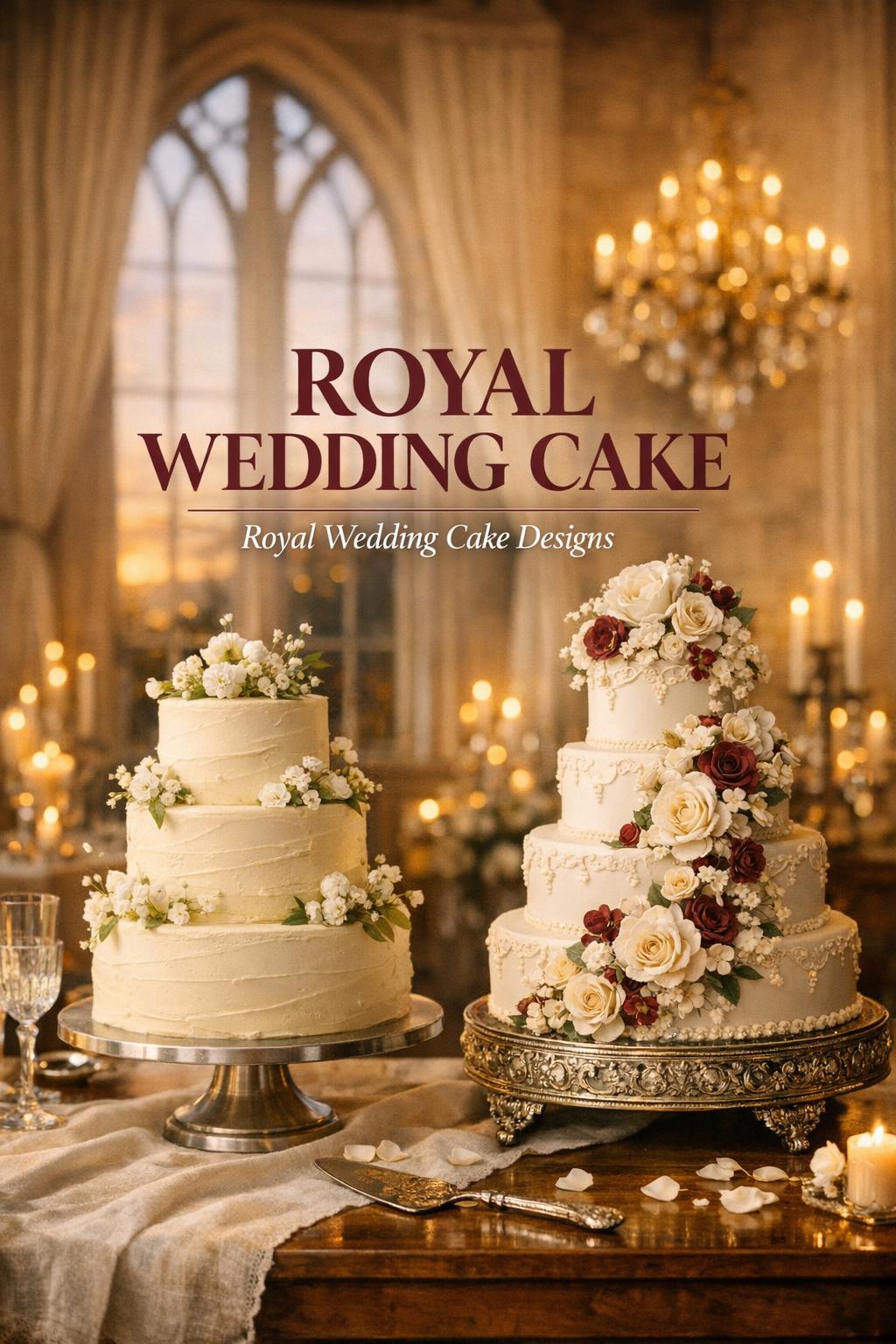
Meghan and Harry’s lemon elderflower cake: a modern royalty wedding cake that still feels timeless
The 2018 royal wedding cake is now one of the most referenced modern examples because it’s immediately legible: bright, floral, and romantic without being heavy. Meghan Markle and Prince Harry selected a lemon elderflower cake, made by Claire Ptak of Violet Cakes (Violet Bakery) in London, for their Windsor celebration. The flavor itself—lemon with elderflower—signals springlike freshness, and elderflower cordial is often mentioned in connection with the profile and its floral character.
Design-wise, the cake’s visual identity leaned into modern restraint. Instead of relying on the deep formality of fruitcake tradition, the presentation is consistently described through elements like buttercream (including Swiss meringue buttercream) and a floral, natural look. Even for couples who love “royal wedding cakes elegant” as an aesthetic, this is a reminder that elegance can be soft, not stiff.
What makes lemon and elderflower feel so “Windsor” (and so wearable for real weddings)
Windsor Castle carries an inherent sense of formality; the cake balanced that by feeling light and contemporary. Lemon brings clarity—its brightness cuts through rich reception menus—while elderflower adds a gentle floral note that reads romantic rather than sugary. That pairing is also emotionally intuitive: it feels like a garden moment, even indoors, and photographs beautifully beside florals and candlelight. If your venue has any grandeur (a historic hotel, an estate, a classic ballroom), this flavor direction can keep the mood from feeling too weighty.
Royal wedding cake designs to borrow from Meghan’s look—without copying it
If your goal is to nod to the “royal” feeling while still making it yours, focus on principles rather than replicas. Meghan’s cake is often discussed as non-traditional in both flavor and styling, yet it still fits a royal environment because it’s intentional and polished. Translating that to your wedding might mean choosing a floral-forward buttercream finish, a restrained color palette, and a design that looks beautiful from a few feet away—because that’s how guests actually experience it.
- Choose a fresh flavor direction (like lemon) and add one distinctive note (like elderflower) so it feels special without being unfamiliar.
- Lean into buttercream for a softer, modern finish that reads romantic under reception lighting.
- Keep florals feeling natural—more “garden” than “catalog”—to echo the modern Windsor aesthetic.
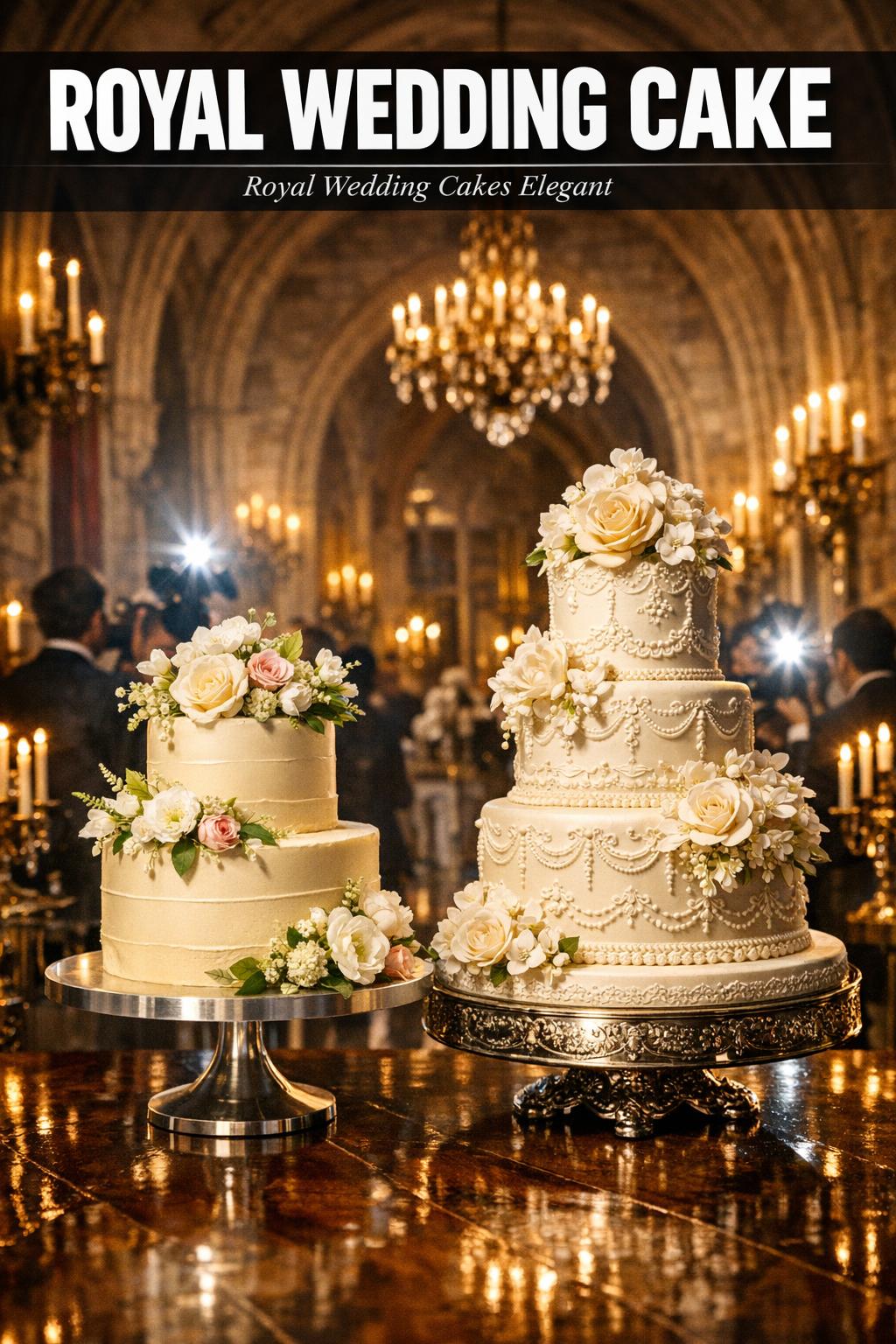
The Princess Kate wedding cake tradition: fruitcake, formality, and a designer’s signature touch
For couples who love ceremony and classic luxury, the Princess Kate wedding cake narrative offers a different kind of inspiration—one rooted in tradition and collectible cultural memory. At the 2011 royal wedding of Prince William and Kate Middleton, the cake is strongly associated with fruitcake and detailed decorative work like sugar flowers (often discussed as sugar paste flowers). The designer linked to this moment is Fiona Cairns, whose name frequently appears in the same breath as the 2011 cake’s craftsmanship and formal aesthetic.
That classic approach also lives on beyond the wedding day itself. The cultural significance of royal cake memorabilia has been discussed in terms of auctions and the value placed on slices of the William-and-Kate cake—proof that a traditional cake can carry lasting iconography. For everyday couples, the takeaway isn’t about memorabilia; it’s about choosing a cake style that supports the type of legacy feeling you want in your photos and in your family stories.
When fruitcake-inspired royal wedding cake ideas work best
A fruitcake-leaning direction tends to suit very formal receptions, classic venues, and couples who want their cake to read as a centerpiece rather than a playful accent. If your styling includes structured elements—traditional ceremony music, black-tie dress expectations, or a highly symmetrical floral plan—a classic cake can feel harmonious. The trade-off is that fruitcake symbolism is strong; it signals tradition immediately. If your wedding personality is more modern-minimal, you may prefer the lighter, fresher mood of a lemon elderflower approach.
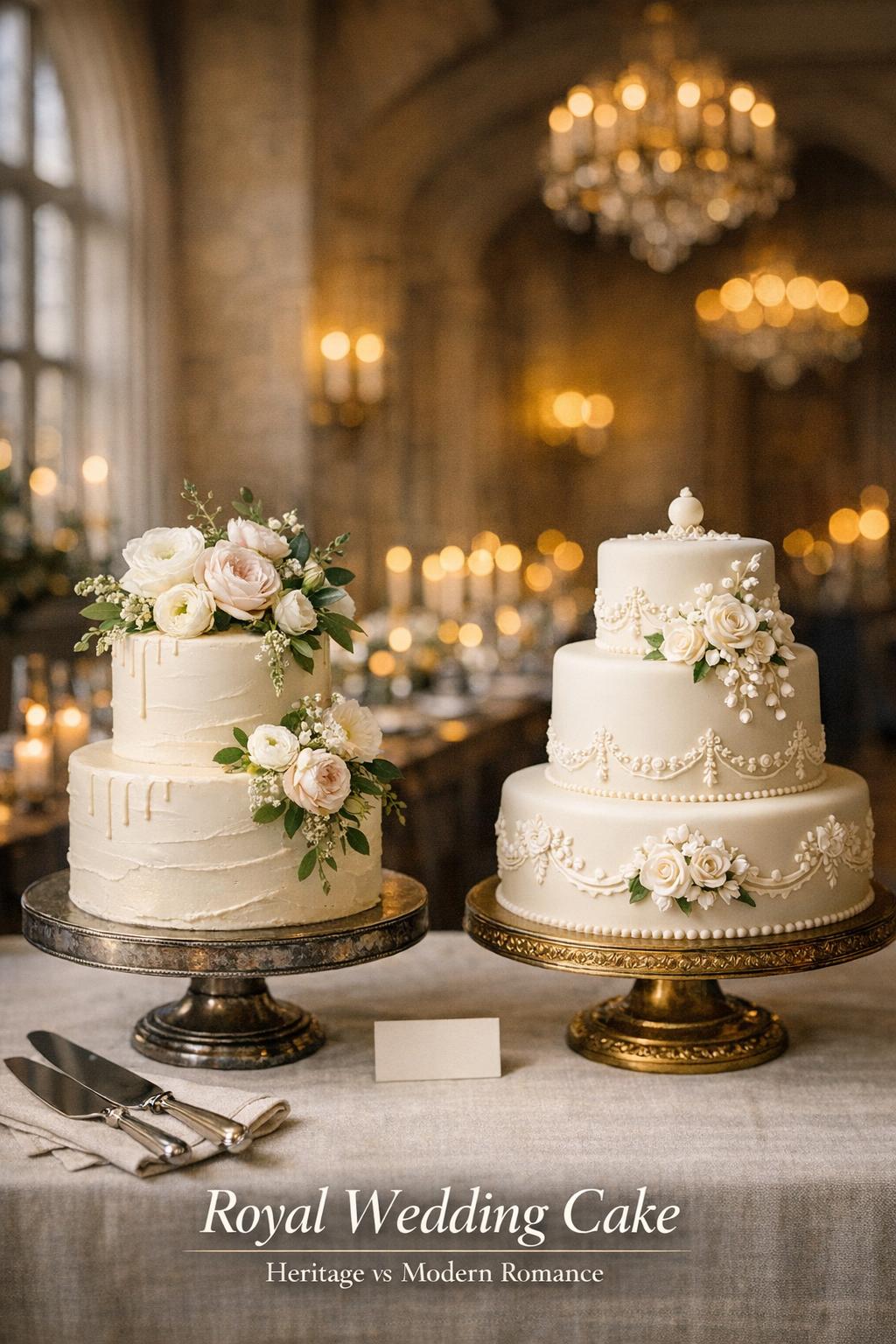
Claire Ptak and Fiona Cairns: choosing your “designer energy” as much as your design
One of the most helpful ways to think about royal wedding cake designs is to focus on the creators as style signals. Claire Ptak of Violet Cakes is closely tied to the modern 2018 lemon elderflower cake for Meghan Markle and Prince Harry. Fiona Cairns is closely tied to the 2011 fruitcake tradition for Prince William and Kate Middleton. Even if you’re not working with a celebrity cake designer (most couples aren’t), you can use the same decision framework: find a baker whose aesthetic instincts match your wedding’s emotional tone.
In real planning, this looks like asking not only “Can you make this flavor?” but also “Do your cakes feel like a Windsor ballroom, or do they feel like a garden reception?” The answer helps you avoid a common mistake: choosing a cake that looks beautiful on a tasting day, but doesn’t feel integrated once it’s placed in your actual venue.
Tips: questions to ask your baker, inspired by royal decision-making
Royals don’t choose a cake in a vacuum; the cake supports the ceremony’s story. You can do the same by asking targeted questions that reveal how a baker thinks about flavor, finish, and presentation under real reception conditions.
- “If we choose lemon elderflower, how will you keep it balanced—bright but not sharp, floral but not perfumed?”
- “Do you recommend buttercream (including Swiss meringue buttercream) for our venue’s temperature and lighting?”
- “How would you adapt a traditional fruitcake look with sugar flowers so it feels elegant, not overly heavy?”
- “What display and cutting plan works best if we do a multi-piece presentation?”
Royal wedding cake designs that photograph like a dream: structure, finish, and the “first slice” moment
Cakes are experienced in two ways: in person (across a room) and in photos (close-up, often with flash or warm lighting). Royal coverage tends to emphasize both, especially for modern cakes at Windsor where media images amplify every detail. A buttercream finish can read soft, romantic, and dimensional, while sugar flowers and sugar paste work can read formal, intricate, and “museum-like.” Neither is inherently better; the right choice depends on what you want guests to feel at the moment the cake appears.
If you’re aiming for “royal wedding cakes elegant,” think in layers of impact. From far away, you need a clear silhouette and a cohesive color story. Up close, you want detail that rewards attention: delicate florals, a refined buttercream texture, or precise decorative motifs. Royals succeed because their cakes don’t rely on only one of those distances.
The four-piece floral presentation: a modern approach that still reads ceremonial
One of the most talked-about contemporary presentation ideas connected to Meghan Markle’s cake coverage is a four-piece floral structure. Even if you never replicate the exact arrangement, the concept is useful: breaking a cake into coordinated pieces can create a sculptural moment and make serving more efficient. It also changes the energy of the cake table—from “one towering centerpiece” to “a styled installation,” which fits modern receptions beautifully.
If you’re planning a reception where guests circulate (rather than sit for long formal courses), a multi-piece display can keep the cake moment feeling elevated without becoming a bottleneck. The key is cohesion: the pieces should look like a set, not separate cakes that happen to share a table.
Presentation details that quietly say “royalty”: cake stands, placement, and flow
A cake can be exquisite and still fall flat if it’s staged poorly. Royal weddings often highlight display choices—cake stands, table styling, and placement within the reception environment—because these elements shape how the cake reads in the room. Coverage has also pointed out how display elements like a cake stand can become a shared styling motif across multiple royal weddings, linking events through a subtle visual continuity.
For your own wedding, you don’t need a historically notable stand to create the effect. What matters is proportion and sightline: guests should be able to see the cake without crowding, and the couple should be able to approach it comfortably for photos and cutting. Think of the cake as part of your décor plan, not an afterthought rolled in at the end.
Tips: how to set up a cake moment that feels calm (not chaotic)
The most common cake-day stress isn’t the cake—it’s timing, traffic, and lighting. A little staging planning protects your photos and your peace.
- Place the cake where it won’t be backlit by harsh windows; soft, even lighting flatters buttercream and sugar flowers alike.
- Leave space around the cake table so your photographer can shoot from more than one angle.
- If you love the idea of a multi-piece display, assign a clear serving plan so guests don’t interrupt the cutting moment.
- Keep décor around the cake edited; royal presentation tends to feel intentional because it’s not overly crowded.
Flavor choices with meaning: fruitcake tradition vs. lemon elderflower modernity
Flavor is where couples often feel torn between what’s expected and what’s personal. Royal examples make that tension easier to navigate because they show two successful extremes. Fruitcake sits on the traditional side: formal, historic, and closely linked to classic royal wedding expectations. Lemon elderflower sits on the modern side: lighter, bright, and framed as a deliberate break with tradition.
Instead of asking, “What’s the right royal cake flavor?” consider asking, “What do we want our guests to feel when they taste it?” Fruitcake can feel ceremonial and classic. Lemon elderflower can feel like a garden breeze through an open doorway. Both can be a true royalty wedding cake choice, because “royal” is less about one recipe and more about confidence in the decision.
Tips: how to choose between classic and modern without second-guessing
If you’re debating a Princess Kate wedding cake direction versus a Meghan-and-Harry-inspired lemon elderflower style, use your venue and your menu as tie-breakers. A formal ballroom with a traditional reception rhythm often supports fruitcake and sugar flower detail. A more modern space—or a reception with a lighter, airy aesthetic—often supports buttercream and fresh, bright flavor profiles. If your guests skew adventurous, lemon elderflower becomes a conversation piece; if your crowd expects tradition, fruitcake may feel reassuring.
The cultural conversation: why these cakes become icons
Royal wedding cakes are never just food in public imagination. They become shorthand for larger narratives: modernity, heritage, romance, and the image of the couple stepping into a new chapter. That’s why coverage often centers on public reaction and media portrayal—because the cake becomes one of the most shareable symbols of the day.
Meghan Markle’s lemon elderflower cake is often framed as an intentional modern reinterpretation—something fresher than fruitcake, tied to a contemporary visual style at Windsor. By contrast, the William-and-Kate fruitcake tradition is often framed as continuity: a classic approach, refined decoration, and a sense of royal heritage strong enough that even a slice can become meaningful over time.
For couples planning their own wedding, the emotional lesson is comforting: people remember coherence more than they remember perfection. A cake becomes iconic when it fits—when the design, finish, and flavor all feel aligned with the day’s atmosphere.
Compare and contrast: William & Kate (2011) vs. Meghan & Harry (2018)
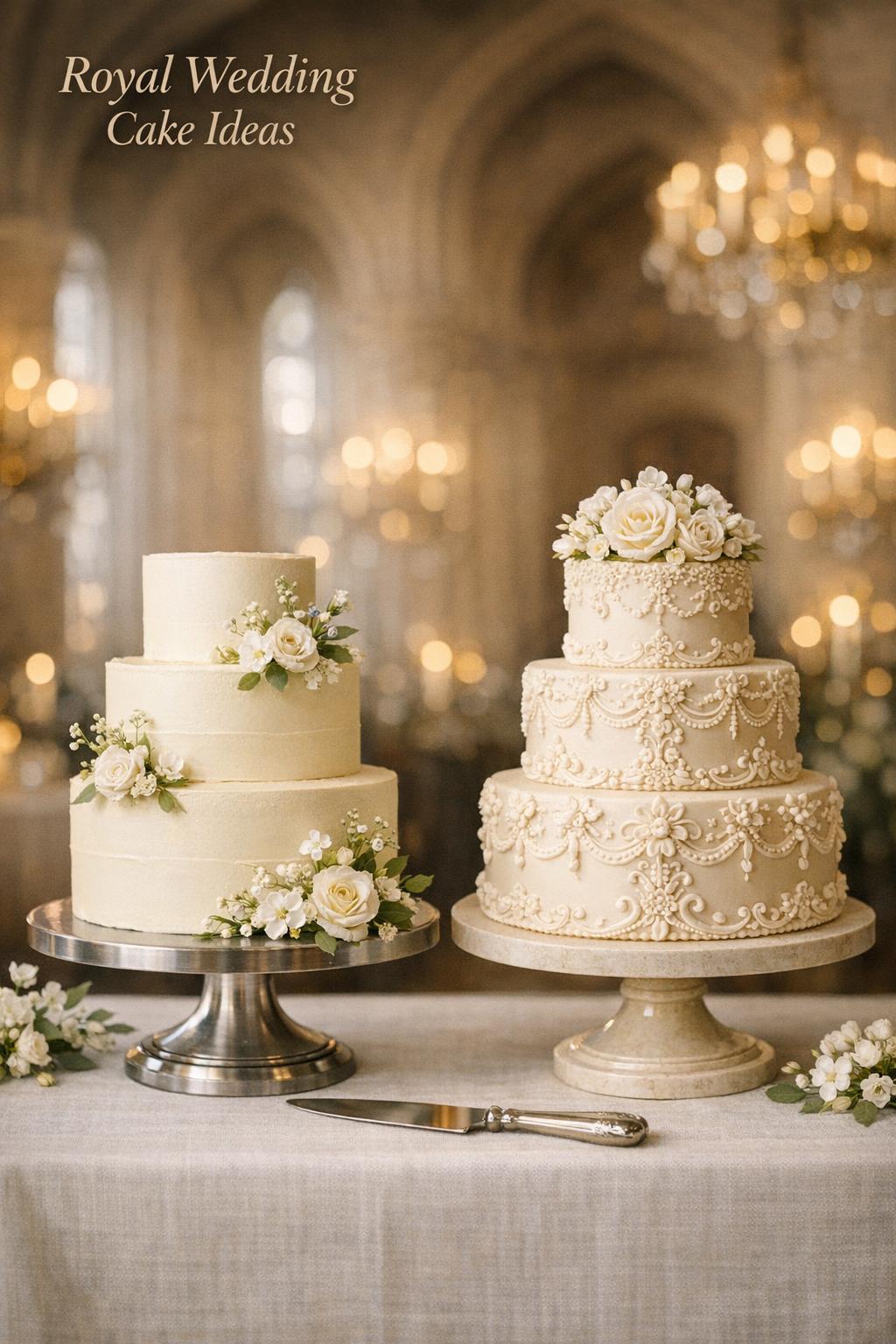
If you love the idea of building a cake choice with intention, it helps to compare two high-profile reference points that sit on different ends of the tradition-to-modern spectrum. Both were royal wedding cakes; both were designed to communicate something about the couple and the ceremony; and both continue to influence royal wedding cake ideas for couples who want an elegant, elevated approach.
- Couple and event context: Prince William and Kate Middleton (2011) vs. Prince Harry and Meghan Markle (2018), both widely linked with Windsor wedding imagery and royal ceremony expectations.
- Designer association: Fiona Cairns is associated with the 2011 cake; Claire Ptak of Violet Cakes (Violet Bakery) is associated with the 2018 cake.
- Flavor direction: fruitcake (traditional baseline) vs. lemon elderflower cake (modern, framed as a departure).
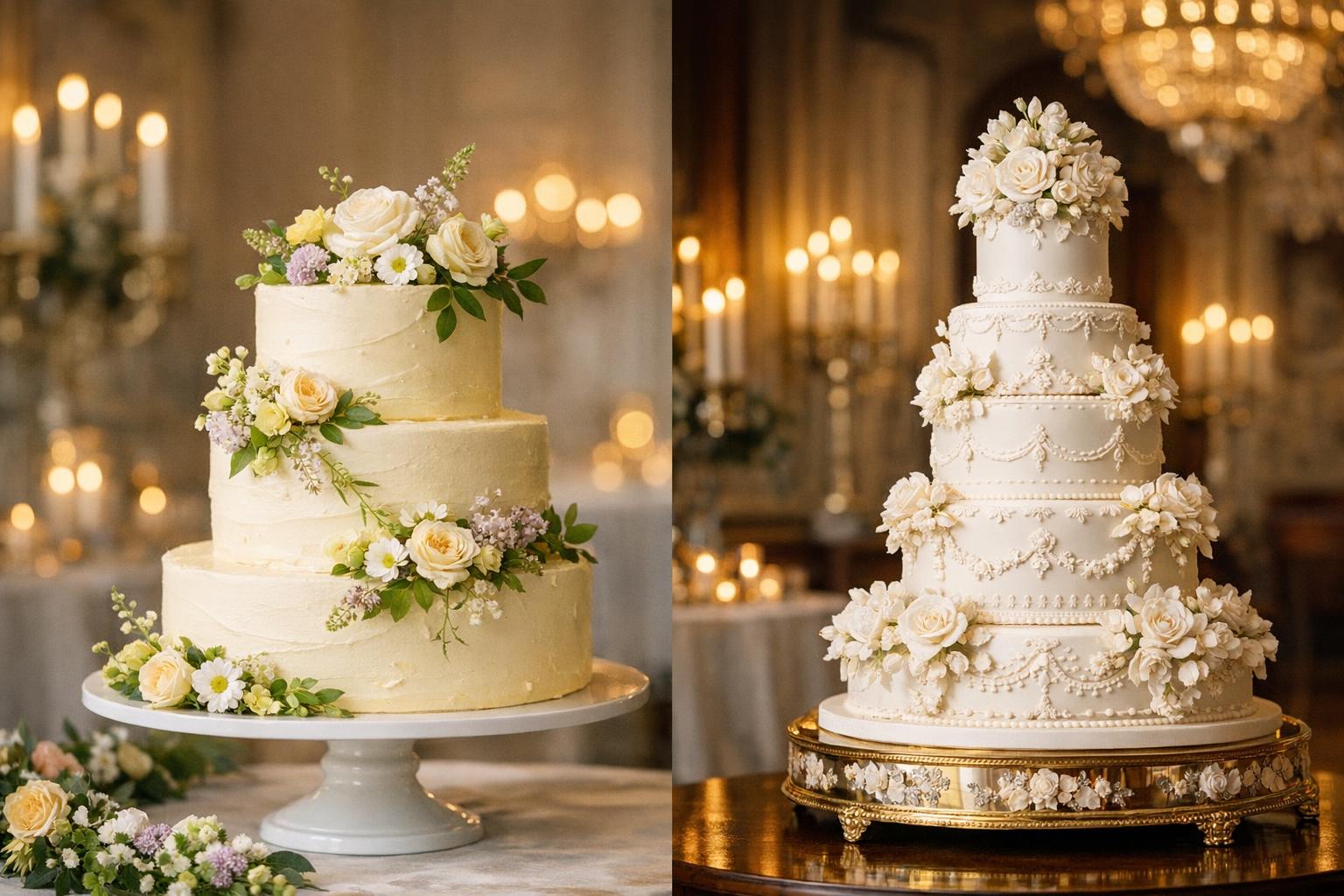
- Decoration style: sugar flowers/sugar paste work and tradition-forward formality vs. buttercream-led styling (including Swiss meringue buttercream) with a softer, contemporary floral mood.
- Cultural afterlife: the 2011 cake has been discussed in the context of auctions and memorabilia value; the 2018 cake is frequently referenced as a modern icon and reinterpreted in later Meghan-related media tributes.
Use this comparison as permission, not pressure. You can love the stately polish of a Princess Kate wedding cake aesthetic and still choose a lighter flavor profile. Or you can love Meghan’s modern floral softness and still incorporate one traditional detail—like a more formal silhouette or a classic display approach.
Royal wedding cake ideas you can actually use: translating grandeur into real-world planning
Most couples aren’t planning a Windsor Castle reception, but you can borrow the same design logic. Royal cakes work because they’re planned as part of a larger system: venue, décor, photo moments, and guest experience. The best way to translate “royal” into your day is to choose one or two hero elements and execute them beautifully, rather than trying to copy everything at once.
Idea: modern garden elegance (the lemon elderflower direction)
If your vision includes soft florals, warm candlelight, and a reception that feels romantic rather than rigid, a lemon elderflower cake direction can be your anchor. Keep the styling refined: smooth buttercream, delicate floral notes, and an edited cake table. This is especially strong for spring and early-summer weddings, or any celebration where you want “elegant” to feel approachable.
Idea: formal heritage (the fruitcake and sugar flower direction)
If you’re drawn to tradition, consider a fruitcake-inspired approach with detailed sugar flowers. This style suits black-tie environments and classic venues, where a more ornate cake won’t feel out of place. The key is craftsmanship: sugar paste work should look intentional and clean, not overly busy. This is where Fiona Cairns’ association with the 2011 cake offers a helpful reference point for the level of refinement that makes tradition feel luxurious.
Idea: a shared-motif display (the cake stand story)
One of the loveliest “quiet luxury” moves in royal presentation is the sense of continuity—like a cake stand detail appearing across royal weddings. For your own wedding, you can create continuity by repeating one motif across dessert presentation: a consistent stand style, a single floral note echoed in the bouquet and the cake décor, or a unified palette that ties the cake to the room.
Common missteps couples make when chasing a “royal” look (and how to avoid them)
Royal wedding cake designs can be so captivating that it’s easy to overcorrect—either going too ornate too fast or choosing something modern that doesn’t fit your setting. In real weddings, the most frequent disappointments aren’t about taste; they’re about mismatch. A cake that belongs in a grand hall can feel oversized in an intimate venue. A delicate buttercream finish can lose impact if the cake is placed in harsh light or squeezed into a busy corner.
Another common mistake is treating the cake as separate from the rest of the day. Royals don’t do that. The cake is part of the ceremony’s visual language—especially in Windsor settings where the room itself is a statement. Your venue may be different, but the principle is the same: make sure the cake’s style echoes something else you’re doing, whether that’s florals, tablescapes, or the formality level of the reception.
- Don’t choose fruitcake “because it’s royal” if your wedding styling is modern and airy; it can feel emotionally off-note.
- Don’t choose a delicate buttercream look without a plan for lighting and temperature; presentation matters as much as design.
- Don’t ignore the display: cake stand, table height, and placement can make an expensive cake look underwhelming.
- Don’t chase every trend at once; pick a single clear story—heritage or modern romance—and refine it.
The afterlife of a royal cake: memories, tributes, and why your cake choice lives on
There’s a reason royal cakes keep resurfacing in media coverage years later. The 2011 cake’s slice becoming an auction item shows how a wedding cake can transform into a cultural object. And Meghan Markle’s continued references to her 2018 lemon elderflower cake in later contexts show how cake choices can become personal symbols—part of a couple’s narrative long after the reception ends.
For your own wedding, the scale is different, but the emotional mechanism is the same. Your cake becomes the background of photos you’ll revisit, the story your family retells, and the detail guests remember because it marked a turning point in the evening. If you want that memory to feel warm rather than stressful, plan the cake moment with the same care you give your ceremony entrance: timing, placement, and a design that feels honest.
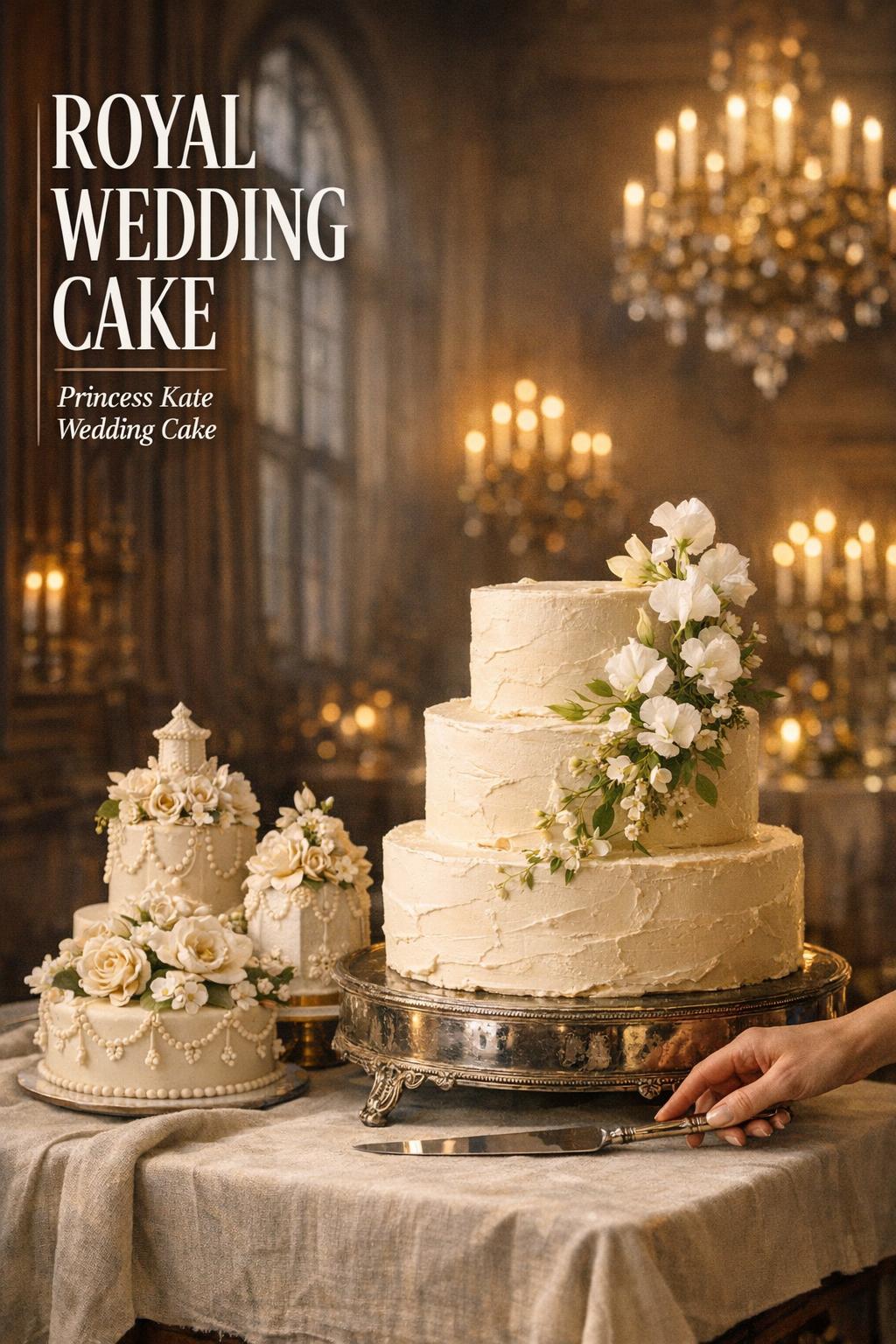
FAQ
Who made Meghan Markle and Prince Harry’s royal wedding cake?
Meghan Markle and Prince Harry’s 2018 royal wedding cake is widely associated with Claire Ptak of Violet Cakes (also referred to as Violet Bakery), based in London, created for their Windsor celebration.
What flavor was the 2018 royal wedding cake at Windsor?
The 2018 royal wedding cake for Meghan Markle and Prince Harry is described as a lemon elderflower cake, often discussed with reference to elderflower cordial and a buttercream finish.
Why was Meghan and Harry’s cake considered a break from tradition?
It was framed as a modern reinterpretation because it departed from the long-associated royal wedding tradition of fruitcake, signaling a lighter, more contemporary approach in both flavor and styling.
What was the Princess Kate wedding cake associated with in 2011?
The Princess Kate wedding cake from the 2011 wedding of Prince William and Kate Middleton is closely linked with fruitcake tradition and decorative sugar flowers (often referenced as sugar paste work), and it is associated with designer Fiona Cairns.
What is the difference between fruitcake and lemon elderflower as a “royal” choice?
Fruitcake is typically positioned as the traditional baseline in royal wedding cake history, while lemon elderflower is presented as a modern, lighter flavor direction; both can feel “royal” when they match the formality and mood of the wedding.
What icing styles are associated with modern royal wedding cake designs?
Modern royal wedding cake coverage often highlights buttercream finishes, including Swiss meringue buttercream, especially in connection with Meghan and Harry’s lemon elderflower cake styling.
What’s the significance of royal wedding cake memorabilia like slices being sold?
Discussion of auctions involving slices of the William-and-Kate cake underscores the cultural significance placed on royal wedding artifacts, reflecting how a cake can become a lasting symbol of a historic event.
How can I get a “royalty wedding cake” look without copying a royal cake exactly?
Focus on cohesive choices—an intentional flavor profile (like fruitcake tradition or lemon elderflower freshness), refined decoration (sugar flowers or a clean buttercream finish), and thoughtful presentation (cake stand, placement, and photo-ready staging) that fits your venue and overall wedding aesthetic.