Bride to Be Pics Photo Ideas with an Editorial Feel
Some bridal photos feel softly observed, as if the day is unfolding on its own. Others are carefully styled, with every accessory, angle, and movement chosen to highlight the bride-to-be at her most radiant. That tension between effortless emotion and intentional beauty sits at the heart of many searches for bride to be pics photo ideas, especially when a bride wants images that feel personal but still look polished enough to treasure long after the wedding day.
These two approaches are often discussed together because they share the same goal: celebrating the bride and the wedding journey. Yet they create very different moods. A candid photograph might capture a grandmother’s smile, a groom admiring the ring, or a quiet getting-ready moment with bridesmaids and champagne. A posed bridal portrait, by contrast, may focus on the lehenga, bouquet, jewelry, henna, potli bags, or the dramatic movement of a gown. Understanding the distinction helps you choose not just pretty pictures, but a visual story that truly matches your wedding day.
This style breakdown compares candid bridal photography with posed bridal portraits, while also looking at how modern, classic, and culturally rich bridal styling influences each look. Along the way, you will see how photographers such as Jill Meriwether’s style cues, inspiration-led platforms like The Knot and Pinterest, and fashion-forward bridal ideas seen in ShaadiViyah and Pataaree shape the images brides save most often.
The two bridal aesthetics most often confused
In practice, most bridal albums include both candid and posed images. That is exactly why they are easy to blur together. A bride laughing with her bridesmaids may appear spontaneous, yet the setting, bouquet placement, and window light might still be thoughtfully arranged. Likewise, a portrait that looks editorial may only take a few seconds if the bride is already moving naturally in her gown or lehenga.
Turn wedding inspiration into a plan you can actually follow.
Zarellea brings your guest list, budget, vendors, and day-of details into one shared space — so no beautiful idea gets lost in the shuffle.
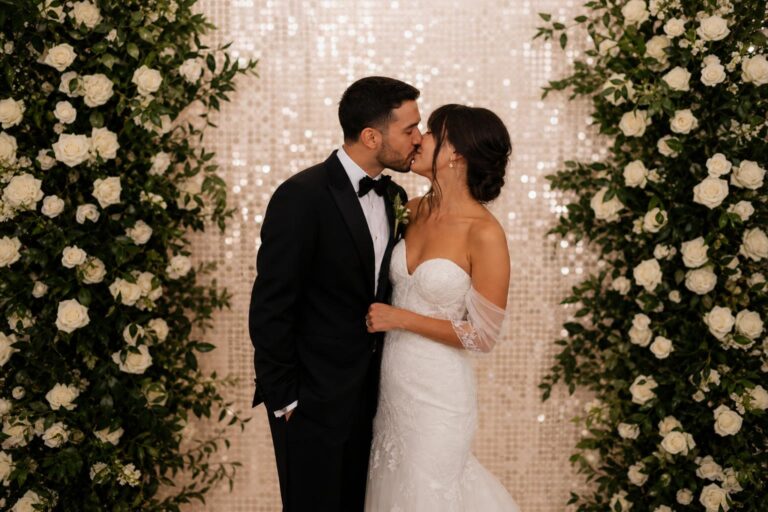
The useful distinction is not whether a camera was pointed at the bride. It is whether the image is driven by storytelling first or styling first. Storytelling-led images emphasize real moments: the first kiss, getting ready, a glance toward guests, or an affectionate exchange during the engagement-to-wedding journey. Styling-led images emphasize visual impact: accessories, silhouette, bridal fashion, flowers, makeup, jewelry, or carefully chosen poses.
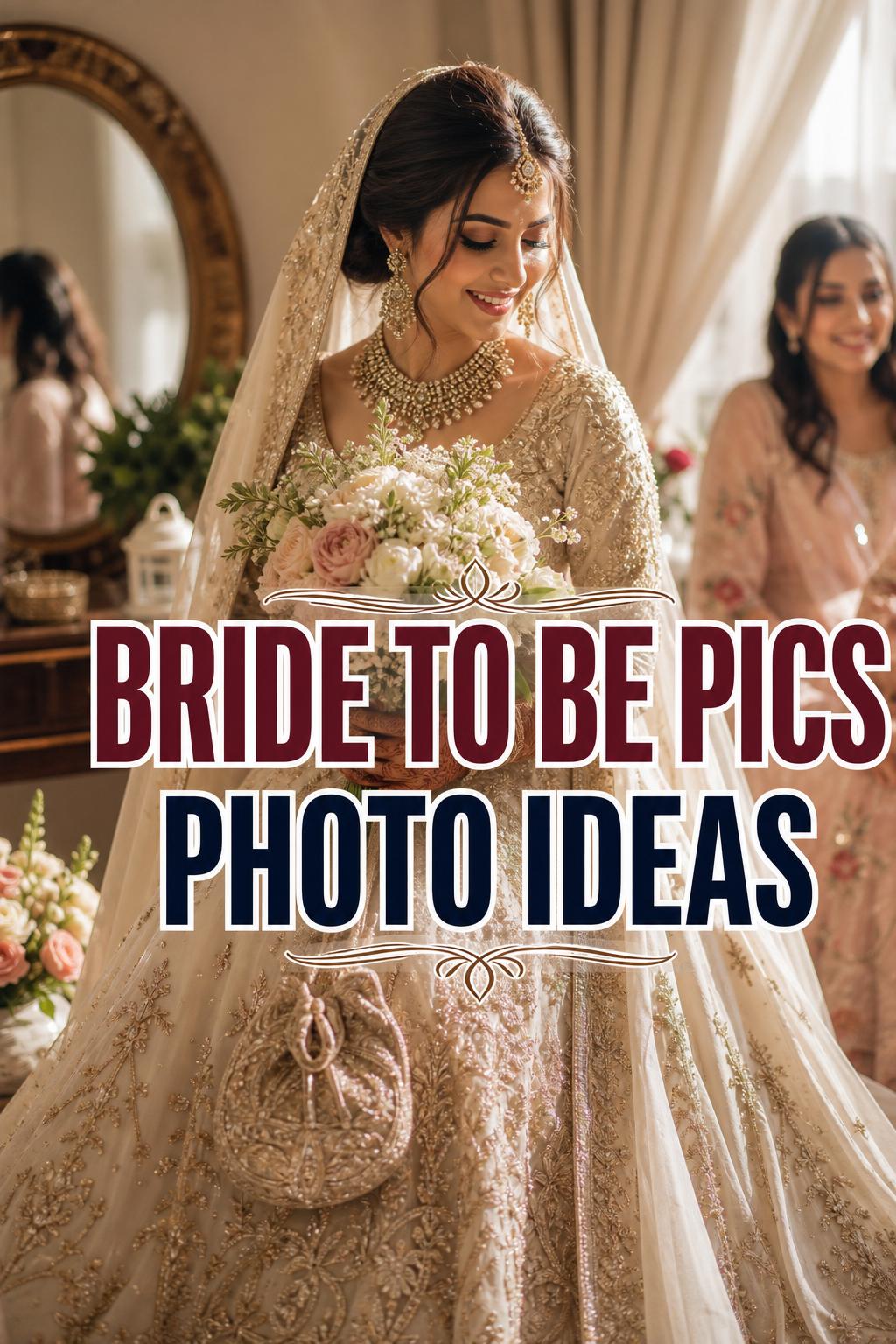
Style overview: candid bridal photography
Candid bridal photography is defined by authenticity, emotional timing, and the feeling that the image was discovered rather than arranged. In this approach, the bride is often photographed in motion or in interaction with other people, including bridesmaids, family, guests, a grandmother, or the groom. The mood is warm, intimate, and story-driven.
The silhouette in candid imagery is not usually the main subject, even though it still matters. Instead, the focus shifts toward what the clothing is doing in the moment: a veil being adjusted, a gown brushing the floor, a bouquet held loosely during laughter, or jewelry catching the light during a quiet pause. Textures feel natural because they are being lived in rather than formally displayed.
Color tends to read softer in candid bridal pictures because emotion takes center stage. The visual palette comes from the real environment: wedding venues, getting-ready rooms, floral details, bridesmaid dresses, and the movement of the day. On platforms such as The Knot, this style often connects directly to wedding storytelling, showing how a series of small moments becomes the emotional memory of the event.
Where candid style shines most
- Getting-ready moments with bridesmaids, gowns, jewelry, and champagne
- Emotional family exchanges, including intergenerational moments with a grandmother
- Natural wedding party interactions
- Small, unscripted gestures such as admiring the ring or adjusting accessories
- Movement-led moments around venues, entrances, or transitional parts of the day
Style overview: posed bridal portraits
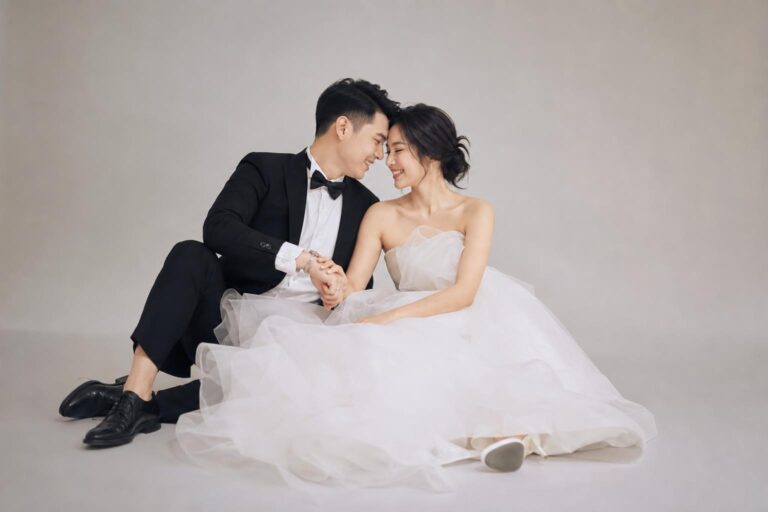
Posed bridal portraits are defined by intention. The bride-to-be is styled as the clear focal point, and every choice in the frame supports that priority. This is the approach most often associated with classic bridal poses, modern fashion-led photos, and highly shareable visual inspiration saved on Pinterest boards.
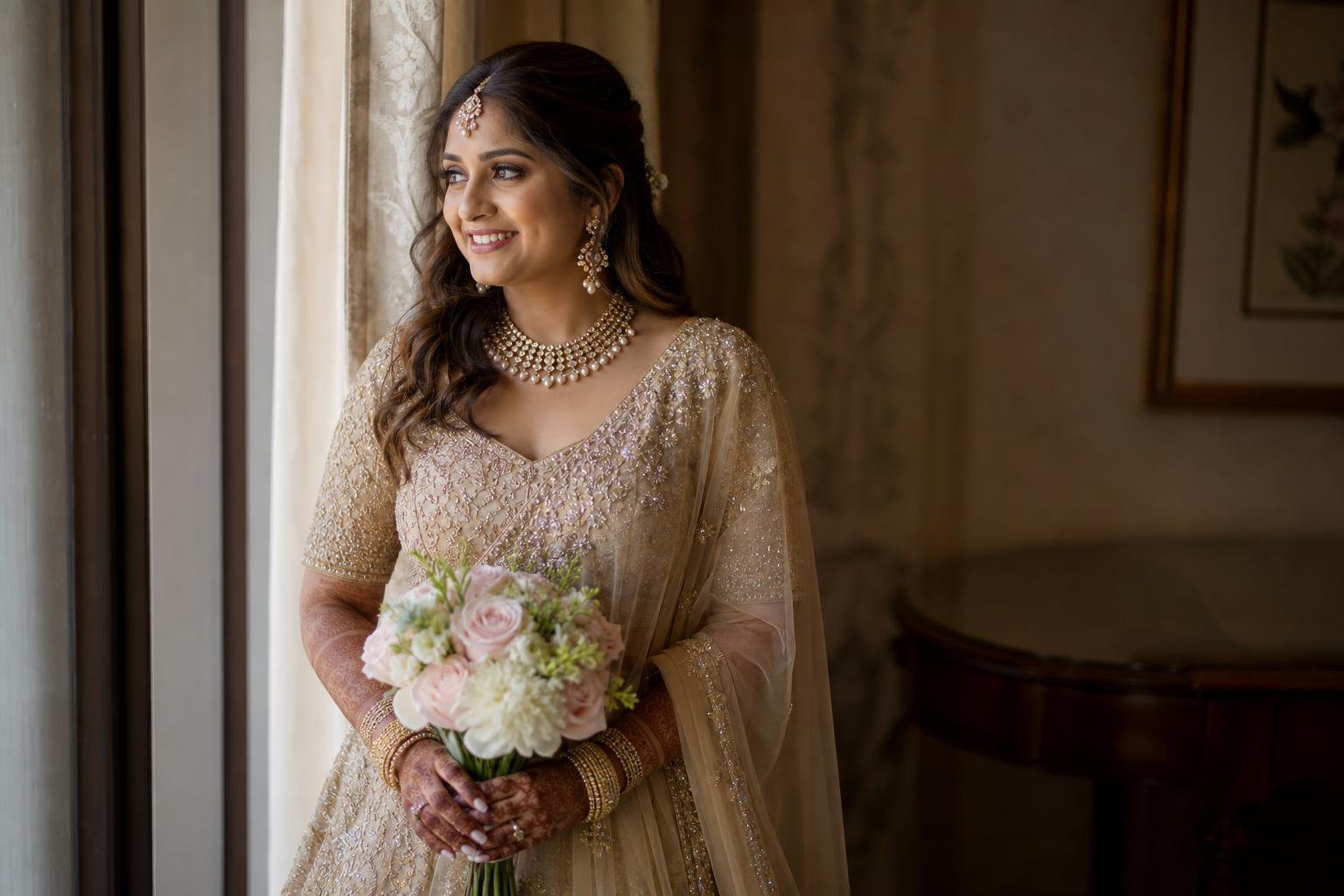
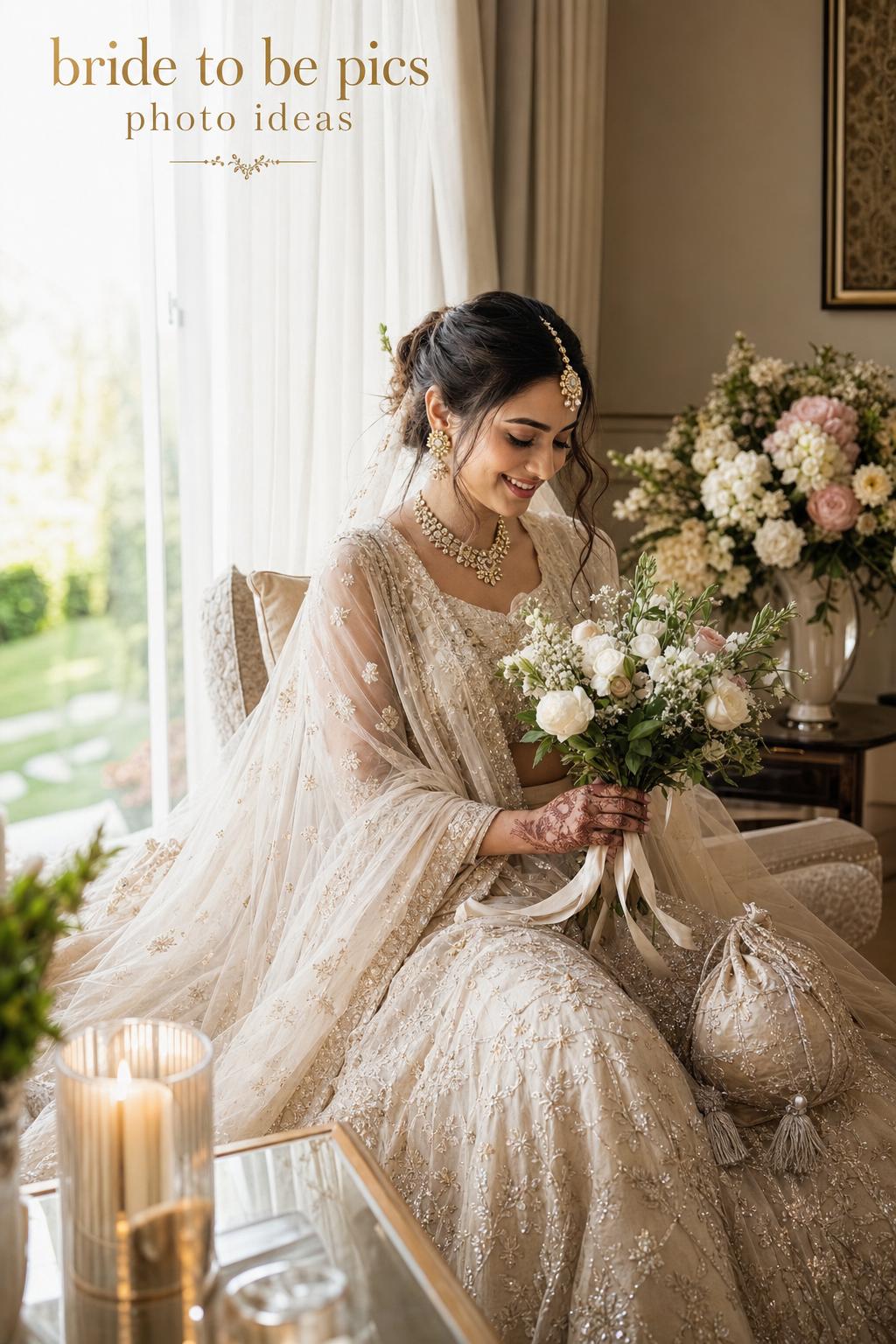
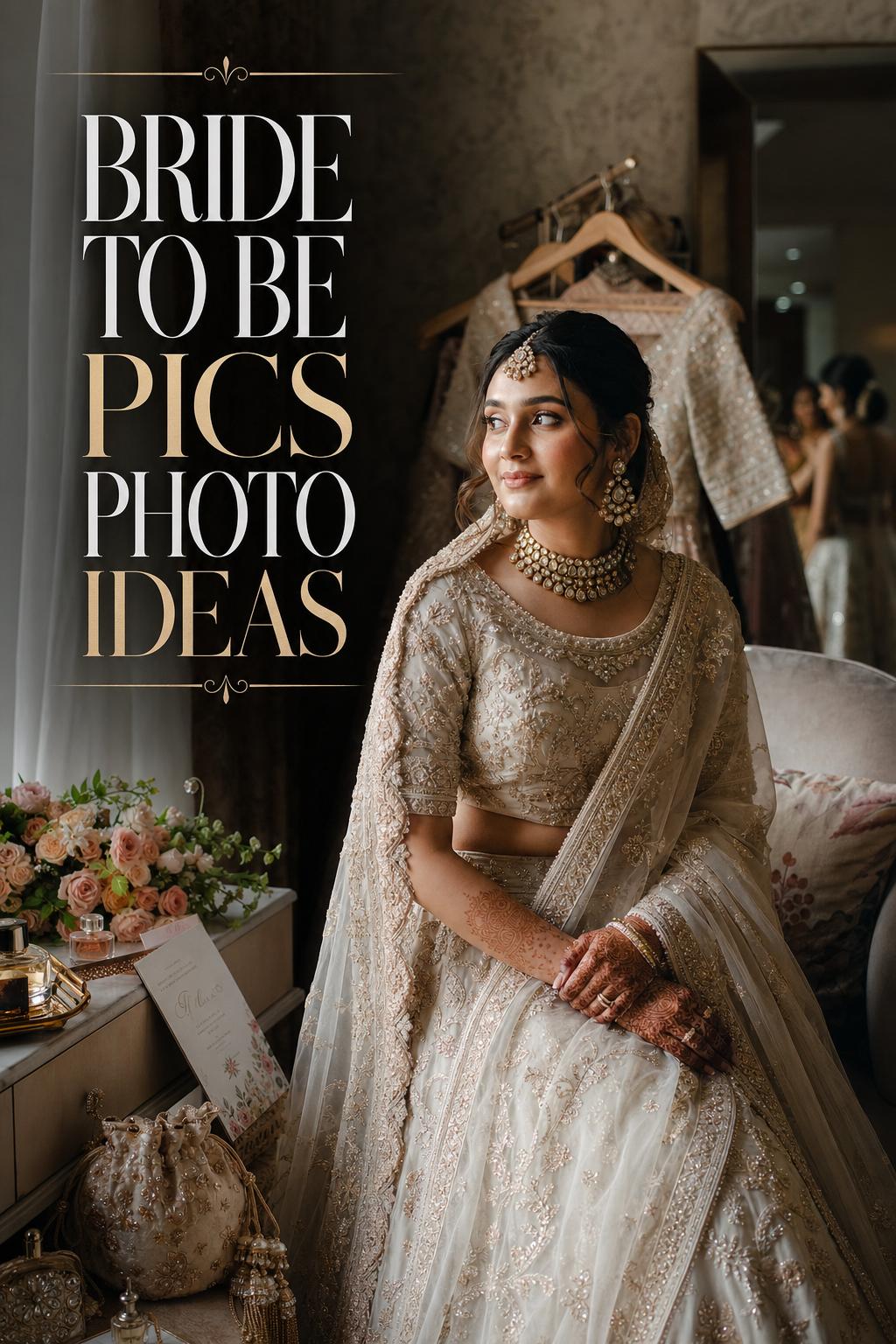
Here, silhouette becomes central. A gown may be arranged to show shape and volume, or a lehenga may be captured mid-twirl to emphasize movement and craftsmanship. Accessories take on a stronger role as well. Bouquets, potli bags, jewelry, flowers, henna, and hair and makeup are not background details in posed photography; they are part of the composition itself.
The mood can be classic, romantic, modern, or fashion-forward depending on styling choices. ShaadiViyah and Pataaree-inspired bridal imagery often leans into this method, especially when the goal is to celebrate culturally specific beauty details. A carefully framed portrait can highlight lehenga motion, bridal accessories, and ornate styling in a way candid photography usually does not.
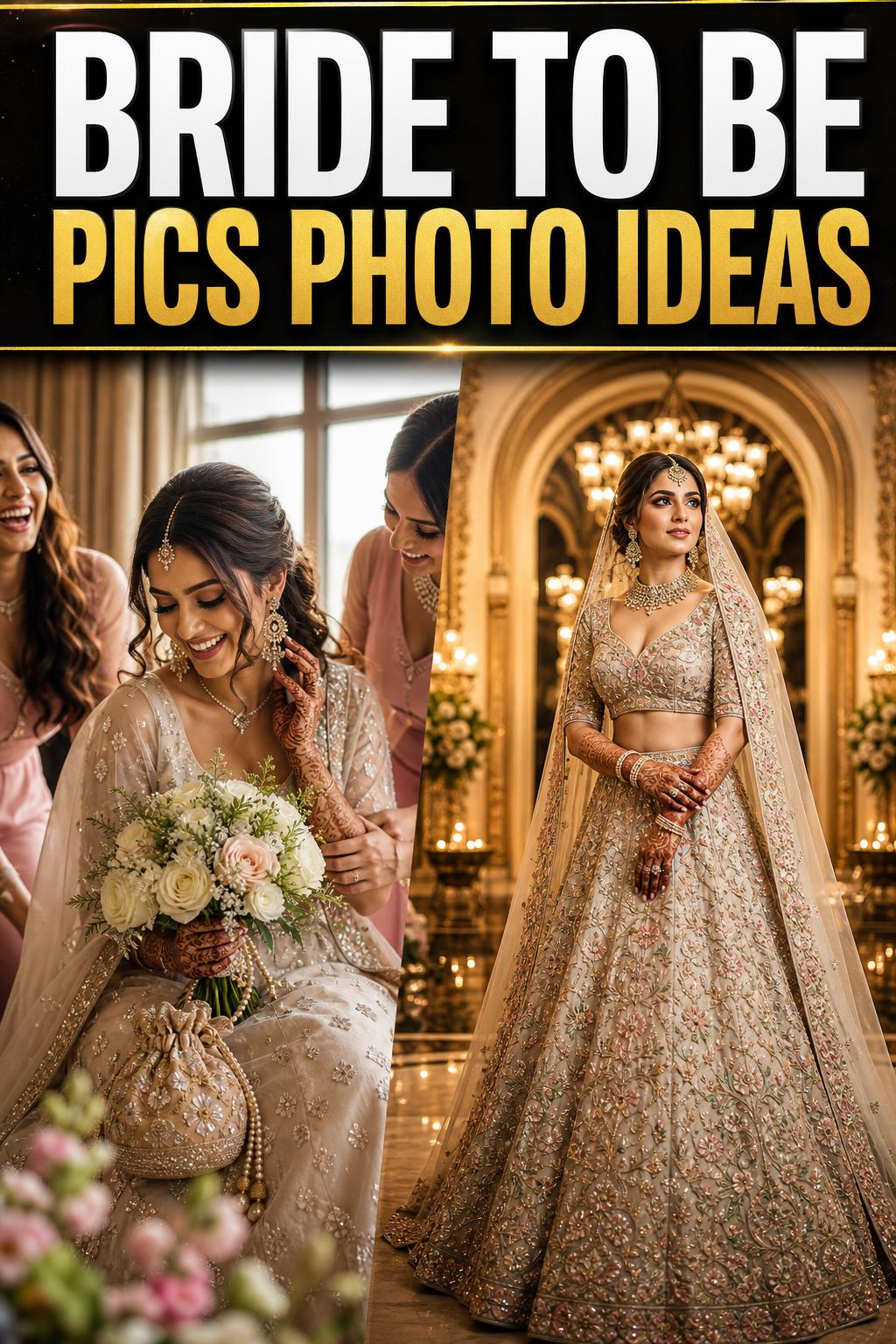
Where posed style feels strongest
- Bridal portraits before the ceremony
- Bride-to-be shoots centered on fashion aesthetics
- Images showcasing henna, accessories, bouquet, or jewelry
- Photos that feature a gown or lehenga as a design statement
- Editorial-style wedding photography with stronger visual control
Classic bridal poses vs modern bridal poses
Within posed photography, another comparison matters: classic versus modern styling. These two are frequently grouped together because both rely on direction and visual planning. Still, they produce very different portraits. Classic poses are usually graceful, centered, and timeless. They prioritize elegance, symmetry, and familiar bridal cues such as holding a bouquet at waist level, turning slightly to show the dress, or standing still to frame jewelry and makeup beautifully.
Modern bridal poses introduce more personality and movement. The bride may look away from the camera, interact with accessories more casually, allow the gown to shift naturally, or use the environment more creatively. In bride-to-be images, modern styling often feels slightly less formal, even when the final photograph is highly polished. This is one reason the modern approach is often confused with candid imagery. It is still posed, but it borrows the looseness of real movement.
For a bride deciding between the two, the key question is emotional tone. If you want your images to feel enduring and ceremonial, classic poses often deliver that more clearly. If you want a fresh and fashion-conscious album, modern posing can feel more expressive without abandoning structure.
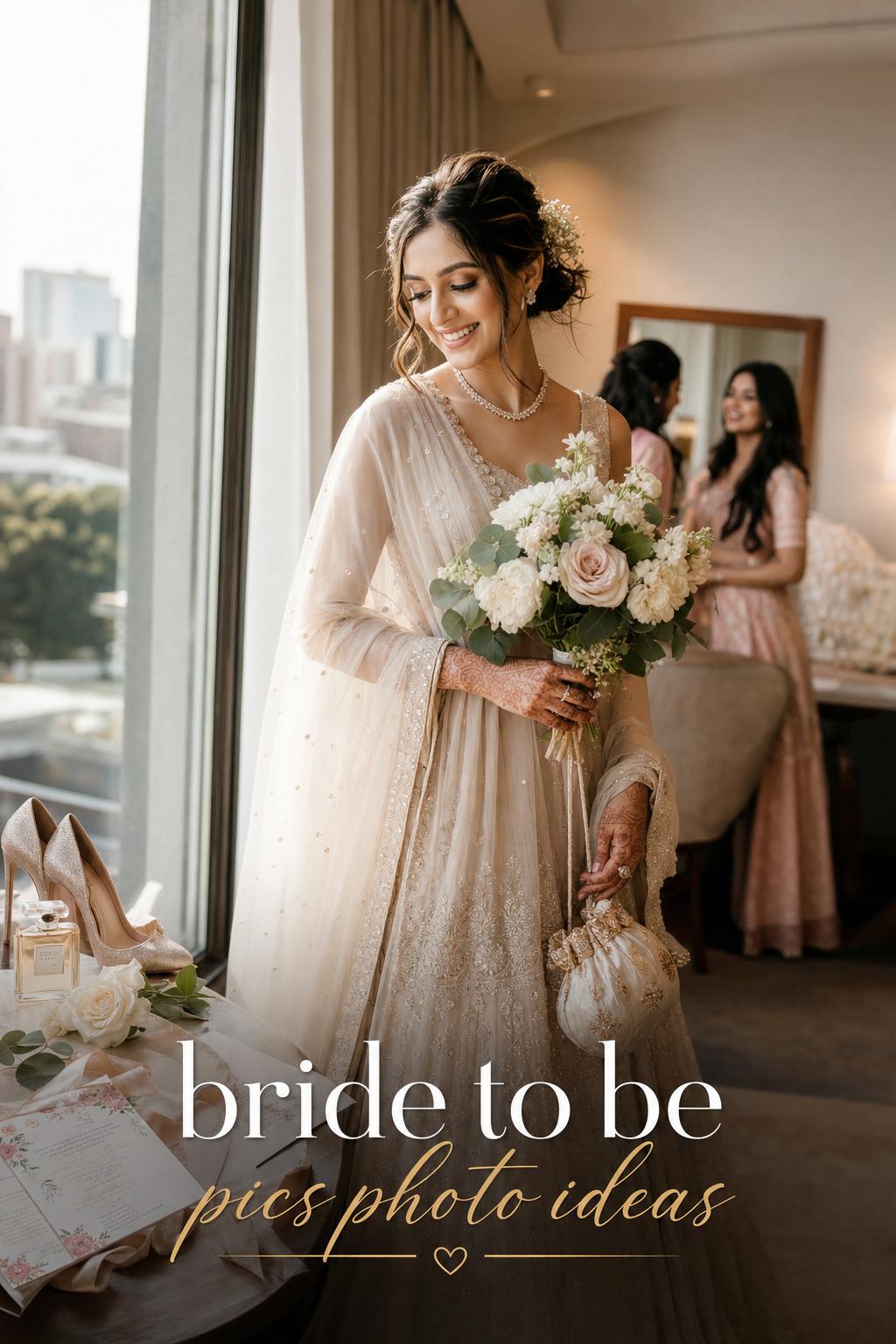
Indian bridal styling and Western bridal styling in photo ideas
Another meaningful comparison appears in bridal inspiration itself: Indian bridal styling and more generalized Western bridal styling often overlap in theme but differ in emphasis. Both celebrate the bride, the wedding journey, and emotional storytelling. The difference lies in which visual details are foregrounded.
Indian bridal photo ideas, as reflected in Pataaree and ShaadiViyah-style inspiration, often place stronger attention on lehenga movement, henna, jewelry, flowers, potli bags, and the layered richness of bridal fashion. A pose may be chosen specifically to show embroidery, accessory placement, or the flow of fabric. Hair and makeup planning also becomes more visibly integrated into the photography because the styling carries ceremonial and aesthetic significance.
Western bridal photo ideas more often emphasize the emotional rhythm of the wedding day, especially in publisher-style inspiration from The Knot. The bouquet, first kiss, bridesmaids, and getting-ready moments are recurring anchors. The dress still matters, of course, but many images are built around relationships and sequence: from preparation to ceremony to shared celebration.
Neither approach is more meaningful than the other. They simply prioritize different visual storytelling elements. In many contemporary weddings, brides blend them, choosing candid moments for the day itself and more styled portraits to honor fashion details and personal aesthetics.
The clearest differences at a glance
Silhouette and structure
Candid images usually let silhouette emerge naturally through movement and interaction. Posed portraits shape the silhouette intentionally, whether that means arranging a gown, framing a lehenga, or positioning the bouquet to create balance. Classic poses tend to be more composed; modern poses relax the body line without losing control.
Color and visual emphasis
In candid photography, color supports the mood of the moment. In posed photography, color often works more deliberately, especially when accessories, flowers, and bridal fashion details are part of the styling concept. Indian bridal shoots in particular often make richer use of color through lehenga, henna, flowers, and jewelry.
Formality level
Posed portraits generally feel more formal because the bride is aware of the frame and working with it. Candid images feel more intimate and lived-in. Modern posed photography can reduce that formality, but it still remains more directed than a truly candid moment.
Styling philosophy
Candid photography asks, “What happened here, and why does it matter?” Posed photography asks, “How should this bride, this look, and this moment be visually remembered?” One is event-led. The other is image-led. The best wedding photography usually understands both philosophies and uses them at the right time.
Typical focal points
Candid focal points include guests, emotion, the wedding party, and in-between moments. Posed focal points include bridal accessories, bouquet, lehenga, gown shape, jewelry, and beauty details. In practice, your photo list should reflect which set of focal points matters most to you.
How these styles look in real life
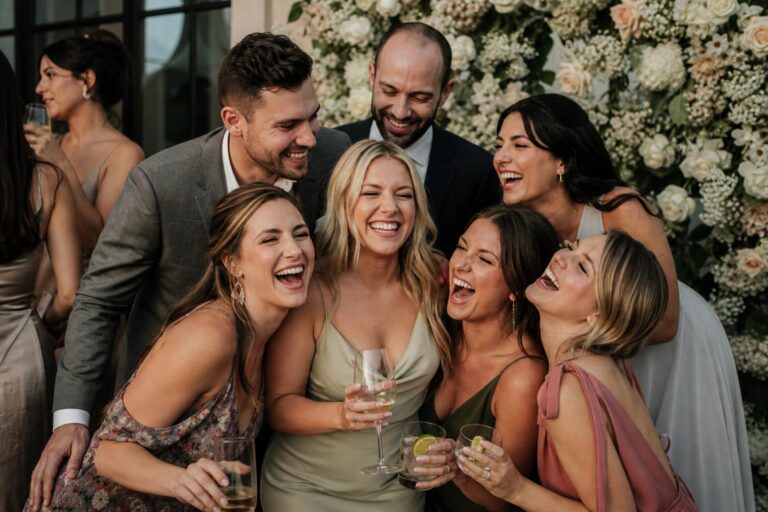
Imagine a bride standing with her bridesmaids in matching getting-ready robes or dresses. In a candid version, the photograph might capture shared laughter, someone fastening a bracelet, or a spontaneous toast with champagne. The picture feels emotional first, and styling details appear as part of the atmosphere.
In a posed version of that same scene, the bridesmaids may be arranged to frame the bride, bouquets may be aligned, gowns smoothed, and jewelry subtly highlighted. The result can still feel warm, but the image is now composed around visual order. This distinction is especially useful when choosing wedding party photos, because group shots can quickly feel either natural and lively or polished and ceremonial depending on direction.
The same applies to solo portraits. A bride holding a bouquet near a window may simply turn her head and smile softly in a candid image. In a posed portrait, she may angle the bouquet to avoid covering the bodice, position her shoulders to flatter the gown, and let the photographer focus on the relationship between flowers, silhouette, and light.
Visual breakdown: accessories, proportions, and balance
- Accessories: candid images treat jewelry, bouquets, and potli bags as part of the scene; posed images elevate them into design details.
- Proportions: candid moments are less controlled, while posed portraits intentionally lengthen or frame the body.
- Movement: candid movement is real-time; posed movement is often created for the camera, such as a lehenga twirl.
- Balance: candid pictures can feel asymmetric and spontaneous; posed portraits usually aim for harmony and structure.
- Footwear and lower-half details: these are more likely to be visible when the bride is intentionally positioned rather than photographed in passing.
Outfit interpretation: one wedding moment, two different photo styles
The getting-ready scene
A candid approach to getting ready might focus on a bridesmaid helping with jewelry, a quiet smile in the mirror, or a mother or grandmother reacting to the bride in her gown for the first time. These images work because they preserve emotional reality. They are especially meaningful when relationships are central to the wedding story.
A posed interpretation of the same moment would likely show the bride seated neatly with makeup complete, bouquet nearby, accessories arranged, and the dress positioned to flatter the frame. This version is more suitable if you want a refined record of your styling choices, from hair and makeup planning to the visual harmony of the room.
The bridal party moment
With candid wedding party photography, the energy comes from interaction. Bridesmaids walking together, adjusting gowns, laughing, or leaning in naturally creates warmth. The image feels alive because no one appears overly aware of the camera.
With posed bridal party photography, dresses, bouquets, spacing, and body direction are more controlled. This creates a cleaner, often more timeless image, particularly if you want a balanced composition that highlights the bride as the visual center. The Knot’s wedding party photo inspiration often shows how even subtle direction can make group photos feel intentional without becoming stiff.
The fashion-focused solo portrait
For a solo shot centered on fashion, candid style has limits. It can capture softness and authenticity, but it may not show the full effect of the outfit. If your lehenga, gown, bouquet, or bridal accessories are especially important, a posed portrait is usually the stronger choice because it gives those elements room to be seen.
This is where culturally detailed bridal styling often benefits from direction. Henna, jewelry layering, embroidered fabric, potli bags, and hair and makeup details are all easier to appreciate when the bride is intentionally positioned. For brides influenced by ShaadiViyah or Pataaree-style imagery, this kind of portrait often becomes a visual centerpiece of the album.
When each style works best for your wedding vision
Choosing between styles does not have to be all or nothing. The real decision is how much space each one should take in your photography plan. A bride who cares most about emotional memory may want candid coverage to lead. A bride who has spent months curating fashion details may want more time set aside for portraits.
Choose candid-led images when:
- You want the album to feel intimate and story-driven
- Your favorite moments involve family, guests, and the wedding party
- You value authentic expression over perfect pose structure
- Your venue and timeline support natural movement and interaction
- You want the engagement-to-wedding journey to feel emotionally connected
Choose portrait-led images when:
- Your bridal fashion details are a major part of the celebration
- You want clear, polished images of your bouquet, jewelry, flowers, or lehenga
- You are drawn to Pinterest-worthy visual inspiration
- You prefer a more timeless or editorial final look
- Your hair and makeup planning is central to your bridal aesthetic
For many brides in the United States, the most satisfying approach is a thoughtful blend: portraits before or during a quieter part of the day, then candid storytelling during ceremonies, guest interactions, and wedding party celebrations. That balance often feels both beautiful and true.
A wedding-stylist perspective on what brides often overlook
One common mistake is assuming all flattering bridal photos come from constant posing. In reality, too much direction can drain energy from the album, especially in emotional or group moments. The opposite mistake is expecting purely candid coverage to capture every important fashion detail. Without a few intentional portraits, the ring, bouquet, gown shape, henna, or jewelry may never be documented as clearly as you imagined.
Another oversight is not matching the photography style to the bridal look itself. Heavily detailed styling usually benefits from at least some composed photography. Simpler looks often become more powerful through genuine emotion and movement. A bride wearing a dramatic lehenga may want portraits that show motion and craftsmanship, while a bride drawn to understated elegance may prefer the quiet honesty of candid images with her bridesmaids and guests.
Photographer guidance matters here. Jill Meriwether-style advice seen through The Knot’s editorial direction suggests that the strongest bridal albums come from knowing which moments deserve observation and which deserve a little shaping. That is a practical distinction, not just an aesthetic one.
Tips for planning bride-to-be photos that feel both beautiful and personal
Tip: separate your “must-feel” photos from your “must-see” photos
“Must-feel” photos are emotional images: laughter with bridesmaids, a grandmother’s reaction, a quiet glance, the groom admiring the ring, or an in-between wedding day moment. “Must-see” photos are detail images: the bouquet, jewelry, lehenga, potli bags, flowers, hair and makeup, or the full look of the gown. This distinction helps you create a balanced shot plan.
Tip: use movement thoughtfully
Movement is one of the easiest ways to bridge candid and posed photography. A slow walk, a fabric turn, or a soft bouquet adjustment can make portraits feel less rigid while still showing styling details clearly. This is particularly effective for lehenga motion or a gown with visible shape and flow.
Tip: let accessories support the story
Accessories should not all be photographed the same way. Jewelry may belong in a close, composed portrait. A bouquet may work better in both formal and spontaneous shots. Potli bags, flowers, and bridal details become most meaningful when they are connected to the bride’s overall mood rather than treated as isolated props.
Tip: consider the social energy of each part of the day
Getting-ready rooms naturally lend themselves to candid photographs because people are talking, moving, and helping. Solo portrait time is better for directed photography. Wedding party photos can shift between both depending on whether you want structured keepsakes or lively memories. Building your plan around the rhythm of the day is more realistic than trying to impose one style on every moment.
Building a photo mood that fits your bridal identity
Some brides are drawn to bridal fashion first. They save images with strong silhouettes, elegant accessories, polished hair and makeup, and iconic poses. Others respond more strongly to feeling: a smile exchanged with guests, a bouquet held loosely while talking to bridesmaids, or the softness of a real wedding venue in the background. Neither instinct is wrong. It simply reveals what kind of memory you most want to preserve.
If your vision leans classic, choose a greater proportion of composed portraits and structured wedding party photos. If your vision leans modern, let your portrait session include more motion and less direct eye contact. If your inspiration is culturally rich and fashion-led, allow space for lehenga details, henna, jewelry, and potli bags to be photographed intentionally. If your heart is in the storytelling, make room for unhurried candid time with the people you love most.
The most memorable bridal photography is rarely about following one trend. It is about recognizing what your wedding actually celebrates: style, emotion, family, ritual, beauty, or most often, all of them together.
FAQ
What are the best bride to be pics photo ideas if I want both candid and posed images?
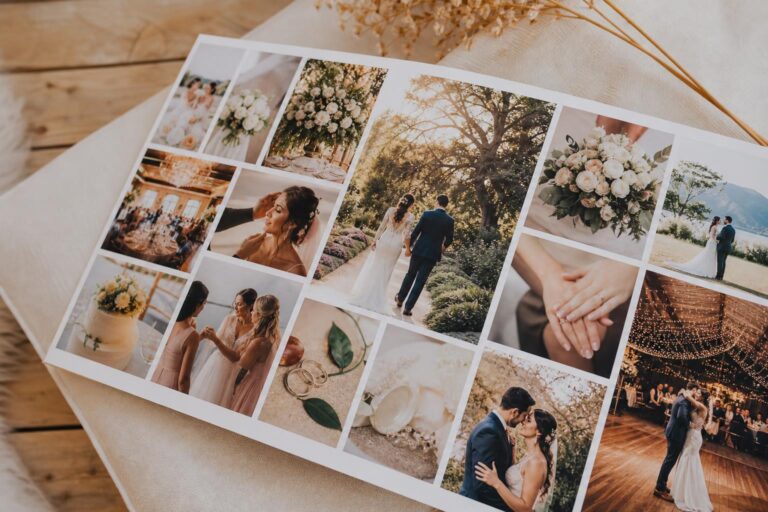
The strongest mix usually includes posed solo portraits for your gown, bouquet, jewelry, or lehenga details, then candid coverage during getting ready, bridesmaid interactions, guest moments, and emotional wedding-day transitions. This gives you both visual polish and real storytelling.
How do I choose between classic bridal poses and modern bridal poses?
Choose classic poses if you want timeless, centered, elegant images that feel ceremonial. Choose modern poses if you prefer more movement, a relaxed body line, and a slightly fashion-forward mood. Many brides combine both by starting with classic portraits and ending with looser, more natural variations.
Are candid wedding photos better than posed bridal portraits?
Candid photos are better for emotion, connection, and genuine moments, while posed portraits are better for clearly showing styling details such as flowers, accessories, bouquet placement, hair and makeup, and overall silhouette. The better choice depends on what you want your album to emphasize.
What details should be included in a bride-to-be portrait session?
A strong portrait session usually includes your full bridal look, bouquet, jewelry, flowers, and any meaningful accessories such as potli bags. If relevant to your styling, it can also highlight henna, lehenga movement, or specific beauty details that may be less visible in candid coverage.
How can I make bridesmaid photos feel natural instead of stiff?
Give the group something to do rather than asking everyone to stand still immediately. Walking together, adjusting accessories, sharing a toast, or talking naturally often creates better energy. After that, a few lightly directed group portraits can add balance and structure without losing warmth.
Do Indian bridal photo ideas work for a broader wedding audience?
Yes, especially if you are drawn to richly styled portraits and detail-focused photography. Indian bridal inspiration often excels at showcasing lehenga movement, henna, jewelry, flowers, and layered accessories, and those visual principles can be useful even beyond culturally specific weddings.
What should I prioritize in getting-ready photos?
Prioritize the interactions that matter most to you, such as moments with bridesmaids, family, or a grandmother, while also allowing time for a few composed images of your dress, jewelry, and bouquet. Getting-ready coverage works best when it captures both atmosphere and the important details you may not notice later.
How much of my wedding album should be candid versus posed?
That depends on whether you care more about emotional storytelling or fashion-centered portraiture, but many brides are happiest with a portrait-heavy start and candid-heavy middle and end. A few intentional portraits preserve the full bridal look, while candid images carry the energy of the day.