Why a Trash The Dress Photo Shoot Feels So Modern
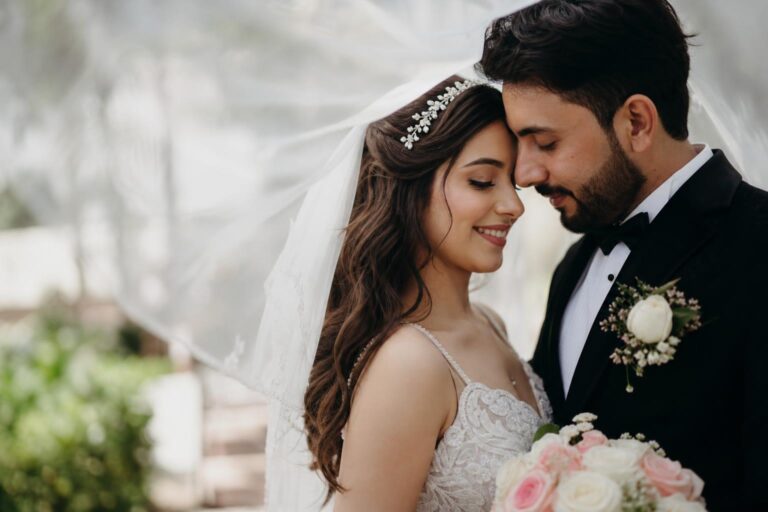
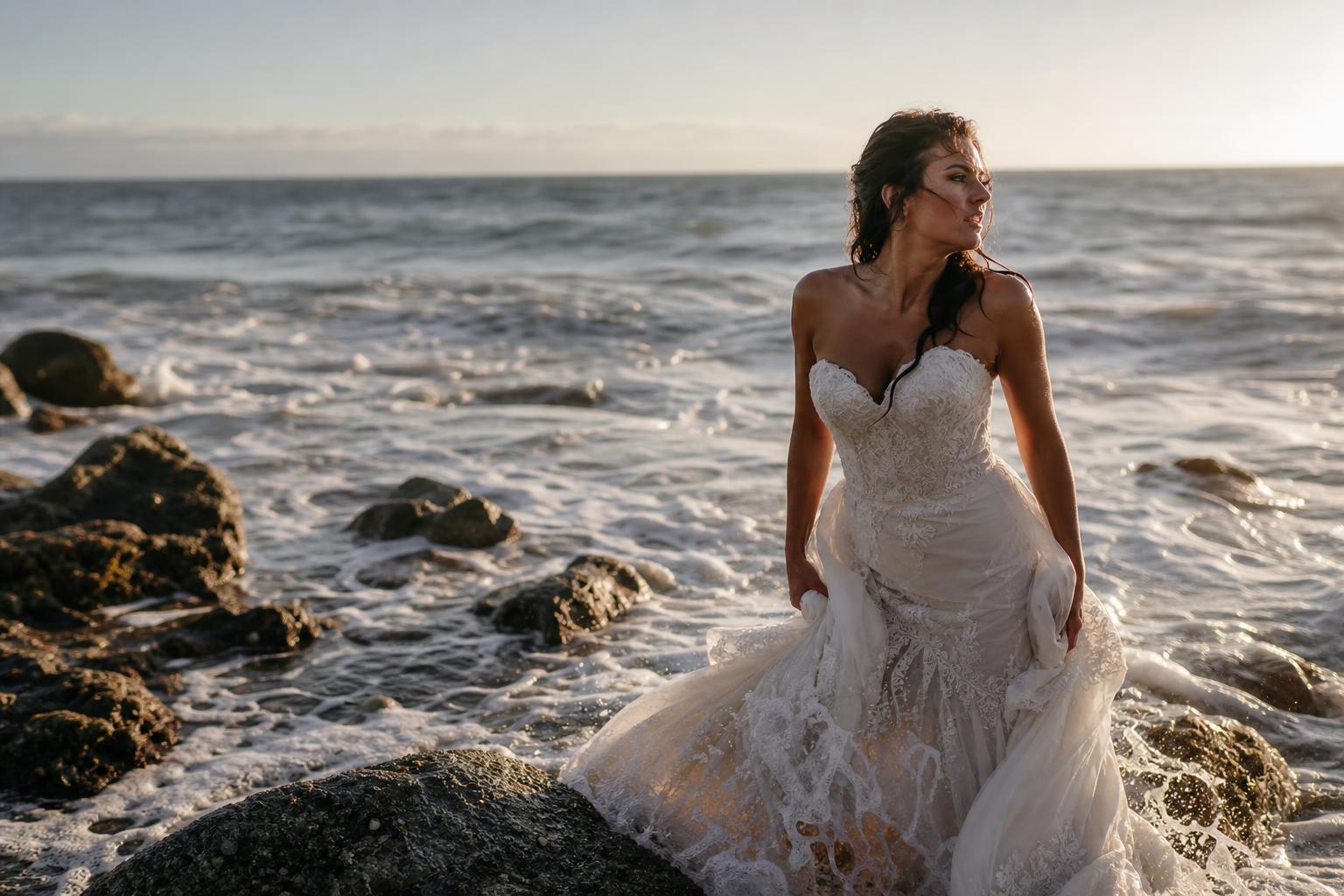
Long after the cake has been cut and the bouquet put away, many couples still want one more chapter in their wedding story. That is where a trash the dress photo shoot enters the picture: a bold, creative post-wedding session built around movement, mood, and a willingness to treat the wedding dress as part of the art. Sometimes that means water, sand, fields, urban grit, or a dramatic location near Los Angeles with an airplane flying by LAX. Sometimes it means nothing more destructive than a second dress, wind in the fabric, and a freer kind of portrait session than the wedding day timeline allowed.
The idea has evolved beyond shock value. It now sits somewhere between wedding photography, fashion editorial, and post-wedding portraiture, with related names such as fearless bridal and rock the frock. Yet the most thoughtful way to approach it is not simply as a trend. It is a planning decision. The best trash the dress sessions balance vision, dress strategy, location choice, timing, and safety, especially when water or remote outdoor environments are involved.
What a trash the dress shoot really means today
At its core, trash the dress refers to a post-wedding photo shoot that places a wedding dress in a setting where it may get dirty, wet, or styled in a way that would be too risky or impractical on the wedding day itself. The mood can be adventurous, editorial, playful, or deeply romantic. Some couples embrace the literal idea of “trashing” the dress. Others use the phrase more loosely to describe an encore photo session with bold locations, dramatic styling, and fewer time pressures.
Common interpretations couples choose
Not every session has the same intention. One bride may want an ocean session where the hem gets soaked and the photos feel cinematic. Another may prefer a State Fair backdrop, fall leaves, a field, or a city setting that turns the gown into a visual contrast against something unexpected. A destination-minded photographer like Vaughn Barry frames the idea as a creative extension of the wedding rather than a requirement to destroy anything. That distinction matters because it shapes your budget, dress plan, location, and expectations.

Turn wedding inspiration into a plan you can actually follow.
Zarellea brings your guest list, budget, vendors, and day-of details into one shared space — so no beautiful idea gets lost in the shuffle.
- A transformative editorial shoot focused on dramatic images
- An adventurous session in water, on a beach, or in a rugged natural setting
- An urban or industrial concept with strong contrast and attitude
- A softer post-wedding portrait session using a second dress to protect the original
- An anniversary-style shoot that gives the wedding look a second life
Best for: couples who love expressive photography, destination wedding clients, and anyone who felt rushed on the wedding day and wants more artistic portraits later.
Why it works: the wedding day often runs on a tight schedule. A separate session gives more freedom with light, location, weather windows, and movement. It also allows the photographer to build images around a single visual idea rather than around family formalities or reception timing.
Budget tip: if a full custom session feels expensive, ask whether your photographer offers a shorter add-on session close to the wedding date or whether a nearby field, beach, or urban location can replace a travel-heavy concept.
Common mistake to avoid: assuming the phrase automatically means the dress must be ruined. Many successful sessions are more about bold styling than irreversible damage.
Real-life styling tip: before choosing a concept, ask yourself whether the photo idea is driven by location, motion, or texture. That answer will tell you whether you need water, wind, mud, urban surfaces, or simply a dress with dramatic volume.
From trend to cautionary tale: why context matters
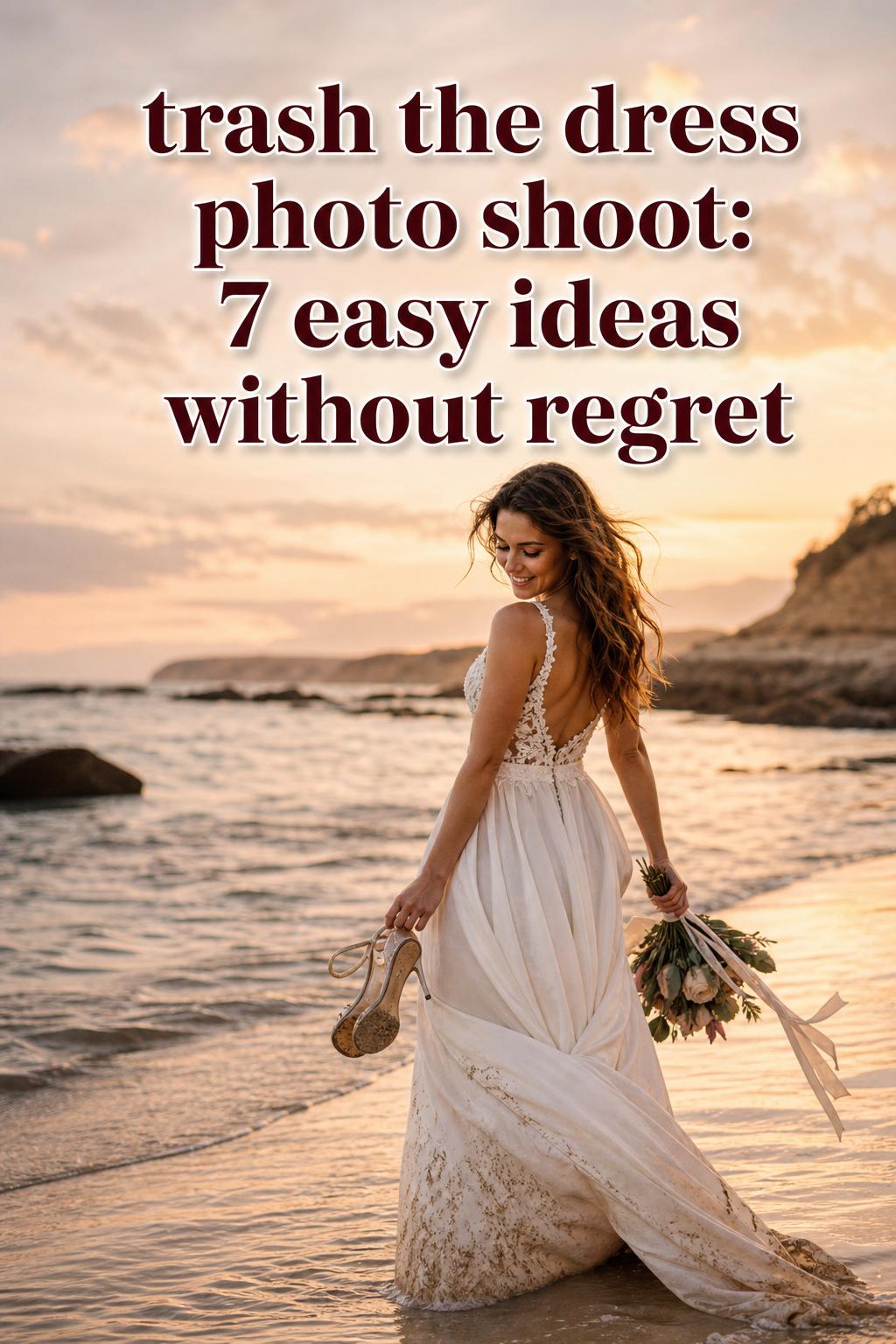
The public perception of trash the dress has never been only about creativity. Coverage of notable incidents, including the drowning of Maria Pantazopoulos in the Ouareau River near Rawdon, Quebec, Canada, changed the conversation around risk. News coverage, including cautionary framing from Inside Edition, connected the trend with very real safety concerns, especially in water-based shoots.
That history does not mean couples should avoid the concept entirely. It means the session needs to be treated with the same seriousness as any other outdoor production. A beach, riverbank, lakefront, or urban site is not just a backdrop. It is an environment with practical rules, movement limits, weather variables, and access concerns. Once you see the shoot that way, better decisions follow.
When a bold concept is worth it and when it is not
A daring session tends to work best when the couple cares deeply about image-making and is comfortable planning around logistics. It may not be the right choice if your dress is a family heirloom, if you are emotionally attached to preserving it exactly as worn, or if the location introduces more stress than excitement. A trash the dress session should feel liberating, not uneasy.
Best for: couples with a clear creative vision, strong trust in their photographer, and enough flexibility to choose safe conditions over rigid expectations.
Why it works: when everyone involved understands the risks and limits, the session can feel focused and intentional rather than impulsive.
Common mistake to avoid: copying a dramatic image online without asking what conditions were involved, how much experience the photographer had, or whether the location was controlled.
Choosing the right version of the idea for your wedding style
One reason this concept remains appealing is that it adapts to very different wedding aesthetics. A modern city celebration may lean toward bold expressions and industrial lines, much like the gallery-driven mood presented by Studio 519 Chicago. A coastal wedding might feel more natural in surf, on sand, or near a waterfront. A rustic celebration could move into fields, fall leaves, or fairground settings like the Minnesota State Fair example shared through Minnesota Bride and Lauren Jolly’s story.
Editorial, natural, and adventurous directions
An editorial direction is ideal for couples drawn to clean posing, bold styling, and high-contrast settings. An adventurous direction usually involves motion, travel, or an active environment such as a beach, lake, or destination backdrop like Punta Cana. A natural direction often works best for couples who want emotion and atmosphere without extreme physical demands, using fields, fall leaves, or softer outdoor spaces instead of more hazardous environments.
- Choose editorial if your wedding style was modern, fashion-forward, or city-based
- Choose natural if you want movement and romance without pushing the dress too far
- Choose adventurous if travel, water, or dramatic landscapes are part of your story
How to make it work: match the shoot style to the original wedding atmosphere. If your wedding felt classic and intimate, a chaotic industrial concept may look disconnected. If your wedding already had a daring, unconventional energy, a bolder location will feel more cohesive.
Budget tip: the more extreme the environment, the more hidden costs may appear through travel, time, extra prep, or backup clothing. A nearby urban location or open field can often deliver stronger value than a complex destination setup.
Real-life styling tip: look at the dress silhouette in motion before choosing the setting. A dress with lots of tulle photographs differently in wind and open fields than a sleeker gown that works better against concrete, architecture, or water reflections.
One dress or two? The decision that shapes everything
This is usually the most emotional decision in the process. Several top discussions around trash the dress return to the same practical question: do brides wear their actual wedding dress? The answer is personal. Some do. Some choose a second dress specifically so they can enjoy the visual effect without worrying about longevity, cleaning, or damage.
Minnesota Bride touches on dress retirement thoughts, dry-cleaning, and the possibility of using another gown. Vaughn Barry also frames the second-dress option as a sensible way to keep the creative freedom while lowering the emotional stakes. If your original gown carries sentimental value or you plan to preserve it, a second dress may be the smartest decision in the entire project.
How to decide realistically
Choose your original dress if the experience matters more than preservation and you are comfortable with wear. Choose a second dress if the look matters more than the specific garment. This can be especially helpful for water shoots, muddy locations, or sessions near rough surfaces.
Best for an original dress: lower-risk settings, couples who are comfortable with a lived-in finish, and shoots where “trashing” is symbolic rather than severe.
Best for a second dress: heirloom concerns, delicate materials, embellished gowns, and any concept involving water, sand, or active movement.
Why it works: using a second dress lets you separate sentiment from creativity. That makes decisions easier and often leads to a more relaxed session.
Common mistake to avoid: waiting until the week of the shoot to think about cleaning, repairs, or fabric behavior. Dress strategy should be part of the first planning conversation.
Real-life styling tip: if a designer or dressmaker is involved, ask how the fabric and embellishments are likely to respond to water, dragging, or repeated movement. Even if you love the dramatic idea, the material may set practical limits.
Where a trash the dress session works best in the United States
Location is the difference between a concept that feels effortless and one that becomes difficult to execute. The most commonly referenced settings across this space include beaches, lakes, rivers, fields, urban spaces, industrial areas, and destination environments. The right choice depends on your wedding style, your tolerance for weather variables, and how physically demanding you want the session to be.
Coastal and waterfront settings
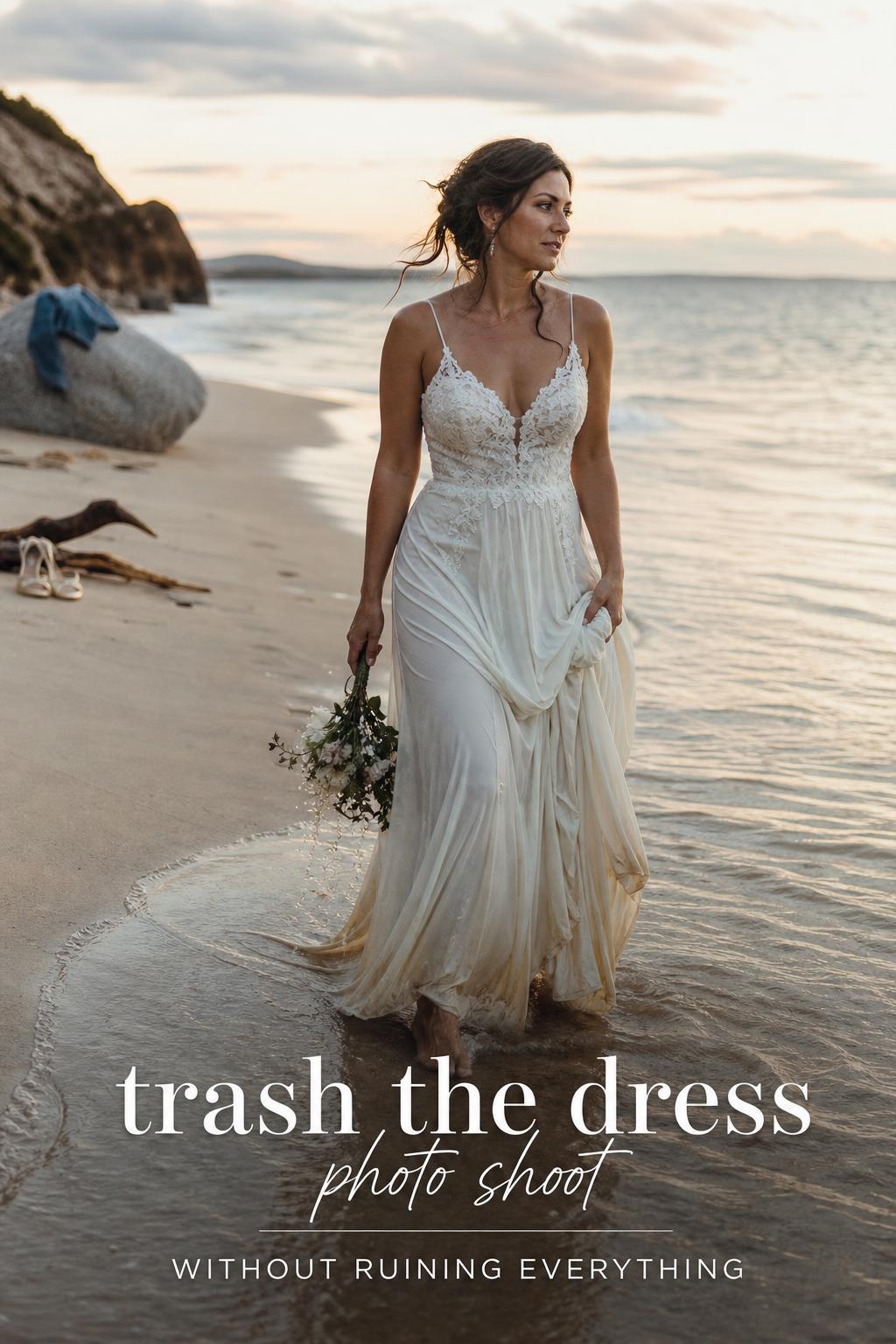
Waterfront locations create some of the most recognizable trash the dress imagery. They are best for couples who want movement, reflection, and a strong sense of atmosphere. They also carry the most serious safety considerations. If water is the main visual element, keep the concept simple and controlled rather than trying to push into deeper or faster-moving environments.
Fields, fairgrounds, and natural spaces
Fields and open natural areas offer many of the visual rewards of a bold post-wedding shoot with fewer hazards than water. The Minnesota State Fair example shows how a familiar place can create personality and story. Fall leaves and open land also work well for brides who want a softer kind of unconventional image.
Urban and industrial scenes
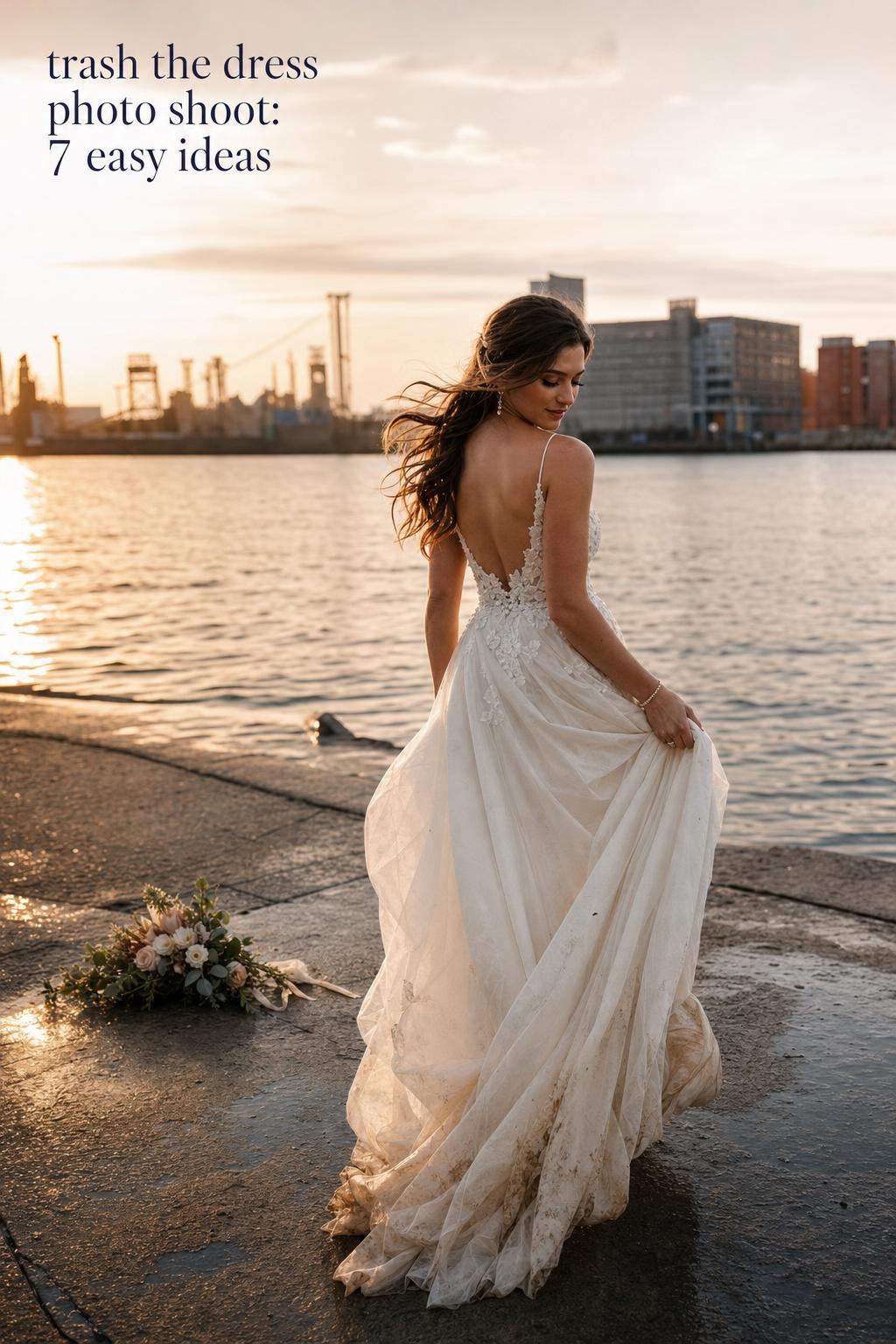
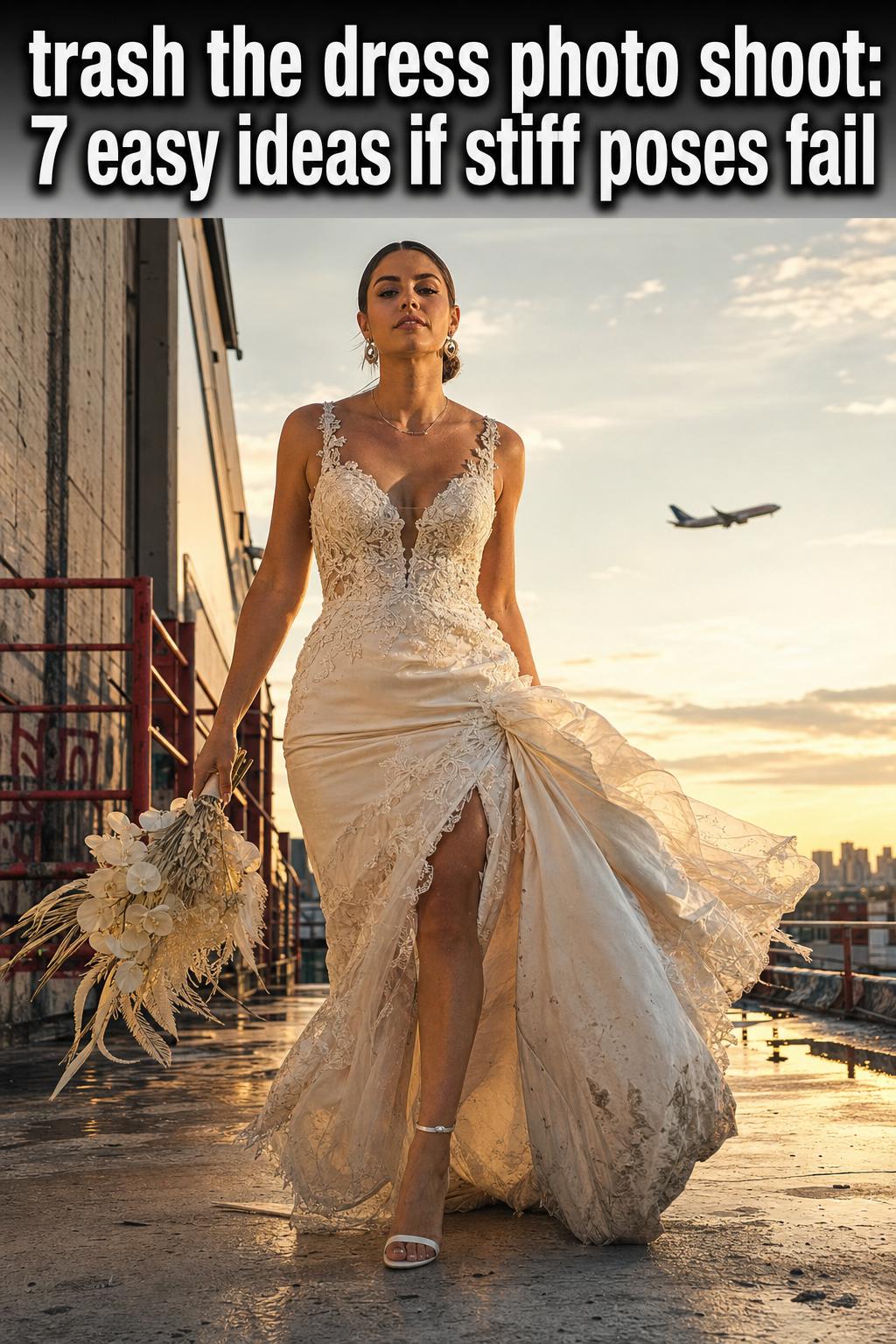
Chicago service pages and Los Angeles portfolio imagery show how well an urban setting can support a trash the dress concept. City surfaces, strong lines, and even airplane imagery near LAX create tension between formal bridalwear and everyday infrastructure. This style is especially good for modern weddings and couples who want more edge than nature provides.
- Best for coastal weddings: beach sessions and calm waterfront scenes
- Best for rustic weddings: fields, fairgrounds, and seasonal landscapes
- Best for modern weddings: city streets, architecture, and industrial areas
- Best for destination weddings: locations already tied to your travel story, such as Punta Cana
Budget tip: choose a location within easy driving distance and reserve your budget for photography time, styling, and cleanup rather than spending most of it on travel.
Common mistake to avoid: picking a location only because it looks dramatic in someone else’s gallery. The practical question is whether you can move safely there in a wedding dress and whether the photographer can work efficiently in that environment.
Real-life styling tip: visit the location at roughly the same time of day you plan to shoot. Pay attention to ground conditions, privacy, wind, and whether the dress hem will drag through water, dirt, or rough pavement.
Timing, light, and the mood of the final images
The emotional tone of a trash the dress session often comes down to timing more than the location itself. Golden hour is frequently favored because it softens skin, fabric, and surroundings. A beach at harsh midday light and the same beach at sunset can feel like two entirely different stories. The same is true in a city, where evening light can make concrete and metal feel cinematic rather than stark.
Weather matters just as much. If the dress is likely to get wet, cold temperatures can shift the session from adventurous to miserable very quickly. For couples who want movement and comfort, a milder season or a location that allows breaks can make a visible difference in expression and posture.
Best for spring or summer: water-adjacent concepts, destination-style sessions, and anything involving longer outdoor time.
Best for fall: fields, leaves, fairgrounds, and urban sessions with richer atmosphere and layered styling.
How to make it work: plan around light first, then fit hair, makeup, travel, and wardrobe around that window instead of the other way around.
Common mistake to avoid: assuming a post-wedding shoot is more flexible simply because it is separate from the wedding. The best light still disappears quickly, and weather still affects comfort and safety.
Safety is part of the styling, not an afterthought
The strongest guidance around this category is simple: a creative image is never worth unsafe conditions. Water and outdoor safety should be considered part of the visual plan from the beginning. Stories tied to tragedy remain a reminder that dresses are heavy, surfaces can be slippery, and natural environments change quickly.
Water and outdoor dos and don’ts
- Do keep water-based concepts controlled and clearly within everyone’s comfort level
- Do discuss movement limits before the session begins
- Do account for weather, footing, and how the dress changes when wet
- Do choose lower-risk alternatives if the location feels uncertain
- Do not let the image concept override basic judgment
- Do not assume a beautiful river or shoreline is automatically safe for a bridal session
Why it works: when a couple feels secure, posture relaxes, expression improves, and the final images look more confident. Safety is not separate from aesthetics. It supports them.
Common mistake to avoid: deciding on the exact shot before seeing actual conditions on site. The best photographers adjust the concept to the environment, not the other way around.
Real-life styling tip: build one “hero shot” around the riskier visual idea and then place the rest of the session in safer, easier positions. That way you get the mood without spending the entire shoot under strain.
Permissions, public access, and property concerns
Many of the best-looking places are not automatically open for unrestricted commercial-style photography. Public access, property rights, and permits can all shape what is realistic. This is especially relevant in parks, urban spaces, and highly recognizable sites. Even a simple session benefits from checking access expectations in advance rather than discovering restrictions after hair and makeup are finished.
Best for couples who value a low-stress day: locations with straightforward access, easy parking, and enough privacy to move comfortably in wedding clothing.
Budget tip: a legally accessible local setting often saves money and stress compared with a visually impressive location that creates uncertainty.
How photographers shape the experience
A trash the dress session is one of the clearest examples of why photographer fit matters. Minnesota Bride draws on the perspective of Stephany Wieland of EyeSpy Photography. Studio 519 Chicago presents the concept through empowerment and bold visual identity. Vaughn Barry focuses on practical questions such as whether to use the real dress, how the timeline works, and what makes the session successful. GoShiggyGo leans heavily into dramatic location-based imagery. These different approaches reveal something important: the session you get depends heavily on how your photographer thinks.
What to look for in a trash the dress photographer
- A portfolio that shows consistent handling of the specific environment you want
- Clear communication about timing, dress expectations, and location realities
- A style that matches your wedding vision, whether editorial, natural, or adventurous
- A calm, practical approach rather than pressure to attempt shots you do not want
Why it works: the right photographer is not just someone who can make a striking frame. They can also guide pacing, adapt when conditions change, and keep the session coherent.
Common mistake to avoid: choosing based on one dramatic image rather than on a full body of work. A single photo can be compelling, but a portfolio reveals whether the photographer can consistently deliver your preferred mood and manage real conditions.
Real-life styling tip: ask the photographer which part of the session usually takes longer than couples expect. Their answer will often reveal how they work under practical pressure.
Working with dressmakers, florals, hair, and makeup
Although photography sits at the center of the concept, vendor collaboration can elevate the results. Minnesota Bride’s story links together photographer Stephany Wieland, floral design from La Petite Fleur – Artistic Floral Design, and dressmaker Joynoelle, the label of Joy Teiken. That kind of collaboration makes the session feel intentional rather than improvised. A stylist, designer, or florist can help the look hold together even when the environment is unconventional.
Best for: couples who want a more polished editorial outcome or who are building the session around a specific mood rather than only a location.
How to make it work: keep the styling resilient. Hair and makeup should still look convincing if there is wind, humidity, or movement. Florals should be selected with the environment in mind rather than chosen only for delicacy.
Budget tip: if a full glam team is not in the budget, prioritize one or two styling elements that are most visible on camera, such as hair or bouquet structure, instead of trying to replicate the entire wedding-day vendor list.
Common mistake to avoid: using wedding-day styling unchanged in a location that has completely different demands. A beach, fairground, field, or urban site may require more secure hair, lighter accessories, or a simplified bouquet.
Real-life styling tip: if the dress is visually busy with embellishments, keep the bouquet shape cleaner so the frame does not feel crowded. In a dramatic location, too many focal points can dilute the impact.
Cost decisions that actually matter
One of the biggest content gaps in this space is clear pricing structure, but even without fixed numbers, the planning logic is straightforward. Costs usually grow through time, travel, complexity, and styling. A short local session with one photographer and one look is fundamentally different from a destination concept with multiple stops, water elements, and extensive post-processing.
The smartest way to budget is to decide what the session is really for. If you want one unforgettable portrait for your home, invest in location, timing, and the photographer’s creative direction. If you want a fuller gallery, budget for more time and a less logistically demanding setting. If the dress itself is not precious, that can simplify the whole plan. If preserving the original gown matters, factor in cleaning or the cost of a second dress from the start.
- Invest first in photographer fit and enough time for the concept to breathe
- Save by choosing one strong location instead of several weak ones
- Control costs by limiting travel and keeping styling focused
- Use a second dress if it prevents expensive regret later
Common mistake to avoid: spending heavily on a dramatic location while underfunding the actual photography time needed to make it worthwhile.
Ideas that feel original without becoming impractical
The most memorable sessions are rarely the ones with the most chaos. They are the ones where concept and execution belong together. A bride at a gas pump or beneath a plane near LAX works because the contrast is clear. A State Fair session works because it has personality. A field or beach works because the dress can move naturally in the environment.
Useful concept directions to consider
- Beach or coastal session for movement, reflection, and destination energy
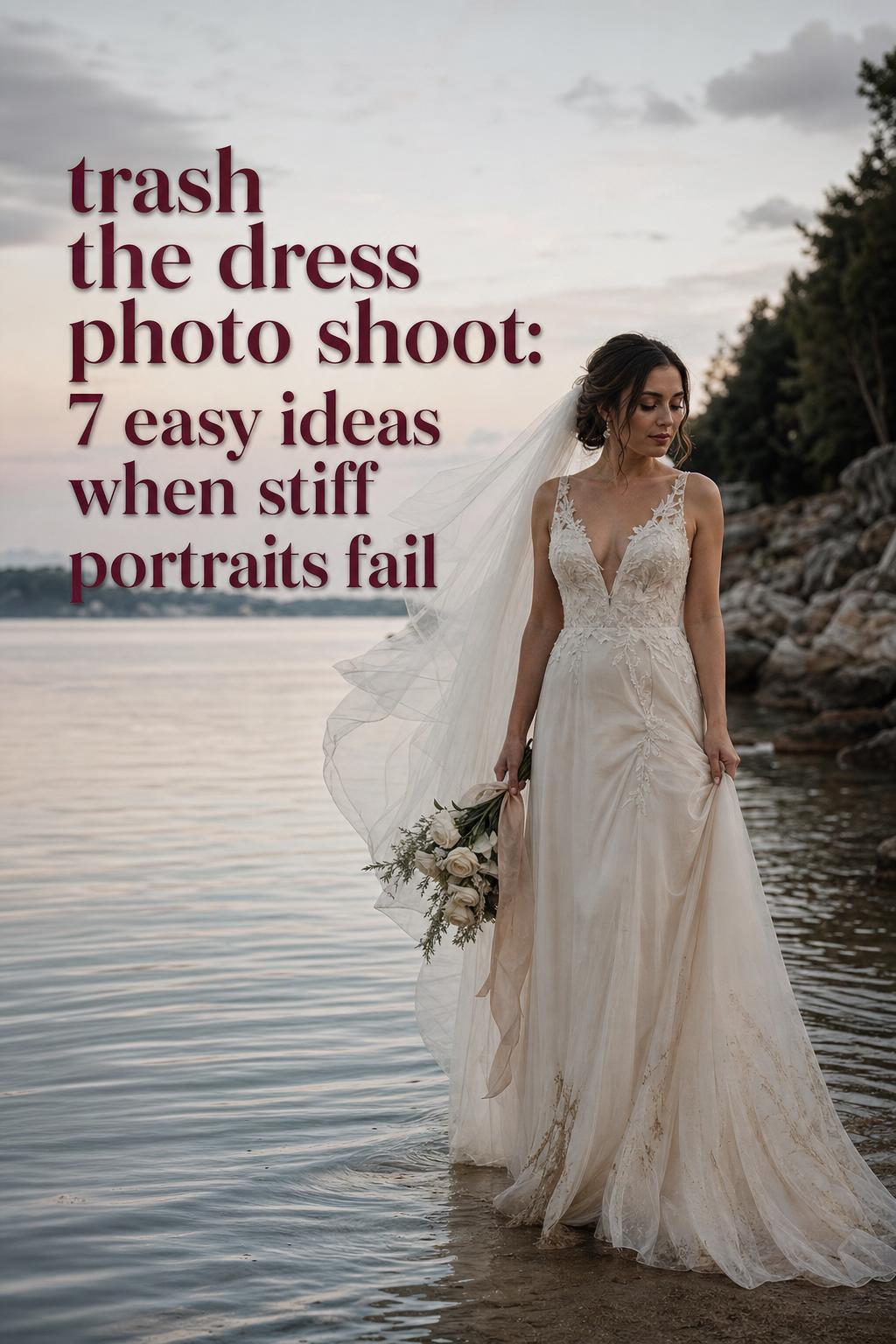
- Lakefront or calm waterfront portraits for softness without a crowded tourist feel
- Urban Chicago-style session for structure, confidence, and bold contrast
- Fairground or State Fair concept for personality and storytelling
- Field or fall leaves session for a quieter, romantic post-wedding narrative
- Destination-inspired session in a place tied to your travel story, such as Punta Cana
Why it works: every strong concept gives the dress a reason to be there. The environment should not feel random. It should create a conversation with the bridal look.
Real-life styling tip: before committing, describe the session in one sentence without using the word “beautiful.” If the idea still sounds specific and compelling, it likely has enough clarity to photograph well.
What families and couples sometimes misunderstand
Trash the dress can still be polarizing. Some families see it as wasteful or unnecessary. Others immediately love the artistic freedom. Minnesota Bride notes that family reactions can be part of the experience. This matters because the dress often carries symbolic value beyond fashion.
If you anticipate mixed reactions, frame the shoot honestly. Explain whether you are using the original gown or a second dress, whether the concept is adventurous or mostly editorial, and why the photos matter to you. Many concerns soften when people realize the session is planned thoughtfully rather than impulsively.
Best for emotionally easy planning: couples who align on the meaning of the dress before discussing the session with others.
Common mistake to avoid: letting outside opinions decide for you before you have clarified your own goals. A trash the dress session should reflect your comfort, not someone else’s headline version of the trend.
How to know the idea is right for you
The right answer is not whether a trash the dress photo shoot is trendy. The right answer is whether it fits your wedding story, your photographer, your dress decision, and your tolerance for unpredictability. For some couples, the most meaningful image from the entire wedding season comes from that unhurried post-wedding session. For others, the better choice is to preserve the gown, skip the risk, and put energy into a different kind of portrait experience.
When the idea works, it works because it feels intentional. The location makes sense. The dress plan is clear. The mood matches the couple. The photographer knows how to guide it. And most importantly, the session respects both creativity and safety. That is the version of trash the dress worth planning.
FAQ
What is a trash the dress photo shoot?
A trash the dress photo shoot is a post-wedding photography session built around creative, unconventional bridal portraits, often in locations such as beaches, fields, urban spaces, or waterfront settings where the wedding dress may get dirty or wet. It is also known as fearless bridal or rock the frock.
Do I have to wear my actual wedding dress?
No. Many brides wear their original gown, but a second dress is a common and practical option, especially if the original has sentimental value, delicate embellishments, or you want to reduce stress during a water or outdoor session.
Is a trash the dress shoot safe?
It can be safe when it is planned responsibly, but it should never be treated casually, especially around water or difficult outdoor terrain. Sessions tied to rivers, lakes, beaches, or remote areas need clear limits, sensible conditions, and a photographer who prioritizes safety over dramatic shots.
When is the best time to schedule the session?
The best time depends on your concept, but many couples choose a date after the wedding when they can focus fully on the photography without timeline pressure. Golden hour is often preferred for softer light, and milder weather is usually more comfortable for outdoor or water-adjacent sessions.
What are the best locations for trash the dress photos?
Popular choices include beaches, calm waterfronts, fields, fall landscapes, fairgrounds like the State Fair, urban settings in cities such as Chicago, and dramatic destination backdrops such as Punta Cana. The best location is one that supports your style while remaining practical and safe.
Will the dress be ruined?
Not always. Some sessions result in only light dirt or moisture, while others are intentionally more extreme. The level of wear depends on the environment, the fabric, and how literally you want to interpret the idea. That is why dress strategy should be decided before booking the final concept.
Should I clean the dress afterward?
If you plan to keep the dress, cleaning should be discussed in advance, especially if the session involves water, dirt, sand, or rough surfaces. Minnesota Bride specifically raises dry-cleaning and dress longevity as practical considerations, so it is wise to think about care before the shoot rather than after.
How do I choose the right photographer for this kind of session?
Look for a photographer whose portfolio matches the style and environment you want, whether that is editorial, adventurous, natural, or urban. Strong examples include story-driven perspectives like EyeSpy Photography, service-led creative positioning from Studio 519 Chicago, practical guidance from Vaughn Barry, or dramatic location work like GoShiggyGo near Los Angeles.
Can a trash the dress session work on a smaller budget?
Yes. The most effective way to control cost is to keep the session local, focus on one strong idea, and use a setting that does not require heavy travel or complicated logistics. A nearby field, urban backdrop, or simple waterfront can be more cost-effective than a large destination-style production.
Is this a good idea if my family is uncomfortable with it?
It can still be a good idea if it feels right for you, but it helps to explain the plan clearly. Many people assume the concept always means destroying the gown, when in reality it may simply be a creative post-wedding editorial session or an encore shoot using a second dress.