Beach Bridal Dresses: How to Choose Your Perfect Look
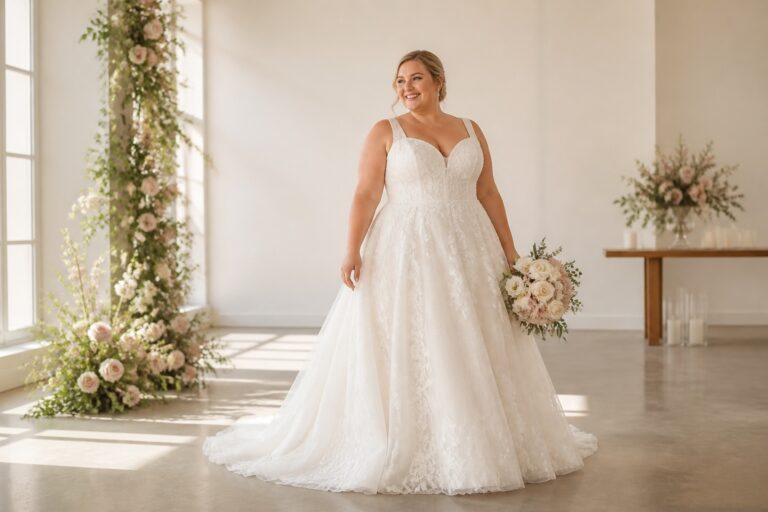
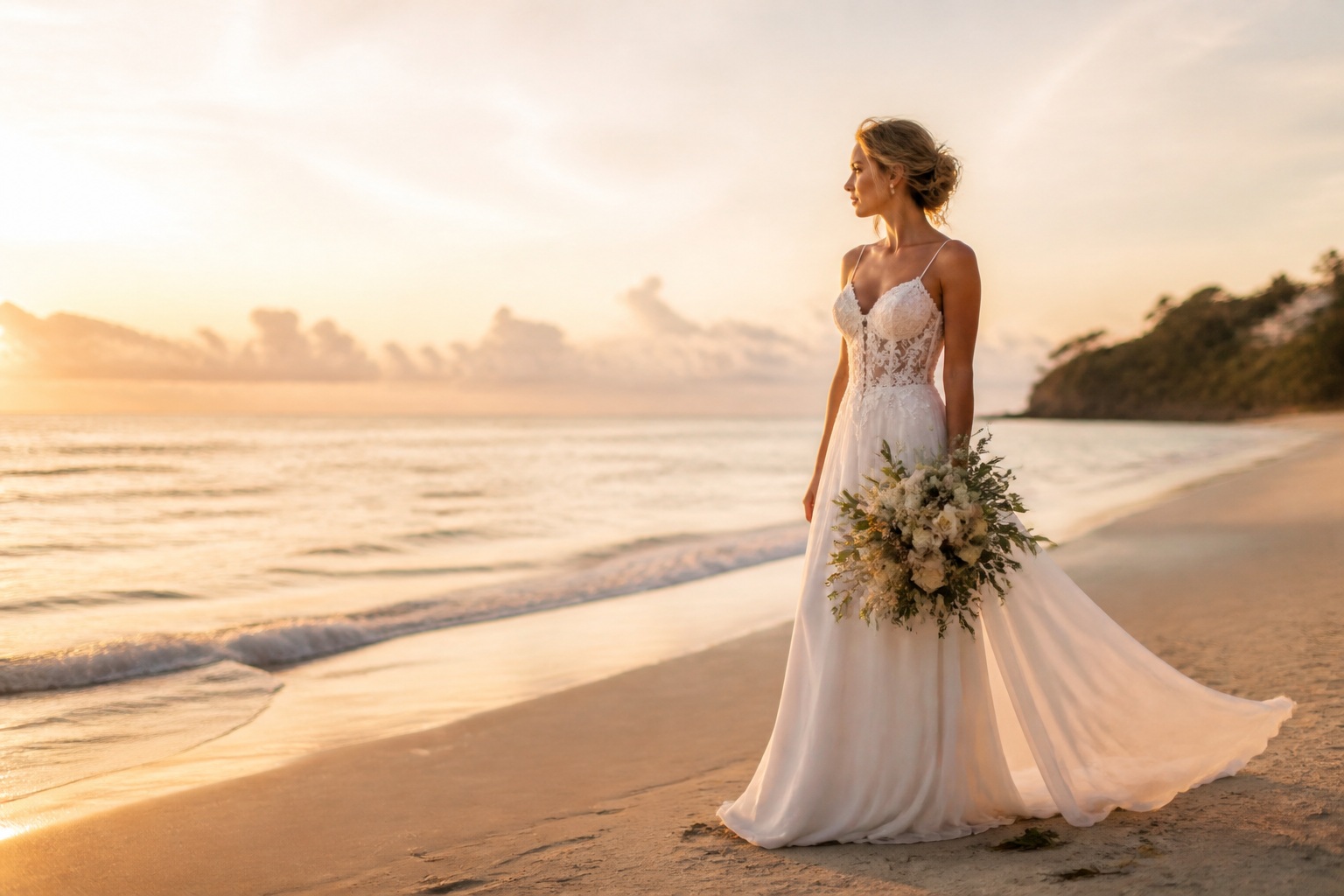
Beach bridal dresses have a particular job to do. They need to feel unmistakably bridal in photographs, yet they also have to move through sand, handle coastal wind, stay comfortable in heat, and survive the journey to the ceremony. The best choice is not necessarily the shortest or most casual dress. It is the dress that works with your setting, your body, your dress code, and the way you want to spend the day.
This guide will help you make that choice without reducing beach style to one formula. You will find practical advice on fabrics, silhouettes, hems, trains, support, accessories, alterations, and packing. Whether your plan is a barefoot elopement, a destination wedding, or a polished oceanfront celebration, start with the conditions of the day and then build the look around them.
Why Beach Bridal Dresses Need a Different Checklist
A beach ceremony changes the way a dress behaves. Sand creates resistance under a hem. Wind can lift a light skirt, tangle a veil, or expose an unsecured neckline. Sun and humidity make heavy layers feel warmer than they did in a fitting room. Salt air can be hard on delicate embellishment, while a destination itinerary may require the gown to spend hours in a garment bag.
That does not mean you need to abandon drama. It means drama should come from movement, neckline, texture, an open back, an interesting sleeve, or a well-placed detail instead of weight alone. A softly gathered skirt can look spectacular in a sea breeze. A clean column gown can feel modern and elegant against a wide horizon. A short dress can make an intimate ceremony feel intentional rather than informal.

Turn wedding inspiration into a plan you can actually follow.
Zarellea brings your guest list, budget, vendors, and day-of details into one shared space — so no beautiful idea gets lost in the shuffle.
Begin by answering five questions. Will you walk on dry sand, a boardwalk, grass, stone, or a covered venue? Is the climate hot and humid, warm but breezy, or cool after sunset? Does the invitation suggest casual, semi-formal, or formal attire? Will you change for the reception? How far must the dress travel before you wear it? These answers are more useful than searching for a vague category such as beachy.
Core Principles: Fabric, Silhouette, Length, and Detail
Choose fabric for the climate and the movement
Lightweight chiffon is a classic for a reason. It floats, packs relatively well, and creates visible movement without requiring a large skirt. Silk can feel breathable and luxurious, especially in a slip or softly draped design, although it may show wrinkles and water marks more readily. Organza gives a crisper, more architectural effect while remaining lighter than many heavily layered bridal fabrics. Crepe offers a smooth, modern surface and often feels comfortable because it follows the body without excessive volume.
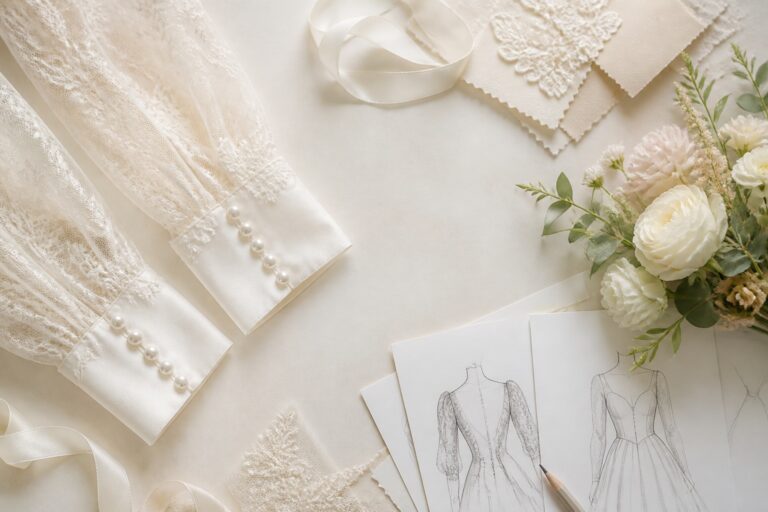
Georgette is another useful option when you want drape with a little more substance than chiffon. Lace works beautifully for a boho or romantic beach look, but consider the lining, the weight of the pattern, and whether the edges can catch on shells, grasses, or rough surfaces. A fabric can be beautiful in a product photograph and still be wrong for your weather. Ask how it breathes, how it reacts to humidity, how it wrinkles, and how it can be steamed before committing.
Match the silhouette to the ground and the formality
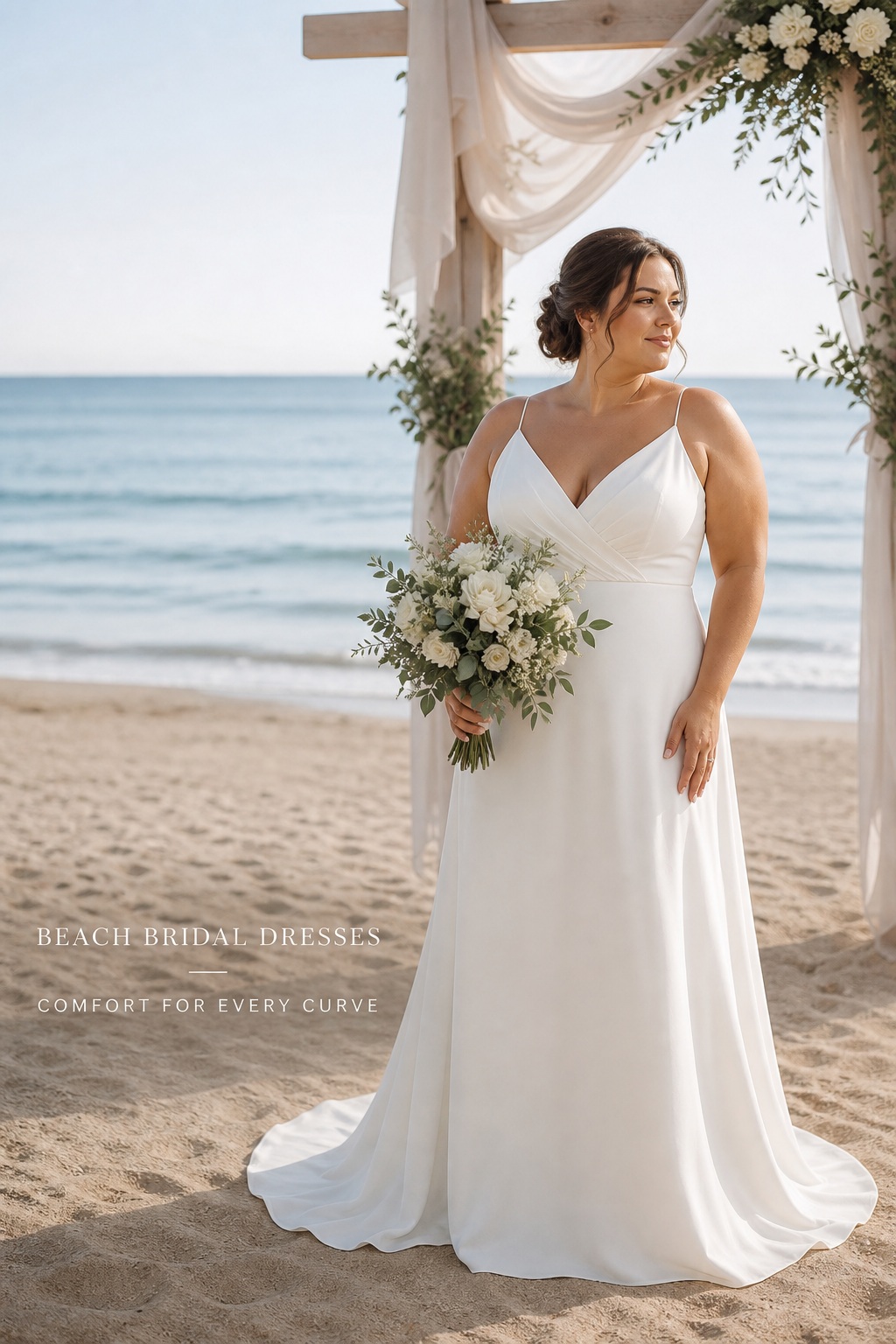
A-line dresses are among the easiest beach choices because they give you shape without trapping the legs inside a narrow skirt. An empire waist can create an especially relaxed line and leave room for walking. Sheath and column styles suit a minimalist bride, but test the stride carefully because a fitted hem may be less practical on loose sand than it appears in a studio.
Fit-and-flare and mermaid shapes can work when the ceremony is on a firm surface or when the lower skirt opens enough for movement. If you love a fitted silhouette, practice sitting, stepping up, turning, and walking at a normal pace. A casual slip dress can feel effortless for an elopement, while lace, a structured bodice, or a detachable overskirt can elevate the same lightweight foundation for a more formal celebration.
Let the hem and train serve the venue
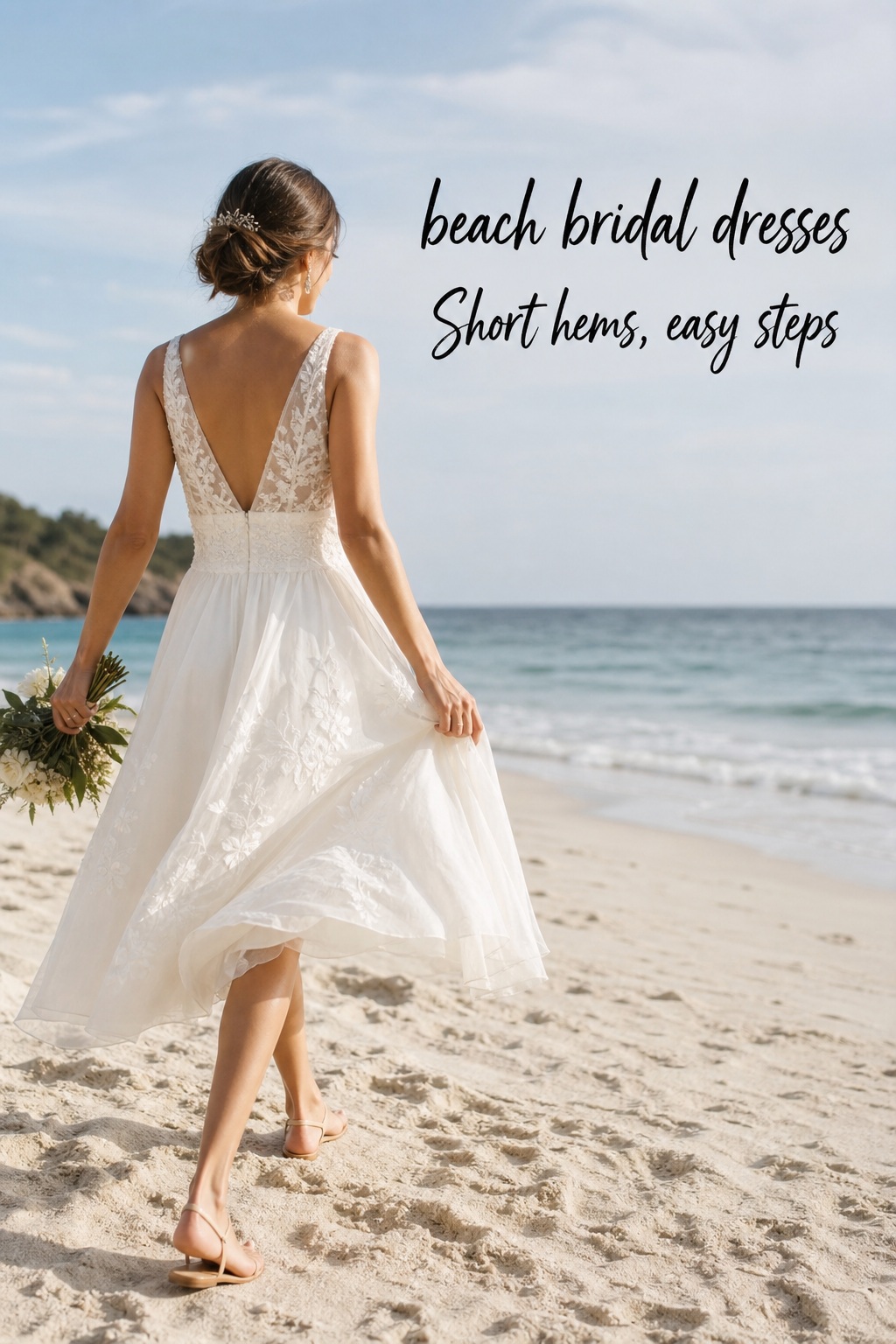
Tea-length, midi, high-low, and mini dresses are practical when you expect to walk directly on sand. They keep the hem from dragging and make footwear easier to manage. A full-length dress is still completely appropriate, especially when the ceremony takes place on a platform, at a resort, or beside the water rather than in deep sand. Look for a narrow train, a sweep train, or a train that can be bustled quickly.
Do not choose a hem based only on how it looks while wearing your tallest shoes. Decide whether you will be barefoot, in flats, or in sandals, then have the final length altered for that reality. Bring the shoes you expect to wear to the fitting. Ask the seamstress to show you the bustle and practice fastening it. If the ceremony and reception surfaces differ, a bustle may be one of the most valuable details in the entire dress.
Step-by-Step Ideas for Finding Your Beach Look
1. Start with the ceremony surface
Ask the venue for a precise description of the route from the getting-ready room to the ceremony. A beach photograph may show a smooth shoreline, but your actual path may include stairs, pebbles, wet sand, or a long walk from the parking area. If most of the route is loose sand, prioritize a hem you can lift, a skirt with manageable volume, and shoes that will not sink. If the ceremony is on a deck, you have more freedom to wear a longer train, though wind still matters.
2. Choose the level of structure you need
A soft dress can be wonderfully comfortable, but softness should not mean a lack of support. Look for secure straps, a stable neckline, a well-fitted bodice, or built-in cups if those features make you feel confident. A corset-style bodice may offer support, but it can also feel warm if heavily lined. Try sitting and bending in the dress, and ask whether the neckline stays in place when you walk against the wind.
3. Decide whether your style language is minimal, boho, romantic, or fashion-forward
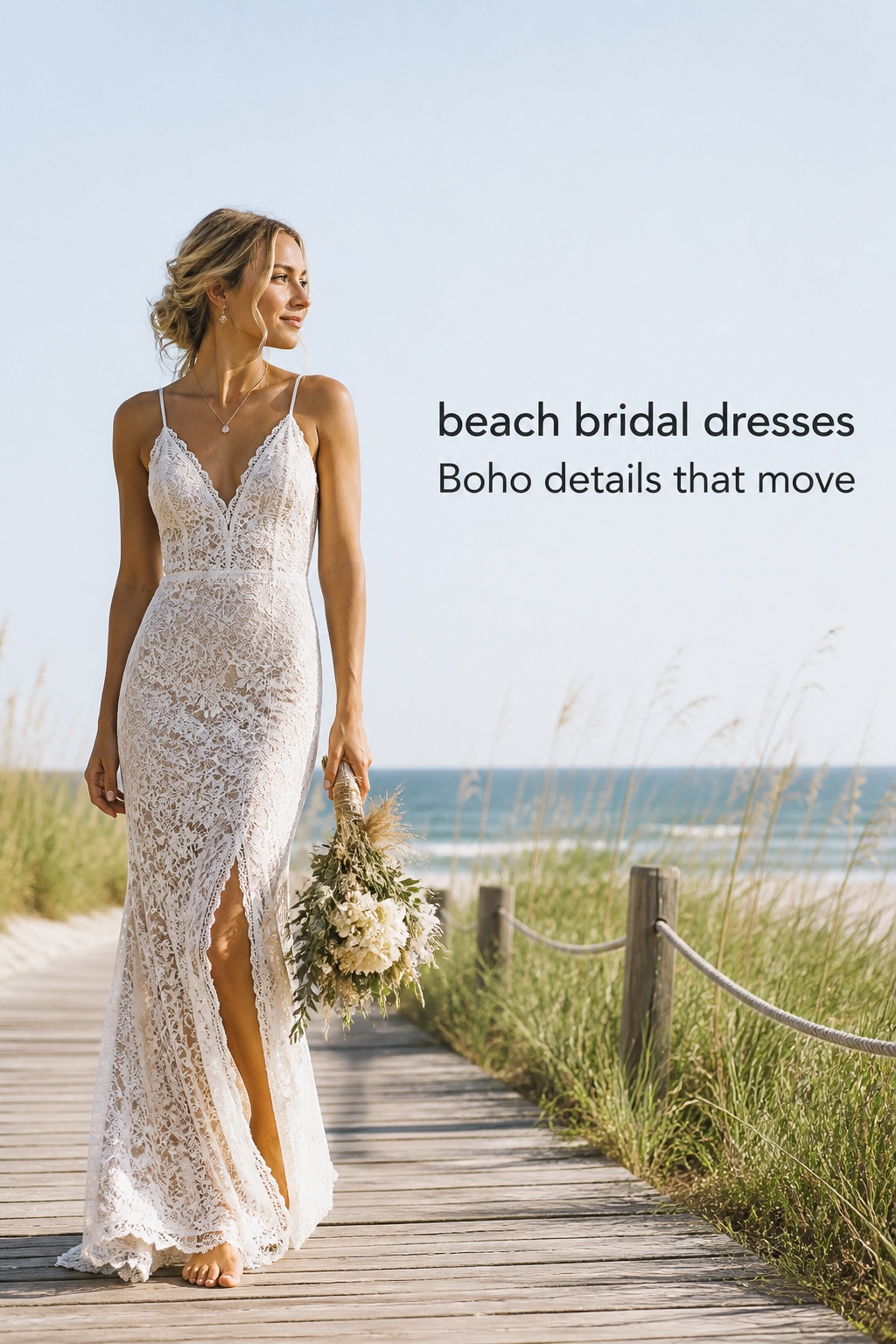
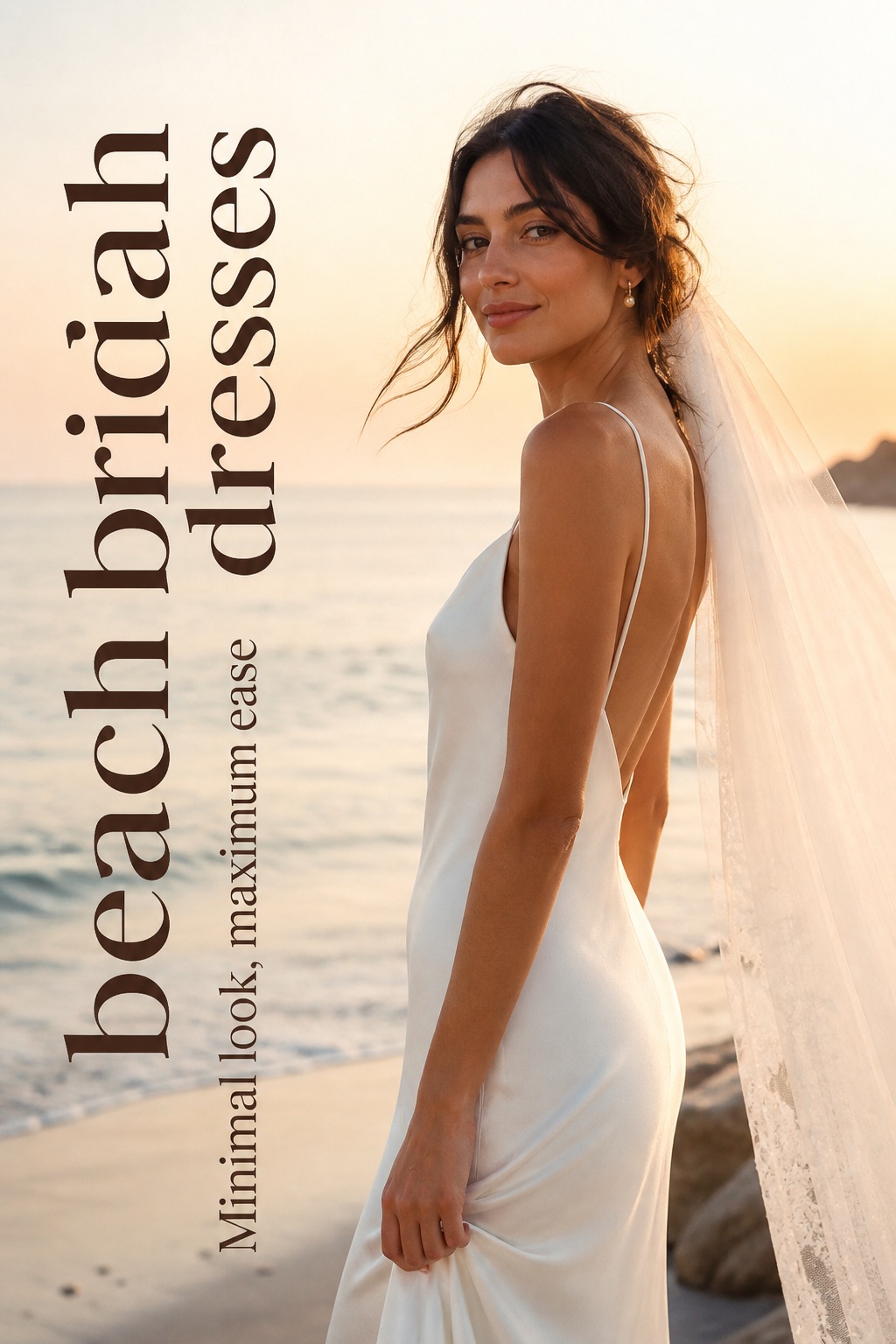
Minimal beach bridal dresses often rely on clean satin, crepe, a cowl neckline, an open back, or an elegant column shape. Boho dresses may use relaxed lace, flutter sleeves, crochet-like texture, or a skirt that moves freely. Romantic dresses can introduce delicate appliqué, a soft A-line, or a sheer layer without becoming heavy. A fashion-forward bride might choose a two-piece look, a short dress, a sculptural neckline, or a detachable element.
Use the setting as a supporting character, not as a costume theme. You do not need shells, tropical prints, or excessive fringe to communicate a coastal mood. A simple dress in ivory with an unfussy veil can look more modern and memorable than a look that copies every expected beach symbol. Choose one or two details that feel personal, then let the natural landscape provide the rest of the visual interest.
4. Test the dress in motion
During the fitting, walk for several minutes rather than standing in front of a mirror. Take normal steps, turn, lift the skirt, sit, hug someone, and reach for a bouquet. Have a friend create a little air movement with a fan so you can see what the neckline and skirt do. If the fabric clings, twists, or catches around your feet, find out whether a lining, a different underlayer, or a small alteration will solve it.
Styling Beach Bridal Dresses Without Losing the Bridal Feeling
Footwear should be chosen for the whole route, not only for the photograph. Flat sandals, dressy slides, barefoot sandals, and low wedges are natural choices for sand. Block heels may be comfortable on a firm deck, while stilettos are usually difficult on loose sand. Many brides wear one pair for portraits and switch to a simpler pair for walking. If you plan to go barefoot, check the temperature of the sand and keep a pair of sandals nearby.
Veils can be beautiful beside the water, but length and wind deserve a practical conversation. A fingertip veil, shoulder-length veil, bow, comb, or decorative pins may be easier to control than a cathedral veil. If you want a long veil for portraits, ask a trusted person to manage it and remove it before the ceremony becomes uncomfortable. A lightweight veil should still be secured with enough pins to withstand a breeze.
Hair usually benefits from intentional softness rather than excessive looseness. A low bun, braid, half-up style, or textured ponytail can hold its shape while still feeling relaxed. Consider humidity and salt air when choosing products. Jewelry can remain delicate if the dress already has texture, or you can use one clear statement such as sculptural earrings. Pearls, natural stones, and warm metals can complement the setting without making the look literal.
Keep the bouquet easy to carry. A compact hand-tied shape is less likely to catch on a skirt than an oversized arrangement. Talk with your florist about flowers that tolerate heat and about wrapping the stems securely. If your dress has a low back, open neckline, or dramatic sleeves, make sure the bouquet does not hide the feature in every portrait. The best styling decision is the one that lets your dress and your face remain visible.
Shopping, Alterations, and Travel Checklist
Shop with your actual wedding conditions in mind. Bring a photo of the venue, describe the walking surface, and mention the expected temperature and wind. If you are shopping online, read the fabric composition, lining details, size chart, return policy, and delivery estimate. For a destination wedding, allow time for a local try-on after arrival only as a backup, not as the primary alteration plan.
- Confirm whether the dress is comfortable in heat and humidity.
- Check that the neckline and straps stay secure during movement.
- Choose a hem for your real shoes or barefoot height.
- Ask for a simple bustle if you have any train.
- Inspect lace edges, beading, and closures for snag risks.
- Practice walking, sitting, turning, and lifting the skirt.
- Request a steaming and packing plan from the boutique.
- Carry the dress with you when flying rather than checking it if possible.
- Pack a portable steamer, clips, fashion tape, safety pins, and a clean sheet for changing.
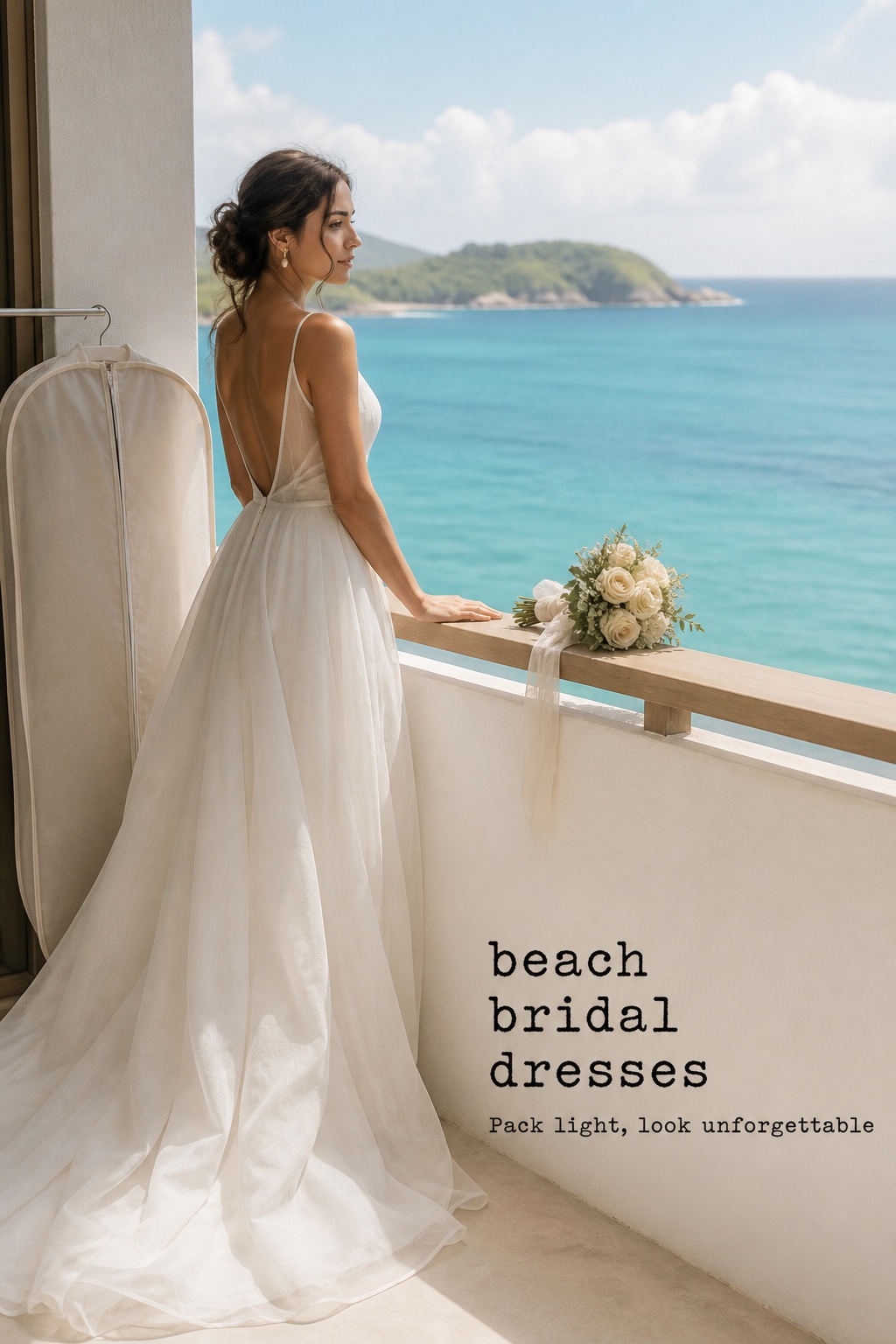
For travel, use a breathable garment bag and keep the dress protected from makeup, food, and moisture. Ask the airline about its current cabin policy before the trip because storage space and crew practices vary. Once you arrive, hang the dress in a clean room and let it relax before steaming. Never place a hot iron directly on delicate lace, tulle, or embellished fabric. A professional destination planner or bridal boutique may be able to recommend a trusted local steamer.
Plan for a little sand, even with careful preparation. A clean sheet or large towel can protect the dress while you change. A helper can carry the train or hold the skirt for portraits. After the ceremony, shake out loose sand outdoors and avoid rubbing it deeper into the fabric. If the hem becomes damp, let it dry naturally before placing the dress back in its bag. These small habits protect the gown without making you think about it all day.
Common Mistakes to Avoid
The first mistake is treating a beach wedding as a reason to buy a dress you do not actually love. Practicality should refine your choice, not erase your taste. The second is judging a dress only from the front. Wind, walking, support, and the back view matter just as much. The third is leaving the hem and bustle until the final week, when a change in shoes or venue route can create unnecessary stress.
Another common problem is too much weight in the wrong places. Heavy beading, multiple dense underskirts, and a long train may feel luxurious indoors but exhausting in heat. Delicate details can also be misplaced. Very fine fringe, loose pearls, or fragile lace may catch on outdoor surfaces. If you love embellishment, concentrate it on the bodice, neckline, sleeves, or veil rather than covering the entire lower skirt.
Finally, do not forget the reception. A dress that works for the vows may become difficult on the dance floor. A bustle, overskirt removal, second look, or comfortable reception shoes can solve that problem. The goal is not to keep the gown pristine at every second. The goal is to feel present, confident, and free enough to enjoy the day you planned.
FAQ
What fabrics work best for beach bridal dresses?
Chiffon, lightweight silk, organza, georgette, crepe, and breathable lace are strong options. Choose based on humidity, wind, desired structure, and how easily the fabric can be steamed and packed.
Can I wear a long wedding dress on the beach?
Yes. Choose a sweep or narrow train, confirm the ceremony surface, and arrange a bustle. A shorter or high-low hem is more practical for deep sand, while a full-length gown works well on a deck or firm path.
Are short beach bridal dresses appropriate for a wedding?
Absolutely. Tea-length, midi, high-low, and mini dresses can feel intentional and bridal, especially for elopements, casual ceremonies, second looks, or receptions. Use fabric, accessories, and tailoring to set the formality.
What shoes should I wear with a beach bridal dress?
Flat sandals, dressy slides, barefoot sandals, low wedges, and block heels are practical choices. Avoid narrow heels on loose sand, and bring a backup pair for walking and dancing.
How should I pack a beach bridal dress for a destination wedding?
Use a protective garment bag, carry the dress in the cabin when possible, and confirm the airline policy in advance. Hang it on arrival, allow wrinkles to relax, and use a professional steamer or a careful steaming plan rather than a hot iron.
How do I keep a beach wedding dress from dragging in sand?
Choose the hem with your real footwear, ask for a bustle, and have a helper lift or carry the train. A shorter hem or lightweight sweep train is usually easier than a large cathedral train on loose sand.