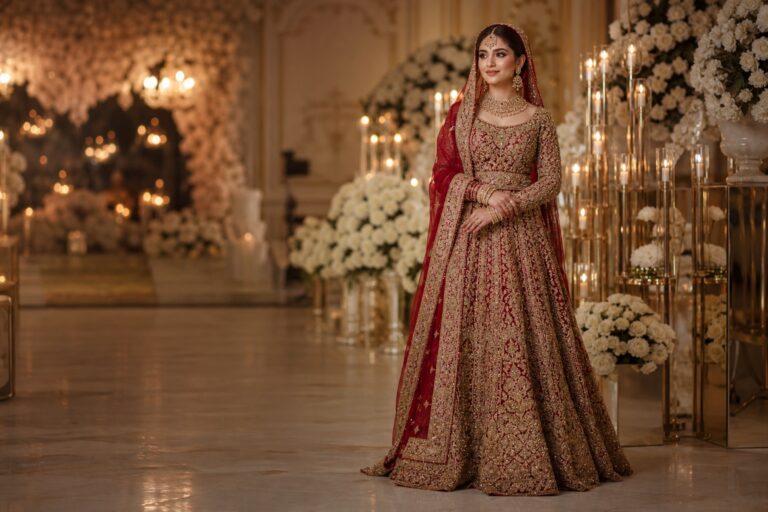
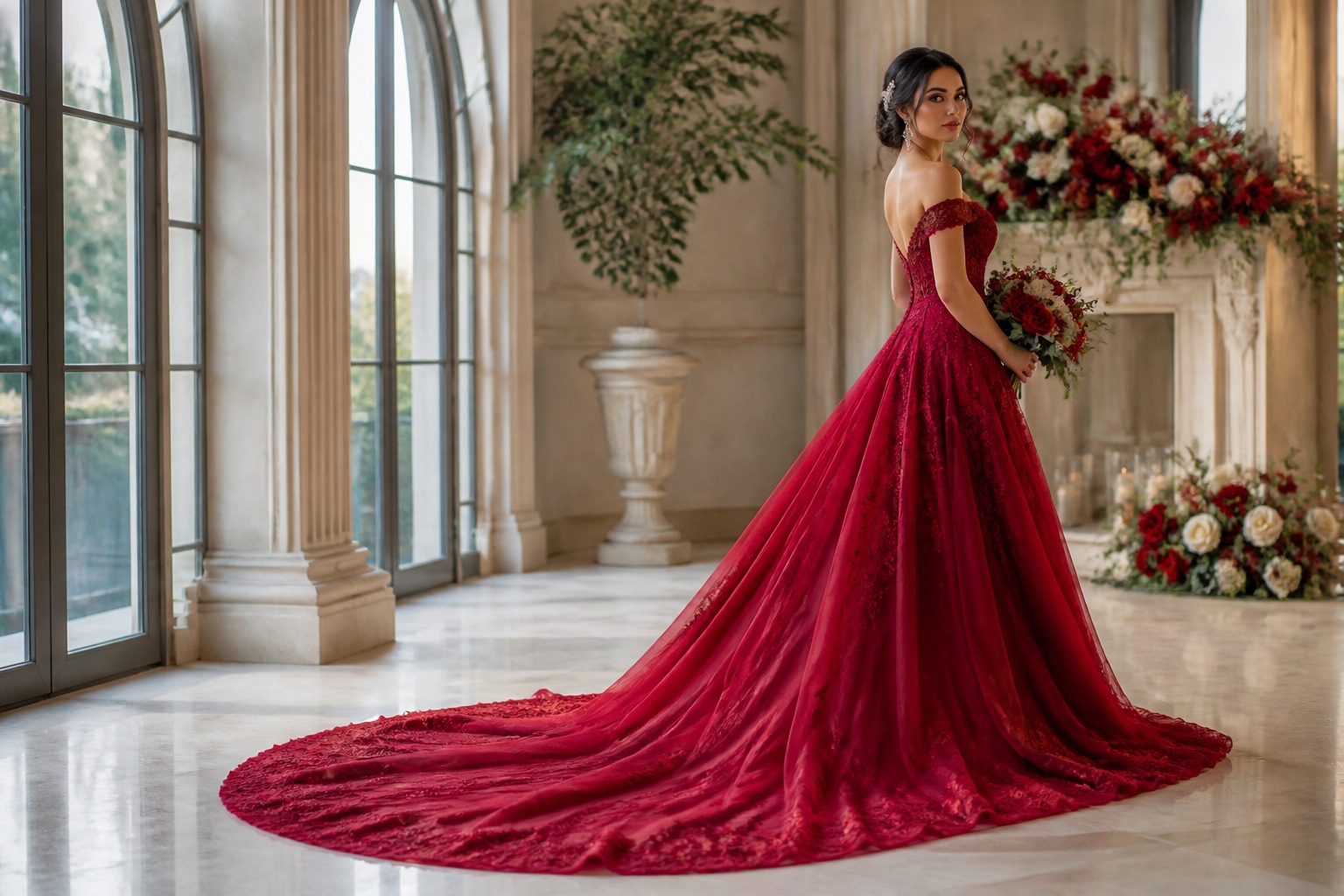
Red Wedding Gowns: Solve the 4 Biggest Style Problems
Red wedding gowns can be breathtaking, but choosing one often creates more questions than choosing an ivory dress. Will the color look bridal in photographs? Will the gown feel right in the ceremony space? Will the fabric be comfortable enough for a full day? And how do you keep a powerful color from making every other detail compete for attention?
The answer is not to make red quieter. It is to make the decision more specific. A red gown is a combination of shade, fabric, silhouette, construction, styling, and setting. When one of those choices feels wrong, the entire look can feel wrong. This guide diagnoses the most common problems and gives you a practical fix for each one, whether you want a scarlet ball gown, a burgundy satin column, a red lace A-line, or a culturally meaningful bridal outfit.
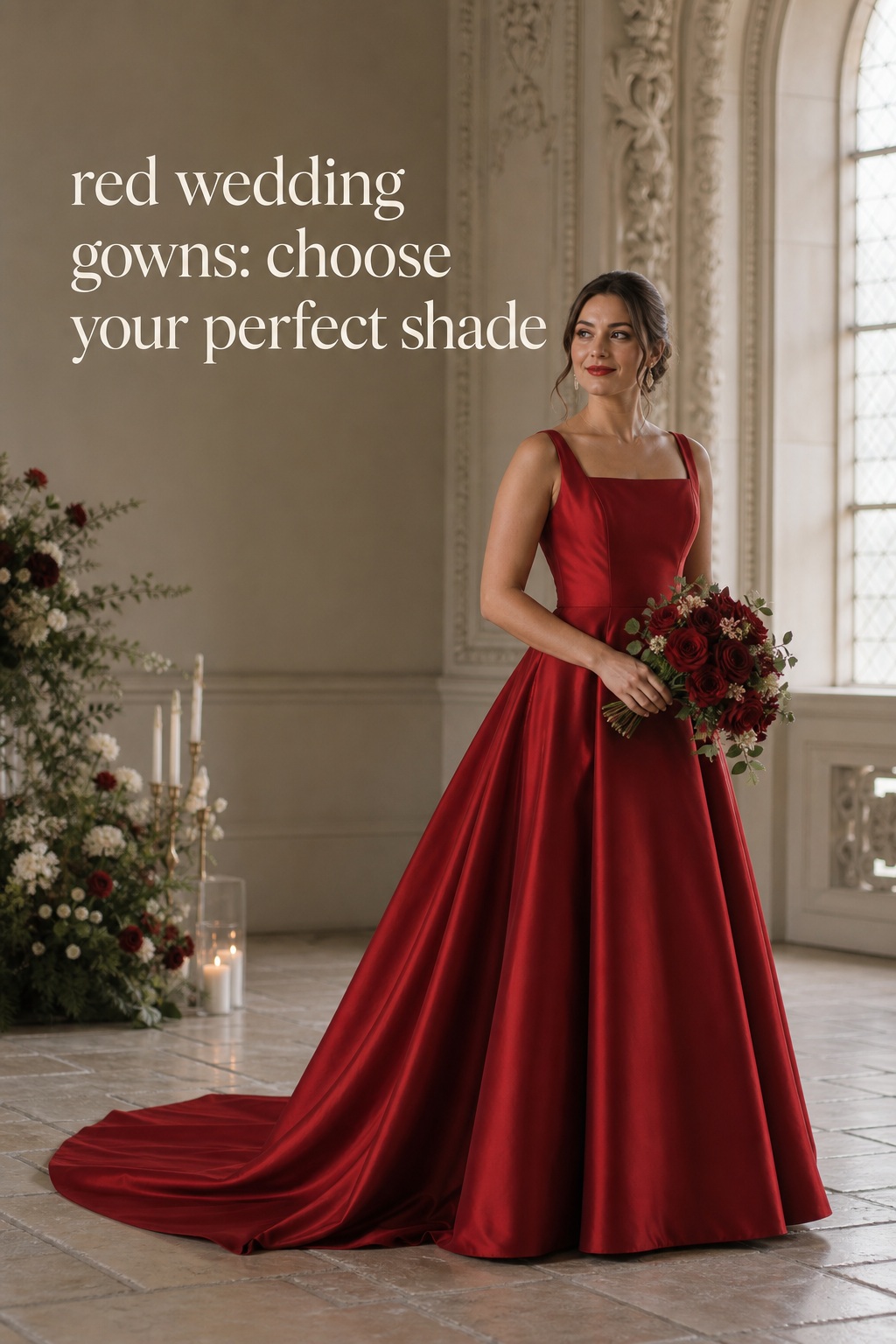
1. Diagnose why the red gown does not feel bridal yet
The first problem is usually not the color itself. It is that the dress is being evaluated as an evening gown rather than as the center of a wedding look. Many red dresses are designed for parties, galas, or formal guests, so they may have a shorter hem, a simpler lining, a narrow range of sizes, or styling details that do not support a ceremony. A beautiful red dress can still need bridal structure.

Turn wedding inspiration into a plan you can actually follow.
Zarellea brings your guest list, budget, vendors, and day-of details into one shared space — so no beautiful idea gets lost in the shuffle.
Problem: the dress looks like formalwear instead of a wedding gown
Look first for the elements that create a ceremonial presence. A floor-length hem, a defined train, a fuller skirt, a sculpted bodice, covered buttons, lace appliqué, a cape, or a thoughtful veil can shift the message immediately. You do not need every element. In fact, combining all of them may make the look heavy. Choose one or two bridal signals that support the silhouette you already love.
For example, a simple red satin gown can feel unmistakably bridal with a cathedral-length veil and a clean bouquet. A dramatic ball gown may need no veil at all, because the skirt already provides the ceremony scale. A red slip dress can become a convincing city hall gown with a matching tailored jacket, sculptural earrings, and a short veil. The goal is coherence, not decoration.
Problem: every shade of red looks the same online
Red changes dramatically with lighting and fabric. Scarlet can look orange in warm indoor light, while burgundy can look nearly brown in a dim room. Ruby often photographs with a clear jewel quality, and wine or oxblood can look especially rich in evening portraits. Never choose a gown from a small screen image alone. Order a fabric swatch when possible and view it beside your preferred jewelry, flowers, and complexion in daylight and indoor light.
- Choose bright crimson or cherry when you want festive energy and strong daylight color.
- Choose ruby when you want a classic jewel tone that remains clearly red in photographs.
- Choose burgundy, wine, or oxblood when you want a more restrained, evening-friendly result.
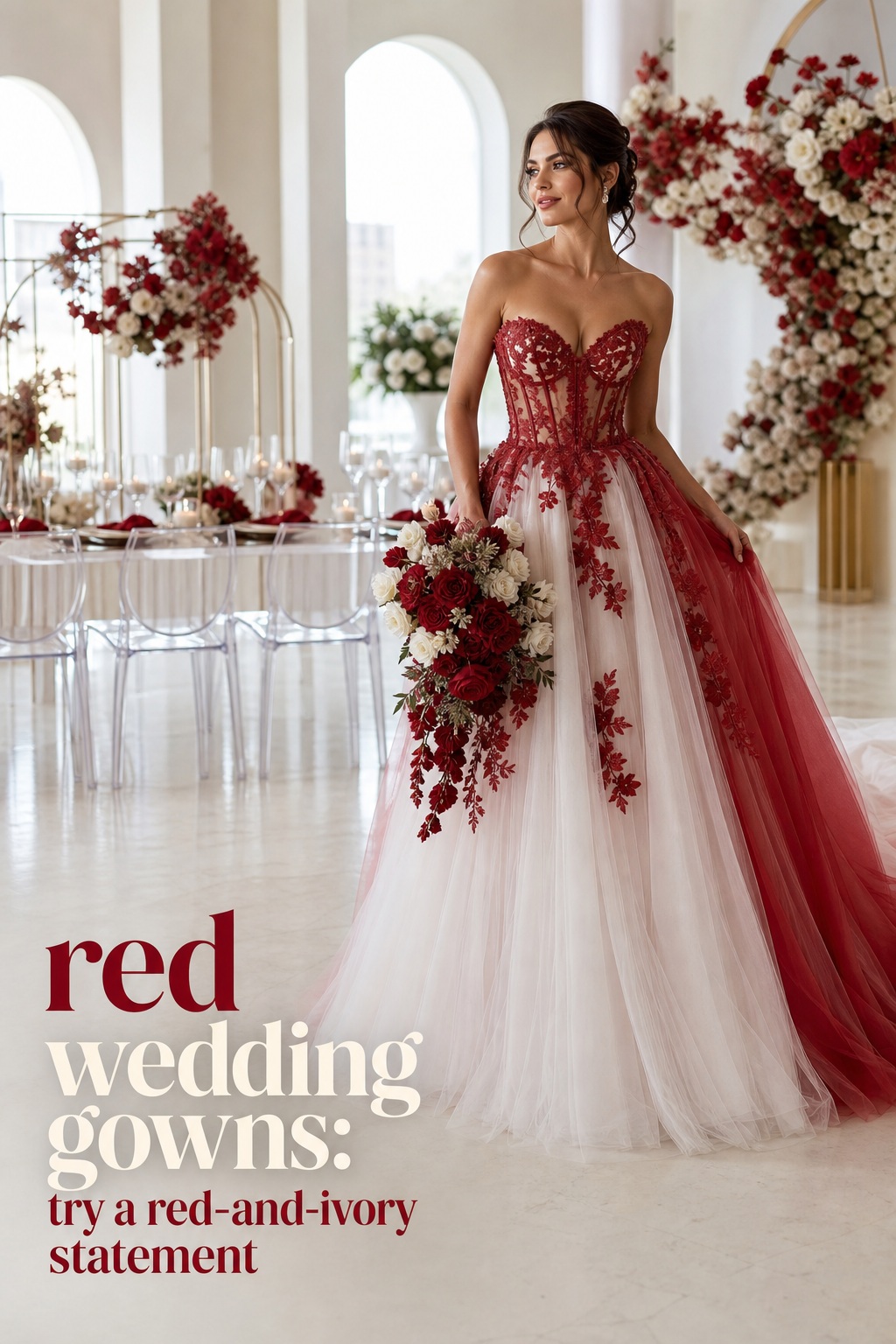
- Choose red with ivory, blush, or gold details when you want contrast without returning to a fully white gown.
Also check whether the color is woven into the fabric or printed onto a synthetic surface. Woven color usually has more depth as the gown moves. This matters with satin, because the highlights and shadows can make the red appear to shift across the body. A swatch will tell you far more than a product thumbnail.
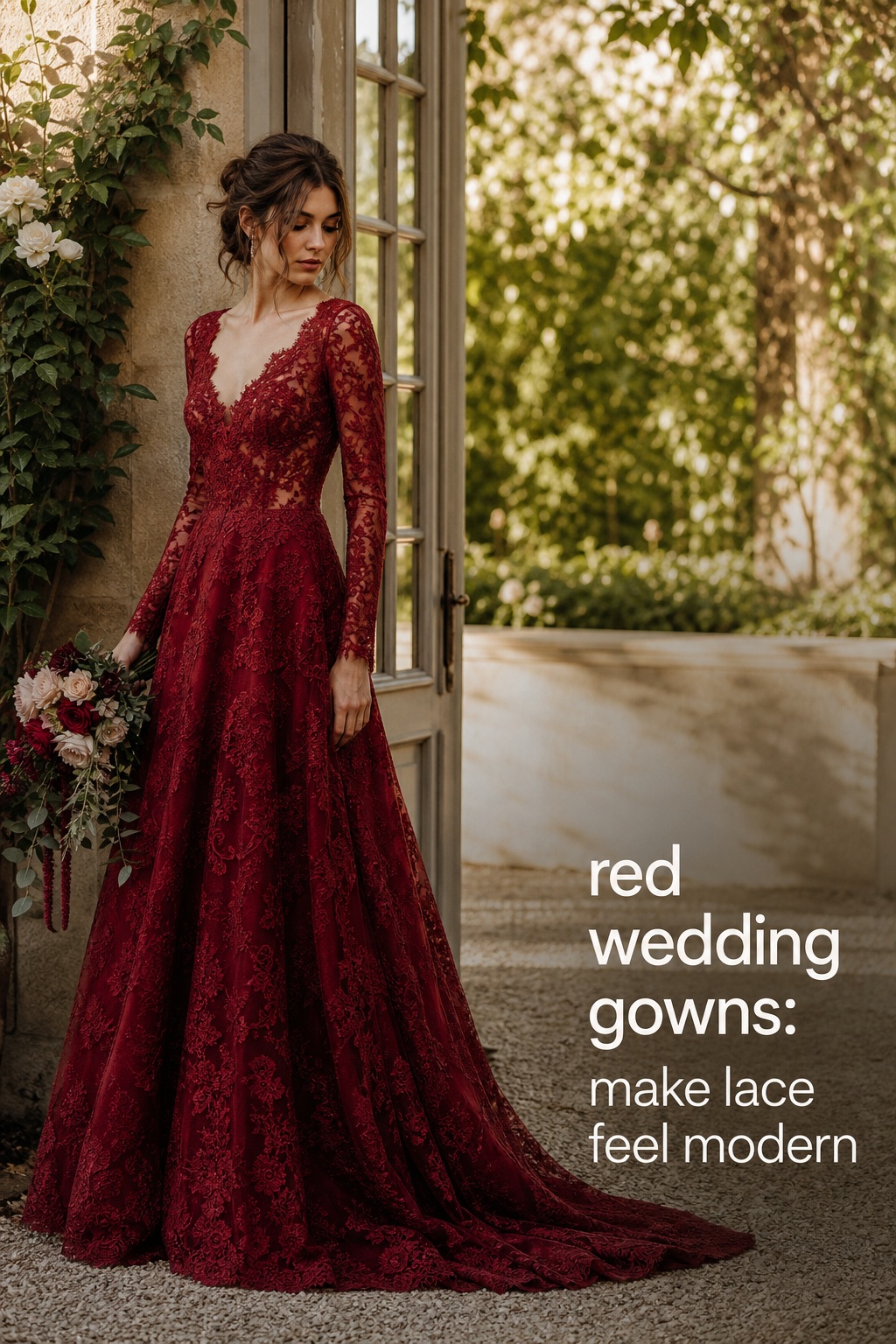
2. Match the shade and fabric to the wedding setting
The second problem is choosing a red that fights the venue, season, or time of day. The same gown can feel fresh in a garden, regal in a ballroom, and too intense in a small ceremony space. Treat the setting as a filter, not a rule. You are not trying to make the gown disappear into the wedding. You are making sure it belongs in the visual story.
For daylight and outdoor ceremonies
Natural light reveals color clearly, so mid-tone reds and lighter textures usually work well. Ruby, raspberry, warm cherry, and clear crimson can look joyful without needing heavy embellishment. Tulle, organza, matte crepe, and light satin move well in gardens, vineyards, and outdoor courtyards. If wind is part of the setting, test the skirt and train outside before ordering. A floating layer is beautiful until it catches on every chair and branch.
For a garden wedding, consider lace or floral appliqué that echoes the environment without turning the gown into a costume. Keep the bouquet more tonal than matching. Soft blush, peach, cream, dusty rose, or foliage can create dimension around a red dress. A bouquet made of only red flowers may flatten the photographs unless the stems, flower shapes, or foliage introduce contrast.
For churches, historic spaces, and formal daytime venues
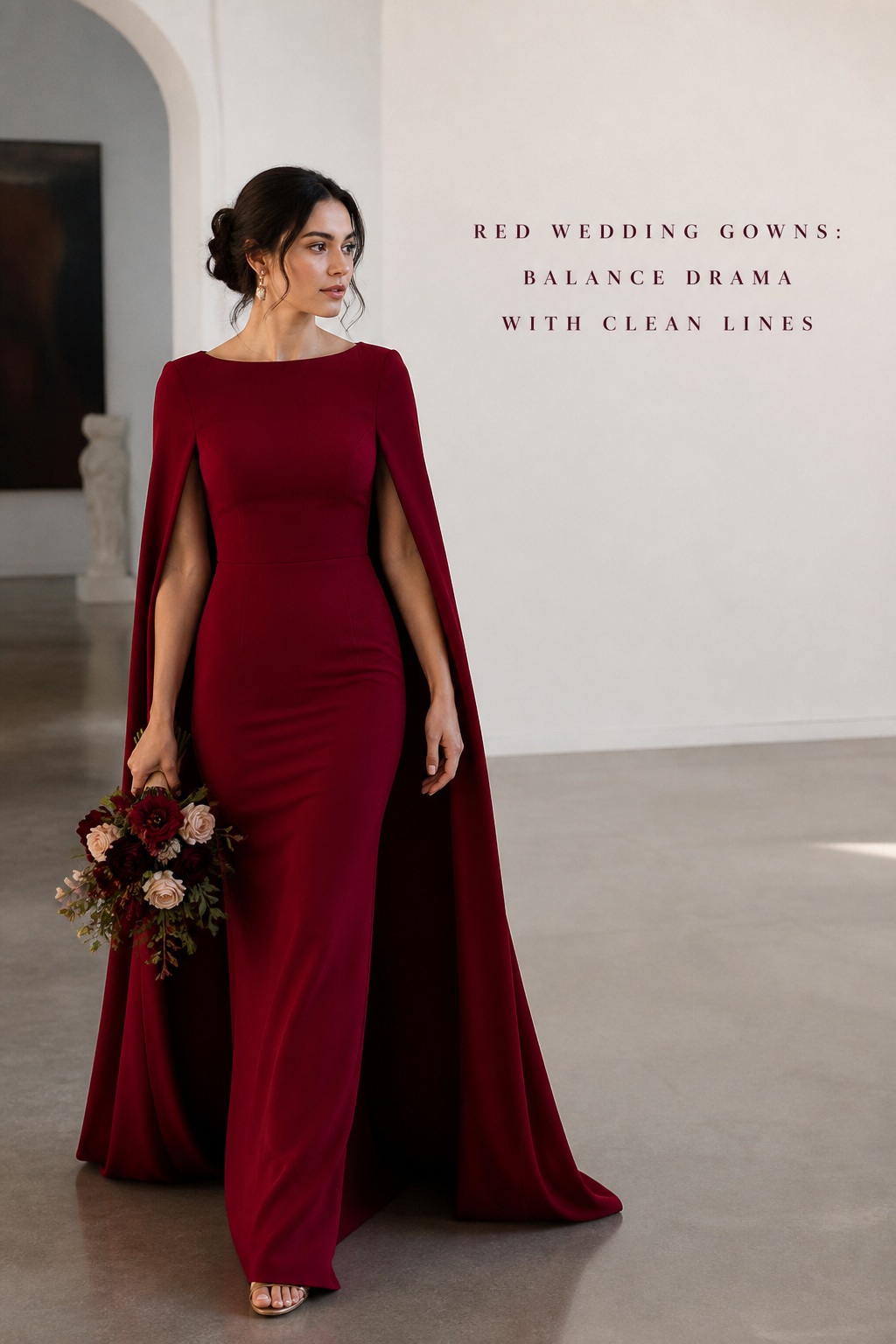
When the ceremony has a traditional or religious setting, proportion and coverage may matter more than color. A high neckline, sleeves, a removable jacket, or a cape can make a strong red gown feel respectful and polished. If the dress is strapless or low-backed, plan a ceremony layer that looks intentional rather than improvised. A matching bolero, lined cape, or long veil is usually more convincing than a casual wrap.
Deep red can be especially effective in historic interiors, but inspect the room’s lighting. Candlelight and amber chandeliers can make warm red shades look darker. Ask your photographer for a test portrait or bring a swatch to the venue. This is also the right moment to decide whether gold, silver, pearl, or mixed-metal accessories will separate from the background.
For evening, black-tie, and winter celebrations
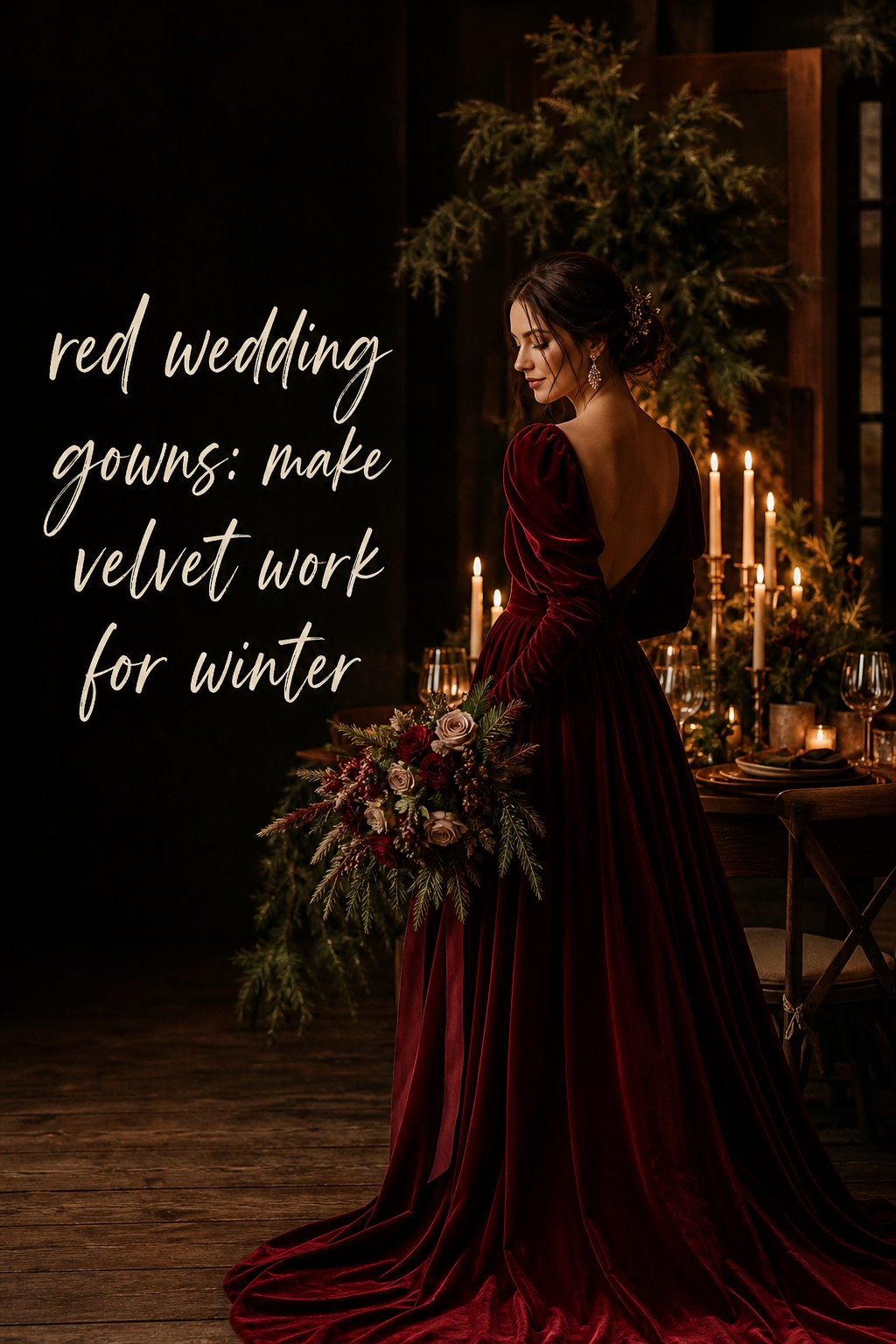
Evening light welcomes drama. Burgundy, garnet, wine, oxblood, and deep ruby can look luxurious in satin, velvet, silk, or heavy crepe. A structured mermaid, a column with a cape, or a full skirt with a controlled train suits a ballroom or black-tie reception. Velvet creates depth and warmth for winter, while satin catches candlelight and emphasizes clean lines.
Do not assume that a winter gown must be heavily embellished. A plain fabric with a beautiful cut can look more expensive than a red gown covered in competing crystals. If you want sparkle, concentrate it at the bodice, sleeves, or waist, then leave the skirt relatively calm. This gives the eye somewhere to rest and makes movement easier on the dance floor.
3. Build a complete bridal look without competing with the red
The third problem is styling overload. Red already has visual authority, so adding a dramatic neckline, oversized jewelry, glitter shoes, a detailed bouquet, a bold lip, and a statement veil can turn a deliberate look into visual noise. Start with the gown’s strongest feature, then let every other choice support it.
Let the neckline decide the jewelry
A sweetheart or strapless neckline can support a necklace, but it does not require one. Try pearls, a short pendant, or a single sculptural piece if the bodice is clean. A high neck or bateau neckline often looks best with earrings and an open collarbone-free styling plan. For a one-shoulder gown, keep the necklace minimal and repeat the asymmetry with an earring or sleek hair placement.
Gold can emphasize the warmth and cultural meaning of many red gowns, while silver and crystal can sharpen a cooler ruby or cherry shade. Pearls soften the effect and can be useful when you want a romantic finish. Choose the metal after viewing the actual fabric, not before. A red satin that appears cool online may look warmer in person.
Use the veil, cape, or train to create ceremony scale
A veil is not required for a colored gown, but it can connect the look to familiar bridal language. An ivory veil creates a deliberate color conversation, while a red veil creates a monochromatic fashion statement. A red-edged or embroidered veil can bridge the two. If your gown has a dramatic train, a shorter veil may keep the back view from becoming crowded.
Capes are useful when you want coverage for the ceremony and movement for the reception. A sheer cape with red embroidery can make a fitted gown feel more regal. A solid satin cape can create a powerful entrance, but it should be easy to remove and store. Test the clasp, weight, and shoulder movement before committing. You should be able to hug people, lift a bouquet, and sit without fighting the garment.
Keep beauty and accessories intentional
There is no single makeup rule for red wedding gowns. A classic red lip can create a polished monochromatic effect, while a soft rose or neutral lip keeps the dress as the focus. Consider the shade’s undertone and your photography plan. Test the full look in natural light, then take flash photographs. Some red fabrics and lip colors compete more under flash than they do in a mirror.
- With a heavily detailed gown, choose simple shoes and streamlined jewelry.
- With a minimalist gown, add one strong element such as a veil, earrings, cape, or textured bouquet.
- With gold embroidery, repeat gold in only one or two accessories.
- With a vivid red gown, choose flowers that create depth rather than exact color matching.
- With a deep red gown, lighter shoes or a soft veil can keep the look from becoming visually heavy.
Think of the finished look as a hierarchy. The gown is the first read. Your face and bouquet are the second read. Accessories are supporting punctuation. If everything is a headline, the photographs will not have a clear focal point.
4. Fix the practical risks before you order
The fourth problem is buying a red gown that is beautiful in a listing but difficult in real life. Colored bridal gowns may be less common in local salons, and formalwear retailers may not build their patterns for a full wedding day. You can solve most risks by shopping with a short test plan.
Find the right shopping route
Call bridal boutiques before making an appointment and ask specific questions. Do they carry colored gowns? Can they order red, burgundy, or custom fabric? Can you try a sample in a similar silhouette? Do they work with a seamstress who understands trains and bridal foundations? Boutiques that serve cultural weddings may have more red inventory, while formalwear shops may offer more size variety and faster delivery.
If you shop online, prioritize exact measurements, fabric composition, lining information, customer photographs, return rules, and a realistic production timeline. A red gown made to order may not be returnable after alterations. Ask for a video or additional daylight photographs when the color is difficult to judge. Save every measurement and compare it with the brand’s size chart rather than assuming your usual size will translate.
Test movement, comfort, and color transfer
At a fitting, sit down, walk quickly, turn, raise your arms, and step up a stair. If the gown has a train, practice bustling it with the exact shoes you expect to wear. Check whether boning digs in, whether the neckline stays secure, and whether the lining twists. A gown that only looks good while standing still is not ready for a wedding.
Ask how the fabric behaves against skin and other clothing. Strong dyes can sometimes transfer, especially with velvet or inexpensive satin, so test a hidden area with a white cloth according to the care instructions. This is important if you plan to wear a white veil, gloves, shoes, or a second look. Confirm the cleaning and preservation process before the wedding, not after the reception.
Plan alterations and the ceremony-to-reception transition
Red does not change the basic rules of bridal alterations. You still need enough time for hemming, bust support, bustle placement, sleeve adjustments, and final fitting. However, color can make construction lines and uneven hems more noticeable, particularly in satin. Work with an experienced seamstress and bring the shoes, undergarments, veil, and jewelry you will actually use.
Decide whether one gown can serve the full day. A versatile red A-line or column may work from ceremony to dinner if the train bustles and the outer layer comes off. A dramatic ball gown may be perfect for the entrance but tiring for dancing. In that case, keep the red gown for the ceremony and choose a shorter red reception dress, a red jumpsuit, or a lighter dress in a related shade. A second look is a solution when it improves comfort, not a requirement for making the first gown valid.
Respect cultural context while making the look your own
Red has different meanings across cultures, and in some traditions it is a bridal color associated with luck, happiness, prosperity, or family heritage. If your gown draws from a cultural tradition, learn which details carry meaning and which are simply fashion choices. Work with designers or stylists who understand the garment rather than borrowing decorative elements without context.
If your wedding brings together different traditions, you can make the color part of the story through a ceremony gown, reception change, jewelry, embroidered detail, or veil. Talk with family and your partner early if the choice has cultural significance. The most confident red wedding gowns are not chosen to provoke a reaction. They are chosen because the bride understands what the color means to her.
FAQ
Are red wedding gowns appropriate for a bride?
Yes. A red gown is appropriate when it reflects your style, culture, and wedding setting. Choose bridal construction, a considered silhouette, and accessories that make the look feel intentional rather than like an unrelated party dress.
What is the most flattering shade of red for a wedding gown?
There is no universal best shade. Ruby and mid-tone reds are versatile, burgundy and wine suit evening settings, and brighter crimson or cherry can look beautiful in daylight. Compare swatches in the actual lighting where you will marry and take photographs before deciding.
Which fabric works best for red wedding gowns?
Satin highlights color and suits clean, formal silhouettes. Lace adds romance, tulle creates volume, organza adds structure, crepe gives a modern matte finish, and velvet brings depth to winter weddings. Select the fabric based on climate, movement, venue, and the amount of texture already in the gown.
Can I wear a veil with a red wedding gown?
Yes. An ivory veil creates contrast, a red veil creates a dramatic monochromatic effect, and an embroidered or red-edged veil connects the choices. Match the veil’s scale to the gown’s train and detail so the back view remains clear.
Where can I find red wedding gowns?
Start with bridal boutiques that carry colored or cultural bridalwear, then compare formalwear designers, made-to-order labels, and custom dressmakers. Ask about swatches, sample sizes, lead times, returns, alterations, and whether the garment is designed for a full wedding day.
Should my bouquet match my red wedding gown?
It does not need to match exactly. Cream, blush, peach, dusty rose, foliage, deep plum, and soft gold can create contrast and dimension. If you use red flowers, vary the flower shape and tone so the bouquet does not disappear into the gown.
Should I change out of a red gown for the reception?
Only if a second look solves a real need. A removable train, cape, or overskirt may make one gown versatile. If the ceremony gown is heavy or difficult to dance in, a shorter red dress, jumpsuit, or lighter related shade can give you freedom while keeping the color story consistent.