
A Wedding Photo Checklist for Quietly Romantic Moments
Some wedding details live for a few hours only: the bouquet before it loosens, the rings before they are exchanged, a parent fastening a dress, the pause before the processional begins. A strong wedding photo checklist protects those fleeting moments. It gives the couple, the photographer, and the planner a shared vision, and it turns a busy timeline into something more graceful and complete.
What makes this planning step especially important is that there is no single right way to build a shot list. Some couples want a classic, phase-based wedding photography checklist that follows the day from getting ready to the final dance. Others prefer a more personalized, entity-rich approach built around specific people, places, and details: grandparents, heirloom jewelry, a church aisle, a beach ceremony, a barn reception, or a beloved pet. These approaches are often discussed together because they solve the same problem in different ways.

This article compares the major wedding photo checklist styles, explains how they differ visually and practically, and helps you decide which version fits your day. Along the way, you will find a complete wedding photo shot list, practical planning tips, venue-based variations, and guidance for working with your photographer, videographer, and venue coordinator with confidence.
The two main approaches to a wedding photo checklist
Most couples and photographers naturally fall into one of two planning styles. The first is the classic phase-based checklist, organized around the rhythm of the day: pre-ceremony, ceremony, couple portraits, family formals, details, and reception. The second is a personalized, entity-driven checklist, built around the specific relationships, objects, and locations that matter most at this wedding rather than at weddings in general.
Turn wedding inspiration into a plan you can actually follow.
Zarellea brings your guest list, budget, vendors, and day-of details into one shared space — so no beautiful idea gets lost in the shuffle.
Neither approach is inherently better. The right choice depends on how structured your day is, how complex your family groupings are, whether your venue type creates special photo opportunities, and how much customization your photographer prefers before the wedding day.
Style overview: the phase-based wedding photography checklist
This is the most familiar format and the easiest for many couples to review at a glance. It breaks the day into stages such as getting ready, first look, ceremony, family photos, wedding party portraits, reception details, and reception moments. Its defining quality is sequence. It mirrors the wedding timeline, so it is especially useful when timing and coverage logistics matter most.
The mood of this style is orderly and practical. It usually includes must-have wedding photos like the dress, shoes, jewelry, bouquet, rings, vows, first kiss, cake cutting, first dance, and toasts. It also tends to work well in printable formats such as a PDF, Google Sheet, or spreadsheet because each category is easy to scan and check off.
Style overview: the personalized, entity-driven shot list
This style starts with what and who matter most rather than with the order of events. Instead of simply writing “family formals,” it may specify “groom with grandmother,” “couple with both sets of parents,” or “bride holding heirloom jewelry near the church window.” Instead of listing “venue details,” it may call out a barn entrance, beach backdrop, vineyard rows, or ceremony arch.
The aesthetic mood of this approach is more intimate and expressive. It often feels more custom because it accounts for cultural traditions, heirloom pieces, family roles, pets, and venue features. It can also support mobile-friendly or printable planning tools, including customizable templates and QR-code sharing for easy day-of access.

Why these checklist styles are often confused
Both formats aim to prevent missed moments. Both include many of the same core images. And both are usually shared with the wedding photographer before the day begins. That overlap is why couples often think they are choosing between identical tools with different labels.
In practice, the distinction is more meaningful. A classic wedding photo list answers, “What needs to be photographed at each point in the day?” A personalized wedding shot list answers, “Which exact people, items, and locations must be photographed, and where do they belong in the day?” One is timeline-led. The other is relationship-led.
For many weddings, the strongest plan is a blend of both: a phase-based structure supported by detailed notes about people, items, venue type, and special traditions.
The core differences that affect planning
Structure and flow
A phase-based wedding photo checklist is linear. It follows the event as it unfolds, which makes it easier to integrate with the overall schedule. If your planner or venue coordinator is helping manage the day tightly, this style often feels calm and efficient.
An entity-driven checklist is more layered. It may pull the same person or item into several parts of the day. For example, the rings might appear in a detail section, during the ceremony exchange, and later in a portrait. This format is richer, but it requires clearer coordination with the photographer so nothing is duplicated unnecessarily and nothing meaningful is overlooked.
Level of personalization
The classic wedding photography checklist covers nearly every standard moment and works well for broad planning. The customized version goes deeper into family structure, heirloom items, venue-specific photo opportunities, and cultural or tradition-based moments that may not appear on a generic printable checklist.
That difference matters most when your wedding includes relationships or details that need deliberate attention. Grandparents, blended family groupings, sentimental accessories, and unique ceremony elements are easier to protect in a personalized list than in a broad one-size-fits-all document.
Ease of use on the wedding day
For quick reference, the phase-based format usually wins. It is simple to print, simple to share, and simple to follow during a busy day. A PDF or spreadsheet version can be especially helpful for couples who want an easy handoff to the photographer.
The personalized format is stronger when paired with organization tools. A Google Sheet, mobile checklist, or QR-code access can keep the extra detail manageable. Without that organization, a very detailed custom list can become harder to use in real time.
Best fit for venue and family complexity
Simple timeline, straightforward family portraits, and standard venue flow often pair beautifully with a classic checklist. Weddings with multiple meaningful spaces, extensive family formals, or specific decor and location priorities benefit from the entity-driven model.
That is why many couples planning a church ceremony with formal groupings may use a different shot-list style than a couple hosting a beach wedding with sunset portraits and relaxed reception coverage. The checklist should reflect the wedding’s real complexity, not just its aesthetic.

Visual breakdown: how these checklist styles shape the images you receive
The list itself does not take the photos, but it influences what the final gallery feels like. A phase-based wedding photo checklist often creates a smooth narrative progression. You can almost move through the album hour by hour: getting ready, processional, vows, portraits, details, reception, and candid moments on the dance floor.
A personalized checklist usually gives the gallery stronger emotional anchors. The images may feel more specific to your relationships and setting: a groom with his grandparents, a bride’s shoes beside an invitation suite, a bouquet framed against vineyard rows, or a ring close-up placed intentionally near family heirlooms. The visual story is still complete, but it is less generic and more tied to your wedding’s particular identity.
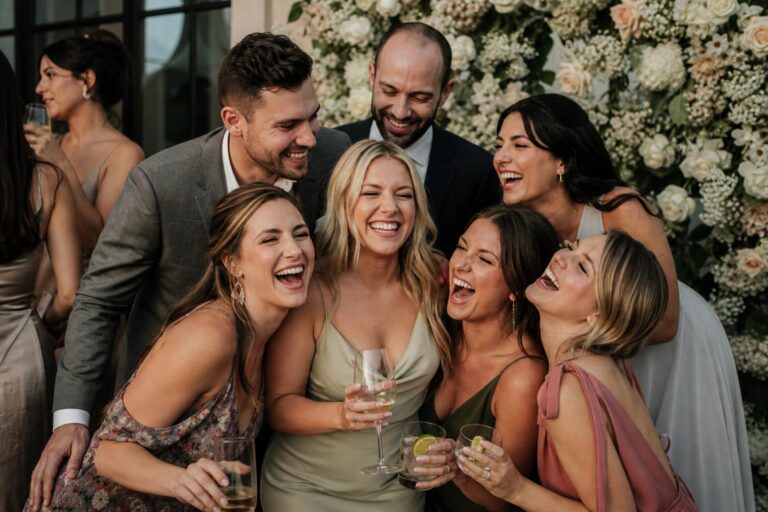
This is also where posed and candid photography begin to balance each other. Standard checklists naturally protect posed essentials like family photos and wedding party formals. Customized lists can better preserve meaningful candid moments by naming them in advance, such as quiet parent interactions, guest reactions, or the atmosphere around a special reception tradition.
A complete phase-based wedding photo checklist
For many couples, this is the most useful foundation. Think of it as the classic structure that can later be personalized with names, heirlooms, venue notes, and special traditions.
Pre-ceremony and getting ready
- Wedding dress on hanger
- Shoes, jewelry, and accessories
- Bouquet and floral details
- Invitation suite and paper details
- Rings and ring close-ups
- Hair and makeup finishing touches
- Bride getting into dress
- Groom getting ready
- Parents helping with attire or accessories
- Bridesmaids and groomsmen candid moments
- Portraits of the bride and groom separately before the ceremony
- Venue details before guests arrive
This section is where texture and anticipation live. It captures quiet details before the day becomes more public. It is also the stage where sentimental objects such as heirloom jewelry or a special bouquet should be named clearly if they matter to you.
First look and couple anticipation moments
Some wedding photo lists separate this stage from getting ready because its emotional tone is so distinct. A first look can be photographed as a structured portrait moment or in a more photojournalistic way, with emphasis on reactions and movement. If you are planning one, it deserves its own line items so it is not rushed between prep and ceremony.
- Couple approaching first look location
- Reaction at first sight
- Wide and close portraits immediately after
- Any private exchange before ceremony
Ceremony coverage
- Ceremony space before processional
- Officiant at the altar or ceremony focal point
- Processional and wedding party entrance
- Parents and grandparents being seated or reacting
- Couple during vows
- Exchange of rings
- First kiss
- Wide view of the ceremony setting
- Guest reactions
- Recessional
This category tends to be universal, whether your ceremony takes place in a church, on a beach, at a barn, or in a vineyard setting. What changes is the environment around the key moments. That is why adding venue notes can elevate an otherwise standard ceremony checklist.
Couple portraits
Couple portraits are where the location and the photographer’s planning become especially visible. They often move beyond documentation and into atmosphere. Light, background features, and the amount of time reserved all shape how complete this part of the gallery feels.
- Classic full-length portraits
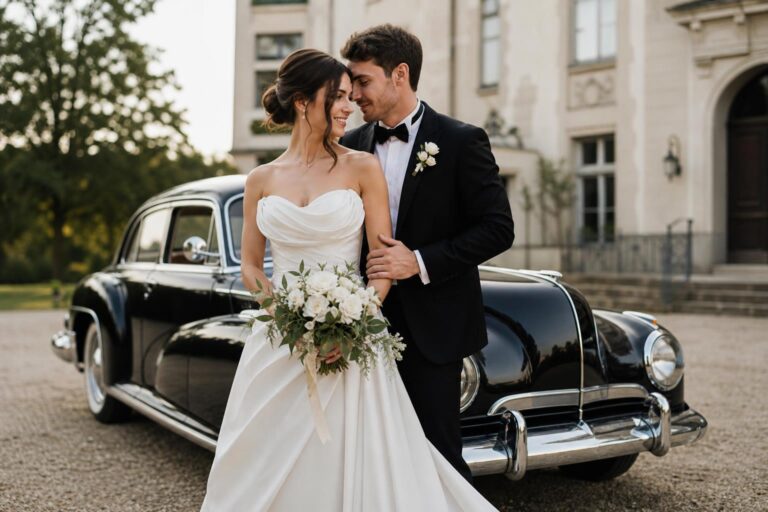
- Close portraits with bouquet or hands visible
- Walking portraits
- Portraits using major venue features such as arches, stairs, water, or open landscape
- Candid interaction between the couple
- Portraits at sunset or softer evening light if timing allows
Family formals and wedding party photos
This is often the section most likely to run behind, not because the images are difficult, but because the people involved may not be in the same place at the same time. A family formal list works best when it is specific, realistic, and shared with a point person who knows the names and relationships.
- Couple with both sets of parents
- Couple with each set of parents separately
- Couple with grandparents
- Couple with siblings
- Couple with immediate family
- Couple with extended family if desired
- Couple with bridesmaids
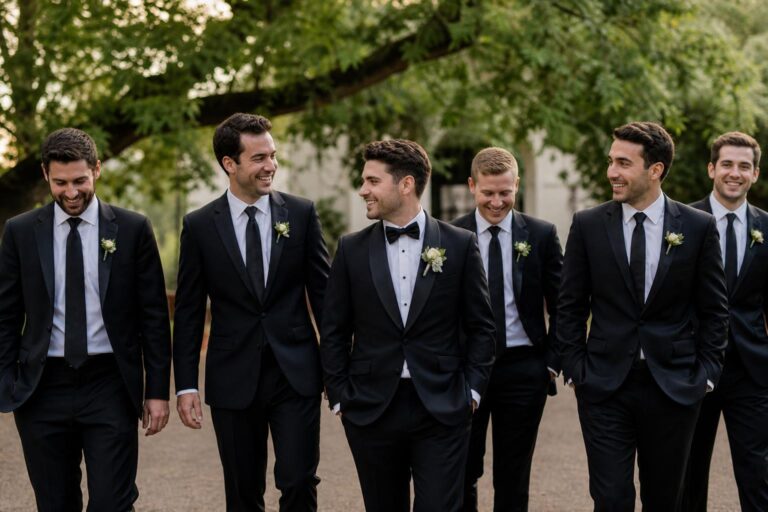
- Couple with groomsmen
- Full wedding party
- Bride with bridesmaids
- Groom with groomsmen
- Ring bearer and flower girl if included
Details and decor
Detail shots are often underestimated until after the wedding, when couples realize how much of the day was expressed through small choices. This section preserves the design and mood of the celebration, not only the people in it.
- Rings styled as detail images
- Bouquet close-ups
- Invitation suite
- Ceremony decor and floral arrangements
- Table settings and reception decor
- Cake before cutting
- Special favors or meaningful design details
Reception and candid moments
- Grand entrance
- Toasts and speeches
- Guest reactions during toasts
- First dance
- Parent dances
- Cake cutting
- Dance floor candids
- Guests interacting
- Wide shots of the reception room
- Band or DJ in action
Reception coverage is where many galleries gain energy. If your goal is a wedding photo checklist that feels complete rather than overly formal, this category deserves careful attention. It balances the posed images from earlier in the day with movement, atmosphere, and celebration.

The personalized version: turning a generic list into your list
A strong custom wedding photo checklist does not replace the classic one; it refines it. The easiest way to personalize your shot list is to add names, relationships, and objects to the broad categories you already have.
Instead of “family photos,” write specific groupings. Instead of “detail shots,” name the rings, invitation suite, bouquet, or jewelry that matter most. Instead of “venue photos,” identify the beach path, church aisle, vineyard rows, or barn doors that define the day’s atmosphere.
- Add important people: parents, grandparents, siblings, wedding party, ring bearer, flower girl
- Add meaningful items: dress, shoes, jewelry, bouquet, invitation suite, rings, heirlooms
- Add meaningful places: altar, arch, stairs, water view, dance floor, reception room
- Add meaningful moments: first look, vows, toasts, guest reactions, cultural traditions, pet interaction
This is also the right place to note anything unusual about family structure or group wrangling. The more specific the instructions, the easier it is for the photographer and planner to move confidently through formal portraits without confusion.
Venue style comparison: how location changes the shot list
A wedding photo checklist should not feel detached from the setting. Venue type changes the visual rhythm of the day, what details matter most, and which background elements deserve dedicated portraits. A beach wedding and a church wedding may share the same ceremony moments, but they call for different emphasis in the gallery.
Beach wedding shot list style
A beach wedding checklist usually leans toward atmosphere and environment. Wide ceremony views, movement in the dress, shoreline portraits, and open-sky reception scenes tend to matter more here than tightly contained architectural details. The look is often softer and more expansive.
In practical terms, couples often benefit from adding exact beach locations, timing for couple portraits, and any key decor details that could be visually subtle in an open outdoor setting.
Vineyard wedding shot list style
A vineyard setting usually invites both structure and romance. The rows, paths, and landscape create natural portrait lines, while decor details often feel intentional and layered. This venue type works especially well with a checklist that blends classic phases with location-specific notes for couple portraits and reception design.
Barn wedding shot list style
Barn weddings often mix rustic architectural detail with warm reception energy. Entrance doors, wood textures, ceremony setups, and reception rooms can all deserve dedicated image requests. In a barn setting, couples frequently want both broad decor documentation and relaxed candid moments that match the venue’s atmosphere.
Church wedding shot list style
A church ceremony naturally gives more weight to processional images, the altar, aisle views, and formal family groupings. The setting often encourages a more classic wedding photography checklist with careful attention to ceremony sequence. If there are specific family traditions or relationship groupings, those should be added to the formal portrait section in advance.
Choosing between posed, candid, and blended coverage
Many shot lists quietly reveal a couple’s style preference. Some lean heavily toward formal portraits and must-have posed images. Others prioritize candid moments and emotional reactions. Most weddings need both.
A posed-forward checklist is useful when family formals, wedding party portraits, and specific detail shots are a priority. A candid-forward checklist works well when the couple wants the gallery to feel less directed and more observational, especially at the reception. The most balanced wedding photo checklist usually protects the non-negotiable posed images first, then leaves room for documentary-style guest interactions, toasts, and dance floor moments.
This is one of the most important style choices to discuss with the photographer. A checklist should support the visual approach, not fight against it.
The collaboration playbook: photographer, videographer, planner, and venue coordinator
A wedding photo checklist works best when it is not treated as a private note between the couple and the photographer alone. The strongest results usually come when the planner, videographer, and venue coordinator understand the broad priorities too. That does not mean everyone needs the same level of detail, but major timing and location needs should be shared.
The photographer needs the full shot list. The planner needs to understand where formal portraits and detail coverage fit in the timeline. The videographer benefits from knowing whether the couple is prioritizing first look reactions, speeches, or key family interactions. The venue coordinator may need to help with access to certain locations or transitions between ceremony and reception spaces.
For larger or more detailed weddings, a shared digital format can help. Printable PDFs are simple, but Google Sheets, Excel layouts, cloud storage, and mobile-friendly lists make updates easier. QR-code access can also be useful when group-shot wrangling or on-the-go reference matters.
Printable checklist versus digital template
This comparison is less about technology and more about how your team works. A printable wedding photography checklist is ideal for couples who want something fast, visible, and uncomplicated. It is easy to hand off, easy to annotate, and often easiest for broad phase-based planning.
A digital template is better for customization. If your wedding includes layered family groupings, venue-specific notes, or a growing list of details, a Google Sheet or spreadsheet gives you room to adapt. It also supports collaboration more naturally if the list is being reviewed by the couple, photographer, and planner at different times.
The practical middle ground is often best: use a digital master list during planning, then prepare a concise printable version for the wedding day.
Tips that make a wedding photo checklist work in real life
A beautifully detailed list can still fail if it is not realistic. The most effective wedding photo checklist is not the longest one. It is the one that accounts for timing, relationships, movement through the venue, and the emotional pace of the day.
Tip: assign a point person for family formals
Family photos move faster when one person who knows the family helps gather people. This is especially important when grandparents, siblings, extended relatives, or blended family groupings are part of the plan. It reduces delays and helps the photographer focus on directing the image rather than searching for the next group.
Tip: protect the details before the day gets busy
Rings, invitations, dress, shoes, bouquet, and jewelry are easiest to photograph when they are gathered early and kept in one place. If detail shots matter to you, treat them as part of the schedule rather than an afterthought. That small preparation often makes the gallery feel more polished and complete.
Tip: match the list to the venue, not just the trend
A generic wedding shot list may miss the strongest parts of your setting. Beach, barn, vineyard, and church weddings each offer distinct backdrops and logistical patterns. Tailoring your checklist to the venue type helps the final gallery feel connected to the place where the day actually happened.
Tip: include contingency thinking
Indoor alternatives, lighting limitations, and mobility considerations for guests can affect the plan more than couples expect. A practical checklist leaves some flexibility. If family members need easier access, or if outdoor portraits shift to another part of the venue, the priority images should still be achievable.
Common checklist mistakes and how to avoid them
One of the most common mistakes is confusing a complete list with an overloaded one. A wedding photo shot list should clarify priorities, not bury them. If everything is framed as essential, it becomes harder for the photographer to respond naturally to real moments.
Another frequent problem is keeping the list too vague. Phrases like “family photos” or “venue details” are not always enough. Specificity matters most where confusion is likely: formal groupings, heirlooms, and important spaces at the venue.
A third mistake is failing to connect the list to the schedule. A wonderful pre-ceremony checklist still depends on having enough time for hair, makeup, attire, and detail coverage. A realistic wedding photography checklist lives alongside the timeline, not separately from it.
An editorial comparison: which checklist style suits which wedding?
For a classic, formal wedding day
A church ceremony, structured processional, formal family portraits, and a traditional reception usually pair best with a phase-based wedding photo checklist. This style supports sequence, keeps major moments visible, and helps formal images stay organized.
For a highly personal celebration
If the wedding includes important heirlooms, layered family relationships, venue-specific backdrops, or meaningful traditions, the personalized approach tends to work better. It gives weight to the pieces of the day that a standard list might overlook.
For a relaxed but visually rich venue wedding
Beach, vineyard, and barn weddings often benefit from a hybrid approach. The day still needs phase-based structure, but the strongest images may depend on environmental details and location-aware portrait planning. In these cases, a standard checklist should be expanded rather than replaced.
Example comparisons: how the same wedding moment can be planned differently
Getting ready
The classic checklist approach would simply include dress, shoes, jewelry, bouquet, hair and makeup, and candid prep moments for the bride and groom. The personalized version would go further, perhaps noting the exact heirloom jewelry, a parent helping with the dress, a bouquet tied to a family tradition, or a special room detail inside the venue that should frame the portraits.
Family formals
The standard version lists immediate family, parents, grandparents, siblings, and wedding party. The custom version names each grouping in the desired order and flags any relationships that need extra care. The images may look similar in the final gallery, but the experience of creating them is often much smoother when the list is personalized.
Reception coverage
A phase-based list focuses on entrance, toasts, first dance, parent dances, cake cutting, and dance floor candids. A more tailored list might add specific guests to watch for, a meaningful decor installation, a special speech relationship, or a defined atmosphere shot of the full reception room before it fills.
Glossary of useful wedding photo checklist terms
A shot list is the working plan for the photos you want captured. Formals are posed portraits, usually involving family members, the couple, or the wedding party. A first look is a planned moment when the couple sees each other before the ceremony. Detail shots focus on items such as the rings, invitation suite, bouquet, dress, shoes, and decor. Candid moments are unposed interactions such as guest reactions, laughter during toasts, or movement on the dance floor. Understanding these terms makes conversations with your photographer more productive and much less stressful.
When to choose each checklist style
Choose a classic wedding photo checklist when you want a broad, dependable guide that is easy to print and easy to follow. It is especially useful for couples who value structure, have a clear timeline, and do not need extensive customization.
Choose a personalized checklist when your wedding has distinctive relationships, objects, or locations that deserve protection in the final gallery. It is especially helpful when family groupings are complex, venue features are central to the aesthetic, or the day includes meaningful traditions and heirlooms.
Choose a hybrid when you want the best of both. For many weddings, that is the most practical and beautiful answer: a solid phase-based framework, refined with the exact people, details, and spaces that make the day unmistakably yours.
Closing thoughts on building a photo list that feels true to the day
The best wedding photo checklist is not the one with the most boxes. It is the one that protects your priorities while leaving room for feeling, movement, and surprise. A timeline-based checklist gives the day shape. A personalized shot list gives it meaning. Together, they create a gallery that feels both complete and deeply personal.
As you refine your list, think beyond standard must-have wedding photos and consider the relationships, spaces, and details that will matter years from now. A parent’s hands, a grandparent’s smile, the bouquet before the ceremony, the church aisle, the vineyard path, the barn doors, the beach light at dusk—these are the pieces that turn documentation into memory.

FAQ
What should be included in a wedding photo checklist?
A complete wedding photo checklist usually includes pre-ceremony details, getting-ready photos, ceremony moments, couple portraits, family formals, wedding party photos, decor and detail shots, and reception events such as toasts, dances, cake cutting, and candid guest interactions.
How detailed should a wedding shot list be?
It should be detailed enough to protect important people, items, and moments without becoming so long that it is difficult to use. Standard categories work well for broad coverage, while family groupings, heirlooms, and venue-specific priorities usually need more specific notes.
Should I give my photographer a printable checklist or a digital template?
A printable checklist is excellent for quick day-of reference, while a digital template is better for editing and collaboration during planning. Many couples use a digital master list, then create a shorter printable version for the wedding day.
How do I organize family formal photos efficiently?
List the groupings clearly in advance, starting with the largest combinations and moving into smaller ones, and ask a point person who knows the family to help gather people. This keeps portraits moving and reduces confusion during a busy part of the day.
Do I need different shot lists for different venue types?
Yes, at least to some degree. A church, beach, barn, or vineyard wedding will share core ceremony and portrait needs, but each setting offers different visual features and practical constraints, so adding venue-specific notes can improve the final gallery significantly.
What is the difference between a wedding photo checklist and a wedding photography checklist?
In most planning contexts, they mean nearly the same thing. Couples often use “wedding photo checklist” for the must-have images they want, while “wedding photography checklist” can sometimes imply a slightly broader planning document that supports coverage, coordination, and workflow.
Should I include candid moments on my shot list?
Yes, especially if there are moments you care about beyond the standard formal images. While candid photos cannot be scripted exactly, noting priorities such as guest reactions, parent interactions, or reception atmosphere helps your photographer understand what matters most to you.
When should I finalize my wedding photo checklist?
It is best to finalize the main structure before the wedding day and review it once the timeline, family groupings, and venue details are confirmed. That gives your photographer, planner, and any other key vendors enough time to understand priorities and prepare appropriately.