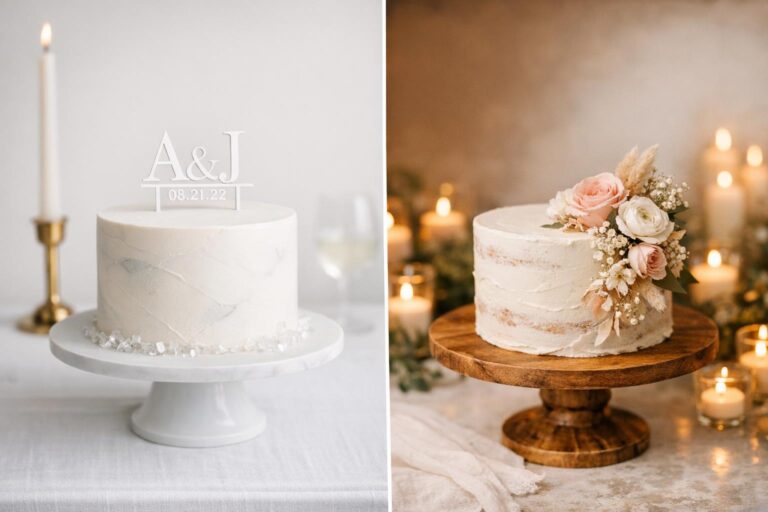
Why The Two Tier Wedding cake Still Feels So Chic
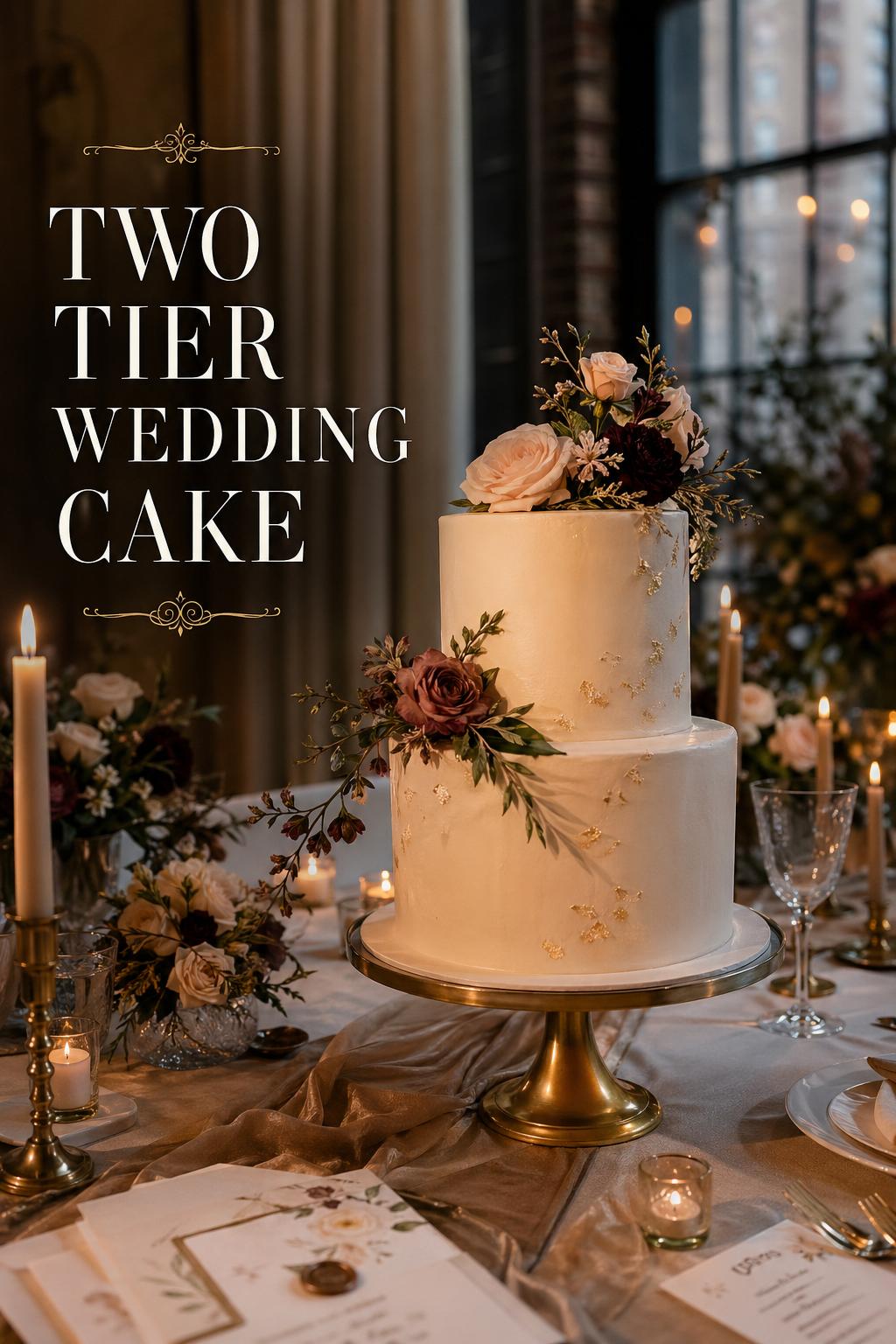
Some wedding details whisper, while others set the entire tone of the celebration. A two tier wedding cake often does both. It can feel intimate yet ceremonial, refined yet expressive, and for many couples it sits at the exact meeting point between beauty and practicality. On a dessert table in New York, a garden reception in California, a modern city venue in Chicago, or a candlelit celebration in San Francisco, this cake size keeps appearing because it suits the way many weddings are styled today: thoughtful, curated, and personal.
Two-tier cakes are often discussed alongside petite wedding cake ideas, small wedding cake ideas, and larger tiered wedding cake designs because they solve a similar planning question in different ways. Couples want a cake that looks special in photographs, complements the tablescape, and reflects their theme, but they also want something proportionate to their guest count, budget, and venue. This guide compares the leading two-tier wedding cake styles, finishes, and planning approaches so you can understand not just what looks beautiful, but why one direction may suit your wedding better than another.
The appeal of a two-tier wedding cake
A two-tier cake has a distinctive place in modern wedding planning because it feels complete without becoming oversized. It brings the visual romance people associate with a wedding cake, including height, layered design, and styling opportunities, but remains especially suitable for intimate to mid-sized celebrations. That balance is one reason it appears so often in wedding cake ideas and inspiration galleries.
Compared with a single-tier design, a two-tier cake offers more room for contrast. A baker can vary the finish from one tier to the next, add floral movement between levels, or use metallic details more elegantly because there is greater vertical space. Compared with a three-tier or larger cake, it can feel more relaxed and easier to fit into minimalist, rustic, botanical, or modern receptions.
Turn wedding inspiration into a plan you can actually follow.
Zarellea brings your guest list, budget, vendors, and day-of details into one shared space — so no beautiful idea gets lost in the shuffle.
It also works well for couples who want a cake that contributes to the atmosphere rather than dominating it. On a dessert table with candles, linens, florals, and thoughtful place settings, a two-tier cake often feels proportional. That makes it especially compelling for weddings where every design choice is meant to feel intentional.
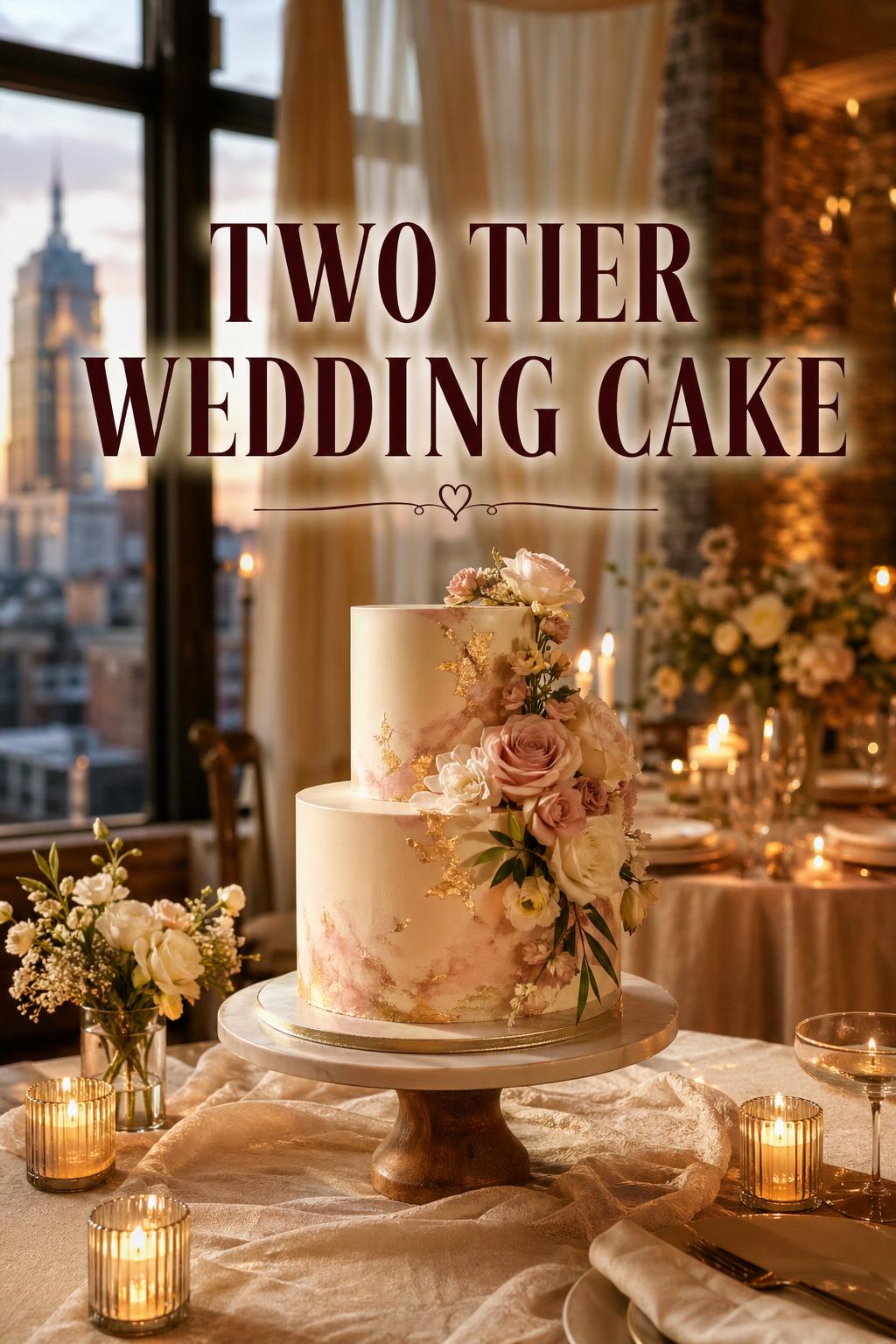
Style overview: buttercream, fondant, painted, floral, and naked finishes
Before comparing wedding themes, it helps to understand the major finish families that shape how a two-tier cake looks and feels. These are the visual languages couples most often encounter while reviewing bakery portfolios and wedding inspiration.
Style overview: buttercream textures
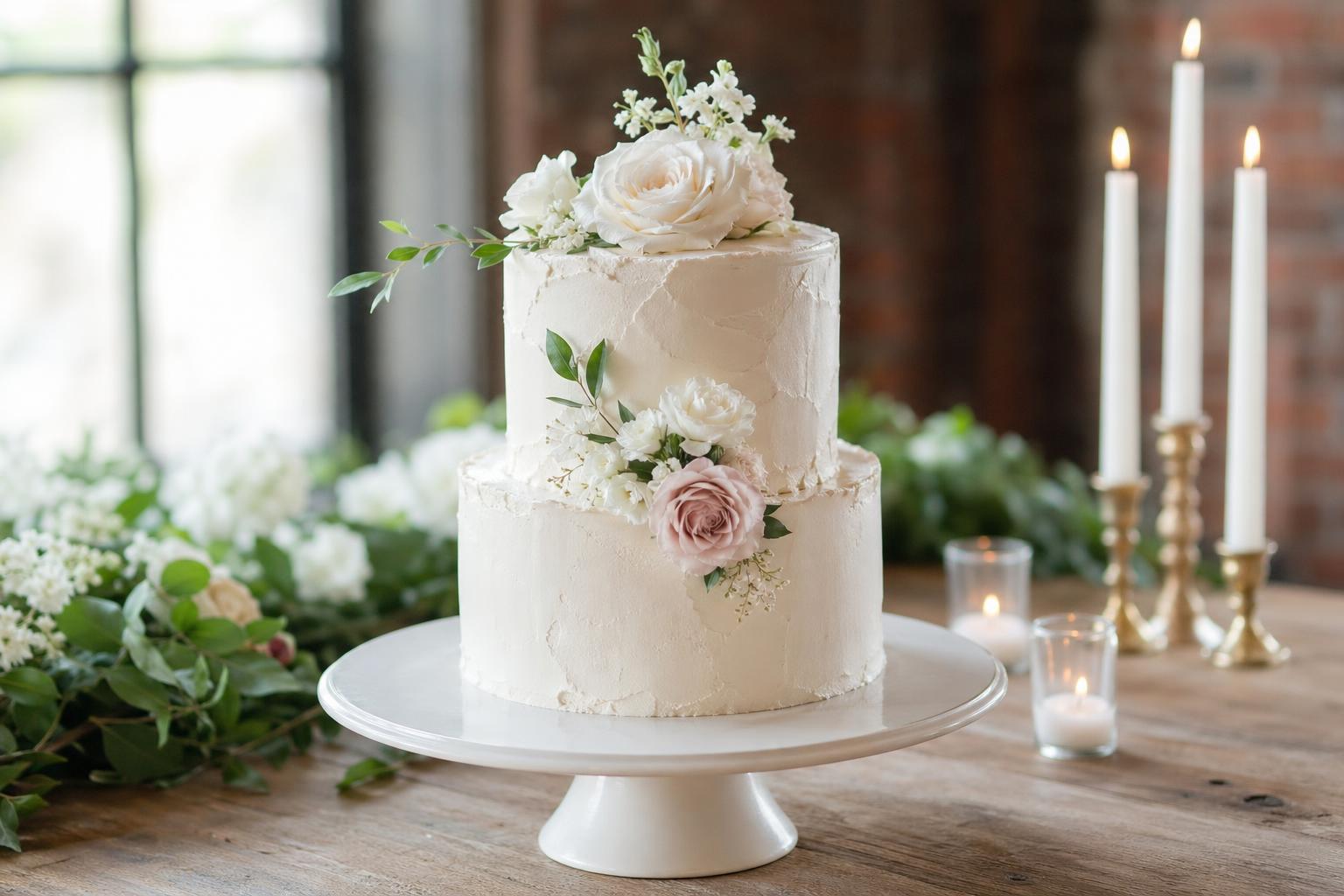
Buttercream is one of the most versatile options for a two-tier cake. It can be smoothed for a clean, polished surface or left with soft texture for a more organic, romantic finish. Rustic buttercream, lightly combed sides, and subtle horizontal movement all create a softer visual effect than sharply structured finishes. The mood is approachable, elegant, and often well suited to garden, modern-romantic, and lightly rustic weddings.
Style overview: fondant and sculpted details
Fondant creates a smoother and more architectural surface. It is often chosen for couples who want precision, clean lines, and sculpted decoration. On a two-tier wedding cake, fondant can support sleek minimalism, art deco influence, or more formal decorative details. The aesthetic mood is refined and controlled, which makes it appealing for modern venues and more structured design palettes.
Style overview: painted and metallic finishes
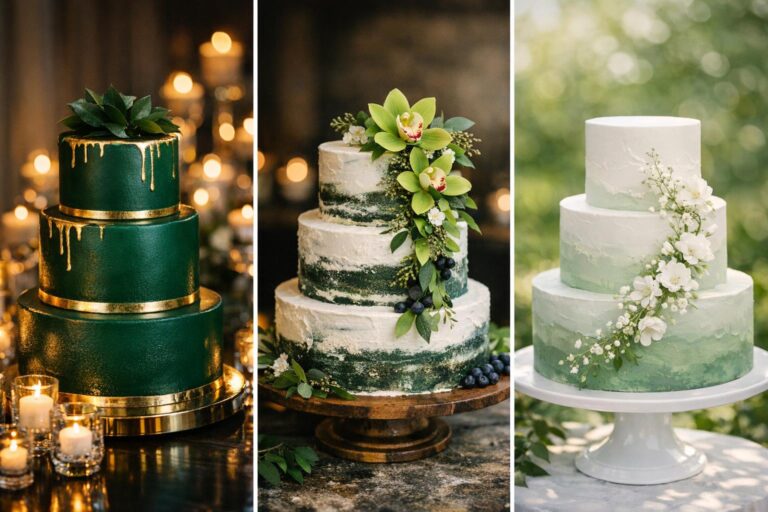
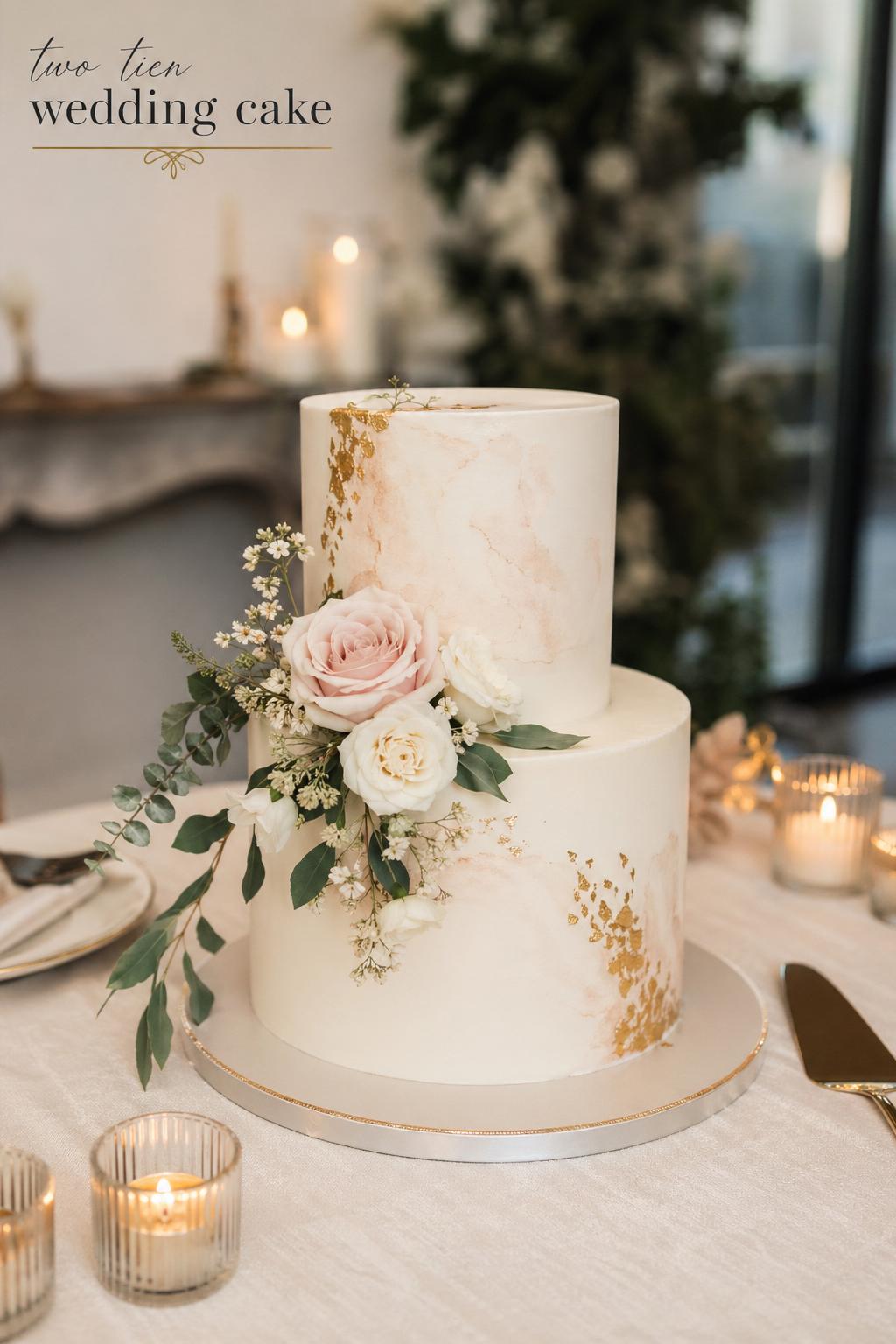
Painted finishes introduce an artistic quality. Watercolor effects, brushstroke movement, and soft palette transitions make the cake feel expressive and custom. Metallic accents such as edible gold leaf add a celebratory shine and can shift a simple silhouette into something more glamorous. These cakes tend to suit couples who want the dessert to feel like edible art rather than a purely traditional centerpiece.
Style overview: floral and sugar flower designs
Floral cakes remain one of the most enduring wedding cake designs. Some couples prefer fresh florals for an airy, natural look, while others gravitate toward sugar flowers for precision and permanence in the design. Floral arrangements can soften a minimalist cake, emphasize a garden theme, or add color and movement to an otherwise neutral palette. The overall mood is romantic, layered, and often deeply tied to the wedding’s broader décor story.
Style overview: naked and semi-naked cakes
Naked cake and semi-naked styles reveal more of the cake layers beneath the frosting. They are commonly associated with rustic weddings, relaxed venues, and dessert tables that lean organic rather than formal. Visually, they feel lighter and less polished than fondant or smooth buttercream, which is exactly their appeal. They suggest warmth, ease, and a less conventional interpretation of a wedding cake.
Where the finishes truly differ
These cake styles are often grouped together in inspiration roundups, but the differences become clearer once you compare them through the lens of structure, mood, and wedding setting. A finish is never just surface decoration. It changes how the cake is perceived in the room and in photographs.
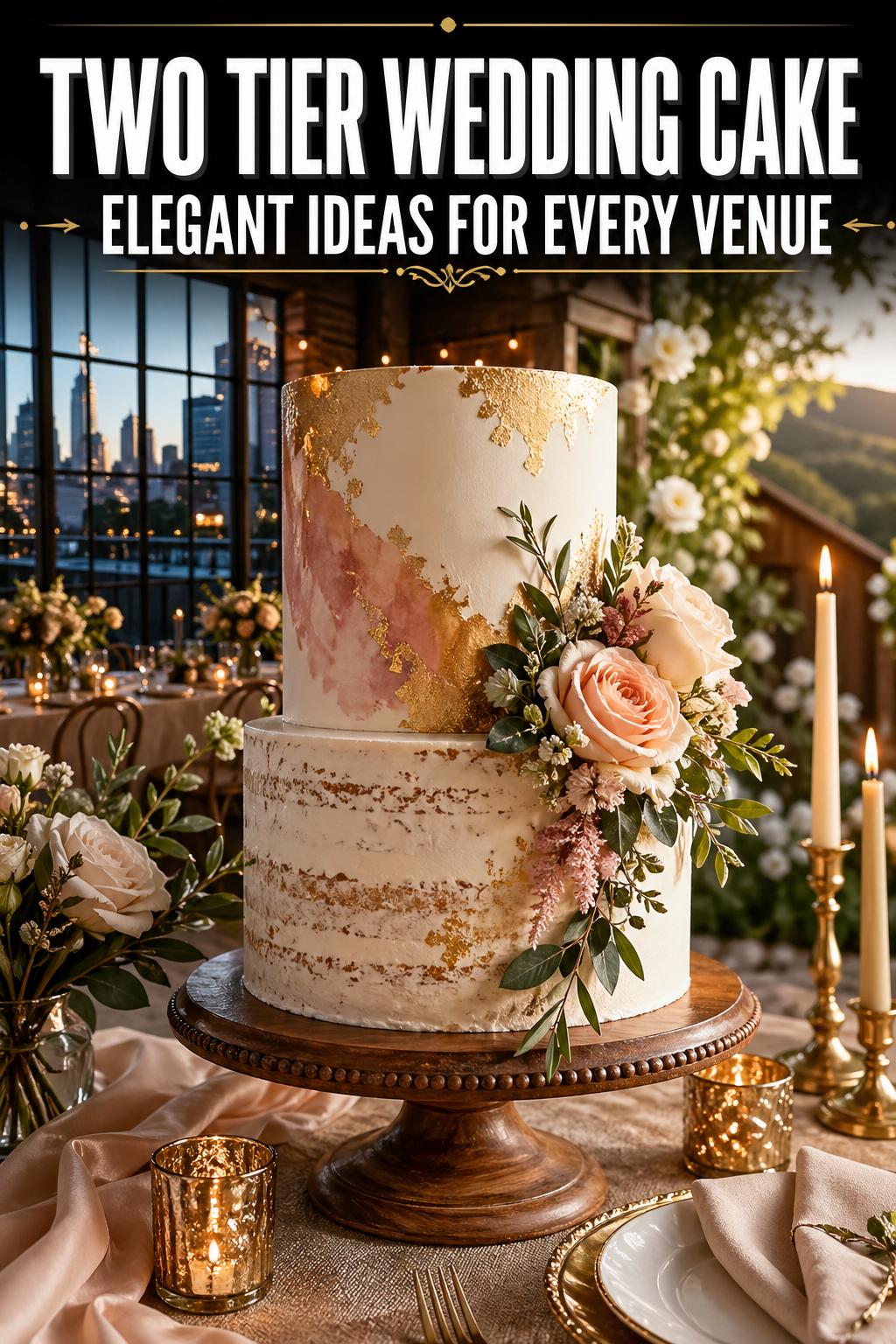
Silhouette and structure
Fondant usually creates the most defined silhouette. Edges appear cleaner, and the cake reads as more sculptural from a distance. Buttercream, especially textured buttercream, softens the silhouette and gives the tiers a gentler outline. Naked styles reduce visual mass even further because the visible cake layers break up the surface. Painted and metallic finishes do not change the shape itself, but they direct the eye and can make a simple two-tier design feel more dynamic.
Color palette expression
Buttercream often carries soft neutrals and romantic muted tones beautifully. Fondant supports crisp monochrome schemes and high-contrast looks more naturally. Watercolor and painted finishes are ideal when the palette itself is part of the story. Floral designs offer the most flexibility because blooms can introduce color without requiring the cake body to change dramatically. That makes flowers especially useful for couples who want the cake to coordinate with bouquets, tablescapes, or ceremony arrangements.
Level of formality
A smooth fondant cake usually reads as the most formal, followed closely by an ultra-smooth buttercream cake with precise styling. Textured buttercream can move in either direction depending on decoration. Gold leaf, edible pearls, and sculpted details make it feel more elevated, while loose florals or minimal finishing keep it softer. Naked cakes are generally the least formal, though they can still feel very elegant in the right botanical or countryside setting.
Styling philosophy
Minimalist cakes aim to say more with less. Floral cakes tend to connect the cake directly to the décor. Painted cakes prioritize artistic surface design. Rustic cakes focus on texture and natural charm. Understanding that philosophy helps couples choose a design that aligns with the rest of the wedding rather than selecting a cake in isolation.
Theme comparison: modern minimalist versus garden botanical
Among today’s most requested wedding cake designs, modern minimalist and garden botanical styles are discussed together surprisingly often. Both can work beautifully on a two-tier format, both can be elegant, and both can feel contemporary. Yet the emotional effect is quite different.
Modern minimalist
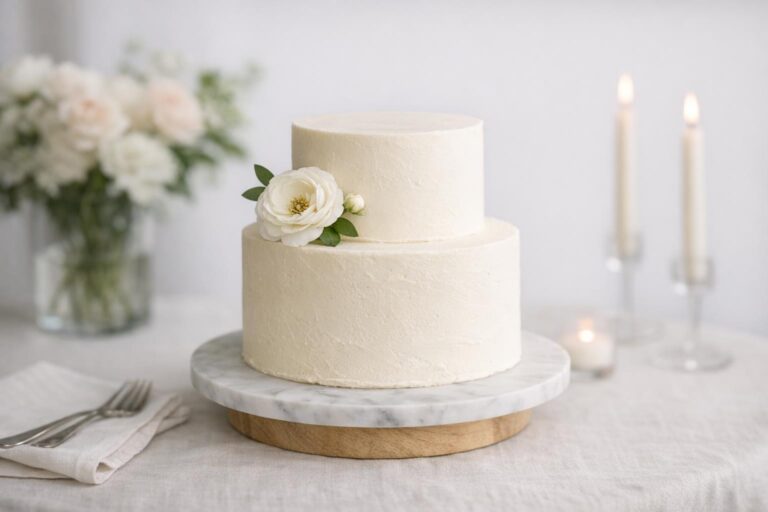
A minimalist two-tier wedding cake usually relies on clarity of shape, restrained color, and selective decoration. Smooth buttercream or fondant is common, often in white, ivory, or a muted neutral. Decorative elements may include a single line of gold leaf, a subtle cake topper, or one carefully placed floral accent. This style works especially well in urban venues, refined loft spaces, and receptions where the overall design feels edited and intentional.
Garden botanical
A garden-inspired cake leans into movement, softness, and natural detail. Floral cascades, sugar flowers, fresh blooms, painted botanicals, and textured buttercream are all common expressions. The cake often feels as though it belongs to the venue itself, especially at outdoor receptions or floral-forward celebrations. It is less about restraint and more about romance, while still remaining polished.
How to decide between them
Choose minimalist if your wedding palette is controlled, your décor has clean lines, and you want the cake to feel elegant without visual busyness. Choose botanical if your celebration centers around flowers, natural color, and a softer mood. If you love both, a smooth two-tier buttercream cake with a restrained cluster of flowers is often the meeting point between these aesthetics.
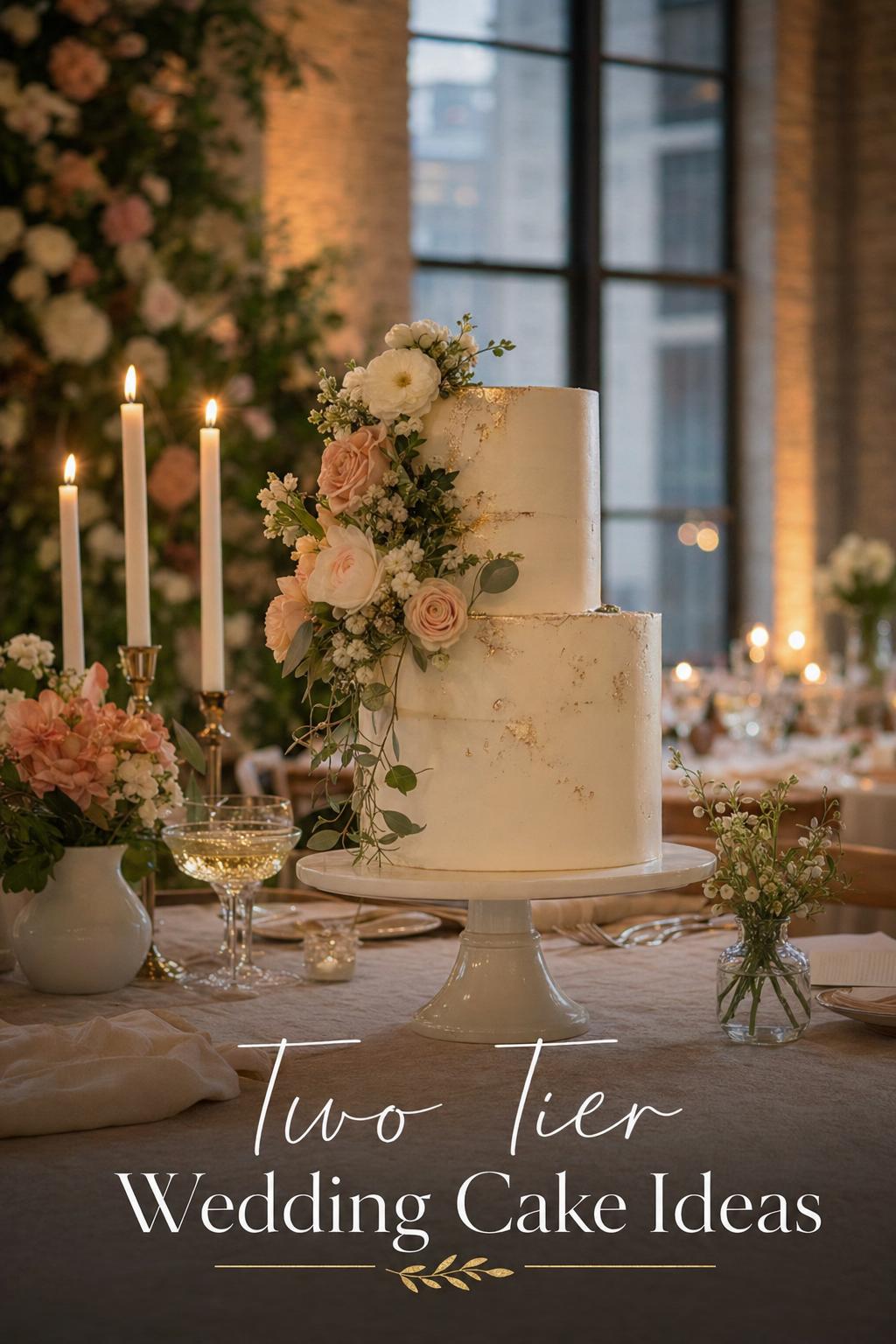
Theme comparison: glam art deco versus rustic naked cake styling
This is one of the clearest style contrasts in the two-tier cake world. Both aesthetics are memorable, but they communicate completely different wedding energies.
Glam and art deco influence
A glam or art deco two-tier cake often incorporates metallic accents, strong symmetry, smooth finishes, and a sense of polish. Edible gold leaf, geometric detailing, pearls, or sharp sculpted elements can all appear in this category. The result feels celebratory, evening-ready, and visually crisp. In a ballroom, modern hotel venue, or black-tie reception, this style can echo the sophistication of the entire event.
Rustic and naked cake styling
A rustic naked two-tier cake approaches romance in a different way. Rather than sheen and structure, it emphasizes texture, exposed layers, and a more handmade look. Florals, greenery, or fruit-inspired styling are often paired with it in inspiration imagery, and the atmosphere tends to be warm rather than dramatic. It suits barn-inspired receptions, countryside weddings, and celebrations where comfort and natural charm lead the visual story.
The practical difference in presentation
Glam cakes rely on precision, so every surrounding detail matters. Linen quality, cake stand choice, and lighting can all influence whether the cake feels intentional or overly formal. Rustic cakes are more forgiving visually, but they need styling discipline so they do not look unfinished. A semi-naked finish with carefully placed florals often feels more wedding-appropriate than a fully exposed cake if the reception itself is still relatively polished.
Visual style breakdown on the dessert table
Just as fashion styling changes the impact of a dress, cake styling changes how a two-tier design is read in the room. The cake does not exist alone. It sits among stands, florals, candles, signage, and often a larger dessert table concept.
A minimalist cake usually depends on balance and negative space. It needs breathing room around it. Crowding it with too many secondary desserts can weaken its elegance. A floral cake, by contrast, often benefits from visual layering. When paired with lush arrangements or coordinated blooms on the table, it feels integrated rather than isolated.
Metallic and painted designs catch light in a way textured buttercream does not. They can become focal points even in a simple setup. Naked cakes tend to absorb into softer settings and often look most successful when the surrounding décor includes natural materials or an intentionally relaxed palette. This is why tablescape and cake styling are so closely linked in wedding imagery: the same cake can feel entirely different depending on the environment.
Outfit-style comparison for cakes: how each aesthetic interprets the same wedding mood
One useful way to compare wedding cake ideas is to imagine them as styling responses to the same event. The setting stays similar, but the design logic changes.
Example comparison: an intimate city reception
The minimalist approach would likely choose a smooth two-tier cake in ivory or white, perhaps with a subtle metallic edge or single topper. The goal would be elegance through restraint. The botanical approach to the same city reception might keep the tiers simple but add delicate sugar flowers or fresh floral movement, creating softness against a more architectural venue.
Example comparison: a romantic garden wedding
A floral cake here might feature buttercream texture and cascading blooms that echo the ceremony and reception flowers. A modern interpretation of the same wedding could still use a two-tier cake, but with smooth surfaces and just one floral cluster, allowing the surrounding venue landscaping to provide the richness.
Example comparison: a formal evening celebration
The glam version would favor structure, shine, and crisp decoration, perhaps with gold leaf or pearls. The romantic-soft version would instead rely on smooth buttercream and refined sugar flowers, keeping the formality but softening the overall impression. Both are elevated, but one feels dramatic while the other feels timeless.
Sizes, servings, and why proportion changes the style impact
One of the most practical conversations around a two-tier cake concerns servings. Across wedding planning resources, size and servings guidance is regularly discussed because the visual beauty of the cake has to align with real guest needs. Tier configurations are directly tied to how many people the cake can serve, and that affects whether a two-tier design is the right choice for your celebration.
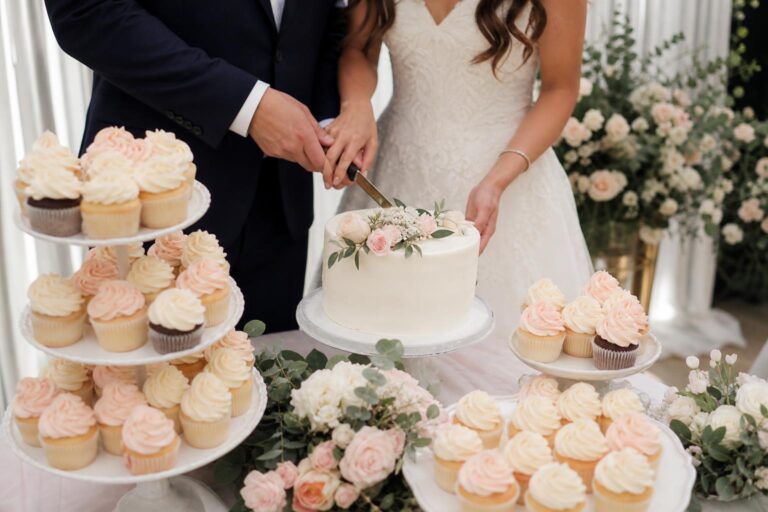
In planning terms, a two-tier cake is often selected for intimate to mid-sized weddings or for couples who want a display cake while supplementing with additional desserts. That is why the cake is frequently discussed not only as a design piece but as part of the larger dessert-table strategy. A smaller but beautifully designed cake can still feel abundant when paired with coordinated sweets.
Proportion also changes the visual result. A taller, slimmer pairing of tiers may feel more contemporary and refined, while fuller round tiers can read more traditional. The style of cake and the size relationship between the tiers should work together. A minimalist finish often benefits from clean proportions, while lush floral decoration can make a more classic round silhouette feel especially romantic.
Tips for thinking about servings and scale
- Ask your bakery to discuss tier configuration and guest count together rather than treating them as separate decisions.
- Consider how the cake will appear in the venue, not just how many slices it yields.
- If you love a smaller two-tier design, a dessert table can help bridge the gap between visual preference and serving needs.
- Remember that more decoration can make a modestly sized cake feel significant.
Budget comparison by finish and decoration style
Two-tier cakes are often chosen with cost in mind, but style decisions still affect the budget. The finish, amount of detail, and complexity of decoration all shape the final quote. This does not mean one style is always expensive and another always budget-friendly. It means couples should understand what drives the complexity.
A smooth cake with very little decoration can be visually luxurious while remaining relatively streamlined in design labor. Once you add painted surfaces, intricate sugar flowers, sculpted fondant details, edible pearls, or metallic work, the cake becomes more specialized. Floral styling also varies. A simple bloom cluster creates a very different workload from a full cascading arrangement.
This is one reason bakery portfolios matter so much. A cake designer may have a signature finish or style that allows them to execute certain aesthetics beautifully and efficiently. Couples comparing quotes should look beyond the basic tier count and ask how finish type, texture, and decorative detail affect the design process.
What tends to shape cost most clearly
- Precision finishes such as smooth fondant or highly refined buttercream
- Hand-painted details and watercolor effects
- Sugar flowers and sculpted edible décor
- Metallic accents including edible gold leaf
- Complex delivery, setup, and venue coordination requirements
Choosing a bakery or cake designer with confidence
The most successful two-tier wedding cakes usually come from a clear match between couple and designer. This is not just about technical skill. It is also about whether the bakery understands your wedding language. A portfolio filled with textured buttercream florals may not be the right fit if your vision is sharply modern and sculptural. Likewise, a designer known for sleek minimalism may not be the best match for an abundant botanical cake.
For U.S. couples planning in design-driven markets such as New York, Los Angeles, Chicago, or San Francisco, regional style preferences may also shape what local bakeries showcase most often. Urban portfolios may lean more minimalist or contemporary, while venue-driven wedding markets may show stronger floral and romantic trends. Looking at portfolios through that lens can help you judge whether a bakery’s work aligns with your wedding theme rather than simply following what is popular.
It is also wise to ask practical questions early. Delivery windows, setup expectations, support systems for stacking, and how the cake will be transported matter just as much as decoration. The article-worthy part of a cake is often the surface, but the trustworthy part is the structure underneath.
A calm shortlist for bakery conversations
- Which finishes do you create most often: buttercream, fondant, naked, painted, or metallic?
- Can you show examples that match our wedding theme, such as garden, minimalist, glam, or rustic?
- How do you handle stacking, supports, dowels, and delivery for a two-tier cake?
- What serving guidance do you recommend for our guest count and dessert table plan?
- Do you offer options for dietary or allergen-conscious guests?
The overlooked planning layer: stability, transport, and setup
This is one of the most important areas where couples benefit from practical guidance. Two-tier cakes are smaller than large statement cakes, but they still require thoughtful support. Stacking, transport, and day-of setup affect whether the cake arrives looking as polished as it did in the design consultation.
Support systems such as dowels and internal structure are not glamorous, but they are essential. They help the upper tier sit securely and allow the cake to travel more safely from bakery to venue. A finish also affects how visibly travel wear might show. Textured buttercream can be more forgiving visually than an ultra-smooth finish, while metallic and painted surfaces may need especially careful handling to preserve detail.
Venue coordination matters too. A cake table placed in direct sun, moved at the last minute, or set before the room is ready can create avoidable stress. Couples often focus on décor and tastings, but the wedding day timeline should also include who receives the cake, where it is placed, and when the final decorative touches are added. For outdoor or warm-weather receptions, asking which finishes hold up best is a practical and worthwhile conversation.
Tips for a smoother cake delivery day
Confirm the delivery window with both the bakery and venue, and make sure the cake table is fully ready before arrival. If your design includes fresh florals, clarify whether the florist or bakery is responsible for the final placement. If your venue team is handling setup, they should know the cake is not just another décor item but a structured dessert that should be moved as little as possible after placement.
Dietary, allergy-conscious, and customization choices
Another area that deserves more attention is dietary planning. Couples increasingly look for customization that reflects not only their visual style but also guest needs. Gluten-free, nut-free, or dairy-free fillings and cake variations may become part of the decision, especially when the cake is one of the main shared dessert moments of the evening.
Not every bakery will approach these requests the same way, which is why they belong in the early conversation rather than as a late adjustment. If you are choosing between cake designers, this can become a meaningful point of comparison. A visually stunning cake still needs to fit the practical hospitality of the day.
Customization also extends to flavor pairings and storytelling. Many couples want the design and flavor to feel connected, whether that means a light floral look paired with equally delicate flavors or a rich, formal finish paired with deeper, more dramatic fillings. Even within a two-tier structure, there is room for that kind of thoughtful expression.
How wedding location and venue mood influence the best style
One of the most useful ways to choose between wedding cake designs is to think regionally and environmentally. A cake does not appear in a vacuum. It appears in a particular setting, with particular light, weather, and décor language.
In cities such as New York and Chicago, where many receptions take place in architectural venues, minimalist and metallic-accented cakes often feel especially natural. In Los Angeles and San Francisco, where indoor-outdoor celebrations and softer natural light may play a larger role, floral and painted finishes can feel very at home. These are not strict rules, but they are useful ways to think about style fit.
Venue type matters just as much. A historic manor setting may support classic florals or more traditional round tiers. A loft or gallery venue can handle sharp fondant lines and modern styling. A countryside or garden venue often welcomes textured buttercream, sugar flowers, and rustic naked cake ideas. Matching the cake to the atmosphere helps it feel like part of the wedding story instead of a separate decorative object.
Common mistakes couples make when comparing cake styles
One common mistake is choosing a cake from a photograph without considering the wedding context. A dramatic painted cake may look stunning online but feel disconnected in a quiet, minimal reception. On the other hand, an ultra-simple white cake may disappear visually in a richly layered botanical space unless florals or metallics tie it into the room.
Another mistake is treating servings, design, and setup as separate issues. They are connected. A cake’s size affects its presence. Its finish affects how durable it may feel during delivery. Its decoration affects cost and sometimes transport complexity. Couples tend to make more confident choices when they discuss all three together.
A final mistake is assuming smaller automatically means easier. A two-tier cake is manageable compared with a larger tiered wedding cake, but it still deserves careful planning. The reason so many successful wedding cakes feel effortless is because the coordination behind them was not left to chance.
Bringing styles together without losing clarity
The good news is that you do not have to choose only one strict category. Some of the most memorable two-tier wedding cake ideas come from blending aesthetics carefully. A minimalist base can be softened with sugar flowers. A buttercream cake can gain a more formal mood through edible gold leaf. A botanical design can feel more modern when the floral placement is restrained and asymmetrical rather than abundant.
The key is to combine styles with a clear point of view. If every trend appears at once, the cake can lose its identity. If one style leads and another style supports, the result usually feels more intentional. This is often the difference between a cake that is merely pretty and one that feels fully aligned with the wedding.
A thoughtful way to choose your final design direction
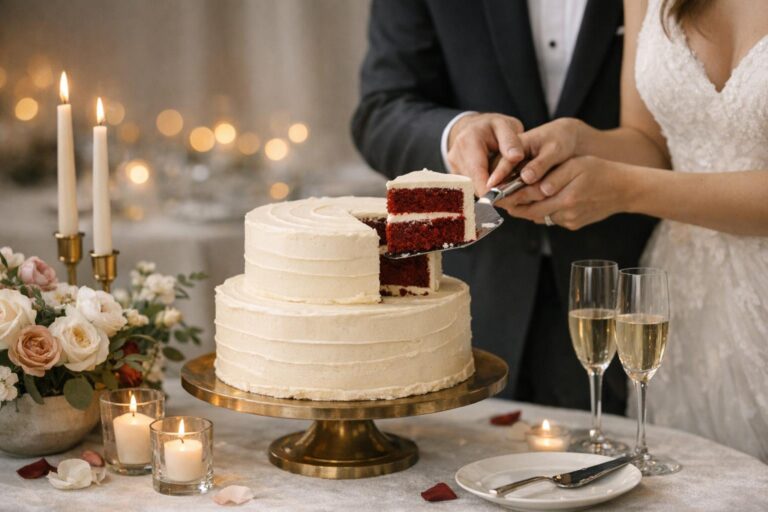
As you compare finishes, themes, and practical considerations, try to picture the cake in one specific moment: placed at the reception, lit by the room, surrounded by flowers or candles, waiting for the first slice. That image usually clarifies more than a broad gallery ever can. It helps you decide whether you want softness or structure, sparkle or restraint, texture or polish.
A two-tier cake works so beautifully because it can carry many identities. It can be romantic, modern, rustic, glamorous, painted, floral, or quietly minimal. What matters most is not choosing the trendiest version, but the version that feels at ease with your venue, your guest count, your dessert plans, and the emotion you want the room to hold. When those pieces align, the cake becomes more than a dessert. It becomes part of the memory.
FAQ
How many servings does a two-tier wedding cake usually provide?
Servings depend on the tier configuration and how the cake is cut, which is why bakeries typically discuss size and guest count together. A two-tier cake is commonly chosen for intimate to mid-sized weddings or for celebrations where the cake is supplemented with a dessert table.
What is the best finish for a two-tier wedding cake in warm weather?
The best choice depends on your venue conditions and your bakery’s handling process, but warm-weather weddings should always include a conversation about which finishes hold up best in heat. Smooth, highly detailed, painted, or metallic surfaces may need extra care, while some textured finishes can be more forgiving during delivery and setup.
Is a two-tier cake enough for a wedding reception?
It can be, especially for smaller celebrations, but many couples also pair a two-tier cake with other desserts. This approach allows the cake to remain visually elegant while still supporting the overall serving plan for guests.
What is the difference between buttercream and fondant on a wedding cake?
Buttercream can look soft, textured, or smooth, and it often creates a more romantic or organic appearance. Fondant gives a more precise, sleek, and sculptural surface, which can suit formal, minimalist, or art deco-inspired designs especially well.
Are sugar flowers better than fresh flowers for a two-tier wedding cake?
Sugar flowers and fresh florals create different effects rather than one being universally better. Sugar flowers offer a highly controlled decorative look, while fresh flowers bring a natural, airy quality that can connect the cake more directly to the wedding florals and tablescape.
How far in advance should couples choose their cake design?
It helps to begin once your venue, general wedding theme, and approximate guest count are clear, because those factors influence style, scale, and delivery planning. The more custom the finish or decoration, the more helpful it is to start the bakery conversation early.
Can a two-tier wedding cake still look formal enough for a black-tie wedding?
Yes, absolutely. A two-tier cake can feel very formal when the finish is refined and the styling is intentional, especially with smooth surfaces, metallic accents, pearls, sculpted details, or carefully arranged sugar flowers.
What should couples ask about cake delivery and setup?
Ask how the cake will be stacked and supported, who handles delivery, when it will arrive, and what setup conditions the venue needs to provide. It is also important to confirm who adds any final floral or decorative details on the wedding day.
Can a bakery make a two-tier wedding cake for dietary restrictions?
Many couples look for gluten-free, nut-free, or dairy-free options, but availability varies by bakery. It is best to ask about dietary and allergen-conscious accommodations early so they can be considered as part of the design and serving plan rather than as a late adjustment.