Wedding Ceremony Ideas: Choose What Feels Like You
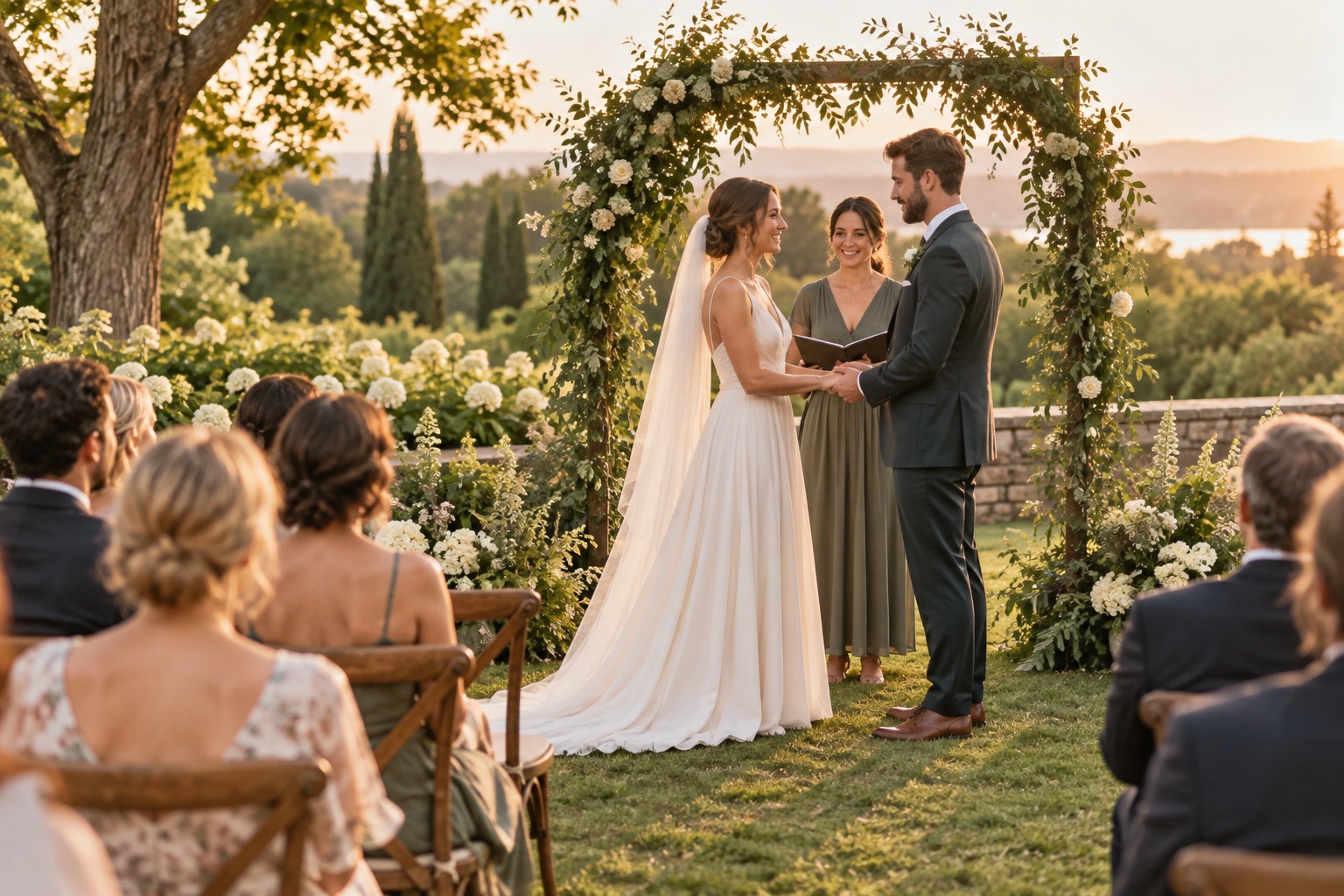
The best wedding ceremony ideas are not necessarily the most elaborate. They are the ones that help you feel present, make the moment easier for your guests to follow, and fit the kind of ceremony you actually want. If you are deciding between personal vows, a family reading, a unity ritual or a different processional, compare the ideas by what they ask of you and the people around you.
Start with one anchor moment, such as a story from your officiant, a promise you write together or a tradition that matters to your family. Add a second detail only if it improves the experience. This guide compares ceremony ideas by emotional meaning, guest participation, preparation and venue fit, so you can build a ceremony that feels personal without making every minute a production. For a useful planning principle, keep the ceremony’s order and any faith-specific elements in conversation with your officiant; a basic wedding ceremony outline can help you see where optional moments usually sit.
Start with the ceremony experience you want
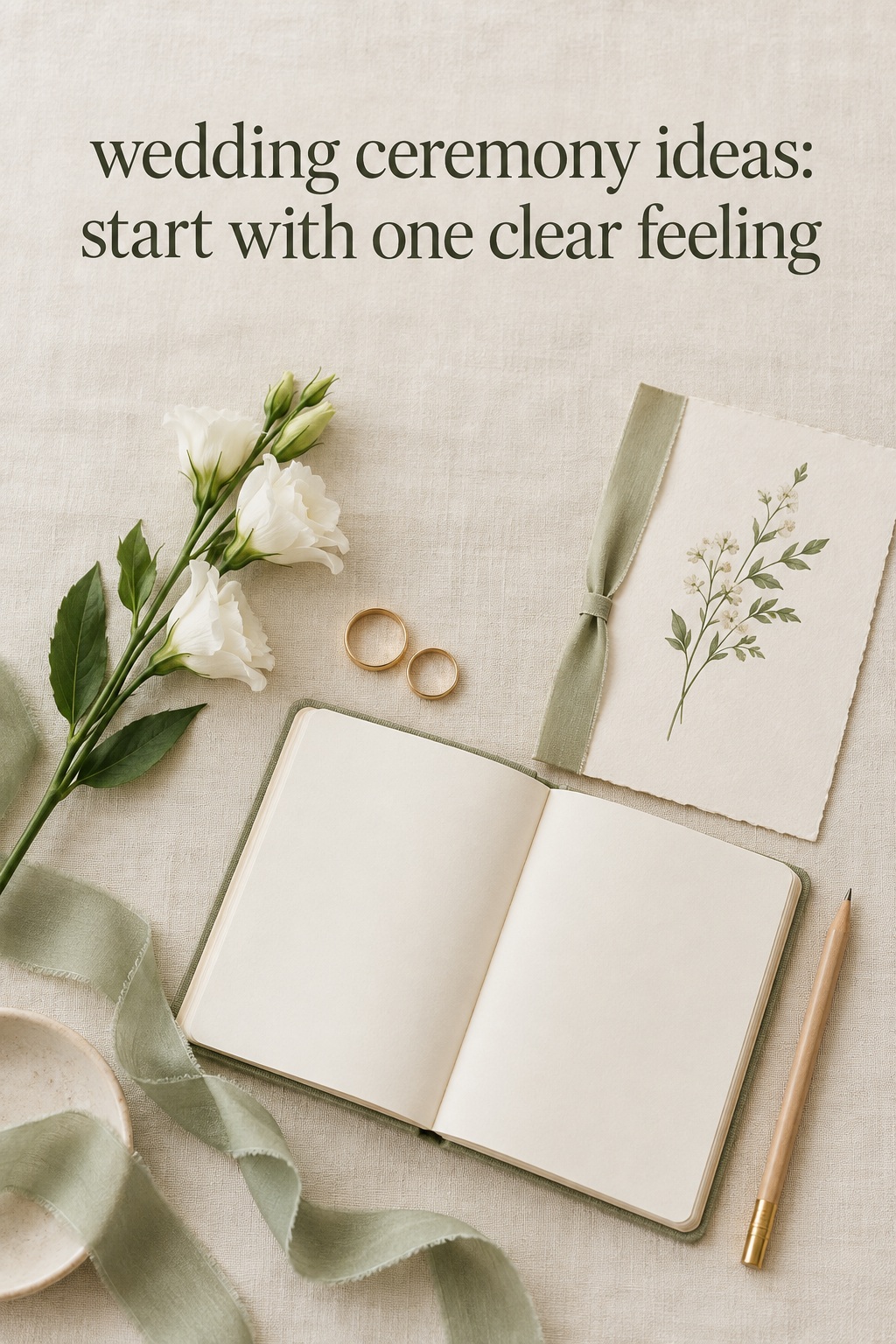
Before you choose a reading or ritual, finish this sentence: “We want our guests to leave feeling…” Your answer might be welcomed, moved, included, calm or joyful. It gives you a practical way to sort ideas. A ceremony designed to feel intimate may benefit from quiet vows and a short reading. A ceremony centered on family might include a shared blessing or a moment that acknowledges children. If you want guests to feel energized, music and a celebratory exit may matter more than another spoken passage.
Next, agree on four constraints with your partner and officiant: the approximate length, the level of audience participation, any religious or cultural structure to preserve, and what the venue allows. A garden ceremony may offer room for a circular seating plan but need a weather backup. A chapel may have a set order or music requirements. A small courthouse gathering may call for one concise personal touch rather than a procession, reading and ritual all at once.
Turn wedding inspiration into a plan you can actually follow.
Zarellea brings your guest list, budget, vendors, and day-of details into one shared space — so no beautiful idea gets lost in the shuffle.
Think about the people who will be there, too. Will most guests know one another? Are there older relatives who would prefer clear seating and a short walk? Will children take part? Does anyone need an unobstructed path, a seat near the entrance or a printed program to follow along? These details do not limit creativity. They help you choose an idea that works for the whole room.
Finally, separate the ceremony’s meaning from its appearance. A flower-lined aisle can be beautiful, but it does not automatically make guests feel involved. A brief welcome from a sibling may be simple to stage and deeply personal. Decide whether an idea changes what people hear, do, remember or see. That answer will help you compare options fairly.
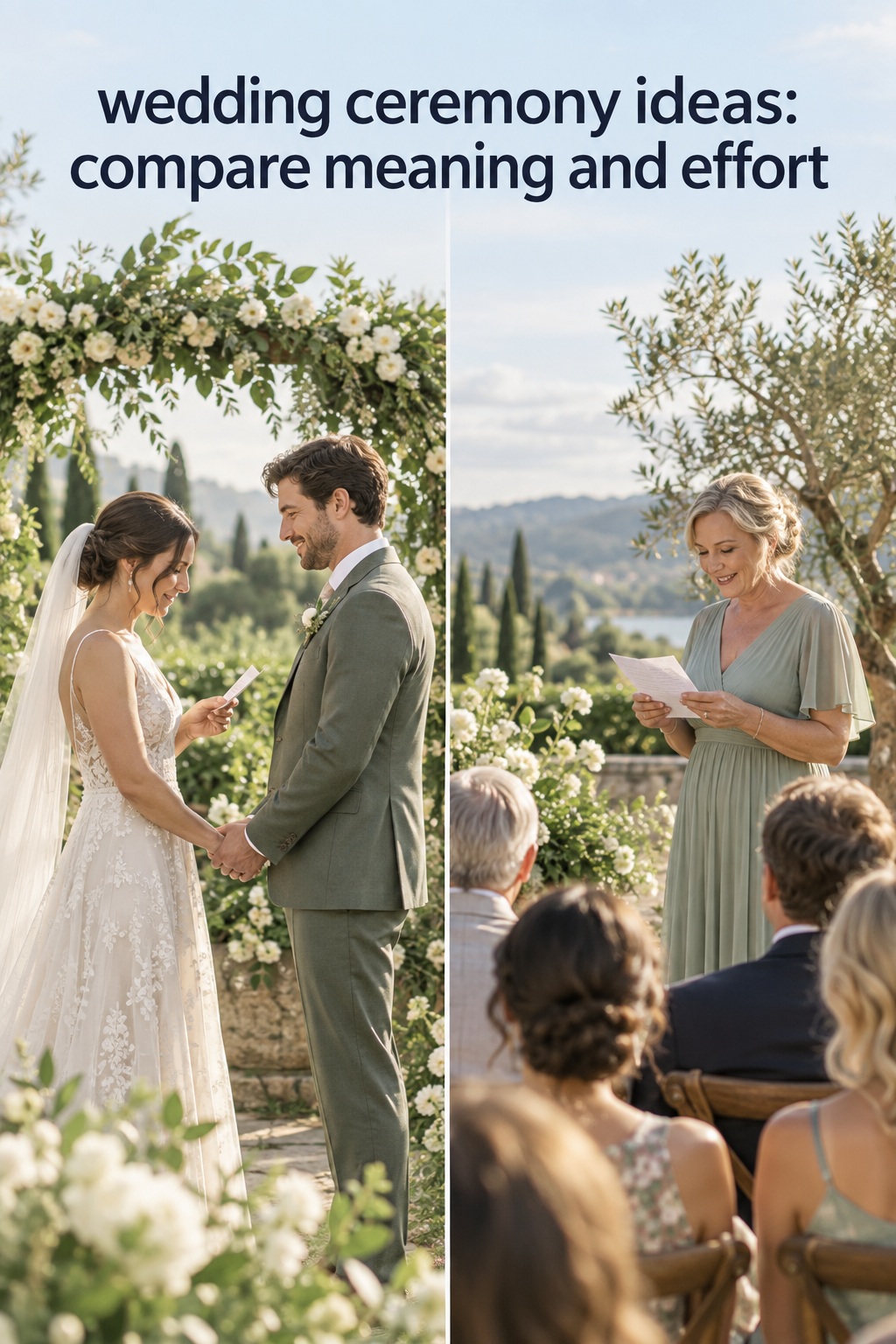
Compare wedding ceremony ideas side by side
Use the following options as building blocks, not a list to complete. For each one, consider the emotional return, the number of people it involves, the preparation it needs and whether it fits your ceremony format. The strongest choice is often the one that gives you the feeling you want with the fewest extra steps.
Personal vows or a private vow exchange
Best for: Couples who want their promises to sound like their relationship. Guest role: Guests witness the promises, while the words remain between the two of you. Preparation: Moderate. You need time to write, edit and practice speaking at a comfortable pace.
Personal vows offer a direct way to say what you value and what you are promising. Keep them focused on a few real details: a quality you admire, a shared memory and commitments you can picture keeping in ordinary life. You do not need matching speeches or identical length. Agree on a rough time range so one person is not surprised by a much longer turn.
If reading personal promises in front of a crowd would make either of you uncomfortable, exchange private vows before the ceremony and use a shorter shared line during the public moment. You can also ask your officiant to present a question and let each person answer. Confirm in advance which vow or declaration wording your ceremony requires, especially if your ceremony follows a religious or venue-specific format.
A reading, toast-sized story or family blessing
Best for: Couples who want to include a friend, relative or chosen family member. Guest role: One person speaks while everyone else listens. Preparation: Low to moderate, depending on whether the reader selects a short passage or writes original remarks.
A reading can bring a perspective beyond the couple’s own, but it works best when the words are easy to hear and clearly connected to your values. Choose a passage with a specific reason behind it, not simply because it is described as a wedding reading. A family member might read a few lines from a meaningful book, offer a short blessing or share a memory that illustrates the kind of partnership your guests are there to celebrate.
Give the reader a time limit, a microphone if needed and a copy of the final text. Tell the officiant where the reading belongs in the sequence. If your family includes different faiths or traditions, talk through the selection together so the moment feels welcoming rather than like a surprise test of what guests should believe.
A unity ritual with a clear personal reason
Best for: Couples who want one visible action to represent a promise or family transition. Guest role: Usually observers, with a possible role for children or relatives. Preparation: Moderate. The objects, explanation, placement and cleanup all need a plan.
Before choosing a unity ritual, describe its meaning in one sentence that you would use even if nobody else were watching. If you cannot explain why it belongs to you, keep looking. Some couples create a family ritual using a shared object or invite their children to add a piece to a symbolic keepsake. Others include a familiar practice from their own faith or heritage with guidance from the people who hold that tradition.
Do not treat cultural or religious traditions as interchangeable props. Ask family, elders, a faith leader or a knowledgeable officiant what the practice means, who may take part and whether adapting it is appropriate. If you simply like the idea of marking a shared promise, create an original gesture with personal objects rather than borrowing a sacred ritual without context. A short explanation from the officiant can help guests understand the action without turning it into a long performance.
Guest participation, from a response to a ring blessing
Best for: Couples who want their guests to feel like a community supporting the marriage. Guest role: Everyone joins in a brief response, or a smaller group takes a visible part. Preparation: Low for a repeated line, higher for passing objects or coordinating many people.
A simple call and response can make the room feel connected without asking anyone to improvise. Your officiant might ask whether the guests will support the couple, and the guests answer with one agreed phrase. Include the response in the program or have the officiant model it once. This option asks very little of guests who are shy, do not know the couple well or are unfamiliar with the ceremony format.
For a small gathering, a ring blessing or a circle of well-wishes can feel intimate. Check whether passing rings is practical, whether a secure box or ribbon is needed and how the objects return to the couple. In a large room, do not pass one item through dozens of rows unless the schedule has enough time. A collective spoken response is usually easier to hear and more accessible.
A different processional or seating arrangement
Best for: Couples who want to rethink who enters, who escorts whom or how guests gather. Guest role: Guests participate as witnesses and may move through a less traditional layout. Preparation: Moderate, because timing, walking routes and reserved seats must be clear.
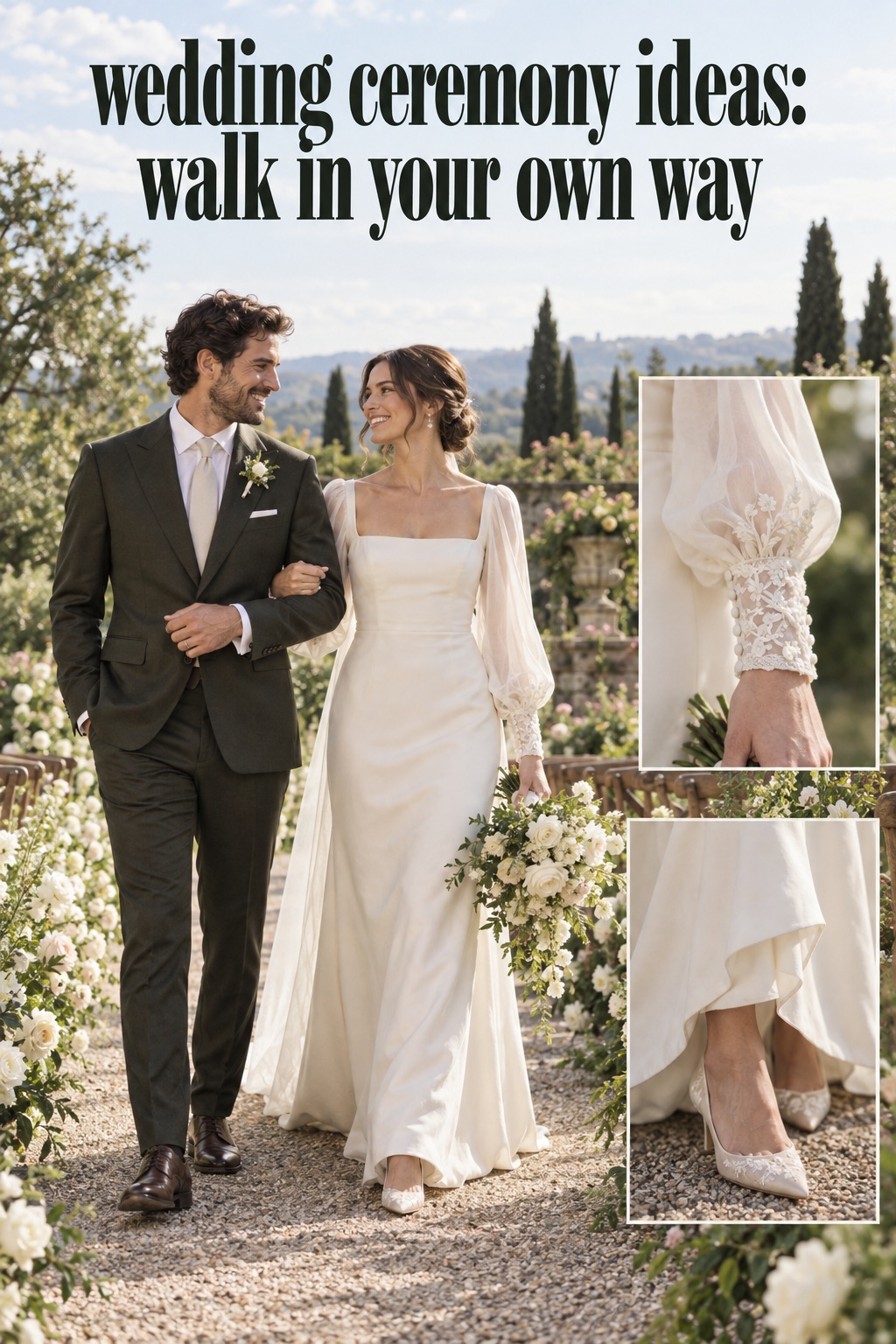
You can walk in together, enter from separate doors, come in with more than one family member or skip a formal entrance. These choices can be especially helpful when a traditional processional does not fit your relationships. Decide what feels comfortable to each person involved, then rehearse the route and cue. Nobody needs to explain a family decision to the audience unless they want to.
Open seating can signal that the two families are joining one gathering, while circular or semicircular seating can bring guests closer to the vows. Compare that visual closeness with practical needs: can everyone see, can a wheelchair user reach a suitable space, can attendants move along the aisle, and can late arrivals sit without crossing the ceremony? A ceremony venue guide can help you identify venue factors to discuss before you settle on a layout.
Music, a quiet pause or a celebratory exit
Best for: Couples who want to shape the emotional arc without adding another speech. Guest role: Mostly listening, followed by a shared celebration at the end. Preparation: Low to moderate, depending on musicians, sound checks and venue rules.
A meaningful instrumental cue can signal a transition, honor someone or create a few seconds of calm before vows. A brief pause for everyone to reflect can also make a ceremony feel grounded without asking guests to perform. If you want to include live music, choose a song the musician can adapt for the room and confirm when the cue begins and ends.
The recessional is an easy place to release some energy. Choose a song, a relaxed walk, bubbles or a wave of ribbons only after checking cleanup, venue permission and the route outside. You can make the exit feel celebratory without adding a second unity ritual. If the ceremony is followed immediately by family photographs, tell guests where to go next so the moment flows into the next part of the day.
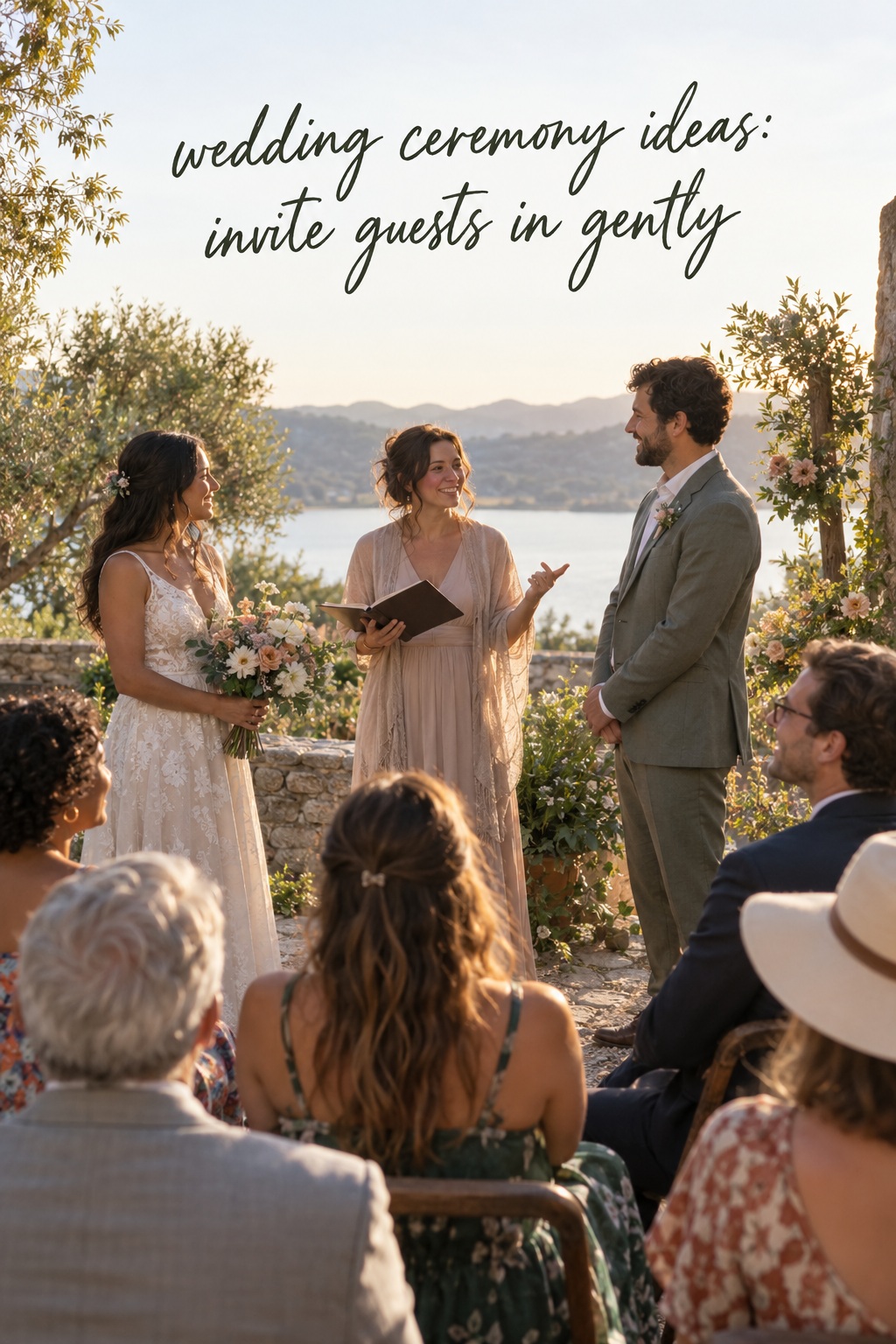
Choose the best ideas for your situation
Once you have compared the options, match them to the circumstances of your wedding. You do not need to choose from every category. Pick the situation that sounds most like yours, then select one moment that supports it.
For an intimate ceremony where everyone knows the couple
A short ring blessing, a family member’s story or a shared guest response can feel natural in a small group. Choose one participatory moment and explain it before the ceremony begins. If you want guests to say a few words individually, keep that for a private meal or reception. Open-ended sharing in a ceremony can take longer than expected and leave some guests unsure whether they should speak.
For a large ceremony with guests from different circles
Clear cues matter more than complicated interaction. A brief welcome that names the people gathered, a printed order of events and a responsive line that everyone can repeat are easier to follow than instructions that require guests to move. Use a microphone for any reader and ask someone to test it from the back of the room, not just beside the couple.
For a short ceremony or a couple who prefers privacy
Choose a single personal detail: a sentence from the officiant, a song with a real connection or private vows followed by a concise public promise. You can make a short ceremony meaningful through specific wording and a calm pace. Avoid adding multiple readings and rituals simply to make the event longer. Guests tend to understand a purposeful few minutes better than a sequence of unexplained activities.
For a blended family or a ceremony centered on relatives
Ask each person who may be included what role they would actually enjoy. Children might carry rings, stand with a parent or join in a family promise, but participation should be optional and appropriate for their age. A remembrance can be quiet, such as a name in the program or a flower placed near the ceremony space. Make sure the gesture honors the person without making a grieving relative feel singled out.
For an outdoor ceremony with venue or weather limits
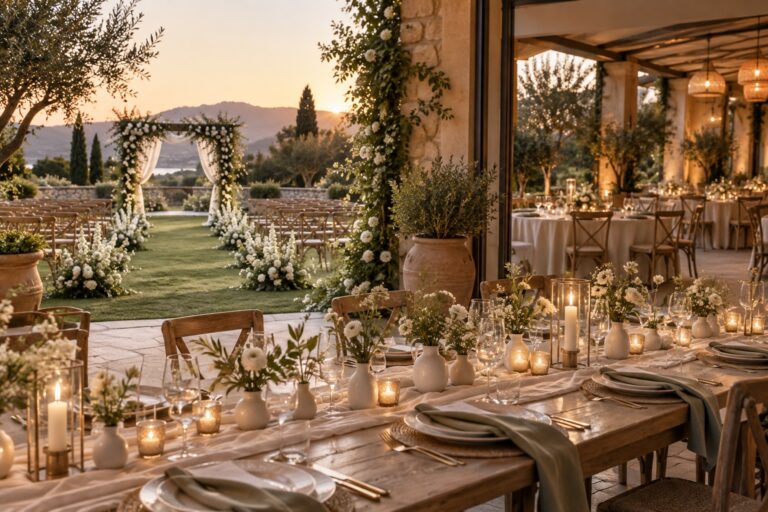
Choose ideas that do not depend on fragile objects, long setup or perfect sound. A short reading, personal vows with a handheld microphone and a clear processional cue usually travel better than a ritual with several pieces to assemble. Confirm the indoor backup, walking surface, shade, seating and sound plan. If the weather changes, keep the meaning of the moment and simplify its staging.
For a faith-led or culturally specific ceremony
Begin with the structure and practices that matter to you, then ask your officiant or community leader where personal choices can fit. The order, wording, music and participation may have specific meaning. If you want to include another family tradition, talk with the people connected to it and explain it to guests in a respectful, concise way. Personalization can happen through the welcome, a reading, a family role or a detail in the program without changing a required ritual.
Know the trade-offs before you add an idea
Every extra element uses a little time and attention. A ceremony can feel personal with two well-chosen details, while six separate moments can make guests wonder what they should be watching. Before you confirm an idea, run it through these checks with your partner and officiant.
- Meaning: Can both partners explain why this moment belongs in their ceremony?
- Timing: Does it fit the planned order, and does the rehearsal include its cues?
- People: Have the reader, escort, child or family participant agreed to the role?
- Clarity: Will guests know when to listen, respond, stand or move?
- Access: Can participants see, hear, reach the space and take part in a way that suits them?
- Venue: Are props, music, candles, petals, animals or an alternate seating layout allowed?
- Backup: What is the simple version if a participant is delayed or weather changes the plan?
Keep the physical setup proportional to the idea. If a ritual needs a table, tools, water, flame or a special handoff, assign one person to arrange and clear it. Put anything the officiant must say in the working script, not in a last-minute text message. Ask the venue coordinator when and where the setup can happen, and leave a clear route for the wedding party and guests.
Give readers and musicians enough notice to prepare, and send them the version you actually plan to use. Print large, readable copies for the officiant and anyone speaking. If a guest is nervous about public speaking, offer another way to be included or let the officiant read the passage. Participation should feel like an invitation, not a test.
One common mistake is choosing an idea because it photographs well before deciding what it means. Another is combining traditions from different backgrounds without asking whether the people connected to those traditions are comfortable with the adaptation. A third is leaving guest instructions until the day itself. A two-minute conversation with your officiant and a written cue sheet can prevent all three problems.
When you are unsure, return to the guest experience sentence from the beginning. Remove any detail that does not help create it. The goal is not to impress a room with a sequence of surprises. It is to give the promises, people and setting enough space to matter.
FAQ
How many wedding ceremony ideas should we include?
Start with one anchor moment and add one supporting detail if it improves the experience. The right number depends on your ceremony’s required structure and length, but a small number of connected choices is easier for guests to follow than a string of unrelated surprises.
What makes a wedding ceremony feel personal?
Specific choices make a ceremony feel personal: language that reflects your promises, a reading with a real connection, a processional that suits your family or a song tied to a shared memory. Personal does not have to mean unusual or expensive. It means you can explain why the detail belongs to you.
Can guests participate in the ceremony?
Yes. Guests can answer a short question from the officiant, offer a collective blessing or join in a moment of reflection. Give them a clear cue and keep the response simple. For a large group, a spoken response is usually easier to organize than passing an object through many rows.
Should we include a unity ritual?
Include one if it represents a promise, family connection or tradition that matters to both of you. Decide what it means, who takes part and what setup it needs. If the ritual comes from a faith or culture, ask a knowledgeable person how to include it appropriately rather than treating it as a generic ceremony prop.
Do we need our officiant’s approval for ceremony ideas?
Discuss the sequence, wording, music, readings and rituals with your officiant before printing a program or rehearsing. The officiant can explain how an idea fits your ceremony format and whether any venue or faith requirements affect it. Confirm venue rules separately for props, animals, candles, seating changes and outdoor plans.
How can we make an outdoor ceremony more comfortable?
Plan for shade or warmth, clear walking paths, accessible seating, water and a sound system suited to the space. Tell guests where to sit and what to expect. Keep the ceremony elements easy to move indoors if needed, and ask the venue who will make the weather decision and when.
How do we choose between personal vows and traditional wording?
Choose the approach that feels comfortable to both partners and works with the ceremony format. You can write private vows, exchange personal words in public, use traditional vows or combine a short personal promise with the required wording. Talk through timing and expectations together so neither person is surprised.