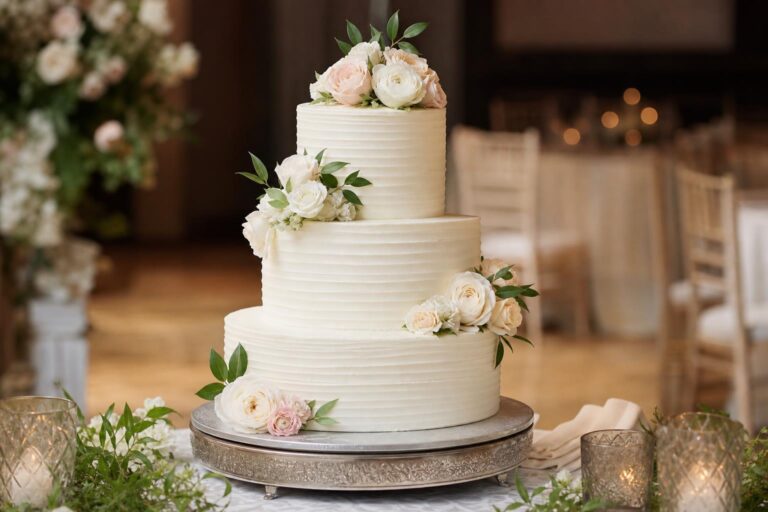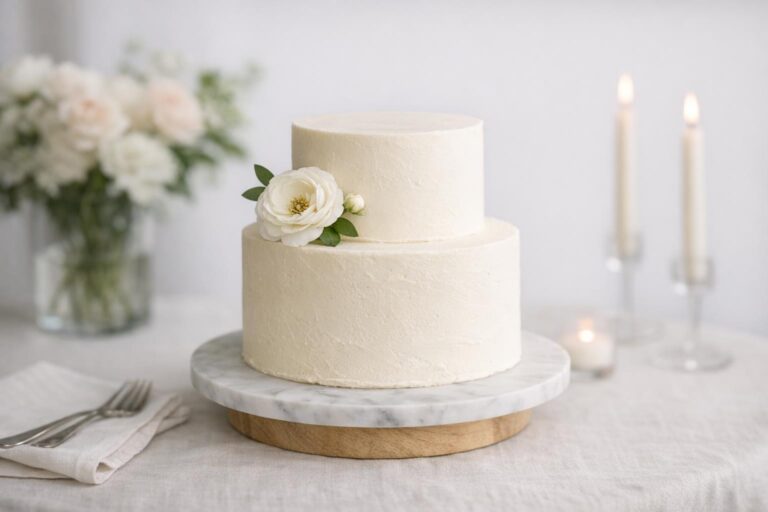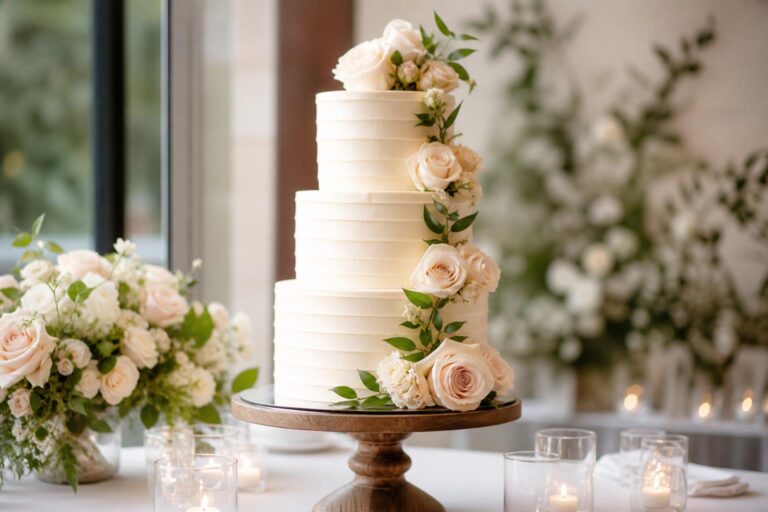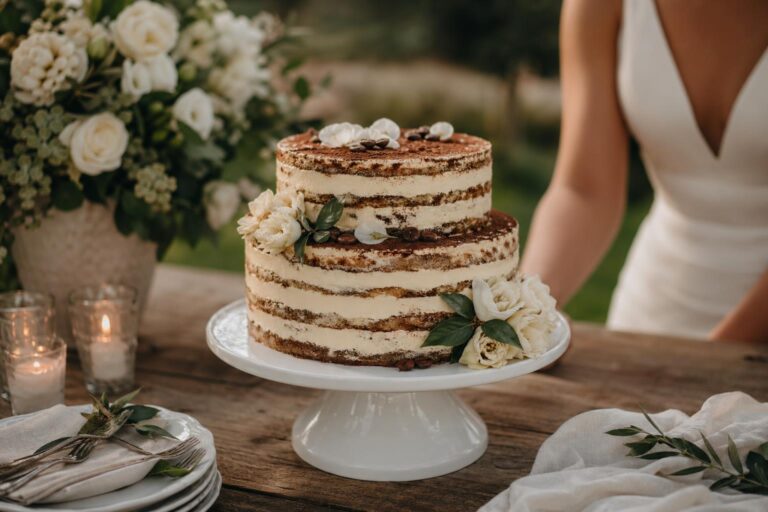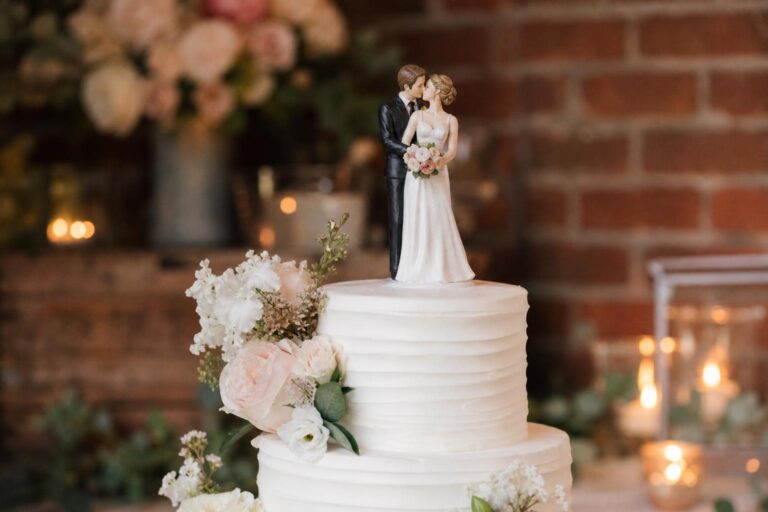
The Quiet-Luxe Trendy Wedding Cake Moment, Styled to Shine
The moment a trendy wedding cake becomes part of the memory
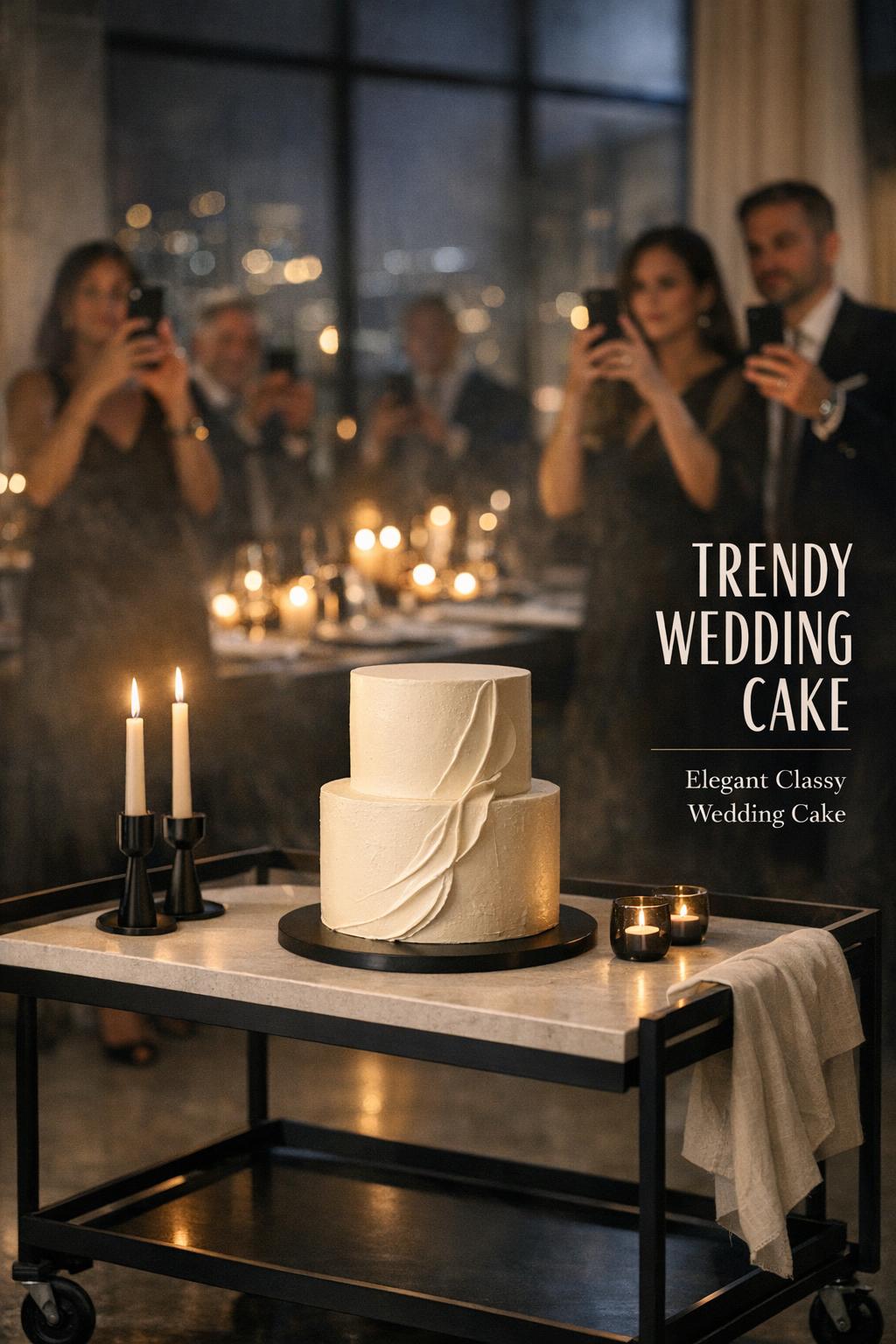
There’s a particular hush that falls over a reception right before the cake is wheeled in. Conversations soften, phones lift, and even guests who swear they “don’t really do dessert” lean forward because a trendy wedding cake isn’t just a sweet ending—it’s a visual promise about the kind of celebration you’ve chosen to host. Modern couples want more than a tall tiered centerpiece; they want a design that feels personal, intentional, and photographically unforgettable, without becoming so complicated that it’s stressful to order, transport, or serve.
What “trendy” means in wedding cake design is also more nuanced than it used to be. It can mean a fresh silhouette, a new approach to texture, a color story that matches the tablescape, or a confident decision to skip traditional elements entirely—like choosing a wedding cake without flowers because your style is minimalist, modern, or simply not botanical. And because a wedding cake has to survive timelines, temperature shifts, lighting, and the expectations of a hungry crowd, a cake trend only feels truly luxurious when it’s as practical as it is pretty.
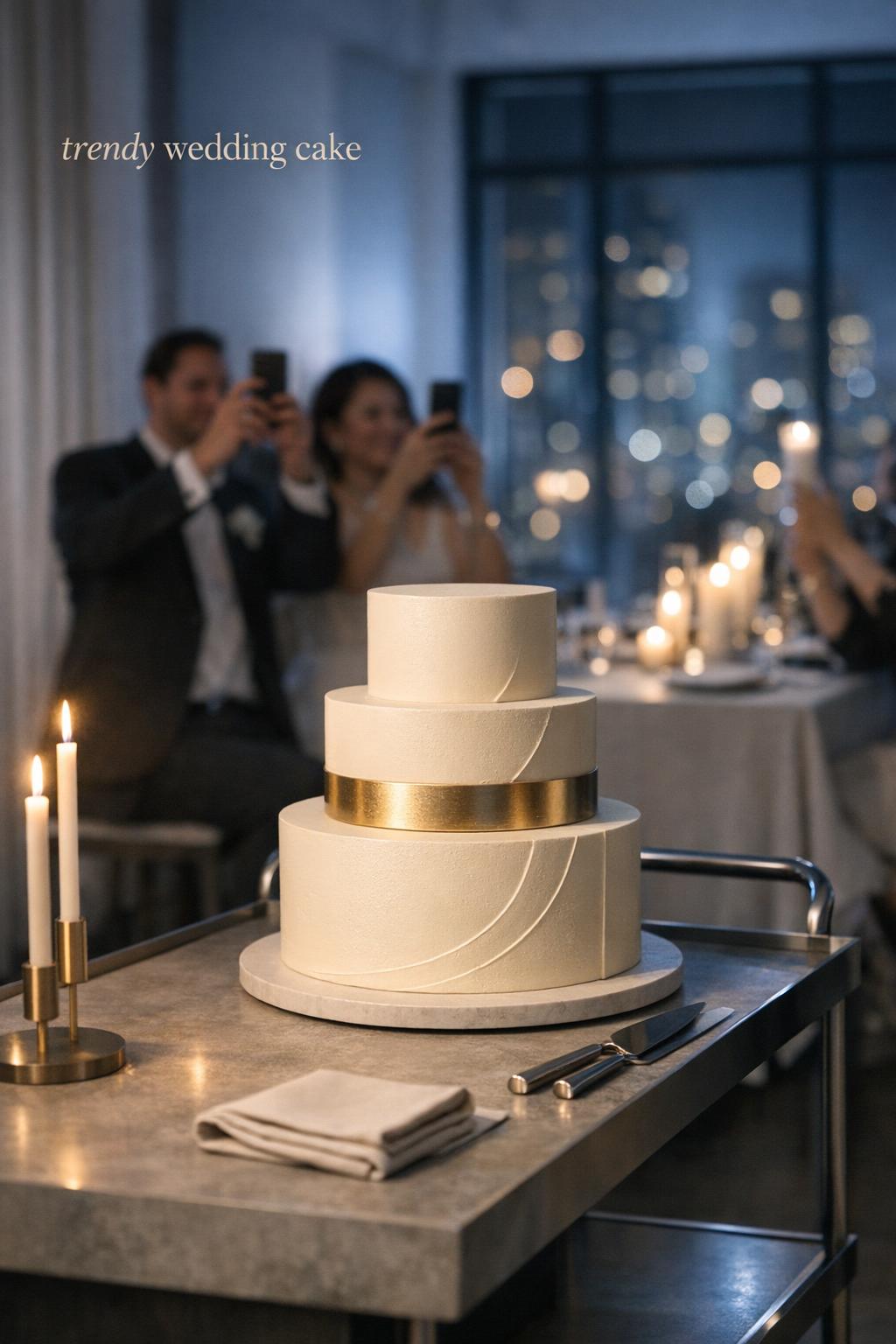
This guide is written like I’d talk to you during a cake tasting and design consult: we’ll explore multiple ideas, explain when each works best, and translate inspiration into decisions you can actually make with your baker. You’ll see ways to create wedding cakes modern couples love—whether your dream is an elegant classy wedding cake that reads timeless, a modern wedding cake unique enough to stand on its own in photos, or aesthetic wedding cakes that feel like a mood board brought to life.
What makes a wedding cake “trendy” right now (and what still matters)
Trends in wedding cake design tend to move in cycles: the look shifts, but the priorities stay steady. Couples want cakes that complement their venue and overall styling, but they also want something that feels like a choice—not a default. “Trendy” often shows up through surface details and styling decisions, while the fundamentals—flavor, structure, serving logistics—remain the quiet backbone of a successful cake moment.
Turn wedding inspiration into a plan you can actually follow.
Zarellea brings your guest list, budget, vendors, and day-of details into one shared space — so no beautiful idea gets lost in the shuffle.
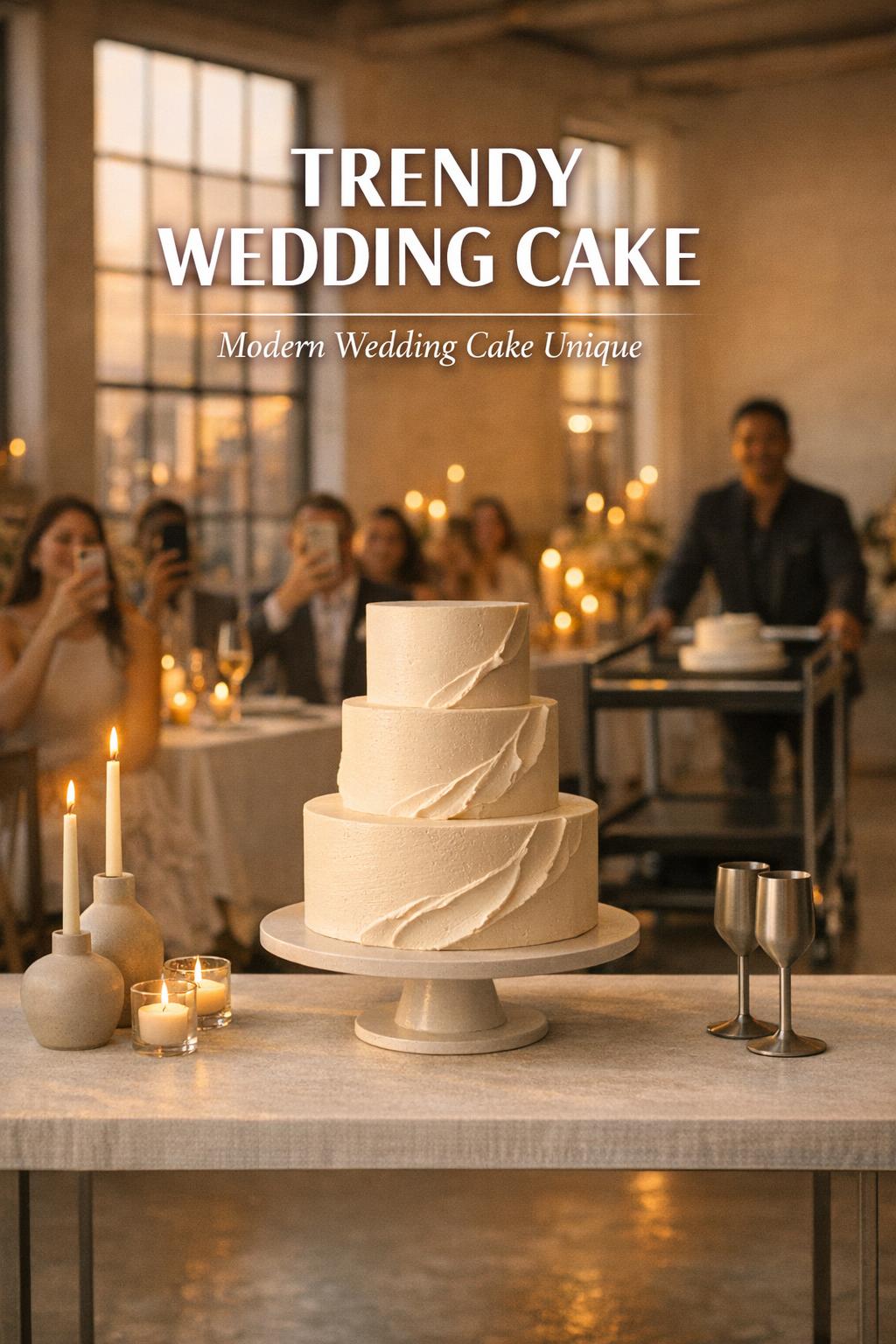
In practical terms, a trendy wedding cake usually does at least one of the following: it uses a modern finish (think clean lines, intentional texture, or a minimalist palette), it plays with shape and proportion, it introduces unexpected details (like sculptural piping or bold negative space), or it breaks tradition (like swapping floral cascades for graphic accents in a wedding cake without flowers).
A quick reality check: trend vs. timeless
The best wedding cakes modern couples choose don’t chase every trend at once. They pick one “statement” idea and keep the rest calm. That approach makes the cake feel current without looking dated in your album later. If your ceremony is classic and formal, a single contemporary detail—like a smooth finish with one dramatic tier or a refined color-block—often reads more elevated than an everything-at-once design.
The aesthetic direction comes first: choosing a mood that fits your day
Before you talk tiers and frosting, choose the mood you want your cake to carry into the room. A cake is décor, yes, but it’s also a signal to your guests: is tonight romantic and candlelit, airy and coastal, editorial and modern, or garden-soft and nostalgic? When couples describe their favorites as “aesthetic wedding cakes,” they’re usually responding to mood more than ingredients—how the cake sits in the scene, how it photographs, and how it echoes the rest of the wedding story.
If you’re torn between styles, imagine two snapshots: your cake being cut under reception lighting, and your cake being photographed up close. Some finishes look dreamy from across the room but busy in macro photos. Others are understated in person and breathtaking in close-up. Deciding which photo matters more to you helps narrow the design.
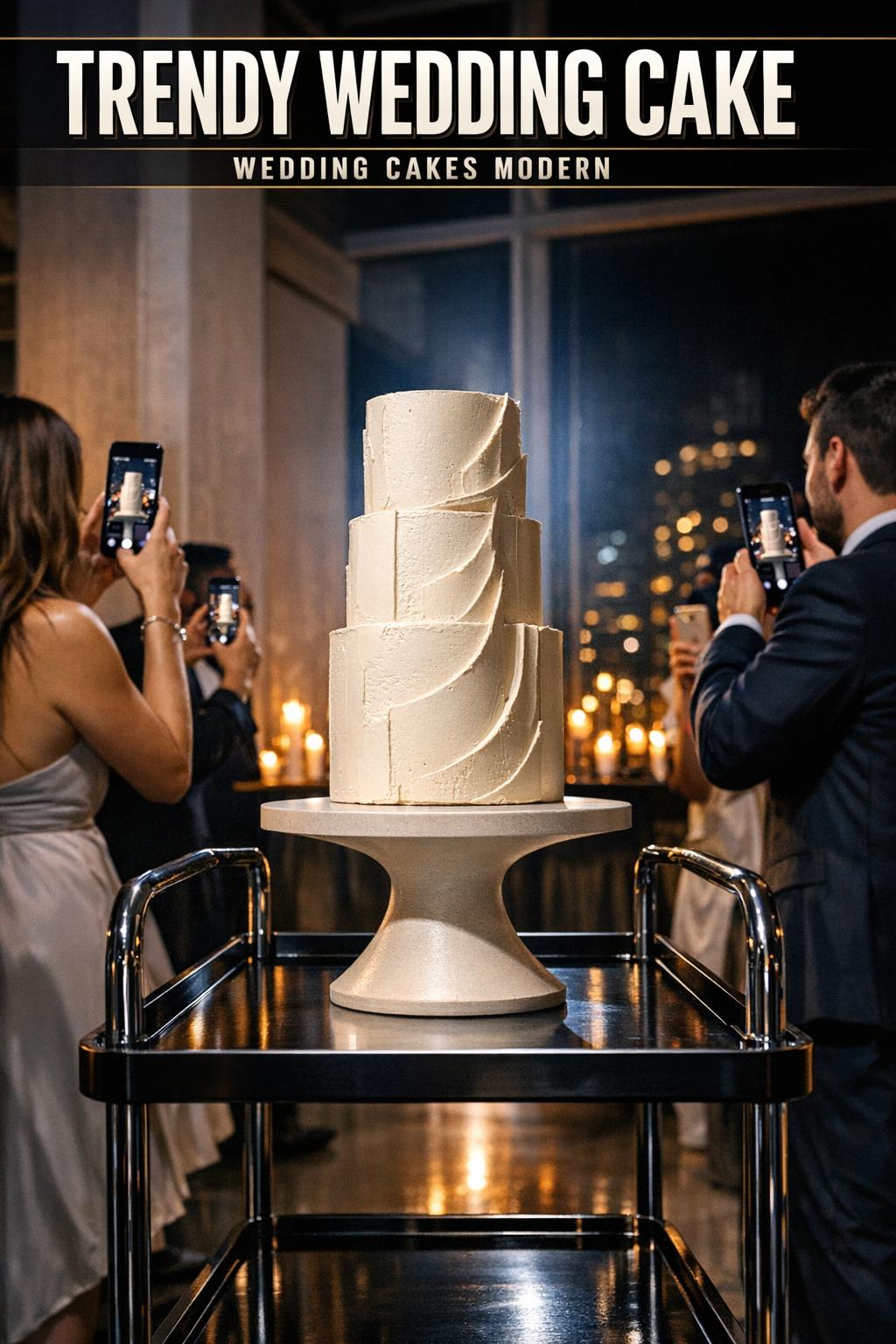
- Romantic: soft edges, gentle color, delicate texture; perfect for candlelight and classic florals elsewhere.
- Modern: clean geometry, controlled texture, intentional negative space; ideal for architectural venues and minimalist décor.
- Coastal or airy: bright palette, light texture, subtle movement; works beautifully with natural light and outdoor receptions.
- Luxury: refined detail, polished finish, fewer elements but higher impact; pairs well with formal service and dramatic lighting.
Modern wedding cake unique: where to be bold (without losing elegance)
A modern wedding cake unique enough to feel “you” doesn’t need to be complicated—it needs to be decisive. Most of the strongest modern cakes are built around one brave choice: a shape, a finish, a detail technique, or a color story that’s unmistakably intentional. Then everything else supports that choice with restraint.
Shape play: tiers that feel architectural
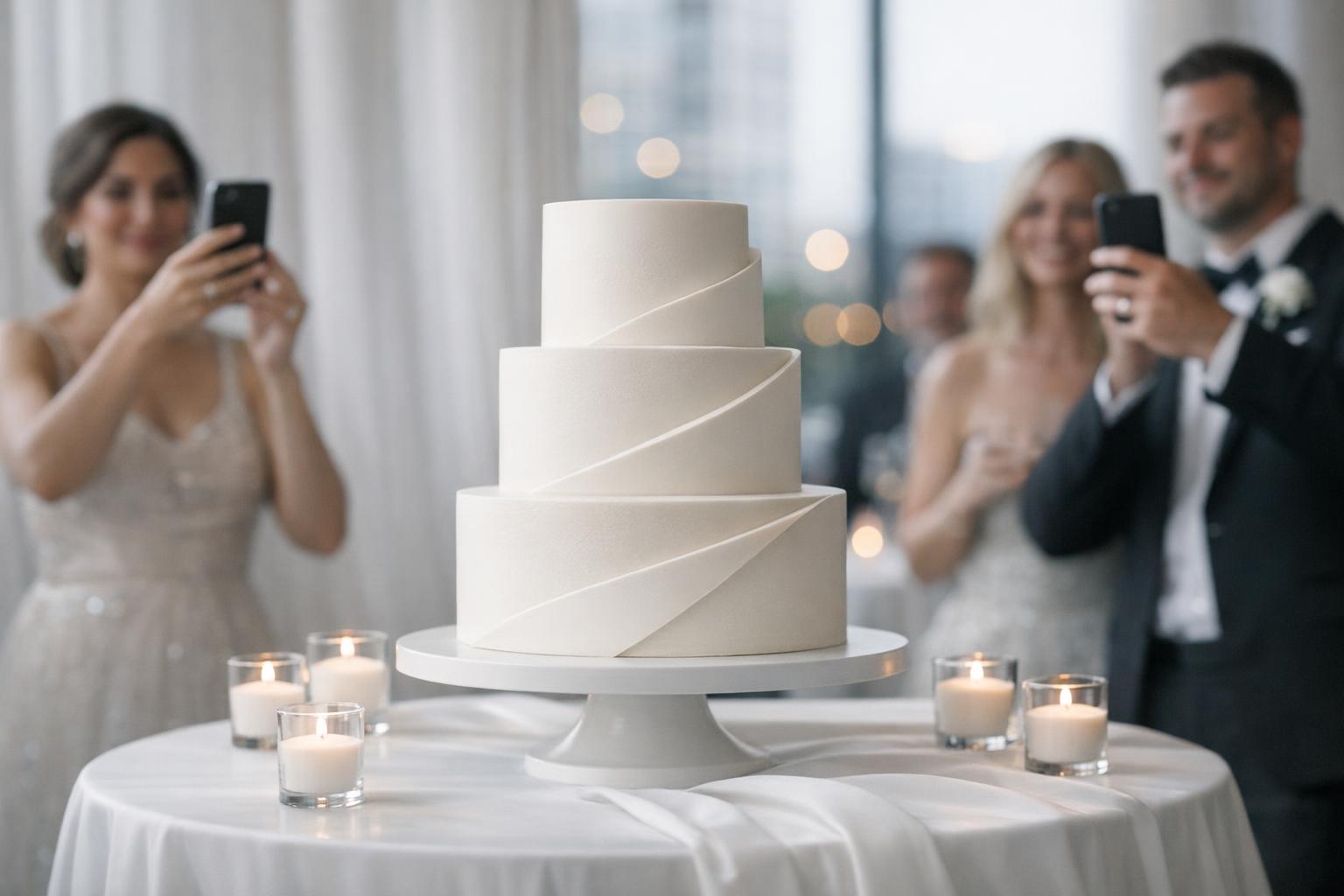
Modern silhouettes often look like they belong in an art gallery: tall, slender tiers; unexpected proportions; or a design where each tier has a slightly different finish, but the palette stays consistent. This is especially striking in venues with clean lines—think modern ballrooms, city lofts, or minimalist spaces where the cake becomes a focal point.
Tip: If you’re choosing an unconventional silhouette, ask your baker how it affects stability and slicing. A gorgeous profile that’s difficult to portion can create stress during service, and that stress tends to show up right when you want the evening to feel effortless.
Texture as the statement: buttercream that looks intentional
Textured finishes are one of the easiest ways to get wedding cakes modern couples love because they read beautifully in photos and don’t rely on heavy adornment. The key is that the texture should look designed, not accidental: clean palette, consistent pattern, and placement that flatters the cake’s shape.
Decision guidance: If your wedding has a lot of patterned elements already (busy linens, bold stationery, layered centerpieces), choose a simpler texture. If your décor is minimal, you can afford a more expressive finish.
Wedding cake without flowers: minimalist, modern, and surprisingly romantic
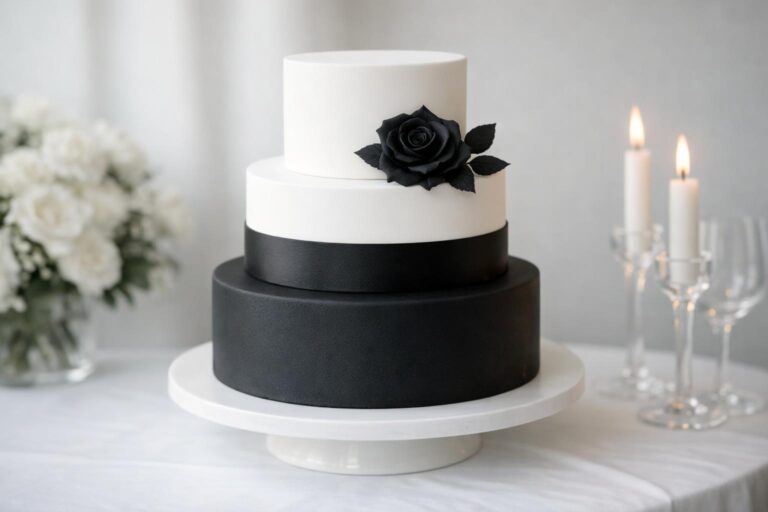
Choosing a wedding cake without flowers can feel like a leap if you’ve grown up seeing cascading blooms on every tier, but it’s one of the most modern decisions you can make—and it often photographs as more editorial. A floral-free cake also gives you freedom: you’re not locked into a specific bloom type or worried about matching exact shades, and you avoid the practical considerations that come with fresh florals touching food.
Romance doesn’t require roses on the cake. It can come from softness in the palette, candlelight on a smooth finish, or a gentle, sculptural detail that feels like lace translated into buttercream. In many receptions, a wedding cake without flowers actually feels more intimate—like the couple chose design because it meant something, not because it was expected.
Floral-free design ideas that still feel elevated
- Sculptural piping: modern, tactile, and flattering in close-up photos.
- Monochrome palette: one color in multiple tones can look luxurious without any additional décor.
- Negative space styling: a clean cake paired with a beautiful stand and intentional lighting becomes the centerpiece.
- Graphic accents: controlled, minimal details that echo your stationery or tablescape style.
Tip: If you’re going floral-free, pay extra attention to what the cake sits on and what surrounds it. A refined stand, thoughtful linen, and a little breathing room around the table can make a minimalist cake feel like a gallery piece.
Elegant classy wedding cake: how to keep it timeless while still feeling current
An elegant classy wedding cake is rarely about doing more—it’s about doing fewer things exceptionally well. The most refined cakes tend to have clean lines, balanced proportions, and details that reward a closer look. If your wedding is black-tie, formal, or traditionally styled, you can still have a trendy wedding cake; the “trend” simply shows up in subtlety rather than in bold experimentation.
Consider choosing one modern move—like a smooth contemporary finish or a slightly unexpected tier proportion—then keep the color palette classic. That balance reads sophisticated in person and timeless in photos, especially under warm reception lighting.
Where elegance is won (and lost): proportion, restraint, and polish
From experience, the difference between “classy” and “almost classy” usually comes down to three things: whether the tiers are proportioned well, whether the detail work is consistent, and whether there’s breathing room in the design. Overcrowding a cake with multiple competing elements can make it feel busy rather than luxurious.
Tip: If you love multiple ideas—texture, piping, metallic accents, a bold topper—ask your baker to mock up a simplified version first. When the simplified design looks stunning, you’ll know exactly where (and whether) to add more.
Aesthetic wedding cakes that photograph beautifully (lighting and placement matter)
Aesthetic wedding cakes are often chosen with photos in mind, and that’s not vanity—it’s practicality. Your cake is usually photographed in two conditions: quick candids in dim reception light and close-ups in whatever light happens to be available. A design that relies on tiny details can disappear in low light, while a cake with clean contrast and readable texture tends to look better across the whole gallery.
There’s also the question of where the cake lives during cocktail hour and dinner. If your cake is displayed near direct sunlight, heat sources, or high-traffic pathways, even the best design can lose its crispness. A modern cake with a smooth finish can show fingerprints and smudges more easily than a textured buttercream—so placement and serving plan are part of the aesthetic.
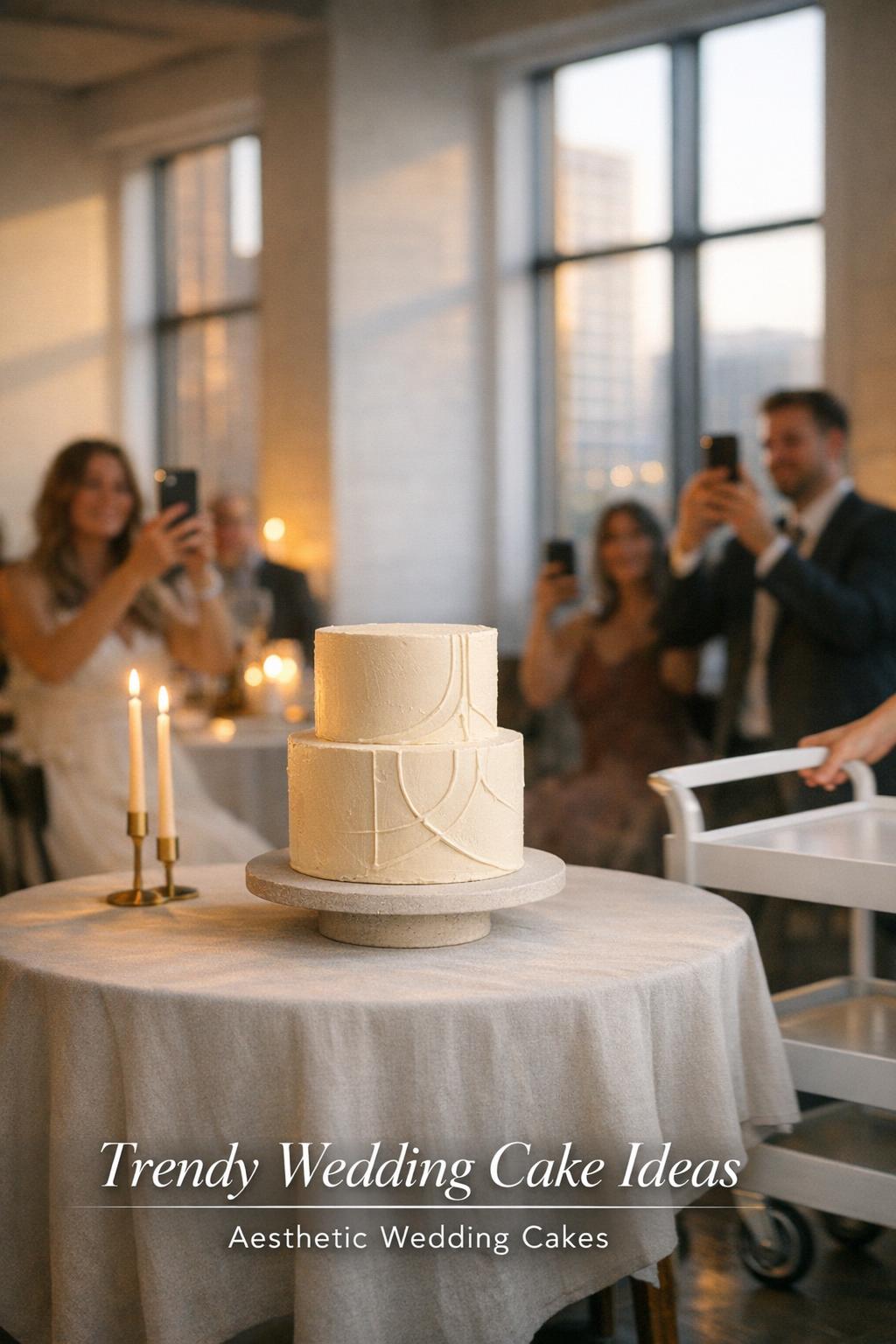
Tips for making your cake table look intentionally styled
- Place the cake where guests can see it without crowding it; a little distance makes photos cleaner.
- Choose lighting that flatters faces and frosting; harsh overhead light can dull texture.
- Keep the backdrop simple so the cake silhouette reads clearly in photos.
- Ask who is responsible for moving the cake from display to cutting; clarity prevents last-minute confusion.
Tip: If your reception is outdoors or warm, consider designs that are forgiving—textured finishes, simpler silhouettes, and décor choices that don’t require delicate handling.
Wedding cakes modern couples love: flavor, structure, and guest experience
It’s easy to get swept into design, but the reason guests gather around the cake is still the same: it’s a shared ritual, and it should taste wonderful. A trendy wedding cake feels most successful when its flavor and texture match the visual promise. If the cake looks light and modern, guests expect it to eat that way too—balanced sweetness, clean flavors, and a pleasant crumb that slices neatly.
Think about the guest experience from first slice to final plate. How quickly can slices be served? Will the cake be the only dessert, or part of a larger spread? A towering design can be dramatic, but if it delays service or creates messy slices, it can interrupt the flow of the evening. The best wedding cakes modern couples choose are planned like part of the timeline, not an afterthought.
Serving logistics that protect the “wow” moment
In many receptions, the cake is cut during a window when the room’s energy is high: speeches are done, dancing is about to begin, and guests are ready for a sweet cue that the night is turning festive. If slicing takes too long or the cake is difficult to portion, that moment can feel awkward. That’s why it’s worth discussing serving strategy early—especially if your design includes unusual shapes or very tall tiers.
Tip: Ask your baker how your design choice impacts cutting. If a design is best served from a supplemental sheet cake or kitchen cake, that can be a smart, guest-friendly compromise that keeps the display cake pristine for photos.
Matching cake style to venue: a context-first approach
Your venue sets the stage, and the cake should feel like it belongs in that room. This is one of the clearest ways to choose between ideas when you’re overwhelmed by inspiration. A modern wedding cake unique in a contemporary space can look effortless; the same cake in a rustic venue might feel visually disconnected unless you bridge the styles thoughtfully.
Instead of thinking in categories like “classic” or “modern,” think in visual temperature and texture. Is your venue warm (wood, candlelight, soft textiles) or cool (stone, glass, crisp architecture)? Is it visually busy or quiet? Your cake can echo those answers with finish and detail choices.
Quick venue pairing ideas
- Minimalist or architectural venues: clean lines, controlled texture, wedding cake without flowers, monochrome palettes.
- Romantic ballrooms: an elegant classy wedding cake with refined detail and balanced tiers.
- Outdoor or garden settings: texture that feels natural and forgiving, designs that remain beautiful in shifting light.
- Intimate spaces: smaller scale cakes with high-detail finishes so the design feels special up close.
Common mistakes that can make a trendy cake feel less “you”
Most cake regrets don’t come from choosing the “wrong trend.” They come from trying to make the cake do too many jobs at once: matching every décor element, representing multiple styles, and pleasing every opinion. A trendy wedding cake is most powerful when it’s designed to support your wedding’s mood, not to prove you know what’s popular.
What to watch out for during the decision process
- Overcrowding the design: too many techniques in one cake can dilute the impact.
- Ignoring lighting and placement: the most aesthetic wedding cakes still need the right backdrop and temperature.
- Choosing details that don’t scale: what looks great on a small mockup can feel busy on multiple tiers.
- Not aligning the cake with the meal: if the dinner is rich and heavy, a very sweet cake can feel like too much.
- Skipping a clear plan for cutting and serving: an awkward service moment can steal attention from the celebration.
Tip: When you’re uncertain, return to one guiding sentence. For example: “We want a modern cake that feels romantic, with minimal decoration,” or “We want an elegant classy wedding cake with one contemporary detail.” That single sentence becomes your filter for every decision.
Planning tips: how to communicate your cake vision clearly
Couples often assume they need to speak “cake language” to get what they want. You don’t. What you need is clarity about mood, priorities, and boundaries. Your baker can translate that into structure and technique, but you’ll get better results when you’re specific about what matters most: the silhouette, the finish, the color family, the level of ornament, and how strongly you want the cake to read as modern.
A simple brief you can bring to your consult
- Your venue and lighting: indoor/outdoor, daytime/evening, warm/cool light.
- Your wedding mood: romantic, modern, luxury, minimalist, coastal, etc.
- Your non-negotiables: for example, wedding cake without flowers, or a clean modern finish.
- Your “avoid” list: styles or details you don’t want to see on the cake.
- Your guest experience goals: easy slicing, multiple flavors, dessert-table integration.
Tip: If you love wedding cakes modern in style but worry they’ll feel cold, ask for one softening element—gentle texture, a warm-toned palette, or a subtle detail that feels personal. Modern can be tender; it’s all in the balance.
Making trends feel personal: a romantic way to choose your final design
When the room is filled with music, candlelight, and the soft clink of glasses, no one will remember whether your cake matched a specific trend perfectly. They’ll remember how it felt when you stood together, hands overlapping on the knife, and the room cheered because the day had been leading to that shared, sweet exhale. The best trendy wedding cake is the one that looks like it belongs to your story—because it does.
If you want a calm, modern visual, choose wedding cakes modern in silhouette and finish, then add warmth through lighting and presentation. If you want a romantic, timeless feel, choose an elegant classy wedding cake and let one subtle contemporary detail bring it into the present. If you want something editorial, go modern wedding cake unique with confident structure and a wedding cake without flowers, then give it space to be admired. Whatever you choose, build the decision around mood, practicality, and the way you want the moment to unfold.
FAQ
What is considered a trendy wedding cake right now?
A trendy wedding cake typically features a modern silhouette, a clean or intentionally textured finish, and a restrained design approach where one statement element stands out—such as architectural tiers, sculptural piping, a monochrome palette, or a wedding cake without flowers styled in a minimalist way.
Can a wedding cake without flowers still feel romantic?
Yes—romance can come from soft color, gentle texture, candlelit presentation, and thoughtful proportions; a wedding cake without flowers often feels modern and intimate, especially when the styling around the cake (stand, linen, lighting, spacing) is intentional and warm.
How do I make a modern wedding cake unique without it looking too “out there”?
Choose one bold design decision—shape, texture, or a controlled graphic detail—then keep everything else simple; this creates a modern wedding cake unique enough to feel intentional while still reading polished and appropriate for a wedding setting.
What makes an elegant classy wedding cake look truly high-end?
The most high-end elegant classy wedding cake designs rely on proportion, restraint, and a refined finish; consistent detail work, clean lines, and thoughtful negative space tend to look more luxurious than crowded designs with multiple competing techniques.
Do textured finishes work better than smooth finishes for wedding cakes modern in style?
Textured finishes often photograph well and can be more forgiving during display and service, while smooth finishes look striking and contemporary but may show smudges more easily; the better choice depends on your venue conditions, lighting, and how the cake will be handled before cutting.
How can I ensure my aesthetic wedding cakes idea looks good in reception photos?
Prioritize readable design elements (clear silhouette, visible texture, simple contrast), plan flattering lighting and a clean backdrop, and place the cake away from heat and heavy traffic so the finish stays crisp from the first photo through the cake-cutting moment.
What should I tell my baker so the final cake matches my vision?
Bring a clear description of your venue and lighting, the mood you want (romantic, modern, luxury, minimalist), your non-negotiables (like a wedding cake without flowers), and your priorities for guest experience and serving logistics so your baker can translate your preferences into a workable design.
How do I keep a trendy wedding cake practical to serve?
Ask early how the design affects stability and slicing, confirm who will cut and serve it, and consider a plan where the display cake is supported by additional kitchen portions if needed, so the cake moment remains smooth and celebratory.