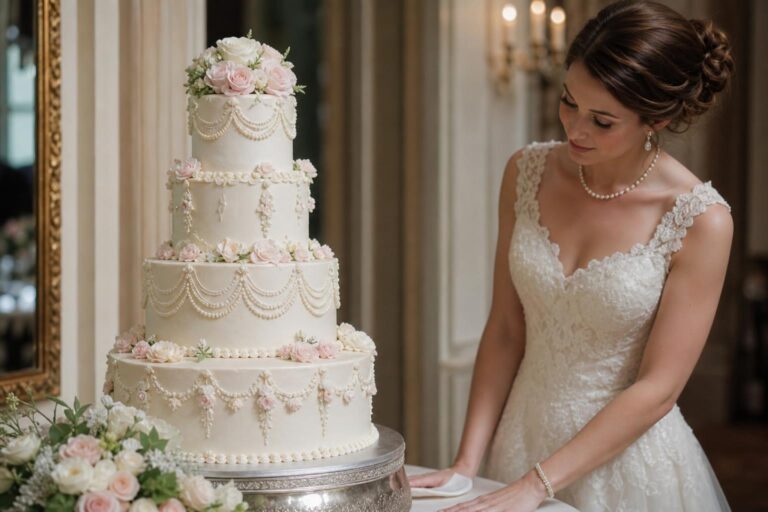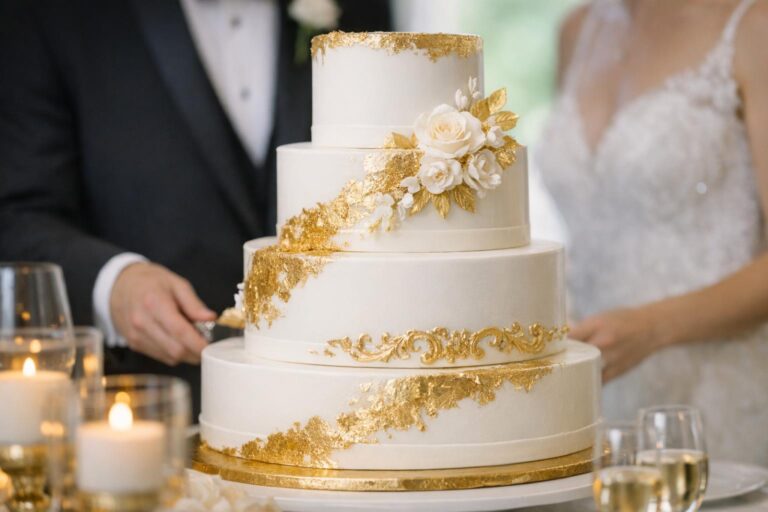
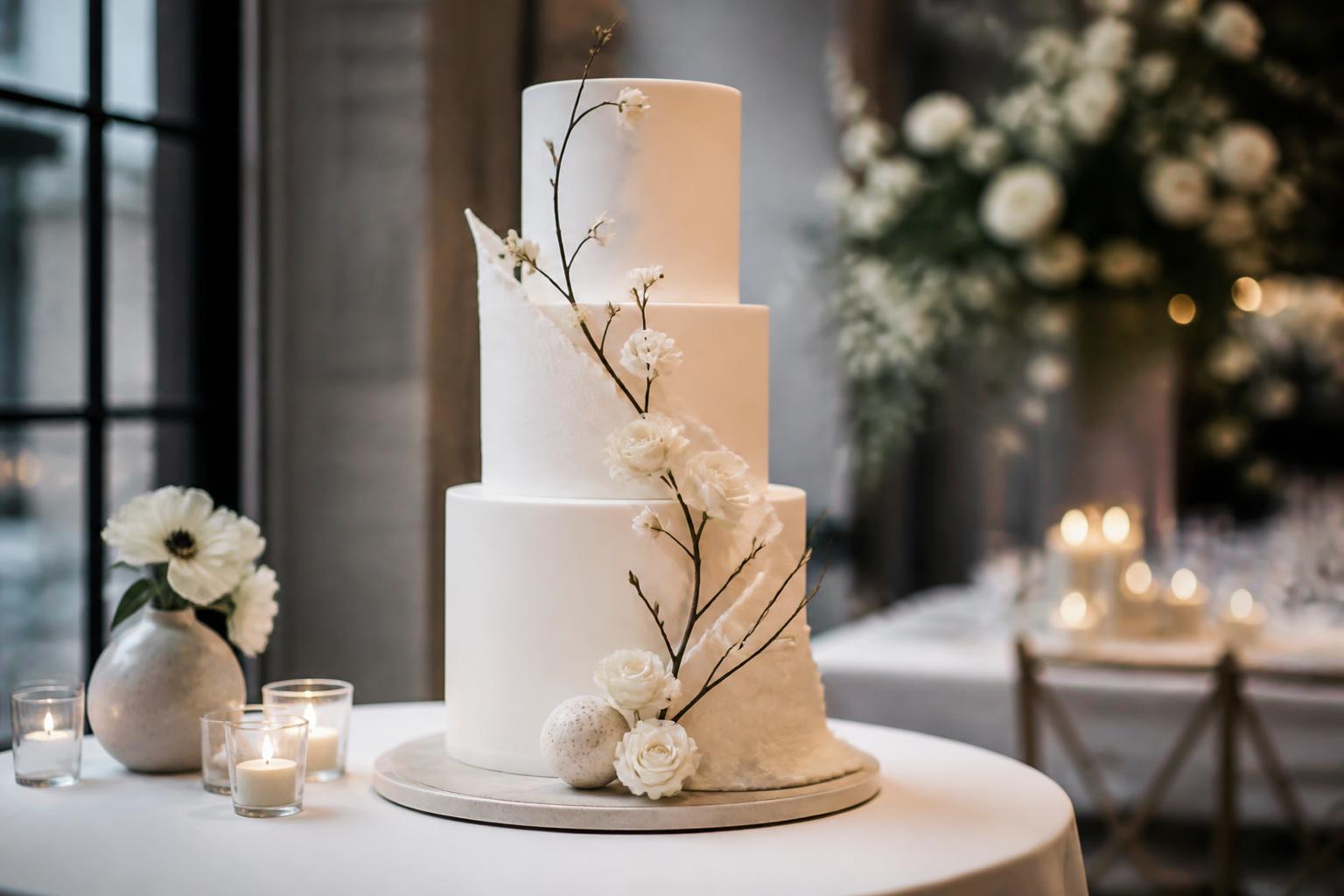
Modern Wedding Cake Styles for a Chic City Reception
The cake table often becomes a quiet pressure point in wedding planning. Couples may feel drawn to a modern wedding cake because it looks elegant, current, and beautifully at home in a city loft, museum reception, or clean-lined ballroom, yet the actual decision can become surprisingly difficult. “Modern” can mean minimalist, architectural, floral-forward, textured, geometric, or even softly artistic, and without a clear direction, it is easy to fall between inspiration and a design that truly fits the day.
That tension is what makes this choice so personal. A wedding cake is not only dessert; it is part of the visual story of the celebration, photographed beside florals, tablescapes, and the venue itself. The right design should feel natural with your setting, easy to describe to your baker, and practical for service, styling, and the atmosphere you want guests to remember.
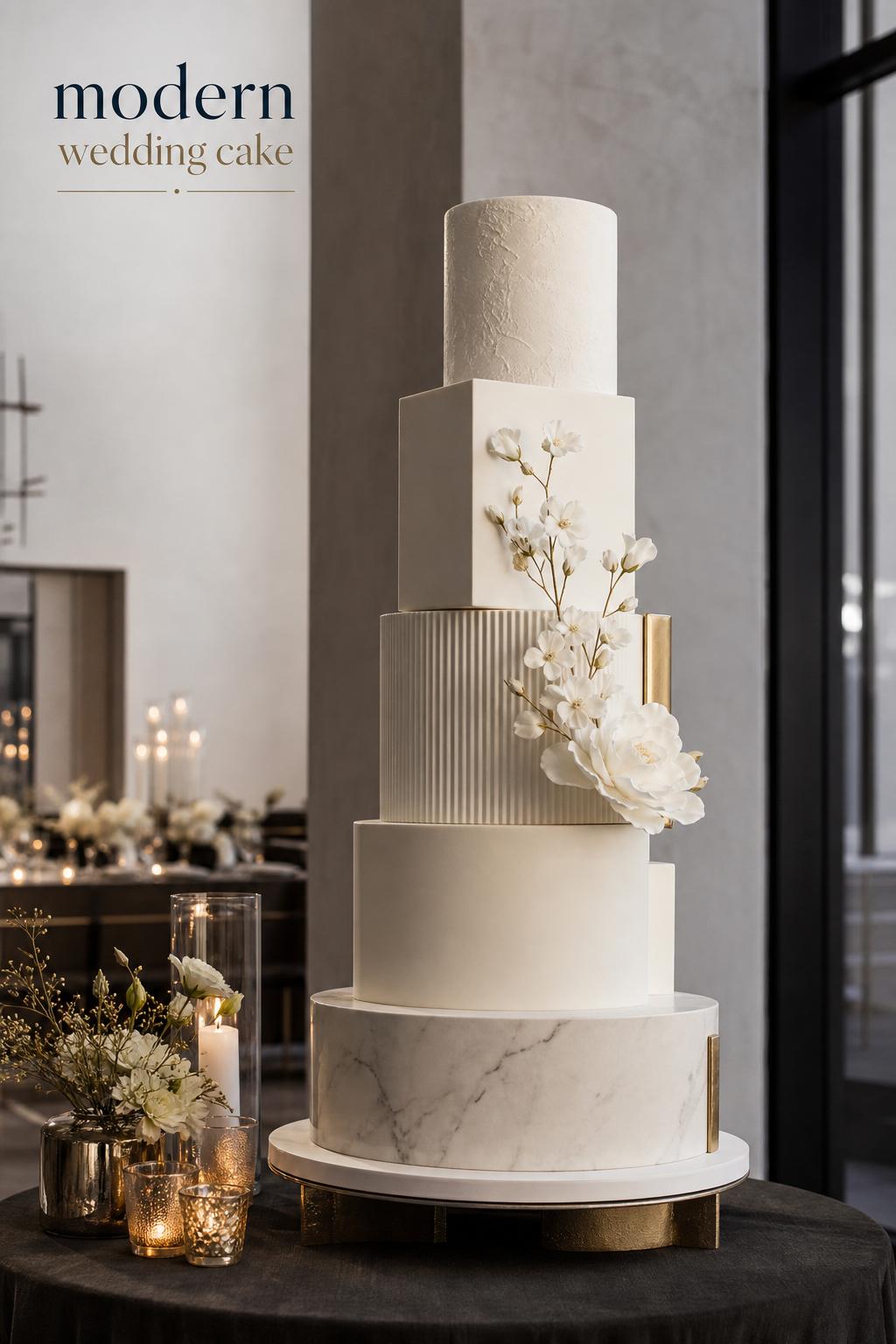
This guide is designed to solve that planning challenge with clear, stylish direction. You will find a grounded look at what defines a contemporary wedding cake, how to match cake style to venue and mood, how to brief a baker with confidence, and which design routes work best when you want something fresh, romantic, and unmistakably modern.
Why choosing a modern cake can feel harder than it looks
In photos, modern cake design often appears effortless: clean lines, a restrained palette, a sculptural silhouette, and perhaps one striking detail. In real planning, however, couples have to balance more than aesthetics. The cake has to feel right for the wedding style, complement the venue, photograph well, and still leave room for practical concerns like tier structure, decorative materials, and serving needs.
Turn wedding inspiration into a plan you can actually follow.
Zarellea brings your guest list, budget, vendors, and day-of details into one shared space — so no beautiful idea gets lost in the shuffle.
Part of the difficulty comes from the range of interpretations now grouped under modern wedding cakes. One baker may use the term for an all-white buttercream cake with subtle texture, while another may present square tiers, marble-inspired finishes, wafer paper details, or sugar flowers used as a single focal point. A modern design can be minimal, but it can also be bold. It can suit a museum like the Fort Worth Museum context seen in real weddings, or it can soften beautifully inside a romantic indoor reception with ivory florals.
That is why a useful decision process starts with styling logic rather than isolated images. Instead of asking only what looks beautiful, it helps to ask what works with your venue, your decor, your photography style, and the level of statement you want the cake to make.
What defines a modern wedding cake in 2026
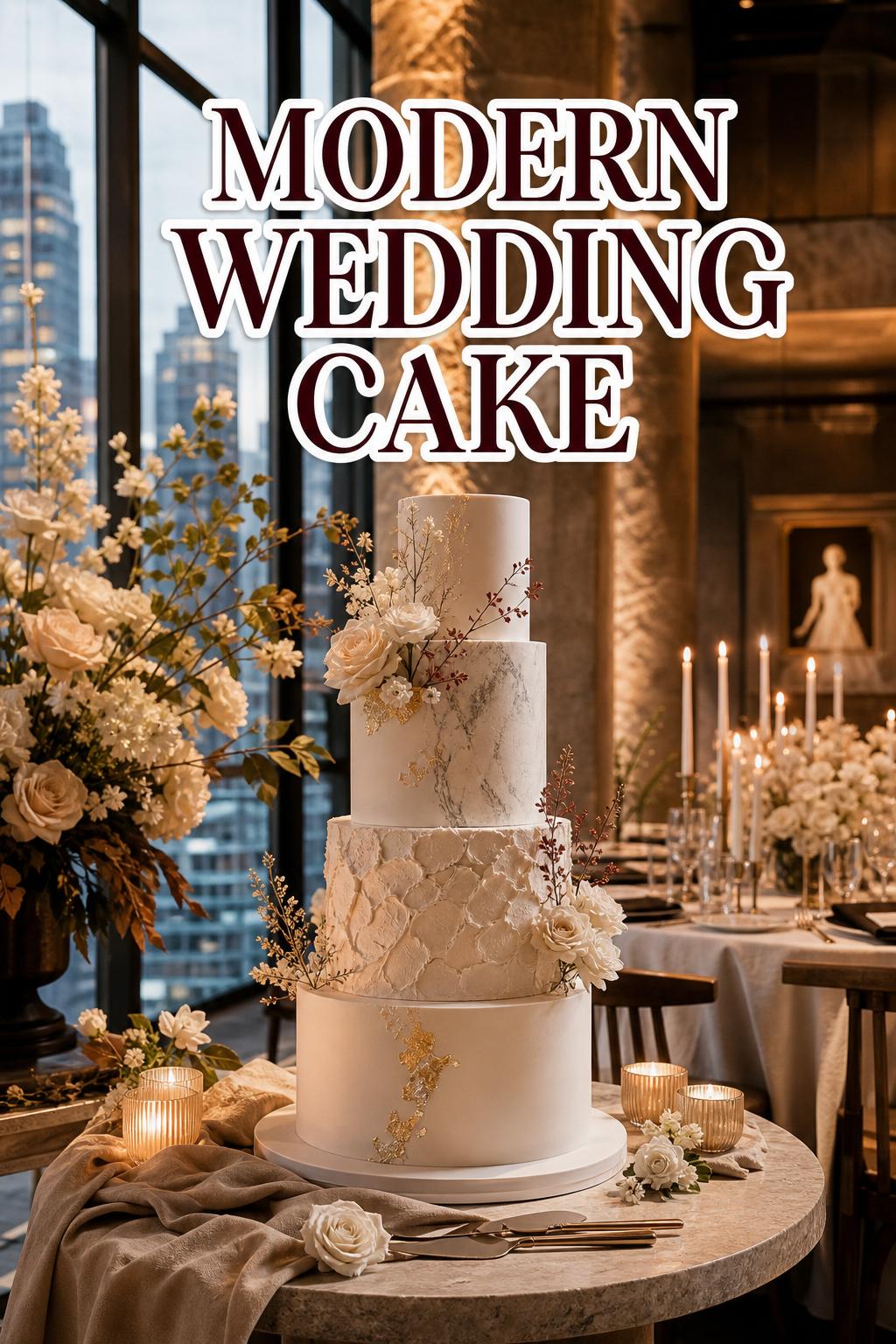
A modern wedding cake is usually defined less by one specific decoration and more by a design mindset. The common thread is intention: fewer unnecessary details, stronger shape language, and a clear relationship between the cake and the overall wedding aesthetic. Across wedding publishers such as The Knot, Bridal Guide, The Perfect Wedding, Yeah Weddings, and Weddingomania, the most consistent themes are minimalism, texture, geometry, thoughtful color use, and architectural presence.
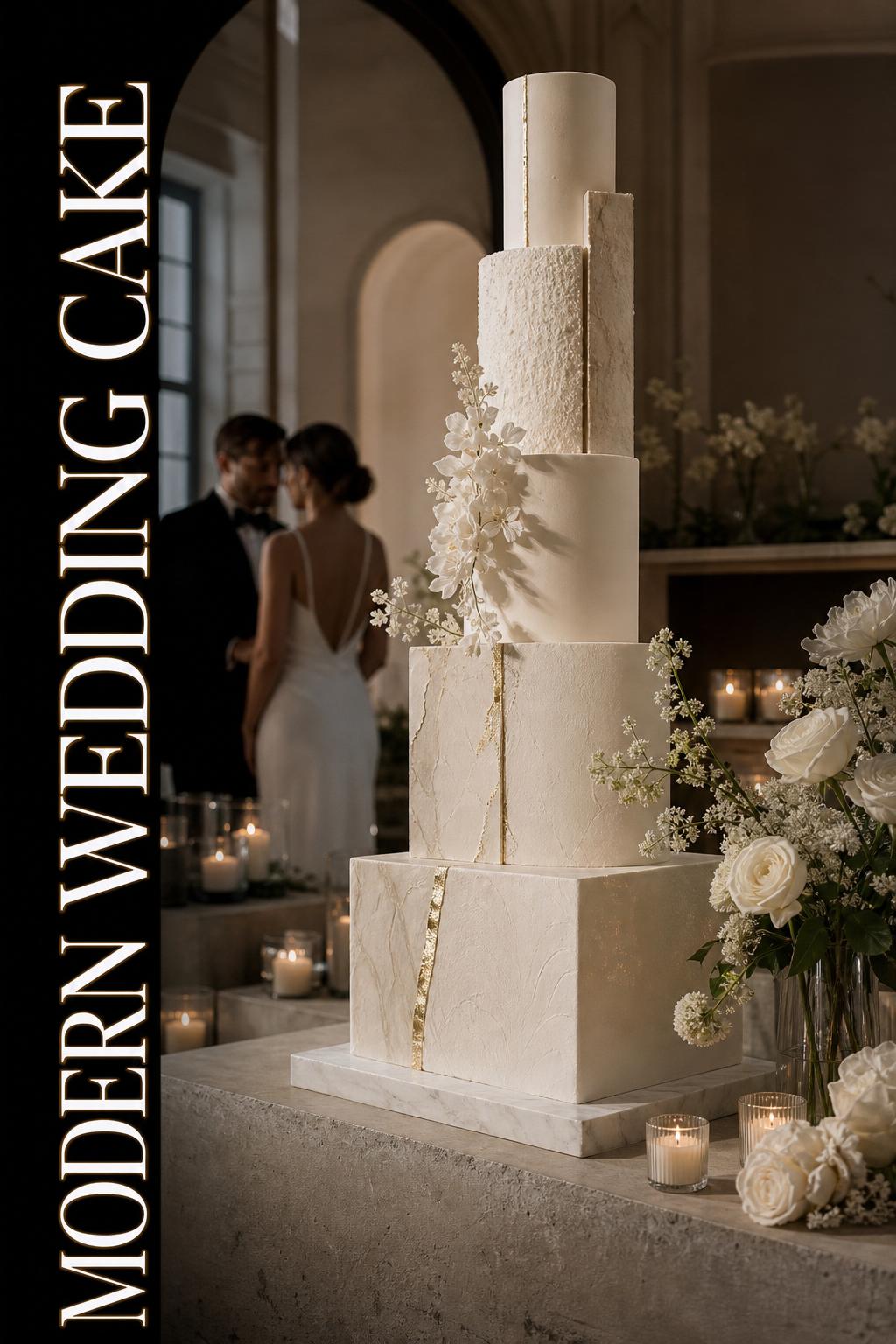
In practice, that often means one or more of the following: an all-white palette, clean edges, textured buttercream, geometric tiers, sculptural surfaces, sugar flowers used with restraint, or a bold single accent. Even when florals are involved, the effect is usually edited rather than crowded. The design feels curated, not overloaded.
- Minimalism over heavy ornament
- Texture used as decoration, especially in buttercream
- Geometric or mixed tier shapes
- Architectural silhouettes with strong vertical presence
- Color palettes that feel intentional rather than overly traditional
- Single statement details such as one floral placement or one metallic accent
This is also where the difference between modern and traditional becomes clearer. Traditional wedding cakes often rely on symmetry, classic piping, and familiar floral arrangements. A modern cake may still be elegant and romantic, but it tends to feel more sculptural, more edited, and more connected to the design language of the venue and reception styling.
The styling principles that make a modern cake work
The strongest modern cakes usually follow the same logic that good fashion styling does: balance, restraint, proportion, and one clear point of view. If too many decorative ideas are layered together, the result can drift away from contemporary and toward confusion. If the design is too minimal for the room, it may disappear instead of anchoring the cake display.
Start with proportion. Tall tiers, sharp edges, or a low stacked composition can all feel modern, but the shape should suit the scale of the reception. A grand museum or architectural venue can hold a more dramatic silhouette, while an intimate dinner may feel better with a smaller cake featuring refined texture and one focal flourish.
Then consider surface. Flat fondant can create a polished, gallery-like effect, while textured buttercream adds softness and movement. This choice changes the emotional tone of the cake. Smooth surfaces often read more formal and graphic; textured finishes can still feel modern while adding romance, especially in candlelit or floral settings.
Finally, think about contrast. A very white cake in an all-white room may need sculptural texture to stand out. A geometric cake in a modern city venue may benefit from soft sugar flowers or an ivory finish to prevent it from feeling cold. The best designs balance modern structure with enough warmth to feel wedding-worthy.
Design directions that solve different wedding style challenges
Minimalist all-white for couples who want timeless without looking traditional
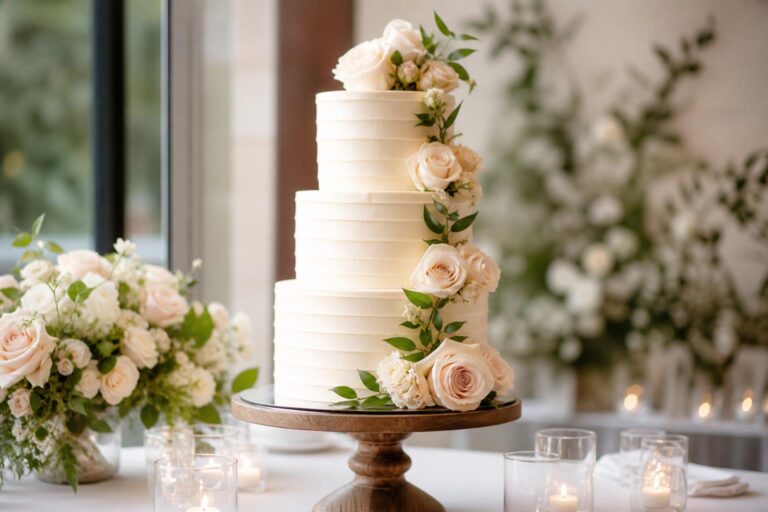
A minimalist all-white cake is one of the safest and most elegant answers when you want a contemporary wedding cake that will still feel graceful in photographs years from now. Clean lines, monochrome icing, and subtle structure allow the silhouette to do the work. This is the style often seen in real weddings on The Knot, including refined ivory and white cakes with restrained decor and a strong tiered presence.
This direction works especially well when the room already has visual richness through florals, lighting, or venue architecture. If your reception features a striking museum setting, modern ballroom, or editorial tablescape, an all-white cake helps the design breathe. It also pairs beautifully with black-tie styling, contemporary bridal fashion, and minimal stationery.
To keep it from feeling plain, ask your baker to create visual interest through edge treatment, height, tier spacing, or a subtle surface finish. A modern cake can be quiet and still be memorable.
Textured buttercream for weddings that need softness and dimension
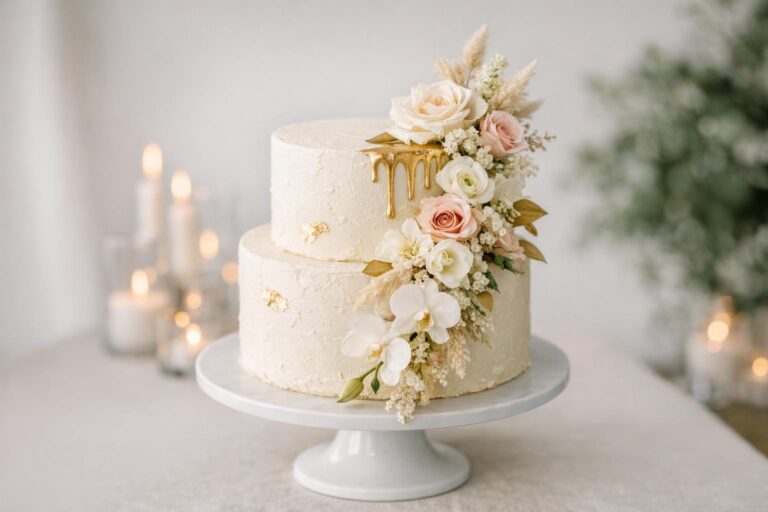
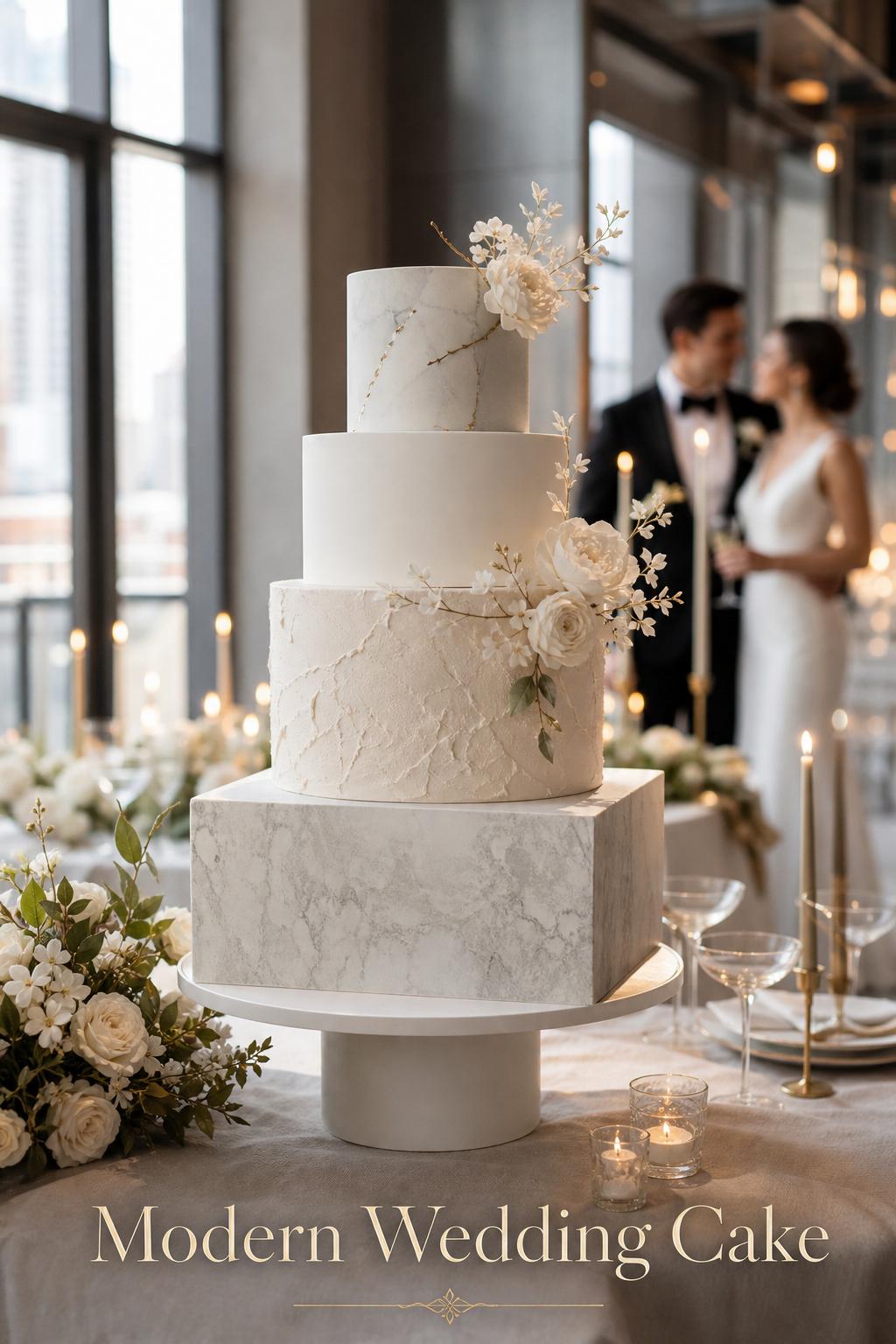
Textured buttercream is one of the most useful style solutions because it bridges modern design and romantic atmosphere. It appears repeatedly across inspiration sources because it gives a cake depth without requiring heavy decoration. Stucco finishes, sculptural swirls, petal-like movement, and other tactile surfaces can turn a simple silhouette into something artistic.
This approach is ideal when couples love modern style but do not want the cake to feel too stark. A textured buttercream wedding cake suits candlelit receptions, floral-forward decor, and venues where soft light brings out every ridge and shadow. It can also be easier to integrate with natural florals or sugar flowers without overwhelming the cake.
For planning purposes, texture is also a helpful language tool. Instead of saying only “simple but interesting,” you can ask for a textured buttercream finish with sculptural movement and a restrained palette. That gives your baker a more useful brief and creates a more consistent result.
Geometric and architectural tiers for a statement at modern venues
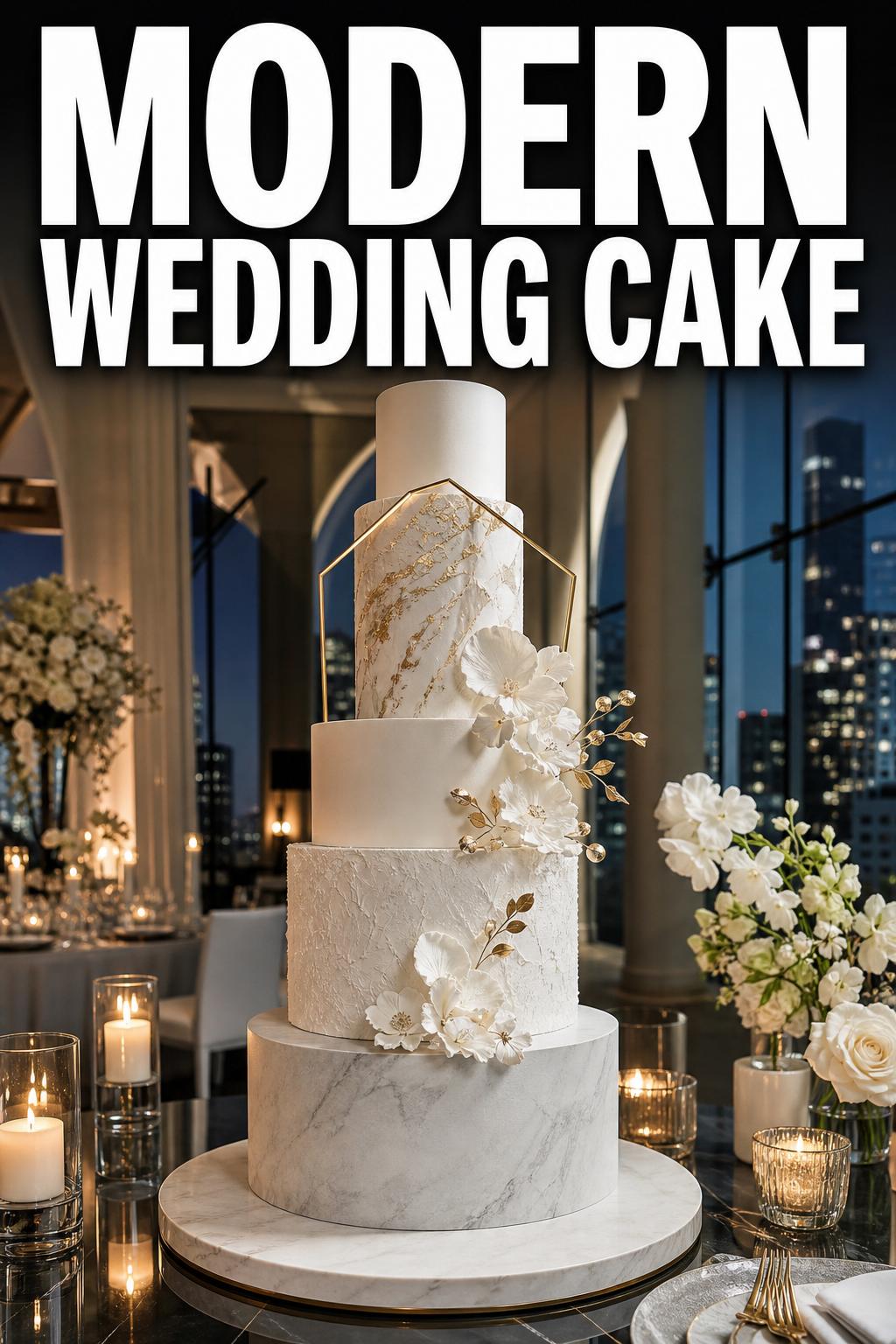
For couples celebrating in a city setting, museum, or architectural space, geometric tiers often make the most visual sense. Hexagonal, octagonal, square, or mixed-shape tiers create an intentional profile that feels contemporary even before any floral or color detail is added. Weddingomania and The Perfect Wedding both lean into this idea by highlighting geometric and architectural cakes as defining modern styles.
This is the right solution when the challenge is scale and presence. A geometric cake naturally reads as designed, so it can hold its own in a dramatic room. It also photographs beautifully from multiple angles, which matters when your cake will appear in wide reception shots as well as close-up editorial images.
The key is editing. If the shape is already strong, keep florals and color accents controlled. One sugar floral cluster, one metallic detail, or one tonal texture is often enough. That balance preserves the architectural feeling instead of competing with it.
Floral and sugar art focus for couples who want modern romance
Modern does not have to mean severe. Sugar flowers, hand-painted florals, and floral sugar work appear across many inspiration galleries because they soften contemporary forms and add a sense of artistry. The difference is in the styling. On a modern cake, florals are usually placed with restraint rather than wrapped around every tier.
This route works beautifully for couples who love a romantic wedding atmosphere but still want the cake to feel current. A clean cake with one floral cascade, a sugar bloom at the base of a sharp-edged tier, or a single oversized floral moment can deliver both elegance and personality. In this context, florals become sculpture rather than ornament.
It is also a useful compromise when one partner prefers minimalism and the other wants softness. A modern base with floral art gives you both.
Matching cake style to venue, decor, and wedding mood
One of the easiest ways to narrow your options is to style the cake as part of the room, not as a separate decision. Real-wedding galleries from The Knot repeatedly show how strongly venue context shapes what looks right. A cake that feels perfect in a museum may look too graphic in a garden-inspired dining room, while a highly textured floral cake may feel more natural in a romantic setting than in a sleek urban reception.
For museum and architectural venues
Choose sharper lines, stronger silhouettes, and more sculptural form. Ivory, white, geometric tiers, and restrained decor tend to feel at home here. A cake displayed in a setting like the Fort Worth Museum context benefits from structure and confidence rather than fussy detail.
For romantic modern receptions
Use texture to soften the look. Textured buttercream, sugar flowers, and a controlled ivory palette create warmth while keeping the overall design contemporary. This is ideal for couples who want a modern wedding cake that still feels emotionally rich and celebratory.
For editorial black-tie weddings
Minimalist cakes with tall tiers, smooth finishes, and one bold accent often photograph best. A single metallic detail or one carefully placed floral element can make the cake feel styled without distracting from the formal atmosphere.
For couples drawn to artistic detail
Marble-inspired finishes, wafer paper techniques, and hand-crafted sugar work can add personality, especially when used on a clean base. These details are most effective when the rest of the design is disciplined. The artistry should feel intentional, not crowded.
How to brief a baker without getting lost in inspiration
Many cake decisions become stressful because couples collect beautiful images without translating them into a clear design language. Bakers usually need more than “modern but romantic” or “simple but special.” A strong brief gives them form, finish, palette, and level of detail.
The easiest approach is to build your brief in layers. Start with the overall style, then add the specific design elements. For example, instead of sending ten unrelated photos, you might say that you want a modern wedding cake with clean lines, an all-ivory palette, textured buttercream, and one sugar floral accent. That is focused, visual, and actionable.
- Style direction: minimalist, architectural, floral-forward, or texture-led
- Shape: round, square, hexagonal, octagonal, or mixed tiers
- Surface: smooth fondant, textured buttercream, marble-inspired finish, or sculptural detail
- Palette: white, ivory, tonal neutrals, or one controlled accent color
- Decor: sugar flowers, hand-painted detail, metallic accent, or no additional decor
- Display context: venue type, floral styling, and whether the cake will sit in a bold or minimal setting
This is also the point to be honest about what you do not want. If you dislike heavy piping, crowded florals, or highly traditional detailing, say so clearly. Precision is helpful. The more specific you are about the mood and the boundaries, the easier it is for a baker or cake studio to design something that fits.
Outfit-solution thinking for cake design: practical style routes that solve real wedding needs
Styling a cake works a little like styling a look for an important event: the most successful choice depends on setting, comfort with boldness, and how much visual work the surrounding elements are already doing. These design routes help solve the most common planning situations couples face.
Solution: the clean-line city wedding cake
Choose a tall cake with smooth or lightly textured white buttercream, geometric tiers, and almost no decoration beyond one accent. This works when your venue already has architectural strength and you want the cake to feel polished rather than ornate. The simplicity keeps the room modern, while the strong silhouette ensures the cake still feels important.
Solution: the softly sculptural romantic-modern cake
Use textured buttercream, rounded or classic tiers, and a restrained placement of sugar flowers. This combination solves the problem many couples face when they love modern design but do not want a cold effect. It keeps the cake current through texture and editing, while the floral detail ties it back to the warmth of the wedding celebration.
Solution: the gallery-style statement cake
Select architectural tiers, a marble or concrete-inspired detail, and a very controlled palette. This works best when the cake needs to function almost like an art object in the reception design. It suits editorial photography and venues where strong lines and dramatic space are already part of the mood.
Solution: the floral focal-point cake
Start with a simple modern base, then let one sugar floral installation carry the design. This is ideal when you want beauty and softness without returning to a fully traditional cake style. It is also a practical option for couples who want the cake to echo the florals in the room while still maintaining contemporary restraint.
What real wedding inspiration teaches about modern cake choices
There is a reason so many leading wedding publishers rely on real-wedding galleries. They show not just what a cake looks like alone, but what it looks like inside a full celebration. The Knot’s real wedding coverage and image-led features are especially useful in this way, tying cake design to venues, photographers, and the visual rhythm of the day.
A six-tiered modern ivory wedding cake, for example, demonstrates how minimal decoration can still feel luxurious when scale and clean architecture are doing the work. It also shows how ivory can soften a modern silhouette more than a very bright white. In another wedding context, a cake placed inside a contemporary venue with strong lines may rely on geometry and shape rather than floral abundance to make its statement.
Photography-led features, including those from Tara Whittaker Photography, reinforce another important truth: texture matters differently in person and on camera. What feels subtle in the room can become beautifully dimensional in photographs. That is one reason textured buttercream, sculptural finishes, and restrained details continue to resonate in modern cake styling.
Materials and finishes: how to choose the right surface
When couples focus only on shape, they sometimes overlook how much the finish controls the final mood. The material and surface treatment determine whether the cake feels soft, polished, edgy, or artistic.
Buttercream for movement and softness
Buttercream is especially effective for textured modern cakes. It can create stucco-like surfaces, sculptural ridges, or a gently imperfect finish that reads romantic while still being current. This is often the strongest choice when you want dimension without excessive decor.
Fondant for clean architecture
Smooth finishes suit geometric tiers and sharp profiles. If your vision depends on crisp lines or a gallery-like simplicity, a smoother surface often helps achieve that precision. It is particularly useful in cakes where form is the main statement.
Artistic details for personality
Wafer paper techniques, marble-inspired finishes, sugar flowers, and concrete-inspired effects can each bring individuality to the design. The modern approach is usually selective. One artistic move can be enough. Several at once may pull the cake away from the refined clarity that makes contemporary design so compelling.
Trends couples are gravitating toward
Across wedding inspiration coverage, several choices continue to define the current direction of modern wedding cake design in the U.S. Minimalism remains central, but not always in a stark way. Couples are often choosing cakes that feel pared back yet tactile, simple yet sculptural. That is why all-white or ivory cakes, texture-forward buttercream, geometric forms, and floral accents used in a controlled way continue to appear so consistently.
Another notable shift is the desire for the cake to align more intentionally with the wedding environment. Rather than selecting a generic “pretty cake,” couples are choosing designs that echo architectural venues, modern art spaces, refined city celebrations, and highly styled editorial receptions. The cake is being treated less as an isolated tradition and more as part of the event design vocabulary.
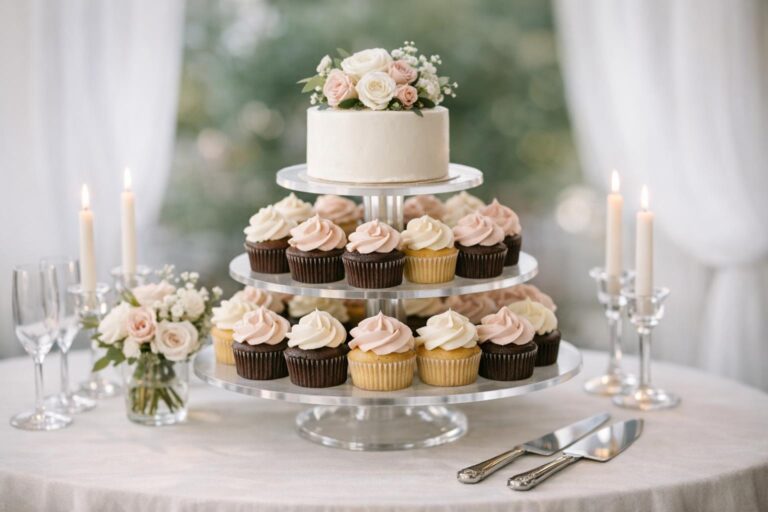
There is also growing room for broader interpretations of modernity. Some portfolio and studio pages point toward non-traditional formats such as dessert towers, cheesecakes, or other reinterpretations of the wedding cake moment. Even for couples who still want a tiered cake, this wider view is a reminder that modern design is as much about point of view as it is about tradition.
Sustainable and dietary-forward considerations without losing the modern look
One of the quieter gaps in many wedding cake conversations is how to incorporate sustainability and dietary inclusivity without compromising design. For some couples, this matters just as much as shape or texture. The encouraging part is that a modern cake aesthetic is often especially well suited to this conversation because it relies on editing, intentionality, and thoughtful detail rather than excess.
If you are discussing dietary-forward options with a baker, keep the styling brief separate from the ingredient conversation at first. Define the visual direction clearly, then explore how the design can be executed within those needs. A minimalist or texture-led design may adapt more naturally than an extremely elaborate cake with many decorative components.
The same principle applies to sustainability-minded choices. A cake that emphasizes strong form, restrained decor, and a purposeful palette already reflects a less-is-more mindset. For couples who care about that alignment, the aesthetic and the values can feel naturally connected.
Vendor inspiration and where different styles tend to appear
Looking at a range of publishers and cake studios can help you refine your taste more quickly. Editorial sources such as The Perfect Wedding, Bridal Guide, The Knot, Yeah Weddings, and Weddingomania are especially useful for understanding the broad design language of modern cakes. Portfolio-driven sources such as Cakes by Robin, Love from Luisa, and Le Gateau show how studios translate those ideas into custom work and client-facing design options.
There is also value in studying the image credits and photography context within galleries. Photographers such as Sarah Glasbergen, Paola Salviano, and Tara Whittaker contribute to how these cakes are seen and remembered, particularly when texture, silhouette, and setting are central to the visual effect. In modern wedding styling, the relationship between the cake, the room, and the photographed moment matters.
As you compare sources, do not just save images you like. Notice what repeats. If you consistently prefer ivory over bright white, texture over polish, or one floral statement over full floral decoration, that pattern is telling you something meaningful about your design direction.
Tips for making your cake feel more expensive and more intentional
Often, the most elevated cakes are not the ones with the most decoration. They are the ones with the clearest visual decisions. A few practical adjustments can make a modern cake feel far more refined.
- Choose one hero element, such as texture, geometry, or sugar flowers, and let it lead.
- Use an edited palette, ideally white, ivory, or a controlled tonal scheme.
- Match the cake stand and display styling to the venue so the cake does not feel disconnected.
- Think about the backdrop and lighting, especially if the cake will be photographed prominently.
- Scale the height and tier count to the room rather than choosing size only by habit.
One more practical tip: if your wedding decor is already visually busy, simplify the cake. If the reception styling is very minimal, the cake may need more texture or a stronger form to hold visual weight. This kind of balance is what makes the whole celebration look coherent.
Common mistakes couples make with modern cakes
The most common mistake is mixing too many trends at once. A geometric silhouette, marble finish, sugar flowers, metallic leaf, and heavy texture can each be beautiful, but together they can create a design that no longer feels clean or contemporary. Modern styling depends on restraint.
Another mistake is choosing a cake in isolation from the venue. A style that looks wonderful in a gallery image may not suit your space, your florals, or your reception mood. The cake should belong to the wedding, not just to your saved inspiration folder.
Finally, many couples under-explain what they want to their baker. Saying “modern” is a starting point, not a complete direction. The stronger brief includes shape, palette, finish, and level of decoration. That clarity usually leads to a cake that feels both more personal and more polished.
Creating a cake moment that feels like your wedding
The most memorable modern wedding cake is rarely the one with the most dramatic trend detail. It is the one that feels fully integrated into the celebration, as though it could belong nowhere else. Whether you choose an all-white textured cake, a geometric statement piece, an ivory six-tier silhouette, or a floral sugar art design, the goal is the same: the cake should echo the atmosphere you have created for the day.
That is why the best decision process starts with mood, setting, and proportion. Once those are clear, choices about buttercream texture, clean lines, geometric tiers, sugar flowers, marble effects, or wafer paper become much easier. You are no longer choosing from endless inspiration. You are selecting the version of modern that fits your celebration.
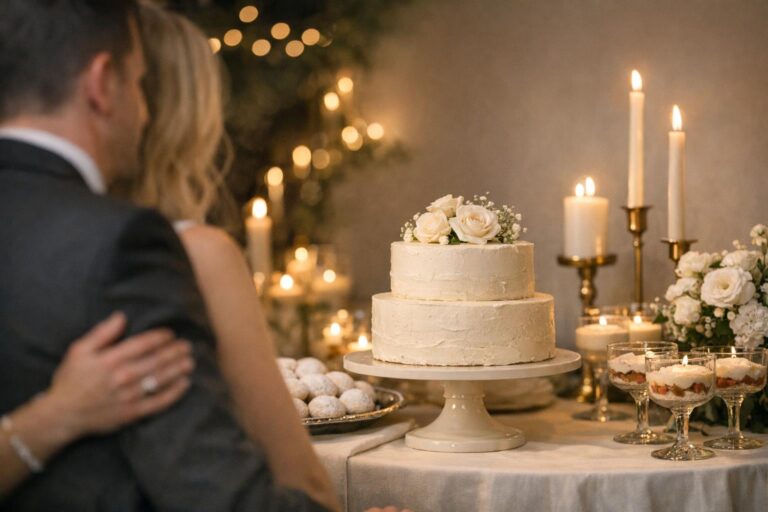
When the style is right, the cake becomes more than a detail. It becomes part of the visual memory of the evening: glowing in candlelight, framed by florals, and standing quietly at the center of one of the sweetest moments of the wedding.
FAQ
What makes a cake a modern wedding cake?
A modern wedding cake is usually defined by clean design choices such as minimalism, strong shape, texture, architectural lines, restrained florals, and intentional color use. Rather than relying on heavy traditional ornament, it tends to feel more edited, sculptural, and connected to the overall wedding aesthetic.
Are all-white cakes still considered modern?
Yes, all-white and ivory cakes remain one of the clearest expressions of modern cake design, especially when they feature clean lines, subtle texture, or strong tier proportions. The look feels current because the simplicity is deliberate rather than plain.
Is buttercream or fondant better for a modern look?
Both can work well, depending on the effect you want. Buttercream is ideal for textured, sculptural, and softly romantic modern cakes, while smoother finishes are often better for geometric shapes and sharper architectural lines. The right choice depends on whether you want softness or precision to lead the design.
Do sugar flowers work on a contemporary wedding cake?
Yes, sugar flowers can look very modern when they are used with restraint. A single floral focal point or a carefully placed arrangement often feels more contemporary than covering every tier, because the decoration reads as artful and intentional.
How do I explain a modern cake design to my baker?
Start with four points: overall style, shape, surface finish, and decorative level. For example, you might ask for a modern wedding cake with hexagonal tiers, textured buttercream, an ivory palette, and one sugar floral accent. That gives your baker a clear visual framework to work from.
What modern cake style works best for a museum or city venue?
Geometric or architectural cakes usually work especially well in museum and city settings because they reflect the structure of the space. Clean edges, strong silhouettes, and restrained decor tend to feel more natural in these venues than heavily traditional detailing.
Can a modern wedding cake still feel romantic?
Absolutely. Texture-forward buttercream, ivory tones, and carefully styled sugar flowers can soften a modern silhouette beautifully. The key is to keep the design edited so the romance feels refined rather than overly ornate.
Are marble and concrete-inspired finishes too trendy?
They can work very well when used thoughtfully, especially for couples who want an artistic or edgy look. The safest approach is to pair these finishes with a simple silhouette and limited additional decor so the cake still feels elegant and balanced.
Can non-traditional formats still fit a modern wedding cake vision?
Yes, modern cake design can include reinterpretations such as dessert towers or cheesecake-style presentations, particularly when couples want a contemporary twist on tradition. What matters most is that the presentation feels intentional and aligned with the venue and wedding style.
What is the biggest mistake to avoid with a modern cake?
The biggest mistake is combining too many design ideas at once. Modern cakes are strongest when they focus on one or two leading elements, such as texture and clean lines or geometry and a single floral accent, rather than trying to showcase every trend in one design.