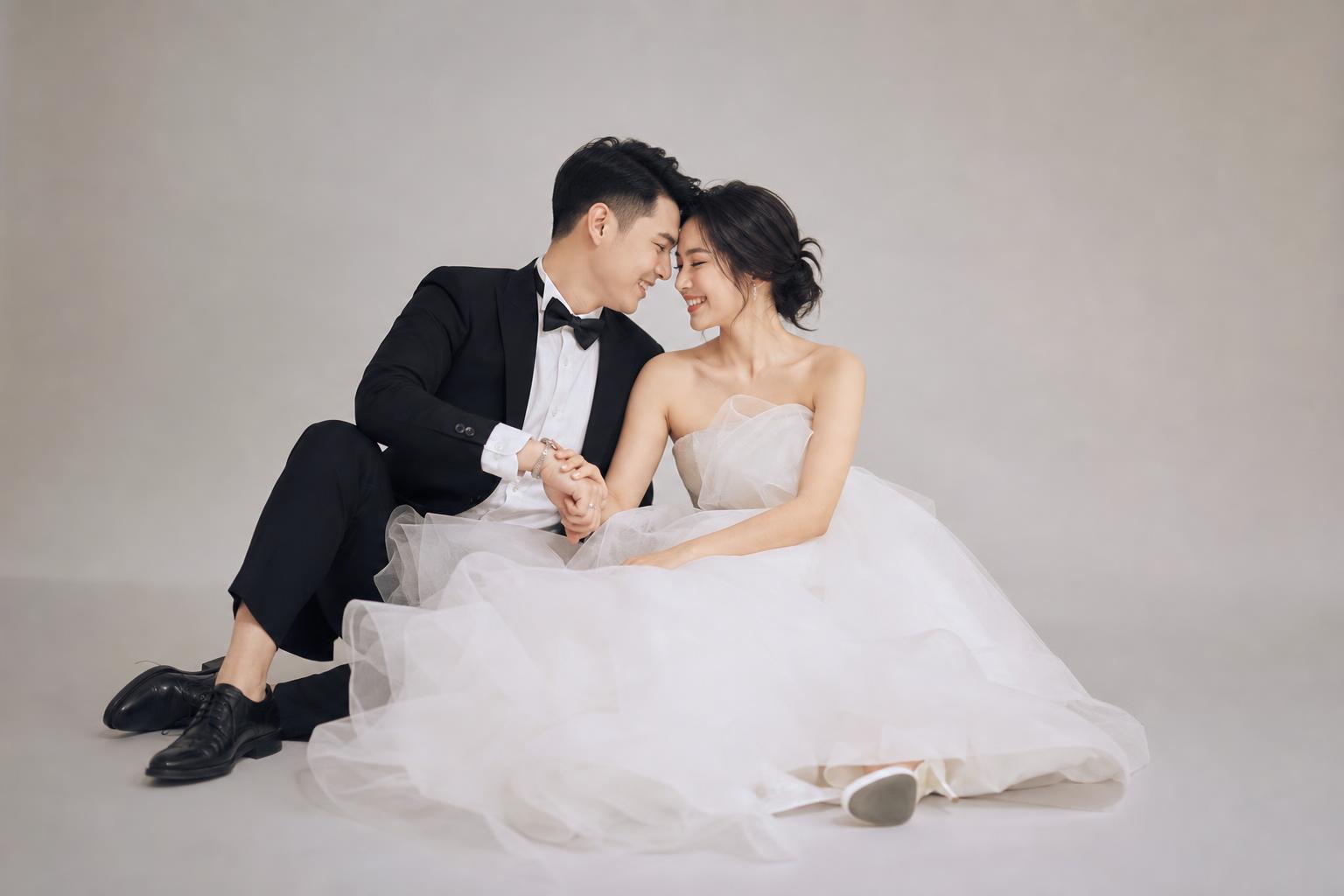
Studio Prewedding Photo Ideas With an Editorial Feel
Studio prewedding photo ideas often seem simple when couples first save inspiration, but the stress usually begins when those ideas have to work inside a real studio, with real lighting, limited time, outfit changes, and the pressure to create images that still feel personal. What looks effortless in a gallery can feel strangely flat if the backdrop, wardrobe, posing, and mood do not connect.
This is where many couples get stuck. They want a studio pre-wedding shoot because it feels controlled, polished, and weather-safe, yet that same control can make the session feel overly staged if every detail is not thoughtfully planned. The challenge is not just finding beautiful concepts. It is choosing ideas that photograph well, feel emotionally true, and can be executed without turning the day into a stressful production.
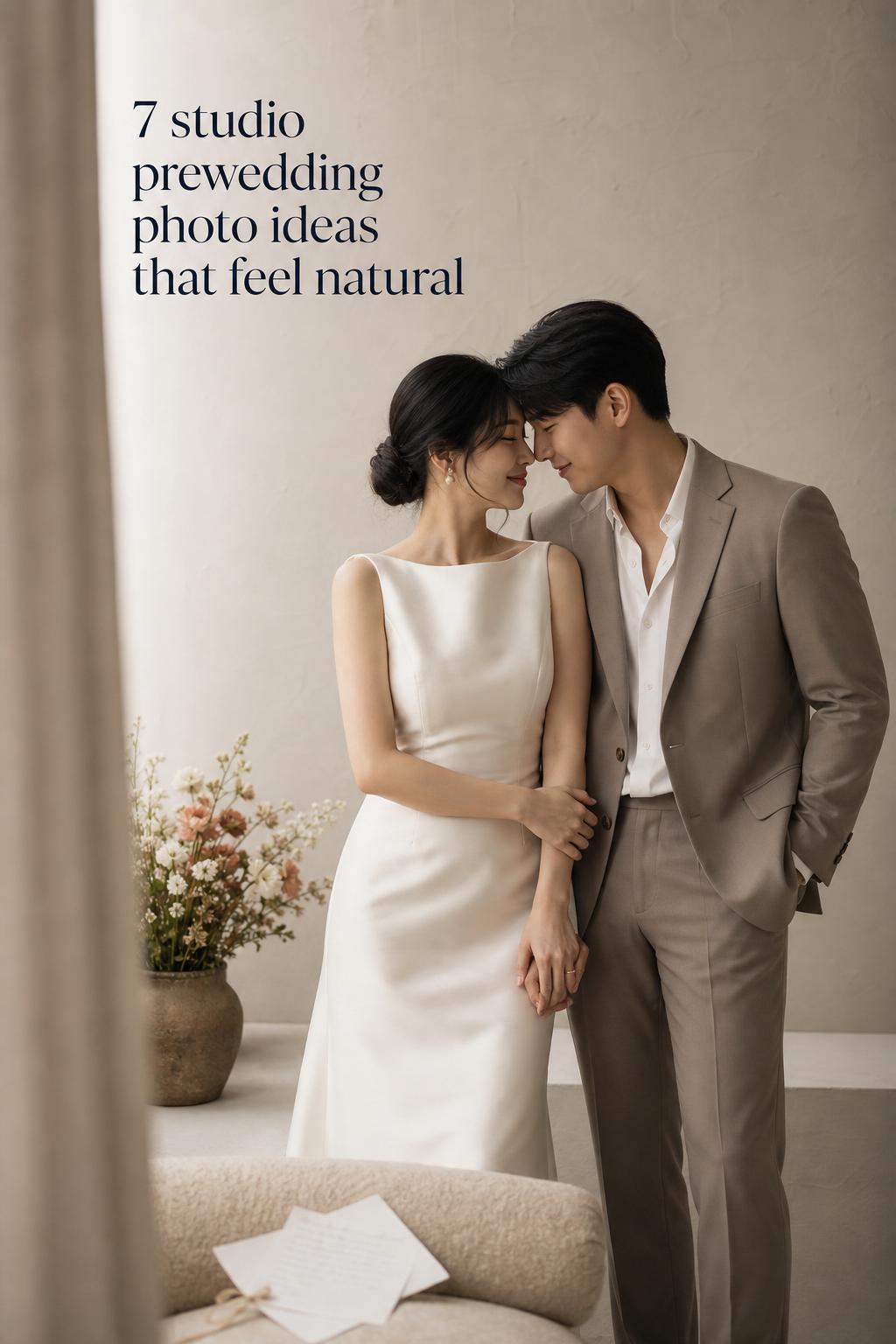
This guide is designed to solve that problem. Instead of offering a random stream of inspiration, it brings together studio prewedding photo ideas with practical planning guidance on styling, mood boards, lighting, backdrops, props, posing, and timeline decisions so your final gallery feels cohesive, flattering, and unmistakably yours.
Why this wedding challenge happens
A studio shoot promises certainty: no weather issues, no harsh outdoor conditions, no need to chase changing light. That is exactly why so many couples are drawn to it. Yet once the location is simplified, every other element becomes more visible. In a studio, there is nowhere for weak styling, mismatched outfits, cluttered props, or awkward posing to hide. The images rely heavily on concept, emotion, and design choices.
Turn wedding inspiration into a plan you can actually follow.
Zarellea brings your guest list, budget, vendors, and day-of details into one shared space — so no beautiful idea gets lost in the shuffle.
Another reason the process feels confusing is that studio pre-wedding content usually blends different goals together. Some couples want a minimalist black-and-white portrait session. Others want cinematic storytelling, Korean-inspired elegance, or an editorial fashion mood. A few want a cozy and intimate setup that feels more like quiet time together than a formal portrait experience. All of these directions can work, but they require different backdrops, lighting setups, wardrobe choices, and posing energy.
There is also a practical tension between personalization and efficiency. Agencies and studios often encourage mood boards and styling collaboration because personalization creates stronger images. At the same time, the more concepts you add, the more likely the session becomes rushed. Too many ideas can dilute the emotional story. Too little planning can make the shoot feel generic. The most successful studio sessions balance visual ambition with a realistic structure.
That balance matters even more for U.S. couples comparing studio versus outdoor options. Indoor shoots remove weather uncertainty, but they still need thoughtful vendor coordination, time management, and a clear understanding of how hair, makeup, outfits, props, and lighting all interact in one controlled space.
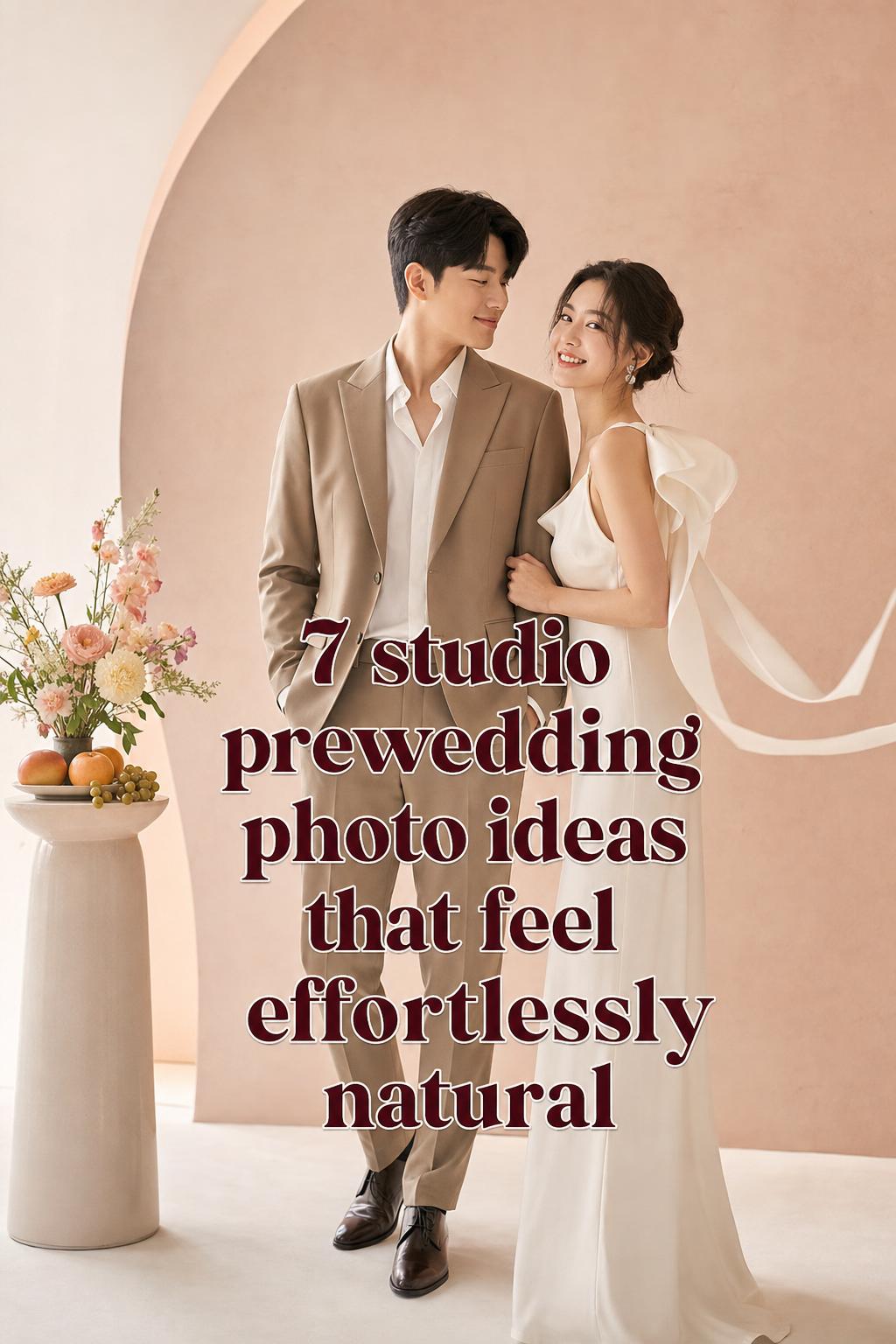
The styling principles that make studio photos feel elevated
The strongest studio pre-wedding images are rarely the busiest ones. They work because each visual choice supports the others. A calm color palette helps the couple stand out. A well-chosen backdrop reinforces the mood instead of competing with it. Lighting is shaped for emotion, not just brightness. Styling feels intentional, not overloaded.
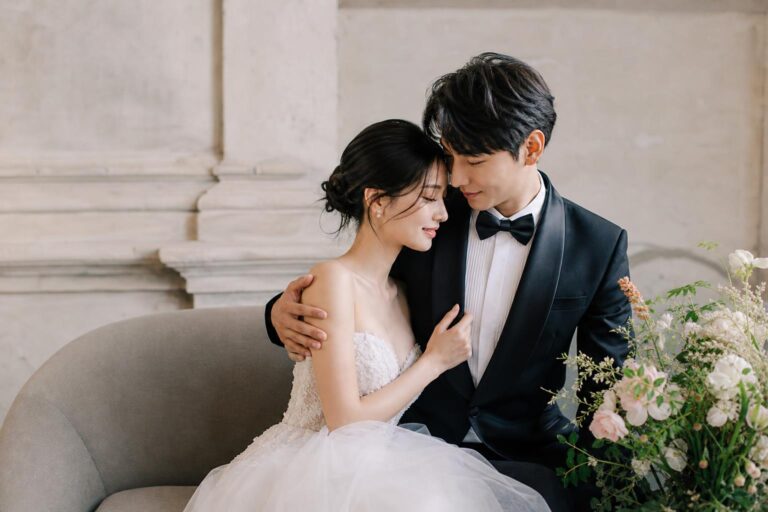
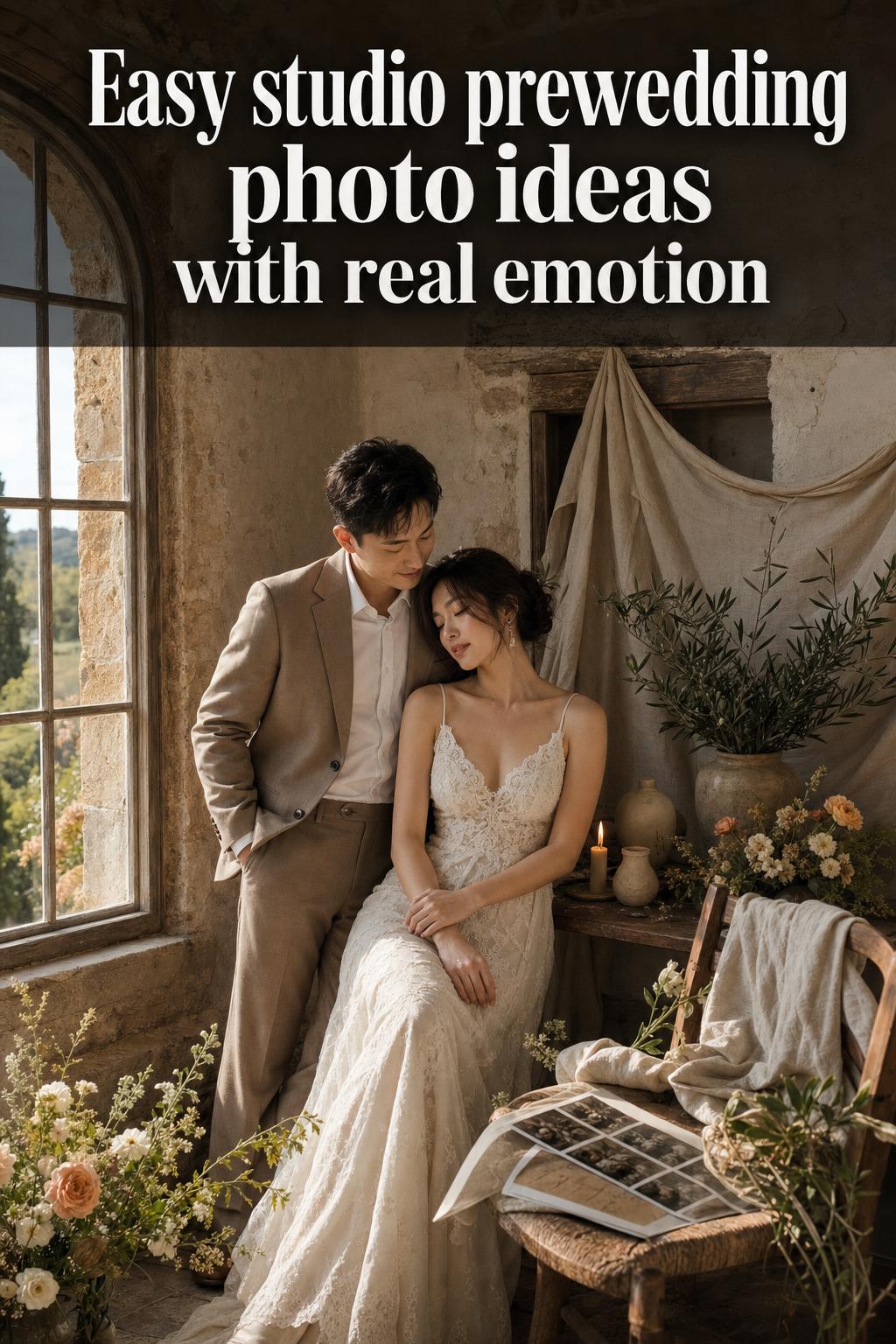
One of the most useful principles is to build around a single concept cluster for each look. If you want an editorial studio fashion vibe, choose wardrobe, posing, and lighting that support that fashion-forward energy. If you want a cozy and intimate set, softer textiles, warm tones, and gentler expressions will read better than dramatic, angular styling. This prevents the visual confusion that happens when one look tries to be cinematic, romantic, minimalist, and fashion-heavy all at once.
Another core principle is that texture often works better than excess decoration. In studio photography, seamless paper, textured backdrops, soft fabrics, and simple props usually feel more refined than crowded sets. This is one reason minimalist and black-and-white styles remain powerful. They remove distraction and let emotion, shape, and light do the work.
Finally, design for both movement and photography. Beautiful styling that restricts walking, sitting, turning, or close interaction can make a couple appear stiff on camera. Studio sessions are still about connection. The most flattering concepts allow enough physical comfort for natural gestures, not just still poses.
What couples usually overlook before choosing a studio concept
Most couples focus first on visual references, but the better starting point is the kind of feeling they want to remember. That emotional goal changes the entire shoot. A quiet, intimate gallery needs a different approach than a high-fashion editorial one. A Korean pre-wedding influence, such as the timeless aesthetic associated with Kuho Studio and the wider appeal of classic Korean studio concepts, often leans refined, polished, and softly romantic. A cinematic set may need more dramatic color and prop direction.
It also helps to think about how many looks the studio day can realistically support. A single polished concept with one backdrop and one secondary variation often feels more complete than trying to force four unrelated ideas into a short session. Studio Fleet’s practical workflow approach and similar planning-focused resources point toward the same conclusion: a strong session is usually organized, not overloaded.
- Choose one primary mood and one secondary variation.
- Decide early whether the gallery should feel timeless, playful, cinematic, or fashion-led.
- Match wardrobe changes to real time available, not wishful planning.
- Use props only when they add meaning or shape to the frame.
- Confirm whether your photographer prefers to build the mood through lighting, backdrop, styling, or all three.
Wedding solution: minimalist black-and-white studio portraits
The problem with many “simple” studio shoots is that they are not actually simple. Couples remove color and elaborate sets hoping for timeless elegance, but without enough attention to lighting and posing, the result can feel empty rather than intentional. Black-and-white images are especially unforgiving because every line, expression, shadow, and posture becomes more obvious.
The solution is to treat minimalism as a design choice, not an absence of ideas. Use a black, white, or neutral backdrop; shape the light carefully with a softbox; and focus on emotional direction. This style works well when the photographer guides subtle interaction: foreheads touching, walking slowly, hands meeting at waist level, or one partner turning toward the other instead of both facing forward in every frame. The Nottingham studio example featuring Steve and Sophie shows how a real couple story can gain strength when lighting and backdrop decisions are kept deliberate and clean.
Visually, this creates a gallery that feels calm, mature, and timeless. Emotionally, it reduces the pressure to “perform” with heavy concepts. Couples who want images that still look elegant years from now often feel most comfortable here, especially when they are nervous in front of the camera and need a setting where connection carries the story.
What photographs best in this style
Monochrome studio images benefit from clean silhouettes, strong tailoring, satin or matte textures that catch light gently, and poses with clear shape. Overly busy prints and too many accessories can interrupt the visual quiet that makes the style work.
Wedding solution: cinematic studio storytelling that still feels personal
Cinematic studio pre-wedding shoots often go wrong when couples focus only on mood without building a narrative. They gather dramatic references, ask for film-inspired lighting, and bring props, but the final gallery can feel like disconnected scenes instead of a coherent love story. The problem is not the concept itself. It is the lack of structure.
The practical fix is to create a short narrative arc before the session. That might be as simple as “arrival, conversation, closeness” or “playful beginning, dramatic middle, quiet ending.” Use one or two meaningful props rather than a large collection, and let lighting shifts define each part of the story. Cinematic styles seen in broader pre-wedding inspiration from Pataaree Studios, Shotkit, and themed studio features work best when concept, wardrobe, and color grading direction are aligned from the start. A deeper palette, selective use of color, and intentional posing can make the scene feel cinematic without becoming theatrical.
When done well, this approach turns a controlled studio into a world of its own. The gallery feels richer and more emotionally layered, yet still polished. Couples often find this especially rewarding when they want personality in the images but do not want to depend on outdoor travel, weather timing, or multiple locations.
Tips for keeping cinematic concepts elegant
- Use one story idea per wardrobe look.
- Keep prop choices symbolic rather than decorative.
- Ask for lighting changes that support mood shifts.
- Choose a color palette before finalizing styling.
- Avoid mixing too many themes into one session.
Wedding solution: editorial fashion vibes without losing warmth
Editorial-inspired studio prewedding photo ideas are appealing because they feel polished, modern, and luxurious. The common issue is that couples imitate fashion poses that look powerful in magazines but feel cold in a wedding context. The result can be visually strong yet emotionally distant, which is frustrating when the purpose of the session is to celebrate a relationship.
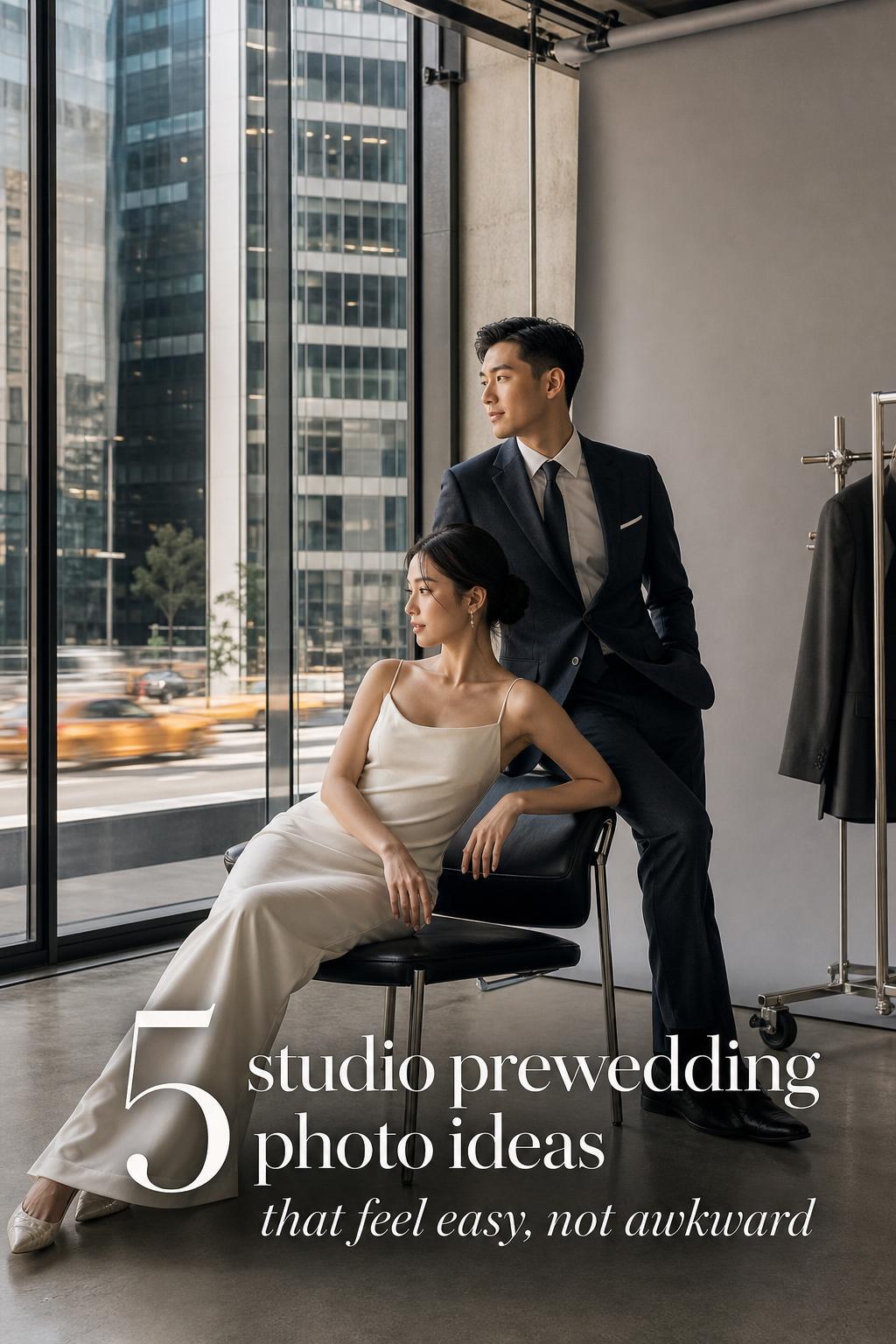
The answer is to borrow fashion discipline, not fashion detachment. Think tailored wardrobe, intentional posing, and strong composition, but keep moments of connection in the frame. Wardrobe coordination matters here: clean lines, bridal separates, refined accessories, and groom attire with structure all photograph well in a studio setting. This is also where stylist collaboration becomes useful. Content that emphasizes personalization through concept and styling repeatedly points to the same truth: fashion-led sessions succeed when the couple still feels like themselves. Mood boards help prevent the look from becoming too generic or too trend-driven.
The visual result is modern and elevated, but still romantic. Instead of looking like borrowed fashion imagery, the gallery feels like a portrait of the couple at their most confident. This kind of session is particularly effective for couples who want save-the-date, album, or display-worthy images that feel sleek and contemporary.
How to keep it timeless
Choose editorial structure through wardrobe and posing, then soften it with natural expressions, close frames, and restrained styling. Timelessness comes from clarity and confidence, not from adding more trends.
Wedding solution: a cozy and intimate set for couples who dislike stiff posing
Many couples want studio photos because they value privacy, but they worry the final images will feel posed and unnatural. This tension often shows most clearly when the pair is affectionate in real life but becomes awkward the moment a camera appears. Without the movement of an outdoor location, discomfort can feel more obvious.
A cozy studio setup solves this by giving the couple something natural to do inside the frame. Soft textures, warm lighting, gentle seating, and simple props create a set that encourages interaction rather than static posing. The idea is not to over-style the space but to make it emotionally usable. Lifestyle-oriented storytelling, sentimental details, and softer wardrobe choices help here. Studio Capture Life’s themed emphasis on props and outfits supports this direction, especially when props are there to create intimacy rather than visual noise.
The atmosphere changes immediately. Instead of looking as though they are trying to perform romance, the couple appears relaxed enough to experience it. This often produces the most emotionally resonant frames of the day: quiet laughter, hands resting naturally, small glances, and body language that feels lived-in rather than directed.
Guest-comfort logic, applied to photography
Even though a studio shoot has no guests, comfort still matters in the same way it does on a wedding day. If clothing scratches, seating is awkward, or shoes are painful, tension shows in the body. Comfortable styling is not less luxurious. It is often what allows luxury to look believable.
Theme and wardrobe playbook for cohesive studio styling
Wardrobe is one of the most decisive parts of studio planning because the setting is controlled enough that clothing becomes a major storytelling tool. If the outfits conflict with the backdrop or with each other, the gallery can feel disjointed even when the photography is technically strong. This is why mood boards matter so much in studio work. They connect concept, color palette, texture, and emotional tone before the session begins.
Color palettes and mood boards
A mood board should not just collect pretty references. It should narrow decisions. Pair backdrop colors with wardrobe tones intentionally. If the set is minimalist, neutral clothing keeps the emphasis on shape and emotion. If the concept is cinematic, richer colors can support depth and mood. Wedding Concepteur’s planning focus and personalization-led studio content both reinforce the value of making these choices early rather than improvising on shoot day.
Wardrobe coordination for American styles
For U.S. couples, one of the most practical approaches is to blend bridal polish with everyday recognizability. That may mean one refined wedding-adjacent look and one more relaxed outfit. Clean suiting, simple dresses, bridal separates, and coordinated but not identical tones tend to work well. The goal is not costume. It is cohesion. When one partner is styled formally and the other feels too casual, the imbalance becomes obvious in studio images.
Props and details that actually add meaning
Props work best when they anchor memory or gesture. Albums, rings, sentimental objects, and pet-friendly details can all support storytelling, but only if they fit the concept. Too many props dilute attention and make a studio shoot feel like a set display. Milk Books’ emphasis on creative pre-wedding ideas aligns well with using meaningful objects sparingly, especially when the final images may later be turned into albums or keepsakes.
- Use one statement prop or a small cluster of related details.
- Keep accessories in the same visual language as the wardrobe.
- Avoid introducing props that require major lighting or set changes unless they are central to the concept.
- If including rings or an album, build one close-up sequence specifically for them rather than forcing them into every frame.
Lighting and backdrop decisions that change everything
Lighting is often the difference between a studio shoot that feels intentional and one that feels generic. Because the environment is controlled, viewers notice the quality of light immediately. The same couple, wardrobe, and pose can look intimate, dramatic, polished, or flat depending on how the light is shaped. This is why so many top studio-focused articles discuss lighting and backdrop ideas together rather than separately.
Lighting setups for mood
A softbox is especially useful for romantic and flattering portrait work because it helps shape light gently across faces and fabrics. For minimalist portraits, soft directional light can create elegant contrast without harshness. For cinematic concepts, more dramatic control and selective falloff can help build atmosphere. The conversation is not only about brightness; it is about emotional tone. Brands such as Elinchrom and Godox are relevant here because they represent the kind of lighting kit language couples may hear during planning, even if the photographer chooses the exact configuration.
Backdrops and set design
Backdrops should support the concept, not overpower it. Seamless paper works beautifully for editorial, minimalist, and black-and-white looks because it keeps the frame clean. Textured backdrops can add warmth and dimension for cozy or narrative-driven concepts. This is also where location-inspired styling can help. The research points to a gap around U.S. city-level sets, and that matters because couples often respond well to environments that feel familiar, such as loft-style polish or fashion-studio simplicity, even within a controlled indoor space.
Photography perspective
Good studio design photographs from multiple distances. A backdrop may look beautiful straight on but become limiting in close-ups if the texture is too busy or the edges of the set appear too soon. Ask your photographer whether the setup supports full-length portraits, seated images, close emotional frames, and detail shots without needing a full reset each time.
Posing frameworks that make the gallery feel natural
Couples often think posing is about memorizing flattering positions, but in a studio context it is more useful to think in sequences. One good pose can unfold into several images if the movement is small and intentional. This reduces stiffness and helps the gallery feel more organic.
Shotkit’s emphasis on collaboration and posing ideas is valuable because it frames posing as a shared process, not a test the couple has to pass. Start with simple standing frames, then move into interaction: walking, turning, leaning in, sitting, holding hands, adjusting clothing, or sharing a quiet laugh. Editorial concepts can use stronger posture. Intimate sets benefit from closer body language. Minimalist looks rely on shape and expression. The point is to match the posing archetype to the concept rather than expecting one style of posing to fit every idea.
A timeline-friendly shot list rhythm
- Begin with the simplest setup while the couple settles in.
- Move to the most important wardrobe look before fatigue appears.
- Capture close-up emotional frames before large prop changes.
- Save experimental variations for the final part of the session.
- End with relaxed, low-pressure frames that often become favorites.
This structure works because confidence builds over time. Couples rarely look their most natural in the first few minutes. Giving the session a gentle progression helps both the images and the mood of the day.
The U.S. studio and vendor ecosystem: choosing support that fits the concept
Studio pre-wedding planning is easier when couples think of the session as a small production rather than just a photo appointment. The photographer is central, but the overall result may also depend on the studio itself, hair and makeup support, styling input, and a realistic plan for wardrobe changes. The studio versus outdoor decision is often less about beauty and more about which environment better supports the kind of experience a couple wants.
Finding the right U.S. studio
Look for a studio that suits your intended mood, not just one that is available. A bright, clean space may suit editorial and minimalist sessions. A more flexible studio with textured sets may be better for cinematic or intimate concepts. Ask practical questions about backdrop options, changing areas, scheduling flexibility, and whether the photographer regularly works there. A studio should reduce stress, not add hidden complications on the day.
Hair, makeup, and wardrobe partners
Hair and makeup matter more in the studio than many couples expect because controlled lighting reveals details clearly. The same is true for wardrobe preparation. If styling support is available, use it to keep the looks cohesive. Coordination between photographer, stylist, hair, and makeup artists is particularly helpful when the session includes multiple concepts or transitions from soft romance to stronger editorial direction.
This does not mean every couple needs a large vendor team. It means the session should have enough support to protect the concept. Thoughtful collaboration usually creates calmer pacing and a more consistent final gallery.
A realistic planning timeline from mood board to gallery
One reason studio shoots become stressful is that couples underestimate how many small decisions shape the outcome. A planning timeline creates emotional breathing room. It also prevents the common mistake of making all styling decisions too close to the session date, when changes become more expensive or harder to coordinate.
The 6 to 8 week planning rhythm
Begin with the concept and overall mood. Once that is approved, move into wardrobe coordination, props, and backdrop discussion. Hair and makeup planning should support the chosen aesthetic, whether minimalist, cinematic, Korean-inspired, or editorial. In the final stretch, confirm timing, shot priorities, and any meaningful details you want included. This kind of mood board approval process appears again and again in strong studio planning content because it prevents confusion on the day itself.
Deliverables and gallery curation
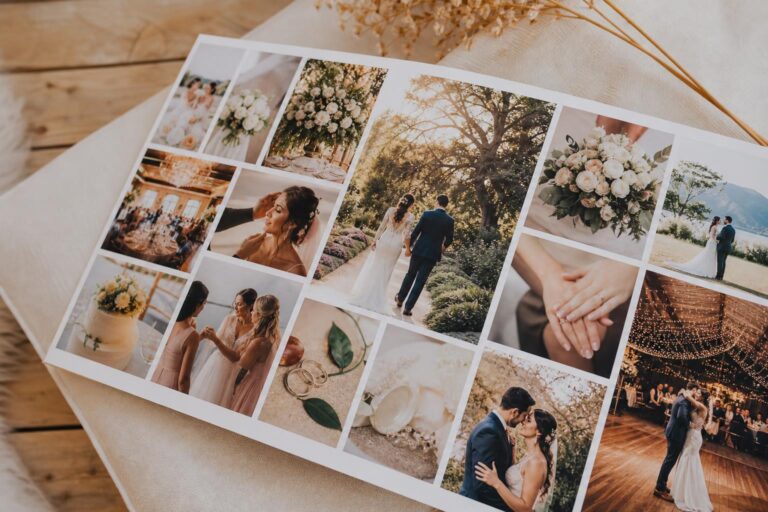
It is also helpful to decide how the images will be used. Some couples want album-ready portraits. Others need a digital gallery for wedding websites, display prints, or pre-wedding announcements. If you know the intended use, your photographer can prioritize framing variety accordingly. This is one reason publisher-style inspiration from places like Milk Books remains relevant: final image use should shape how the session is photographed.
Common mistakes that make studio shoots harder
Most studio disappointments do not come from a lack of inspiration. They come from misalignment. A beautiful wardrobe with the wrong backdrop. A romantic concept with cold posing. A dramatic set with rushed timing. These are fixable problems, but only if couples recognize them early.
- Choosing too many unrelated concepts for one session.
- Ignoring how lighting changes the mood of the wardrobe and backdrop.
- Using props because they are trendy rather than meaningful.
- Skipping mood boards and assuming everyone imagines the same outcome.
- Planning outfit changes too tightly, which creates stress and visible fatigue.
- Prioritizing social-media inspiration over personal comfort and real chemistry.
The good news is that none of these mistakes require a bigger budget to avoid. They require clearer decisions. Cohesion usually does more for a gallery than quantity.
The simplest way to make the session feel more personal
Personalization does not have to mean building a complex set or inventing a dramatic theme. Often it is as simple as choosing one visual language that reflects the relationship. That might be quiet black-and-white portraits, Korean-style timeless elegance, a fashion-led editorial setup, or a cozy set that allows candid closeness. The strongest studio prewedding photo ideas are the ones that feel believable for the couple in front of the camera.
If you are unsure which direction to choose, ask a simple question: would this still feel like us without the styling? If the answer is yes, the concept is probably grounded enough to work. If the answer is no, simplify. Personal meaning usually photographs better than performance.
Final thoughts on creating a studio shoot that feels beautiful and real
A studio pre-wedding session works best when it is treated as both a visual project and an emotional experience. The controlled environment gives couples wonderful freedom, but it also asks for clearer choices. Backdrops, lighting, wardrobe, props, mood boards, and posing all matter more because they are carrying the full story.
That does not mean you need a complicated production. It means each choice should have a purpose. A calmer color palette, a more thoughtful shot list, better vendor coordination, or one meaningful prop can do more than an overloaded concept ever will. Practical decisions and beautiful styling are not in conflict here. They are what make the final gallery feel effortless.
If the session feels cohesive, comfortable, and emotionally honest, it will already have what most couples are truly looking for: images that feel polished enough to treasure and personal enough to recognize as their own.
FAQ
How many looks can you shoot in a studio?
Most couples are better served by one main concept and one secondary variation rather than too many unrelated looks. A studio session usually feels stronger when the time is spent refining a clear idea instead of rushing through multiple wardrobe and backdrop changes.
What gear should I request for a studio pre-wedding shoot?
You do not need to dictate the full setup, but it helps to discuss lighting style, backdrop options, and modifiers such as a softbox if you want softer romantic portraits. If you have a specific mood in mind, ask your photographer how they would shape the lighting and set design to achieve it.
How far in advance should I plan a studio pre-wedding session?
A 6 to 8 week planning window is a practical starting point for concept selection, mood board approval, wardrobe coordination, and any hair or makeup arrangements. Planning earlier is especially useful if you want multiple vendors involved or need the images by a certain date.
Are studio pre-wedding shoots better than outdoor sessions?
Not necessarily better, but often more controlled. A studio can reduce weather stress and give you more precision with lighting, backdrops, and styling, while outdoor shoots may offer more natural movement and scenery. The better choice depends on the mood you want and how much unpredictability you are comfortable with.
How do we make a studio shoot feel personal?
Start with a concept that reflects your actual dynamic rather than copying a trend too literally. Mood boards, meaningful props, wardrobe that feels authentic, and posing that suits your comfort level all help the gallery feel more like your relationship and less like a borrowed set of references.
Do props help or hurt studio pre-wedding photos?
Props help when they support the story and fit the visual direction of the shoot. They become distracting when they are added without purpose or when too many are introduced at once. A few meaningful details usually work better than a crowded set.
What should we wear for studio prewedding photo ideas that feel timeless?
Timeless studio wardrobe usually means clean lines, coordinated tones, and fabrics that photograph well under controlled light. Minimalist dresses, structured suits, bridal-adjacent looks, and restrained accessories tend to age better than highly trend-driven outfits.
Can black-and-white studio portraits still feel romantic?
Yes, often even more so. Black-and-white portraits remove distraction and place more attention on light, expression, and connection. They work especially well for couples who want a classic gallery built around emotion rather than elaborate styling.
What is the role of a mood board in a studio pre-wedding shoot?
A mood board helps align the visual direction before the session by connecting wardrobe, backdrop, color palette, lighting mood, and props. It reduces confusion, makes collaboration easier, and helps everyone work toward the same atmosphere instead of improvising on the day.