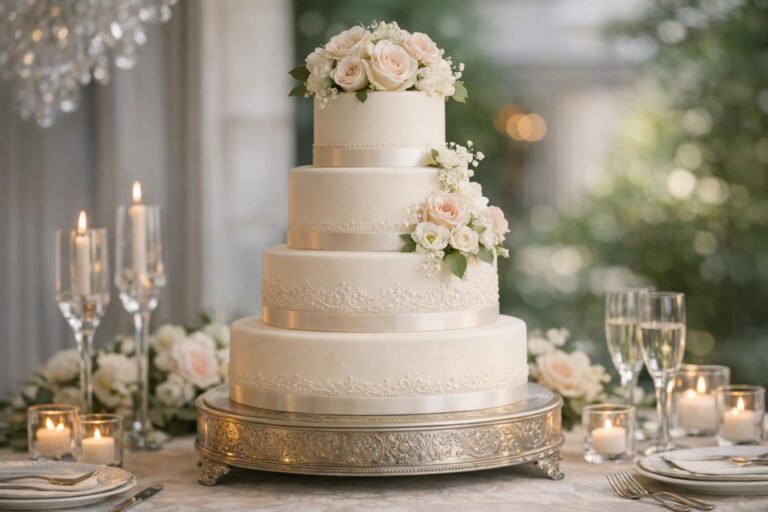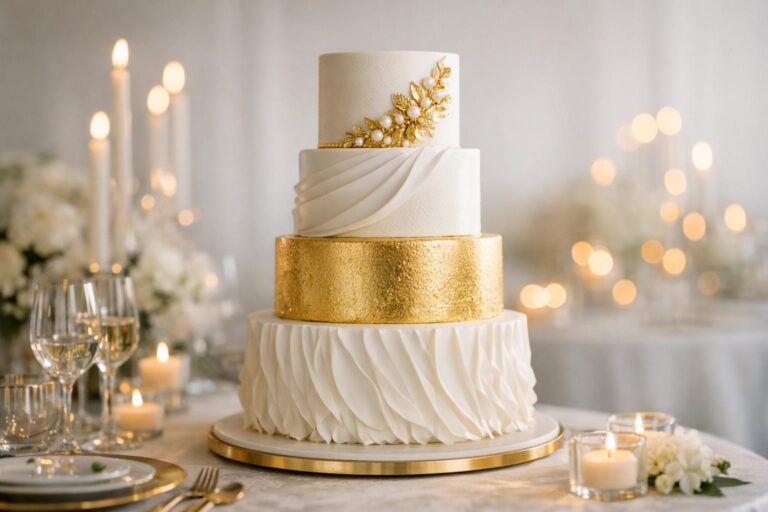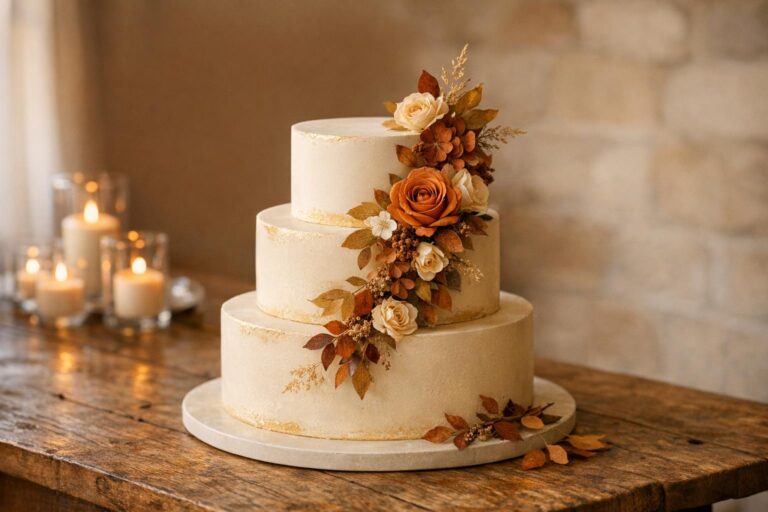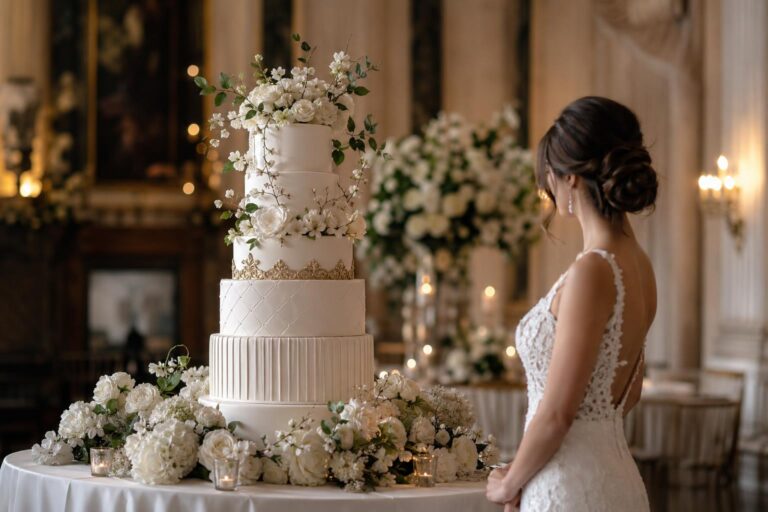
Mexican Wedding Cake: The Quiet-Luxury Dessert Moment
Mexican wedding cake: the sweet moment guests remember long after the last dance
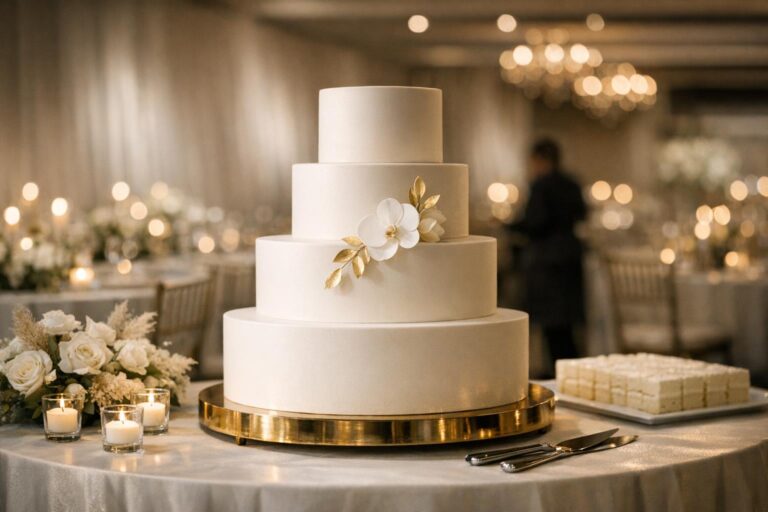
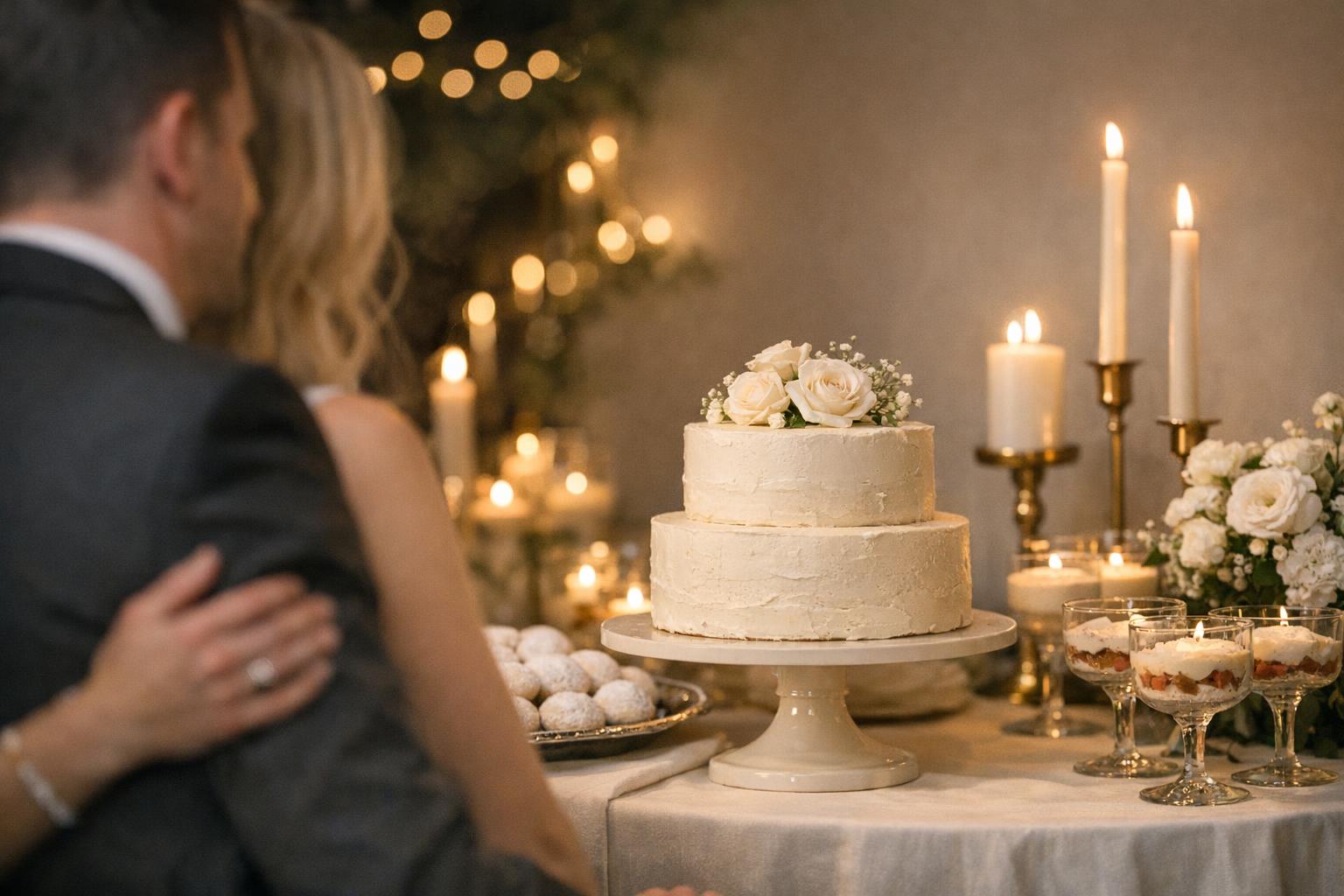
There’s a particular hush that falls over a reception when dessert arrives—the lights soften, the music feels a touch more romantic, and every guest leans in as if the evening is about to tell its favorite secret. A mexican wedding cake fits beautifully into that moment because it doesn’t just “finish” a meal; it sets a mood. Whether you imagine a candlelit ballroom, a garden dinner under string lights, or a modern city celebration with sleek white florals, a mexican style cake can feel timeless, celebratory, and deeply personal.
If you’re considering a wedding cake mexican-inspired in flavor, styling, or overall feeling, this guide is designed to help you make confident decisions—not just pick something pretty. You’ll find practical planning guidance, ideas for how the cake can echo your venue and season, thoughtful ways to present it, and how to talk through options with a baker so the final result feels like an extension of your day.
What couples mean when they say “mexican wedding cake”
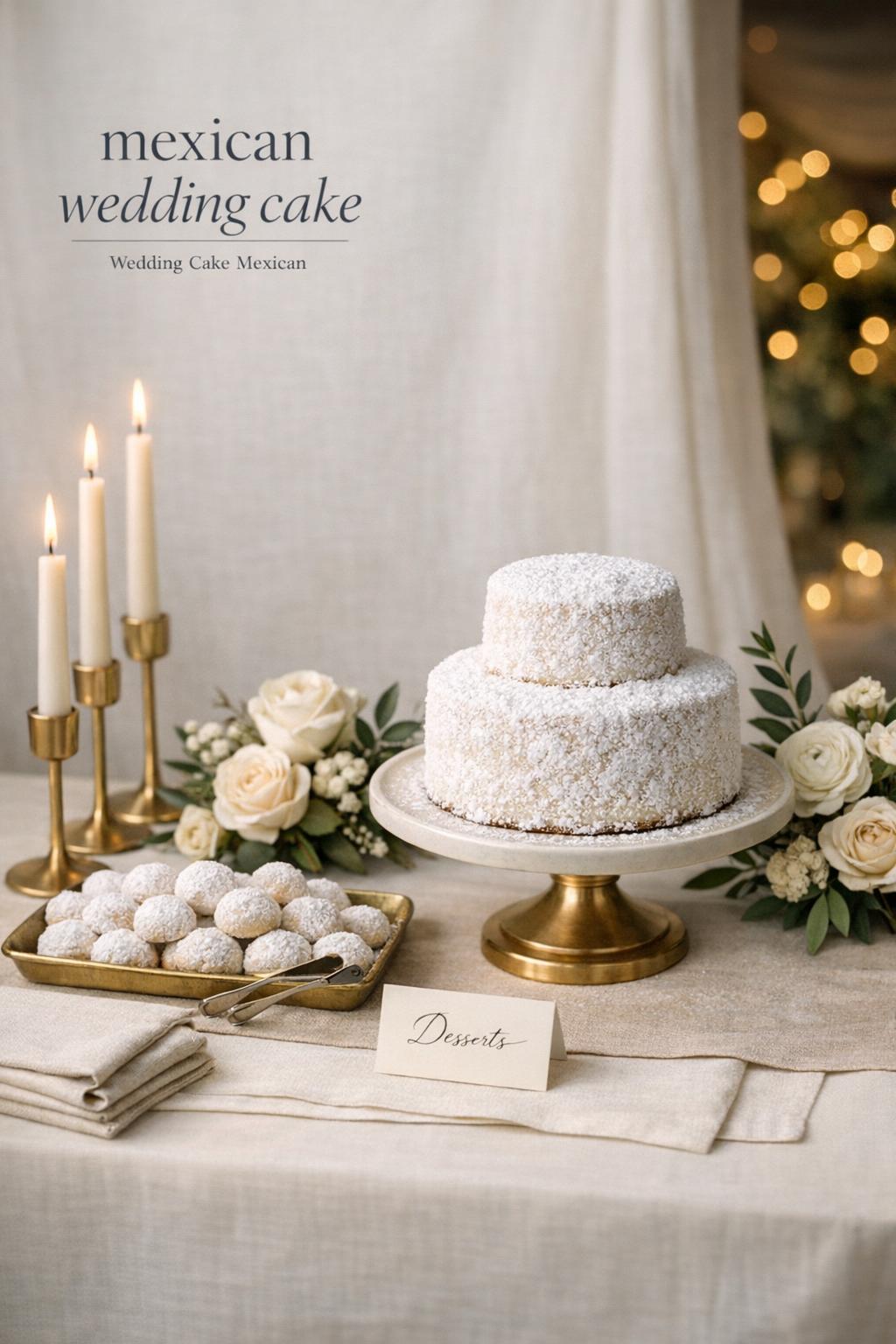
In wedding planning conversations, “mexican wedding cake” is often used as a shorthand for a specific vibe: warm, celebratory, and rich in tradition—yet flexible enough to feel modern. For some couples, it means leaning into mexican wedding cake flavors; for others, it signals mexican wedding cake ideas like a dessert table that feels festive and inviting, or a cake design that complements Mexican-inspired décor.
Practically, you’ll hear the phrase used in three common ways: as a centerpiece cake with Mexican-inspired flavor notes, as a dessert table theme that includes Mexican wedding cake-style sweets, or as a mexican wedding cake recipe-inspired element you personalize for guests (for example, a small cutting cake plus coordinated treats). Knowing which version you mean helps your baker translate “inspiration” into a plan with the right scale, budget, and timeline.
Turn wedding inspiration into a plan you can actually follow.
Zarellea brings your guest list, budget, vendors, and day-of details into one shared space — so no beautiful idea gets lost in the shuffle.
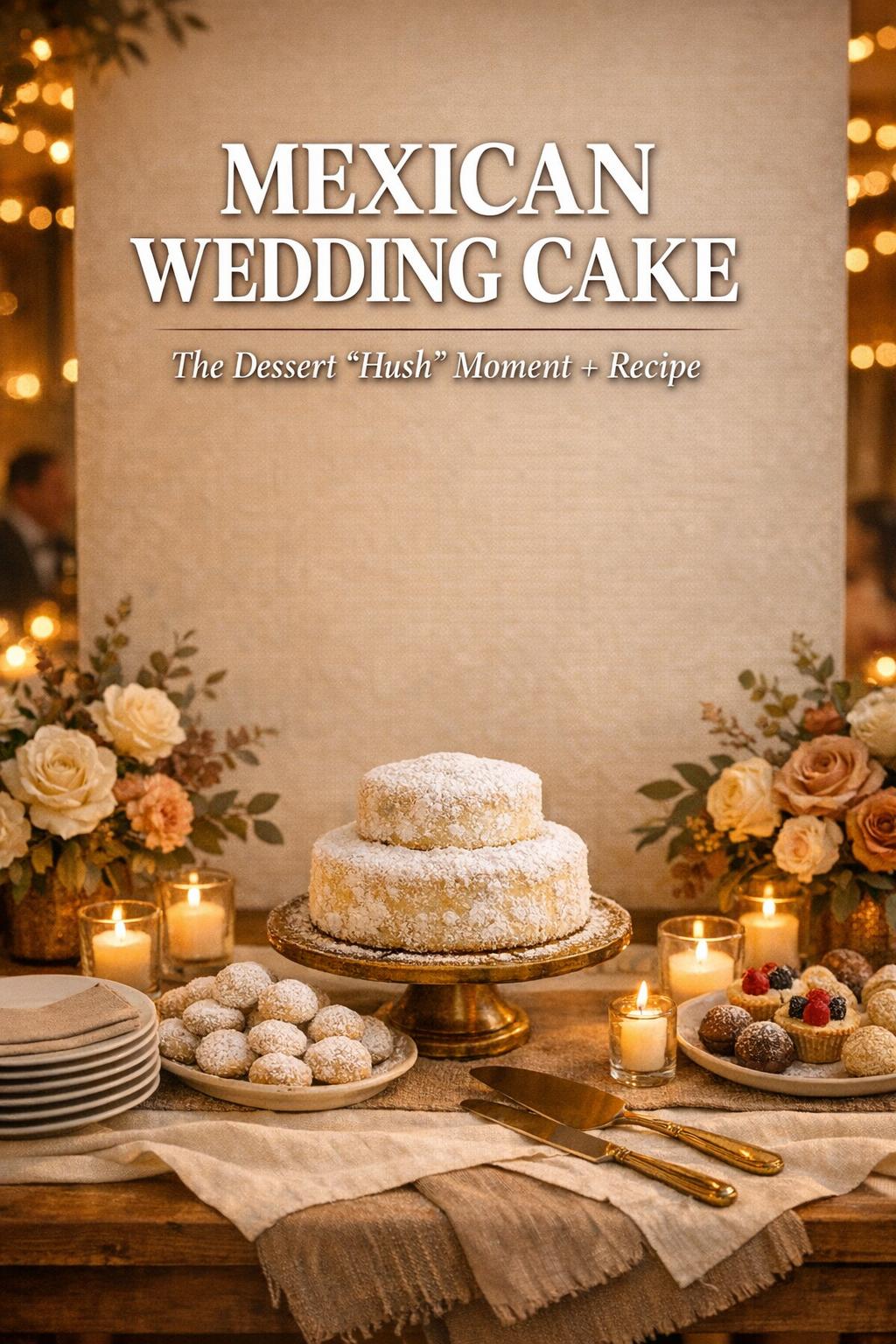
Start with the feeling: choosing a cake that matches your wedding atmosphere
The best cake decisions begin the way the best wedding decisions begin: with a clear picture of your day. Think about the first moments of your reception—are you arriving to golden sunset light on an outdoor terrace, stepping into a candlelit indoor space, or welcoming guests to a breezy coastal dinner? A mexican style cake can be adapted to each setting, but the styling choices change depending on your atmosphere.
Romantic garden receptions
For a garden or courtyard celebration, a mexican wedding cake can feel especially effortless when you keep the overall look soft and natural. The goal is not to compete with the landscape, but to echo it. A lightly styled cake presentation—paired with florals that match your bouquets—can feel intimate and organic, like it has always belonged there.
Modern city weddings
In a modern venue, the cake often looks most striking when the design is clean and the details are intentional. If your wedding is minimalist, focus on a refined silhouette and let mexican wedding cake flavors provide the warmth and personality. This keeps the look editorial while still delivering that celebratory, hospitality-forward dessert moment.
Evening ballroom celebrations
Ballrooms tend to amplify drama: lighting, music, entrances, and of course the cake reveal. If you love a classic tiered look, you can still honor a wedding cake mexican concept by making the flavor profile the star and staging the cake table like a mini “moment” with candles, linen texture, and a polished backdrop.
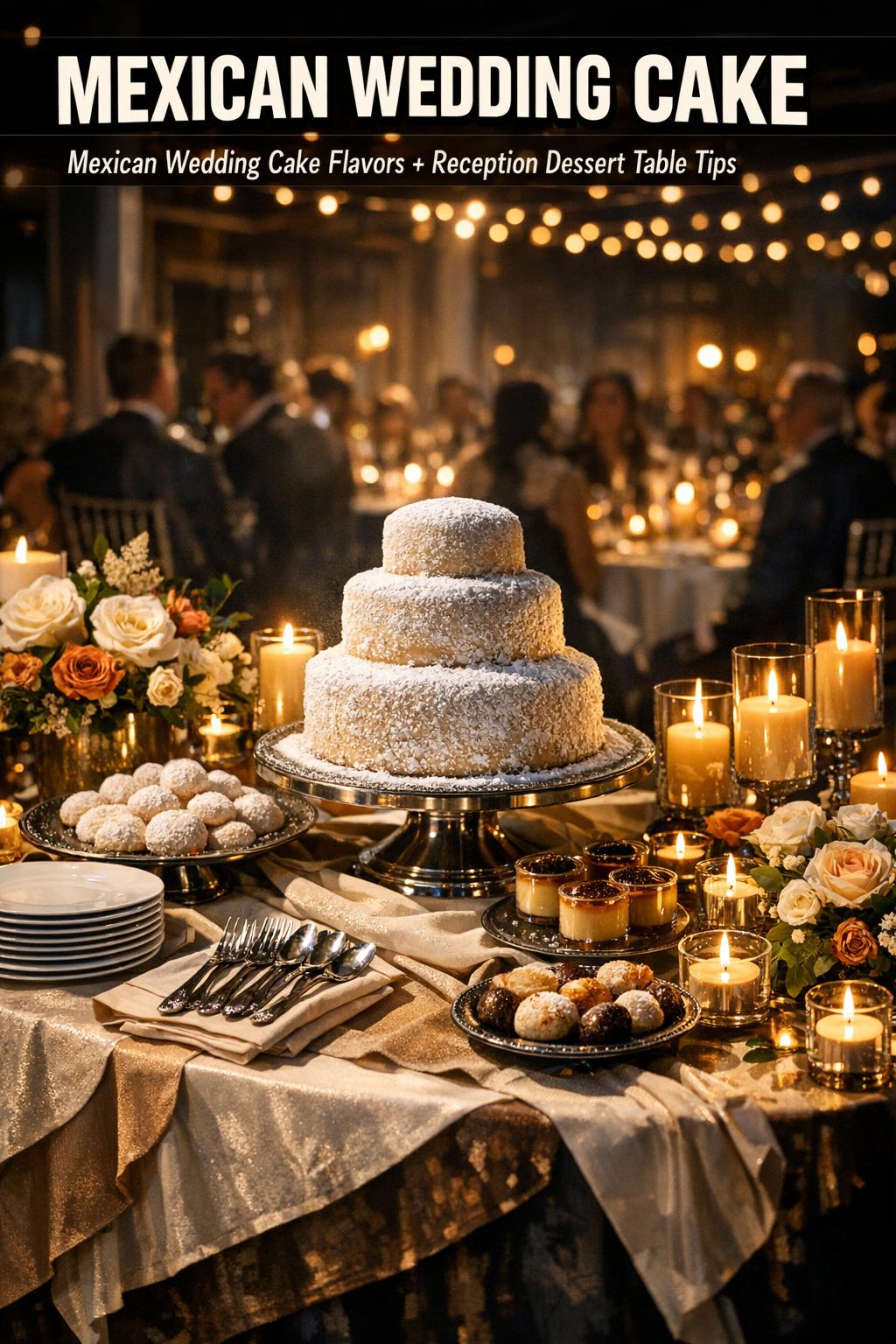
Mexican wedding cake flavors: how to choose what feels celebratory (and actually serves well)
Cake tasting is one of the most joyful planning appointments—and one of the most important. Mexican wedding cake flavors are often chosen because they feel comforting and memorable, but your final pick should also work with the logistics of serving a room full of guests at the peak of the party. You want flavor that delights, but also slices cleanly, holds up through photos, and still tastes lovely after dinner has stretched longer than expected.
As you compare options, pay attention to three realities that shape how “good” a cake tastes on a wedding day: temperature, timing, and texture. A flavor that is perfect in a tasting box can feel different after it has been displayed for a while, especially in warm climates or bright venues.
A simple tasting strategy that helps couples decide faster
If you’ve ever left a tasting thinking, “Everything was good, but now we’re more confused,” you’re not alone. Instead of trying to crown a single “best” option, choose the flavor that best matches your reception mood. Ask yourselves: do you want something bright and refreshing, or something cozy and indulgent? Then decide how bold you want the flavor to be—subtle for broad appeal, or distinctive for a signature experience.
- Choose one “crowd-pleaser” tier or option for broad appeal
- Choose one “signature” flavor that feels personal to you as a couple
- Confirm with your baker how the flavor performs at your venue’s typical temperature
Mexican wedding cake ideas that go beyond the traditional cake table
One of the most stylish shifts in wedding planning is moving from a single dessert moment to a curated dessert experience. Mexican wedding cake ideas can live on a classic cake stand, but they can also be layered into a dessert table that feels festive, generous, and guest-focused. This approach is especially helpful if you’re hosting a larger wedding, have diverse dietary preferences, or simply love the idea of giving guests choices.
The “cutting cake plus dessert table” plan
This is one of the most practical setups for couples who want a photogenic cake moment without overcommitting the entire dessert service to one large cake. You keep a smaller centerpiece cake for the photos and the symbolism, then serve additional sweets alongside it. The result feels abundant—and it often reduces stress because you’re not relying on one item for every guest.
Late-night dessert moments
If you’re planning a long reception with dancing, consider adding a second dessert “reveal” later in the evening. A mexican wedding cake-inspired sweet option can re-energize the room, especially when guests are ready for something comforting after cocktails and dancing. Think of it as the dessert equivalent of a wardrobe change: same celebration, fresh momentum.
Family-style dessert service for intimate weddings
For smaller weddings, serving dessert family-style can feel incredibly warm and personal. It encourages conversation, slows the pace in a beautiful way, and turns dessert into a shared ritual rather than a quick slice and return to dancing. If your day is built around togetherness—long dinner, heartfelt toasts, candlelight—this service style can feel especially aligned.
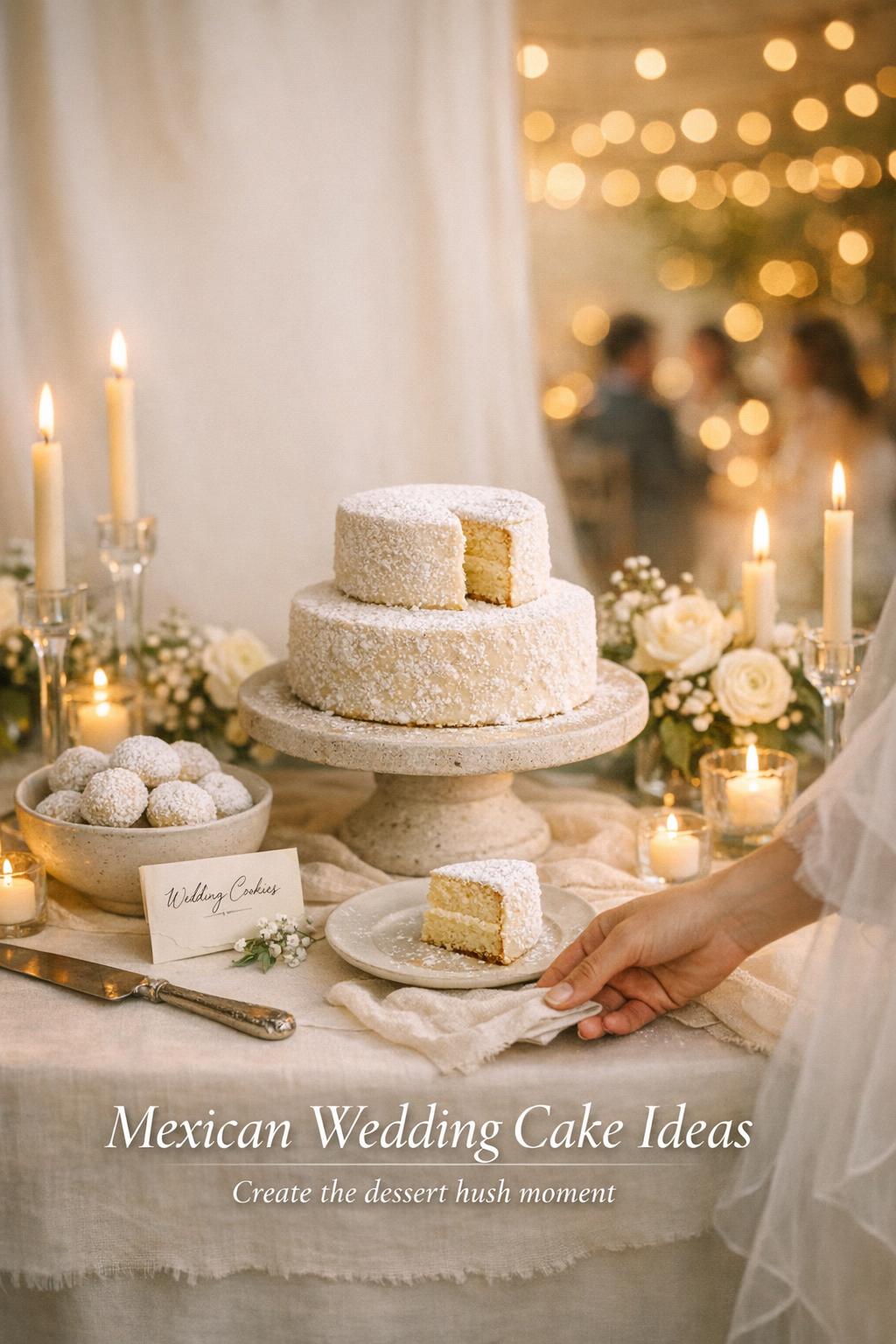
How to talk to your baker about a mexican wedding cake recipe-inspired design
Many couples bring a mexican wedding cake recipe from a family collection or a meaningful memory and want to translate it into a wedding-scale dessert. The most helpful approach is to treat your recipe as inspiration and a starting point—then work with your baker to make sure the final cake is structurally sound, consistent, and service-friendly.
Bring your baker clear context: the number of guests, the venue conditions, the time between delivery and serving, and how formal the overall wedding is. A recipe can guide flavor and texture, but a wedding cake has different performance requirements than a home-baked dessert.
Tips for a productive consultation
When you’re describing your vision, it helps to separate what matters most from what is flexible. Couples who do this tend to get better results—and fewer surprises—because the baker can prioritize correctly.
- Share what must stay true to the mexican wedding cake recipe (the flavor impression, the sweetness level, the texture)
- Ask what needs to change for stability (tier support, frosting style, serving timeline)
- Confirm whether the design or the flavor is the “hero” of the moment, so decisions stay consistent
Designing the look: when a mexican style cake should be bold vs. quietly elegant
A mexican style cake doesn’t have to look one specific way. Some couples want it to feel festive and statement-making; others want it to blend into a classic palette and let the flavor be the surprise. The best choice is the one that matches your overall wedding design language—your florals, stationery, attire, and the mood you want in photos.
Bold styling works when your wedding is already expressive
If your wedding aesthetic includes rich color, layered textures, and lively details, a bold cake presentation will feel cohesive rather than out of place. In these weddings, the cake table is often part of the décor story: it’s styled like a small installation with intentional lighting and a backdrop that frames the moment.
Quiet elegance works when your palette is classic or minimalist
If you’re planning a refined black-tie evening, a modern white-floral wedding, or a minimalist venue, keep the cake visually calm. The “Mexican” inspiration can live in the flavor profile and the hospitality of how it’s served. This gives you the best of both worlds: a timeless look and a memorable dessert experience.
The cake table is a stage: creating a dessert “moment” without overcomplicating it
The cake isn’t just dessert—it’s a photo moment, a gathering point, and sometimes the first time guests see a design detail up close. Even a simple mexican wedding cake becomes unforgettable when the presentation is thoughtful. The key is to build a small scene that feels intentional, not cluttered.
Think in layers: the table surface, the height of the cake stand, the background, and the lighting. Your goal is a clean frame that photographs well from multiple angles and holds up during real reception movement—guests walking by, servers slicing, and the joyful chaos of a party.
Tips for a cake table that photographs beautifully
- Place the cake where it won’t melt or soften under direct sunlight or heat sources
- Choose a backdrop that won’t visually “compete” with the cake (even a simple drape or wall can work)
- Ask your photographer where the best angle will be before styling is finalized
- Keep serving tools and plates nearby but out of the main photo frame until slicing begins
Serving reality: what couples often forget to plan for
Most wedding cake stress doesn’t come from flavor—it comes from logistics. A wedding cake mexican-inspired or otherwise has to survive a full day of timelines: delivery windows, setup, photography, speeches, dinner pacing, and the natural unpredictability of a real celebration. Planning for these realities upfront is what makes dessert feel effortless.
Portion planning and guest flow
One of the most common issues is mismatch between cake size and how dessert is actually served. If you’re doing plated service, slices need to be consistent and ready quickly. If you’re doing buffet, the display needs to stay tidy and appealing even after the first wave of guests. A smaller cutting cake with additional servings prepared in the kitchen can be a smooth compromise.
Timing the cake cutting for your real wedding rhythm
The traditional “right after dinner” cut doesn’t work for every reception. If your crowd loves dancing, consider cutting earlier so dessert can be served while energy is high. If your wedding is intimate and toast-focused, a later cutting can feel romantic—like the evening is unfolding slowly and intentionally. There’s no single correct time, only what fits your guests and the pace you want.
Temperature and texture: protecting your dessert investment
Even the most beautiful mexican wedding cake can lose its magic if it’s too warm, too cold, or sitting too long before service. Ask your venue where the cake will be stored before display and how long it will realistically be out. These small details influence everything from how cleanly the cake slices to how the flavors come through.
How to align your cake with your overall wedding style
Your cake should feel like it belongs in the same love story as your invitations, florals, attire, and tablescapes. When couples feel unsure, it’s often because they’re mixing visual languages: a very traditional cake with a very modern room, or a highly expressive dessert display in an otherwise minimalist wedding. Alignment is what makes the day feel curated rather than collected.
Classic and romantic
If your wedding leans classic, keep the cake silhouette timeless and let the mexican wedding cake flavors be the memorable twist. This is a beautiful approach for couples who want their photos to feel enduring, but still want guests to experience something personal and distinctive when they take the first bite.
Boho and outdoorsy
For boho celebrations—especially outdoors—prioritize a cake design and serving plan that can handle movement, warmth, and an easy guest flow. This is a great setting for mexican wedding cake ideas that include a dessert spread, because it feels relaxed and communal while still being special.
Modern and minimalist
Minimalist weddings thrive on restraint and intentional detail. A mexican style cake in this setting is most successful when the design stays clean and the experience is elevated through flavor, plating, and a refined cake table scene. The result feels thoughtful rather than themed.
Budget choices that still feel luxurious
A cake can be one of the most photographed details of your reception, but it’s also one of the easiest places to overspend if you don’t know which choices actually create the “luxury” feeling. The good news: a wedding cake mexican-inspired can feel rich and elevated without relying on elaborate design complexity.
Where to invest
Invest in what guests experience directly and what will be captured in close-up photos. That usually means flavor quality, a clean finish, and a well-styled presentation area. A smaller, impeccably finished cake often looks more expensive than a larger cake with too many competing details.
Where to simplify
Simplify the number of intricate design elements and consider separating “showpiece” from “servings.” Many couples do a beautiful cutting cake and have additional portions prepared for service. It can be a smart way to keep your cake moment elegant while keeping overall costs realistic.
Common mistakes couples make with mexican wedding cake planning
Even couples with impeccable taste can run into cake stress—usually because the cake is treated as a late-stage detail rather than a planned part of the reception flow. Avoiding a few common pitfalls can make your dessert experience smoother and more joyful.
- Choosing flavor without considering how it performs in your venue’s conditions and timeline
- Falling in love with a look that doesn’t match the formality or palette of the rest of the wedding
- Underestimating how important the cake table location is for photos and guest flow
- Skipping clear communication with your baker about what “mexican wedding cake recipe-inspired” means to you
- Forgetting to confirm who provides cutting tools, plates, and service coordination
A gentle planning timeline that keeps dessert decisions calm
The easiest cake planning experience is the one that happens in stages. You don’t need every detail instantly—you need the right decisions at the right time, with enough space to adjust. If dessert is important to you, treat it like a design element and a guest experience, not a checkbox.
Tips for staying ahead without feeling overwhelmed
Planning is smoother when you set a few milestones. Start with the role of the cake in your reception, then move into flavor, then finalize design and service details once your venue plan is firm.
- Decide early if you want a full cake service or a cutting cake plus dessert table
- Schedule tastings once you have a guest count estimate and your venue is booked
- Finalize presentation and serving logistics after you confirm your reception layout and timeline
Bringing it all together: choosing the cake that feels like you
The right mexican wedding cake is the one that fits your story. It can be a nod to a meaningful recipe, a celebration of flavors you love, or a dessert table that feels like generosity made visible. When you make choices based on atmosphere, season, and guest experience—not just a single photo—you end up with a cake moment that feels effortless and deeply memorable.
Picture the final scene: the two of you standing close, hands gently guiding the knife, your guests gathered in a soft semicircle, and that first bite that tastes like celebration. Whether you choose a classic silhouette with mexican wedding cake flavors or build a full spread of mexican wedding cake ideas around a small cutting cake, the sweetest detail is always the same—it’s yours.
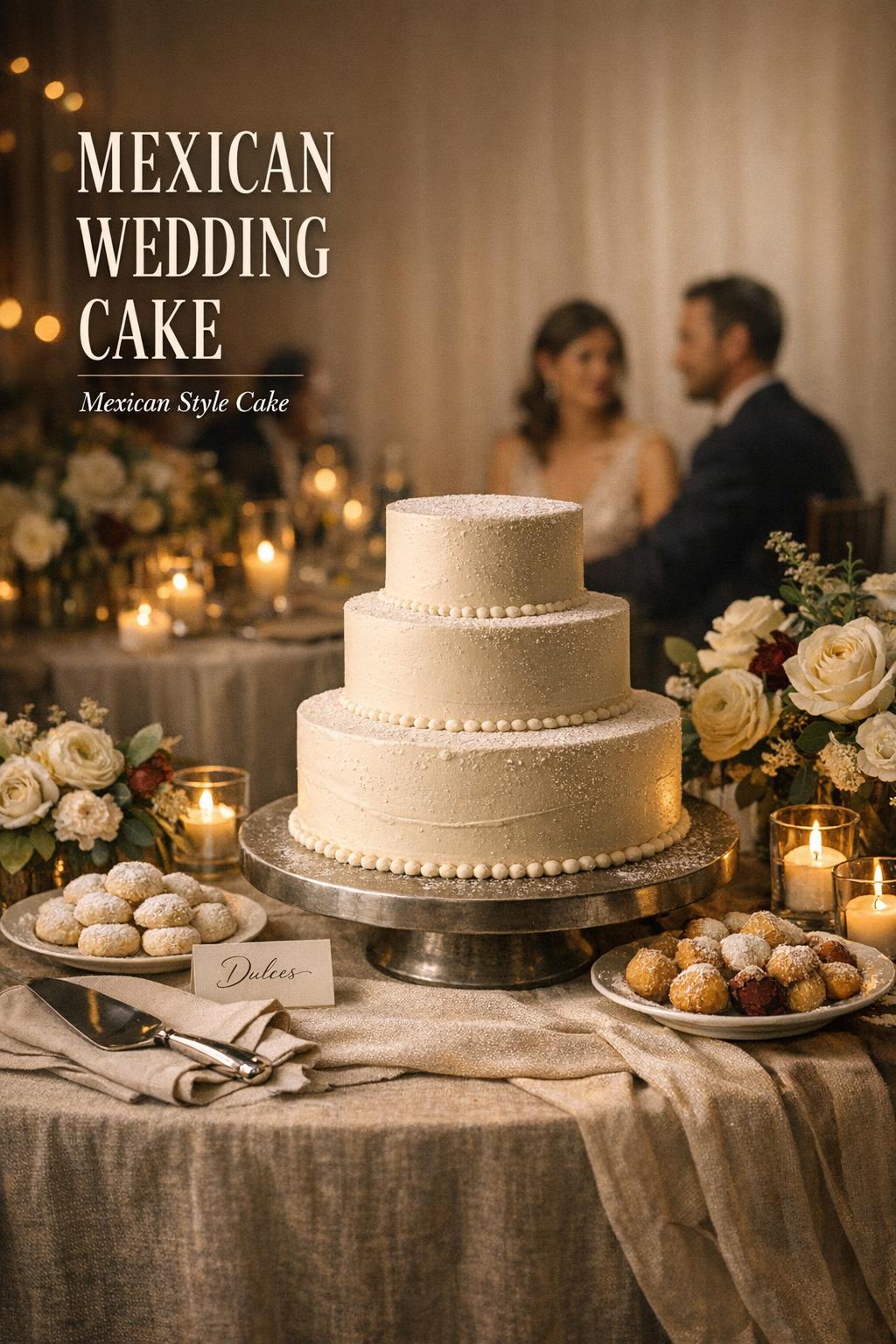
FAQ
What is a mexican wedding cake in a wedding planning context?
In wedding planning, “mexican wedding cake” usually refers to a cake choice inspired by Mexican-style dessert traditions—either through flavor direction, an overall dessert concept, or a recipe-inspired approach—adapted to wedding-scale presentation and service.
How do I describe my wedding cake mexican-inspired vision to a baker?
Explain the role you want the cake to play (centerpiece vs. cutting cake), the atmosphere of your wedding, and what “Mexican-inspired” means to you (flavor impression, sweetness level, texture, or presentation), then confirm how your venue conditions and timeline affect design and serving.
Can I use a mexican wedding cake recipe from my family for my wedding cake?
You can absolutely use a mexican wedding cake recipe as inspiration, but a baker may need to adjust elements for stability, consistency, and service; bring the recipe and be clear about what must stay true while staying flexible on what needs to change for a wedding setting.
What are smart mexican wedding cake ideas if I don’t want a large tiered cake?
A popular option is a small cutting cake for photos paired with a dessert table for guests, which keeps the cake moment romantic and allows more variety and easier service than relying on one large cake for everyone.
How do I choose mexican wedding cake flavors that most guests will enjoy?
Use a two-part strategy: pick one broadly appealing flavor for the main servings and one more signature flavor that feels personal, then confirm with your baker how both options hold up based on temperature, timing, and texture on the actual wedding day.
When should we cut the cake during the reception?
The best time is the time that matches your reception rhythm—earlier if you want to keep energy high and serve dessert efficiently, later if you want a slow, romantic progression—so coordinate with your planner, venue, and photographer to choose a moment that feels natural.
What’s the biggest logistical issue couples overlook with a mexican style cake?
Couples often overlook how the cake will be stored and displayed before serving; temperature and time out of refrigeration can affect slicing, appearance, and flavor, so confirm the venue’s plan and your baker’s recommendations early.
How can I make a mexican wedding cake feel elegant rather than “themed”?
Keep the design clean and aligned with your overall palette and formality, then let the Mexican-inspired element live in the flavor profile and the way the cake is presented and served, so it feels like a refined part of your wedding style.