Bridal Jewelry Ideas for a Polished, Modern Bridal Look
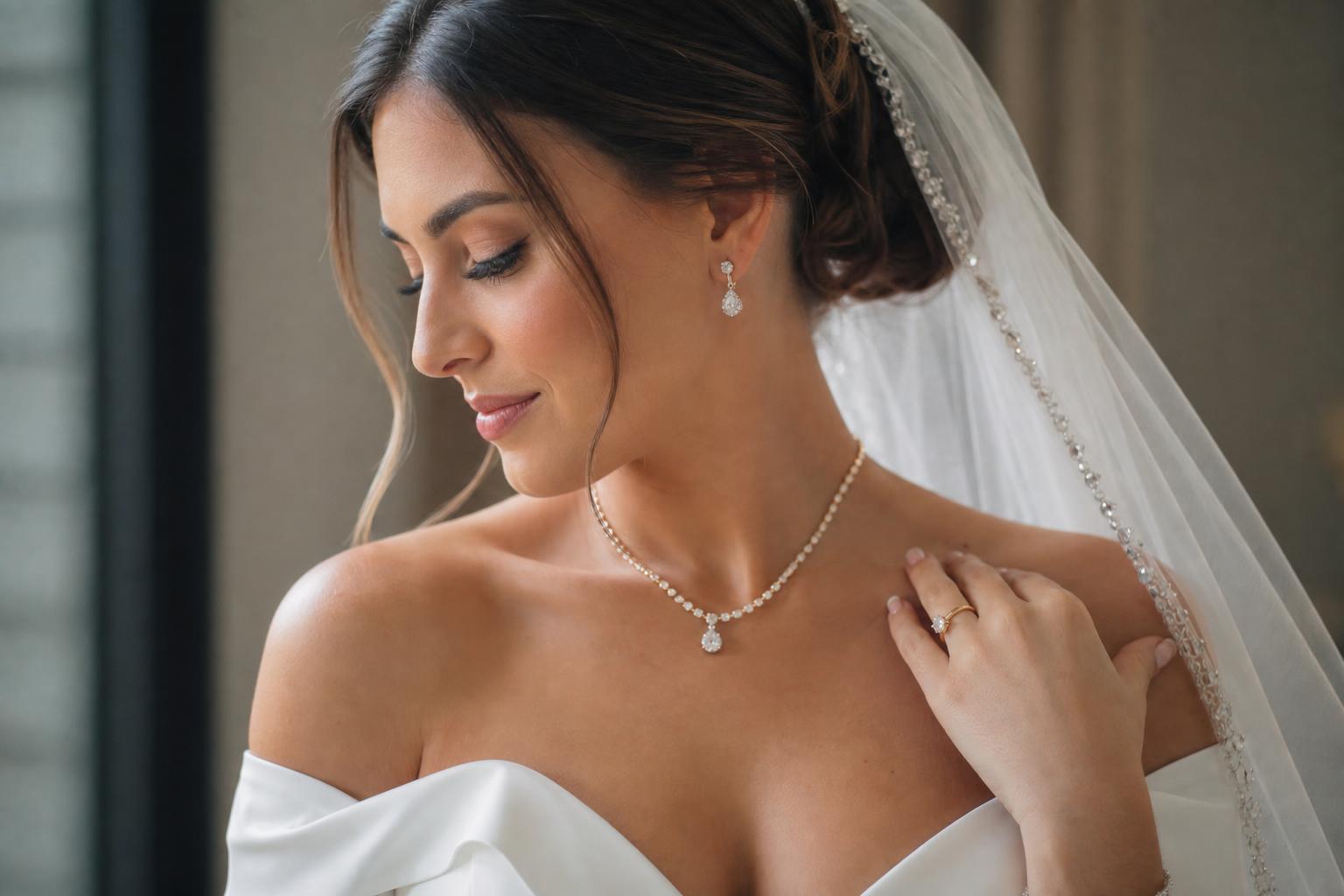
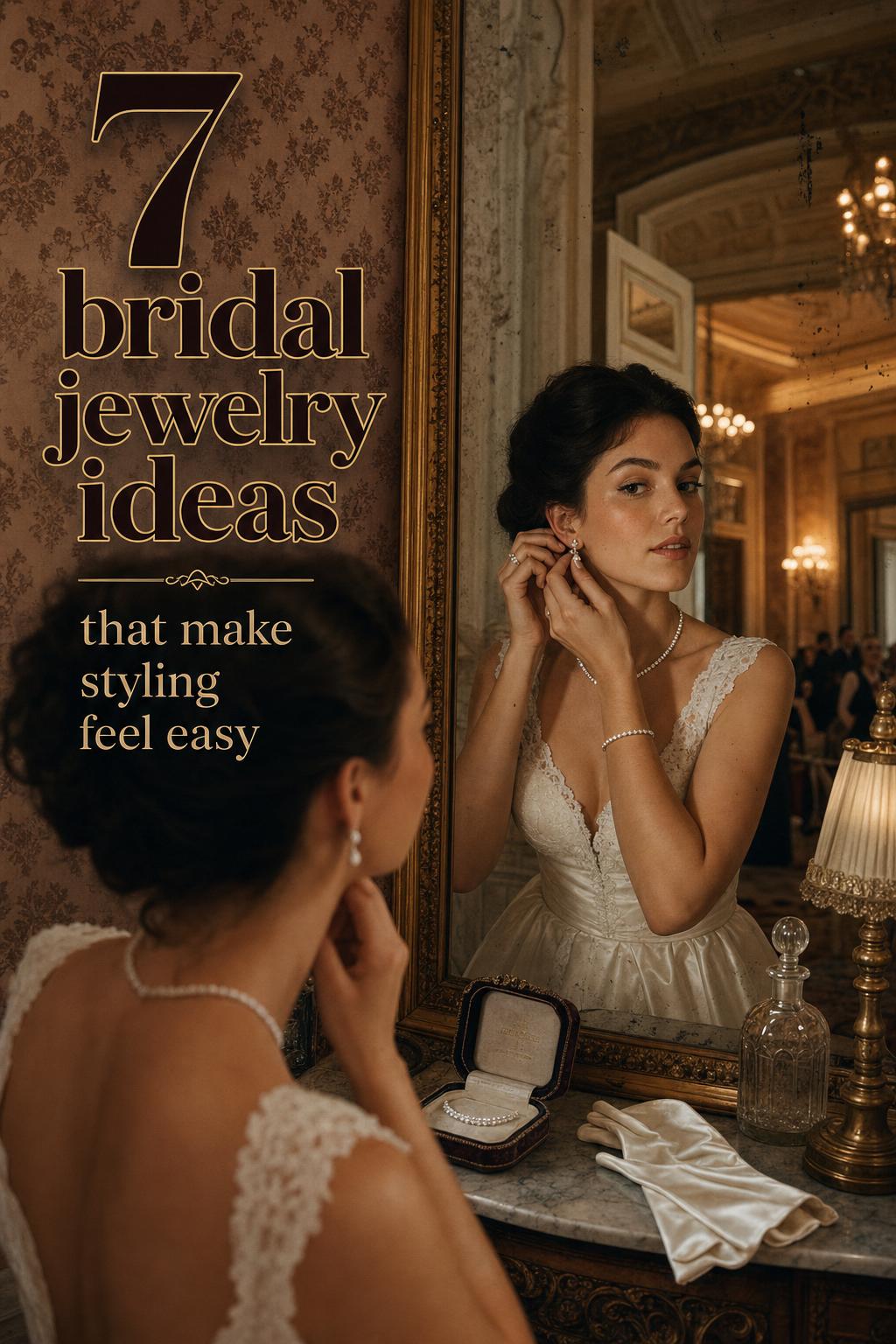
The most memorable bridal jewelry ideas do more than add sparkle. They complete the emotional picture of the day: the quiet elegance of a ceremony, the softness of a lace sleeve catching the light, the clean line of a minimalist gown made warmer by pearls or a tennis necklace. Bridal jewelry sits close to the face, the neckline, the hands that will hold a bouquet and exchange rings, so every choice shapes how the entire wedding look feels in motion and in photographs.
What makes bridal jewelry so appealing is its balance of beauty and intention. A pair of diamond studs can feel timeless and calm, while statement earrings or a bezel-set necklace can shift the mood toward modern bridal fashion. Pearls can soften a sleek silhouette, and a bracelet stack can add quiet detail to a look that would otherwise feel too bare. The best styling is never random. It considers dress silhouettes, necklines, metal tones, gemstone choices, wearability, and whether the pieces will still feel meaningful after the wedding day.
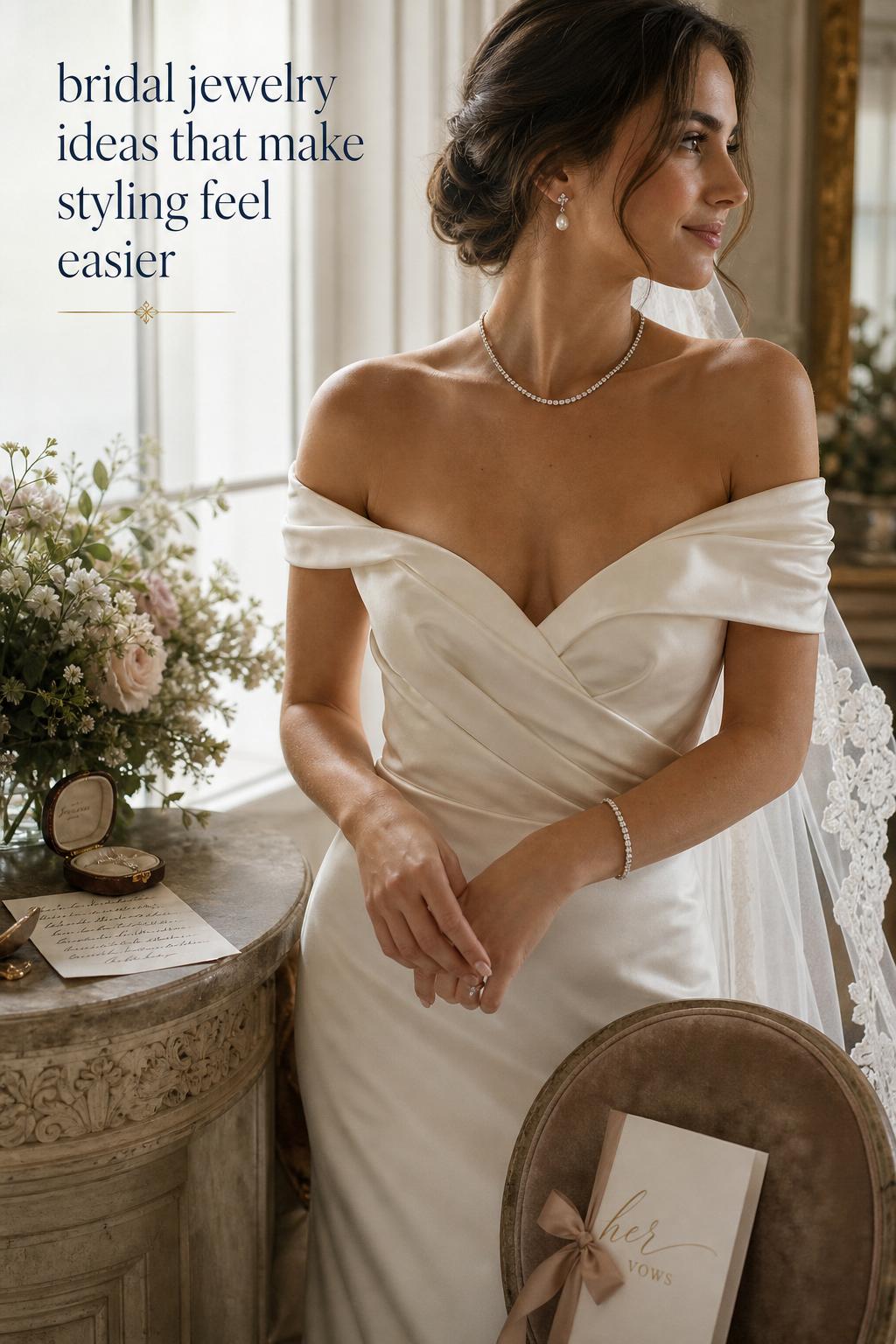
This guide approaches bridal jewelry as both a visual language and a practical decision. You will find bridal jewelry ideas organized around the way brides actually choose: by dress shape, neckline, mood, brand tier, and budget. Along the way, the focus stays on creating a cohesive wedding aesthetic that feels romantic, polished, and realistic for a full day of celebration.
What defines this bridal jewelry aesthetic?
The most versatile bridal jewelry aesthetic is built around elegance with restraint. Instead of treating every piece as a statement, it uses one clear focal point and supports it with texture, metal harmony, and proportion. That might mean classic diamond studs with a tennis bracelet for a ballgown, pearl drops with an A-line sweetheart dress, or a backdrop necklace that highlights the open back of a sheath gown. The mood can lean classic, modern, vintage-inspired, or slightly editorial, but the underlying principle stays the same: the jewelry should strengthen the gown rather than compete with it.
Turn wedding inspiration into a plan you can actually follow.
Zarellea brings your guest list, budget, vendors, and day-of details into one shared space — so no beautiful idea gets lost in the shuffle.
Visually, the palette usually centers on precious metal tones and light-reflecting gemstones. White gold and diamond combinations create a crisp, timeless finish. Yellow gold can warm romantic gowns and complement pearls beautifully. Rose gold brings softness to more delicate styling. Pearls, diamonds, crystal accents, sapphires, and lab-grown stones all appear in bridal jewelry conversations because they cover different moods, from heritage elegance to contemporary refinement.
Texture matters just as much as color. Lace, satin, beading, illusion fabric, and clean crepe surfaces each interact differently with jewelry. A heavily detailed neckline often asks for quieter earrings or a bracelet rather than a necklace. A simple strapless gown, on the other hand, gives more freedom for chandelier earrings, a strand necklace, or a tennis necklace. Hair accessories and layered pieces can be beautiful additions, but only when the overall look still feels intentional and breathable for a long ceremony and reception.
- Core metals: yellow gold, white gold, rose gold, and mixed metals used thoughtfully
- Key gemstones: diamonds, pearls, colored gemstones, crystal accents, and lab-grown options
- Signature pieces: diamond studs, drop earrings, tennis bracelets, pearl necklaces, delicate pendants, and bridal jewelry sets
- Styling lens: match the jewelry to the neckline, silhouette, and level of dress detail
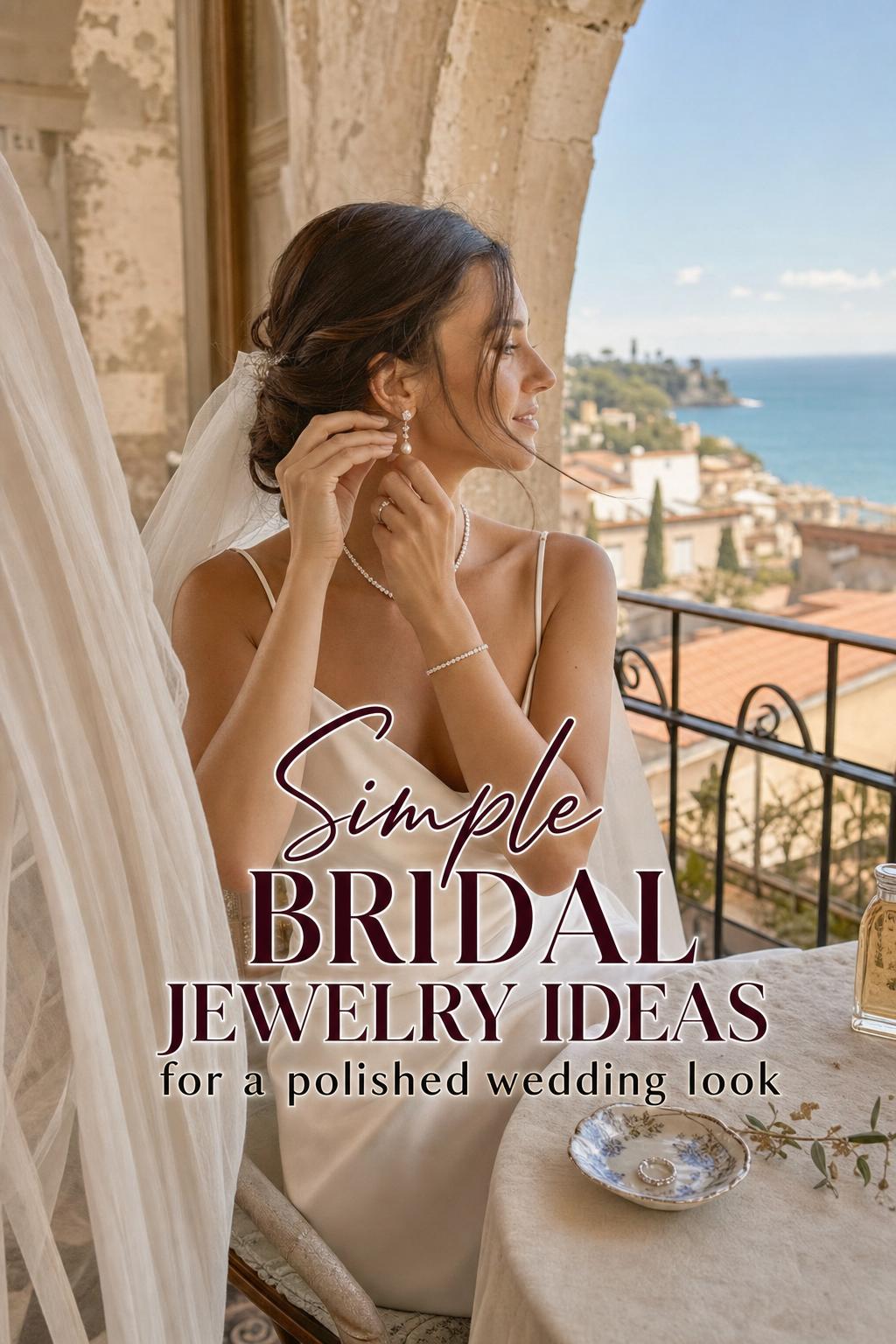
How to think about bridal jewelry before you shop
The easiest way to make bridal jewelry feel sophisticated is to begin with structure, not impulse. Start with the dress silhouette and neckline, because those are the strongest styling signals. Strapless and sweetheart shapes create open visual space near the collarbone. Illusion and lace necklines already have texture and framing built in. Backless dresses shift attention from the front of the gown to the back detail, which changes which jewelry feels most relevant. Once those architectural decisions are clear, metal and gemstone choices become much easier.
Next, consider the emotional tone of the wedding. A classic ceremony often suits timeless jewelry such as diamond studs, tennis bracelets, and pearl drops. A more fashion-forward city celebration may invite bezeled pieces, layered chains, or a modern tennis necklace. Vintage-inspired styling works well with pearls and era-conscious shapes, while a minimalist wedding often benefits from just one highly considered piece and very clean lines.
Wearability should never be treated as an afterthought. Wedding jewelry has to last through movement, greetings, photographs, dining, dancing, and long hours. The most beautiful earring is not the best choice if it feels heavy halfway through the ceremony. Likewise, a layered look can become visually cluttered if the gown already has lace, beading, or statement sleeves. Good bridal styling is not about adding more. It is about knowing what the gown still needs.
A quick decision framework that keeps the look cohesive
- Identify the focal area first: neckline, ears, wrists, or open back
- Match jewelry weight to gown detail: simpler dresses can carry stronger pieces
- Choose a metal tone that supports the dress mood rather than fighting it
- Select gemstones based on finish: diamonds for clarity, pearls for softness, colored stones for personal character
- Think beyond the ceremony and ask whether the pieces will still feel comfortable at the reception
Dress by dress: bridal jewelry ideas that follow the silhouette
Ballgown and strapless: classic diamonds with a grand silhouette
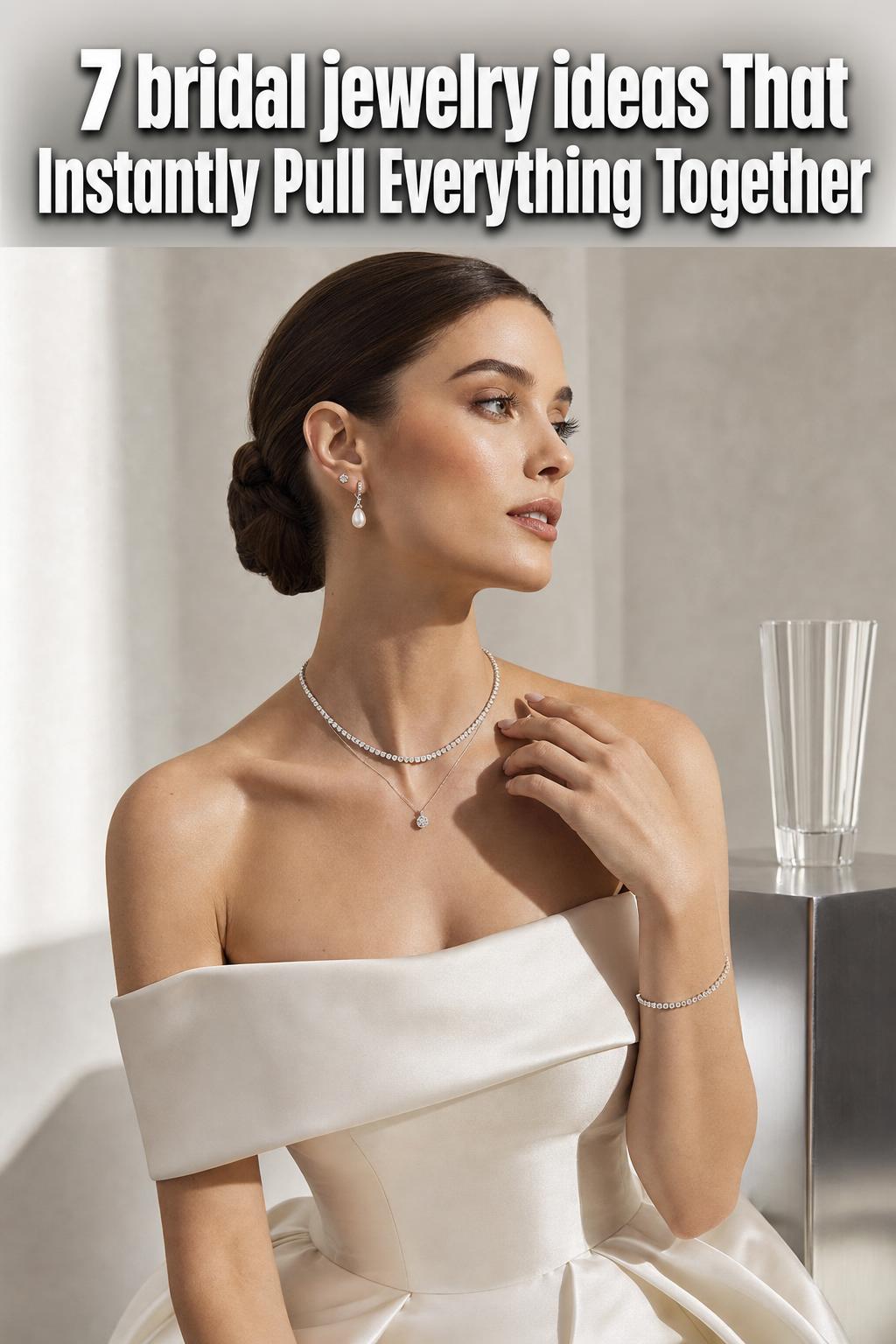
A ballgown brings drama before jewelry even enters the picture, so the goal is not to amplify volume everywhere. The most graceful styling keeps the neckline area polished and legible. Strapless gowns in particular create a wide open frame at the collarbone and shoulders, which makes classic diamonds feel almost architectural. The mood here is formal, timeless, and quietly luxurious rather than overly busy.
Diamond studs, chandelier earrings, tennis bracelets, and a refined necklace all sit beautifully within this world. A princess cut diamond can echo the structured romance of a fuller skirt, while pearl jewelry can soften the grandeur if the gown has lace or a more traditional ceremony setting. Brides drawn to heritage names often gravitate toward Tiffany & Co. or Cartier for this kind of timeless bridal design, while editorial features from Vogue frequently center these exact classics because they remain visually dependable across decades.
Why it works: a dramatic gown already holds attention through silhouette, so the jewelry should sharpen the look rather than compete with it. If you choose statement earrings, keep the necklace delicate or skip it entirely. If you prefer a stronger necklace, let the earrings recede into simple studs. That balance keeps the whole bridal image elegant rather than heavy.
A-line and sweetheart: soft layers and romantic sparkle
An A-line dress with a sweetheart neckline has a naturally romantic mood. The silhouette feels balanced and flattering, and the neckline creates just enough openness for delicate layering without demanding it. This is where bridal jewelry can feel especially poetic: feminine, light-catching, and personal without becoming too formal.
Delicate necklaces, strand necklaces, teardrop earrings, pearl drops, and subtle bracelets all complement this shape beautifully. A sweet spot for many brides is a soft necklace-and-earring pairing that mirrors the curves of the neckline rather than slicing across it. Brands such as Brilliant Earth and Angara often frame this styling as a practical buying decision, linking gemstones and metal tones back to the dress style. That guidance works because A-line gowns are adaptable and respond well to jewelry that adds softness rather than strong contrast.
How to recreate the look: keep the jewelry scale moderate and choose one repeated note, such as pearls in both earrings and bracelet or diamonds across necklace and studs. Avoid mixing too many visual stories at once. Sweetheart necklines already feel romantic, so the best companion pieces whisper rather than shout.
Sheath or column gowns with back detail: modern and directional
A sheath or column silhouette changes the tone of bridal jewelry immediately. The line of the dress is cleaner, narrower, and more modern, which opens the door to sharper styling decisions. If the gown includes an open back or notable back detail, the jewelry can become unexpectedly architectural, drawing the eye as the bride walks away down the aisle or turns during the first dance.
Backdrop necklaces, minimalist chains, bezel-set pieces, sleek drop earrings, and streamlined bracelets all belong here. This is also where contemporary bridal references become especially useful. Editorial voices and fashion editors at publications such as Who What Wear often connect modern bridal fashion with wearable heirlooms and personalization, citing designers like Anita Ko, Jade Trau, and Jessica McCormack. Their appeal lies in pieces that feel current without losing longevity.
Best for: city weddings, gallery-style venues, intimate ceremonies, and brides who want a cleaner aesthetic. What to avoid: heavy front-facing necklaces with a backless gown, especially if the front neckline is already high or minimal. In that situation, the back should remain the visual event.
Off-the-shoulder and illusion necklines: restraint becomes the luxury
Off-the-shoulder and illusion necklines already frame the upper body with softness and detail. The mood feels romantic, but it can become cluttered very easily if too many pieces gather around the neck. These silhouettes are often most beautiful when the jewelry shifts upward or outward rather than staying crowded at the center.
Pendant drops, minimal chains, stud earrings, pearl earrings, and a single bracelet usually create the cleanest result. If the gown includes lace, beading, or sheer detailing, a necklace may be unnecessary altogether. Swarovski often leans into this kind of styling logic, especially when coordinating crystal studs, bezel earrings, or layered but light-reflective pieces with wedding dresses that already contain movement and shimmer.
The key styling lesson is proportion. When fabric already decorates the neckline, the jewelry should create breathing room. Brides often get a more expensive-looking result by simplifying rather than adding. The eye needs one area of calm in order to register the detail as intentional.
Jewelry by metal and gemstone: how to shape the mood
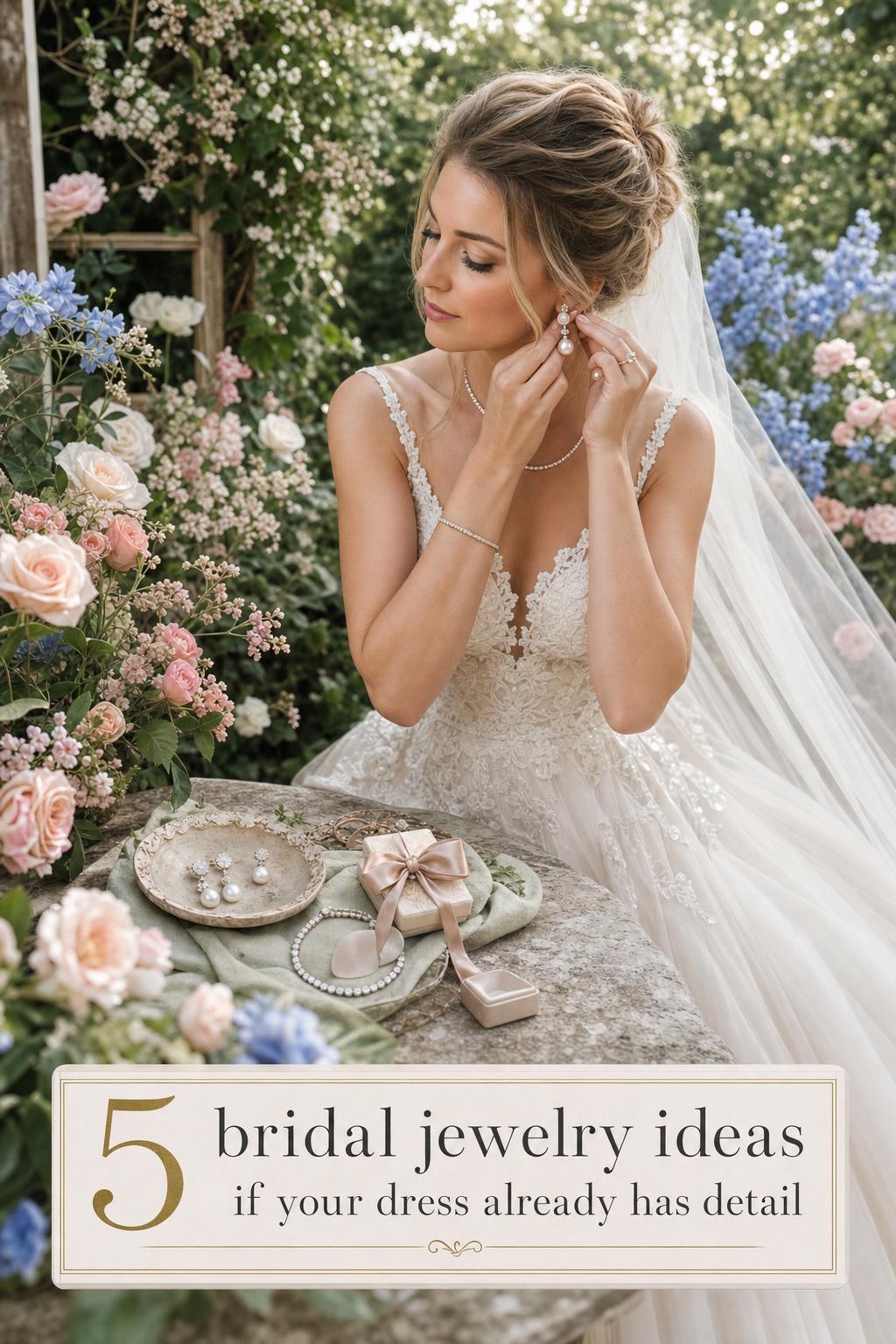
Metal and gemstone choices influence bridal styling as much as the silhouette does. They affect warmth, contrast, softness, and the overall emotional tone of the wedding look. Two brides can wear similar dresses and create completely different impressions simply by changing from white gold and diamonds to yellow gold and pearls.
White gold and diamonds for timeless clarity
White gold and diamond combinations are often the most universally classic. They feel clean, bright, and formal, especially in ceremonies where the gown itself is crisp or minimally embellished. Diamond studs, tennis bracelets, and tennis necklaces fit naturally here because they reflect light without changing the color story of the dress. This is the direction many luxury bridal collections from Tiffany & Co. and Cartier are known for in the public imagination: timeless design, sharp craftsmanship, and enduring wearability.
Yellow gold and pearls for warmth and romance
Yellow gold carries warmth that can make bridal styling feel softer and more intimate. Pearls become especially beautiful in this context because they are luminous rather than flashy. A pearl necklace, pearl drops, or a pearl-and-diamond mix works well for brides who want elegance without a very icy finish. This pairing also suits vintage-inspired moods and dresses with lace or softer drape.
Rose gold and colored gemstones for a more personal note
Rose gold introduces a gentle romantic tint and can make bridal jewelry feel slightly less formal, especially when combined with delicate silhouettes or colored gemstones. Sapphires and other colored stones are not the most dominant bridal route in mainstream guides, but they do appear as a way to bring individuality and symbolism into the final look. The important point is control. One colored gemstone can feel intentional and heirloom-like; too many competing tones can weaken the cohesion of the wedding aesthetic.
Lab-grown options, crystal accents, and accessible sparkle
Many brides want bridal jewelry that feels refined while staying within a practical budget. That is where lab-grown diamonds, crystal jewelry, and carefully selected accessible brands become especially relevant. Brilliant Earth and Angara are often associated with educational guidance around gemstones and dress pairing, while Swarovski offers crystal-forward styling with a strong visual effect. These choices can work beautifully when the bride prioritizes shape, finish, and styling discipline over name recognition alone.
Style tip: if the budget is being divided across multiple wedding expenses, spend on the piece that sits closest to the face or becomes the main visual focus in photographs. A well-chosen earring or necklace often matters more than trying to build a large set all at once.
Five distinct bridal jewelry moods to inspire your wedding look
Look: timeless ceremony elegance
The mood here is poised, calm, and reassuringly classic, the kind of bridal styling that never feels tied too tightly to one trend cycle. The silhouette usually starts with a structured gown, often strapless or gently scooped, and the jewelry supports that openness with measured light. Nothing feels excessive, yet every detail looks considered from the processional to the formal portraits.
Diamond studs, a tennis bracelet, and either a fine necklace or no necklace at all create the cleanest version of this look. White gold keeps the palette crisp, while polished diamonds echo the ceremony’s formal atmosphere. This approach aligns naturally with luxury houses such as Tiffany & Co. and Cartier, but the visual formula can be recreated at many levels as long as the finish is refined and the proportions stay balanced.
Why it works: each piece is quiet on its own, but together they create consistency. The mistake to avoid is adding a second statement piece out of hesitation. This aesthetic relies on confidence in simplicity, which often photographs more beautifully than over-accessorizing.
Look: romantic pearl softness
This interpretation feels gentle, luminous, and a little nostalgic, especially for garden ceremonies or weddings with a vintage-inspired mood. The silhouette can be an A-line, sweetheart, or lace gown with movement and softness rather than sharp architectural lines. The jewelry adds glow instead of flash.
Pearl drops, a pearl necklace, and a slim bracelet in yellow gold or a neutral metal tone create a cohesive romantic story. Pearls pair particularly well with lace, softer drape, and dresses that already suggest tradition. Their visual strength comes from texture and luster, so they rarely need much layering. One of the reasons pearl bridal jewelry remains so enduring in editorial roundups is that it softens the entire bridal image without disappearing.
Best for: traditional ceremonies, vintage moods, and brides who want their jewelry to feel graceful rather than overtly glamorous. To keep it from looking costume-like, avoid adding too many old-world references at once. Let the pearls carry the sentiment and keep the rest of the styling clean.
Look: modern city bride with a tennis necklace
Sleek, bright, and fashion-aware, this bridal jewelry mood feels at home in a city venue, a contemporary loft, or a minimalist reception setting. The silhouette is often column, sheath, or sharply tailored, and the jewelry gives the look its pulse. Instead of trying to imitate a traditional bridal set, this direction treats jewelry as modern styling language.
A tennis necklace, bezel-set earrings, and a simple bracelet or ring stack create a polished line that feels current without becoming impractical. Fashion media has connected this kind of styling to contemporary designers such as Anita Ko, Jade Trau, and Jessica McCormack, along with the broader shift toward wearable heirlooms and personalization. The appeal is easy to understand: the pieces can move beyond the wedding day and still feel relevant.
How to recreate the look: keep the gown surface clean and avoid adding ornate lace or heavy embellishment if the necklace is the star. The contrast between minimalist fabric and precise sparkle is what gives this mood its modern authority.
Look: crystal light for a reception-ready glow
Some bridal looks need more movement and celebration, especially when the reception is expected to run long into the evening. This version of bridal jewelry feels lively, radiant, and slightly more playful while still staying bridal. It works especially well for dress changes, backless styles, or gowns with beading that catch low evening light.
Crystal studs, drop earrings, layered crystal necklaces, or a more luminous bracelet direction can all work beautifully here. Swarovski’s bridal styling approach often centers this kind of visual effect, pairing crystal pieces with neckline awareness and back-detail coordination. The result can feel glamorous without the weight or cost of a fully diamond-led set.
Practical takeaway: reception jewelry can be slightly more expressive than ceremony jewelry, but it still needs comfort. If you are planning one set for both parts of the day, test the earrings for weight and movement. Beauty fades quickly if a piece feels distracting after an hour on the dance floor.
Look: non-traditional bridal styling with personality
Not every bride wants a strictly classic bridal image. Some want a look that feels more individual, perhaps with mixed metals, a colored gemstone accent, a less expected earring shape, or a modern bridal jewelry set that breaks away from tradition. The mood is still polished, but there is more personality in the final composition.
Vintage versus modern styling becomes especially useful here. Retailer blogs and designer guidance often frame this choice as one of era alignment: does the dress suggest old-world romance, or does it feel sleek and contemporary? A non-traditional set might include hoop earrings, drop earrings with a cleaner silhouette, or a bracelet-forward approach instead of a necklace. Essex Fine Jewelry and Pageo Fine Jewelers both reflect this broader conversation around traditional and non-traditional bridal jewelry sets.
The key is coherence. Personal does not mean random. Repeat one metal tone, echo one design line, or keep the gown shape simple enough that the jewelry can carry the distinction without creating visual confusion.
Style notes brides often overlook on real wedding days
Jewelry decisions often happen late in the planning process, which is why practical details get missed. But on the wedding day itself, those details become very real. Sleeve length changes whether a bracelet feels necessary. A high neckline can make a necklace redundant. A backless gown asks whether the main jewelry moment should happen from behind. Reception lighting changes how much sparkle is actually visible, and long ceremonies can make heavy earrings less appealing than they first seemed.
Another overlooked factor is post-wedding wearability. Brides increasingly want pieces that can become wearable heirlooms rather than one-day accessories. That does not mean every piece must be minimal, but it does encourage more thoughtful buying. A pair of diamond studs, a pearl drop, or a refined tennis bracelet can live comfortably beyond the wedding day, which gives the purchase more emotional and practical value.
Style tip: match the jewelry to the photograph, not just the mirror
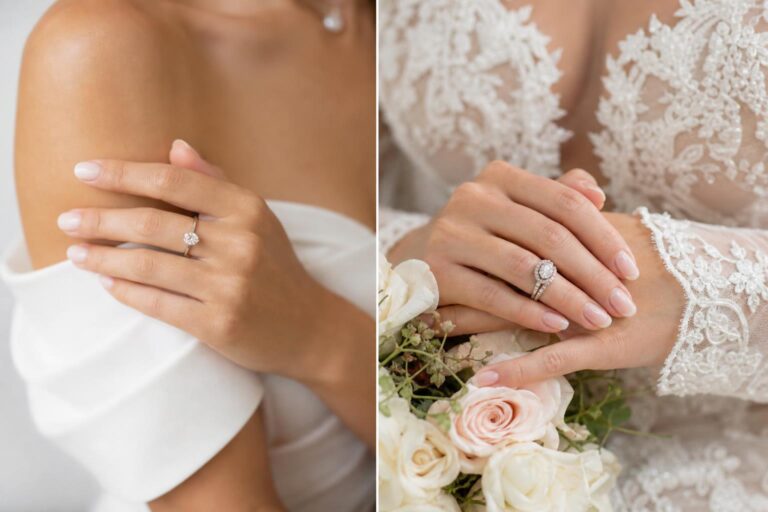
In person, very delicate jewelry can look lovely, but wedding images often flatten subtle details unless there is enough scale or shine near the face. Conversely, a piece that feels dramatic in a fitting room may read exactly right in full bridal context. When deciding between two options, think about where the jewelry will appear in portraits: at the ears, on the neckline, in hand close-ups, or against the back of the dress.
Budget and buying guidance that makes the styling more practical
A beautiful bridal jewelry wardrobe does not need to be built without limits. In fact, budget clarity usually leads to a more elegant result because it forces the styling to stay focused. One of the clearest gaps in many wedding shopping guides is the lack of price framing, yet brides often make better decisions when they know whether they are building under $1,000, in the $1,000 to $5,000 range, or above that into true luxury territory.
Under $1,000: focus on one polished focal point
At this level, accessible sparkle and careful editing matter most. Crystal pieces from Swarovski, selective lab-grown or gemstone-led pieces, or a very simple bridal jewelry set from an accessible retailer can create a polished result. Choose the area that matters most visually, usually earrings or a necklace, and let the rest stay restrained.
$1,000 to $5,000: build a balanced set with longevity
This range often gives enough room to combine better materials, stronger craftsmanship, and one or two lasting pieces. Brands like Brilliant Earth and Angara fit naturally into this kind of conversation because they combine education with product guidance. The strongest strategy is often to invest in an enduring piece such as diamond studs or a refined bracelet, then keep the supporting jewelry lighter.
$5,000 and up: luxury, heritage, and jewelry-as-investment thinking
At higher price points, brides often start thinking not only about styling but also about brand history, heirloom potential, and long-term value. Tiffany & Co., Cartier, and other recognized luxury names carry that emotional and cultural weight for many shoppers. The styling advice does not change dramatically at this level, but the expectations around craftsmanship, sourcing narratives, warranties, and future wear often become more central.
- Ask practical questions before purchasing: return policies, shipping timing, warranties, and repair services
- If the piece is a major investment, consider insurance and appraisal needs
- Check whether the finish and clasp feel secure enough for a full wedding day
- Think about post-wedding use so the purchase remains meaningful
Brands and designer directions worth understanding
Bridal jewelry shopping often moves between inspiration and purchase. Editorial publications such as Vogue and Who What Wear help shape the visual language by highlighting designers, trends, and bridal fashion contexts from places like New York and London. Retail-driven brands then translate those moods into buying guidance. Understanding those different roles can make shopping feel less overwhelming.
Tiffany & Co. and Cartier tend to represent the timeless luxury end of the bridal conversation, where diamond jewelry, pearl jewelry, and clean iconic forms remain central. Swarovski brings crystal-forward styling and accessible glamour, especially useful for brides who want brilliance and layering ideas. Brilliant Earth and Angara emphasize educational buying guidance around necklines, gemstones, and metal coordination. Contemporary designers such as Anita Ko, Jade Trau, and Jessica McCormack appear more often in modern bridal discussions, where personalization and wearable heirlooms matter just as much as ceremony styling.
The lesson is not that one category is inherently better than another. It is that each one answers a different bridal need. Some brides want heritage and timelessness. Some want modern editorial clarity. Some want budget-conscious polish. The right choice is the one that aligns with the dress, the wedding atmosphere, and what the jewelry should mean after the vows are over.
Common styling mistakes that can weaken the bridal look
The most common mistake is treating bridal jewelry as a separate shopping category instead of part of the whole wedding image. A beautiful piece can still feel wrong if it ignores the neckline, the gown texture, or the formality of the celebration. This is why the same tennis necklace can feel sleek with a minimalist dress and far too much with heavy lace and beading.
Another frequent issue is wearing too many statement elements at once. Statement earrings, a strong necklace, elaborate hair accessories, and a heavily embellished gown can cancel each other out instead of creating drama. Bridal elegance usually comes from editing. If the dress already has visual density, the jewelry should create relief. If the gown is very simple, the jewelry can step forward with more confidence.
A third mistake is ignoring comfort and movement. Long ceremonies, warm venues, dancing, and multiple outfit transitions all change how jewelry feels. A piece that looks beautiful in stillness may become distracting in motion. Thoughtful brides often do better with jewelry they can fully forget once it is on. That ease reads as confidence, and confidence always improves the look.
How to make the final look feel more expensive
Refinement comes less from quantity and more from discipline. Match metals rather than scattering tones without intention. Keep clasps and closures hidden and secure. Let one focal point lead. If the gown is intricate, choose cleaner jewelry lines. If the dress is sleek, use sparkle strategically to create structure near the face or neckline. A bride wearing modestly priced jewelry with a clear visual plan often looks more polished than a bride wearing costly pieces that fight each other.
Care, longevity, and the heirloom question
Bridal jewelry carries emotional weight because it is tied to one of the most photographed and remembered days of a person’s life. For that reason, many brides now think beyond the wedding itself and ask whether a piece can become part of their long-term jewelry wardrobe or even an heirloom. That question is especially relevant when considering diamond studs, tennis bracelets, pearl pieces, or designer jewelry with a strong identity.
Cleaning, storage, and valuation matter more when the jewelry has either financial value or sentimental significance. If the purchase sits in a higher budget tier, insurance and appraisal considerations become practical rather than optional. Even for more accessible pieces, proper storage and gentle care help preserve the finish so the jewelry remains wearable for anniversaries, future events, or family milestones.
There is also a styling advantage to longevity. When a bride chooses pieces she would genuinely wear again, the wedding look tends to feel more authentic. The jewelry becomes part of her own aesthetic rather than a costume worn for one day. That often leads to a more relaxed, personal, and memorable bridal presence.
Bringing it all together for your wedding day
The most beautiful bridal jewelry ideas are rarely the busiest ones. They work because they understand mood, silhouette, and the emotional atmosphere of the wedding. A tennis bracelet can feel ceremonial with a ballgown, modern with a column dress, or almost effortless with a pared-back reception look. Pearls can turn a structured gown softer. Diamond studs can anchor nearly any bridal style when the dress already carries detail. The difference is not in the category of piece alone, but in how thoughtfully it is placed within the entire visual story.
If you are deciding between options, return to the essentials: what part of the gown deserves emphasis, what metal and gemstone reflect the mood, and what will still feel comfortable and meaningful hours later. Once those answers are clear, bridal styling becomes much less overwhelming. The goal is not to wear every beautiful piece. It is to choose the right ones so the whole wedding look feels unmistakably yours.
FAQ
Should I wear a necklace with a lace wedding dress?
Often, a lace dress looks best with restrained jewelry because the fabric already adds texture and detail around the neckline. If the lace is concentrated high on the bodice or near an illusion neckline, earrings or a bracelet may be enough. A necklace usually works better when the neckline is more open and the lace pattern leaves visual space at the collarbone.
What jewelry should I wear with a strapless wedding dress?
A strapless dress gives you flexibility because the neckline is open and clean. Diamond studs, chandelier earrings, tennis bracelets, and delicate necklaces all work well depending on how formal or modern you want the look to feel. The key is choosing one focal point so the jewelry frames the neckline rather than overcrowding it.
How do I choose earrings for my wedding look?
Start with the dress neckline, hairstyle, and how much detail already appears near the face. Studs and small drops are usually safest with ornate gowns, while longer drop earrings or statement styles suit simpler dresses and cleaner silhouettes. Comfort matters too, especially for a long ceremony and reception, so the best earrings should feel secure and balanced after several hours.
What jewelry works best with a backless wedding dress?
Backless dresses often look strongest when the jewelry supports the back detail rather than competing at the front. A backdrop necklace, sleek drop earrings, or a bracelet can be more effective than a strong front-facing necklace. This approach keeps the focus on the dramatic line of the dress as you walk, turn, and move through the ceremony.
Are pearls or diamonds better for bridal jewelry?
Neither is automatically better; they create different moods. Diamonds usually feel crisper, brighter, and more formal, while pearls feel softer, warmer, and more romantic. The right choice depends on your dress texture, metal preference, and whether you want the final look to lean timeless, vintage-inspired, or modern.
Can I mix metals in my bridal jewelry?
Yes, but it works best when the mixing feels intentional rather than accidental. One metal should still lead, and the overall jewelry design should share a common shape or mood. If the gown is already intricate, mixed metals can make the styling feel busy, so cleaner dresses usually handle this approach more gracefully.
How much should I spend on bridal jewelry?
The right budget depends on whether you want one-day accessories or pieces with long-term value. Under $1,000 often works best when you focus on one polished focal point. The $1,000 to $5,000 range allows more durable materials and a stronger set, while higher budgets often bring brand heritage, heirloom potential, and added attention to insurance or appraisal.
Are lab-grown stones a good option for bridal jewelry?
Lab-grown options can be a very practical choice for brides who want the look of fine bridal jewelry while managing budget priorities. They are especially useful when you want a visually refined earring, bracelet, or necklace without committing to the highest luxury price tier. As with any bridal piece, the success of the look depends on design, finish, and how well it suits the dress.
How can I make my bridal jewelry feel timeless instead of trendy?
Choose shapes with longevity, such as diamond studs, pearl drops, tennis bracelets, or a clean pendant, and keep the styling aligned with the dress silhouette. Trend-led pieces can still work, especially in modern bridal looks, but they are most successful when the rest of the outfit remains simple. Timelessness usually comes from balance, not from avoiding every trend altogether.