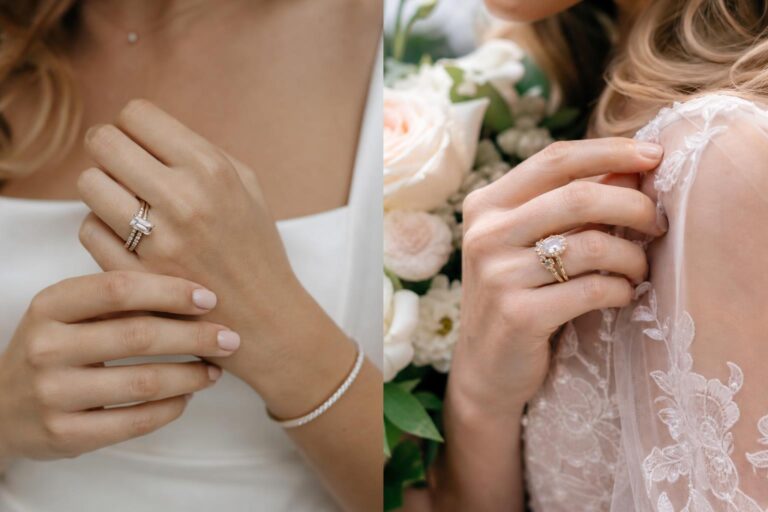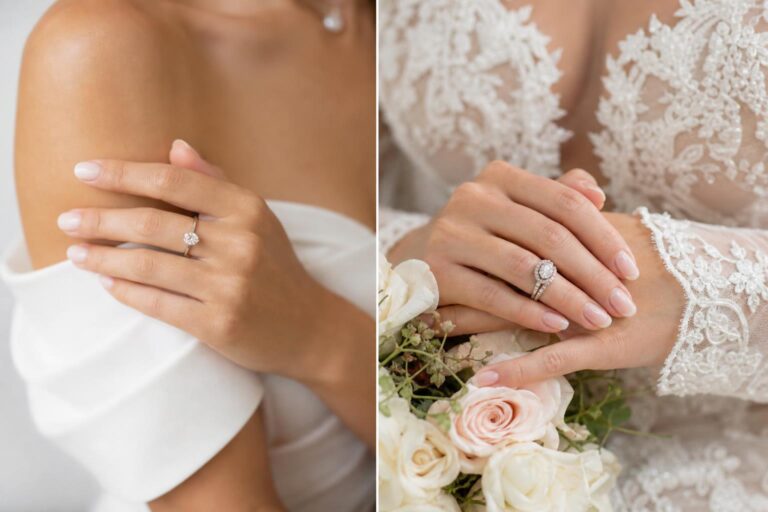
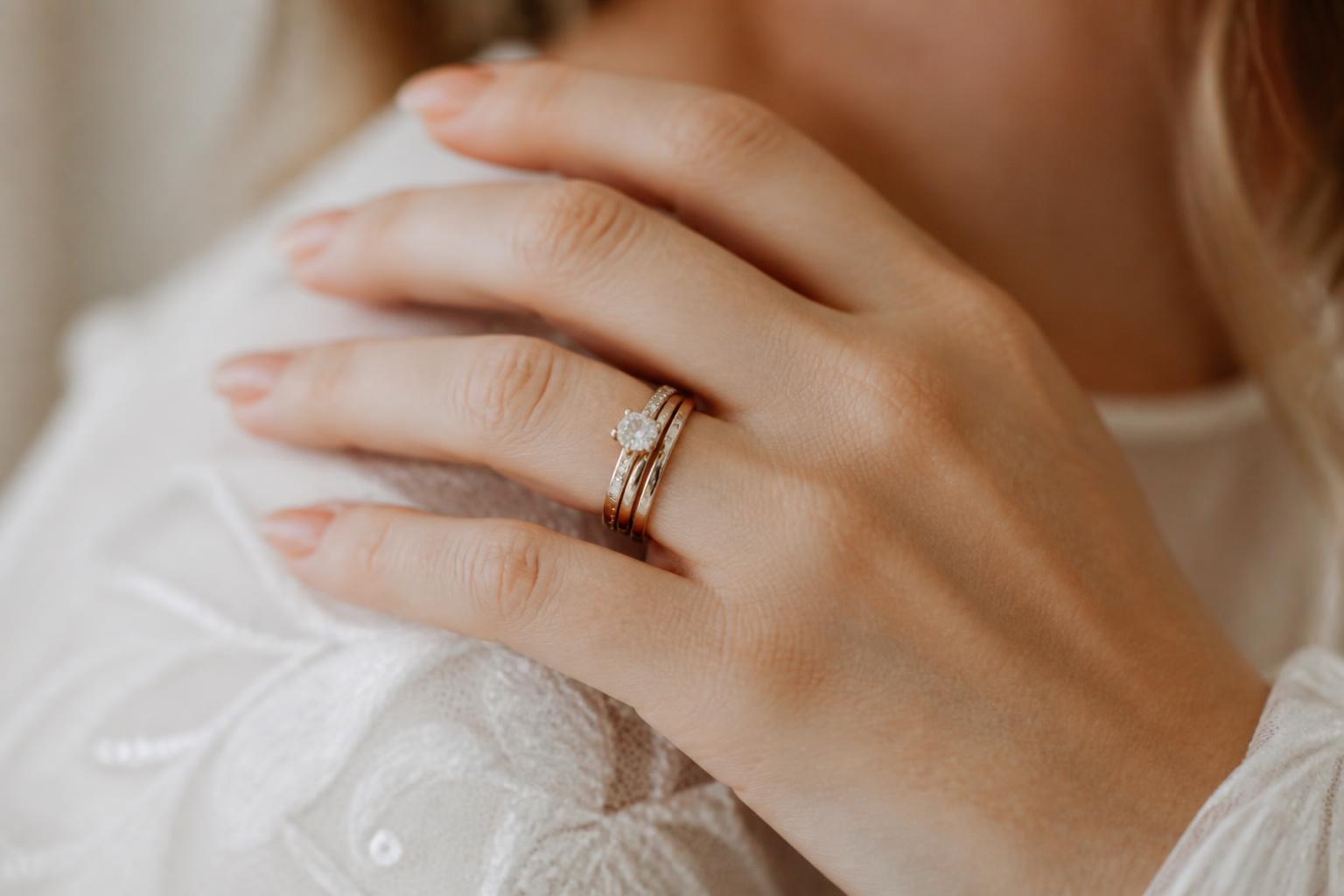
A Minimalist Wedding Ring Stack With Quiet Bridal Appeal
A wedding ring stack is defined as the one thing it cannot become here: a guide built on missing information
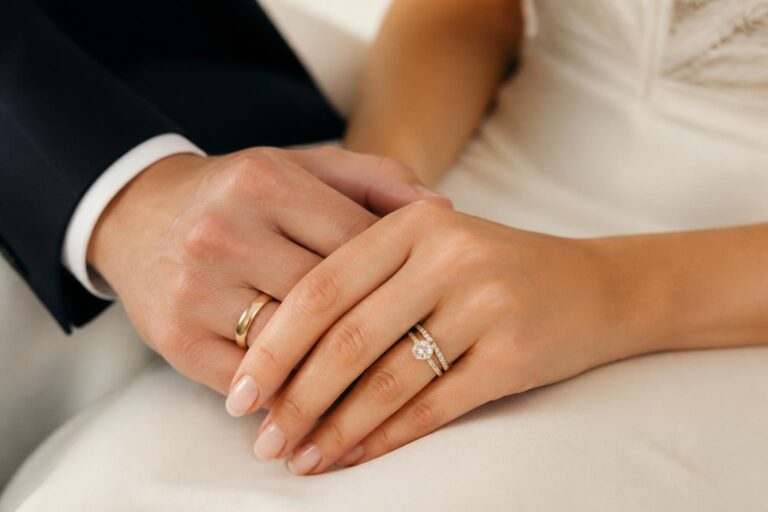
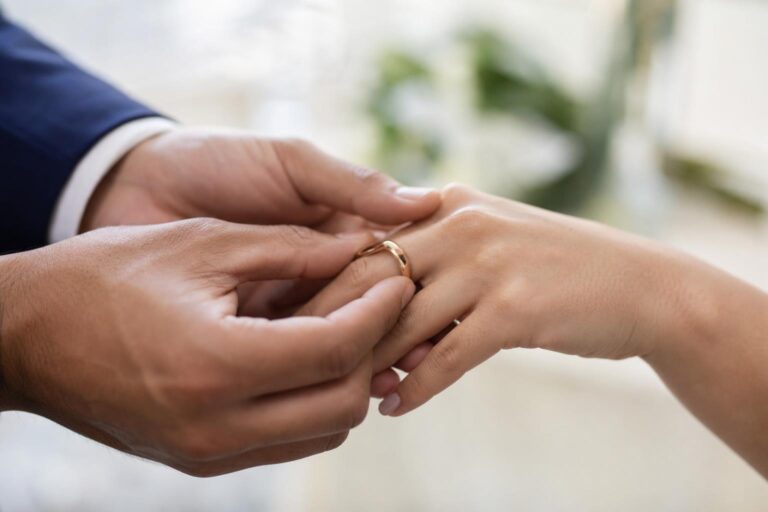
There is a certain romance to a wedding ring stack because it sits at the center of memory, symbolism, and personal style all at once. It is not just jewelry layered on one finger. It is often the visual line that connects engagement, ceremony, anniversaries, and the quiet daily ritual of wearing something meaningful every day.
But a piece like this deserves careful guidance. Choosing how rings sit together, how proportions feel on the hand, how a stack suits a wedding mood, and how it balances beauty with comfort all require grounded information. Here, that foundation is not available. The only source provided offers no usable details, no examples, no design references, no materials, no practical considerations, and no factual basis for responsible recommendations.
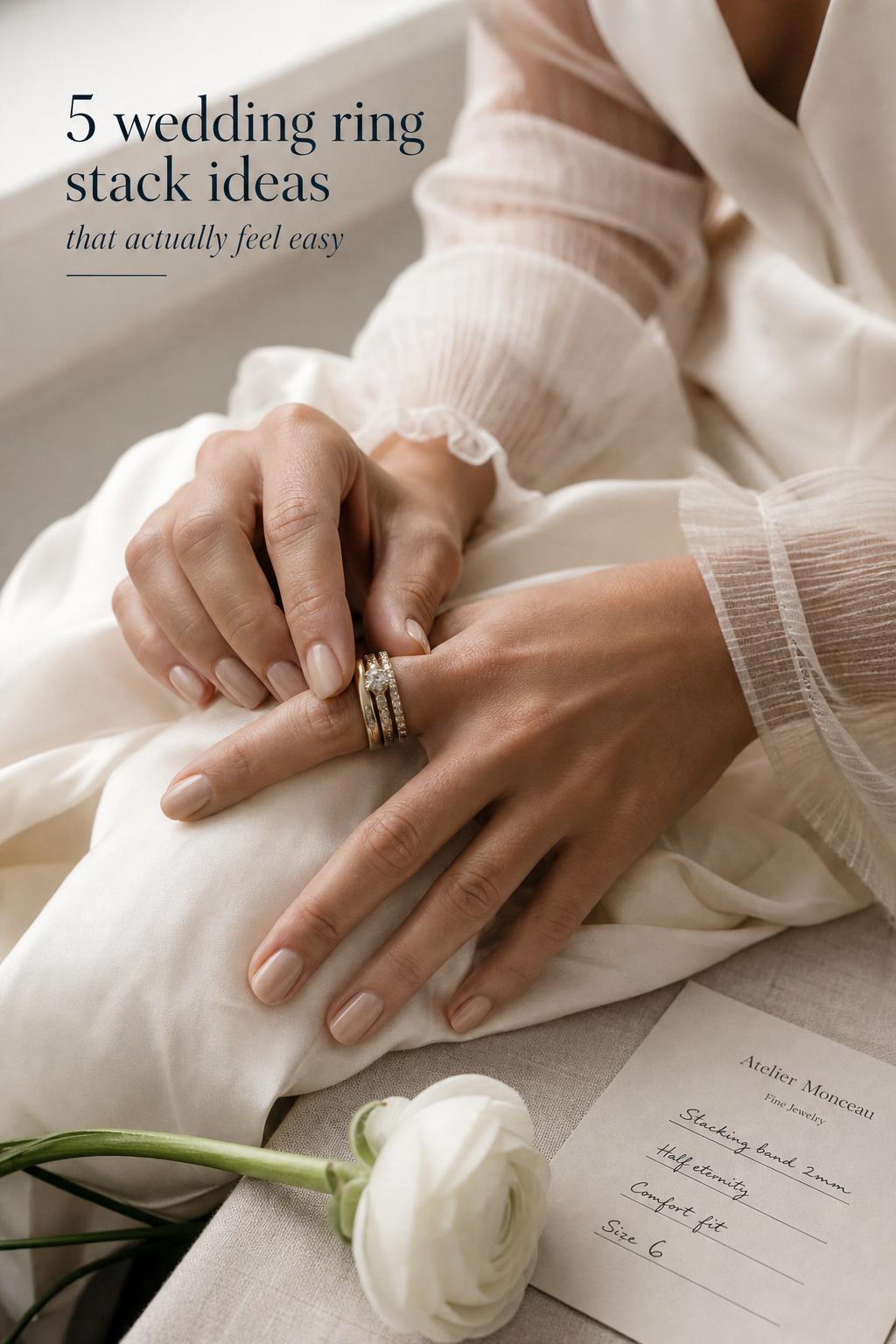
Because accuracy matters more than filling space, this article cannot responsibly tell you which silhouettes create harmony, which bands work best together, which styles suit different wedding aesthetics, or how to build a lasting stack for everyday wear. In bridal styling, the most reassuring advice is not always the most expansive. Sometimes it is the honest recognition that meaningful choices should be made with real information, not invented guidance.
What defines this aesthetic?
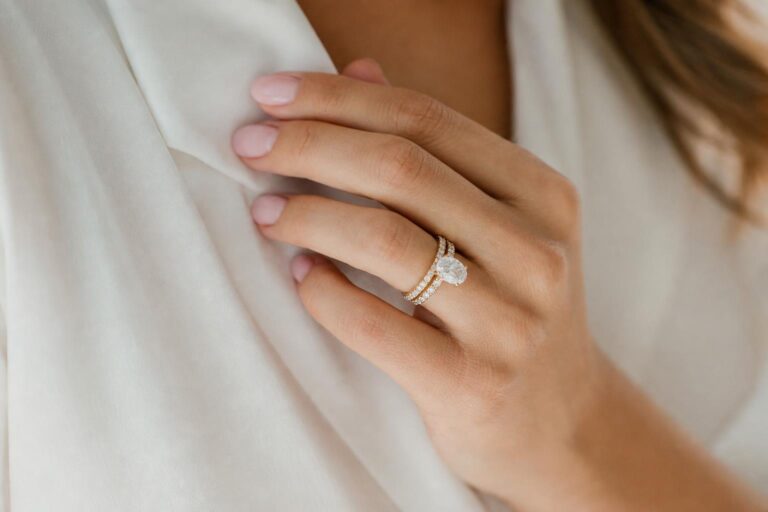
The aesthetic in question would normally be shaped by visual details such as line, proportion, finish, stone presence or absence, spacing, metal tone, and how the wedding ring stack supports the wider wedding vision. In a complete editorial, this is where the palette, materials, and mood would be explained with clarity so a bride or couple could understand the formula behind the look. That is not possible here without a factual source.
Turn wedding inspiration into a plan you can actually follow.
Zarellea brings your guest list, budget, vendors, and day-of details into one shared space — so no beautiful idea gets lost in the shuffle.
In practical terms, any real definition of a ring-stacking aesthetic would need to explain what creates cohesion and what breaks it. It would need to clarify whether the mood leans romantic, minimal, vintage, modern, sculptural, delicate, or statement-led. It would also need to address wearability, since a stack that photographs beautifully may still feel awkward over a full wedding weekend or in everyday life afterward. None of those specifics can be responsibly supplied from the available material.
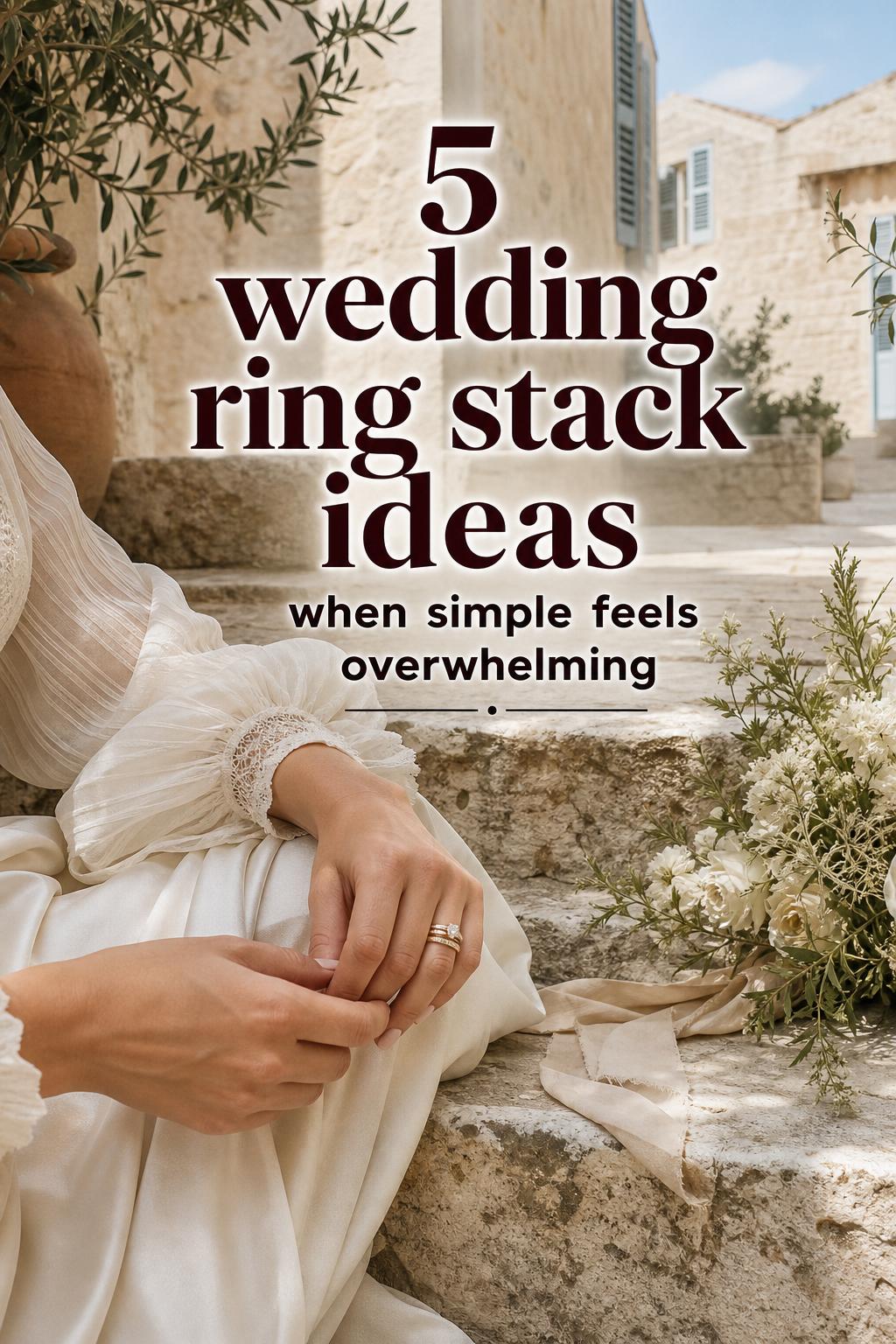
The bridal styling problem at the center of a wedding ring stack
Wedding styling decisions often look simple from a distance, but the smallest pieces can carry the greatest visual weight. A gown may set the tone, flowers may soften the atmosphere, and the venue may shape the overall mood, yet the rings remain the detail that stays long after the day itself. That is why ring choices deserve more than decorative language. They need practical context.
Normally, a thoughtful article would address how a stack reads in close-up photography, how it relates to nail styling, how it complements a sleeve or neckline story, and how to maintain visual balance if one ring is more prominent than the others. It would also guide readers on whether to prioritize symbolism, comfort, symmetry, or contrast. Without source-backed details, the only responsible conclusion is that those decisions should not be shaped by unsupported claims.
Why restraint matters in bridal advice
Bridal content often carries emotional authority, and that makes precision even more important. If someone is choosing rings for a ceremony, an elopement, a courthouse wedding, a black-tie evening, or a garden celebration, careless suggestions can lead to expensive mistakes. Rings are worn daily, photographed closely, and tied to personal meaning. Trustworthy advice starts with evidence, and there is none to draw from here.
A visual guide would normally explore different interpretations of the same mood
One of the most useful ways to understand a wedding ring stack is through variation: not random options, but several distinct interpretations of the same bridal mood. That kind of structure helps readers see how one aesthetic can shift from soft and delicate to polished and architectural without losing cohesion. It also reveals which details truly define the look.
Here, however, no source material identifies those interpretations. There are no supported references to metals, band widths, stone settings, mixed finishes, minimal stacks, heirloom-inspired combinations, or contemporary layering approaches. Since those are precisely the details that would make this article meaningful, inventing them would create the illusion of expertise rather than the reality of it.
What a complete interpretation section would need
- A clear visual mood for each styling direction
- Specific design elements that support that mood
- Practical context for comfort, symbolism, and longevity
- Guidance on what keeps the stack cohesive rather than crowded
- Advice on how the rings interact with the overall wedding aesthetic
Without those elements, any attempt to present “looks” would only mimic a useful bridal guide instead of actually being one.
Practical styling value depends on details that are not available
A ring stack is not only about appearance. Practical value comes from how the rings feel through a full day of movement, greetings, photographs, temperature changes, and long wear. It also comes from knowing whether the look can transition from the ceremony into real life with ease. Brides and couples often want the stack to feel elevated in the wedding moment but still natural months and years later.
Good recommendations would usually cover spacing, friction between bands, profile height, how rings sit next to each other, and whether the stack feels balanced from every angle. They would also explain how styling decisions affect comfort during travel, work, or daily routines after the wedding. None of that can be addressed with confidence here.
Tip
If you are making a meaningful jewelry decision for your wedding, the most practical first step is to seek information from a source that actually includes verifiable guidance. The emotional significance of rings makes careful sourcing especially important.
The difference between inspiration and invention
In wedding editorial writing, inspiration should help you imagine a feeling more clearly. Invention, by contrast, fills the page without helping you make a sound choice. A true guide to a wedding ring stack would connect beauty with logic. It would explain why a certain arrangement feels graceful, why another reads too busy, and how small design decisions influence the larger bridal story.
That distinction matters because the language of weddings is emotional by nature. It is easy to make almost any object sound romantic. It is far more valuable to explain what actually makes a design wearable, timeless, or consistent with a wedding vision. Since the source material provides no such substance, the most trustworthy approach is to leave those specifics unclaimed.
What brides and couples usually need from this conversation
A genuinely helpful article on this subject would typically meet several needs at once. It would help readers define the mood they want, compare options without confusion, and avoid buying rings that feel disconnected from their engagement ring, personal style, or everyday life. It would also translate visual inspiration into decisions that hold up beyond the wedding day.
- Clarity on what creates a cohesive stack
- Confidence about how formal or understated the rings should feel
- Guidance on balancing sentiment with style
- Awareness of comfort and long-term wear considerations
- A way to connect ring choices to the wider wedding atmosphere
Those are the questions that deserve answering. They simply cannot be answered here without stepping outside the only permitted source.
The missing foundation: materials, proportions, and relationship between rings
When stylists or jewelry specialists discuss stacks with confidence, they usually do so from concrete details. Materials change the mood. Proportions change the balance. The relationship between one ring and the next changes whether the final look feels seamless or visually unsettled. These are not decorative footnotes. They are the essence of the decision.
Without source-backed information on any of those elements, no responsible article can say which combinations feel airy, sculptural, classic, soft, vintage, or dramatic. It also cannot claim what works best for different settings, seasons, or wedding formats. Advice without those specifics would only create false certainty.
How to recognize when a style guide is not giving enough
If a ring article makes broad claims without explaining why a choice works, how it wears, what visual effect it creates, or what trade-offs it involves, it is not offering strong decision support. For a wedding purchase, look for guidance that connects aesthetics, comfort, durability, and personal meaning in one clear conversation.
Why wedding context changes everything
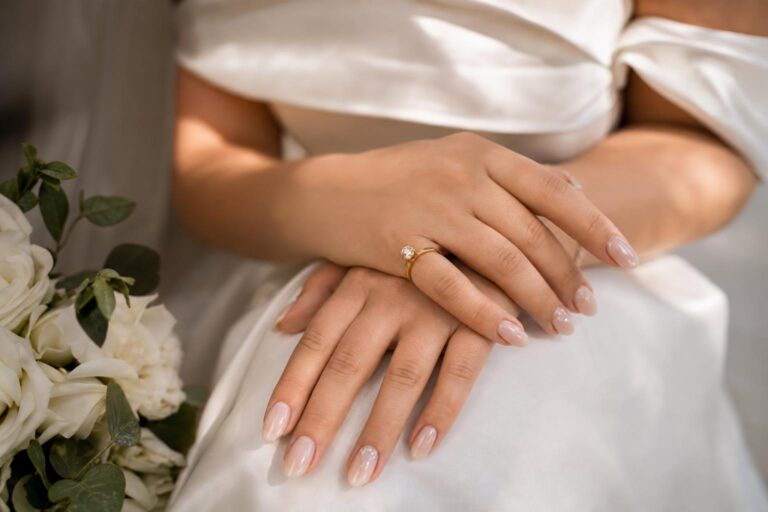
Bridal styling is never just about the object itself. A ring stack can feel entirely different depending on the kind of celebration surrounding it. An intimate city ceremony, a candlelit evening reception, a beach gathering, and a formal ballroom wedding each frame jewelry in a different way. The hand is also more visible than many couples expect, from bouquet shots to vows to close-up detail photography.
That is why context-specific guidance matters so much. A useful article would normally show how the stack relates to dress texture, sleeve coverage, manicure choices, and the overall visual tone of the day. It would explain not just what looks beautiful in isolation, but what looks cohesive in the lived wedding setting. Since none of that context exists in the source material, it cannot be responsibly developed here.
Common styling mistakes cannot be listed honestly without source support
One of the most practical parts of any wedding style guide is the section that explains what weakens the look. In ring styling, that would usually include issues of visual clutter, imbalance, discomfort, inconsistency, or combinations that feel more trendy than lasting. Brides often benefit most from these cautionary notes because they protect both budget and long-term satisfaction.
Yet even a “mistakes” section must be earned by evidence. It should arise from specific design logic, not assumptions. Since no such logic is provided in the available material, listing mistakes as though they were established truths would not be accurate.
Tip
When evaluating ring advice elsewhere, notice whether the recommendations are explained through proportion, comfort, cohesion, and real-life wear. If the guidance relies only on trend language or vague claims about elegance, it may not be enough for a decision this personal.
How to approach your own decision when guidance is incomplete
Even without a usable foundation here, one practical principle still holds: meaningful bridal choices benefit from reflection before purchase. Rings sit at the intersection of style and permanence, so clarity matters. Before deciding on a wedding ring stack, couples are usually best served by gathering information that helps them compare options in a grounded way rather than chasing a mood they cannot yet define.
The most reassuring wedding decisions often come from asking simple, honest questions. Does the look feel like you beyond the ceremony? Will it still feel right in ordinary life? Does the stack support the emotional tone of the day, or does it distract from it? These are not technical answers, but they are still better than invented specifics.
- Seek visual references from credible jewelry or bridal sources
- Ask how the rings will feel after hours of wear, not just how they look in a tray
- Consider whether the style matches your everyday taste as well as your wedding mood
- Favor guidance that explains trade-offs instead of pushing one ideal answer
A note on authority, trust, and sentimental purchases
Wedding purchases are uniquely sensitive because they carry memory, symbolism, and financial weight at once. That is especially true for rings. An article may sound polished and still fail to be reliable if it has no factual basis. Trustworthiness is not created by elegant phrasing alone. It comes from transparent limits, careful explanations, and a refusal to pretend certainty where none exists.
For that reason, the most authoritative thing this article can do is remain within the truth of the provided material. The subject deserves more than generic suggestions dressed as expert styling. It deserves information rooted in actual knowledge of the piece, the wearer, and the wedding context.
The most useful conclusion for a wedding ring stack
A wedding ring stack can be one of the most intimate and visually meaningful details of a wedding, but it should never be shaped by unsupported advice. The appeal of a beautiful stack lies in harmony, symbolism, and wearability, and all three require informed choices. Until real source-backed guidance is available, the wisest path is to treat the decision with patience, seek trustworthy expertise, and build the look from genuine information rather than assumption.
FAQ
What is a wedding ring stack?
Based on the available material, a precise definition cannot be expanded beyond the phrase itself without introducing unsupported information, so it is best treated here as a ring styling concept that requires further verified guidance before making decisions.
Why doesn’t this article include specific wedding ring stack styles?
The only source provided contains no usable factual details, so listing styles, metals, settings, or arrangement ideas would require inventing information rather than offering trustworthy bridal advice.
Can I still use this article to help plan my wedding jewelry?
Yes, in one limited but important way: it can help you recognize that meaningful jewelry decisions should be based on real, verifiable guidance, especially for something as personal and long-lasting as wedding rings.
What should I look for in reliable advice about a wedding ring stack?
Look for guidance that explains visual balance, comfort, long-term wear, how the rings relate to one another, and how the overall look supports your wedding aesthetic rather than relying on vague trend language alone.
Why is it better to avoid guessed recommendations for wedding rings?
Guessed recommendations can lead to expensive and sentimental mistakes because rings are worn daily, photographed closely, and expected to feel beautiful and comfortable long after the wedding day is over.
Does a wedding ring stack need to match the rest of the wedding style?
A useful bridal styling process would normally consider that relationship carefully, but the provided material does not supply enough detail to state exactly how that coordination should be handled in practice.
What is the safest next step if I am choosing my rings now?
Seek information from a credible jewelry professional or a detailed bridal source that explains both the aesthetic and practical side of stacking, including wearability, proportion, and how the rings will function in daily life.
Can a minimal article still be trustworthy?
Yes, because trustworthiness sometimes means acknowledging limits instead of filling them with assumptions, especially when the topic involves a lasting purchase with emotional significance.