Modern or Romantic? Diamond Rings Design for Weddings
Choosing a wedding ring is rarely just about jewelry. The conversation around diamond rings design often carries far more emotional weight, because the ring becomes part of the wedding atmosphere itself: intimate, symbolic, visible in photographs, and deeply tied to how a couple wants their day to feel. Some couples are drawn to designs that feel refined and structured, while others instinctively lean toward something softer, more romantic, and more expressive.
Those two directions are often confused because both can be beautiful, elegant, and timeless in their own way. Yet they create very different visual stories. One ring style can sharpen a wedding aesthetic and make every detail feel intentional. Another can soften the entire mood, adding warmth, movement, and sentiment. If the ring design and the wedding styling are working against each other, the result can feel subtly disconnected, even when every individual element is lovely on its own.
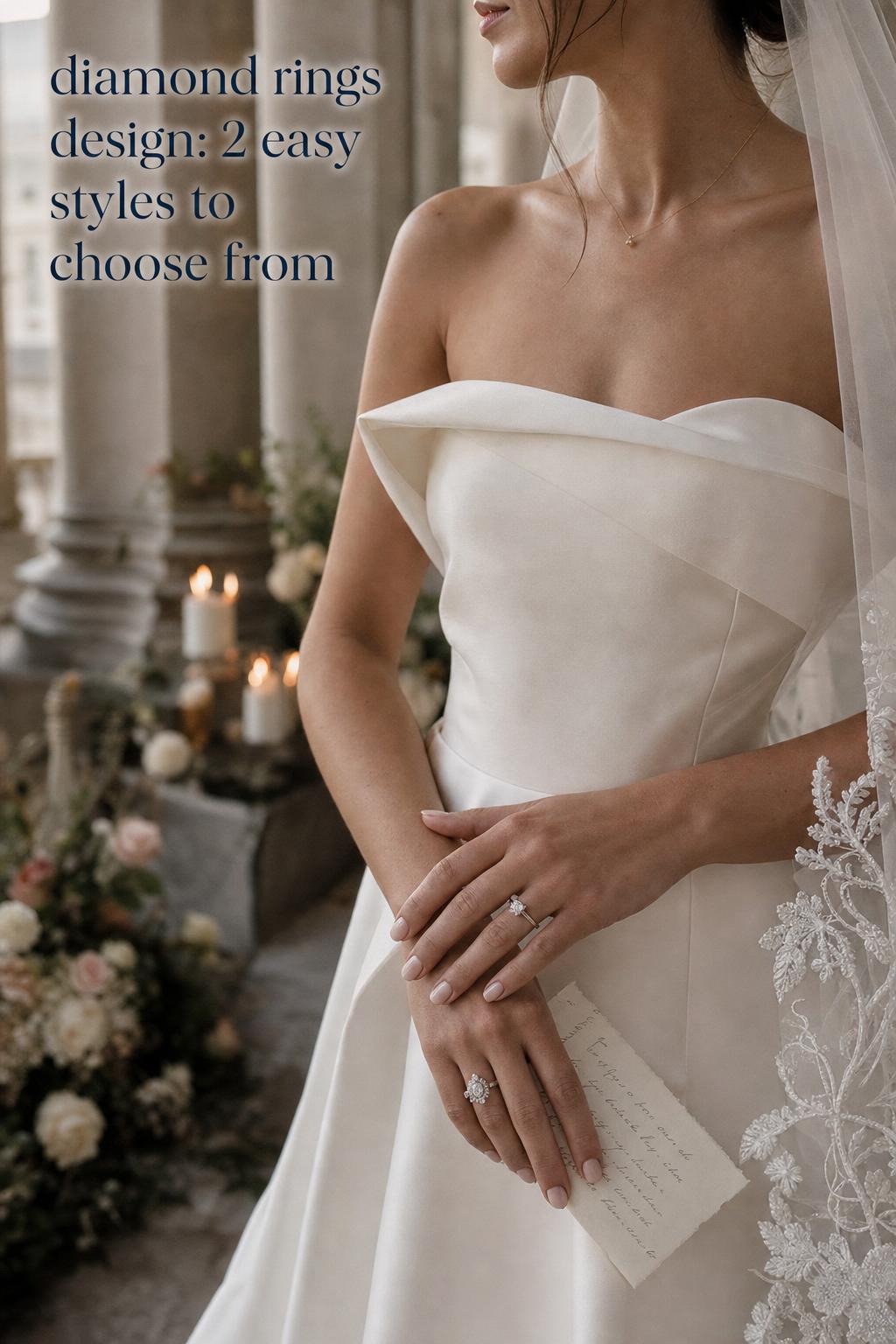
This guide explores two broad approaches to diamond rings design through a wedding editorial lens: a modern, minimal direction and a romantic, ornate direction. The goal is not to declare one better than the other, but to help you understand how each one behaves in real weddings, how each one photographs, what kind of atmosphere each one supports, and how to choose with more confidence and emotional clarity.
Style overview: modern minimal diamond rings design
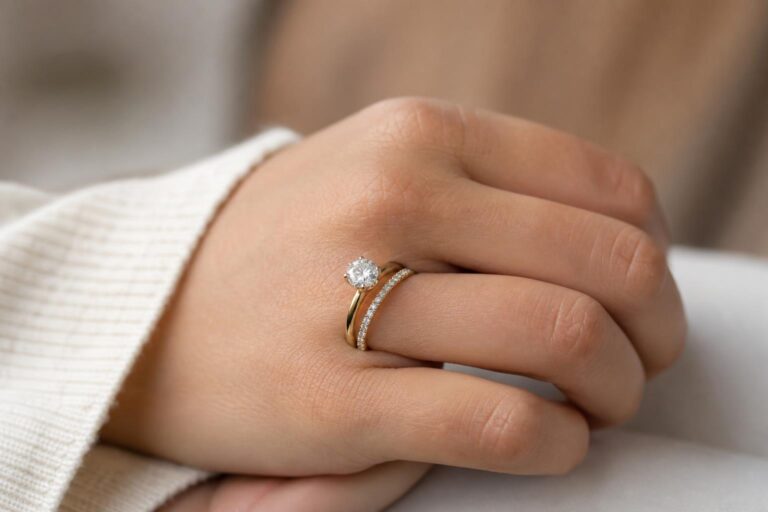
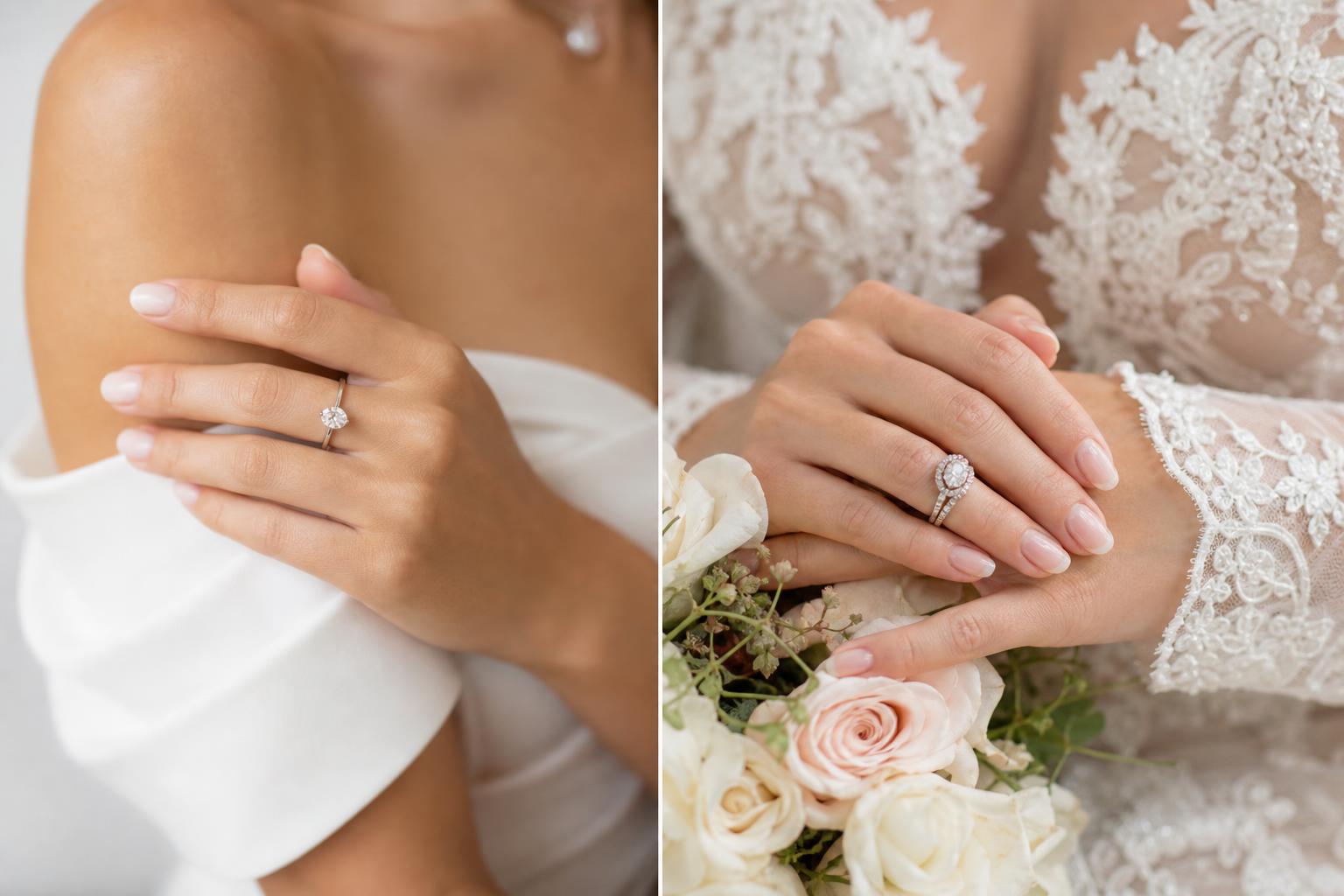
A modern minimal ring design is usually defined by restraint. The overall impression is clean, edited, and deliberate. Instead of relying on heavy detailing, visual complexity, or decorative flourishes, this approach lets proportion, line, and simplicity do the work. In a wedding setting, that often creates a calm kind of luxury, one that feels polished rather than overtly ornate.
Turn wedding inspiration into a plan you can actually follow.
Zarellea brings your guest list, budget, vendors, and day-of details into one shared space — so no beautiful idea gets lost in the shuffle.
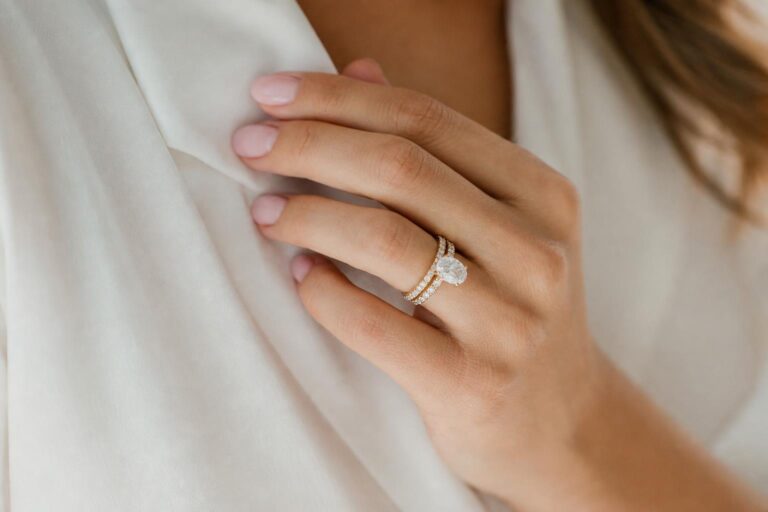
Emotionally, this style feels composed. It tends to suit couples who want their wedding to feel modern, uncluttered, and quietly confident. The ring does not compete for attention in an obvious way. Instead, it contributes to an overall aesthetic of clarity. In close-up photographs, it often appears crisp and architectural, particularly when paired with streamlined bridal fashion, clean manicures, and understated styling.
In real wedding environments, a minimal ring design works especially well when the broader wedding visual language also values space, balance, and refinement. Think of a ceremony where every element feels intentional rather than layered for abundance. A ring in this category tends to complement a wedding that uses fewer statement details but gives each one room to matter.
Its level of formality can vary, but the emotional tone usually stays elegant and controlled. That means it often feels especially natural in venues with strong lines, clear architecture, or a clean backdrop. The photography mood is often editorial, with an emphasis on shape, light, and negative space. Even when the wedding is warm and emotional, the ring itself brings a sense of order to the visual story.
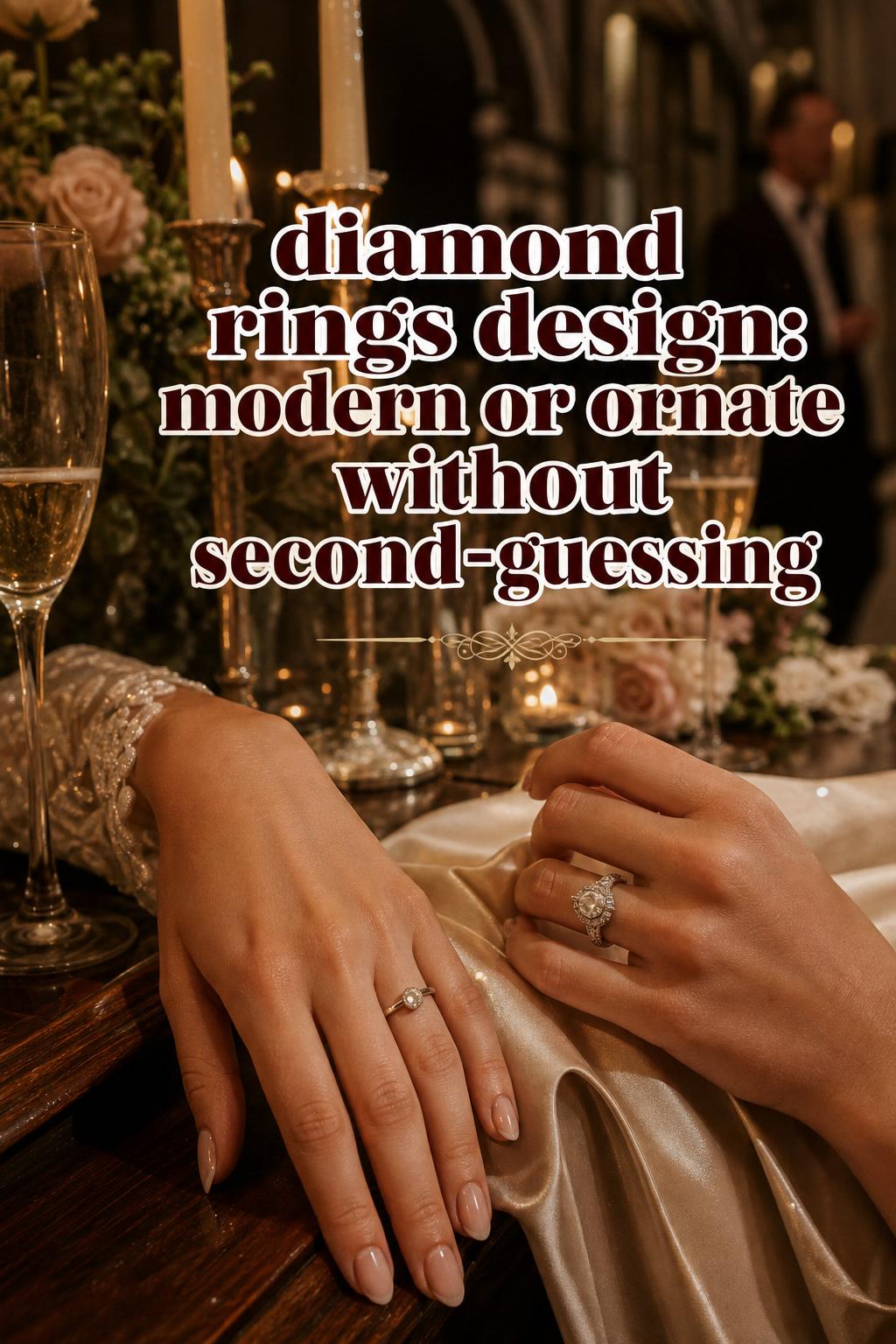
Style overview: romantic ornate diamond rings design
A romantic ornate ring design is more likely to feel layered, expressive, and emotionally rich. Where minimal design creates impact through restraint, ornate design creates atmosphere through detail. The visual language may feel softer, more decorative, and more reminiscent of storytelling. In wedding terms, this kind of ring often supports a celebration that leans into romance, sentiment, and visual fullness.
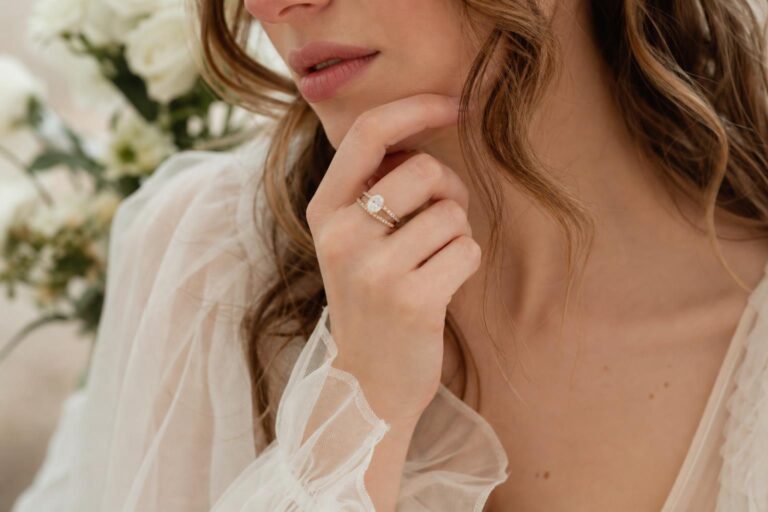
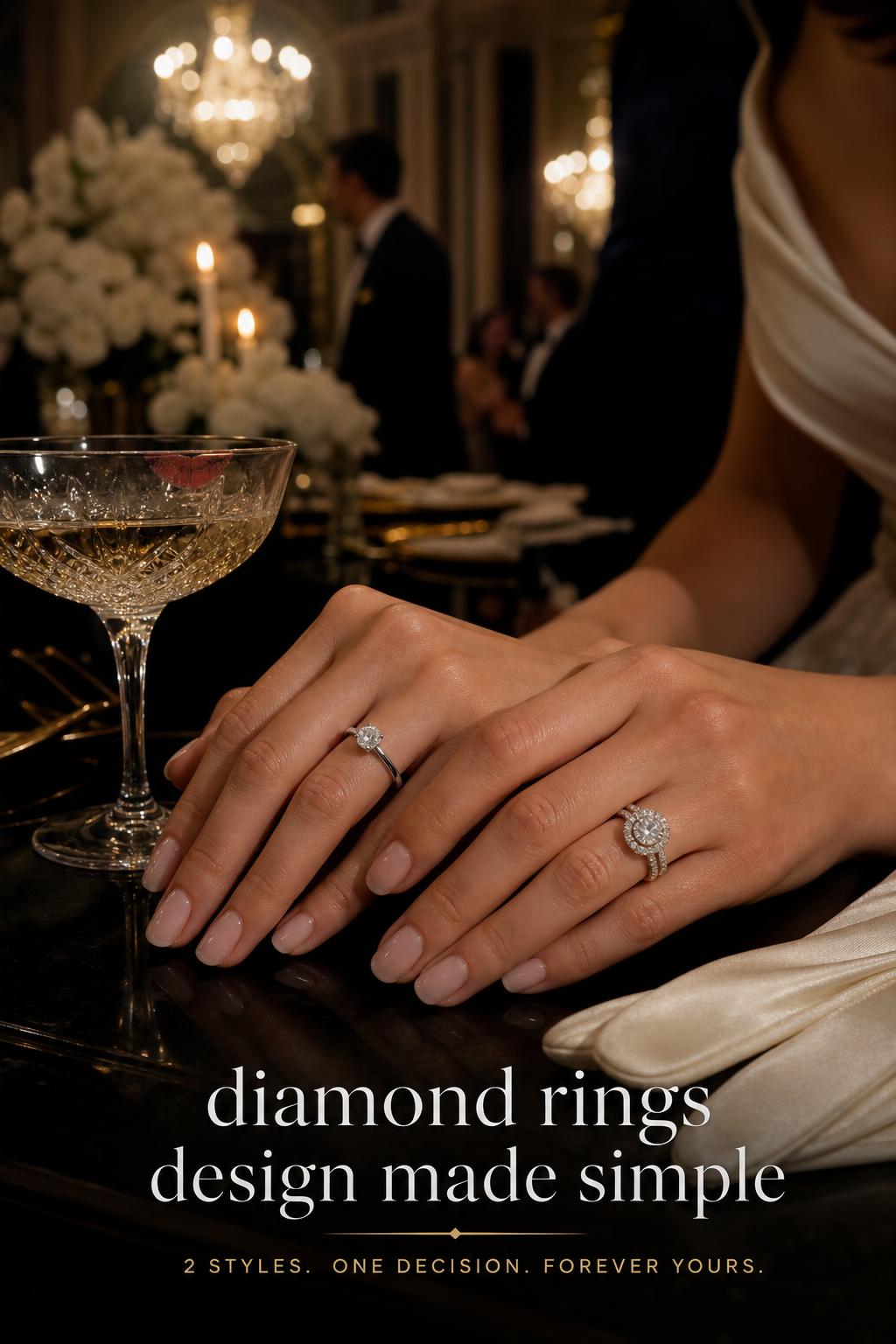
Emotionally, this style tends to feel more intimate and more obviously romantic. It pairs naturally with weddings that want to feel lush rather than spare, atmospheric rather than crisp, and emotionally textured rather than strictly edited. In photography, ornate ring design can bring a sense of softness and character, especially when surrounded by florals, textured fabrics, candlelight, and other layered styling elements.
In practical terms, this direction usually asks for more visual harmony from the rest of the wedding. Because the ring already contains stronger decorative energy, it tends to look best when the wedding styling supports that language instead of contradicting it. A highly ornate ring in an ultra-restrained wedding can still work, but it will stand apart more clearly and may become a focal contrast rather than a seamless continuation of the wedding aesthetic.
The overall wedding personality associated with this style is often softer, warmer, and more emotionally immersive. It feels especially natural in celebrations where the guest experience is shaped by rich visual layering, floral presence, and a sense of romance that can be felt as much as seen. Rather than reading as stark or sharply editorial, the ring becomes part of a world that feels poetic and full.
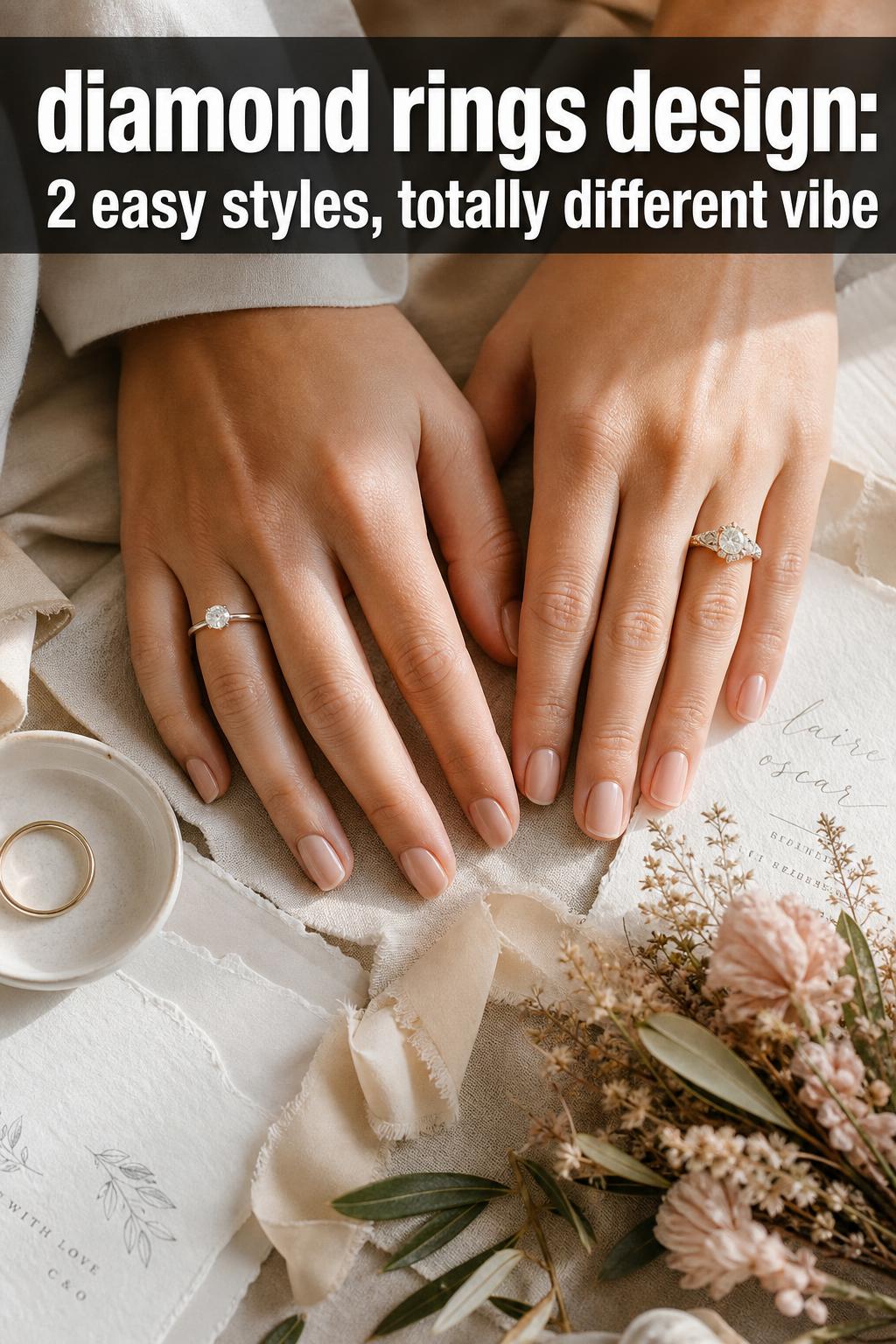
The emotional difference between these styles
The most important distinction is not simply what each ring looks like on a hand. It is what each ring makes the wedding feel like. A modern minimal ring tends to create emotional distance in a positive sense: space to breathe, space to notice line and light, space for the mood to feel composed. It supports a wedding atmosphere that feels intentional and visually settled.
A romantic ornate ring closes that distance. It invites the eye in. It makes the styling feel more layered, more sentimental, and often more visibly celebratory. Guests may not name the ring design in exact terms, but they feel the effect through the atmosphere. The wedding can seem softer, more immersive, and more decorated with emotion rather than edited down to essentials.
These styles also photograph differently. Minimal designs often look strongest in bright, clean compositions where every line reads clearly. Ornate designs often come alive in texture-rich scenes, where details in fabric, flowers, and lighting create depth around the ring. One feels sharper and more graphic. The other feels more cinematic and emotionally layered.
That emotional difference matters because a wedding is not a collection of isolated objects. It is a full visual and emotional ecosystem. The ring, dress, stationery, florals, venue, and tablescape all speak to one another. When the ring design aligns with the atmosphere you want, the entire celebration feels more coherent without seeming overly styled.
Where the visual differences show up most clearly
Silhouette and structure
Modern minimal ring design usually depends on clarity of shape. The silhouette feels controlled and defined, which makes the ring especially effective in weddings where fashion and décor also rely on sharp decision-making. Romantic ornate design, by contrast, often reads as softer and more layered. That can make it feel more expressive, but it also means the surrounding styling should support that softness rather than contradict it.
Styling philosophy
The minimal approach suggests that less can be more, but only if what remains is chosen carefully. Every element around the ring becomes more noticeable. The ornate approach works through richness and detail, allowing the ring to feel part of a larger story. This is why visual inconsistency can happen so easily: a ring rooted in restraint behaves differently from one rooted in embellishment.
Formality and guest perception
Minimal designs often give a wedding a refined, modern formality, even when the celebration itself is intimate. Ornate designs can feel formal too, but in a more romantic and decorative way. Guests may interpret the first as polished and contemporary, and the second as lush and emotionally expressive. Neither reaction is wrong; they simply point to different kinds of elegance.
Texture and visual density
Minimal ring design generally prefers visual quiet around it. Ornate design tolerates and often benefits from greater texture nearby. This affects not just the ring box or flat-lay images, but the entire wedding environment. If a ring carries a lot of decorative presence, pairing it with equally layered tables, florals, and textiles can feel cohesive. If a ring is very clean, too much surrounding texture can make it feel visually disconnected.
Wedding style logic that matters more than trend preference
Couples often choose a ring design based on what feels beautiful in isolation, then discover later that beauty and suitability are not always the same thing. A ring may be lovely in a box, in a store, or in a close-up photo, but wedding styling asks more of it. It needs to live inside a larger atmosphere.
A more minimal ring design is often easier to integrate across different wedding types because simplicity is visually flexible. It can feel at home in formal settings, modern venues, intimate ceremonies, and pared-back celebrations without requiring heavy support from the rest of the décor. That does not automatically make it simpler emotionally, but it does make it more adaptable in practice.
A more ornate ring design may require more intentional coordination, but it can reward that effort by deepening the emotional richness of the wedding visual story. If your celebration already includes layers of romance, decorative styling, or softer visual movement, the ring can become a natural extension of that world rather than a separate object.
Budget logic also enters the picture. Simpler-looking design directions can still demand precision, because when a ring is visually restrained, every proportion becomes more visible. Ornate directions can be more forgiving in some ways because detail creates softness, but they can also encourage broader styling complexity across the wedding, which may influence spending elsewhere. A ring rarely changes only the jewelry line item; it often influences flowers, paper goods, styling props, and even fashion choices.
Tips for deciding with more clarity
- Look at the ring beside your dress direction, not separately.
- Imagine the ring in your ceremony light, not just store lighting.
- Consider whether your wedding mood is edited and modern or layered and romantic.
- Ask which style feels more like your relationship, not only your inspiration board.
- Notice whether you are drawn to calm visual space or decorative richness.
Bridal fashion, florals, and décor: how each ring design behaves
Bridal fashion reveals the difference quickly. A minimal ring design tends to sit beautifully with gowns that rely on silhouette, drape, and clean structure. The pairing feels intentional because both elements speak the same language. The ring echoes discipline and focus. It does not ask for competing detail from the dress, and that often gives the bride an effortlessly composed presence.
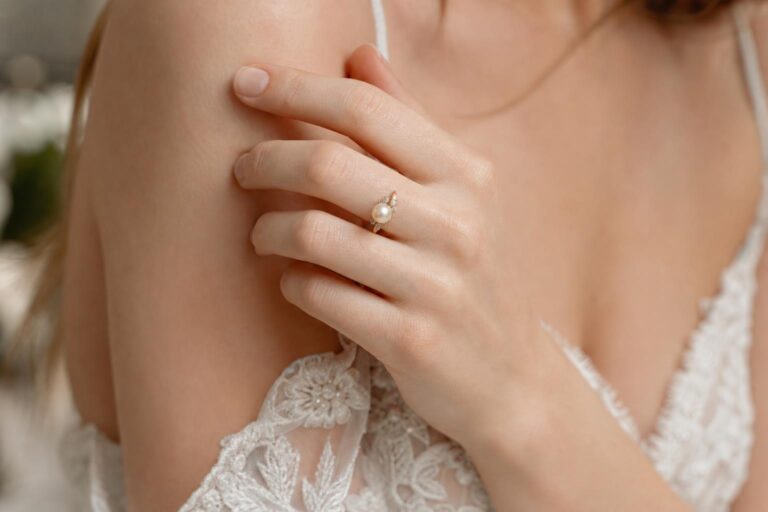
An ornate ring design typically feels more natural with bridal styling that contains softness, dimension, or decorative character. The effect can be deeply romantic. Rather than one clean focal line, the bridal look becomes a series of harmonious details. In photographs, this creates warmth and depth, especially when bouquet styling and beauty direction also support that softness.
Florals also respond differently. Minimal rings often pair best with floral direction that feels edited rather than abundant. Too much looseness or excess can visually overwhelm the restraint of the ring. Ornate rings usually welcome a more expressive floral mood, because both rely on emotional fullness. The flowers do not need to be excessive, but they generally need enough character to feel in conversation with the jewelry.
At the reception, the same logic continues. A minimal ring design fits beautifully into tablescapes with space, controlled layering, and visual breathing room. An ornate ring often feels most at home where place settings, candlelight, florals, and fabric styling create a more immersive environment. One style celebrates precision. The other celebrates atmosphere.
Wedding photography mood
The way a ring design photographs should be part of the decision, especially because rings appear in some of the most intimate images of the day. A minimal design often shines in direct, uncluttered compositions. It reads clearly in detail shots, hand portraits, vow exchanges, and editorial close-ups where line, polish, and proportion matter.
An ornate design often creates richer visual storytelling in images with layered context. It can look especially compelling against textured paper, floral petals, fabric folds, candlelight, or softer environmental styling. The ring does not just appear as an object; it becomes part of a mood.
What ages better in photos depends less on trend and more on coherence. A minimal ring in a highly cluttered wedding may feel unresolved over time. An ornate ring in a wedding built around softness and romance may feel timeless because it belongs to the larger visual language. A ring photographs best when it feels inevitable within the wedding rather than chosen from a different aesthetic world.
Example comparison: ceremony styling
In a ceremony shaped around modern minimal ring design, the aisle, backdrop, and overall setup usually benefit from restraint. The atmosphere feels settled. The emotional tone is still romantic, but it arrives through intention rather than visual abundance. Guests tend to notice the quiet confidence of the setting. The ring makes sense here because it mirrors that same discipline.
In a ceremony shaped around romantic ornate ring design, the setup can feel more immersive and sensory. The emotional experience often comes through softness, fullness, and visual layering. Guests may feel wrapped in the atmosphere. The ring belongs because it echoes that tenderness and decorative storytelling.
Practically, the difference affects how much décor the ceremony can carry without losing cohesion. The modern minimal version needs careful editing. The ornate version needs careful harmony. One risks feeling cold if stripped too far back. The other risks feeling visually crowded if every romantic idea is added at once.
Example comparison: bridal fashion direction
A bride wearing a ring from the minimal design direction often looks strongest when the overall fashion styling stays focused. Accessories feel selective. The dress, veil, shoes, and beauty choices are often most effective when they support line and balance. This creates a bridal image that feels polished, modern, and unmistakably composed.
A bride wearing a ring from the ornate direction can often carry more softness and detail across the full look. That does not mean excess; it means the styling can hold more romance without feeling disconnected. The ring supports a bridal presence that feels emotionally expressive, layered, and visually warm.
What often goes wrong is mismatch. A highly pared-back bridal look with a deeply ornate ring can feel unresolved unless the contrast is intentional and repeated elsewhere. Likewise, an edited ring with a fully decorative gown can disappear emotionally if nothing connects the two. Cohesion does not mean sameness, but it does require conversation between elements.
Example comparison: reception atmosphere
At the reception, a minimal ring design usually aligns with a space that feels curated, breathable, and visually calm. Tables may be styled with restraint, allowing light, material, and proportion to create sophistication. The mood can be deeply romantic, but it arrives through refinement rather than fullness.
An ornate ring design often suits a reception with more emotional layering. Candle styling, florals, textiles, and decorative details may all contribute to the atmosphere. The result can feel enveloping and cinematic. In this environment, the ring reads as part of a larger romantic composition rather than a solitary accent.
For guest experience, the difference is subtle but real. Minimal styling can feel elevated, calm, and polished. Ornate styling can feel intimate, warm, and immersive. The right choice depends on whether you want your guests to feel impressed by clarity or embraced by richness.
Example comparison: intimate wedding interpretation
In a smaller wedding, minimal ring design often feels naturally at home because intimacy already creates emotional focus. The ring supports a celebration where fewer elements are doing more work. Nothing needs to be grand to feel meaningful. The simplicity can actually deepen the emotional presence of the day.
In an intimate wedding shaped around ornate ring design, the challenge is not scale but density. The romance can be beautiful, but it needs room to breathe. A smaller guest count can make the layered atmosphere feel especially personal, provided the styling is edited enough that the space still feels intentional rather than crowded.
This is a useful reminder that ring style should not be chosen by wedding size alone. Both approaches can work beautifully in intimate settings. The real question is whether the emotional tone is restrained and focused or lush and enveloping.
Example comparison: destination wedding version
In a destination setting, minimal ring design often adapts more easily because it can sit comfortably against changing surroundings. Travel, light variation, and venue unpredictability are less likely to disrupt the aesthetic. The ring remains clear and versatile, even if the setting introduces additional visual information.
An ornate ring design can be magical in a destination wedding too, but it usually asks for more careful support from the styling plan. If the location already carries strong atmosphere, the ring may feel perfectly at home. If the destination is visually busy in a way that does not match the ring’s romantic language, the effect can become less cohesive.
For destination weddings in particular, practical planning matters. Rings that rely on a highly specific visual world may need more thoughtful coordination of attire, florals, paper details, and photography styling. A simpler ring can be easier to carry across multiple events without feeling out of place.
Best venue pairing notes
A minimal ring design often feels strongest in venues where architecture, proportion, and light already provide visual structure. It benefits from environments that do not ask the jewelry to fight for clarity. The venue and ring support one another by sharing a calm visual language.
An ornate ring design often pairs best with venues that already feel romantic, atmospheric, or emotionally textured. In those spaces, the ring does not seem overdressed; it seems appropriate. The environment gives the design context and allows it to contribute to a cohesive emotional world.
The key is avoiding conflict. A ring can certainly create contrast, but if too many wedding elements are pulling in different directions, the overall experience becomes visually uncertain. The most memorable weddings tend to feel cohesive not because every detail matches, but because every detail belongs.
What makes a ring style feel more expensive in the wedding context
- Consistency between ring design and bridal styling
- High-quality light in photographs and the ceremony setting
- Restraint with surrounding details when the ring is already visually strong
- Tonal harmony across flowers, fabric, and accessories
- Thoughtful presentation in detail shots and personal styling moments
What often goes wrong
One of the most common mistakes is treating the ring as separate from the wedding aesthetic. Couples may choose a highly modern ring, then build a wedding full of softness and decorative layering without creating any bridge between the two. Or they may choose a deeply romantic ring and place it inside an ultra-minimal wedding, where it reads less as a meaningful focal point and more as a stylistic interruption.
Another issue is overcompensation. If a ring feels simple, some couples respond by adding too many decorative elements elsewhere. If a ring feels ornate, they may strip the rest of the wedding back too far in fear of excess. Both reactions can create imbalance. Cohesion comes from understanding what the ring is already contributing and allowing the rest of the design to support that role.
There is also the question of emotional honesty. A ring can be visually beautiful but still feel wrong if it reflects an aspirational wedding identity rather than the couple’s actual one. The best design decisions tend to happen when style and personality align. A ring should not only match the tablescape. It should also feel believable on the person wearing it, long after the wedding day is over.
When to choose each style
Choose a modern minimal direction if your priorities include visual clarity, versatility, and a wedding atmosphere that feels composed. This approach often suits couples who love understated elegance, cleaner fashion lines, and spaces where architecture or light provide much of the beauty. It can be especially effective when you want the wedding to feel polished without relying on decorative abundance.
Choose a romantic ornate direction if your priorities include softness, emotional richness, and a celebration that feels more immersive. This approach often suits couples who are drawn to layered styling, romantic mood, and details that feel expressive rather than edited down. It can be especially beautiful when the wedding vision centers on atmosphere, sentiment, and visual warmth.
Season, venue, and guest experience all matter, but personality fit matters most. If your instinct is always to simplify until something feels calm, minimal design may be your natural language. If your instinct is to add softness and make things feel more romantic, ornate design may reflect you more honestly. The best wedding style decisions rarely come from copying a visual formula. They come from recognizing which atmosphere feels like home.
Style personality match
- Modern minimal suits couples who value refinement, structure, and quiet confidence.
- Romantic ornate suits couples who value softness, sentiment, and layered beauty.
- Minimal often feels stronger in cleaner visual environments.
- Ornate often feels stronger in emotionally rich, atmospheric settings.
- Both can be timeless if the wedding remains cohesive around them.
Can you combine these styles?
Yes, but the blend works best when one direction remains dominant. The most successful combinations usually happen when a couple chooses a core aesthetic and then introduces selective contrast. For example, a mostly modern wedding can carry a touch of romance if softness appears in florals, lighting, or fabric without undoing the clarity of the overall design. Likewise, a romantic wedding can include cleaner ring styling if enough of the surrounding details create a bridge.
What does not work as easily is an even split with no visual hierarchy. If the ring, fashion, flowers, venue, and tablescape all speak different design languages with equal intensity, the wedding can feel undecided. Cohesion comes from knowing which atmosphere is leading and which details are there to support, soften, or modernize it.
If you want to blend the two, start with emotional clarity rather than objects. Ask whether the day should feel more polished or more enveloping. Then let the ring design support that answer. A wedding can hold contrast beautifully, but it still needs a central mood.
A grounded way to make the final decision
Before choosing, imagine the ring not in a showroom but in the actual moments that matter: your hand holding the bouquet, exchanging vows, signing paperwork, cutting the cake, greeting guests, and appearing in photographs that will outlast every floral arrangement and rental decision. The right diamond rings design is the one that still feels emotionally true in all those scenes.
It helps to think in complete wedding images rather than isolated details. If your dream celebration feels airy, composed, and elegantly edited, a modern minimal ring will likely reinforce that atmosphere. If your wedding vision feels soft, intimate, and visually romantic, an ornate ring may deepen that feeling beautifully. The ring should not just be admired up close. It should make sense from across the room, inside the mood of the day.
Most of all, trust the style that creates relief rather than confusion. When the right direction appears, the rest of the wedding often becomes easier to design because decisions start to align. The flowers make more sense. The fashion feels clearer. The venue choices narrow naturally. That is often the strongest sign that the ring design belongs in your story.
FAQ
What is the main difference between modern and romantic diamond rings design for weddings?
The main difference is emotional and visual behavior. Modern design usually feels clean, structured, and restrained, while romantic design feels softer, more layered, and more decorative. Each one influences how the overall wedding atmosphere feels in person and in photographs.
Which diamond rings design feels more timeless in wedding photos?
Both can feel timeless when the ring matches the wedding’s broader aesthetic. A minimal ring often ages beautifully in clean, edited wedding settings, while an ornate ring can feel timeless in celebrations built around softness, texture, and romantic atmosphere. Cohesion matters more than choosing the simplest option.
Is a minimal ring design easier to match with different wedding styles?
In many cases, yes. A minimal ring design is usually more visually flexible because it relies on simplicity rather than decorative detail. That makes it easier to integrate across a wider range of wedding settings, though it still looks best when the styling around it is thoughtful and balanced.
Do ornate ring styles require a more decorative wedding?
Not always, but they usually benefit from a wedding atmosphere that feels warm, layered, or romantic enough to support them. An ornate ring can work in a simpler wedding, but the contrast should feel intentional. Without that support, the ring may seem disconnected from the rest of the celebration.
How should bridal fashion influence the ring design choice?
Bridal fashion should be part of the decision because the ring appears closely with the dress, bouquet, and accessories throughout the day. Clean, structured fashion often pairs naturally with minimal ring design, while softer or more detailed bridal styling often complements a more romantic ring direction.
Which ring style works better for an intimate wedding?
Both can work beautifully. Minimal design often suits intimate weddings because the overall mood is already focused and personal, while ornate design can make a small celebration feel especially romantic and immersive. The better choice depends on whether you want the day to feel more edited or more layered.
Can you mix a modern wedding aesthetic with a romantic ring design?
Yes, but the contrast should be managed carefully. The easiest way is to keep the overall wedding aesthetic modern and introduce a few softer elements that connect to the ring, such as florals, lighting, or fabric textures. The blend works best when one style remains visually dominant.
What is the biggest mistake couples make when choosing diamond rings design?
The biggest mistake is choosing the ring in isolation without considering the wedding atmosphere, bridal fashion, and visual story as a whole. A ring may be beautiful on its own but still feel out of place if it does not align with how the couple wants the day to look and feel.