
Wedding Registry Ideas for a Life You Share
The first version of a wedding registry can look like a very efficient shopping list: a cookware set, extra towels, a serving platter, perhaps a coffee machine neither of you has tried. Then one of you asks the more useful question: would this actually make an ordinary Tuesday, a dinner with friends, or a long-planned weekend better? That pause is where a registry starts to feel personal.
The best wedding registry ideas do not have to announce a new identity or fill every room. They can reflect the life you already share and the parts of it you want to make easier, more welcoming, or more memorable. A short list of well-chosen objects can sit beside an experience or a contribution toward a future goal. The point is to offer guests meaningful choices without turning a celebration into an obligation.
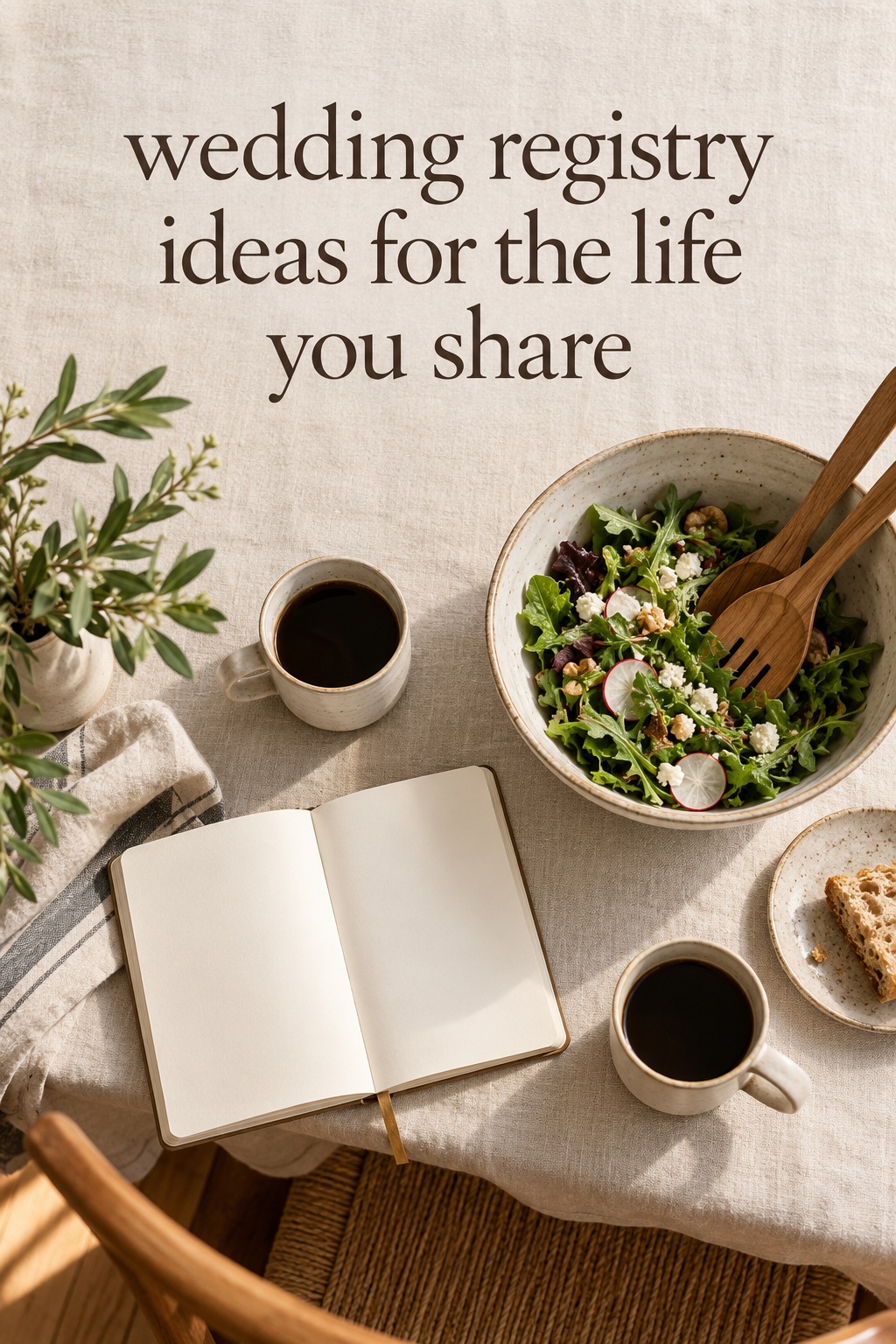
Think of your registry as a small portrait of the two of you. It should help a guest who knows your favorite Sunday breakfast find a suitable gift, while also helping a distant relative choose something practical. The process becomes calmer when you begin with the moments you want to support, then choose the formats and items that fit those moments.
Start with the life your registry should support
Before opening a store page, describe a few scenes from your shared life. Maybe one person cooks while the other sets the table. Perhaps you host friends for a casual game night, take long walks, collect books, or use every spare hour for a small garden. These scenes make better starting points than a checklist that assumes every couple needs the same home goods.
Turn wedding inspiration into a plan you can actually follow.
Zarellea brings your guest list, budget, vendors, and day-of details into one shared space — so no beautiful idea gets lost in the shuffle.
Each scene can lead to several kinds of gift. A couple who cooks together might appreciate one pan they use every week, a sturdy cutting board, or a class where they learn a new style of cooking. A pair who loves hosting might want a reliable set of everyday glasses, a serving bowl that fits their table, or a fund for a special dinner they plan to share with friends. The scene sets the direction; the registry item is only one possible expression of it.
Make a quick inventory of what already works. Separate items that are missing from items that are merely popular in registry roundups. If you own enough plates but dislike storing them, adding more plates will not solve the real problem. If a small appliance is used often and is becoming unreliable, an upgrade may earn its place. A registry can include useful replacements, but it does not need to turn every functional object into a project.
Then ask four questions about each idea: Will we use it? Does it suit the way we live? Do we have space to store it? Can we care for it? These questions make a beautiful but impractical item easier to set aside. They also help you explain why a less obvious choice belongs on the list. If an object supports a real routine, guests can understand its place even if it is not a traditional wedding gift.
Try to make decisions together. One partner may be drawn to the look of a piece, while the other notices its size, cleaning needs, or whether it can be used more than once a year. Both perspectives are useful. If you cannot agree, save the idea for a day or two and come back to it after checking your home, calendar, and budget priorities. A registry should feel shared in practice, not simply have two names at the top.
This routine-first approach gives you room to be specific without oversharing. You do not need a grand story for every item. A note such as “for the soup we make on cold Sundays” is enough to make a useful pot feel connected to your life. The goal is not to persuade guests that every choice is profound. It is to curate a list that you will recognize as yours.
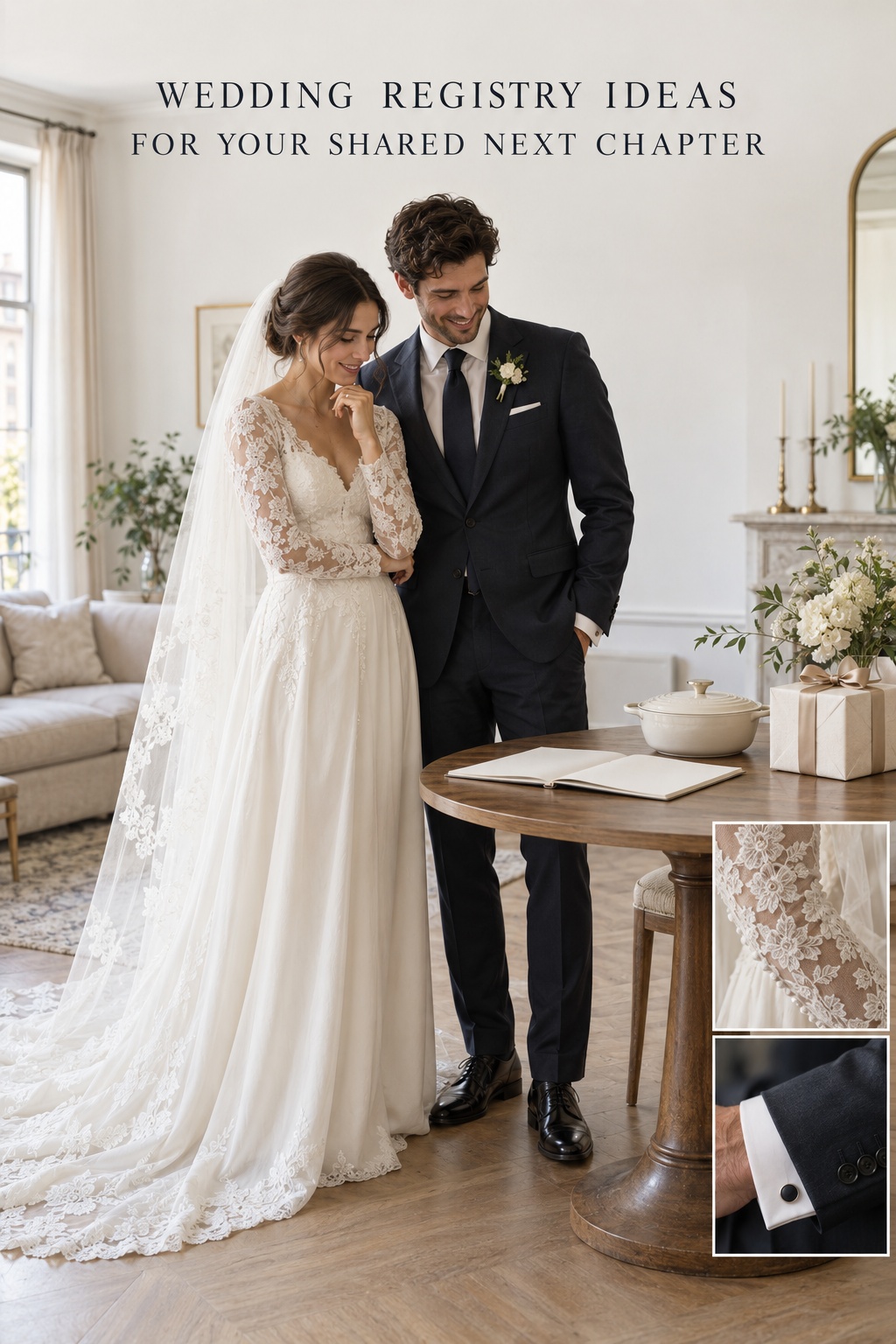
Find wedding registry ideas in the moments you share
Once you have a few real scenes in mind, look for ideas that support them. The examples below are prompts, not a required checklist. Keep the ones that match your routines and skip the rest. An item that makes sense in one home or relationship can be clutter in another.
For the everyday meal you make together
Start with the meal you actually cook, not an imagined dinner party for twelve. If you make pasta most weeks, a comfortable colander, serving spoon, or large bowl may be more useful than a specialty gadget. If breakfast is your favorite shared ritual, consider a kettle, a coffee accessory, a set of mugs that fit your shelves, or linens that make a small table feel ready for the day. Couples who rarely cook at home may prefer a restaurant fund or a flexible food experience instead.
Pay attention to the difference between a gap and a wish. A missing tool can solve a recurring frustration, while an upgrade can make a familiar task more enjoyable. You can add either, but it helps to be honest about why you want it. If the answer is only that it appears on every registry checklist, pause before adding it.
For the way you welcome people
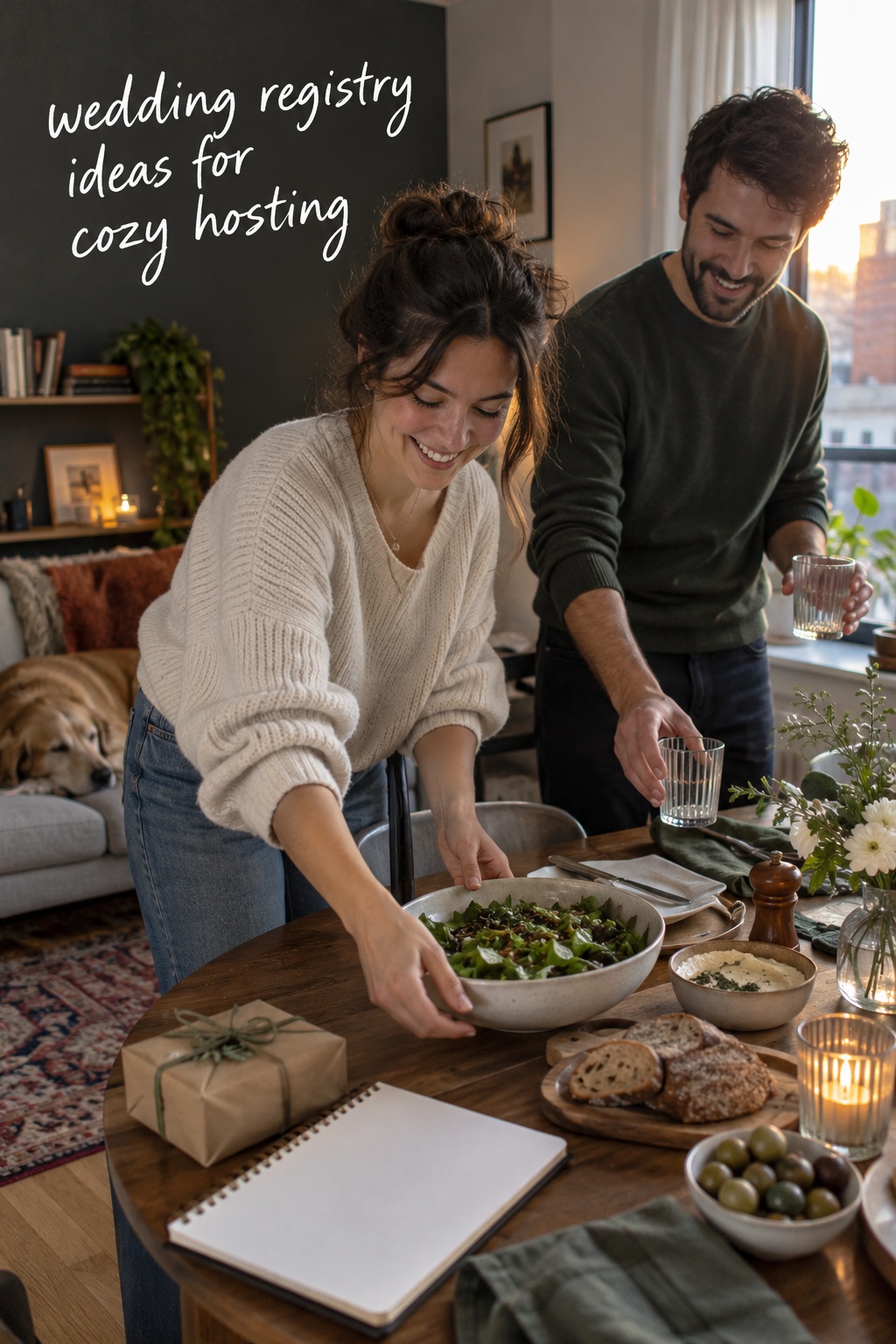
Hosting does not require a formal dining room or a matching collection. Think about what you serve and where everyone sits. A serving board might be useful for snacks on a coffee table. A pitcher can support outdoor meals, while cloth napkins or a table runner can make a small gathering feel considered. If you are more likely to host a movie night than a seated dinner, choose something suited to that kind of evening rather than formal serveware you would need to store.
Consider how an item behaves when it is in use. Does it fit in your dishwasher, cabinet, or countertop? Can it be carried from kitchen to table without awkward balancing? Will you reach for it during a normal gathering? Useful registry ideas often look modest on their own. Their value comes from how naturally they fit into the moments you repeat.
For rest, hobbies, and time away from home
Some of the most personal wedding registry ideas have little to do with a kitchen. A couple who reads together might choose a comfortable reading lamp or a contribution toward a bookcase. People who camp may need an item that improves the trips they already take. If you share a creative hobby, the right supplies or a class can be more meaningful than another decorative object. For a slower weekend at home, a blanket, board game, or a simple outdoor set may get regular use.
Experiences can work well when they are specific enough to picture and flexible enough to arrange. Instead of a vague request to “support our adventures,” describe the kind of activity you hope to enjoy, such as a local cooking class or a night away after the wedding. A clear description gives a guest a sense of what the contribution means while leaving you room to choose a date that works.
For a home you are still shaping
If you expect to move, renovate, or make a larger purchase, think carefully about what you can use now and what would be easier to choose later. A sturdy household staple may travel well between homes. A large piece of furniture may be difficult to select before you know its dimensions or delivery situation. A fund can give you flexibility, but only if it has a clear purpose and the wording feels comfortable to you.
For couples with limited storage, prioritize items that can replace something worn out, serve more than one purpose, or fold away. For a household with established basics, focus on meaningful upgrades, shared interests, or experiences. If you live in a small apartment, a class, museum membership, or a planned outing may be more useful than bulky equipment. These are adaptations to space and habits, not rules about who should register for what.
When you review possible gifts, imagine using them in the room or situation where they belong. A large serving piece may be lovely, but where will it live? A picnic blanket sounds appealing, but do you already pack one? A high-quality everyday object may be a better gift than several decorative accessories. This simple visualization protects the registry from becoming a collection of attractive things with no clear place in your life.
Balance useful gifts, experiences, and future plans
A registry can include physical gifts, experiences, group contributions, or a charitable option. You do not have to choose a single format. A balanced list gives different guests more than one way to participate, while helping you avoid the feeling that every choice needs to be a household object. Registry resources describe this mix; the useful decision is which parts fit your own priorities.
Physical gifts are easiest to understand when they connect to a concrete use. If you choose an everyday item, include enough detail that a guest can tell which version you want. A note can explain a preferred size, color family, or why an item suits a routine. Avoid adding an entire set when one or two pieces would solve the need. Specificity reduces guesswork and helps you keep the collection manageable.
Experiences can turn a gift into time together. Consider a cooking workshop, a performance, a weekend outing, a membership you will use, or a special meal. You may be able to add the experience directly to a registry, ask for a gift card, or describe the plan as a contribution. Before choosing a platform, check what it lets you write, how a contribution is delivered, and whether it works for the guests you expect to use it.
A cash fund is clearest when the purpose is understandable and the language is warm. You might explain that contributions will support a honeymoon activity, a home project, or a shared goal you are already working toward. Keep the wording brief and appreciative. Emily Post’s guidance on asking for money as a wedding gift emphasizes that couples can state a preference politely while leaving guests free to choose what feels right to them.
If a large item matters to you but the price feels high for one person to give, see whether the registry supports group gifting. Guests can then decide whether to contribute toward it. Do not imply that anyone should join a group gift or that there is a required amount. A group option is simply another way to make a meaningful item accessible to the people who want to participate.
A charitable donation can be included when it reflects something important to both of you. Name the organization or cause, explain the connection in one sentence, and make it one option among others if you want to leave guests room to select a physical or experience gift. This choice should feel like an honest expression of your values, not a way to signal that guests have chosen the wrong kind of present.
There is no perfect ratio between these formats. One couple may want mostly practical items with one experience. Another may have enough household goods and prefer a few keepsakes plus a clearly described fund. A helpful test is whether each major kind of gift on the list has a reason for being there. If a category appears only because you think a registry is supposed to contain it, you can leave it out.
Also consider the timing of your plans. An experience that must be booked on a specific weekend may be hard to use during wedding season. A fund for a future home project may take months to put toward its goal. A physical item may arrive before you have room for it. Add a short note about timing when it helps a guest understand the plan, then keep the details simple enough that the gift still feels enjoyable to give.

Make the registry thoughtful for guests to browse
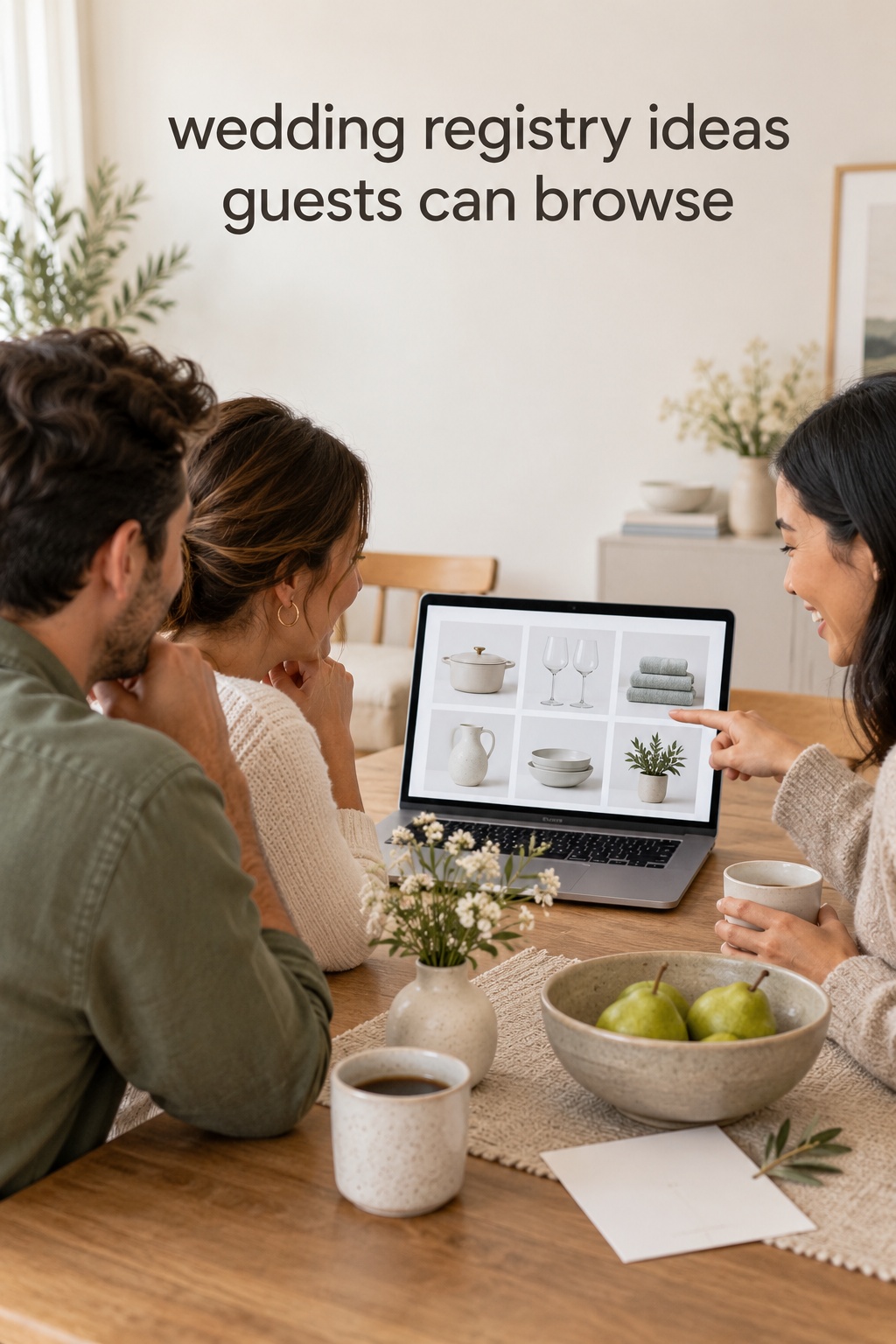
A registry is a guide, not an invoice. Guests should be able to find choices that suit their budget and gifting style, including people who prefer to buy a physical present and those who are comfortable contributing to an experience or fund. The exact list size depends on your guest count, prewedding events, and how quickly items are purchased. Rather than chasing a universal number, make sure the list has enough variety to remain useful as it changes.
Include a mix of smaller, midrange, and larger choices that make sense for your circumstances. A lower-cost option might be a kitchen tool, a book, or a small piece of serving ware. A shared contribution can help with a larger gift. You do not need to assign a spend level to particular guests or guess what each person can afford. Offer options and let people make their own decisions.
Use short notes to clarify the things a product page cannot. Mention if you prefer one color, if a certain size will fit your home, whether an experience has a flexible date, or what a fund is intended to support. Avoid instructions that sound like conditions. “We are saving this toward a weekend in the mountains” is more welcoming than a demand for a particular amount or a promise about how every dollar will be spent.
Think about how guests will reach the list. Many couples share registry details through their wedding website, where the links are easy to find alongside travel and event information. A registry page can also explain that your presence is what matters most while still sharing the options for those who ask. The Knot’s registry setup guide covers practical ways to add and share gifts. Check the etiquette that matters to your families and traditions, since expectations can differ.
Before sharing, ask a friend to open the registry as if they were a guest. Can they tell which items are available? Are the names and quantities clear? Does a fund explain its purpose? Can someone choose a lower-cost present without having to ask you what is acceptable? A quick outside review can uncover confusing labels, duplicate items, or a link that is hard to find.
Revisit the list when gifts are purchased or when your plans change. Add a few choices if the list is getting sparse. Remove an item if you no longer want it or it no longer fits your space. If a gift has been purchased but not delivered, use the registry’s tracking features or make a note for yourself so you do not accidentally register for a replacement. You are allowed to refine the list as your wedding approaches.
Most of all, keep the tone gracious. A registry helps guests choose, but nobody owes you a particular item or contribution. If someone asks directly what you would like, share the link or explain your preference in a warm, uncomplicated way. Thank guests for the thought they put into giving, whatever they choose. A registry is at its best when it makes generosity easier to express.
FAQ
What should we put on a wedding registry if we already have the basics?
Start with the routines, interests, and future plans you share. You might choose a useful upgrade, a hosting item you will use often, an experience, a class, a membership, a keepsake, or a fund for a clearly described goal. Add an item only if it fits your space and life together.
How many wedding registry ideas should we include?
There is no single number that works for every guest list or wedding. Create enough variety for the people who may shop before the wedding, at a shower, or closer to the date, then check the list if many options are purchased. A practical registry stays useful as guests make their choices.
Is it okay to include a cash fund on a wedding registry?
Yes, you can include a cash fund if it reflects a goal you are comfortable sharing. Give it a clear, warm description and do not frame a contribution as expected. Guests should remain free to choose a physical gift, an experience, a fund, or another gesture.
How can we make our registry feel more personal?
Choose ideas based on specific things you do together, such as cooking a favorite meal, hosting a game night, exploring nearby trails, or taking a class. Short notes can explain why an item suits you. Personal does not have to mean monogrammed or expensive; it means the list reflects your actual preferences.
Should we add experiences as well as physical gifts?
Experiences can give guests another option if you enjoy activities more than collecting household goods. You can include a class, outing, special meal, or membership alongside objects you genuinely need or want. Keep descriptions specific and check that the dates or redemption process are flexible enough for your schedule.
Where should we share our wedding registry?
Many couples put registry links on their wedding website so guests can find them with practical event details. You can also share the information through close family or the wedding party when guests ask. Keep the wording appreciative and avoid making the gift list feel like a requirement.
What if we do not want more things for our home?
Build the list around experiences, charitable giving, a future project, or a few carefully chosen consumable or personal items. You can still include one or two physical options for guests who prefer them. The registry should reflect what you would welcome, not an assumed need to furnish a home from scratch.